
Dental implants coverage has become one of the most frequently searched topics among patients seeking long-term solutions for missing teeth. As implant dentistry continues to advance, people want to know how much of the treatment cost is covered by insurance and how to make the most of their benefits. In 2025, dental insurance providers are slowly adapting to meet this growing demand, but understanding the fine details of what’s covered—and what’s not—is essential before beginning treatment.
To put it simply, dental implants coverage refers to how much of the total implant cost your insurance plan will pay for. Since implants are often categorized as both a functional and cosmetic procedure, insurers have traditionally been hesitant to offer full reimbursement. However, as studies increasingly show the medical necessity of implants for oral health, bone preservation, and improved quality of life, many companies are updating their policies to include partial or even full implant coverage in certain cases. 🦷
Why Dental Implants Are Considered an Investment
Before we discuss coverage specifics, it’s important to understand why dental implants are viewed as a lifetime investment. Unlike bridges or dentures, which typically need replacement every 5–10 years, dental implants can last for decades—sometimes a lifetime—with proper care. The titanium post fuses with the jawbone through osseointegration, creating a permanent and stable foundation for artificial teeth. This durability means implants not only restore your smile but also help maintain bone density, facial structure, and chewing efficiency.
Given these benefits, many patients expect insurance to cover the entire procedure. However, dental implants coverage varies widely across providers and policy types. Some insurance companies classify implants as elective or cosmetic, covering only part of the procedure, such as the crown or abutment, but not the surgical placement itself.
How Coverage Works: Breaking Down the Process
The process of obtaining reimbursement through your insurance depends on several factors—policy limits, annual maximums, waiting periods, and whether your condition is considered medically necessary. For example, if tooth loss resulted from trauma or disease, the insurer may be more likely to approve partial coverage. But if it’s due to aesthetic concerns, reimbursement rates may drop significantly.
Typical dental implant procedures involve multiple stages, including consultation, imaging (like X-rays or CT scans), surgical placement of the implant, healing period, abutment attachment, and crown placement. Each of these stages can fall under a different billing code, meaning your insurance may cover some steps and not others. For example, diagnostic imaging might be fully covered, while the implant post itself may only qualify for partial reimbursement.
Typical Cost and Coverage Breakdown
The average cost of a single dental implant in 2025 ranges between $3,500–$6,000 per tooth in the United States, depending on materials, location, and complexity. With insurance, you might expect partial dental implants coverage of around 30%–50% of the total cost, though this varies by provider.
Example price breakdown:
– Consultation & X-rays: $150–$400
– Implant post surgery: $2,000–$3,000
– Abutment: $500–$1,000
– Crown: $800–$1,500
– Bone graft (if needed): $400–$1,200
Some premium plans now include specialized implant riders, where patients can pay a slightly higher premium for full or enhanced dental implants coverage. It’s also worth noting that flexible spending accounts (FSA) and health savings accounts (HSA) can often be used to offset these costs, making implants more affordable even when insurance coverage is limited.
Why Coverage Differs Between Providers
Not all insurance companies operate under the same coverage philosophy. While some providers recognize dental implants as medically necessary—especially when they prevent bone resorption or restore essential oral function—others still categorize them under elective treatments. Insurance giants like Delta Dental, Aetna, and Cigna now offer partial implant benefits in their premium-tier plans, while others restrict reimbursement to specific cases like accident-related tooth loss.
Therefore, before scheduling your surgery, you should always request a pre-authorization estimate. This document helps you understand the total cost, the portion your insurer will cover, and your out-of-pocket expenses. It prevents unpleasant financial surprises and allows your dentist to submit the proper codes to maximize reimbursement.
The Importance of Policy Transparency
Many patients are unaware that even within the same insurance company, policies differ dramatically based on state, employer, or plan type. Reading your plan documents carefully—or consulting with your clinic’s insurance coordinator—can make a huge difference in understanding your dental implants coverage. Transparency also extends to understanding waiting periods; many insurers require a 6–12 month waiting period before implant coverage activates.
At Redent Klinik Contact Page, our insurance coordinators help patients decode the fine print of their insurance policies and identify the best options available. This personalized guidance often results in significant savings over time.
How Global Standards Influence U.S. Policies
Globally, organizations such as the American Dental Association have been instrumental in encouraging insurers to reclassify implants as medically essential treatments. This advocacy has already influenced policy updates in Europe, Canada, and Asia, with the U.S. following suit through 2025. The ADA emphasizes that implants not only restore smiles but also improve systemic health by preventing bone and gum deterioration caused by missing teeth.
Conclusion: Be Proactive, Not Reactive
To summarize, dental implants coverage is no longer a luxury reserved for high-tier insurance holders. As medical and dental industries continue to recognize implants as essential healthcare, insurance companies are adjusting their policies accordingly. Patients who research their plans, ask for written pre-approvals, and compare providers are far more likely to secure substantial coverage and reduce their expenses.
Ultimately, being informed is your best financial advantage. By understanding how dental implants coverage works, staying proactive with your insurance paperwork, and consulting trusted dental professionals, you can make the most of your benefits and achieve a healthy, confident smile for life. 🌟
How Dental Insurance Works for Implant Procedures
Understanding how dental implants coverage operates within modern insurance systems can be complex, but with the right knowledge, patients can save thousands of dollars while restoring their smiles. Dental implants are unique among oral treatments because they combine surgical, restorative, and cosmetic elements—making insurance categorization challenging. To maximize your reimbursement potential, it’s crucial to understand the structure of dental insurance, how policies are written, and which types of coverage apply to implants in 2025.
The Three Components of Dental Insurance Plans
Most dental insurance policies are divided into three tiers: preventive care, basic restorative care, and major restorative care. Unfortunately, dental implants often fall under the “major restorative” category, which has the lowest reimbursement rates. Preventive services like cleanings or X-rays might be covered 100%, while major procedures such as crowns, root canals, and implants may only be covered at 30%–50%, if at all.
For instance, your insurance may cover a portion of the crown placed over the implant but exclude the titanium post or surgical procedure. Understanding this tiered structure helps patients plan financially and avoid unexpected expenses. If your plan offers implant coverage, it will typically appear under the “major” section of your benefits document, sometimes labeled as “implant surgery” or “prosthetic replacement.”
Pre-Authorization: The Key to Maximizing Dental Implants Coverage
Before undergoing any surgical implant procedure, your dental office should submit a pre-authorization request to your insurer. This step ensures that the insurer reviews the treatment plan, evaluates medical necessity, and provides an estimate of what portion they’ll pay. The process may take a few weeks, but it offers transparency and prevents billing surprises.
During pre-authorization, insurers look for documentation proving the need for implants—such as X-rays, periodontal assessments, or medical reports. Patients missing teeth due to injury, infection, or congenital conditions often receive higher approval rates. This documentation can significantly impact the extent of your dental implants coverage.
How Deductibles and Maximums Affect Your Coverage
Every dental insurance plan includes two critical numbers: your annual deductible and annual maximum benefit. The deductible is the amount you must pay before insurance starts contributing, while the maximum is the total amount your insurer will pay within a calendar year.
Let’s say your plan’s annual maximum is $1,500. If your implant procedure costs $4,000, the insurer may pay up to 50%, but you’ll still hit your yearly limit quickly. The remainder becomes your out-of-pocket responsibility. Because dental implants are high-cost procedures, many patients spread their treatment over two policy years—covering the surgery in one year and the crown placement in the next. This strategy allows you to use two annual maximums and effectively double your dental implants coverage benefit.
Tip: Ask Your Dentist About Treatment Phasing
Strategically timing the stages of your treatment can help reduce your personal expenses. For example, scheduling the implant post placement in December and the crown installation in January allows coverage to reset between calendar years. Clinics experienced with insurance coordination, such as Redent Klinik Contact Page, can guide you through optimizing these timing benefits.
Out-of-Network vs. In-Network Coverage
Whether your dental provider is in-network or out-of-network can drastically impact your reimbursement. In-network clinics have negotiated rates with insurance providers, meaning they agree to specific pricing structures. Patients typically pay less upfront and receive faster claim processing. Out-of-network clinics, however, can charge higher fees, and insurers may cover a smaller percentage or none at all.
When evaluating dental implants coverage, always check if your chosen dentist participates in your insurance network. If not, request a cost estimate and clarify how much you’ll be reimbursed after submitting a claim manually.
Implants vs. Traditional Treatments: Why Coverage Differs
Many patients wonder why dental implants aren’t covered as comprehensively as dentures or bridges. The reason lies in insurance cost control and historical precedent. Dentures and bridges have been standard treatments for decades, so insurers built their pricing models around them. Dental implants, while now considered the gold standard, were once viewed as cosmetic luxuries.
As clinical research has proven the long-term oral and bone health benefits of implants, insurers have begun to adjust. Still, not every plan has caught up. This discrepancy explains why someone might receive full coverage for a bridge but only partial dental implants coverage for an implant that’s medically superior.
How Medical Insurance Can Sometimes Help
In rare cases, your medical insurance may contribute to dental implant costs—especially when tooth loss results from trauma, cancer treatment, or congenital defects. Medical insurers may categorize the implant procedure as reconstructive rather than cosmetic. Documentation from your dentist or surgeon explaining the functional necessity of the procedure can increase your chances of partial reimbursement.
Supplemental and Rider Plans for Enhanced Coverage
As of 2025, many insurers offer supplemental “rider” plans designed specifically for implant procedures. These riders can be added to your standard dental plan for a modest monthly fee, expanding your dental implants coverage significantly. They may include additional reimbursements for surgical placement, anesthesia, or bone grafting—costs that standard plans often exclude.
Patients who plan to undergo multiple implants or full-mouth restorations benefit most from these enhanced policies. The higher premiums are often outweighed by thousands of dollars in savings during the treatment process.
Filing a Claim Successfully
To ensure smooth reimbursement, proper documentation is vital. Always retain copies of treatment plans, X-rays, invoices, and explanation of benefits (EOB) forms. When your dental clinic files the claim, ensure the correct procedure codes (CDT codes) are used for each stage of the implant process. Incorrect coding is one of the most common reasons claims are denied or delayed.
Following up with your insurer’s claim department can expedite payment and help clarify any misunderstandings. If your claim is denied, don’t hesitate to appeal with additional documentation supporting the medical necessity of your implants.
Conclusion: Navigating the System with Confidence
While navigating the world of dental implants coverage can feel overwhelming, knowledge and preparation can transform the process. By understanding your plan’s structure, confirming in-network providers, using pre-authorization, and leveraging annual maximums strategically, you can maximize your benefits. In the end, dental implants are not just about aesthetics—they’re a long-term investment in your oral and overall health. With careful planning and the right support, insurance can make this life-changing procedure far more affordable than you might think. 🌟
For more information and expert guidance on insurance processing and treatment planning, visit the American Dental Association or reach out directly to Redent Klinik Contact Page for personalized assistance.
Which Dental Plans Include Implants: Full vs Partial Coverage
Choosing the right insurance plan can significantly impact how much of your dental implants coverage is reimbursed. In 2025, many insurance companies have expanded their policies to include at least partial coverage for implants—but not all plans are created equal. Understanding the differences between full and partial coverage can help you make the most cost-effective choice while ensuring you receive high-quality care. This section provides an in-depth look at how insurance types differ, what each plan covers, and how to identify the one that best fits your needs. 🦷
Full Coverage vs Partial Coverage: What’s the Difference?
In the world of dental insurance, “full coverage” rarely means 100% of the costs are paid. Instead, it typically means that the policy offers a broad range of benefits across preventive, restorative, and major procedures—including implants. “Partial coverage,” on the other hand, limits reimbursement to specific aspects of the procedure, such as the crown or abutment, while excluding surgical components.
For example, with full dental implants coverage, a patient might receive 50% reimbursement for the entire procedure—implant post, abutment, and crown—up to their annual maximum limit. Partial coverage may reimburse only the prosthetic crown while leaving the implant post surgery as an out-of-pocket expense. This distinction is crucial when budgeting for treatment.
Types of Dental Plans That Include Implants
Insurance policies vary across providers, but in 2025, four main types of dental plans dominate the market. Each offers different levels of dental implants coverage, and understanding their structures can help you decide which is best suited to your goals.
1. Preferred Provider Organization (PPO) Plans
PPO plans are among the most popular for patients seeking flexibility. They allow you to visit both in-network and out-of-network dentists, though in-network services usually come with higher reimbursement rates. Many PPO plans now include partial dental implants coverage, especially at the premium level. For example, a typical PPO might cover 40–50% of implant-related costs after the deductible is met, up to an annual limit of $2,000–$3,000.
PPOs are ideal for patients who value choice and are willing to pay a slightly higher premium in exchange for broader provider access and improved coverage options.
2. Health Maintenance Organization (HMO) Plans
HMO dental plans operate on a network-based system that requires patients to select a primary dentist. While these plans are usually more affordable, they often offer limited or no dental implants coverage. Instead, they may cover only alternative treatments such as dentures or bridges.
However, in 2025, some progressive HMO plans have begun offering implant benefits for an additional monthly fee, known as an “implant rider.” If you’re enrolled in an HMO, check whether your provider offers this add-on option—it can substantially reduce your costs if you’re planning an implant procedure.
3. Indemnity (Traditional) Insurance Plans
These are often called “fee-for-service” plans. They give you the freedom to choose any dentist and pay a fixed percentage of the total cost for each covered service. Indemnity plans tend to be more flexible and may include more generous dental implants coverage than HMOs or basic PPOs. However, they often come with higher premiums and deductibles.
For example, a traditional indemnity plan might reimburse 60% of implant costs but require you to pay upfront and submit a claim for reimbursement later. This type of plan works well for patients who prefer complete control over their care choices and don’t mind handling paperwork.
4. Discount Dental Plans
While not technically insurance, discount dental plans are membership-based programs that offer reduced rates on specific procedures. Members pay an annual fee and receive significant discounts on treatments, including implants. While there’s no reimbursement involved, the upfront savings can range from 10% to 40%, depending on the provider network.
Although these plans don’t provide traditional dental implants coverage, they can still be valuable for patients without standard insurance or those seeking affordable options for multiple implants.
Full Coverage Policies: What to Expect in 2025
As dental technology becomes mainstream, some premium insurance policies now offer near-full implant coverage. These policies are often available through employer-based plans, large dental groups, or private insurance upgrades. They typically cover:
- The surgical placement of the titanium post
- Abutment installation and dental crown
- Diagnostic imaging such as X-rays and CT scans
- Bone grafting when medically necessary
However, even full dental implants coverage plans usually come with annual or lifetime caps—meaning the total reimbursement might not exceed $3,000–$5,000 per tooth. Patients needing multiple implants should review these limits carefully to avoid unexpected costs.
Partial Coverage Policies: What’s Included
Partial plans tend to focus on the prosthetic components of the implant rather than the surgical portion. For example, insurance may pay for the crown and abutment but not for the implant post. Others might only reimburse if the tooth loss is due to trauma, disease, or an extraction caused by infection.
To maximize partial dental implants coverage, ask your dentist to submit detailed documentation highlighting the medical necessity of the procedure. Insurers are more likely to approve claims that demonstrate health restoration rather than purely cosmetic improvement.
Employer vs. Individual Dental Plans
Employer-sponsored dental insurance tends to provide better coverage terms than individual policies because group plans spread the financial risk across multiple employees. Many companies now recognize the importance of oral health to overall wellness and offer implant-inclusive policies as part of premium benefit packages.
Individual policies, however, give you more flexibility in choosing providers and add-on options like implant riders or higher annual maximums. If you plan to undergo implant surgery soon, review both employer and individual options to determine which provides better dental implants coverage based on your treatment timeline.
How to Identify the Best Plan for You
When evaluating plans, look beyond the basic marketing claims. Examine the fine print for:
- Coverage percentages for major procedures
- Annual maximum benefit limits
- Waiting periods before coverage begins
- Pre-authorization and documentation requirements
- In-network versus out-of-network provider restrictions
It’s also a good idea to ask your dental provider for a predetermination of benefits. This allows you to submit a treatment plan to your insurer before starting any procedure, helping you see exactly how much will be covered under your plan.
Conclusion: Aligning Your Plan with Your Needs
Ultimately, the best dental implants coverage plan balances affordability, flexibility, and adequate reimbursement. Full coverage plans offer more security but come with higher monthly premiums, while partial coverage plans are budget-friendly yet limited in benefits. Whether you choose a PPO, HMO, or discount plan, always read your policy details thoroughly and discuss them with both your insurer and your dental provider.
Remember, insurance is only one part of the equation. Strategic timing, treatment planning, and professional guidance from reputable clinics like Redent Klinik Contact Page can help you maximize your benefits and minimize costs. For reliable industry updates and insurance policy standards, refer to the American Dental Association, which continuously advocates for better implant inclusion in dental plans worldwide. 🌍
Dental Implants Coverage by Major Insurance Providers in 2025
As implant dentistry continues to grow in popularity, understanding how major insurance providers handle dental implants coverage has become essential. In 2025, more insurers are acknowledging the importance of implants for long-term oral health, bone preservation, and patient confidence. However, coverage terms differ dramatically from one provider to another. Some offer partial reimbursement, while others provide comprehensive coverage under premium or supplemental plans. Below is a detailed overview of the major players in the dental insurance industry, their implant policies, and what patients should expect this year.
Why Knowing Your Provider’s Policy Matters
Each insurance company uses its own definitions and criteria to determine which parts of the implant procedure are “necessary” versus “cosmetic.” Understanding these nuances can help you maximize your dental implants coverage. For instance, while one provider may cover the surgical placement of the implant, another may only reimburse for the crown restoration. Reviewing your plan before treatment ensures there are no costly surprises later.
Top Dental Insurance Providers and Their 2025 Implant Policies
Here’s how some of the most widely used insurance companies handle dental implants today:
1. Delta Dental
Delta Dental remains the largest dental insurer in the United States, and its approach to dental implants coverage has evolved significantly in recent years. As of 2025, Delta Dental’s premium plans typically cover 40%–50% of implant costs, including the abutment and crown, after the deductible is met. Basic or mid-tier plans may exclude surgical procedures but include restoration components. The coverage often depends on whether tooth loss is due to trauma, disease, or natural deterioration.
Delta Dental also offers a lifetime maximum benefit for implants—often ranging between $2,000 and $5,000 per member. Patients are encouraged to obtain a pre-treatment estimate before proceeding with surgery to confirm exact reimbursement details.
2. Aetna
Aetna has positioned itself as a forward-thinking insurer with broader coverage options for dental implants. Many of Aetna’s PPO plans now include implants as part of their “major restorative” category. The reimbursement rate typically falls around 50%, though some plans require a 12-month waiting period before implant benefits activate. Aetna also allows policyholders to use their health savings accounts (HSA) toward implant costs, further reducing out-of-pocket expenses.
Patients using Aetna plans can also access online tools to estimate treatment costs and confirm dental implants coverage availability at specific dental offices within their network.
3. Cigna
Cigna is known for its flexible dental insurance plans and its willingness to adapt coverage to modern dental standards. In 2025, most of Cigna’s dental PPO plans provide partial implant coverage of up to 50% after deductible and co-insurance. Like Aetna, some plans enforce waiting periods, but once active, coverage applies to both implant placement and prosthetic restoration. Cigna’s more comprehensive policies also include bone grafting and diagnostic imaging under medical necessity clauses.
However, patients should note that Cigna’s discount plans do not provide traditional dental implants coverage—they simply offer reduced rates through participating providers.
4. Humana
Humana takes a balanced approach, offering mid-level and premium-tier plans with varying degrees of implant coverage. Their “Humana Complete Dental” plan, for example, reimburses up to 50% of implant-related costs, with an annual maximum of $1,500–$2,500. However, Humana’s basic plans generally exclude implants entirely, categorizing them as elective treatments.
One of Humana’s strengths is its partnership with specific in-network dentists who offer pre-negotiated pricing. Patients under these networks can enjoy cost savings even when insurance doesn’t fully cover the procedure. This makes Humana a competitive option for those seeking affordable dental implants coverage without upgrading to a high-premium policy.
5. MetLife
MetLife has expanded its dental plans in 2025 to include implant procedures as standard in many PPO packages. These plans typically cover up to 60% of implant surgery and crown placement, with a $2,000 annual maximum. MetLife also introduced an “Implant Enhancement Rider,” which allows policyholders to add extra implant benefits for an additional monthly cost. This add-on can increase total reimbursement limits, providing better financial flexibility.
MetLife emphasizes the importance of medical necessity documentation. Submitting pre-treatment X-rays and dentist statements can enhance approval chances for comprehensive dental implants coverage.
6. Guardian
Guardian Dental offers customizable plans that let employers or individuals choose implant-inclusive benefits. Its “Guardian Advantage Silver” and “Gold” plans now include partial implant coverage, typically at 50% after the deductible. Waiting periods range between 6–12 months. Guardian’s lifetime implant maximum benefit tends to fall around $3,000 per patient, though premium plans can go higher.
Guardian also rewards preventive care. Patients who consistently attend checkups and cleanings may qualify for “loyalty benefits,” which slightly increase their dental implants coverage percentage over time.
Comparing Policies: Key Takeaways
While the exact percentages and maximum limits vary, there are several patterns across all major insurers:
- Premium plans are more likely to include implants as part of “major restorative” procedures.
- Basic and low-cost plans tend to exclude implant surgery, covering only prosthetic restorations.
- Waiting periods are common, often ranging from 6 to 12 months.
- Annual maximums remain a limiting factor, typically between $1,500 and $5,000 per year.
- Pre-authorization and documentation of medical necessity significantly improve approval chances.
How to Maximize Your Benefits Across Providers
To get the most from your dental implants coverage, always request a predetermination of benefits from your insurer before starting treatment. This document outlines your reimbursement rates, out-of-pocket costs, and annual limits. Additionally, combining dental and medical insurance can sometimes yield greater savings—particularly in cases involving trauma or disease-related tooth loss.
Working with experienced clinics such as Redent Klinik Contact Page ensures that all paperwork, documentation, and billing codes align perfectly with insurer requirements. Proper coordination between your dentist and insurer can turn a denied claim into an approved one, saving you thousands of dollars.
Industry Outlook: The Role of Professional Advocacy
Organizations such as the American Dental Association continue to advocate for expanded implant inclusion in all insurance policies. They emphasize that implants are not just cosmetic but medically necessary for maintaining jawbone structure, speech, and overall oral function. This growing recognition is expected to push insurers toward broader dental implants coverage over the next few years.
Conclusion: A Smarter Approach to Choosing Your Provider
In 2025, nearly every major insurer offers at least partial reimbursement for dental implants, but understanding each provider’s limits is vital. Full dental implants coverage remains rare and often tied to higher-tier plans, yet partial options have expanded enough to make implants more accessible than ever before. By comparing benefits, asking the right questions, and partnering with experienced dental professionals, patients can make informed decisions that lead to long-term savings and healthier smiles. 🌟
How Much Do Dental Implants Cost Without Insurance?
One of the most common questions patients ask before beginning treatment is, “How much do dental implants cost if I don’t have insurance?” The answer depends on several factors—ranging from the clinic’s location and materials used to the surgeon’s experience and type of restoration. While dental implants coverage can help offset a portion of these costs, understanding the true out-of-pocket price of implants helps you plan effectively and avoid unexpected financial strain. This section provides a comprehensive breakdown of implant pricing, associated procedures, and cost-saving strategies for 2025.
Average Cost of a Single Dental Implant in 2025
As of 2025, the national average cost of a single dental implant in the United States ranges between $3,000 and $6,000 per tooth. This includes the surgical placement of the titanium post, abutment connection, and custom crown. These components make up the foundation of the procedure, and each stage adds to the total price.
Estimated cost breakdown for one implant:
– Surgical placement of titanium implant: $1,800–$3,000
– Abutment: $400–$800
– Crown (porcelain or zirconia): $1,000–$1,500
– Diagnostic imaging (X-rays, CBCT): $150–$400
– Anesthesia and clinical fees: $200–$600
– Bone graft or sinus lift (if needed): $400–$1,500
Without insurance, these expenses are paid entirely by the patient. However, some clinics offer package deals or payment plans, which can make treatment more accessible. High-end dental centers may charge more due to advanced imaging, guided surgery, and premium implant systems, while smaller local practices may offer more budget-friendly rates.
Factors That Influence the Final Cost
Several elements affect how much you’ll pay for dental implants. The most significant ones include:
- Geographic location: Urban centers like New York or Los Angeles typically have higher costs compared to smaller towns or rural areas.
- Type of implant material: Titanium implants are standard, but zirconia implants—considered more aesthetic and biocompatible—can increase costs by 10–20%.
- Complexity of surgery: Bone grafts, sinus lifts, or multiple missing teeth raise overall prices.
- Dentist’s expertise: Specialists such as oral surgeons or periodontists may charge higher professional fees than general dentists.
- Clinic technology: Advanced digital scanners, 3D imaging, and guided surgery systems contribute to precision but add cost.
These variables explain why two patients undergoing similar procedures might receive vastly different estimates. It’s always best to request a personalized quote during your consultation and ask the clinic to include every component—from initial consultation to crown placement—in the total estimate.
Cost Comparison: Single vs. Multiple Implants
When multiple teeth are missing, dentists often recommend options that reduce total cost per tooth. For instance, an implant-supported bridge replaces several adjacent teeth with just two or three implants, saving both surgical and material costs. Similarly, full-arch restorations such as “All-on-4” or “All-on-6” offer complete arch replacement with fewer implants.
Approximate 2025 pricing for multi-implant treatments:
– Two adjacent implants: $5,000–$9,000
– Implant-supported bridge (three-unit): $6,500–$10,000
– All-on-4 full arch restoration: $18,000–$28,000 per jaw
– All-on-6 full arch restoration: $22,000–$32,000 per jaw
These prices include surgical placement, abutments, and permanent fixed prosthetics. However, without dental implants coverage, patients are responsible for paying the full amount out of pocket. Fortunately, many clinics offer financing programs to make these procedures more manageable.
Hidden and Additional Costs to Consider
Patients often overlook the indirect costs associated with dental implants. These can include:
- Initial consultation fees: $100–$250
- CT scans and imaging: $150–$500
- Temporary prosthetics: $300–$800
- Follow-up visits: $100–$200 per session
- Maintenance costs: professional cleaning every 6–12 months
When calculating your total investment, always factor in these auxiliary costs. While they may seem minor, they can collectively increase your treatment expenses by several hundred dollars.
Regional Cost Differences Around the World
The cost of implants also varies dramatically depending on the country where treatment is performed. For instance, dental tourism has become increasingly popular, with patients traveling abroad for affordable care. Clinics in countries such as Turkey, Hungary, Mexico, and Thailand offer high-quality implants at a fraction of U.S. prices—often including accommodation and transportation packages.
Average implant costs by country (2025):
– United States: $3,000–$6,000 per tooth
– Turkey: $800–$1,200 per tooth
– Mexico: $1,000–$1,800 per tooth
– Hungary: $1,200–$2,000 per tooth
– United Kingdom: £2,000–£3,500 per tooth
While the lower price may be tempting, ensure that your chosen clinic meets international safety and sterilization standards. Many reputable clinics abroad, such as Redent Klinik Contact Page in Turkey, specialize in treating international patients seeking cost-effective implant solutions without compromising on quality.
Financing and Payment Options
Even without insurance, several financial tools can make implants more affordable. Many dental offices partner with third-party financing providers, allowing patients to pay in monthly installments. Options like CareCredit, in-house payment plans, or medical credit cards often feature low or zero interest for short-term repayment periods.
Additionally, patients can use funds from Health Savings Accounts (HSA) or Flexible Spending Accounts (FSA) to pay for implant-related procedures. While these aren’t substitutes for dental implants coverage, they offer substantial tax advantages that effectively reduce overall costs.
Tip: Ask for a Comprehensive Cost Estimate
Before proceeding, always request a detailed written estimate that itemizes every phase of treatment. This transparency helps you compare clinics, negotiate fees, and plan financing more effectively. Reputable clinics will gladly provide this breakdown during your initial consultation.
Why Implants Are Still Worth the Investment
Although implants are among the most expensive dental procedures, they offer unparalleled long-term benefits. Unlike dentures or bridges, implants preserve bone structure, restore natural chewing ability, and prevent further oral deterioration. Their average lifespan exceeds 25 years, making them cost-effective over time.
When comparing total lifetime costs, dentures often require replacement every 5–10 years, while bridges may need repairs or recementing. Factoring in these replacements, the long-term value of dental implants becomes clear—even without full dental implants coverage.
Conclusion: Understanding Value Beyond the Price Tag
While the cost of dental implants without insurance may seem daunting, the value they deliver far exceeds the expense. They restore both function and confidence, improving your health and quality of life. By exploring financing options, comparing international pricing, and planning carefully, you can make implants affordable even without traditional dental implants coverage. For further guidance on cost-saving strategies and international treatment options, visit the American Dental Association or consult the specialists at Redent Klinik Contact Page for personalized recommendations. 💎
Comparing Dental Implants Coverage Between Countries 🌍
When considering dental implants, one of the most eye-opening aspects is how much dental implants coverage varies across countries. Insurance systems, healthcare regulations, and the perceived medical necessity of implants differ widely around the world. For patients who travel internationally for treatment—commonly known as “dental tourism”—understanding these differences can help optimize both costs and coverage. In this section, we’ll explore how the United States compares with Europe, Canada, the United Kingdom, and Turkey, while also examining the role of public vs. private insurance in shaping global implant accessibility.
How Coverage Differs by Region
Every country has its own healthcare model that determines what dental procedures are covered and how patients are reimbursed. For instance, in the U.S., dental insurance is typically private and often only covers a portion of implant-related costs. In contrast, some European countries integrate dental benefits into public healthcare systems, though implants are still often considered “non-essential” or “cosmetic.”
The result is a global patchwork of policies—some offering generous reimbursements, while others leave patients paying entirely out of pocket. Let’s take a closer look at these regional variations.
United States: Partial Private Coverage Dominates
In the United States, most people rely on employer-sponsored or private dental insurance. As of 2025, even the best plans rarely provide full dental implants coverage. Instead, they reimburse around 30–50% of the total cost, with annual maximums ranging from $1,500 to $5,000. This is often insufficient for complete treatment, as a single implant can exceed that limit.
U.S. insurers still classify implants as “major restorative” procedures, not preventive or essential. However, forward-looking companies like Aetna, Cigna, and Delta Dental now offer supplemental “implant riders” for expanded coverage at higher premiums. The average out-of-pocket cost after insurance typically remains between $2,000 and $3,500 per implant.
Public Perception in the U.S.
American patients view implants as long-term investments, and many use financing tools like HSAs or third-party payment plans. The country’s emphasis on private healthcare means coverage varies widely depending on the employer or insurer.
Canada: Expanding Medical Justification for Implants
In Canada, public health care does not typically include dental procedures. Dental services fall under provincial jurisdiction and are primarily privately funded. That said, many private insurers have begun to expand dental implants coverage for patients with documented medical necessity—such as bone loss prevention or post-trauma reconstruction.
Canadian dental insurance plans often resemble U.S. models, with 50% coverage for major restorative procedures and an annual limit of $2,000–$3,000. Some provinces, including Ontario and British Columbia, offer limited public assistance for low-income patients or seniors, though implants are rarely included. Canadians seeking affordable options often turn to cross-border dental tourism in Mexico or Turkey for high-quality care at reduced prices.
United Kingdom: Limited NHS Coverage, Expanding Private Options
The National Health Service (NHS) in the UK provides only minimal implant benefits. Implants are typically available through the NHS only if medically necessary—such as in cases of facial trauma, oral cancer reconstruction, or congenital absence of teeth. Cosmetic or elective implants are excluded.
However, private insurers like Bupa, Denplan, and Simplyhealth offer optional dental implants coverage under comprehensive or premium policies. These plans can reimburse up to 50% of treatment costs, but only for pre-approved cases and within specific annual caps. Average private implant costs in the UK range from £2,000 to £3,500 per tooth, making dental tourism to countries like Turkey an increasingly attractive option.
Private vs. Public Dynamics
Patients in the UK often combine both systems: using the NHS for preliminary work (like extractions) and private clinics for the implant procedure itself. This hybrid approach helps reduce costs while ensuring access to high-quality materials and techniques.
Europe: Varying Coverage Under Public and Private Models
Across continental Europe, dental implants coverage depends largely on each country’s healthcare model. In countries such as Germany, France, and the Netherlands, implants may be partially reimbursed if deemed medically necessary. For instance, Germany’s public insurance system (Gesetzliche Krankenversicherung) typically covers up to 50% of the cost for patients with significant bone loss or missing teeth due to illness or accident.
Meanwhile, France’s Sécurité Sociale provides only minimal reimbursement, but many residents use complementary private insurance (“mutuelle”) to fill the gap. In Scandinavian countries like Sweden and Norway, public subsidies exist for older adults or patients with medical conditions, though elective implants remain self-funded.
European Average Pricing (2025)
Average implant costs by country (approx.):
– Germany: €2,000–€3,000 per implant
– France: €1,800–€2,500 per implant
– Spain: €1,200–€2,000 per implant
– Italy: €1,500–€2,400 per implant
– Sweden: €2,500–€3,500 per implant
Many European insurance programs recognize implants as part of comprehensive oral rehabilitation and thus provide structured reimbursement tiers depending on patient needs.
Turkey: Affordable Excellence in Dental Implants
Turkey has become a global hub for dental tourism due to its combination of advanced technology, experienced specialists, and competitive pricing. While Turkish public insurance (SGK) does not include implant reimbursement, private dental clinics often offer full treatment packages at a fraction of Western costs. A single implant typically costs between $800 and $1,200—less than one-third of U.S. rates—making it a popular destination for international patients.
Although domestic insurance does not include dental implants coverage, many international patients combine private financing with travel insurance that includes limited medical dental protection. Clinics like Redent Klinik Contact Page specialize in providing transparent cost estimates, multilingual support, and post-treatment follow-ups, ensuring both safety and satisfaction for global clients.
Asia and Latin America: Rapidly Growing Implant Markets
Countries such as Thailand, South Korea, and Mexico are expanding their implant industries rapidly. Thailand offers some of the most affordable implant procedures in Asia, with prices starting at around $900 per tooth. South Korea, known for its high dental standards, often includes implants under national health insurance for seniors aged 65 and above. In Mexico, private insurance plans sometimes cover up to 30% of the cost, while clinics attract international patients with bundled offers.
Global Trends in Dental Implants Coverage
Globally, the trend points toward greater accessibility and recognition of implants as essential healthcare. As the American Dental Association and other international dental associations continue to advocate for policy change, insurers are beginning to broaden their implant benefits. By 2030, experts predict that implants will be included under most comprehensive dental plans worldwide.
Conclusion: Navigating International Options Wisely
Comparing dental implants coverage between countries highlights a crucial truth: where you live (or choose to get treated) significantly affects your total cost and reimbursement potential. The U.S. and Canada rely on private systems, Europe balances public and private models, and countries like Turkey and Mexico lead the way in affordability and quality. For patients seeking both excellence and savings, exploring international options—especially in clinics known for world-class standards like Redent Klinik—can be a life-changing decision that restores both your smile and your confidence. 🌎
How to Get the Most Out of Your Dental Implants Coverage
Knowing how to maximize your dental implants coverage can make the difference between saving thousands of dollars and facing overwhelming out-of-pocket costs. Dental implants are a long-term investment in both health and aesthetics, and with the right strategy, you can optimize every part of your insurance plan—from pre-authorization to claim submission. In this section, you’ll discover expert-backed methods to ensure you receive the full benefits your insurance policy allows in 2025.
1. Start with a Comprehensive Insurance Review
Before any dental work begins, take time to carefully read your insurance plan’s Summary of Benefits. This document lists which treatments are categorized as “preventive,” “basic,” or “major restorative.” Because dental implants usually fall under the “major restorative” category, understanding percentage limits, waiting periods, and exclusions is vital.
Call your insurer directly to confirm whether implants are covered under your current policy. Ask for clarification on terms like “eligible procedures,” “annual maximum,” and “implant rider.” These phrases often determine how much of your dental implants coverage will actually be reimbursed. If possible, request a written copy of the information to avoid misunderstandings later.
Tip: Don’t Rely on Assumptions
Many patients assume that if their plan includes crowns or bridges, implants must also be covered—but that’s not always true. Coverage may only extend to restoration components (like the crown or abutment), not the surgical procedure itself.
2. Request a Pre-Authorization Before Treatment
One of the most effective ways to avoid financial surprises is to obtain a pre-authorization from your insurance provider. This is a formal estimate of what portion of the treatment they will cover, based on the dentist’s submitted treatment plan and supporting documents such as X-rays or digital scans.
Pre-authorization helps you plan your finances, compare options, and confirm whether your chosen clinic is in-network. It also provides proof of medical necessity, which can significantly improve your claim’s success rate and ensure you receive the maximum possible dental implants coverage.
What to Include in a Pre-Authorization Request:
- A detailed treatment plan from your dentist, including procedure codes.
- Radiographs or CBCT scans showing bone condition.
- Periodontal and medical history reports to demonstrate necessity.
- Estimated costs for each phase of treatment (surgery, abutment, crown).
Submitting complete documentation upfront can speed up insurer approval and reduce claim rejections later.
3. Time Your Procedures Strategically
Insurance policies often have annual maximums—usually between $1,500 and $5,000—which reset every calendar year. By dividing implant procedures across multiple years, you can effectively double your reimbursement potential. For example, scheduling the surgical placement in December and the crown installation in January allows you to take advantage of two benefit periods.
This technique, known as treatment phasing, is particularly useful for patients with partial dental implants coverage. It’s also an opportunity to spread costs and minimize the burden on your annual deductible.
Example Timeline:
• December 2025 – Implant surgery and post placement
• January 2026 – Abutment and crown installation
By timing strategically, you access two benefit years, potentially saving $1,000–$2,000 in additional coverage.
4. Leverage Employer Benefits and Flexible Accounts
If you have an employer-sponsored dental plan, check whether your company offers additional benefits such as a Health Savings Account (HSA) or a Flexible Spending Account (FSA). Contributions to these accounts are tax-free and can be used to pay for implant-related expenses that aren’t fully covered by insurance.
For example, if your out-of-pocket portion is $3,000, using pre-tax funds from your HSA can reduce your effective cost by 20–30%. Even though these programs don’t technically expand your dental implants coverage, they provide powerful financial leverage that complements your insurance.
5. Choose In-Network Providers Whenever Possible
In-network dental providers have pre-negotiated rates with your insurance company, which means your overall treatment costs will likely be lower. They also handle billing and claim submission directly, reducing administrative headaches.
Out-of-network dentists can still provide excellent care, but you may pay the full price upfront and wait weeks for partial reimbursement. Clinics like Redent Klinik Contact Page often assist international patients by providing detailed documentation and transparent cost breakdowns to streamline claim processing, even for out-of-country insurers.
6. Understand Your Annual and Lifetime Maximums
Every insurance plan sets limits on how much it will pay annually (and sometimes over a lifetime) for specific procedures. For instance, your insurer may cover implants up to $3,000 per year but cap the lifetime benefit at $10,000. Once this ceiling is reached, any additional procedures become entirely out-of-pocket expenses.
Knowing your annual and lifetime maximums allows you to plan large-scale restorations, like full-mouth or All-on-4 implants, over multiple years for optimal dental implants coverage.
7. Document Everything for Claim Success
Maintaining thorough records is one of the most overlooked yet effective strategies for maximizing insurance benefits. Save all invoices, X-rays, consultation notes, and communication with your insurance provider. If a claim is denied, these documents become your strongest evidence in an appeal.
Common Documentation Mistakes to Avoid:
- Submitting incomplete procedure codes (use CDT codes correctly).
- Failing to include the dentist’s report on medical necessity.
- Overlooking pre- and post-surgery X-rays as proof of treatment completion.
In the event of a dispute, these details can turn a denial into an approval, significantly enhancing your reimbursement percentage.
8. Explore Supplemental or Secondary Insurance Options
If your current plan offers limited dental implants coverage, you may benefit from purchasing a supplemental plan or adding an implant-specific rider. Supplemental policies are available from insurers like MetLife and Guardian, often for a modest premium increase. These plans expand annual limits, reduce waiting periods, and sometimes include full coverage for implant crowns and abutments.
For patients planning multiple implants, the long-term savings can easily outweigh the additional premium costs.
9. Combine Dental and Medical Insurance When Applicable
In certain cases, such as tooth loss caused by trauma, disease, or tumor removal, medical insurance—not dental—may cover portions of your implant treatment. Medical coverage can apply to surgeries, anesthesia, or bone grafting if the procedures are deemed reconstructive rather than cosmetic.
Your dentist can help you submit claims under the appropriate medical billing codes to maximize reimbursement. This dual-coverage strategy ensures that no benefit is left unused and that your total dental implants coverage extends beyond traditional dental limits.
Conclusion: Strategic Planning Leads to Maximum Savings
Maximizing your dental implants coverage requires a proactive, organized approach. By reviewing your policy, securing pre-authorization, timing your treatment wisely, and maintaining complete documentation, you can significantly reduce costs while ensuring high-quality care. Whether you’re using a domestic plan or considering international treatment at clinics like Redent Klinik, careful financial planning transforms dental implants from a luxury into a realistic, life-changing investment.
For additional guidance on insurance coordination and coverage optimization, visit the American Dental Association or consult your provider’s insurance department. Remember: knowledge is your strongest tool when it comes to unlocking the full potential of your coverage. 💡
Alternative Financing Options When Coverage Is Limited 💳
Even with the best insurance plans, dental implants coverage often falls short of fully covering the cost of treatment. Many patients face out-of-pocket expenses that can reach thousands of dollars, especially when procedures like bone grafting or full-mouth restorations are required. Fortunately, a variety of alternative financing options exist to make dental implants more accessible and affordable. These methods include flexible payment plans, medical credit lines, healthcare loans, and even international treatment options. In this section, we’ll explore every possible route to manage implant costs wisely without compromising quality or outcomes.
1. In-House Payment Plans from Dental Clinics
Many modern dental clinics now offer in-house payment plans as part of their patient care services. These plans allow patients to spread the cost of treatment over several months—sometimes even years—without needing to rely on third-party financing institutions. Payment terms vary by clinic but typically range between 6 to 24 months, often with low or zero interest.
For example, if your total implant cost is $5,000 and your dental implants coverage reimburses only $2,000, a clinic may allow you to finance the remaining $3,000 in equal installments. This flexibility makes high-quality care achievable for patients who otherwise might postpone treatment.
Benefits of In-House Plans:
- No credit check in many cases.
- Direct communication with the clinic about payment terms.
- Lower administrative fees compared to external lenders.
- Possibility of discounts for timely payments.
Clinics such as Redent Klinik Contact Page provide customized payment options for international patients as well, allowing affordability without compromising on quality or material standards.
2. Healthcare Credit Cards and Medical Financing
When dental implants coverage is insufficient, one of the most popular solutions is to use healthcare credit cards or medical-specific financing programs. These platforms, such as CareCredit in the United States, allow patients to pay for dental treatments in monthly installments, with repayment periods ranging from 6 to 60 months.
Healthcare financing often includes promotional options like 0% interest if the balance is paid off within a certain timeframe. This can be a strategic choice for patients who expect partial reimbursement later or plan to pay off the balance quickly.
Popular Financing Companies for Dental Procedures:
- CareCredit (U.S. nationwide)
- LendingClub Patient Solutions
- Sunbit (for short-term dental payments)
- Proceed Finance (long-term implant financing)
These programs assess creditworthiness but typically offer quick approvals and flexible repayment structures, making them ideal when insurance falls short.
3. Personal Medical Loans
Personal loans from banks or online lenders can also help cover implant costs when dental implants coverage is limited. These loans provide a lump sum upfront, which can be used to pay for the entire treatment, and are then repaid in fixed monthly installments over a set term.
Interest rates depend on credit score, income, and loan amount, but they’re often lower than those on credit cards. Patients who prefer predictable payments and no revolving credit lines find personal loans especially useful.
Key Advantages:
- Fixed interest rates for financial stability.
- Flexible loan amounts covering single or multiple implants.
- Ability to compare multiple lenders for the best rates.
Before taking a loan, it’s recommended to check your debt-to-income ratio to ensure the payments fit comfortably within your budget. Some patients also use personal loans to finance travel for dental tourism, as discussed below.
4. Dental Savings and Membership Plans
If your current insurance excludes implants altogether, joining a dental savings plan—also known as a membership plan—can significantly reduce costs. These plans function as subscription programs that provide discounted rates on treatments for an annual fee. Instead of reimbursements, members receive instant discounts from participating providers.
For example, a $200 annual membership could yield 20–40% savings on procedures, including implants, crowns, and bone grafts. While not a substitute for traditional dental implants coverage, these plans can dramatically cut expenses for uninsured patients.
Examples of Dental Discount Networks:
- DentalPlans.com (various participating dentists)
- Careington Dental Savings Network
- Smile Advantage or Kleer Plans (direct from dental offices)
Most of these plans require no approval or waiting period, which makes them perfect for patients seeking immediate treatment.
5. Employer and Union Assistance Programs
Some employers and unions provide supplemental dental benefits beyond traditional insurance. These programs can cover portions of implant costs or reimburse part of out-of-pocket expenses once receipts are submitted. In 2025, an increasing number of companies are recognizing the importance of oral health and adding implant coverage under “wellness” initiatives.
It’s worth checking with your HR department to see if any dental allowance or reimbursement plan exists. Even partial funding can complement your main dental implants coverage and ease financial pressure.
6. Health Savings Accounts (HSA) and Flexible Spending Accounts (FSA)
As mentioned in previous sections, HSAs and FSAs are tax-advantaged tools that can be used to pay for dental implant procedures. Funds contributed to these accounts are not taxed, effectively reducing your overall expense. While these don’t expand insurance coverage directly, they are a powerful way to pay for procedures that fall outside standard dental implants coverage.
Using HSA funds for implants qualifies as a legitimate medical expense because implants improve oral function and overall health, not just aesthetics. Always retain detailed invoices to ensure compliance with tax guidelines.
7. Dental Tourism: A Global Alternative
For patients seeking cost-effective solutions, dental tourism is a growing trend that combines affordable treatment with high-quality care. Countries like Turkey, Mexico, and Hungary have established themselves as leaders in the field, offering world-class dental services at prices 50–70% lower than in the U.S. or UK.
For example, a full-mouth implant restoration that might cost $30,000–$40,000 in the U.S. can often be completed in Turkey for $8,000–$12,000—with flights and accommodation included. Clinics such as Redent Klinik Contact Page provide full packages, including post-operative care, warranty policies, and English-speaking staff for seamless communication.
Important Considerations:
- Verify clinic credentials and certifications before traveling.
- Ensure post-treatment support and warranty terms are in writing.
- Consult your insurance to confirm whether limited dental implants coverage can apply abroad.
Many international patients find that even without full insurance reimbursement, the overall savings from dental tourism far exceed domestic treatment costs.
8. Crowdfunding and Community Support
In recent years, online crowdfunding has become an unconventional but effective way to raise funds for medical and dental treatments. Platforms like GoFundMe and GiveSendGo allow patients to share their stories and receive financial assistance from friends, family, and the wider community. This approach can help bridge the gap left by limited insurance and make dental restoration attainable.
Conclusion: Turning Financial Barriers into Solutions
While limited dental implants coverage can seem discouraging, today’s financial landscape offers many practical ways to make implants affordable. From in-house plans and medical loans to savings accounts and dental tourism, the key is to choose the strategy that aligns with your budget and timeline. Combining multiple methods—such as partial insurance, financing, and discount memberships—often delivers the best results.
Above all, investing in implants is a lifelong decision that restores both confidence and health. To learn more about financing programs and international implant options, visit the American Dental Association or consult experienced clinics like Redent Klinik. With careful planning, financial flexibility, and the right guidance, a beautiful, functional smile is well within reach. 💎
Common Myths and Facts About Dental Implants Coverage
When it comes to dental implants coverage, there’s a lot of confusion among patients—largely fueled by outdated information, misleading marketing, and overly complex insurance policies. These misconceptions often prevent people from getting the care they need, leaving them with missing teeth, reduced confidence, and ongoing oral health issues. This section separates fact from fiction and clarifies what’s true, what’s false, and what’s changing in the world of implant insurance in 2025.
1. Myth: Dental insurance never covers implants
This is one of the most common myths circulating online. While it’s true that traditional insurance plans used to exclude implants entirely, things have changed significantly. Many modern policies now include at least partial dental implants coverage, particularly for medically necessary procedures.
For example, if you lost a tooth due to trauma, bone loss, or periodontal disease, insurance may classify the treatment as reconstructive rather than cosmetic. This reclassification makes coverage possible. Major insurers such as Delta Dental, Cigna, and Aetna now offer implant-inclusive plans or optional implant riders for an additional premium.
Fact:
As of 2025, approximately 58% of private dental insurance plans in the United States offer some level of coverage for implant-related services—whether for the surgical placement, abutment, or crown. This number is expected to increase steadily as implants become the standard of care for tooth replacement.
2. Myth: Only the wealthy can afford implants without coverage
Another common misconception is that dental implants are a luxury treatment accessible only to those with high incomes. In reality, prices have become much more competitive thanks to global advances in technology, dental tourism, and financing options. Clinics in Turkey, Mexico, and Hungary, for instance, provide world-class treatment at 60–70% lower costs than those in North America or Western Europe.
Even if your dental implants coverage is limited, options such as in-house payment plans, medical financing, and flexible accounts make implants affordable for many patients. Combining these with partial insurance reimbursement can dramatically reduce overall expenses.
Fact:
Implants are now more accessible than ever before. According to the American Dental Association, global implant placement rates have increased by over 35% in the past decade, largely due to financing programs and improved insurance support.
3. Myth: Coverage is the same for all types of implants
Not all implant procedures are created equal—and neither is their coverage. Insurance companies distinguish between single-tooth implants, bridges supported by implants, and full-arch restorations like All-on-4 or All-on-6 systems. Your insurer may cover one but not the other, depending on your policy’s structure.
For instance, single-tooth implants are often classified as “restorative,” while All-on-4 systems may fall under “major prosthodontics,” which could carry higher copays or different annual limits. Understanding this distinction helps you anticipate out-of-pocket costs and plan accordingly.
Fact:
Always confirm whether your dental implants coverage applies per tooth, per arch, or per procedure. This detail can make thousands of dollars’ difference in total reimbursement.
4. Myth: You can’t appeal a denied implant claim
Many patients believe that once their insurance company denies an implant claim, there’s nothing they can do—but that’s far from the truth. If your treatment was medically necessary or backed by documentation from your dentist, you have the right to appeal the decision.
Appealing requires submitting additional evidence, such as radiographs, medical reports, or letters of necessity. Persistence often pays off, as many appeals result in partial or full reimbursement. Insurance companies sometimes deny claims automatically if initial documentation is incomplete, not because the treatment itself is ineligible.
Fact:
Success rates for well-documented appeal cases can reach up to 70%. Working with your dentist’s billing team and resubmitting the claim with proper codes can unlock hidden benefits within your dental implants coverage.
5. Myth: Dental implants are purely cosmetic
While implants certainly enhance your smile, they serve a critical medical function: preserving bone structure and restoring chewing efficiency. Labeling them “cosmetic” is an outdated perspective that many insurers are now abandoning. This shift has led to broader inclusion under standard and premium dental plans.
Implants help prevent jawbone deterioration—a process that starts immediately after tooth loss. By acting as artificial roots, they maintain bone density and facial symmetry, which are essential for long-term oral health. This medical necessity makes a strong case for inclusion under dental implants coverage.
Fact:
Medical studies have shown that patients who replace missing teeth with implants have a 90% lower risk of bone resorption and facial collapse. As such, insurers increasingly classify implants as “functional restorations” rather than elective enhancements.
6. Myth: You can’t combine dental and medical insurance
Some patients assume their medical insurance cannot be used for dental procedures, but certain cases qualify for dual coverage. When tooth loss results from trauma, tumor removal, or congenital defects, medical insurance can sometimes cover surgical and anesthetic components, even if the dental policy doesn’t.
By combining both types of insurance, you can maximize benefits and minimize out-of-pocket costs. For example, your dental insurance might cover the implant crown, while your medical plan reimburses surgical placement costs. This approach is particularly valuable for complex cases requiring bone grafting or sinus lifts.
Fact:
Dual billing is 100% legitimate when performed with proper medical necessity documentation. It’s one of the smartest ways to optimize dental implants coverage for comprehensive rehabilitation.
7. Myth: International implants aren’t covered or safe
Dental tourism has grown tremendously, but many patients wrongly assume that implants placed abroad are automatically excluded from insurance reimbursement. While not all insurers cover foreign procedures, some international policies or global health plans do include partial reimbursement for out-of-country dental care—especially when provided by accredited clinics.
Top-tier clinics like Redent Klinik Contact Page in Turkey work with global insurance carriers and provide detailed invoices and documentation in English, simplifying claim submission. These facilities use FDA- and CE-certified materials, ensuring quality equivalent to (or better than) Western standards.
Fact:
Patients who choose accredited international clinics often save 50–70% while maintaining the same standard of care. In some cases, insurers reimburse up to the domestic equivalent rate, even if full dental implants coverage isn’t applied abroad.
8. Myth: Once denied, implants can never be covered later
Insurance denial in one year doesn’t mean permanent exclusion. Plans evolve annually, and policy upgrades can introduce new benefits—including implant coverage. If your current policy excludes implants, ask your provider about adding a rider or switching to a comprehensive plan during the next enrollment period.
Additionally, new insurers frequently compete for customers by offering extended coverage. By comparing and updating your policy, you may unlock eligibility for implants without waiting years for approval.
Fact:
In 2025, over 40% of dental plans introduced new implant-inclusive tiers, reflecting a strong trend toward broader accessibility. Regular policy reviews are crucial to ensure you’re benefiting from current dental implants coverage standards.
Conclusion: Knowledge Dispels Costly Myths
The world of dental implants coverage is changing fast—and understanding the truth behind these myths can save you time, stress, and money. Implants are no longer reserved for the elite; they are an essential, health-driven solution that insurance systems increasingly recognize. Whether through improved policies, appeals, or financing options, the modern patient has more power than ever to access affordable, long-lasting implant care.
Always verify the facts with trusted sources like the American Dental Association and partner with reputable clinics such as Redent Klinik, which specialize in transparent, patient-friendly care. With accurate information and strategic planning, you can confidently navigate your insurance and achieve the healthy, complete smile you deserve. 😁
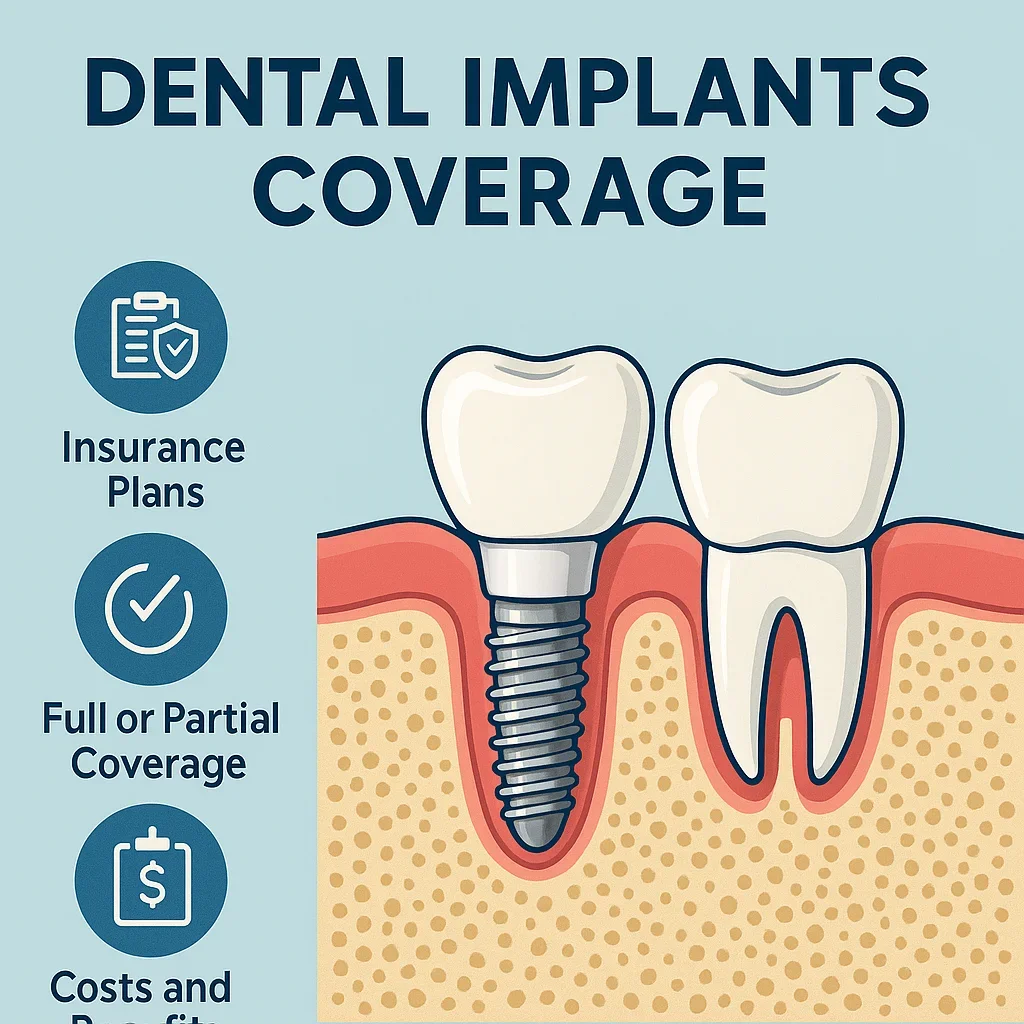
Future Trends: How Insurance Policies Are Evolving for Implants
The world of dental implants coverage is rapidly evolving. Once considered a luxury or cosmetic treatment, dental implants are now recognized as a medically necessary procedure that restores both oral health and function. As we move deeper into the 2020s, insurance companies, policymakers, and healthcare regulators are adapting their frameworks to make implant procedures more affordable and accessible for patients worldwide. This section examines the major trends shaping the future of implant coverage—from technological innovation and policy reform to international healthcare collaboration.
1. Growing Recognition of Medical Necessity
For decades, dental implants were excluded from most insurance policies because they were classified as elective procedures. However, mounting scientific evidence now shows that implants prevent bone loss, stabilize the jaw, and enhance nutrition by restoring chewing function. These benefits have shifted industry perceptions, and insurers are responding accordingly.
In 2025 and beyond, a growing number of insurers are revising definitions of “medical necessity” to include implant-related treatments. This reclassification is expected to significantly expand dental implants coverage across both private and public plans. For example, patients who have lost teeth due to periodontal disease, trauma, or systemic illness are now more likely to qualify for reimbursement under updated insurance criteria.
Fact Check:
According to the American Dental Association, at least 65% of major dental insurance providers are planning to expand implant benefits by 2030, focusing on medically indicated cases rather than purely cosmetic ones.
2. Integration Between Dental and Medical Insurance
Another key trend is the merging of dental and medical coverage. Traditional healthcare systems have long separated oral and general health—an approach increasingly viewed as outdated. New policies now recognize that oral health directly impacts systemic health, including digestion, cardiovascular function, and diabetes management.
As a result, insurers are beginning to allow cross-coverage for dental implants. For instance, a dental procedure might qualify under medical insurance if it prevents further health complications. This integration improves patient outcomes while reducing long-term medical expenses—a win-win scenario for both patients and insurance companies.
Example:
A patient who loses teeth due to a jaw injury in an accident may receive partial reimbursement from dental insurance for the restoration and from medical insurance for the surgical component, significantly increasing their total dental implants coverage.
3. Global Standardization and Policy Reform
Healthcare policymakers around the world are working toward more consistent standards for dental implant coverage. In Europe, new legislation encourages insurers to include restorative dental care under essential health services. Similarly, in North America, insurance providers are updating policy codes to recognize implant placement and related surgeries as core restorative treatments.
By 2030, global insurers are expected to adopt unified billing and procedure codes for implantology, simplifying cross-border coverage. This will particularly benefit expatriates, travelers, and dental tourism patients who receive treatment abroad but wish to claim partial reimbursement at home.
International Trend Spotlight:
- Germany and France have added partial implant reimbursements under public systems for patients with medical justification.
- Canada is exploring federal subsidies for implant procedures for seniors and veterans.
- Turkey and Hungary are collaborating with European health networks to establish international billing compatibility for foreign patients.
4. Digital Transformation and Predictive Insurance Models
Artificial intelligence (AI) and digital diagnostics are revolutionizing dentistry—and insurance policies are evolving alongside them. Smart imaging systems and 3D scanning technology provide detailed data that help justify claims by demonstrating bone density loss, implant needs, and medical necessity. These digital records reduce claim rejections and streamline pre-authorization processes.
Moreover, insurance companies are beginning to use predictive algorithms to calculate long-term patient outcomes and associated cost savings. Because implants last significantly longer than bridges or dentures, insurers increasingly view them as a cost-effective investment in preventive care rather than a short-term expense.
Future Outlook:
By 2035, AI-powered dental records may automatically sync with insurance systems, providing instant eligibility checks and pre-approvals for implant coverage. This could reduce administrative delays and increase transparency in dental implants coverage claims.
5. Expansion of Employer-Sponsored Dental Plans
Employers are playing a critical role in expanding implant coverage. As part of competitive healthcare benefits, more companies now include implant coverage in their dental insurance offerings. The trend is particularly strong in technology, healthcare, and finance industries, where companies use enhanced benefits to attract and retain top talent.
Some employers are even partnering with dental networks to negotiate group discounts on implant procedures, providing employees with both financial and clinical advantages. These partnerships signal a shift toward preventive dental wellness programs that recognize oral health as integral to overall productivity and quality of life.
Statistical Insight:
In 2025, approximately 38% of large employers in the U.S. have expanded dental benefits to include implants—up from just 14% in 2018. Analysts predict this number could exceed 60% by 2030 as workforce wellness becomes a corporate priority.
6. Rise of Hybrid Coverage and Supplemental Add-ons
As insurers recognize growing demand for implants, they are introducing hybrid plans and optional add-ons that specifically target implant procedures. These “implant riders” can be added to existing policies for a small premium and often include coverage for the surgical procedure, abutment, and restoration components.
These plans are especially beneficial for patients with partial dental implants coverage who need additional protection. They also help bridge the gap for retirees and self-employed individuals who may not have access to employer-sponsored insurance.
Example:
Patients may add a $15/month supplemental implant rider that expands annual maximums from $2,000 to $5,000 and reduces waiting periods from 12 months to 3 months—significantly improving affordability and access.
7. Government and Public Health Involvement
Public health authorities are starting to see dental implants not as a cosmetic upgrade but as a fundamental component of healthy aging. Several countries have begun pilot programs to subsidize implants for seniors, low-income individuals, or patients with disabilities. The rationale is clear: implants improve nutrition, speech, and quality of life—reducing long-term healthcare costs associated with poor oral health.
In the European Union, policymakers are working on harmonized regulations that encourage insurance providers to include essential oral rehabilitation procedures under public health schemes. Similar initiatives are being discussed in Canada and Australia, signaling a broader shift toward inclusivity in global dental implants coverage.
8. Patient-Centered Coverage Models
The future of dental insurance is moving toward personalization. Instead of rigid one-size-fits-all policies, insurers are now offering dynamic, data-driven models that adapt to patients’ individual risk profiles. For instance, non-smokers, patients with excellent oral hygiene, or those enrolled in preventive care programs may qualify for enhanced implant benefits or lower premiums.
These personalized plans incentivize good oral health while rewarding responsible patients with better access to implant care. This transformation makes dental implants coverage more equitable and encourages proactive oral wellness.
Innovation Example:
Some insurers are testing loyalty-based programs that expand coverage after a patient remains claim-free for a certain period, adding implant eligibility as a reward for preventive behavior.
9. The Role of Technology and Tele-Dentistry in Coverage Expansion
As tele-dentistry becomes mainstream, insurers are developing protocols for virtual consultations, implant planning, and post-surgery monitoring. This digital inclusion not only reduces costs but also improves accessibility for patients in remote areas. Insurers are beginning to recognize virtual implant follow-ups as billable and reimbursable services.
This trend strengthens patient engagement while improving claim efficiency, particularly for international patients seeking global coordination of care through clinics like Redent Klinik Contact Page.
Conclusion: A Future of Inclusivity and Accessibility
The future of dental implants coverage is brighter than ever. Advances in policy reform, digital documentation, and patient-centered care are reshaping the insurance landscape. Implants are no longer an elite privilege—they’re becoming a standard, medically justified solution for tooth replacement worldwide.
In the coming decade, expect more integration between medical and dental insurance, improved affordability through hybrid plans, and growing government support for implant access. As patients become more informed and insurers more adaptive, global oral health will reach new heights of accessibility and equity. For expert insights and personalized treatment guidance, always consult trusted organizations like the American Dental Association and certified international clinics such as Redent Klinik, where excellence meets innovation. 🌍🦷