
For many people seeking a straighter, more confident smile, Invisalign has long been the go-to solution. But as orthodontic technology advances, patients are increasingly asking whether there are treatments better than Invisalign — options that might offer faster results, lower costs, greater comfort, or better aesthetics. This article explores what makes a treatment “better,” examining all the latest innovations in clear aligners and braces that are transforming modern dentistry 🦷.
Invisalign has certainly earned its place in dental history. As one of the first clear aligner systems, it revolutionized orthodontics by offering a nearly invisible alternative to metal braces. However, it’s not perfect for everyone. Some patients experience discomfort, treatment delays, or challenges in complex cases. Others are deterred by the cost or the maintenance routine required to keep aligners clean and effective. This is why understanding the alternatives is so important — there may be solutions better than Invisalign depending on your dental needs, budget, and lifestyle.
One of the key reasons people explore alternatives is treatment efficiency. Traditional Invisalign often requires multiple sets of trays, with each set worn for about two weeks. Depending on the complexity of the alignment issue, full treatment can last from 12 to 24 months. Newer orthodontic systems, however, use more advanced materials and digital scanning methods, potentially reducing treatment time by several months. These innovations have led both dentists and patients to question whether some of these emerging options are indeed better than Invisalign.
Another critical factor is comfort. While Invisalign aligners are smooth and transparent, they can sometimes cause soreness during the first few days of wear. They must also be removed for eating and drinking anything other than water — a requirement that can feel inconvenient for busy individuals. Some patients find that alternatives like lingual or self-ligating braces eliminate the need for tray changes and offer more consistent results with less manual effort. It’s in these aspects that certain modern systems stand out as better than Invisalign in daily use and comfort.
Cost considerations also play a huge role. Invisalign treatments typically range from $3,000 to $7,000, depending on complexity and geographic location. Some alternatives, such as Byte or Smile Direct Club, are priced significantly lower because they leverage at-home treatment models or simplified aligner systems. Patients who want quality results without breaking the bank often find these solutions better than Invisalign for their financial situation. However, it’s important to consult with a qualified orthodontist before choosing — what’s cheaper isn’t always better, especially for complex misalignments.
From a materials standpoint, new aligner systems have started using ultra-clear, stain-resistant, and more flexible plastics than those used by Invisalign. Companies like Spark and ClearCorrect are pushing innovation further by designing trays that resist clouding and maintain their transparency over time. These aligners can also apply pressure more evenly, reducing discomfort and enhancing movement precision. Such advancements make them contenders for being better than Invisalign from both a scientific and cosmetic perspective.
Another dimension to consider is the treatment customization process. Invisalign relies heavily on 3D imaging and software simulations, but some of the newer competitors now use AI-driven predictive modeling that adjusts treatment in real-time based on progress scans. This dynamic approach helps achieve more accurate outcomes and reduces the risk of treatment setbacks. In complex orthodontic cases, where traditional aligners struggle, these AI-enhanced systems have demonstrated results that many orthodontists view as better than Invisalign.
For patients prioritizing aesthetics, lingual braces — which are fitted behind the teeth — offer a completely invisible solution. They provide powerful alignment control without any visible hardware, making them especially appealing to professionals and public figures. Although lingual systems require expert installation and may initially affect speech, they’re often seen as a discreet option better than Invisalign for those who value invisibility and precision in equal measure.
Beyond aesthetics and technology, patient support is also crucial. Invisalign patients primarily rely on periodic check-ins with their dentist, but some alternative providers now offer hybrid models combining in-person and remote monitoring. This flexible approach allows patients to receive professional oversight without frequent office visits. Enhanced communication and progress tracking systems ensure that patients feel supported throughout treatment — another way certain orthodontic options can be considered better than Invisalign for modern lifestyles.
Ultimately, determining what’s better than Invisalign depends on your individual needs. If speed, cost efficiency, or complete invisibility is your priority, then newer systems like Spark, ClearCorrect, or lingual braces may deliver a more personalized and effective experience. However, the key is to have a professional consultation before making a decision. Your dentist can evaluate your bite, spacing, and goals to recommend the right system. If you’re exploring advanced treatment options or simply want expert advice, visit the Redent Klinik Contact Page to schedule a consultation with our experienced orthodontic team.
For additional resources on dental standards and professional orthodontic practices, check out the American Dental Association, a trusted authority on oral health care and treatment safety. With the right information, you can make an informed choice that leads to a smile you’ll be proud of — possibly with a solution truly better than Invisalign 😁.
1. Why People Are Looking for Options Better Than Invisalign
Invisalign has long been considered the gold standard for clear aligner therapy, offering patients a discreet way to straighten their teeth without the discomfort or visibility of traditional braces. Yet, as dental technology continues to evolve, more individuals are beginning to ask whether there are treatments that are better than Invisalign in terms of efficiency, comfort, cost, and overall results. The growing curiosity around alternatives stems from the desire for faster, more personalized, and more affordable orthodontic care that still provides exceptional aesthetic outcomes.
Understanding the Limitations of Invisalign
Although Invisalign has transformed orthodontics, it isn’t perfect for everyone. One of the most common concerns patients report is treatment duration. While Invisalign treatment time varies by case, it typically lasts 12 to 24 months. In some cases—especially complex misalignments or severe crowding—it may even take longer. These extended timelines have led many to search for systems that are better than Invisalign in terms of speed and efficiency.
Another limitation is related to patient discipline. Invisalign aligners must be worn at least 20 to 22 hours a day to be effective. Skipping even a few hours regularly can delay progress, causing frustration for patients. Unlike self-ligating or lingual braces that stay fixed in place, Invisalign’s removable design relies heavily on user compliance. For busy professionals or teens, this can become challenging—one reason why alternatives may be considered better than Invisalign for lifestyle convenience.
Cost Considerations: Affordability and Value
Cost is another driving factor behind the search for treatments better than Invisalign. The average Invisalign treatment costs between $3,000 and $7,000 depending on geographic location and complexity. While that’s comparable to traditional braces, some alternatives—like Byte, Smile Direct Club, or ClearCorrect—offer similar results at a fraction of the price. Byte, for instance, provides at-home clear aligners that can complete mild to moderate corrections for around $2,000. These more affordable options make orthodontic treatment accessible to a broader audience without compromising quality.
It’s also worth noting that Invisalign’s branding and technology licensing contribute to its pricing structure. Competitors have begun leveraging open-source or in-house scanning and printing technologies, reducing overhead costs. These savings are passed on to consumers, creating a new generation of treatments that are financially and practically better than Invisalign.
Comfort and Convenience: What Patients Really Want
Patient comfort is a major factor when choosing an orthodontic treatment. Although Invisalign aligners are smoother and more discreet than braces, they can still cause discomfort—especially during the initial adjustment period when trays are tight and pressure is applied to teeth. Additionally, users must remove aligners to eat or drink anything besides water, which can be inconvenient in public or social settings. For this reason, options like lingual braces, which stay in place 24/7 and remain invisible behind the teeth, are often perceived as better than Invisalign for those who want both comfort and continuity.
Maintenance and Hygiene Factors
Cleaning Invisalign trays is another area that can become tedious. Aligners must be removed and brushed gently several times a day to prevent bacteria buildup and discoloration. Forgetting even once can lead to odor or clouding. Conversely, newer aligner systems use stain-resistant materials or antibacterial coatings that simplify maintenance. Patients who find Invisalign’s upkeep time-consuming may discover these improvements truly better than Invisalign for daily hygiene management.
Technological Advancements in Modern Orthodontics
Over the past few years, orthodontic innovation has skyrocketed. Companies now integrate 3D printing, AI-driven modeling, and smart tracking systems to create more efficient treatment plans. For example, Spark Aligners use TruGEN™ material that’s clearer and more flexible than Invisalign’s SmartTrack™, providing greater comfort and durability. AI-guided monitoring apps, used by some modern aligner systems, can even track movement progress weekly and alert the orthodontist to make digital adjustments instantly. These innovations are often cited as reasons why patients find some systems better than Invisalign in terms of results and precision.
Patient Feedback and Real-Life Experience
Another reason people are exploring alternatives is real-world experience. While many patients love Invisalign, others have shared challenges related to aligner fit, slippage, or prolonged discomfort. Online reviews, dental forums, and social media communities have given rise to a new transparency in orthodontics. As individuals share before-and-after results and honest experiences, it’s becoming clearer which products consistently outperform Invisalign in comfort, predictability, and satisfaction. These real-world accounts often guide patients toward systems that are genuinely better than Invisalign.
Comparing Clinical Supervision Levels
Invisalign treatment typically involves in-office monitoring every few weeks. However, newer aligner programs blend remote and in-person care, giving patients more flexibility. For example, hybrid models allow digital check-ins via smartphone apps that connect directly with the orthodontist. This reduces the need for frequent visits while maintaining professional oversight—a model many consider better than Invisalign for convenience and accessibility, especially for those with busy lifestyles or living in remote areas.
The Role of Aesthetics and Confidence
Finally, aesthetics play a vital role in why patients look for alternatives. While Invisalign aligners are clear, they can sometimes become cloudy or slightly visible, especially under certain lighting. Some advanced systems, like Spark and ClearCorrect, use materials that remain ultra-clear throughout treatment. Others, like lingual braces, are completely hidden from view. For professionals, actors, and individuals frequently in the public eye, these options can feel better than Invisalign both visually and psychologically, helping them maintain confidence throughout their orthodontic journey.
In summary, the growing demand for options better than Invisalign reflects the modern patient’s desire for personalized, efficient, and comfortable orthodontic solutions. Whether motivated by speed, cost, comfort, or appearance, people now have access to a range of innovative alternatives that meet their specific goals. To discover which treatment suits your smile best, consult an expert at Redent Klinik Contact Page for professional guidance. And for authoritative dental standards, visit the American Dental Association website to ensure your chosen method aligns with proven clinical practices.
2. Lingual Braces: The Hidden Alternative That Works Better Than Invisalign
Among all orthodontic options available today, lingual braces stand out as a discreet, effective, and increasingly popular solution for people seeking something better than Invisalign. These braces are placed behind the teeth, making them completely invisible from the front—an ideal choice for adults and professionals who want to correct their smile without the appearance of traditional braces or the hassle of removable aligners.
While Invisalign aligners revolutionized cosmetic orthodontics by offering near-invisibility, lingual braces go a step further by being totally concealed. This unique positioning allows patients to enjoy aesthetic freedom while achieving high-precision results, often faster than aligner-based systems. But what exactly makes lingual braces potentially better than Invisalign? Let’s dive deeper into their structure, function, and advantages.
How Lingual Braces Work: Technology Behind the Smile
Lingual braces function similarly to traditional metal braces but with one crucial difference—they are bonded to the inner surfaces of your teeth, facing the tongue. Each bracket is custom-made to fit the unique curvature and alignment of your dental arch. Using advanced 3D imaging and CAD/CAM technology, orthodontists can map out every tooth movement with precision, creating a fully personalized system that many experts consider better than Invisalign for complex cases.
The process begins with a digital scan of the patient’s teeth. From there, a custom wire is designed to guide each tooth into its correct position. Unlike aligners, which rely on patient compliance, lingual braces apply continuous pressure, ensuring consistent progress. This continuous engagement is one reason why lingual braces can sometimes deliver results in a shorter timeframe than Invisalign.
Precision in Tooth Movement
Invisalign aligners use plastic trays to gradually shift teeth, which can be less effective in correcting severe rotations or vertical movements. Lingual braces, however, allow orthodontists greater mechanical control over tooth movement. This makes them better than Invisalign for addressing challenging malocclusions such as deep bites, crossbites, or complex crowding. Their precision makes them particularly valuable in professional orthodontic treatment plans that require exact adjustments and predictability.
Aesthetic Benefits: True Invisible Orthodontics
One of the most celebrated advantages of lingual braces is their complete invisibility. Even Invisalign, which is marketed as “invisible,” can sometimes be noticeable under certain lighting or when aligners discolor over time. Lingual braces eliminate this concern entirely since they are hidden behind the teeth. Patients can smile, talk, and laugh freely without worrying about visible hardware, making this system better than Invisalign for individuals in client-facing or media professions.
Additionally, because the braces remain fixed, there is no risk of misplacing or forgetting them—a common issue with aligners. For individuals who prefer a set-and-forget system rather than one requiring daily removal, lingual braces are undeniably more practical and often more psychologically comfortable.
Comfort and Speech Adaptation
One of the initial concerns with lingual braces is tongue irritation or temporary speech changes. However, modern designs have minimized these issues. Brands like Incognito™ and WIN® use ultra-flat brackets and custom-contoured bases to reduce discomfort. Most patients adapt within a week or two, and once the adjustment period passes, they report minimal interference in daily speech or eating habits. Considering these improvements, many orthodontic experts now view advanced lingual systems as better than Invisalign in terms of long-term comfort and convenience.
Maintenance and Oral Hygiene
Lingual braces do require careful cleaning, but technological advancements have simplified maintenance. Specialized toothbrushes, water flossers, and angled interdental brushes help remove food particles efficiently. Unlike Invisalign, where trays must be constantly removed and cleaned, lingual braces stay in place, reducing the daily maintenance routine. For busy individuals, this aspect makes them not only easier to manage but also potentially better than Invisalign in terms of practicality.
Treatment Time and Efficiency
Depending on the case, treatment with lingual braces can often be faster than Invisalign. Since they apply constant pressure without relying on patient compliance, tooth movement occurs continuously. Studies show that for moderate cases, lingual braces may achieve results up to 20% faster than aligner-based systems. This efficiency contributes significantly to their reputation as a system that can be better than Invisalign for achieving precise alignment in a shorter timeframe.
Moreover, patients who need significant bite correction—something aligners struggle with—often see more consistent progress with lingual braces. Orthodontists can make direct mechanical adjustments during visits, something impossible with clear trays. This hands-on control enhances treatment predictability and ensures consistent alignment outcomes.
Cost and Accessibility
It’s true that lingual braces tend to cost more than traditional braces or Invisalign. Prices typically range from $8,000 to $12,000 due to the high level of customization involved. However, for patients seeking the most discreet and professionally efficient system, this investment can be justified. Many dental clinics, including Redent Klinik Contact Page, offer flexible payment options or financing plans to make lingual treatments more accessible. Considering their invisible design and superior precision, many professionals find lingual braces well worth the cost, often describing them as truly better than Invisalign for their needs.
Comparing Professional Oversight
Because lingual braces are installed and monitored directly by an orthodontist, patients receive continuous, hands-on care. This ensures adjustments are made in real time, leading to optimal alignment. Invisalign patients, by contrast, often rely on digital progress scans, which can overlook minor bite issues. This difference in supervision quality contributes to why many practitioners view lingual systems as better than Invisalign for long-term orthodontic success.
Who Should Choose Lingual Braces?
Lingual braces are ideal for adults, professionals, and individuals seeking total discretion. They are particularly suited for people who cannot remove their aligners regularly or who have complex bite issues that clear aligners struggle to correct. The combination of invisibility, mechanical control, and precision makes them a standout option for anyone wanting results that look natural and last a lifetime.
In conclusion, while Invisalign remains a reliable and aesthetic orthodontic solution, lingual braces represent a next-level advancement that combines invisibility with unmatched precision. For those who want an effective, hidden, and durable alternative, lingual braces may indeed be the choice that proves truly better than Invisalign. To explore this treatment in detail or book a professional consultation, visit the Redent Klinik Contact Page. For dental standards and orthodontic research updates, consult the American Dental Association, ensuring your treatment aligns with the highest professional guidelines.
3. Ceramic Braces: Aesthetic and Effective Choice Beyond Invisalign
When people think about orthodontic treatment, metal braces and clear aligners are usually the first options that come to mind. However, in recent years, ceramic braces have emerged as an elegant and efficient solution that some patients consider better than Invisalign. Combining the strength of traditional braces with a nearly invisible appearance, ceramic braces offer a middle ground for those who want precision, durability, and subtlety in their smile transformation journey.
Unlike the metallic shine of traditional braces, ceramic braces feature tooth-colored or clear brackets that blend naturally with your enamel. This visual advantage, combined with their proven effectiveness in complex orthodontic cases, has made ceramic braces a favorite among adult patients and image-conscious teens who are seeking something truly better than Invisalign in both function and aesthetics.
What Are Ceramic Braces?
Ceramic braces are structurally similar to metal braces but use brackets made of durable ceramic materials instead of stainless steel. These brackets can be color-matched to your teeth, offering a discreet appearance that rivals the transparency of clear aligners. However, the key difference—and one that makes them often better than Invisalign—lies in their ability to handle more complex orthodontic corrections.
Invisalign aligners rely on removable trays that gradually reposition teeth. While effective for mild to moderate misalignments, they sometimes struggle with severe crowding or bite discrepancies. Ceramic braces, on the other hand, can deliver precise control over each tooth’s movement thanks to the fixed wire system. This allows orthodontists to adjust angles, pressure, and rotation more accurately, making them superior for complex cases.
Durability and Material Innovation
One of the standout benefits of ceramic braces is the strength of their material. Modern versions are crafted from advanced polycrystalline or monocrystalline alumina, offering incredible resistance to pressure and staining. Earlier versions were more brittle, but modern ceramics can now withstand daily wear as effectively as metal braces. Because they stay attached to your teeth for the entire treatment period, they maintain constant pressure—an aspect that makes them potentially better than Invisalign for predictable and consistent tooth movement.
Aesthetic Appeal: The Blend of Beauty and Function
Patients often choose ceramic braces for their subtlety. Unlike metal brackets, which are visible even from a distance, ceramic brackets are designed to be less noticeable. They can be paired with clear or tooth-colored wires for an even more seamless look. For many adults who must maintain a professional appearance, this makes ceramic braces better than Invisalign in certain contexts—particularly for individuals who dislike removing and reinserting aligners in public settings.
Additionally, ceramic braces are less prone to discoloration than aligners, which can stain over time due to coffee, tea, or wine. Since ceramic brackets are bonded to your teeth and not removable, their color stability remains consistent throughout treatment, helping you maintain a confident, natural-looking smile.
Performance and Treatment Efficiency
Another reason ceramic braces are often viewed as better than Invisalign is their treatment efficiency. Because they are fixed, patients don’t need to worry about compliance or forgetting to wear them. Each bracket exerts continuous force, gradually moving teeth into their optimal position. This constant engagement typically results in faster treatment for certain cases compared to removable aligners, which rely heavily on patient discipline.
Invisalign users must wear aligners 20–22 hours daily for best results. Even minor lapses can extend treatment time. Ceramic braces eliminate that variable entirely, ensuring consistent progress without relying on daily routines. Orthodontists can also fine-tune adjustments directly during visits, providing precise control that aligners can’t always achieve.
Comfort and Adaptation
Modern ceramic braces have improved significantly in comfort. The edges of the brackets are smoother, and the materials are biocompatible, meaning they are gentle on gums and inner cheeks. While some mild irritation may occur initially, most patients adjust quickly. Because ceramic braces are smaller and lighter than earlier versions, they now provide an experience much closer in comfort to Invisalign, while still being considered better than Invisalign in terms of control and durability.
Maintenance and Care Tips
Maintaining ceramic braces requires some extra care. Patients are encouraged to brush and floss regularly, using interdental brushes or water flossers to remove trapped food particles. While ceramic materials are stain-resistant, the elastic ligatures (bands that hold the wire) can discolor over time. Regular orthodontic visits ensure these are replaced, keeping your braces looking clean and clear. With proper hygiene, ceramic braces can maintain their transparency and performance throughout treatment, making them a long-term solution that is arguably better than Invisalign for patients who prefer a fixed system.
Cost Comparison: Are Ceramic Braces Worth It?
The cost of ceramic braces generally ranges between $4,000 and $8,000, depending on the case complexity and region. While they may be slightly more expensive than traditional metal braces, they are often comparable in price to Invisalign. Given their strength, speed, and discretion, many patients consider the investment worthwhile—especially when compared to aligners that might need replacement trays or refinements. For those seeking the best balance between performance and aesthetics, ceramic braces can indeed be better than Invisalign in value and longevity.
Professional Oversight and Adjustments
Unlike at-home aligner systems, ceramic braces require professional monitoring, which ensures continuous progress and early detection of any complications. Regular visits allow orthodontists to make real-time adjustments, tighten wires, or change ligatures for improved results. This hands-on supervision is a major advantage for achieving an ideal bite and smile symmetry, further reinforcing why ceramic braces are often viewed as better than Invisalign from a clinical perspective.
Who Should Consider Ceramic Braces?
Individuals who prioritize discretion but need robust orthodontic correction are the ideal candidates for ceramic braces. They are suitable for adults, teens, and professionals who want aesthetic appeal without compromising treatment power. If you have moderate to severe alignment issues, ceramic braces can offer better results than aligners alone. Patients seeking long-lasting outcomes and precision often find ceramic systems better than Invisalign overall.
In summary, ceramic braces merge beauty and strength in a way that few other orthodontic systems can match. With advanced materials, faster treatment times, and enhanced aesthetics, they represent a powerful alternative for anyone pursuing a radiant, well-aligned smile. For a personalized consultation and to discover which treatment option best fits your needs, reach out through the Redent Klinik Contact Page. You can also learn more about orthodontic best practices and material safety from the American Dental Association, ensuring your decision is both informed and safe. With the right professional guidance, ceramic braces might just be your ideal choice—truly better than Invisalign for a lifetime of confident smiles.
4. ClearCorrect vs Invisalign: Which One Is Truly Better?
When discussing clear aligners, most people immediately think of Invisalign. However, another strong competitor has emerged over the years: ClearCorrect. Both treatments share a common goal — achieving straighter teeth with transparent aligners — but their differences in materials, technology, and treatment customization have led many to wonder which is truly better than Invisalign. In this section, we’ll take an in-depth look at ClearCorrect, its unique advantages, and how it stacks up against Invisalign in various aspects of orthodontic care.
Overview: What Is ClearCorrect?
ClearCorrect is an advanced clear aligner system developed in the United States and used globally by dental professionals. It functions similarly to Invisalign, utilizing a series of transparent, removable trays that gradually move teeth into their desired positions. The aligners are custom-made based on digital impressions or 3D scans of a patient’s mouth. However, ClearCorrect uses a different manufacturing process and aligner material, giving it certain qualities that many patients and dentists consider better than Invisalign for specific treatment needs.
Material Composition and Transparency
One of ClearCorrect’s standout features is its proprietary material known as ClearQuartz™. This tri-layer plastic provides exceptional strength and flexibility while maintaining superior clarity. Patients often report that ClearCorrect aligners are less visible than Invisalign trays, which can sometimes develop a slightly cloudy appearance over time. Because ClearCorrect aligners maintain their transparency for longer periods, they are aesthetically appealing, making them potentially better than Invisalign for professionals and public-facing individuals who prioritize an invisible treatment experience.
Fit, Comfort, and Thickness
Comfort is one of the biggest deciding factors for patients choosing between aligner brands. ClearCorrect aligners are generally thinner and more flexible than Invisalign’s SmartTrack material. This allows for a snugger fit that feels more natural against the teeth and gums. Many users describe them as lighter and less intrusive, contributing to an overall better wearing experience. These design differences make ClearCorrect not only more comfortable but sometimes even better than Invisalign when it comes to daily wear and speaking comfort.
Precision and Control of Tooth Movement
While Invisalign has long been praised for its digital precision, ClearCorrect has significantly improved its 3D modeling capabilities. Orthodontists using ClearCorrect have full control over every stage of treatment, with the ability to fine-tune individual tooth movements and even adjust aligner thickness for different pressure zones. This customization level can make ClearCorrect better than Invisalign in cases requiring subtle corrections or fine adjustments that demand manual clinical input.
Treatment Speed and Efficiency
When it comes to treatment time, both Invisalign and ClearCorrect vary depending on case complexity. However, ClearCorrect’s aligners often cover the teeth slightly higher, improving grip and allowing more efficient movement in some cases. This design difference means that certain patients experience faster results with ClearCorrect, especially for minor misalignments or moderate spacing issues. Orthodontists also report fewer mid-treatment refinements with ClearCorrect, making it a potentially better than Invisalign choice for those who value consistency and predictability.
Cost Comparison: Affordability and Accessibility
In terms of pricing, ClearCorrect tends to be more affordable. On average, Invisalign treatments range from $3,500 to $7,000, while ClearCorrect can start around $2,500, depending on the provider and treatment complexity. The lower cost doesn’t compromise quality — in fact, many dentists argue that ClearCorrect delivers comparable or superior results for less. This price advantage makes ClearCorrect particularly attractive for patients seeking an effective alternative that is both budget-friendly and better than Invisalign in financial terms.
Clinical Supervision and Treatment Flexibility
Another key difference lies in clinical control. Invisalign’s system automates much of the treatment planning through proprietary software, which sometimes limits orthodontists’ ability to make adjustments. ClearCorrect, on the other hand, offers dentists more flexibility to modify aligner sequences, add attachments, or adapt to treatment progress in real-time. This increased freedom allows orthodontists to provide more tailored care, often resulting in outcomes that are considered better than Invisalign from a professional standpoint.
Durability and Resistance to Staining
Both Invisalign and ClearCorrect are designed for durability, but ClearCorrect’s multi-layer construction enhances resistance against staining, cracking, and warping. This is especially beneficial for patients who consume coffee, tea, or red wine — beverages known to cause discoloration in aligners. Because of its material strength and stain resistance, ClearCorrect can maintain its integrity longer, making it better than Invisalign for patients who want a clean, fresh look throughout treatment.
Patient Experience and Lifestyle Compatibility
ClearCorrect aligners are fully removable, allowing patients to eat, drink, and brush freely, just like Invisalign. However, since ClearCorrect aligners fit more snugly and maintain their clarity longer, users often report feeling more confident in social interactions. Additionally, the thinner design minimizes irritation to the tongue and gums, further enhancing comfort. Many patients who have tried both systems say ClearCorrect simply feels more natural — a key reason why they find it better than Invisalign in day-to-day use.
Availability and Global Reach
While Invisalign dominates the market with global recognition, ClearCorrect’s network has expanded rapidly, especially in Europe and North America. Clinics like Redent Klinik Contact Page offer ClearCorrect as part of their orthodontic services, providing patients with a professional, clinic-based experience rather than mail-order aligners. This accessibility ensures personalized oversight while still maintaining competitive pricing — another factor that can make ClearCorrect a more balanced and sometimes better than Invisalign option overall.
Who Should Choose ClearCorrect?
ClearCorrect is an excellent choice for adults and teens seeking discreet orthodontic treatment without the high price tag. It’s ideal for patients with mild to moderate crowding, spacing, or relapse from previous orthodontic work. For those who want professional supervision combined with affordability and aesthetic appeal, ClearCorrect is arguably better than Invisalign in terms of value and comfort.
Ultimately, the best choice depends on your dental condition, lifestyle, and budget. Both systems deliver exceptional results when administered by skilled professionals. If you’re curious about which aligner system suits your unique needs, you can consult with experienced specialists through the Redent Klinik Contact Page. For further reading on dental aligner safety and material standards, refer to the American Dental Association — a trusted authority in orthodontic excellence. With the right advice, you can confidently choose the system that’s truly better than Invisalign for your dream smile.
5. Damon Braces: Faster and Smoother Teeth Alignment
In the evolution of orthodontic technology, Damon Braces have established themselves as one of the most advanced and efficient systems available today. Known for their self-ligating design and frictionless mechanics, these braces have been praised by both patients and orthodontists for delivering faster results with less discomfort. For individuals exploring alternatives that might be better than Invisalign, Damon Braces present a compelling combination of speed, comfort, and aesthetic discretion — making them one of the strongest contenders in modern orthodontics.
What Makes Damon Braces Unique?
Unlike traditional braces that use elastic or metal ties to hold the wire in place, Damon Braces utilize a self-ligating mechanism. This means that the brackets are designed with small built-in sliding doors that hold the wire securely without friction. This simple but revolutionary improvement allows teeth to move more freely, requiring less tightening and fewer adjustments. As a result, patients often experience smoother and faster alignment compared to other systems, making Damon Braces arguably better than Invisalign for efficiency and overall patient comfort.
Self-Ligating Technology Explained
The self-ligating technology behind Damon Braces eliminates the need for elastic bands, which can trap food and slow tooth movement. The sliding mechanism allows natural forces to work with the body’s biological processes, reducing resistance during treatment. Invisalign aligners, while comfortable, rely on tray changes and may not apply consistent pressure across all teeth. The continuous and adaptive force provided by Damon Braces can make them better than Invisalign for achieving comprehensive results, especially in moderate to severe alignment cases.
Speed and Efficiency of Treatment
One of the primary reasons patients consider Damon Braces better than Invisalign is the significant reduction in treatment time. Clinical studies show that Damon Braces can shorten orthodontic treatment by up to six months compared to traditional systems. The self-ligating design enables teeth to move with minimal resistance, which accelerates alignment and reduces the number of office visits. Invisalign treatment requires patients to switch aligners every 1–2 weeks and return for checkups every 6–8 weeks, while Damon Braces often need fewer appointments — a major advantage for busy adults and teenagers.
Additionally, Damon Braces are capable of handling complex orthodontic issues such as severe crowding, open bites, or crossbites that aligners sometimes struggle with. The enhanced control and continuous force application allow orthodontists to correct even intricate cases effectively. For this reason, many professionals view Damon Braces as a more comprehensive and reliable solution that is often better than Invisalign for challenging tooth movements.
Reduced Pain and Friction
Traditional braces apply significant pressure when tightened, leading to discomfort after each adjustment. Damon Braces, however, use low-friction technology that gently guides teeth into position without excessive force. This approach minimizes soreness and inflammation, creating a smoother and more comfortable treatment experience. Patients frequently report less pain with Damon Braces than with aligners, especially during the early stages of alignment, which can make them better than Invisalign for those seeking minimal discomfort.
Aesthetic Options: Damon Clear
While Damon Braces were initially made of metal, the system now includes a nearly invisible version called Damon Clear. These brackets are crafted from transparent ceramic material that blends naturally with tooth color. Damon Clear combines the efficiency of self-ligating technology with aesthetic discretion, providing a solution that rivals the visual appeal of Invisalign. For patients who want a fast yet subtle treatment, Damon Clear braces can be better than Invisalign since they remain fixed, require no removal, and provide continuous results without user error.
Maintenance and Oral Hygiene
One of Invisalign’s biggest selling points is removability, which simplifies eating and brushing. However, many patients struggle with maintaining consistent hygiene during aligner use, as trays can trap bacteria and must be cleaned meticulously after each meal. Damon Braces, on the other hand, are fixed and easy to maintain with regular brushing and interdental cleaning. The absence of elastic ties also means fewer places for plaque and food debris to accumulate. As a result, many dental professionals consider them better than Invisalign for long-term oral health management.
Long-Term Stability and Retention
Another area where Damon Braces shine is post-treatment stability. Because they work with biological forces and promote natural arch development, teeth tend to remain in their ideal positions longer after treatment ends. Invisalign can occasionally lead to relapse if the patient fails to wear retainers consistently. Damon Braces, by guiding teeth into a more stable arch form, reduce the likelihood of shifting — making them better than Invisalign for maintaining lifelong results.
Comfort During Speech and Eating
Many Invisalign users experience temporary lisping or speech difficulties when switching aligners. Damon Braces do not interfere with speech, as they are firmly fixed to teeth and do not cover the palate or gum line. Eating is also easier compared to aligners, which must be removed before every meal. This convenience factor makes Damon Braces better than Invisalign for individuals who prefer a seamless lifestyle without frequent tray removal or cleaning.
Cost and Accessibility
The cost of Damon Braces typically ranges from $4,000 to $8,000, similar to Invisalign. Although pricing may vary based on complexity and region, Damon Braces often offer better value for complex cases since they require fewer refinements. Many clinics, including Redent Klinik Contact Page, provide flexible payment options for Damon Braces, making them accessible to a wide range of patients. Considering their reduced treatment time, improved comfort, and strong long-term outcomes, Damon Braces often prove better than Invisalign in overall cost-effectiveness.
Professional Oversight and Fewer Errors
One of the major strengths of Damon Braces is that they are entirely orthodontist-managed. Invisalign relies heavily on patient compliance, while Damon treatments are continuously monitored and adjusted by professionals. This ensures precision at every stage of the process. The direct involvement of an orthodontist minimizes human error and enhances predictability — a key reason why Damon Braces are often described as better than Invisalign from a clinical perspective.
Who Should Choose Damon Braces?
Damon Braces are ideal for patients who want faster, more comfortable treatment and don’t mind a fixed system. They’re especially suited for adults and teens with moderate to severe alignment issues, where Invisalign might not provide sufficient control. For patients seeking a reliable, advanced, and efficient alternative, Damon Braces represent one of the best solutions available — a system proven to deliver results that many find truly better than Invisalign.
To explore whether Damon Braces are the right choice for your orthodontic goals, book an expert consultation via the Redent Klinik Contact Page. For more information on orthodontic standards, materials, and safety protocols, you can also visit the American Dental Association. With the right guidance and professional care, Damon Braces can help you achieve a radiant, perfectly aligned smile — faster, smoother, and possibly even better than Invisalign.
6. Spark Aligners: The Premium Clear Aligner That Outperforms Invisalign
When it comes to modern orthodontics, Spark Aligners have rapidly become a favorite among dental professionals and patients seeking a treatment that is not only effective but also exceptionally comfortable and aesthetic. As clear aligner technology continues to evolve, many experts now recognize Spark as a system that can be better than Invisalign in terms of clarity, comfort, efficiency, and clinical precision. Developed by Ormco, the same company behind the renowned Damon Braces, Spark represents the next generation of aligner innovation — designed for patients who demand the very best results.
What Are Spark Aligners?
Spark Aligners are advanced, custom-fitted clear trays made from Ormco’s proprietary material known as TruGEN™. This revolutionary material has been engineered to deliver superior performance over traditional aligners. It provides greater stain resistance, higher flexibility, and more consistent force application on teeth. As a result, patients experience more effective tooth movement and faster progress. These improvements have led many orthodontists to describe Spark as being better than Invisalign for both comfort and clinical outcomes.
The Technology Behind TruGEN™
The TruGEN™ material used in Spark Aligners is thinner and clearer than Invisalign’s SmartTrack™ material. It offers improved elasticity, which means it applies gentle yet constant pressure on the teeth, promoting steady movement without discomfort. Clinical studies suggest that TruGEN™ transfers up to 50% more sustained force than traditional aligner plastics. This precision and performance make Spark Aligners better than Invisalign in terms of biomechanical efficiency and tooth movement control.
Clarity and Aesthetic Superiority
One of the first things patients notice about Spark Aligners is their unmatched transparency. Invisalign trays, while clear, can sometimes appear slightly cloudy due to their thicker material composition. Spark Aligners, on the other hand, are virtually invisible even under bright lighting. They do not reflect as much light, making them ideal for individuals who want a truly undetectable treatment option. This enhanced clarity makes Spark Aligners not just a practical alternative, but visually better than Invisalign for patients conscious about aesthetics during their treatment.
Resistance to Staining and Discoloration
Invisalign aligners can stain over time, especially when exposed to coffee, tea, red wine, or colored foods. Spark’s TruGEN™ material resists discoloration far better, maintaining its crystal-clear appearance throughout the treatment cycle. This makes Spark Aligners easier to maintain and more appealing for people who enjoy beverages or meals that typically cause staining. For anyone who values a clean, polished smile even during orthodontic correction, Spark can confidently be considered better than Invisalign in daily wear aesthetics.
Comfort and Fit: A New Standard
Spark Aligners are digitally designed with 3D modeling to ensure a seamless fit against the teeth and gums. The aligner edges are precision-trimmed and polished, resulting in smoother margins that minimize irritation to the tongue and inner lips. Patients consistently report that Spark trays feel softer and more natural compared to Invisalign aligners, which can have slightly sharper edges. This enhanced comfort factor contributes significantly to why Spark is often regarded as better than Invisalign for long-term wearability.
Custom Treatment Planning with Doctor Control
One of Spark’s major advantages is its advanced treatment software, which gives orthodontists complete control over tooth movement. Invisalign uses a proprietary system that restricts certain modifications, but Spark’s open-platform design allows clinicians to fine-tune each stage of movement with greater freedom. This means orthodontists can optimize the plan for each patient’s anatomy and goals — something many consider better than Invisalign in terms of personalization and treatment accuracy.
Faster and More Predictable Results
Because of TruGEN™’s superior force retention and adaptability, Spark Aligners can achieve the same results in fewer aligner stages. The consistent pressure means teeth move more efficiently, reducing the total treatment duration by several weeks or months in some cases. Furthermore, Spark’s software uses AI-based modeling that predicts movement with remarkable precision, minimizing the need for mid-treatment refinements. These technological advancements make Spark Aligners not only faster but also better than Invisalign when it comes to achieving consistent, predictable results.
Biomechanical Advantages for Complex Cases
While Invisalign performs exceptionally for mild and moderate cases, Spark Aligners excel even in complex movements such as rotations, vertical shifts, and crossbite corrections. Their material flexibility allows more intricate movements without the need for additional attachments or refinements. Orthodontists who treat challenging cases frequently report better control with Spark’s aligner dynamics, which they often describe as better than Invisalign in biomechanical performance.
Patient Experience and Daily Use
Patients love Spark for its combination of comfort and discretion. The aligners are easy to remove, clean, and replace, fitting seamlessly into daily routines. They do not interfere with speech, and their slim profile allows normal eating and drinking habits (after removal). Many users find they need less adjustment time compared to Invisalign, as the trays feel lighter and less intrusive. For individuals who want a smoother orthodontic experience with minimal adaptation, Spark Aligners are often rated better than Invisalign by users worldwide.
Cost and Accessibility
While Spark Aligners are a premium product, their pricing is often comparable to Invisalign — typically ranging from $3,500 to $7,000 depending on case complexity. Considering their enhanced clarity, comfort, and treatment speed, many patients see them as a better value investment. Several clinics, including Redent Klinik Contact Page, offer Spark Aligners with expert orthodontic oversight and flexible payment plans, making them an accessible choice for patients seeking high-end results.
Long-Term Results and Retention
Spark Aligners are designed to deliver not just short-term cosmetic improvements but stable, long-lasting outcomes. By applying controlled, low-force movement, they promote bone remodeling and root stability, which are essential for maintaining alignment after treatment. Compared to Invisalign, which may sometimes require additional refinement aligners, Spark’s precision often reduces post-treatment relapse risk — making them clinically better than Invisalign for long-term retention and satisfaction.
In conclusion, Spark Aligners represent the pinnacle of clear aligner innovation. They are clearer, more comfortable, and often more effective than their predecessors. With the perfect balance of technology, precision, and patient comfort, Spark has set a new benchmark in orthodontic excellence. For individuals considering treatment that’s truly better than Invisalign, Spark Aligners are an outstanding choice. To explore whether Spark is right for your smile, consult the specialists at Redent Klinik Contact Page, and refer to the American Dental Association for official orthodontic guidelines and professional standards.
7. Byte and Smile Direct Club: Affordable Choices Better Than Invisalign
For many patients seeking straighter teeth without the high costs or frequent dental visits, Byte and Smile Direct Club have emerged as revolutionary at-home orthodontic solutions. These systems cater to people who want convenience, speed, and affordability—all from the comfort of their own homes. While Invisalign remains a popular choice in clinics, Byte and Smile Direct Club have made orthodontic care more accessible and efficient, often being perceived as better than Invisalign in terms of cost-effectiveness and user convenience. Let’s explore how these remote aligner systems compare and why they’ve become major players in the global smile revolution.
How Byte and Smile Direct Club Work
Both Byte and Smile Direct Club operate using a direct-to-consumer model. Instead of visiting an orthodontist’s office for impressions or fittings, patients can order a mail-in kit to take 3D impressions of their teeth at home. These impressions are then analyzed by licensed orthodontists or dentists, who design a custom aligner plan. Once approved, the clear aligners are shipped directly to the patient’s door, making the process convenient and fast. This remote model of treatment is one reason many consider these systems better than Invisalign for accessibility and time efficiency.
Byte’s Innovative HyperByte® Technology
One of the key differences that makes Byte stand out is its proprietary HyperByte® technology—a high-frequency vibration device designed to speed up treatment time. By using the HyperByte for five minutes daily, patients can enhance tooth movement and reduce discomfort during alignment. This innovation allows Byte users to complete treatment in as little as three to six months, whereas Invisalign treatments often take twelve to twenty-four months. For those who want quick results, this makes Byte significantly better than Invisalign in terms of efficiency.
Smile Direct Club: Accessibility and Global Reach
Smile Direct Club operates one of the largest tele-dentistry networks in the world. It offers both at-home impression kits and in-person scanning locations known as “SmileShops.” This hybrid model provides flexibility for patients who prefer either the convenience of home care or the reassurance of a professional scan. The company’s global presence and affordability have made it a popular alternative for individuals seeking orthodontic correction without the cost and commitment of traditional office visits. This broad accessibility makes Smile Direct Club better than Invisalign for individuals with busy schedules or limited access to local orthodontists.
Cost Comparison and Affordability
One of the most attractive features of Byte and Smile Direct Club is their affordability. Invisalign typically ranges between $3,000 and $7,000 depending on the case and location, while Byte costs around $1,999 for the full-day system and $2,399 for the nighttime-only version. Smile Direct Club aligns similarly, with prices around $2,050 for daytime wear. This dramatic cost reduction—often 50% or more—makes these at-home systems better than Invisalign for budget-conscious patients. Additionally, both companies offer monthly payment plans with zero-interest financing, making them accessible to a wider range of users.
Convenience and Lifestyle Compatibility
For modern users who value convenience, Byte and Smile Direct Club fit seamlessly into daily life. Patients can begin treatment without ever stepping into a dental clinic, and progress updates are managed through remote digital monitoring apps. Aligners are worn for 20–22 hours daily, similar to Invisalign, but the ease of obtaining replacements and managing treatment online offers unmatched flexibility. This hands-off, patient-centered model can make these systems better than Invisalign for people who travel frequently or prefer minimal appointments.
Nighttime Treatment Options
Another feature unique to Byte and Smile Direct Club is the option for nighttime-only aligners. Unlike Invisalign, which requires nearly full-day wear, these systems allow patients to wear aligners for just 8–10 hours at night. Although nighttime plans may take slightly longer, they provide convenience for people who find daytime wear challenging due to work or social interactions. For this reason, many adults consider nighttime systems better than Invisalign for lifestyle compatibility.
Treatment Oversight and Safety
Both Byte and Smile Direct Club collaborate with licensed dental professionals who review each treatment plan. However, it’s essential to understand that remote aligner systems may not suit every patient. Severe misalignments or bite corrections often require in-person orthodontic care. That said, for mild to moderate alignment cases, these at-home systems are clinically proven to deliver excellent results. The combination of digital progress tracking and professional oversight makes them a legitimate alternative, and for suitable cases, they can be better than Invisalign when balancing convenience and affordability.
Customer Support and Aftercare
Byte stands out for its lifetime guarantee called the “Byte-for-Life” promise. If your teeth ever shift after treatment, Byte will provide new aligners free of charge. Smile Direct Club also offers a “Lifetime Smile Guarantee™” under similar terms. These post-treatment guarantees give patients confidence that their investment is protected, something that even Invisalign doesn’t always match. This strong customer-focused approach reinforces why many users perceive Byte and Smile Direct Club as better than Invisalign in terms of ongoing support and satisfaction.
Effectiveness and Real-World Results
Clinical data and user testimonials consistently highlight high satisfaction rates with both Byte and Smile Direct Club. Users report noticeable improvements within weeks, with final results achieved within a few months for mild to moderate cases. While Invisalign remains superior for complex orthodontic corrections, Byte’s HyperByte system and Smile Direct Club’s wide accessibility ensure fast and reliable outcomes for simpler cases. These quick, visible improvements make them better than Invisalign for individuals seeking efficient, entry-level smile enhancements.
Professional Comparison and Limitations
It’s important to note that Invisalign treatments are closely monitored by orthodontists in-person, which remains an advantage for complex cases. However, for most mild misalignment issues, the difference in outcome quality is minimal. The convenience, cost savings, and advanced technology of Byte and Smile Direct Club often outweigh the benefits of in-office adjustments, positioning them as practical options that are realistically better than Invisalign for specific demographics, especially young professionals and frequent travelers.
Who Should Consider Byte or Smile Direct Club?
These systems are ideal for patients with mild crowding, spacing, or relapse from previous orthodontic work. They’re also perfect for people seeking low-maintenance, affordable, and fast treatments. Individuals who value digital connectivity and independence will find these aligners to be truly better than Invisalign for their lifestyle needs. However, anyone with complex bite issues or jaw misalignment should consult a professional orthodontist for a customized treatment plan.
In conclusion, Byte and Smile Direct Club represent the future of convenient orthodontic care. They combine cutting-edge technology, remote flexibility, and affordability to make beautiful smiles accessible to everyone. For the right candidates, they can be not only effective but genuinely better than Invisalign in multiple aspects—speed, cost, and simplicity. To determine whether these options are suitable for your case, schedule a professional consultation through the Redent Klinik Contact Page. For further verification on aligner safety and clinical standards, refer to the American Dental Association website, your trusted source for evidence-based dental information.
8. Expert Comparison: Durability, Comfort, and Results
When choosing between clear aligners and other orthodontic treatments, patients often focus on three critical factors: durability, comfort, and results. While Invisalign is well-known for its reputation and pioneering technology, new systems like Spark, ClearCorrect, and Damon Braces have raised the bar in each of these categories. For many patients and professionals, these alternatives can be considered better than Invisalign in terms of long-term reliability, patient experience, and treatment outcomes. This section provides a detailed expert comparison, helping you understand exactly where these modern systems excel — and where Invisalign still holds its ground.
Durability: Which System Lasts Longer?
Durability refers to an aligner or braces system’s ability to withstand daily wear and tear while maintaining structural integrity and performance. Invisalign’s SmartTrack™ material is designed to balance flexibility and rigidity, allowing gradual movement without cracking. However, several competitors now offer materials that outperform it. For example, Spark’s TruGEN™ material has demonstrated greater resistance to stress and discoloration. This advanced polymer doesn’t cloud as easily and remains transparent even after weeks of wear — a reason many orthodontists view it as better than Invisalign for long-term clarity and strength.
ClearCorrect also employs a multilayered ClearQuartz™ design that combines outer durability with inner flexibility. It resists deformation better than single-layer aligners, reducing the likelihood of breakage during biting or removal. Traditional systems like Damon Braces, made from high-grade stainless steel or ceramic, have near-unmatched longevity. Once placed, they function continuously without needing replacement trays. From a purely durability-focused perspective, these materials and self-ligating mechanisms make several systems better than Invisalign for patients who want fewer replacements and consistent performance.
Maintenance and Wear Resistance
Invisalign aligners need replacement every one to two weeks. While this cycle is standard for progressive tooth movement, it also increases plastic waste and cost. In contrast, systems such as Spark require fewer refinements because of their high-force retention. Even after extensive wear, Spark aligners maintain their shape longer, ensuring better tooth control. For heavy aligner users — including coffee or wine drinkers — Spark’s resistance to staining also proves better than Invisalign for daily lifestyle demands.
Comfort: The Patient Experience
Comfort is another major factor influencing the choice of orthodontic system. Invisalign has long been associated with smooth, irritation-free trays. However, advancements in digital modeling and material science have allowed newer aligners and braces to surpass that level of comfort. Spark Aligners, for instance, feature polished edges and customized margins that reduce gum irritation and tongue discomfort. Byte’s HyperByte® device uses gentle vibrations that accelerate tooth movement while relieving pressure sensitivity — a level of convenience that can feel better than Invisalign during active wear.
Speech and Adaptation
Some Invisalign users experience mild lisping or speech adaptation during the first few weeks of treatment. Systems like Damon Clear or lingual braces avoid this problem because they remain stationary and don’t interfere with tongue placement. Moreover, many at-home aligners like Byte and Smile Direct Club offer thinner, lighter trays that adapt more quickly to mouth contours. This faster adaptation period is why many patients describe these systems as better than Invisalign for immediate comfort and usability.
Results: Clinical Precision and Aesthetic Outcomes
When it comes to results, Invisalign has set the benchmark for predictable and aesthetic outcomes — but it’s no longer the only leader in this space. Spark and ClearCorrect have introduced AI-assisted movement modeling that allows orthodontists to predict tooth motion with extreme accuracy. These platforms give doctors more flexibility to modify treatment plans dynamically, which leads to better precision for complex cases. The result is smoother alignment, improved bite correction, and more natural-looking arch forms. In terms of control and customization, many orthodontists now consider these new systems better than Invisalign for achieving consistent and refined results.
Meanwhile, Damon Braces provide exceptional control for patients with severe misalignment or jaw discrepancies. Their self-ligating technology allows for three-dimensional adjustments that align not only the teeth but also the facial structure. While Invisalign offers esthetic benefits, its removable nature limits the amount of continuous force it can apply. Fixed systems like Damon often outperform aligners in terms of structural results, especially in complex orthodontic transformations, making them functionally better than Invisalign for certain clinical cases.
Treatment Speed and Predictability
Another factor influencing patient satisfaction is treatment speed. Invisalign’s average duration ranges from 12 to 24 months, depending on case complexity. In contrast, Byte users with mild alignment issues can complete treatment in as little as 3 to 6 months using HyperByte® acceleration technology. Spark and Damon systems also shorten treatment times by maintaining constant and precise force. These faster, more predictable results are a major reason why many users and clinicians find newer orthodontic systems better than Invisalign for achieving quick, reliable, and aesthetic improvements.
Professional Oversight and Adjustability
In-office systems like Damon Braces, Spark, and ClearCorrect allow orthodontists direct hands-on control throughout treatment. Adjustments can be made instantly, reducing delays from digital scans or manufacturing wait times. Invisalign’s dependence on pre-programmed aligner sequences can limit mid-course corrections, especially if patient compliance is inconsistent. By contrast, fixed systems and flexible software platforms allow greater adaptability, making them better than Invisalign from a clinical management standpoint.
Post-Treatment Stability
Long-term stability is vital for preserving results. Invisalign requires post-treatment retainers, but teeth can still shift if retainers are neglected. Systems like Damon Braces help develop broader, more stable arches that naturally resist relapse. Similarly, Spark’s precise force application ensures better root alignment and bone adaptation, contributing to permanent results. For patients who want durable, low-maintenance outcomes, these systems are often viewed as better than Invisalign for lasting retention and stability.
Aesthetic Considerations and Patient Satisfaction
While all these systems aim to create a beautiful smile, subtle differences affect overall satisfaction. Invisalign aligners are nearly invisible, but Spark’s ultra-clear design gives an even more natural appearance. Damon Clear braces, despite being fixed, blend seamlessly with enamel and remain resistant to staining. The combined benefits of invisibility, comfort, and strong clinical performance make these systems appealing to patients who want results that look and feel better than Invisalign.
Cost-to-Performance Ratio
Affordability is always part of the decision. Invisalign’s pricing often reflects its branding and extensive global network. Alternatives like ClearCorrect and Byte offer comparable (and sometimes superior) results for thousands less. When factoring cost, comfort, and outcomes, many patients find these newer systems to be better than Invisalign in overall value and satisfaction.
In summary, while Invisalign remains an excellent and proven aligner system, the evolution of orthodontic technology has introduced several contenders that outperform it in certain aspects. Systems like Spark, ClearCorrect, Damon Braces, and Byte combine advanced materials, innovative mechanics, and patient-centered design to provide faster, more comfortable, and equally aesthetic results. For many individuals and orthodontic specialists, these developments represent the future of smile correction—one that’s truly better than Invisalign in more ways than one. To determine which system best fits your needs, consult a professional at Redent Klinik Contact Page, and review standards at the American Dental Association to ensure safe, effective treatment.
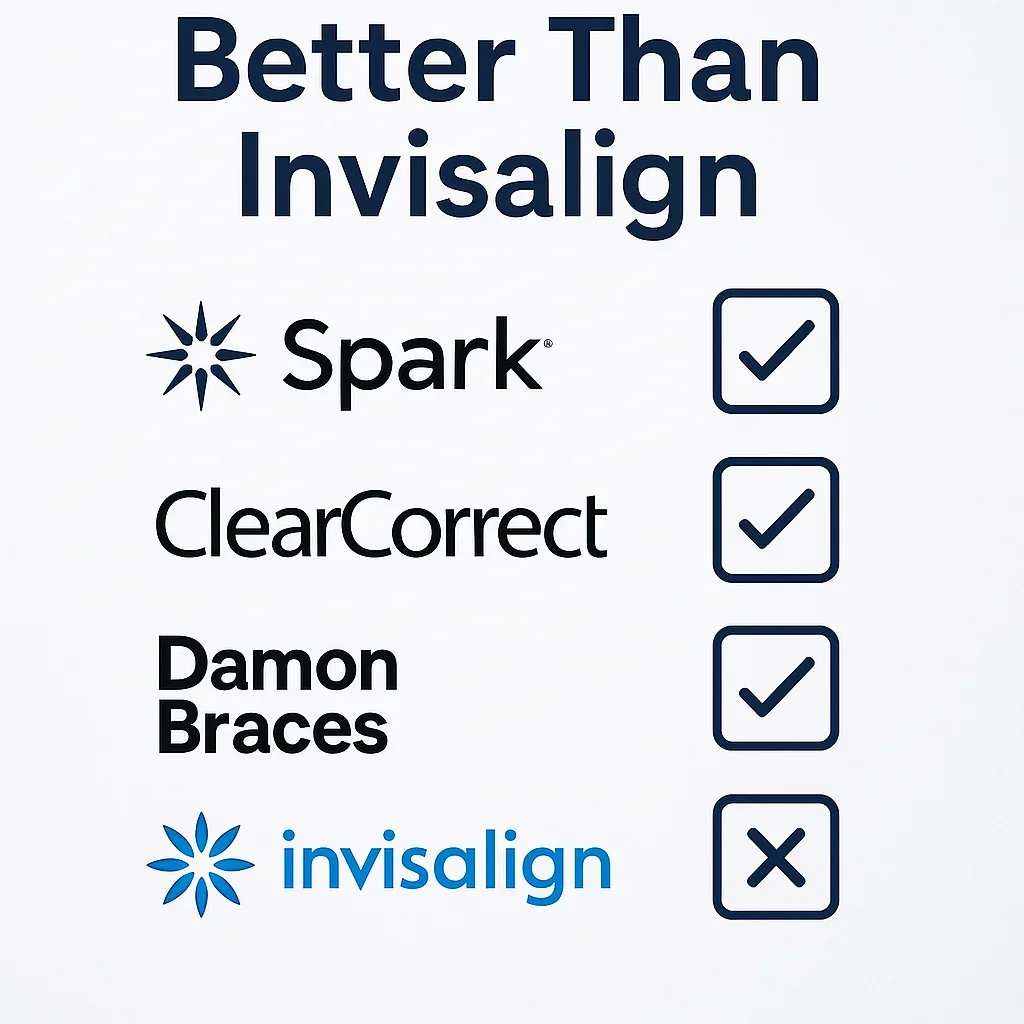
9. Choosing the Right Treatment: Which Option Is Truly Better Than Invisalign?
With so many orthodontic innovations available today, it can be challenging to decide which system best fits your lifestyle, goals, and budget. Invisalign may have revolutionized clear aligners, but the market now offers several alternatives that some experts consider better than Invisalign in terms of comfort, cost, and efficiency. Whether you prioritize aesthetics, speed, or affordability, understanding your options is essential before committing to treatment. In this section, we’ll break down the key decision-making factors, expert opinions, and patient scenarios to help you choose the orthodontic path that’s right for you.
Understanding Your Personal Smile Goals
Before determining which system is truly better than Invisalign, it’s crucial to identify your specific dental goals. Are you looking for a fast cosmetic correction, or do you need comprehensive bite adjustment? Invisalign remains a reliable option for moderate alignment needs, but systems like Spark and Damon Braces often excel in handling more complex cases. For instance, Spark Aligners offer enhanced force control for root movement, while Damon Braces can address severe crowding and crossbites that aligners sometimes cannot correct. If your goal involves total structural harmony, these options can be considered better than Invisalign for clinical versatility and long-term stability.
Cosmetic vs. Functional Outcomes
Cosmetic alignment focuses primarily on the visible arrangement of teeth, while functional correction involves improving bite and jaw positioning. Invisalign is primarily aesthetic in nature; it’s designed to deliver a straighter, more appealing smile. However, Damon and Spark systems go further, helping achieve both beauty and function simultaneously. For patients who value not just straight teeth but also an optimized bite, these advanced systems can deliver results better than Invisalign in total oral harmony and facial balance.
Consulting with a Professional Orthodontist
One of the biggest advantages of traditional and hybrid systems is consistent in-person monitoring. Invisalign relies heavily on patient compliance, while fixed systems or AI-supported aligners (like Spark) provide built-in control mechanisms that reduce error. An experienced orthodontist can assess whether your jaw shape, tooth root structure, and gum health are compatible with aligners. This level of professional involvement often makes clinical systems better than Invisalign for patients who prefer hands-on care and precise adjustment throughout the process.
Digital Diagnostics and 3D Imaging
Modern orthodontics relies on cutting-edge technology for accuracy. Today, many clinics—including Redent Klinik Contact Page—use 3D intraoral scanners, AI modeling, and virtual simulations to forecast final results. Some systems, such as Spark and ClearCorrect, use open-source imaging that allows orthodontists to modify treatment plans at any stage. Invisalign’s proprietary software offers less flexibility, which can limit mid-course changes. For tech-savvy patients seeking personalized results, open-platform systems are often considered better than Invisalign for adaptability and precision.
Evaluating Treatment Duration and Lifestyle Fit
Time is a major consideration in orthodontic decisions. Invisalign typically requires 12 to 24 months of wear, depending on case complexity. However, innovations like Byte’s HyperByte® technology and Damon’s self-ligating brackets significantly reduce treatment duration. For example, Byte users can complete treatment in as little as 4–6 months, while Damon Braces often finish cases up to 30% faster than Invisalign. Patients who need rapid results—such as professionals, brides-to-be, or individuals preparing for public appearances—often find these alternatives better than Invisalign for achieving visible transformations in record time.
Lifestyle Convenience and Maintenance
For many adults, removable aligners offer freedom but also responsibility. Forgetting to wear trays can slow progress dramatically. Fixed systems like Damon Braces eliminate that risk by working 24/7, while Spark’s stain-resistant aligners demand less daily cleaning. Smile Direct Club and Byte cater to remote lifestyles, offering mail-order convenience and app-based progress tracking. Each approach has unique advantages, but for patients seeking minimal maintenance, these newer methods may be better than Invisalign in practical everyday use.
Financial Considerations: Value Over Cost
Orthodontic care is an investment, and affordability plays a central role in choosing the right system. Invisalign’s pricing often ranges between $3,000 and $7,000 depending on the clinic and complexity. Byte and Smile Direct Club, on the other hand, start at around $2,000, while Spark and ClearCorrect aligners typically cost between $3,000 and $5,000. When comparing price-to-performance ratio, these systems frequently deliver greater value. Their shorter treatment times and reduced refinement needs make them better than Invisalign in long-term cost efficiency and satisfaction.
Insurance and Financing Options
Most dental insurance plans now cover aligner therapy, but coverage levels vary. Clinics like Redent Klinik provide flexible payment plans for all major orthodontic systems, ensuring patients can choose freely based on their priorities, not price alone. For individuals balancing cost and quality, Spark and ClearCorrect often emerge as better than Invisalign choices due to their similar effectiveness at lower overall expense.
Expert Opinions and Clinical Insights
According to orthodontic specialists, Invisalign remains a strong brand but no longer holds the monopoly on innovation. The introduction of SmartTrack™ in Invisalign was revolutionary, yet subsequent developments like Spark’s TruGEN™, Damon’s friction-free technology, and Byte’s HyperByte® system have surpassed it in multiple performance aspects. These improvements—particularly in tooth control, wear comfort, and stain resistance—have led many dental professionals to conclude that the newest generation of aligners and braces is clinically better than Invisalign for many patients.
Patient Satisfaction and Real-World Experience
User feedback reinforces these expert insights. Patients who have switched from Invisalign to Spark or ClearCorrect often note superior comfort, clearer aesthetics, and fewer refinements. Likewise, Byte users praise the shorter timelines and minimal discomfort. Many testimonials highlight how these innovations deliver smoother progress and lasting results. The consistent praise for convenience, transparency, and speed suggests that newer systems are genuinely better than Invisalign for modern lifestyles.
Final Recommendation: A Personalized Approach
Ultimately, the “best” orthodontic system depends on your individual dental needs, goals, and habits. Invisalign remains a trusted, clinically proven choice, but alternatives such as Spark, ClearCorrect, Damon Braces, and Byte now rival or surpass it in many areas. If you seek ultimate clarity and comfort, Spark may be ideal. For rapid results and lower costs, Byte could be the best fit. For complex alignment issues requiring professional oversight, Damon Braces stand out. By weighing these factors, you can confidently select a treatment that’s truly better than Invisalign for your unique smile journey.
To determine which orthodontic option aligns best with your goals, schedule a consultation with dental professionals at Redent Klinik Contact Page. They can evaluate your bite, oral health, and budget to recommend a customized plan. For evidence-based guidance on orthodontic standards, refer to the American Dental Association. With today’s advancements, achieving a perfect, confident smile has never been more accessible — and now, the future of orthodontics may be even better than Invisalign.