
For millions of seniors in the United States, oral health is not just about maintaining a beautiful smile — it’s a key part of overall health and well-being. Yet, traditional Medicare often leaves patients confused about what is and isn’t covered when it comes to major dental treatments like implants. This is where Medicare Advantage dental implants coverage becomes a game-changer in 2025. 🦷
Dental implants are widely recognized as the most reliable and long-lasting solution for missing teeth. However, the high cost — often several thousand dollars per implant — can make them inaccessible for many older adults on fixed incomes. Fortunately, some Medicare Advantage (Part C) plans now include partial or full coverage for dental implants, transforming access to restorative dental care.
Before diving into the details, it’s important to understand what Medicare Advantage really is. These are private insurance plans approved by Medicare that bundle hospital (Part A), medical (Part B), and often additional benefits like vision, hearing, and dental. In 2025, many of these plans have expanded their dental offerings, with a growing number specifically covering dental implant procedures. This shift reflects increasing awareness that oral health directly impacts heart disease, diabetes, and overall longevity.
So, what exactly makes Medicare Advantage dental implants coverage so appealing? First, these plans often include annual dental allowances ranging from $1,000 to $5,000, which can significantly offset implant costs. Some even offer discounted rates through in-network providers. Patients who previously delayed dental care due to cost can now explore implant treatments without financial strain. Additionally, the coverage often includes X-rays, consultations, and follow-up visits — essential components of successful implant surgery.
It’s also worth noting that not all plans are created equal. While some cover only basic dental procedures like cleanings and fillings, others include complex restorations such as crowns, bridges, and implants. Therefore, seniors considering Medicare Advantage dental implants should carefully compare plans offered in their area. Websites like the American Dental Association can be helpful resources to understand dental implant standards and professional guidelines before choosing a plan or provider.
Beyond financial benefits, dental implants under Medicare Advantage contribute to an improved quality of life. Unlike dentures that can slip or cause discomfort, implants integrate directly into the jawbone, providing stability and preventing bone loss. This not only restores functionality — allowing seniors to eat their favorite foods again 🍎 — but also enhances confidence in social interactions. Maintaining oral health is closely linked with better nutrition, speech clarity, and emotional well-being, especially in retirement years.
In 2025, the landscape for Medicare Advantage dental implants continues to evolve. Insurers are competing to offer more comprehensive dental options to attract enrollees, which means patients have greater flexibility than ever before. However, it’s essential to read the fine print. Coverage may depend on network restrictions, pre-authorization requirements, or specific provider partnerships. Some plans might only pay a percentage of the total implant cost, while others could cover specific stages of treatment — such as the implant placement but not the crown attachment.
When evaluating your options, remember that preventive and restorative care go hand in hand. Taking advantage of cleanings, oral exams, and gum health assessments can prevent complications that increase implant failure risk. Many Medicare Advantage providers now emphasize preventive programs, encouraging members to maintain consistent oral hygiene routines. 💧
To make the most of these opportunities, patients should consult both their insurance representative and a qualified dental implant specialist. If you’re unsure where to start, you can always contact a trusted clinic like the Redent Klinik Contact Page for expert guidance and personalized support. Clinics specializing in implantology can review your current insurance coverage, explain out-of-pocket expectations, and provide transparent treatment plans.
Ultimately, the growing inclusion of Medicare Advantage dental implants in 2025 signals a positive step toward holistic senior healthcare. Oral health is no longer viewed as cosmetic; it’s a core component of a healthy aging process. With better insurance support, more affordable financing, and access to qualified professionals, seniors can now enjoy durable, functional smiles for decades to come.
In this comprehensive guide, we’ll explore everything from how Medicare Advantage works for dental care to how you can maximize your benefits for implant treatments. Whether you’re comparing plans or preparing for your first consultation, this article will serve as your trusted roadmap to understanding Medicare Advantage dental implants in detail.
What Are Medicare Advantage Plans and How Do They Work for Dental Care?
Before understanding how Medicare Advantage dental implants coverage works, it’s important to start with the basics: what is a Medicare Advantage plan, and how does it differ from traditional Medicare? Medicare Advantage — also known as Part C — is an all-in-one alternative to Original Medicare (Parts A and B). These plans are offered by private insurance companies that are approved by Medicare, and they bundle hospital, medical, and often additional services like vision, hearing, prescription drugs, and most importantly — dental care. 🦷
Traditional Medicare does not cover routine dental care or major dental procedures such as implants, crowns, or dentures. However, with a Medicare Advantage plan, many of these essential dental benefits can now be included. In fact, as of 2025, nearly 94% of all Medicare Advantage plans provide some form of dental coverage. This expansion has made dental implants accessible to more seniors than ever before, bridging the gap between oral health and overall well-being.
Understanding How Medicare Advantage Covers Dental Services
Each Medicare Advantage plan has its own structure for dental coverage. Some include dental benefits automatically, while others require you to add an optional dental rider for an additional premium. These benefits may include preventive care such as cleanings, exams, and X-rays, as well as restorative care like fillings, extractions, crowns, and even Medicare Advantage dental implants. 💡
When you enroll in one of these plans, you typically gain access to a specific network of dentists and specialists who have agreed to provide services at negotiated rates. This network structure helps control costs and ensures that patients receive consistent quality care. However, going out of network may result in higher out-of-pocket expenses or reduced coverage.
Key Features of Medicare Advantage Dental Coverage
- Annual Maximums: Most plans have an annual maximum benefit limit, often ranging between $1,000 and $5,000 per year. This amount can be used toward procedures like dental implants, crowns, or bridges.
- Preventive vs. Comprehensive Care: Preventive services such as cleanings are often covered 100%, while major restorative procedures may be covered at 50% or less.
- Cost-Sharing: You might be responsible for co-pays or coinsurance, depending on your plan’s details and whether the dentist is in-network.
- Waiting Periods: Some plans require a waiting period before covering major procedures like Medicare Advantage dental implants.
Because every insurance carrier sets its own coverage limits, understanding the specifics of your plan is crucial. Reviewing the Evidence of Coverage (EOC) document can help you determine which dental services are included and what percentage of the costs are covered.
How Dental Implant Coverage Works Under Medicare Advantage
The inclusion of dental implants within Medicare Advantage plans has been a significant development in recent years. Dental implants are not just cosmetic; they replace missing tooth roots with titanium posts that integrate into the jawbone, providing a stable foundation for crowns or dentures. This restores both appearance and function, improving speech, nutrition, and self-confidence. 🌟
When a plan covers Medicare Advantage dental implants, it typically does so as part of its comprehensive dental benefits. The process may include:
- Consultation and Diagnostic Imaging: Initial exams, X-rays, or 3D scans to evaluate bone density and implant suitability.
- Surgical Placement: The titanium post is inserted into the jawbone by an oral surgeon or periodontist.
- Healing and Osseointegration: The implant fuses with the jawbone over several months, ensuring stability.
- Abutment and Crown Placement: A connector (abutment) and custom-made crown are added to complete the restoration.
Depending on your Medicare Advantage plan, each of these steps might be covered in part or whole. For example, one plan may cover only the surgical placement and crown, while another could also include diagnostic imaging and post-operative care. It’s also possible that different coverage percentages apply to each phase of treatment.
Example of Medicare Advantage Dental Coverage in Action
Let’s imagine a typical scenario: Jane, a 68-year-old retiree, needs two dental implants. Her Medicare Advantage plan provides an annual dental benefit of $3,000 and covers 50% of major procedures. The total cost of her implant treatment is $5,000. In this case, her plan would pay $2,500, leaving Jane with an out-of-pocket cost of $2,500 — a significant savings compared to paying the full amount without coverage. These savings demonstrate why Medicare Advantage dental implants are becoming an essential benefit for seniors seeking affordable, long-term oral health solutions.
Choosing the Right Plan for Dental Implants
Not all Medicare Advantage plans offer equal coverage. When comparing plans, pay attention to the following factors:
- Whether the plan includes dental implants or requires a dental add-on.
- The annual coverage maximum and any copayment requirements.
- Provider network and whether your preferred dentist accepts the plan.
- Waiting periods or prior authorization requirements for implant surgery.
For help evaluating plan options, you can visit the American Dental Association for professional standards and dental health resources. Additionally, if you’re seeking professional consultation or need help verifying coverage, reach out through the Redent Klinik Contact Page for expert guidance on treatment and insurance coordination.
The Growing Importance of Dental Health in Senior Care
The expansion of Medicare Advantage dental implants coverage underscores the growing recognition that oral health plays a vital role in aging well. Dental implants prevent bone loss, preserve facial structure, and make it easier to maintain a balanced diet — all critical for overall health. Seniors who receive proper dental care often experience fewer systemic health issues and report higher quality of life.
As insurers continue to enhance their offerings, Medicare Advantage has evolved into more than just a replacement for Original Medicare — it’s a gateway to comprehensive, integrated care. By understanding how these plans work and how to utilize their dental benefits effectively, you can make confident, informed decisions that protect your oral and overall health for years to come. 🌿
Why Dental Implants Are a Game-Changer for Seniors
As we age, oral health becomes a cornerstone of maintaining independence, nutrition, and self-esteem. Missing teeth can affect everything from chewing and speaking to confidence in social settings. For this reason, dental implants have become one of the most transformative innovations in modern dentistry. When combined with Medicare Advantage dental implants coverage, these life-changing procedures are now more accessible to seniors than ever before. 🦷✨
Dental implants are not just artificial teeth — they are advanced restorative solutions designed to replace the root of a missing tooth. Each implant consists of a titanium post that integrates with the jawbone, creating a stable foundation for crowns, bridges, or dentures. This structure mimics the function of natural teeth and provides unmatched comfort and durability compared to traditional dentures or bridges.
How Dental Implants Improve Health and Daily Life
To understand why Medicare Advantage dental implants are considered a game-changer, one must consider the broad health benefits they provide. Beyond aesthetics, dental implants significantly improve functional health. Here’s how:
- Improved Nutrition: Seniors with missing teeth often struggle to eat hard or fibrous foods like apples, carrots, or nuts. Implants restore full chewing power, enabling a balanced diet rich in essential nutrients. 🥦
- Enhanced Speech: Dentures can slip or cause speech difficulties, but implants stay fixed in place, allowing for natural pronunciation and clarity.
- Prevention of Bone Loss: When teeth are lost, the jawbone begins to deteriorate. Implants stimulate bone growth and maintain facial structure, preventing a sunken appearance.
- Boosted Confidence: The natural look and feel of implants can dramatically improve self-esteem, encouraging social engagement and mental well-being.
These advantages make dental implants one of the best long-term investments in senior healthcare — both physically and emotionally.
Traditional Dentures vs. Dental Implants
Before Medicare Advantage dental implants became widely available, many seniors relied on removable dentures. While dentures remain an option, they have several disadvantages that implants successfully overcome:
| Feature | Dentures | Dental Implants |
|---|---|---|
| Fit & Stability | May slip or require adhesives | Securely anchored to the jawbone |
| Chewing Power | Limited, often reduces diet variety | Allows near-natural chewing ability |
| Bone Health | Does not prevent bone loss | Stimulates and preserves jawbone |
| Longevity | Needs replacement every 5–10 years | Can last 20+ years with proper care |
In other words, while dentures provide a quick fix, implants offer a permanent and healthier solution. And now, through Medicare Advantage dental implants coverage, many seniors can access these long-term benefits with financial assistance that was previously unavailable.
The Emotional and Social Impact of Dental Implants
The ability to smile confidently again cannot be overstated. Seniors who receive dental implants frequently report significant improvements in mental health. A full, healthy smile boosts social participation, encourages active lifestyles, and reduces anxiety about appearance. 😁
According to recent surveys, over 85% of seniors who underwent implant treatment stated they felt “younger” and “more confident.” This emotional transformation leads to greater engagement in community activities, family events, and overall quality of life. When covered under Medicare Advantage dental implants programs, these procedures aren’t just about teeth — they’re about reclaiming one’s vitality and independence.
The Longevity and Durability of Dental Implants
Dental implants have one of the highest success rates in dentistry — often exceeding 95%. Unlike bridges that may weaken neighboring teeth, implants stand independently and are resistant to decay. With proper care, they can last a lifetime. This durability makes them one of the most cost-effective solutions in the long run, especially when supported by Medicare Advantage dental implants benefits.
Maintenance is relatively simple: daily brushing, flossing, and regular dental checkups. Some Medicare Advantage plans even cover routine cleanings and checkups post-implant, ensuring that patients can maintain their results without additional burden.
Medical Benefits Beyond Oral Health
What many people don’t realize is that dental implants can also have systemic health benefits. Poor oral health has been linked to heart disease, diabetes, and cognitive decline. By restoring chewing function and eliminating chronic gum irritation, implants can contribute to better cardiovascular and metabolic health outcomes. Studies show that seniors who receive dental implants report improved digestion and better overall energy levels.
Moreover, dental implants reduce the risk of jawbone atrophy, which can lead to complications with facial alignment and speech. By preserving bone density, implants help maintain facial structure and balance — a key factor in healthy aging. 🌿
Financial Accessibility with Medicare Advantage
One of the most exciting aspects of Medicare Advantage dental implants coverage is that it makes this once-cost-prohibitive procedure attainable for seniors. Many plans now include partial or full coverage for implant treatment, ranging from diagnostic imaging to surgical placement and restoration. This coverage alleviates financial barriers and empowers seniors to choose the best long-term dental solution.
For instance, certain plans may offer a $2,500 annual dental allowance specifically for implants, while others provide up to $5,000 for major restorative procedures. These benefits can substantially reduce out-of-pocket expenses. If you want to explore options or verify your eligibility, you can contact professionals through the Redent Klinik Contact Page or review dental standards via the American Dental Association.
Conclusion: Why Medicare Advantage Dental Implants Are Transformative
In summary, dental implants represent far more than cosmetic enhancement — they’re a life-changing medical advancement that restores functionality, confidence, and health. With the rise of Medicare Advantage dental implants coverage, these benefits are no longer reserved for the wealthy. Seniors today can smile, eat, and live freely, knowing that modern dentistry and smart insurance options are working hand in hand to support their well-being. 🌟
By investing in your oral health today, you’re not just improving your smile — you’re investing in a healthier, happier, and more fulfilling future.
Does Medicare Advantage Cover Dental Implants in 2025?
The most common question among retirees exploring dental care is simple yet critical: “Does Medicare Advantage cover dental implants?” In 2025, the answer is increasingly yes — but with important nuances that every senior should understand. Not all plans provide the same level of coverage, and the extent of benefits often depends on factors like your insurance provider, plan type, and even your location. Understanding the details of Medicare Advantage dental implants coverage can help you make informed decisions and avoid unexpected costs. 🦷
How Medicare Advantage Differs from Original Medicare
Original Medicare (Parts A and B) does not cover most dental care, including cleanings, fillings, dentures, or implants. The reasoning is that Medicare was originally designed to address medical and hospital care, not dental health. As a result, millions of seniors faced large out-of-pocket expenses for major dental procedures.
Medicare Advantage (Part C), however, is different. These plans are provided by private insurers approved by Medicare and are allowed to include extra benefits beyond what traditional Medicare offers. In recent years, dental benefits have become one of the most sought-after additions — and many plans now include partial or full coverage for dental implants. This evolution makes Medicare Advantage dental implants one of the most valuable features for seniors seeking restorative care.
Growing Trend: More Plans Include Implant Coverage
According to the latest industry reports, more than 90% of Medicare Advantage plans now offer some form of dental coverage, and roughly one-third include coverage for implants. This trend reflects a growing recognition that oral health directly impacts heart disease, diabetes management, and overall longevity.
Insurers have realized that by offering Medicare Advantage dental implants, they can help reduce long-term medical costs related to poor oral health — such as malnutrition or infection-related hospitalizations. As a result, 2025 marks a year of expanded benefits, with many major providers enhancing their dental networks and increasing annual coverage limits. 🌿
Types of Coverage for Dental Implants
Coverage for implants under Medicare Advantage can vary widely, but most plans include one or more of the following structures:
- Annual Dental Allowance: A specific dollar amount (e.g., $1,500–$5,000) that can be applied toward any dental service, including implants.
- Percentage-Based Coverage: The plan may cover a certain percentage of the total cost — for example, 50% of the procedure — with the patient paying the rest.
- Service Tier Coverage: Preventive care (cleanings, exams) may be covered 100%, while restorative care (crowns, implants) is covered partially.
- In-Network Discounts: Some insurers partner with dental providers to offer discounted rates, making out-of-pocket costs significantly lower.
Each plan operates under its own rules and limits, so reading your plan’s Summary of Benefits is essential. You should also check whether your dentist participates in your insurer’s network, as going out-of-network can result in higher expenses or reduced benefits.
Example: Coverage Scenarios for 2025
Let’s explore a few examples to see how Medicare Advantage dental implants might work in practice:
- Scenario 1: John’s plan covers 50% of major dental work, with a $3,000 annual limit. His implant costs $4,000. His insurer pays $2,000, leaving him to cover the rest. John saves half the total cost.
- Scenario 2: Maria’s plan offers a $2,500 allowance for dental care per year. Her implant and crown cost $3,000. The plan covers $2,500, and Maria pays only $500 out-of-pocket.
- Scenario 3: David’s plan does not include implant coverage, but offers discounted network rates. Instead of paying $5,000 per implant, he pays $3,800 through a participating dentist.
These examples show how coverage can vary — but even partial coverage can make Medicare Advantage dental implants an affordable and worthwhile investment for seniors who need permanent tooth replacement.
What’s Typically Included in Dental Implant Coverage
In 2025, many Medicare Advantage plans are expanding the scope of dental services covered under their dental benefits. The following components may be included in implant coverage:
- Initial Consultation and Exam: Includes oral evaluation and discussion of treatment options.
- Imaging: X-rays, CT scans, or digital impressions used to assess bone structure and implant placement.
- Implant Surgery: Placement of the titanium post into the jawbone.
- Abutment and Crown: Placement of the connector and prosthetic tooth for full restoration.
- Follow-up Visits: Post-surgery checkups to ensure proper healing and integration.
While some plans include all stages, others may only cover the initial phases or final restoration. The key to maximizing your benefit is understanding which steps are included and whether pre-authorization is required.
Understanding Plan Restrictions and Limitations
Not all dental implant coverage is straightforward. Common limitations for Medicare Advantage dental implants include:
- Waiting Periods: Some plans may require 6–12 months of enrollment before covering major procedures.
- Frequency Limits: Coverage might apply to only one implant per year or per arch.
- Network Limitations: You may be required to use specific dental professionals or clinics.
- Cost-Sharing: Coinsurance, copayments, or deductible costs can still apply depending on the plan.
While these restrictions might sound complicated, they are designed to manage costs while still providing valuable coverage. Being aware of them allows you to plan ahead and prevent surprises during your implant journey. 💡
How to Confirm if Your Plan Covers Implants
The easiest way to confirm implant coverage is to call your insurance provider or visit the Medicare Plan Finder website. You can also review the plan’s official documentation, which outlines what’s covered under “Comprehensive Dental Benefits.” For expert assistance, clinics like Redent Klinik Contact Page can help patients verify their insurance details and provide estimates for implant procedures.
Additionally, for standardized information about implant procedures, material quality, and dental safety, it’s recommended to review resources from the American Dental Association.
Conclusion: 2025 Marks a Turning Point in Dental Coverage
The year 2025 represents a major leap forward in dental accessibility for older adults. With more insurers offering robust dental benefits and broader coverage for implants, Medicare Advantage dental implants are no longer a luxury — they’re a practical healthcare solution. Seniors now have more options, better affordability, and access to high-quality dental care that can dramatically improve quality of life.
By reviewing your plan annually and understanding your coverage options, you can take full advantage of these expanded benefits. Healthy smiles, improved nutrition, and long-term confidence are now within reach — all thanks to the growing integration of dental health into the Medicare Advantage system. 🌟
Comparing Medicare Advantage vs. Original Medicare for Dental Coverage
When it comes to dental care, the difference between Original Medicare and Medicare Advantage plans is substantial. Many seniors are surprised to learn that traditional Medicare (Parts A and B) doesn’t cover most dental procedures, including dental implants, crowns, dentures, or routine cleanings. However, with the rise of Medicare Advantage dental implants coverage, seniors now have an affordable pathway to receive restorative and preventive dental treatments that were once out of reach. Understanding how these two systems differ can help you choose the best option for your oral health and financial goals. 🦷
Overview: Original Medicare and Its Limitations
Original Medicare, created in 1965, primarily focuses on hospital (Part A) and medical (Part B) insurance. While it provides excellent coverage for hospital stays, doctor visits, and medical procedures, it does not extend to most dental services. The only exception occurs when dental work is medically necessary due to another covered procedure — for example, if you need jaw surgery following an accident. Routine dental care, extractions, and Medicare Advantage dental implants-related treatments are excluded.
This limitation has long been a concern for seniors, especially since oral health is closely tied to systemic health. Gum disease, missing teeth, and untreated infections can contribute to diabetes, heart disease, and malnutrition. Without coverage, many retirees have postponed dental treatment, leading to higher long-term health risks.
Financial Realities of Original Medicare
Under Original Medicare, patients are responsible for 100% of dental implant costs. Since the average price per implant ranges from $3,000 to $6,000, this creates a significant financial burden. Additionally, Original Medicare does not offer supplemental add-ons for dental services unless paired with a private dental insurance plan or discount program. This gap in coverage led to the growing popularity of Medicare Advantage, which bridges this critical healthcare divide.
How Medicare Advantage Changes the Game
Medicare Advantage (Part C) plans are designed to provide everything Original Medicare covers — and more. Offered by private insurers approved by Medicare, these plans combine hospital and medical coverage with additional benefits such as vision, hearing, prescription drugs, and comprehensive dental care. As of 2025, more than 90% of these plans include some dental benefits, and an increasing number specifically cover implants. 🌿
The biggest advantage lies in their flexibility. With Medicare Advantage dental implants coverage, patients can access modern implant technology without paying the full cost out of pocket. Depending on the insurer, coverage may include a flat annual allowance or a percentage of the total treatment. These plans often also negotiate reduced rates with dental providers, allowing patients to save even more.
Coverage Structures in Medicare Advantage Plans
Medicare Advantage dental plans generally fall under three main structures:
- Comprehensive Plans: Include coverage for all levels of dental care — preventive, basic, and major — with implants often covered partially or fully.
- Allowance-Based Plans: Provide a set annual dollar limit (e.g., $2,500–$5,000) for any dental service, including implants.
- Network Discount Plans: Offer access to partner dentists who provide services at lower rates. Even if implants are not fully covered, the reduced fees can significantly lower costs.
While some plans have waiting periods or annual limits, the addition of Medicare Advantage dental implants benefits gives seniors a practical way to restore their oral health without financial hardship.
Comparative Breakdown: Original Medicare vs. Medicare Advantage
| Feature | Original Medicare | Medicare Advantage |
|---|---|---|
| Dental Coverage | Generally none | Included in most plans (often covers implants) |
| Preventive Services | Not covered | Cleanings, exams, and X-rays often covered at 100% |
| Major Dental Work | Patient pays 100% | Partially or fully covered depending on plan |
| Cost Predictability | High out-of-pocket expenses | Lower, more predictable costs |
| Provider Network | Any Medicare-approved provider | Must use in-network or PPO/DMO-approved dentists |
This comparison shows why Medicare Advantage has quickly become the preferred choice for seniors seeking full-spectrum care. It allows patients to consolidate medical and dental needs under a single plan — often for a similar or slightly higher monthly premium than Original Medicare alone.
Impact on Seniors’ Quality of Life
The inclusion of dental benefits, especially Medicare Advantage dental implants, has far-reaching impacts on seniors’ quality of life. Implants improve chewing function, enhance speech, and restore facial structure — leading to better nutrition and higher self-esteem. Seniors with complete dental function tend to report better mental health and social engagement, which contributes to longevity and overall satisfaction in retirement.
Furthermore, maintaining oral health reduces the risk of chronic conditions. Poor dental hygiene has been linked to increased inflammation throughout the body, which can worsen cardiovascular diseases and diabetes. By integrating dental benefits into Medicare Advantage, insurers are promoting preventive healthcare that saves money and improves outcomes in the long run. 🌟
Real-World Example
Consider Margaret, a 70-year-old retiree who needed three dental implants. Under Original Medicare, she would have paid nearly $12,000 for the full procedure. However, her Medicare Advantage plan covered $4,000 through its dental allowance, and her in-network dentist reduced the remaining balance to $7,000 — saving her almost half the total cost. This example highlights how Medicare Advantage dental implants coverage can make advanced dental treatments financially accessible.
Guidance for Choosing Between the Two Systems
When deciding between Original Medicare and Medicare Advantage, consider your overall health needs and priorities. If dental care is important to you — and it should be — Medicare Advantage is the clear choice. Here are a few quick steps to ensure you pick the right plan:
- Compare the dental benefits of each available plan in your ZIP code.
- Check the annual dental maximum and implant coverage percentage.
- Ensure your preferred dentist or implant specialist is in-network.
- Look for plans that include preventive care and post-implant maintenance visits.
For more personalized advice, contact experts through the Redent Klinik Contact Page for dental consultations and coverage guidance. You can also verify professional standards for implant safety via the American Dental Association.
Conclusion: Why Medicare Advantage Wins for Dental Coverage
Ultimately, while Original Medicare remains a valuable foundation for medical care, it falls short in addressing essential dental health needs. Medicare Advantage dental implants coverage fills this critical gap by offering financial protection, preventive care, and access to advanced restorative treatments. For seniors who value long-term oral health and want to avoid large out-of-pocket expenses, Medicare Advantage is the superior, future-ready choice in 2025 and beyond. 🌿
The Real Cost of Dental Implants Under Medicare Advantage
Dental implants have become one of the most sought-after restorative treatments for seniors seeking long-lasting, natural-looking teeth replacement. However, one of the biggest concerns for patients remains the cost. With the emergence of Medicare Advantage dental implants coverage in 2025, this financial burden can now be significantly reduced — but it’s essential to understand what you’ll pay, what your plan covers, and how to maximize your benefits. 💰
Understanding the True Cost of Dental Implants
The average cost of a single dental implant in the U.S. typically ranges between $3,000 and $6,000, depending on the complexity of the case, the materials used, and the dentist’s expertise. This price usually includes three major components:
- Implant Fixture: The titanium screw inserted into the jawbone, acting as the artificial tooth root.
- Abutment: The connector piece that attaches the implant to the crown.
- Crown: The visible, custom-made replacement tooth placed on top of the implant.
When multiple implants are required — for example, to support full-arch restorations or implant-supported dentures — the costs can climb to $15,000 to $30,000 or more. For most seniors living on fixed incomes, these figures are simply unaffordable without insurance support. This is precisely why Medicare Advantage dental implants coverage has become a vital solution for millions of retirees across the country. 🦷
How Medicare Advantage Helps Reduce Implant Costs
Unlike Original Medicare, which does not cover implants, Medicare Advantage (Part C) plans frequently include partial or full coverage for dental implant procedures. These plans are offered by private insurance companies and can vary in coverage details, but most include annual dental allowances, cost-sharing options, and negotiated network discounts that significantly lower out-of-pocket expenses.
For instance, many plans now provide dental allowances ranging from $1,500 to $5,000 per year. This allowance can be applied toward implant-related services such as diagnostic imaging, implant placement, and the final restoration. In some cases, plans pay a percentage of the total cost (e.g., 50%), leaving you responsible for the balance. This model makes Medicare Advantage dental implants coverage one of the most financially beneficial dental options available to seniors in 2025.
Example Cost Breakdown with and without Coverage
| Procedure | Average Cost (No Coverage) | With Medicare Advantage (50% Coverage) |
|---|---|---|
| Single Implant (fixture + abutment + crown) | $4,000 | $2,000 (after plan coverage) |
| Two Implants with Crowns | $8,000 | $4,000 (after plan coverage) |
| Implant-Supported Denture (full arch) | $20,000 | $15,000 (after plan coverage + allowance) |
Even though these are estimates, they illustrate how significantly a Medicare Advantage plan can offset total costs. When combined with in-network discounts, seniors can save thousands of dollars per year on implant treatments.
Factors Affecting Implant Pricing
The total cost of your dental implant treatment can vary based on several important factors:
- Number of Implants: More implants mean higher overall costs, though the per-implant rate may decrease with multi-unit procedures.
- Material Quality: Premium titanium and zirconia materials may cost more but offer greater longevity.
- Bone Grafting or Sinus Lift: If additional bone support is required, it can increase costs by $500–$2,500 per procedure.
- Geographic Location: Dental services in metropolitan areas tend to be more expensive than in smaller towns or rural regions.
- Dentist’s Expertise: Specialist implant surgeons or prosthodontists may charge higher fees than general dentists.
Understanding these variables helps you evaluate your total out-of-pocket estimate before proceeding with treatment. Fortunately, Medicare Advantage dental implants coverage helps reduce or balance these costs by spreading them across covered benefits and negotiated provider rates. 🌿
In-Network vs. Out-of-Network Costs
One of the most important cost-saving strategies is staying within your plan’s network. Medicare Advantage plans work with preferred dental networks to secure discounted rates. In-network dentists agree to fixed pricing, which can lower your implant costs by as much as 20–40%. On the other hand, choosing an out-of-network provider may lead to partial reimbursement or higher copayments. Therefore, always confirm your dentist’s participation before starting treatment.
Additional Fees and Hidden Costs to Watch For
While dental implant quotes often seem straightforward, several hidden costs can appear during treatment. These may include:
- Consultation and X-rays: Typically $100–$300, sometimes included in the plan allowance.
- Temporary Restorations: Used while the implant heals; may cost $250–$800.
- Anesthesia or Sedation: Optional but adds $300–$800 per visit.
- Post-Operative Care: Follow-up visits or adjustments, occasionally billed separately.
Some Medicare Advantage dental implants plans include these services, while others consider them separate. Reviewing your plan’s “Comprehensive Dental” section can prevent billing surprises.
Financing and Payment Options Under Medicare Advantage
Even with coverage, patients may have some remaining costs. Luckily, most Medicare Advantage providers and dental offices offer flexible payment options such as interest-free financing, monthly payment plans, or healthcare credit services. Additionally, patients can combine plan benefits with Health Savings Accounts (HSAs) or Flexible Spending Accounts (FSAs) if available, to further reduce their taxable burden on healthcare expenses.
For personalized assistance or to verify your exact implant coverage, you can consult with dental experts through the Redent Klinik Contact Page. They can review your current Medicare Advantage plan, estimate implant costs, and suggest affordable solutions tailored to your needs. You can also check the American Dental Association for national dental implant pricing standards and care recommendations.
Cost vs. Value: The Long-Term Investment
While the initial investment in implants might seem high, the long-term value far outweighs the cost. Dental implants are durable, require minimal maintenance, and can last a lifetime with proper care. Compared to dentures that need replacement every 5–10 years, implants offer a permanent solution that improves comfort, confidence, and health outcomes. Over time, the savings from avoiding repeated replacements make Medicare Advantage dental implants one of the smartest investments for seniors’ oral health. 🌟
Conclusion: Affordable Confidence with Medicare Advantage Dental Implants
The introduction of implant coverage under Medicare Advantage has reshaped the financial landscape of senior dental care. With comprehensive options, annual allowances, and access to trusted networks, seniors now enjoy both affordability and quality in one package. If you plan to restore your smile in 2025, reviewing your plan’s dental benefits could unlock thousands in savings on Medicare Advantage dental implants — giving you not just a stronger bite, but renewed confidence and lasting health. 😁
How to Choose the Best Medicare Advantage Plan for Dental Implants
Choosing the right Medicare Advantage plan can be one of the most important health decisions a senior makes — especially when it comes to dental coverage. In 2025, thousands of plans across the U.S. now include benefits for Medicare Advantage dental implants, but not all plans offer the same quality, coverage limits, or provider networks. Selecting the best one requires careful comparison, understanding of key terms, and awareness of potential hidden costs. 🦷
Step 1: Understand What You Need from a Dental Plan
Before enrolling, start by evaluating your personal oral health needs. Are you missing one or several teeth? Do you require bone grafting or full-mouth restoration? These details will determine the level of coverage you need. Medicare Advantage dental implants coverage can vary from partial payment of specific stages (like surgery) to comprehensive support that covers the full procedure, including the crown and follow-up visits.
It’s also important to consider your current dental health status. If you have gum disease, bone loss, or existing dental prosthetics, these factors can affect both eligibility and cost-sharing rules under your plan. Consulting with your dentist or an implant specialist before enrolling can provide valuable insight into the type of coverage you should seek.
Checklist: Key Questions to Ask Yourself
- Do I need one implant or a full arch restoration?
- Am I comfortable staying within a specific dental network?
- What is my annual budget for dental care?
- How important are preventive care benefits to me?
- Do I anticipate needing additional dental procedures next year?
Answering these questions will help narrow down your choices and focus your search on plans that fit your lifestyle and budget.
Step 2: Compare Coverage Levels and Annual Maximums
The next step is to analyze coverage limits. Many Medicare Advantage dental implants plans include a specific annual dental allowance, typically between $1,000 and $5,000. Once this limit is reached, any additional dental costs become your responsibility. If you anticipate multiple implants or complex treatment, opt for a plan with a higher annual maximum or one that offers flexible benefit rollover options.
Some plans operate on a percentage-based system, paying 50%–70% of major dental work. In such cases, understanding the cost-sharing ratio (how much the insurer pays versus your share) is essential. Even a small difference in coverage percentage can mean saving hundreds or thousands of dollars per year.
Example Comparison Table
| Plan Type | Annual Dental Allowance | Coverage for Implants | Waiting Period |
|---|---|---|---|
| Plan A (PPO) | $2,000 | 50% of implant cost | 6 months |
| Plan B (HMO) | $3,500 | 60% of implant cost | None |
| Plan C (PPO Premium) | $5,000 | Full implant coverage (up to limit) | None |
Plans differ not only by allowance but also by flexibility. Preferred Provider Organization (PPO) plans usually allow out-of-network visits, while Health Maintenance Organization (HMO) plans restrict you to a defined network. For Medicare Advantage dental implants coverage, PPO plans generally provide more options but may have slightly higher premiums.
Step 3: Evaluate Provider Networks and Accessibility
One of the most overlooked factors is the dental provider network. Medicare Advantage insurers partner with specific dentists and clinics to offer negotiated prices. Choosing an in-network provider can reduce your costs by 20–40%. Before enrolling, check whether your preferred dentist or implant specialist accepts your plan.
Some networks also specialize in dental implantology, meaning they have experienced professionals who focus exclusively on implant surgery and restorative procedures. This ensures higher success rates and smoother recovery. If possible, seek plans that list implant-certified providers within reasonable distance from your home.
Tips for Verifying Provider Networks
- Use the insurer’s online provider search tool to locate nearby implant specialists.
- Confirm directly with the dental office that they accept your specific Medicare Advantage plan.
- Ask whether the clinic provides comprehensive implant care (consultation, surgery, and restoration) under one roof.
If you are unsure which providers to trust, you can contact reputable clinics like Redent Klinik Contact Page for professional guidance on selecting a network-approved implant specialist. Additionally, the American Dental Association maintains directories of accredited dental professionals nationwide.
Step 4: Review the Fine Print — Hidden Costs and Exclusions
Even the best-sounding plans can have exclusions. Some Medicare Advantage dental implants policies may only cover specific phases of treatment, such as the surgical placement, but not the crown restoration. Others might apply waiting periods or frequency limits (e.g., one implant per year). Always review your plan’s Evidence of Coverage (EOC) document before committing.
Watch for the following common exclusions:
- Coverage only for medically necessary implants (not cosmetic replacements).
- Requirements for pre-authorization before surgery.
- Limited or no coverage for bone grafting and sinus lifts.
- Out-of-network penalties or higher co-insurance rates.
By understanding these fine details in advance, you can prevent unexpected out-of-pocket costs and ensure that your plan truly supports your implant journey from start to finish.
Step 5: Compare Premiums vs. Benefits
While it’s tempting to choose the cheapest plan, lower premiums often mean fewer dental benefits. When evaluating Medicare Advantage dental implants coverage, balance your monthly premium against potential savings on major procedures. For example, paying $20 more per month for a plan that includes $3,000 in dental benefits can result in massive savings if you need implant surgery that year.
Always calculate your “total potential value” — the sum of covered services versus premium cost. This approach ensures you’re choosing a plan that offers real financial protection, not just minimal benefits.
Premium-to-Benefit Example
- Plan with $40 monthly premium: $1,000 dental benefit → Good for routine care only.
- Plan with $60 monthly premium: $3,500 dental benefit → Ideal for implant coverage.
- Plan with $80 monthly premium: $5,000 dental benefit + no waiting period → Best for seniors planning implant surgery within the year.
Step 6: Use Expert Resources to Compare Plans
Medicare’s official Plan Finder tool is a reliable resource for comparing plans in your ZIP code. You can filter by dental coverage, maximum allowance, and network size. Additionally, licensed Medicare advisors or dental offices that specialize in implant treatment can offer personalized recommendations based on your oral health history and financial goals.
For more personalized consultation and treatment coordination, reach out through the Redent Klinik Contact Page. They can guide you step-by-step in selecting a plan that aligns with your dental needs and connect you to qualified implant specialists.
Conclusion: Making an Informed Choice
Choosing the right plan is more than just picking the one with the highest allowance — it’s about ensuring the coverage fits your specific needs and expectations. With the growing popularity of Medicare Advantage dental implants in 2025, seniors have more choices than ever before. By following these steps — understanding your needs, comparing allowances, checking provider networks, and reviewing the fine print — you can make a confident, informed decision and enjoy a healthy, radiant smile for years to come. 🌟
Step-by-Step Process for Getting Dental Implants Through Medicare Advantage
Getting dental implants can be a life-changing decision for seniors — restoring function, aesthetics, and confidence. But understanding the process from consultation to recovery is essential, especially when using Medicare Advantage dental implants coverage. In 2025, the steps are more streamlined than ever, yet each phase requires planning, documentation, and collaboration between you, your dentist, and your insurance provider. Below is a detailed, step-by-step breakdown of how the process works, what to expect at each stage, and how to make the most of your Medicare Advantage plan benefits. 🦷
Step 1: Confirm Your Medicare Advantage Dental Coverage
The first step in the process is confirming that your Medicare Advantage plan includes dental implant benefits. As of 2025, more than 90% of Medicare Advantage plans offer dental coverage, but only about one-third cover implants specifically. Start by reviewing your plan’s Summary of Benefits or Evidence of Coverage (EOC) document. Look for the section titled “Comprehensive Dental Benefits” — this outlines whether implants are included and what portion of the procedure is covered.
When reviewing your plan, pay close attention to the following details:
- Coverage Percentage: Many plans pay 50%–70% of major dental work like implants.
- Annual Dental Allowance: Ranges from $1,000 to $5,000 per year for eligible dental services.
- Waiting Periods: Some plans require a waiting period before covering major procedures.
- Pre-Authorization Requirements: You may need written approval from your insurer before surgery.
If you’re unsure about the specifics, contact your insurance provider directly or seek assistance from a dental office experienced with Medicare Advantage dental implants. Trusted clinics like Redent Klinik Contact Page can help verify your benefits, explain coverage stages, and handle the paperwork for pre-authorization.
Step 2: Schedule an Initial Consultation with an Implant Specialist
Once coverage is confirmed, the next step is scheduling a consultation with a dentist or oral surgeon who specializes in implants. During this appointment, your dentist will perform a comprehensive oral examination, review your medical history, and take imaging scans such as panoramic X-rays or 3D CT scans. These images are used to assess bone density and determine whether you are a good candidate for implants.
Some Medicare Advantage dental implants plans may cover part or all of these diagnostic services. However, always confirm coverage before scheduling, as imaging fees can range from $100 to $300. At this stage, your dentist will also develop a personalized treatment plan outlining how many implants you need, the type of restoration required, and an estimated cost breakdown.
Key Evaluation Factors Include:
- Bone density and volume (sufficient bone must exist to support implants).
- Gum health and absence of active periodontal disease.
- Existing dental prosthetics or restorations.
- Overall health (especially conditions like diabetes or heart disease).
If bone loss is present, your dentist may recommend bone grafting or a sinus lift procedure before placing implants. These preparatory treatments can increase total cost but are often partially covered by certain Medicare Advantage plans.
Step 3: Obtain Pre-Authorization and Cost Estimate
Before proceeding with surgery, most Medicare Advantage dental implants plans require pre-authorization. This step ensures that your treatment is medically necessary and within your coverage limits. Your dental office will typically handle this process by submitting the required documentation, including:
- X-rays and imaging results
- Treatment plan and cost estimate
- Dental and medical history forms
- Diagnosis and justification letter (if required)
Once submitted, the insurer will review your case — usually within 7–14 business days. When approval is granted, you’ll receive a confirmation letter outlining the portion of expenses your plan will cover and any out-of-pocket costs. Always verify that the approval covers both the surgical placement and the prosthetic crown.
Step 4: The Implant Surgery
The surgical phase is the most critical step in the process. During the procedure, the dentist or oral surgeon places a titanium post into your jawbone, which serves as the new tooth root. This post will later support the abutment and crown.
The surgery typically takes 1–2 hours per implant and is performed under local anesthesia, sedation, or general anesthesia, depending on patient comfort. Most Medicare Advantage dental implants plans cover the implant placement as part of their “major restorative” benefits, but anesthesia may be billed separately.
Recovery and Osseointegration PeriodStep-by-Step Process for Getting Dental Implants Through Medicare Advantage
Getting dental implants can be a life-changing decision for seniors — restoring function, aesthetics, and confidence. But understanding the process from consultation to recovery is essential, especially when using Medicare Advantage dental implants coverage. In 2025, the steps are more streamlined than ever, yet each phase requires planning, documentation, and collaboration between you, your dentist, and your insurance provider. Below is a detailed, step-by-step breakdown of how the process works, what to expect at each stage, and how to make the most of your Medicare Advantage plan benefits. 🦷
Step 1: Confirm Your Medicare Advantage Dental Coverage
The first step in the process is confirming that your Medicare Advantage plan includes dental implant benefits. As of 2025, more than 90% of Medicare Advantage plans offer dental coverage, but only about one-third cover implants specifically. Start by reviewing your plan’s Summary of Benefits or Evidence of Coverage (EOC) document. Look for the section titled “Comprehensive Dental Benefits” — this outlines whether implants are included and what portion of the procedure is covered.
When reviewing your plan, pay close attention to the following details:
- Coverage Percentage: Many plans pay 50%–70% of major dental work like implants.
- Annual Dental Allowance: Ranges from $1,000 to $5,000 per year for eligible dental services.
- Waiting Periods: Some plans require a waiting period before covering major procedures.
- Pre-Authorization Requirements: You may need written approval from your insurer before surgery.
If you’re unsure about the specifics, contact your insurance provider directly or seek assistance from a dental office experienced with Medicare Advantage dental implants. Trusted clinics like Redent Klinik Contact Page can help verify your benefits, explain coverage stages, and handle the paperwork for pre-authorization.
Step 2: Schedule an Initial Consultation with an Implant Specialist
Once coverage is confirmed, the next step is scheduling a consultation with a dentist or oral surgeon who specializes in implants. During this appointment, your dentist will perform a comprehensive oral examination, review your medical history, and take imaging scans such as panoramic X-rays or 3D CT scans. These images are used to assess bone density and determine whether you are a good candidate for implants.
Some Medicare Advantage dental implants plans may cover part or all of these diagnostic services. However, always confirm coverage before scheduling, as imaging fees can range from $100 to $300. At this stage, your dentist will also develop a personalized treatment plan outlining how many implants you need, the type of restoration required, and an estimated cost breakdown.
Key Evaluation Factors Include:
- Bone density and volume (sufficient bone must exist to support implants).
- Gum health and absence of active periodontal disease.
- Existing dental prosthetics or restorations.
- Overall health (especially conditions like diabetes or heart disease).
If bone loss is present, your dentist may recommend bone grafting or a sinus lift procedure before placing implants. These preparatory treatments can increase total cost but are often partially covered by certain Medicare Advantage plans.
Step 3: Obtain Pre-Authorization and Cost Estimate
Before proceeding with surgery, most Medicare Advantage dental implants plans require pre-authorization. This step ensures that your treatment is medically necessary and within your coverage limits. Your dental office will typically handle this process by submitting the required documentation, including:
- X-rays and imaging results
- Treatment plan and cost estimate
- Dental and medical history forms
- Diagnosis and justification letter (if required)
Once submitted, the insurer will review your case — usually within 7–14 business days. When approval is granted, you’ll receive a confirmation letter outlining the portion of expenses your plan will cover and any out-of-pocket costs. Always verify that the approval covers both the surgical placement and the prosthetic crown.
Step 4: The Implant Surgery
The surgical phase is the most critical step in the process. During the procedure, the dentist or oral surgeon places a titanium post into your jawbone, which serves as the new tooth root. This post will later support the abutment and crown.
The surgery typically takes 1–2 hours per implant and is performed under local anesthesia, sedation, or general anesthesia, depending on patient comfort. Most Medicare Advantage dental implants plans cover the implant placement as part of their “major restorative” benefits, but anesthesia may be billed separately.
Recovery and Osseointegration Period
After the implant is placed, the healing process — known as osseointegration — begins. Over the next 3–6 months, the implant fuses with the jawbone, creating a stable foundation. During this time, you may receive a temporary restoration to maintain appearance and function. Some plans also cover post-operative visits and follow-up imaging to monitor healing progress. 🩺
Step 5: Abutment and Crown Placement
Once healing is complete, your dentist will attach an abutment (a small connector) to the implant post. The abutment acts as the link between the implant and the crown. After impressions are taken, a custom-made crown is fabricated to match your surrounding teeth in color, size, and shape.
Depending on your plan, this final stage of treatment may fall under a different coverage tier. Some Medicare Advantage dental implants plans classify abutment and crown placement as separate “restorative” services, each with its own coverage percentage. Make sure to confirm whether your remaining annual allowance can be applied to this phase.
Quality Materials and Longevity
Modern dental crowns are typically made from porcelain or zirconia, offering both durability and a natural appearance. When properly maintained, implants can last 20+ years — making them one of the best long-term investments in senior oral health. 🌟
Step 6: Post-Treatment Care and Maintenance
The journey doesn’t end after the crown is placed. Maintaining your new implants is crucial for long-term success. Medicare Advantage plans may cover preventive care such as routine checkups, cleanings, and annual X-rays. These services help detect early issues such as gum inflammation or implant loosening.
To protect your investment, follow these maintenance guidelines:
- Brush and floss daily using implant-safe tools.
- Avoid chewing on hard objects like ice or pens.
- Visit your dentist every 6 months for professional cleaning and exam.
- Report any discomfort, mobility, or swelling immediately.
Most importantly, keep your plan active and review its renewal terms annually, as dental allowances or provider networks can change year to year.
Step 7: Maximizing Your Medicare Advantage Dental Implant Benefits
To get the most from your plan, coordinate closely with your dental provider. Many offices will sequence procedures across two benefit years to double your annual coverage (e.g., starting surgery in December and finishing in January). Additionally, confirm whether your plan offers a benefit rollover, which allows unused dental funds to carry over into the following year.
Some seniors combine their Medicare Advantage dental implants benefits with other financial tools like healthcare savings accounts or flexible payment options for maximum affordability. Always ask your provider about discounts for in-network services or payment incentives for prepayment.
Conclusion: A Guided Path to a Confident Smile
Getting dental implants through Medicare Advantage is a multi-step process, but with the right planning and expert guidance, it’s straightforward and rewarding. From confirming coverage to post-treatment care, every stage can be managed effectively when you work with experienced professionals and understand your benefits. In 2025, Medicare Advantage dental implants offer seniors not just restored smiles but renewed confidence, improved nutrition, and a better quality of life — one tooth at a time. 😁
Common Mistakes to Avoid When Using Medicare Advantage for Dental Implants
Getting dental implants with Medicare Advantage dental implants coverage can significantly improve affordability and access to care. However, many seniors unintentionally make errors that delay treatment or increase costs. Understanding these common mistakes and how to avoid them ensures a smooth process from consultation to completion. 🦷
Mistake #1: Not Verifying Dental Implant Coverage in Advance
One of the biggest misunderstandings is assuming that all Medicare Advantage plans automatically cover implants. While dental benefits are common, only certain plans include full or partial coverage for implant procedures. Always check the section labeled “Comprehensive Dental Benefits” in your plan documents before scheduling treatment.
Contact your insurer directly to confirm the following details:
- Does the plan explicitly include Medicare Advantage dental implants?
- What percentage of the total cost is covered?
- Is there a waiting period for major dental work?
- Are there annual maximums or frequency limits?
Without written confirmation, patients risk paying out-of-pocket for procedures they believed were covered.
Mistake #2: Ignoring Pre-Authorization Requirements
Many plans require pre-authorization for major dental treatments. This step ensures the insurer verifies medical necessity and approves payment before surgery. Failing to obtain pre-authorization may lead to denied claims. To prevent this, work with your dental provider to submit all necessary documents, including X-rays, treatment plans, and cost estimates, to the insurance company.
Pro Tip:
Keep copies of all submissions and confirmation numbers from your insurer. If coverage disputes arise later, these records can serve as proof of compliance with plan requirements.
Mistake #3: Using Out-of-Network Dentists
Choosing a provider outside your plan’s network can dramatically increase your expenses. Medicare Advantage dental implants plans often contract with specific dental networks offering discounted rates. Using in-network providers can lower total costs by 20–40% compared to out-of-network care. Before scheduling, confirm that your dentist or oral surgeon is an authorized provider under your Medicare Advantage plan.
If your preferred dentist isn’t listed, contact your insurer to request a referral or ask if they can submit a network participation request. Some plans accommodate exceptions if a qualified specialist isn’t available nearby.
Mistake #4: Overlooking Annual Maximums and Cost Caps
Every Medicare Advantage dental implants plan sets an annual spending limit, usually between $1,000 and $5,000. Once you reach that amount, you are responsible for any additional costs. Many seniors mistakenly schedule multiple implant procedures within the same year, quickly exhausting their benefits. To maximize coverage, ask your dentist to sequence treatments across two benefit years — for instance, surgery in December and restoration in January.
This strategy can effectively double your coverage while minimizing personal expenses. 🗓️
Mistake #5: Not Reviewing the Plan’s Exclusions
Some plans only cover the implant surgery itself but not the abutment or crown. Others exclude bone grafts or sinus lifts. Always read the fine print in your Evidence of Coverage (EOC) document. Confirm that your plan includes all necessary phases of treatment, from diagnostic imaging to the final restoration. Ignoring these details can lead to unpleasant financial surprises.
Mistake #6: Skipping Preventive Dental Care
Routine checkups and cleanings are essential for implant longevity. Neglecting preventive care can lead to gum disease or bone loss, jeopardizing implant stability. Fortunately, many Medicare Advantage dental implants plans cover two cleanings and exams per year at no extra cost. Regular maintenance not only protects your implants but also prevents complications that might void coverage.
Maintenance Recommendations:
- Schedule checkups every six months.
- Use soft-bristled toothbrushes and non-abrasive toothpaste.
- Ask your dentist about interdental brushes designed for implants.
Mistake #7: Failing to Use Expert Guidance
Navigating the details of Medicare Advantage dental implants coverage can be complex. Consulting professionals experienced in Medicare billing ensures accuracy and efficiency. Clinics like Redent Klinik Contact Page specialize in helping seniors verify coverage, coordinate pre-authorization, and minimize unexpected expenses. Additionally, the American Dental Association provides reliable educational resources about implant safety and quality standards.
Mistake #8: Not Reviewing the Plan Annually
Medicare Advantage benefits change yearly. A plan that covers implants this year might reduce or remove that benefit next year. Always review your plan’s annual update notice during the open enrollment period (October 15 – December 7). Compare new options and switch if another plan offers higher dental allowances or better provider networks.
Conclusion: Smart Choices Lead to Better Results
Avoiding these pitfalls ensures that your Medicare Advantage dental implants experience is smooth, affordable, and stress-free. By verifying coverage, staying in-network, and maintaining preventive care, you can save thousands of dollars while enjoying the long-term health benefits of a confident, complete smile. 🌟
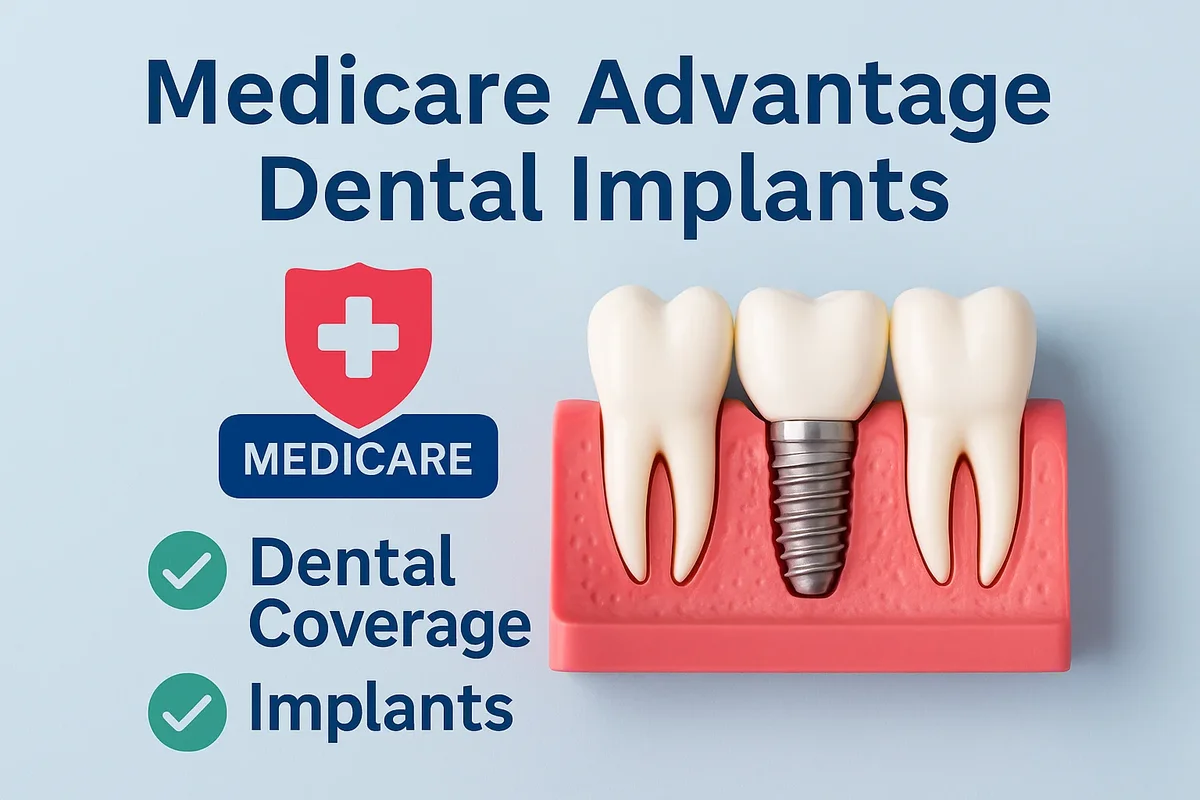
Top Benefits of Medicare Advantage Dental Implants for Seniors
In recent years, Medicare Advantage dental implants have emerged as one of the most valuable benefits for seniors, combining affordability with improved oral health outcomes. Beyond aesthetics, implants can drastically enhance overall well-being, confidence, and longevity. Let’s explore the key advantages that make these plans a game-changer for older adults seeking quality dental care. 😁
1. Enhanced Oral Health and Functionality
Dental implants act as artificial tooth roots, providing a stable base for crowns, bridges, or dentures. Unlike removable dentures, implants integrate with the jawbone, preventing bone loss and preserving facial structure. Seniors who receive Medicare Advantage dental implants coverage enjoy a stronger bite, better nutrition, and easier speech — all essential for maintaining vitality and confidence in daily life.
2. Long-Term Cost Savings
While implants may seem costly at first, their long lifespan makes them more economical than dentures or bridges that require frequent replacement. With insurance assistance, most patients can save 50–70% on major restorative costs. This combination of durability and coverage turns Medicare Advantage dental implants into a wise long-term investment for overall health and financial stability. 💰
Example:
A traditional denture wearer may spend over $10,000 in replacements and adjustments over 15 years, while implant-supported restorations — covered partially by Medicare Advantage — may only require minor upkeep during the same period.
3. Improved Quality of Life
The ability to chew properly, smile confidently, and speak clearly enhances daily satisfaction. Many seniors report a renewed sense of youth and independence after receiving implants. The physical and emotional transformation from Medicare Advantage dental implants coverage extends beyond oral function — it uplifts self-esteem and social interaction, leading to improved mental health and social participation. 🌿
4. Better Nutrition and Digestive Health
Dental implants restore full chewing power, enabling seniors to enjoy nutrient-dense foods like fruits, vegetables, nuts, and lean proteins. This supports better digestion and lowers the risk of malnutrition, which is common among denture users. Studies show that implant recipients consume 30% more fiber and protein than those with removable dentures, demonstrating the broader health benefits of Medicare Advantage dental implants.
5. Superior Comfort and Stability
Unlike dentures that can slip or irritate gums, implants remain firmly anchored. This eliminates the need for messy adhesives and frequent adjustments. Seniors no longer have to worry about dentures clicking or falling during conversations. The stability and comfort provided by Medicare Advantage dental implants coverage make them the gold standard for long-term tooth replacement.
6. Facial Structure Preservation
Tooth loss can lead to jawbone shrinkage, causing a sunken facial appearance. Implants stimulate bone tissue, preserving natural contours and preventing premature aging. This regenerative effect supports both aesthetics and oral biomechanics. With consistent use of preventive care benefits offered under Medicare Advantage dental implants plans, seniors maintain a youthful, vibrant look.
7. Emotional and Psychological Benefits
Beyond physical health, implants offer emotional healing. Many seniors who receive them report reduced anxiety, improved social confidence, and greater willingness to participate in activities. Smiling freely again has measurable mental health benefits — reinforcing why Medicare Advantage dental implants coverage is a transformative tool in holistic senior care.
8. Increased Access to Modern Dental Technology
With Medicare Advantage’s growing support, more clinics now invest in digital implant planning, guided surgery, and advanced 3D imaging. These technologies ensure higher accuracy and success rates. By choosing in-network providers through your plan, you gain access to these innovations at a fraction of the typical cost. For assistance locating such facilities, contact Redent Klinik Contact Page or consult the American Dental Association database for accredited providers. 🦷
9. Customization and Natural Aesthetics
Implants are customized to match your natural teeth in color, shape, and alignment. This aesthetic precision allows for a beautiful, seamless smile that feels entirely authentic. Combined with high-quality materials like zirconia or porcelain, Medicare Advantage dental implants deliver lasting satisfaction and self-confidence.
10. A Lifelong Investment in Health
Ultimately, implants are more than just a cosmetic enhancement — they are a medical investment in one’s overall well-being. By preventing bone loss, maintaining nutrition, and boosting self-image, Medicare Advantage dental implants contribute to healthier aging. Seniors can enjoy decades of strong oral function, radiant smiles, and greater independence thanks to this comprehensive dental innovation. 🌟
Conclusion: Empowering Smiles Through Medicare Advantage
Medicare Advantage has transformed how seniors approach oral care by making dental implants both attainable and affordable. From restoring confidence to supporting better health outcomes, Medicare Advantage dental implants represent the future of senior dentistry — a powerful blend of technology, comfort, and compassion that allows everyone to smile with pride once again. 😁