
When it comes to restoring a beautiful smile, bond dental procedures are among the most effective, affordable, and minimally invasive solutions available today. In simple terms, dental bonding involves applying a tooth-colored composite resin material directly to the teeth. This resin is sculpted, hardened with a special curing light, and polished until it blends seamlessly with the natural enamel. The end result is a smile that looks natural, healthy, and free from imperfections. Whether you have chipped teeth, gaps, discoloration, or minor alignment issues, this cosmetic procedure is an excellent option that addresses a wide range of dental concerns without requiring extensive drilling or permanent changes to the tooth structure.
The rising popularity of bond dental treatments is due to their balance of affordability, aesthetics, and efficiency. Compared to other cosmetic dentistry procedures such as veneers or crowns, bonding requires less enamel removal and can often be completed in a single visit. Many patients also appreciate that bonding is reversible in most cases, making it an ideal choice for individuals who may want to explore more permanent solutions in the future. The composite material used is designed to mimic the translucency of natural enamel, giving the bonded tooth an incredibly lifelike appearance. For patients looking for a quick smile transformation before an event, bonding can deliver impressive results in just one session.
From an aesthetic perspective, bond dental procedures are versatile. Dentists use bonding to repair minor chips caused by accidents, fill in small gaps between teeth, reshape uneven edges, and even lengthen shorter teeth for a more harmonious smile. Bonding can also be used as an alternative to silver amalgam fillings, especially when patients want a more natural-looking restoration. Since the resin is carefully shade-matched to surrounding teeth, it’s nearly impossible to tell where the natural enamel ends and the bonded resin begins. This subtlety is why bonding is often chosen by patients who want noticeable improvements without an artificial or overdone look.
One of the greatest advantages of bond dental treatment is its speed and convenience. Unlike veneers, which often require multiple appointments and lab work, bonding is typically completed in under an hour per tooth. The dentist begins by roughening the tooth’s surface and applying a conditioning liquid that helps the composite resin adhere properly. The resin is then molded into the desired shape and hardened with a curing light. After setting, the dentist polishes the surface to achieve a smooth finish that mimics natural enamel. This means that patients can walk into the dental clinic with imperfections and walk out the same day with a significantly improved smile. Such efficiency makes bonding especially appealing for busy individuals who cannot afford multiple dental appointments.
Beyond cosmetic benefits, bond dental work also contributes to improved oral health. For instance, repairing chips and cracks helps protect teeth from further damage and reduces the risk of decay. Similarly, filling in gaps not only enhances aesthetics but also prevents food particles from getting trapped, which could otherwise lead to gum problems. Many dentists recommend bonding as both a cosmetic and functional treatment, ensuring patients enjoy better oral health along with an enhanced smile. Additionally, because bonding preserves most of the natural tooth structure, it is considered a conservative treatment that supports long-term dental well-being.
Of course, like any dental procedure, bond dental treatments have certain considerations. While bonding is durable, the resin is not as strong as natural enamel or porcelain restorations like veneers and crowns. Patients must take care to avoid habits such as nail biting, chewing on pens, or biting hard foods like ice, as these can cause the bonded resin to chip. Over time, the material may also stain from coffee, tea, red wine, or tobacco. However, with good oral hygiene practices and regular dental check-ups, bonded teeth can last anywhere from three to ten years before requiring touch-ups or replacement. For individuals who prioritize a cost-effective and reversible cosmetic option, bonding remains an attractive choice despite these limitations.
Another key aspect of bond dental success is proper aftercare. Dentists often advise patients to brush twice daily with non-abrasive toothpaste, floss regularly, and schedule professional cleanings at least twice a year. Polishing during routine visits can help extend the life of the bonded resin and maintain its shine. Patients should also be mindful of dietary habits, limiting excessive consumption of staining beverages and using a straw whenever possible. By following these simple guidelines, the bonded material will stay looking fresh and natural for years.
For anyone considering cosmetic dentistry, bond dental treatment offers an excellent balance of benefits. It’s affordable compared to alternatives, fast to complete, and customizable to individual needs. Best of all, it enhances confidence by delivering a brighter, more uniform smile that feels completely natural. As dental technology advances, the quality of bonding materials continues to improve, making the procedure more reliable and long-lasting than ever before. Patients interested in bonding should consult a qualified dentist to determine whether it’s the right option for their unique situation.
If you are looking to learn more about professional dental care or book a consultation, you can visit the Redent Klinik Contact Page for personalized assistance. For authoritative information on dental standards and practices, refer to the American Dental Association website. Both resources provide valuable insights into choosing the best treatment for your oral health needs.
In conclusion, bond dental procedures represent a smart, efficient, and accessible option for anyone seeking to improve their smile. With minimal invasiveness, instant results, and broad cosmetic applications, bonding is one of the most popular choices in modern dentistry. Whether you want to fix a chipped tooth before an important event or simply enhance your everyday confidence, bonding offers a practical solution that prioritizes both beauty and dental health. 🌟
What Is Bond Dental and How Does It Work?
Bond dental is a cosmetic and restorative dental procedure designed to repair or enhance the appearance of teeth using a tooth-colored resin material. The resin is carefully applied, sculpted, and hardened with a curing light to bond seamlessly with the natural enamel. This treatment is highly versatile and can address a wide range of dental imperfections such as chips, cracks, discoloration, or even small gaps between teeth. For many patients, it is an affordable and minimally invasive option that provides quick results while preserving most of the original tooth structure.
The Basics of Bond Dental
At its core, bond dental treatment uses composite resin — a durable, moldable material that mimics the look and feel of real enamel. The dentist begins by selecting a resin shade that closely matches the patient’s teeth, ensuring a natural finish. After preparing the surface of the tooth with a gentle etching solution, the resin is applied in layers, shaped meticulously, and then cured with a special light that hardens the material instantly. Once the desired shape is achieved, the bonded area is polished to create a glossy, enamel-like surface. The result is a strong and aesthetically pleasing restoration that blends seamlessly with the surrounding teeth.
How the Process Works Step by Step
1. Initial Consultation
The process starts with an examination and consultation, where the dentist evaluates whether bond dental treatment is suitable for the patient. X-rays may be taken to rule out underlying oral health issues, such as cavities or gum disease, which need to be addressed before bonding.
2. Tooth Preparation
The tooth surface is roughened slightly, and a conditioning liquid is applied to help the composite resin adhere securely. This step is painless and does not usually require anesthesia unless the bonding is used to fill a cavity.
3. Resin Application
The dentist applies the composite resin in a putty-like consistency. The material is molded into the desired shape, whether it’s filling a chip, reshaping a tooth, or closing small gaps. At this stage, artistry plays a huge role, as the dentist sculpts the resin to match the natural contours of the tooth.
4. Curing and Polishing
A curing light is used to harden each layer of resin within seconds. After the desired shape and thickness are achieved, the dentist polishes the surface to a natural shine, ensuring the bonded tooth matches the rest of the smile perfectly.
Applications of Bond Dental
The beauty of bond dental procedures lies in their versatility. They can be used for cosmetic improvements such as whitening discolored teeth that don’t respond to bleaching, lengthening shorter teeth, or reshaping irregular ones. They are also practical in restorative dentistry, for example, to protect a portion of a tooth’s root exposed by gum recession or to replace old, unattractive fillings. Because the resin is so adaptable, bonding is often the go-to solution for patients seeking a balance between aesthetics, cost, and functionality.
Advantages of Bond Dental Treatment
There are several compelling reasons why patients choose bonding over alternatives like veneers or crowns. The most notable advantages include:
- Affordability: Bonding is one of the most cost-effective cosmetic dental treatments.
- Speed: Most bonding procedures are completed in a single appointment, often within an hour per tooth.
- Non-Invasive: Minimal enamel removal preserves the integrity of natural teeth.
- Reversibility: Unlike permanent restorations, bonding can often be modified or reversed.
Patients who prioritize quick, painless, and reversible solutions often find bond dental to be the ideal treatment.
Limitations and Considerations
Despite its many advantages, bonding does have limitations. The composite resin used in bond dental is not as strong as natural enamel or porcelain, meaning it is more prone to chipping or staining over time. Patients are advised to avoid habits like nail biting, chewing on ice, or opening packages with their teeth. Additionally, those who consume large amounts of coffee, tea, or red wine should be aware that bonded teeth may discolor more quickly than porcelain restorations. With proper care, however, bonded restorations typically last three to ten years before requiring touch-ups.
Aftercare for Bond Dental
Maintaining bonded teeth is straightforward but requires consistency. Dentists recommend brushing with a soft-bristled toothbrush twice daily, flossing carefully to prevent plaque buildup, and attending professional cleanings every six months. Patients should also be mindful of foods that could stain the resin. A protective mouthguard may be recommended for those who grind their teeth at night. With proper aftercare, bond dental procedures provide long-lasting satisfaction and maintain their natural appearance.
Who Is a Good Candidate?
Not every patient is an ideal candidate for bonding. It works best for those with minor cosmetic issues rather than major structural concerns. People with healthy gums, good oral hygiene, and small imperfections such as slight chips or discoloration are perfect candidates. For patients with significant bite issues, severe tooth decay, or major alignment problems, alternatives like veneers, crowns, or orthodontics may be recommended instead.
In summary, bond dental is a highly effective, versatile, and minimally invasive dental treatment that combines function with aesthetics. From quick repairs of chipped teeth to enhancing overall smile symmetry, bonding provides an accessible pathway to achieving a confident smile. With a relatively low cost, rapid results, and the ability to preserve natural tooth structure, it remains one of the most popular cosmetic dentistry solutions worldwide. 🌟
Benefits of Choosing Bond Dental Treatments
When it comes to modern cosmetic dentistry, bond dental treatments stand out as a preferred choice for patients who value efficiency, affordability, and aesthetic improvement. Dental bonding uses tooth-colored resin to enhance the smile, and its benefits extend beyond cosmetic appeal. Patients who opt for bonding often enjoy improved oral health, boosted self-confidence, and long-term cost savings. In this section, we will explore the numerous advantages of choosing dental bonding and why it continues to gain popularity among dental professionals and patients worldwide.
Immediate Aesthetic Improvement
One of the most significant advantages of bond dental treatment is its ability to deliver instant visual results. Whether you have chipped, discolored, or uneven teeth, bonding can transform your smile in just one visit. Unlike procedures that require lab work and multiple appointments, bonding is applied and sculpted chairside, allowing you to walk out of the clinic with a noticeably enhanced appearance. This makes it an excellent choice for patients who have upcoming events such as weddings, job interviews, or social gatherings and want quick, reliable smile improvements.
Preservation of Natural Tooth Structure
Unlike crowns or veneers, which often require significant removal of enamel, bond dental procedures are minimally invasive. The resin is directly applied to the existing tooth surface, meaning most of the natural enamel is preserved. This conservative approach protects long-term oral health while still achieving outstanding cosmetic results. Patients who are hesitant to undergo irreversible procedures often appreciate bonding’s flexibility and reversibility.
Affordability Compared to Alternatives
Another benefit of bond dental is its cost-effectiveness. Compared to porcelain veneers or crowns, bonding is much more affordable, making it accessible to a wider group of patients. While prices may vary depending on location and the extent of treatment, bonding is generally one of the most budget-friendly cosmetic dentistry options. This affordability allows patients to improve their smiles without compromising quality or safety.
Typical Price Range for Bond Dental
Based on online research, the average cost for bond dental procedures ranges from $100 to $400 per tooth in the United States. Some clinics may charge slightly more depending on expertise, geographic location, and the complexity of the case. This price point is significantly lower than veneers, which often cost between $900 and $2,500 per tooth, or crowns, which can exceed $1,000 per tooth. This makes bonding a practical option for patients seeking affordable cosmetic solutions without sacrificing results.
Quick and Painless Procedure
Many patients are concerned about discomfort during dental treatments, but bond dental procedures are typically painless. In most cases, anesthesia is not required unless bonding is being used to fill a cavity. The process is quick, often taking less than an hour per tooth, and patients can return to normal activities immediately afterward. The convenience and comfort associated with bonding make it particularly attractive for busy individuals who do not have the time for lengthy treatments.
Versatility of Applications
The adaptability of bond dental treatment is another reason for its popularity. Bonding can correct a wide range of cosmetic and functional dental issues, such as:
- Repairing chipped or cracked teeth
- Closing small gaps between teeth
- Masking discoloration or stains
- Reshaping uneven or short teeth
- Protecting exposed roots due to gum recession
Because the resin can be shaped and colored to match natural enamel, dentists can use it to address both cosmetic and restorative needs in a single procedure.
Improved Confidence and Self-Esteem
For many patients, the greatest benefit of bond dental treatment lies in the confidence it brings. A bright, even smile is closely associated with attractiveness, health, and success. People who once felt self-conscious about gaps, chips, or discoloration often experience a dramatic boost in self-esteem after bonding. This newfound confidence can improve social interactions, professional opportunities, and overall quality of life. Patients frequently report that dental bonding has had a positive impact not only on their oral health but also on their emotional well-being. 😊
Long-Term Oral Health Benefits
Bonding doesn’t just enhance looks—it also promotes better oral health. For instance, repairing cracks or chips prevents bacteria from entering the tooth, which reduces the risk of cavities or infection. Similarly, filling in small gaps helps prevent food particles from getting trapped and causing gum irritation. In this way, bond dental procedures contribute to both cosmetic and functional improvements, making them an ideal blend of aesthetics and protection.
Customization and Natural Appearance
Each bond dental treatment is customized to match the patient’s unique smile. Dentists carefully choose resin shades that blend seamlessly with natural enamel, sculpt the material to complement surrounding teeth, and polish the surface for a lifelike shine. The result is a restoration that is virtually indistinguishable from the natural tooth, ensuring subtle yet impactful improvements.
Eco-Friendly and Patient-Friendly Choice
In recent years, more patients are seeking dental treatments that align with sustainable practices. Bond dental uses composite materials that require fewer resources to manufacture compared to porcelain or metal-based restorations. Additionally, because bonding is reversible and conservative, it reduces the need for extensive treatments down the line. This makes it both an eco-friendly and patient-friendly choice.
In conclusion, the benefits of bond dental treatments extend far beyond simple aesthetics. They combine affordability, speed, comfort, and versatility to provide patients with a practical and satisfying way to achieve a radiant smile. By choosing bonding, patients invest in their appearance, oral health, and self-confidence, all while preserving the natural structure of their teeth. With proper care and professional guidance, dental bonding remains one of the most valuable tools in modern dentistry. 🌟
Common Dental Problems Fixed by Bonding
One of the main reasons patients turn to bond dental treatments is the wide range of dental issues that bonding can effectively resolve. Unlike some cosmetic procedures that target only specific concerns, bonding is versatile enough to address both aesthetic imperfections and minor functional issues. From chipped teeth to discoloration, the composite resin used in bonding can be sculpted, shaded, and polished to restore a natural-looking and healthy smile. In this section, we will explore the most common problems that can be corrected with dental bonding and why it is considered one of the most practical treatments in modern dentistry.
Repairing Chipped and Cracked Teeth
Accidents, sports injuries, or even biting into something hard can cause teeth to chip or crack. Such damage not only affects appearance but can also compromise the tooth’s strength. Bond dental procedures allow dentists to apply composite resin directly onto the damaged area, restoring the tooth’s structure and function. The resin is carefully sculpted to replicate the natural shape of the tooth, then hardened with a curing light, making the tooth look as good as new. This quick fix prevents further damage while enhancing aesthetics.
Benefits of Bonding for Chips and Cracks
- Instant repair of small damages without extensive drilling.
- Affordable compared to crowns or veneers.
- Protects teeth from further cracking or sensitivity.
Closing Gaps Between Teeth
Small gaps, or diastemas, are another common concern addressed by bond dental treatments. While orthodontics may be needed for large gaps, bonding is ideal for minor spaces. By applying resin to the edges of the adjacent teeth, dentists can close gaps in a single session, creating a uniform and attractive smile. This solution is faster and less invasive than braces or aligners, making it popular among adults who want discreet and immediate results.
Masking Discolored or Stained Teeth
Teeth may become discolored due to aging, tobacco use, or frequent consumption of staining beverages like coffee, tea, or red wine. While whitening treatments can help in many cases, some stains are resistant to bleaching. Here, bond dental offers an effective alternative by covering discoloration with tooth-colored resin. The result is a whiter, brighter smile that resists future staining if patients maintain good oral hygiene.
Why Choose Bonding Over Whitening?
Whitening only improves the color of enamel, while bond dental treatments not only improve shade but also reshape and repair. Patients with stubborn stains find bonding especially beneficial, as it guarantees visible improvement regardless of the type of discoloration.
Reshaping Uneven or Short Teeth
Some patients are born with teeth that are shorter or uneven compared to the rest of their smile. This can create an imbalanced look that affects self-confidence. Through bonding, dentists can lengthen or reshape these teeth, ensuring a more symmetrical appearance. The procedure is painless and provides dramatic results without invasive drilling or orthodontics. Patients walk out of the clinic with a balanced smile that looks completely natural.
Protecting Exposed Roots
When gums recede due to age, gum disease, or aggressive brushing, tooth roots may become exposed. This can cause sensitivity and increase the risk of decay. Bond dental solutions can cover these exposed areas with resin, protecting the root from further damage and reducing sensitivity. By sealing the vulnerable areas, patients enjoy both functional protection and cosmetic improvement.
Replacing Old or Unsightly Fillings
Many patients dislike the look of silver amalgam fillings, which can darken smiles and appear unnatural. Bond dental treatments provide a solution by replacing old fillings with tooth-colored composite resin. The result is a restoration that blends seamlessly with the natural enamel, eliminating dark spots and improving the overall look of the teeth. This option is particularly popular among patients who want to modernize their dental work for a more natural appearance.
Strengthening Worn-Down Teeth
Grinding (bruxism) or long-term wear can flatten or erode teeth, compromising bite and function. While severe cases may require crowns, mild to moderate wear can be treated with bonding. Dentists rebuild the worn-down surfaces with composite resin, restoring natural height and improving chewing efficiency. With proper care, bond dental treatments for wear can last many years, preventing further erosion and reducing sensitivity.
A Cost-Effective, Multi-Solution Approach
Perhaps the biggest advantage of bonding is that it can solve multiple problems in one treatment. A single session may repair a chip, close a gap, and whiten a discolored tooth all at once. This makes bond dental one of the most efficient and cost-effective treatments available. Instead of undergoing multiple procedures, patients can achieve comprehensive results with just one versatile solution.
In summary, bond dental treatments are highly effective for fixing a variety of common dental problems, including chips, cracks, stains, gaps, uneven teeth, and exposed roots. By offering quick, affordable, and natural-looking results, bonding continues to be one of the most trusted solutions in cosmetic dentistry. Patients benefit from improved function, enhanced appearance, and renewed confidence, all achieved through a minimally invasive process. 🌟
Step-by-Step Process of Bond Dental Procedure
Understanding the detailed process of a bond dental procedure helps patients feel more confident and prepared before visiting the dentist. Dental bonding is one of the simplest yet most transformative cosmetic dentistry treatments, and it can often be completed in a single visit. Although the procedure itself is relatively quick and painless, each stage is essential to ensuring a natural, durable, and aesthetically pleasing result. Below is a comprehensive breakdown of the step-by-step process, from initial consultation to the final polish.
1. Initial Consultation and Evaluation
Every bond dental treatment begins with a consultation. During this visit, the dentist evaluates the patient’s oral health and determines whether bonding is the best option. X-rays may be taken to check for underlying issues such as cavities, gum disease, or root infections. Bonding is recommended only for patients with healthy teeth and gums, as underlying problems must be resolved before cosmetic treatment. At this stage, the dentist will also discuss patient goals, such as closing gaps, repairing chips, or whitening discolored teeth.
2. Shade Selection for Natural Results
One of the key aspects of achieving a natural look is shade matching. The dentist selects a composite resin color that blends seamlessly with the surrounding teeth. This ensures that once the procedure is complete, the bonded area will be virtually indistinguishable from the natural enamel. Shade selection is done with the help of a color guide, and patients are often involved in the decision-making process to ensure satisfaction with the final result.
3. Tooth Preparation
Etching the Surface
The actual procedure begins with preparing the tooth surface. Unlike veneers or crowns, bond dental procedures require very little enamel removal. Instead, the dentist roughens the tooth surface with a mild etching solution. This step creates microscopic grooves that improve adhesion between the tooth and the composite resin.
Applying the Conditioning Liquid
After etching, a conditioning liquid is applied. This liquid enhances the bond between the tooth and resin, ensuring long-lasting results. The process is painless and quick, usually taking just a few minutes.
4. Application of Composite Resin
Once the tooth has been prepared, the dentist applies the composite resin in a soft, putty-like consistency. The resin is carefully molded to the desired shape, whether that means lengthening a short tooth, filling in a chip, or closing a small gap. Dentists often apply the resin in thin layers, sculpting each one with precision. The goal is to mimic the natural contours of enamel so the final restoration blends perfectly with the rest of the smile.
5. Curing with a Special Light
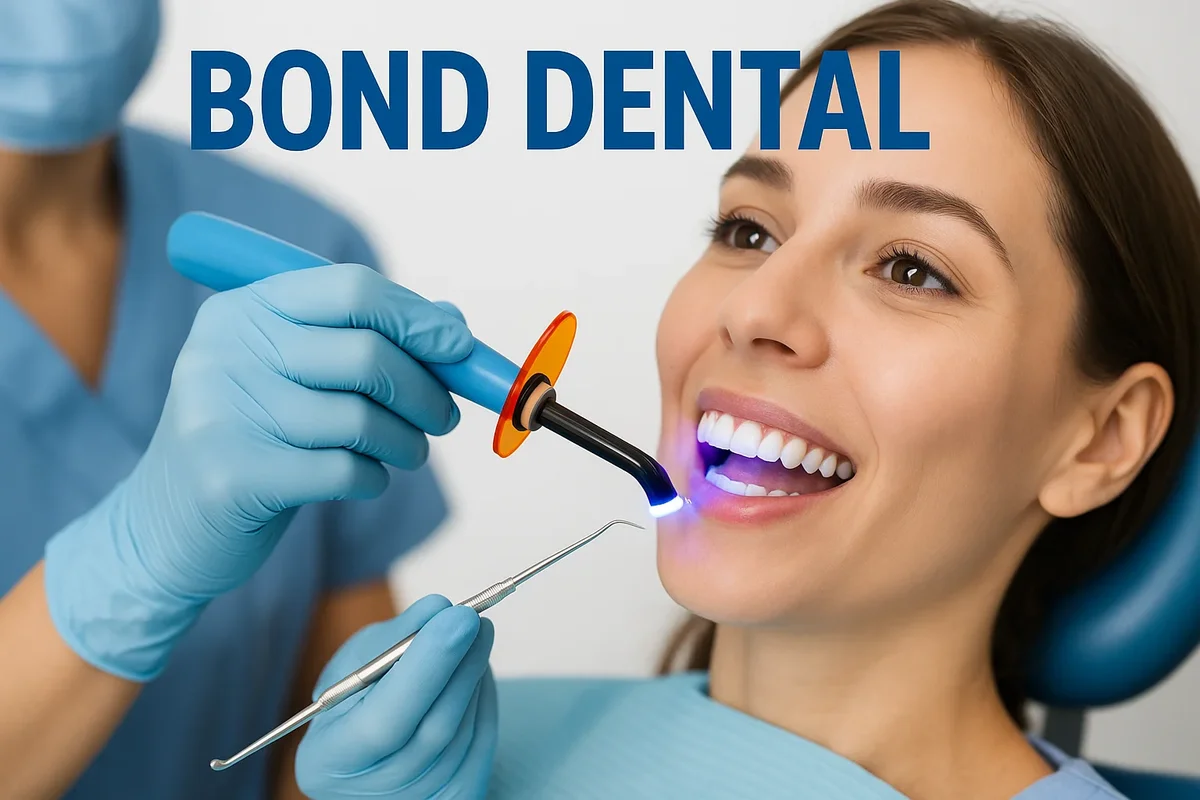
After each layer of resin is applied, a curing light is used to harden the material. The light activates a chemical reaction within the composite, causing it to set almost instantly. This step is repeated until all layers are fully cured and the desired shape is achieved. Thanks to this technology, patients can leave the clinic with a durable and natural-looking restoration within the same visit.
6. Shaping and Refining the Bonded Tooth
Once the resin has hardened, the dentist refines the shape of the bonded tooth. This involves trimming away any excess material and sculpting the tooth so it looks natural and symmetrical. Precision is crucial during this stage, as it ensures the bonded area feels smooth to the tongue and fits comfortably within the bite.
7. Polishing for a Natural Finish
The final step in the bond dental process is polishing. The bonded tooth is smoothed and polished until it matches the gloss of the surrounding enamel. Polishing not only enhances aesthetics but also helps resist staining, ensuring the restoration looks bright and natural for years to come. Patients are often amazed at how realistic the results appear, as the bonded tooth is virtually indistinguishable from natural teeth.
8. Post-Treatment Care and Instructions
After the bonding procedure is complete, the dentist provides aftercare instructions. Patients are advised to avoid biting hard objects, such as pens or ice, and to minimize consumption of staining foods and drinks like coffee or red wine. Good oral hygiene practices, including brushing twice daily and flossing, are essential to maintaining the results. Regular dental checkups are also recommended so the dentist can monitor the condition of the bonded teeth and perform touch-ups if necessary.
Timeline of the Procedure
Most bond dental procedures take between 30 to 60 minutes per tooth. However, the time may vary depending on the complexity of the case and the number of teeth being treated. For patients undergoing bonding on multiple teeth, the dentist may recommend scheduling two or more sessions to ensure precision and comfort.
Why the Process Matters
Understanding the step-by-step process of bond dental treatment highlights why this procedure is so effective. Each stage — from tooth preparation to polishing — is designed to maximize durability and aesthetics while minimizing invasiveness. Patients can rest assured knowing that the process is safe, efficient, and tailored to individual needs.
In conclusion, the bond dental process is a carefully executed series of steps that delivers impressive results with minimal discomfort. From consultation to final polish, every detail is designed to create a natural, long-lasting smile. For patients seeking a quick, affordable, and effective solution to common dental imperfections, bonding remains one of the most reliable procedures in cosmetic dentistry. 🌟
How Long Does Bond Dental Last?
One of the most common questions patients ask about bond dental treatments is how long the results will last. While bonding is known for being quick, affordable, and minimally invasive, its durability depends on several factors including oral hygiene, dietary habits, and lifestyle choices. On average, dental bonding lasts between three to ten years before it may need a touch-up or replacement. Understanding the longevity of bonding helps patients make informed decisions about whether it is the right cosmetic solution for their dental needs.
Average Lifespan of Bond Dental
The typical lifespan of a bond dental restoration is around 5–7 years. With excellent care, some patients maintain their bonding for up to a decade, while others may need repairs sooner if they have habits that place stress on their teeth. Unlike porcelain veneers or crowns, which can last 10–20 years, bonding is more prone to wear and tear because the composite resin is not as strong as porcelain or natural enamel. However, the accessibility and affordability of bonding make it a practical option, even if maintenance is required every few years.
Factors That Influence Durability
1. Oral Hygiene Practices
Good oral hygiene plays a critical role in extending the lifespan of bond dental treatments. Brushing twice daily with fluoride toothpaste, flossing, and regular professional cleanings help prevent plaque buildup that could weaken the bonding. Neglecting these practices may lead to decay around the bonded area, requiring early replacement.
2. Eating and Drinking Habits
Certain foods and drinks affect the longevity of bonding. Coffee, tea, red wine, and tobacco can stain composite resin more easily than natural enamel. Patients who frequently consume these substances may notice discoloration sooner. Additionally, chewing hard foods like ice, nuts, or hard candy can cause the resin to chip.
3. Lifestyle Choices
Habits such as nail biting, using teeth as tools, or grinding (bruxism) can significantly shorten the lifespan of bonding. Patients with bruxism are often advised to wear a night guard to protect their teeth and bonded surfaces from excessive pressure.
4. Location of Bonding
The durability of bond dental also depends on where the bonding is placed. For example, bonding on the edges of front teeth is more likely to chip or wear faster since these areas are under more stress. On the other hand, bonding on less exposed surfaces may last longer.
How to Make Bond Dental Last Longer
With the right care, patients can significantly extend the life of their bonded teeth. Dentists recommend the following:
- Avoid biting on hard objects like pens, ice, or fingernails.
- Limit staining beverages and rinse with water after consuming them.
- Schedule regular dental check-ups every six months.
- Use a protective night guard if you grind your teeth.
- Maintain consistent brushing and flossing habits.
Maintenance and Touch-Ups
One of the advantages of bond dental treatments is that they can be easily repaired or touched up. If the resin chips or stains, the dentist can add new composite material or polish the surface to restore its appearance. This flexibility ensures that bonding continues to look natural and attractive over time, even if maintenance is needed.
Comparing Longevity with Other Treatments
Bond Dental vs Veneers
Porcelain veneers typically last 10–15 years or longer, making them more durable than bonding. However, veneers require enamel removal, making them irreversible. Bond dental offers a shorter lifespan but preserves natural tooth structure and costs significantly less.
Bond Dental vs Crowns
Dental crowns last 10–20 years but involve reshaping the tooth and covering it completely. While crowns are more durable, they are also more invasive. Bonding is better suited for minor imperfections and cosmetic adjustments, even though it may need to be replaced sooner.
Signs That Bond Dental Needs Replacement
Patients should be aware of signs that indicate it is time to replace or touch up their bonding. These include:
- Visible discoloration that does not respond to polishing.
- Chipping, cracking, or rough edges on the bonded area.
- Changes in bite or discomfort when chewing.
- Decay forming around the bonded surface.
Regular dental visits help catch these issues early, ensuring bonding is replaced before it causes further problems.
Why Longevity Shouldn’t Be the Only Factor
While durability is important, patients should remember that bond dental offers many advantages beyond lifespan. It is affordable, minimally invasive, and provides instant results that significantly improve confidence. For many patients, these benefits outweigh the need for occasional maintenance or replacement. Additionally, advancements in composite resin technology continue to improve the strength and longevity of bonding, making it more reliable than ever.
In conclusion, bond dental typically lasts between three to ten years, depending on care, habits, and placement. With proper maintenance, patients can enjoy long-lasting results that enhance both appearance and function. Even though bonding does not last as long as veneers or crowns, its affordability, convenience, and natural look make it one of the most valuable cosmetic dentistry solutions available today. 🌟
Bond Dental vs Veneers: Key Differences
When it comes to cosmetic dentistry, two of the most popular procedures are bond dental treatments and porcelain veneers. Both can dramatically improve the appearance of a smile by correcting issues such as chips, discoloration, gaps, or irregularly shaped teeth. However, while they share some similarities, these two treatments differ significantly in terms of cost, durability, procedure, and maintenance. Understanding the distinctions helps patients make informed choices about which solution best fits their goals, budget, and long-term dental health.
Overview of Bond Dental
Bond dental treatments involve applying a composite resin directly to the tooth surface. The resin is sculpted, hardened with a curing light, and polished until it blends seamlessly with the surrounding enamel. The entire process is usually completed in a single appointment, making it convenient for patients seeking immediate results. Bonding is minimally invasive, reversible in many cases, and affordable compared to other cosmetic solutions.
Overview of Veneers
Porcelain veneers, on the other hand, are thin, custom-made shells designed to cover the front surface of teeth. Veneers require the removal of a small portion of enamel to ensure proper fit, making the procedure irreversible. Unlike bonding, veneers are created in a dental lab and typically require at least two appointments: one for tooth preparation and impressions, and another for placement. Veneers are known for their strength, stain resistance, and long-lasting aesthetic appeal.
Key Differences Between Bond Dental and Veneers
1. Cost Comparison
One of the most striking differences is cost. Bond dental procedures typically range between $100–$400 per tooth, making them accessible for patients on a budget. Veneers, however, are significantly more expensive, often costing $900–$2,500 per tooth depending on the location and the dentist’s expertise. While bonding is more affordable upfront, veneers may provide longer-lasting results, which can justify the higher cost for some patients.
2. Durability and Longevity
Durability is another major factor to consider. Bonding generally lasts 3–10 years, while porcelain veneers can last 10–20 years with proper care. The composite resin used in bond dental is more susceptible to chipping, staining, and wear, while porcelain is resistant to discoloration and mimics the translucency of natural enamel more effectively. Patients seeking long-term results often favor veneers, while those who prefer a short-term or reversible solution may choose bonding.
3. Aesthetic Results
Both treatments deliver beautiful outcomes, but veneers tend to offer a more flawless, uniform appearance. Because veneers are custom-made in a lab, they can be tailored for perfect symmetry and color consistency. Bond dental treatments, however, provide more subtle enhancements that blend naturally with existing teeth. This makes bonding ideal for minor touch-ups or patients who want a natural-looking result without altering their entire smile.
4. Procedure Time
Bond dental is typically completed in a single visit, making it the faster option. Veneers, however, usually require at least two appointments, sometimes more, depending on lab turnaround times. For patients seeking instant improvements, bonding is the clear winner in terms of convenience and speed.
5. Invasiveness
Bonding is minimally invasive and often does not require anesthesia, as little to no enamel is removed. Veneers, in contrast, involve reshaping the tooth surface, which permanently alters the natural tooth. Patients who want to preserve their enamel generally prefer bonding, while those who prioritize longevity and perfect aesthetics may accept the irreversible nature of veneers.
6. Maintenance Requirements
Both treatments require proper oral hygiene, but maintenance differs slightly. Bonded teeth may need periodic polishing or touch-ups due to staining and wear, while veneers require fewer adjustments but must be replaced entirely if damaged. Patients who grind their teeth may be advised to use night guards regardless of the treatment chosen, but veneers are typically stronger against the forces of bruxism compared to bonding.
Who Should Choose Bond Dental?
Bond dental procedures are best suited for patients who need quick, affordable, and reversible fixes. They are ideal for minor chips, cracks, or stains and for those hesitant about permanent changes to their teeth. Bonding is also a great choice for patients who want to test out cosmetic improvements before committing to more permanent solutions like veneers.
Who Should Choose Veneers?
Veneers are recommended for patients who want a complete smile transformation with long-lasting results. They are especially beneficial for individuals with multiple cosmetic concerns, such as severe discoloration, uneven spacing, or worn-down teeth. Although veneers are more expensive and invasive, their durability and stain resistance make them a worthwhile investment for many patients.
Making the Right Choice
Ultimately, the choice between bond dental and veneers depends on individual needs, budgets, and preferences. Patients who prioritize affordability, reversibility, and convenience often opt for bonding. Those who want durable, highly aesthetic results and don’t mind investing more tend to choose veneers. Consulting with a trusted dentist is the best way to determine which treatment aligns with personal goals and lifestyle.
In conclusion, both bond dental and veneers offer excellent ways to improve your smile, but they cater to different needs. By weighing the differences in cost, durability, aesthetics, and procedure, patients can make a well-informed decision about the best cosmetic dentistry option for them. 🌟
Aftercare Tips for Your Bond Dental Treatment
Getting a bond dental treatment is just the first step toward achieving a flawless smile. To ensure that the bonding material remains strong, shiny, and natural-looking, proper aftercare is essential. While bonding is durable and effective, it is not as resilient as natural enamel or porcelain. Without the right maintenance, the resin can chip, stain, or wear out faster. This section will guide you through the most important aftercare strategies to maximize the lifespan and appearance of your bonded teeth.
Daily Oral Hygiene for Bond Dental
Consistent oral hygiene practices are crucial in preserving both your natural teeth and bonded surfaces. Since the composite resin is more prone to staining and wear than enamel, you need to be extra diligent.
- Brushing: Use a soft-bristled toothbrush and fluoride toothpaste at least twice daily to prevent plaque buildup and staining on bonded teeth.
- Flossing: Floss at least once a day to remove debris from between teeth and around bonded areas.
- Mouthwash: Use an alcohol-free, antibacterial mouthwash to help maintain gum health and reduce bacteria that can compromise bonding.
Protecting Bonded Teeth from Damage
The composite resin used in bond dental treatments, while strong, is not indestructible. Certain habits and actions can weaken or damage the bonded areas, so it’s important to take preventive steps.
Avoid Hard Foods and Habits
Chewing on hard foods like ice, nuts, or hard candy can chip the resin. Likewise, using your teeth to open packages or biting fingernails can cause damage. Patients should be mindful of these habits to avoid unnecessary repairs.
Managing Teeth Grinding (Bruxism)
Grinding or clenching teeth, especially during sleep, puts extra pressure on bonding. If you suffer from bruxism, your dentist may recommend a custom night guard to protect your bonded teeth. This protective measure significantly extends the lifespan of your bond dental work.
Dietary Considerations
Food and drink choices directly affect how long bonding remains bright and stain-free. Composite resin is more porous than enamel, making it susceptible to discoloration.
- Limit staining drinks: Coffee, tea, red wine, and dark sodas can cause bonding to discolor over time.
- Avoid acidic foods: Citrus fruits and vinegar-based products may weaken the resin surface if consumed excessively.
- Rinse after meals: Drinking water or rinsing your mouth after consuming staining or acidic foods helps protect bonding.
Regular Dental Checkups
Routine dental visits are essential for monitoring the condition of your bonded teeth. During checkups, your dentist will:
- Check for chips, cracks, or wear on bonded surfaces.
- Polish bonding to restore its natural shine and smoothness.
- Ensure that bonding continues to blend seamlessly with your natural enamel.
Patients who maintain regular appointments often enjoy longer-lasting results from their bond dental treatments.
Stain Prevention and Whitening
Unlike natural teeth, bonded resin does not respond to whitening treatments. This means that if your natural teeth are whitened later, the bonded areas may no longer match. To avoid this mismatch:
- Discuss whitening options with your dentist before bonding is applied.
- Schedule professional polishing to refresh bonded areas if they begin to discolor.
- Use whitening toothpaste cautiously—mild formulas are preferable to avoid abrasiveness.
Signs Your Bond Dental Needs Attention
Even with the best aftercare, bonding may eventually require repair or replacement. Be alert to the following signs:
- Rough or sharp edges that catch on the tongue.
- Visible chips or cracks in the bonded resin.
- Noticeable discoloration compared to surrounding teeth.
- Sensitivity in bonded teeth, which may indicate wear or decay underneath.
If you notice any of these issues, contact your dentist promptly for evaluation. Small touch-ups are often quick and inexpensive, especially compared to replacing the entire bonded area.
Why Aftercare Matters
Following aftercare guidelines is critical not only for the longevity of your bond dental treatment but also for overall oral health. Patients who neglect aftercare often find themselves needing frequent repairs, which can increase costs and inconvenience over time. Proper maintenance ensures that your bonding continues to look natural, function effectively, and support a confident smile.
Long-Term Benefits of Good Aftercare
Patients who follow aftercare instructions can expect their bonding to last closer to 8–10 years, compared to just 3–5 years in those who neglect it. Additionally, consistent care reduces the risk of staining, allowing the bonded resin to stay bright and attractive. More importantly, good aftercare habits help prevent cavities, gum disease, and other dental issues that could compromise both bonded and natural teeth.
In conclusion, bond dental aftercare is all about consistency and mindfulness. By brushing and flossing daily, avoiding damaging habits, moderating diet, and attending regular checkups, patients can maximize the longevity of their bonding and keep their smiles radiant for years. Investing in proper aftercare not only protects the cosmetic work but also safeguards overall oral health. 🌟
Cost of Bond Dental: What to Expect in 2025
When considering a bond dental procedure, one of the first questions patients ask is, “How much will it cost?” The price of dental bonding can vary depending on several factors such as the complexity of the treatment, the dentist’s experience, and even the geographic location of the clinic. Compared to other cosmetic dentistry procedures like veneers or crowns, bonding is one of the most affordable ways to improve your smile. In 2025, the average cost remains highly accessible, making it a popular choice among patients worldwide.
Average Cost of Bond Dental
On average, bond dental procedures range between $100 and $400 per tooth in the United States. In larger metropolitan areas, the price may reach up to $600 per tooth, while in smaller towns or countries with lower dental service costs, the price may be closer to $80–$150 per tooth. Compared to veneers, which usually cost between $900–$2,500 per tooth, and crowns, which often exceed $1,000, bonding remains a budget-friendly alternative.
Factors Affecting the Cost
1. Extent of Treatment
The size and complexity of the bonding area significantly influence the price. Repairing a small chip may cost much less than reshaping multiple teeth or covering extensive discoloration.
2. Dentist’s Experience and Expertise
Dentists with specialized cosmetic training or a strong reputation may charge higher fees for bond dental services. However, patients often find the investment worthwhile due to the quality and longevity of the results.
3. Location of the Clinic
Urban clinics in cities like New York or Los Angeles tend to charge more than practices in rural areas. Similarly, international patients often find bond dental treatments much cheaper in countries like Turkey, Mexico, or Thailand, where dental tourism is thriving.
4. Number of Teeth Treated
The cost also increases with the number of teeth undergoing bonding. Treating a single chipped tooth is far less expensive than a full smile makeover involving six to eight teeth.
Cost Comparison: Bond Dental vs Alternatives
While bond dental is highly affordable, patients often weigh it against other cosmetic options.
- Bonding: $100–$400 per tooth; lasts 3–10 years.
- Veneers: $900–$2,500 per tooth; lasts 10–20 years.
- Crowns: $1,000–$3,500 per tooth; lasts 10–20 years.
- Whitening: $200–$800 per session; results vary but typically last 6–12 months.
This comparison highlights why bonding is often chosen as a first step: it provides a natural look at a fraction of the cost of other procedures.
Insurance and Payment Options
In many cases, cosmetic bonding is not covered by dental insurance because it is considered an elective procedure. However, if bond dental is performed to restore a tooth damaged by decay or trauma, insurance may cover part of the cost. Patients should always check with their providers for details. Additionally, most clinics offer flexible payment plans, financing options, or discounts for multiple teeth treated at once.
Bond Dental Abroad: Dental Tourism
Dental tourism has become a popular option for patients seeking affordable bond dental treatments without compromising quality. Countries such as Turkey, Hungary, and Mexico are renowned for their skilled dentists and modern clinics at significantly reduced prices. For example, in Turkey, bonding may cost as little as $70–$120 per tooth, while maintaining high international standards of care. Patients often combine their dental treatments with vacation opportunities, further adding value to the experience.
Additional Costs to Consider
When budgeting for bonding, patients should be aware of potential additional expenses, including:
- Initial consultation and X-rays (if required).
- Follow-up visits for polishing or touch-ups.
- Night guards if bruxism (teeth grinding) is a concern.
Although these costs are usually minor compared to the procedure itself, they can add up, so it’s wise to plan ahead.
Longevity and Value for Money
While bonding may not last as long as veneers or crowns, it delivers excellent value for money. A patient can improve multiple teeth at a much lower cost, and even with periodic touch-ups, the overall expense remains lower than alternative treatments. Bond dental procedures are particularly appealing to younger patients or those unsure about committing to permanent changes like veneers.
Why Affordability Doesn’t Mean Compromise
Despite its lower price, bonding is not a “cheap” option in terms of quality. Advances in composite resin technology have made bonded restorations more natural-looking and durable than ever before. With proper care, patients can enjoy beautiful, long-lasting results at a reasonable cost. This combination of affordability, effectiveness, and reversibility explains why bonding continues to be one of the most in-demand cosmetic dental treatments worldwide.
In conclusion, the cost of bond dental in 2025 remains one of its biggest advantages. At an average of $100–$400 per tooth in the U.S., and even lower prices abroad, bonding provides an affordable pathway to a confident smile. While it may not last as long as veneers or crowns, its accessibility, convenience, and natural-looking results make it a smart investment for patients seeking both beauty and value. 🌟
Risks and Limitations of Bond Dental
While bond dental treatments are popular for their affordability, speed, and cosmetic benefits, they are not without potential drawbacks. Understanding the risks and limitations of dental bonding is essential for patients who want to make informed decisions about their oral health. Although bonding is considered a safe and minimally invasive procedure, the composite resin used is not as strong or durable as other restorative options such as porcelain veneers or crowns. In this section, we will explore the possible risks, limitations, and considerations every patient should be aware of before choosing bonding.
Durability Limitations
One of the main limitations of bond dental treatment is durability. While bonding is effective for minor repairs, the composite resin material is not as strong as natural enamel or porcelain. On average, bonding lasts 3–10 years, depending on patient habits and oral hygiene practices. By contrast, veneers and crowns can last 10–20 years or more. This shorter lifespan means patients may need periodic touch-ups or replacements, which can increase long-term costs.
Factors That Shorten Lifespan
- Biting hard foods like nuts, ice, or hard candy.
- Habits such as nail biting or chewing pens.
- Teeth grinding (bruxism), which puts pressure on bonded surfaces.
- Poor oral hygiene, leading to decay around the bonded area.
Susceptibility to Staining
Another limitation of bond dental is its susceptibility to discoloration. Unlike porcelain veneers, which are stain-resistant, composite resin can absorb pigments from foods and drinks. Coffee, tea, red wine, and tobacco are especially likely to cause staining. Over time, the bonded areas may appear darker or more yellow compared to natural teeth, creating uneven color.
Managing Stains
Patients can minimize staining by limiting consumption of high-pigment foods and rinsing with water after meals. Regular professional cleanings and polishing can also help restore brightness, though whitening treatments do not affect bonded resin.
Structural Limitations
Bond dental is ideal for small to moderate cosmetic improvements but may not be suitable for more extensive structural issues. Large fractures, severe decay, or major bite problems often require stronger restorations such as crowns or orthodontic treatment. Bonding is best for correcting chips, small gaps, or discoloration rather than addressing major functional challenges.
Risk of Chipping and Breakage
Composite resin is more prone to chipping or breaking compared to porcelain. Patients who frequently chew on hard items or have uneven bites may find bonding wears out faster. Unlike veneers, which cover the entire front of the tooth, bonding typically repairs only part of a tooth, making it more vulnerable to damage in certain situations.
Not a Permanent Solution
Many patients appreciate that bond dental is reversible, but this also highlights one of its limitations: it is not permanent. Since resin materials degrade over time, patients should expect to undergo touch-ups or replacements every few years. While the procedure itself is simple, the need for ongoing maintenance is an important consideration for long-term planning.
Potential for Sensitivity
Some patients may experience tooth sensitivity after bonding, particularly if the bonding is close to the gum line or root surface. Sensitivity usually resolves with time, but in some cases, adjustments may be needed. Dentists often recommend using desensitizing toothpaste or fluoride treatments to reduce discomfort.
Skill of the Dentist
The success of bond dental treatments depends heavily on the dentist’s skill and artistry. Because the resin is sculpted by hand, the outcome can vary. An experienced cosmetic dentist can achieve lifelike, natural results, while a less experienced practitioner may produce bonding that looks artificial or wears out prematurely. Patients should research their dentist’s expertise and view before-and-after photos before proceeding.
Comparisons with Other Treatments
Bond Dental vs Veneers
Veneers are stronger, more stain-resistant, and last longer than bonding, but they are also more expensive and invasive. Bond dental remains a good choice for patients seeking affordable, non-permanent solutions.
Bond Dental vs Crowns
Crowns provide superior strength and protection but require extensive reshaping of the tooth. Bonding preserves natural enamel, making it a conservative option, though less durable in the long run.
Who Should Avoid Bond Dental?
Not every patient is an ideal candidate for bonding. Those with large cavities, severe fractures, or major alignment problems may need stronger treatments. Similarly, heavy smokers or patients with diets high in staining foods may find bonding discolors too quickly for their satisfaction.
Weighing the Pros and Cons
Despite its limitations, bond dental remains one of the most versatile and affordable cosmetic dentistry procedures. The key is understanding its risks and managing expectations. Patients willing to maintain good oral hygiene, avoid damaging habits, and schedule regular check-ups can enjoy long-lasting results. However, those seeking a permanent, stain-resistant solution may prefer veneers or crowns.
In conclusion, bond dental treatments are safe and effective but not without limitations. They are prone to staining, chipping, and shorter lifespans compared to other cosmetic options. By recognizing these risks and taking preventive measures, patients can extend the life of their bonding and maintain a confident smile. For many, the benefits outweigh the drawbacks, making bonding a practical and widely chosen solution in cosmetic dentistry. 🌟