
Special care dentistry is a specialized branch of dental medicine that focuses on delivering safe, effective, and compassionate oral healthcare to individuals with unique medical, physical, psychological, or social needs. Unlike general dentistry, which provides routine care to the wider population, special care dentistry is tailored to people who may find it challenging to access traditional dental services due to their health conditions or personal circumstances. 🌍
This area of dentistry is especially vital because oral health is closely linked to overall well-being. Patients who require specialized approaches often face barriers such as mobility limitations, communication difficulties, anxiety disorders, or complex medical histories that make conventional dental care less effective. Special care dentistry ensures that these patients do not fall through the cracks of the healthcare system, but instead receive customized treatment plans that take into account their unique challenges. By creating accessible, patient-centered environments, dental professionals practicing in this field help improve quality of life while reducing health inequalities.
The scope of special care dentistry extends across a wide range of patients. This includes individuals with disabilities such as cerebral palsy, Down syndrome, autism spectrum disorders, and Alzheimer’s disease. It also applies to patients with chronic illnesses like diabetes, epilepsy, cardiovascular conditions, or cancer, where oral health management may require adjustments to treatment plans. Additionally, elderly patients experiencing cognitive decline or frailty often rely on special care dentistry to maintain oral hygiene and function. Every patient presents a unique profile, and this branch of dentistry adapts by integrating medical knowledge, specialized equipment, and a compassionate approach.
An essential aspect of special care dentistry is the collaboration between dental professionals and other healthcare providers. For example, a patient undergoing chemotherapy might need dental clearance or modifications to minimize risks of infection. A patient with severe dental anxiety may require sedation techniques or behavioral strategies. By working closely with physicians, caregivers, and family members, special care dentists ensure holistic, safe, and effective treatment. This collaborative nature strengthens patient outcomes and provides reassurance to families who may otherwise struggle to find appropriate care for their loved ones.
Accessibility is another key theme. Many clinics specializing in special care dentistry are designed with wheelchair access, sensory-friendly waiting rooms, and advanced technologies such as dental chairs that adjust to unique positioning needs. In some cases, mobile dental units bring treatment directly to homes, nursing facilities, or hospitals, ensuring that patients who cannot travel still receive high-quality care. This adaptability not only enhances the patient experience but also supports long-term preventive care, which is crucial in avoiding complications that might arise from untreated oral health problems.
Preventive strategies are emphasized strongly in special care dentistry. Education for caregivers and families plays a major role, since daily oral hygiene routines often require external support. Dentists provide guidance on proper brushing techniques, adaptive devices like electric toothbrushes with modified handles, and dietary counseling to reduce risks of cavities and gum disease. Regular check-ups and fluoride treatments are also common recommendations. The goal is not just to treat dental problems after they occur, but to create systems that minimize risks before they become serious issues.
From a patient-centered perspective, special care dentistry is not just about clinical expertise—it is also about empathy and communication. Dentists in this field develop skills in patience, non-verbal communication, and cultural sensitivity. For instance, a child with autism might respond better to visual aids and gradual desensitization, while an older patient with dementia might need shorter, simplified explanations. Such approaches help reduce fear, build trust, and encourage ongoing participation in oral healthcare.
The importance of this field is also recognized by professional organizations like the
American Dental Association, which promotes guidelines and training programs to ensure high standards of care. Patients and families can feel confident knowing that qualified special care dentists follow evidence-based practices and prioritize patient safety.
For individuals seeking treatment, reaching out to trusted clinics can make a significant difference. If you or someone you care for requires tailored oral healthcare, you can find support and guidance through services like the
Redent Klinik Contact Page, which connects patients with compassionate professionals dedicated to personalized care.
In summary, special care dentistry is more than a dental specialty—it is a vital healthcare service that bridges the gap for vulnerable populations. It empowers patients to achieve better oral health despite their challenges, relieves families of uncertainty, and ensures that everyone has the opportunity to smile with dignity. By integrating advanced techniques, personalized approaches, and accessible facilities, special care dentistry represents the future of inclusive healthcare, making it an essential resource for communities worldwide. 🌟
What Is Special Care Dentistry? 🦷
Special care dentistry is a recognized specialty within dental medicine that focuses on providing oral healthcare to individuals who cannot easily access standard dental services due to medical, physical, intellectual, or psychological conditions. Unlike routine dentistry, which often assumes patients can sit comfortably, understand instructions, and cooperate during procedures, special care dentistry adapts every step of the process—from diagnosis to treatment—to suit the individual’s unique needs. This branch of dentistry is guided by the principle that everyone deserves equal access to oral healthcare, regardless of their health or social challenges.
Defining the Core Concept of Special Care Dentistry
At its core, special care dentistry addresses the oral health requirements of patients who have additional needs. These may arise from developmental disabilities, chronic illnesses, mental health disorders, or age-related conditions. For instance, a child with Down syndrome may require more frequent check-ups due to an increased risk of gum disease, while an elderly person with Parkinson’s disease may need customized oral hygiene tools. Special care dentists are trained to recognize these unique factors and modify treatments in ways that maintain comfort, safety, and dignity.
Why This Field Matters
Oral health is directly linked to overall health. Poor oral hygiene can exacerbate systemic conditions such as diabetes or cardiovascular disease, while untreated dental problems can lead to pain, malnutrition, and diminished quality of life. For people with additional needs, the risks are often higher because regular dental care may be difficult to access or tolerate. Special care dentistry bridges this gap by offering customized solutions. For example, sedation techniques may be used for patients with severe anxiety, or wheelchair-accessible dental chairs may be provided to ensure safe treatment for individuals with limited mobility.
The Role of Accessibility in Care
Accessibility is a cornerstone of special care dentistry. Clinics that specialize in this field often feature wide corridors, adjustable equipment, and sensory-friendly environments designed to accommodate patients who may experience sensory overload. Mobile dental services are another critical component, enabling dentists to visit patients in nursing homes, hospitals, or private residences. This adaptability ensures no patient is excluded from receiving essential oral care.
Training and Expertise of Special Care Dentists
Dentists who specialize in this field undergo additional training beyond general dentistry. Their education covers areas such as pain management for medically complex patients, communication techniques for individuals with limited verbal abilities, and safe dental practices for patients on multiple medications. Many special care dentists also work closely with other healthcare providers, including physicians, psychologists, and speech therapists, to create an integrated care plan. This multidisciplinary approach ensures treatments align with the patient’s broader health requirements, reducing complications and promoting holistic well-being.
Patient Groups Who Benefit
Special care dentistry serves a wide range of individuals:
- Patients with physical disabilities such as spinal cord injuries or cerebral palsy, who may need special positioning during treatment.
- Individuals with intellectual disabilities, including autism spectrum disorder, who may require desensitization programs or visual aids.
- People with complex medical conditions like cancer, HIV, or organ transplants, where dental infections could compromise their overall health.
- Elderly patients suffering from dementia, frailty, or stroke-related challenges, who often need simplified instructions and caregiver involvement.
- Individuals with severe dental anxiety or phobias, who may need sedation or gradual acclimatization strategies.
Each group requires specialized care that balances medical safety with psychological comfort, which is why this field continues to grow in importance.
Preventive Focus in Special Care Dentistry
Another hallmark of this specialty is its strong emphasis on prevention. Preventive strategies include caregiver education, tailored oral hygiene routines, and dietary counseling to minimize the risk of cavities and gum disease. For example, fluoride varnishes, sealants, or antimicrobial mouth rinses may be recommended to strengthen enamel and reduce bacterial buildup. The focus is on empowering both patients and caregivers to maintain oral health between dental visits, which significantly reduces the need for emergency treatments.
Education for Families and Caregivers
Special care dentists often act as educators, training caregivers on effective brushing and flossing techniques. Adaptive tools—such as toothbrushes with larger grips, electric models with timers, or floss holders—are commonly suggested to make daily routines easier. By involving caregivers in preventive practices, dentists ensure long-term oral health management that extends beyond the dental chair.
Connection With Broader Healthcare
Special care dentistry is not an isolated service; it is integrated into a broader healthcare framework. For example, before undergoing surgery, patients may need dental clearance to ensure there are no active infections that could complicate recovery. Similarly, individuals with heart conditions might require antibiotic prophylaxis during dental procedures to prevent endocarditis. By working alongside physicians and specialists, dentists ensure their patients receive safe, coordinated care.
Ultimately, special care dentistry is about more than clinical treatment—it is about inclusion, empathy, and respect. It assures families that their loved ones will not only receive expert dental care but also be treated with compassion and dignity. Whether it is through advanced training, innovative equipment, or patient-centered strategies, this specialty reaffirms that oral healthcare is a fundamental right for all. 🌟
Who Needs Special Care Dentistry Services?
Special care dentistry is designed for individuals whose medical, physical, cognitive, or social circumstances prevent them from receiving routine dental treatment in traditional settings. While every person deserves quality oral healthcare, some patients face unique challenges that make access more difficult. This specialized branch of dentistry ensures that these groups are not left behind, offering compassionate, tailored solutions that safeguard both oral and overall health. By adapting treatment approaches and environments, special care dentistry creates an inclusive model of care that promotes equality and dignity for every patient.
Patients With Physical Disabilities
People living with physical disabilities often encounter barriers when accessing dental services. Conditions such as cerebral palsy, muscular dystrophy, or spinal cord injuries can make positioning in a dental chair difficult, while limited mobility may complicate travel to a clinic. Special care dentistry addresses these challenges by offering wheelchair-accessible facilities, adjustable dental chairs, and even mobile dental units that bring services directly to patients’ homes or healthcare facilities. These adaptations allow individuals with disabilities to receive the same level of preventive and restorative dental care as the general population.
Examples of Adaptations
- Customized mouth props to aid safe treatment for patients with uncontrolled muscle movements.
- Modified dental instruments for improved accessibility during procedures.
- Transportation support or home-visit programs to eliminate mobility barriers.
Individuals With Intellectual or Developmental Disabilities
Patients with conditions such as autism spectrum disorder, Down syndrome, or learning disabilities often require a different approach to oral care. Behavioral challenges, sensory sensitivities, or difficulties understanding instructions can make conventional dental visits overwhelming. Special care dentistry employs techniques like gradual desensitization, visual aids, or “tell-show-do” methods to reduce anxiety and build trust. These approaches encourage cooperation, making it possible for patients to tolerate examinations, cleanings, and treatments.
Building Trust and Comfort
Dentists may schedule shorter, more frequent visits to help patients acclimate to the dental environment. Additionally, sedation or general anesthesia may be considered when behavioral interventions are insufficient. Caregivers are often actively involved in planning these visits, ensuring that the patient feels supported throughout the process.
Patients With Chronic Medical Conditions
People living with chronic illnesses often benefit from special care dentistry because their medical conditions directly affect oral health. For example, diabetes increases the risk of gum disease, while cancer patients undergoing chemotherapy may experience painful oral mucositis. Similarly, patients with epilepsy may need strategies to prevent dental injuries caused by seizures. Special care dentistry integrates knowledge of systemic health with dental expertise, ensuring that treatments are safe and tailored to each individual’s medical profile.
Examples of Chronic Conditions Managed
- Diabetes: Enhanced gum disease prevention strategies and strict infection control.
- Cardiovascular disease: Modified treatment plans to minimize risks of bleeding or infection.
- Cancer patients: Pre-treatment dental clearance and post-treatment oral rehabilitation.
- Epilepsy: Preventive care to reduce tooth fractures or soft tissue injuries.
Elderly and Geriatric Patients
Older adults are one of the largest groups requiring special care dentistry services. With aging comes frailty, memory impairment, and a higher prevalence of chronic diseases. Conditions like Alzheimer’s disease and Parkinson’s disease can significantly limit a patient’s ability to maintain daily oral hygiene. Dentists in this specialty often collaborate with caregivers and nursing staff to ensure that elderly patients maintain functional teeth, dentures, or implants, improving their nutrition and quality of life. 💙
Focus on Quality of Life
For elderly patients, oral health is closely tied to self-esteem, social interaction, and nutrition. By preserving natural teeth, stabilizing dentures, or treating infections promptly, special care dentistry helps seniors maintain independence and dignity. Preventive measures like fluoride applications or regular cleanings are often emphasized to minimize discomfort and avoid invasive procedures later.
Patients With Severe Dental Anxiety or Phobias
Not all patients requiring special care dentistry have medical or physical conditions. Many individuals avoid dental care due to severe anxiety or phobias. These patients may neglect oral health for years, leading to advanced dental problems. Special care dentists are trained in behavioral management techniques, relaxation strategies, and sedation methods to provide stress-free treatment. In this way, dentistry becomes more accessible to those who would otherwise never step into a dental office.
Individuals in Institutional or Social Care
People living in care homes, rehabilitation centers, or correctional facilities often face difficulties in accessing routine dental care. Limited resources, lack of trained staff, and logistical challenges make them vulnerable to untreated dental issues. Special care dentistry addresses these inequities by providing outreach programs and training caregivers to maintain basic oral hygiene practices for residents.
In conclusion, the need for special care dentistry spans across diverse patient groups. From children with developmental disabilities to elderly adults with dementia, and from patients battling chronic illnesses to individuals experiencing severe anxiety, this specialty ensures that no one is excluded from quality oral healthcare. By adapting clinical methods, using innovative tools, and fostering compassionate communication, special care dentistry delivers inclusive services that prioritize comfort, safety, and dignity. 🌟
Benefits of Special Care Dentistry for Patients and Families
Special care dentistry offers profound advantages that extend far beyond routine oral healthcare. By adapting treatment methods and creating patient-centered environments, this field ensures that individuals with complex medical, physical, intellectual, or psychological needs are not excluded from receiving high-quality care. For patients, it reduces pain, prevents disease, and promotes dignity, while for families, it brings reassurance, support, and long-term peace of mind. Understanding these benefits highlights why special care dentistry is essential not only for oral health but also for overall well-being and quality of life.
Improved Access to Dental Care
One of the most significant benefits of special care dentistry is that it removes barriers to dental care. Patients who might otherwise struggle to find appropriate services—such as those with mobility issues, severe dental anxiety, or chronic illnesses—gain access to professional care in safe and accommodating environments. Clinics may feature wheelchair-accessible entrances, sensory-friendly waiting rooms, and flexible scheduling that adapts to patient needs. In some cases, mobile dental units bring treatment directly to homes or hospitals, ensuring that no patient is left without necessary oral healthcare.
Family and Caregiver Support Through Accessibility
Families often carry the burden of arranging transportation, managing appointments, and ensuring cooperation during dental visits. Special care dentistry reduces these pressures by offering tailored services that simplify logistics and enhance comfort. Caregivers benefit from clear communication, education on at-home oral care, and collaborative planning with dental teams, making the overall process smoother and less stressful.
Enhanced Patient Comfort and Safety
Patients with complex conditions often feel anxious or unsafe in standard dental settings. Special care dentistry places a strong emphasis on comfort through techniques like sedation, gentle communication strategies, and customized treatment plans. This patient-first approach not only alleviates fear but also ensures medical safety. For instance, patients with heart conditions may receive modified treatments to minimize risks, while those with epilepsy are managed in ways that prevent injuries during potential seizures. Families find comfort knowing that their loved ones are in capable, prepared hands.
Customized Treatment Approaches
- Behavioral management techniques for individuals with autism or intellectual disabilities.
- Modified treatment plans for patients undergoing chemotherapy or organ transplants.
- Specialized equipment to accommodate individuals with limited mobility.
Prevention of Complications and Emergencies
Untreated dental issues can lead to severe complications, including infections that spread to other parts of the body. For patients with chronic illnesses, these risks are especially concerning. Special care dentistry emphasizes prevention, with regular check-ups, fluoride applications, and caregiver education. Preventive strategies minimize the likelihood of painful emergencies, reducing both healthcare costs and emotional distress for families. For example, early detection of gum disease in a patient with diabetes can prevent complications that would otherwise worsen overall health.
Boosting Patient Confidence and Quality of Life
Oral health directly influences self-esteem, communication, and social interaction. Missing teeth, bad breath, or untreated infections can create embarrassment and social withdrawal. Through restorative treatments, prosthetics, and preventive care, special care dentistry helps patients regain confidence and participate more fully in daily activities. Families often notice improvements not just in health but also in their loved ones’ emotional well-being and willingness to engage socially.
Examples of Positive Impact
- A child with autism tolerating dental cleanings for the first time after gradual desensitization programs.
- An elderly patient with dementia maintaining proper nutrition thanks to well-fitted dentures.
- A young adult with cerebral palsy experiencing greater independence through improved oral hygiene support.
Educational Benefits for Families and Caregivers
Special care dentistry does not stop at chairside treatment. Dentists also educate families and caregivers on effective oral hygiene practices, adaptive tools, and dietary adjustments. This shared responsibility empowers caregivers to actively maintain oral health at home, reducing reliance on emergency care. Education sessions often include hands-on demonstrations, written guides, and ongoing support that boost caregiver confidence.
Holistic and Multidisciplinary Care
A defining benefit of special care dentistry is its integration with broader healthcare. Dentists frequently collaborate with physicians, speech therapists, dietitians, and psychologists to ensure that oral care supports overall health goals. This multidisciplinary approach allows for comprehensive treatment plans that respect the patient’s full medical profile. For example, cancer patients may receive preventive dental care before starting radiation therapy, reducing the risk of complications and improving recovery outcomes.
Emotional Reassurance for Families
Perhaps one of the most overlooked yet crucial benefits of special care dentistry is the emotional relief it provides to families. Parents and caregivers often experience stress, guilt, or uncertainty about how to manage their loved one’s oral health. Knowing that specialized professionals are available to offer safe, compassionate care provides comfort and reassurance. Families gain confidence in their ability to support their loved one, leading to stronger trust in the healthcare system overall.
In conclusion, special care dentistry benefits patients by improving comfort, safety, and quality of life, while simultaneously easing the burden on families and caregivers. It ensures accessible, preventive, and holistic oral healthcare that adapts to diverse needs. By fostering inclusion and dignity, this specialty empowers patients and their families to live healthier, more fulfilling lives—proving that oral health is not just about teeth, but about overall human well-being. 🌟
Special Care Dentistry vs. General Dentistry: Key Differences
While both special care dentistry and general dentistry share the goal of improving oral health, the methods, environments, and treatment strategies differ significantly. General dentistry is designed for the average patient, assuming a baseline level of cooperation, mobility, and medical stability. In contrast, special care dentistry focuses on individuals whose complex needs make traditional dental settings challenging or even unsafe. Understanding the differences between these two branches of dentistry is crucial for patients, families, and caregivers seeking the most appropriate care.
Scope of Treatment
General dentistry covers routine procedures such as cleanings, fillings, crowns, root canals, and preventive education for the general population. The treatments are usually straightforward, and the environment is standardized. Special care dentistry, however, encompasses these same treatments but adapts them to patients who have additional needs. For example, a dental extraction for a patient with epilepsy may involve advanced safety protocols, while a cleaning for a child with autism might require extra time, visual supports, or even sedation. Thus, the scope of special care dentistry goes beyond the technical procedures—it integrates customized approaches to meet unique challenges.
Example of Scope Adaptation
- General dentistry: Routine fluoride varnish application in 10 minutes.
- Special care dentistry: Fluoride varnish with caregiver involvement, behavioral desensitization, and sensory adjustments to ensure patient comfort.
Patient Populations
General dentists typically see patients who can tolerate standard care, while special care dentistry serves those with physical disabilities, cognitive impairments, chronic illnesses, or severe dental phobias. These patients may include individuals with cerebral palsy, Alzheimer’s disease, autism spectrum disorder, or those undergoing medical treatments like chemotherapy. Families often turn to special care dentists when general practices lack the resources, training, or facilities to accommodate their loved ones’ needs.
Environment and Accessibility
General dental practices are often built for efficiency and standardization. Waiting rooms, dental chairs, and equipment follow a conventional model. By contrast, special care dentistry clinics are deliberately designed to enhance accessibility and comfort. They may feature wheelchair-accessible hallways, adjustable chairs, and sensory-friendly rooms with dim lighting or calming sounds. These adaptations reduce stress for patients who might otherwise feel overwhelmed in a typical dental environment.
Accessibility Examples
- Wheelchair-friendly operatory setups.
- Sensory-adapted spaces for patients with autism or sensory processing disorders.
- Mobile dental clinics that bring services directly to patients in care homes or hospitals.
Training and Expertise
General dentists receive broad training that equips them to handle routine oral healthcare for most individuals. Special care dentistry requires additional expertise, often involving postgraduate training in managing medically complex patients, behavioral management strategies, and specialized sedation techniques. This training ensures that dentists can handle emergencies, adjust treatments based on comorbidities, and provide compassionate care for patients who might otherwise avoid dental visits entirely.
Use of Sedation and Anesthesia
Sedation is not typically used in general dentistry unless for complex surgical procedures or particularly anxious patients. In special care dentistry, however, sedation and anesthesia are more frequently incorporated. Patients with severe anxiety, involuntary movements, or cognitive challenges may require mild sedation or general anesthesia to complete even routine treatments safely. Dentists in this field are trained to use these techniques responsibly, balancing safety with patient comfort.
Preventive vs. Reactive Approaches
General dentistry often balances preventive and restorative care, addressing cavities, gum disease, or other issues as they arise. In contrast, special care dentistry emphasizes prevention more heavily, as treating advanced dental problems in vulnerable patients can be riskier. Preventive strategies include caregiver education, dietary counseling, regular monitoring, and adaptive oral hygiene devices to ensure patients maintain good oral health between visits. This focus reduces the likelihood of emergencies that could otherwise require hospitalization.
Preventive Measures Unique to Special Care Dentistry
- Customized oral hygiene routines designed for patients with limited motor skills.
- In-depth caregiver training to support daily brushing and flossing.
- Frequent follow-up appointments to monitor health and adjust care plans.
Collaboration With Healthcare Teams
In general dentistry, collaboration with other healthcare providers is less common, except for referrals or when managing specific conditions. Special care dentistry, however, operates within a multidisciplinary framework. Dentists coordinate with physicians, nurses, psychologists, occupational therapists, and speech therapists to ensure dental treatments align with overall health goals. For example, before chemotherapy, a special care dentist may perform preventive extractions to reduce infection risks, while also communicating with oncologists to maintain patient safety.
Emphasis on Family and Caregiver Involvement
Families are important in general dentistry but play an even larger role in special care dentistry. Caregivers are often present during treatments, assisting with communication, comfort, and compliance. Dentists actively involve families in decision-making, treatment planning, and preventive care routines. This partnership strengthens the effectiveness of oral healthcare and builds trust between professionals and families.
In summary, the differences between special care dentistry and general dentistry highlight the unique value of this specialty. By adapting clinical methods, enhancing accessibility, and collaborating with families and healthcare teams, special care dentistry ensures that patients with complex needs receive safe, dignified, and effective treatment. While general dentistry is essential for the broader population, special care dentistry fills the critical gap for vulnerable individuals who require more than standard dental services. 🌟
Common Conditions Managed in Special Care Dentistry
Special care dentistry is designed to meet the oral health needs of patients who face challenges beyond the scope of routine dental practice. These challenges may be physical, medical, cognitive, or psychological, making dental visits stressful or even unsafe in conventional settings. By recognizing these conditions and adapting techniques accordingly, special care dentistry ensures that every patient can access high-quality oral healthcare. Below are some of the most common conditions that require this specialized approach, highlighting the breadth and importance of this field.
Physical Disabilities
Patients with physical disabilities such as cerebral palsy, muscular dystrophy, or spinal cord injuries often struggle with positioning in dental chairs or maintaining steady movements during procedures. Special care dentistry incorporates customized dental chairs, mouth props, and supportive devices to ensure comfort and safety. Dentists are also trained in transfer techniques for wheelchair users, ensuring dignity throughout treatment.
Dental Challenges in Physical Disabilities
- Difficulty maintaining oral hygiene due to limited hand dexterity.
- Increased risk of cavities and gum disease from reduced motor control.
- Need for regular preventive treatments to minimize complications.
Intellectual and Developmental Disabilities
Conditions such as Down syndrome, autism spectrum disorder, and learning disabilities often require significant adjustments in dental care. These patients may have difficulty understanding instructions, exhibit heightened anxiety, or resist treatment. Special care dentistry uses visual aids, shorter appointments, and “tell-show-do” strategies to build trust. In some cases, sedation dentistry or general anesthesia is employed when behavioral techniques are insufficient.
Oral Health Risks
- High prevalence of periodontal disease in individuals with Down syndrome.
- Increased risk of bruxism (teeth grinding) among autistic patients.
- Challenges in performing routine brushing and flossing due to cognitive limitations.
Chronic Medical Conditions
Patients with chronic diseases often need specialized oral healthcare that integrates with their broader medical management. Diabetes, for example, increases susceptibility to gum disease, while cardiovascular conditions may require antibiotic prophylaxis before dental work. Patients undergoing cancer treatment may face oral mucositis, dry mouth, or heightened risk of infection. Special care dentistry collaborates with physicians to ensure treatment plans are safe, evidence-based, and adapted to each patient’s medical status.
Examples of Medical-Related Dental Concerns
- Diabetes: Emphasis on gum health and frequent professional cleanings.
- Cancer: Preventive extractions before chemotherapy or radiation to reduce infection risks.
- Epilepsy: Use of protective mouthguards to prevent injuries during seizures.
- HIV/AIDS: Monitoring and managing oral lesions, thrush, or dry mouth caused by medications.
Geriatric Conditions
Elderly patients often face complex oral health issues linked to aging, frailty, and cognitive decline. Alzheimer’s disease and dementia may impair memory and cooperation, while Parkinson’s disease affects motor skills needed for daily oral hygiene. Special care dentistry addresses these challenges by simplifying instructions, involving caregivers, and providing tailored treatments such as fluoride varnishes or denture adjustments. This not only preserves oral function but also enhances nutrition, self-esteem, and quality of life.
Geriatric Care Focus
For older adults, preventive care is prioritized to avoid invasive procedures that may be difficult to tolerate. Regular monitoring helps detect early signs of oral cancer, gum disease, or denture-related issues, ensuring that seniors maintain dignity and comfort throughout their later years.
Mental Health Disorders
Patients with mental health conditions such as severe anxiety, depression, or schizophrenia often neglect oral hygiene and avoid dental visits due to fear or lack of motivation. This leads to higher rates of cavities, tooth loss, and gum disease. Special care dentistry provides compassionate, non-judgmental environments where patients feel supported. Techniques may include relaxation strategies, sedation, or step-by-step desensitization to rebuild trust in dental care.
Impact of Medications
Many psychiatric medications cause side effects such as dry mouth or gum overgrowth, which can worsen oral health problems. Special care dentists monitor these issues closely, adapting treatment plans to reduce discomfort and improve function.
Severe Dental Anxiety and Phobias
Some patients avoid dental care entirely due to deep-seated fears. Special care dentistry addresses this by combining behavioral techniques with sedation options. This approach ensures that even those with extreme anxiety can receive essential treatments without trauma, preventing long-term oral health deterioration.
Social and Institutional Care Needs
Individuals living in residential care homes, rehabilitation facilities, or correctional institutions often lack consistent access to dental services. Special care dentistry provides outreach programs, caregiver training, and on-site treatment options, ensuring equity in healthcare for vulnerable populations.
In conclusion, the range of conditions managed by special care dentistry is vast, covering everything from physical disabilities and developmental disorders to chronic diseases, mental health challenges, and geriatric care. By tailoring treatment plans, leveraging advanced techniques, and collaborating with caregivers and healthcare providers, this specialty ensures that patients with diverse needs achieve optimal oral health. Families and caregivers benefit from reassurance and guidance, while patients gain comfort, dignity, and improved quality of life. 🌟
Techniques and Technology Used in Special Care Dentistry
Special care dentistry relies on a combination of advanced techniques and innovative technologies to ensure that patients with complex needs receive safe, effective, and compassionate treatment. Unlike general dentistry, which often assumes a standard patient profile, this field adapts every aspect of care to accommodate physical, cognitive, and medical challenges. From behavioral approaches to cutting-edge equipment, special care dentistry transforms the dental experience into one that is accessible, inclusive, and patient-centered.
Behavioral Management Techniques
Behavioral strategies are at the heart of special care dentistry, particularly for patients with developmental disabilities, anxiety, or phobias. Techniques such as tell-show-do, positive reinforcement, and gradual desensitization help build trust and reduce fear. For example, a child with autism may first be introduced to dental tools visually before experiencing them in practice. These approaches improve cooperation and make procedures smoother for both patients and families.
Examples of Behavioral Approaches
- Desensitization programs: Step-by-step exposure to dental settings to reduce anxiety.
- Visual supports: Using pictures, charts, or videos to explain procedures in a simplified manner.
- Caregiver involvement: Allowing familiar faces to accompany patients during treatments for reassurance.
Use of Sedation and Anesthesia
Sedation dentistry is more common in special care dentistry than in general practice because some patients cannot tolerate treatments without assistance. Options range from mild sedation (such as nitrous oxide) to general anesthesia for patients requiring extensive procedures. These methods are used with strict monitoring and tailored to each patient’s medical history. For instance, individuals with epilepsy or cardiovascular conditions may need modified sedation protocols to ensure safety.
Levels of Sedation
- Minimal sedation: Reduces anxiety while allowing the patient to remain fully awake.
- Moderate sedation: Creates a drowsy but responsive state for patients with severe anxiety.
- Deep sedation and general anesthesia: Reserved for patients who cannot otherwise undergo treatment safely.
Adaptive Equipment
Special care dentistry often incorporates modified equipment to meet patient needs. Adjustable dental chairs, wheelchair recliners, and mouth props ensure proper positioning and comfort. For patients with limited mobility, clinics may use hoists or customized supports to safely transfer individuals into treatment areas. These innovations make dental care more accessible and reduce stress for both patients and dental professionals.
Examples of Specialized Tools
- Extra-wide dental chairs to accommodate wheelchairs.
- Adaptive toothbrushes and floss holders for home care guidance.
- Mouth props for patients with uncontrolled muscle movements.
Digital and Imaging Technologies
Advanced imaging is a cornerstone of modern special care dentistry. Digital X-rays and intraoral cameras allow dentists to quickly and accurately diagnose conditions with minimal discomfort. Cone-beam computed tomography (CBCT) scans provide detailed 3D images, helping plan complex procedures such as implant placement in patients with bone loss. These tools reduce the need for multiple visits, which is especially important for patients who may find frequent appointments overwhelming.
Preventive and Minimally Invasive Techniques
Preventive care is prioritized in special care dentistry because invasive treatments can pose risks for patients with fragile health. Techniques like fluoride varnishes, dental sealants, and antimicrobial rinses strengthen teeth and reduce the likelihood of cavities. Minimally invasive procedures, such as atraumatic restorative treatment (ART), allow dentists to restore teeth with less drilling and reduced stress for patients.
Focus on Preventive Innovations
In addition to professional treatments, special care dentistry emphasizes caregiver training on the use of adaptive oral hygiene tools. For example, electric toothbrushes with modified grips or suction-assisted brushes can greatly improve at-home care for individuals with limited motor skills.
Sensory Adaptations
For patients sensitive to lights, sounds, or touch—such as those with autism spectrum disorder—sensory adaptations are critical. Clinics may use noise-cancelling headphones, dimmable lights, or weighted blankets to create a calming atmosphere. These adjustments reduce stress and improve the chances of successful treatment without the need for heavy sedation.
Tele-dentistry and Remote Support
Technology has expanded the reach of special care dentistry through tele-dentistry platforms. Virtual consultations allow dentists to advise caregivers, provide preventive instructions, and assess urgent issues remotely. This reduces unnecessary travel for patients with mobility issues and ensures timely interventions when in-person visits are not feasible.
Integration With Broader Healthcare Technology
Another unique aspect of special care dentistry is its integration with broader healthcare systems. Electronic health records (EHR) and digital communication tools allow dentists to collaborate with physicians, therapists, and caregivers in real time. For example, a dentist may adjust treatment plans based on medication lists provided by a patient’s physician, ensuring safety and continuity of care.
In summary, special care dentistry combines behavioral strategies, sedation techniques, adaptive equipment, and advanced technology to create a comprehensive model of care. By emphasizing accessibility, prevention, and patient-centered innovations, this specialty ensures that individuals with unique needs receive dental treatment that is both safe and dignified. These advancements not only improve oral health outcomes but also foster trust and confidence among patients and their families. 🌟
How to Prepare for a Special Care Dental Appointment
For patients and families, visiting the dentist can be a stressful experience—especially when unique medical, physical, or cognitive challenges are involved. Special care dentistry is specifically designed to make dental visits more comfortable and effective, but preparation plays a key role in ensuring a smooth process. Proper planning helps patients feel secure, assists caregivers in reducing anxiety, and allows dental teams to provide tailored care with efficiency. By taking time to prepare, families can transform dental visits into positive and productive experiences that support long-term oral health.
Gathering Medical and Personal Information
Before attending a special care dentistry appointment, it is essential to collect all relevant medical and personal details. This may include medical histories, lists of medications, allergy information, and records of previous dental treatments. Since many patients requiring special care dentistry have complex medical conditions, these details allow dentists to design safe and individualized care plans. Caregivers should also share information about behavioral triggers, calming strategies, and communication preferences so that the dental team can create a supportive environment.
Checklist of Information to Bring
- A current list of medications and dosages.
- Medical records related to chronic conditions (e.g., diabetes, epilepsy, heart disease).
- Emergency contact information for physicians or specialists.
- Notes on behavioral tendencies or sensory sensitivities.
- Details of previous dental treatments and outcomes.
Preparing the Patient Emotionally
Emotional preparation is often just as important as physical preparation. Patients with autism spectrum disorder, dementia, or severe dental anxiety may feel overwhelmed in clinical environments. Caregivers can help by explaining what will happen during the visit in simple, reassuring terms. Using visual aids, storyboards, or role-play at home can desensitize patients to the idea of dental care. In some cases, a pre-visit tour of the clinic may help patients become familiar with the environment, reducing stress on the day of the appointment.
Practical Emotional Preparation Tips
- Show patients pictures of the dental office and staff before the visit.
- Practice opening the mouth and sitting in a chair at home to simulate the experience.
- Use relaxation tools like deep breathing, favorite music, or sensory toys during travel to the clinic.
Logistical Arrangements
Logistical planning is another vital step in preparing for special care dentistry visits. Families should ensure transportation is arranged, particularly if wheelchairs or medical equipment are involved. Appointments should be scheduled at times when patients are usually calmest—for example, mornings for children with ADHD or afternoons for elderly patients who are less agitated after rest. If sedation or anesthesia will be used, fasting instructions must be followed carefully, and a responsible adult should accompany the patient for support before and after treatment.
Communication With the Dental Team
Special care dentistry relies heavily on strong communication between families and dental professionals. Prior to the visit, caregivers should call the clinic to discuss the patient’s needs, ensuring the staff is prepared. Dentists may provide forms or questionnaires that guide families in sharing information. On the day of the appointment, caregivers should feel comfortable advocating for the patient by asking questions and clarifying instructions. Open communication builds trust and makes treatment more effective.
Topics to Discuss With the Dentist
- Whether sedation or anesthesia is recommended and how it will be administered.
- How the clinic is adapted for accessibility and sensory comfort.
- Preventive strategies for managing oral health between visits.
- Emergency procedures in case of unexpected complications.
Bringing Comfort Items
Personal comfort items can make a big difference in reducing anxiety. Patients may bring favorite blankets, noise-cancelling headphones, or sensory objects to help them relax in the clinic environment. For children, a favorite toy can provide a sense of security. These items act as bridges between the home and the clinical setting, making the dental experience less intimidating.
Caregiver Preparation
Caregivers themselves must also prepare. This includes being informed about the appointment schedule, understanding fasting requirements, and being ready to assist with patient positioning or communication. Since caregivers often serve as the patient’s advocates, their confidence and calm demeanor can greatly influence the patient’s cooperation and comfort level. Special care dentistry emphasizes this partnership, viewing caregivers as an integral part of the treatment process.
After the Appointment
Preparation does not end when the visit is over. Following a special care dentistry appointment, families should be ready to manage recovery instructions, administer medications, and reinforce oral hygiene routines. It is often helpful to schedule a quiet period after the appointment, allowing the patient to rest and decompress. Caregivers should also follow up with the dental office regarding any recommended preventive measures or future visits.
In conclusion, preparing for a special care dentistry appointment involves thoughtful planning, clear communication, and emotional support. By gathering medical information, arranging logistics, preparing the patient emotionally, and coordinating with the dental team, families can transform potentially stressful visits into positive healthcare experiences. This preparation not only enhances the quality of dental care but also empowers patients and caregivers to feel more confident and secure in managing oral health. 🌟
Costs and Insurance Coverage for Special Care Dentistry
For many families, one of the most pressing concerns about receiving dental care is the financial aspect. When it comes to special care dentistry, costs can sometimes be higher than general dentistry due to the complexity of treatments, additional time required, and specialized equipment or techniques used. Understanding the breakdown of expenses, available insurance coverage, and financial assistance options can help families plan effectively and reduce stress. This section explores the key factors that influence costs, common insurance considerations, and ways to manage expenses while ensuring high-quality care.
Why Special Care Dentistry May Cost More
The cost of special care dentistry often reflects the additional resources required to provide safe and comfortable treatment. Patients with physical disabilities, cognitive challenges, or chronic illnesses may need longer appointment times, specialized sedation, or customized equipment. Dental teams also undergo extra training to deliver care in this field, and these qualifications are reflected in service costs. Furthermore, clinics may invest in wheelchair-accessible facilities, sensory-friendly adaptations, and advanced technology, which contribute to overall expenses but enhance patient safety and comfort.
Examples of Added Costs
- Use of sedation or general anesthesia, which requires trained staff and monitoring equipment.
- Extended appointment durations to accommodate patient cooperation and comfort.
- Specialized tools such as adaptive dental chairs or custom mouth props.
- Mobile or hospital-based dental services, often involving transportation and setup costs.
Typical Price Ranges
Although fees vary widely depending on location and complexity, below are approximate ranges based on recent data. These are estimates only and can differ significantly between clinics:
- Routine cleaning in a special care setting: $120 – $250
- Dental fillings: $200 – $400 per tooth
- Tooth extraction (with sedation): $300 – $600
- General anesthesia support for procedures: $500 – $1,500
- Comprehensive evaluation with medical history review: $150 – $300
These prices are higher than average general dentistry rates because special care dentistry often includes extra time, specialized staff, and additional safety protocols. However, many families find the value worthwhile since it ensures that patients receive safe, compassionate, and effective treatment.
Insurance Coverage for Special Care Dentistry
Insurance policies differ greatly in how they cover dental services for patients requiring specialized care. In some regions, dental insurance treats special care dentistry the same as general care, covering preventive and restorative treatments but not sedation or anesthesia. In other cases, medical insurance may help cover costs when dental procedures are medically necessary, such as before chemotherapy or organ transplant surgery. Families should always consult both dental and medical insurance providers to clarify coverage.
What to Ask Your Insurance Provider
- Are preventive services like cleanings and fluoride treatments fully covered?
- Does the plan include coverage for sedation or general anesthesia?
- Are hospital-based dental services reimbursable under medical insurance?
- What is the annual maximum coverage limit, and how does it apply to complex cases?
- Are out-of-network providers an option if specialized care is not available locally?
Government and Community Assistance Programs
In many countries, government-funded programs provide partial or full coverage for patients requiring special care dentistry. For example, children with disabilities may qualify for public dental health schemes, while seniors might receive subsidies for denture care. Nonprofit organizations and community dental programs also assist families who cannot afford the costs. These initiatives ensure that vulnerable populations are not denied essential oral healthcare due to financial constraints.
Strategies for Managing Costs
Families often worry about affording long-term dental care for loved ones with complex needs. However, proactive planning can help. Establishing preventive routines at home reduces the risk of costly emergency treatments. Choosing clinics that offer flexible payment plans or sliding-scale fees can also ease the burden. Some families also benefit from health savings accounts (HSAs) or flexible spending accounts (FSAs), which allow pre-tax income to be used for medical and dental expenses.
Tips for Reducing Expenses
- Maintain consistent preventive care to avoid expensive restorative procedures.
- Ask about bundled service packages for comprehensive treatment plans.
- Explore nonprofit or university-based dental programs, which may offer reduced fees.
- Utilize tele-dentistry consultations when possible to reduce travel and visit costs.
Value Beyond Financial Considerations
Although costs are an important factor, families should also consider the value of specialized care. Special care dentistry ensures patient safety, dignity, and long-term oral health, which can prevent more serious medical complications. For example, untreated gum disease in a diabetic patient may increase hospitalization risks, while poor oral hygiene in elderly patients can contribute to malnutrition. By investing in appropriate care, families may actually reduce overall healthcare costs in the long run.
In conclusion, while the costs of special care dentistry may be higher than traditional dental services, insurance coverage, government programs, and financial planning strategies can make it more accessible. Families should approach the process as an investment in both oral and overall health, recognizing that specialized care reduces complications, enhances comfort, and improves quality of life. With careful preparation and open communication with dental providers and insurers, patients can receive the comprehensive care they deserve without overwhelming financial strain. 🌟
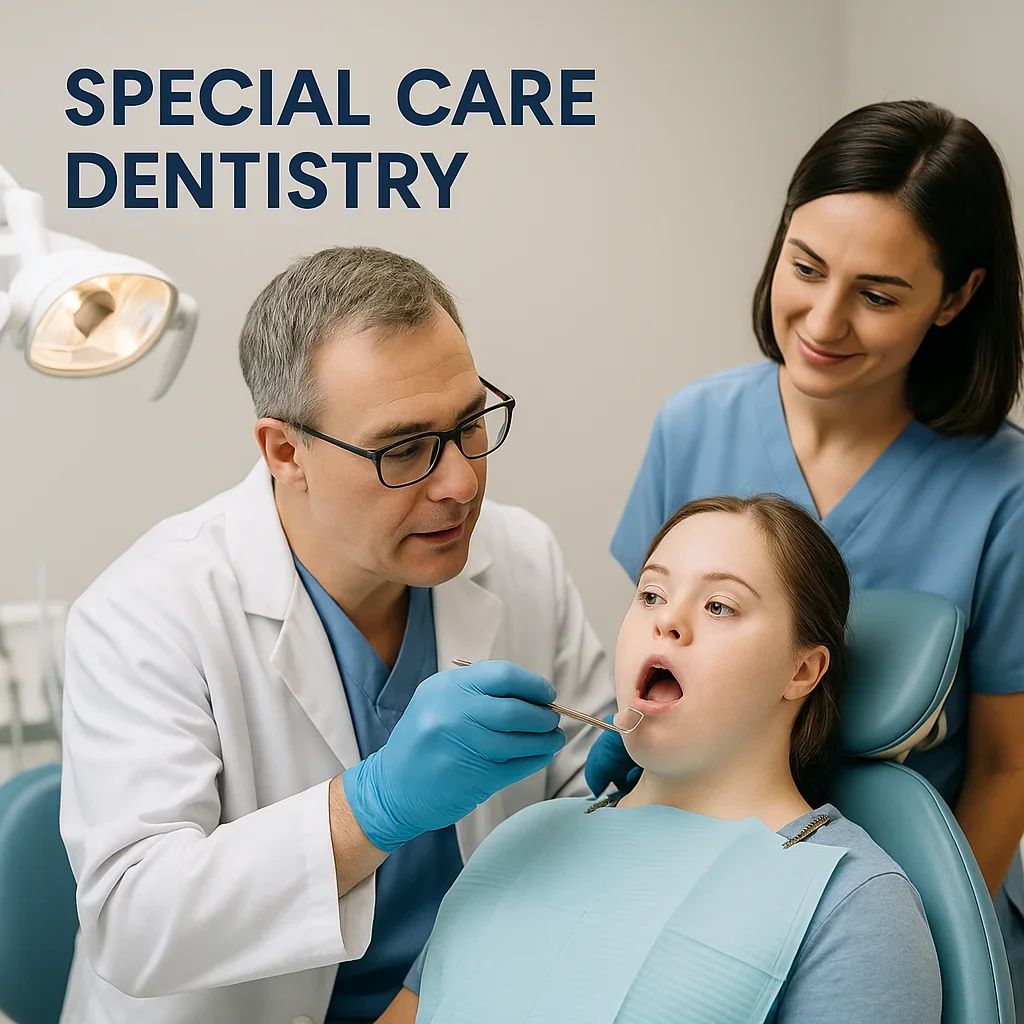
Finding the Right Special Care Dentist Near You
Locating the right professional for special care dentistry is a crucial step in ensuring that patients with complex needs receive the attention, respect, and expertise they deserve. Families often feel overwhelmed when searching for specialized care, especially when balancing medical conditions, accessibility requirements, and insurance concerns. Fortunately, with careful research and a clear understanding of what to look for, it is possible to identify qualified dental professionals who can provide safe, effective, and compassionate treatment. This section outlines practical strategies for finding the right special care dentist and making informed decisions for long-term oral health.
Qualities to Look for in a Special Care Dentist
Not every dentist is trained to manage patients with additional needs. Special care dentistry requires more than technical expertise—it demands patience, empathy, and specialized training. Families should seek providers who demonstrate strong communication skills, a willingness to collaborate with caregivers, and an understanding of complex medical histories. Certifications or memberships in professional bodies, such as the American Dental Association, indicate commitment to high standards of care.
Key Characteristics of a Qualified Dentist
- Postgraduate training or continuing education in special care dentistry.
- Experience working with patients who have disabilities, chronic illnesses, or severe anxiety.
- Adaptability in communication, including non-verbal methods and caregiver collaboration.
- Commitment to preventive care and long-term patient relationships.
Where to Start Your Search
Families can begin by consulting local dental associations, healthcare providers, or hospitals for referrals. Many dental schools also run teaching clinics that specialize in special care dentistry, offering services at reduced costs under the supervision of experienced professionals. Online directories and patient advocacy groups are additional resources that can guide families toward qualified providers.
Helpful Resources
- Local dental societies and professional associations.
- University-based dental programs with special care clinics.
- Nonprofit organizations supporting individuals with disabilities or chronic illnesses.
- Hospital dentistry departments that provide care under general anesthesia.
Evaluating the Dental Clinic Environment
The physical environment of a clinic plays an essential role in making patients feel safe and comfortable. A practice focused on special care dentistry should offer wheelchair access, sensory-friendly waiting areas, and adjustable equipment. Families should visit clinics beforehand, if possible, to assess whether the space is welcoming and adequately equipped to handle unique needs.
Accessibility Features to Consider
- Wide hallways and wheelchair ramps for easy navigation.
- Dimmable lighting and quiet spaces for patients with sensory sensitivities.
- Specialized chairs and positioning devices for patients with mobility limitations.
- Availability of mobile or home-visit services for individuals unable to travel.
Importance of Communication and Caregiver Involvement
Strong communication is the cornerstone of special care dentistry. Families should look for dentists who involve caregivers in every step of the process, from treatment planning to at-home oral hygiene education. Effective communication ensures that patients’ behavioral triggers, comfort strategies, and medical limitations are fully understood, reducing stress and improving outcomes.
Questions to Ask Before Choosing a Dentist
During an initial consultation, families should ask detailed questions to determine whether a provider is the right fit. Topics may include training background, sedation options, emergency protocols, and preventive strategies. It is also important to clarify how the clinic coordinates care with physicians and other healthcare providers, ensuring a holistic approach.
Sample Questions
- What specific training have you received in special care dentistry?
- Do you offer sedation or hospital-based services if needed?
- How do you involve caregivers during treatment?
- What preventive strategies do you emphasize for long-term care?
- How do you handle emergencies during complex procedures?
Considering Costs and Insurance
Families should not overlook financial factors when searching for the right provider. Clinics that specialize in special care dentistry may charge more due to extended appointment times and specialized equipment. Therefore, it is essential to confirm whether insurance policies cover the necessary treatments, sedation, or hospital-based care. Some clinics may also offer flexible payment plans or sliding-scale fees, making specialized care more accessible.
Building Long-Term Relationships
Special care dentistry is most effective when patients establish long-term relationships with their dental teams. Consistency allows dentists to become familiar with medical histories, behavioral patterns, and preferred communication methods. This familiarity fosters trust and reduces anxiety during visits. Families benefit from continuity of care, knowing that their loved ones are supported by a team that understands their unique needs.
In conclusion, finding the right provider for special care dentistry involves careful evaluation of professional training, clinic accessibility, communication skills, and financial considerations. Families should seek compassionate professionals who prioritize dignity, safety, and personalized treatment. By asking the right questions, exploring available resources, and focusing on long-term relationships, caregivers can ensure that patients receive comprehensive, inclusive oral healthcare. For those beginning their search, connecting with trusted professionals through resources like the Redent Klinik Contact Page can provide valuable guidance and support. 🌟