
Understanding bone graft cost is one of the most common concerns for patients planning dental implants or preparing for restorative procedures that require additional bone support. 😊 As dentistry continues to advance, bone grafting has become a predictable, safe, and highly effective solution for patients who have experienced bone loss due to missing teeth, gum disease, trauma, or long-term denture use. Because many people search for clear, practical information before making a decision, this comprehensive guide explains every factor that affects bone graft cost in 2025—from material types to surgeon experience, geographic location, and recovery expenses.
Before diving deeper into the pricing variables, it is important to understand what a dental bone graft is. A bone graft is a surgical procedure that rebuilds or strengthens the jawbone by adding bone or bone-like material to areas where the natural bone has weakened. This step is often essential for placing dental implants securely. Without sufficient bone, an implant may fail, so the upfront bone graft cost ultimately protects the long-term success of the treatment. Many patients also discover that grafting improves facial structure and stability, preventing the sunken appearance that can occur after years of progressive bone loss. These health and aesthetic benefits make the investment worthwhile.
Patients researching bone graft cost online usually want to know why prices vary so widely. The truth is that several technical and biological factors impact the total. For example, grafts made from a patient’s own bone (autografts) tend to cost more due to the additional surgical site required. In contrast, donor bone or synthetic materials can reduce the overall bone graft cost while still delivering predictable results. Surgical complexity also matters: a simple socket graft after an extraction may be far more affordable than a large grafting procedure in the upper jaw involving sinus lifting. Understanding these variations helps patients make informed decisions and avoid unexpected expenses.
Another important element influencing bone graft cost is the expertise of the surgeon performing the procedure. When choosing a clinic, it is crucial to evaluate the skill, certifications, and technology used by the dental professional. Clinics investing in advanced imaging tools such as CBCT 3D scans often provide more accurate planning, minimizing complications and improving long-term outcomes. While this may slightly increase the bone graft cost, the added precision is valuable because it reduces risks and supports better healing. Patients are also encouraged to consult reputable organizations like the American Dental Association to better understand clinical standards and patient care expectations.
For international patients comparing treatment options, Turkey has grown into a major destination due to its combination of experienced surgeons and competitive bone graft cost. Many visitors notice that they can receive high-quality care at a fraction of the price found in Western Europe or the United States, while still benefiting from modern facilities and strict safety regulations. Of course, patients must always verify credentials, check reviews, and confirm whether the clinic offers follow-up care or online assistance after returning to their home country. Proper guidance ensures that the advantages of lower bone graft cost do not compromise medical safety.
In terms of overall patient experience, good communication plays a major role. A clinic should clearly explain the necessary procedure steps, expected healing time, and any aftercare products required—each of which contributes to the total bone graft cost. For example, follow-up appointments, medications, or regenerative materials like platelet-rich fibrin (PRF) may add small additional charges. While these might seem minor, they significantly enhance healing quality and long-term stability. This is why patients should always request a transparent, itemized treatment plan before starting the procedure. Doing so eliminates confusion and empowers patients to make financial decisions confidently.
If you are preparing for a bone graft or exploring implant treatment options, consulting a professional clinic ensures you receive personalized information. You can contact our team directly through the Redent Klinik Contact Page for guidance tailored to your specific condition. Our specialists review your case, assess your bone structure, and provide a detailed estimate of the bone graft cost based on the most suitable materials and techniques for your needs.
As you continue reading the next sections of this guide, you will discover deeper insights into how location, technology, graft materials, and surgical methods influence bone graft cost. Whether you are planning for implants now or simply researching for the future, understanding these details will help you make informed, confident decisions about your oral health. 🦷✨ In the following subsections, we will analyze each factor in detail so you can clearly evaluate what you are paying for and why.
What Affects Bone Graft Cost in Modern Dentistry?
When patients begin researching bone graft cost, one of the first things they notice is how much prices can vary from one clinic to another—and even from one patient to the next. This variation is completely normal because bone grafting is not a one-size-fits-all procedure. Instead, it is a personalized surgical treatment shaped by biological needs, material choice, clinical technology, and the skill level of the dental specialist. Understanding these factors is essential for anyone preparing for a graft, whether it is for dental implants, periodontal repair, or jawbone restoration. In this section, we break down every element that influences bone graft cost to help patients make informed and confident decisions about their treatment. 😊
The Role of Jawbone Condition in Determining Bone Graft Cost
One of the most fundamental variables affecting bone graft cost is the condition of the patient’s existing jawbone. Before recommending grafting, dentists perform a detailed examination, often including X-rays or CBCT scans, to assess bone density, height, width, and structural stability. Patients with minimal bone loss typically require a simple grafting approach, which keeps the bone graft cost relatively low. However, when bone resorption is advanced—such as after long-term tooth loss or gum disease—the procedure becomes more complex. Larger grafts require more material, more surgical time, and sometimes regenerative technologies like membranes or PRF, all of which raise the final price.
It is also worth noting that bone defects in different areas of the mouth influence the overall bone graft cost. For example, grafts in the upper jaw near the sinus cavity often require additional surgical steps, significantly increasing complexity. Conversely, a small extraction-site graft placed immediately after removing a tooth is one of the most affordable types of bone grafting. These differences highlight why a personalized evaluation is essential for accurate pricing.
Impact of Material Type on Total Bone Graft Cost
The choice of grafting material is another major factor shaping the final bone graft cost. Patients may be surprised to learn that there are multiple types of materials used in modern dentistry, each with different pricing and biological benefits. Understanding these options helps patients choose wisely and avoid unnecessary expenses.
Autograft (Patient’s Own Bone)
Using the patient’s own bone tissue is considered the gold standard because it offers excellent integration and healing potential. However, autografts are also associated with higher bone graft cost because they require harvesting bone from a secondary surgical site. This means more operating time, additional anesthesia, and a more complex surgical approach. While autografts produce highly predictable results, not every patient needs this premium option.
Allograft (Donor Bone)
Allograft materials come from medically processed human donor bone, offering safety, convenience, and excellent compatibility. These grafts are widely used and typically reduce the overall bone graft cost because no secondary surgical site is needed. They are often used in standard implant dentistry, socket preservation, and moderate bone defects.
Xenograft (Animal-Derived Bone)
Xenografts—commonly derived from bovine bone—are durable and provide long-term volume stability, making them suitable for sinus lifts and larger reconstructions. Although they are reliable, the price may be slightly higher depending on brand and origin. Patients searching for balanced cost and performance frequently choose xenografts as a cost-effective alternative.
Synthetic Bone Substitutes
Synthetic grafting materials are biocompatible and crafted to mimic natural bone properties. They are generally moderately priced, offering a strong balance between affordability and clinical effectiveness. Because they eliminate both donor and animal sources, some patients prefer them for ethical or health reasons. Their use can help moderate the final bone graft cost, especially when large volumes are needed.
Technology and Diagnostic Tools Influence Bone Graft Cost
Modern clinics increasingly use advanced imaging tools, such as CBCT 3D scanning, digital planning software, and membrane-guided regeneration systems. While these technologies improve accuracy, accelerate healing, and minimize surgical risks, they also influence the total bone graft cost. Many patients appreciate the increased safety provided by such tools, understanding that a slightly higher upfront cost may result in fewer complications and a smoother recovery.
Additionally, digital planning helps surgeons calculate the exact volume of bone material needed, avoiding unnecessary waste and ensuring precise graft placement. The more accurate the diagnostic stage, the more predictable the surgical outcome—an important factor for anyone considering implant dentistry.
Surgeon Expertise and Clinic Reputation
The training, experience, and reputation of the surgeon performing the graft also significantly affect bone graft cost. Specialists in implantology or oral surgery typically charge more because they possess advanced skills and have performed hundreds or thousands of successful procedures. Choosing a highly experienced professional often reduces long-term risks, offering better success rates and improved patient comfort.
Patients should also consider the quality of the clinic environment itself. Modern, well-equipped clinics with advanced sterilization systems, digital tools, and refined treatment protocols may charge more, but they deliver safer and more predictable care. Many individuals believe that paying a slightly higher bone graft cost is justified when it guarantees top-tier professional standards.
Geographic Location and Economic Factors
Bone grafting prices vary dramatically depending on the country or city where treatment takes place. For instance, clinics in major metropolitan areas often charge higher bone graft cost due to increased operational expenses. On the other hand, countries like Turkey offer internationally competitive prices without compromising quality. Economic conditions, currency differences, and healthcare regulations all play a role in shaping the final price.
Patients researching treatment abroad should always consider follow-up care, travel expenses, and continuity of communication with the clinic. This ensures that the savings from a lower bone graft cost do not lead to challenges during the recovery period.
In summary, understanding the many elements that influence bone graft cost helps patients plan effectively and approach treatment with confidence. From material selection and surgeon expertise to diagnostic precision and geographic differences, every detail matters. Making informed choices based on clear, transparent information ensures high-quality results and long-term oral health stability. 😊
Types of Bone Grafts and How They Change the Total Cost
One of the most important factors influencing bone graft cost is the type of grafting material selected for the procedure. Each material works differently, integrates with the jawbone at varying speeds, and requires specific surgical techniques. Because no two patients have the same level of bone loss, understanding these grafting options helps individuals choose the right balance between affordability, long-term stability, and biological compatibility. This section provides a detailed breakdown of all major graft types and explains how each one contributes to the final bone graft cost in modern dentistry.
Why Bone Graft Type Matters for Pricing
Grafting is not simply adding material to the jawbone; it is a biologically complex process that requires a thorough understanding of material behavior, healing patterns, and structural support. Each graft type—whether autograft, allograft, xenograft, or synthetic—comes with its own cost, availability, and clinical advantages. The chosen option can significantly raise or reduce the bone graft cost. For instance, autografts demand additional surgical steps, increasing both time and equipment use. In contrast, donor-based or synthetic materials often streamline the procedure, making them more cost-effective.
Surgeons typically select materials based on the patient’s needs, implant plan, jaw structure, and long-term expectations. In many cases, a combination of materials may be used to maximize support and reduce the risk of bone loss in the future. This also impacts the total bone graft cost, especially in advanced cases requiring extensive reconstruction.
Autograft: The Gold Standard but Most Expensive Option
The autograft, or self-donated bone graft, is widely considered the highest-quality option due to its exceptional compatibility and regenerative ability. During this procedure, bone is harvested from another area of the patient’s body—often the chin, jaw, or hip—and transplanted to the deficient site.
How Autografts Influence Bone Graft Cost
Autografts significantly increase the overall bone graft cost because they involve:
- Two surgical sites (harvesting + grafting)
- Longer surgery duration
- Higher anesthesia requirements
- Greater post-operative care
- Increased surgical equipment use
Although they elevate the bone graft cost, they offer key medical advantages such as faster healing, reduced risk of rejection, and superior long-term strength. For patients with severe bone loss or those seeking maximum biological integration, autografts remain a highly preferred choice.
Allograft: A Popular, Safe, and Cost-Effective Choice
Allograft bone grafts come from processed human donor tissue. They are sterilized, mineralized, and made completely safe for transplantation. This material is ideal for many standard grafting situations, offering both affordability and excellent integration potential.
Cost Benefits of Allografts
Allografts lower bone graft cost by eliminating the need for a second surgical site. They also allow surgeons to efficiently perform socket preservation, ridge augmentation, and moderate bone repairs. For most implant patients, allografts offer the perfect combination of convenience and predictable results.
Xenograft: Long-Term Stability With Moderate Pricing
Xenografts, typically sourced from bovine bone, have a porous structure that closely resembles human bone. Their slow resorption rate makes them ideal for large defects or sinus lift procedures where long-term stability is essential.
How Xenografts Affect Bone Graft Cost
Xenografts may increase the bone graft cost slightly depending on brand reputation, processing standards, and clinic sourcing. However, the stability they provide often justifies the investment, especially for patients who want strong, lasting support under dental implants.
Synthetic Bone Substitutes: Ethical, Affordable, and High-Performance
Synthetic grafts—including bioactive glass, calcium phosphate, and hydroxyapatite—offer an alternative for patients who prefer non-human, non-animal materials. These grafts are designed to mimic real bone and support natural regeneration.
Cost Advantages of Synthetic Materials
Synthetic substitutes are one of the most cost-efficient options on the market, making them ideal for patients seeking to control bone graft cost without sacrificing quality. Their uniform composition ensures consistent performance, and they are available in large quantities for extensive grafting needs.
Combination Grafting: When Multiple Materials Are Needed
In some cases, a surgeon may recommend combining graft materials to achieve optimal structural stability. This approach is often used for patients with complex bone loss patterns, vertical augmentation needs, or sinus deficiencies.
Impact on Bone Graft Cost
Combination grafting typically increases bone graft cost due to the need for multiple material types, membranes, growth factors, and extended surgical planning. However, the results tend to be more predictable and provide long-lasting support for implants.
Biological Enhancements That Add to Cost
Modern dentistry often uses regenerative tools such as:
- PRF (Platelet-Rich Fibrin)
- Collagen membranes
- Growth factors
- Barrier membranes
These enhancements improve healing and help stabilize the graft. While they increase the bone graft cost, they also raise success rates, making them valuable additions for many patients.
In summary, understanding how each graft type affects bone graft cost empowers patients to select the best option for their needs. By balancing biological compatibility, long-term success, and affordability, patients can make smart, well-informed decisions about their dental health and implant journey. 😊
Surgical Techniques That Influence Bone Graft Cost
While many patients focus on grafting materials as the primary factor in determining bone graft cost, the surgical technique itself plays an equally significant role. Different techniques require varying levels of expertise, technology, time, and healing management. Because each patient’s bone structure, medical history, and treatment plan are unique, the surgical method used can dramatically increase or decrease the total bone graft cost. This section examines all major grafting techniques used in modern dentistry and shows exactly how each one affects the price you may pay.
Understanding Why Technique Impacts Bone Graft Cost
The surgical approach determines how extensive the operation will be, how much bone material is required, and how long the procedure takes. Some techniques involve small, minimally invasive steps that help lower bone graft cost, while others require advanced skills and specialized tools that naturally increase the price. Additionally, certain methods are used only in severe bone loss cases, which means the complexity itself drives the higher cost.
Patients often overlook technique as a cost factor, but it directly influences surgical risk, healing time, and implant success rates. The more delicate or demanding the procedure, the more experienced the surgeon must be. Because of this, technique is one of the most important contributors to bone graft cost—and understanding it helps you make confident, informed decisions.
Socket Preservation: The Most Affordable Technique
Socket preservation, also known as alveolar ridge preservation, is usually performed immediately after a tooth extraction. Material is placed into the empty socket to maintain bone height and width for future implant placement.
How Socket Preservation Affects Bone Graft Cost
Because it is a quick and minimally invasive technique, socket preservation is one of the most cost-effective options, significantly lowering bone graft cost. It typically requires:
- Small amounts of graft material
- Short surgical time
- No complex flap design or bone shaping
For patients planning implants, this early prevention step can reduce future costs by eliminating the need for larger grafts.
Ridge Augmentation: Higher Cost Due to Complexity
Ridge augmentation is required when bone loss is more advanced. This technique rebuilds the width and/or height of the jawbone to ensure proper implant stability.
Ridge Augmentation and Its Effect on Bone Graft Cost
Because the surgeon must reshape bone, apply membrane barriers, and build up the ridge in multiple dimensions, this technique significantly increases bone graft cost. Factors contributing to the higher price include:
- Larger graft volume
- Advanced surgical skill and precision
- Longer appointment times
- Higher membrane and material usage
Patients with long-term missing teeth or gum disease often require this technique before implants become possible.
Sinus Lift: One of the Most Costly Bone Grafting Procedures
A sinus lift is performed when the upper jawbone lacks sufficient height beneath the sinus cavity. It is a highly specialized technique used only by trained oral surgeons or implantologists.
How Sinus Lifts Impact Bone Graft Cost
Sinus lifts typically raise bone graft cost more than most other techniques because they involve:
- Raising the sinus membrane without tearing it
- Large graft volumes for vertical bone gain
- Advanced tools and delicate handling
- Extended healing periods
Additionally, surgeons may use PRF, collagen membranes, or specialized xenograft materials to enhance stability, further affecting total expenses.
Block Graft: Premium Technique for Severe Bone Loss
A block graft involves placing a solid piece of bone—often from the patient’s own body or a donor source—onto the jaw to restore significant defects.
Block Grafting and How It Raises Bone Graft Cost
Block grafts are among the most expensive grafting techniques because they require:
- Harvesting bone blocks (if autograft is used)
- Shaping and drilling the block for perfect fit
- Fixing it with titanium screws
- Advanced surgical precision
Due to the difficulty of the procedure and the materials required, block grafting elevates bone graft cost substantially. However, it also offers exceptional long-term strength for patients with major bone deficiencies.
Guided Bone Regeneration (GBR): A High-Precision Option
GBR combines grafting materials with barrier membranes to guide bone growth in the desired shape and direction. It is widely used in implant dentistry to correct defects and support predictable healing.
How GBR Affects Overall Bone Graft Cost
Although GBR increases surgical predictability, it also raises bone graft cost because:
- Multiple layers of membrane may be required
- Custom graft shaping is often necessary
- Longer surgical planning is involved
For patients prioritizing accuracy and long-term success, GBR is often worth the investment.
Split-Thickness and Expansion Techniques
Some surgeons use bone-splitting or ridge-expansion techniques to widen narrow jaws without block grafts. These methods involve gentle manipulation of bone to create more space for implants.
Cost Effects of Expansion Procedures
These techniques may reduce bone graft cost if they allow surgeons to use smaller graft volumes. However, the specialized tools and surgical precision required can still increase the price in certain cases.
Understanding these surgical techniques helps patients appreciate why bone graft cost varies so widely. The method chosen influences complexity, healing time, the type and volume of materials needed, and the surgeon’s level of expertise. By reviewing your case with a qualified specialist, you can determine which approach offers the best balance of affordability, safety, and long-term success for your dental implant journey. 😊
Comparing Bone Graft Cost in Different Countries
As patients increasingly explore global healthcare options, comparing bone graft cost across different countries has become an essential part of the decision-making process. Dental tourism has grown significantly, largely because advanced clinics in countries like Turkey, Mexico, Hungary, and Thailand offer high-quality treatment at far more affordable rates than those found in the United States, Canada, or the United Kingdom. Understanding these international price differences empowers patients to make financially sound choices without compromising safety or results. In this section, we analyze how geography, economic factors, healthcare standards, and currency values influence bone graft cost worldwide.
Why Bone Graft Cost Varies Globally
There is no single universal price for bone grafting because each country operates under its own economic conditions, regulatory frameworks, cost of living levels, and professional training standards. For example, clinics in high-income regions such as Western Europe must manage higher operational expenses, taxes, labor costs, and insurance requirements, all of which increase the final bone graft cost. Meanwhile, countries with lower cost structures can offer equally advanced treatments at significantly reduced prices.
Patients should also consider differences in technology usage, facility quality, surgeon expertise, and the availability of premium graft materials. In some regions, cutting-edge tools like CBCT scans, PRF centrifuge systems, and digitally guided surgery may be included in the overall bone graft cost, while in others, they are billed as additional services. Thus, cost comparison requires examining more than just the base price—it requires evaluating the full value offered.
Bone Graft Cost in the United States and Canada
North America generally has the highest bone graft cost in the world due to elevated healthcare expenses and regulatory demands. In the U.S., grafting for dental implants often ranges between:
- $600–$1,200 for small socket grafts
- $1,500–$3,500 for larger ridge augmentations
- $3,000–$6,000 for sinus lifts
Why Costs Are Higher in North America
Several factors elevate the bone graft cost in this region:
- High practice overhead and staffing expenses
- Expensive malpractice insurance
- Premium graft materials and membranes
- Strict regulation of donor tissue and surgical equipment
Although the prices are higher, North American clinics offer exceptional safety protocols and access to state-of-the-art technology, which many patients value.
Bone Graft Cost in Western Europe (UK, Germany, France, etc.)
In Western European countries, patients typically encounter moderate to high bone graft cost depending on their dentist and clinic location. For example:
- UK socket graft: £400–£900
- Germany ridge augmentation: €800–€2,500
- France sinus lift: €1,500–€4,000
Factors That Influence Pricing in Europe
European clinics benefit from strong regulatory oversight and advanced medical education systems. However, they operate in markets with high living costs and strict safety requirements. These conditions drive up bone graft cost while ensuring consistent treatment quality.
Bone Graft Cost in Turkey: High Quality at Lower Prices
Turkey has rapidly become one of the world’s leading destinations for dental travel. Patients frequently choose Turkey because they can receive expert care, modern technology, and premium materials at a far lower bone graft cost than in Western nations.
- Socket graft: $150–$350
- Ridge augmentation: $400–$800
- Sinus lift: $700–$1,500
Why Turkey Offers Lower Costs
Turkey’s competitive prices are driven by:
- Lower operating costs for clinics
- Favorable currency exchange rates
- Extensive international patient programs
- Highly trained implantologists and oral surgeons
These advantages allow Turkey to deliver top-tier dental care at reduced bone graft cost, making it a preferred option for patients wanting quality without financial strain.
Bone Graft Cost in Mexico and Latin America
Mexico is another popular dental tourism destination, particularly for North Americans, due to its proximity and affordability. Many clinics offer advanced implant services at a much lower bone graft cost.
Typical Pricing in Mexico
- Socket graft: $200–$400
- Ridge augmentation: $500–$1,000
- Sinus lift: $800–$1,800
Mexico’s dental sector is known for modern facilities, experienced surgeons, and treatment packages designed for international patients. This makes it an excellent destination for those seeking lower bone graft cost while maintaining high safety standards.
Bone Graft Cost in Asia (Thailand, India, South Korea)
Asian countries offer a wide range of pricing depending on location and clinic specialization. Thailand and India stand out for affordability, while South Korea is recognized for highly advanced surgical technology.
Pricing Examples Across Asia
- Thailand: $250–$600
- India: $150–$400
- South Korea: $800–$2,000
Asia provides options for every budget level, but patients should carefully evaluate clinic credentials and technology before focusing only on bone graft cost.
How to Choose the Right Country for Treatment
When comparing bone graft cost internationally, patients should evaluate:
- The surgeon’s experience and specialization
- Clinic sterility and modern equipment
- Availability of CBCT imaging
- Travel and accommodation expenses
- Language support and follow-up care
An affordable bone graft cost is important, but safety, communication, and long-term results must always remain top priorities.
In summary, comparing bone graft cost across countries reveals enormous price differences driven by local economies, healthcare systems, and operational costs. With careful research, patients can find excellent treatment at a price that fits their budget while achieving long-term oral health success. 🌍✨
Bone Graft Cost for Dental Implants: What to Expect
When patients begin planning their dental implant journey, one of the first financial questions they ask is how bone graft cost affects the total treatment price. Because dental implants require strong, healthy bone for long-term success, bone grafting is often recommended when the jawbone has become too thin or weak to support an implant safely. Understanding the relationship between dental implants and grafting procedures helps patients make informed decisions, anticipate expenses, and avoid unexpected financial surprises. In this section, we explore every factor that connects implant treatment to bone graft cost, offering clear and practical guidance for 2025.
Why Bone Grafting Is Often Needed Before Dental Implants
A dental implant functions like an artificial tooth root. To hold it securely, the jawbone must have enough height, width, and density. When teeth have been missing for years, the bone gradually dissolves due to lack of stimulation. Gum disease, trauma, or poorly fitting dentures can also contribute to bone loss. In these cases, grafting becomes essential for implant stability. As a result, bone graft cost becomes a major part of the overall implant treatment plan. Without proper grafting, implants have a higher risk of failure, making bone reconstruction a crucial step for long-term oral health.
How Bone Volume Affects Bone Graft Cost
One of the biggest determinants of bone graft cost is the amount of graft material needed. A simple, localized graft for a single implant is far more affordable than a full-arch reconstruction requiring multiple grafting sites. Surgeons evaluate bone thickness using CBCT scans, which show exactly how much additional bone must be rebuilt. That means patients with moderate bone loss typically face a lower bone graft cost, while those with severe deterioration require more advanced and expensive procedures. Thus, early intervention often saves patients money by preventing the need for large, complex grafting procedures.
Types of Implant-Related Grafting and Their Cost Impact
1. Socket Preservation Grafts
After a tooth extraction, placing graft material into the empty socket helps preserve bone structure for future implant placement. This is usually the most affordable option and keeps the bone graft cost low. It also minimizes the risk of bone shrinkage, reducing the need for more extensive grafting later.
2. Horizontal Ridge Augmentation
Sometimes the jawbone is too narrow to support an implant, so surgeons widen it using grafting materials. This procedure requires more material, membranes, and precision, increasing the bone graft cost compared to simple socket grafts.
3. Vertical Bone Augmentation
Vertical grafting is one of the most complex procedures in dentistry, used when patients lack sufficient height in the jawbone. Because it requires advanced skills and longer healing, it significantly adds to the overall bone graft cost. This technique also involves specialized tools and sometimes titanium mesh for added stability.
4. Sinus Lift Grafting
When implants are needed in the upper back jaw, surgeons may need to lift the sinus membrane to create more vertical space. This technique typically increases bone graft cost more than most grafting types due to its complexity, delicate nature, and the high volume of graft material required.
Implant Material and Technology Influencing Bone Graft Cost
Implant dentistry is deeply connected to digital planning, advanced imaging, and bioengineered materials—all of which can indirectly influence bone graft cost. For example, CBCT scans allow surgeons to measure bone thickness with remarkable accuracy, reducing surgical risks. Although these tools may slightly increase treatment costs, they ensure that grafts are placed with precision, improving both implant success rates and long-term stability.
Additionally, many modern implant systems use guided surgery, where a customized surgical guide (produced digitally) directs the exact angle and depth of implant placement. When grafting is involved, guided surgery minimizes errors and supports predictable healing, which many patients feel justifies the additional bone graft cost.
How Implant Location Changes the Total Cost
The area of the mouth where implants are placed also influences the total bone graft cost. Posterior areas (molars) typically require more grafting due to bone weakness caused by chewing pressure and sinus cavity proximity. Conversely, anterior regions (front teeth) may need smaller graft volumes but often require highly aesthetic, delicate techniques, which can also affect pricing.
Healing Time and the Influence on Overall Cost
While grafting stabilizes the bone for implants, it also extends the healing period. Most grafts take three to six months to integrate fully. During this time, patients may require follow-up visits, additional medications, or protective dental appliances. These factors can slightly increase the total bone graft cost, especially for advanced procedures like sinus lifts or block grafts.
How Bone Graft Cost Affects Full-Mouth Implant Treatments
Patients undergoing full-arch implants (such as All-on-4 or All-on-6 systems) often assume grafting is mandatory. Fortunately, modern techniques sometimes eliminate the need for grafts by tilting implants into naturally denser bone areas. When grafting is avoided, bone graft cost can be significantly reduced—or even eliminated altogether. However, patients with severe bone loss may still require extensive grafting to achieve stable long-term results.
Consultation With a Specialist for Accurate Pricing
Every implant case is unique, so the most accurate way to estimate bone graft cost is through a clinical evaluation that includes radiographic imaging and a personalized treatment plan. For patients seeking professional guidance, the Redent Klinik Contact Page provides direct access to specialists experienced in implant dentistry and bone reconstruction.
In summary, understanding how bone graft cost fits into dental implant treatment allows patients to set realistic expectations and prepare financially. From socket preservation to advanced sinus lifts, grafting directly influences implant success and long-term oral health. By reviewing the details with a qualified surgeon, patients can choose the most appropriate, cost-effective, and biologically sound treatment path for their needs. 🦷✨
Hidden Expenses Patients Should Know About
When researching bone graft cost, most patients focus primarily on the surgeon’s fee and the grafting material. However, there are several additional expenses that can significantly influence the final amount paid. These hidden costs often surprise patients who weren’t fully prepared for the financial aspects of the procedure. Understanding them in advance allows for better budgeting, reduces stress, and ensures a smoother treatment journey. In this section, we uncover every potential extra cost associated with bone grafting so patients can evaluate the total financial picture—not just the base bone graft cost.
Diagnostic and Pre-Treatment Assessments
Before a bone graft can be performed, dentists must first evaluate your oral condition using advanced diagnostic tools. These assessments help determine whether you need grafting, what type of graft is necessary, and how complex the surgery will be. Because these steps are required for successful planning, they can increase overall bone graft cost.
CBCT 3D Scan Fees
A cone-beam CT scan is often mandatory for graft planning, as it provides detailed images of bone structure, nerve pathways, and sinus anatomy. CBCT scans typically add to the bone graft cost, though some clinics include them in a package price. Still, in many practices, this diagnostic imaging is billed separately.
Consultation Charges
Some dental clinics charge an initial consultation fee that includes oral exams, treatment planning, and case evaluation. While this may seem minor, it can still contribute to the total bone graft cost, especially if multiple specialists are involved.
Anesthesia and Sedation Costs
Bone grafting procedures often require numbing, sedation, or even general anesthesia depending on their complexity. Sedation fees vary widely across clinics and countries, making this one of the most unpredictable additions to bone graft cost.
Local Anesthesia
Local anesthesia is the most affordable option and is often included in the base price. However, in some clinics, a small additional charge may apply.
Oral Sedation or IV Sedation
For anxious patients or those undergoing complex procedures, sedation is recommended. This can significantly raise the bone graft cost, especially when specialized anesthesiologists are involved.
General Anesthesia
Typically used for hospital-based grafts or extensive reconstructions, general anesthesia adds the highest cost. Because it requires medical monitoring and specialized equipment, it raises total expenses substantially.
Surgical Supplies and Specialized Materials
Beyond the graft material itself, many grafting procedures require additional regenerative tools. These materials improve healing, enhance stability, and protect the graft—but they also add to the final bone graft cost.
Membranes and Barriers
Collagen membranes, PTFE barriers, and titanium meshes are often used in guided bone regeneration (GBR). These materials help shape and protect the graft but can increase costs depending on their type and brand.
PRF (Platelet-Rich Fibrin)
PRF is created from the patient’s blood and accelerates healing. While highly beneficial, the centrifuge process may add an extra charge that contributes to bone graft cost.
Bone Fixation Screws
When block grafts or large grafts are used, titanium screws are required for stabilization. Their cost is often added separately to the procedure total.
Post-Operative Care and Medications
Recovery is an essential part of the grafting process, and proper care ensures long-term success. However, post-operative needs can create hidden expenses that patients may not consider when calculating bone graft cost.
Medications
- Antibiotics
- Pain relievers
- Anti-inflammatory drugs
- Antiseptic mouthwashes
These prescriptions, while necessary, contribute to the overall bone graft cost.
Follow-Up Appointments
Most clinics include one or two post-treatment visits in the base fee. However, complex cases may require several check-ups, each contributing to total expenses. These visits ensure proper healing, but patients should know they may add to bone graft cost.
Suture Removal or Additional Cleaning Sessions
Some clinics charge for suture removal or cleaning sessions after graft placement. Although these fees are often small, they still contribute to the cumulative bone graft cost.
Complication-Related Costs
Although bone grafting is generally safe, complications may occur, especially in patients who do not follow post-operative instructions. If complications require additional care, they can significantly increase total bone graft cost.
Infection Management
Treating an infection may involve additional medications, emergency visits, or even surgical cleaning of the graft site.
Graft Reinforcement Procedures
If the graft does not integrate fully, a repeat graft may be necessary, doubling the bone graft cost.
Travel and Accommodation Costs for International Patients
Many patients travel abroad for more affordable treatment, especially to countries like Turkey. While this often reduces dental expenses, travel and lodging must also be considered when calculating the total bone graft cost.
Flights, hotel stays, transfers, and follow-up visits all influence the final spending amount. Some clinics provide package deals that include these services, offering more predictable costs.
The Value of Transparent Pricing
The best way to avoid surprises is to work with a clinic that offers full price transparency. Reputable clinics provide itemized treatment plans showing exactly how each part of the bone graft cost is calculated. Patients seeking detailed, personalized estimates can contact Redent Klinik through the Redent Klinik Contact Page.
Understanding these hidden expenses helps patients plan realistically and choose treatment options that meet both their medical needs and budget. When every cost is clearly understood, the path to successful grafting and implant treatment becomes smoother, predictable, and far more comfortable. 😊
How Insurance and Financing Options Impact Bone Graft Cost
For many patients, understanding how insurance coverage and financing solutions influence total bone graft cost is just as important as understanding the surgical aspects of the procedure itself. Because bone grafting is often connected to dental implants—an elective treatment in many countries—coverage policies can vary widely among insurance providers. Some patients receive partial reimbursement, others receive none, and many are unaware of the financing programs that can help make treatment more affordable. This section provides a complete breakdown of how insurance and payment plans affect bone graft cost and what patients must know before committing to treatment.
Does Dental Insurance Cover Bone Grafting?
Whether insurance reduces bone graft cost depends primarily on the purpose of the graft. Insurance companies typically categorize dental procedures as either “medically necessary” or “elective.” Bone grafts performed to rebuild bone lost due to health conditions may receive partial coverage, while grafts done to support dental implants may not.
When Insurance Is More Likely to Provide Coverage
- Periodontal disease–related bone loss: If the bone graft is needed to stabilize teeth weakened by gum disease, insurers often consider it medically necessary.
- Infection or trauma cases: Grafting performed after oral injury or severe infection may qualify for partial reimbursement.
- Cyst or tumor removal: If bone volume must be restored after removing a lesion, insurance may cover a portion of the bone graft cost.
In these scenarios, patients may receive meaningful financial support. However, coverage levels vary depending on the insurance provider, plan tier, region, and annual benefits limit.
When Insurance Typically Does Not Cover Bone Grafting
- Implant preparation: Bone grafts placed solely to support dental implants are often classified as elective.
- Cosmetic improvements: Procedures aimed at enhancing facial aesthetics or improving smile symmetry are rarely covered.
- Optional enhancements: PRF, guided bone regeneration membranes, or additional graft materials used to speed healing may not be reimbursed.
When grafting is considered elective, patients bear most or all of the bone graft cost, making financing options especially valuable.
Medical Insurance and Its Limited Role in Bone Grafting
Medical insurance occasionally provides reimbursement for grafting when severe health issues are involved. However, this is less common. Patients must demonstrate medical necessity, and detailed documentation—including scans, reports, and surgical notes—may be required.
Medical Insurance May Apply When:
- Bone loss is caused by systemic disease (autoimmune conditions, osteoporosis, endocrine disorders).
- Accidents or facial injuries require reconstructive bone grafting.
- Jawbone defects impact essential functions such as speech or chewing.
If successful, this type of reimbursement can significantly offset bone graft cost, but approval can take time and may require appeals.
Financing Options for Managing Bone Graft Cost
Even when insurance does not cover the procedure, multiple financing options allow patients to manage expenses comfortably over time. Because bone graft cost can vary widely—from small socket grafts to advanced sinus lifts—payment flexibility is essential.
In-House Payment Plans
Many dental clinics offer internal payment plans that break the total bone graft cost into monthly installments. These plans often require:
- Zero or low initial deposit
- Fixed monthly payments
- No credit check (in many clinics)
For patients seeking simple, clinic-managed financing, this is one of the most convenient solutions.
Third-Party Medical Financing Companies
Companies such as CareCredit, MediFin, or regional equivalents provide medical financing loans specifically for dental and surgical treatments. These programs may offer:
- 0% interest promotional periods
- Extended payment terms (12–60 months)
- Quick approval processes
Such programs help distribute bone graft cost across manageable monthly payments without delaying needed care.
Health Savings Accounts (HSA) and Flexible Spending Accounts (FSA)
In regions like the United States, HSAs and FSAs allow patients to use pre-tax funds to pay for procedures—even when insurance does not cover them. This reduces the effective bone graft cost and makes treatment significantly more affordable.
International Patients: Cost Advantages Without Insurance
Many patients travel abroad to countries such as Turkey for dental treatment because of the dramatically lower bone graft cost. Even without insurance, international prices can be so competitive that patients still save money compared to treatment in their home country. Additionally, many clinics offer bundled implant-and-grafting packages that include transportation, accommodation, and full treatment planning, ensuring predictable pricing.
For international patients needing personalized estimates or guidance, the Redent Klinik Contact Page offers direct access to professional assistance.
How to Maximize Insurance Benefits and Reduce Total Cost
To minimize bone graft cost, patients should:
- Request pre-authorization before treatment
- Provide complete diagnostic documentation
- Use HSA/FSA funds when available
- Compare multiple financing plans
- Ask whether follow-up visits are included in the price
Working closely with the clinic’s treatment coordinator ensures that all available financial options are explored. Many clinics assist patients with submitting insurance paperwork or appealing denied claims.
In conclusion, understanding how insurance and financing affect bone graft cost is critical for planning a stress-free treatment experience. With the right combination of coverage, payment plans, and financial strategy, patients can confidently move forward with grafting and implant procedures without unexpected financial burden. 😊
Bone Graft Recovery and Aftercare: Is the Cost Worth It?
When evaluating bone graft cost, patients often focus on the financial aspect of the procedure, but the true value also lies in the recovery process, long-term oral health benefits, and the overall improvement in implant success rates. Bone grafting is an essential foundation-building procedure that restores the jawbone structure, prevents bone loss, and makes dental implants possible for millions of patients each year. This section explores the recovery timeline, aftercare requirements, potential complications, and long-term advantages so patients can clearly understand whether the investment in bone graft cost is genuinely worthwhile.
Understanding the Bone Graft Healing Timeline
Recovery after a bone graft is a gradual biological process, and the time it takes varies depending on the graft type, surgical technique, and the patient’s overall health. Healing generally occurs in three main phases: early recovery, bone integration, and final stabilization. Each phase influences how soon dental implants can be placed and determines whether the bone graft cost translates into long-term success.
Phase 1: Initial Recovery (Days 1–14)
During the first two weeks, the graft site begins forming new blood vessels and stabilizing the material in place. Patients may experience mild swelling, discomfort, or bruising—normal symptoms that resolve quickly. Proper aftercare during this phase is crucial for protecting the graft, especially because early infection or trauma can compromise results and potentially increase the final bone graft cost if corrective procedures become necessary.
Phase 2: Bone Integration (1–4 Months)
This is the most important period for long-term success. The natural bone begins to integrate with the grafting material through a process known as osseointegration. Depending on the graft type, integration can take several months. Patients who follow aftercare instructions closely often experience faster and more stable integration, maximizing the value of their bone graft cost.
Phase 3: Final Stabilization (4–6+ Months)
Complex grafts—especially sinus lifts and block grafts—require additional healing time. Once the graft has fully matured, the jawbone becomes strong enough to support dental implants. At this stage, the initial bone graft cost proves its long-term worth by preventing implant failure and ensuring structural durability.
Essential Aftercare for Protecting Your Investment
Aftercare plays a major role in determining whether a bone graft heals successfully. Even a well-performed graft can fail without proper care. This makes post-operative guidelines critical to the long-term value of the bone graft cost. Patients must protect the surgical site, maintain excellent oral hygiene, and follow all recommendations from their dental team.
Oral Hygiene Instructions
- Avoid brushing the graft site for the first several days.
- Use antiseptic mouthwash as directed to prevent infection.
- Resume gentle brushing once approved by the surgeon.
Failure to maintain hygiene can compromise graft stability, potentially leading to additional procedures—thus increasing the total bone graft cost.
Dietary Guidelines
Patients should consume soft foods and avoid chewing on the graft side for several days to minimize pressure on the healing area. Avoiding hard or sticky foods prevents displacement of the graft material.
Activity Restrictions
Strenuous exercise, smoking, and alcohol use can negatively impact healing. Smoking, in particular, reduces blood flow and dramatically increases the risk of graft failure—making the bone graft cost far less effective if proper guidelines are not followed.
Possible Complications and Their Cost Implications
Even though bone grafting is considered a safe dental procedure, complications can occasionally occur. While rare, these complications may affect the overall bone graft cost by requiring additional appointments, medications, or secondary grafting procedures.
Infection
Infections can occur if bacteria enter the surgical site. Treatment may involve antibiotics or, in severe cases, additional cleaning or graft repair. Prompt intervention helps protect the initial bone graft cost investment by preventing major setbacks.
Graft Failure
Failure usually occurs when the graft does not integrate with the natural bone. Common causes include smoking, excessive pressure, and improper aftercare. In these cases, the graft may need to be replaced, increasing overall treatment costs and delaying implants.
Sinus Complications
For sinus lift patients, improper healing may lead to sinus irritation or membrane issues. While treatable, these complications can influence both recovery time and total bone graft cost.
Long-Term Benefits That Justify Bone Graft Cost
Although bone grafting adds to the overall expense of dental implant treatment, the long-term advantages far outweigh the initial bone graft cost.
Improved Implant Success Rates
A strong, regenerated jawbone dramatically increases the success rate of dental implants. Without grafting, implants may fail prematurely, leading to additional treatments and costs.
Enhanced Facial Structure and Aesthetics
Bone grafting prevents the sunken facial appearance caused by long-term bone loss, improving both oral function and facial harmony.
Better Oral Health and Stability
By restoring bone volume, grafting strengthens the jaw, supports remaining teeth, and improves the foundation for future dental work.
Is Bone Graft Cost Ultimately Worth It?
When evaluating the long-term value of bone graft cost, most patients conclude that the investment is not only worthwhile but essential. Bone grafting prevents complications, improves implant outcomes, restores function, and enhances overall quality of life. With proper recovery and aftercare, the benefits last for decades—far exceeding the initial financial commitment.
For personalized guidance about recovery or implant preparation, patients can contact our specialists through the Redent Klinik Contact Page. Understanding recovery helps ensure that every part of the bone graft cost delivers maximum long-term benefit. 😊
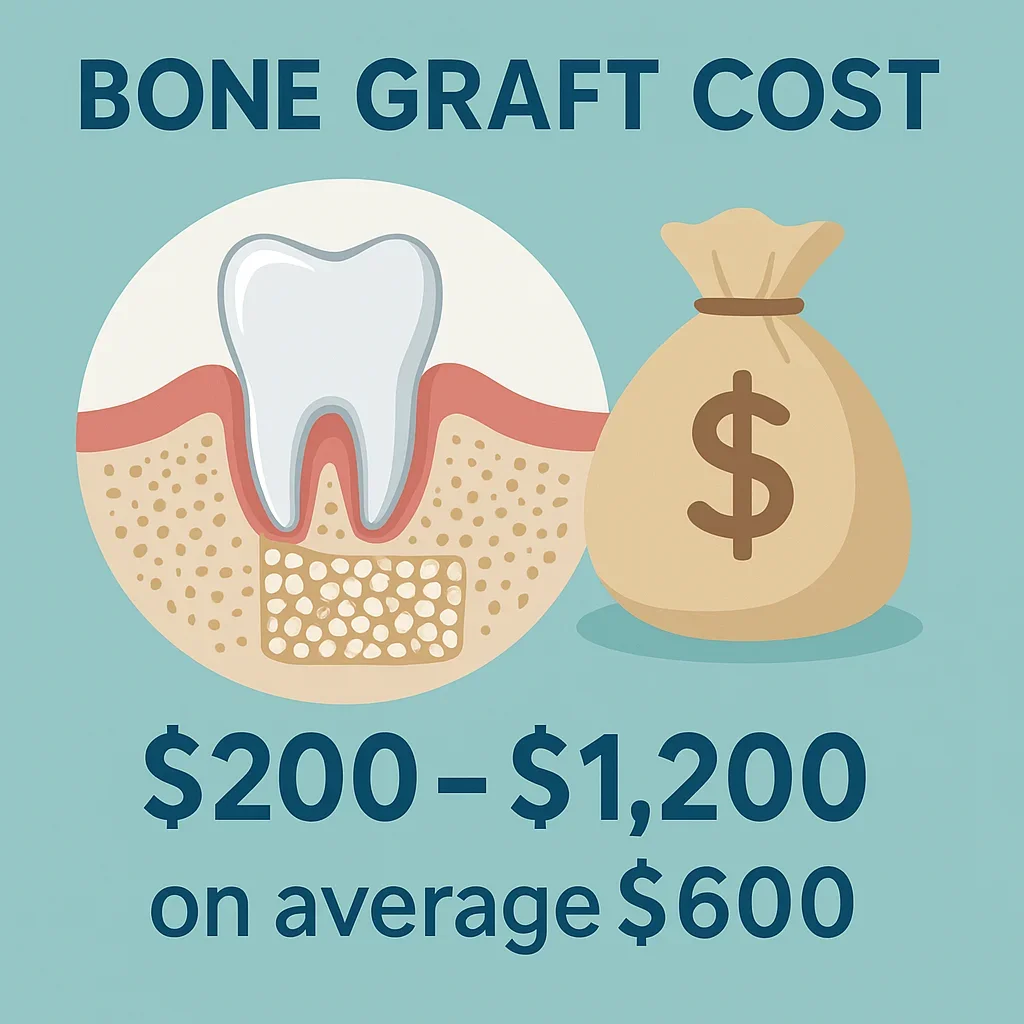
Expert Tips to Reduce Bone Graft Cost Without Risking Quality
Patients searching for ways to lower bone graft cost often worry that reducing expenses might compromise safety or the long-term success of their dental implants. Fortunately, there are several proven strategies to protect your budget without sacrificing the quality of your treatment. By choosing the right clinic, planning your procedure carefully, and understanding which elements of treatment can be optimized, patients can significantly reduce their overall bone graft cost while still receiving excellent dental care. This section provides professional, experience-backed tips that ensure smart decision-making and maximum value for your investment.
Choose an Experienced Clinic That Offers Transparent Pricing
Many patients assume that lower prices automatically mean lower quality—but this is not always the case. Some clinics operate more efficiently and can offer competitive bone graft cost without compromising professional standards. The key is transparency. A trustworthy clinic will provide a clear, itemized treatment plan showing every cost associated with the graft, materials, imaging, and aftercare.
How Transparent Pricing Helps Reduce Costs
- Eliminates surprise fees
- Allows you to compare clinics accurately
- Helps budget for additional treatments such as implants or membranes
Patients can request detailed quotes through the Redent Klinik Contact Page to understand how each service affects total bone graft cost.
Consider Treatment in Countries With Lower Operating Costs
One of the most effective ways to reduce bone graft cost without sacrificing quality is to receive treatment in countries known for affordable yet highly advanced dental care. For example, Turkey has become a global leader in dental tourism because it offers internationally trained surgeons, high-end technology, and significantly reduced prices due to lower operating expenses.
Benefits of International Treatment
- Access to top-tier dental specialists
- Lower treatment costs due to favorable currency and economics
- Package deals that cover transfers, hotels, and medications
Patients often find that even with travel expenses included, the total bone graft cost abroad is still far lower than in their home country.
Prevent Future Bone Loss Through Early Intervention
Acting early is one of the simplest ways to reduce the long-term bone graft cost. As bone loss progresses, larger and more complex grafts become necessary—raising both the price and recovery time. Patients who address missing teeth soon after extraction often avoid severe bone deterioration and complex procedures.
Early Action Helps Minimize the Need for Expensive Procedures
- Socket preservation reduces future bone volume loss
- Smaller grafts mean lower material and surgery fees
- Shorter healing time reduces follow-up costs
Choosing preventive grafting techniques at the right time ensures that patients pay a lower bone graft cost over the long term.
Ask Your Dentist About Cost-Efficient Material Options
While some patients automatically choose premium grafting materials, these are not always necessary. In many situations, cost-efficient options—such as allografts or synthetic bone substitutes—provide excellent stability at a fraction of the price of autografts.
Choosing the Right Material Can Lower Bone Graft Cost
- Allografts eliminate the need for a secondary surgical site
- Synthetic substitutes offer predictable results and lower pricing
- Xenografts may cost less depending on brand and availability
Discussing these options with a specialist ensures the chosen material meets biological needs while optimizing bone graft cost.
Use Financing Plans to Spread Out the Cost
Many patients do not realize that clinics offer financing solutions designed to make bone graft cost more manageable. Spreading payments over time helps patients access high-quality care without financial strain.
Benefits of Dental Financing Plans
- Low or zero-interest payment options
- Predictable monthly installments
- No need to delay important dental work
Financing doesn’t reduce the actual bone graft cost, but it significantly reduces the financial burden by making payments more accessible.
Maintain Excellent Oral Hygiene to Protect the Graft
A critical but often overlooked cost-saving strategy is proper aftercare. Graft failure can double or even triple the total bone graft cost by requiring corrective surgery. Maintaining excellent oral hygiene ensures the graft integrates successfully.
Preventing Failure Saves Money
- Avoid smoking and alcohol during healing
- Follow all post-operative care instructions
- Attend all follow-up appointments
Patients who stay disciplined during recovery maximize their initial investment and avoid unnecessary complications.
Combine Treatments When Possible
In some cases, surgeons can combine grafting with other dental procedures—such as extractions or implant placement—to reduce total treatment time and surgical fees. This combined approach can lower the overall bone graft cost by eliminating redundant appointments and anesthesia charges.
Advantages of Combining Procedures
- Fewer surgical sessions
- Reduced anesthesia and facility costs
- Shorter total healing time
Not all patients qualify for combined procedures, but those who do often benefit from reduced treatment expenses.
Get Multiple Treatment Plans Before Choosing a Clinic
Comparing treatment plans from two or three clinics ensures that you understand how different providers calculate their bone graft cost. Prices may vary significantly depending on material choice, technology, surgeon expertise, and included services.
What to Look For in a Quote
- Whether membrane materials are included
- Whether imaging and consultations are added fees
- Whether follow-up visits are part of the cost
A clinic offering comprehensive packages often provides better value than one listing each service separately.
Is Reducing Bone Graft Cost Worth It?
Absolutely—when done wisely. By following expert-backed tips, choosing qualified clinics, and planning treatment strategically, patients can lower bone graft cost without compromising outcome quality. The goal is not just saving money, but ensuring long-term oral health and implant success.
For personalized advice or cost evaluations tailored to your case, patients can reach specialists through the Redent Klinik Contact Page. Making informed decisions ensures that every aspect of bone graft cost is optimized for long-term value and high-quality results. 😊