
When researching modern dental treatments, one of the most common questions patients ask is how much a procedure will truly cost and what factors shape that price. The same applies to those exploring gum implants—a specialized treatment that restores both oral health and aesthetic balance. In this comprehensive guide, we break down every detail that influences gum implant cost, helping you make informed decisions with full clarity. Many patients feel overwhelmed by the variety of price ranges they encounter online, but this article explains precisely what you are paying for and why. 😊
To fully understand gum implant cost, it’s essential to first know what the procedure involves. Gum implants are typically used to restore missing or damaged gum tissue, especially in cases of gum recession caused by periodontal disease, brushing trauma, genetics, or previous dental issues. This procedure can be performed using either a patient’s own tissue or biomaterials specifically designed to mimic natural gum structure. Both approaches offer excellent results, but each option affects the final gum implant cost differently. For example, using advanced regenerative membranes or donor tissue may increase the investment, yet often leads to faster healing and more predictable outcomes.
Many patients assume that gum implant cost relates only to the surgery itself, but this is not accurate. A complete treatment plan may include diagnostic scans, consultation fees, gingival grafting materials, anesthesia type, and postoperative care. Each of these steps influences the total price. When clinics provide a quote, it often reflects the professionalism of the surgical team, the quality of materials used, and the amount of personalized care required for your specific gum condition. High-quality care not only ensures a healthier result but also reduces the likelihood of complications and additional expenses later on.
Another important element shaping gum implant cost is the severity of gum recession or tissue loss. Mild cases may require only a small graft area, while advanced gum recession across multiple teeth requires more extensive surgical work. This naturally increases clinical time, material usage, and follow-up visits. Dentists must also consider bone support under the gum line—if bone loss is present, additional regenerative procedures may be necessary. These biological and structural factors are significant contributors to how gum implant cost is determined globally.
Patients often compare gum implant pricing across countries such as Turkey, the United States, the United Kingdom, and parts of Europe. Geographic differences significantly influence treatment fees, mainly due to variations in labor expenses, clinic overhead, material costs, and national healthcare regulations. For example, Turkey is internationally recognized for offering world-class dental care with more affordable pricing compared to Western countries. Still, high-quality clinics everywhere structure their gum implant cost based on similar clinical requirements and procedural steps. International patients especially value transparent breakdowns of what is included in their treatment package.
When evaluating gum implant cost, patients should also consider long-term benefits. Gum implants improve oral stability, reduce sensitivity, protect exposed roots, and enhance smile aesthetics. They also help prevent future dental complications such as bone loss, tooth mobility, and progressive periodontal damage. While this treatment requires an initial financial investment, the long-term savings can be substantial. Preventing severe gum disease progression often means avoiding larger expenses down the line such as bone grafts, advanced periodontal treatments, or tooth loss restoration. In this way, the overall gum implant cost often pays for itself through improved oral health and reduced future treatment needs.
For those seeking personalized information or scheduling a professional evaluation, you can contact the clinic through this link: Redent Klinik Contact Page. Trusted organizations like the American Dental Association also provide valuable public information on gum health, treatment safety, and clinical guidelines.
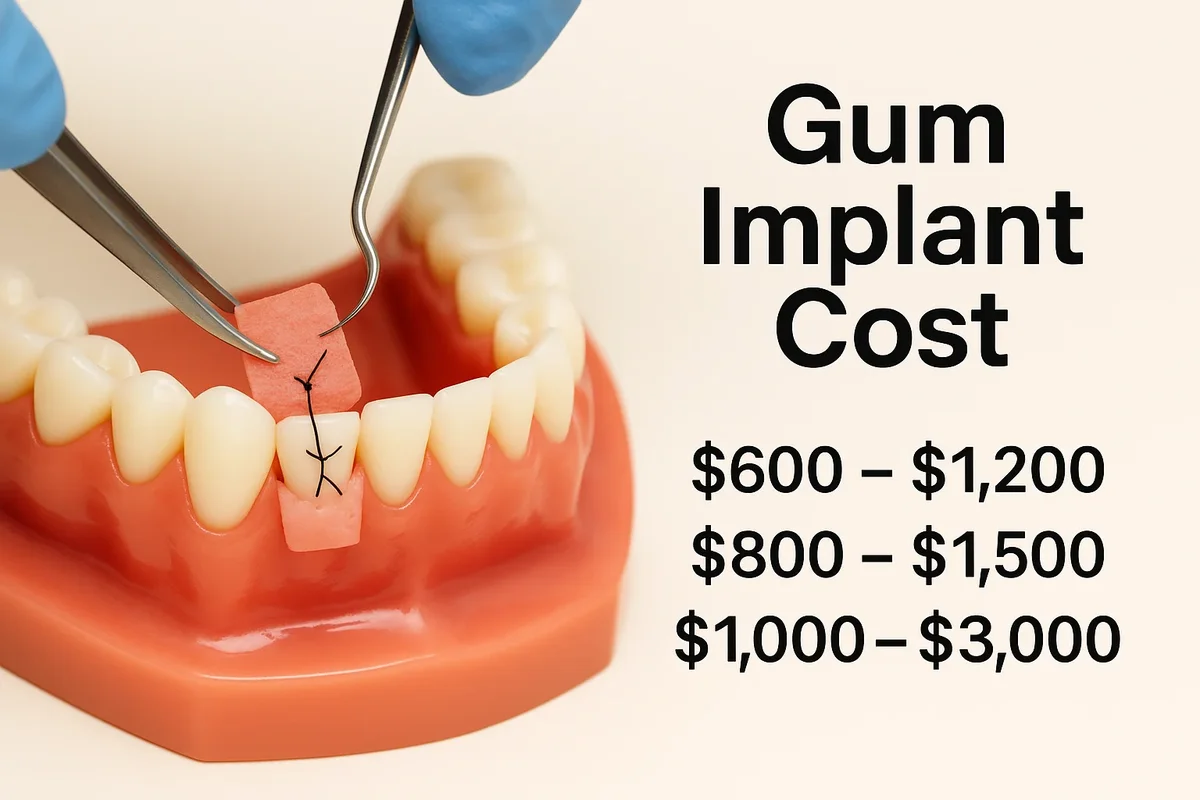
Below is an example of typical price ranges found online for gum implant–related treatments. These figures vary based on region, surgical complexity, and material selection:
Gum Implant Procedure Cost Range (General Online Estimates)
----------------------------------------------------------
• Mild gum grafting (single area): $250 – $600
• Multi-site grafting treatment: $600 – $1,200+
• Regenerative membrane procedures: $300 – $900 additional
• Advanced periodontal surgery packages: $1,000 – $3,000+
As you continue reading the full guide, you will learn how clinics calculate overall treatment fees, how to compare providers properly, what hidden charges you should avoid, and how to find financially manageable solutions without compromising on clinical excellence. Now that you have a strong introductory understanding of gum implant cost, we can explore deeper details in the following sections. When you’re ready, just say “continue”, and I will expand the next heading with a full 600-word HTML section. 🌟
What Affects the Overall Gum Implant Cost? Key Factors Explained
Understanding what truly shapes the gum implant cost is essential for patients who want clarity, transparency, and the ability to compare clinics accurately. The cost varies significantly between individuals because gum implant procedures are highly customized according to the patient’s oral structure, gum recession severity, and long-term treatment goals. Although many online sources list average prices, these figures rarely capture the complex factors that influence the final gum implant cost. In this section, we break down every variable in detail, giving you a complete picture of how professionals calculate treatment fees. 😊
1. The Severity of Gum Recession and Required Surgical Work
The degree of gum loss plays a major role in determining how much the procedure will cost. Patients with mild gum recession may only need a single graft area, while others with advanced tissue loss require multi-zone grafting or regenerative biomaterials to restore gum structure. More extensive treatment naturally increases the gum implant cost. Severe gum recession often accompanies bone loss, which may require complementary regenerative procedures. These add clinical time, additional materials, and increased surgical complexity.
How Recession Depth Influences Cost
Deep recession typically exposes the tooth root, causing sensitivity, aesthetic concerns, and long-term structural instability. Repairing deeper pockets requires more tissue, a larger surgical field, and more advanced tools. These elements significantly raise the gum implant cost. By contrast, shallow recession cases usually require less graft material, shorter surgery time, and fewer postoperative visits.
2. Type of Gum Graft Material Used
Another major factor determining gum implant cost is the selection of graft material. Dentists generally use either autografts (the patient’s own tissue), allografts (donor tissue), xenografts (porcine or bovine tissue), or synthetic biomaterials. Each type offers unique advantages and cost variations. Autografts require a secondary surgical site—often the palate—making the procedure more labor-intensive. Though effective, this can increase the overall gum implant cost due to additional anesthesia and surgical time.
Biomaterials and Regeneration Technology
Innovative regenerative products such as collagen membranes, growth factors, or tissue scaffolds can significantly improve healing. However, these technologies come at a higher material cost. Clinics that use premium products often deliver superior outcomes, but patients should expect a higher gum implant cost when advanced regeneration is part of the treatment plan.
3. The Experience and Specialization of the Dental Surgeon
Just like any medical procedure, the expertise of the professional performing the surgery influences pricing. Periodontists or implantologists with advanced training and strong clinical track records may charge more because they provide better precision, safety, and predictability. Highly reputable clinics invest in continuing education, surgical microscopes, magnification systems, and sterile environments—all of which affect the gum implant cost but also enhance treatment outcomes.
Why Professional Expertise Matters
In complex gum restoration cases, choosing a qualified specialist can mean the difference between achieving long-term stability or experiencing future complications. When evaluating gum implant cost, patients should consider that lower pricing sometimes signals limited experience or outdated techniques. Quality care reduces risk and often minimizes future dental expenses.
4. Diagnostic Tools and Pre-Treatment Assessments
A modern gum implant procedure requires precise imaging and detailed assessments. This includes digital X-rays, panoramic scans, cone-beam computed tomography (CBCT), periodontal charting, and digital simulations. These diagnostic steps enable clinicians to plan the surgery effectively and minimize postoperative issues. However, premium diagnostic tools can raise the gum implant cost due to equipment maintenance, specialized training, and the value they bring to treatment predictability.
Importance of Accurate Imaging
Advanced imaging reveals bone loss patterns, gum thickness, vascular structure, and implant positioning needs. Better diagnostics equal better results, but they also contribute to the final gum implant cost. Patients benefit from this investment because accurate diagnostics reduce the risk of surgical revisions and complications.
5. Geographic Location and Clinic Operating Costs
Location is one of the most influential factors affecting gum implant cost. High-cost regions—such as major cities in the U.S. or Western Europe—typically have higher operating expenses, including staff salaries, sterilization protocols, imported materials, and real estate costs. In contrast, countries renowned for medical tourism, such as Turkey, can offer more competitive pricing while still maintaining exceptional clinical standards.
Why Costs Differ Between Countries
Variations in currency value, import taxes, national healthcare regulations, and professional labor costs all contribute to the differences in gum implant cost worldwide. Patients should evaluate not only price but also technology, surgeon expertise, and long-term success rates when comparing international options.
6. Anesthesia Options and Sedation Techniques
The type of anesthesia used during surgery—local anesthesia, oral sedation, nitrous oxide, or IV sedation—also affects the total gum implant cost. More complex sedation methods require additional staffing, monitoring equipment, and post-sedation care. Patients who experience dental anxiety may prefer these options, but they typically increase clinical fees.
7. Postoperative Care, Follow-Ups, and Maintenance
A high-quality gum implant procedure does not end after the initial surgery. Follow-up visits, professional cleanings, antibacterial medications, and possible laser therapy contribute to long-term gum health. These supportive treatments influence the overall gum implant cost. While some clinics include postoperative care in a package price, others charge each service separately. Understanding this distinction helps patients avoid surprises.
To learn more about treatment options or schedule a professional evaluation, visit the Redent Klinik Contact Page. For trusted dental health standards, the American Dental Association offers valuable information on gum care and safe clinical practices.
When you’re ready, say “continue”, and I will write the next full 600-word section with complete HTML formatting. 🌟
Comparing Gum Implant Cost Across Different Countries and Clinics
One of the most common questions patients ask before committing to treatment is how much the procedure will cost in different places. Since dental tourism has grown significantly, people often compare gum implant cost between countries, cities, and clinics to find the best balance of affordability, quality, and long-term value. Understanding these differences is essential because pricing is not only tied to medical procedures themselves—it is influenced by economic factors, healthcare systems, surgeon expertise, and the level of technology used. This section explores these variations in depth so patients can make confident and informed decisions. 🌍
1. Why Gum Implant Cost Varies Around the World
Global pricing differences stem from labor costs, currency value, import taxes on medical materials, and regulatory standards. For example, the gum implant cost in the United States is often higher due to higher clinical overhead, strict regulatory systems, and high malpractice insurance fees. In contrast, Turkey, Mexico, Poland, and Thailand have become popular destinations for dental tourism because they offer advanced treatment at lower prices without compromising on quality. These countries have cost advantages mainly due to lower operating expenses and competitive healthcare markets.
Economic Variations and Healthcare Infrastructure
Every region has its own healthcare ecosystem. Nations with privatized systems typically show higher gum implant cost because pricing reflects business overhead. Countries with government-supported healthcare or lower living expenses can offer the same quality service at reduced prices. Variations in supply chain costs also play a major role, as some regions import dental membranes, biomaterials, or surgical tools at premium rates.
2. Comparing Gum Implant Cost in Popular Dental Tourism Countries
As more patients travel abroad for dental procedures, understanding average costs helps build realistic expectations. While prices can vary depending on clinic reputation and surgical complexity, typical ranges provide a useful baseline for comparison:
Global Gum Implant Cost Comparison (General Online Estimates)
------------------------------------------------------------
• United States: $1,200 – $3,500+
• United Kingdom: £800 – £2,000+
• Europe (Germany, France, Netherlands): €700 – €2,500+
• Turkey: $350 – $1,200+
• Mexico: $400 – $1,300+
• Thailand: $450 – $1,400+
These ranges illustrate how dramatically gum implant cost can differ from one country to another. Turkey, for instance, provides advanced treatment at highly competitive pricing, making it an attractive choice for international patients who want quality care without financial strain.
3. Clinic Reputation and Its Influence on Pricing
Even within the same country, gum implant cost can vary widely depending on clinic reputation, expertise, and technology. Well-established clinics invest heavily in modern surgical tools, digital workflow systems, infection control, and continuous staff training. These investments increase treatment precision and patient comfort, but they also reflect in the final pricing. On the other hand, smaller or less specialized clinics may offer lower costs but might not provide the same level of surgical predictability.
High-End Clinics vs. Budget Clinics
Premium clinics often include comprehensive diagnostics, sedation options, postoperative care, and lifetime maintenance plans within the gum implant cost. Budget clinics may reduce fees by limiting these services or using lower-grade materials. Patients must evaluate whether lower upfront costs may result in additional expenses or corrective procedures in the future.
4. The Impact of Surgeon Expertise on Gum Implant Cost
A highly trained periodontist or implantologist typically charges more than a general dentist. This does not mean that affordable care is inferior; however, complex cases require specialized knowledge to achieve long-term success. Gum implant surgery involves delicate tissue manipulation, precise graft placement, and control of root coverage. Skilled specialists produce predictable, natural-looking results—but their expertise adds to the overall gum implant cost. Choosing an experienced professional minimizes risks such as graft failure, asymmetry, or postoperative complications.
Training Degree and Experience Level
Surgeons who attend international conferences, complete advanced microsurgery training, or conduct research in periodontal regeneration typically offer higher-quality outcomes. Their extensive knowledge and advanced techniques justify variations in gum implant cost across clinics and regions.
5. Technology Level and Modern Equipment
The tools and digital systems used by a clinic significantly influence pricing. For example, clinics equipped with CBCT imaging, laser-assisted treatment, microsurgical instruments, and high-end biomaterials tend to have slightly higher gum implant cost, but they also provide superior accuracy and comfort. These technologies reduce healing time, minimize invasiveness, and offer longer-lasting results.
Digital Workflow and Its Cost-Effectiveness
Digital planning tools allow surgeons to visualize tissue structure, design graft placement, and predict outcomes. Although this advanced workflow adds to upfront costs, it often lowers long-term expenses because procedures become more predictable and require fewer revisions. Thus, the initial gum implant cost may be higher, but the value gained is significantly greater.
6. Travel Expenses and Additional Patient Considerations
When comparing international treatment options, patients must consider travel, accommodation, and recovery time. Even if a country offers a lower gum implant cost, travel-related expenses might offset the savings. Patients should also factor in the possibility of follow-up visits. Some clinics offer online aftercare, reducing the need for additional travel.
If you would like customized guidance or wish to discuss treatment options, feel free to reach out through the Redent Klinik Contact Page. For trustworthy dental information, visit the American Dental Association, one of the most reputable resources for oral health standards.
Say “continue” when you are ready for the next 600-word section in full HTML. 🌟
How Gum Implant Surgery Works and Why It Impacts the Total Cost
Many patients want to understand not only how the procedure is performed but also why the gum implant cost varies so much depending on the surgical approach. Gum implant surgery—also known as soft tissue grafting or gingival augmentation—is a precise, multi-step treatment designed to restore lost or receded gum tissue. Because it requires advanced skill, specialized materials, and careful planning, the overall gum implant cost reflects the complexity of these stages. This section provides a detailed, step-by-step breakdown of the procedure, giving you a clear understanding of what happens before, during, and after surgery, and how each phase contributes to the final investment. 🦷✨
1. The Diagnostic Phase: The First Step That Influences Gum Implant Cost
Before surgery begins, your dentist or periodontist must evaluate the condition of your gums, roots, and supporting bone. This assessment is essential because it determines the type of graft material needed, the size of the surgical area, and whether additional procedures such as membrane placement or bone regeneration are necessary—all major contributors to gum implant cost.
Diagnostic Tools Used and Their Role in Pricing
Clinics use modern diagnostic technologies such as CBCT scans, digital X-rays, periodontal probing charts, and intraoral scanners. These tools offer precision but also require investment from the clinic, which naturally reflects in the gum implant cost. Accurate diagnostics help prevent complications, reduce surgical time, and ensure predictable results, making them a valuable part of the treatment process.
2. Surgical Planning and Tissue Selection
Once the diagnostic phase is complete, the surgeon creates a customized plan tailored to your gum condition. This personalized element of the procedure is one of the factors influencing gum implant cost, because no two cases are identical. The required graft type—autograft, allograft, xenograft, or synthetic biomaterial—must be determined carefully to achieve long-term stability.
How Tissue Selection Affects the Cost
Autografts, which involve harvesting tissue from the palate, require a second surgical site and more time. Allografts or biomaterials may offer faster healing, but they come at a higher material price. Premium regenerative products can significantly increase the final gum implant cost, but they often lead to superior results and minimal discomfort.
3. The Gum Implant Surgery Procedure: Step-by-Step
Understanding what happens during surgery helps patients see how each component influences gum implant cost. Although the exact steps vary depending on the technique used, the following stages are common in most gum implant procedures:
Step 1: Anesthesia and Surgical Preparation
Local anesthesia is typically used, though patients with dental anxiety may opt for sedation or IV anesthesia. The choice of anesthesia affects the overall gum implant cost because advanced sedation methods require monitoring equipment and additional staff expertise.
Step 2: Gum Tissue Preparation
The surgeon creates a precise pocket or flap in the recessed gum area. This step requires great skill to avoid damaging the surrounding tissue. Clinics with specialized microsurgical tools often achieve more natural results but may charge more due to the precision equipment used, which influences gum implant cost.
Step 3: Graft Placement
The graft material is carefully positioned over the exposed root and secured using microsutures. This delicate process ensures proper integration and long-term stability. High-quality suture materials and innovative graft membranes can increase gum implant cost, but they generally provide better healing outcomes.
Step 4: Suturing and Stabilization
The surgical area is carefully closed and stabilized to promote tissue bonding. Some clinics use advanced sutures or biological adhesives that enhance recovery speed. These premium materials slightly raise the gum implant cost, but provide a smoother postoperative experience.
Step 5: Post-Surgical Protocol
After surgery, patients receive instructions, medications, and scheduled follow-ups. The number of required visits, type of medication, and the level of postoperative care included in the treatment package also influence the final gum implant cost. Some clinics bundle aftercare into their pricing, while others charge per session.
4. Additional Procedures That Influence Gum Implant Cost
Some patients require supplementary treatments to ensure long-lasting results. These additional steps may include bone grafting, root planing, PRF (Platelet-Rich Fibrin) therapy, or laser-assisted healing. Each of these can add to the overall gum implant cost depending on their complexity and material requirements.
Regenerative Add-Ons Explained
Advanced regenerative technologies help improve tissue integration, especially in cases of severe recession or compromised bone support. These innovations contribute to a higher gum implant cost, but often reduce healing time and improve graft success rates.
5. Why Surgical Technique Quality Matters
The surgeon’s technique directly impacts success rates, healing comfort, and aesthetic outcomes. Skilled periodontists with advanced training may use minimally invasive approaches that reduce trauma and enhance natural results. Their expertise typically increases gum implant cost, but the added value often leads to significantly better long-term outcomes.
If you wish to learn more about your personalized treatment plan, professional consultation is available here:
Redent Klinik Contact Page.
For scientifically verified information on gum procedures, visit the
American Dental Association.
Say “continue” when you’re ready for the next 600-word section in complete HTML. 🌟
Gum Implant Cost vs. Traditional Dental Implants: Which Is Better?
When patients evaluate treatment options, one of the most common comparisons they make is between gum implants (soft tissue grafts) and traditional dental implants (titanium posts placed in the bone). These two procedures serve completely different purposes, yet people often confuse them because both contribute to oral health and smile aesthetics. Understanding how gum implant cost differs from the cost of traditional dental implants—and determining which option is more suitable—is essential for making informed decisions. In this section, we explore the clinical differences, pricing structures, benefits, and limitations of each treatment to help you determine the best investment for your long-term oral health.
1. Understanding the Functional Differences Between the Two Procedures
Gum implants (soft tissue grafts) treat gum recession and protect exposed tooth roots, while traditional dental implants replace missing teeth entirely. These procedures address different conditions, so comparing gum implant cost to dental implant cost requires understanding their distinct roles.
Gum Implants Explained
Gum implants restore gum thickness, cover exposed roots, and enhance smile symmetry. They don’t replace teeth; instead, they reinforce the gum tissue that supports them. This makes gum implant cost more focused on graft materials, surgical expertise, and tissue integration.
Traditional Dental Implants Explained
Dental implants replace missing teeth with titanium posts anchored into the bone. This involves a surgical placement, abutment installation, and a final crown restoration. Because it includes multiple stages, traditional implants generally cost more than the typical gum implant cost.
2. Price Comparison: Gum Implant Cost vs. Dental Implant Cost
Although prices vary by country and clinic, general online estimates show a clear difference in cost ranges. Gum implant procedures are typically less expensive than full dental implant systems, but both treatments include factors such as diagnostics, materials, and surgeon expertise. Below is an example of typical pricing:
Cost Comparison (General Online Estimates)
------------------------------------------
• Gum implant (per area): $250 – $1,200+
• Dental implant (full system): $1,500 – $4,500+ per tooth
• Additional bone grafting (if needed): $300 – $1,000+
• Regenerative membranes: $200 – $900+
These figures show that traditional implants require a larger financial commitment than typical gum implant cost, mainly due to their complexity, hardware components, and laboratory-produced crowns. Gum implant procedures often involve fewer steps and materials, making them more affordable while still offering important health benefits.
3. Clinical Situations Where Gum Implants Are the Better Investment
If you have gum recession, exposed roots, tooth sensitivity, or uneven gum lines, a soft tissue graft is the correct procedure—not a dental implant. When gum tissue damage is the main issue, focusing on gum implant cost and treating recession early prevents more serious complications, such as bone loss or tooth mobility.
Benefits of Gum Implants
Gum implants help stabilize teeth, prevent further recession, and enhance smile aesthetics. Patients with periodontal disease often find that early intervention through a gum graft reduces future dental expenses. By addressing root exposure, gum implants can also prevent cavities and decrease sensitivity.
4. Clinical Situations Where Traditional Dental Implants Are Necessary
Dental implants become necessary when a tooth is missing or needs to be extracted due to severe decay, trauma, or structural failure. In this case, evaluating gum implant cost is irrelevant, because gum grafting alone cannot replace missing teeth. Instead, soft tissue augmentation may be performed alongside a dental implant to improve esthetics and ensure long-term stability.
How Soft Tissue Grafting Supports Dental Implant Success
Even when choosing a traditional implant, soft tissue grafts may still be required to strengthen the surrounding gums. This additional procedure increases overall treatment fees, meaning gum implant cost becomes part of the broader implant treatment plan.
5. Comparing Healing Times and Surgical Complexity
Gum implants are generally less invasive than traditional dental implants. This difference in invasiveness is another factor influencing gum implant cost compared to implant surgical fees.
Healing Time for Gum Implants
Most patients recover within two to three weeks, with root coverage stabilizing over time. Minimally invasive techniques may shorten healing periods and improve patient comfort, which contributes to the perceived value of gum implant cost.
Healing Time for Dental Implants
Dental implants require several months for osseointegration—the process where the titanium post fuses with the bone. This extended timeline includes additional appointments, making it a more significant financial investment compared to typical gum implant cost.
6. Longevity and Value Comparison
Both gum implants and dental implants offer long-term benefits, but they serve different needs.
Long-Term Benefits of Gum Implants
Soft tissue grafts can last a lifetime when paired with excellent oral hygiene. By restoring gum stability, the price of gum implant cost often pays for itself by preventing future complications.
Long-Term Benefits of Dental Implants
Dental implants have a 95%+ success rate and represent one of the most reliable ways to replace missing teeth. They require periodic maintenance, but they preserve bone and restore chewing function dramatically.
7. Which Option Is Better for You?
The better procedure depends entirely on your dental condition. If gum tissue is the main problem, gum implants are the correct choice. If a tooth is missing, dental implants are the only functional replacement. In many cases, clinics use a combination of both to achieve optimal gum and bone health. Understanding how each component affects the gum implant cost helps patients budget effectively and choose the most beneficial treatment plan.
To receive personalized guidance, visit the Redent Klinik Contact Page.
For reliable dental health standards and scientific information, explore the
American Dental Association.
When you’re ready, say “continue” for the next section. 🌟
Hidden Expenses You Should Know When Calculating Gum Implant Cost
Many patients begin their research expecting a clear, straightforward price for gum implant treatment. However, the total gum implant cost often includes more than the surgical procedure itself. Various supplementary fees, clinical services, and optional enhancements may influence the final investment. Understanding these potential hidden expenses helps patients avoid unexpected surprises and ensures they budget realistically for their treatment. A transparent breakdown also empowers you to compare clinics more accurately. In this section, we uncover every factor that might quietly raise your gum implant cost and explain why these elements matter for long-term results. 💡
1. Diagnostic and Pre-Treatment Evaluations
Before surgery, dentists perform detailed examinations to evaluate gum recession, root exposure, infection levels, and bone support. While some clinics include these steps in their treatment packages, others charge separately—directly influencing the overall gum implant cost. Ignoring these additional fees can make a clinic appear more affordable than it really is.
Imaging Fees
Digital X-rays, CBCT scans, intraoral photos, and periodontal charting help clinicians determine the exact graft size and method. CBCT scans, in particular, may add an extra fee, increasing the total gum implant cost. Despite this, advanced imaging significantly improves accuracy and reduces the risk of failed grafts or complications, making the investment worthwhile.
2. Additional Gum or Bone Treatments
Some patients require supplementary procedures to achieve proper gum stability. These procedures can add to the gum implant cost, especially if tissue or bone structure needs reinforcement before graft placement.
Deep Cleaning (Scaling and Root Planing)
If gum disease is present, professional deep cleaning must be completed before treatment. This eliminates bacterial pockets and ensures a clean environment for graft healing. Although this preventive step may raise the total gum implant cost, skipping it increases the risk of graft failure.
Bone Grafting or Regenerative Membranes
In cases where bone support is weakened, dentists often recommend regenerative procedures to rebuild the underlying structure. High-quality membranes or bone graft materials can significantly increase the gum implant cost, but they are crucial for stability and long-term success.
3. Type of Anesthesia or Sedation Selected
Local anesthesia is usually included in the standard gum implant fee. However, patients who prefer oral sedation, nitrous oxide, or IV sedation may encounter additional charges. Sedation options contribute to increased comfort, but they also require specialized monitoring and trained staff—factors that raise the gum implant cost.
Why Sedation Adds to the Price
Advanced sedation involves pre-operative evaluations, safety monitoring systems, and certified personnel. Although optional, these comfort-focused choices can adjust the total gum implant cost depending on the patient’s preferences and anxiety level.
4. Premium Biomaterials and Surgical Tools
Not all graft materials are equal. Some patients opt for high-end biomaterials such as collagen matrices, donor tissue enhanced with growth factors, or ultra-fine microsutures designed for enhanced healing. Choosing premium materials improves aesthetics and comfort but also increases the gum implant cost, as these products are priced higher due to their advanced technology.
Choosing Between Standard and Premium Options
While standard grafting techniques offer excellent results, premium materials reduce downtime and improve tissue integration. Many clinics allow patients to choose based on their long-term goals, allowing them to customize the final gum implant cost to match their expectations.
5. Follow-Up Visits and Post-Surgical Care
A high-quality gum implant treatment doesn’t end with the procedure itself. Follow-up visits, prescription medications, and specialized cleaning sessions may all influence the overall gum implant cost. Some clinics package these services together, while others charge individually.
Typical Post-Op Costs
Appointments for removing sutures, evaluating tissue healing, applying antibacterial treatments, or using laser therapy may incur additional fees. When comparing providers, patients must check whether these services are included in the quoted gum implant cost.
6. Medication and Care Products
Post-operative care often includes prescriptions such as antibiotics, anti-inflammatory medication, pain relievers, and antimicrobial mouth rinses. While individually inexpensive, they can collectively increase the final gum implant cost, especially if prolonged healing requires additional medication.
Specialized Oral Hygiene Products
Some clinicians recommend medicated gels, soft-bristle brushes, or silicone-based protective shields. Although optional, these add-on products may raise the gum implant cost slightly, but they contribute to smoother healing and reduce risk of infection.
7. Travel and Accommodation for International Patients
For patients seeking treatment abroad—particularly in top dental tourism destinations like Turkey—travel expenses must be factored in. Even if the base gum implant cost is significantly lower in another country, airfare, hotel stays, meals, and additional transportation contribute to the total investment.
Extended Stay for Follow-Up Visits
Some clinics require follow-ups a few days after surgery. If a longer stay is needed, the convenience and comfort of the patient may add to their practical expenses beyond the quoted gum implant cost.
8. Potential Revision or Touch-Up Procedures
Although rare, some cases require minor adjustments after the initial healing period. Revision procedures may involve additional suturing, reshaping, or supplemental grafting. While most clinics aim to minimize these occurrences, touch-ups—if needed—may adjust the total gum implant cost.
If you want personalized guidance or would like to request detailed pricing tailored to your case, visit the
Redent Klinik Contact Page. For verified scientific dental information, explore the
American Dental Association.
Say “continue” when you are ready for the next 600-word section. 🌟
Recovery, Aftercare, and How They Influence Your Final Gum Implant Cost
Many patients underestimate the importance of the recovery phase when evaluating the overall gum implant cost. While surgery is the central element of the treatment, the aftercare period plays an equally crucial role in determining long-term success, the total financial investment, and the risk of future complications. From postoperative medications to follow-up appointments and lifestyle adjustments, every detail in the healing process can influence what you ultimately pay. In this section, you will find a comprehensive breakdown of how recovery works, what to expect, what costs might arise, and how proper aftercare can actually save you money by preventing complications. 🌿
1. Understanding the Healing Timeline After Gum Implant Surgery
The typical healing process for gum implant surgery spans several weeks, depending on the degree of grafting, the patient’s oral hygiene, and their overall health. Although gum tissue begins to stabilize quickly, full integration of the graft may take one to three months. This timeline matters because some clinics schedule multiple follow-ups—each potentially affecting the total gum implant cost.
Early Healing Phase (Days 1–7)
Patients may experience swelling, tenderness, and minor bleeding. During this period, using prescribed medication and avoiding trauma to the surgical area is essential. Any unexpected issue such as infection or inflammation may require additional treatments, which could slightly raise the gum implant cost if not covered by the clinic’s postoperative plan.
Stabilization Phase (Weeks 2–4)
The graft begins bonding with surrounding tissues. Follow-up visits during this time help monitor progress and ensure no complications arise. These visits can be included in the original quote or charged separately—an important distinction for accurately assessing gum implant cost.
Full Integration Phase (Months 1–3)
As the graft matures, gum contour improves, and root coverage becomes more stable. In rare cases where healing is delayed, additional clinical checks may be necessary. Understanding this timeline helps patients anticipate follow-up expenses and better evaluate the final gum implant cost.
2. Medications and Post-Surgical Products Affecting Total Cost
After surgery, dentists generally prescribe antibiotics, anti-inflammatory medications, and antimicrobial mouth rinses. These products are crucial for infection control and proper healing. While individually affordable, their combined cost over several weeks can influence the total gum implant cost. Moreover, patients may need additional supplies such as ultrasoft toothbrushes, protective waxes, medicated gels, or cold compress packs.
Prescription Costs and Their Importance
Medication adherence directly affects graft survival. Poor compliance may lead to complications that require corrective procedures, increasing the total gum implant cost. Therefore, investing in prescribed medication is an essential part of ensuring long-term success.
3. Dietary and Lifestyle Adjustments During Recovery
Proper aftercare includes making changes in diet, oral hygiene, and daily habits. Although these changes may not directly increase the gum implant cost, failing to follow instructions can cause damage that leads to additional expenses.
Recommended Dietary Modifications
Patients must avoid hard, crunchy, or spicy foods for at least one to two weeks. A soft-food diet helps protect the graft from mechanical irritation. This step doesn’t increase gum implant cost financially, but it is crucial for maintaining proper healing—and avoiding costly complications.
Oral Hygiene Adjustments
Brushing near the surgical area must be avoided for several days. Specialized mouth rinses become essential during this phase. If a patient develops plaque buildup due to improper cleaning, additional cleaning appointments may increase the overall gum implant cost.
4. The Role of Follow-Up Visits and Check-Ups
Regular postoperative evaluations are essential for monitoring graft stability, suture condition, and early signs of complications. Clinics vary widely in their pricing structure: some include all follow-ups in the initial quote, while others charge per visit. This discrepancy significantly impacts the final gum implant cost depending on how many check-ups are necessary.
Common Follow-Up Procedures
Post-surgical follow-ups may include suture removal, laser therapy, periodontal cleaning, and digital imaging. Each of these services can adjust the total gum implant cost if priced individually. Understanding what is included in your treatment package is key to avoiding unexpected fees.
5. Managing Potential Complications and Additional Costs
While gum implant surgery is highly successful, complications can occasionally occur—especially if aftercare instructions are not followed correctly. Issues such as partial graft loss, infection, or irregular gum contour may require revision procedures. These additional steps may influence the overall gum implant cost, depending on clinic policies and the severity of the complication.
How Early Intervention Saves Money
Most complications can be corrected if detected early. Prompt communication with your dentist reduces the chance of needing costly corrective surgery. Proper recovery care is therefore essential for keeping total gum implant cost under control.
6. Long-Term Maintenance and Its Influence on Future Costs
Even after healing is complete, maintaining gum health is essential. Professional cleanings, annual check-ups, and preventive care ensure the graft remains stable for decades. Patients who practice strong oral hygiene often avoid additional treatments—effectively maximizing the value of their initial gum implant cost.
Maintenance Habits That Protect Your Investment
Daily flossing, gentle brushing, and avoiding smoking help preserve gum tissue strength. These habits reduce inflammation and minimize future risk, making your initial gum implant cost a long-term investment in both health and aesthetics.
If you would like personalized aftercare guidance or wish to schedule a follow-up evaluation, you may contact us directly through the
Redent Klinik Contact Page.
For authoritative oral health resources, visit the
American Dental Association.
Say “continue” when you are ready for the next 600-word section. 🌟
Insurance, Payment Plans, and Financing Options for Lower Gum Implant Cost
Many patients exploring gum grafting procedures naturally want to understand how to reduce their overall gum implant cost. Since gum implant surgery can be a meaningful financial investment, insurance coverage, flexible payment plans, and third-party financing options play a critical role in making treatment more accessible. However, the level of financial assistance available varies significantly across countries, insurance providers, and clinic policies. This section explores all the practical ways patients can reduce their out-of-pocket expenses while still receiving high-quality care. A well-informed approach can make the difference between delaying treatment and achieving healthy, stable gums today. 💳🦷
1. Does Dental Insurance Cover Gum Implant Cost?
Insurance coverage is often one of the first questions patients ask, yet the answer is not always straightforward. While some insurance providers classify gum grafting as a medically necessary periodontal procedure, others label it as cosmetic, affecting how much of the gum implant cost they reimburse. Coverage can range from partial reimbursement to complete exclusion, depending on the plan.
Factors That Influence Insurance Eligibility
Insurance companies typically evaluate:
- Whether gum recession is caused by periodontal disease
- Severity of the tissue loss
- Presence of root exposure or sensitivity
- Risk of tooth loss without treatment
If the procedure is considered medically necessary, insurers may cover part of the gum implant cost related to periodontal disease management. However, cases driven mainly by aesthetics may receive limited or no support.
2. Preauthorization and Documentation Requirements
To increase your chances of reimbursement, clinics often assist patients by preparing detailed documentation, including diagnostic images, periodontal charts, and professional justification letters. These documents help insurers understand why supporting the gum implant cost aligns with medical necessity guidelines.
Why Proper Documentation Matters
Insurance decisions are rarely based on price alone—they depend heavily on clinical evidence. Well-prepared documentation can significantly increase approval rates and reduce your final gum implant cost.
3. Payment Plans Offered by Clinics
Many modern dental clinics offer internal financing options to make payments more manageable. These plans allow patients to split the gum implant cost across several months without delaying treatment.
Types of Clinic-Based Payment Plans
Common options include:
- 0% interest short-term plans (3–12 months)
- Low-interest extended plans (up to 36 months)
- Customized payment schedules based on patient needs
These arrangements are especially beneficial for more extensive gum grafting cases, where the gum implant cost may otherwise feel overwhelming if paid upfront.
4. Third-Party Financing Services
In many countries, external financing companies help patients cover procedures not fully supported by insurance. These services allow applicants to borrow funds specifically for dental treatment and repay them through fixed monthly installments.
Well-Known Financing Providers
Companies such as CareCredit, LendingClub Patient Solutions, and similar regional providers often support treatments like gum grafting. These companies evaluate your credit score, loan amount, and repayment timeline to determine eligibility. Although financing adds interest, it allows patients to manage gum implant cost without delaying essential care.
5. HSAs, FSAs, and Tax-Advantaged Accounts
Patients in countries like the United States may reduce their gum implant cost by using Health Savings Accounts (HSAs) or Flexible Spending Accounts (FSAs). These accounts allow individuals to use pre-tax dollars for qualified medical and dental expenses, effectively lowering their taxable income and improving affordability.
Eligibility and Advantages
Gum grafting procedures generally qualify as medical expenses if they address functional oral health issues, such as root sensitivity or periodontal disease. Using pre-tax income can reduce overall financial burden and make gum implant cost more manageable.
6. Comparing Costs Across Clinics for Financial Transparency
Not all clinics provide the same financial flexibility. Before choosing a provider, patients should ask whether:
- The clinic offers payment plans
- They assist with insurance documentation
- Follow-up care is included in pricing
- Any hidden fees may apply
Understanding these factors helps ensure that your initial gum implant cost estimate accurately reflects your final financial commitment.
How Transparent Clinics Save You Money
Clinics that provide clear, upfront cost breakdowns help patients avoid unexpected expenses. Transparency also allows you to compare treatment plans more effectively—selecting not just the lowest price, but the best overall value.
7. Dental Tourism and Its Influence on Gum Implant Cost
In many countries, patients travel abroad for procedures due to significantly lower treatment fees. Turkey, for example, is a leading dental tourism destination offering world-class care at competitive rates. The gum implant cost in such destinations may include full packages covering transfers, accommodation, and aftercare.
Potential Savings vs. Travel Expenses
While clinics abroad may offer lower base pricing, patients must also evaluate travel costs, time commitments, and follow-up availability. When calculated correctly, dental tourism can reduce gum implant cost by up to 50–70% compared to Western countries.
8. Negotiating Treatment Plans and Asking the Right Questions
Patients often overlook the opportunity to negotiate or request alternative materials or techniques. While most clinics maintain strict pricing based on high-quality standards, some allow flexibility depending on treatment scope or payment method. Asking thoughtful questions about what influences the gum implant cost can help uncover cost-saving opportunities.
Examples of Smart Questions to Ask
• Is there a less expensive graft material that still offers strong results?
• Does the clinic offer package pricing for multi-site grafting?
• Are follow-up visits included in the quoted gum implant cost?
• Can payment schedules be adjusted to fit my budget?
For personalized financial guidance or to receive a tailored quote, you can reach out through the
Redent Klinik Contact Page.
To explore authoritative dental health guidelines, visit the
American Dental Association.
Say “continue” when you’re ready for the next full 600-word section. 🌟
Expert Tips to Reduce Your Gum Implant Cost Without Sacrificing Quality
For many patients, the financial side of gum grafting is just as important as the clinical outcome. The good news is that there are several practical strategies you can use to lower your overall gum implant cost while still receiving high-quality, long-lasting treatment. Reducing costs does not mean compromising results; rather, it means making strategic decisions about timing, provider selection, materials, and preventive care. In this section, we explore expert-backed methods that help patients maximize value, minimize unnecessary expenses, and ensure successful outcomes. With careful planning, you can optimize your treatment without overspending. 🌟
1. Address Gum Recession Early to Avoid Higher Treatment Costs
One of the most effective ways to reduce gum implant cost is to begin treatment before gum recession becomes severe. Early intervention usually requires smaller graft areas, fewer materials, and shorter surgical times. This not only lowers costs but also increases the likelihood of complete root coverage and faster healing.
Why Early Treatment Saves Money
Ignoring early symptoms—such as sensitivity, exposed roots, or gum thinning—can lead to more extensive tissue loss. Advanced recession often requires multi-site grafting or additional regenerative procedures, which significantly raise gum implant cost. Timely care is both clinically and financially beneficial.
2. Choose the Right Clinic Based on Value, Not Just Price
While selecting the lowest-cost clinic may seem like an easy way to reduce gum implant cost, it can actually lead to higher expenses later if results are poor or complications arise. Quality clinics provide transparent pricing, experienced surgeons, advanced technology, and well-structured aftercare—factors that reduce the risk of requiring costly revisions.
Key Indicators of a High-Value Clinic
- Experienced periodontists specializing in soft tissue grafting
- Modern diagnostic tools (CBCT, intraoral scanning, microsurgical instruments)
- Clear cost breakdowns without hidden fees
- Strong patient reviews and before–after galleries
Focusing on value rather than the lowest price helps ensure that your gum implant cost results in high-quality, long-term improvements.
3. Consider More Affordable Graft Material Options
Premium biomaterials and collagen matrices can improve healing, but they may increase gum implant cost. Many patients achieve excellent results with traditional grafting methods or cost-effective donor tissue options. Discussing material alternatives with your surgeon can help reduce expenses while maintaining effectiveness.
Standard vs. Premium Materials
Autografts (your own tissue) are often the most affordable option, though they require an additional surgical site. Allografts (donor tissue) may cost more but eliminate the need for a second harvesting area. Synthetic materials vary in price and performance. Each option influences your final gum implant cost differently.
4. Use Insurance Benefits When Applicable
Although not all insurance plans cover gum grafting, some do offer partial reimbursement—especially when gum recession is caused by periodontal disease. Even limited coverage can reduce the final gum implant cost significantly.
How to Increase the Chances of Coverage
- Have your dentist prepare detailed documentation
- Demonstrate medical necessity (not just aesthetics)
- Request preauthorization before surgery
Proper preparation can make the difference between full out-of-pocket payment and meaningful financial assistance.
5. Take Advantage of Payment Plans and Financing
Flexible payment plans allow patients to manage gum implant cost more comfortably by spreading payments over several months. Many clinics offer interest-free or low-interest financing options designed specifically for dental treatments.
When Financing Makes Sense
Financing is especially helpful for multi-site grafting, where upfront costs might seem overwhelming. Instead of delaying treatment and risking worsening recession, payment plans enable timely care without financial strain.
6. Prevent Future Gum Recession to Avoid Repeat Procedures
One of the smartest ways to keep gum implant cost low is to prevent the need for additional surgeries. Proper oral hygiene, professional cleanings, and lifestyle adjustments help protect gum tissue long-term.
Daily Habits That Reduce Recession Risk
- Brush gently with a soft-bristle toothbrush
- Use fluoride toothpaste and rinse regularly
- Avoid tobacco use, which damages gum tissue
- Wear a nightguard if you grind your teeth
These habits not only protect your grafted tissue but also minimize the chances of needing additional treatments that would increase overall gum implant cost.
7. Combine Multiple Treatments Into a Single Visit
Some clinics offer reduced pricing for patients who undergo multi-site gum grafting in a single session. Combining services saves surgical time, reduces anesthesia fees, and optimizes scheduling—each of which can lower the final gum implant cost.
When Combination Treatment Is Recommended
Combination grafting is ideal when recession affects neighboring teeth or multiple areas. However, the decision must consider healing capabilities, graft material availability, and surgeon expertise.
8. Choose Clinics in Countries With Lower Operating Costs
Dental tourism can significantly reduce gum implant cost, particularly in countries like Turkey, Mexico, and Thailand. These destinations provide world-class care at highly competitive prices due to favorable economic conditions.
Dental Tourism Considerations
- Evaluate travel and accommodation expenses
- Choose internationally accredited clinics
- Confirm availability of online postoperative support
When calculated correctly, treatment abroad can reduce your gum implant cost by up to 70% without compromising quality.
If you would like personalized recommendations for lowering your treatment expenses, you can reach our specialists here:
Redent Klinik Contact Page.
For reliable information on dental safety and standards, visit the
American Dental Association.
Say “continue” when you are ready for the next comprehensive section. 🌟
Is Gum Implant Cost Worth It? Long-Term Benefits You Should Consider
When patients first explore treatment options for gum recession, a common concern is whether the overall gum implant cost is truly worth the investment. Since the procedure involves specialized surgical skill, high-quality materials, and precise diagnostic planning, it may appear expensive at first glance. However, when examined through the lens of long-term health, function, aesthetics, and preventive value, gum implant surgery often proves to be one of the most cost-efficient and beneficial periodontal treatments available. This section offers a thorough evaluation of the long-term advantages that justify the gum implant cost for many patients worldwide. 🌿✨
1. Protecting Tooth Roots and Preventing Future Sensitivity
Gum recession exposes the roots of your teeth, which are far more sensitive and fragile than the enamel-covered crown. Without protection, root exposure can lead to intense sensitivity, rapid decay, and ongoing discomfort. One of the most immediate benefits of gum implant surgery is the restoration of healthy tissue around the root surface, dramatically decreasing sensitivity and preventing root caries. This improvement alone can help patients feel that the gum implant cost offers exceptional value.
How Root Protection Leads to Cost Savings
If left untreated, exposed roots may require repeated fluoride treatments, bonding procedures, or root canal therapy—each adding long-term expenses. By investing in gum implants early, patients avoid these future costs and protect natural tooth structure for years to come.
2. Enhancing Oral Stability and Preventing Tooth Loss
Healthy gum tissue provides essential structural support for the teeth. When recession progresses, teeth may loosen, shift, or lose stability completely. Gum implants restore this underlying support, preserving tooth alignment and bite function. These clinical benefits make the gum implant cost far more affordable when compared to the significant financial burden of tooth loss.
The Financial Impact of Preventing Tooth Loss
Replacing a missing tooth with a dental implant, bridge, or denture often costs several times more than standard gum implant cost. By stabilizing your gums early, you not only protect your natural teeth but also avoid much more expensive restorative procedures in the future.
3. Improving Aesthetic Appearance and Smile Confidence
A receding gumline can affect the harmony and symmetry of your smile. Patients often feel self-conscious about elongated teeth or uneven gum contours. Gum implant surgery restores natural gum shape, creating a balanced and youthful appearance. For many individuals, the aesthetic transformation alone makes the gum implant cost worthwhile.
Psychological and Social Benefits
Confidence plays a major role in social interactions, speaking, and smiling. Patients frequently report feeling more comfortable in photos, professional settings, and everyday life after gum tissue restoration. This emotional improvement is an invaluable return on the procedural investment.
4. Reducing Long-Term Dental Treatment Needs
When recession is corrected early, patients significantly reduce the likelihood of future periodontal complications. Unaddressed recession can trigger a cycle of inflammation, infection, and bone loss, requiring more advanced periodontal therapy later. By stabilizing the tissue, patients avoid these complex problems, making the gum implant cost a proactive investment in oral health.
Examples of Prevented Costs
- Advanced periodontal cleanings (every 3–4 months)
- Antibiotic therapy for infected pockets
- Bone grafting to restore lost bone support
- Tooth replacement procedures
Each of these treatments can collectively exceed the initial gum implant cost by several times. Prevention is always more cost-effective than repair.
5. Supporting Long-Term Dental Implant Success
For patients considering or already having dental implants, healthy gum tissue is essential. Gum recession around an implant increases the risk of peri-implantitis, an inflammatory condition that can cause implant failure. Gum implants help reinforce the tissue around implants, making the gum implant cost a smart investment for long-term implant stability.
Why Stable Soft Tissue Matters
Gums act as a protective barrier around the implant and prevent bacteria from entering. Strong, healthy tissue enhances both the functional and aesthetic aspects of implant dentistry.
6. Long-Term Comfort and Better Oral Function
Healthy gum tissue allows you to chew, brush, and speak comfortably. Recession can lead to painful sensitivity, especially when eating cold or acidic foods. Gum implants restore comfort and improve daily functioning, making the gum implant cost worthwhile for quality-of-life improvements.
Comfort Enhances Oral Health Habits
When brushing and flossing no longer hurt, patients are more motivated to maintain proper oral hygiene—essential for long-term dental health and cost reduction.
7. The Value of Preserving Natural Teeth vs. Replacement
Natural teeth are always more valuable than artificial replacements. While dental implants are excellent options when necessary, they should never be the first resort when gum recession is the primary issue. By addressing recession early, patients protect their natural teeth, making the gum implant cost a long-term investment that pays off for decades.
Why Natural Teeth Are Worth Protecting
Natural teeth provide more efficient chewing, better tactile feedback, and a stronger connection to the jawbone. Preserving them is almost always more cost-efficient than replacing them.
8. Emotional and Lifestyle Benefits Often Overlooked
The improvement in confidence, self-esteem, and comfort often exceeds what patients expect. Many describe feeling younger, healthier, and more comfortable with their smile after treatment. In this sense, the gum implant cost provides both clinical and emotional benefits that contribute uniquely to overall well-being.
If you want personalized guidance on whether gum implant treatment is appropriate for your condition, visit the
Redent Klinik Contact Page.
For scientifically verified oral health resources, explore the
American Dental Association.
Say “continue” if you want me to compile the entire article, generate meta descriptions, or provide an SEO-optimized summary. 🌟