
In recent years, braces for adults have become one of the most popular and effective solutions for achieving a beautiful, aligned smile. Gone are the days when braces were seen as a teenage-only treatment — modern orthodontics now offers discreet, comfortable, and efficient options specifically designed for adults. Whether you are seeking to correct crowding, close gaps, or simply enhance your confidence, adult braces provide a scientifically proven way to improve both dental health and appearance 😊.
Adults often choose braces for different reasons than teenagers. While many adolescents undergo orthodontic treatment to correct jaw alignment or bite issues early on, adults usually seek braces for cosmetic reasons, professional confidence, or long-term oral health benefits. According to the American Dental Association, over one-third of orthodontic patients today are adults, demonstrating a strong global shift toward embracing lifelong dental care.
Understanding the Purpose of Braces for Adults
The primary goal of braces for adults is to move teeth into ideal positions gradually. This not only creates a more appealing smile but also prevents issues like gum disease, enamel wear, and temporomandibular joint (TMJ) pain caused by misalignment. Modern braces apply light, continuous pressure to shift teeth into proper alignment, ensuring the bite and jaw function harmoniously. The result? A healthier smile that’s easier to clean, maintain, and show off confidently!
Unlike in childhood, adult bone structures are denser and less malleable, which means orthodontic treatment can take slightly longer. However, technological advancements such as self-ligating brackets, clear ceramic braces, and invisible aligners have made the process faster and more comfortable than ever before. With proper care and commitment, adults can achieve results just as impressive as those of younger patients.
Psychological and Social Benefits
Many adults considering braces are motivated not only by health but also by self-esteem. A straight, radiant smile is universally associated with attractiveness, confidence, and success. Research shows that people with aligned teeth are more likely to make positive impressions in professional settings and personal relationships. By correcting dental imperfections, braces for adults often help restore confidence that may have been lost due to years of dissatisfaction with one’s smile 😁.
Moreover, the psychological impact extends beyond aesthetics. Adults often report feeling more motivated to care for their oral health after completing orthodontic treatment. Daily brushing and flossing routines become easier and more effective once teeth are properly aligned, reducing the likelihood of cavities and gum issues.
Modern Technology Makes Braces Easier Than Ever
One of the key reasons adults are now more open to braces is the incredible advancement in orthodontic technology. Today’s braces for adults are smaller, more aesthetic, and far more comfortable. Options like ceramic braces blend seamlessly with natural tooth color, while lingual braces are placed behind the teeth, remaining virtually invisible. For those seeking maximum discretion, Invisalign and other clear aligner systems use removable trays that gently move teeth without wires or brackets.
These innovations mean adults no longer have to choose between effectiveness and appearance. Treatment plans can be customized using 3D imaging and digital scanning to ensure precision and faster results. With regular checkups and minor adjustments, most patients start noticing visible improvements within a few months.
Long-Term Health Advantages
Correcting misaligned teeth goes beyond cosmetic appeal. Misalignment can lead to uneven wear, difficulty chewing, and even chronic jaw pain. By investing in braces for adults, patients can prevent these problems and enjoy improved oral function. Straight teeth are also easier to clean, minimizing the risk of periodontal disease and plaque buildup — two major causes of tooth loss in adults.
Furthermore, properly aligned teeth contribute to better digestion. When your bite is properly balanced, food can be chewed more effectively, aiding in overall gastrointestinal health. These health benefits highlight that braces are not just about beauty but about creating long-term wellness from the mouth to the rest of the body.
Taking the First Step Toward Your New Smile
If you’ve ever felt self-conscious about your teeth, there’s never been a better time to explore braces for adults. The journey begins with a detailed consultation where your orthodontist assesses your current dental condition, bite, and goals. From there, a personalized treatment plan is created to ensure comfort, efficiency, and optimal results. Whether you prefer traditional metal braces, subtle ceramic brackets, or nearly invisible aligners, the choice depends on your lifestyle and preferences.
At any stage of life, it’s possible to enjoy a healthy, beautiful smile. Taking the first step is often the hardest, but with the guidance of a skilled orthodontist, you can expect a smooth and rewarding transformation. To learn more or schedule an appointment, visit the Redent Klinik Contact Page and get started on your personalized smile journey today!
In summary, modern braces for adults offer an effective, discreet, and scientifically proven path to a healthier, more confident smile. Backed by advanced technology and professional expertise, these treatments are no longer limited to teenagers — they’re a powerful investment in your oral health, confidence, and overall well-being 🌟.
Why More Adults Are Choosing Braces Today
The growing popularity of braces for adults reflects a significant shift in how people perceive dental care and self-improvement. In the past, orthodontic treatment was primarily associated with teenagers, but today, millions of adults are taking charge of their smiles thanks to advancements in technology, aesthetics, and comfort. Modern braces are now more discreet, efficient, and tailored to adult lifestyles, making them a practical choice for people of all ages. 😁
The Rise of Adult Orthodontics
According to the American Dental Association, nearly one in three orthodontic patients is now over the age of 18. This surge is largely due to improved awareness of oral health, cosmetic benefits, and accessibility to flexible treatment options. Adults are realizing that it’s never too late to correct alignment issues, fix bite problems, or simply enhance their smiles. In many cases, adults who missed out on orthodontic care during childhood are now turning to braces for adults to achieve the smile they’ve always wanted.
Modern orthodontic care is also far less invasive than it used to be. Gone are the bulky, uncomfortable metal brackets of the past. Instead, adults can now choose from a wide range of options — from ceramic braces that blend with natural teeth to nearly invisible aligners that can be removed during meals and meetings. These innovations have completely redefined what it means to wear braces as an adult.
Motivations Behind Getting Braces as an Adult
There are multiple reasons why adults decide to get orthodontic treatment. Some are driven by cosmetic motivations, while others seek functional or health-related improvements. Here are the most common reasons:
1. Enhanced Aesthetic Confidence
Many adults choose braces for adults to improve the appearance of their smile and boost self-confidence. Whether for personal satisfaction or professional presentation, a straight, symmetrical smile leaves a lasting impression. In competitive environments such as business or media, an aligned smile can significantly enhance self-esteem and public confidence.
2. Improved Oral Health
Misaligned teeth can lead to a host of dental issues, including plaque buildup, gum disease, and uneven enamel wear. Straightening teeth with braces for adults helps reduce these risks by creating spaces that are easier to clean and maintain. This not only improves daily oral hygiene but also contributes to better long-term dental health.
3. Correction of Functional Problems
Beyond aesthetics, adults also choose braces to correct bite-related issues such as overbites, underbites, and crossbites. These problems can affect speech, chewing efficiency, and even cause chronic jaw discomfort. Correcting these issues with braces can lead to better oral function, improved digestion, and relief from jaw pain or tension headaches.
Technological Advancements Encouraging Adults
Orthodontic technology has evolved dramatically in the last decade, making braces for adults far more appealing. Computer-aided design (CAD), 3D imaging, and digital scans allow orthodontists to plan precise, customized treatments. This ensures optimal tooth movement and minimal discomfort during adjustments.
Self-ligating brackets, for instance, eliminate the need for elastic ties, reducing friction and shortening treatment time. Meanwhile, clear aligners like Invisalign offer adults a nearly invisible, removable solution. Many adults choose these because they can be taken out during important meetings, social events, or meals, offering flexibility that traditional braces cannot.
Changing Perceptions and Social Acceptance
Decades ago, adults wearing braces were rare, often stigmatized or considered “too old” for orthodontic treatment. Today, that perception has shifted completely. Celebrities, professionals, and even public figures have openly embraced their orthodontic journeys, normalizing braces for adults as part of a broader movement toward self-care and health optimization.
Social media platforms have also contributed to this change. Many patients now document their smile transformation journeys online, inspiring others to take the leap. Seeing real-life results and success stories helps eliminate fear or embarrassment, making orthodontic care a source of pride rather than discomfort.
Economic Accessibility and Flexible Options
Another major reason for the surge in adult orthodontics is affordability and flexibility. Payment plans, dental insurance coverage, and short-term financing options have made braces for adults accessible to a much broader audience. Clinics now offer customized financial plans that allow patients to spread costs over months or even years.
Additionally, adult orthodontics no longer requires frequent visits or extended treatment times. Thanks to technological innovations, the duration of treatment has been significantly reduced, and some adults can complete their treatment in as little as 12 to 18 months, depending on the complexity of their case.
Health and Longevity Benefits
Adults are increasingly motivated by the long-term health benefits that come with orthodontic correction. Straight teeth reduce strain on gums and jaw joints, help prevent premature tooth wear, and promote healthier breathing patterns. For example, realigning teeth can improve jaw posture, which may even help reduce snoring and mild sleep apnea symptoms.
In essence, braces for adults offer more than cosmetic improvement — they represent a holistic approach to better health and quality of life. When teeth function correctly, chewing efficiency improves, the risk of periodontal disease decreases, and overall wellness is enhanced.
Confidence and Emotional Well-Being
Many adult patients report feeling an enormous psychological boost after beginning orthodontic treatment. Correcting imperfections they’ve lived with for years brings relief and satisfaction that radiates into every aspect of life. Confidence in one’s smile encourages more social interactions, better communication, and higher self-esteem, all of which contribute to improved mental well-being.
Taking the First Step Toward a Better Smile
For anyone still hesitating, remember that starting treatment today means enjoying a lifetime of benefits tomorrow. Braces are not a limitation — they are an investment in yourself. With modern orthodontic technology, customizable treatment plans, and support from skilled professionals, your dream smile is within reach. To learn more about treatment options and consultations, visit the Redent Klinik Contact Page and take your first step toward a more confident, healthy smile!
In conclusion, the surge in popularity of braces for adults is no coincidence. It reflects an era of empowered self-care, where adults take proactive steps toward enhancing both their appearance and oral health. With modern technology, flexible financing, and growing social acceptance, achieving a confident, perfectly aligned smile has never been easier 🌟.
How Braces for Adults Work: Step-by-Step Orthodontic Process
Understanding how braces for adults work is essential before starting orthodontic treatment. While the concept might seem simple — moving teeth into better alignment — the process involves precise biomechanics, customized planning, and expert monitoring. Modern adult orthodontics combines advanced materials and technology to ensure maximum comfort and efficient results. Let’s take a detailed look at how the process unfolds step by step, from the first consultation to your new confident smile 😁.
Step 1: The Initial Consultation and Assessment
The journey toward straight teeth begins with an in-depth consultation with a certified orthodontist. During this visit, the orthodontist evaluates the patient’s dental structure, bite alignment, and overall oral health. For braces for adults, this assessment is even more critical, as adults often present unique challenges such as gum recession, previous dental work, or bone density variations. These factors influence both the type of braces selected and the treatment timeline.
Advanced diagnostic tools like panoramic X-rays, intraoral scans, and 3D imaging are used to capture precise details of the teeth and jaw. This data allows orthodontists to create a fully customized treatment plan, outlining expected tooth movements, estimated duration, and potential challenges. Many clinics now provide a digital simulation of your “after” smile, giving patients a clear visual of their future results before treatment even begins.
Step 2: Choosing the Right Type of Braces
Once the evaluation is complete, it’s time to select the most suitable type of braces for adults. Adults typically prioritize aesthetics and comfort, leading to several popular options:
Metal Braces
Traditional stainless steel braces remain a reliable and cost-effective option. Despite being visible, today’s designs are smaller and more comfortable than ever. They use gentle but consistent force to guide teeth into proper alignment.
Ceramic Braces
These braces blend with the natural color of your teeth, offering a more subtle appearance. They function similarly to metal braces but are preferred by adults who want effective results without compromising aesthetics.
Lingual Braces
Placed behind the teeth, lingual braces are completely hidden from view. They are custom-made for each tooth and ideal for adults who need discreet orthodontic correction while maintaining a professional appearance.
Clear Aligners
Aligners such as Invisalign represent one of the most advanced alternatives to traditional braces. These removable, nearly invisible trays gradually shift teeth over time. For many, this option fits seamlessly into a busy adult lifestyle, allowing normal eating, brushing, and flossing routines.
Each of these systems follows the same biomechanical principles — gentle, continuous pressure applied to teeth to stimulate bone remodeling — but the experience and visibility differ. Your orthodontist will recommend the most effective choice based on your goals, dental history, and lifestyle.
Step 3: Application of Braces and Initial Adjustment
When beginning treatment, brackets are carefully bonded to the teeth using a dental adhesive. A thin archwire is then threaded through the brackets and secured with small elastic or metal ties. The wire serves as a track, gradually guiding teeth into new positions over time. For clear aligners, instead of brackets, a series of removable trays are provided, each designed to move the teeth incrementally.
The first few days after placement are an adjustment period. Some adults experience mild soreness or pressure — a sign that the braces are doing their job! Over-the-counter pain relief, soft foods, and orthodontic wax can help ease initial discomfort.
Step 4: Regular Adjustments and Monitoring
Throughout the treatment, you’ll attend regular appointments every 4–8 weeks for adjustments. During these visits, the orthodontist will check progress, tighten wires, replace elastics, and ensure everything is moving as planned. For braces for adults, these appointments are crucial because adult teeth typically respond slower than adolescent teeth due to denser bone structure. Frequent monitoring helps ensure optimal results without unnecessary delays.
Digital tracking technology also plays a major role here. Some clinics use AI-powered monitoring apps that allow patients to scan their smiles at home between appointments — a convenient innovation for busy adults balancing work and personal commitments.
Step 5: Oral Hygiene and Daily Care
Maintaining excellent oral hygiene is essential during orthodontic treatment. Food particles and plaque can accumulate around brackets and wires, increasing the risk of cavities or gum inflammation. Orthodontists recommend using specialized tools like interdental brushes, water flossers, and fluoride rinses to keep teeth clean.
For clear aligner users, trays must be removed during meals and cleaned regularly. Avoiding sugary foods and sticky snacks also helps prevent staining and decay. Regular dental checkups ensure that both your teeth and braces remain in perfect condition throughout the process.
Step 6: The Role of Elastic Bands and Attachments
In some cases, adult braces include elastic bands or small attachments to guide bite correction. These accessories help refine tooth positioning and ensure proper jaw alignment. For example, clear aligner treatments may use tiny, tooth-colored attachments that enhance grip and control during movement.
Though these components may seem minor, they play a critical role in achieving the final, perfectly balanced smile. Consistent use as prescribed by your orthodontist ensures that treatment remains on schedule.
Step 7: Retention and Long-Term Stability
Once the active treatment phase is complete, it’s time to move to retention — the phase that maintains your results. After braces are removed, teeth have a natural tendency to shift back. To prevent relapse, patients are fitted with retainers, which can be either removable or fixed behind the teeth.
Wearing retainers as directed is key to maintaining your investment. Orthodontists usually recommend wearing them full-time initially, then gradually reducing use to nighttime only. With consistent wear, your newly aligned smile will remain stable and beautiful for years to come 🌟.
Timeframe and Expected Results
The duration of braces for adults varies depending on the complexity of each case. On average, most adult treatments last between 12 and 30 months. However, the visible transformation often begins within the first few months, providing early motivation to stay committed. By the end of treatment, you’ll enjoy not only straighter teeth but also a healthier bite, improved confidence, and long-term oral health benefits.
Taking the Next Step
Now that you understand how braces for adults work, it’s easier to appreciate the precision and expertise behind every smile transformation. From digital planning to customized care, today’s orthodontic treatments are designed to be efficient, comfortable, and rewarding. If you’re ready to start your journey toward a beautifully aligned smile, contact an experienced clinic like Redent Klinik to schedule your personalized consultation today.
In summary, the process of getting braces for adults is a blend of science, technology, and art. With professional guidance, commitment, and proper care, adults can achieve exceptional orthodontic outcomes that last a lifetime — proving that it’s never too late to smile with confidence 😊.
The Cost of Braces for Adults: What to Expect in 2025
The financial aspect of orthodontic treatment is one of the most common concerns for patients considering braces for adults. Understanding the costs, influencing factors, and available payment options can help you make an informed decision without financial stress. In 2025, braces are more accessible than ever, thanks to flexible payment plans, modern materials, and advanced treatment technologies that ensure excellent results. Let’s explore what affects the price, what different types of braces cost, and how to plan your orthodontic investment wisely 💰.
Factors That Influence the Cost of Adult Braces
The total cost of braces for adults varies widely depending on several factors. No two patients have identical dental needs, and orthodontic treatment is customized for every individual. Below are the primary elements that determine your total investment:
1. Type of Braces
Different orthodontic systems come with different price ranges. For example, traditional metal braces are generally the most affordable, while lingual and clear aligner systems like Invisalign tend to cost more due to their customization and aesthetics.
2. Complexity of the Case
Severe misalignment, bite issues, or jaw irregularities typically require longer treatment times and additional appliances, increasing the total cost. Mild cosmetic adjustments, on the other hand, are quicker and less expensive.
3. Duration of Treatment
The longer the treatment, the higher the cost. Most adult treatments last between 12 and 30 months, and fees often reflect the time, materials, and number of adjustment visits involved.
4. Geographic Location
Prices for braces for adults vary depending on your country, city, and even the neighborhood. Urban areas and major cities tend to have higher treatment costs than smaller towns or suburban areas due to clinic overheads and demand.
5. Orthodontist’s Expertise and Technology
Highly experienced orthodontists or clinics using cutting-edge digital scanning, 3D modeling, and AI-assisted aligner systems may charge higher fees. However, these services often lead to faster, more predictable, and comfortable outcomes.
Average Prices of Braces for Adults in 2025
While the exact amount can differ, the following ranges represent general estimates for adult orthodontic treatments in 2025. Keep in mind that these prices are averages and can vary based on region and clinic reputation:
Estimated Cost Breakdown (2025):
- Traditional Metal Braces: $3,000 – $6,000
- Ceramic Braces: $4,000 – $7,500
- Lingual (Hidden) Braces: $6,000 – $11,000
- Clear Aligners (Invisalign, etc.): $3,500 – $8,000
These figures reflect typical costs for braces for adults in developed regions such as the United States and Europe. However, many patients choose to undergo orthodontic treatment abroad in dental tourism destinations like Turkey, where clinics such as Redent Klinik offer the same world-class quality at a fraction of the price.
How Dental Insurance and Payment Plans Help
Many adults are pleasantly surprised to learn that their dental insurance may partially cover orthodontic treatment. Policies often contribute toward a portion of the total cost, especially for medically necessary cases such as bite correction or TMJ disorders. Even if your insurance doesn’t cover cosmetic orthodontics, there are several alternative financial options available.
Most clinics now offer interest-free or low-interest payment plans that allow patients to spread the cost of braces for adults over 12, 24, or even 36 months. This flexibility makes treatment far more manageable for working professionals and families. Some clinics also provide discounts for upfront payments or multiple family members undergoing treatment simultaneously.
Hidden Costs to Watch For
When budgeting for orthodontic treatment, it’s important to consider additional expenses that may arise during or after treatment. These may include:
- Initial consultation and diagnostic imaging (X-rays, 3D scans, impressions)
- Replacement of broken brackets or lost aligner trays
- Retainers after treatment (usually $150–$400 per set)
- Professional cleaning and dental checkups during treatment
- Whitening or cosmetic procedures after braces removal
Reputable clinics will provide a transparent, itemized estimate at your first visit so there are no unexpected surprises later. Always request a written breakdown of all potential fees before starting treatment.
Cost vs. Value: Why Braces Are a Long-Term Investment
It’s easy to focus on the upfront cost, but braces for adults should be seen as an investment in lifelong oral health, confidence, and well-being. Straight teeth are easier to clean, less prone to gum disease, and contribute to proper jaw alignment. In many cases, orthodontic correction also prevents costly dental procedures later in life, such as crowns, implants, or gum treatments.
Beyond oral health, the psychological and social benefits are immense. Adults often report improved confidence at work and in relationships after completing their orthodontic journey. The return on investment — both emotionally and professionally — far exceeds the monetary cost.
Ways to Save on Braces Without Compromising Quality
1. Compare Multiple Orthodontists
Consulting several orthodontists allows you to compare treatment options and pricing. Some clinics offer free initial consultations, which can save you money upfront.
2. Consider Dental Tourism
Countries like Turkey, Poland, and Hungary have become major hubs for affordable, high-quality dental care. Clinics such as Redent Klinik provide internationally accredited orthodontic services using the same materials and technologies found in Western Europe or the U.S. — often at 50–70% lower costs.
3. Use Flexible Spending or Health Savings Accounts
In countries where FSAs or HSAs are available, patients can use pre-tax funds to cover orthodontic costs, effectively lowering the out-of-pocket expense.
Cost Transparency and Future Trends in 2025
Transparency in pricing has become a defining trend in the dental industry. In 2025, many clinics provide online cost calculators, detailed quotations, and AI-driven treatment simulations to help patients understand what they’re paying for. As technology becomes more integrated, the precision and predictability of braces for adults treatments will continue to improve, often leading to shorter treatment times and potentially reduced overall costs.
Final Thoughts
While the cost of braces for adults can initially seem high, the long-term value of a healthy, confident smile is truly priceless. With a variety of affordable options, digital innovations, and flexible financing plans available in 2025, achieving perfect alignment is now within reach for adults everywhere. Investing in your smile today ensures not just cosmetic enhancement, but a lifetime of improved dental function and self-assurance 🌟.
Invisalign vs Traditional Braces for Adults: Which Is Better?
When deciding between braces for adults and Invisalign, many patients find themselves torn between aesthetics, comfort, and effectiveness. Both orthodontic solutions can beautifully align your teeth and enhance oral health — but each comes with its own benefits and limitations. The right choice depends on your dental goals, lifestyle, and budget. In this section, we’ll explore every critical difference between traditional braces and Invisalign to help you make an informed decision for your smile 😁.
Understanding the Basics of Each Treatment
Traditional Braces
Traditional braces consist of metal or ceramic brackets that are bonded to each tooth and connected by a thin wire. The orthodontist periodically adjusts the wire tension to gradually move teeth into their ideal positions. Modern versions are far more compact and comfortable than those of decades past, with smoother edges and lighter pressure.
Metal braces are ideal for correcting severe misalignments, complex bite problems, and rotations that may not respond as effectively to aligners. They work continuously and require less self-discipline than removable systems because they stay fixed in place throughout the treatment.
Invisalign and Clear Aligners
Invisalign represents the most popular brand of clear aligners — transparent, removable trays custom-fitted to your teeth. Unlike traditional brackets, these aligners are nearly invisible and can be removed when eating, drinking, or brushing. Every one to two weeks, patients switch to a new set of trays, each designed to move teeth gradually toward their ideal alignment.
Clear aligners are especially appealing to adults who prefer a discreet orthodontic treatment without visible metal components. They are comfortable, convenient, and suitable for many mild to moderate cases of misalignment.
Appearance and Aesthetics
For many adults, appearance is the deciding factor. Invisalign is almost completely invisible, making it ideal for professionals or individuals who prefer a subtle approach to orthodontics. On the other hand, ceramic braces provide a middle ground — they function like traditional braces but use tooth-colored materials that blend with the smile.
If complete discretion is a top priority, Invisalign often wins this category. However, newer self-ligating braces are also designed to be less noticeable and more hygienic than older models of braces for adults.
Comfort and Daily Experience
Comfort is another major consideration. Invisalign trays are made of smooth, medical-grade plastic and typically cause less irritation to the gums and cheeks than metal brackets. Because they apply gentle, consistent pressure, discomfort tends to be milder and short-lived.
Traditional braces, however, have come a long way in terms of comfort. Modern brackets are smaller, rounded, and less intrusive. Some patients report minor soreness after adjustments, but most adapt within a few days. Regardless of the method, any orthodontic movement will cause some temporary pressure — a sign that the treatment is working effectively!
Effectiveness and Treatment Scope
In terms of clinical effectiveness, both Invisalign and traditional braces can deliver outstanding results — but their capabilities differ slightly.
Traditional Braces: The Powerhouse for Complex Cases
Traditional braces for adults excel in correcting complex orthodontic issues such as severe crowding, deep bites, crossbites, and significant jaw misalignments. Because they allow orthodontists to control individual tooth movement precisely, they remain the gold standard for complex cases requiring significant realignment or rotation.
Invisalign: Ideal for Mild to Moderate Cases
Clear aligners work exceptionally well for adults with minor gaps, mild crowding, or slight bite irregularities. Invisalign technology continues to advance, and attachments (small, tooth-colored grips) now allow aligners to handle increasingly complex cases. Still, traditional braces may outperform aligners when extensive correction is needed.
Treatment Duration and Maintenance
On average, treatment with braces for adults lasts between 18 to 30 months, depending on the severity of the case. Invisalign treatment, meanwhile, often ranges from 6 to 18 months for mild to moderate alignment issues. However, success with aligners heavily depends on patient discipline — they must be worn for at least 20 to 22 hours per day to be effective.
Traditional braces do not require such commitment because they are fixed. You don’t need to remember to wear them, which makes them ideal for busy adults who may forget or struggle with consistent use. On the other hand, braces require more frequent dental visits for adjustments and may slightly limit certain foods (like sticky or hard snacks).
Oral Hygiene and Maintenance
Hygiene maintenance is easier with Invisalign since the trays are removable. You can brush and floss as usual, ensuring optimal oral cleanliness throughout treatment. This is one reason many adults prefer aligners — they simplify dental care routines and reduce the risk of plaque buildup.
With traditional braces for adults, oral hygiene requires more diligence. Food particles can get trapped around brackets and wires, increasing the risk of cavities and staining. Using an interdental brush, water flosser, and fluoride mouthwash can help maintain good hygiene. Most orthodontists also recommend regular professional cleanings during treatment.
Cost Comparison and Value
Cost remains a deciding factor for many adults. On average, traditional metal braces range from $3,000 to $6,000, ceramic braces from $4,000 to $7,500, and Invisalign from $3,500 to $8,000 depending on case complexity and location. While Invisalign may appear costlier, the difference often reflects the convenience and aesthetics of the system rather than superior clinical performance.
Insurance may cover part of the cost for either method. Moreover, clinics such as Redent Klinik offer flexible payment plans and affordable orthodontic options, including both braces and Invisalign systems, tailored to adult patients.
Lifestyle and Convenience
For adults with active social or professional lives, lifestyle compatibility is crucial. Invisalign aligners allow patients to eat whatever they like, participate in events without visible metal, and maintain clear speech. However, they require discipline — forgetting to wear the trays can prolong treatment time.
Braces, though visible, are “always working.” Once installed, they move teeth around the clock, regardless of lifestyle or forgetfulness. For adults who prefer a hands-off approach, traditional braces for adults may be more practical despite their visibility.
Which One Should You Choose?
Ultimately, there is no one-size-fits-all answer. Both Invisalign and traditional braces can create stunning, healthy smiles when properly managed. The best choice depends on your unique dental condition, aesthetic preferences, and commitment level. Invisalign offers discreet comfort and flexibility, while traditional braces deliver unmatched precision and control for complex cases.
Pro Tip from Orthodontic Experts
If you value convenience, removable trays, and a nearly invisible look, Invisalign might be perfect. But if your goal is maximum correction with minimal risk of noncompliance, traditional braces remain a trusted choice. Many clinics even offer hybrid treatments — combining clear aligners for visible front teeth and metal braces for complex back-tooth movements.
Final Thoughts
Choosing between Invisalign and braces for adults is about balancing aesthetics, lifestyle, and effectiveness. Consulting with an experienced orthodontist ensures a personalized plan tailored to your needs. Regardless of your choice, both treatments offer the same rewarding outcome — a straighter, healthier, and more confident smile 🌟.
Lifestyle Tips While Wearing Braces as an Adult
Starting orthodontic treatment as an adult is an empowering step toward better dental health and confidence. However, adjusting to life with braces for adults can take some time and discipline. Daily habits, diet, hygiene routines, and even communication styles may need small adjustments to ensure optimal comfort and results. This section provides detailed, practical lifestyle tips to help you make the most of your treatment journey while maintaining a confident, healthy smile 😄.
1. Mastering Oral Hygiene with Braces
One of the most important parts of life with braces for adults is maintaining impeccable oral hygiene. Brackets and wires create small spaces where food and plaque can easily accumulate, increasing the risk of cavities and gum disease. Adults are especially susceptible because many already have fillings, crowns, or mild gum recession that require extra care.
Brush and Floss Properly
Use a soft-bristled toothbrush and fluoride toothpaste to clean your teeth after every meal. A toothbrush designed for braces, such as an orthodontic brush with a V-shaped bristle pattern, can clean around brackets effectively. Electric toothbrushes are also highly recommended for their efficiency in removing plaque. For flossing, threader floss or orthodontic flossers can help you reach between teeth and under wires. Water flossers, which use a stream of water to remove debris, are also an excellent addition to your routine.
Rinse Regularly
After brushing and flossing, rinse with an alcohol-free fluoride mouthwash. This helps strengthen enamel and prevent white spots that sometimes develop around brackets. Rinsing also keeps your mouth feeling fresh, which is especially important for adults in professional settings.
2. Eating Smart with Braces
Adapting your diet is crucial to avoid damaging your braces and ensure comfort during treatment. While braces for adults are more durable than ever, certain foods can still cause breakages or discomfort.
Foods to Avoid
Hard and sticky foods should be avoided. Items like nuts, popcorn, caramel, chewing gum, and hard candies can loosen or damage brackets and wires. Crunchy fruits and vegetables (like apples and carrots) should be cut into small pieces instead of being bitten directly. Similarly, avoid biting into whole sandwiches or tough meats — instead, cut them into smaller, manageable bites.
Braces-Friendly Foods
Opt for softer foods that are easy to chew and less likely to get stuck in your braces. Examples include scrambled eggs, yogurt, pasta, mashed potatoes, soups, and steamed vegetables. Protein sources like fish and tofu are gentle on teeth while providing essential nutrients. Smoothies are also a great way to get vitamins without strain on your braces.
During the first few days after adjustments, you might experience tenderness. In such cases, choose cold, soothing foods like smoothies, ice cream, or cold soups to reduce discomfort.
3. Managing Discomfort and Sensitivity
It’s normal for adults to feel some pressure or mild discomfort after getting braces for adults or following an adjustment session. Your teeth are moving, and that tension indicates progress! Here are a few ways to manage the sensitivity:
- Use orthodontic wax to cover any areas of irritation caused by brackets or wires.
- Rinse your mouth with warm salt water (½ teaspoon salt in a cup of warm water) to reduce inflammation and soreness.
- Over-the-counter pain relievers can be taken if discomfort persists after adjustments — always follow your dentist’s advice.
- Stick to softer foods until the tenderness subsides.
4. Adjusting Speech and Confidence
Some adults worry about how braces might affect their speech or professional image. The truth is that most people adapt quickly. Traditional braces may cause a slight lisp initially, but within a few days, your tongue adjusts naturally. For clear aligners, speech adaptation is even faster since trays are smooth and minimal.
Practice speaking aloud — reading out loud or talking to yourself can accelerate adjustment. If you have an important meeting or presentation, practicing your pronunciation a few days beforehand can help boost confidence. Remember, braces today are a symbol of self-improvement and professionalism, not embarrassment.
5. Maintaining a Positive Mindset
Wearing braces for adults requires patience and consistency, but the results are worth every effort. Keep in mind that orthodontic treatment is a temporary investment for a lifetime of benefits. Celebrate your progress along the way — noticing small improvements in alignment can be incredibly motivating. Take photos every month to track changes and remind yourself how far you’ve come!
6. Handling Emergencies or Breakages
Occasionally, brackets or wires may loosen. Avoid panic — these situations are easily managed. If a wire pokes your cheek or gum, gently push it back into place using a clean pencil eraser or apply orthodontic wax to protect your mouth. Then, contact your orthodontist for a quick adjustment. Keeping a small “braces care kit” with wax, floss, and a travel toothbrush can be very useful during your day.
7. Staying Active and Stylish
Many adults worry that braces might affect their appearance in social or professional environments. Fortunately, modern orthodontics offers options that blend seamlessly with adult lifestyles. Ceramic or clear braces are almost invisible, and clear aligners are undetectable in most social situations. Remember that confidence and self-assurance make the biggest impression — not your braces!
If you’re active in sports, consider wearing a mouthguard designed for orthodontic patients to protect your teeth and braces during physical activity.
8. Maintaining Regular Orthodontic Appointments
Consistency is key in achieving great results with braces for adults. Attend all scheduled appointments to ensure your treatment stays on track. Skipping visits can delay progress or cause unnecessary complications. Regular professional cleanings every 3–6 months are also recommended to keep your teeth and gums healthy throughout the process.
9. Using Technology to Track Progress
Many clinics now offer digital monitoring tools or smartphone apps that allow you to track your orthodontic progress remotely. You can send photos of your teeth to your orthodontist for feedback between visits. These innovations make treatment more convenient, especially for adults with busy schedules.
10. Rewarding Yourself Along the Journey
Orthodontic treatment is a journey of patience and discipline. Reward yourself for milestones — whether it’s the end of the first month, the halfway point, or your braces removal day. Take time to enjoy your progress and remind yourself that each step brings you closer to your ideal smile. 🎉
Final Thoughts
Living with braces for adults doesn’t have to be challenging. With mindful care, smart eating habits, and a positive attitude, you can maintain a balanced lifestyle while your smile transforms. Small adjustments — from improved hygiene to embracing confidence — make all the difference. For personalized care and expert guidance, reach out to the Redent Klinik Contact Page today and take the next step toward your most confident, radiant smile 🌟.
Common Myths About Braces for Adults Debunked
Despite the growing popularity of braces for adults, many myths and misconceptions still discourage people from pursuing orthodontic treatment. From fears about pain and appearance to misunderstandings about age limits and treatment duration, misinformation can prevent adults from taking a life-changing step toward a healthier, more confident smile. In this section, we’ll debunk the most common myths about adult braces with facts, science, and real-world experience. 😊
Myth 1: Braces Are Only for Teenagers
This is perhaps the most widespread misconception about orthodontics. In truth, age is not a limiting factor for straightening your teeth. The American Association of Orthodontists reports that one in three orthodontic patients is now over 18 years old — a clear indication that more adults are embracing treatment than ever before. Modern braces for adults are designed specifically for mature bone structures, ensuring precise and predictable movement of teeth at any age.
Fact Check:
Orthodontic treatment works by applying gentle, continuous pressure on teeth, encouraging bone remodeling — a process that occurs regardless of age. The main difference between adults and teenagers is that adult bones are denser, so treatment might take slightly longer. However, with advanced techniques like self-ligating brackets and clear aligners, adults can achieve the same excellent results without discomfort or disruption to their lifestyle.
Myth 2: Braces Are Painful and Uncomfortable
Many adults hesitate to get braces because they believe the process will be painful or intolerable. While it’s true that there may be minor soreness after adjustments, the discomfort is temporary and mild. Today’s braces for adults use advanced materials that reduce friction and apply consistent, gentle pressure. Most patients report adapting fully within a week or two after placement.
Fact Check:
Modern orthodontic treatments focus on comfort as much as aesthetics. Technologies such as heat-activated archwires respond to body temperature, gradually shifting teeth without excessive force. Orthodontic wax and over-the-counter pain relief can easily manage any irritation from brackets or wires during the early phase of treatment. The benefits — a lifetime of better oral health and confidence — far outweigh the short adjustment period.
Myth 3: Braces Are Too Noticeable for Adults
Another common myth is that braces are bulky, shiny, and highly visible, making them unsuitable for professional adults. While that may have been true decades ago, modern braces for adults are designed to be discreet and stylish. Clear ceramic brackets, lingual braces (placed behind the teeth), and transparent aligners like Invisalign offer subtle treatment options that blend seamlessly with your appearance.
Fact Check:
Many adults complete orthodontic treatment without their colleagues or clients even noticing. Clear braces and aligners have become a preferred choice among professionals who want to maintain a polished image while improving their smile. In fact, braces are now seen as a sign of self-care and confidence rather than something to hide. 😎
Myth 4: Treatment Takes Too Long for Adults
Time commitment is another reason adults delay treatment. Some believe that orthodontic correction will take several years, making it seem like an unrealistic commitment. However, technological advances in orthodontics have significantly shortened treatment times.
Fact Check:
The average duration for braces for adults ranges from 12 to 24 months, depending on the complexity of the case. For mild to moderate misalignment, clear aligner systems can even achieve results in as little as six months. Accelerated orthodontic techniques, such as vibration therapy and micro-osteoperforation, further speed up tooth movement safely. Orthodontists now have tools to ensure faster, more efficient results without compromising precision.
Myth 5: Braces Weaken or Damage Teeth
This myth often comes from outdated practices and misconceptions. Properly applied orthodontic treatment does not damage enamel or roots. Instead, it enhances long-term oral health by improving alignment, bite, and hygiene accessibility.
Fact Check:
When installed and monitored by a qualified orthodontist, braces for adults are completely safe. In fact, straight teeth are easier to clean and less likely to develop cavities or gum disease. The key is maintaining good oral hygiene and following professional advice. Avoiding sticky foods, brushing after meals, and attending regular checkups ensures that your teeth remain strong and healthy throughout treatment.
Myth 6: Orthodontic Treatment Is Purely Cosmetic
Many adults assume braces are only about aesthetics, but that couldn’t be further from the truth. Orthodontic treatment improves functionality, health, and even long-term oral stability. Misaligned teeth can cause uneven bite pressure, jaw pain, speech difficulties, and even digestive problems due to improper chewing.
Fact Check:
Braces for adults are a holistic health solution. Properly aligned teeth help distribute bite forces evenly, prevent enamel wear, and support correct jaw positioning. The benefits go far beyond a beautiful smile — they contribute to better breathing, improved chewing efficiency, and reduced strain on the temporomandibular joint (TMJ).
Myth 7: It’s Too Expensive for Adults
Cost is often cited as a barrier, but it’s important to remember that orthodontic care is an investment in both your appearance and long-term dental health. Many clinics now offer affordable payment options and flexible financing to make treatment accessible to all adults.
Fact Check:
The cost of braces for adults varies by type, but modern clinics such as Redent Klinik provide tailored treatment plans to fit every budget. Additionally, dental insurance may cover part of the treatment if it’s deemed medically necessary. Flexible payment plans, zero-interest financing, and short-term aligner programs make achieving your dream smile easier than ever.
Myth 8: Braces Are Only for Severe Problems
Some adults mistakenly believe that braces are only necessary for major misalignment or bite issues. In reality, even minor adjustments can create significant improvements in aesthetics and oral function.
Fact Check:
Modern orthodontics is about precision and personalization. Whether you have a slightly crooked tooth, small gaps, or mild crowding, braces for adults can provide subtle yet meaningful corrections. Treatment can also prevent future complications such as jaw strain or premature tooth wear.
Myth 9: Braces Interfere with Daily Life
Adults often worry that braces will affect their speech, eating habits, or social life. While some adjustments are required initially, most patients adapt quickly and lead completely normal lives throughout treatment.
Fact Check:
Speech adaptation usually takes just a few days. Eating requires minor modifications, such as avoiding overly hard or sticky foods. With proper care and a positive mindset, you’ll soon forget you’re even wearing braces for adults. Many adults continue public speaking, dining out, and even attending important events confidently during treatment.
Final Thoughts
Orthodontic myths have kept countless adults from experiencing the benefits of a healthy, aligned smile. The truth is that braces for adults are now more discreet, comfortable, and effective than ever before. Whether you choose metal braces, ceramic options, or clear aligners, modern orthodontics can fit seamlessly into your lifestyle. Don’t let misconceptions hold you back — schedule a consultation today with trusted professionals like the team at Redent Klinik and discover how simple, affordable, and transformative adult braces can be 🌟.
How Long Do Adults Need to Wear Braces? Treatment Duration Explained
One of the most common questions patients ask before getting braces for adults is, “How long will the treatment take?” The answer depends on several individual factors — from the complexity of the misalignment to the patient’s commitment to proper care. On average, adult orthodontic treatment lasts between 12 and 30 months, but technological advancements have made the process faster and more efficient than ever before. This section provides a comprehensive overview of treatment duration, influencing factors, and how you can speed up your journey to a perfectly aligned smile ⏱️.
Understanding the Orthodontic Timeline
The timeline for braces for adults is determined by biology, dental condition, and orthodontic strategy. Teeth move through a process called “bone remodeling,” in which gentle, continuous pressure gradually reshapes the surrounding bone. Unlike teenagers, adults have denser bone tissue, which can make movement slightly slower — but with modern orthodontic systems, even complex corrections are achievable in a reasonable timeframe.
On average, mild alignment issues can be corrected in 6–12 months, while moderate cases take around 18 months. Severe misalignments or bite corrections may extend to 24–30 months. However, clear aligner systems and accelerated orthodontic technologies have significantly reduced the duration for many patients.
Factors That Influence Treatment Duration
1. Severity of Misalignment
The more complex your orthodontic problem, the longer it takes to correct. Adults with mild crowding or small gaps will likely complete treatment faster than those with deep overbites, crossbites, or severe crowding. For instance, aligning just the front teeth may take less than a year, while adjusting bite function could require up to two years of consistent treatment.
2. Type of Braces or Orthodontic System
Different orthodontic systems work at varying speeds. Traditional metal braces are often the most efficient for complex cases, as they allow precise control over each tooth. Ceramic braces function similarly but may take slightly longer due to increased friction between brackets and wires.
In contrast, clear aligners like Invisalign are often faster for mild to moderate alignment issues. These aligners use digital precision to move teeth in small, calculated increments. Many adults complete aligner treatment in as little as 6 to 15 months, depending on discipline and consistency.
3. Age and Bone Density
While orthodontic treatment works at any age, adult bones are less malleable than those of teenagers, meaning teeth may move at a slower pace. However, this difference is minimal and can be offset by modern innovations such as heat-activated archwires, which respond to body temperature to move teeth more efficiently.
4. Compliance and Lifestyle
Commitment plays a significant role in the success and speed of braces for adults. Regularly attending adjustment appointments, maintaining oral hygiene, and avoiding harmful habits (like chewing ice or biting pens) can prevent delays. For clear aligner users, wearing trays for the recommended 20–22 hours per day is essential to stay on track.
5. Biological Response
Each patient’s biological response is unique. Some adults’ teeth move faster than others due to variations in bone metabolism and cellular activity. Your orthodontist will monitor progress closely and adjust treatment accordingly to optimize efficiency.
Average Treatment Durations by Type of Braces
Typical Timeframes for Adult Orthodontic Treatments:
- Metal Braces: 18–30 months
- Ceramic Braces: 20–30 months
- Lingual (Hidden) Braces: 18–36 months
- Clear Aligners (Invisalign): 6–18 months
It’s worth noting that these averages are guidelines. Some adults complete treatment faster than expected due to excellent oral hygiene and consistent follow-ups, while others may experience delays if they miss appointments or damage their orthodontic appliances.
Accelerated Orthodontic Techniques for Adults
Modern dentistry now offers several innovative methods to shorten orthodontic treatment times safely. These techniques stimulate bone remodeling, allowing teeth to move more quickly while maintaining stability and comfort. Some of the most common options include:
1. Self-Ligating Braces
These braces use clips instead of elastic ties to hold the wire in place, reducing friction and allowing teeth to move more freely. As a result, adjustments are faster, and treatment time can be reduced by several months.
2. Propel Orthodontics
Propel is a minimally invasive procedure that stimulates bone tissue around the teeth, accelerating tooth movement. When combined with braces for adults, it can reduce treatment duration by up to 30–40%.
3. AcceleDent Devices
This FDA-approved device uses gentle vibrations to increase blood flow and stimulate bone remodeling. Patients use it for about 20 minutes per day, potentially speeding up alignment while reducing discomfort during adjustments.
Maintaining Momentum During Treatment
Even with the best orthodontic technology, consistency remains key. Skipping appointments or neglecting oral hygiene can set back progress significantly. Adults should also be aware that teeth move in a delicate balance — excessive force or irregular wear of aligners can cause unwanted shifting.
Your orthodontist may provide periodic X-rays or 3D scans to track progress and ensure your teeth are following the intended path. Adhering strictly to professional advice is the best way to achieve timely, predictable results with braces for adults.
Retention After Treatment: Why It’s Crucial
Once active treatment ends, the retention phase begins. This is a critical step that ensures your new smile stays in place. After your braces or aligners are removed, a custom retainer — either fixed or removable — must be worn as prescribed. Skipping this phase can lead to relapse, where teeth slowly shift back toward their previous positions.
Most orthodontists recommend wearing retainers full-time for the first 6–12 months, then transitioning to nighttime wear indefinitely. This small commitment preserves the results of months or years of effort and investment.
Tips to Shorten Treatment Time
- Follow all orthodontic instructions carefully.
- Maintain proper oral hygiene to prevent inflammation that can slow tooth movement.
- Avoid hard or sticky foods that can damage braces or wires.
- Keep regular checkup appointments and report any issues immediately.
- For aligners, wear trays as directed without skipping hours.
Psychological Aspect: Staying Motivated
Orthodontic treatment requires patience, but motivation is easier to sustain when you focus on the long-term rewards. Take monthly photos to track your progress, and remember that every small movement brings you closer to your goal. Celebrate milestones — your first visible alignment improvement or halfway mark — to stay encouraged throughout your journey.
Final Thoughts
The length of time required for braces for adults ultimately depends on personal factors and adherence to treatment. Thanks to advanced materials, computer-guided systems, and faster techniques, achieving a straight, confident smile no longer requires years of effort. Whether your treatment lasts 12 months or 24, the investment of time pays lifelong dividends in improved oral health, function, and confidence. For expert consultation and a tailored treatment plan, visit the Redent Klinik Contact Page and take the first step toward your perfect smile today 🌟.
Cost of Braces for Adults: What to Expect and How to Save
Deciding to invest in braces for adults is not just about achieving a perfect smile — it’s also about improving oral health, bite function, and long-term confidence. However, one of the first questions adults ask is: “How much will it cost?” The answer depends on several factors, such as the type of braces, treatment complexity, and clinic location. In this section, we’ll explore the cost breakdown, insurance options, and smart strategies to save money without compromising on quality 💰.
Average Cost of Braces for Adults
The cost of braces for adults varies significantly based on the orthodontic system chosen. While metal braces are the most traditional and often the most affordable option, modern alternatives like ceramic braces, lingual braces, and Invisalign offer more aesthetic appeal — but at a higher price range. Here’s a general overview of what you can expect:
Average Price Range for Adult Orthodontic Treatments:
- Metal Braces: $3,000 – $6,000
- Ceramic Braces: $4,000 – $7,500
- Lingual (Behind-the-Teeth) Braces: $7,000 – $10,000
- Invisalign and Clear Aligners: $3,500 – $8,500
Prices may differ depending on the country, clinic expertise, and the complexity of your orthodontic case. For example, a mild alignment may only require a year of treatment, significantly reducing total costs, whereas correcting severe bite issues could extend the process — and the price.
Factors That Influence the Cost
1. Type of Orthodontic System
Each orthodontic system comes with unique materials and technology. Traditional metal braces are more cost-effective but visible, whereas ceramic or lingual braces are designed for discretion and may increase cost due to material expense and complexity of placement. Invisalign and similar clear aligners involve digital scanning and multiple custom trays, which can also elevate costs but provide unmatched convenience and aesthetics for adults.
2. Treatment Duration
The longer you need braces for adults, the higher the total cost due to additional appointments, adjustments, and follow-ups. Shorter treatments like minor alignment corrections cost less, while complex bite corrections requiring two years or more of care increase the overall investment.
3. Geographic Location
Dental costs vary across regions. Urban clinics with advanced technology and high patient demand typically charge more, while smaller towns or suburban areas may offer more affordable rates. For instance, treatment in Turkey or Eastern Europe often costs 40–60% less than in the U.S. or Western Europe — without compromising quality — making dental tourism a growing trend among adults seeking affordable braces.
4. Orthodontist’s Expertise and Technology
Experienced orthodontists using advanced technology such as 3D scanning, AI-driven alignment software, and precision-cut archwires may charge more, but they also deliver faster, safer, and more predictable outcomes. Investing in expertise often saves time and reduces complications in the long run.
Additional Expenses to Consider
In addition to the base cost of braces for adults, there may be smaller supplementary expenses throughout treatment:
- Initial Consultation: $50 – $250 (often deducted from total cost if treatment begins)
- Retainers after Treatment: $200 – $1,000
- Follow-up Visits: Usually included in package pricing
- Replacement Aligners or Brackets: $100 – $300 each, if damaged or lost
Some orthodontists offer comprehensive “all-inclusive” treatment packages that cover every step, from the initial scan to the final retainer, which can simplify budgeting and eliminate unexpected charges.
Does Dental Insurance Cover Adult Braces?
Many adults assume that dental insurance only covers braces for children, but this isn’t always the case. Some insurance providers now recognize the medical necessity of adult orthodontics, especially when misalignment affects bite, speech, or oral health. Typically, policies cover 25%–50% of the total cost, with lifetime maximum benefits ranging from $1,000 to $3,000.
If you’re considering treatment, it’s wise to contact your provider directly to understand your plan’s orthodontic coverage for adults. Be sure to confirm:
- Whether adult orthodontic treatment is covered
- The percentage of reimbursement
- Lifetime maximum benefit amounts
- Any waiting periods before benefits begin
Flexible Payment Plans and Financing Options
Most modern orthodontic clinics, including Redent Klinik, offer flexible payment solutions to make braces for adults affordable for everyone. These may include:
- Monthly installment plans with zero or low interest
- In-house financing managed by the clinic
- Health savings accounts (HSA) or flexible spending accounts (FSA) for U.S. patients
- Discounts for full upfront payment
Financing your orthodontic care not only spreads out the cost but also ensures you can start treatment immediately without delay. Many adults find that the monthly payment for braces is comparable to a gym membership — but with long-lasting results!
Cost-Saving Strategies Without Compromising Quality
1. Choose Clinics with Transparent Pricing
Always select orthodontic clinics that provide a clear cost breakdown upfront. Transparency helps you plan effectively and avoid hidden fees later in treatment.
2. Consider Dental Tourism
Countries like Turkey have become global hubs for affordable, high-quality dental care. Clinics such as Redent Klinik offer world-class orthodontic treatment with savings of up to 70% compared to Western countries. Even when including travel and accommodation costs, many adults find it more cost-effective to receive braces for adults abroad.
3. Look for Promotions or Package Deals
Many clinics run seasonal promotions, family discounts, or free consultation offers. It’s worth asking about current deals when scheduling your initial visit. Some clinics also include retainers and whitening sessions in the total package price, enhancing value.
4. Maintain Good Oral Hygiene
Keeping your teeth and braces clean can prevent delays, repairs, or extra appointments, which ultimately saves money. Damaged brackets or missed appointments can extend treatment time and increase costs unnecessarily.
Is the Investment Worth It?
While the cost of braces for adults may seem significant, it’s an investment with long-term returns. Straight teeth not only enhance your appearance but also improve oral hygiene, reduce gum disease risk, and prevent premature tooth wear. Many adults report improved confidence, better professional opportunities, and enhanced overall well-being after completing orthodontic treatment.
Example Cost Comparison by Region
Approximate Global Price Comparison:
- United States: $4,000 – $8,000
- United Kingdom: £3,000 – £6,000
- Germany: €3,500 – €6,500
- Turkey: €1,800 – €3,500
- Asia (e.g., Thailand, India): $2,000 – $4,000
These numbers show why many adults travel abroad for orthodontic care — especially when clinics combine affordability with international standards and experienced specialists.
Final Thoughts
Understanding the cost of braces for adults helps you make an informed, confident decision about your dental journey. With flexible financing, transparent pricing, and modern orthodontic technology, achieving a beautiful, aligned smile is more accessible than ever. Whether you choose metal braces, clear aligners, or ceramic options, the benefits extend far beyond appearance — they enhance function, health, and self-esteem. To explore personalized cost options and flexible payment plans, reach out to the Redent Klinik Contact Page today and begin your journey to a smile worth every penny ✨.
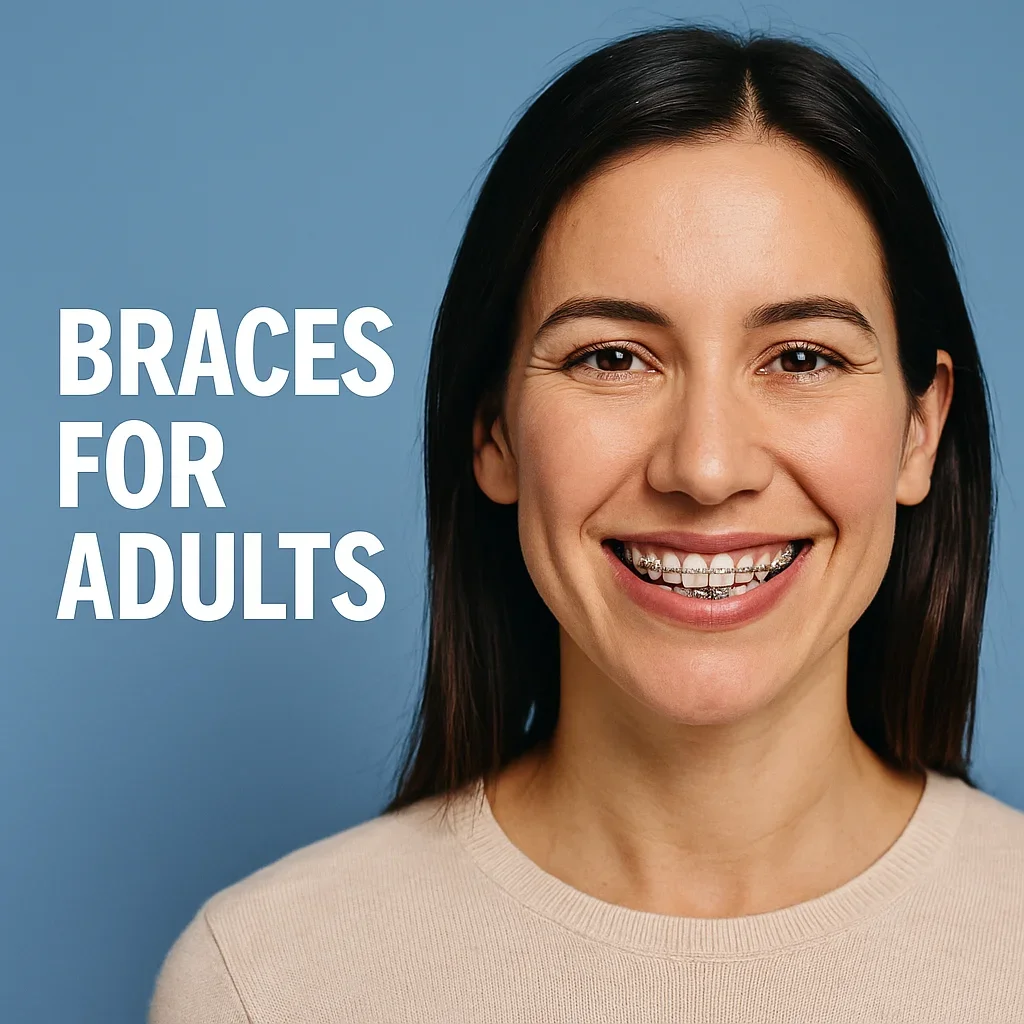
Aftercare and Retention: Maintaining Your Smile After Braces
Completing your orthodontic treatment is an exciting milestone! However, your journey doesn’t end the day your braces for adults are removed — the aftercare phase is just as crucial. Without proper retention and oral hygiene habits, teeth can gradually shift back to their old positions, undoing months or even years of progress. In this section, we’ll cover everything you need to know about life after braces, including retainers, hygiene, and long-term maintenance strategies to protect your investment and keep your smile perfectly aligned 😁.
Understanding the Importance of Retention
When you wear braces for adults, your teeth move through the process of bone remodeling — a gradual shifting within the jawbone structure. Once the braces are removed, your teeth and supporting tissues need time to stabilize in their new positions. Retainers play a critical role in this phase by holding teeth in place while the bone and gums adapt to their new alignment.
Neglecting this phase can lead to a condition called “orthodontic relapse,” where teeth slowly drift back toward their previous misaligned state. This is especially common during the first 12 months post-treatment when the surrounding bone is still soft and remodeling continues. Wearing retainers as prescribed is the key to long-term success.
Types of Retainers and How They Work
There are several types of retainers available for adults, each suited for different needs and lifestyles. Your orthodontist will recommend the best option based on your treatment results and personal preferences.
1. Fixed (Permanent) Retainers
Fixed retainers consist of a thin metal wire bonded to the back of your front teeth. They are invisible from the outside and provide continuous retention without the need for daily removal. Fixed retainers are ideal for adults who want a “set it and forget it” solution. However, they require diligent cleaning since food particles and plaque can accumulate around the wire.
2. Removable Retainers
Removable retainers, such as Hawley retainers or clear Essix retainers, can be taken out when eating, brushing, or for special occasions. They’re easy to clean and comfortable to wear. However, consistency is crucial — forgetting to wear them regularly can quickly lead to relapse. Most orthodontists recommend wearing removable retainers full-time for 6–12 months after removing braces for adults, then transitioning to nighttime wear indefinitely.
3. Clear Aligners as Retainers
Some orthodontists provide clear aligner-style retainers, which resemble Invisalign trays. They’re comfortable, nearly invisible, and great for maintaining results discreetly. These aligners can also include slight adjustments if small shifts occur over time, providing a dual function of maintenance and minor correction.
Daily Care After Braces Removal
Once your braces for adults are removed, your mouth may feel surprisingly smooth and spacious. It’s important to take extra care of your teeth during the adjustment period, as they may feel slightly sensitive and your gums might need a bit of time to adapt.
1. Professional Cleaning and Polishing
Schedule a professional dental cleaning immediately after your braces are removed. Your hygienist will remove any residual adhesive and polish your enamel, restoring its natural shine. This step also helps eliminate plaque buildup that may have accumulated around brackets and wires.
2. Managing Sensitivity
Temporary sensitivity to temperature changes or certain foods is common. Using toothpaste formulated for sensitive teeth, avoiding overly cold or acidic foods, and maintaining gentle brushing habits can help your enamel recover comfortably.
3. Flossing and Brushing Techniques
After braces, continue brushing at least twice daily with fluoride toothpaste. Pay attention to your gumline and interdental spaces where plaque tends to form. Floss daily using string floss or a water flosser — this helps prevent gum disease and tooth decay, which can reverse the health benefits achieved by your orthodontic treatment.
Dietary Habits for Long-Term Success
Proper nutrition continues to play a major role even after your braces for adults have been removed. To maintain strong teeth and prevent relapse or wear, focus on foods that nourish enamel and bone health.
- Eat calcium-rich foods such as yogurt, cheese, and leafy greens to keep enamel strong.
- Limit sugary and acidic foods to prevent enamel erosion.
- Stay hydrated — water neutralizes acids and helps keep the mouth clean.
- Avoid hard foods (like nuts or ice) that can chip teeth or damage retainers.
Monitoring and Regular Checkups
Just like during treatment, consistent follow-up appointments remain important after braces removal. Your orthodontist will assess how well your retainers fit, monitor gum health, and ensure that your bite remains stable. Most adults need a checkup every 6–12 months after completing treatment.
In some cases, your dentist might recommend refinements, such as reshaping enamel or whitening treatments, to further enhance your smile. Many adults choose to undergo professional whitening soon after removing braces for adults, as the enamel is freshly exposed and free from discoloration that may have developed during treatment.
Preventing Orthodontic Relapse
Relapse can occur slowly and subtly. Teeth naturally shift throughout life due to chewing, speaking, and jaw growth. To prevent this, retainers must remain a lifelong commitment. Consistent use ensures that your teeth maintain their ideal alignment indefinitely.
1. Lifelong Retainer Wear
Most orthodontists recommend nighttime retainer wear indefinitely. While this might sound like a big commitment, it’s minimal compared to the effort and investment required to repeat orthodontic treatment. Think of it as insurance for your beautiful smile.
2. Retainer Replacement and Care
Retainers wear out over time. Clear retainers may last 1–2 years, while fixed retainers can last much longer with proper care. Avoid using hot water to clean retainers, as it can warp the material. Always store removable retainers in their protective case when not in use, and bring them to every dental visit for inspection.
Psychological and Emotional Benefits of Retention
Completing orthodontic treatment often leads to a major confidence boost. Smiling freely without hesitation can have powerful psychological effects — improving self-esteem, social interactions, and even professional opportunities. Maintaining results through proper aftercare helps sustain this confidence for decades to come.
Adults who’ve worn braces for adults often describe the feeling of retainer use as empowering — a reminder of the effort and discipline it took to achieve a flawless smile. Consistency becomes not just a routine but a form of self-respect and long-term health preservation.
Professional Support and Ongoing Guidance
Choosing a supportive orthodontic clinic makes the aftercare process much smoother. Clinics such as Redent Klinik provide post-treatment monitoring, retainer maintenance, and follow-up evaluations to ensure stability and satisfaction long after treatment ends. Continuous professional support ensures that your smile remains aligned, functional, and dazzling for years.
Final Thoughts
The aftercare phase is the bridge between treatment completion and lifelong success. Proper hygiene, retainer discipline, and regular checkups safeguard the results you worked hard to achieve with braces for adults. A few minutes of daily care and consistent follow-up visits can ensure that your beautiful new smile lasts a lifetime. Remember — your journey doesn’t end with the removal of braces; it evolves into a lifetime of confidence and dental wellness 🌟.