
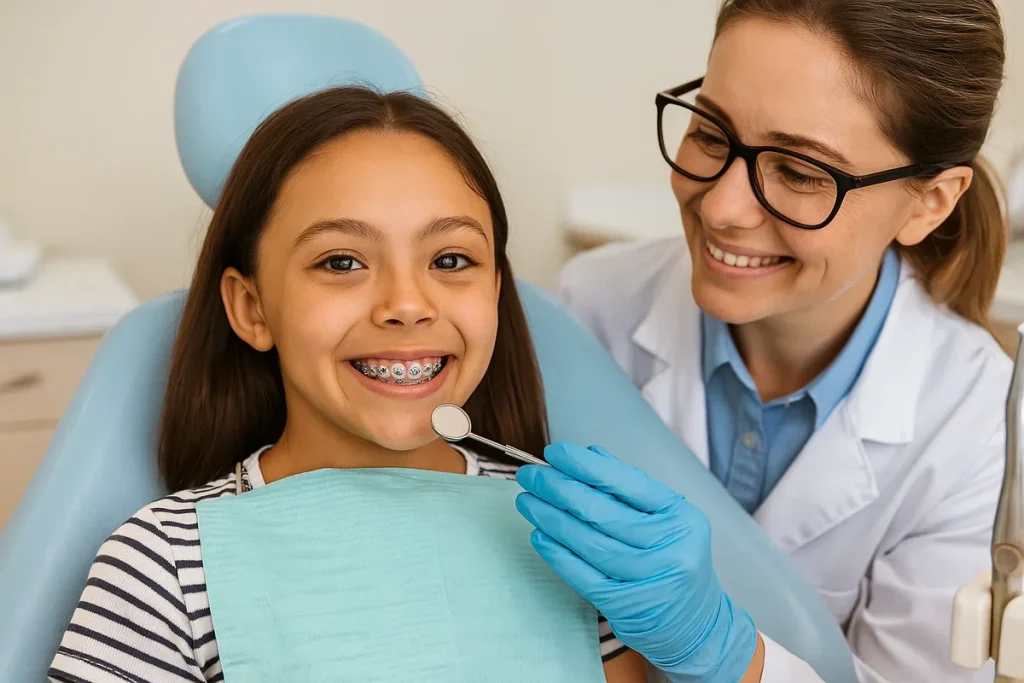
When it comes to your child’s oral health, understanding orthodontics pediatric care can make a world of difference 🦷. This specialized field of dentistry focuses on the growth and development of a child’s teeth, jaw, and bite alignment — ensuring that a beautiful and healthy smile lasts a lifetime. Pediatric orthodontics is not just about straightening teeth; it’s about guiding facial growth, preventing future dental problems, and boosting your child’s confidence from an early age. In this comprehensive guide, you’ll learn everything parents should know about orthodontics pediatric treatments, their importance, and how to make the best decisions for your child’s smile.
Orthodontics pediatric specialists are trained to identify developing dental issues even before all permanent teeth erupt. By intervening early, they can correct jaw discrepancies, improve bite alignment, and prevent overcrowding. This proactive approach is known as interceptive orthodontics — a crucial aspect of pediatric dental care. Many parents are surprised to learn that early orthodontic assessments can start as young as age 6 or 7, according to the American Dental Association. At this stage, orthodontists can spot subtle issues that might not be visible to the untrained eye, such as crossbites, open bites, and underdeveloped jaws.
Understanding the importance of orthodontics pediatric treatment begins with recognizing how children’s mouths grow. As a child’s jaw expands, the baby teeth serve as placeholders for adult teeth. If the jaw grows improperly or the teeth are misaligned, it can lead to long-term oral complications. For example, crooked or crowded teeth can cause problems with chewing, speech development, and oral hygiene. When food particles and plaque are trapped between misaligned teeth, the risk of tooth decay and gum disease increases significantly. Pediatric orthodontic treatments address these concerns while the jaw and facial bones are still growing, making the correction process faster, less painful, and more effective than in adulthood.
Parents often wonder what kind of treatments are available for orthodontics pediatric cases. Depending on the child’s specific condition, orthodontists may recommend traditional braces, clear aligners, palatal expanders, or other custom appliances. The goal is always the same — to create the proper alignment and balance between the upper and lower jaws. Braces gently apply consistent pressure on teeth over time, encouraging them to move into the correct positions. In contrast, removable aligners are ideal for older children and teens who prefer a more discreet option. Regardless of the method, pediatric orthodontic care is designed to fit the child’s comfort and lifestyle while achieving optimal dental alignment.
One of the most overlooked aspects of orthodontics pediatric care is the emotional benefit it provides to children. A misaligned smile can make kids feel self-conscious, affecting their social interactions and self-esteem. When a child undergoes orthodontic treatment, they not only gain a straighter smile but also improved confidence. Moreover, early correction helps avoid the need for invasive procedures later in life, such as jaw surgery or tooth extractions. Investing in pediatric orthodontics early can save families significant time, cost, and discomfort in the future.
Another reason parents choose orthodontics pediatric treatment is its long-term impact on oral functionality. Properly aligned teeth contribute to better chewing efficiency and clearer speech. A balanced bite also reduces the strain on the temporomandibular joint (TMJ), preventing potential jaw pain or clicking sounds that can occur with misalignment. For children who experience mouth breathing, thumb sucking, or tongue thrusting, pediatric orthodontists can implement gentle correction techniques that guide healthy habits and natural development.
At Redent Klinik Contact Page, families can reach out to expert orthodontists who specialize in pediatric care and understand the nuances of every child’s oral structure. Their approach combines advanced diagnostic tools with a compassionate, child-friendly environment — ensuring each visit is a positive experience. They provide detailed consultations, digital imaging, and personalized treatment plans that align with both medical needs and parental expectations. When it comes to orthodontics pediatric treatments, finding a trusted clinic like Redent Klinik ensures that every step of the process is handled with precision and care.
Parents should also understand that pediatric orthodontics is a journey, not a one-time event. It requires consistent follow-ups, adjustments, and monitoring to ensure long-term success. During these visits, orthodontists track tooth movement, adjust appliances, and educate parents on how to maintain oral hygiene throughout treatment. Encouraging your child to brush and floss regularly, avoid sticky foods, and wear appliances as prescribed will significantly influence the outcome. Moreover, children who complete orthodontic treatment early often maintain their results better into adulthood.
In conclusion, orthodontics pediatric care lays the foundation for a lifetime of healthy smiles 😁. From early assessments to customized treatment plans, pediatric orthodontics focuses on both the aesthetics and functionality of your child’s teeth. By intervening early, you can protect your child’s dental health, enhance their self-confidence, and prevent complex orthodontic problems later in life. Understanding and investing in this essential aspect of dental care ensures your child’s smile remains bright, healthy, and full of confidence for years to come.
What Is Pediatric Orthodontics and Why It Matters
Many parents hear the term orthodontics pediatric and wonder what it truly means. In simple terms, pediatric orthodontics is the specialized branch of dentistry focused on diagnosing, preventing, and correcting misaligned teeth and jaw irregularities in children. This field combines science and art to help children achieve balanced facial growth, proper bite function, and a confident smile. Unlike general orthodontics, pediatric orthodontics takes into account the child’s growth stages, behavior, and comfort — ensuring that treatments are gentle, effective, and age-appropriate 🦷.
Understanding the Purpose of Orthodontics Pediatric Care
The main goal of orthodontics pediatric treatment is to ensure that your child’s teeth and jaw develop in harmony. The alignment of baby teeth plays a crucial role in how adult teeth erupt later. If these teeth shift prematurely due to decay or injury, it may cause permanent teeth to emerge in the wrong position. Pediatric orthodontists are trained to detect and treat these issues early, preventing the need for complex procedures later in life. By guiding the teeth and jaws into proper alignment during growth, they create the foundation for a lifetime of optimal oral health.
Proper alignment doesn’t just create an aesthetic smile; it improves oral functionality. When teeth fit together correctly, your child can chew, speak, and breathe comfortably. Misalignment, on the other hand, may cause problems such as mouth breathing, difficulty pronouncing words, or even jaw pain. These issues, if ignored, can affect not only oral health but also overall well-being. That’s why the orthodontics pediatric field is essential in a child’s early development — it supports both dental and physical health.
Early Intervention: The Key to Successful Orthodontic Outcomes
According to the American Dental Association, children should have their first orthodontic evaluation by the age of 7. At this age, the jawbones are still developing, making it easier for orthodontists to correct problems early. This approach, known as interceptive orthodontics, allows for minor corrections before they become major complications. For example, using space maintainers or palatal expanders at a young age can prevent overcrowding and help permanent teeth erupt correctly. This proactive philosophy lies at the heart of orthodontics pediatric practice and distinguishes it from adult orthodontics.
Interceptive treatments are not always about braces. Sometimes, they involve simple lifestyle adjustments, like stopping thumb-sucking or correcting tongue-thrusting habits. These early interventions can have a lasting impact on the shape of the child’s jaw and the alignment of future teeth. In this way, pediatric orthodontists act as guides during one of the most critical phases of dental development.
The Science Behind Pediatric Orthodontics
To understand how orthodontics pediatric treatments work, it’s important to know that teeth are anchored in bone by tiny fibers called periodontal ligaments. These ligaments allow teeth to move slowly when gentle pressure is applied over time — the principle behind braces and aligners. For children, whose bones are still soft and flexible, this process is even more effective. Orthodontists use advanced imaging technology, such as panoramic X-rays and digital scanners, to assess the growth direction and spacing of teeth. This detailed assessment ensures that every movement is safe, precise, and biologically sound.
Customized Treatment Plans for Every Child
No two children have the same orthodontic needs. That’s why personalized treatment planning is essential in orthodontics pediatric care. Orthodontists consider factors such as age, growth rate, jaw symmetry, and dental history before deciding on a plan. Some children may require early-stage interventions, while others may need full braces later on. A well-designed treatment plan not only corrects visible problems but also prevents future misalignment as adult teeth erupt. This comprehensive approach ensures that each phase of the child’s development contributes to a stable and beautiful smile.
Psychological and Social Benefits of Pediatric Orthodontics
Beyond physical correction, orthodontics pediatric care plays a major role in a child’s emotional development. A straight, confident smile can improve self-esteem and encourage positive social interactions 😊. Many children with dental irregularities, such as overcrowding or protruding teeth, may feel embarrassed or hesitant to smile. Orthodontic treatment helps them feel proud of their appearance, which can have lasting effects on their mental health and confidence. Parents often notice improvements not only in their child’s smile but also in their attitude and self-image after treatment.
Functional Benefits of Orthodontics Pediatric Treatments
Properly aligned teeth offer significant long-term benefits beyond aesthetics. Children who undergo orthodontics pediatric care experience better chewing efficiency, improved digestion, and clearer speech. Additionally, balanced jaw alignment reduces the risk of temporomandibular joint (TMJ) disorders, which can cause headaches, ear pain, and jaw discomfort. When teeth are straight and evenly spaced, they are also easier to clean — lowering the risk of cavities, gum inflammation, and plaque buildup. These functional improvements contribute to a lifetime of better oral health.
The Role of Parents in Pediatric Orthodontic Success
Parental involvement is crucial throughout the orthodontics pediatric journey. Parents should help their children maintain good oral hygiene by encouraging regular brushing and flossing, especially around braces or appliances. Monitoring dietary habits is also vital; sticky or hard foods can damage orthodontic devices. Frequent visits to the orthodontist ensure that the treatment progresses smoothly and any minor issues are addressed promptly. Building a routine of cooperation and care creates a strong foundation for successful outcomes.
For parents seeking expert guidance, the Redent Klinik Contact Page provides direct access to specialists in pediatric orthodontics who can evaluate and create individualized treatment plans. Their child-centered approach focuses on comfort, education, and long-term results — ensuring every child receives the attention they deserve during their orthodontic journey.
In summary, orthodontics pediatric care is about more than just straight teeth — it’s a commitment to your child’s future oral health, confidence, and comfort. Through early detection, personalized treatment, and compassionate care, pediatric orthodontists help shape not only smiles but also self-assured, happy children. By investing in this essential field of dentistry, parents give their children the lifelong gift of a healthy and confident smile 😄.
Common Dental Problems Treated by Orthodontics Pediatric Experts
Many parents assume orthodontic care is only needed when a child’s permanent teeth come in, but in reality, orthodontics pediatric specialists often treat problems that begin long before that stage 🦷. Pediatric orthodontists focus on early detection and correction of dental irregularities that could worsen over time if left untreated. These issues can involve misaligned teeth, improper bite patterns, or jaw growth abnormalities that affect both function and appearance. Understanding these common dental problems helps parents take proactive steps toward their child’s long-term oral health.
1. Crowded and Crooked Teeth
One of the most frequent concerns addressed by orthodontics pediatric experts is dental crowding. This condition occurs when there isn’t enough space in a child’s jaw for all teeth to erupt properly. As a result, teeth overlap, twist, or become misaligned. Crowded teeth are not only aesthetically displeasing but also difficult to clean, increasing the risk of cavities and gum disease. Pediatric orthodontists can use expanders or braces to gently create the necessary space, allowing teeth to align naturally as the child grows. Early intervention helps avoid the need for tooth extraction or major realignment in adolescence.
2. Overbite (Deep Bite)
An overbite happens when the upper front teeth excessively overlap the lower front teeth. This condition can cause uneven wear on the enamel, gum irritation, or even speech difficulties. In severe cases, children may bite into the roof of their mouth. Through orthodontics pediatric treatment, braces, or functional appliances can gradually move the teeth and jaws into a more balanced position. Early correction also prevents the overbite from causing long-term jaw stress or temporomandibular joint (TMJ) issues later in life.
3. Underbite
When the lower jaw extends forward beyond the upper jaw, the condition is called an underbite. This misalignment can cause chewing difficulties, speech problems, and facial asymmetry. Pediatric orthodontists often address underbites early using appliances such as reverse-pull headgear or chin cups. By guiding the growth of the jaw bones during childhood, orthodontics pediatric treatments can correct the underbite before the facial structure becomes fixed in adulthood. This proactive approach avoids the need for surgical correction later in life.
4. Crossbite
A crossbite occurs when some of the upper teeth bite inside the lower teeth instead of outside. This issue may affect the front teeth (anterior crossbite) or back teeth (posterior crossbite). It often causes asymmetrical jaw growth, tooth wear, and gum recession if not treated early. Orthodontics pediatric experts use palatal expanders to widen the upper jaw and bring teeth into their proper positions. These treatments are most effective when started during early growth phases, as the jaw bones are still soft and responsive.
5. Open Bite
In an open bite, the upper and lower teeth fail to meet when the mouth is closed, leaving a visible gap. This condition is commonly caused by prolonged thumb-sucking, tongue thrusting, or pacifier use. Beyond aesthetic concerns, open bites can interfere with chewing and speech. Orthodontics pediatric specialists often use behavioral correction methods combined with orthodontic appliances to close the bite gradually. By identifying and addressing the underlying cause, orthodontists ensure that the correction is stable and long-lasting.
6. Spacing and Gaps Between Teeth
While some spacing between baby teeth is normal, excessive gaps can signal alignment issues or missing teeth. Wide gaps may cause neighboring teeth to drift out of place, disrupting bite balance. Pediatric orthodontists evaluate the cause — whether it’s due to missing teeth, jaw size discrepancies, or habits like tongue thrusting. Orthodontics pediatric treatment may involve braces or aligners that guide teeth into a more uniform spacing pattern. Proper alignment ensures that permanent teeth emerge correctly and maintain the intended arch form.
Additional Growth-Related Issues
Beyond visible misalignments, orthodontics pediatric professionals also monitor underlying skeletal growth issues. For instance, some children develop uneven jaw growth, where one side of the face grows faster than the other. This can lead to asymmetrical features and bite imbalances. Early orthopedic appliances can gently guide jaw development, ensuring symmetrical growth. Pediatric orthodontists also work closely with pediatricians and speech therapists when bite problems contribute to speech delays or breathing difficulties.
7. Thumb Sucking and Oral Habits
Prolonged thumb sucking or pacifier use beyond age 3–4 can alter jaw shape and tooth alignment. These habits often cause open bites or protruding front teeth. Orthodontics pediatric experts address these issues using habit-breaking appliances and positive reinforcement techniques. By eliminating the habit early, the child’s oral structures can return to normal function and appearance without the need for extensive correction later.
8. Impacted Teeth
Impacted teeth occur when a tooth fails to erupt through the gums properly, often due to lack of space or obstruction by neighboring teeth. This problem is not limited to adults; it can affect children’s canines or premolars as well. Through diagnostic imaging, orthodontics pediatric specialists identify the impacted tooth and plan an approach that allows it to erupt naturally. Minor surgical exposure and braces may be used to guide the tooth into position, ensuring a complete and functional dental arch.
9. Jaw Alignment Disorders
Sometimes, the upper and lower jaws grow at different rates, resulting in misalignment. Children may develop an overdeveloped lower jaw (prognathism) or underdeveloped upper jaw (retrognathism). Such skeletal discrepancies not only affect facial symmetry but also hinder chewing and speech. Pediatric orthodontists use early orthopedic appliances like face masks or expanders to direct jaw growth properly. This is a vital aspect of orthodontics pediatric care since the bones are more adaptable during childhood.
Long-Term Benefits of Early Treatment
Correcting these dental issues early leads to lifelong benefits. Children who receive orthodontics pediatric care often enjoy improved oral hygiene, balanced facial development, and greater confidence. Additionally, proper alignment prevents complications such as gum disease, enamel wear, and TMJ pain. As the saying goes, “Prevention is better than cure,” and pediatric orthodontics embodies this principle through proactive care and customized treatment plans.
Parents who suspect any of these issues should not wait for permanent teeth to erupt. Early consultation at trusted clinics such as the Redent Klinik Contact Page allows orthodontists to identify and treat potential problems promptly. Pediatric orthodontists combine technical precision with empathy, ensuring each child receives the care they need in a comfortable and reassuring environment 😊.
In conclusion, orthodontics pediatric experts treat a wide range of dental and jaw issues that can influence a child’s health, confidence, and growth. From crowding and spacing to skeletal misalignments and oral habits, early diagnosis and professional care pave the way for a lifetime of healthy smiles and functional balance.
When Should Children Start Orthodontic Treatment
Determining the right time to begin orthodontics pediatric treatment is one of the most common questions parents ask. The truth is, there’s no one-size-fits-all answer — each child’s dental development is unique. However, leading dental associations, including the American Dental Association, recommend that every child should have their first orthodontic evaluation by the age of 7. At this stage, a pediatric orthodontist can identify subtle growth problems and misalignments before they become more serious. Starting early doesn’t necessarily mean immediate braces, but rather establishing a preventive plan that ensures healthy and balanced dental development 🦷.
Why Early Evaluation Matters
The main reason early evaluation is crucial in orthodontics pediatric care is that it allows orthodontists to detect potential problems while the child’s bones and teeth are still developing. Issues like crossbites, open bites, crowding, or spacing can be much easier to treat when addressed during growth years. Early assessment helps determine whether the child will benefit from interceptive orthodontics — a form of early intervention designed to guide jaw growth and tooth eruption naturally. This proactive approach prevents minor problems from escalating into more complex cases that could require extractions or surgery later in life.
For instance, a child who shows early signs of jaw imbalance or narrow dental arches may benefit from appliances like palatal expanders. These devices widen the upper jaw and create space for permanent teeth to erupt properly. Because bones are more flexible in young children, the process is faster and more comfortable compared to waiting until adolescence. This is a perfect example of how orthodontics pediatric treatment leverages natural growth to achieve long-lasting results.
The Typical Stages of Pediatric Orthodontic Care
Pediatric orthodontic treatment often progresses in two main stages, each serving a specific purpose. Understanding these phases helps parents make informed decisions about timing and care.
Phase 1: Early or Interceptive Treatment (Ages 6–10)
During this period, children still have a mix of primary (baby) and permanent teeth. The goal of Phase 1 in orthodontics pediatric care is to correct structural and growth issues early. Orthodontists focus on guiding jaw development, maintaining space for incoming teeth, and correcting harmful habits such as thumb sucking or tongue thrusting. Treatments may include expanders, space maintainers, or limited braces. This stage typically lasts 6–18 months, depending on the child’s specific needs.
Phase 2: Comprehensive Orthodontic Treatment (Ages 11–14)
Once most of the permanent teeth have erupted, Phase 2 begins. This stage focuses on aligning the teeth and bite precisely using full braces or clear aligners. The foundation built during Phase 1 makes this phase smoother and shorter. The child’s jaw growth is closely monitored, ensuring that the bite develops into its ideal position. This two-phase strategy is one of the key principles of effective orthodontics pediatric care — focusing on prevention first, then perfecting alignment later.
Signs Your Child May Need Early Orthodontic Evaluation
Even if your child doesn’t complain of dental discomfort, certain visible or behavioral signs may indicate the need for a professional evaluation. Some of the most common warning signs include:
- Early or late loss of baby teeth
- Difficulty chewing or biting food
- Mouth breathing or snoring at night
- Thumb-sucking beyond age 4
- Speech difficulties or lisping
- Protruding or misaligned front teeth
- Jaws that shift or make sounds when opening or closing
If you notice any of these symptoms, scheduling an assessment with a trusted pediatric orthodontist can ensure timely intervention. Clinics such as the Redent Klinik Contact Page provide expert evaluations using modern diagnostic tools and child-friendly techniques to make the experience comfortable and stress-free.
The Importance of Growth Monitoring
Not every child who visits an orthodontist at age seven will begin immediate treatment. In many cases, orthodontists recommend a “growth monitoring” approach — regular check-ups to observe how teeth and jaws develop over time. This method allows orthodontics pediatric professionals to track progress and intervene only when necessary. Growth monitoring ensures that treatment begins at the most effective time, reducing costs, discomfort, and treatment duration.
For example, if a child’s permanent teeth are erupting normally and the bite appears balanced, the orthodontist may simply schedule annual visits. On the other hand, if irregularities appear, early action can be taken to correct them quickly. This tailored approach is one of the reasons pediatric orthodontics has such a high success rate compared to late intervention in adulthood.
Myth: Braces Are Only for Teenagers
Many parents still believe braces are only for teenagers, but this is a misconception. The truth is, early orthodontic treatments are often preventive rather than corrective. In orthodontics pediatric practice, early appliances are used to create proper spacing, align developing teeth, and guide jaw growth before all adult teeth have erupted. This approach minimizes the need for extractions or complex treatments during the teenage years. In fact, children who receive early orthodontic care often require simpler and shorter treatments later on.
Psychological and Confidence Benefits
Starting orthodontics pediatric treatment early can also have psychological advantages. Children who correct dental issues before adolescence often avoid self-consciousness and bullying related to their appearance. A confident smile promotes better social interaction, speech, and emotional well-being. Early success in improving their smile helps them develop positive habits toward oral hygiene, which can last into adulthood.
Collaborative Role of Parents and Dentists
Parents play a vital role in ensuring successful outcomes in orthodontics pediatric care. Encouraging children to maintain good oral hygiene, follow dietary recommendations, and attend regular dental check-ups are essential steps. Additionally, communication between parents and orthodontists allows for personalized adjustments in treatment plans. When parents are engaged, children feel more comfortable and motivated to cooperate during treatment.
Ultimately, knowing when to start orthodontic treatment is about more than timing — it’s about proactive care, observation, and partnership. Pediatric orthodontics empowers families to address small issues before they become significant challenges, ensuring their children grow up with healthy, balanced, and confident smiles 😁.
In conclusion, the ideal time to begin orthodontics pediatric treatment varies from child to child, but early evaluation is always beneficial. Whether it’s interceptive care, growth monitoring, or comprehensive braces, timely intervention can make all the difference. By working closely with a qualified orthodontist, parents can ensure their children receive the best possible start toward a lifetime of oral health and confidence.
Modern Braces and Aligners Used in Pediatric Orthodontics
The field of orthodontics pediatric has evolved tremendously over the past few decades. What used to involve only bulky metal braces has now expanded into a range of advanced, comfortable, and nearly invisible treatment options for children. Today’s orthodontic technology prioritizes both functionality and aesthetics, ensuring that children receive effective treatment with minimal discomfort and maximum confidence 😁. From traditional braces to innovative clear aligners, modern pediatric orthodontics offers personalized solutions tailored to each child’s unique needs.
Evolution of Orthodontic Treatments for Children
In the early days, braces were primarily made of stainless steel and required frequent adjustments. While they were effective, they were also cumbersome and visually unappealing, often making children self-conscious. Over time, orthodontics pediatric treatments have embraced technological innovation — leading to lighter materials, smaller brackets, and more efficient tooth movement. Today’s braces and aligners are designed to blend seamlessly with a child’s natural smile, using materials that are both durable and biocompatible.
One of the most remarkable advancements has been the shift toward digital orthodontics. Using 3D imaging and computer simulations, orthodontists can now visualize the entire treatment journey before it begins. This precision ensures that every adjustment is data-driven, predictable, and personalized for the child’s specific dental anatomy.
Types of Braces Commonly Used in Orthodontics Pediatric Care
1. Traditional Metal Braces
Despite the advent of newer technologies, metal braces remain one of the most reliable and widely used tools in orthodontics pediatric treatment. They consist of small brackets attached to each tooth and connected by an archwire. The orthodontist tightens the wire periodically, gently shifting the teeth into proper alignment over time. Modern versions are far more comfortable and aesthetic than older designs. They use low-profile brackets that are easier to clean and less likely to irritate the gums or cheeks. Some children even personalize them with colorful rubber bands, turning treatment into a fun, creative experience 🎨.
2. Ceramic Braces
Ceramic braces function similarly to metal braces but are made from clear or tooth-colored materials. This makes them far less noticeable — a feature many older children and teens appreciate. In orthodontics pediatric practice, ceramic braces are often recommended for kids who are concerned about the appearance of traditional braces but still require a high level of correction. Although slightly more delicate than metal braces, they provide excellent results while maintaining an aesthetic appeal.
3. Self-Ligating Braces
Another major innovation in orthodontics pediatric care is the self-ligating brace system. Unlike traditional braces that require elastic ties, these braces use built-in clips to hold the archwire. This reduces friction, allows teeth to move more freely, and shortens treatment time. Self-ligating braces are also easier to clean, making them ideal for children who might struggle with detailed brushing. Since they require fewer adjustments, they also mean fewer trips to the orthodontist — a relief for busy families.
4. Lingual Braces
For parents seeking a truly invisible option, lingual braces offer a hidden solution. These braces are attached to the back (tongue side) of the teeth rather than the front. They are custom-made for each child, ensuring a perfect fit. While lingual braces are not suitable for every case due to space constraints, they’re an excellent option for older children or teenagers who desire discreet treatment. Orthodontics pediatric specialists sometimes combine lingual systems with other appliances for hybrid treatments that balance comfort and effectiveness.
Clear Aligners: The Modern Alternative
Perhaps the most revolutionary development in orthodontics pediatric care is the rise of clear aligners. These are transparent, removable trays custom-designed to gradually shift teeth into their desired positions. Aligners have become a popular choice for older children and teens who prefer a metal-free, flexible approach to orthodontic treatment. Brands such as Invisalign Teen have even developed specialized systems that include wear indicators — small blue dots that fade as the aligners are worn — helping both parents and orthodontists ensure compliance.
Clear aligners offer numerous benefits. They are nearly invisible, comfortable, and removable, making eating and oral hygiene much easier. Unlike braces, they don’t restrict diet or make brushing difficult. However, successful treatment depends heavily on wearing them consistently (usually 20–22 hours per day). Orthodontics pediatric experts typically recommend aligners for mild to moderate alignment issues and for children responsible enough to maintain them properly.
Supporting Appliances in Pediatric Orthodontics
Besides braces and aligners, orthodontics pediatric care often involves additional appliances that assist in achieving proper alignment and growth balance:
- Palatal Expanders: Used to widen the upper jaw and correct crossbites.
- Space Maintainers: Keep gaps open for permanent teeth to erupt properly after early tooth loss.
- Retainers: Prevent teeth from shifting back to their original positions after treatment.
- Headgear: Sometimes used for major jaw corrections, guiding bone growth gently during sleep.
These tools are vital components of orthodontics pediatric strategies, especially for children whose jawbones are still developing.
Technological Innovations in Braces and Aligners
Modern pediatric orthodontists now rely on digital impressions rather than traditional molds. 3D scanners create precise virtual models of a child’s mouth, improving comfort and accuracy. Advanced software allows orthodontists to predict tooth movement and simulate outcomes before the treatment even begins. Additionally, materials such as nickel-titanium wires provide consistent, gentle pressure, reducing the need for frequent adjustments and discomfort. These innovations make today’s orthodontics pediatric treatments more efficient, hygienic, and child-friendly than ever before.
Comfort, Aesthetics, and Confidence
Children are often anxious about braces because of visibility or fear of pain. Fortunately, modern orthodontics pediatric systems prioritize comfort and aesthetics. Smaller brackets, smoother edges, and lighter forces make the experience much more pleasant. Moreover, aligners and ceramic options allow children to maintain their natural appearance during treatment. A positive orthodontic experience boosts self-esteem, encouraging kids to smile more often and take pride in their progress 😄.
Choosing the Right Option for Your Child
The best orthodontic solution depends on multiple factors — the child’s age, dental condition, lifestyle, and personal preferences. While braces are effective for complex misalignments, aligners offer flexibility for mild to moderate cases. During consultation, pediatric orthodontists evaluate the child’s oral structure and recommend the most suitable system. Clinics like the Redent Klinik Contact Page offer detailed assessments and modern technologies to help parents make informed choices. Their team ensures each child receives treatment that’s both effective and enjoyable.
In summary, today’s orthodontics pediatric field combines technology, comfort, and aesthetics to create a new era of child-friendly treatments. From self-ligating braces to advanced clear aligners, modern solutions make orthodontic care more accessible and pleasant for young patients. With the right plan and early intervention, children can enjoy not only a perfectly aligned smile but also the confidence that comes with it for years to come 🦷.
The Importance of Early Diagnosis in Orthodontics Pediatric
When it comes to children’s dental health, early diagnosis is the cornerstone of successful orthodontics pediatric care 🦷. Identifying problems at an early stage allows orthodontists to guide jaw growth, tooth eruption, and bite alignment before issues become severe. This proactive approach is known as interceptive orthodontics and is considered one of the most effective ways to ensure long-term oral health. The goal is to detect and correct developing abnormalities while a child’s mouth and jaw are still growing, which helps minimize the need for invasive treatments later in life.
Why Early Diagnosis Makes a Difference
Children’s jaws and teeth undergo rapid changes during their developmental years. Between the ages of 6 and 10, baby teeth begin to fall out, and permanent teeth start to erupt. During this transition, even small irregularities can lead to significant problems if not treated promptly. Orthodontics pediatric specialists emphasize that early diagnosis helps in identifying bite discrepancies (malocclusions), overcrowding, and jaw misalignments before they become harder to correct. The earlier these issues are detected, the more options orthodontists have to guide growth naturally and effectively.
For instance, if a child’s upper jaw is too narrow, an orthodontist can use a palatal expander to widen it during the growth phase — a procedure that’s quick, painless, and highly effective. However, if the same condition is left untreated until adulthood, correcting it might require surgical intervention. This example illustrates the immense value of early detection in orthodontics pediatric care.
Key Dental Conditions Detected Through Early Diagnosis
1. Malocclusion (Bite Problems)
Malocclusion refers to the misalignment of teeth when the upper and lower jaws do not meet correctly. There are various types, including overbite, underbite, open bite, and crossbite. Pediatric orthodontists use diagnostic imaging and clinical assessments to identify these early. By catching them during the growth phase, orthodontics pediatric treatments can gently guide the bite into alignment using appliances or braces. Early treatment prevents excessive tooth wear, TMJ strain, and chewing difficulties later on.
2. Jaw Growth Irregularities
Jaw discrepancies, such as an underdeveloped or overdeveloped jaw, can lead to asymmetry in the face and misaligned bites. Early diagnosis enables orthodontists to use growth modification appliances that gently guide the jaw into the correct position. This intervention is only possible while the bones are still flexible — another reason why timing is crucial in orthodontics pediatric care. Treating these issues early can prevent the need for complex surgical procedures during the teenage years or adulthood.
3. Crowding and Spacing Issues
Crowded or spaced teeth are common in children and are often the result of improper jaw development or early loss of baby teeth. Through digital X-rays and intraoral scans, orthodontics pediatric experts can evaluate whether there’s enough room for permanent teeth to erupt properly. If space is limited, expanders or space maintainers can be used to ensure the teeth emerge in the right positions. Conversely, if gaps are too wide, treatment may focus on bringing teeth closer together to maintain harmony in the dental arch.
4. Harmful Oral Habits
Habits such as thumb sucking, tongue thrusting, or prolonged pacifier use can have lasting effects on a child’s jaw and teeth alignment. Early diagnosis in orthodontics pediatric care allows orthodontists to identify these habits before they alter the dental structure permanently. Specialized habit-breaking appliances and behavioral therapies can be introduced to eliminate these actions and encourage healthy development.
Diagnostic Tools Used in Pediatric Orthodontics
Modern orthodontics pediatric practices utilize cutting-edge technology to ensure precise and comprehensive evaluations. Some of the key diagnostic tools include:
- Panoramic X-rays: Provide a complete view of the teeth, jaws, and facial bones, helping detect hidden dental issues.
- Cephalometric Imaging: Measures jaw relationships and growth direction to plan orthodontic corrections accurately.
- 3D Digital Scanners: Create detailed virtual models of the child’s mouth, eliminating the discomfort of traditional molds.
- Photographic Analysis: Helps track facial symmetry and progress over the course of treatment.
These diagnostic advancements have transformed orthodontics pediatric care from reactive to predictive. Orthodontists can now foresee potential alignment problems years before they manifest visibly, enabling early and efficient correction.
Timing and Growth Assessment
Timing is everything in pediatric orthodontics. Orthodontists assess the child’s growth pattern and dental age rather than just their chronological age. For example, the ideal time to begin certain treatments — such as palatal expansion or growth modification — depends on when the child’s jaw growth plates are most active. Orthodontics pediatric evaluations often include growth tracking over several months or years to determine the precise window for intervention.
Early detection doesn’t always mean immediate treatment. In many cases, orthodontists adopt a “watch and wait” strategy, observing the child’s development through periodic visits. This ensures that intervention is carried out only when it will have the maximum positive impact. Such individualized timing minimizes discomfort, reduces treatment length, and ensures superior results.
Benefits of Early Orthodontic Diagnosis
Parents who prioritize early orthodontic evaluation for their children can expect numerous long-term benefits, such as:
- Improved bite function and easier chewing.
- Better facial balance and jaw symmetry.
- Reduced risk of dental trauma and tooth wear.
- Prevention of complex orthodontic or surgical treatments later.
- Enhanced confidence and self-image through improved smiles.
Perhaps one of the most significant benefits of early diagnosis in orthodontics pediatric care is the ability to use natural growth to correct problems rather than force changes later. This approach is gentler, more efficient, and often less costly in the long run.
Role of Parents in Early Diagnosis
Parents play a key role in ensuring early diagnosis. Routine dental checkups and being attentive to changes in the child’s smile or bite are essential. Some warning signs include uneven teeth, mouth breathing, jaw clicking, or difficulty chewing. If any of these are noticed, scheduling an orthodontic consultation is strongly recommended. Clinics like the Redent Klinik Contact Page specialize in early assessment and intervention, ensuring that children receive the right care at the right time.
Collaborative Care for Best Results
Effective early diagnosis in orthodontics pediatric care often involves collaboration between orthodontists, pediatric dentists, and sometimes even speech therapists or pediatricians. This interdisciplinary approach ensures that all aspects of a child’s oral and facial development are monitored and optimized. By combining expertise across fields, healthcare providers can deliver comprehensive and long-lasting outcomes.
In summary, early diagnosis is the foundation of successful orthodontics pediatric treatment. It allows orthodontists to detect and prevent potential issues before they escalate, saving time, money, and discomfort in the future. Through the use of advanced diagnostics, personalized growth monitoring, and a collaborative approach, pediatric orthodontics ensures that every child has the opportunity to develop a healthy, functional, and beautiful smile that lasts a lifetime 😄.
How to Choose the Best Pediatric Orthodontist
Selecting the right specialist for your child’s dental health is a vital step in achieving successful orthodontics pediatric outcomes 🦷. While many general dentists provide orthodontic services, a pediatric orthodontist has advanced training specifically tailored to the growth and development of children’s teeth and jaws. The right professional not only ensures effective treatment but also creates a positive, stress-free experience for your child. Let’s explore in detail how parents can make an informed and confident decision when choosing the best pediatric orthodontist.
Understanding What Makes a Pediatric Orthodontist Different
A pediatric orthodontist is a dental specialist who has completed additional years of education after dental school, focusing on the diagnosis, prevention, and correction of misaligned teeth and jaw structures in children. Unlike general dentists, they are trained to understand the complexities of a growing child’s mouth and facial structure. This expertise allows them to design personalized treatment plans that align with your child’s development. In orthodontics pediatric care, timing, growth monitoring, and emotional understanding are just as important as technical skill.
Furthermore, pediatric orthodontists create a child-friendly environment. Their offices are often designed to make children feel at ease, using gentle communication and encouragement to reduce anxiety. A good orthodontist doesn’t just fix teeth — they build trust, confidence, and healthy habits that can last a lifetime.
Essential Qualities to Look for in a Pediatric Orthodontist
1. Proper Credentials and Certification
The first step in choosing a professional for orthodontics pediatric care is to verify their qualifications. The orthodontist should hold certification from a recognized dental board, indicating that they’ve completed specialized training in orthodontics beyond general dentistry. In many countries, board certification ensures that the orthodontist adheres to the highest standards of patient care, ethics, and continuing education. You can also check if they are members of reputable organizations like the American Dental Association or equivalent national associations in your country.
2. Experience with Children
Not all orthodontists have the same level of experience working with kids. Pediatric orthodontics requires patience, communication skills, and the ability to motivate young patients. Look for a specialist who has several years of experience treating children and pre-teens. A well-trained orthodontics pediatric professional knows how to make treatment sessions enjoyable while maintaining clinical accuracy. This helps minimize fear and ensures your child follows instructions more effectively throughout their treatment journey.
3. Use of Modern Technology
Today’s best orthodontics pediatric clinics embrace digital dentistry and advanced technology for accurate diagnosis and treatment planning. Tools like 3D scanners, digital X-rays, and computer-simulated treatment plans make the process faster, safer, and more precise. They also eliminate the discomfort of traditional dental molds. An orthodontist using modern technology can predict outcomes with remarkable accuracy, providing peace of mind to parents and children alike.
4. Child-Centered Approach and Communication
Children respond best to encouragement and clear communication. The best pediatric orthodontists understand this and adapt their methods to make children feel comfortable. During the first visit, pay attention to how the orthodontist interacts with your child. Are they kind, patient, and engaging? Do they explain the treatment process in simple, friendly terms? The emotional connection between child and doctor is a key element of successful orthodontics pediatric care. A supportive environment ensures cooperation, especially during longer treatment phases such as braces or aligner therapy.
5. Clinic Environment and Accessibility
The atmosphere of the clinic can significantly influence a child’s experience. The best orthodontics pediatric centers have welcoming staff, vibrant décor, and amenities that make children feel relaxed. Additionally, the location and accessibility of the clinic are practical factors to consider — regular appointments require convenience. Cleanliness, organization, and child-friendly facilities all contribute to a smoother and more enjoyable treatment journey.
Evaluating Treatment Options and Transparency
A trustworthy pediatric orthodontist always explains all available treatment options before beginning. Whether it’s traditional braces, clear aligners, or interceptive orthodontic appliances, transparency builds trust. Parents should feel comfortable asking about costs, expected duration, and follow-up care. The orthodontist should provide a clear treatment roadmap with estimated milestones. In orthodontics pediatric care, this open communication helps families plan ahead and remain engaged throughout the process.
Additionally, a reputable orthodontist prioritizes long-term health over short-term cosmetic fixes. They take the time to assess jaw development, facial symmetry, and airway health — ensuring that the treatment not only improves the smile but also supports proper function and growth.
Personalized and Preventive Approach
No two children have identical orthodontic needs. That’s why personalization is at the core of orthodontics pediatric excellence. The best orthodontists conduct comprehensive evaluations using digital imaging and growth assessments before designing a plan. They focus on interceptive measures when possible — correcting minor issues early to prevent complex ones later. This preventive strategy reduces the need for extractions, surgery, or lengthy treatments in the future.
Importance of Parental Involvement
Parents play an essential role in their child’s orthodontic success. The best orthodontists actively involve parents in every step of treatment. They provide clear home-care instructions, nutritional advice, and guidance on appliance maintenance. Regular communication helps parents monitor progress and motivate their children to maintain good oral hygiene. A family-centered approach is a hallmark of successful orthodontics pediatric care.
Checking Reviews and Recommendations
Before finalizing your decision, it’s wise to research patient reviews and testimonials. Online feedback can reveal valuable insights into the orthodontist’s communication, professionalism, and results. Word-of-mouth referrals from other parents or your child’s dentist can also be helpful. A pediatric orthodontist who consistently receives positive reviews for patience, clarity, and child-friendly service is usually a reliable choice.
Scheduling a Consultation
The best way to evaluate a potential orthodontics pediatric provider is through a consultation. During this visit, observe how your child reacts to the environment and how the orthodontist explains the process. Ask questions such as:
- What are the available treatment options for my child’s condition?
- How long will the treatment last?
- What are the costs and payment plans?
- How frequently will check-ups be required?
- What steps can we take at home to support treatment?
A good orthodontist will answer all questions honestly and without pressure. They will also provide a comprehensive assessment that includes visual aids, digital scans, and an explanation of the child’s growth stage. This helps parents make a fully informed decision.
For those seeking trusted professionals, the Redent Klinik Contact Page is an excellent resource for connecting with skilled pediatric orthodontists who combine clinical expertise with compassionate care. Their team focuses on both the medical and emotional needs of young patients, ensuring that every visit is positive, educational, and effective.
In conclusion, choosing the right specialist for orthodontics pediatric treatment is about more than credentials — it’s about finding a professional who understands your child’s needs, communicates clearly, and uses modern techniques to deliver outstanding results. With careful research, attention to comfort, and trust in expertise, parents can ensure their children receive the best possible orthodontic experience and a lifetime of confident, healthy smiles 😄.
Cost of Pediatric Orthodontic Treatments and Payment Options
One of the most common questions parents ask before starting orthodontics pediatric treatment is: “How much will it cost?” While the price varies depending on each child’s specific needs, understanding the financial aspects of pediatric orthodontics helps parents plan confidently. Investing in your child’s smile is not only a cosmetic decision — it’s a long-term commitment to oral health, self-esteem, and proper jaw development 🦷. In this section, we’ll explore the key factors that affect treatment costs, the average price ranges, and the various payment options available to make orthodontic care more affordable.
Factors That Influence the Cost of Pediatric Orthodontics
The cost of orthodontics pediatric care depends on several factors, including the complexity of the dental issue, the type of appliance used, and the duration of treatment. Each child’s case is unique, and no two treatment plans are identical. Below are the primary elements that determine pricing:
- Severity of the Condition: More complex misalignments, such as severe crowding, underbite, or crossbite, often require longer and more detailed treatments.
- Type of Appliance: Traditional braces, ceramic braces, and clear aligners (like Invisalign Teen) have different price points. Advanced technologies or custom devices may increase costs but offer greater comfort and aesthetics.
- Treatment Duration: Longer treatments naturally involve more appointments, adjustments, and materials, which influence the total price.
- Orthodontist’s Experience: Highly skilled and board-certified orthodontists may charge more, but their precision and expertise often lead to faster and better results.
- Location of the Clinic: Costs can vary based on geographic region. Urban centers tend to have slightly higher pricing than suburban or rural areas.
Parents should remember that orthodontics pediatric care is an investment in the child’s future, preventing costly dental complications later in life. Well-aligned teeth are easier to clean, less prone to decay, and reduce the likelihood of TMJ disorders or speech difficulties.
Average Costs of Pediatric Orthodontic Treatments
To give parents an overview, here are the typical price ranges for various orthodontics pediatric options. Prices can differ by country and provider, but the following estimates reflect general international averages:
Average Price Ranges for Pediatric Orthodontic Treatments (2025)
- Traditional Metal Braces: $2,500 – $5,500
- Ceramic (Clear) Braces: $3,500 – $6,500
- Self-Ligating Braces: $3,000 – $6,000
- Lingual (Hidden) Braces: $6,000 – $9,000
- Clear Aligners (Invisalign Teen): $3,500 – $7,500
- Early Interceptive Treatment (Phase 1): $1,000 – $3,000
While these figures might seem high initially, it’s important to consider that orthodontics pediatric treatments often span 12 to 36 months. Many clinics spread costs across manageable monthly installments, making it easier for families to budget effectively.
Payment and Financing Options
Modern orthodontic practices recognize that affordability is a top concern for parents. To ensure accessibility, most clinics now offer flexible payment and financing options for orthodontics pediatric care. Let’s explore the most common ones:
1. Monthly Payment Plans
Nearly every reputable pediatric orthodontic clinic offers monthly installment options. Parents can pay a down payment at the start of treatment, followed by small monthly payments throughout the process. This plan allows families to distribute the cost evenly without financial strain. Clinics such as Redent Klinik Contact Page are known for offering transparent and family-friendly payment structures with no hidden fees.
2. Dental Insurance Coverage
Some dental insurance plans cover a portion of orthodontics pediatric expenses, especially for children under 18. Typically, insurance policies may cover 20%–50% of the total cost, up to a certain limit. Parents should review their insurance details or consult their provider to understand what is included. Many orthodontic offices assist with insurance paperwork to simplify the reimbursement process.
3. Health Savings Accounts (HSA) and Flexible Spending Accounts (FSA)
Parents in certain countries, including the U.S., can use pre-tax dollars from HSAs or FSAs to pay for orthodontic treatments. This can lower overall out-of-pocket costs by reducing taxable income. Using these accounts is a smart financial strategy for families planning long-term orthodontics pediatric treatments.
4. Discounts for Full Payment or Sibling Treatments
Many clinics offer discounts when parents choose to pay the entire balance upfront. In addition, some practices provide “family discounts” if more than one child undergoes treatment. These incentives can make high-quality orthodontics pediatric care more affordable without compromising service quality.
5. Community or University Orthodontic Programs
In certain regions, dental schools or teaching hospitals offer supervised orthodontic treatments at reduced costs. These programs allow parents to access professional care from qualified practitioners under expert supervision. While treatment may take slightly longer due to educational scheduling, it remains a cost-effective way to receive quality orthodontics pediatric services.
Cost vs. Long-Term Value
Parents often focus on the upfront cost of braces or aligners, but the true value of orthodontics pediatric care extends far beyond money. Correcting bite alignment and crowding early reduces the risk of gum disease, tooth decay, and even jaw pain later in life. Straight teeth also improve speech development, chewing efficiency, and self-confidence. When viewed as a long-term health investment, orthodontic care offers a lifetime of benefits that outweigh the initial cost.
Moreover, early treatment can prevent the need for more invasive or expensive procedures in the future — such as jaw surgery or tooth extraction. By addressing problems early, parents save not only money but also ensure their child’s comfort and emotional well-being throughout growth.
Tips for Managing Orthodontic Costs Effectively
- Schedule early evaluations: Early detection can reduce the length and complexity of treatment, saving costs later.
- Ask about all-inclusive pricing: Confirm that retainers, check-ups, and adjustments are included in the quote.
- Maintain oral hygiene: Poor dental habits can cause delays or damage appliances, increasing overall cost.
- Compare multiple clinics: Seek estimates from more than one provider to ensure fair pricing and value.
- Take advantage of promotions: Some clinics offer seasonal discounts or free initial consultations.
Transparency and Trust
Before committing to any treatment, ensure the orthodontist provides a written breakdown of costs, estimated duration, and all possible additional fees. The best orthodontics pediatric clinics emphasize transparency, allowing parents to make informed financial decisions without pressure. A trustworthy orthodontist will always prioritize the child’s health and tailor the plan to meet both medical and financial needs.
In conclusion, the cost of orthodontics pediatric treatment varies, but with flexible payment options, insurance coverage, and preventive planning, it can be accessible for most families. Investing in your child’s orthodontic care is an investment in their confidence, comfort, and lifelong oral health. By choosing a reputable clinic, understanding financing options, and maintaining proactive communication, parents can ensure their children receive the best care possible — without financial stress 😊.
Common Myths and Misconceptions About Pediatric Orthodontics
Despite the growing awareness of dental health, there are still many misconceptions surrounding orthodontics pediatric treatments. These myths often cause parents to delay or misunderstand the importance of early intervention, potentially affecting their child’s long-term oral development. Understanding the truth behind these beliefs is crucial to ensuring that children receive the right care at the right time. Let’s explore the most common myths, separate fact from fiction, and explain how modern pediatric orthodontics provides safe, effective, and child-friendly solutions 🦷.
Myth 1: “Children Don’t Need Orthodontic Treatment Until All Adult Teeth Come In”
This is one of the most persistent myths about orthodontics pediatric care. Many parents believe treatment can only begin once all permanent teeth have erupted. In reality, early evaluations are recommended around age 7. At this stage, orthodontists can identify bite problems, spacing issues, and jaw irregularities before they worsen. Early or interceptive orthodontics helps guide jaw growth and ensures sufficient space for permanent teeth to erupt properly. Waiting too long may lead to more complicated treatments or even surgical corrections later in life.
Truth:
Early orthodontic assessments are preventive, not necessarily corrective. Pediatric orthodontists can monitor a child’s growth and begin treatment only when it is most effective. This proactive approach reduces future risks, saves time, and minimizes costs. Orthodontics pediatric care focuses on guiding development, not rushing it.
Myth 2: “Braces Are Only for Cosmetic Reasons”
Some parents think that braces are purely for improving a child’s appearance. While a straight smile is certainly a visible benefit, orthodontics pediatric treatment offers much more than aesthetics. Misaligned teeth can lead to functional problems, such as difficulty chewing, speech issues, and even breathing difficulties. Improper bite alignment can also cause uneven wear on teeth and jaw pain (TMJ disorders) as the child grows.
Truth:
Orthodontic treatment corrects the way teeth and jaws fit together, improving overall oral health. Proper alignment supports efficient chewing, clear speech, and better long-term hygiene since well-spaced teeth are easier to clean. Therefore, orthodontics pediatric is as much about health and function as it is about aesthetics.
Myth 3: “Braces Are Painful and Uncomfortable”
Another outdated misconception is that braces are extremely painful. While older metal brackets used to cause discomfort, today’s technology has revolutionized orthodontics pediatric care. Modern braces are lighter, smoother, and designed with children’s comfort in mind. Additionally, clear aligners and self-ligating systems offer painless adjustments with minimal irritation.
Truth:
Most children adapt to braces within a few days. Any mild discomfort after tightening or fitting is temporary and easily managed with soft foods or mild pain relievers. Pediatric orthodontists also use child-friendly communication to prepare kids emotionally, helping them understand the process positively. Treatment discomfort today is minimal compared to the benefits gained from a healthy, confident smile 😁.
Myth 4: “Orthodontic Treatment Takes Too Long”
Many parents assume that orthodontics pediatric treatments last for years without visible results. While the duration depends on the complexity of the case, most pediatric treatments are carefully timed to coincide with growth spurts for faster and more efficient results. In some cases, early interceptive treatment (Phase 1) can last only 6–12 months and significantly shorten later treatment durations.
Truth:
Advances in orthodontic technology — such as digital monitoring, accelerated tooth movement techniques, and precision brackets — have reduced treatment times considerably. Orthodontists now design custom treatment plans using 3D imaging, ensuring every adjustment contributes effectively to progress. Regular follow-ups also ensure the process remains on schedule. Therefore, orthodontics pediatric care is now faster, more predictable, and less invasive than ever before.
Myth 5: “Braces Are the Only Option for Kids”
Parents often associate orthodontic care exclusively with metal braces. However, orthodontics pediatric care offers a wide variety of modern appliances tailored to each child’s needs. These may include removable aligners, space maintainers, retainers, or palate expanders. Each option serves a different purpose — some guide jaw growth, others maintain proper spacing for incoming teeth.
Truth:
Orthodontic care is highly individualized. Depending on the diagnosis, children may not even require braces immediately. Interceptive appliances can often correct developing problems without full braces. For aesthetic-conscious teens, clear aligners are a popular choice. The best treatment depends on growth stage, comfort, and clinical goals — all carefully assessed by the orthodontist.
Myth 6: “Orthodontics Pediatric Treatment Is Too Expensive”
Cost concerns often make parents hesitant to start orthodontic care early. However, modern clinics understand these challenges and offer flexible payment plans to accommodate families. More importantly, addressing dental issues early prevents more serious — and costly — complications later in life. Properly aligned teeth reduce the risk of cavities, gum disease, and even speech therapy needs.
Truth:
Most orthodontics pediatric clinics offer transparent pricing, family discounts, and monthly installments. Some also accept insurance coverage or health savings plans. Clinics such as Redent Klinik Contact Page provide affordable, high-quality orthodontic services with a focus on both medical and emotional support for children. Investing in your child’s dental health now ensures long-term savings and confidence.
Myth 7: “Children Can’t Handle the Responsibility of Braces”
Parents sometimes fear that kids will struggle with hygiene or appliance maintenance. While it’s true that braces require diligence, pediatric orthodontists specialize in teaching children proper habits in an engaging and supportive manner. Orthodontics pediatric professionals understand that education and motivation are key to treatment success.
Truth:
Children adapt surprisingly well to orthodontic routines when guided properly. With easy-to-understand instructions, visual charts, and reward-based systems, they learn to brush, floss, and care for their braces independently. Regular follow-ups also reinforce these habits, ensuring consistent progress and oral hygiene throughout treatment.
Myth 8: “Once Braces Are Removed, Treatment Is Over”
This is a common misunderstanding among parents and children alike. While the active treatment phase (with braces or aligners) eventually ends, the retention phase is equally important in orthodontics pediatric care. Without retainers, teeth can gradually shift back to their original positions due to natural growth and muscle pressure.
Truth:
Wearing retainers after treatment is essential to preserve the results. Orthodontists typically recommend fixed or removable retainers for a certain duration to stabilize the bite and prevent relapse. Retention is the “maintenance phase” of orthodontics, ensuring that the investment in your child’s smile lasts for decades.
Myth 9: “Only Crooked Teeth Require Orthodontics”
Parents sometimes assume that if their child’s teeth appear straight, orthodontic care isn’t necessary. However, orthodontics pediatric experts emphasize that proper bite function and jaw development are just as important as alignment. Hidden issues like crossbites, open bites, or crowding can still exist even when teeth look straight on the surface.
Truth:
Comprehensive orthodontic evaluation goes beyond visible aesthetics. Pediatric orthodontists examine bite mechanics, airway health, and skeletal development to ensure the entire oral system functions harmoniously. Detecting and treating these subtle issues early can prevent future complications, including uneven wear, jaw strain, and speech challenges.
Dispelling Myths Through Education
Education is the most effective tool against misinformation. By understanding the realities of orthodontics pediatric care, parents can make informed decisions that support their child’s lifelong oral health. Regular dental checkups, open communication with orthodontists, and early assessments all contribute to the best outcomes. Reliable sources like the American Dental Association offer valuable information about pediatric orthodontics and child oral health.
In conclusion, many misconceptions about orthodontics pediatric care stem from outdated information or fear of the unknown. Modern orthodontic science has evolved dramatically — treatments are faster, more comfortable, and more effective than ever. By separating fact from fiction, parents can confidently take the right steps to ensure their children grow up with healthy, balanced, and radiant smiles 😊.

Long-Term Benefits of Pediatric Orthodontics for Children’s Health
The advantages of orthodontics pediatric treatment go far beyond a beautiful smile. Proper orthodontic care during childhood plays a critical role in shaping a child’s overall health, confidence, and quality of life. From improving jaw function and breathing to enhancing emotional well-being, the long-term benefits of pediatric orthodontics are profound. Investing in early and effective orthodontic treatment not only ensures a lifetime of dental stability but also contributes to a child’s mental and physical development 🦷.
How Pediatric Orthodontics Influences Oral Health
One of the most evident long-term benefits of orthodontics pediatric care is the establishment of strong oral health foundations. Straight, well-aligned teeth are easier to clean and less likely to trap plaque and bacteria. This significantly lowers the risk of gum disease, tooth decay, and bad breath. Furthermore, properly aligned teeth prevent uneven wear on enamel, which can lead to sensitivity and tooth fractures later in life.
Improved Bite and Jaw Function
Children with misaligned bites may experience difficulty chewing, speaking, or even swallowing properly. Early orthodontic intervention ensures that the upper and lower jaws grow in harmony, supporting proper bite alignment and muscle function. Over time, this balance minimizes stress on the jaw joints (TMJ) and prevents chronic pain or jaw clicking that often develops in untreated cases. In the field of orthodontics pediatric, early correction of bite issues has proven to enhance both dental and skeletal harmony — ensuring comfortable oral mechanics that last a lifetime.
Prevention of Future Dental Problems
One of the biggest advantages of orthodontics pediatric care is its preventive nature. By addressing spacing, crowding, and alignment issues early, orthodontists can prevent the need for complex treatments such as extractions, surgery, or long-term braces later on. Preventive orthodontics not only saves time and money but also spares children from potential discomfort or complications in adulthood.
Enhancing Overall Facial and Speech Development
Orthodontic care doesn’t just improve teeth — it can influence facial symmetry and speech development too. As children grow, the alignment of their teeth and jaws affects their facial proportions and oral functions. Poor alignment can alter how the lips rest, how air passes through the mouth, and even how certain sounds are formed.
Improving Facial Harmony and Confidence
Children undergoing orthodontics pediatric treatment often experience positive changes in facial balance and aesthetics. When the jaws and teeth align correctly, the entire face appears more symmetrical and proportionate. This natural harmony contributes to a confident appearance that enhances a child’s self-esteem throughout adolescence and adulthood. Parents often report that after orthodontic care, their children smile more frequently and show improved social interaction — a direct reflection of growing confidence 😁.
Supporting Proper Speech and Breathing
Jaw misalignment or dental crowding can affect the way children pronounce certain words or sounds. For example, open bites and overjets may cause lisps or unclear speech. Through orthodontics pediatric treatment, orthodontists can correct these structural imbalances, improving articulation and sound formation. Additionally, expanding the upper jaw can help improve nasal airflow, reducing mouth breathing and promoting healthier respiratory patterns during sleep.
Long-Term Impact on Digestive and Physical Health
Properly aligned teeth aren’t just about aesthetics — they also play a crucial role in digestion and overall physical well-being. Children with well-aligned teeth can chew food more efficiently, which aids in better nutrient absorption and digestion. Conversely, poor bite alignment can lead to incomplete chewing, digestive strain, and even temporomandibular joint issues over time. By improving chewing function early, orthodontics pediatric treatments indirectly contribute to better digestive and physical health outcomes in adulthood.
Psychological and Emotional Benefits
The psychological effects of orthodontics pediatric care can be just as significant as the physical improvements. Many children with noticeable dental misalignments may experience low self-esteem, social anxiety, or reluctance to smile in public. Correcting these issues early gives them a boost of confidence that impacts all areas of life — school participation, friendships, and even academic performance. When a child feels proud of their smile, they are more likely to engage positively with others and develop a strong sense of self-worth.
Building Lifelong Confidence
Children who complete orthodontic treatment early often carry their confidence into teenage and adult years. They’re more likely to maintain proper oral hygiene, attend regular dental checkups, and take pride in their appearance. Orthodontics pediatric care, therefore, contributes to the development of lifelong self-discipline and personal responsibility — qualities that extend far beyond oral health.
Long-Term Cost Savings for Families
Although orthodontic treatment can seem expensive initially, it’s one of the most cost-effective long-term health investments a parent can make. Early correction through orthodontics pediatric care prevents the need for more complicated — and expensive — dental procedures later. Misalignment issues that go untreated can lead to tooth decay, gum disease, and jaw surgery in adulthood, all of which are significantly more costly than preventive pediatric care. By investing early, parents reduce future dental expenses while giving their children lasting health benefits.
Retention and Maintenance: Protecting Results for Life
The benefits of orthodontic treatment don’t end once braces or aligners come off. Retention is an essential phase in orthodontics pediatric care that ensures the teeth remain in their ideal position. Without proper maintenance, natural forces like tongue pressure, chewing, and growth changes can cause relapse. Orthodontists typically provide fixed or removable retainers to maintain stability, along with instructions for long-term care.
Importance of Follow-Up Visits
Regular check-ups after treatment help monitor jaw development, tooth position, and oral hygiene. These follow-ups allow orthodontists to make small adjustments if necessary, ensuring the results last a lifetime. Parents and children should adhere to recommended visits to sustain the benefits achieved through orthodontics pediatric treatment.
Holistic Health Through Orthodontic Care
Modern pediatric orthodontics embraces a holistic approach to health. By aligning teeth and jaws correctly, orthodontists improve not just smiles but entire body systems — from breathing and digestion to posture and emotional balance. Studies have shown that children who receive early orthodontic care exhibit better oral hygiene habits and report higher self-esteem throughout adolescence.
Moreover, healthy teeth encourage children to adopt balanced diets rich in fruits and vegetables, as chewing becomes more comfortable. The ripple effect of good oral alignment extends to every part of life, reinforcing why early orthodontics pediatric care is a cornerstone of comprehensive child health.
Partnering With the Right Clinic
To maximize these long-term benefits, parents should choose clinics with specialized pediatric orthodontic expertise. Clinics like Redent Klinik Contact Page provide holistic care — combining state-of-the-art technology, gentle child communication, and comprehensive follow-up programs. Their focus on early intervention and family education ensures each child receives tailored care that nurtures both oral and emotional well-being.
In summary, the long-term benefits of orthodontics pediatric treatment go far beyond straightening teeth. From improved oral health and speech development to enhanced confidence and lifelong savings, pediatric orthodontics lays the foundation for total well-being. By investing in early orthodontic care, parents give their children not just a beautiful smile, but a healthier, happier, and more confident future 😊.
Disclosure: this page may contain affiliate links. We may earn a commission if you use them, at no extra cost to you.