
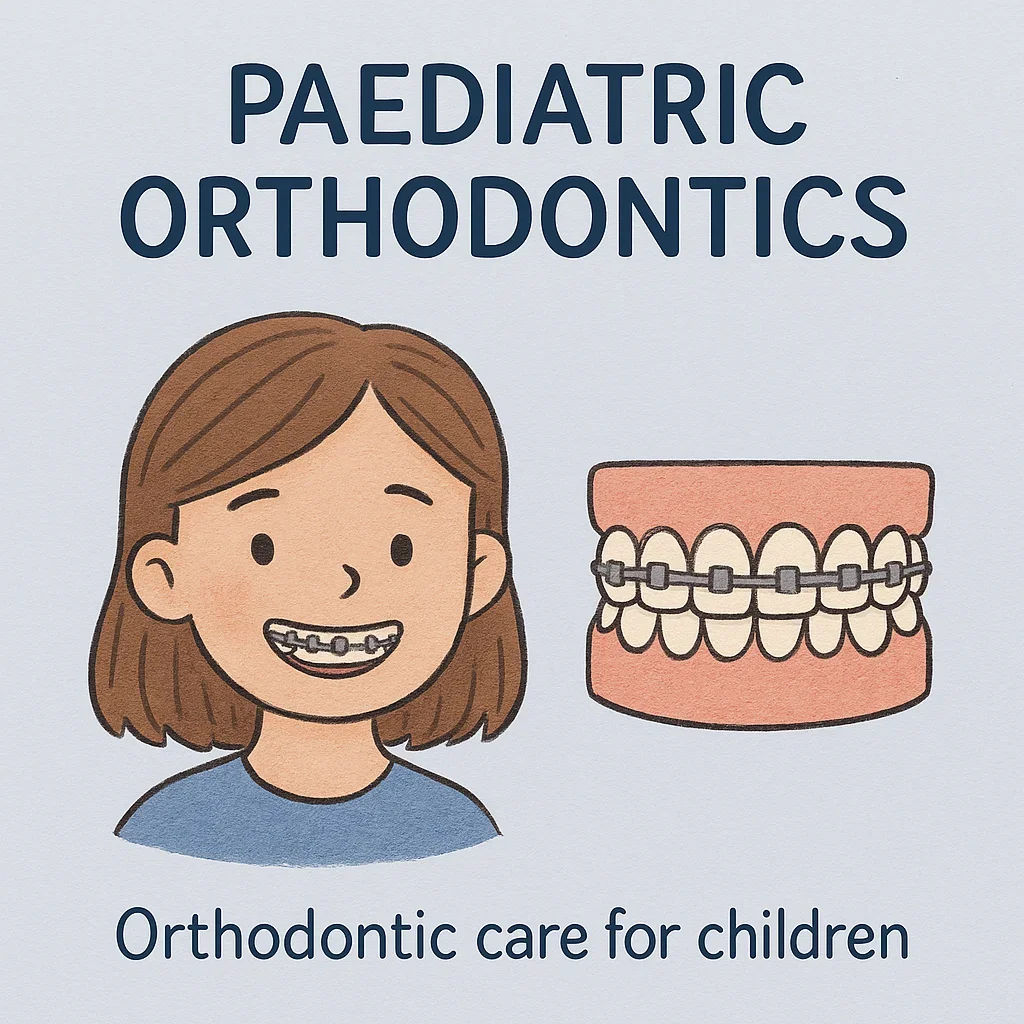
Paediatric orthodontics is a specialized branch of dentistry that focuses on diagnosing, preventing, and treating dental and facial irregularities in children. It’s not just about straightening teeth — it’s about guiding proper jaw growth, ensuring correct bite alignment, and promoting long-term oral health from an early age. 🦷 Many parents assume orthodontic care begins during the teenage years, but in reality, early evaluation plays a crucial role in shaping a child’s smile and overall dental development.
According to the American Dental Association, children should have their first orthodontic check-up by age seven. This allows the orthodontist to identify any developmental issues, such as overcrowding, crossbite, or misaligned jaws, that may worsen over time. By starting early, paediatric orthodontics provides the opportunity to correct or guide growth before permanent teeth fully emerge. This proactive approach can prevent complex and costly treatments later in life.
In essence, paediatric orthodontics combines medical science with early intervention. The goal is not only to enhance the appearance of the smile but also to ensure the functionality of teeth and jaws. For instance, an improper bite (malocclusion) can lead to chewing difficulties, speech problems, and even temporomandibular joint (TMJ) disorders as a child grows. Through carefully designed appliances like braces, expanders, or retainers, orthodontists help direct jaw development and tooth movement into ideal alignment.
Understanding the Purpose of Paediatric Orthodontics
Children’s bones are softer and more adaptable than adults’, making early treatment highly effective. A paediatric orthodontist uses diagnostic tools such as digital X-rays, 3D imaging, and dental impressions to create a personalized treatment plan. These technologies allow for precise visualization of how a child’s mouth is developing. The orthodontist can then determine whether intervention is needed to prevent future dental issues or to improve existing conditions.
For example, if a child has a narrow upper jaw that restricts proper tooth alignment, an expander may be used to gradually widen it. Similarly, if the lower and upper jaws don’t fit together correctly, special functional appliances can guide jaw growth. Such treatments are much more effective in children because their bones are still growing. This flexibility makes paediatric orthodontics a proactive form of dental medicine that aims to minimize long-term complications.
Holistic Benefits for Growing Children 🌟
Orthodontic care in childhood has benefits that go far beyond straight teeth. It supports better oral hygiene because aligned teeth are easier to brush and floss, reducing the risk of cavities and gum disease. Additionally, correcting bite and jaw problems can enhance facial symmetry, boost self-esteem, and prevent speech impediments. For children who feel shy or embarrassed about their smile, paediatric orthodontics can dramatically improve confidence — which in turn influences their social interactions and psychological well-being.
Early orthodontic care also promotes proper chewing and digestion. When the teeth and jaws work harmoniously, food is broken down efficiently, which aids in nutrient absorption. Moreover, orthodontic correction can reduce abnormal wear on enamel and prevent tooth damage. These holistic advantages demonstrate that paediatric orthodontics is not a cosmetic luxury — it’s a fundamental aspect of comprehensive child healthcare.
Early Detection: The Key to Success
Timing is everything when it comes to paediatric orthodontic care. Early detection allows professionals to intercept potential issues before they become severe. Orthodontists often divide treatment into two phases: Phase 1 (interceptive orthodontics) and Phase 2 (comprehensive treatment). Phase 1 typically begins between ages 6 and 10 and focuses on creating a healthy environment for permanent teeth to erupt. Phase 2 usually begins in adolescence when all adult teeth have come in and involves fine-tuning alignment with braces or clear aligners.
Parents should watch for signs that their child may need orthodontic attention. Common indicators include thumb sucking beyond age five, crowded or misplaced teeth, difficulty chewing, or an asymmetrical smile. Even if no visible problem exists, a professional evaluation is still beneficial, as some issues are skeletal and not easily noticeable. You can schedule an appointment through the Redent Klinik Contact Page to consult a qualified specialist who will assess your child’s unique needs.
How Paediatric Orthodontics Differs from Adult Treatment
While adult orthodontics focuses mainly on repositioning teeth, paediatric orthodontics goes a step further by influencing jaw growth and bone structure. Since children’s facial bones are still developing, orthodontists can guide them into the correct shape using gentle, continuous pressure. This makes treatments faster, more effective, and often less invasive compared to adult procedures. Moreover, children typically adapt to orthodontic appliances more easily than adults because their bone density and healing response are more favorable.
Final Thoughts
Ultimately, paediatric orthodontics serves as the foundation for a lifetime of healthy smiles. It blends science, precision, and compassion to ensure that children grow up with optimal oral function and aesthetics. Investing in early orthodontic care can save both time and money in the long run while safeguarding a child’s confidence and dental well-being. For parents seeking expert guidance, consulting a professional early in their child’s life is one of the best decisions they can make for long-term oral health. 😄
In summary, paediatric orthodontics is much more than just straightening teeth — it’s about nurturing healthy, confident, and happy children who can smile brightly into their future.
What Is Paediatric Orthodontics and Why It Matters 🦷
Paediatric orthodontics refers to the specialized field of dentistry that focuses on the growth, development, and alignment of a child’s teeth and jaws. It is designed to detect potential orthodontic problems early and guide the dental structures into a healthier and more functional position. The main objective of this branch is to ensure that children not only have straight teeth but also develop a balanced bite, proper jaw alignment, and a confident smile that lasts a lifetime. 🌟
While general dentistry focuses on maintaining oral health, paediatric orthodontics takes a preventive and corrective approach. It helps ensure that teeth erupt in the right position, jaws grow harmoniously, and bad oral habits like thumb sucking or tongue thrusting are addressed before they cause long-term damage. This proactive method reduces the likelihood of future dental complications such as overcrowding, underbite, or speech difficulties. Essentially, it is an investment in your child’s future smile and overall oral health.
Why Early Intervention Is Crucial
Children’s facial bones are constantly changing, and this makes early intervention in orthodontics particularly effective. The American Dental Association recommends that every child should see an orthodontist by the age of seven. At this age, a specialist can identify early warning signs like crossbite, open bite, or irregular tooth eruption. Through detailed examination and imaging, orthodontists can evaluate whether the child’s jaw structure will accommodate all permanent teeth properly or if guidance is required.
Early detection allows orthodontists to implement interceptive treatments — small, gradual adjustments that can prevent severe dental problems later. For instance, using appliances like expanders or retainers can guide the development of the jaw, creating enough room for permanent teeth to emerge naturally. This approach not only shortens the duration of future orthodontic treatment but also minimizes discomfort and costs for parents.
How Paediatric Orthodontics Differs from General Orthodontics
Unlike adult orthodontics, which focuses solely on repositioning fully developed teeth, paediatric orthodontics considers the ongoing growth of the child’s face and jaw. Because the bones are still malleable, orthodontists can influence how they develop. This gives paediatric specialists a unique opportunity to shape a child’s smile before it fully forms. Treatments are often gentler and more preventive, using customized plans that match each child’s developmental stage.
Moreover, paediatric orthodontic care includes behavioral guidance. Habits such as thumb sucking, prolonged pacifier use, or mouth breathing can all affect jaw alignment. By identifying these habits early, orthodontists can recommend corrective appliances or exercises that prevent future complications. This multidisciplinary approach makes paediatric orthodontics a vital component of holistic child health care, combining dental expertise with behavioral and developmental insights.
Key Benefits of Paediatric Orthodontics
- 🦷 Improved Jaw Growth: Guiding jaw development during childhood ensures a balanced facial structure and reduces the risk of skeletal discrepancies.
- 😄 Enhanced Confidence: A beautiful, aligned smile helps boost a child’s self-esteem and emotional well-being.
- 🪥 Better Oral Hygiene: Straight teeth are easier to clean, reducing the chances of cavities and gum infections.
- 💬 Speech and Bite Improvement: Correcting alignment supports proper pronunciation and efficient chewing function.
- 💰 Lower Long-Term Costs: Early orthodontic correction prevents the need for complex surgeries or prolonged braces in adulthood.
How Orthodontists Diagnose and Plan Treatment
Orthodontists use a combination of advanced diagnostic tools to create individualized plans. These tools include panoramic X-rays, 3D digital scans, and facial growth analysis. Through these methods, they can visualize how permanent teeth will erupt and how the jawbones are forming. Once they have a complete picture, they develop a personalized treatment plan that might include early intervention devices, braces, or clear aligners, depending on the child’s condition.
Step 1: Initial Consultation
The first step in paediatric orthodontics begins with a consultation. During this visit, the orthodontist evaluates the child’s oral structure, discusses family dental history, and identifies any abnormal habits that might affect dental development. Parents also receive educational guidance about maintaining oral hygiene and what signs to watch for as the child grows.
Step 2: Diagnostic Records and Imaging
The second phase involves collecting diagnostic records. These include X-rays, photographs, and impressions. Modern orthodontic clinics often use 3D digital scanners that eliminate the discomfort of traditional molds. This step helps in mapping out tooth positioning, jaw relationships, and facial symmetry.
Step 3: Treatment Planning and Monitoring
After diagnosis, the orthodontist creates a customized plan. Treatments may include palatal expanders for widening the upper jaw, space maintainers for preserving room for permanent teeth, or early braces for correcting visible misalignments. Regular follow-ups are essential to track progress and adjust the plan as the child’s mouth continues to develop.
When to Visit a Paediatric Orthodontist
Parents often wonder when to schedule the first orthodontic evaluation. While every child develops at their own pace, certain signs suggest the need for professional attention. These include:
- Early or late loss of baby teeth
- Difficulty biting or chewing
- Mouth breathing or snoring
- Crowded, crooked, or overlapping teeth
- Prolonged thumb sucking or pacifier use
- Jaws that make noises when opening or closing
If any of these symptoms appear, it’s advisable to book an appointment through the Redent Klinik Contact Page. Early diagnosis ensures timely intervention, reducing the complexity and duration of future orthodontic work.
Long-Term Impact of Paediatric Orthodontics
Beyond creating a straight smile, paediatric orthodontics contributes to the overall health of the oral cavity and facial structure. Children treated early often experience fewer dental complications as adults. For example, correcting bite problems can prevent temporomandibular joint (TMJ) disorders and excessive enamel wear. Additionally, a properly aligned jaw can reduce the risk of sleep apnea or breathing issues that stem from narrow airways.
From a social standpoint, children who undergo orthodontic treatment early tend to develop better self-confidence. They feel comfortable smiling, speaking, and interacting with others. This emotional well-being is as important as physical correction, highlighting the holistic nature of paediatric orthodontics. 😁
Final Thoughts
In conclusion, paediatric orthodontics plays a critical role in shaping not just a child’s smile, but their overall facial development and long-term oral health. It is a science that blends prevention, precision, and care, ensuring every child grows up with a functional and beautiful set of teeth. Parents who prioritize early orthodontic evaluations give their children the best possible start toward lifelong dental wellness.
Whether your child is showing signs of misalignment or you simply want a professional assessment, a visit to a qualified paediatric orthodontist can make all the difference. Remember, a confident and healthy smile today builds a stronger foundation for tomorrow. 🦷✨
When Should Children Start Orthodontic Treatment?
The question of when to begin paediatric orthodontics is one that many parents ask, and the answer is critical for ensuring a lifetime of healthy smiles. The timing of orthodontic treatment is not the same for every child—it depends on individual growth patterns, dental development, and the presence of specific orthodontic concerns. However, dental experts agree that early assessment is the key to preventing complex problems later on. 🦷
According to the American Dental Association, children should have their first orthodontic evaluation no later than age seven. By this age, the permanent molars and incisors have usually begun to erupt, allowing orthodontists to assess jaw growth, tooth alignment, and bite function. Early diagnosis provides an opportunity to identify and correct subtle issues before they become major concerns. This approach—often referred to as “interceptive orthodontics”—is at the heart of effective paediatric orthodontics.
Understanding the Stages of Orthodontic Development
Children’s dental development can be divided into three main stages. Each phase has unique characteristics and may require different orthodontic strategies. Recognizing these stages helps parents understand why timing plays such an essential role in paediatric orthodontics.
Stage 1: Primary Dentition (Ages 2–6)
During this stage, a child has only baby teeth. While orthodontic treatment is not typically applied here, this is when early habits form. Prolonged thumb sucking, mouth breathing, or tongue thrusting can negatively affect jaw and bite development. Parents should seek advice from a dental professional if such habits persist beyond age five. A paediatric orthodontist can provide simple behavioral or mechanical interventions to prevent long-term complications.
Stage 2: Mixed Dentition (Ages 6–12)
This phase is considered the most critical window for early orthodontic intervention. As both baby teeth and permanent teeth coexist, orthodontists can guide the alignment of erupting teeth and influence jaw growth. Treatments such as palatal expanders or space maintainers are often used during this period to ensure sufficient room for permanent teeth to grow correctly. This is when paediatric orthodontics truly begins its proactive work.
Stage 3: Permanent Dentition (Ages 12 and Above)
By this stage, all permanent teeth have erupted, and orthodontic treatments such as braces or aligners become more common. However, if early intervention was done properly, fewer corrections are typically needed. Late treatment may still be effective but may take longer and require more extensive adjustments compared to interceptive treatments performed earlier in life.
Why Age 7 Is the Magic Number
The reason most experts recommend an orthodontic check-up by age seven is simple: it allows specialists to detect growth abnormalities while the bones are still flexible. During this stage, the upper and lower jaws are still forming, so they can be guided to grow in harmony. Early assessment also helps determine whether the child has enough space for incoming permanent teeth or if crowding or misalignment is likely to occur.
In many cases, paediatric orthodontics doesn’t mean braces right away—it means monitoring. Regular evaluations ensure that any developing issues are caught early. If a child’s bite appears off, or if teeth erupt irregularly, orthodontists can intervene at the optimal time for correction. This personalized timing minimizes the risk of invasive treatments like extractions or jaw surgery in the future.
Signs That Indicate Early Orthodontic Evaluation
Parents should be aware of certain physical and behavioral indicators that suggest a child might benefit from an orthodontic evaluation. Some of these include:
- Early or late loss of baby teeth (before age 5 or after age 7)
- Difficulty biting or chewing food properly
- Thumb sucking or pacifier use beyond age 4
- Speech difficulties or lisping due to dental misalignment
- Protruding front teeth or uneven jaw growth
- Noticeable gaps or crowding between teeth
If one or more of these symptoms are observed, it’s best to book a professional consultation through the Redent Klinik Contact Page to discuss early treatment options. Remember: early evaluation does not always lead to immediate braces but provides valuable insight into your child’s dental growth trajectory.
Types of Early Orthodontic Treatments
Paediatric orthodontics offers several early-phase treatments that help correct developing issues and promote healthy jaw growth:
- Space Maintainers: Used when baby teeth are lost prematurely to ensure space for permanent teeth.
- Palatal Expanders: Devices that widen the upper jaw to correct crossbites and make room for incoming teeth.
- Partial Braces: Applied to guide the positioning of certain teeth during early development.
- Habit Appliances: Designed to stop thumb sucking or tongue thrusting, preventing jaw deformation.
- Growth Modification Devices: Used to influence jaw position and facial development in growing children.
These treatments are usually painless and designed with child comfort in mind. They are temporary, yet their impact is long-term, ensuring that when permanent teeth erupt, they align naturally and beautifully.
The Importance of Monitoring Growth Over Time
Even if a child does not require immediate orthodontic intervention, regular monitoring ensures that any changes in growth are detected early. Paediatric orthodontics specialists typically recommend check-ups every 6–12 months for children in the observation phase. During these visits, orthodontists track how the teeth are erupting and whether jaw alignment remains stable. Continuous observation helps decide the perfect moment to begin active treatment, minimizing both cost and duration later.
Psychological and Social Advantages of Early Treatment 😊
Beyond physical health, the emotional benefits of timely orthodontic care cannot be overlooked. Children who undergo early orthodontic evaluation and correction often experience improved self-esteem, confidence, and social comfort. They are less likely to be self-conscious about their smiles and more willing to engage socially and academically. In essence, early paediatric orthodontics contributes to a child’s holistic development—physically, emotionally, and socially.
Final Thoughts
Determining the right time to start orthodontic treatment depends on several factors—age, dental growth, and individual needs. However, the consensus among experts is clear: earlier is usually better. By initiating paediatric orthodontics evaluations around age seven, parents can ensure that small issues are corrected before they become major problems. Early intervention promotes proper growth, healthy jaw alignment, and a confident smile that lasts well into adulthood. 🌈
Parents who prioritize early orthodontic assessment are making a powerful investment in their child’s oral health and well-being. With professional guidance, proactive care, and consistent monitoring, every child has the chance to grow into a lifetime of confident smiles.
Common Orthodontic Problems in Children and How to Fix Them
One of the key roles of paediatric orthodontics is to detect, prevent, and correct common dental and skeletal irregularities that can affect a child’s oral health and confidence. Many of these problems begin developing early in life and, if left untreated, may lead to complications in chewing, speaking, or even breathing. Identifying these issues in time ensures that corrective treatment is simpler, less invasive, and more successful. 🦷
Children’s teeth and jaws are constantly growing, which makes early diagnosis and treatment especially effective. From crowding and crossbites to overbites and thumb-sucking habits, the spectrum of orthodontic issues is broad—but manageable when approached with expert guidance. Below, we’ll explore the most common orthodontic problems seen in children and how modern paediatric orthodontics addresses them with precision and care.
Crowded Teeth: When There Isn’t Enough Room
Crowding occurs when there isn’t sufficient space in the jaw for all the teeth to align properly. It is one of the most common issues seen in paediatric orthodontics. This condition can be caused by a small jaw, premature loss of baby teeth, or genetic factors inherited from parents. Crowded teeth can overlap, twist, or push against each other, making oral hygiene difficult and increasing the risk of cavities and gum disease.
How It’s Treated
To correct crowding, orthodontists may use appliances such as expanders to gently widen the jaw or remove select baby teeth to create more space for permanent teeth. In some cases, partial braces or aligners may be introduced early to guide teeth into better positions. Early intervention ensures that as the child grows, the jaw adapts naturally to accommodate all incoming teeth. This is a fundamental principle of paediatric orthodontics—preventing bigger issues before they arise.
Overbite and Overjet: The Protruding Smile
An overbite happens when the upper front teeth excessively overlap the lower front teeth, while an overjet refers to the horizontal protrusion of the upper teeth beyond the lower ones. These are among the most frequently treated issues in paediatric orthodontics. While mild cases can be harmless, severe overbites or overjets can lead to speech difficulties, uneven tooth wear, and jaw discomfort.
How It’s Treated
Orthodontists often use functional appliances or braces to realign the bite and encourage balanced jaw growth. For growing children, treatment may include headgear or elastics that gently guide jaw development. Addressing overbites early can prevent trauma to the front teeth, which are more prone to chipping or injury when they protrude too far forward.
Underbite: When the Lower Jaw Extends Too Far
An underbite occurs when the lower jaw extends beyond the upper jaw, causing the lower teeth to sit in front of the upper teeth when biting. This skeletal misalignment can result from genetics, abnormal jaw growth, or extended thumb sucking. If left untreated, it can lead to chewing problems, jaw strain, and asymmetrical facial appearance.
How It’s Treated
Early intervention is crucial for underbite correction. Paediatric orthodontics uses devices like reverse pull headgear or chin cups to guide the upper jaw forward and balance facial growth. In more severe cases, a combination of braces and growth modification appliances may be used to harmonize the bite. Early correction often eliminates the need for surgical intervention in adulthood.
Crossbite: A Misalignment Between Upper and Lower Teeth
A crossbite occurs when one or more of the upper teeth bite inside the lower teeth, instead of outside as they should. This condition can happen in the front (anterior crossbite) or back (posterior crossbite) of the mouth. It can cause tooth wear, gum recession, and even asymmetrical facial growth if ignored.
How It’s Treated
To fix a crossbite, orthodontists often use a palatal expander — a gentle device that widens the upper jaw over time. This treatment is highly effective when performed during childhood, as the upper jaw bones are still flexible and responsive to adjustment. By correcting the crossbite early, paediatric orthodontics prevents long-term skeletal imbalance and improves both appearance and function.
Open Bite: When Teeth Don’t Close Together
An open bite means that when a child closes their mouth, there is a visible gap between the upper and lower front teeth. This condition often results from prolonged thumb sucking, pacifier use, or tongue thrusting. An open bite can affect chewing, speech, and self-confidence, making it one of the most noticeable orthodontic issues among children.
How It’s Treated
Treatment typically involves addressing the underlying cause—such as stopping the habit that created it—alongside orthodontic correction. Habit-breaking appliances or behavior therapy may be used, followed by braces or aligners to close the gap. Because early bone and muscle correction is possible, paediatric orthodontics has a high success rate with open bite treatments when started young.
Spacing Issues: Too Much Room Between Teeth
While many orthodontic problems stem from overcrowding, the opposite—excess spacing—can also be an issue. Spacing between teeth can result from missing teeth, small tooth size, or abnormal jaw growth. Though it might appear minor, excessive spacing can cause alignment problems as the child grows and affect speech clarity.
How It’s Treated
Orthodontists may recommend braces or clear aligners to gently close the gaps. In some cases, bonding or cosmetic contouring may be suggested once the child reaches their teenage years. As with other conditions, early evaluation through paediatric orthodontics ensures timely correction and optimal outcomes.
Thumb Sucking and Tongue Thrusting: Hidden Causes of Misalignment
Prolonged thumb sucking or tongue thrusting applies constant pressure on teeth and the roof of the mouth, leading to protrusion of upper teeth or open bites. These habits are common in early childhood but can cause lasting dental and skeletal effects if not corrected by age six.
How It’s Treated
Paediatric orthodontics offers habit-breaking appliances that gently discourage these behaviors without causing discomfort. Positive reinforcement, behavior modification, and parental support also play essential roles in eliminating these habits. Correcting them early prevents the need for complex orthodontic correction later in life.
Jaw Growth Discrepancies
Some children experience disproportionate jaw growth where one jaw develops faster than the other, leading to bite imbalance and asymmetrical facial appearance. These issues are often genetic but can also be influenced by early trauma or prolonged bad habits.
How It’s Treated
Growth modification appliances—like functional braces or orthopedic headgear—are commonly used in paediatric orthodontics to harmonize jaw development. Because these devices work best during active growth periods, early evaluation and timely intervention are essential. In severe cases, continued orthodontic treatment may be necessary during adolescence to ensure long-term stability and symmetry.
Final Thoughts
Each child’s orthodontic journey is unique, but most problems can be effectively managed through early diagnosis and treatment. Paediatric orthodontics provides tailored solutions to address crowding, bite issues, and jaw imbalances in ways that are comfortable and developmentally appropriate. With early professional evaluation—ideally around age seven—parents can ensure that their child’s smile develops in a healthy, harmonious way. 💫
For expert guidance and personalized orthodontic care, parents can reach out through the Redent Klinik Contact Page. Addressing these common issues early ensures that children not only enjoy a beautiful smile but also benefit from lifelong dental health and confidence.
Modern Orthodontic Technologies Used in Paediatric Care
Over the past two decades, the field of paediatric orthodontics has undergone a remarkable transformation, driven by innovations in digital technology, imaging systems, and treatment design. Today’s orthodontic treatments are not only more precise and effective but also significantly more comfortable for children. With digital diagnostics, 3D modeling, and AI-powered treatment planning, orthodontists can now create tailored solutions that adapt to each child’s unique dental anatomy and growth pattern. 🦷✨
Modern advancements have turned what was once a lengthy and uncomfortable process into an engaging and child-friendly experience. From digital impressions that replace messy molds to clear aligners that are nearly invisible, the technology behind paediatric orthodontics continues to redefine the way children experience dental care. Below, we explore the most impactful technologies used today in paediatric orthodontics and how they are improving both results and patient comfort.
1. Digital Imaging and 3D Scanning Technology
Traditional dental molds are a thing of the past. Modern paediatric orthodontics relies heavily on advanced 3D scanning technology to capture accurate digital impressions of a child’s mouth. Devices like the iTero or 3Shape scanners provide a painless and quick way to create a detailed digital model of teeth and gums without the need for messy impression material.
Advantages of 3D Imaging
- 🪄 Comfort and Accuracy: Children find digital scanning much more comfortable than traditional molds, and the results are far more precise.
- 💻 Real-Time Visualization: Parents and orthodontists can immediately view 3D models, helping explain treatment plans more clearly.
- ⚙️ Faster Treatment Planning: Digital impressions allow orthodontists to design braces or aligners faster, saving valuable time.
These digital models also serve as the foundation for designing aligners, retainers, and other orthodontic appliances with pinpoint accuracy. The use of such technology in paediatric orthodontics enhances precision while minimizing the need for repeated fittings or adjustments.
2. Artificial Intelligence and Digital Treatment Planning
Artificial Intelligence (AI) has made its way into orthodontics, providing orthodontists with advanced tools to predict tooth movement and optimize treatment duration. AI-powered software can simulate how a child’s teeth will shift over time, allowing orthodontists to visualize the outcome before treatment even begins. 🧠
AI helps analyze facial symmetry, jaw growth, and bite dynamics. This technology is especially beneficial in paediatric orthodontics since children’s jaws are still developing. Predictive modeling ensures that the chosen treatment aligns perfectly with the child’s natural growth trajectory, reducing complications and ensuring better long-term results.
3. Clear Aligners for Children
Clear aligners, such as Invisalign First, are becoming an increasingly popular alternative to traditional braces in paediatric orthodontics. These transparent, removable aligners are designed specifically for growing children and work effectively to guide teeth into the correct position while maintaining comfort and aesthetics.
Why Clear Aligners Are Ideal for Kids
- 😄 Confidence Boost: Children can smile freely without feeling self-conscious about metal braces.
- 🪥 Better Hygiene: Since aligners can be removed during meals and brushing, maintaining oral hygiene becomes easier.
- 🧩 Comfortable Fit: Aligners are made from smooth plastic and are custom-fitted, reducing irritation and discomfort.
- 📈 Digital Precision: Aligners are crafted using 3D imaging to ensure perfect alignment throughout each treatment phase.
For parents who want a less visible and more manageable option for their children, clear aligners offer an effective and modern alternative within paediatric orthodontics. However, they require discipline, as children must wear them for the prescribed duration daily.
4. Self-Ligating Braces: A Smarter Alternative to Traditional Brackets
Another innovation revolutionizing paediatric orthodontics is the self-ligating braces system. Unlike traditional braces that require elastic ties to hold wires in place, self-ligating braces use small clips or doors that secure the wire. This reduces friction, shortens treatment time, and minimizes discomfort.
Benefits of Self-Ligating Braces
- ⚡ Shorter Appointments: Adjustments are quicker and less frequent than traditional braces.
- 😊 Less Pain: Reduced friction means less pressure on the teeth and gums.
- 🧼 Better Hygiene: Without rubber bands trapping food, these braces are easier to clean.
For children, this system is not only efficient but also more comfortable. It embodies the modern principles of paediatric orthodontics—minimizing discomfort while maximizing precision and effectiveness.
5. 3D Printing of Orthodontic Appliances
The integration of 3D printing technology has revolutionized the creation of orthodontic devices such as retainers, aligners, and even brackets. Using precise digital scans, orthodontists can print custom-fitted appliances on-site. This technology eliminates lengthy wait times for lab-fabricated devices and enhances fit accuracy.
Applications in Paediatric Orthodontics
- Customized Retainers: 3D-printed retainers are lightweight and perfectly shaped for each child’s mouth.
- Rapid Turnaround: Appliances can be produced in hours instead of weeks.
- Eco-Friendly Materials: Many modern orthodontic practices use biodegradable, medical-grade materials safe for children.
By embracing 3D printing, paediatric orthodontics offers both efficiency and environmental sustainability—meeting the needs of today’s tech-savvy, eco-conscious families.
6. Laser-Assisted Orthodontics
Laser technology has introduced a new level of precision and comfort in paediatric orthodontics. Orthodontists now use dental lasers for procedures such as gum contouring, tooth exposure for braces, and accelerated healing. Lasers are minimally invasive, reduce bleeding, and promote faster recovery—especially beneficial for younger patients with anxiety about dental procedures.
Additionally, lasers can be used for pain relief during adjustments and to enhance the bonding process when attaching brackets. The precision and safety of laser technology make it a valuable tool in modern orthodontic care for children.
7. Remote Monitoring and Digital Follow-Ups 📱
Thanks to teleorthodontics, many follow-up visits can now be conducted remotely. Using AI and smartphone apps, orthodontists can track treatment progress in real time. Parents can upload photos of their child’s smile, and orthodontists can assess tooth movement and appliance fit without requiring in-person visits. This technology saves time, reduces clinic visits, and makes paediatric orthodontics more accessible for busy families.
8. Smart Wires and Heat-Activated Materials
Recent innovations include smart orthodontic wires made from nickel-titanium alloys that respond to body heat. These wires apply gentle, consistent pressure to move teeth gradually, reducing discomfort and improving results. Because they adjust automatically to the mouth’s temperature, fewer manual adjustments are required, aligning perfectly with the modern, patient-centered philosophy of paediatric orthodontics.
Final Thoughts
Technology has transformed paediatric orthodontics into a sophisticated, efficient, and child-friendly discipline. From digital scanning and AI-driven planning to 3D-printed appliances and remote monitoring, every innovation is designed to make orthodontic care safer, faster, and more enjoyable for young patients. 💡
Parents can feel confident knowing their children benefit from the most advanced orthodontic solutions available. For expert evaluation or to explore modern treatment options, visit the Redent Klinik Contact Page to schedule a consultation. The future of paediatric orthodontics is bright—combining compassion, science, and technology to craft healthy, confident smiles for generations to come. 🌟
Benefits of Early Orthodontic Intervention for Kids
Early orthodontic care is one of the most valuable investments parents can make in their child’s lifelong oral health. The field of paediatric orthodontics emphasizes the importance of identifying and addressing dental and jaw development issues before they become more complex. By beginning treatment during the early years—typically between ages 6 and 10—orthodontists can guide teeth and jaw growth, helping children avoid painful, expensive, and time-consuming procedures later in life. 🌈
Many parents believe orthodontic treatment is only for teenagers with braces, but paediatric orthodontics proves otherwise. Early intervention, also known as interceptive orthodontics, can correct misalignments and structural issues before the permanent teeth fully erupt. This proactive approach ensures proper bite alignment, balanced facial growth, and improved overall dental function. Let’s explore the detailed benefits of early orthodontic care and why timing plays such a crucial role in shaping healthy, confident smiles.
Understanding Early Orthodontic Intervention
Paediatric orthodontics focuses on the developing teeth and jaw structures of children. Early intervention is typically performed in two phases:
- Phase 1 (Interceptive Treatment): Conducted while baby and permanent teeth coexist, this phase helps manage jaw growth and create space for new teeth.
- Phase 2 (Comprehensive Treatment): Takes place after all permanent teeth have erupted, fine-tuning alignment with braces or clear aligners.
Phase 1 is where early orthodontic intervention provides the most benefits. The jaw bones are soft and malleable, making it easier to guide their development. This allows orthodontists to address crowding, spacing, and bite issues while reducing the need for extractions or surgery later.
1. Guides Jaw Growth and Facial Development
One of the primary goals of early paediatric orthodontics is to guide the growth of the upper and lower jaws so they develop proportionally. If a child’s jaw is too small, it can cause overcrowding; if it’s too large, gaps or bite problems may occur. By using devices such as expanders or growth modification appliances, orthodontists can shape the jaw to achieve a balanced structure.
Why It Matters
Proper jaw alignment doesn’t just improve appearance—it enhances overall functionality. Children who receive timely orthodontic care experience fewer issues with chewing, speaking, and breathing. They are also less likely to develop temporomandibular joint (TMJ) problems in adulthood. A well-aligned jaw sets the foundation for lifelong oral health and confidence.
2. Prevents More Serious Problems Later On
Early orthodontic intervention can prevent the development of more severe dental problems. Misaligned teeth or improper jaw growth can worsen over time, leading to complex treatments like extractions or jaw surgery. Paediatric orthodontics identifies these issues early, allowing for correction before they progress.
For instance, a child who develops an underbite can undergo treatment that gently encourages the upper jaw to grow forward. Without early intervention, this same child might need surgical correction as a teenager. By taking preventive action, orthodontists save children from discomfort and parents from significant financial strain. 💡
3. Improves Speech and Chewing Efficiency
The alignment of teeth and jaws directly affects speech development and chewing ability. When the bite is off, children may struggle to pronounce certain sounds or chew their food properly. Early paediatric orthodontics corrects these functional issues by aligning teeth and improving bite dynamics.
Example:
Children with open bites (where upper and lower teeth don’t touch) may lisp or have trouble forming sounds like “s” and “z.” Similarly, crossbites can cause uneven chewing and jaw discomfort. Orthodontic correction at a young age ensures these essential functions develop naturally and effectively.
4. Reduces the Risk of Tooth Damage and Decay
Misaligned or overcrowded teeth make it difficult to brush and floss effectively, allowing plaque to accumulate. Over time, this can lead to tooth decay, gum inflammation, and even early tooth loss. Early orthodontic treatment aligns teeth properly, making them easier to clean and maintain. 🪥
By promoting better oral hygiene habits and accessibility, paediatric orthodontics indirectly protects against cavities and periodontal disease. This also instills lifelong oral care habits, encouraging children to take responsibility for their dental health early on.
5. Encourages Healthy Breathing Patterns
Another lesser-known benefit of early orthodontic intervention is its impact on breathing. Children who suffer from narrow dental arches or misaligned jaws often develop mouth-breathing habits, which can lead to snoring, sleep apnea, or poor oxygen flow during sleep. Through airway-focused paediatric orthodontics, orthodontists use expanders and other appliances to open airways and encourage nasal breathing.
Long-Term Impact
Proper nasal breathing supports facial symmetry, improves concentration, and ensures restful sleep. This benefit highlights how orthodontic treatment isn’t just cosmetic—it contributes to a child’s physical and cognitive development as well.
6. Boosts Confidence and Emotional Well-Being 😄
Children who are self-conscious about their smile often avoid social interactions, which can affect their confidence and emotional growth. Early orthodontic treatment can correct prominent overbites, crooked teeth, or jaw asymmetries before they cause self-esteem issues. A healthy, aligned smile enhances a child’s willingness to smile, speak, and participate in group activities.
According to research supported by the American Dental Association, children with straighter teeth tend to have greater confidence and are perceived as more positive and approachable. This emotional benefit is one of the most rewarding aspects of paediatric orthodontics.
7. Saves Time and Money for Families
While early orthodontic care may seem like an extra expense, it actually reduces long-term costs. Treating developing problems early can prevent complex procedures, shorter treatment durations, and fewer emergency visits later on. Parents who invest in early paediatric orthodontics often save on future expenses related to tooth extractions, corrective surgery, and extensive orthodontic work.
Example Cost Comparison
For instance, early interceptive treatment such as using a palatal expander might cost between $1,000 and $2,500, whereas full orthodontic correction for a severe jaw discrepancy in adolescence can exceed $6,000–$8,000. By starting early, families can minimize both the physical and financial burden associated with extensive treatments later.
8. Improves Long-Term Stability and Oral Health
Early intervention not only fixes current issues but also sets the foundation for lasting stability. When the teeth and jaws are properly aligned early in life, the chances of relapse (teeth shifting back to their original positions) are greatly reduced. The goal of paediatric orthodontics is to promote balance—ensuring that the teeth, muscles, and jaws all function in harmony for decades to come.
Furthermore, children who undergo early treatment tend to develop excellent oral hygiene habits, since they learn the importance of dental health from a young age. This awareness often continues into adulthood, reducing the likelihood of future dental problems.
Final Thoughts
Early orthodontic intervention is about more than just creating a beautiful smile—it’s about establishing a lifetime of oral wellness, confidence, and functionality. Through the proactive approach of paediatric orthodontics, parents can ensure that their children grow up with healthy teeth, a balanced jaw, and a smile they can be proud of. 🌟
If you’re wondering whether your child could benefit from early orthodontic care, it’s best to schedule a consultation with an experienced specialist. Visit the Redent Klinik Contact Page to book an appointment today and give your child the gift of a healthy, confident smile for life.
How to Choose the Best Paediatric Orthodontist Near You
Finding the right specialist for your child’s orthodontic care can make all the difference between a stressful experience and a smooth, successful journey toward a healthy smile. Choosing the right professional in paediatric orthodontics is not just about convenience — it’s about ensuring your child receives the best care from someone who understands the intricacies of growing teeth and jaws. 🦷✨
Because every child’s dental development is unique, you’ll want to select an orthodontist who combines medical expertise, modern technology, and a compassionate approach. The right specialist doesn’t simply fix crooked teeth; they guide overall facial growth, prevent complications, and make your child feel comfortable throughout the process. Below, we’ll explore how parents can confidently choose the best orthodontic care for their children through careful research, evaluation, and understanding of what paediatric orthodontics entails.
1. Look for Specialized Training in Paediatric Orthodontics
Not all orthodontists are trained to treat children. Paediatric orthodontics is a subspecialty that requires additional education beyond general dentistry. These experts focus specifically on diagnosing and correcting irregularities in children’s teeth and jaw development. They also understand the behavioral aspects of treating younger patients — including managing anxiety, ensuring cooperation, and using gentle communication techniques.
Questions to Ask Your Orthodontist
- Have you completed additional training in paediatric or interceptive orthodontics?
- How many years of experience do you have treating children?
- What age groups do you primarily treat in your practice?
These questions help ensure the orthodontist has the expertise and patience needed to work with young patients effectively. The right specialist combines clinical skill with an understanding of child psychology — an essential element of successful paediatric orthodontics.
2. Check Credentials, Certifications, and Affiliations
Parents should verify that the orthodontist is certified by a recognized professional organization, such as the American Dental Association or a regional orthodontic board. Membership in professional associations reflects a commitment to ongoing education and adherence to ethical standards. An orthodontist specializing in paediatric orthodontics should stay updated on the latest research, materials, and treatment innovations that improve patient outcomes.
Tip:
Look for orthodontists who regularly attend workshops, training programs, and conferences. Their continued education ensures they are aware of emerging technologies such as AI-based diagnostics, digital scanning, and 3D printing — all of which are transforming paediatric orthodontics.
3. Evaluate the Clinic’s Environment and Child-Friendliness
The atmosphere of the clinic plays a huge role in how children perceive their treatment experience. A pediatric-focused orthodontic office should be warm, inviting, and designed to make young patients feel comfortable. Bright colors, friendly staff, and an engaging environment can help ease fear or anxiety associated with dental visits.
What to Observe During Your Visit:
- Does the staff communicate kindly and patiently with children?
- Are the facilities clean, organized, and equipped with modern technology?
- Is there a kid-friendly waiting area with entertainment or educational materials?
Orthodontists specializing in paediatric orthodontics often go the extra mile to make visits enjoyable. Some even incorporate reward systems or progress trackers to motivate kids throughout their treatment journey. This makes a significant difference in compliance and overall treatment success.
4. Explore Treatment Options and Technology
Modern orthodontic care is not a one-size-fits-all solution. Each child requires a personalized treatment plan. When choosing an orthodontist, ensure they offer a variety of modern and comfortable options such as self-ligating braces, clear aligners, or expanders designed for younger patients.
Ask if the clinic uses advanced diagnostic tools like 3D imaging, digital X-rays, and computer-assisted treatment planning. These technologies are now a standard in paediatric orthodontics because they increase accuracy and reduce discomfort. Orthodontists who embrace modern tools can identify potential issues earlier and correct them more efficiently.
Key Advantages of Advanced Technology:
- Faster diagnosis and treatment planning
- Enhanced precision and comfort for the patient
- Minimized radiation exposure with digital imaging
- Improved communication between doctor, child, and parents
When a clinic utilizes cutting-edge tools, parents can trust that their child’s smile is in capable hands and that the results will be both effective and lasting.
5. Assess Communication and Trust
Good communication is at the core of every successful orthodontic relationship. Orthodontists who practice paediatric orthodontics must explain complex procedures in ways that both parents and children can understand. A transparent, friendly, and educational approach builds confidence in the treatment process.
Parents should feel encouraged to ask questions about treatment timelines, potential discomfort, and long-term expectations. Likewise, the orthodontist should listen attentively to the child’s concerns and provide reassurance. A trustworthy orthodontist will prioritize your child’s comfort over speed, focusing on gentle progress and steady improvement.
6. Consider Location, Scheduling, and Accessibility
Consistency is vital in orthodontic treatment, as children typically visit their orthodontist every 4–8 weeks. Therefore, choosing a conveniently located clinic ensures appointments fit easily into your family’s schedule. Many paediatric orthodontics practices offer flexible hours, online appointment systems, and reminder notifications to help parents stay organized.
Practical Tips:
- Choose a clinic close to your home or child’s school for convenience.
- Ask about after-school or weekend availability.
- Ensure the clinic is accessible for children with special needs if applicable.
Proximity and scheduling flexibility reduce stress for both parents and children, ensuring consistency in treatment and timely adjustments as needed.
7. Review Testimonials and Patient Experiences
Before making your decision, read reviews and testimonials from other parents. Positive feedback can offer insight into the orthodontist’s professionalism, results, and bedside manner. Look for testimonials mentioning successful treatment outcomes, compassionate staff, and a comfortable environment. Reliable clinics specializing in paediatric orthodontics are transparent about their reputation and may even share before-and-after images of past patients.
8. Evaluate Cost and Insurance Options
Orthodontic treatment can be a significant investment, but many clinics offer payment plans, financing, or insurance support to make it more affordable. During your consultation, request a detailed cost estimate and ask if there are discounts for full payment or family packages.
When comparing prices, remember that cheaper isn’t always better. The best orthodontists balance cost, quality, and comfort. Parents should feel confident knowing that their investment supports expert care and long-term results. 💰
9. Visit and Trust Your Instincts
Finally, one of the most important steps in choosing an orthodontist is visiting in person. Observe how the orthodontist interacts with your child. Do they make the child feel safe, understood, and respected? A good specialist in paediatric orthodontics treats every child with empathy and patience — creating an environment that fosters trust and positive outcomes.
Final Thoughts
Choosing the best orthodontist for your child requires careful consideration of qualifications, communication, and the overall experience. Paediatric orthodontics is more than just a medical treatment — it’s a partnership between the doctor, the parents, and the child. The right specialist not only shapes your child’s smile but also supports their confidence and comfort throughout the journey. 😄
For parents seeking an experienced and compassionate orthodontic team, scheduling a consultation through the Redent Klinik Contact Page is a great first step. With the right expert, your child’s path to a perfect smile will be healthy, positive, and transformative. 🌟
Braces vs. Clear Aligners: Which Is Better for Kids?
When it comes to straightening a child’s teeth, parents often face a common dilemma: should they choose traditional braces or clear aligners? Both options are effective, but they cater to different needs and lifestyles. In paediatric orthodontics, the goal is to select a treatment that not only aligns teeth properly but also fits the child’s comfort level, oral hygiene habits, and stage of dental development. 🦷
With the rise of digital orthodontic technology, clear aligners have become an increasingly popular alternative to conventional metal braces. However, that doesn’t mean braces are outdated. Each method offers unique benefits depending on the child’s age, dental condition, and personality. Below, we’ll compare braces and aligners in detail so parents can make an informed decision with confidence.
1. Understanding How Braces and Aligners Work
Both braces and aligners function by applying gentle, consistent pressure to shift teeth into the correct positions over time. But their structure, materials, and maintenance requirements differ significantly.
Traditional Braces
Braces consist of metal or ceramic brackets that are bonded to each tooth and connected with archwires. These wires are periodically adjusted to guide teeth into alignment. In paediatric orthodontics, braces remain a widely used and reliable method, particularly for younger children who may not yet be disciplined enough to manage removable devices like aligners.
Clear Aligners
Clear aligners, such as Invisalign First or Spark Aligners, are custom-made plastic trays designed to fit snugly over the teeth. They are removable, nearly invisible, and replaced every few weeks as teeth gradually move. Many orthodontists specializing in paediatric orthodontics recommend aligners for older children or pre-teens who can follow instructions carefully.
2. Aesthetic Considerations 😁
For many children — especially those conscious of their appearance — the aesthetic factor is significant. Clear aligners are transparent and virtually invisible, making them ideal for kids who feel self-conscious about metal braces. In contrast, braces are more visible, but modern options like ceramic braces or colored bands can make the experience more fun and personalized.
Pro Tip:
If your child enjoys customizing their look, braces with colorful elastics might turn treatment into something exciting rather than intimidating. Conversely, if discretion and minimal visibility are priorities, aligners are the preferred choice.
3. Comfort and Daily Experience
Comfort is one of the most noticeable differences between the two treatments. Traditional braces can sometimes cause irritation inside the mouth due to metal brackets and wires. However, orthodontists who specialize in paediatric orthodontics often use smaller, smoother brackets designed specifically for children’s comfort.
Clear aligners, on the other hand, are smooth and don’t involve wires or metal components, making them gentler on the gums and cheeks. Because they can be removed during meals, there’s also less risk of food getting stuck — something kids greatly appreciate!
4. Maintenance and Oral Hygiene
Maintaining oral hygiene can be a challenge with braces since brushing and flossing around wires require extra care. Children must avoid sticky or hard foods like popcorn, gum, or nuts that can damage brackets. Despite these limitations, many paediatric orthodontics clinics offer cleaning tools like interdental brushes to make the process easier.
Clear aligners simplify cleaning — they can be taken out while brushing or eating, allowing normal oral care routines to continue. However, children must remember to wear them for 20–22 hours per day. Forgetting or neglecting this rule can delay results. Thus, aligners work best for kids mature enough to follow a consistent schedule.
Comparison Table: Hygiene and Care
| Aspect | Braces | Clear Aligners |
|---|---|---|
| Brushing | Requires special tools and technique | Normal brushing routine |
| Eating | Restricted (avoid sticky/hard foods) | No restrictions (aligners removed) |
| Comfort | Possible irritation from metal brackets | Soft, smooth surface with minimal irritation |
| Compliance | Fixed — always working | Requires discipline to wear properly |
5. Treatment Effectiveness and Control
When it comes to complex dental cases — such as severe crowding, large gaps, or significant bite problems — braces usually provide more precise control. Orthodontists can make fine adjustments that are not yet possible with aligners. Therefore, for younger children or complicated cases, braces often remain the preferred method in paediatric orthodontics.
Aligners, however, work beautifully for mild to moderate corrections. They are particularly effective for spacing issues, crooked teeth, or mild bite misalignments. With modern digital planning tools, aligners have become far more advanced and accurate than ever before.
Advanced Treatment Integration
Many orthodontists now combine aligners with technologies like 3D scanning and AI simulation to predict treatment outcomes. This hybrid approach enhances the precision of paediatric orthodontics and makes aligners more competitive with braces in terms of results.
6. Treatment Duration and Follow-Ups
On average, both braces and aligners require 12–24 months for treatment, though this varies depending on the child’s specific condition. Braces are typically adjusted every 4–8 weeks, while aligner patients receive new sets every 1–2 weeks and periodic monitoring.
With clear aligners, remote monitoring is often possible through smartphone apps, reducing the number of in-office visits — a great benefit for busy parents. However, regular checkups remain essential for ensuring that progress aligns with the treatment plan.
7. Cost Comparison 💰
The cost of paediatric orthodontics depends on multiple factors such as treatment complexity, duration, and technology used. Below is an approximate breakdown based on average clinic rates:
Average Prices:
• Traditional Metal Braces: $3,000 – $6,000
• Ceramic Braces: $4,000 – $7,000
• Clear Aligners (Invisalign First, Spark, etc.): $3,500 – $8,000
Although aligners may cost slightly more, they offer aesthetic and comfort advantages that many families consider worth the investment. Some clinics also provide flexible payment plans, making both options accessible to more families. It’s important to discuss costs during a consultation and ask about insurance coverage or discounts for early treatment.
8. Age and Discipline: The Deciding Factor
For younger children (ages 7–11), braces are often more suitable because they are fixed and don’t rely on patient cooperation. For teenagers and pre-teens who can follow instructions, clear aligners may offer a more appealing and practical alternative. The orthodontist’s recommendation is always the final authority since every child’s growth and dental development differ.
9. Parental Involvement and Monitoring
Parents play a crucial role in ensuring successful treatment. Regularly checking that aligners are worn properly or that braces are cleaned thoroughly is essential. Orthodontists specializing in paediatric orthodontics often involve parents throughout the process, providing progress updates and educational tips for at-home care.
Final Thoughts
Ultimately, there’s no one-size-fits-all answer when it comes to choosing between braces and clear aligners for kids. Both have proven track records in paediatric orthodontics, and each offers unique benefits. Braces provide greater control for complex issues, while clear aligners offer discretion, comfort, and convenience.
The key is to choose the option that fits your child’s dental needs, age, and lifestyle. A professional evaluation by an experienced orthodontist can help determine the best path forward. To explore which treatment might suit your child, visit the Redent Klinik Contact Page and schedule a consultation today. 🦷
Whichever option you choose — braces or aligners — remember that the goal of paediatric orthodontics is the same: a healthy, confident, and beautiful smile that lasts a lifetime. 🌟
Cost of Paediatric Orthodontics: What Parents Should Expect 💰
When considering orthodontic care for children, one of the first questions parents often ask is: “How much will it cost?” The cost of paediatric orthodontics varies widely depending on the child’s needs, treatment complexity, and the technologies used. While orthodontic treatment can seem like a significant investment, it’s important to view it as a long-term contribution to your child’s health, confidence, and well-being. 🦷
Unlike cosmetic procedures, paediatric orthodontics serves functional and preventive purposes — ensuring that teeth, jaws, and facial structures develop properly. This section breaks down the costs of different treatment options, payment strategies, and tips for maximizing value without compromising care.
1. Factors That Influence the Cost of Paediatric Orthodontics
The total cost of treatment in paediatric orthodontics depends on multiple variables. Understanding these factors helps parents plan financially and choose the best care for their child’s individual needs.
Main Cost Variables:
- Type of Treatment: Traditional braces, clear aligners, and early interceptive appliances vary in price.
- Complexity of the Case: More severe crowding, bite misalignment, or jaw discrepancies require longer and more advanced treatment.
- Duration of Treatment: Longer treatment times mean more adjustments and follow-up visits, which impact cost.
- Technology Used: Clinics that use advanced 3D imaging, AI-based planning, and digital monitoring may charge slightly more but often achieve faster and more precise results.
- Location and Expertise: Prices can differ depending on the orthodontist’s experience, city, and clinic amenities.
For example, a practice that specializes in high-end digital paediatric orthodontics with 3D scanning and custom appliances might charge more upfront but can reduce total treatment time and future corrective costs.
2. Average Cost Ranges by Treatment Type
Although prices differ across countries and regions, the following are typical ranges for orthodontic treatments for children. These numbers serve as a general guide to help parents estimate costs more accurately.
| Treatment Type | Average Cost (USD) | Description |
|---|---|---|
| Traditional Metal Braces | $3,000 – $6,000 | Durable and effective for all types of misalignment; most common in paediatric orthodontics. |
| Ceramic Braces | $4,000 – $7,000 | Less visible than metal braces but slightly more fragile. |
| Self-Ligating Braces | $4,500 – $7,500 | Faster, more comfortable, and easier to clean; often used in modern orthodontic clinics. |
| Clear Aligners (Invisalign First, Spark, etc.) | $3,500 – $8,000 | Removable, transparent trays ideal for older, responsible children. |
| Early Interceptive Treatment (Phase 1) | $1,000 – $3,000 | Prevents severe misalignment by guiding jaw growth at an early age. |
These figures are estimates, and exact costs can only be determined after a full orthodontic evaluation. Many orthodontic practices offer free consultations to provide personalized quotes for paediatric orthodontics.
3. The Value of Early Intervention
While early treatment may appear costly upfront, it often reduces long-term expenses. Interceptive orthodontics can prevent severe issues such as impacted teeth, jaw surgery, or extractions later in life. In this sense, investing early in paediatric orthodontics is a proactive measure that can save thousands of dollars in future dental costs.
Example Scenario:
If a child with a narrow jaw receives a palatal expander at age 8, this may eliminate the need for surgical correction in adolescence — a procedure that could cost $10,000 or more. Thus, early orthodontic evaluation can be both cost-effective and beneficial for long-term oral health.
4. Payment and Financing Options
Most parents are relieved to learn that orthodontic clinics understand the financial commitment involved and provide multiple payment solutions. Paediatric orthodontics clinics often offer monthly payment plans, interest-free financing, and discounts for upfront payment.
Common Payment Solutions:
- Monthly Installments: Spread the cost over 12–24 months to make payments manageable.
- Family Discounts: Many clinics offer reduced rates when multiple children receive treatment.
- Insurance Coverage: Some dental insurance plans cover a portion of orthodontic expenses — typically between 25% and 50%.
- Health Savings Accounts (HSA) or Flexible Spending Accounts (FSA): These allow parents to pay for orthodontic treatment with pre-tax dollars, reducing overall cost.
Before committing to treatment, parents should ask for a written estimate and confirm whether all follow-up visits, retainers, and imaging are included. A transparent financial plan ensures there are no surprises during the course of paediatric orthodontics.
5. Additional Costs to Consider
Beyond the main treatment, there may be additional costs for maintenance or specialized appliances. Understanding these ahead of time helps avoid financial surprises later.
- 💡 Retainers: Usually required after braces or aligners to maintain results; cost between $150–$600 per retainer.
- 🧩 Replacements: Lost or damaged aligners may require an extra fee for remanufacturing.
- 🪥 Cleaning Kits and Tools: Specialized hygiene tools for braces can add $50–$100 to total expenses.
- 📸 Follow-Up Imaging: Periodic X-rays or scans may cost $100–$200 per session if not included in the package.
Although these costs add up, they are part of ensuring the long-term success and stability of orthodontic results — an essential aspect of paediatric orthodontics.
6. How to Save Money Without Compromising Quality
Parents can explore several ways to keep costs manageable without sacrificing their child’s quality of care:
- 🦷 Get Multiple Quotes: Compare prices from at least two or three certified orthodontists.
- 👨⚕️ Choose a Specialist: A qualified orthodontist may cost more upfront but ensures accurate treatment, avoiding future corrections.
- 📆 Start Early: Early treatment often reduces the need for complex interventions later.
- 🏥 University Clinics: Some dental schools offer reduced-cost services supervised by experienced professors.
Another effective strategy is to select clinics that use modern digital systems. Digital scans, for instance, eliminate the need for physical impressions, saving time and material costs. The precision of digital technology in paediatric orthodontics reduces follow-up visits and unplanned adjustments, further optimizing overall cost efficiency.
7. Weighing Cost Against Long-Term Benefits
Orthodontic treatment is not a short-term purchase — it’s a lifelong health investment. Properly aligned teeth reduce the risk of tooth decay, gum disease, and jaw dysfunction. Moreover, a confident smile has psychological and social benefits that last well into adulthood.
According to research by the American Dental Association, individuals who undergo orthodontic care as children are more likely to maintain better oral hygiene habits throughout life. Thus, the benefits of paediatric orthodontics extend far beyond aesthetics, contributing to both oral and emotional well-being.
8. Practical Example of Total Cost
Let’s consider a typical case of a 10-year-old child requiring moderate orthodontic correction. The orthodontist recommends a 20-month treatment plan using clear braces with digital monitoring. The estimated cost breakdown could look like this:
- Initial consultation and diagnostic scans: $250
- Braces installation: $5,000
- Monthly adjustments and follow-ups: Included
- Retainers after treatment: $400
- Total Estimated Cost: $5,650
If the family opts for a 20-month payment plan, monthly installments might be around $280, making paediatric orthodontics more affordable and manageable for most households.
Final Thoughts
Understanding the cost of paediatric orthodontics allows parents to plan effectively and prioritize their child’s oral health. While the initial expense may seem high, the lifelong benefits — including improved bite function, dental health, and confidence — make it a worthwhile investment. 🌟
Parents should look beyond price alone and focus on finding a trustworthy orthodontist who values transparency, quality, and child comfort. To discuss cost options, schedule a consultation through the Redent Klinik Contact Page. Expert guidance and clear financial planning will ensure that your child receives the best orthodontic care without unexpected stress or financial strain. 💬
Aftercare Tips: Maintaining Your Child’s Perfect Smile
Completing orthodontic treatment is a significant milestone for both children and parents. However, the journey toward a beautiful and healthy smile doesn’t end once the braces or aligners come off. Proper aftercare is an essential part of paediatric orthodontics, ensuring that the results achieved through months or years of treatment last a lifetime. Without proper maintenance, teeth can gradually shift back to their original positions — a process known as relapse. 🦷
To protect your child’s investment and maintain their new smile, it’s important to follow a structured aftercare plan. This plan includes wearing retainers consistently, maintaining excellent oral hygiene, attending regular dental checkups, and fostering habits that support long-term oral health. Below, we’ll explore the best aftercare practices that every parent should know to preserve the benefits of paediatric orthodontics.
1. The Role of Retainers in Orthodontic Aftercare
Retainers are the most critical component of post-treatment care in paediatric orthodontics. After active treatment, teeth naturally attempt to move back to their previous positions because of the elastic nature of surrounding ligaments and tissues. Retainers hold the teeth in place while the gums, bones, and muscles adapt to their new alignment.
Types of Retainers
- Fixed Retainers: Thin wires bonded to the back of teeth, offering constant support and stability. Ideal for children who might forget to wear removable retainers.
- Removable Retainers: Usually made of clear plastic (Hawley or Essix type), these are easy to clean and maintain but must be worn consistently.
The orthodontist will determine which type is best for your child based on their treatment history and dental structure. Compliance is key: failure to wear retainers as instructed can quickly reverse months of progress achieved through paediatric orthodontics.
2. Establishing a Retainer Routine
To ensure success, parents should help their children build a consistent retainer routine. Most orthodontists recommend wearing removable retainers full-time (except while eating or brushing) for the first 6 months post-treatment, then transitioning to nighttime wear.
Pro Tips for Retainer Care:
- 🧼 Clean retainers daily using a soft toothbrush and mild soap or retainer cleaner — never hot water, as it can deform the material.
- 🦷 Store them in a protective case when not in use to prevent damage or loss.
- 🚫 Avoid wrapping retainers in napkins or leaving them exposed — they can easily be mistaken for trash or chewed by pets!
Maintaining good habits with retainer use is essential for long-term success in paediatric orthodontics. Parents should remind and encourage their children daily, especially during the initial adjustment period.
3. Maintaining Excellent Oral Hygiene
Once braces or aligners are removed, it’s time to focus on restoring the brightness and health of the teeth. Orthodontic appliances can leave behind plaque buildup or slight discoloration if cleaning was difficult during treatment. A strong hygiene routine ensures that your child’s teeth remain healthy and strong.
Essential Oral Hygiene Practices:
- 🪥 Brush teeth twice daily using fluoride toothpaste to strengthen enamel.
- 🧵 Floss daily to remove food particles between teeth and prevent gum disease.
- 🦷 Rinse with an antimicrobial mouthwash to kill bacteria and maintain fresh breath.
- 🍎 Encourage a balanced diet — limit sugary snacks and acidic beverages that can erode enamel.
Good hygiene habits learned during paediatric orthodontics should continue throughout life. Parents can use plaque-disclosing tablets occasionally to help children see which areas need more attention during brushing.
4. Scheduling Regular Dental Checkups
After the completion of paediatric orthodontics, regular visits to the dentist remain crucial. Orthodontists and general dentists work together to monitor the stability of the child’s teeth and ensure their bite remains functional. Most experts recommend scheduling a checkup every 6 months for cleaning, fluoride application, and routine examination.
During these visits, orthodontists can also check the fit of retainers and make any necessary adjustments. Regular follow-ups help detect early signs of relapse, gum inflammation, or tooth wear, preventing major problems in the future. 🩺
5. Diet and Lifestyle Adjustments After Orthodontic Treatment
Although the strict dietary restrictions required during braces are no longer necessary, it’s still wise to maintain a tooth-friendly diet. Children should continue avoiding hard, sticky foods that can damage retainers or chip enamel. Proper nutrition supports oral and overall health, ensuring that the benefits of paediatric orthodontics are long-lasting.
Recommended Foods:
- 🍓 Soft fruits like bananas, berries, and melons
- 🥛 Calcium-rich foods such as yogurt and cheese
- 🥦 Vegetables like carrots and broccoli (preferably steamed)
- 💧 Water and sugar-free drinks to stay hydrated and reduce cavity risk
Foods to Limit:
- Sticky candies like caramel and taffy
- Hard snacks such as popcorn kernels or ice
- Sugary sodas or energy drinks
Encouraging healthy eating habits complements the structural benefits gained from paediatric orthodontics and minimizes the risk of cavities or enamel erosion.
6. Monitoring Growth and Future Changes
Even after orthodontic treatment, children continue to grow, and their jaw structures evolve. It’s important to monitor facial and dental development throughout adolescence. Follow-up appointments with the orthodontist allow for early detection of minor shifts, ensuring the teeth remain in their ideal position.
In some cases, minor adjustments or new retainers may be required to maintain perfect alignment. Ongoing observation is an integral part of comprehensive paediatric orthodontics care, supporting the child’s dental health well into adulthood.
7. Encouraging Confidence and a Positive Mindset
Beyond the physical results, a bright smile has emotional and social benefits. Children who complete orthodontic treatment often experience increased self-confidence and are more comfortable engaging in school and social activities. As a parent, it’s important to reinforce this confidence by celebrating their progress and maintaining a positive attitude toward dental care. 🌟
Encouraging your child to smile often and take pride in their appearance strengthens the long-term psychological benefits of paediatric orthodontics. A confident child is more likely to maintain good oral habits and value their health.
8. Handling Emergencies and Retainer Issues
Accidents can happen — a lost or broken retainer is not uncommon. If your child loses their retainer, contact your orthodontist immediately to prevent any regression. Delaying replacement for even a few days can cause slight tooth shifting, especially in the first few months after treatment completion.
Emergency Tips:
- 📞 Contact your orthodontic clinic as soon as possible for a replacement.
- 🦷 Store backup retainers if your clinic offers them.
- 🧊 For minor irritation or gum soreness, use orthodontic wax or saltwater rinses for relief.
Properly managing these situations ensures continued stability and success of your child’s paediatric orthodontics results.
9. Long-Term Benefits of Consistent Aftercare
Following the aftercare plan helps maintain not only aesthetic results but also proper bite alignment, efficient chewing, and even speech improvement. Studies show that children who adhere to post-treatment guidelines are far less likely to require corrective procedures in the future.
In essence, aftercare is the final but most critical phase of paediatric orthodontics — it preserves the beautiful outcome achieved through expert treatment and dedicated effort.
Final Thoughts
Maintaining your child’s perfect smile after orthodontic treatment requires diligence, consistency, and collaboration between parents, children, and dental professionals. From wearing retainers to keeping up with checkups, every step plays a role in preserving the transformative results of paediatric orthodontics. 🌈
For professional guidance, adjustments, or replacement retainers, parents can reach out via the Redent Klinik Contact Page. With expert support and consistent care, your child’s beautiful smile will remain strong, healthy, and radiant for years to come. 😁
Disclosure: this page may contain affiliate links. We may earn a commission if you use them, at no extra cost to you.