
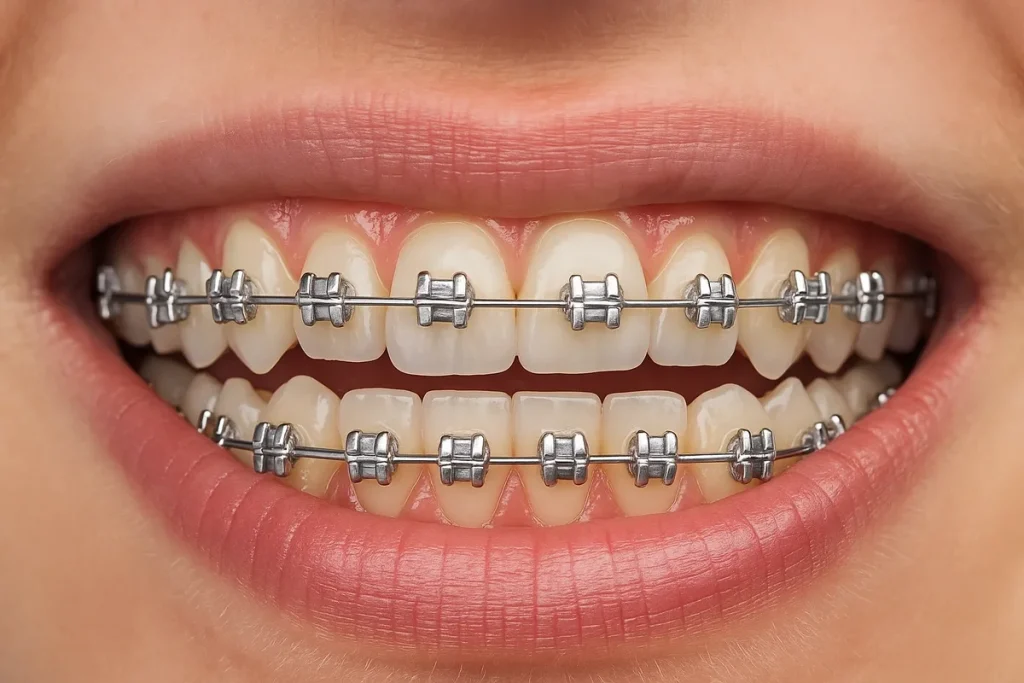
🦷 Wired orthodontics is a time-tested and highly effective dental treatment designed to correct misaligned teeth, bite irregularities, and jaw positioning problems. Unlike removable aligners, this traditional system uses brackets, wires, and bands that work together to apply continuous, gentle pressure on the teeth. Over time, this pressure guides teeth into their ideal positions, helping patients achieve a perfectly straight, functional, and aesthetic smile. Whether for teens, adults, or even older patients, wired orthodontics remains one of the most reliable and scientifically supported methods in modern dentistry.
Many people associate wired orthodontics with the metallic braces seen in the past, but today’s versions are far more advanced and comfortable. The materials have evolved significantly — stainless steel, titanium, and even ceramic wires are now used to improve comfort and reduce visibility. The brackets are smaller, smoother, and more adaptable, making the experience less painful and more visually appealing. This modern evolution of wired orthodontics allows patients to benefit from precise results without sacrificing aesthetics or comfort.
🔍 From a technical standpoint, wired orthodontics works by applying controlled force to the teeth. The metal brackets are bonded directly to each tooth using dental adhesive, and a flexible archwire connects these brackets. The archwire is periodically adjusted by the orthodontist to ensure that the teeth continue to move in the correct direction. Over the course of several months — or sometimes years — the pressure gradually repositions the teeth into perfect alignment. Elastic bands or springs may also be used to fine-tune the bite and jaw alignment, ensuring that both form and function are improved simultaneously.
One of the greatest strengths of wired orthodontics is its versatility. It can correct a wide range of dental problems, from mild crowding to severe bite issues such as overbites, underbites, and crossbites. For example, a patient with overlapping front teeth can benefit from gradual realignment using stainless steel wires that adjust every few weeks. Similarly, someone with a narrow arch can experience expansion through the use of auxiliary devices connected to the wired system. The predictability of wired orthodontic results makes it the gold standard for complex dental corrections.
Another key advantage is the level of precision it offers to orthodontists. Unlike clear aligners, which rely on pre-planned movements, wired orthodontics allows real-time adjustments based on how the patient’s teeth respond. This means that the treatment plan can be fine-tuned at every appointment, ensuring the best possible outcome. Patients also experience measurable progress after each visit — a motivational benefit that encourages them to maintain good oral hygiene and stay consistent with follow-ups.
✨ Modern wired orthodontics is not only about straightening teeth but also about optimizing overall oral health. Proper alignment helps distribute chewing forces evenly, reduces wear and tear on individual teeth, and can prevent jaw discomfort caused by misalignment. Moreover, aligned teeth are easier to clean, lowering the risk of cavities, gum disease, and plaque accumulation. In essence, wired orthodontics doesn’t just enhance your smile — it also contributes to long-term dental and periodontal health.
Many patients wonder if wired orthodontics is painful. The truth is that some mild discomfort can occur during the initial adjustment period, as the teeth begin to move. However, this sensation typically subsides within a few days. Using orthodontic wax, soft foods, and gentle rinsing can alleviate temporary soreness. Thanks to modern techniques and improved materials, most patients find wired orthodontics surprisingly manageable. Regular visits to the orthodontist — usually every 4 to 6 weeks — ensure that adjustments are made gradually and safely.
🪥 Maintaining oral hygiene during wired orthodontic treatment requires a bit of extra care. Brackets and wires can trap food particles, so patients are encouraged to use interdental brushes, water flossers, and fluoride mouthwashes to keep their teeth and gums healthy. Orthodontists also emphasize avoiding sticky or hard foods that can damage the wires. By following these hygiene guidelines, patients can prevent staining, decay, and other complications, ensuring that their final results are both healthy and beautiful.
Patients often seek wired orthodontics not just for aesthetic reasons but also to improve speech clarity, chewing efficiency, and confidence. A straight, harmonious smile can have a profound psychological impact, promoting self-esteem and enhancing social interactions. Additionally, many insurance plans and dental clinics offer payment options, making wired orthodontic treatment accessible to a wide audience. For instance, some clinics like Redent Klinik Contact Page offer personalized consultations and flexible plans to make treatment more affordable.
For individuals considering this treatment, consulting with a certified orthodontic specialist is essential. They will evaluate your dental condition, create a customized plan, and explain the entire process in detail. According to the American Dental Association, early orthodontic evaluation — ideally by age seven — can help prevent more severe dental problems in the future. Adults, too, can achieve remarkable results with wired orthodontics, as age is not a limiting factor for orthodontic success.
🌟 In summary, wired orthodontics remains a cornerstone of modern dentistry. Its combination of durability, precision, and predictable results makes it ideal for anyone seeking a healthy, well-aligned smile. By committing to proper oral hygiene and regular check-ups, patients can enjoy both aesthetic and functional improvements that last a lifetime. Whether you’re a teenager starting your orthodontic journey or an adult aiming for a smile transformation, wired orthodontics offers a proven path toward dental perfection.
What Is Wired Orthodontics and How Does It Work?
Wired orthodontics is a specialized branch of orthodontic treatment that uses brackets, archwires, and elastic bands to gently move teeth into their ideal positions. It is often referred to as “traditional braces,” but in reality, the system has evolved into a highly sophisticated, customizable method that combines mechanical precision with biological science. The main goal of wired orthodontics is to align teeth, correct bite problems, and improve overall oral health. It works through a series of small, consistent forces that gradually guide each tooth to where it naturally belongs — all under the careful supervision of a trained orthodontist.
🧩 The Components of Wired Orthodontics
To understand how wired orthodontics works, it’s essential to know the role of each component involved in the system. The three primary elements are the brackets, the archwire, and the ligatures:
- Brackets: Small metal or ceramic attachments bonded to the front of each tooth. They serve as anchor points for the wire and determine how pressure is distributed.
- Archwire: The wire that connects the brackets and provides the necessary tension. It’s the main source of controlled pressure that moves teeth.
- Ligatures (Elastic Bands): Tiny rubber rings or wires that hold the archwire in place. They can come in various colors and are replaced during each adjustment session.
In modern wired orthodontics, high-quality materials like nickel-titanium and stainless steel are used for the archwire. These metals possess “shape memory,” allowing them to return to their original shape even after being bent — a property that continuously applies gentle pressure on the teeth. Over time, this steady pressure encourages bone remodeling, where the bone tissue around the teeth dissolves and reforms, allowing for permanent movement and alignment.
⚙️ The Biomechanics Behind Wired Orthodontics
The movement of teeth in wired orthodontics is not random but based on the principles of dental biomechanics. When the archwire applies pressure to a tooth, it triggers a biological response in the periodontal ligament (PDL) — the connective tissue between the tooth root and the bone. On one side of the root, bone is resorbed (broken down), while on the opposite side, new bone is formed. This process, known as bone remodeling, enables the tooth to shift gradually without damaging the root structure or surrounding tissues.
Orthodontists carefully calculate the amount and direction of force needed for each tooth. Applying too much pressure can cause discomfort or slow down the process, while too little may yield minimal movement. The art of wired orthodontics lies in balancing these forces to achieve precise, healthy alignment.
🪄 Step-by-Step Process of How Wired Orthodontics Works
1. Initial Evaluation and Treatment Planning
The first stage involves a comprehensive examination, including X-rays, photos, and digital impressions. These diagnostics help the orthodontist create a custom treatment plan tailored to the patient’s specific dental anatomy. They determine whether the patient has crowding, spacing, overbite, or underbite issues that can be corrected through wired orthodontics.
2. Bracket Bonding
Once the plan is finalized, the orthodontist bonds brackets to each tooth using a safe dental adhesive. Each bracket is positioned precisely to ensure proper tooth movement. The archwire is then threaded through the brackets and secured with elastic ties. This setup marks the beginning of active orthodontic treatment.
3. Adjustments and Progress Monitoring
Patients visit the clinic every 4–6 weeks for adjustments. During these visits, the orthodontist may replace the archwire with one of a different thickness or tension to continue guiding the teeth. These minor adjustments are crucial for maintaining steady movement and achieving optimal alignment.
4. Retention Phase
After the desired alignment is achieved, the braces are removed, and a retainer is fitted to maintain the new tooth positions. Without retention, the teeth could shift back toward their original placement. Therefore, retention is considered a vital part of the wired orthodontics process.
✨ Advantages of Wired Orthodontics
One of the most significant advantages of wired orthodontics is its versatility. It can treat both simple and complex dental issues that aligners cannot always address effectively. Because it provides complete control over tooth movement, orthodontists can fine-tune alignment with great precision. Other key benefits include:
- Durability: Wired braces are resistant to damage and can withstand daily wear and tear better than removable options.
- Consistency: Since they remain fixed, there’s no risk of patients forgetting to wear them, ensuring continuous progress.
- Customization: Brackets and wires can be adjusted to address even the most challenging orthodontic cases.
- Long-term Results: Wired orthodontics often delivers more stable outcomes over time when paired with good retention.
🧠 Modern Innovations in Wired Orthodontics
Today, advancements in dental technology have made wired orthodontics more efficient and aesthetically pleasing. Options such as self-ligating braces reduce friction, speed up treatment, and require fewer adjustments. Ceramic or tooth-colored brackets blend naturally with teeth, offering a more discreet appearance. Additionally, digital scanning and 3D modeling allow orthodontists to plan treatments with unprecedented precision, reducing overall chair time and improving patient comfort.
💡 The Role of Patient Compliance and Care
While wired orthodontics is highly effective, patient cooperation is vital to success. Proper oral hygiene, dietary precautions, and regular checkups ensure smooth progress. Patients should brush carefully around brackets, floss daily using orthodontic aids, and avoid sticky or hard foods that could damage the wire. Consistency is key — neglecting oral care can lead to staining, plaque buildup, or prolonged treatment time.
In some cases, orthodontists recommend complementary dental treatments such as professional cleaning or fluoride varnish applications to protect enamel. Clinics like Redent Klinik Contact Page offer personalized care plans and hygiene sessions specifically tailored for patients with wired braces.
🔬 Backed by Science and Research
According to the American Dental Association, wired orthodontics has one of the highest success rates among orthodontic methods. Research consistently supports its effectiveness in achieving long-term occlusal stability (the relationship between upper and lower teeth). Unlike cosmetic-only approaches, wired orthodontics combines function and aesthetics, ensuring that the bite, jaw joints, and overall oral mechanics remain in harmony.
🌟 Conclusion: The Science of a Perfect Smile
Ultimately, wired orthodontics is a blend of art, engineering, and biology. Its mechanisms are deeply rooted in human anatomy, and when applied with precision, it can transform not just smiles but lives. By aligning the teeth and optimizing oral function, this treatment enhances confidence, health, and quality of life. With modern materials, digital diagnostics, and experienced orthodontic specialists, wired orthodontics continues to deliver outstanding results — making it a timeless solution in the world of dental care.
Types of Braces Used in Wired Orthodontics
🦷 Wired orthodontics offers several types of braces, each designed to meet different aesthetic preferences, treatment goals, and comfort levels. Over the years, advancements in materials and technology have led to a variety of braces options that go beyond the traditional metal look. From sleek ceramic braces to high-tech self-ligating systems, patients now have the flexibility to choose the most suitable method for their lifestyle and orthodontic needs. Understanding the different types of braces used in wired orthodontics helps patients make an informed decision and achieve the best possible results.
🔩 1. Traditional Metal Braces
The most recognizable and widely used form of wired orthodontics is the traditional metal brace. These consist of stainless steel brackets and archwires that are attached to the teeth using dental adhesive. Elastic bands or ties hold the wire in place, allowing the orthodontist to adjust tension and direction as needed. Despite their reputation for being noticeable, today’s metal braces are much smaller, smoother, and more comfortable than those used decades ago.
Advantages of Traditional Metal Braces
- Highly effective for correcting severe misalignment and complex bite problems.
- Durable and resistant to breakage compared to ceramic or plastic options.
- More affordable than most other types of wired orthodontic systems.
- Customization with colored elastics allows patients, especially younger ones, to express personality and style.
While traditional braces may be more visible, they remain the gold standard for their precision and strength. Orthodontists often recommend them for patients who require significant tooth movement or have challenging alignment cases that clear aligners cannot manage effectively.
💎 2. Ceramic (Tooth-Colored) Braces
Ceramic braces are a popular alternative for patients who want a more discreet appearance during wired orthodontics treatment. These braces use brackets made of clear or tooth-colored ceramic materials, which blend in naturally with the teeth. Although the archwire may still be metallic, it can be coated with a white or translucent finish to further reduce visibility.
Advantages of Ceramic Braces
- Less visible than traditional metal braces, making them a great choice for adults and professionals.
- Provide the same effectiveness and precision as metal braces for most alignment issues.
- Offer comfort with smooth surfaces that reduce gum irritation.
Considerations
However, ceramic braces can be slightly more fragile and may stain if proper oral hygiene is not maintained. Patients are encouraged to avoid dark beverages like coffee and red wine to keep their braces looking clear throughout the treatment.
⚙️ 3. Self-Ligating Braces
Self-ligating braces represent one of the most innovative advancements in wired orthodontics. Unlike traditional systems that use elastic ties, these braces employ a built-in clip mechanism that holds the archwire in place. This design reduces friction, allows teeth to move more freely, and often shortens overall treatment time.
Advantages of Self-Ligating Braces
- Require fewer adjustment appointments, saving time for both patients and orthodontists.
- Less pressure on teeth, leading to a more comfortable experience.
- Easier to clean and maintain due to the absence of elastic ties.
- Available in both metal and ceramic versions, offering aesthetic flexibility.
Many patients find self-ligating braces more comfortable because they use light, continuous forces rather than the intermittent pressure of traditional adjustments. This not only improves comfort but also promotes more efficient tooth movement.
🌙 4. Lingual Braces (Hidden Braces)
For those seeking the ultimate in discreet orthodontic treatment, lingual braces are an advanced form of wired orthodontics placed on the inner surfaces of the teeth, facing the tongue. This means they are completely invisible from the outside, making them an ideal option for professionals, actors, or individuals in the public eye.
Benefits of Lingual Braces
- Virtually invisible, offering unmatched aesthetic appeal.
- Custom-designed for each patient’s unique tooth shape and bite structure.
- Provide the same efficiency and control as traditional braces when handled by an experienced orthodontist.
Drawbacks
However, lingual braces require specialized training to install and adjust. They may also take longer to get used to, as they can initially affect speech and tongue comfort. Despite this, many patients consider the invisibility worth the short adaptation period.
🌟 5. Damon System Braces
The Damon System is a modern evolution of wired orthodontics that combines the principles of self-ligation with advanced wire technology. It uses lighter forces to move teeth naturally and often eliminates the need for tooth extractions or palate expanders. The wires used in this system are heat-activated and respond to body temperature, providing continuous gentle movement.
Why Patients Choose Damon Braces
- Fewer visits to the orthodontist due to self-adjusting design.
- Shorter overall treatment time in many cases.
- Enhanced comfort and less friction during tooth movement.
- Improved facial aesthetics by aligning teeth in harmony with the natural smile arc.
🎯 Choosing the Right Type of Braces
Selecting the right type of braces in wired orthodontics depends on multiple factors such as age, lifestyle, treatment complexity, and budget. Teenagers might prefer colorful metal braces for self-expression, while adults often choose ceramic or lingual options for subtlety. Orthodontists assess not just the cosmetic aspect but also the patient’s dental anatomy, oral hygiene habits, and bite structure before making a recommendation.
For patients unsure of which option suits them best, scheduling a consultation with a specialist is the best approach. Clinics like Redent Klinik Contact Page provide personalized assessments and discuss all available wired orthodontics options, ensuring patients fully understand the advantages of each type.
🔬 Backed by Research and Innovation
According to the American Dental Association, ongoing advancements in wired orthodontics are making treatments faster, more comfortable, and more predictable than ever before. Smart wires that deliver consistent forces, 3D scanning for digital bracket placement, and biocompatible materials have revolutionized patient care. These technologies not only improve accuracy but also enhance patient experience by reducing treatment time and discomfort.
💬 Final Thoughts: Finding the Perfect Match
In conclusion, wired orthodontics is no longer a one-size-fits-all solution. With a variety of braces — from classic metal to invisible lingual systems — every patient can find a perfect balance between function and aesthetics. Each option offers unique benefits tailored to different preferences and orthodontic challenges. The key lies in working closely with an experienced orthodontist who understands both the science and artistry behind a beautiful smile. Whether the goal is a dramatic transformation or subtle correction, wired orthodontics continues to offer life-changing results built on precision, technology, and confidence. 🌟
Benefits of Choosing Wired Orthodontics Over Clear Aligners
😁 When it comes to straightening teeth, patients often compare wired orthodontics with clear aligner systems like Invisalign. While aligners have become popular for their discreet appearance, wired orthodontics remains the most trusted and clinically effective solution for achieving precise, long-lasting results. With decades of proven success, wired orthodontics continues to be the preferred choice for individuals with complex dental issues, offering superior control, durability, and treatment predictability. Below, we’ll explore the many advantages that make wired orthodontics a gold standard in dental correction.
🎯 1. Precision and Control in Tooth Movement
One of the most important benefits of wired orthodontics is the unmatched precision it provides. The fixed nature of brackets and archwires allows orthodontists to apply specific, controlled forces to each individual tooth. This precision enables the correction of complex misalignments that clear aligners often struggle to handle, such as severe crowding, large rotations, or significant bite discrepancies.
Why Precision Matters
- Ensures every tooth moves in the desired direction and angle.
- Improves jaw alignment and bite functionality for long-term oral health.
- Reduces the likelihood of relapse after treatment.
With wired orthodontics, orthodontists can make real-time adjustments during follow-up visits, something that’s not possible with pre-manufactured aligner trays. This dynamic adaptability makes treatment more responsive to the patient’s individual progress.
🧠 2. Effective for Complex Dental Problems
Clear aligners are best suited for mild to moderate cases, while wired orthodontics excels in correcting advanced issues. Patients with jaw misalignment, severe crowding, or impacted teeth often require the strength and stability of wired systems. These braces can apply multidirectional forces — something aligners simply cannot replicate — making them ideal for both cosmetic and structural corrections.
For instance, patients with an overbite or crossbite may need rubber bands, springs, or power chains — all of which can only be used effectively with wired orthodontics. This makes it the go-to choice for orthodontists who need full control over every movement of the teeth and jaw.
⚙️ 3. Consistency and Compliance
Unlike aligners, which depend heavily on patient discipline, wired orthodontics works 24/7 without requiring removal or reinsertion. This constant application of gentle force ensures steady progress throughout the treatment period. Patients cannot forget to wear them or lose them, which is a common issue with removable trays. As a result, wired orthodontics minimizes human error and maximizes treatment efficiency.
Who Benefits Most?
- Teenagers and young adults who may struggle with wearing aligners consistently.
- Busy professionals who prefer not to manage multiple trays or worry about cleaning them frequently.
- Anyone seeking a “set it and forget it” approach to orthodontic care.
This constant engagement means the teeth are always being guided, resulting in more predictable timelines and outcomes.
💪 4. Durability and Strength
Another advantage of wired orthodontics lies in its durability. Traditional metal braces, for example, can withstand pressure from chewing and grinding far better than delicate plastic aligners. For patients who have strong bite forces or require extensive adjustments, metal braces offer superior reliability.
Furthermore, ceramic or self-ligating braces—modern variations of wired orthodontics—combine strength with comfort. Unlike aligners that can crack or deform with hot liquids, braces maintain their effectiveness throughout the entire treatment period. This makes them particularly suitable for long-term, complex cases that require consistent results.
🪄 5. Faster and More Predictable Results
In many cases, wired orthodontics delivers faster and more consistent outcomes than aligner treatments. Because the braces are fixed and continuously active, there’s less chance of treatment delay due to poor compliance or lost trays. The orthodontist can adjust the force and direction during each visit, maintaining steady movement.
Average Treatment Duration Comparison
| Type of Treatment | Average Duration |
|---|---|
| Wired Orthodontics | 18–24 months |
| Clear Aligners | 20–30 months (depending on compliance) |
Additionally, because wired orthodontics involves fewer variables and more control, the likelihood of unplanned treatment extensions is lower, giving patients a more reliable timeline.
🦷 6. Suitable for All Ages
While many people associate braces with teenagers, wired orthodontics is equally effective for adults and even older patients. Unlike clear aligners that rely on consistent wear, braces deliver continuous correction regardless of patient behavior. Adults who may have bone density differences or slower tooth movement can still achieve excellent results under professional supervision.
Moreover, aesthetic options like ceramic braces allow adults to undergo treatment discreetly, making wired orthodontics an inclusive solution for all age groups seeking a healthier and more confident smile.
🪥 7. Hygiene and Maintenance Differences
Although clear aligners can be removed for brushing, wired orthodontics offers the benefit of predictable hygiene routines guided by professional care. Orthodontists typically provide detailed cleaning instructions and tools like interdental brushes and water flossers to maintain excellent oral health during treatment. Regular checkups ensure that both teeth and gums stay healthy throughout the process.
🏥 8. Cost and Long-Term Value
When comparing costs, wired orthodontics often proves to be more economical, especially for complex cases. While aligners may appear cheaper initially, multiple refinements and replacement trays can increase expenses. Braces, on the other hand, typically involve one comprehensive system with predictable pricing.
At clinics like Redent Klinik Contact Page, patients can receive customized treatment plans and cost estimates based on their individual needs. This transparency ensures patients understand the long-term investment in their oral health and confidence.
📚 9. Scientifically Proven Reliability
The American Dental Association emphasizes that wired orthodontics has decades of scientific research supporting its efficacy. Longitudinal studies show that patients treated with braces maintain better long-term alignment compared to those using aligners, particularly in cases involving significant bite correction. The reliability of wired systems, combined with constant advancements in materials and technique, makes them a cornerstone of modern orthodontics.
🌟 Conclusion: The Smart Choice for Long-Term Success
In conclusion, wired orthodontics remains the most comprehensive and dependable method for achieving a healthy, symmetrical, and lasting smile. Its unparalleled precision, continuous force, and adaptability make it the superior choice for patients seeking lasting results. While clear aligners offer aesthetic appeal, wired orthodontics delivers proven, stable outcomes that stand the test of time. Whether you’re a teenager starting your orthodontic journey or an adult seeking correction, wired orthodontics provides the perfect balance of science, strength, and success. 🌟
Step-by-Step Process of Getting Wired Orthodontic Treatment
🦷 Starting wired orthodontics is an exciting journey toward a straighter, healthier smile — but it’s also a detailed process that requires planning, precision, and professional supervision. Understanding each phase of the treatment helps patients know what to expect, how to prepare, and how to achieve the best results. Below is a complete breakdown of the step-by-step process of getting wired orthodontic treatment, from the first consultation to the final retainer stage.
📋 1. Initial Consultation and Diagnosis
The journey to a perfect smile begins with an in-depth consultation with an orthodontic specialist. During this appointment, your dentist will evaluate whether wired orthodontics is the most suitable option for your case. A comprehensive oral examination is performed, which includes checking your bite, jaw alignment, and overall dental health. The orthodontist will also assess your gums and bone structure to ensure that you’re a good candidate for wired orthodontic treatment.
Diagnostic Tools Used
- Panoramic X-rays: To evaluate teeth roots, bone density, and jaw structure.
- Cephalometric Analysis: A side-view X-ray to study facial growth and tooth alignment.
- Digital Impressions: 3D scans of your teeth to create a digital model used in planning treatment.
- Photographs: Intraoral and extraoral photos for baseline records and progress tracking.
After reviewing the findings, the orthodontist explains the treatment options, expected duration, and cost. This discussion also covers whether you will need additional dental procedures like extractions, fillings, or cleaning before starting wired orthodontics.
🦷 2. Treatment Planning and Customization
Once you decide to proceed with wired orthodontics, your orthodontist designs a customized treatment plan tailored to your specific dental needs. Each tooth’s movement is digitally mapped to ensure optimal results. This plan includes the type of braces (metal, ceramic, or self-ligating), the estimated treatment duration, and any necessary accessories like elastics or expanders.
Key Elements of the Plan
- Desired tooth positions and bite alignment goals.
- Sequence of wire changes and tightening intervals.
- Predicted treatment timeline (usually 18–24 months).
- Retention strategy after braces removal.
This customized approach ensures that every phase of the wired orthodontics process is optimized for comfort, precision, and effectiveness.
🪞 3. Placement of Brackets and Wires
The actual treatment begins with bonding the brackets to your teeth. This step is completely painless and typically takes about one to two hours. The orthodontist cleans your teeth thoroughly, applies a conditioning gel, and then uses dental adhesive to attach the brackets in precise positions. Once the brackets are set, the archwire is threaded through them and secured using elastic ties or self-ligating clips.
Comfort Tips After Installation
- Expect mild pressure or tightness for a few days — this is normal and means your braces are working.
- Stick to soft foods such as yogurt, soup, and mashed potatoes during the adjustment period.
- Use orthodontic wax on brackets if they irritate your cheeks or lips.
Patients often find the first week of wired orthodontics to be an adjustment period, after which the mouth adapts to the braces and comfort improves significantly.
🔧 4. Regular Adjustments and Monitoring
Throughout your treatment, you’ll visit your orthodontist approximately every 4–6 weeks for adjustments. These visits are essential because they allow the orthodontist to tighten wires, replace elastics, and make other modifications based on your progress. Regular checkups also help detect any issues early, such as broken brackets or poor hygiene around the braces.
What Happens During an Adjustment?
- Removal of elastic ties or self-ligating clips.
- Insertion of a new or thicker wire to apply the next level of pressure.
- Replacement of worn-out elastics and re-evaluation of your bite alignment.
These adjustments ensure that the teeth continue moving in the correct direction. The process is quick and typically painless, though some patients experience mild soreness afterward. Proper oral care and a soft-food diet for a day or two usually resolve any discomfort.
🧼 5. Oral Hygiene Maintenance During Treatment
Proper oral care is vital during wired orthodontics. Food particles can easily get trapped around brackets and wires, leading to plaque buildup or cavities if not cleaned properly. Orthodontists recommend brushing after every meal using a soft-bristled brush and fluoride toothpaste. Additionally, interdental brushes and water flossers help clean hard-to-reach areas.
Hygiene Tips
- Use fluoride mouthwash to strengthen enamel and prevent decay.
- Avoid sticky or hard foods such as caramel, nuts, and popcorn.
- Schedule professional cleanings every 6 months for optimal gum health.
Maintaining a strict hygiene routine ensures that once the wired orthodontics treatment is complete, your teeth will not only be straight but also healthy and stain-free.
🦴 6. Managing Discomfort and Emergencies
During wired orthodontics, minor issues such as poking wires or loose brackets can occasionally occur. Orthodontists usually provide an emergency kit or simple at-home instructions to handle these situations. Applying orthodontic wax can ease irritation, and clipping any protruding wire with sterilized nail clippers can provide temporary relief until your next appointment.
If severe pain, swelling, or wire breakage occurs, contacting your orthodontist immediately is essential. Many dental centers, such as Redent Klinik Contact Page, offer urgent support and repairs for wired braces to ensure continuous and comfortable progress.
🎉 7. Braces Removal and Retainer Fitting
Once your teeth are properly aligned and your bite is corrected, it’s time to remove your braces — a moment of celebration for every patient! The removal process is quick and painless. After cleaning away adhesive residue, your orthodontist will take impressions for your custom-made retainer, which keeps your teeth in their new positions.
Types of Retainers
- Fixed Retainers: Thin wires permanently bonded to the back of the teeth for long-term stability.
- Removable Retainers: Clear or acrylic devices worn at night to maintain alignment.
Wearing your retainer as instructed is crucial. Without it, your teeth may gradually shift back toward their original positions — a phenomenon called relapse. The retainer phase is a key part of the wired orthodontics success story.
🧠 8. Follow-Up and Long-Term Care
After the active treatment phase, your orthodontist schedules periodic follow-ups to ensure your results remain stable. These checkups help confirm that your bite and smile are functioning correctly. Patients are encouraged to maintain regular dental cleanings and report any changes in bite or alignment immediately.
📚 Supported by Expert Guidelines
According to the American Dental Association, long-term success in wired orthodontics depends on consistent aftercare and regular monitoring. Orthodontists play a vital role in ensuring that both the teeth and underlying bone adapt properly to the new alignment. This comprehensive approach guarantees a functional bite, improved speech, and enhanced facial aesthetics.
🌟 Final Thoughts: Your Path to a Perfect Smile
The step-by-step journey of wired orthodontics is both scientific and transformative. From diagnosis to retention, every stage is meticulously planned to deliver a healthier, more confident smile. With modern technology, precise adjustments, and dedicated patient care, wired orthodontics ensures reliable, lasting results that go beyond aesthetics — they improve overall dental health, bite function, and quality of life. 🌟
Cost of Wired Orthodontics: What to Expect in 2025
💰 The cost of wired orthodontics can vary widely depending on several factors — including the complexity of the case, materials used, treatment duration, and geographic location. In 2025, as dental technology advances and materials improve, patients can expect greater transparency and more flexible payment options. However, understanding what influences these costs helps you make an informed decision when choosing orthodontic care. Below, we explore everything you need to know about pricing, value, and how to make the most of your investment in wired orthodontic treatment.
📊 1. Average Cost Range for Wired Orthodontics
In 2025, the global average price for wired orthodontics generally falls between $2,500 and $7,500, depending on the treatment complexity and the materials used. Basic metal braces are usually at the lower end of the spectrum, while ceramic or lingual braces tend to be more expensive. Some clinics also include retainers, follow-ups, and additional maintenance within their overall pricing structure.
| Type of Wired Orthodontics | Estimated Cost (USD) | Estimated Cost (EUR) |
|---|---|---|
| Traditional Metal Braces | $2,500 – $4,500 | €2,300 – €4,200 |
| Ceramic (Tooth-Colored) Braces | $3,000 – $6,000 | €2,800 – €5,600 |
| Lingual (Hidden) Braces | $5,000 – $9,000 | €4,700 – €8,400 |
| Self-Ligating Braces | $3,500 – $7,000 | €3,300 – €6,600 |
It’s important to note that these figures represent an average. Every patient’s case is unique, and costs can fluctuate based on additional procedures or personalized materials used during wired orthodontics treatment.
📍 2. Key Factors Influencing the Cost
The price of wired orthodontics depends on multiple variables, each playing a significant role in the overall cost. Understanding these helps you plan your budget effectively and avoid unexpected expenses later.
1. Treatment Complexity
Simple alignment adjustments cost less than complex jaw or bite corrections. Severe crowding, crossbites, or overbites typically require more appointments, stronger materials, and longer treatment durations — increasing total expenses.
2. Material Selection
Different materials have different price points. Metal braces are affordable and durable, while ceramic and lingual braces cost more due to aesthetic benefits and custom fabrication requirements. Titanium and gold-plated options may also add premium costs.
3. Treatment Duration
Most wired orthodontics treatments last between 18 and 30 months. The longer the treatment, the higher the cost, as it requires more follow-up visits and wire replacements.
4. Geographic Location
Prices for wired orthodontic treatment vary significantly across regions. For example, in large metropolitan cities, orthodontic fees are generally 20–40% higher than in smaller towns or rural areas. Clinics in Europe or the U.S. tend to have higher base costs than those in Turkey or Southeast Asia, where high-quality care is more affordable.
5. Orthodontist’s Expertise
Specialists with advanced certifications, years of experience, and a strong patient portfolio may charge higher fees. However, the investment often translates to more precise results, fewer complications, and a smoother overall experience.
💎 3. Additional Costs to Consider
While the base price of wired orthodontics covers most of the treatment, there are a few potential additional costs that patients should factor in:
- Consultation and Diagnostic Fees: X-rays, photos, and 3D scans can range from $100 to $300.
- Retainers: After treatment, removable or fixed retainers may cost $200–$600.
- Emergency Repairs: Replacing a broken bracket or wire may cost $50–$150 per visit.
- Follow-Up Cleanings: Professional dental cleanings during treatment cost approximately $100 per session.
💡 4. Insurance and Payment Options
Many dental insurance plans cover part of the wired orthodontics cost, especially when the treatment is deemed medically necessary. Most policies reimburse between 30% and 50% of total expenses, up to a specific limit. Patients are encouraged to contact their insurance provider to confirm eligibility and coverage limits before starting treatment.
Flexible Payment Solutions
Clinics often offer installment plans, financing, or in-house payment options to make wired orthodontics accessible to more patients. For instance, some clinics may provide zero-interest financing over 12–24 months. At Redent Klinik Contact Page, patients can inquire about personalized payment solutions and discounted packages for families or students.
🌍 5. Comparing Costs by Region
When comparing global treatment costs, wired orthodontics in Turkey and Eastern Europe tends to be significantly more affordable while maintaining high medical standards. For example, patients traveling for dental tourism often save up to 60% compared to prices in Western Europe or North America. The key is to choose clinics accredited by international organizations such as the American Dental Association or equivalent local authorities to ensure safety and quality.
| Country | Average Cost (USD) | Average Savings vs USA |
|---|---|---|
| USA | $5,000 – $7,500 | — |
| Germany | $4,500 – $7,000 | 10–15% |
| Turkey | $2,000 – $3,500 | Up to 60% |
| UK | $5,000 – $8,000 | 0–10% |
📈 6. The True Value of Wired Orthodontics
Although the financial commitment may seem significant, wired orthodontics offers long-term value that extends beyond aesthetics. Proper alignment improves bite functionality, prevents premature enamel wear, reduces TMJ stress, and enhances oral hygiene by making cleaning easier. When viewed as a long-term health investment, the benefits of wired orthodontics far outweigh the upfront costs.
🧠 7. Tips to Reduce Costs Without Compromising Quality
- Compare multiple clinics and get detailed treatment quotes.
- Ask about in-house installment or 0% financing options.
- Choose standard metal braces instead of aesthetic alternatives if budget is tight.
- Consider dental tourism only in verified, ADA-accredited facilities.
- Maintain excellent oral hygiene to prevent costly repairs or delays.
🌟 Conclusion: Investing in a Healthier, More Confident Smile
The cost of wired orthodontics in 2025 reflects the balance between technology, expertise, and patient care. Whether you choose traditional braces or modern ceramic systems, the investment pays off in both health and confidence. A well-aligned smile contributes to better digestion, speech, and oral hygiene — benefits that last a lifetime. By exploring insurance options, flexible financing, and trusted clinics like Redent Klinik, patients can make wired orthodontics not only affordable but also a life-changing decision that enhances their quality of life. 🌟
Common Problems and Solutions During Wired Orthodontic Treatment
😬 Undergoing wired orthodontics is a transformative experience, but it can also come with certain temporary challenges. These issues are normal and manageable with proper care and guidance from your orthodontist. Knowing the most common problems and how to solve them ensures that your treatment stays on track while keeping you comfortable. In this section, we’ll cover every detail — from discomfort and wire pokes to oral hygiene and dietary concerns — along with practical, professional solutions.
🦷 1. Initial Discomfort and Soreness
During the first few days after starting wired orthodontics, it’s common to experience mild discomfort or soreness. This happens because the teeth and gums are adjusting to the pressure applied by the braces. The feeling typically lasts between three and seven days and gradually subsides as the mouth adapts.
How to Manage Pain Effectively
- Use orthodontic wax: Apply wax to brackets that irritate your lips or cheeks to prevent ulcers.
- Rinse with salt water: Mix a teaspoon of salt in warm water and rinse to reduce inflammation and speed up healing.
- Stick to soft foods: Soups, mashed potatoes, yogurt, and smoothies can minimize pressure during chewing.
- Over-the-counter relief: If needed, mild pain relievers like ibuprofen can help during the initial phase.
Remember, this discomfort is temporary and a positive sign that your wired orthodontics system is effectively working to move your teeth.
🪛 2. Broken or Loose Brackets
Brackets may occasionally loosen or break, especially when biting into hard or sticky foods. This is one of the most common mechanical issues during wired orthodontics. Ignoring a loose bracket can delay your progress, so prompt attention is crucial.
Immediate Actions to Take
- Check if the bracket is still attached to the wire. If it’s loose but not completely detached, leave it in place and contact your orthodontist.
- If the bracket has come off completely, store it in a clean container and bring it to your next appointment.
- Apply a small piece of orthodontic wax over sharp edges to prevent soft tissue irritation.
To avoid future breakage, refrain from eating hard foods such as nuts, caramel, or crunchy snacks. Following your orthodontist’s dietary recommendations will minimize emergencies during your wired orthodontics journey.
🧵 3. Poking or Protruding Wires
Sometimes, as your teeth move, the archwire in wired orthodontics may shift or extend slightly at the back, causing it to poke your cheek or gums. This can be uncomfortable but is easily resolved.
Quick Fixes
- Apply orthodontic wax to the end of the wire for instant relief.
- If the wire is long enough to bend, gently push it back toward the bracket using the eraser end of a pencil.
- In urgent cases, trim the protruding wire carefully with sterilized nail clippers.
Always inform your orthodontist afterward so they can professionally resecure the wire. Clinics such as Redent Klinik Contact Page provide same-day repairs to prevent discomfort and ensure continuous tooth movement.
🪥 4. Plaque Build-Up and Staining
Maintaining oral hygiene is one of the biggest challenges during wired orthodontics. Food particles can easily get trapped around brackets and wires, creating breeding grounds for bacteria and plaque. This may lead to white spots, discoloration, or even gum inflammation if neglected.
Preventive Measures
- Brush after every meal using a soft toothbrush angled toward the brackets.
- Use an interdental brush or water flosser to reach tight spaces between wires.
- Rinse daily with fluoride mouthwash to strengthen enamel and prevent decay.
- Limit consumption of sugary and acidic foods like sodas and sweets.
Regular professional cleanings every 3–6 months are essential to maintain oral health during wired orthodontics. These appointments help remove plaque in hard-to-reach areas and keep your gums healthy throughout the treatment.
🍎 5. Dietary Restrictions and Adjustments
One of the most important aspects of wired orthodontics success is diet management. Hard, sticky, or chewy foods can easily damage brackets and wires, prolonging treatment time. Avoiding these items ensures smoother progress and fewer repair visits.
Foods to Avoid
- Sticky foods: Caramel, chewing gum, gummy candies.
- Hard foods: Nuts, popcorn, raw carrots, and ice cubes.
- Crunchy foods: Chips, crusty bread, and hard cookies.
Braces-Friendly Alternatives
- Soft fruits like bananas, berries, and oranges.
- Cooked vegetables instead of raw ones.
- Pasta, eggs, and tender meats.
Following these dietary guidelines prevents damage and helps you stay comfortable throughout your wired orthodontics journey.
🧠 6. Speech and Adaptation Challenges
In the early days of wearing wired orthodontics, some patients notice minor speech changes such as slight lisping or difficulty pronouncing certain words. This is completely normal and usually temporary as the tongue adjusts to the presence of brackets and wires.
Adaptation Tips
- Practice reading aloud or singing to strengthen tongue coordination.
- Stay hydrated to prevent dryness and improve speech clarity.
- Use orthodontic wax if wires irritate the tongue.
Most patients adapt within one to two weeks. Continuous speaking exercises help retrain muscle memory, allowing your pronunciation to return to normal quickly.
🦴 7. Slow Progress or Tooth Movement
Sometimes, patients undergoing wired orthodontics may feel their teeth are not moving as fast as expected. This can be due to several factors including poor compliance, missed appointments, or insufficient oral hygiene. Tooth movement also varies from person to person based on bone density and age.
How to Stay on Track
- Attend all scheduled appointments without delays.
- Follow elastic or band instructions exactly as directed by your orthodontist.
- Maintain excellent oral hygiene to keep tissues healthy for optimal tooth movement.
If you suspect slower progress, speak with your orthodontist. They can adjust the treatment plan, tighten wires, or use auxiliary devices to accelerate alignment.
📞 8. Orthodontic Emergencies and Professional Help
Though rare, emergencies can occur during wired orthodontics treatment — such as sudden wire breakage, swelling, or persistent pain. In such cases, never attempt complex repairs at home. Contact your orthodontist immediately. Reliable clinics like Redent Klinik offer quick emergency care to prevent complications and ensure your braces continue functioning effectively.
📚 9. Backed by Expert Guidance
The American Dental Association emphasizes that awareness and early action are key to successful orthodontic outcomes. By addressing minor issues quickly, patients can avoid discomfort and ensure optimal progress. Consistent follow-ups and professional cleanings throughout your wired orthodontics treatment greatly reduce complications.
🌟 Conclusion: Smooth Sailing Toward a Perfect Smile
Every orthodontic journey has small hurdles, but with patience, care, and professional support, these challenges are easy to overcome. From managing discomfort to keeping your braces clean and intact, proactive habits make a huge difference. Wired orthodontics may require commitment, but the rewards — a healthy, confident, and beautifully aligned smile — are well worth the effort. 🌟
Oral Hygiene and Diet Tips for Wired Orthodontic Patients
🪥 Maintaining proper oral hygiene and following a braces-friendly diet are two of the most critical factors that determine the success of wired orthodontics. Braces create additional surfaces where food particles, plaque, and bacteria can accumulate — which, if not properly cleaned, can lead to cavities, gum disease, or white spots on teeth. Likewise, dietary habits directly influence not only oral health but also the durability of brackets and wires. In this section, you’ll learn detailed, professional strategies to keep your smile clean, strong, and healthy throughout your orthodontic journey.
🧼 1. The Importance of Oral Hygiene During Wired Orthodontics
Oral hygiene is even more important during wired orthodontics than in regular dental care. Braces and wires create nooks where bacteria can hide, making brushing and flossing more challenging. Poor cleaning habits can slow tooth movement, damage enamel, and even lead to gum infections. The goal is to maintain a clean, plaque-free environment to allow teeth to move efficiently without additional dental problems.
Consequences of Poor Hygiene
- White spot lesions: Early signs of enamel demineralization caused by plaque buildup around brackets.
- Gingivitis: Gum inflammation resulting from food debris trapped near the gumline.
- Bad breath (halitosis): Caused by bacteria accumulating around wires and brackets.
- Delayed treatment: Unhealthy gums slow down the orthodontic process.
Proper hygiene ensures that wired orthodontics produces not just straight teeth but also a healthy, glowing smile when treatment is complete.
🪥 2. Brushing Techniques for Braces
Patients wearing wired orthodontics should brush at least three times per day — after every meal if possible. However, brushing technique is even more important than frequency. The key is to clean all tooth surfaces, brackets, and wires thoroughly without damaging them.
Step-by-Step Brushing Guide
- Use a soft-bristled or orthodontic toothbrush with V-shaped bristles designed for braces.
- Apply a fluoride toothpaste to strengthen enamel and fight bacteria.
- Hold the brush at a 45° angle toward the gum line and gently move in circular motions.
- Brush above, below, and around each bracket to remove trapped food particles.
- Brush for at least two minutes, ensuring every tooth and wire is cleaned.
For enhanced efficiency, many orthodontists recommend electric toothbrushes with oscillating heads. These brushes provide deeper cleaning and maintain consistency in pressure and movement — a valuable advantage during wired orthodontics.
🧵 3. Effective Flossing and Interdental Cleaning
Flossing with wired orthodontics can be tricky due to the wires blocking direct access between teeth, but it remains essential for preventing gum inflammation and plaque buildup.
Best Flossing Tools for Braces
- Orthodontic floss threaders: These help guide regular floss between wires and teeth.
- Superfloss: Pre-cut floss with stiff ends designed specifically for braces.
- Water flossers: These devices use pressurized water to remove debris and plaque between teeth and around brackets efficiently.
Orthodontists recommend flossing at least once a day. Water flossers are especially effective for patients with sensitive gums or limited dexterity. Consistent interdental cleaning prevents gum swelling, ensuring that wired orthodontics works efficiently and comfortably.
🪄 4. Rinsing and Additional Hygiene Aids
Beyond brushing and flossing, mouth rinses and supplementary hygiene tools can make a big difference in keeping your mouth clean during wired orthodontics.
Recommended Products
- Fluoride mouthwash: Helps strengthen enamel and reduce cavity risk.
- Antibacterial mouthwash: Reduces gum inflammation and bacterial buildup.
- Interdental brushes: Small, cone-shaped brushes that fit between brackets and wires for targeted cleaning.
Rinsing your mouth with warm water after every meal also helps loosen trapped particles, reducing plaque accumulation. Using these aids alongside traditional brushing ensures complete hygiene during wired orthodontics.
🍽️ 5. Diet Management for Wired Orthodontics
Food choices play a major role in maintaining braces and preventing damage. Certain foods can easily bend wires, dislodge brackets, or cause discomfort. Understanding what to eat — and what to avoid — will keep your treatment smooth and problem-free.
Foods to Avoid
- Sticky foods such as caramel, chewing gum, and taffy.
- Hard foods like nuts, popcorn, and crusty bread.
- Crunchy fruits and vegetables (e.g., apples, carrots) unless cut into small pieces.
- Chewy candies or tough meats that can loosen wires.
Recommended Braces-Friendly Foods
- Soft fruits: Bananas, berries, and peaches.
- Dairy products: Yogurt, cheese, and milk for calcium intake.
- Cooked vegetables: Easier to chew and gentle on braces.
- Protein-rich options: Scrambled eggs, tender chicken, or tofu.
By following these dietary recommendations, patients undergoing wired orthodontics minimize the risk of emergencies, reduce breakages, and ensure optimal oral health throughout treatment.
💧 6. Hydration and Saliva Flow
Staying hydrated plays an often-overlooked role in oral hygiene. During wired orthodontics, reduced saliva flow can cause dry mouth, which increases bacteria and plaque buildup. Drinking plenty of water helps flush out food particles, neutralize acids, and keep your mouth fresh.
Hydration Tips
- Drink water frequently throughout the day instead of sugary beverages.
- Limit soda and fruit juices that can erode enamel.
- Chew sugar-free gum (if approved by your orthodontist) to stimulate saliva flow.
🦷 7. Professional Cleanings and Checkups
Routine professional cleanings are essential while wearing wired orthodontics. Even with good home care, it’s nearly impossible to remove all plaque buildup on your own. Visiting your orthodontist or hygienist every 3–6 months ensures thorough cleaning around brackets, early detection of cavities, and adjustment of wires if necessary.
Many clinics, such as Redent Klinik Contact Page, offer specialized cleaning services for braces patients. These sessions help maintain gum health and reduce risks of white spots or enamel erosion.
📚 8. Expert Recommendations and Guidelines
The American Dental Association recommends consistent brushing, flossing, and dietary control for all orthodontic patients. Following ADA guidelines reduces treatment delays and ensures that wired orthodontics produces stable, long-lasting results. The organization also emphasizes fluoride use and routine professional monitoring to maintain enamel strength during treatment.
🌟 9. Long-Term Benefits of Good Hygiene and Diet
Excellent oral care during wired orthodontics not only ensures smooth treatment but also prevents lasting complications. Patients who maintain proper hygiene and diet enjoy cleaner teeth, healthier gums, and a more beautiful smile once braces are removed. They also experience less staining, no enamel loss, and better overall oral health.
By following these hygiene and diet tips, you make your orthodontic experience more comfortable and effective. Remember, wired orthodontics isn’t just about straightening teeth — it’s about achieving a healthier, brighter, and more confident smile that lasts a lifetime. 🌟
Duration and Aftercare: How Long Does Wired Orthodontics Last?
🕒 One of the most common questions patients ask when considering wired orthodontics is, “How long will the treatment take?” The duration of orthodontic treatment varies based on the complexity of your dental case, your age, bone density, and how closely you follow your orthodontist’s instructions. On average, most patients wear braces for 18 to 30 months, but this timeline can be shorter or longer depending on several factors. Once the braces come off, the aftercare phase — including retainers and regular checkups — becomes essential to maintain long-term results. In this comprehensive guide, we’ll cover all aspects of duration, stages, and aftercare for wired orthodontic treatments.
📆 1. Average Treatment Duration
The average treatment time for wired orthodontics ranges from one and a half to two and a half years. However, no two smiles are identical, and several factors influence how quickly your teeth move into their ideal positions. Mild crowding might take as little as 12 months, while severe bite misalignments could extend beyond 30 months.
Factors That Influence Treatment Duration
- Complexity of the case: More severe misalignments or bite corrections take longer to resolve.
- Age of the patient: Younger patients often experience faster tooth movement due to higher bone flexibility.
- Type of braces: Traditional metal braces may move teeth faster than ceramic or lingual systems due to less friction.
- Patient compliance: Attending appointments regularly and following dietary guidelines ensures steady progress.
- Biological response: Each individual’s bone and tissue react differently to orthodontic pressure.
Ultimately, following your orthodontist’s advice and maintaining good hygiene can help keep the treatment duration of wired orthodontics as short and effective as possible.
🔄 2. Stages of Wired Orthodontics Treatment
Wired orthodontics treatment consists of several carefully planned phases. Each phase plays an important role in guiding your teeth into proper alignment and ensuring lasting results.
Stage 1: Initial Alignment and Leveling
This stage focuses on straightening the teeth and correcting crowding. Thin, flexible wires are used to gently align teeth into the desired arch form. It usually lasts between 3–6 months.
Stage 2: Bite Correction
Once the teeth are aligned, the orthodontist adjusts the bite relationship between the upper and lower jaws. Heavier wires, elastics, or springs may be introduced to fine-tune the bite. This phase can last 6–12 months depending on the case.
Stage 3: Finishing and Detailing
The final phase ensures each tooth is perfectly positioned for an optimal smile and functional bite. The orthodontist makes micro-adjustments using fine wires and elastic chains. This precision step typically lasts 3–6 months.
Stage 4: Retention and Aftercare
Once the braces are removed, retainers are fitted to keep your teeth in place while your gums and bone stabilize. This stage is lifelong in principle — consistent retainer use ensures that the benefits of wired orthodontics remain permanent.
🦷 3. Retention Phase and Its Importance
After completing wired orthodontics, your teeth and jawbones are still adapting to their new positions. Without proper retention, teeth can relapse, shifting back to their original alignment. Retainers maintain these results and are critical to long-term stability.
Types of Retainers
- Fixed Retainers: Thin wires bonded to the back of the teeth for continuous support.
- Removable Retainers: Clear or acrylic devices that can be taken out when eating or brushing.
- Hybrid Retainers: Combine fixed and removable designs for added stability and comfort.
Recommended Retainer Usage
- Wear retainers full-time for the first 6–12 months after brace removal.
- Transition to nighttime wear once your orthodontist approves.
- Clean retainers daily with a soft toothbrush and mild soap.
Patients who follow retention instructions maintain their perfect smiles for decades. Neglecting retainer use, however, can undo months of progress achieved through wired orthodontics.
🪞 4. Aftercare: Maintaining Oral Health Post-Treatment
After removing braces, the focus shifts to preserving both alignment and oral health. Teeth are more prone to plaque buildup during wired orthodontics, so a thorough cleaning is essential post-treatment. Polishing, fluoride treatment, and whitening may also be recommended to restore natural brightness.
Essential Aftercare Tips
- Brush twice daily and floss once daily using fluoride toothpaste.
- Use a water flosser to clean around the retainer wire if one is fixed.
- Visit your dentist every six months for professional cleaning and checkups.
- Limit sugary snacks and acidic drinks that can weaken enamel.
Practicing consistent hygiene habits ensures that your new smile remains as radiant and healthy as when your wired orthodontics treatment ended.
🍽️ 5. Diet Adjustments After Braces Removal
After removing your wired orthodontics, you can gradually reintroduce foods you avoided during treatment — but with care. Your teeth may feel slightly sensitive for the first few weeks as they settle into their new alignment.
Recommended Foods
- Soft fruits and vegetables like bananas, berries, and cooked carrots.
- Lean proteins such as chicken, fish, and tofu for tissue repair.
- Calcium-rich foods like yogurt, cheese, and milk to strengthen enamel.
Foods to Limit
- Very hard or crunchy foods like nuts, crusty bread, or ice.
- Sticky candies that can adhere to retainer surfaces.
- Acidic drinks such as sodas and citrus juices.
Eating mindfully protects your enamel and retainers, ensuring the longevity of your orthodontic results.
🧠 6. Common Post-Treatment Issues and Solutions
Even after wired orthodontics, some patients notice minor changes such as tooth shifting or jaw discomfort. These issues are normal during the retention phase and can be managed with professional guidance.
Typical Adjustments
- Slight tooth movement: Retainer tightening or replacement can fix small shifts.
- Jaw pressure: Temporarily using elastics or minor realignment devices can help.
- Gum sensitivity: Regular rinsing with warm salt water soothes irritation.
Early communication with your orthodontist prevents these minor adjustments from becoming long-term setbacks. Clinics such as Redent Klinik Contact Page offer follow-up care to monitor alignment and retainer fit.
📚 7. Professional Recommendations and Global Standards
According to the American Dental Association, the success of wired orthodontics depends on post-treatment compliance as much as active treatment precision. Patients should continue seeing their orthodontist once every 6–12 months to verify long-term alignment and retainer performance. The ADA also emphasizes fluoride treatments and annual X-rays to monitor bone stability after orthodontic correction.
🌟 8. Long-Term Benefits of Proper Aftercare
Effective aftercare following wired orthodontics provides both functional and aesthetic benefits. A well-aligned smile improves bite performance, reduces jaw stress, and minimizes enamel wear. Moreover, patients who adhere to retention and hygiene guidelines experience greater confidence and satisfaction with their results.
- Permanent improvement in facial symmetry and smile aesthetics.
- Enhanced speech clarity and bite efficiency.
- Lower long-term risk of cavities and periodontal disease.
✨ 9. Final Thoughts: A Lifetime of Smiles
The journey doesn’t end when your braces come off — it simply enters a new, equally important phase. With consistent aftercare, regular dental visits, and proper retainer use, the benefits of wired orthodontics can last a lifetime. Remember, maintaining your smile requires only a few minutes of daily effort but rewards you with confidence, comfort, and health that endure for years to come. 🌟
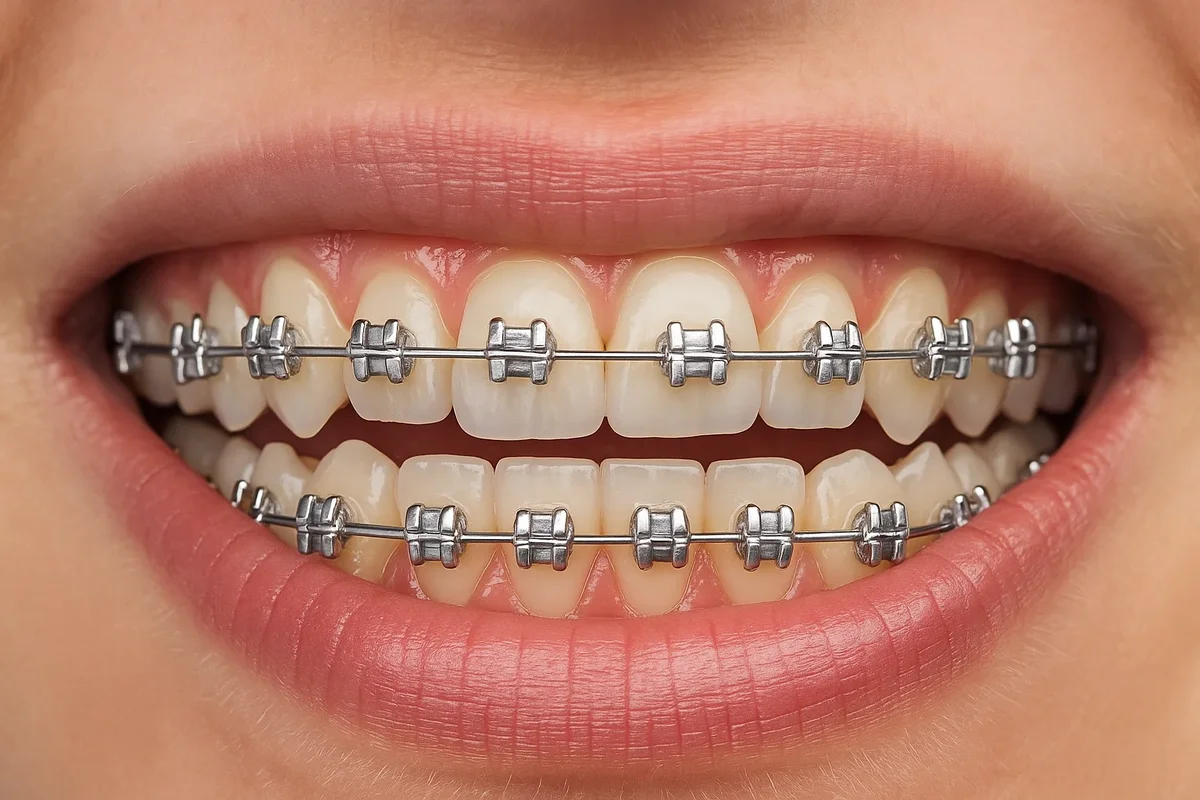
Innovations and Future Trends in Wired Orthodontics
🦷 The field of wired orthodontics has evolved dramatically over the past few decades, transitioning from purely mechanical systems to technology-driven, patient-centered treatments. With the integration of digital tools, advanced materials, and artificial intelligence, orthodontic care in 2025 and beyond is faster, more comfortable, and highly precise. In this section, we’ll explore the latest innovations shaping the world of wired orthodontics — from smart brackets and 3D imaging to sustainable materials and AI-powered treatment planning — and examine how these advancements are revolutionizing dental alignment for the modern patient.
💡 1. Digitalization of Orthodontic Planning
Modern wired orthodontics starts with digital diagnostics and planning. Orthodontists now rely on 3D imaging, intraoral scanners, and computer-assisted simulations to design precise, customized treatment plans. This digital transformation eliminates the need for messy physical molds and improves accuracy in predicting tooth movement.
Technologies Revolutionizing Digital Planning
- 3D Intraoral Scanners: Capture detailed digital impressions of the mouth within minutes.
- CBCT Imaging (Cone Beam CT): Provides 3D images of bone density, roots, and jaw alignment for better diagnostics.
- Digital Simulation Software: Predicts tooth movement and displays expected outcomes before treatment begins.
This digital workflow ensures that every wire and bracket in wired orthodontics is precisely designed to fit each patient’s anatomy, minimizing discomfort and shortening treatment time.
🤖 2. Artificial Intelligence (AI) in Orthodontic Care
AI is transforming how orthodontists analyze data, predict outcomes, and adjust treatments. In wired orthodontics, AI algorithms are used to analyze bite patterns, track tooth movement, and even optimize wire adjustments for faster, more predictable results.
Applications of AI in Orthodontics
- Predictive modeling: AI systems can forecast treatment duration and outcomes with remarkable accuracy.
- Smart monitoring: AI-powered apps track patient compliance and alert orthodontists about wire tension changes or bracket issues.
- Data-driven adjustments: Real-time feedback allows orthodontists to fine-tune treatment and improve efficiency.
These advancements make wired orthodontics not only more efficient but also more interactive, creating a partnership between patient and practitioner for optimal results.
🧬 3. Advanced Materials for Comfort and Efficiency
In the early days, braces were bulky and uncomfortable. Today’s wired orthodontics utilizes lighter, stronger, and more biocompatible materials to enhance comfort and durability. Nickel-titanium (NiTi) and copper-nickel-titanium alloys have become the gold standard for wires, thanks to their flexibility and heat-activated memory properties.
Innovative Orthodontic Materials
- Self-Ligating Brackets: Reduce friction and allow smoother tooth movement without elastic bands.
- Heat-Activated Archwires: Adjust tension automatically in response to body temperature, reducing discomfort.
- Bioactive Adhesives: Help protect enamel and prevent white spots during treatment.
These modern materials have significantly improved the experience and efficiency of wired orthodontics, making the process gentler and more effective than ever before.
🌐 4. Remote Monitoring and Teledentistry
Thanks to teledentistry, patients undergoing wired orthodontics can now receive professional monitoring without frequent in-office visits. Using high-resolution mobile apps and digital tracking tools, orthodontists can review progress remotely and recommend adjustments when needed.
Benefits of Remote Monitoring
- Convenience: Reduces the need for monthly office visits.
- Efficiency: Orthodontists can quickly respond to issues like loose wires or bracket shifts.
- Continuous feedback: Patients stay engaged and compliant through regular digital updates.
This remote model makes wired orthodontics more accessible to patients living in rural areas or those with busy schedules, without compromising quality or outcomes.
🌱 5. Sustainable and Eco-Friendly Orthodontics
Environmental sustainability is becoming an important consideration in dental care. Many orthodontic manufacturers are developing eco-friendly products to reduce waste and carbon footprint associated with traditional wired orthodontics.
Green Innovations in Orthodontics
- Recyclable brackets and wires: Made from reusable stainless steel and biodegradable materials.
- Digital records: Reduce paper waste by storing patient data electronically.
- Energy-efficient dental equipment: Helps lower the environmental impact of clinics.
Clinics like Redent Klinik are adopting sustainable practices, including digital charting and reusable instrument systems, ensuring that modern wired orthodontics aligns with global environmental goals.
⚙️ 6. Accelerated Orthodontic Treatments
One of the most exciting breakthroughs in wired orthodontics is accelerated tooth movement technology. Devices and techniques such as vibration therapy, low-level laser stimulation, and micro-osteoperforations are helping shorten treatment times without compromising results.
Popular Acceleration Techniques
- Vibration devices: Stimulate bone remodeling to speed up tooth movement.
- Laser therapy: Promotes faster healing and reduces inflammation during wire adjustments.
- Micro-osteoperforations: Small, painless perforations that enhance cellular activity and accelerate movement.
When used under professional supervision, these methods can reduce wired orthodontics duration by up to 30%, helping patients achieve their ideal smiles faster than ever.
🔩 7. Customizable Aesthetic Braces
Modern patients often seek discreet orthodontic solutions. Innovations in wired orthodontics now include fully customizable braces that combine aesthetics with performance. Clear ceramic brackets, gold-coated wires, and even color-personalized elastics allow patients to express themselves while achieving alignment goals.
Benefits of Custom Designs
- Enhanced appearance with nearly invisible components.
- Stronger materials that resist staining and breakage.
- Confidence boost during professional and social interactions.
These stylish options make wired orthodontics more appealing to adults and teens who want both functionality and aesthetics.
📈 8. Integration of Robotics in Orthodontic Labs
Robotic technology is revolutionizing how orthodontic wires and brackets are designed and manufactured. In advanced dental labs, robots bend wires with microscopic precision, ensuring ideal torque and angulation for each patient’s tooth anatomy. This innovation reduces manual errors and enhances consistency in wired orthodontics.
Advantages of Robotic Manufacturing
- High precision: Each wire is bent to exact specifications for efficient tooth movement.
- Time-saving: Reduces manual labor, speeding up the treatment setup.
- Quality control: Robotic calibration ensures uniformity and reliability in every appliance.
Such innovations highlight the direction wired orthodontics is moving — merging engineering precision with personalized dental care.
📚 9. Expert and Organizational Guidelines
The American Dental Association emphasizes that integrating modern technology into wired orthodontics enhances treatment predictability and safety. It encourages the adoption of AI tools, digital scans, and advanced materials while maintaining ethical standards in patient care. Orthodontists are also advised to continuously update their training to keep up with rapid technological progress.
🌟 10. The Future of Wired Orthodontics
The future of wired orthodontics lies in complete personalization and digital connectivity. As 3D printing, AI analytics, and biocompatible materials continue to evolve, patients can expect faster treatments, fewer adjustments, and enhanced comfort. The combination of innovation, sustainability, and precision ensures that wired orthodontics remains a cornerstone of modern dental correction — now more efficient and patient-friendly than ever before. 🌟
Disclosure: this page may contain affiliate links. We may earn a commission if you use them, at no extra cost to you.