
Achieving a straighter, healthier smile has never been more accessible thanks to advancements in modern orthodontics. Today, many patients search for braces on line solutions because they want convenient access to information, virtual consultations, treatment planning, and modern teeth-straightening options. Whether you are considering traditional braces, clear aligners, or digital orthodontic monitoring, understanding how braces on line services work can help you make informed decisions about your oral health. 😊
The concept of braces on line has become increasingly popular as dental technology continues to evolve. Instead of relying solely on in-person appointments, patients can now begin their orthodontic journey online by researching treatment options, completing virtual assessments, and connecting with qualified orthodontic professionals. While a physical examination is still essential for diagnosis and treatment planning, many aspects of the patient experience can now be streamlined through digital platforms.
One of the primary reasons people explore braces on line options is convenience. Busy professionals, students, and parents often appreciate the ability to schedule virtual consultations without disrupting their daily routines. During these consultations, dental professionals can review photographs, discuss concerns, and explain potential treatment approaches. This initial step allows patients to gain valuable insight before committing to a comprehensive orthodontic treatment plan.
Modern braces on line systems are supported by advanced digital technologies such as 3D imaging, artificial intelligence, and remote monitoring tools. These innovations help orthodontists track treatment progress and provide guidance throughout the alignment process. Patients can often upload photos of their teeth periodically, allowing dental professionals to assess movement and identify any issues that may require attention.
Many individuals wonder whether braces on line services are suitable for every orthodontic case. The answer depends on the complexity of the dental condition. Mild to moderate alignment issues may be managed effectively with digital support and clear aligner systems. However, more complicated cases involving severe crowding, bite problems, impacted teeth, or jaw discrepancies typically require comprehensive clinical evaluations and direct orthodontic supervision.
Another significant advantage of braces on line platforms is educational access. Patients can learn about treatment timelines, oral hygiene requirements, expected outcomes, and maintenance procedures before starting treatment. This educational component empowers individuals to become active participants in their orthodontic journey and encourages better compliance with treatment recommendations.
When researching braces on line solutions, it is essential to choose reputable providers. Patients should verify professional qualifications, review treatment protocols, and ensure that licensed dental professionals oversee all stages of care. Trusted organizations such as the American Dental Association emphasize the importance of professional supervision when undergoing orthodontic treatment.
The success of any braces on line treatment depends heavily on proper diagnosis. Every patient’s teeth, gums, jaw structure, and bite relationship are unique. Comprehensive diagnostic records, including digital scans, X-rays, and clinical examinations, help determine the most appropriate treatment strategy. Skipping these essential steps can lead to less predictable outcomes and potentially compromise oral health.
Patients considering braces on line options should also understand the importance of oral hygiene during treatment. Whether using traditional braces or clear aligners, maintaining clean teeth and healthy gums is critical. Food particles, plaque accumulation, and inadequate brushing can increase the risk of cavities, gum inflammation, and staining. Regular dental checkups and professional cleanings remain important throughout treatment.
One common misconception is that braces on line means treatment occurs entirely without professional involvement. In reality, successful orthodontic care combines digital convenience with clinical expertise. Technology serves as a valuable tool that enhances communication, monitoring, and patient engagement while maintaining professional oversight.
Digital orthodontics has transformed how patients access care worldwide. From virtual smile assessments to remote progress tracking, braces on line services offer a modern approach that aligns with today’s technology-driven lifestyle. Patients can enjoy greater flexibility while still benefiting from personalized treatment recommendations tailored to their individual needs.
Beyond aesthetics, braces on line treatment can contribute to improved oral health. Properly aligned teeth are generally easier to clean, reducing the risk of plaque buildup, tooth decay, and gum disease. Correcting bite irregularities may also help distribute chewing forces more evenly, potentially reducing excessive wear on certain teeth.
If you are considering orthodontic treatment and want professional guidance regarding braces on line options, consulting an experienced dental team is the best first step. Personalized recommendations can help determine whether digital orthodontic solutions are appropriate for your specific case. For additional information or to discuss your treatment goals, visit the Redent Klinik Contact Page.
Ultimately, braces on line represents the integration of modern technology and orthodontic expertise. By combining digital convenience, professional supervision, patient education, and customized treatment planning, these innovative solutions continue to reshape the future of orthodontic care. Patients who understand the benefits, limitations, and requirements of braces on line treatment are better equipped to achieve a healthier, straighter, and more confident smile. ✨😁
What Does Braces on Line Mean in Modern Dentistry?
The term braces on line has gained significant attention in recent years as digital dentistry and orthodontic technology continue to transform the patient experience. Many people searching for braces on line are looking for convenient ways to begin orthodontic treatment, obtain professional advice, compare treatment options, and monitor progress through digital platforms. While the phrase may sound simple, it represents a broad range of technologies and services designed to make orthodontic care more accessible and efficient. 😊
Modern dentistry has evolved far beyond traditional office visits. Today, patients can access educational resources, virtual consultations, treatment planning tools, and remote monitoring systems directly from their computers or smartphones. The concept of braces on line combines these digital innovations with professional orthodontic care, creating a patient-centered approach that emphasizes convenience without sacrificing quality.
The Evolution of Orthodontic Treatment
For decades, orthodontic treatment required frequent in-person appointments for examinations, adjustments, and progress evaluations. Traditional braces remain highly effective, but advances in digital communication have introduced new ways for patients to interact with dental professionals. The rise of braces on line services reflects a broader trend toward telehealth and digital healthcare solutions.
Modern orthodontists now use advanced software, digital impressions, artificial intelligence, and three-dimensional treatment simulations to create highly personalized treatment plans. Patients interested in braces on line solutions can often begin their journey by submitting photographs, completing online assessments, or participating in virtual consultations.
These digital tools improve communication and help patients better understand the treatment process before committing to orthodontic care. As a result, braces on line has become a popular search term among individuals seeking a modern approach to teeth straightening.
What Services Are Included in Braces on Line?
When people research braces on line, they may encounter a variety of services. Depending on the provider, these can include:
- Virtual orthodontic consultations
- Online smile assessments
- Digital treatment planning
- Remote progress monitoring
- Educational orthodontic resources
- Clear aligner evaluations
- Appointment scheduling systems
- Patient communication portals
These services allow patients to receive guidance and support throughout their orthodontic journey. However, it is important to understand that most reputable braces on line programs still involve professional examinations and diagnostic procedures when necessary.
Virtual Consultations and Initial Assessments
One of the most valuable components of braces on line systems is the virtual consultation process. During an online consultation, patients can discuss concerns with a qualified dental professional, share photographs of their teeth, and receive preliminary treatment recommendations.
This approach saves time and allows patients to determine whether orthodontic treatment may be beneficial before scheduling comprehensive evaluations. Virtual consultations also help patients understand available treatment options and expected outcomes.
How Technology Supports Braces on Line Treatment
The success of modern braces on line services depends heavily on technology. Digital dentistry uses sophisticated tools to improve diagnosis, treatment planning, and patient communication.
Some key technologies include:
- 3D intraoral scanning
- Digital treatment simulations
- Artificial intelligence monitoring systems
- Cloud-based patient records
- Remote progress tracking applications
- Digital imaging and photography
These innovations allow orthodontists to monitor treatment progress more effectively while reducing unnecessary office visits. Patients using braces on line platforms can often submit regular progress photos, enabling professionals to evaluate tooth movement and identify any concerns early.
The Role of Artificial Intelligence
Artificial intelligence is becoming increasingly important in orthodontics. Some braces on line systems use AI-powered software to analyze images, compare treatment progress, and provide alerts when professional review may be required.
Although AI can support clinical decision-making, it does not replace professional expertise. Licensed orthodontists remain responsible for diagnosis, treatment planning, and patient safety throughout the process.
Who Benefits Most from Braces on Line?
Not every orthodontic patient has the same needs. However, many individuals can benefit from the convenience offered by braces on line solutions.
Common candidates include:
- Busy professionals with limited time
- University students
- Adults seeking discreet orthodontic treatment
- Patients living far from specialist clinics
- Individuals interested in clear aligner therapy
For these patients, braces on line services may reduce travel requirements while maintaining consistent communication with dental professionals.
Common Misconceptions About Braces on Line
Several misconceptions surround the concept of braces on line. One of the most common is the belief that treatment occurs entirely without professional supervision. In reality, reputable providers emphasize professional oversight throughout the treatment process.
Another misconception is that braces on line only refers to clear aligners. While aligners are frequently associated with digital orthodontics, online orthodontic systems can also support patients receiving traditional braces through remote monitoring and communication tools.
Some individuals mistakenly assume that online orthodontic care is less effective than conventional treatment. However, when properly managed by qualified professionals, digital tools can enhance patient engagement, improve compliance, and support successful outcomes.
The Future of Braces on Line in Dentistry
The future of braces on line continues to evolve as technology advances. Improved imaging systems, smarter artificial intelligence tools, and enhanced remote monitoring capabilities are expected to further improve the orthodontic experience.
Future innovations may allow orthodontists to provide even more personalized treatment recommendations while increasing convenience and accessibility for patients worldwide. As digital dentistry grows, braces on line will likely become an increasingly important component of modern orthodontic care.
Ultimately, braces on line represents the integration of professional orthodontics and advanced digital technology. Rather than replacing traditional dental expertise, these systems enhance communication, simplify treatment management, and improve access to care. Patients who understand what braces on line truly means can make more informed decisions and confidently pursue a healthier, straighter smile. ✨😁
How Braces on Line Treatment Works Step by Step
Many people interested in orthodontic treatment wonder exactly how braces on line services work. While the process may vary slightly depending on the provider and the complexity of the case, most modern braces on line treatment systems follow a structured pathway designed to combine convenience with professional orthodontic supervision. Understanding each stage helps patients know what to expect and how digital orthodontics can contribute to achieving a healthier, straighter smile. 😊
The popularity of braces on line has increased because patients appreciate having greater flexibility throughout their treatment journey. Rather than relying solely on traditional office visits, many aspects of orthodontic care can now be initiated, monitored, and supported through digital technology. However, successful outcomes still depend on accurate diagnosis, personalized treatment planning, and ongoing professional oversight.
Step 1: Initial Research and Information Gathering
The first stage of any braces on line journey usually begins when a patient starts researching orthodontic solutions. During this phase, individuals compare treatment options, learn about teeth alignment procedures, and explore different orthodontic technologies.
Patients often search for information regarding:
- Clear aligners
- Traditional braces
- Treatment duration
- Expected results
- Oral hygiene requirements
- Cost considerations
- Remote monitoring options
Educational resources available through braces on line platforms help patients better understand their potential treatment choices before contacting a dental professional.
Step 2: Online Consultation and Smile Assessment
After gathering information, the next stage in the braces on line process is typically an online consultation. This consultation allows patients to communicate with dental professionals remotely and discuss their concerns.
During the assessment, patients may be asked to submit:
- Photographs of their teeth
- Images showing bite alignment
- Medical and dental history information
- Descriptions of orthodontic concerns
The goal of this stage is to determine whether the patient may be a suitable candidate for braces on line treatment and whether further diagnostic evaluation is recommended.
Benefits of Virtual Assessments
Virtual consultations provide several advantages. Patients save travel time, receive preliminary guidance quickly, and gain a clearer understanding of potential treatment pathways. For many individuals, the accessibility of braces on line consultations serves as a comfortable first step toward orthodontic care.
Step 3: Comprehensive Diagnostic Evaluation
Although digital technology plays an important role, professional diagnostics remain essential. Most reputable braces on line programs require detailed records before treatment begins.
Diagnostic procedures may include:
- Digital intraoral scans
- Dental impressions
- Panoramic X-rays
- Cephalometric imaging
- Bite analysis
- Periodontal evaluation
These records allow orthodontists to assess tooth positioning, jaw relationships, bone support, and overall oral health. Accurate diagnostics are the foundation of successful braces on line treatment.
Step 4: Customized Treatment Planning
Once diagnostic records have been reviewed, orthodontists develop a personalized treatment plan. Every patient has unique orthodontic needs, so treatment recommendations must be individualized.
Modern braces on line systems frequently use advanced software to create digital simulations of expected tooth movement. Patients can often view projected treatment outcomes before therapy even begins.
During this stage, dental professionals determine:
- The most appropriate treatment method
- Estimated treatment duration
- Expected tooth movements
- Potential challenges
- Monitoring requirements
This personalized approach helps maximize the effectiveness of braces on line treatment while improving patient confidence.
Digital Smile Simulation
One of the most exciting features of modern braces on line systems is digital smile simulation. Patients can visualize how their teeth may appear after treatment, providing motivation and realistic expectations throughout the orthodontic journey.
Step 5: Treatment Begins
After the treatment plan is finalized, active orthodontic therapy begins. Depending on the case, patients may receive clear aligners or begin treatment with conventional braces.
The specific treatment method depends on:
- Alignment complexity
- Bite relationships
- Patient preferences
- Clinical requirements
- Orthodontist recommendations
Regardless of the chosen approach, braces on line systems typically incorporate digital communication tools that help patients remain connected with their treatment team.
Step 6: Remote Monitoring and Progress Tracking
One of the defining features of braces on line treatment is remote monitoring. Instead of requiring frequent office visits for routine progress checks, patients may submit periodic photographs through secure digital platforms.
These images allow orthodontists to:
- Track tooth movement
- Evaluate treatment compliance
- Identify potential issues early
- Provide recommendations when needed
- Adjust treatment strategies if necessary
Remote monitoring can improve convenience while maintaining professional oversight throughout the treatment process.
The Importance of Patient Compliance
Successful braces on line treatment depends heavily on patient cooperation. Aligners must be worn as instructed, oral hygiene must be maintained, and progress updates should be submitted regularly.
Patients who actively participate in their treatment often achieve more predictable results and complete therapy according to schedule.
Step 7: Final Evaluation and Retention
Once the desired tooth movements have been achieved, the active phase of braces on line treatment concludes. However, maintaining results is just as important as achieving them.
Most patients require retainers to prevent teeth from gradually shifting back toward their original positions. Orthodontists provide retention recommendations based on each individual’s treatment outcome.
Retention plans may include:
- Removable retainers
- Fixed retainers
- Periodic follow-up assessments
- Long-term monitoring
These measures help preserve the benefits achieved through braces on line treatment.
Why Professional Supervision Matters
Throughout every stage of braces on line treatment, professional supervision remains critical. While digital technology improves convenience and communication, orthodontic tooth movement is a biological process that requires expert oversight.
Qualified dental professionals evaluate treatment progress, monitor oral health, and intervene when necessary. This combination of technology and clinical expertise is what makes modern braces on line systems both effective and safe.
Ultimately, understanding how braces on line treatment works step by step helps patients approach orthodontic care with confidence. From initial consultation and diagnosis to remote monitoring and long-term retention, every phase plays an important role in achieving lasting results. By combining digital innovation with professional orthodontic guidance, braces on line continues to redefine how patients access modern teeth-straightening solutions. ✨😁
Who Is a Good Candidate for Braces on Line Solutions?
The growing popularity of braces on line services has led many people to ask an important question: who is actually a suitable candidate for this modern approach to orthodontic treatment? While digital orthodontics offers convenience, flexibility, and enhanced communication, not every patient has the same needs. Understanding whether braces on line solutions are appropriate for a specific situation requires an evaluation of dental health, orthodontic complexity, treatment goals, and patient commitment. 😊
Modern braces on line systems are designed to make orthodontic care more accessible while maintaining professional supervision. However, successful treatment outcomes depend on selecting the right candidates. Patients who understand the requirements and limitations of braces on line treatment are more likely to achieve predictable and long-lasting results.
Ideal Candidates for Braces on Line Treatment
Many orthodontic concerns can be addressed effectively through carefully managed braces on line programs. Patients with mild to moderate alignment issues are often among the best candidates.
Examples of orthodontic conditions that may be suitable include:
- Mild crowding of teeth
- Small spacing issues between teeth
- Minor tooth rotations
- Relapse after previous orthodontic treatment
- Slight bite irregularities
- Cosmetic alignment concerns
For these types of cases, braces on line treatment may offer an efficient and convenient path toward improved dental alignment while minimizing the need for frequent office visits.
Patients Seeking Convenience
One of the most common reasons individuals choose braces on line services is convenience. Busy lifestyles often make it difficult to attend multiple appointments throughout the year.
Patients who may particularly benefit include:
- Working professionals
- University students
- Parents with demanding schedules
- Frequent travelers
- Individuals living far from orthodontic clinics
For these groups, braces on line solutions can provide easier access to professional orthodontic guidance while reducing travel and scheduling challenges.
Adults Are Often Excellent Candidates
Adult orthodontics continues to grow rapidly, and many adults are ideal candidates for braces on line treatment. Unlike teenagers who may require more direct supervision, many adults are highly motivated and disciplined when following treatment instructions.
Adults often appreciate the flexibility offered by braces on line systems because they can maintain communication with dental professionals while balancing work, family responsibilities, and personal commitments.
In addition, adults frequently seek discreet orthodontic solutions such as clear aligners. Many digital orthodontic platforms are specifically designed to support these treatment approaches.
The Importance of Patient Responsibility
Successful braces on line treatment requires active participation. Candidates must be willing to follow instructions carefully, attend recommended appointments, maintain oral hygiene, and submit progress updates when requested.
Patients who consistently wear aligners, follow dietary recommendations, and communicate with their orthodontic team generally experience better treatment outcomes.
Teenagers and Braces on Line Solutions
Teenagers may also benefit from braces on line treatment under appropriate circumstances. However, age alone does not determine suitability. The most important factors are orthodontic complexity, compliance, and professional evaluation.
Many teenagers successfully complete orthodontic treatment through systems that combine digital monitoring with periodic clinical assessments. Parents often appreciate the convenience of braces on line communication tools, which help them stay informed throughout the treatment process.
Nevertheless, some younger patients may require closer supervision depending on their specific orthodontic needs.
When Braces on Line May Not Be the Best Choice
Although braces on line services offer many advantages, certain orthodontic conditions may require more comprehensive in-person management.
Examples include:
- Severe crowding
- Significant bite discrepancies
- Impacted teeth
- Complex jaw alignment issues
- Skeletal orthodontic problems
- Cases requiring tooth extractions
- Patients with active periodontal disease
These situations often require detailed clinical examinations, advanced imaging, and frequent adjustments that cannot be fully managed through digital monitoring alone.
Complex Bite Problems
Conditions such as severe overbite, underbite, crossbite, and open bite may involve complicated tooth and jaw movements. While technology can support treatment planning, these cases typically benefit from close in-person supervision by an experienced orthodontist.
Patients with complex bite concerns should undergo comprehensive evaluations before considering braces on line treatment options.
Oral Health Requirements Before Treatment
Good oral health is an essential prerequisite for successful braces on line treatment. Before beginning orthodontic therapy, patients should address any existing dental issues.
Common concerns that may need treatment first include:
- Tooth decay
- Gum disease
- Untreated infections
- Broken restorations
- Poor oral hygiene habits
Healthy teeth and gums provide a stable foundation for orthodontic movement. Starting braces on line treatment without resolving these issues may increase the risk of complications.
Psychological and Lifestyle Factors
Patient mindset plays a significant role in determining suitability for braces on line solutions. Successful candidates are generally motivated, organized, and willing to take responsibility for their treatment progress.
Good candidates typically:
- Follow instructions carefully
- Maintain consistent oral hygiene
- Attend recommended appointments
- Respond promptly to provider communications
- Wear appliances as directed
- Monitor their own treatment progress
Because braces on line systems rely heavily on patient participation, individuals who are committed to the process tend to achieve the best results.
Realistic Expectations Matter
Another important factor is having realistic expectations. While braces on line technology can improve convenience and accessibility, it does not create instant results. Orthodontic tooth movement remains a gradual biological process that requires time and patience.
Patients who understand treatment timelines and follow professional guidance are more likely to be satisfied with their outcomes.
The Final Candidate Assessment
Ultimately, determining whether someone is a suitable candidate for braces on line treatment requires professional evaluation. Orthodontists assess dental alignment, bite relationships, oral health status, treatment objectives, and patient compliance potential before making recommendations.
No online questionnaire or digital tool can completely replace a comprehensive professional assessment. However, modern braces on line systems provide valuable support throughout the evaluation and treatment process.
In summary, ideal candidates for braces on line solutions are individuals with mild to moderate orthodontic concerns, healthy teeth and gums, realistic expectations, and a strong commitment to following treatment instructions. When combined with professional supervision and modern technology, braces on line treatment can offer a convenient and highly effective pathway toward a straighter, healthier, and more confident smile. ✨😁
Benefits of Choosing Braces on Line for Teeth Alignment
As digital healthcare continues to evolve, more patients are discovering the advantages of braces on line solutions for improving their smiles. Traditional orthodontic treatment remains highly effective, but modern technology has introduced new ways to access care, communicate with professionals, and monitor treatment progress. The growing popularity of braces on line services is largely driven by the numerous benefits they offer to patients seeking convenience, flexibility, and personalized orthodontic support. 😊
Choosing braces on line does not mean sacrificing professional care. Instead, it often means combining expert orthodontic supervision with advanced digital tools that make treatment more efficient and accessible. Understanding the advantages of this modern approach can help patients determine whether digital orthodontics aligns with their treatment goals.
Greater Convenience for Modern Lifestyles
One of the most significant benefits of braces on line treatment is convenience. Many people struggle to fit frequent dental appointments into busy schedules filled with work, education, family obligations, and travel commitments.
Digital orthodontic systems help simplify the process by allowing patients to:
- Schedule consultations remotely
- Communicate with providers online
- Submit progress photos digitally
- Receive treatment updates from home
- Reduce unnecessary office visits
This convenience is one of the primary reasons why braces on line services have become increasingly attractive to adults and young professionals.
Reduced Travel Requirements
For individuals living far from orthodontic clinics, traveling for routine checkups can be time-consuming and costly. Modern braces on line platforms allow many aspects of treatment monitoring to occur remotely, reducing travel demands while maintaining communication with dental professionals.
This benefit can be particularly valuable for patients in rural areas or those with limited transportation options.
Improved Access to Orthodontic Information
Another major advantage of braces on line systems is access to educational resources. Patients today want to understand every aspect of their treatment before making decisions.
Most braces on line platforms provide comprehensive information about:
- Treatment options
- Expected timelines
- Oral hygiene recommendations
- Potential risks and benefits
- Retention requirements
- Frequently asked questions
Access to accurate information helps patients make informed choices and feel more confident throughout their orthodontic journey.
Better Patient Engagement
Patients who understand their treatment are often more motivated to follow instructions and maintain compliance. Educational tools associated with braces on line systems encourage active participation and help patients take greater responsibility for their oral health.
Enhanced Communication with Orthodontic Teams
Effective communication is essential for successful orthodontic treatment. One of the strengths of braces on line platforms is the ability to facilitate ongoing interaction between patients and dental professionals.
Communication features often include:
- Secure messaging systems
- Video consultations
- Progress tracking portals
- Appointment reminders
- Treatment updates
These tools allow patients to receive timely answers to questions and concerns without waiting for the next scheduled appointment.
The improved communication offered by braces on line systems can help strengthen the relationship between patients and providers while supporting better treatment outcomes.
Advanced Digital Monitoring Technology
Technology plays a central role in the success of braces on line treatment. Modern orthodontic platforms frequently utilize advanced digital monitoring systems that help professionals track treatment progress.
Patients may be asked to submit periodic photographs or scans that allow orthodontists to:
- Evaluate tooth movement
- Assess treatment compliance
- Identify emerging concerns
- Recommend adjustments when needed
- Monitor overall progress
This level of monitoring helps ensure that braces on line treatment remains safe, effective, and aligned with the original treatment objectives.
Early Detection of Potential Issues
Regular digital monitoring can help identify problems before they become significant complications. Whether a patient experiences discomfort, aligner fit concerns, or unexpected tooth movement, orthodontists can intervene quickly when monitoring systems are used consistently.
This proactive approach is one of the valuable benefits associated with modern braces on line solutions.
Greater Flexibility Throughout Treatment
Flexibility is another reason many patients prefer braces on line systems. Traditional orthodontic care often requires fixed appointment schedules that may not always align with personal commitments.
Digital orthodontics allows patients to engage with their treatment more conveniently by accessing support and guidance through online platforms.
Benefits of flexibility include:
- Easier appointment management
- More efficient communication
- Reduced disruption to daily routines
- Improved accessibility for travelers
- Enhanced treatment convenience
For many individuals, these advantages make braces on line treatment particularly appealing.
Support for Clear Aligner Therapy
Many modern braces on line systems are closely associated with clear aligner treatment. Clear aligners have become increasingly popular because they offer a discreet and comfortable alternative to traditional braces.
Patients who choose aligners often appreciate:
- Improved aesthetics
- Removability during meals
- Easier oral hygiene maintenance
- Greater comfort
- Fewer dietary restrictions
Digital monitoring tools complement aligner therapy exceptionally well, making braces on line an attractive solution for many adults seeking discreet orthodontic treatment.
Confidence During Treatment
Many patients feel more confident wearing nearly invisible aligners compared to traditional metal braces. This increased confidence can positively influence social interactions, professional activities, and overall treatment satisfaction.
Potential Improvements in Treatment Compliance
Modern braces on line platforms often include reminders, educational materials, and progress-tracking tools that encourage patient compliance.
When patients receive regular updates and maintain consistent communication with their providers, they are more likely to:
- Wear appliances correctly
- Follow oral hygiene instructions
- Attend required appointments
- Report concerns promptly
- Remain motivated throughout treatment
Improved compliance can contribute to more predictable outcomes and increased treatment success.
The Overall Value of Braces on Line
The benefits of braces on line extend beyond convenience alone. Modern digital orthodontics combines professional expertise, advanced technology, patient education, and flexible communication into a comprehensive treatment experience.
Patients gain access to high-quality orthodontic care while enjoying greater control over how they interact with their treatment process. The ability to communicate remotely, monitor progress digitally, and access educational resources creates a more engaging and patient-friendly environment.
Ultimately, braces on line represents a significant advancement in orthodontic care. By offering convenience, improved communication, enhanced monitoring, greater flexibility, and personalized support, braces on line solutions continue to help patients achieve healthier, straighter smiles while adapting to the demands of modern life. ✨😁
Different Types of Braces on Line Options Available Today
The world of orthodontics has changed dramatically over the past decade, giving patients more choices than ever before. Individuals researching braces on line solutions quickly discover that there is no single treatment option that fits everyone. Modern orthodontics offers multiple approaches to correcting crooked teeth, spacing problems, bite issues, and alignment concerns. Understanding the different types of braces on line options available today can help patients make informed decisions and choose a treatment plan that best matches their lifestyle, budget, and dental needs. 😊
One of the major advantages of modern braces on line services is the ability to compare treatment methods, review digital simulations, and receive professional recommendations before starting orthodontic care. Whether someone prefers traditional braces, clear aligners, or advanced self-ligating systems, digital orthodontic platforms can support the treatment journey through communication, monitoring, and education.
Traditional Metal Braces
Traditional metal braces remain one of the most effective orthodontic treatments available. Even in the age of braces on line, conventional braces continue to play an important role in correcting both simple and complex orthodontic problems.
Metal braces consist of:
- Stainless steel brackets
- Orthodontic wires
- Elastic ligatures
- Adjustment mechanisms
These components work together to gradually move teeth into their ideal positions. Although metal braces are highly visible, they are extremely reliable and capable of addressing severe crowding, bite discrepancies, and complex tooth movements.
Advantages of Traditional Metal Braces
Patients using braces on line systems may still be treated with traditional braces while benefiting from digital communication and remote monitoring.
Advantages include:
- Suitable for complex cases
- Highly predictable results
- No risk of forgetting to wear appliances
- Strong control over tooth movement
- Long-established treatment success
For many orthodontists, metal braces remain the gold standard for difficult cases.
Ceramic Braces
Ceramic braces function similarly to traditional braces but use tooth-colored or translucent brackets that blend more naturally with the teeth. Patients interested in discreet orthodontic treatment often consider ceramic systems when exploring braces on line options.
Because ceramic brackets are less noticeable than metal brackets, they are particularly popular among adults and older teenagers who are concerned about appearance during treatment.
Benefits and Considerations
Ceramic braces offer several advantages:
- Improved aesthetics
- Less noticeable appearance
- Effective treatment capabilities
- Suitable for many orthodontic cases
However, ceramic brackets may be slightly more fragile than metal brackets and can sometimes require additional care during treatment.
Many braces on line consultations include discussions about whether ceramic braces are appropriate for a patient’s specific orthodontic needs.
Clear Aligners
Clear aligners have become one of the most recognizable forms of braces on line treatment. These transparent, removable trays gradually move teeth through a series of carefully planned stages.
Unlike fixed braces, aligners can be removed during meals and oral hygiene routines. This flexibility has contributed significantly to their popularity among adults seeking discreet orthodontic solutions.
Clear aligners are often associated with modern braces on line systems because digital technology plays a central role in treatment planning and monitoring.
How Clear Aligners Work
The process typically involves:
- Digital scanning or impressions
- Computerized treatment planning
- Custom aligner fabrication
- Sequential aligner changes
- Remote progress monitoring
Many braces on line platforms use advanced software to simulate expected tooth movement and track patient progress throughout treatment.
Advantages of Clear Aligners
- Nearly invisible appearance
- Removable during meals
- Easier brushing and flossing
- Comfortable design
- Fewer dietary restrictions
These benefits make clear aligners one of the most popular braces on line solutions available today.
Self-Ligating Braces
Self-ligating braces represent another advanced orthodontic option available through many braces on line treatment systems. Unlike conventional braces that use elastic bands, self-ligating brackets contain built-in mechanisms that secure the orthodontic wire.
This design reduces friction during tooth movement and may improve treatment efficiency in certain cases.
Potential Benefits of Self-Ligating Systems
Patients considering braces on line treatment may encounter self-ligating braces because of their modern design and clinical advantages.
Potential benefits include:
- Easier cleaning
- Reduced friction
- Fewer adjustment requirements
- Improved patient comfort
- Efficient tooth movement
However, suitability depends on individual orthodontic needs and professional evaluation.
Lingual Braces
Lingual braces provide a unique alternative for patients seeking maximum discretion. These braces are attached to the inner surfaces of the teeth rather than the front surfaces.
Because they remain hidden during normal conversation and smiling, lingual systems are sometimes discussed during braces on line consultations for image-conscious adults.
Advantages and Challenges
Advantages include:
- Completely hidden appearance
- Customized treatment design
- Effective orthodontic correction
Challenges may include:
- Higher treatment complexity
- Temporary speech adjustments
- Increased cleaning difficulty
- Potential tongue irritation
Despite these challenges, lingual braces remain a valuable option within the broader category of braces on line treatment solutions.
Hybrid Orthodontic Approaches
Some patients benefit from combining multiple orthodontic techniques. Modern braces on line systems sometimes incorporate hybrid approaches that blend traditional orthodontics with digital monitoring and aligner therapy.
Examples include:
- Braces followed by aligners
- Partial aligner treatment
- Fixed appliances with digital monitoring
- Combined orthodontic and restorative planning
Hybrid treatment plans can provide flexibility while addressing complex orthodontic concerns effectively.
Choosing the Right Braces on Line Option
Selecting the best braces on line solution depends on several factors:
- Severity of alignment issues
- Bite relationships
- Aesthetic preferences
- Lifestyle considerations
- Budget expectations
- Treatment goals
- Professional recommendations
No single treatment method is ideal for every patient. A comprehensive evaluation helps determine which option offers the most predictable and effective results.
The Importance of Professional Assessment
Although digital technology simplifies access to orthodontic care, professional diagnosis remains essential. Qualified orthodontists evaluate tooth positioning, jaw relationships, oral health, and treatment objectives before recommending a specific braces on line solution.
Ultimately, the variety of braces on line options available today allows patients to choose treatments that fit their unique needs and lifestyles. From traditional metal braces and ceramic systems to clear aligners, self-ligating appliances, and lingual braces, modern orthodontics offers more flexibility than ever before. With proper professional guidance and digital support, braces on line treatment can provide an effective pathway toward a healthier, straighter, and more confident smile. ✨😁
Braces on Line vs Traditional Orthodontic Treatment
As digital healthcare continues to expand, many patients find themselves comparing braces on line solutions with traditional orthodontic treatment. Both approaches aim to improve dental alignment, correct bite problems, and enhance oral health, but they differ significantly in how treatment is delivered and monitored. Understanding the similarities and differences between these options can help patients choose the most appropriate path toward achieving a straighter smile. 😊
The rise of braces on line services has created new opportunities for patients to access orthodontic care more conveniently. However, traditional orthodontic treatment remains the foundation of modern teeth-straightening procedures. Rather than viewing one option as universally superior, patients should evaluate which approach best aligns with their dental needs, lifestyle, and treatment objectives.
Understanding Traditional Orthodontic Treatment
Traditional orthodontic treatment has been used successfully for decades. This approach involves regular in-person visits with an orthodontist who performs examinations, adjusts appliances, monitors tooth movement, and manages any complications that arise.
Traditional treatment commonly includes:
- Metal braces
- Ceramic braces
- Lingual braces
- Complex bite correction procedures
- Advanced orthodontic interventions
Orthodontists rely on detailed diagnostics, including X-rays, digital scans, and clinical examinations, to create highly customized treatment plans.
Traditional treatment remains especially valuable for patients with severe crowding, jaw discrepancies, impacted teeth, and other complex orthodontic challenges.
What Makes Braces on Line Different?
The primary distinction between traditional care and braces on line treatment lies in the integration of digital technology. Modern braces on line systems utilize online communication tools, virtual consultations, remote monitoring platforms, and digital treatment planning software.
Patients using braces on line services often complete portions of their orthodontic journey remotely, reducing the number of routine office visits required during treatment.
Common features include:
- Virtual consultations
- Digital smile assessments
- Remote progress monitoring
- Secure online communication
- Digital treatment simulations
- Electronic appointment management
These features help increase convenience while maintaining professional oversight.
The Role of Technology
Technology is the foundation of modern braces on line systems. Advanced software enables orthodontists to track tooth movement, review progress photographs, and communicate efficiently with patients.
While technology improves accessibility, professional expertise remains essential throughout treatment.
Convenience Comparison
One of the biggest advantages of braces on line treatment is convenience. Patients can often complete consultations, progress reviews, and routine communications without traveling to a clinic.
Benefits include:
- Reduced travel time
- Greater scheduling flexibility
- Faster access to information
- Simplified communication
- Improved accessibility for remote locations
Traditional orthodontic treatment generally requires more frequent office visits. While these visits provide direct clinical supervision, they can be challenging for patients with demanding schedules.
For busy professionals and students, braces on line solutions often provide a more flexible experience.
Clinical Supervision Differences
Traditional orthodontic treatment offers continuous face-to-face supervision throughout the treatment process. Orthodontists can physically examine appliances, evaluate oral health conditions, and make immediate adjustments during appointments.
With braces on line treatment, many monitoring activities occur digitally. Patients may submit photographs, scans, or progress updates that are reviewed remotely by dental professionals.
While this approach is highly effective for many cases, certain complex orthodontic conditions may still require regular in-person evaluations.
Which Approach Provides Better Oversight?
The answer depends largely on case complexity. Mild to moderate orthodontic concerns can often be managed successfully through braces on line systems combined with professional supervision.
However, patients with severe bite problems, jaw discrepancies, or extensive tooth movement requirements may benefit from the more intensive monitoring associated with traditional orthodontic treatment.
Treatment Effectiveness Comparison
Many patients wonder whether braces on line treatment is as effective as traditional orthodontics. The reality is that effectiveness depends on appropriate case selection, professional oversight, patient compliance, and treatment planning.
When properly managed, braces on line treatment can successfully address many alignment concerns. Modern digital monitoring tools help orthodontists track progress and identify issues before they become major complications.
Traditional treatment remains highly effective, particularly for complex cases requiring advanced biomechanical control.
Neither option guarantees success without patient cooperation and professional supervision.
Communication and Patient Engagement
Communication is another area where braces on line systems often excel. Many platforms provide secure messaging tools, video consultations, treatment dashboards, and automated reminders.
These resources encourage patient engagement and allow individuals to stay informed throughout treatment.
Patients using braces on line systems may find it easier to ask questions, receive updates, and remain connected with their orthodontic team.
Traditional treatment also provides strong communication opportunities but typically relies more heavily on scheduled office visits.
Improved Accessibility
One major advantage of braces on line solutions is accessibility. Patients who live far from orthodontic clinics or have limited mobility can often receive guidance and monitoring more easily through digital platforms.
This increased accessibility helps expand orthodontic care to a broader population.
Cost Considerations
Cost is an important factor when comparing braces on line treatment with traditional orthodontics. Expenses vary depending on treatment complexity, geographic location, provider experience, and chosen appliances.
In some situations, braces on line services may reduce certain administrative and travel-related costs. However, treatment fees should never be the sole deciding factor.
Patients should prioritize:
- Professional qualifications
- Treatment quality
- Diagnostic accuracy
- Clinical supervision
- Long-term outcomes
Investing in properly managed orthodontic care often provides the best long-term value.
Choosing the Right Option
The decision between traditional orthodontics and braces on line treatment should be based on individual circumstances. Factors that influence suitability include:
- Orthodontic complexity
- Lifestyle demands
- Location and accessibility
- Aesthetic preferences
- Budget considerations
- Personal treatment goals
A comprehensive consultation with a qualified orthodontic professional is the best way to determine which approach is most appropriate.
The Importance of Personalized Treatment
Every smile is unique. What works exceptionally well for one patient may not be ideal for another. Professional evaluation ensures that treatment recommendations are tailored to specific dental and orthodontic needs.
Ultimately, both traditional orthodontics and braces on line systems have valuable roles in modern dentistry. Traditional treatment offers extensive in-person supervision and exceptional capabilities for complex cases, while braces on line solutions provide flexibility, accessibility, and advanced digital support. By understanding the strengths of each approach, patients can make informed decisions and confidently pursue the treatment pathway that best supports their journey toward a healthier, straighter, and more confident smile. ✨😁
How Long Does Braces on Line Treatment Take?
One of the most common questions patients ask before starting orthodontic care is how long treatment will take. This is especially true for individuals exploring braces on line solutions, as they want to understand the expected timeline before committing to treatment. While modern technology can improve efficiency and communication, the overall duration of braces on line treatment depends on several important factors, including the complexity of the case, the chosen treatment method, patient compliance, and biological response to tooth movement. 😊
It is important to understand that orthodontic treatment is a biological process. Teeth do not move instantly, regardless of the technology being used. Whether patients choose traditional braces, clear aligners, or another form of braces on line treatment, achieving safe and stable results requires time, patience, and professional supervision.
Average Treatment Time for Braces on Line
The average duration of braces on line treatment varies considerably depending on the specific orthodontic issues being addressed.
General treatment estimates include:
- Mild alignment issues: 6–12 months
- Moderate orthodontic concerns: 12–18 months
- Complex treatment cases: 18–30 months or longer
These timelines should be viewed as general guidelines rather than guarantees. Every patient’s teeth, jaw structure, and biological response are unique.
During an initial braces on line consultation, orthodontists evaluate diagnostic records and provide a more personalized estimate based on individual treatment goals.
Why Treatment Length Varies
Some patients experience rapid improvements because only minor tooth movements are required. Others need extensive corrections involving multiple teeth, bite relationships, or jaw alignment issues.
As a result, no two braces on line treatment plans are exactly the same.
Factors That Influence Treatment Duration
Several important variables determine how long braces on line treatment will take. Understanding these factors can help patients maintain realistic expectations throughout the orthodontic journey.
Severity of Alignment Problems
The complexity of the orthodontic condition is one of the strongest predictors of treatment duration.
Cases involving:
- Minor spacing
- Small rotations
- Limited crowding
often require less time than cases involving:
- Severe crowding
- Significant bite discrepancies
- Crossbites
- Open bites
- Impacted teeth
The more tooth movement required, the longer braces on line treatment typically lasts.
Age and Biological Response
Age can also influence treatment speed. Younger patients often experience slightly faster tooth movement because their bone remodeling processes tend to be more active.
However, adults can still achieve excellent results with braces on line treatment. The difference is usually measured in months rather than years.
Individual biological variation plays an even larger role than age alone.
Treatment Type and Timeline Differences
The specific orthodontic appliance selected for braces on line treatment may affect the overall timeline.
Clear Aligners
Many braces on line systems focus heavily on clear aligner therapy. Mild and moderate cases treated with aligners often require approximately 6 to 18 months, depending on treatment objectives.
Aligners offer flexibility and convenience, but their success depends heavily on patient compliance.
Patients must wear aligners for the recommended number of hours each day to maintain progress.
Traditional Braces
Traditional braces used within braces on line monitoring systems often require between 12 and 30 months depending on case complexity.
Because braces remain attached to the teeth continuously, they can provide excellent control over tooth movement, particularly in more challenging cases.
Hybrid Approaches
Some orthodontists use hybrid treatment plans that combine braces, aligners, and digital monitoring. These customized approaches may improve efficiency while addressing complex treatment requirements.
The timeline for hybrid braces on line treatment varies according to individual clinical needs.
The Impact of Patient Compliance
One of the most significant factors influencing the duration of braces on line treatment is patient cooperation.
Patients who carefully follow instructions often achieve results more efficiently than those who do not.
Important compliance factors include:
- Wearing aligners as instructed
- Maintaining oral hygiene
- Attending appointments
- Submitting monitoring photos
- Following dietary recommendations
- Reporting problems promptly
When compliance is poor, treatment may be delayed significantly.
Aligner Wear Time Matters
For patients using aligners, failing to wear them consistently is one of the most common causes of prolonged treatment.
Most braces on line aligner programs require patients to wear aligners for approximately 20 to 22 hours per day. Removing them too frequently can slow tooth movement and delay progress.
How Remote Monitoring Can Improve Efficiency
Modern braces on line systems often utilize remote monitoring technology that helps orthodontists track progress between appointments.
Benefits of digital monitoring include:
- Early detection of treatment issues
- Improved communication
- More efficient adjustments
- Reduced treatment interruptions
- Better patient engagement
Because orthodontists can review progress more frequently, some problems may be addressed before they significantly impact treatment timelines.
Technology Supports Consistency
Digital reminders, progress tracking tools, and communication platforms associated with braces on line treatment can encourage patients to remain compliant and engaged throughout the process.
This increased consistency often contributes to smoother treatment progression.
What Happens After Active Treatment?
Many patients mistakenly assume that orthodontic treatment ends once the teeth appear straight. In reality, retention is an essential phase of every braces on line treatment plan.
After active tooth movement is completed, retainers help stabilize results while surrounding bone and soft tissues adapt to the new tooth positions.
Retention may involve:
- Removable retainers
- Fixed retainers
- Periodic follow-up evaluations
- Long-term maintenance recommendations
Failing to wear retainers properly can allow teeth to shift, potentially compromising treatment results.
Setting Realistic Expectations
Perhaps the most important aspect of understanding braces on line treatment duration is recognizing that orthodontics requires patience. While digital technology has improved convenience and communication, healthy tooth movement still follows biological limitations.
Patients who expect immediate results may become frustrated unnecessarily. Instead, it is helpful to focus on gradual improvements and long-term oral health benefits.
Ultimately, the length of braces on line treatment depends on individual circumstances, treatment complexity, compliance, and professional management. Mild cases may be completed within several months, while more complex orthodontic challenges may require multiple years. With realistic expectations, consistent cooperation, and expert supervision, braces on line treatment can successfully deliver lasting improvements in smile appearance, bite function, and overall oral health. ✨😁
Costs and Factors Affecting Braces on Line Treatment
For many patients considering orthodontic care, cost is one of the most important factors in the decision-making process. Individuals researching braces on line solutions often want to understand how much treatment may cost, what influences pricing, and whether digital orthodontic options offer good value. While it is impossible to provide an exact price without a professional evaluation, understanding the factors that affect braces on line treatment costs can help patients make informed financial decisions and set realistic expectations. 😊
The overall cost of braces on line treatment depends on numerous variables, including treatment complexity, appliance type, geographic location, provider expertise, diagnostic requirements, and treatment duration. Rather than focusing solely on price, patients should evaluate the quality of care, professional supervision, and expected long-term results.
Average Cost Range of Braces on Line Treatment
The cost of braces on line treatment varies significantly across different countries and providers. In general, mild orthodontic cases often cost less than complex treatments that require extensive tooth movement or bite correction.
Approximate international price ranges may include:
- Minor aligner treatment: $1,500–$3,500
- Moderate aligner treatment: $3,000–$6,000
- Traditional braces: $3,000–$8,000
- Complex orthodontic cases: $6,000–$10,000+
These figures are general estimates and may vary substantially depending on individual circumstances. A comprehensive consultation is necessary to determine actual treatment costs.
Why Prices Vary So Much
Two patients receiving braces on line treatment may have dramatically different costs because orthodontic treatment is highly personalized. The amount of tooth movement required, treatment duration, and clinical complexity all influence final pricing.
This is why professional evaluations remain essential before discussing exact treatment fees.
Orthodontic Complexity and Treatment Cost
One of the most important cost factors associated with braces on line treatment is the complexity of the orthodontic condition.
Cases involving:
- Minor spacing issues
- Small tooth rotations
- Mild crowding
often require fewer aligners, less clinical supervision, and shorter treatment durations.
More complex conditions involving:
- Severe crowding
- Deep overbites
- Crossbites
- Open bites
- Impacted teeth
- Jaw discrepancies
typically require longer treatment plans and more extensive professional involvement.
As treatment complexity increases, the cost of braces on line services generally rises as well.
Diagnostic Requirements
Accurate diagnosis is essential for successful orthodontic outcomes. Comprehensive diagnostics may include:
- Digital scans
- X-rays
- Photographs
- Bite analysis
- Treatment simulations
These diagnostic procedures contribute to the overall cost of braces on line treatment but are critical for ensuring safe and effective care.
Type of Orthodontic Appliance
The chosen treatment method has a significant impact on the overall price of braces on line care.
Clear Aligners
Clear aligners are among the most popular forms of braces on line treatment because of their discreet appearance and convenience.
Pricing depends on:
- Number of aligners required
- Case complexity
- Treatment duration
- Monitoring requirements
More aligners generally result in higher overall costs.
Traditional Braces
Traditional braces used within braces on line monitoring systems may have different pricing structures. Fixed appliances often require regular adjustments and more clinical appointments.
However, they remain highly effective for complex orthodontic corrections.
Ceramic and Lingual Braces
Ceramic braces and lingual braces frequently cost more than traditional metal braces due to their specialized materials and treatment complexity.
Patients considering these options through braces on line consultations should discuss pricing differences during their evaluation.
Provider Experience and Qualifications
The expertise of the dental professional overseeing braces on line treatment can also influence pricing.
Experienced orthodontists who have completed advanced specialty training often provide:
- More sophisticated treatment planning
- Greater clinical expertise
- Enhanced problem-solving capabilities
- Comprehensive case management
Although highly qualified providers may charge more, their expertise can contribute significantly to treatment quality and predictability.
The Value of Professional Supervision
When evaluating braces on line costs, patients should consider the value of professional supervision rather than focusing solely on the lowest available price.
Orthodontic treatment involves biological processes that require careful monitoring to achieve safe and stable results.
Geographic Location and Market Differences
Geographic location can significantly influence the cost of braces on line treatment.
Factors affecting regional pricing include:
- Local operating costs
- Professional fees
- Healthcare regulations
- Technology expenses
- Market competition
Patients often notice substantial differences in orthodontic treatment pricing between countries and even between cities within the same country.
However, lower prices should never replace careful evaluation of treatment quality and provider qualifications.
Additional Costs Patients Should Consider
When budgeting for braces on line treatment, patients should be aware of potential additional expenses.
Examples may include:
- Diagnostic imaging
- Replacement aligners
- Emergency appointments
- Retainers
- Retention monitoring
- Additional refinement stages
Discussing these possibilities during the consultation process can help prevent unexpected expenses later.
The Importance of Retainers
Many patients overlook retention costs. Following active braces on line treatment, retainers are essential for preserving the results achieved.
Retainers help prevent relapse and protect the investment patients have made in their orthodontic care.
Financing and Payment Options
Many providers offering braces on line treatment understand that orthodontic care represents a significant financial commitment.
As a result, payment solutions may include:
- Monthly installment plans
- Flexible financing programs
- Interest-free payment options
- Healthcare financing arrangements
- Insurance coordination
These options can make treatment more accessible to a broader range of patients.
Balancing Cost and Quality
Perhaps the most important consideration when evaluating braces on line treatment costs is balancing affordability with quality care.
The cheapest option is not always the best value. Successful orthodontic treatment depends on accurate diagnosis, professional oversight, patient compliance, and individualized treatment planning.
Choosing a provider based solely on price may increase the risk of unsatisfactory outcomes, prolonged treatment, or additional corrective procedures.
Long-Term Value of Orthodontic Treatment
A properly aligned smile can provide benefits that extend far beyond aesthetics. Improved oral hygiene, enhanced bite function, reduced tooth wear, and increased self-confidence are valuable long-term outcomes associated with successful orthodontic care.
Ultimately, the cost of braces on line treatment depends on many interconnected factors, including treatment complexity, appliance type, provider expertise, geographic location, and patient-specific needs. By understanding these variables and prioritizing quality care over the lowest price, patients can make informed decisions and invest confidently in a healthier, straighter, and more attractive smile through braces on line treatment. ✨😁
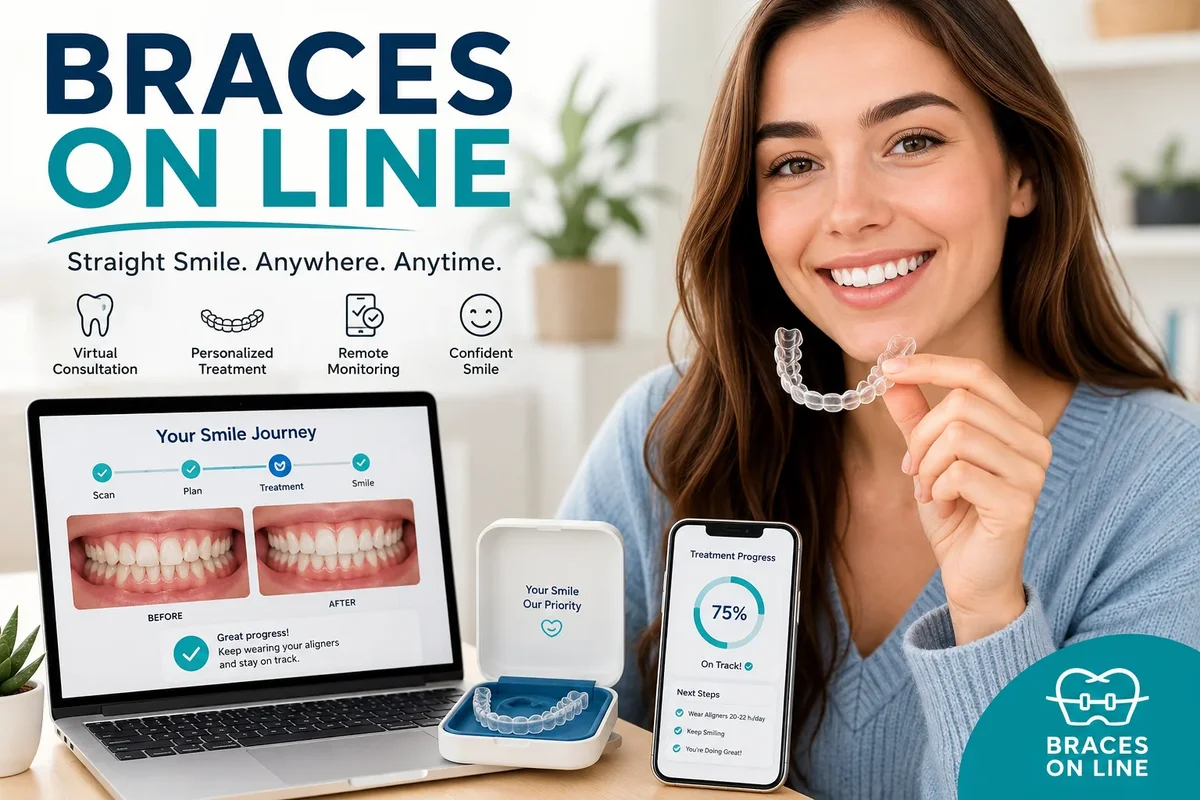
Tips for Maintaining Oral Health During Braces on Line Treatment
Achieving a straighter smile is an exciting goal, but maintaining excellent oral health throughout the process is equally important. Whether a patient chooses clear aligners, traditional braces, or another orthodontic solution, proper dental care plays a critical role in treatment success. Individuals using braces on line services must understand that healthy teeth and gums provide the foundation for safe, predictable, and long-lasting orthodontic results. Fortunately, with the right habits and consistent professional guidance, maintaining oral health during braces on line treatment is entirely achievable. 😊
Orthodontic appliances create new areas where plaque, food debris, and bacteria can accumulate. Without proper oral hygiene, patients may experience tooth decay, gum inflammation, staining, or even complications that delay treatment progress. Therefore, successful braces on line treatment requires a combination of good home care, professional supervision, and personal commitment.
Why Oral Health Matters During Orthodontic Treatment
Many patients focus primarily on achieving straighter teeth, but orthodontic treatment involves much more than appearance. Healthy gums and supporting bone structures are essential for safe tooth movement.
When oral hygiene is neglected during braces on line treatment, several problems can occur:
- Plaque accumulation
- Gingivitis (gum inflammation)
- Bad breath
- Tooth discoloration
- Cavities
- Periodontal complications
- Delayed treatment progress
Maintaining oral health throughout braces on line treatment helps protect both the teeth and the long-term orthodontic outcome.
The Relationship Between Gum Health and Tooth Movement
Orthodontic tooth movement occurs through biological changes in the bone and surrounding tissues. Inflamed or unhealthy gums can interfere with this process.
Patients undergoing braces on line treatment should prioritize gum health because healthy tissues support more predictable and efficient tooth movement.
Brushing Techniques for Braces on Line Patients
Effective brushing is one of the most important components of oral care during braces on line treatment.
Patients should brush:
- After every meal whenever possible
- At least twice daily
- Before bedtime
- Using fluoride toothpaste
Thorough brushing helps remove plaque and food particles that accumulate around orthodontic appliances.
Brushing with Traditional Braces
Patients wearing traditional braces should pay special attention to cleaning around brackets and wires. These areas often trap plaque and food debris.
Small circular motions combined with careful angulation of the toothbrush can improve cleaning effectiveness during braces on line treatment.
Brushing with Clear Aligners
Individuals using clear aligners as part of braces on line treatment should brush both their teeth and aligners regularly.
Aligners should never be reinserted immediately after eating without proper cleaning because trapped bacteria can increase the risk of dental problems.
The Importance of Daily Flossing
Flossing remains essential throughout braces on line treatment. While orthodontic appliances can make flossing more challenging, modern tools have simplified the process significantly.
Helpful flossing aids include:
- Floss threaders
- Orthodontic floss
- Water flossers
- Interdental brushes
These tools help remove plaque and debris from areas that toothbrushes cannot easily reach.
Water Flossers and Digital Orthodontics
Many patients using braces on line systems find water flossers particularly helpful. These devices use pressurized water streams to clean between teeth and around orthodontic appliances.
Although water flossers do not completely replace traditional flossing, they can significantly enhance oral hygiene routines.
Choosing the Right Foods During Treatment
Dietary habits can strongly influence oral health during braces on line treatment.
Patients should generally focus on foods that support dental health while minimizing the risk of appliance damage.
Recommended choices include:
- Fresh vegetables
- Soft fruits
- Lean proteins
- Dairy products
- Whole grains
- Water as the primary beverage
Nutritious foods contribute to healthier gums, stronger teeth, and better overall treatment outcomes.
Foods to Limit
Certain foods can increase the risk of dental problems during braces on line treatment.
Examples include:
- Sticky candies
- Excessively sugary snacks
- Hard foods
- Sugary beverages
- Frequent acidic drinks
Reducing exposure to these items can help protect both teeth and orthodontic appliances.
Staying Consistent with Remote Monitoring
One of the unique aspects of modern braces on line treatment is the use of digital monitoring tools. Patients are often asked to submit photographs or progress updates throughout treatment.
These monitoring systems help orthodontists:
- Evaluate oral health
- Assess appliance fit
- Track tooth movement
- Identify concerns early
- Provide guidance when needed
Consistent participation in monitoring programs contributes to safer and more effective braces on line treatment.
Why Communication Matters
If patients notice discomfort, appliance damage, swelling, or unusual symptoms during braces on line treatment, they should contact their provider promptly.
Early communication often prevents minor concerns from developing into larger problems.
Professional Dental Cleanings Remain Essential
Although braces on line systems offer convenience and remote support, professional dental care remains extremely important.
Regular dental cleanings help:
- Remove hardened plaque deposits
- Identify cavities early
- Monitor gum health
- Prevent periodontal disease
- Support successful orthodontic treatment
Patients should continue attending routine dental appointments throughout their orthodontic journey.
The Role of Preventive Dentistry
Preventive care supports every stage of braces on line treatment. Professional examinations allow dental teams to detect potential issues before they interfere with orthodontic progress.
This proactive approach protects both oral health and treatment outcomes.
Maintaining Motivation Throughout Treatment
Orthodontic treatment often lasts many months, making consistency essential. Patients who remain motivated are more likely to maintain excellent oral hygiene and follow treatment recommendations.
Helpful strategies include:
- Tracking progress photos
- Following provider instructions
- Maintaining healthy routines
- Celebrating treatment milestones
- Focusing on long-term goals
Motivated patients frequently achieve smoother and more successful braces on line treatment experiences.
Building Lifelong Oral Health Habits
Many individuals discover that the habits developed during braces on line treatment continue long after orthodontic care is complete. Improved brushing, flossing, and preventive care routines can benefit oral health for decades.
Long-Term Success After Treatment
Maintaining oral health does not end when active orthodontic treatment is completed. Retainers, routine dental visits, and ongoing hygiene practices remain essential for preserving results.
Patients who continue caring for their teeth and gums after braces on line treatment are more likely to enjoy lasting benefits, including healthier teeth, improved bite function, and a confident smile.
Ultimately, excellent oral hygiene is one of the most important factors influencing the success of braces on line treatment. By brushing effectively, flossing daily, making healthy dietary choices, participating in remote monitoring, and maintaining regular professional care, patients can protect their oral health while achieving the straight, attractive smile they desire. With consistency and commitment, braces on line treatment can deliver outstanding results that support both dental function and long-term confidence. ✨😁