
Modern orthodontic treatment has changed dramatically over the last decade, giving patients more comfortable and discreet options for straightening their teeth. Among these innovations, clear aligner therapy has become one of the most popular choices worldwide. However, one topic that many patients overlook until they face a problem is replacement aligners. Whether an aligner is lost, cracked, damaged, or no longer fits properly, understanding replacement aligners is essential for maintaining treatment progress and achieving the desired smile.
Replacement aligners are specially manufactured clear trays designed to replace missing or damaged aligners during orthodontic treatment. Since clear aligner systems work by gradually moving teeth through a series of customized trays, each aligner plays a crucial role in the treatment process. Missing even a single stage can affect tooth movement, treatment timing, and final results. This is why obtaining replacement aligners quickly and following professional guidance is so important.
Many patients assume they can simply skip to the next tray if one becomes lost. Unfortunately, this approach is not always recommended. Every aligner is carefully designed to move teeth by a specific amount. When an aligner is lost, dentists and orthodontists often evaluate whether patients should continue wearing a previous tray, move forward to the next stage, or order replacement aligners. The decision depends on treatment progress, tooth movement, and how long the aligner has been worn.
One of the biggest advantages of replacement aligners is their ability to help maintain treatment consistency. Orthodontic treatment relies on controlled and predictable tooth movement. When treatment is interrupted because of a lost tray, teeth may begin shifting back toward their original positions. By receiving replacement aligners promptly, patients can continue treatment without significant delays and preserve the progress they have already achieved. 😊
The manufacturing process for replacement aligners typically uses the same digital treatment plan as the original aligners. Advanced 3D scanning technology and computer-guided treatment software allow providers to recreate the exact aligner stage that was lost or damaged. This ensures that replacement aligners fit correctly and continue moving teeth according to the original treatment plan.
Patients often need replacement aligners for several reasons. Accidental disposal is surprisingly common. Many people wrap aligners in napkins during meals and unintentionally throw them away. Others lose aligners while traveling, during sports activities, or while staying away from home. Damage can also occur if aligners are exposed to excessive heat, stepped on, chewed by pets, or improperly cleaned. In all these situations, replacement aligners can prevent unnecessary treatment setbacks.
Another important aspect of replacement aligners involves proper fit. Occasionally, patients may notice that an aligner no longer fits as expected due to inconsistent wear or unexpected tooth movement. In such cases, a dental professional may evaluate whether replacement aligners are necessary to restore treatment accuracy. Regular monitoring helps ensure that teeth continue moving according to plan.
Many patients are concerned about the cost of replacement aligners. Pricing varies depending on the provider, aligner brand, treatment stage, and clinic policies. Some treatment packages include a limited number of replacement aligners, while others may charge an additional fee for each replacement tray. Understanding your provider’s policy before beginning treatment can help avoid surprises later.
Good aligner care significantly reduces the likelihood of needing replacement aligners. Patients should always store aligners in a protective case when not wearing them. Avoid placing aligners in tissues, paper towels, or loose pockets. Cleaning aligners regularly with recommended products and keeping them away from pets can also help prevent damage. These simple habits can save both time and money throughout treatment.
Clear aligner treatment continues to gain popularity because it offers flexibility, comfort, and aesthetic advantages compared to traditional braces. However, successful treatment depends on patient compliance and proper aligner management. Understanding the purpose of replacement aligners, recognizing when they are needed, and acting quickly if a tray is lost can help keep treatment on track and protect your investment in your smile.
Patients seeking professional advice regarding replacement aligners should always consult an experienced dental provider. Reliable oral health information can also be found through the American Dental Association. If you need personalized guidance regarding aligner treatment, lost aligners, or orthodontic care, you can contact dental professionals through the Redent Klinik Contact Page.
Ultimately, replacement aligners are much more than simple duplicates of lost trays. They are an important part of maintaining treatment accuracy, preventing delays, and ensuring that patients achieve the healthy, confident smile they desire. By understanding how replacement aligners work and following professional recommendations, patients can confidently navigate unexpected situations and stay on track toward optimal orthodontic results. ✨
What Are Replacement Aligners and How Do They Work?
Understanding replacement aligners is important for anyone undergoing clear aligner treatment. While most patients focus on the process of straightening their teeth, unexpected situations can occur during treatment. An aligner may be lost, damaged, cracked, warped, or no longer fit properly. In these situations, replacement aligners provide a practical solution that allows treatment to continue with minimal disruption.
Clear aligner therapy works through a series of custom-made transparent trays that gradually move teeth into their desired positions. Each aligner is designed to apply controlled pressure to specific teeth. Because every stage is carefully planned, losing a single tray can affect treatment progress. This is where replacement aligners become essential. They are created to replicate the exact stage of treatment that has been interrupted, helping patients stay on track toward their ideal smile.
The Purpose of Replacement Aligners
The primary purpose of replacement aligners is to restore continuity during orthodontic treatment. Since tooth movement occurs in small, precise increments, skipping a stage can lead to complications. A missing aligner may cause teeth to shift unpredictably, resulting in discomfort, treatment delays, or poor aligner fit in future stages.
When patients receive replacement aligners, they are able to continue following their prescribed treatment plan. These replacement trays are manufactured using the same digital records and treatment specifications as the original aligners. As a result, they fit the teeth accurately and continue producing the intended tooth movements.
Orthodontists often emphasize that consistency is one of the most important factors in successful aligner therapy. Wearing replacement aligners promptly after losing or damaging an aligner can help preserve the progress already achieved and reduce the risk of treatment setbacks.
How Replacement Aligners Are Created
Modern dentistry relies heavily on digital technology. Most clear aligner systems begin with a digital scan of the patient’s teeth. This scan is used to create a complete virtual treatment plan showing every stage of tooth movement from start to finish.
Because these records are stored digitally, manufacturers can often reproduce replacement aligners without requiring a new scan. The provider simply identifies the lost or damaged stage and requests a duplicate tray from the aligner manufacturer. This process helps ensure that replacement aligners match the original aligner precisely.
Advanced computer-aided design technology allows dental professionals to recreate aligners with exceptional accuracy. Every curve, edge, and pressure point is designed to mirror the original tray. This level of precision is one reason why replacement aligners are generally highly effective at maintaining treatment continuity.
Digital Precision and Custom Manufacturing
Unlike generic orthodontic appliances, replacement aligners are fully customized. Each tray is manufactured specifically for an individual patient. Sophisticated software calculates the exact movements required at each stage, ensuring that replacement trays continue moving teeth according to the established treatment plan.
This digital workflow offers significant advantages, including faster production, improved fit, and predictable treatment outcomes. Patients can feel confident that properly manufactured replacement aligners will perform the same function as the original tray.
How Teeth Move With Replacement Aligners
Many patients wonder whether replacement aligners work differently from their original aligners. The answer is generally no. Their purpose is to continue the same stage of treatment without interruption.
Each aligner applies gentle pressure to specific teeth. This pressure stimulates biological changes within the surrounding bone and periodontal tissues. Over time, teeth gradually move into their new positions. Since replacement aligners are designed to match the lost aligner exactly, they continue this process seamlessly.
If treatment has been interrupted for an extended period, a dentist or orthodontist may evaluate whether replacement aligners remain appropriate or whether another treatment stage should be used instead. Professional guidance is always recommended before making changes to aligner wear schedules.
When Are Replacement Aligners Necessary?
Several situations may require replacement aligners. The most common reasons include:
- Accidental loss of an aligner during meals.
- Damage caused by pets chewing the tray.
- Cracks or fractures from improper handling.
- Warping due to exposure to hot water or heat.
- Misplacement while traveling.
- Unexpected fit issues caused by interrupted wear.
In each of these situations, obtaining replacement aligners can help prevent unnecessary delays. Acting quickly is especially important because teeth can begin shifting within a relatively short period if aligners are not worn consistently.
Why Immediate Action Matters
When an aligner is lost, some patients stop treatment entirely while waiting for a solution. Unfortunately, this can lead to tooth relapse. Even minor tooth movement may make future aligners difficult to wear comfortably.
Ordering replacement aligners as soon as possible minimizes these risks. In some cases, a provider may advise patients to wear a previous aligner temporarily until the replacement arrives. This strategy helps maintain tooth position and supports treatment stability.
Benefits of Using Replacement Aligners
There are several advantages associated with replacement aligners. First, they help maintain treatment progress and prevent unwanted tooth movement. Second, they reduce the likelihood of needing additional refinement treatment later. Third, they provide peace of mind for patients who experience unexpected aligner loss or damage.
Another benefit is improved treatment predictability. Since replacement aligners are produced using the original treatment data, they allow patients to continue following the planned sequence without major modifications. This consistency helps orthodontists achieve more accurate results.
Ultimately, replacement aligners play a critical role in modern clear aligner therapy. They ensure that treatment remains efficient, predictable, and effective even when unforeseen problems occur. By understanding how replacement aligners work and why they are important, patients can make informed decisions that support a healthier, straighter, and more confident smile. 😊
Common Reasons Patients Need Replacement Aligners
Although clear aligner treatment is designed to be convenient and patient-friendly, unexpected situations can occur throughout the treatment journey. One of the most common challenges patients face is needing replacement aligners. While aligners are made from durable medical-grade plastic, they are not indestructible. Daily wear, accidental loss, improper storage, and lifestyle factors can all contribute to situations where replacement aligners become necessary.
Understanding the most common reasons patients require replacement aligners can help individuals avoid treatment delays and maintain steady progress toward a straighter smile. The sooner patients recognize a problem and seek professional guidance, the easier it is to minimize disruptions and continue treatment successfully.
Accidental Loss Is the Most Common Cause
The leading reason patients request replacement aligners is simple: they accidentally lose them. Because aligners must be removed before eating and drinking anything other than water, patients handle them multiple times each day. This increases the likelihood of misplacing them.
Many patients remove aligners during meals and place them inside napkins, tissues, or disposable containers. Unfortunately, these temporary storage methods often result in aligners being accidentally thrown away. Restaurants, cafeterias, workplaces, and airports are common locations where aligners are lost.
Once an aligner is lost, obtaining replacement aligners quickly becomes important. Teeth can begin shifting if aligners are not worn consistently, potentially affecting future stages of treatment.
Travel-Related Aligner Loss
Traveling creates additional opportunities for misplacing aligners. Patients may leave trays in hotel rooms, airplanes, rental cars, or public restrooms. Because travel often disrupts normal routines, the risk of needing replacement aligners increases significantly.
Using a dedicated aligner case and establishing a consistent storage habit can greatly reduce the chances of losing aligners while traveling.
Damage Caused by Improper Handling
Another frequent reason patients need replacement aligners is physical damage. Although aligners are durable enough for daily use, excessive force can cause cracks, fractures, or distortions.
Some patients accidentally bend aligners while removing them. Others may use excessive force during insertion, creating stress points in the plastic. Over time, repeated mishandling can weaken the material and increase the likelihood of breakage.
When an aligner becomes cracked or damaged, replacement aligners may be necessary to ensure that the correct orthodontic forces continue to be applied.
Pet-Related Damage
One surprisingly common source of damage involves household pets. Dogs, in particular, are attracted to aligners because they carry the owner’s scent. If aligners are left on tables, countertops, or bedside furniture, pets may chew them within minutes.
Pet-related incidents account for a significant number of requests for replacement aligners. Keeping aligners safely stored in a protective case whenever they are not being worn can prevent this avoidable problem.
Heat Exposure and Warping
Clear aligners are manufactured from specialized thermoplastic materials that maintain their shape under normal conditions. However, exposure to excessive heat can cause deformation.
Patients sometimes unknowingly damage aligners by rinsing them with hot water, leaving them inside parked vehicles, placing them near heating appliances, or cleaning them improperly. Even minor warping can affect aligner fit and reduce treatment effectiveness.
In these situations, replacement aligners are often required because distorted trays may no longer deliver the precise tooth movements intended by the treatment plan.
Why Proper Temperature Matters
The fit of an aligner is based on extremely precise digital measurements. Even slight changes in shape can alter how pressure is distributed across the teeth. For this reason, dental professionals frequently recommend ordering replacement aligners whenever significant warping occurs.
Inconsistent Wear and Poor Compliance
Successful clear aligner treatment requires patients to wear aligners for the recommended number of hours each day, typically between 20 and 22 hours. Unfortunately, some individuals remove aligners too often or forget to wear them for extended periods.
When aligners are not worn consistently, teeth may fail to move according to schedule. As a result, future aligners may no longer fit properly. In certain cases, providers may recommend replacement aligners to help restore treatment progress.
Consistent wear remains one of the most effective ways to avoid the need for additional aligners or treatment modifications.
Unexpected Changes in Tooth Movement
Although digital treatment planning is highly accurate, every patient responds differently to orthodontic forces. Some teeth may move faster than expected, while others move more slowly.
If significant tracking issues develop, dental professionals may determine that replacement aligners are necessary to regain control over tooth positioning. Additional scans or treatment evaluations may be performed to determine the most appropriate solution.
Monitoring Progress Throughout Treatment
Regular dental checkups allow orthodontists to identify tracking issues early. When problems are detected promptly, replacement aligners can often resolve minor complications before they become major treatment obstacles.
Manufacturing or Fit Issues
Although uncommon, occasional manufacturing defects can occur. An aligner may arrive with imperfections, poor trimming, or an unexpected fit issue. In these situations, providers may request replacement aligners directly from the manufacturer.
Modern manufacturing technology has dramatically reduced these occurrences, but they remain a possible reason for replacement requests.
How Patients Can Reduce the Need for Replacement Aligners
While some situations are unavoidable, many cases involving replacement aligners can be prevented through proper care and responsible aligner management. Patients should always:
- Store aligners in a protective case.
- Avoid wrapping aligners in napkins or tissues.
- Keep aligners away from pets.
- Never clean aligners with hot water.
- Follow recommended wear schedules.
- Attend all scheduled orthodontic appointments.
- Contact their provider immediately if a problem occurs.
Ultimately, replacement aligners serve as an important safeguard when unexpected problems arise during treatment. Whether caused by loss, damage, heat exposure, tracking issues, or manufacturing concerns, obtaining replacement aligners promptly helps maintain treatment accuracy and prevents unnecessary delays. By understanding the most common causes and adopting good aligner-care habits, patients can significantly reduce the likelihood of needing replacement aligners while enjoying a smoother and more predictable orthodontic experience. 😊
The Process of Getting Replacement Aligners From Your Provider
When an aligner is lost, damaged, cracked, or no longer fits properly, many patients immediately wonder what steps they should take next. Fortunately, obtaining replacement aligners is usually a straightforward process when handled promptly. Modern clear aligner systems are supported by advanced digital records and treatment planning software, making it possible to reproduce aligners with a high degree of accuracy. Understanding the complete process of obtaining replacement aligners can help patients avoid unnecessary stress and maintain steady progress throughout their orthodontic treatment.
The exact procedure may vary slightly depending on the aligner brand, dental clinic, and individual treatment plan. However, most providers follow a similar sequence of evaluation, verification, ordering, manufacturing, and delivery when patients require replacement aligners.
Step 1: Contact Your Dental Provider Immediately
The first and most important step after losing or damaging an aligner is contacting your dental provider as soon as possible. Delaying communication can increase the risk of unwanted tooth movement, potentially affecting future aligner stages.
When speaking with your dentist or orthodontist, you should explain exactly what happened. Whether the aligner was lost, cracked, warped, chewed by a pet, or accidentally discarded, providing detailed information helps the provider determine the most appropriate course of action.
In many situations, patients are advised to continue wearing their previous aligner while waiting for replacement aligners. This temporary measure helps preserve tooth positioning and reduces the likelihood of treatment regression.
Information Your Provider May Request
To process an order for replacement aligners, your provider may ask several questions, including:
- Which aligner stage was lost or damaged?
- How many days had the aligner been worn?
- Are you experiencing any discomfort or fit issues?
- Do you still have previous aligners available?
- Have you recently advanced to a new aligner stage?
These details help determine whether replacement aligners are necessary or whether another treatment strategy may be appropriate.
Step 2: Clinical Evaluation of Your Situation
After receiving information about the problem, the provider evaluates your treatment status. This evaluation is crucial because every patient’s orthodontic progress is unique.
In some cases, the provider may recommend moving directly to the next aligner stage if enough progress has already been achieved. In other situations, especially when treatment is still early in the current stage, replacement aligners may be the preferred option.
If there are concerns regarding fit, tooth movement, or treatment tracking, an in-person examination may be scheduled. During this appointment, the orthodontist can assess whether replacement aligners will effectively restore treatment continuity.
When Additional Scans Are Required
Most of the time, existing treatment records are sufficient for ordering replacement aligners. However, if significant tooth movement has occurred since the aligner was lost, new digital scans may be recommended.
Updated scans provide a current picture of tooth positions and help ensure that any newly manufactured replacement aligners fit correctly and perform as intended.
Step 3: Ordering Replacement Aligners
Once the treatment stage has been confirmed, the provider initiates the ordering process. Modern aligner manufacturers maintain digital archives of patient treatment plans, making it possible to reproduce individual aligners efficiently.
For many patients, ordering replacement aligners simply involves requesting a duplicate of the missing aligner stage. The manufacturer uses the original digital design file to recreate the tray with the same specifications as the lost aligner.
This digital approach provides a major advantage because it eliminates the need to redesign the entire treatment plan in most cases.
Communication Between Provider and Manufacturer
During this stage, the dental provider communicates directly with the aligner manufacturer. They verify the correct aligner number, patient information, and treatment stage before production begins.
This verification process helps reduce errors and ensures that replacement aligners accurately match the original treatment sequence.
Step 4: Manufacturing the Replacement Aligners
After approval, the manufacturer begins producing the new aligner. Advanced computer-aided manufacturing technology allows precise reproduction of the original tray.
The production process typically involves:
- Retrieving the original digital treatment file.
- Generating a precise 3D model.
- Thermoforming specialized aligner material.
- Trimming and polishing the aligner.
- Performing quality-control inspections.
Because replacement aligners are created from the same treatment records as the original aligners, they are designed to fit identically and deliver the same tooth-moving forces.
Step 5: Delivery and Fitting
Once manufacturing is complete, the replacement aligners are shipped to the dental provider or, in some cases, directly to the patient depending on the treatment system being used.
When the aligners arrive, patients may be asked to attend a fitting appointment. During this visit, the provider verifies that the replacement aligners fit properly and that treatment can continue according to plan.
If the fit is satisfactory, patients are instructed on how long to wear the replacement tray before progressing to the next aligner stage.
Monitoring Progress After Delivery
After receiving replacement aligners, patients should pay close attention to fit and comfort. Mild pressure is normal, but significant pain or unusual looseness should be reported to the provider immediately.
Follow-up appointments allow orthodontists to confirm that treatment remains on track and that the replacement tray is functioning effectively.
Potential Costs Associated With Replacement Aligners
The cost of replacement aligners varies depending on the treatment provider and aligner system. Some comprehensive treatment packages include a limited number of free replacements, while others charge a fee for each new tray.
Potential factors affecting cost include:
- Manufacturer policies.
- Number of replacement trays required.
- Shipping costs.
- Additional clinical evaluations.
- Need for updated digital scans.
Patients should review treatment agreements carefully to understand how replacement aligners are handled financially.
Tips for a Smooth Replacement Process
Patients can help streamline the process of obtaining replacement aligners by maintaining organized treatment records and preserving previous aligners whenever possible. Keeping old trays can provide temporary solutions while waiting for replacements to arrive.
Additional recommendations include:
- Always store aligners in a protective case.
- Keep previous aligners until treatment is completed.
- Contact the provider immediately when problems occur.
- Follow all professional instructions carefully.
- Attend scheduled monitoring appointments.
Ultimately, obtaining replacement aligners is a well-established process supported by modern digital orthodontic technology. By acting quickly, communicating with their provider, and following professional guidance, patients can receive replacement aligners efficiently and continue progressing toward a healthy, attractive, and confident smile without unnecessary interruptions. 😊
Replacement Aligners vs. Original Aligners: Key Differences
Many patients assume that replacement aligners and original aligners are exactly the same. While they are often manufactured using the same digital treatment data, there are several important differences patients should understand. Knowing how replacement aligners compare to original aligners can help individuals make informed decisions if an aligner becomes lost, damaged, or unusable during treatment.
Both types of aligners play a critical role in clear aligner therapy, but they are used under different circumstances and may involve different timelines, costs, and treatment considerations. Understanding these distinctions helps patients maintain realistic expectations and avoid unnecessary interruptions to their orthodontic progress.
Purpose and Intended Use
The most significant difference between original aligners and replacement aligners is the reason they are provided. Original aligners are part of the initial treatment package and are designed to move teeth through a predetermined sequence. Each aligner stage applies specific forces that gradually reposition the teeth according to the treatment plan.
In contrast, replacement aligners are ordered when an original aligner becomes unavailable or unusable. Their purpose is not to introduce a new stage of treatment but rather to restore the existing treatment sequence. They help patients continue progressing without losing the benefits already achieved.
Although both aligner types share the same goal of moving teeth effectively, replacement aligners are considered contingency solutions designed to address unexpected treatment disruptions.
Manufacturing Process
Original aligners are produced as part of a complete treatment series after an initial consultation, digital scan, and treatment planning process. Orthodontists and aligner manufacturers collaborate to design every stage before treatment begins.
Most replacement aligners, however, are created using existing treatment records. Manufacturers retrieve archived digital files and reproduce the exact aligner stage that was lost or damaged. Because the original treatment data already exists, the design phase is usually shorter.
Digital Accuracy and Reproduction
Modern orthodontic technology allows manufacturers to reproduce replacement aligners with remarkable precision. The same three-dimensional models, tooth movement calculations, and treatment specifications used for the original aligner are typically utilized during production.
This means properly manufactured replacement aligners generally deliver the same orthodontic forces as the original tray, helping maintain treatment consistency and predictability.
Fit and Comfort Differences
Many patients wonder whether replacement aligners feel different from the original aligners they replace. In most cases, the fit should be nearly identical because the replacement tray is manufactured from the same digital treatment stage.
However, some patients may notice slight differences if their teeth have shifted after losing an aligner. Even a short interruption in wear can allow minor tooth movement, potentially affecting how the replacement tray feels initially.
When replacement aligners are received promptly and treatment interruption is minimal, patients typically experience little or no difference in comfort compared to the original aligner.
Why Fit Can Occasionally Change
If several days or weeks pass before obtaining replacement aligners, teeth may begin moving away from their intended positions. In these cases, the replacement tray may feel tighter than expected when first inserted.
Orthodontists may recommend wearing a previous aligner temporarily while waiting for replacement aligners to minimize these fit-related concerns.
Treatment Timing Considerations
Original aligners are delivered according to a structured treatment schedule. Patients typically receive multiple aligners at once and progress through them according to professional instructions.
When replacement aligners are needed, treatment timing may be affected. Manufacturing and shipping require additional time, which can temporarily delay progress. The length of this delay varies depending on the aligner system, manufacturer, and provider.
Prompt communication with the dental team can significantly reduce treatment disruptions and help ensure that replacement aligners arrive as quickly as possible.
Cost Differences Between Original and Replacement Aligners
Cost is another area where differences often exist. Original aligners are generally included within the comprehensive treatment fee. Patients pay for the entire treatment plan rather than for individual trays.
Replacement aligners, on the other hand, may involve additional charges. Some providers include a limited number of replacement trays within their treatment packages, while others charge separate fees for each replacement request.
Typical Cost Factors
The cost of replacement aligners may be influenced by:
- Aligner brand and manufacturer.
- Provider policies.
- Shipping expenses.
- Additional scans or appointments.
- Number of replacement trays required.
Patients should review treatment agreements carefully to understand potential costs associated with future replacement aligners.
Impact on Overall Treatment Success
Both original aligners and replacement aligners contribute to successful orthodontic outcomes. The key difference is that original aligners initiate planned tooth movement, while replacement trays preserve treatment continuity when problems arise.
Without timely access to replacement aligners, patients may experience setbacks that increase treatment duration or require additional refinements. This is why orthodontists strongly encourage patients to report lost or damaged aligners immediately.
When used correctly, replacement aligners can help maintain treatment accuracy and reduce the likelihood of complications.
Patient Responsibilities
Regardless of whether a patient is wearing original aligners or replacement aligners, compliance remains essential. Both types of aligners require consistent daily wear, proper cleaning, and careful storage.
Patients can reduce the need for replacement aligners by following simple preventive measures:
- Always use a protective storage case.
- Keep aligners away from pets.
- Avoid exposure to excessive heat.
- Clean aligners according to professional instructions.
- Maintain regular orthodontic appointments.
Which Option Is Better?
From a treatment perspective, original aligners are always preferable because they allow therapy to progress according to schedule without interruptions. However, when unexpected problems occur, replacement aligners provide an effective solution that helps preserve treatment progress.
Rather than viewing replacement aligners as inferior alternatives, patients should consider them valuable safeguards built into modern aligner therapy. They allow treatment to remain flexible and adaptable when unforeseen situations arise.
Ultimately, the differences between original aligners and replacement aligners primarily involve timing, purpose, and treatment logistics rather than effectiveness. When produced accurately and worn consistently, replacement aligners can perform the same essential function as the original trays, helping patients stay on track toward a healthy, properly aligned, and confident smile. 😊
Costs and Factors That Affect Replacement Aligners Pricing
One of the most common concerns patients have after losing or damaging an aligner is the potential cost of obtaining replacement aligners. While clear aligner treatment is designed to be predictable and convenient, unexpected events can occur throughout the treatment process. Understanding the pricing structure for replacement aligners can help patients prepare financially and make informed decisions if they ever require a replacement tray.
The cost of replacement aligners varies significantly depending on several factors, including the aligner brand, treatment provider, geographic location, treatment stage, and whether additional clinical services are required. Some patients may pay little or nothing for replacements, while others may incur additional charges depending on their treatment agreement.
Because pricing policies differ among providers, patients should always review their treatment contracts carefully before beginning therapy. Understanding how replacement aligners are handled can prevent surprises later and help maintain treatment continuity without unnecessary stress.
Are Replacement Aligners Usually Free?
There is no universal answer to this question because every provider and aligner manufacturer follows its own policies. Some orthodontic practices include a limited number of replacement aligners within the overall treatment fee. This approach is often used to improve patient satisfaction and reduce concerns about accidental aligner loss.
Other providers charge separately for replacement aligners, especially if multiple replacements are requested throughout treatment. Clinics may implement these fees to cover manufacturing costs, shipping expenses, and administrative processing.
Patients should not assume that replacement aligners are automatically included in their treatment package. Clarifying replacement policies during the initial consultation can help establish realistic expectations.
Questions to Ask Before Starting Treatment
Before beginning clear aligner therapy, patients should consider asking:
- How many replacement aligners are included in the treatment package?
- Are there fees for additional replacement trays?
- Does insurance cover replacement aligners?
- Will shipping charges apply?
- Are emergency appointments included if a replacement is needed?
Having these answers in advance can help patients avoid unexpected expenses later.
Average Cost Range for Replacement Aligners
The cost of replacement aligners can vary considerably depending on the provider and treatment system. While exact pricing differs among regions and clinics, many patients encounter fees ranging from approximately $25 to $250 per replacement tray.
Some premium aligner systems may charge more, particularly if extensive administrative processing or expedited manufacturing is required. In cases involving multiple lost aligners, the total cost of obtaining replacement aligners can increase substantially.
Patients should remember that these figures represent general estimates and may not reflect the pricing policies of every provider.
Illustrative Pricing Examples
The following examples illustrate how pricing structures for replacement aligners may vary:
- Single replacement tray: $25–$100.
- Premium brand replacement tray: $75–$250.
- Expedited production and shipping: Additional fees may apply.
- Replacement involving new scans: Additional clinical charges may apply.
Actual costs depend on the specific circumstances of each patient and treatment provider.
Manufacturer Policies and Their Impact on Pricing
Different aligner manufacturers maintain different policies regarding replacement aligners. Some companies provide replacement services as part of comprehensive treatment plans, while others charge providers directly for reproducing individual aligners.
When manufacturers charge fees for reproducing aligners, providers may pass those costs on to patients. As a result, the aligner brand selected at the beginning of treatment can influence future expenses associated with replacement aligners.
Patients who are comparing aligner systems may wish to consider replacement policies as part of their decision-making process.
The Role of Additional Clinical Services
The cost of replacement aligners may extend beyond the aligner itself. In some situations, additional clinical services become necessary before a replacement can be ordered.
For example, if a patient has gone several weeks without wearing an aligner, significant tooth movement may have occurred. In these cases, the provider may recommend updated digital scans, treatment assessments, or additional appointments before ordering replacement aligners.
Potential Additional Costs
Additional expenses associated with replacement aligners may include:
- Digital intraoral scans.
- Orthodontic evaluations.
- Treatment progress assessments.
- Emergency appointments.
- Shipping and handling fees.
These supplementary services can increase the overall cost beyond the price of the aligner itself.
How Geography Affects Pricing
Location also plays an important role in determining the cost of replacement aligners. Dental fees vary significantly between countries, cities, and regions.
Providers operating in areas with higher overhead costs may charge more for clinical services and replacement products. Likewise, shipping expenses associated with replacement aligners may vary depending on distance from manufacturing facilities.
Patients receiving treatment internationally should discuss replacement procedures before traveling or relocating, as obtaining replacement aligners abroad may involve additional logistical considerations.
Insurance Coverage for Replacement Aligners
Dental insurance policies differ substantially in how they handle orthodontic treatment. Some insurance plans provide limited orthodontic benefits, while others exclude clear aligner therapy entirely.
Coverage for replacement aligners is often more limited than coverage for the initial treatment plan. Patients should contact their insurance provider directly to determine whether replacement trays are eligible for reimbursement.
Understanding insurance coverage in advance can help patients avoid unexpected out-of-pocket expenses related to replacement aligners.
How Patients Can Avoid Additional Costs
The most effective way to reduce spending on replacement aligners is prevention. Proper aligner care significantly lowers the risk of loss, damage, or unnecessary replacement requests.
Patients can protect their investment by:
- Always storing aligners in a protective case.
- Keeping aligners away from pets.
- Avoiding hot water and heat exposure.
- Following wear instructions consistently.
- Maintaining regular orthodontic appointments.
- Retaining previous aligners when instructed.
These habits can dramatically reduce the likelihood of requiring replacement aligners and the costs associated with them.
Are Replacement Aligners Worth the Cost?
Although paying for replacement aligners may seem inconvenient, most orthodontists agree that timely replacement is often far less expensive than correcting treatment setbacks later. Delayed treatment, additional refinements, or prolonged orthodontic care can ultimately cost more than replacing a lost aligner promptly.
Viewed from this perspective, replacement aligners represent an investment in maintaining treatment progress and protecting the overall value of orthodontic care. By understanding the factors that influence pricing and taking preventive measures to avoid aligner loss or damage, patients can better manage both treatment outcomes and associated costs while progressing confidently toward a healthier and more attractive smile. 😊
Tips for Caring for Replacement Aligners and Extending Their Lifespan
Proper care is one of the most important aspects of successful clear aligner treatment. While replacement aligners are designed to help patients recover from lost, damaged, or unusable trays, preventing future problems is always preferable. Taking care of replacement aligners not only protects your investment but also helps maintain treatment accuracy, oral hygiene, and overall comfort throughout the orthodontic process.
Many patients underestimate how much daily habits influence the longevity of their aligners. Small mistakes such as exposing aligners to heat, storing them improperly, or cleaning them incorrectly can increase the likelihood of needing additional replacement aligners. By following a few simple guidelines, patients can significantly reduce the risk of damage and keep their treatment progressing smoothly.
Always Store Replacement Aligners Properly
The most effective way to protect replacement aligners is to use a dedicated storage case whenever they are removed from the mouth. Leaving aligners exposed on tables, countertops, restaurant trays, or bathroom sinks dramatically increases the risk of loss or contamination.
One of the most common reasons patients require additional replacement aligners is accidental disposal. Aligners wrapped in napkins or tissues are frequently mistaken for trash and thrown away. This situation occurs far more often than many people realize.
Developing a habit of immediately placing replacement aligners into their protective case can help prevent unnecessary treatment interruptions.
The Importance of a Dedicated Aligner Case
A protective case shields replacement aligners from dirt, physical damage, and accidental loss. It also reduces exposure to bacteria and minimizes the risk of pets finding and chewing the trays.
Many orthodontists recommend keeping a spare aligner case in frequently visited locations such as workplaces, school bags, gym bags, or travel luggage.
Clean Replacement Aligners Correctly
Keeping replacement aligners clean is essential for maintaining oral health and preventing unpleasant odors. Because aligners remain in close contact with teeth and gums for many hours each day, plaque and bacteria can accumulate if proper cleaning practices are neglected.
Patients should clean replacement aligners daily using methods recommended by their dental provider. Lukewarm water, gentle brushing, and approved cleaning solutions are generally considered safe options.
Proper cleaning helps preserve the transparency of replacement aligners and contributes to a more comfortable treatment experience.
Cleaning Methods to Avoid
Some cleaning methods can actually damage replacement aligners. Patients should avoid:
- Boiling water.
- Hot water rinses.
- Abrasive toothpaste.
- Strong household cleaners.
- Bleach-based solutions.
These products may scratch, discolor, weaken, or deform replacement aligners, potentially affecting fit and performance.
Protect Replacement Aligners From Heat
Clear aligners are manufactured from specialized thermoplastic materials. Although durable under normal conditions, these materials can become distorted when exposed to excessive temperatures.
Heat damage is a common reason patients require replacement aligners. Aligners left inside parked vehicles, near heating appliances, or under direct sunlight for extended periods may warp and lose their precise fit.
Because aligner treatment relies on carefully calculated forces, even slight distortions can compromise effectiveness.
Safe Temperature Practices
To protect replacement aligners, patients should:
- Use only cool or lukewarm water for cleaning.
- Avoid leaving aligners in hot environments.
- Store aligners away from direct sunlight.
- Never place aligners in dishwashers or microwaves.
Following these precautions can significantly extend the lifespan of replacement aligners.
Keep Replacement Aligners Away From Pets
Pets, especially dogs, are responsible for a surprising number of requests for replacement aligners. Because aligners retain the scent of their owner, they often attract curious animals.
Dogs may view aligners as chew toys and can destroy them within minutes. Once damaged, replacement aligners usually cannot be repaired and must be replaced.
Patients should always store aligners securely whenever they are not being worn.
Preventing Pet-Related Damage
Simple precautions can protect replacement aligners from pets:
- Store aligners in closed containers.
- Keep cases out of reach of animals.
- Avoid leaving aligners on furniture or countertops.
- Use designated storage areas at home.
These habits greatly reduce the risk of unexpected aligner damage.
Follow the Recommended Wear Schedule
Consistent wear is essential for maintaining both treatment progress and the fit of replacement aligners. Most providers recommend wearing aligners for approximately 20 to 22 hours each day.
When aligners are not worn consistently, teeth may begin shifting unexpectedly. This can make replacement aligners feel tight, uncomfortable, or ineffective when reinserted.
Adhering to the prescribed wear schedule helps preserve treatment accuracy and minimizes the likelihood of requiring additional intervention.
Maintain Excellent Oral Hygiene
Good oral hygiene directly supports the longevity of replacement aligners. Food particles, plaque, and bacteria can become trapped between aligners and teeth if brushing and flossing are neglected.
Patients should brush and floss before reinserting replacement aligners whenever possible. This practice helps maintain cleaner aligners and promotes healthier gums throughout treatment.
Healthy oral tissues also improve patient comfort and contribute to more predictable orthodontic outcomes.
Benefits of Better Oral Hygiene
Maintaining proper oral hygiene while wearing replacement aligners can help:
- Reduce plaque accumulation.
- Minimize staining.
- Prevent unpleasant odors.
- Lower the risk of gum inflammation.
- Support overall oral health.
Retain Previous Aligners as a Backup
Many orthodontists recommend keeping previous aligners rather than discarding them immediately. If current replacement aligners are lost or damaged, a previous aligner may serve as a temporary solution while waiting for professional guidance.
Backup aligners can help prevent unwanted tooth movement and maintain treatment stability during unexpected situations.
Long-Term Benefits of Proper Aligner Care
Taking good care of replacement aligners offers benefits beyond avoiding replacement costs. Proper maintenance improves treatment efficiency, enhances comfort, promotes oral health, and reduces the risk of delays.
Patients who establish strong aligner-care habits often experience fewer complications and more predictable results. By storing aligners correctly, cleaning them appropriately, protecting them from heat and pets, maintaining excellent oral hygiene, and following professional instructions, individuals can maximize the effectiveness and lifespan of their replacement aligners.
Ultimately, careful management of replacement aligners helps ensure a smoother orthodontic journey and supports the achievement of a healthy, attractive, and confident smile. 😊
Frequently Asked Questions About Replacement Aligners
Patients undergoing clear aligner treatment often have questions about replacement aligners, especially when unexpected situations occur. Losing, damaging, or misplacing an aligner can create anxiety and uncertainty regarding treatment progress. Fortunately, most concerns can be addressed through proper information and prompt communication with a dental provider.
This comprehensive FAQ section answers some of the most common questions patients ask about replacement aligners. Understanding these answers can help individuals respond appropriately if they ever experience problems with their aligners and maintain confidence throughout their orthodontic journey.
What Are Replacement Aligners?
Replacement aligners are duplicate versions of original clear aligners that are manufactured when an aligner is lost, damaged, broken, warped, or no longer usable. They are designed to replicate a specific stage of treatment and help patients continue their orthodontic plan without significant interruption.
Modern manufacturers use digital treatment records to produce replacement aligners that closely match the original tray. This allows treatment to proceed according to the intended plan.
How Quickly Should I Report a Lost Aligner?
If an aligner is lost, patients should contact their dental provider as soon as possible. Delaying communication may allow teeth to shift unexpectedly, which could affect future aligner stages.
Prompt reporting increases the likelihood that replacement aligners can be ordered before significant treatment disruption occurs. In many cases, providers recommend wearing a previous aligner temporarily while waiting for the replacement.
Why Immediate Action Is Important
Teeth naturally respond to changes in orthodontic pressure. When aligners are not worn consistently, unwanted movement may occur. Obtaining replacement aligners quickly helps preserve treatment progress and reduces the risk of delays.
Can I Skip to the Next Aligner Instead?
Some patients wonder whether they can simply move to the next aligner stage if a tray is lost. The answer depends on individual treatment circumstances.
In certain situations, orthodontists may approve advancing to the next tray. However, this decision should always be made by a qualified dental professional. Advancing without guidance may result in discomfort, poor fit, or tracking issues.
Many situations require replacement aligners rather than skipping ahead because each aligner stage is designed to perform specific tooth movements.
How Long Does It Take to Receive Replacement Aligners?
The delivery time for replacement aligners varies depending on the manufacturer, provider, and shipping logistics. In many cases, replacements arrive within several days to a few weeks.
Factors influencing delivery times include:
- Manufacturer production schedules.
- Shipping location.
- Need for updated scans.
- Provider processing times.
- Availability of expedited services.
Patients should ask their provider for a realistic estimate based on their specific aligner system.
Can Expedited Shipping Be Requested?
Some manufacturers and clinics offer expedited processing for replacement aligners. Additional fees may apply, but faster delivery can help minimize treatment interruptions.
Do Replacement Aligners Fit Exactly Like the Original?
In most cases, yes. Properly manufactured replacement aligners are produced using the same digital treatment files as the original aligners. This allows them to replicate the intended fit and orthodontic forces accurately.
However, if significant time has passed since the aligner was lost, teeth may have shifted slightly. As a result, replacement aligners may initially feel tighter when inserted.
Regular communication with your orthodontist helps ensure that replacement trays remain appropriate for your current tooth positions.
Will Replacement Aligners Delay My Treatment?
The possibility of treatment delay depends largely on how quickly the issue is addressed. Patients who notify their providers immediately often experience minimal disruption.
If treatment is interrupted for an extended period, additional adjustments may become necessary. Timely access to replacement aligners significantly reduces the likelihood of prolonged treatment timelines.
How to Reduce Potential Delays
Patients can minimize treatment delays by:
- Reporting lost aligners immediately.
- Keeping previous aligners as backups.
- Following provider instructions carefully.
- Attending all scheduled appointments.
These steps help ensure that replacement aligners can be integrated smoothly into the treatment plan.
Are Replacement Aligners Covered by Insurance?
Insurance coverage for replacement aligners varies widely between policies. Some orthodontic plans may include limited coverage, while others exclude replacement trays entirely.
Patients should contact their insurance provider directly to determine whether reimbursement is available. Dental offices may also assist in verifying benefits related to replacement aligners.
Can Replacement Aligners Be Prevented?
Although accidents can happen, many situations requiring replacement aligners are preventable. Proper aligner care greatly reduces the likelihood of loss or damage.
Recommended preventive measures include:
- Always using a protective storage case.
- Avoiding exposure to heat.
- Keeping aligners away from pets.
- Cleaning aligners correctly.
- Maintaining consistent wear habits.
Following these practices helps protect both original aligners and replacement aligners.
What Should I Do While Waiting for Replacement Aligners?
The appropriate course of action depends on your provider’s instructions. Many orthodontists recommend wearing the previous aligner if it still fits comfortably. This helps maintain tooth position while waiting for replacement aligners to arrive.
Patients should avoid making treatment decisions independently. Professional guidance ensures that tooth movement remains controlled and predictable.
Why Professional Advice Matters
Every orthodontic treatment plan is unique. What works for one patient may not be appropriate for another. Consulting your provider before changing aligner stages or discontinuing treatment is always the safest approach when dealing with replacement aligners.
Are Replacement Aligners as Effective as Original Aligners?
Yes. When manufactured correctly and worn according to professional instructions, replacement aligners are generally just as effective as the original aligners they replace. They are designed using the same treatment specifications and intended to deliver the same tooth movements.
The key factor is timely intervention. Receiving and wearing replacement aligners promptly helps ensure that treatment continues as planned.
Final Thoughts on Replacement Aligners
Replacement aligners are an essential safety net within modern clear aligner therapy. They allow patients to recover from unexpected situations without compromising long-term treatment success. Whether an aligner is lost, damaged, or no longer fits properly, understanding how replacement aligners work empowers patients to take the right steps quickly.
By maintaining good aligner-care habits, communicating promptly with dental providers, and following professional recommendations, patients can minimize complications and enjoy a smoother orthodontic experience. Ultimately, replacement aligners help protect treatment progress and support the journey toward a healthy, functional, and confident smile. 😊
Signs That It’s Time to Order Replacement Aligners
One of the most important aspects of successful clear aligner treatment is recognizing when replacement aligners are necessary. Many patients hesitate after losing or damaging an aligner because they are unsure whether the issue is serious enough to require professional intervention. Unfortunately, delaying action can increase the risk of treatment setbacks, discomfort, and unwanted tooth movement.
Understanding the warning signs that indicate a need for replacement aligners helps patients protect their treatment progress and avoid complications. While some situations may seem minor at first, even small issues can affect the effectiveness of orthodontic treatment if left unresolved.
Knowing when to contact your dental provider can make the difference between a simple replacement process and a prolonged treatment delay.
A Lost Aligner Is the Most Obvious Warning Sign
The clearest indication that replacement aligners may be needed is the complete loss of an aligner. Because each aligner is specifically designed for a particular treatment stage, losing one can interrupt the carefully planned sequence of tooth movement.
Many patients misplace aligners during meals, while traveling, or after removing them temporarily. Some trays are accidentally discarded after being wrapped in napkins or tissues. Regardless of how the loss occurs, contacting a provider promptly is usually recommended.
The sooner replacement aligners are requested, the greater the chance of maintaining treatment progress without significant disruption.
Why Lost Aligners Should Never Be Ignored
Teeth naturally respond to orthodontic forces and can begin shifting when aligners are not worn consistently. Waiting too long to address a lost tray may increase the likelihood of requiring additional adjustments later.
For this reason, orthodontists frequently advise patients to seek guidance immediately if they suspect they will need replacement aligners.
Visible Cracks or Fractures
Another common sign that replacement aligners may be necessary is the presence of cracks or fractures. Although clear aligners are durable, repeated insertion and removal can sometimes create stress points within the material.
Small cracks may initially seem harmless, but they can worsen over time. Once structural integrity is compromised, the aligner may no longer apply orthodontic forces correctly.
If a crack extends across a significant portion of the aligner or causes discomfort, obtaining replacement aligners is often the safest option.
How Cracks Affect Treatment
Damaged aligners may distribute pressure unevenly across the teeth. This can reduce treatment effectiveness and potentially affect future aligner stages. Prompt replacement helps maintain predictable tooth movement and treatment accuracy.
Warped or Distorted Aligners
Heat exposure is one of the most common causes of aligner distortion. Aligners left inside hot vehicles, cleaned with hot water, or exposed to direct sunlight may lose their original shape.
Warped trays often fit poorly and may not apply the intended orthodontic forces. In these situations, replacement aligners are frequently required to restore treatment accuracy.
Patients should inspect aligners regularly for signs of bending, twisting, or unusual deformation.
Common Sources of Heat Damage
- Hot water cleaning.
- Leaving aligners in a parked car.
- Exposure to heating appliances.
- Direct sunlight for prolonged periods.
- Dishwasher or microwave exposure.
When heat damage occurs, replacement aligners are often necessary because distorted trays rarely return to their original shape.
Poor Fit or Unexpected Tightness
Aligners should fit snugly but comfortably. If an aligner suddenly feels excessively tight, loose, or uneven, it may indicate a problem requiring professional evaluation.
In some cases, poor fit develops because aligners have been damaged. In other situations, inconsistent wear allows teeth to move unexpectedly. Both scenarios may create circumstances where replacement aligners become beneficial.
Patients should never attempt to force a poorly fitting aligner into place, as this may increase discomfort or damage the tray further.
Persistent Discomfort Beyond Normal Adjustment
Some pressure is normal when starting a new aligner stage. However, persistent or unusual discomfort may indicate that something is wrong.
If pain continues for an extended period or appears suddenly after the aligner has been fitting well, it may be worth discussing replacement aligners with your provider.
Unexpected discomfort can sometimes result from cracks, distortions, or changes in tooth positioning that affect aligner performance.
When to Contact Your Provider
Professional evaluation is recommended if:
- Pain persists for several days.
- The aligner no longer seats properly.
- Visible damage is present.
- Teeth feel unstable.
- The aligner causes irritation not previously experienced.
Early intervention may prevent larger treatment complications and reduce the likelihood of prolonged interruptions.
Teeth No Longer Track Properly
Successful aligner therapy depends on proper tracking, meaning the teeth move according to the digital treatment plan. Signs of tracking issues may include visible gaps between teeth and aligners, poor seating, or aligners that no longer fit fully against the tooth surfaces.
When tracking problems occur, providers may evaluate whether replacement aligners can help restore treatment progress. Identifying these issues early often leads to better outcomes.
Pet Damage or Severe Wear
Pets, especially dogs, frequently damage aligners beyond repair. Chewed, punctured, or severely scratched trays often require immediate replacement.
Likewise, aligners that have become excessively worn from prolonged use may lose effectiveness. In these situations, replacement aligners can help maintain treatment quality and comfort.
Why Prompt Action Matters
Many patients delay contacting their provider because they hope the problem will resolve itself. Unfortunately, postponing action often increases the risk of complications. Ordering replacement aligners early can prevent treatment delays, reduce the need for refinements, and preserve the progress already achieved.
The sooner potential problems are identified, the easier they are typically to correct. Regular self-monitoring and consistent communication with a dental professional play a major role in successful orthodontic treatment.
Final Thoughts
Recognizing the warning signs that indicate a need for replacement aligners is essential for maintaining treatment success. Lost trays, cracks, warping, poor fit, persistent discomfort, tracking problems, and pet damage are all situations that may justify obtaining replacement aligners. By responding quickly and seeking professional guidance whenever concerns arise, patients can protect their treatment investment and continue progressing toward a straighter, healthier, and more confident smile. 😊
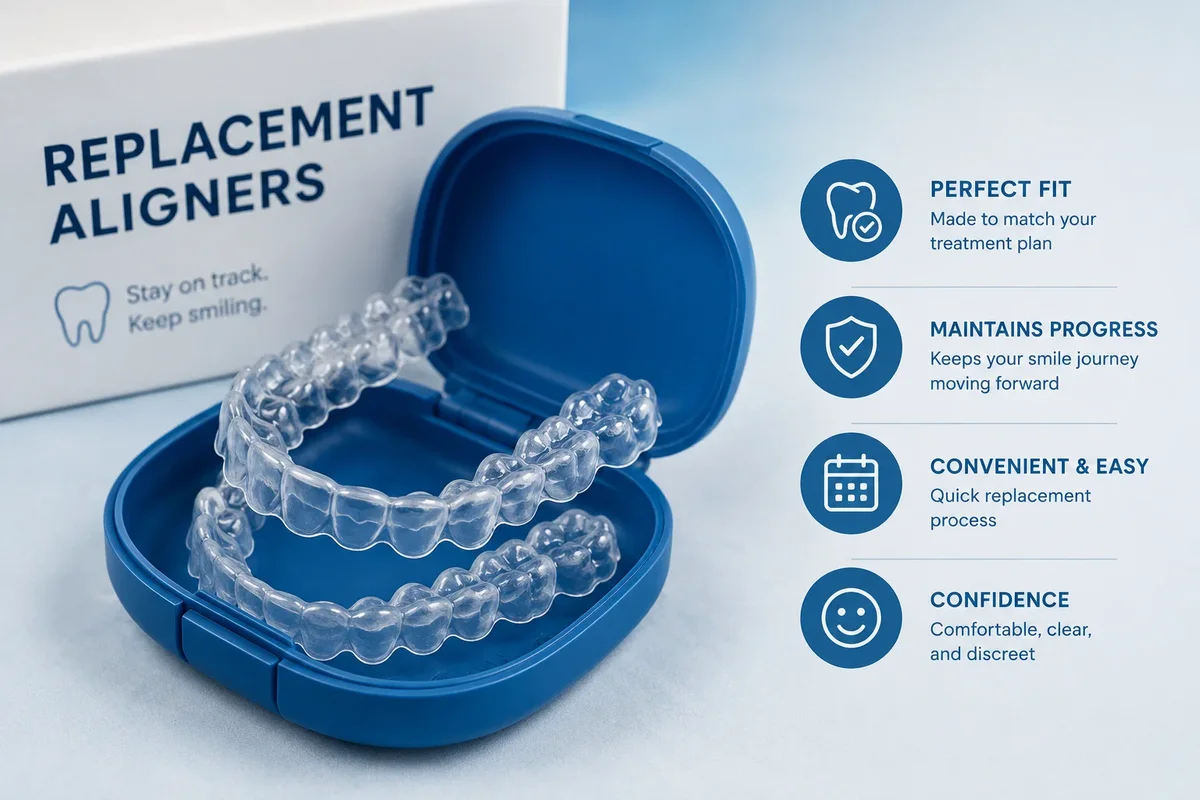
How Long Does It Take to Receive Replacement Aligners?
One of the first questions patients ask after losing or damaging an aligner is how quickly they can receive replacement aligners. Timing is an important concern because clear aligner treatment depends on consistency. Every stage of treatment is carefully designed to move teeth in a controlled sequence, and interruptions can potentially affect progress.
Although the exact delivery timeline varies depending on the provider, aligner manufacturer, treatment system, and geographic location, most patients can expect replacement aligners to arrive within several days to a few weeks. Understanding the factors that influence production and shipping times can help patients manage expectations and minimize treatment disruptions.
The good news is that modern digital orthodontic technology has made the process of obtaining replacement aligners significantly faster and more efficient than in the past. Since manufacturers often retain complete digital treatment records, reproducing an aligner is generally much easier than creating an entirely new treatment plan.
Average Timeline for Receiving Replacement Aligners
The typical timeframe for receiving replacement aligners depends largely on the manufacturer and provider workflow. In many situations, patients receive their replacement trays within one to three weeks after the order is submitted.
Some aligner systems offer faster turnaround times, while others may require additional processing. Clinics that work closely with major aligner manufacturers often have streamlined procedures that help reduce waiting periods for replacement aligners.
Patients should remember that every case is unique. Factors such as treatment complexity, location, and manufacturing demand can influence how quickly replacement aligners become available.
Typical Time Ranges
- Expedited orders: 3–7 days.
- Standard replacement orders: 1–3 weeks.
- Cases requiring new scans: 2–4 weeks or longer.
- International shipping situations: Additional time may be required.
These estimates vary between providers, but they offer a general understanding of what patients can expect when ordering replacement aligners.
Factors That Influence Delivery Time
Several variables can affect how long it takes to receive replacement aligners. Understanding these factors helps patients appreciate why some replacements arrive quickly while others require additional waiting time.
Manufacturer Production Capacity
Every aligner manufacturer operates according to production schedules and laboratory capacity. During periods of high demand, production times for replacement aligners may increase slightly.
Manufacturers must retrieve digital records, verify treatment details, produce the replacement tray, conduct quality-control checks, and prepare the aligner for shipment. Each step contributes to the overall timeline.
Provider Response Time
The speed with which a dental provider submits the order also affects delivery. Patients who report lost or damaged trays immediately often receive replacement aligners sooner because the ordering process begins without delay.
Prompt communication between the patient and provider is one of the simplest ways to reduce waiting periods.
Shipping and Logistics
Shipping distance plays an important role in determining how quickly replacement aligners arrive. Patients located near manufacturing facilities may receive their trays sooner than those living in remote areas or requiring international delivery.
Weather conditions, customs procedures, and transportation delays can occasionally affect shipping schedules as well.
Do New Scans Affect the Timeline?
In many cases, manufacturers can create replacement aligners using existing digital treatment records. However, there are situations where additional scans may be recommended.
If significant tooth movement has occurred since the aligner was lost, the provider may want updated images before ordering a replacement. This ensures that the new tray fits properly and continues treatment effectively.
When additional scans are necessary, the process of obtaining replacement aligners may take longer because new records must be reviewed before manufacturing begins.
Why Updated Records Sometimes Matter
Teeth can shift surprisingly quickly when aligners are not worn consistently. Updated scans allow providers to verify whether the original aligner stage remains appropriate or whether adjustments are needed before producing replacement aligners.
What Should Patients Do While Waiting?
Waiting for replacement aligners can be frustrating, but there are several steps patients can take to protect their treatment progress during this period.
Many orthodontists recommend wearing the previous aligner if it still fits comfortably. This helps maintain tooth position and reduces the risk of unwanted movement while waiting for the replacement tray.
Patients should always follow the instructions provided by their dental team. Self-adjusting treatment plans without professional guidance may create complications that increase overall treatment time.
Helpful Strategies During the Waiting Period
- Wear a previous aligner if instructed.
- Maintain excellent oral hygiene.
- Avoid skipping orthodontic appointments.
- Communicate regularly with the provider.
- Monitor tooth movement and fit changes.
These measures can help ensure that replacement aligners fit properly once they arrive.
Can Replacement Aligners Be Expedited?
Many patients wonder whether faster delivery options exist for replacement aligners. Some providers and manufacturers offer expedited processing services designed to reduce production and shipping times.
Expedited services may involve additional fees, but they can be worthwhile for patients who are concerned about treatment delays. Availability depends on the aligner brand and provider policies.
Patients interested in faster delivery should ask their dental team whether expedited options for replacement aligners are available.
How Delays Affect Orthodontic Treatment
Short delays typically have minimal impact when managed properly. However, extended periods without aligners may allow teeth to shift, increasing the likelihood of fit problems or treatment refinements.
This is why obtaining replacement aligners promptly is so important. Quick action helps preserve treatment momentum and reduces the risk of unexpected complications.
Preventing Future Delays
Patients can minimize future disruptions by protecting their aligners carefully, storing them properly, and keeping previous trays available as backups. These simple habits reduce the likelihood of needing additional replacement aligners later.
Final Thoughts
The time required to receive replacement aligners depends on multiple factors, including manufacturing schedules, provider response times, shipping logistics, and whether additional scans are needed. Most patients receive replacement aligners within one to three weeks, although expedited services may shorten this timeframe.
By reporting problems immediately, following professional instructions, and maintaining communication with their dental provider, patients can help ensure that replacement aligners arrive as quickly as possible. Prompt action not only reduces waiting time but also protects treatment progress, helping patients stay on track toward a healthier, straighter, and more confident smile. 😊
Disclosure: this page may contain affiliate links. We may earn a commission if you use them, at no extra cost to you.