
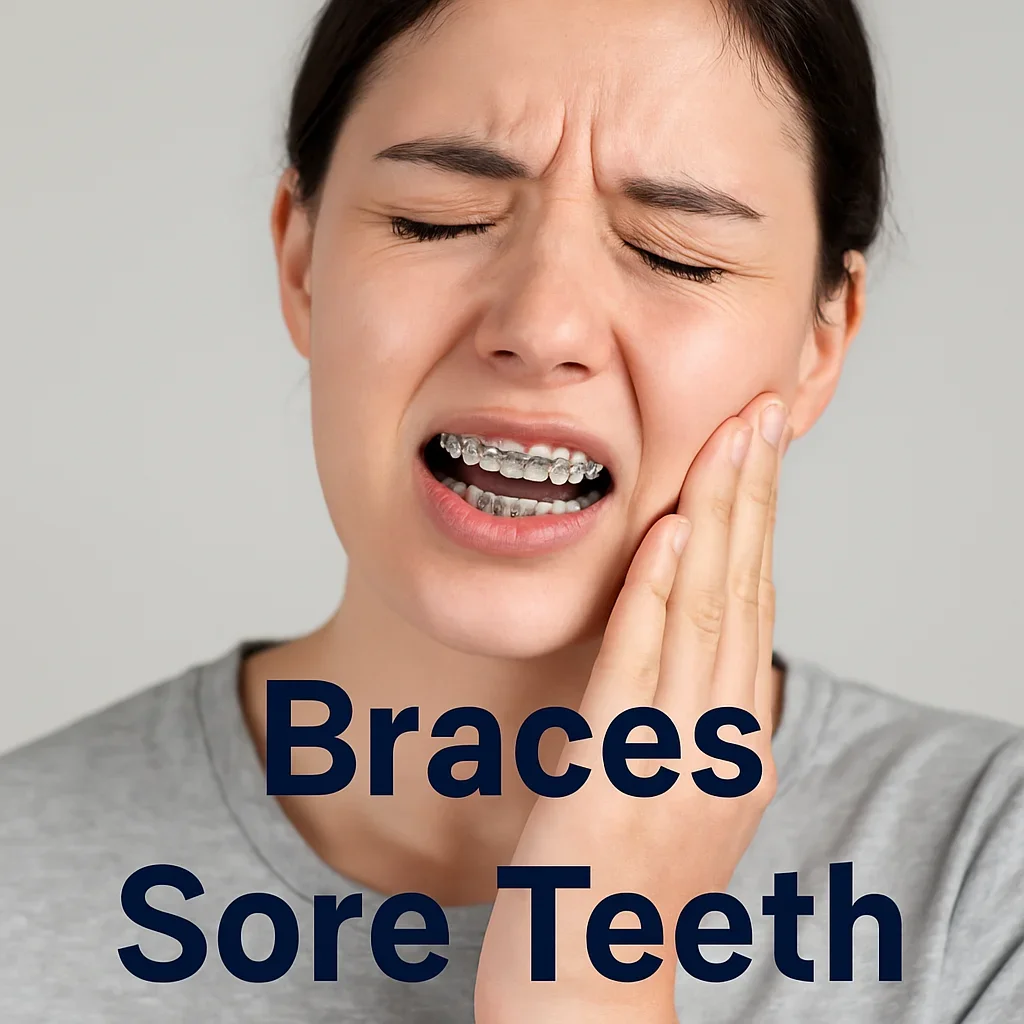
Getting braces is a big step toward achieving a beautiful, aligned smile — but for many people, the first thing they notice is soreness or tenderness in their teeth. If you’ve ever wondered why braces sore teeth occur or how to manage the discomfort, you’re not alone. This guide explains everything you need to know about what causes soreness, how long it lasts, and the most effective ways to relieve it. Whether you’ve just started your orthodontic journey or are going through adjustments, this article will help you understand what’s happening inside your mouth and how to feel better fast. 🦷
The term braces sore teeth refers to the natural discomfort that occurs after getting braces placed or tightened. When braces apply pressure to your teeth, they start to move gradually within the jawbone. This movement stimulates the bone remodeling process — old bone tissue breaks down and new tissue forms to hold the teeth in their new position. Although this process is essential for straightening your teeth, it also triggers sensitivity in the periodontal ligaments (the soft tissues connecting your teeth to the bone). The resulting soreness is completely normal and temporary.
Understanding the Science Behind Braces Discomfort
When braces apply pressure to your teeth, the nerves inside your tooth roots send signals to your brain indicating that something is changing. These signals can be interpreted as pain, pressure, or soreness. This discomfort often peaks within the first 24–72 hours after an orthodontic adjustment, then slowly diminishes. Most patients describe the feeling as a dull ache rather than sharp pain — similar to muscle soreness after exercise. This is your body’s way of adapting to the changes happening in your mouth.
In the early days of wearing braces, your mouth is also adjusting to foreign objects. Brackets, wires, and rubber bands can irritate the inside of your cheeks and lips. Combined with the pressure on your teeth, this can make eating, brushing, and speaking slightly uncomfortable at first. However, this adaptation period is temporary, and most people notice significant improvement within a week.
Common Triggers of Braces Sore Teeth
There are several reasons why braces sore teeth sensations may appear or worsen:
- Initial Placement: When braces are first attached, the new force on your teeth starts the movement process, triggering mild inflammation and sensitivity.
- Tightening or Adjustment Appointments: Every time your orthodontist tightens your braces, the pressure increases temporarily, causing soreness for a few days.
- Diet Changes: Eating hard or sticky foods too soon after adjustments can strain your teeth and increase pain.
- Oral Irritation: Sharp edges of wires or brackets can rub against your cheeks and gums, adding to the overall discomfort.
- Jaw Muscle Strain: Some people unconsciously clench their jaw when braces feel tight, leading to soreness in surrounding muscles.
Each of these factors contributes differently to the feeling of braces sore teeth, but all are manageable with proper care.
How Long Does Soreness Last?
Typically, soreness lasts between three to seven days after each braces adjustment. During this period, your teeth are actively moving and realigning, which naturally causes mild inflammation. If your soreness lasts longer than ten days or feels unbearable, it’s best to consult your orthodontist to rule out issues like a loose bracket or excessive pressure. For most patients, discomfort reduces noticeably after the first week, and future adjustments become easier to handle as your mouth adapts.
Effective Ways to Relieve Braces-Related Soreness
Relief starts with good home care and patience. Here are the most effective tips to reduce braces sore teeth discomfort:
- Rinse with warm salt water: Mix half a teaspoon of salt in a glass of warm water and swish gently for 30 seconds. This helps reduce inflammation and soothes irritated tissues.
- Use orthodontic wax: Apply wax over brackets or wires that are irritating your mouth. This creates a smooth barrier between your braces and soft tissues.
- Eat soft foods: Choose mashed potatoes, soups, smoothies, or yogurt during the first few days after adjustments.
- Cold compress or ice water: Applying something cold can temporarily numb nerves and relieve discomfort.
- Over-the-counter pain relief: Medications like ibuprofen or acetaminophen can help if the soreness is severe. Always follow dosage instructions.
These small steps can make a big difference in your comfort during orthodontic treatment.
When to Contact a Professional
While mild soreness is expected, you should reach out to your orthodontist if:
- The pain lasts longer than 10 days.
- You notice swollen gums or bleeding unrelated to brushing.
- A wire or bracket is broken or poking your mouth.
In such cases, professional adjustments may be necessary to ensure your braces are functioning correctly. You can easily get in touch with dental experts through the Redent Klinik Contact Page for professional orthodontic support and care.
Long-Term Benefits of Temporary Discomfort
It’s important to remember that the soreness you feel today is a sign that your braces are working. Each adjustment moves you closer to your desired smile alignment, improving both aesthetics and bite function. The temporary phase of braces sore teeth will eventually lead to a lifetime of benefits — better oral hygiene, reduced risk of cavities, and enhanced confidence.
According to the American Dental Association, properly aligned teeth contribute significantly to long-term dental health by reducing jaw strain and preventing abnormal wear on enamel. So while the soreness might feel discouraging, it’s proof that your braces are actively transforming your smile.
Final Thoughts
Experiencing braces sore teeth is a completely natural part of orthodontic treatment. With the right care and patience, the discomfort fades quickly, leaving you with a stronger, healthier, and more confident smile. Remember to follow your orthodontist’s instructions, maintain proper oral hygiene, and stay consistent with your appointments. Your short-term soreness today is the foundation for a lifetime of perfect smiles tomorrow! 😁
Why Do Braces Make Your Teeth Sore? Understanding the Process
When you first get braces, it’s normal to experience a certain level of discomfort. Many people describe this sensation as “braces sore teeth,” a phrase that perfectly captures the tenderness felt after braces start doing their job. But why exactly do braces make your teeth sore? The reason lies in the complex biological process of tooth movement, which involves pressure, bone remodeling, and nerve response. Let’s take a closer look at what’s happening inside your mouth and how your body reacts to the changes.
The Science Behind Tooth Movement 🧬
Braces work by applying gentle, continuous pressure on your teeth to gradually move them into their proper positions. This pressure activates cells within the periodontal ligament — a thin connective tissue that surrounds each tooth. These cells start a process called bone remodeling, where bone tissue is broken down on one side of the tooth and rebuilt on the other. This allows teeth to shift into alignment over time. While this biological mechanism is essential for achieving a straight smile, it also explains why braces sore teeth symptoms occur — because the tissues and nerves are actively adapting to new forces.
The Role of Pressure and Nerve Sensitivity
Your teeth are not rigidly fixed in your jawbone; they’re held in place by ligaments that respond to pressure. When braces tighten, they push or pull teeth slightly, and this change compresses the nerve endings inside your teeth. The brain interprets these signals as pain or soreness, especially within the first few days after an adjustment. The sensation is similar to how your muscles feel sore after a workout — the tissue is under stress but also strengthening and adapting. Therefore, experiencing braces sore teeth isn’t a bad sign; it’s proof that the treatment is working as intended.
Inflammation and Blood Flow Changes
When pressure is applied through braces, it causes a temporary reduction in blood flow around certain teeth. Your body reacts to this by triggering an inflammatory response, which increases sensitivity. This mild inflammation is part of the healing and adaptation process. Within a few days, your circulatory system adjusts, and the inflammation decreases, easing the soreness. In this way, inflammation plays a dual role: it causes temporary discomfort but is also essential for effective orthodontic progress.
Types of Pain You Might Feel
The pain associated with braces sore teeth can vary depending on your individual tolerance, treatment stage, and overall dental health. Some common sensations include:
- Dull aching: A mild, throbbing feeling in your teeth or jaw after adjustments.
- Pressure sensitivity: Pain when biting into firm foods or when teeth touch.
- Soft tissue irritation: Tenderness in gums, lips, or cheeks caused by friction from brackets or wires.
- Localized soreness: Pain around specific teeth that are moving more actively than others.
Each of these discomfort types typically lasts a few days and then diminishes as your mouth adapts. Most orthodontists reassure patients that these sensations are temporary and part of a natural healing cycle.
How Long Does the Pain Last?
The soreness from braces generally begins a few hours after installation or tightening. It tends to peak within the first 48 to 72 hours and gradually subsides over the next 5–7 days. Some patients might experience intermittent sensitivity throughout treatment, especially after follow-up appointments. However, as your mouth adjusts, each episode of soreness becomes shorter and milder. Consistent use of orthodontic wax, proper brushing, and a soft diet can help ease this adjustment period.
Factors That Influence Soreness Levels
Not everyone experiences braces sore teeth in the same way. Several factors affect how much discomfort you feel:
- Type of braces: Traditional metal braces often create more friction, while ceramic or self-ligating braces may cause less soreness.
- Individual pain tolerance: People with sensitive gums or teeth may experience heightened discomfort.
- Adjustment intensity: The tighter the braces are during a visit, the stronger the pressure, and the more noticeable the soreness.
- Oral hygiene: Poor brushing or plaque buildup can worsen gum inflammation, making soreness more pronounced.
Being aware of these factors helps patients mentally prepare and take steps to minimize discomfort after each orthodontic appointment.
Comparing Initial Soreness vs. Adjustment Soreness
When braces are first applied, the soreness can feel more intense because your teeth and gums are encountering new forces for the first time. During later adjustments, the body is already familiar with the sensation, and soreness usually subsides faster. The difference between initial and adjustment soreness lies in adaptation — your ligaments and jaw tissues gradually become conditioned to the pressure, reducing future discomfort levels. This process shows that braces sore teeth is a temporary experience that lessens over time.
How to Differentiate Normal vs. Abnormal Pain
Normal soreness feels dull, achy, and symmetrical across your mouth. It responds well to over-the-counter pain relief and improves after a few days. In contrast, abnormal pain may indicate a problem if you notice sharp, persistent pain in a specific area, swelling, or difficulty closing your mouth. These symptoms could suggest a wire poking your gums or an infection. If that happens, it’s best to contact your orthodontist or visit the Redent Klinik Contact Page for immediate evaluation.
The Psychological Side of Soreness
Feeling soreness can also cause mental stress, especially for younger patients. Understanding that braces sore teeth is a sign of progress can help shift perspective. Many orthodontists remind patients that this temporary discomfort is an essential part of creating a healthy, well-aligned bite that lasts a lifetime. With proper guidance and support, patients quickly learn to adapt to these sensations, making the overall experience smoother and more rewarding.
Final Thoughts: The Discomfort That Leads to a Perfect Smile 😁
Although the sensation of braces sore teeth might be unpleasant at first, it’s a natural indication that your orthodontic treatment is working. The pressure applied by braces triggers beneficial bone remodeling that ultimately straightens your teeth and enhances your smile. The mild inflammation and tenderness are part of this healing process, and they will fade as your mouth adjusts. In the meantime, focus on soft foods, gentle oral care, and patience. Remember, the slight soreness you feel today is the path to achieving lifelong confidence and dental health — a result that’s more than worth a few days of tenderness!
For more insights on dental care and orthodontic comfort, you can also explore guidelines from the American Dental Association, which provide valuable information about maintaining oral health during orthodontic treatment.
How Long Do Teeth Stay Sore After Getting Braces?
One of the most common questions among new orthodontic patients is, “How long will my teeth stay sore after getting braces?” The experience of braces sore teeth can vary from person to person, but understanding the general timeline of soreness, what influences it, and how to manage it will make the process much easier. This section explores in detail the phases of soreness, what’s normal versus what’s not, and proven strategies to get through each stage comfortably. 🦷
The Typical Timeline of Braces Soreness
In most cases, soreness starts a few hours after your braces are first installed or after an adjustment appointment. The reason it takes a few hours to begin is that the pressure from braces gradually affects the nerves and ligaments surrounding the teeth. Here’s a typical timeline for braces sore teeth:
- First 6 hours: You may start to feel mild tightness as your teeth begin responding to the pressure.
- 24–48 hours: The soreness peaks during this period. You may feel aching or pressure when biting or chewing.
- 3–5 days: Discomfort gradually begins to decrease, and your teeth start adjusting to the new position.
- 7–10 days: Most soreness subsides completely, and you can eat more normally again.
For most patients, the soreness associated with braces lasts about a week. However, this duration can vary based on your individual pain threshold, the complexity of your case, and the specific type of orthodontic treatment you receive.
Factors That Affect How Long Soreness Lasts
While braces sore teeth typically subside within days, several factors can influence how long discomfort persists:
- Initial vs. subsequent adjustments: The first few weeks of treatment tend to cause the most noticeable soreness because your mouth is adjusting to a new appliance. Later adjustments generally result in less pain.
- Type of braces: Metal braces often exert more pressure initially, while ceramic or self-ligating braces may feel more comfortable.
- Personal sensitivity: Some individuals have more sensitive nerve endings or a lower pain tolerance, extending the duration of soreness.
- Oral hygiene habits: Poor brushing can lead to swollen gums, intensifying discomfort.
- Diet and nutrition: Eating hard or sticky foods too early can irritate sore teeth and delay recovery.
Understanding these factors helps you anticipate how your body may react and gives you a sense of control over your orthodontic experience.
What to Expect After Each Adjustment Appointment
Every adjustment appointment involves your orthodontist tightening wires or changing bands to continue moving your teeth into their ideal positions. This reactivates pressure and triggers a fresh wave of braces sore teeth. Fortunately, as your treatment progresses, these periods of soreness tend to be shorter and less intense.
1. First Few Days After Adjustment
During the first 2–3 days after tightening, you’ll likely feel sensitivity in specific teeth rather than across your entire mouth. It might hurt to chew solid foods or even brush vigorously. Soft foods like mashed potatoes, soups, or yogurt will help during this phase. Using orthodontic wax on any sharp brackets can also prevent gum irritation.
2. The Mid-Week Relief Stage
By day 4 or 5, the soreness usually lessens considerably. Your ligaments and nerves start adapting to the new position of your teeth. At this point, you can slowly reintroduce firmer foods into your diet, as long as they don’t require excessive chewing. Gentle brushing and rinsing with salt water can soothe any lingering sensitivity.
3. The Adaptation Period
After a week, the majority of patients report minimal discomfort. However, small fluctuations in soreness are normal as your teeth continue to shift. Consistent orthodontic care and patience are key to making this transition smooth.
Signs That Soreness Is Lasting Too Long
While mild soreness is normal, prolonged or severe pain may indicate an issue that requires attention. If your braces sore teeth symptoms persist for more than 10 days or if the pain is sharp and localized, it might be due to:
- A loose or broken bracket or wire irritating soft tissues.
- Excessive force applied during adjustments.
- An underlying dental issue such as an infection or cavity.
If you experience these problems, contact your orthodontist immediately. You can schedule an appointment through the Redent Klinik Contact Page for a professional evaluation.
Effective Methods to Speed Up Recovery
Although you can’t stop your teeth from moving, you can take several steps to reduce the duration and intensity of soreness:
- Cold therapy: Apply a cold compress or sip on chilled water to reduce inflammation and numb pain.
- Warm salt water rinse: This helps soothe irritated gums and promotes faster healing.
- Orthodontic wax: Protects cheeks and gums from brackets that may cause friction.
- Pain relief medication: Over-the-counter options like ibuprofen or acetaminophen can help but should be used responsibly.
- Stick to soft foods: Smoothies, oatmeal, mashed vegetables, and pasta are ideal during soreness periods.
Following these methods ensures that braces sore teeth symptoms fade quickly and comfortably.
Long-Term Adaptation and Future Adjustments
After several months of wearing braces, your mouth becomes much more accustomed to the process. Each tightening session causes less discomfort as your oral tissues strengthen. Patients often find that by the third or fourth adjustment, soreness lasts only one or two days instead of a full week. This is a sign of your body adapting effectively to orthodontic treatment.
Psychological Adjustment and Expectation Setting
Knowing what to expect helps reduce anxiety. If you’re mentally prepared for a few days of soreness, you’ll find it easier to manage. Many patients view braces sore teeth as a temporary but meaningful step toward a healthier smile. Embracing this mindset makes the experience far more tolerable and rewarding.
When to Seek Professional Advice
If soreness lingers unusually long or becomes progressively worse, professional help is essential. Persistent pain may signal improper tension, gum infection, or hardware problems. Orthodontists at Redent Klinik are experienced in diagnosing and resolving these issues swiftly, ensuring your treatment stays on track. Regular follow-ups also allow them to make precise adjustments that minimize future discomfort.
Conclusion: Temporary Discomfort, Lasting Results 🌟
In summary, braces sore teeth usually last around a week after each adjustment, with the most intense discomfort in the first 48 hours. This soreness is a natural response to tooth movement and bone remodeling — an essential process for achieving a beautifully aligned smile. By practicing good oral hygiene, eating soft foods, and following your orthodontist’s advice, you’ll recover quickly and comfortably after every tightening session. The short-term soreness you feel today is the price of a lifetime of confidence and dental health — one smile at a time.
For scientifically backed recommendations on orthodontic comfort and recovery, you can consult resources from the American Dental Association, which provides expert insights on managing dental treatment discomfort effectively.
Effective Home Remedies for Braces Sore Teeth 🦷
When experiencing braces sore teeth, finding effective home remedies can make a world of difference in your comfort and recovery. While orthodontic adjustments are necessary for achieving a straight, healthy smile, they can cause temporary soreness that makes eating, speaking, and even brushing difficult. Fortunately, there are several proven home-based techniques that can help relieve discomfort safely and naturally. In this section, we’ll explore the best ways to soothe sore teeth and gums using methods you can easily apply at home.
Understanding Why Home Remedies Work
Most discomfort associated with braces sore teeth comes from inflammation in the gums and ligaments around your teeth. When braces exert pressure, these tissues stretch and adapt to the tooth movement, resulting in tenderness. Home remedies work by reducing inflammation, improving circulation, and calming nerve sensitivity. These approaches are non-invasive, inexpensive, and effective when used consistently.
1. Salt Water Rinse: The Classic Relief Method
One of the most recommended remedies for braces-related discomfort is a warm salt water rinse. Salt has natural antiseptic properties that help reduce swelling and prevent infection. It’s also gentle enough for daily use. Here’s how to prepare it:
- Mix half a teaspoon of salt in a glass of warm water.
- Swish it gently around your mouth for 30–60 seconds.
- Repeat two to three times per day, especially after meals.
This simple routine helps soothe irritated gums and cleanses the mouth from food debris that may aggravate pain. Regular rinsing can significantly reduce braces sore teeth discomfort within a few days.
2. Cold Compress or Ice Water Treatment
Cold therapy is another effective remedy for relieving pain caused by braces sore teeth. Applying a cold compress on your cheeks or sipping ice water numbs the nerves temporarily, reducing inflammation and sensitivity.
- Wrap a few ice cubes in a clean towel and hold it against the outside of your mouth for 10–15 minutes.
- Alternatively, drink chilled water or suck on ice chips for a few minutes.
Avoid pressing too hard or applying ice directly to your teeth, as that could worsen sensitivity. Cold compresses can be repeated several times a day and are especially useful during the first 48 hours after getting braces tightened.
3. Soft Food Diet: Protecting Your Teeth While Healing
Switching to soft foods during periods of soreness can make eating much easier. Hard, chewy, or crunchy foods can aggravate pain and even damage brackets or wires. Stick to foods like:
- Mashed potatoes or soft rice
- Oatmeal or yogurt
- Soups, smoothies, and scrambled eggs
- Cooked vegetables and soft fruits like bananas or peaches
Soft foods require less chewing force, allowing your mouth to rest and recover. Maintaining this diet for three to five days can greatly reduce the strain on sensitive teeth. Patients who follow this approach often report that their braces sore teeth symptoms fade more quickly.
Bonus Tip: Stay Hydrated 💧
Water plays a critical role in managing discomfort. Staying hydrated helps maintain saliva production, which naturally protects against bacteria and irritation. Avoid sugary or carbonated drinks, as they can increase acidity and worsen sensitivity.
4. Orthodontic Wax for Friction Relief
Brackets and wires can rub against the inside of your mouth, causing sores on your cheeks, lips, or gums. Orthodontic wax is a simple yet effective solution. Just pinch a small piece, roll it into a ball, and apply it over the irritating bracket. It acts as a protective barrier, reducing friction and allowing irritated tissue to heal. Orthodontic wax is widely available at pharmacies and should be part of every patient’s at-home orthodontic care kit.
5. Over-the-Counter Pain Relief (Use Cautiously)
If your braces sore teeth pain is particularly intense, over-the-counter pain relievers such as ibuprofen (Advil) or acetaminophen (Tylenol) can provide temporary relief. However, they should not be used continuously for long periods. Always follow recommended dosages and consult your orthodontist before use, especially for children. These medications help reduce inflammation and ease nerve discomfort during the initial adjustment days.
6. Warm Compress for Muscle Relaxation
Some patients experience tension not only in their teeth but also in the surrounding jaw muscles. Applying a warm compress can relax tight muscles and improve blood flow, speeding up recovery. You can use a warm towel or heating pad on a low setting. Apply it to the outside of your mouth for 10–15 minutes. Alternating between warm and cold compresses can provide comprehensive relief for both inflammation and muscle stiffness caused by braces sore teeth.
7. Gentle Oral Massage and Hygiene
Massaging your gums gently with your fingers can stimulate blood circulation and promote faster healing. Be sure your hands are clean, and use circular motions with light pressure. Combine this with good oral hygiene — brushing with a soft-bristled toothbrush and fluoride toothpaste to keep your mouth clean without causing additional irritation. Maintaining cleanliness prevents infection, which can worsen soreness.
Pro Tip: Use an Orthodontic Toothbrush
Special orthodontic toothbrushes are designed to clean around brackets and wires effectively. Using one ensures that food particles don’t build up and irritate sore areas. Pair it with an alcohol-free mouthwash for added protection.
8. Natural Remedies and Herbal Soothers 🌿
Natural remedies can also help calm soreness. Aloe vera gel has soothing and anti-inflammatory properties — apply a small amount to irritated gums for instant relief. Clove oil, known for its numbing effect, can be applied sparingly using a cotton swab. Chamomile tea rinses are another gentle, effective option; they provide mild pain relief and promote healing. These natural treatments can complement your standard oral care routine and enhance comfort when dealing with braces sore teeth.
9. Maintain Consistent Orthodontic Checkups
Even though home remedies are helpful, professional checkups remain essential. Your orthodontist can verify whether the discomfort you’re experiencing is normal or if adjustments are required. Persistent or severe pain may be a sign of a loose bracket, wire irritation, or excessive pressure. You can reach out to dental specialists through the Redent Klinik Contact Page to schedule a consultation and receive personalized advice on managing soreness.
10. Combining Remedies for Best Results
To achieve faster relief, it’s often best to combine multiple remedies. For instance, using salt water rinses twice daily, applying orthodontic wax as needed, and alternating between warm and cold compresses can drastically reduce braces sore teeth within a few days. Remember, consistency is key. The more regularly you apply these remedies, the sooner your mouth will adjust and heal.
Final Thoughts: Relief Is Within Reach 😁
While braces sore teeth can be uncomfortable, it’s a temporary part of the orthodontic journey. With the right home remedies — from salt water rinses to soft diets and natural treatments — you can ease the pain effectively without relying heavily on medication. Always listen to your body, maintain excellent oral hygiene, and reach out to your orthodontist if pain persists. The short-term discomfort you feel today is paving the way for a beautiful, lifelong smile. For further guidance on oral care, consult trusted dental resources such as the American Dental Association, which offers evidence-based advice for orthodontic patients.
What to Eat When Your Braces Make Your Teeth Hurt
When you’re dealing with braces sore teeth, eating can quickly become one of the most uncomfortable parts of your day. After all, the pressure from your braces can make chewing painful, especially in the first few days after placement or adjustments. Fortunately, you don’t have to suffer in silence — by choosing the right foods, you can ease the discomfort while still getting the nutrients your body needs. In this section, we’ll explore the best foods to eat when your braces make your teeth hurt, what to avoid, and how to transition back to a normal diet without aggravating soreness. 🍲
Understanding the Connection Between Food and Soreness
When braces apply pressure to your teeth, they stimulate bone and tissue remodeling, which causes mild inflammation. This process makes your teeth sensitive to pressure — meaning that even the act of chewing can trigger pain. Selecting soft, easy-to-chew foods helps minimize stress on your teeth and allows the tissues around them to heal faster. Proper nutrition is also crucial because certain vitamins and minerals (like calcium, vitamin D, and magnesium) support bone health and accelerate orthodontic adaptation.
1. The Soft Food Diet: Your Best Friend During Adjustment
For the first few days after tightening or getting new braces, a soft food diet can make eating much more manageable. These foods require minimal chewing, reducing irritation caused by braces sore teeth. Here are some dentist-approved options:
- Mashed potatoes or sweet potatoes: Comforting, filling, and packed with nutrients.
- Yogurt and smoothies: High in protein and calcium; you can blend fruits for added flavor and vitamins.
- Scrambled eggs: Soft, easy to chew, and rich in protein to support tissue healing.
- Oatmeal and porridge: Warm, soothing options that are gentle on sensitive teeth.
- Soups and broths: Chicken noodle, vegetable, or tomato soup are excellent for hydration and nutrition.
These foods not only ease chewing discomfort but also maintain good nutrition while your mouth adapts. Avoid extremely hot or spicy foods during this period, as they can aggravate gum sensitivity.
Tip: Choose Room Temperature Foods
Extremely hot or cold foods can heighten tooth sensitivity. Opting for warm or room temperature meals can help reduce the pain caused by braces sore teeth.
2. Protein-Rich Foods to Promote Healing
Protein is vital for repairing tissues and supporting bone health during orthodontic treatment. Incorporating soft, protein-rich foods into your diet can help you recover faster from soreness. Some great choices include:
- Soft fish: Salmon, tuna, or tilapia are packed with omega-3 fatty acids that reduce inflammation.
- Steamed chicken: Cooked until tender and shredded to avoid too much chewing.
- Greek yogurt: Provides both protein and calcium, essential for strengthening teeth and bones.
- Scrambled or poached eggs: Gentle on your teeth but excellent for post-adjustment nourishment.
A balanced intake of these foods ensures your body has what it needs to heal efficiently while minimizing the discomfort from braces sore teeth.
3. Fruits and Vegetables That Are Braces-Friendly 🥦
Fruits and vegetables are essential for overall health, but not all are suitable during sore periods. Hard or crunchy ones like apples, carrots, and corn on the cob should be avoided as they can damage brackets and worsen soreness. Instead, choose softer alternatives such as:
- Bananas: Soft and rich in potassium for gum health.
- Avocados: Creamy and full of healthy fats that support tissue repair.
- Cooked carrots or zucchini: Gentle on your teeth and rich in vitamins A and C.
- Applesauce: A great substitute for raw apples that’s easy to eat and digest.
Blending fruits and vegetables into smoothies or purees is another great way to consume them without putting strain on your teeth. This method ensures that your diet remains nutrient-rich even while dealing with braces sore teeth.
4. Avoid These Foods to Prevent Pain and Damage
When your braces make your teeth sore, it’s just as important to know what not to eat. Some foods can cause more harm than good by increasing pressure, breaking brackets, or sticking to wires. Avoid:
- Hard foods: Nuts, popcorn, raw carrots, and hard candies.
- Sticky foods: Caramel, taffy, gum, and gummy candies can pull brackets loose.
- Crunchy snacks: Chips, pretzels, and hard breads can worsen soreness.
- Chewy meats: Steak or jerky requires too much force to chew comfortably.
Avoiding these foods helps protect your braces and reduces the risk of aggravating your braces sore teeth symptoms.
Healthy Substitutes
Instead of crunchy snacks, try yogurt, pudding, or soft granola bars. If you crave something sweet, a banana smoothie or applesauce can satisfy you without discomfort. Making smart food swaps is key to staying comfortable and keeping your orthodontic treatment on track.
5. Hydration and Oral Health During Soreness
Drinking plenty of water keeps your mouth hydrated and reduces bacterial buildup around brackets. A dry mouth can worsen discomfort and increase the risk of irritation. Try to avoid sugary or carbonated drinks that can erode enamel and make soreness worse. Staying hydrated also aids in flushing out food particles that may otherwise cause inflammation or pain around your braces.
6. Vitamins and Minerals That Support Recovery
To speed up recovery from braces sore teeth, include nutrients that strengthen your bones and tissues:
- Calcium: Found in milk, yogurt, and cheese, it supports strong teeth.
- Vitamin D: Helps your body absorb calcium effectively; sunlight and fortified foods are great sources.
- Magnesium: Found in bananas, avocados, and leafy greens, it promotes gum health.
- Vitamin C: Helps maintain healthy gums and reduces inflammation.
Maintaining a nutrient-rich diet ensures that your orthodontic progress continues smoothly without unnecessary discomfort.
7. Transitioning Back to a Normal Diet
Once soreness subsides, you can slowly reintroduce more solid foods. Start by cutting foods into smaller pieces and chewing slowly using your back teeth. Avoid biting into hard foods directly. If you notice recurring soreness, return temporarily to your soft food diet until your teeth adjust again. Remember that every adjustment can bring a few days of tenderness, so being mindful of your food choices is essential throughout your orthodontic journey.
8. When to Consult a Professional
If your braces sore teeth persist for more than 10 days, it’s wise to contact your orthodontist. Sometimes soreness can signal an issue with wire tension or bracket placement. You can reach out to experienced specialists using the Redent Klinik Contact Page for advice on dietary adjustments and professional care. They can ensure your braces are properly aligned and your mouth is healing well.
Final Thoughts: Eating Smart for a Comfortable Smile 😁
Adjusting your diet during times of braces sore teeth is one of the most effective ways to minimize discomfort while supporting orthodontic progress. Stick with soft, nutrient-rich foods, avoid crunchy or sticky snacks, and stay hydrated. Remember, these temporary dietary adjustments help protect your braces and speed up your recovery. For additional professional dietary recommendations, refer to trusted resources like the American Dental Association, which provides evidence-based guidelines for maintaining oral health during orthodontic treatment. The effort you put into mindful eating today will reward you with a beautifully aligned, pain-free smile tomorrow.
Professional Treatments for Severe Braces Pain
While mild soreness after orthodontic adjustments is completely normal, there are times when braces sore teeth symptoms become more intense than expected. If your discomfort doesn’t subside within a week or begins to interfere with your ability to eat, speak, or sleep, it might be time to seek professional intervention. Orthodontists and dentists have a range of clinical treatments and pain management strategies that can significantly reduce severe discomfort and help you recover faster. This section explores these professional solutions in depth — from targeted dental adjustments to advanced pain relief therapies — so you can understand exactly when and how to get expert help for your braces pain. 🦷
Understanding When Professional Help Is Necessary
In most cases, braces sore teeth discomfort fades within a few days. However, certain warning signs indicate that the soreness might not be typical. You should contact your orthodontist if you experience any of the following:
- Pain that lasts longer than 10 days after an adjustment.
- Sharp, localized pain around one or two teeth rather than a general dull ache.
- Swelling, redness, or bleeding of the gums that doesn’t improve with good hygiene.
- A wire or bracket poking into your cheek or gums, causing open sores.
- Difficulty opening or closing your mouth due to jaw stiffness or tension.
If these symptoms sound familiar, professional intervention is highly recommended. Ignoring persistent braces sore teeth may worsen the problem, delay treatment progress, or even cause damage to the roots or gums.
1. Orthodontic Adjustments and Wire Corrections
One of the simplest and most effective professional treatments for severe soreness is an adjustment to your braces. Sometimes, the wires or brackets may exert uneven pressure on specific teeth, causing localized pain. Your orthodontist can:
- Reposition or trim wires that are poking or irritating the gums.
- Adjust bracket tension to reduce excessive pressure on certain teeth.
- Replace damaged or loose components that contribute to soreness.
These small modifications can relieve pain almost immediately. If your soreness feels one-sided or concentrated in one area, it’s likely due to uneven tension, which can be easily fixed during a short clinic visit.
How to Prepare for a Visit
Before your appointment, take note of exactly where the pain occurs and how long it has lasted. Bring this information to your orthodontist to help them identify the source quickly. Most patients experience noticeable relief within hours of an adjustment.
2. Prescription Pain Relief and Anti-Inflammatory Medications
When over-the-counter medication doesn’t help enough, orthodontists may prescribe stronger options. These may include:
- Prescription-strength ibuprofen: Reduces inflammation and provides longer-lasting pain relief.
- Topical anesthetic gels: Applied directly to the gums or inner cheeks for targeted numbing.
- Low-dose muscle relaxants: Recommended in cases where jaw tension or clenching worsens soreness.
It’s important to use these medications under professional supervision. Self-medicating for braces sore teeth can lead to overuse or masking underlying problems. Orthodontists tailor these treatments to your needs and ensure they’re compatible with your overall dental plan.
3. Orthodontic Wax and Silicone Relief Systems
Orthodontic wax is one of the most common tools used to manage friction-based discomfort from braces. However, if standard wax doesn’t provide enough relief, your orthodontist may recommend specialized silicone covers or smooth aligner shields that protect soft tissues more effectively. These are custom-fitted to your braces and provide a cushioning barrier against sharp or protruding metal edges. This method is especially helpful when braces sore teeth are accompanied by inner mouth irritation or ulcers caused by friction.
4. Laser Therapy for Pain and Inflammation
Modern orthodontic clinics sometimes use low-level laser therapy (LLLT) to alleviate pain and accelerate tissue healing. This non-invasive treatment involves directing soft laser light onto the gums and jaw area to:
- Reduce inflammation and improve blood flow.
- Stimulate cellular repair and promote bone regeneration.
- Provide immediate, drug-free pain relief.
Studies have shown that laser therapy can shorten recovery time from braces sore teeth by as much as 50%. The procedure is painless, quick, and completely safe for both adults and teenagers. Many orthodontists recommend it for patients who experience recurring or severe soreness after adjustments.
Frequency and Results
Most patients need one or two laser sessions following an adjustment. Relief is often noticeable within hours, and side effects are virtually nonexistent. This makes LLLT one of the most effective modern approaches to managing orthodontic discomfort.
5. Dental Wax Alternatives and Customized Comfort Devices
Some orthodontic patients benefit from custom-made devices that cushion the inner cheeks or lips. These include clear aligner trays or soft resin guards that fit over your braces temporarily during the first few days after tightening. These guards help minimize contact friction while allowing your teeth to adjust to the pressure naturally. Patients with severe braces sore teeth often find these tools helpful for reducing irritation during the adaptation phase.
6. Use of Orthodontic Bite Pads or Bite Turbos
In cases where upper and lower teeth exert too much pressure on each other during biting, orthodontists may recommend bite pads or bite turbos. These small resin or metal platforms are attached to certain teeth to prevent full closure of the bite temporarily. By limiting contact between the upper and lower teeth, they relieve some of the pressure that causes soreness and make it easier to eat comfortably during the adjustment phase.
7. Professional Cleaning and Oral Care Adjustments
Sometimes, the discomfort from braces sore teeth can be worsened by plaque buildup or gum inflammation. Professional cleaning helps remove hardened tartar around the brackets and gumline, improving overall comfort. Your dentist may also recommend switching to:
- A soft-bristled or electric toothbrush for gentle cleaning.
- An interdental brush or water flosser to prevent plaque accumulation.
- Fluoride mouth rinses to strengthen enamel and reduce sensitivity.
A clean mouth heals faster, and maintaining excellent oral hygiene significantly reduces the likelihood of chronic soreness.
8. Orthodontic Emergency Interventions
Occasionally, severe pain can stem from emergencies like a broken bracket, snapped wire, or infection. These situations require immediate attention. You should never try to fix braces components at home — doing so can cause further injury or prolong recovery. Contact your orthodontist or reach out through the Redent Klinik Contact Page to arrange an urgent appointment. Quick professional care ensures that braces sore teeth caused by mechanical problems are resolved swiftly and safely.
9. Combining Professional and Home Care Approaches
For best results, orthodontists often recommend combining in-clinic treatments with home remedies like saltwater rinses, soft diets, and cold compresses. This dual approach accelerates healing and ensures long-term comfort. Remember, severe soreness doesn’t mean your braces are failing — it simply means your teeth are moving efficiently, and your body is responding to change.
Final Thoughts: Professional Relief for Long-Term Comfort 😁
If your braces sore teeth pain becomes unmanageable, professional treatments can make a tremendous difference. From laser therapy and custom silicone shields to expert wire adjustments, modern orthodontic care offers safe, fast, and effective solutions to restore comfort. Don’t ignore persistent pain — it’s a sign that your mouth needs expert attention. To learn more about evidence-based orthodontic care and treatment options, visit the American Dental Association for verified dental health resources. With the right professional support, your journey toward a perfect smile can be both successful and comfortable.
How to Prevent Soreness After Braces Tightening
Experiencing braces sore teeth after a tightening appointment is common, but with the right care routine, you can significantly reduce discomfort and speed up recovery. Preventing soreness doesn’t just make you feel better — it also helps ensure your orthodontic treatment progresses smoothly without unnecessary pain or setbacks. In this section, we’ll explore scientifically supported and orthodontist-approved strategies to minimize post-adjustment soreness, focusing on diet, hygiene, muscle relaxation, and proactive care habits. 😁
Understanding Why Tightening Causes Soreness
Each tightening session reactivates pressure on your teeth, causing them to move slightly within the jawbone. This process stimulates the periodontal ligaments, leading to mild inflammation and tenderness. Although this is a normal part of orthodontic movement, the soreness can feel intense for the first few days. By taking preventive steps before and after your appointment, you can lessen these effects and keep braces sore teeth under control.
1. Prepare Before Your Orthodontic Appointment
Preparation plays a huge role in reducing discomfort. Before visiting your orthodontist for tightening, you can take proactive measures to minimize soreness afterward.
- Eat a balanced meal: After tightening, you may not want to chew much for a day or two, so eat a nutritious, satisfying meal beforehand.
- Take mild pain relief in advance: With your orthodontist’s approval, taking an over-the-counter pain reliever 30–60 minutes before your appointment can help lessen post-adjustment inflammation.
- Hydrate well: A hydrated body heals faster, and water helps flush out inflammation-related toxins that can worsen braces sore teeth.
- Avoid hard foods before tightening: Keeping your gums relaxed before the appointment helps reduce the intensity of soreness afterward.
Bonus Tip: Mentally Prepare for Mild Discomfort
Knowing what to expect helps you stay calm. Most patients report that the soreness peaks within 48 hours and fades quickly — being mentally prepared makes the experience more manageable.
2. Follow an Immediate Post-Tightening Routine
The first 24 to 72 hours after an adjustment are crucial. Implementing a strategic care plan during this period can make a remarkable difference. Here’s what you should do:
- Use a cold compress: Apply it to your cheeks for 10–15 minutes several times a day to reduce swelling and numb pain.
- Stick to soft foods: Smoothies, soups, yogurt, and mashed potatoes are ideal for preventing chewing strain.
- Rinse with warm salt water: It helps calm inflamed gums and enhances healing by balancing oral bacteria.
- Apply orthodontic wax: Use it on brackets or wires that irritate your inner cheeks or lips.
Combining these simple methods ensures you stay comfortable while your teeth adjust. Patients who follow this plan consistently experience shorter and less intense braces sore teeth periods after each tightening session.
3. Maintain Proper Oral Hygiene 🪥
Good oral hygiene plays a critical role in preventing soreness and gum inflammation. When food particles and plaque accumulate around braces, they can irritate soft tissues, making the soreness feel worse. To prevent this:
- Brush your teeth gently with a soft-bristled toothbrush after every meal.
- Use an interdental brush or water flosser to remove trapped food between wires.
- Rinse with an alcohol-free mouthwash to prevent bacterial growth without stinging sensitive gums.
Keeping your mouth clean helps minimize the risk of infection and inflammation that can intensify braces sore teeth. If your gums bleed or swell frequently, it’s a sign you may need to refine your brushing technique or schedule a professional cleaning.
4. Use Cold and Warm Therapy Alternately
Alternating between cold and warm compresses can be highly effective for managing soreness. Cold reduces inflammation and numbs pain, while warmth improves blood circulation, which promotes healing. Here’s how to do it safely:
- Apply a cold compress or ice pack for 10 minutes.
- Follow with a warm towel or heating pad for another 10 minutes.
- Repeat this cycle two to three times per day during the first two days after tightening.
This alternating method helps balance the inflammatory response and provides continuous comfort throughout the day.
5. Be Mindful of Your Diet After Tightening
One of the main triggers of braces sore teeth is eating the wrong foods immediately after an adjustment. Avoid crunchy, sticky, or chewy items that require too much force to chew. Instead, opt for:
- Soft proteins: Eggs, tofu, or steamed fish.
- Cooked vegetables: Mashed carrots, zucchini, and pumpkin.
- Carbohydrates: Oatmeal, pasta, and rice are easy to chew and filling.
- Fruits: Bananas, peaches, and avocados are ideal for sensitive teeth.
Proper nutrition supports healing and ensures your braces adjustments remain effective.
6. Gentle Massage and Jaw Exercises
Sometimes, jaw tension contributes to the feeling of tightness after adjustments. Gentle massages and simple stretching exercises can help. Using clean fingers, massage your cheeks and jawline in circular motions for 2–3 minutes to relax muscles. You can also perform gentle mouth-opening exercises by slowly opening and closing your mouth 5–10 times. These actions reduce stiffness and encourage better blood flow, which alleviates braces sore teeth symptoms more quickly.
7. Avoid Habits That Exacerbate Pain
Certain unconscious habits can worsen soreness, such as:
- Clenching or grinding your teeth.
- Biting fingernails, pencils, or other objects.
- Chewing gum or hard candy.
These actions increase tension on already sensitive teeth. Being aware of these habits and consciously avoiding them helps minimize pain and protects your braces from damage.
8. Schedule Regular Orthodontic Checkups
Routine checkups are essential for maintaining comfort and progress. Your orthodontist will ensure your braces are correctly adjusted and that no component is applying excessive pressure. They can also recommend customized comfort accessories such as silicone covers or bite turbos if you experience recurrent braces sore teeth. If you notice persistent soreness or a bracket issue, you can reach your dental specialists through the Redent Klinik Contact Page for professional advice.
Communicate Discomfort Honestly
Always inform your orthodontist about the severity and location of your pain. They can fine-tune your braces tension or identify if something is out of alignment, preventing unnecessary discomfort.
9. Build a Consistent Care Routine
Consistency is key in managing braces sore teeth. Develop a care routine that includes:
- Rinsing with salt water twice daily during the first three days after adjustments.
- Applying wax on any sharp brackets immediately after feeling irritation.
- Using a cold compress before bed to minimize night-time soreness.
- Brushing gently after every meal to maintain cleanliness.
Following this predictable schedule helps your mouth adapt more efficiently after each tightening session.
Final Thoughts: Prevention Is the Best Cure 🌟
While some soreness is inevitable after braces tightening, it doesn’t have to be unbearable. Preventive care — including proper diet, hydration, hygiene, and relaxation techniques — can significantly reduce discomfort and speed up recovery. Remember, braces sore teeth are a sign that your orthodontic treatment is working to create a healthier, aligned smile. If soreness persists beyond normal limits, professional evaluation is always the safest choice. For more scientifically supported orthodontic care advice, you can consult resources from the American Dental Association, which offers expert recommendations on maintaining comfort and oral health during braces treatment.
When Is Braces Soreness Not Normal? Warning Signs to Watch
Feeling mild discomfort after getting braces or tightening adjustments is part of the normal orthodontic process — it’s a sign that your teeth are moving into their correct positions. However, there are times when braces sore teeth pain becomes excessive or signals something more serious. Understanding the difference between normal and abnormal soreness is crucial for maintaining your oral health and avoiding complications. In this comprehensive guide, we’ll explore the key warning signs that your soreness isn’t typical, what causes them, and when you should seek professional help from your orthodontist or dental clinic.
Understanding the Normal Healing Process
Normally, braces sore teeth occur because the pressure applied by the wires and brackets stimulates your periodontal ligaments — tiny connective tissues that hold your teeth in place. This pressure causes temporary inflammation, leading to mild soreness for 3 to 7 days after adjustments. During this time, the discomfort is usually dull, evenly distributed, and manageable with soft foods and home remedies like saltwater rinses or cold compresses.
However, when soreness lasts longer than expected or becomes sharp, throbbing, or localized, it may indicate an underlying problem that requires attention.
1. Persistent Pain Beyond 10 Days
The most obvious red flag is pain that doesn’t go away after 10 days. In most cases, normal discomfort peaks within 48 hours and gradually fades. If your braces sore teeth persist or worsen beyond this period, something might be wrong with the wire tension, bracket position, or gum health. Chronic inflammation can also develop if bacteria accumulate around the brackets due to improper cleaning. At this stage, you should schedule a checkup to prevent further complications.
Possible Underlying Causes
- Excessive tension in wires causing undue pressure on a few teeth.
- Infection or abscess formation beneath the gums.
- Allergic reactions to nickel or metal components.
- Unresolved injury from a poking wire or broken bracket.
2. Sharp or Stabbing Pain Instead of a Dull Ache
Normal soreness from braces feels like a dull, even ache. Sharp or stabbing pain, on the other hand, can indicate a more specific problem. This kind of pain often points to a wire digging into your gums, a loose bracket pulling against the tooth, or even a nerve issue. In rare cases, sharp pain might result from a cracked tooth or root sensitivity that was pre-existing but has become aggravated by braces.
What You Should Do
Inspect your braces in the mirror. If you notice a wire protruding or bracket out of place, use orthodontic wax for temporary relief and contact your orthodontist immediately. Avoid self-adjusting wires, as this can make the situation worse. Persistent sharp pain always warrants professional intervention to avoid damaging tooth roots or enamel.
3. Swelling, Redness, or Bleeding Gums
Some gum sensitivity is normal after adjustments, but severe swelling or bleeding can be a sign of gum inflammation or infection (gingivitis). Bacteria and food particles trapped around braces can irritate the gums, especially if brushing is inconsistent. When left untreated, this can progress into more serious conditions like periodontitis.
- Gums appear bright red or purple instead of pink.
- You notice bleeding even with gentle brushing.
- There’s a bad taste or odor in your mouth.
These are clear indicators that your braces sore teeth may be linked to an infection rather than normal orthodontic movement. Maintaining excellent oral hygiene and scheduling a professional cleaning are essential first steps. If symptoms persist, your orthodontist may prescribe antimicrobial mouth rinses or antibiotics.
4. One-Sided or Isolated Pain
If soreness is concentrated in one particular area instead of spreading evenly across your mouth, it might suggest an issue like uneven wire pressure, a damaged tooth, or shifting roots. Unlike generalized braces sore teeth that affect the whole jaw, localized pain could indicate misalignment of brackets or a loose band that’s applying excess pressure to a single tooth.
Professional Adjustment Can Help
Your orthodontist can adjust the wire tension or reposition the bracket to restore balance. Continuing to ignore isolated pain can slow your treatment progress and even cause tooth root resorption (a condition where tooth structure begins to break down).
5. Severe Jaw or Facial Pain
While jaw stiffness is common after tightening, persistent or intense facial pain isn’t normal. It might signal problems with your temporomandibular joint (TMJ). This condition causes pain around your jaw, ears, and temples. Sometimes, stress and muscle tension from biting incorrectly with braces can trigger TMJ symptoms. If your braces sore teeth are accompanied by clicking, popping sounds, or difficulty opening your mouth, it’s crucial to get examined by a professional.
6. Ulcers, Cuts, or Sores That Don’t Heal
It’s common to develop small mouth ulcers when first adjusting to braces. However, if these sores persist for more than a week or keep recurring, it could indicate irritation from sharp metal components or infection. You can use orthodontic wax to cover rough areas temporarily, but if the irritation continues, your orthodontist can file down sharp edges or replace problematic brackets.
Tip: Keep the Area Clean
Rinse your mouth several times daily with warm salt water or antiseptic mouthwash. This not only speeds up healing but also prevents bacterial buildup that worsens braces sore teeth pain.
7. Tooth Mobility or Shifting That Feels “Loose”
Some mobility is expected during orthodontic movement, but your teeth should never feel excessively loose. If your teeth wiggle noticeably when you touch them or if you feel instability when biting, it may be due to excessive orthodontic force or bone loss. These are serious issues that need immediate attention. Prolonged force can damage the supporting bone around your teeth, prolonging your treatment or even causing tooth loss in extreme cases.
8. Fever or Signs of Systemic Infection
If you experience fever, swollen lymph nodes, or general malaise along with braces sore teeth, it may indicate a spreading infection from the gums or a dental abscess. This requires urgent dental care to prevent further complications. Never attempt to treat severe pain or infection at home — immediate professional diagnosis is essential for your safety.
9. Braces Components Causing Injury or Punctures
Broken wires or loose brackets can injure your cheeks, tongue, or gums. If you find metal edges poking your soft tissues, this is not normal soreness — it’s a mechanical issue. You can cover the sharp spot with orthodontic wax temporarily, but you should reach out to your orthodontist or use the Redent Klinik Contact Page to schedule a repair appointment. Continuing with damaged braces increases the risk of infection and prolongs discomfort.
10. When to Seek Immediate Professional Help 🚨
You should contact your orthodontist right away if:
- The pain wakes you up at night or interferes with eating.
- You notice pus or unusual discharge near your gums.
- Your braces are visibly broken, bent, or displaced.
- Your face feels swollen or tender to touch.
These symptoms are not typical of braces sore teeth and could indicate serious dental or orthodontic issues that require professional care. Ignoring them can lead to prolonged treatment times and potential permanent damage to your oral structures.
Final Thoughts: Know the Line Between Normal and Abnormal Pain 🩺
While mild soreness after braces adjustments is perfectly normal, persistent or severe pain should never be ignored. Pay close attention to your body’s signals — they often indicate when something isn’t right. Keep in mind that early intervention prevents small problems from becoming major ones. If in doubt, reach out to your orthodontic team or consult experts at trusted sources like the American Dental Association for reliable information on orthodontic care. By understanding what’s normal and what’s not, you can manage braces sore teeth more effectively and ensure a smooth, comfortable journey toward a perfect smile.
How Orthodontists at Redent Klinik Help Manage Braces Soreness
Dealing with braces sore teeth can be uncomfortable, especially during the first few weeks or after tightening sessions. However, the experienced orthodontists at Redent Klinik Contact Page provide a combination of advanced treatments, personalized care, and patient education to make this adjustment period as smooth and pain-free as possible. Their approach goes far beyond basic advice — it includes preventive measures, modern dental technologies, and comfort-focused techniques that help patients recover faster while ensuring optimal alignment results.
Understanding Redent Klinik’s Approach to Orthodontic Comfort
At Redent Klinik, orthodontic treatment is based on the philosophy that successful alignment should never come at the expense of patient comfort. Every plan is customized to minimize discomfort while achieving precise tooth movement. The clinic’s specialists closely monitor each stage of your progress and make adjustments that balance efficiency with comfort, helping reduce the frequency and intensity of braces sore teeth.
1. Comprehensive Initial Assessment Before Treatment
The journey to comfortable orthodontic care begins with a detailed diagnostic session. Redent Klinik orthodontists use advanced 3D imaging and digital scans to analyze your dental structure. This process helps them design a treatment plan that ensures:
- Even distribution of pressure across teeth, reducing localized soreness.
- Accurate bracket placement for minimal friction and faster adaptation.
- Customized wire tension levels suited to your pain tolerance and tooth structure.
This pre-treatment evaluation minimizes complications and helps prevent unnecessary braces sore teeth once your treatment begins.
Digital Impressions for Precision
Instead of uncomfortable physical molds, Redent Klinik uses intraoral scanners that create exact digital impressions. These scans provide a highly accurate view of your teeth, improving bracket placement and reducing the risk of uneven pressure that causes soreness.
2. Customized Orthodontic Appliances for Gentle Tooth Movement
One of the main reasons patients experience braces sore teeth is due to excessive tension from traditional wires. Redent Klinik addresses this through custom-engineered appliances, such as:
- Self-ligating braces: These use advanced clips instead of elastic bands, reducing friction and allowing teeth to move more naturally.
- Light-force archwires: Made from flexible materials like nickel-titanium, they apply continuous but gentle pressure.
- Individualized torque control: Ensures each tooth moves at the correct rate, preventing unnecessary stress.
By focusing on patient-specific orthodontic designs, Redent Klinik ensures smoother adjustments and shorter adaptation times after each visit.
3. Advanced Pain Management and Comfort Techniques
The orthodontists at Redent Klinik utilize a combination of modern pain-relief methods to reduce braces sore teeth discomfort after adjustments. These include:
- Laser therapy: Low-level laser technology is used to accelerate tissue healing and reduce inflammation in sensitive areas.
- Soft tissue massage guidance: Patients are taught gentle facial massage techniques to relax jaw muscles and enhance blood circulation.
- Cold compress therapy: Recommended for home use immediately after tightening to minimize swelling and soreness.
- Fluoride varnishes: Applied professionally to reduce enamel sensitivity and protect against irritation.
These treatments are evidence-based and designed to help patients experience minimal pain during the tooth movement process.
Integration of Laser Therapy for Pain Relief
Laser therapy is a standout service at Redent Klinik. It works by stimulating cellular regeneration in the gums and ligaments. Research has shown that it can reduce soreness duration by up to 50%. The therapy is completely painless and provides instant relief for patients suffering from braces sore teeth.
4. Ongoing Monitoring and Adjustments for Long-Term Comfort
Continuous follow-up appointments are an essential part of Redent Klinik’s orthodontic care. After every tightening session, the orthodontist carefully examines your mouth for signs of irritation, uneven pressure, or gum inflammation. If needed, they make micro-adjustments to balance the bite and relieve pressure on specific teeth. This proactive approach prevents small discomforts from becoming larger issues.
Remote Progress Monitoring
For international patients or those unable to visit frequently, Redent Klinik offers virtual follow-ups. Patients can send photos or 3D scans using the clinic’s secure digital system. This ensures timely intervention and guidance even from afar, minimizing extended braces sore teeth episodes.
5. Patient Education: Prevention Through Knowledge
One of Redent Klinik’s strengths lies in empowering patients with the right information. Their team provides detailed instructions on oral hygiene, diet, and home remedies for managing soreness effectively. Key educational points include:
- Which foods to avoid after tightening sessions.
- How to use orthodontic wax and saltwater rinses safely.
- The importance of hydration for reducing inflammation.
- Early warning signs that pain is not normal and needs attention.
This preventive education helps patients maintain better oral health while reducing instances of braces sore teeth.
6. Use of Biocompatible Materials for Sensitive Patients
Some patients experience soreness or allergic reactions due to certain metal alloys in braces. Redent Klinik uses high-grade, biocompatible materials such as titanium and ceramic to prevent such issues. These materials not only provide superior comfort but also reduce inflammation and tissue irritation, leading to fewer complaints of braces sore teeth.
7. Holistic Support: Combining Dental and Lifestyle Guidance
Redent Klinik’s orthodontic specialists emphasize a holistic care model. They understand that soreness can be aggravated by lifestyle factors such as stress, teeth grinding, or poor sleep posture. To address this, the team offers:
- Relaxation techniques for jaw tension.
- Custom night guards for patients with bruxism (teeth grinding).
- Guidance on sleep positions that minimize jaw strain.
These personalized solutions ensure that patients recover faster from tightening sessions and experience less overall discomfort throughout treatment.
8. Immediate Assistance for Emergencies
In rare cases where soreness becomes extreme or mechanical problems arise (like broken brackets or poking wires), Redent Klinik provides immediate care services. Patients can reach out directly through the Redent Klinik Contact Page for urgent assistance. Emergency orthodontic repairs are performed quickly to prevent worsening pain or tissue injury.
9. Continuous Research and Innovation
The clinic’s orthodontic team stays up to date with the latest global advancements in orthodontic science. By integrating research-backed methods from trusted institutions such as the American Dental Association, Redent Klinik continuously refines its approach to minimize pain and maximize efficiency. Their focus on innovation ensures that treatments for braces sore teeth evolve alongside modern dentistry.
Final Thoughts: Comfort and Precision in Every Smile 🌟
At Redent Klinik, your smile transformation doesn’t have to be painful. With state-of-the-art orthodontic technology, individualized care, and compassionate dental professionals, the clinic ensures that managing braces sore teeth becomes an effortless part of your journey toward a perfectly aligned smile. Whether through precision adjustments, advanced therapies, or ongoing patient support, Redent Klinik remains committed to providing orthodontic care that prioritizes comfort, safety, and long-term oral health.
Long-Term Benefits: Why Braces Sore Teeth Are Worth It
When you’re struggling with braces sore teeth, it’s easy to focus on the temporary discomfort and overlook the bigger picture. However, orthodontic treatment is an investment that yields lifelong benefits — not just for your appearance, but for your overall oral and physical health. While soreness may be uncomfortable in the short term, it’s actually a sign that your braces are doing their job: gently moving your teeth into proper alignment. In this section, we’ll explore the long-term advantages that make these moments of discomfort worthwhile, backed by dental science and clinical experience.
Understanding Why Soreness Happens
Every time your braces are adjusted, controlled force is applied to reposition your teeth within the jawbone. This triggers an adaptive biological response in your periodontal ligaments — the tissues that hold your teeth in place. The result is mild inflammation, which manifests as braces sore teeth. While it feels unpleasant, it means your bone and gum tissues are actively remodeling, allowing for permanent, healthy alignment. Without this process, your teeth would never shift into their ideal positions.
Temporary Pain, Permanent Results
The key to understanding orthodontic soreness is realizing it’s temporary but productive. Once the teeth settle into their new position, the pain subsides and the benefits begin to appear — improved bite function, facial symmetry, and healthier gums. These are lifelong advantages that far outweigh the temporary inconvenience.
1. Improved Dental Alignment and Aesthetics
The most obvious reward for enduring braces sore teeth is a beautifully aligned smile. Straight teeth not only enhance your appearance but also help distribute chewing pressure evenly across your jaw. This reduces long-term wear and tear, preventing premature tooth erosion or fractures. Proper alignment also improves facial balance, which can positively affect self-confidence and social interactions.
- Enhanced facial symmetry: Properly aligned teeth create a more balanced facial structure.
- Better smile aesthetics: Straight teeth are universally perceived as healthier and more attractive.
- Psychological boost: Patients often report higher self-esteem and improved quality of life after treatment.
Ultimately, enduring a few months of braces sore teeth leads to a lifetime of aesthetic and emotional benefits.
2. Healthier Gums and Reduced Risk of Disease
One of the most overlooked benefits of orthodontic treatment is gum health. Misaligned teeth create tight or overlapping areas that trap plaque, making it harder to clean effectively. This buildup can lead to gum disease, bad breath, and even tooth loss. After braces treatment, teeth are properly spaced, making it easier to brush and floss effectively. This significantly reduces your risk of:
- Gingivitis (early-stage gum inflammation).
- Periodontitis (advanced gum disease).
- Tooth decay caused by plaque retention.
So while braces sore teeth may feel unpleasant initially, the long-term reward is a cleaner, healthier mouth with fewer dental issues.
Improved Oral Hygiene Routine
After braces, most patients naturally develop better oral hygiene habits because they’ve learned to care for their teeth meticulously during treatment. This lifelong routine becomes a major health asset, helping maintain both dental and systemic wellness.
3. Enhanced Bite Function and Jaw Alignment
Malocclusions (bad bites) can cause a range of issues — from difficulty chewing to jaw pain and speech problems. Orthodontic treatment corrects these imbalances, improving both function and comfort. Once your bite is properly aligned, your teeth fit together harmoniously, reducing strain on the jaw muscles and temporomandibular joint (TMJ).
Correcting bite alignment through orthodontics can prevent:
- Chronic headaches and jaw fatigue.
- Tooth grinding (bruxism) and enamel wear.
- Speech articulation problems caused by misaligned teeth.
In short, braces sore teeth today translate into long-term relief from future oral discomfort and functional problems.
4. Long-Term Cost Savings
It’s natural to view braces as an expense, but they are actually a preventive investment. Straight teeth are less prone to cavities, chips, and periodontal disease — all of which can lead to costly procedures later in life. Patients who complete orthodontic treatment often save significantly on dental care costs over the years.
- Fewer fillings and crowns: Aligned teeth are easier to clean, reducing decay risk.
- Lower periodontal treatment costs: Healthy gums mean fewer professional interventions.
- Less dental wear: Balanced bites minimize premature enamel loss.
Therefore, tolerating braces sore teeth for a short time can lead to decades of savings and fewer dental visits.
5. Better Overall Health Connection
Recent studies have linked oral health to systemic health. Conditions like heart disease, diabetes, and inflammation are influenced by the state of your mouth. Straight teeth and healthy gums lower the risk of chronic infections that can affect other organs. By correcting your bite and improving hygiene efficiency, braces indirectly contribute to a healthier body overall.
Enduring the temporary discomfort of braces sore teeth ensures not just a beautiful smile, but also a healthier lifestyle supported by proper chewing, digestion, and oral hygiene.
6. Psychological and Emotional Benefits 😊
The emotional impact of orthodontic success cannot be overstated. Many patients report that the final result — a confident, straight smile — changes how they interact with others. Improved self-image often leads to greater success in social and professional situations. The short-lived soreness becomes a symbol of progress rather than pain.
- Boosted confidence: A straight smile encourages you to express yourself more openly.
- Positive mental health: Feeling good about your appearance enhances mood and reduces anxiety.
- Motivation for continued oral care: Patients are more likely to maintain good hygiene after experiencing the transformation.
7. Lifelong Stability and Smile Retention
Once orthodontic treatment is complete, your teeth remain in their proper positions with the help of retainers. The structure of your mouth stabilizes, maintaining the results you worked for. Though occasional soreness might return briefly when transitioning to retainers, it’s minor compared to the earlier stages of treatment. Maintaining this stability ensures that braces sore teeth become a thing of the past, replaced by long-term comfort and functionality.
Retainer Maintenance Tips
To preserve your alignment and avoid relapse:
- Wear your retainer as prescribed by your orthodontist.
- Clean it regularly to prevent bacteria buildup.
- Schedule routine checkups to ensure a perfect fit.
8. Orthodontic Treatment as a Lifelong Health Investment
Beyond aesthetics, braces create lasting health improvements. A properly aligned jaw reduces muscular strain, decreases the risk of tooth wear, and enhances chewing efficiency — all of which contribute to better digestion and overall health. Enduring braces sore teeth for a few months leads to decades of benefits for your oral system and general well-being.
Final Thoughts: A Small Price for a Lifetime of Smiles 😁
When you consider the broader picture, braces sore teeth are a small and temporary trade-off for an outcome that lasts a lifetime. Straight, healthy teeth enhance your appearance, improve functionality, and prevent long-term dental complications. The journey may be challenging at times, but every moment of discomfort is a step toward a healthier, more confident version of yourself. For expert guidance and personalized orthodontic care, you can reach out via the Redent Klinik Contact Page or explore scientifically backed information from the American Dental Association. With professional support and patience, you’ll soon realize that every bit of soreness was truly worth it — because the reward is a lifetime of radiant smiles and oral health.