
Experiencing a sore tooth with braces can be uncomfortable, especially during the first few days or after adjustments. This soreness is completely normal, as your teeth are moving into better alignment. However, understanding why it happens, how to manage it, and how to prevent future discomfort can make your orthodontic journey much easier. In this detailed guide, we’ll explore every aspect of a sore tooth with braces, from causes and remedies to prevention strategies and when to seek professional help.
Understanding the Science Behind Tooth Soreness
When braces apply gentle pressure to your teeth, it triggers a natural biological process called bone remodeling. This process allows your teeth to move within the jawbone by breaking down bone tissue on one side and rebuilding it on the other. The pressure and resulting inflammation are what lead to that familiar soreness. This mild inflammation is your body’s response to movement—it’s not dangerous, but it can cause tenderness in both your teeth and gums.
In some cases, the soreness might localize to a single tooth, especially if that tooth is undergoing more significant movement. If you’re feeling pain only in one area, it doesn’t necessarily mean something is wrong; it often means that particular tooth is responding more intensely to the braces’ pressure.
Common Causes of a Sore Tooth with Braces
There are several reasons you might feel a sore tooth with braces. The most common include:
- Initial placement of braces: When braces are first installed, your teeth and gums need time to adjust to the pressure.
- Adjustment appointments: Every time your orthodontist tightens or adjusts your wires, new forces are applied to the teeth.
- Chewing harder foods: Eating crunchy or chewy items can strain already sensitive teeth.
- Bracket or wire irritation: A misaligned wire or loose bracket can cause discomfort that feels like a sore tooth.
- Poor oral hygiene: Plaque buildup around brackets can irritate the gums and make teeth more sensitive.
Identifying which of these factors applies to your situation can help determine the best way to ease the pain.
How Long Does the Pain Last?
Typically, pain from a sore tooth with braces lasts between three to five days after the initial placement or adjustment. The intensity of soreness gradually diminishes as your mouth adapts to the changes. For most patients, the first 48 hours are the most uncomfortable. After that, you may notice mild tenderness when biting or brushing. Over-the-counter pain relief, such as ibuprofen or acetaminophen, can help manage discomfort during this period. Always follow dosage instructions, or consult your orthodontist for professional guidance before taking any medication.
Proven Home Remedies for Relief 🏠
While orthodontic pain is temporary, it’s still bothersome. The good news is that several home remedies can help:
- Cold compress: Applying a cold pack to your cheeks helps reduce inflammation and numb the area.
- Warm saltwater rinse: Mix half a teaspoon of salt in a glass of warm water and rinse several times daily. This soothes irritated gums and promotes healing.
- Orthodontic wax: If a bracket or wire irritates your gums or cheeks, apply wax to the area to prevent further pain.
- Soft diet: Eat foods like mashed potatoes, yogurt, smoothies, and soups until your soreness eases.
Many orthodontic patients find that combining these remedies provides the fastest relief. You can also consult your orthodontist for personalized recommendations.
When to Contact Your Orthodontist
Most soreness is temporary, but you should contact your orthodontist if the pain persists beyond a week or becomes severe. Persistent pain may indicate a problem, such as a loose bracket, protruding wire, or tooth infection. You can easily reach out for professional help through the Redent Klinik Contact Page if you need immediate advice or an emergency appointment.
How to Prevent Tooth Pain During Orthodontic Treatment
Although it’s impossible to completely eliminate the chance of a sore tooth with braces, you can minimize discomfort by following these prevention tips:
- Maintain excellent oral hygiene by brushing with a soft-bristle toothbrush and fluoride toothpaste.
- Use an interdental brush or water flosser to remove plaque between brackets.
- Avoid sticky, hard, or crunchy foods that can strain sensitive teeth.
- Rinse with an antibacterial mouthwash to keep gums healthy.
- Wear an orthodontic mouthguard if you play sports to prevent accidental injuries.
Professional Insight: Pain Management and Orthodontic Care
The American Dental Association emphasizes that mild discomfort after orthodontic adjustments is completely normal. It’s part of the tooth movement process. However, they recommend monitoring your pain level closely. If the pain worsens or shifts from soreness to throbbing, it could indicate another issue, such as pulp irritation or gum inflammation. In such cases, professional evaluation is essential.
Emotional and Physical Adaptation During Braces Treatment
It’s important to recognize that discomfort doesn’t just affect your teeth—it can impact your mood and patience as well. A sore tooth with braces might make eating and speaking more challenging for a few days, but it’s a temporary phase. Staying positive and consistent with your orthodontic care will pay off when your smile transformation is complete. Remember: every ache is a sign of progress toward perfectly aligned teeth! 😁
Conclusion
Dealing with a sore tooth with braces is part of your orthodontic journey, but it doesn’t have to be unbearable. By understanding the causes, applying simple home remedies, and following prevention strategies, you can significantly reduce discomfort. If soreness lingers or feels unusual, don’t hesitate to contact your orthodontist. With patience and proper care, your teeth will adjust, and the discomfort will fade, leaving you with a beautiful, healthy smile that lasts a lifetime.
Why Does a Sore Tooth with Braces Happen? 🩺
Feeling a sore tooth with braces is one of the most common experiences for anyone undergoing orthodontic treatment. While the discomfort can sometimes feel alarming, it’s actually a normal part of how braces work to move your teeth into proper alignment. This section dives deep into the scientific, mechanical, and biological reasons behind the soreness — helping you understand what’s happening inside your mouth and how to respond effectively.
Understanding the Mechanism of Tooth Movement
When braces are attached to your teeth, they apply gentle but constant pressure. This pressure creates movement within the bone that supports your teeth, known as the alveolar bone. The body responds to this force through a natural biological process called bone remodeling. Essentially, one side of the tooth’s root experiences bone resorption (breaking down), while the opposite side develops new bone formation. This process allows your teeth to gradually move to their desired position — but it’s also what triggers soreness.
During this movement, the periodontal ligament (PDL) — the soft tissue that connects your tooth root to the bone — becomes slightly compressed. This compression leads to inflammation and sensitivity. The nerve endings around the ligament send pain signals to the brain, which is why you perceive that tenderness as a sore tooth with braces.
Biological Reasons for Tooth Soreness
The biology behind orthodontic discomfort is complex yet fascinating. When teeth move, blood flow temporarily changes within the periodontal tissues. The pressure from the braces reduces circulation in some areas, leading to a mild inflammatory response. The inflammation causes small amounts of swelling and chemical signaling that activate pain receptors. This process is completely natural — your body is simply adapting to the changes and rebuilding bone tissue around the moving tooth.
Inflammatory Response and Pain Perception
The inflammatory process releases biochemical agents such as prostaglandins and cytokines. These compounds are responsible for transmitting pain and signaling the body to repair tissue. Think of them as messengers alerting your system that remodeling is in progress. This is why soreness tends to be most intense during the first 48 hours after new braces or wire adjustments and then gradually fades as your mouth adapts.
Mechanical Factors That Trigger Soreness
Not all soreness is caused by biology alone — the mechanics of the braces also play a significant role. Here are some of the most common mechanical reasons for developing a sore tooth with braces:
- Initial Fitting: When braces are first placed, the pressure from brackets and archwires can feel foreign, causing mild discomfort as the teeth and gums adjust.
- Wire Tightening: Each orthodontic adjustment applies renewed force to your teeth, which restarts the bone remodeling process.
- Uneven Pressure Distribution: Some teeth may bear more pressure than others, especially if they are more misaligned, leading to localized soreness.
- Bracket Friction: A bracket that rubs against your cheek or gum line can increase irritation and make the tooth underneath feel even more sensitive.
All these factors combine to create the sensation of a sore tooth with braces, particularly during the early stages of treatment. Fortunately, this is a temporary phase and a positive indication that your teeth are responding well to the orthodontic forces.
Psychological Impact of Tooth Pain
Many patients underestimate how much mental perception can affect pain levels. When you expect pain, your brain becomes more sensitive to discomfort — a phenomenon known as the “anticipation effect.” Patients who understand the reasons behind soreness and know it’s temporary often report significantly lower pain levels. In contrast, anxiety about orthodontic treatment can amplify sensations of pressure or discomfort.
Tip for Coping Mentally
Remind yourself that every twinge or ache means your braces are doing their job. Focus on the end goal — a beautifully aligned smile — and the temporary soreness will become more tolerable. Listening to music, practicing mindfulness, or distracting yourself with light physical activity can also help ease perceived discomfort.
When Does a Sore Tooth Indicate a Problem?
While mild soreness is normal, sharp or lingering pain may signal an issue that needs professional attention. For instance, if you experience extreme tenderness localized to one tooth for longer than a week, it could indicate a loose bracket, excessive force, or an infection. The gum tissue might appear swollen or discolored, or the tooth may feel slightly loose when touched.
In these situations, contact your orthodontist or visit the Redent Klinik Contact Page to schedule an evaluation. Ignoring persistent pain could lead to gum irritation, enamel wear, or damage to the tooth root.
How Inflammation Resolves Naturally
Your body is remarkably efficient at healing. After a few days, the inflammatory response subsides naturally. The periodontal ligament begins to adapt to the new pressure, and the pain receptors calm down. As the tooth stabilizes in its new position, the soreness fades. Maintaining a soft diet and gentle oral hygiene during this phase supports recovery and prevents additional irritation.
Professional Perspective from Dental Experts
According to the American Dental Association, soreness from braces is a natural part of orthodontic treatment and usually subsides on its own. They emphasize that understanding the cause of the pain helps patients manage it more effectively. Orthodontists often recommend warm saltwater rinses, mild pain relievers, or orthodontic wax to reduce discomfort and promote healing.
Final Thoughts
In summary, a sore tooth with braces is a direct result of the mechanical forces and biological changes required to align your teeth. The discomfort is temporary and usually a good sign that your treatment is progressing as planned. By understanding the underlying causes — from bone remodeling to mechanical pressure — you can manage the soreness effectively and maintain a positive outlook throughout your orthodontic journey. Remember, every bit of tenderness brings you one step closer to a confident, healthy smile that lasts a lifetime. 😁
How Long Does Tooth Pain Last After Getting Braces?
One of the most frequent concerns patients have after orthodontic treatment begins is, “How long will this pain last?” The sensation of a sore tooth with braces can be uncomfortable, especially for first-time brace wearers, but understanding the timeline of discomfort can make the process more manageable. This section provides a detailed breakdown of how long tooth soreness lasts, what factors affect its duration, and the best strategies for managing it throughout your orthodontic journey.
Typical Duration of Tooth Soreness
For most people, the discomfort of a sore tooth with braces begins within a few hours after the brackets and wires are placed. Initially, the pressure on the teeth and periodontal ligaments activates an inflammatory response, causing mild to moderate pain. This soreness tends to peak around 24 to 48 hours after your appointment and gradually decreases within five to seven days.
After your first few adjustments, your body becomes more accustomed to the sensations. As a result, pain typically subsides faster — often lasting just two to three days after subsequent tightening sessions. Some mild sensitivity, especially when biting into hard foods, may linger, but it usually resolves naturally as your teeth adjust to their new positions.
Phases of Discomfort: Day-by-Day Breakdown
Understanding the phases of discomfort can help you prepare mentally and physically for what to expect when dealing with a sore tooth with braces:
- Day 1: You might not feel much pain immediately after your appointment. However, as pressure builds up in the ligaments and tissues, you’ll start noticing mild tenderness by evening.
- Days 2–3: This is when soreness usually peaks. Teeth feel the most tender during biting or chewing. Even gentle pressure, like brushing or touching, may cause discomfort.
- Days 4–5: The inflammation begins to subside, and you’ll notice less pain. You can usually return to eating softer solids without significant irritation.
- Days 6–7: Most soreness disappears, and normal eating and brushing can resume. If pain persists beyond this point, it may be time to check for possible wire irritation or bracket misalignment.
This timeline can vary depending on individual sensitivity, oral health, and the complexity of your orthodontic adjustments.
Factors That Influence Pain Duration
The length and intensity of pain from a sore tooth with braces aren’t the same for everyone. Several factors can make the discomfort shorter or longer lasting:
- Type of braces: Traditional metal braces tend to apply more pressure, while ceramic or self-ligating systems often cause less soreness.
- Individual pain tolerance: Everyone perceives pain differently. Some people experience only mild discomfort, while others are more sensitive to orthodontic pressure.
- Stage of treatment: The initial phase of tooth movement usually causes the most discomfort. Later adjustments often feel milder as your teeth become more mobile.
- Diet choices: Eating hard, crunchy, or sticky foods can prolong soreness by stressing sensitive teeth and brackets.
- Oral hygiene: Poor cleaning around brackets can cause gum inflammation, making your sore tooth with braces feel even more painful.
Managing Pain During the First Week
There are several practical ways to ease the pain and shorten the duration of soreness after getting braces:
1. Use Cold Compresses 🧊
Applying a cold compress or ice pack to the outside of your cheeks for 10–15 minutes can significantly reduce inflammation. Cold helps constrict blood vessels and numb the nerves responsible for transmitting pain from the sore tooth with braces.
2. Stick to a Soft Diet
For the first few days, eat foods that don’t require much chewing. Ideal options include yogurt, smoothies, mashed potatoes, scrambled eggs, and soups. Avoid hard foods like nuts or crunchy vegetables until the soreness eases.
3. Warm Saltwater Rinses
Mix half a teaspoon of salt with warm water and rinse your mouth two to three times daily. This simple remedy soothes gum inflammation, promotes healing, and relieves tension around the affected teeth.
4. Over-the-Counter Pain Relief 💊
Non-prescription pain relievers like ibuprofen or acetaminophen can be used to manage temporary pain. Always follow your orthodontist’s or dentist’s advice regarding dosage. Never take pain medication excessively, as the discomfort from a sore tooth with braces is temporary and should subside naturally within a few days.
When Soreness Lasts Longer Than a Week
If the pain lasts longer than seven days, it may indicate an underlying issue. Persistent pain could mean that a wire is pressing against your cheek or that a bracket is misaligned. In rare cases, an overly tightened wire may be putting too much force on a tooth, causing unnecessary strain. When in doubt, it’s best to contact your orthodontist or schedule an appointment through the Redent Klinik Contact Page for a professional checkup.
Adjustments vs. New Braces: Pain Differences
Many patients report that the first few days after their braces are initially placed are the most painful part of the entire process. However, during later adjustments, the level of soreness is usually milder and fades more quickly. This happens because your teeth and periodontal ligaments have adapted to the pressure and move more efficiently over time.
Biological Adaptation and Pain Reduction
Your mouth is an incredible system of adaptation. Each time your braces are tightened, your tissues respond with a smaller inflammatory reaction. The bone cells, nerves, and blood vessels in your gums become accustomed to the shifting process, meaning less soreness in subsequent months. Maintaining a consistent oral hygiene routine helps keep the tissues healthy, reducing sensitivity and inflammation.
Professional Insights from Dental Experts
The American Dental Association notes that soreness is a predictable side effect of orthodontic movement, and it typically resolves within a week. Dentists recommend maintaining hydration, avoiding sugary foods that can worsen sensitivity, and using fluoride mouth rinses to strengthen enamel during treatment. Staying informed and patient helps reduce anxiety, which can make soreness feel less intense overall.
Final Thoughts
In general, the discomfort of a sore tooth with braces lasts less than a week and diminishes with each adjustment. While the first few days can be challenging, this temporary soreness is a sign that your orthodontic treatment is working. By following a soft diet, using simple remedies, and keeping up with regular dental care, you can minimize discomfort and focus on the exciting progress your braces are achieving. Remember — every day of mild soreness is one step closer to a beautifully aligned, confident smile that lasts for life! 😁
Top Home Remedies for a Sore Tooth with Braces 🏠
Dealing with a sore tooth with braces can be frustrating, especially in the first few days after your orthodontic adjustment. While discomfort is part of the realignment process, it doesn’t mean you have to suffer in silence. Fortunately, there are effective, science-backed home remedies that can reduce inflammation, soothe your gums, and help you get back to eating, speaking, and smiling comfortably. In this section, we’ll explore the best natural and at-home methods to relieve tooth pain while wearing braces — all safe, easy, and affordable to use.
Understanding Why Home Remedies Work
Home remedies are effective because they target inflammation, pressure, and sensitivity — the three main causes of pain from a sore tooth with braces. Many natural remedies also promote circulation and healing, while others create a temporary numbing effect that brings quick relief. When combined with good oral hygiene and proper orthodontic care, these home solutions can significantly shorten the duration of your discomfort.
1. Cold Compress or Ice Pack Therapy 🧊
Cold compresses are one of the oldest and most effective ways to treat pain and swelling. The cold temperature constricts blood vessels, reducing inflammation and numbing the nerve endings around the affected teeth.
How to Apply It:
- Wrap a few ice cubes in a clean towel or use a gel-based cold pack.
- Apply it to the outside of your cheek near the sore area for 10–15 minutes.
- Repeat several times a day, especially after meals or before bed.
This method works wonders when your sore tooth with braces is causing throbbing discomfort. Just make sure not to place ice directly on your skin or teeth, as extreme cold can cause sensitivity.
2. Warm Saltwater Rinse 🌊
Rinsing your mouth with warm saltwater is a time-tested, dentist-approved way to reduce inflammation and kill bacteria. The salt acts as a natural disinfectant while soothing irritated gums and tissues around your braces.
Recipe and Instructions:
- Mix half a teaspoon of salt with one cup of warm water (not hot).
- Swish the mixture around your mouth for 30 seconds.
- Spit it out and repeat 2–3 times daily until soreness improves.
For anyone with a sore tooth with braces, this simple rinse helps accelerate healing by promoting tissue recovery and maintaining oral hygiene.
3. Orthodontic Wax for Bracket Protection 🧴
If your braces are rubbing against your cheeks, gums, or lips, orthodontic wax is a lifesaver. It forms a smooth barrier between the metal brackets and your soft tissues, preventing irritation that can worsen tooth soreness.
Steps to Use Orthodontic Wax:
- Wash your hands thoroughly before applying the wax.
- Pinch a small piece of wax, roll it into a ball, and flatten it slightly.
- Place it directly over the bracket or wire causing irritation.
This reduces the friction that often aggravates a sore tooth with braces. Orthodontic wax can be purchased at most pharmacies or directly from your orthodontist’s office.
4. Soft Diet Choices for Quick Comfort 🍲
When your teeth are sore, the last thing you want to do is chew something tough. A soft diet helps minimize pressure on your teeth and brackets while still keeping you nourished.
Recommended Foods:
- Mashed potatoes, oatmeal, and scrambled eggs
- Yogurt, smoothies, and soups
- Pasta, steamed vegetables, and soft fruits like bananas
Avoid crunchy, sticky, or hard foods like popcorn, nuts, and caramel, as they can worsen the pain and even damage your braces. Transition back to solid foods gradually once your sore tooth with braces starts to feel better.
5. Over-the-Counter Pain Relief 💊
For stronger discomfort, using mild over-the-counter pain relievers can be beneficial. Non-steroidal anti-inflammatory drugs (NSAIDs) such as ibuprofen or acetaminophen reduce both pain and swelling. Always take these medications as directed, and consult your orthodontist if the pain persists for more than a few days.
6. Herbal and Natural Remedies 🌿
Nature provides several effective solutions for reducing the discomfort associated with a sore tooth with braces:
- Clove oil: Known for its numbing properties, clove oil can be dabbed gently on sore spots using a cotton swab.
- Chamomile tea: Drinking or rinsing with cooled chamomile tea can soothe inflammation.
- Aloe vera gel: Applying a small amount of natural aloe vera to irritated gums offers cooling relief.
These remedies are gentle, safe, and can be repeated multiple times daily without any side effects.
7. Gentle Massage and Warm Compresses
If your gums feel tight or swollen, massaging the area with clean fingers or applying a warm compress can improve circulation. The warmth helps loosen soft tissue tension, easing the pain caused by a sore tooth with braces. Alternate between warm and cold compresses for maximum effectiveness.
8. Maintain Proper Oral Hygiene 🪥
Keeping your mouth clean is one of the best “remedies” for ongoing soreness. Food particles trapped around braces can lead to bacterial buildup, increasing gum inflammation. Brush gently using a soft-bristle toothbrush and fluoride toothpaste. Consider using an interdental brush or water flosser for hard-to-reach areas. Proper hygiene not only prevents infections but also ensures that your sore tooth with braces heals quickly.
9. Stay Hydrated and Avoid Sugary Drinks 💧
Dehydration can make your mouth feel more tender and sensitive. Drink plenty of water throughout the day to keep your oral tissues healthy. Avoid sugary or acidic beverages, as they can irritate gums and cause enamel erosion — especially when braces are involved.
10. When to Seek Professional Help
If home remedies don’t reduce the soreness within seven days, or if the pain intensifies, you may be dealing with an underlying issue such as a loose bracket or infection. In such cases, reach out through the Redent Klinik Contact Page for immediate orthodontic evaluation. Persistent discomfort should never be ignored, as early professional care can prevent further complications.
Expert Insights from the American Dental Association
The American Dental Association highlights that while home remedies are effective for temporary relief, ongoing or severe pain should always be evaluated by a dental professional. They recommend balancing home care with professional monitoring to ensure safe and consistent orthodontic progress.
Final Thoughts
Home remedies for a sore tooth with braces are simple yet powerful tools for managing discomfort without disrupting your daily routine. From cold compresses and saltwater rinses to orthodontic wax and herbal treatments, these methods provide both immediate and lasting relief. By combining these techniques with good oral hygiene and professional guidance, you’ll not only ease the soreness but also help your teeth move efficiently toward their perfect alignment. Remember — every bit of care you take now brings you one step closer to a healthy, radiant smile that makes all the effort worthwhile! 😁
When to See Your Orthodontist About Tooth Pain
Although mild soreness is a normal part of orthodontic treatment, persistent or intense pain should never be ignored. Knowing when to contact your orthodontist is essential to prevent small problems from turning into larger ones. A sore tooth with braces can be a sign of natural movement, but it can also indicate issues such as wire irritation, infection, or gum inflammation. This section will help you understand when pain is normal, when it’s not, and how to get professional help at the right time.
Normal vs. Abnormal Pain: How to Tell the Difference
When wearing braces, a certain level of soreness is expected, especially after adjustments. Normal pain typically feels like pressure or tenderness and fades within a few days. However, if you notice sharp, throbbing, or long-lasting discomfort, it might be a sign that something isn’t right. Recognizing the distinction between expected soreness and abnormal pain is the first step in protecting your oral health during orthodontic treatment.
Normal Pain (No Need for Concern)
- Mild tenderness lasting 3–5 days after adjustments
- Sensitivity while chewing or brushing
- Occasional gum irritation from brackets or wires
- General pressure that lessens with time
Abnormal Pain (Needs Professional Attention)
- Sharp, stabbing pain in one or more teeth
- Persistent pain lasting more than seven days
- Swollen or bleeding gums around the brackets
- Visible abscess or pus near the sore area
- Loose bracket, broken wire, or shifting discomfort that worsens
If your sore tooth with braces falls into any of these abnormal categories, it’s best to consult your orthodontist as soon as possible.
Common Orthodontic Issues That Require Attention
While discomfort is usually harmless, there are specific situations where tooth pain could indicate a more serious orthodontic or dental problem. Here’s a breakdown of the most common causes that warrant a professional visit:
1. Loose Brackets or Bands
Brackets can loosen over time due to chewing hard foods, poor bonding, or natural wear. A loose bracket can cause uneven tension on a tooth, leading to localized soreness or pain. If you suspect a loose bracket, contact your orthodontist immediately to have it reattached and prevent further misalignment.
2. Protruding or Poking Wires
Occasionally, a wire may shift or protrude, poking the inside of your cheeks or gums. Not only does this cause irritation, but it can also create additional pressure on certain teeth. Applying orthodontic wax can help temporarily, but professional adjustment is necessary to stop ongoing discomfort from a sore tooth with braces.
3. Tooth Infection or Decay Under Braces
If you neglect brushing and flossing, food particles can become trapped around brackets, leading to bacterial buildup. Over time, this can cause cavities or gum infections. A persistent, throbbing pain or bad taste in your mouth may signal that an infection has developed beneath the braces. Immediate treatment from your orthodontist or dentist is required to prevent further damage.
4. Excessive Pressure from Adjustments
Sometimes, after a tightening session, a tooth may receive more force than intended. This can cause disproportionate soreness or even root sensitivity. If the pain from your sore tooth with braces becomes unbearable or one tooth feels more painful than the others, it could be due to over-adjustment. Your orthodontist can rebalance the wire tension to restore comfort.
Warning Signs You Shouldn’t Ignore
Here are a few red flags that indicate it’s time to see your orthodontist urgently:
- Pain accompanied by facial swelling or fever (possible infection)
- A wire or bracket cutting into your cheek or tongue
- Bleeding gums that don’t stop with regular brushing or rinsing
- Severe tooth mobility or feeling that a tooth is “floating”
These signs could point to more than just a sore tooth with braces — they may indicate gum disease, pulp damage, or other underlying conditions that require professional care.
Self-Care Before Your Orthodontist Visit
While waiting for your appointment, you can take some simple measures to minimize pain and prevent further irritation:
- Apply Orthodontic Wax: Place it on brackets or wires causing friction.
- Rinse with Saltwater: Reduces inflammation and kills bacteria.
- Use a Cold Compress: Apply it to the outside of your cheek for 10–15 minutes.
- Stick to Soft Foods: Avoid hard, crunchy items that strain sore areas.
- Take Pain Relievers: Use mild over-the-counter medications only as directed by your orthodontist.
When It’s Time to Schedule a Visit
If your pain persists for more than five to seven days, or if it’s getting worse, it’s time to contact your orthodontist. Prolonged pain can mean your teeth or gums are under too much stress. Don’t attempt to adjust your braces at home — doing so could cause damage or worsen the issue. Instead, schedule a professional evaluation through the Redent Klinik Contact Page for proper diagnosis and relief.
Professional Diagnosis and Treatment Options
Once at the clinic, your orthodontist will examine your mouth and braces setup. They may perform digital X-rays or use intraoral cameras to pinpoint the exact source of your sore tooth with braces. Common in-office solutions include:
- Repositioning or replacing loose brackets
- Trimming protruding wires
- Adjusting tension in the braces to balance pressure
- Prescribing medicated mouth rinses to reduce inflammation
- Recommending desensitizing toothpaste or fluoride treatments
Expert Advice from the American Dental Association
The American Dental Association advises that any persistent dental pain during orthodontic treatment should be professionally evaluated. They emphasize that early intervention prevents damage to teeth and ensures your braces continue working effectively without unnecessary discomfort. The ADA also highlights that ignoring severe soreness could delay your overall treatment progress.
Final Thoughts
A sore tooth with braces is common, but lingering or sharp pain should always be checked by your orthodontist. Whether it’s a wire issue, infection, or excessive tension, professional evaluation ensures your teeth move safely and comfortably. Don’t ignore what your body is telling you — addressing pain early leads to faster recovery and smoother orthodontic progress. Remember, your orthodontist’s job isn’t just to straighten your teeth; it’s also to ensure your journey toward a perfect smile is as comfortable and healthy as possible. 😁
Foods to Eat and Avoid When Your Teeth Are Sore 🍎
When you’re dealing with a sore tooth with braces, food choices can make a big difference in how quickly your mouth recovers. Eating the wrong foods can increase pressure, worsen inflammation, and even damage brackets or wires. On the other hand, selecting gentle, nutrient-rich options can ease pain, promote healing, and keep your orthodontic progress on track. In this section, you’ll learn exactly which foods to eat, which ones to avoid, and how to plan your diet for comfort and oral health.
Why Food Choices Matter During Braces Treatment
Every bite you take while wearing braces affects your teeth and gums. The brackets and wires exert consistent force to reposition your teeth, so any extra stress from hard or sticky foods can cause unnecessary strain. A sore tooth with braces is more sensitive to temperature, texture, and pressure. Choosing softer, more soothing meals helps minimize discomfort while allowing your teeth to adjust naturally.
The Best Foods to Eat with a Sore Tooth
After an adjustment or tightening, your mouth needs a break from chewing tough foods. Below is a list of dentist-approved options that are gentle on your teeth yet packed with nutrients for healing and strength.
1. Soft Fruits and Cooked Vegetables
Soft, non-acidic fruits and well-cooked vegetables are ideal for anyone dealing with a sore tooth with braces. These foods provide vitamins and minerals necessary for gum health and tissue repair.
- Bananas, peaches, and ripe avocados
- Steamed carrots, zucchini, and spinach
- Baked apples or pears for a warm, soft snack
Cooked or blended fruits and vegetables reduce chewing pressure, helping you maintain nutrition without aggravating soreness.
2. Protein-Rich Soft Foods
Protein is essential for healing tissues and maintaining strong oral muscles. Choose protein sources that are easy to chew and digest.
- Scrambled eggs or omelets
- Soft tofu or lentil soups
- Shredded chicken, ground turkey, or fish fillets
- Greek yogurt or cottage cheese
Including these foods in your diet supports recovery and provides sustained energy while reducing the discomfort of a sore tooth with braces.
3. Comfort Foods for Quick Relief
Sometimes, simple comfort foods are the best way to soothe pain. Warm and soft textures can help relax your gums and provide a sense of relief.
- Mashed potatoes, oatmeal, and creamy soups
- Macaroni and cheese or risotto
- Smoothies made with milk, banana, and peanut butter
These foods not only minimize pressure but also help you stay full and comfortable during the adjustment phase.
Foods to Avoid When You Have a Sore Tooth with Braces
Certain foods can worsen soreness or even damage your orthodontic hardware. It’s crucial to avoid these during sensitive periods, especially when your teeth and gums are adapting after an adjustment.
1. Hard and Crunchy Foods 🚫
Hard foods create excessive pressure on sore teeth and can snap wires or loosen brackets. Avoid the following:
- Raw carrots, apples, or corn on the cob
- Nuts, popcorn, and hard candies
- Crusty bread, bagels, or pizza crust
Even small bites of these foods can increase pain and delay recovery from a sore tooth with braces.
2. Sticky and Chewy Foods
Sticky foods can pull at your brackets and wires, potentially leading to damage or misalignment. Stay away from:
- Chewing gum or caramel
- Gummy candies, taffy, and toffee
- Dried fruits like raisins or apricots
These foods not only strain your braces but also make cleaning difficult, increasing your risk of cavities and gum irritation.
3. Acidic and Sugary Foods
Acidic foods erode enamel and make sensitive teeth feel worse, while sugary items encourage bacterial growth. Both can intensify pain from a sore tooth with braces.
- Citrus fruits and juices (lemons, oranges, pineapples)
- Sodas, sports drinks, and energy beverages
- Candies, cookies, and desserts with refined sugar
If you crave something sweet, opt for soft, sugar-free alternatives like applesauce or yogurt sweetened with honey in moderation.
Tips for Eating Comfortably
When your teeth are sore, how you eat is just as important as what you eat. Follow these tips to minimize discomfort while maintaining a balanced diet:
- Cut food into small pieces: Bite-sized portions reduce strain on sore teeth.
- Chew slowly and gently: Avoid applying direct pressure on painful areas.
- Use the back teeth: They tend to be less sensitive than front teeth during soreness.
- Rinse after meals: A warm saltwater rinse removes debris and soothes gums.
These simple habits help you enjoy meals while minimizing pain from a sore tooth with braces.
Hydration and Its Role in Healing
Water plays a vital role in reducing inflammation and promoting faster healing. Staying hydrated helps flush out bacteria and maintain healthy saliva levels, which protect your teeth from acid attacks. Avoid excessively hot or cold drinks, as temperature extremes can trigger pain in sensitive teeth.
Meal Planning for the First Week After Adjustments
In the first few days after an orthodontic adjustment, it’s best to follow a soft and nourishing diet. Here’s a suggested plan to help you stay comfortable:
- Breakfast: Smoothie with banana, yogurt, and oats
- Lunch: Creamy soup with soft bread
- Snack: Applesauce or mashed avocado
- Dinner: Steamed fish with mashed potatoes and peas
- Evening: Warm chamomile tea (avoid sugar)
This kind of diet allows your sore tooth with braces to heal while keeping your nutrition balanced and your energy levels stable.
Professional Recommendations
The American Dental Association advises that patients with braces should avoid any foods that require forceful biting. They also emphasize the importance of maintaining good oral hygiene — food residue around braces can worsen sensitivity and slow recovery from soreness. For personalized dietary guidance, your orthodontist may suggest specific foods suitable for your treatment phase.
When to Seek Professional Help
If chewing remains painful for more than a week or you experience severe sensitivity even with soft foods, it’s time to visit your orthodontist. Persistent pain may mean a wire or bracket is causing excessive pressure. You can easily request an appointment through the Redent Klinik Contact Page to ensure your braces are correctly adjusted and your discomfort is minimized.
Final Thoughts
Managing a sore tooth with braces requires patience, gentle care, and the right nutrition. Choosing soft, nourishing foods supports your recovery and prevents damage to your orthodontic hardware. Avoiding hard, sticky, and sugary foods will protect both your teeth and your braces throughout treatment. Remember — every mindful meal brings you closer to that perfect, pain-free smile. Stay consistent with healthy eating, and soon you’ll be enjoying all your favorite foods again with a beautifully aligned set of teeth! 😁
How to Brush and Floss Without Causing More Pain
Proper oral hygiene is absolutely essential when dealing with a sore tooth with braces. However, brushing and flossing can feel intimidating when your teeth and gums are tender after an adjustment. Many people avoid thorough cleaning out of fear of worsening the pain — but skipping oral hygiene actually makes the situation worse. In this section, you’ll learn how to clean your teeth effectively and gently, maintain fresh breath, and prevent infections without aggravating discomfort.
Why Oral Hygiene Is Crucial During Soreness
When you experience a sore tooth with braces, your gums become more vulnerable to plaque buildup and inflammation. Brackets and wires create extra surfaces where food particles and bacteria can accumulate. If not removed properly, this buildup can lead to gingivitis, enamel demineralization, and even cavities under your braces. Gentle but consistent cleaning is the best way to support healing and reduce ongoing soreness.
The Right Way to Brush with Braces
Brushing with braces requires patience and technique. Using the wrong brush or applying too much pressure can worsen pain, especially when one or more teeth are sore. Here’s a step-by-step approach for pain-free brushing that protects both your braces and your enamel.
1. Choose the Right Toothbrush 🪥
Use a soft-bristled or orthodontic toothbrush specifically designed for braces. These brushes have V-shaped bristles that clean around brackets without irritating the gums. Electric toothbrushes with pressure sensors are also an excellent option because they ensure you don’t press too hard on your sore tooth with braces.
2. Brush Gently, Not Aggressively
When your teeth are sore, light circular motions are more effective and less painful than scrubbing back and forth. Focus on the gumline, brackets, and chewing surfaces. Move slowly, spending at least two minutes brushing, and don’t rush even if your teeth feel tender. Brushing too hard can cause gum recession and make soreness worse.
3. Adjust the Angle of Your Brush
Hold the toothbrush at a 45-degree angle to the gumline. This position helps you clean both the tooth surface and the area under the brackets where plaque tends to accumulate. Spend extra time on the areas where you feel soreness — gentle brushing can actually stimulate blood flow and reduce inflammation around a sore tooth with braces.
4. Use Fluoride Toothpaste
Fluoride strengthens enamel and helps prevent white spots that can develop around brackets. Choose a toothpaste that’s labeled “for sensitive teeth,” as these formulas contain desensitizing agents that calm nerve endings and ease pain. Brushing twice daily with fluoride toothpaste will protect your teeth while they adjust to new orthodontic pressure.
Flossing Without Pain or Damage
Flossing is often the most challenging part of oral care during orthodontic treatment, but it’s also one of the most important. When you have a sore tooth with braces, flossing removes plaque and debris that your toothbrush can’t reach. The key is to do it gently and with the right tools.
1. Use Orthodontic Floss Threaders
Threaders are flexible plastic loops that help you guide floss under the wires. They make flossing around brackets easier and less painful. Pull the floss through the threader, insert it carefully under the archwire, and clean each side of the tooth with gentle up-and-down motions.
2. Try Waxed or Super Floss
Waxed floss glides more easily between teeth, minimizing friction and reducing the risk of bleeding or irritation. Super floss, which combines stiff and spongy sections, is especially effective for braces — it cleans around wires and between teeth while being gentle on sore areas.
3. Consider a Water Flosser 💧
For patients with sensitive gums or significant soreness, a water flosser (such as a Waterpik) is an excellent alternative. It uses a stream of pulsating water to remove food particles and bacteria without direct contact. Aim the nozzle at a 90-degree angle toward the gumline and move slowly along each bracket. Regular use can dramatically reduce gum inflammation and pain from a sore tooth with braces.
Rinsing and Oral Care After Brushing
After brushing and flossing, rinse your mouth to remove debris and soothe irritated tissues. A warm saltwater rinse works wonders by reducing swelling and disinfecting the mouth. Simply mix half a teaspoon of salt into a cup of warm water and swish for 30 seconds.
If you prefer a mouthwash, choose an alcohol-free option designed for sensitive mouths. Alcohol-based rinses can cause stinging and dry out your tissues, worsening the discomfort around a sore tooth with braces. Look for mouthwashes containing aloe vera, chamomile, or fluoride for added comfort and protection.
Extra Hygiene Tools for Maximum Comfort
To make daily cleaning more efficient and pain-free, consider adding these orthodontist-recommended tools to your routine:
- Interdental brushes: Tiny cone-shaped brushes that clean between brackets and wires.
- Orthodontic wax: Protects the inside of your cheeks and lips from irritation caused by metal edges.
- Orthodontic mouthguard: Useful for night wear if your braces cause inner lip friction.
- Fluoride gel: Strengthens enamel and reduces tooth sensitivity over time.
Each of these tools can help maintain a clean, pain-free environment while minimizing irritation around your sore tooth with braces.
Common Mistakes to Avoid
Even with the right intentions, many people make small mistakes that worsen their discomfort. Here are some to watch out for:
- Using a hard-bristle toothbrush (too abrasive for sensitive teeth)
- Brushing too soon after eating acidic foods
- Skipping flossing because of tenderness
- Using whitening toothpaste that irritates sore gums
Avoiding these mistakes ensures faster healing and a healthier mouth during treatment.
Professional Guidance for Persistent Soreness
If brushing or flossing continues to cause severe pain despite using gentle techniques, there may be an underlying issue like inflamed gums or a misaligned wire. In such cases, contact your orthodontist through the Redent Klinik Contact Page to get a professional evaluation. Sometimes, minor adjustments to your braces or a special cleaning treatment can resolve discomfort quickly.
Expert Advice from the American Dental Association
According to the American Dental Association, maintaining excellent oral hygiene with braces is vital for long-term dental health. They recommend brushing after every meal, flossing at least once daily, and using fluoride-based rinses to strengthen enamel. Proper cleaning not only reduces pain from a sore tooth with braces but also prevents stains and white spots after your treatment ends.
Final Thoughts
Brushing and flossing during orthodontic treatment may seem difficult, especially when you have a sore tooth with braces, but consistency is the key to comfort and success. Gentle brushing, proper flossing tools, and good hygiene habits keep your teeth and gums healthy, speeding up recovery from soreness. With patience and the right techniques, you’ll maintain a clean, pain-free mouth and move closer to your perfect smile — one gentle brushstroke at a time. 😁
Medications and Oral Rinses That Actually Work 💊
When a sore tooth with braces becomes too uncomfortable to ignore, over-the-counter medications and specialized oral rinses can provide much-needed relief. While natural remedies and soft diets are helpful, there are times when a more targeted approach is necessary to reduce inflammation, kill bacteria, and ease sensitivity. This section explores the safest and most effective medications, mouthwashes, and topical treatments recommended by dental professionals — helping you manage soreness while protecting your teeth and gums during orthodontic treatment.
When to Consider Medication
Mild discomfort is normal during braces treatment, but if pain interferes with eating, sleeping, or concentrating, medication may be appropriate. The key is to use medicines responsibly and choose options that address the source of pain — inflammation and nerve sensitivity — without harming your teeth or braces. Always consult your orthodontist or dentist before starting any new medication, especially if you have allergies or other medical conditions.
Over-the-Counter Pain Relievers
Non-prescription pain relievers are often the first line of defense against a sore tooth with braces. These medications target inflammation and block pain signals to the brain, providing quick and effective relief. Below are the most commonly recommended types.
1. Ibuprofen (Advil, Motrin)
Ibuprofen is a non-steroidal anti-inflammatory drug (NSAID) that reduces both pain and swelling. It’s widely used for orthodontic discomfort because it tackles the root cause — inflammation of the periodontal ligaments. Take it with food and water to minimize stomach irritation. Most orthodontists recommend taking a dose before your adjustment appointment to reduce post-treatment soreness.
2. Acetaminophen (Tylenol)
Acetaminophen is ideal for individuals who can’t take NSAIDs. It works by changing how your brain perceives pain rather than reducing inflammation. This makes it a good option for managing a sore tooth with braces without affecting gum tissue or tooth movement. However, it should be used within the recommended dosage to avoid liver strain.
3. Naproxen Sodium (Aleve)
Another effective NSAID, naproxen offers longer-lasting pain relief compared to ibuprofen. It’s suitable for managing sustained soreness after an adjustment or when you experience ongoing pressure on specific teeth. Like all anti-inflammatory medications, naproxen should be taken as directed and avoided on an empty stomach.
Topical Oral Gels and Ointments
Topical anesthetics provide localized relief by numbing the gums and soft tissues. They’re especially effective if you’re dealing with mouth ulcers, wire irritation, or soreness around a particular tooth.
1. Benzocaine Gels (e.g., Orajel or Anbesol)
Benzocaine is a local anesthetic that temporarily blocks nerve signals, providing fast relief for a sore tooth with braces. Apply a small amount directly to the sore area using a cotton swab or clean finger. Avoid swallowing and don’t overapply — excessive use can lead to numbness or irritation.
2. Lidocaine-Based Gels
Some orthodontic patients prefer lidocaine-based gels because they provide slightly stronger numbing effects. These gels can be used for short-term relief before meals or bedtime. However, they should be used sparingly and only under the guidance of a dental professional.
3. Aloe Vera Oral Gel
For those who prefer natural options, aloe vera gel can soothe irritated gums and reduce inflammation around brackets. While not as powerful as benzocaine, it offers a gentle and safe alternative for daily use, especially when the sore tooth with braces is accompanied by gum irritation.
Antibacterial and Fluoride Mouth Rinses
Mouth rinses are an excellent addition to your pain management routine. They not only freshen breath but also promote healing and prevent infection in sensitive areas. Here are the most effective rinse types for braces wearers:
1. Saltwater Rinse 🌊
A warm saltwater rinse remains one of the simplest and most effective remedies for inflammation. It helps clean wounds, reduce swelling, and relieve pain. Mix half a teaspoon of salt with a cup of warm water, rinse for 30 seconds, and repeat twice daily. This helps soothe tissues and disinfect the mouth, easing discomfort from a sore tooth with braces.
2. Alcohol-Free Antiseptic Rinses
Many store-bought mouthwashes contain alcohol, which can sting or dry out sensitive tissues. Instead, choose an alcohol-free antiseptic rinse with ingredients like cetylpyridinium chloride (CPC) or essential oils. These mouthwashes reduce bacterial buildup without irritating sore gums or teeth.
3. Fluoride Mouth Rinses
Fluoride rinses strengthen enamel and help prevent demineralization around brackets. Using one daily, preferably before bedtime, creates a protective barrier that minimizes sensitivity and keeps your teeth strong throughout treatment. Brands like ACT or Listerine Total Care are orthodontist-approved and gentle enough for sore mouths.
Prescription Options for Severe Pain
In rare cases where over-the-counter treatments don’t provide relief, your orthodontist may prescribe stronger pain medication or anti-inflammatory rinses. Prescription mouthwashes containing chlorhexidine can help control bacterial growth and promote gum healing. However, these are typically short-term solutions and should be used only under supervision.
Combining Remedies for Maximum Comfort
For best results, combine different forms of relief strategically. For example, use ibuprofen before meals to reduce inflammation, a saltwater rinse after eating to clean your mouth, and a topical gel before bedtime to minimize nighttime discomfort. Layering treatments provides 24-hour coverage and helps manage your sore tooth with braces without over-relying on any single method.
Precautions When Using Medications
- Always follow dosage instructions — more medication doesn’t mean faster relief.
- Avoid mixing different NSAIDs (like ibuprofen and naproxen).
- Consult your orthodontist if you’re pregnant, taking other medications, or have underlying health conditions.
- Never apply oral gels directly on open wounds unless approved by your dentist.
Professional Recommendations
The American Dental Association advises patients with orthodontic pain to use anti-inflammatory medications rather than general painkillers whenever possible, as these directly address the cause of soreness. The ADA also recommends alcohol-free fluoride mouth rinses for daily use to protect enamel and prevent white spots around braces. Consistent, careful use of these products ensures long-term oral health and manageable discomfort.
When to Contact Your Orthodontist
If pain persists beyond seven days or worsens despite using medication and rinses, contact your orthodontist. Persistent discomfort could mean that a wire or bracket is applying too much pressure, or there may be an underlying infection. To schedule a checkup or consultation, you can visit the Redent Klinik Contact Page and request professional guidance.
Final Thoughts
Managing a sore tooth with braces is easier when you combine smart medication use, soothing oral rinses, and consistent hygiene practices. Whether you prefer natural remedies like saltwater or rely on proven pain relievers and fluoride rinses, the goal is the same — to keep your mouth clean, reduce inflammation, and support the orthodontic process. By following the right approach, you’ll ease your discomfort safely and continue progressing toward a confident, pain-free smile. 😁
Can a Sore Tooth Mean a Loose Bracket or Wire Issue?
Experiencing a sore tooth with braces can sometimes signal a normal part of your orthodontic adjustment — but in other cases, it could mean there’s a problem with your brackets or wires. These components are the driving force behind your teeth’s movement, and when one becomes loose or misaligned, it can lead to uneven pressure and unexpected pain. Understanding the difference between normal post-adjustment soreness and discomfort caused by mechanical issues is critical for maintaining your progress and preventing damage to your braces.
How Braces Work and Why Pain Occurs
Braces function by applying consistent, controlled pressure to gradually shift your teeth into proper alignment. This movement affects the periodontal ligaments — the tiny fibers that hold your teeth in place. When pressure is distributed evenly, soreness is mild and temporary. However, if a bracket detaches or a wire bends out of position, that balance is disrupted. One tooth might bear more force than the others, leading to a sharper or more localized pain.
Normal Pressure vs. Mechanical Pain
- Normal soreness: Feels dull, affects several teeth, and fades within a few days after tightening.
- Mechanical pain: Sharp, constant, or limited to one area — often caused by a loose bracket, broken wire, or shifting hardware.
If your sore tooth with braces feels more like stabbing or radiating pain that worsens with touch, mechanical factors may be at play.
Common Orthodontic Hardware Problems Causing Soreness
Let’s explore the most frequent mechanical issues that can lead to discomfort and how to identify them early.
1. Loose Brackets
Brackets are bonded to each tooth using dental adhesive. If one comes loose due to eating hard foods, poor bonding, or accidental impact, it can shift and irritate your gums or cheeks. More importantly, it may apply uneven tension, causing a sore tooth with braces on one side of your mouth. Run your tongue gently along your teeth — if a bracket feels wobbly or out of place, it needs to be reattached by your orthodontist.
2. Bent or Protruding Wires
Archwires connect all the brackets and guide tooth movement. When they bend, protrude, or slip from the bracket slots, they can cause irritation and apply too much pressure on certain teeth. A bent wire might push a tooth in the wrong direction, leading to discomfort that feels different from standard adjustment pain. If you notice a wire poking your cheek or tongue, apply orthodontic wax to protect your mouth and schedule an appointment to fix the issue.
3. Detached Ligatures or Bands
Elastic ligatures (tiny rubber bands) hold the wire inside the brackets. When one pops off or becomes stretched, the pressure distribution changes, and one area may receive excessive force. Similarly, a loose molar band (the metal ring around back teeth) can shift during chewing and trigger pain similar to a sore tooth with braces. Orthodontists can easily replace or tighten these components during a quick visit.
4. Damaged Elastic Chains
Some patients wear power chains — connected elastic loops that close gaps between teeth. If a section snaps or weakens, the uneven pull can lead to localized tooth soreness. It’s important not to stretch or attempt to repair them at home, as improper tension can disrupt tooth alignment.
How to Identify Hardware Issues at Home
You can perform a simple self-check to determine if your soreness may be related to a mechanical problem. Stand in front of a mirror under bright light and look closely at your braces. Check for:
- Any bracket that looks crooked, lifted, or rotated
- Wires that extend beyond the last bracket or poke your cheeks
- Dislodged elastic ties or missing power chains
- Areas of gum swelling directly under a specific tooth
If you detect any of these signs, it’s best to contact your orthodontist instead of trying to fix it yourself. Attempting home repairs may worsen the problem or damage the adhesive.
Temporary Relief for Mechanical-Related Soreness
While waiting for a professional appointment, you can use these methods to manage pain and prevent irritation:
- Apply orthodontic wax: Cover sharp wires or loose brackets to reduce friction.
- Use a saltwater rinse: Mix ½ teaspoon of salt in warm water and rinse for 30 seconds to disinfect and soothe tissues.
- Eat soft foods: Choose mashed potatoes, smoothies, or soups until discomfort subsides.
- Use a cold compress: Apply it to the cheek for 10–15 minutes to reduce swelling.
These measures can ease symptoms from a sore tooth with braces while preventing cuts or irritation from sharp edges.
Professional Diagnosis and Treatment
If you suspect your soreness stems from a bracket or wire issue, your orthodontist will conduct a detailed inspection. They may:
- Rebond or replace the loose bracket
- Trim or reposition the archwire
- Replace worn elastics or power chains
- Check for gum inflammation or infection
- Adjust the overall tension of your braces
Addressing these issues promptly restores even pressure and reduces the chances of prolonged soreness or delayed progress.
Preventing Bracket and Wire Problems
Prevention is the best strategy to avoid unexpected pain and hardware damage. Follow these habits to protect your braces and reduce your risk of developing a sore tooth with braces:
- Avoid biting into hard foods such as apples, nuts, and crunchy bread.
- Do not use your teeth as tools to open packages or bottles.
- Wear a mouthguard during sports or physical activities.
- Clean around brackets carefully to prevent buildup and adhesive weakening.
- Attend every adjustment appointment as scheduled — skipping visits can allow small problems to worsen.
When to Call Your Orthodontist
If the pain lasts longer than five days or you notice visible movement in a bracket or wire, it’s time to reach out for help. Delaying repairs can cause your teeth to shift in unintended directions, extending your overall treatment time. To get quick assistance, schedule a checkup through the Redent Klinik Contact Page. Their specialists can assess whether your discomfort is a typical sore tooth with braces issue or a sign of hardware malfunction.
Expert Advice from the American Dental Association
The American Dental Association notes that mechanical problems like loose brackets or wires should be fixed immediately to avoid gum trauma and tooth misalignment. They also emphasize that ongoing pain from a sore tooth with braces is not normal if accompanied by sharp edges or bleeding. Proper maintenance, professional adjustments, and quick responses to discomfort ensure your braces work effectively and comfortably.
Final Thoughts
While it’s common to experience temporary discomfort during orthodontic treatment, sharp or prolonged pain can indicate a hardware issue. Loose brackets, bent wires, or detached ligatures may cause localized soreness that won’t resolve on its own. Understanding the difference between natural soreness and mechanical irritation allows you to act promptly, protect your braces, and keep your treatment on track. With regular checkups, gentle care, and professional guidance, your journey to a beautiful smile will stay smooth and pain-free — even when you’re managing a sore tooth with braces. 😁
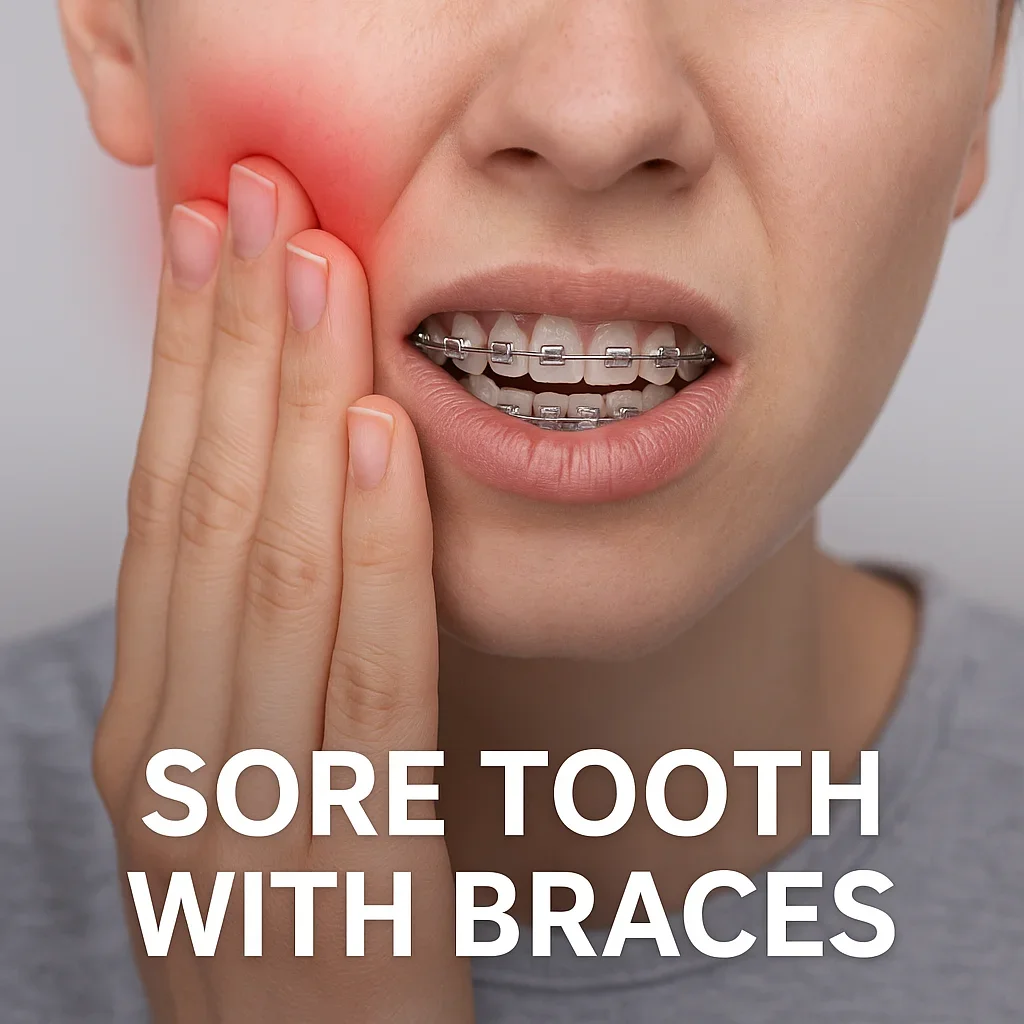
How to Prevent Future Tooth Pain During Orthodontic Treatment
While it’s normal to experience a sore tooth with braces during your orthodontic journey, prevention is the key to minimizing discomfort and ensuring a smoother treatment process. Most pain stems from inflammation, pressure, or irritation caused by braces adjustments — but with proper care, planning, and professional guidance, you can significantly reduce the risk of recurring soreness. In this section, we’ll explore proven preventive techniques to keep your teeth, gums, and braces in optimal condition throughout your treatment.
Understanding Why Tooth Pain Happens
To prevent future soreness, you first need to understand what causes it. Orthodontic pain occurs when braces apply controlled force to move teeth into better alignment. This pressure temporarily compresses the ligaments and surrounding tissues, leading to mild inflammation. A sore tooth with braces becomes more likely when this pressure is uneven or accompanied by other factors such as poor hygiene, hard foods, or gum irritation. By managing these triggers proactively, you can minimize discomfort and speed up recovery after adjustments.
1. Maintain Excellent Oral Hygiene
Good oral hygiene is the foundation of pain prevention. Food particles trapped around brackets and wires can lead to bacterial buildup, gum swelling, and tooth sensitivity. Keeping your mouth clean ensures that your braces can do their job effectively without adding unnecessary irritation.
Daily Oral Care Routine
- Brush after every meal: Use a soft-bristled or orthodontic toothbrush to remove debris gently.
- Floss daily: Use floss threaders or water flossers to reach between teeth and wires.
- Rinse with fluoride mouthwash: Strengthen enamel and reduce plaque that could worsen a sore tooth with braces.
- Replace your toothbrush regularly: Worn-out bristles can irritate your gums instead of cleaning effectively.
Consistent cleaning prevents infections, gum inflammation, and enamel erosion — all of which are common causes of persistent soreness during orthodontic care.
2. Follow a Soft Food Diet After Adjustments
Each time your braces are tightened, your teeth undergo a new phase of pressure adaptation. Eating soft, nutrient-rich foods can significantly reduce the strain on sore areas.
Recommended Foods
- Mashed potatoes, soups, and scrambled eggs
- Yogurt, oatmeal, and smoothies
- Soft pasta, steamed vegetables, and ripe bananas
Avoid hard, sticky, or crunchy foods that can damage brackets and increase soreness. Following a gentle diet for a few days post-adjustment allows your sore tooth with braces to heal faster.
3. Use Orthodontic Wax and Comfort Products
Brackets and wires can sometimes rub against the inner cheeks or gums, causing irritation that intensifies tooth pain. Applying orthodontic wax over rough spots acts as a cushion, protecting your mouth and preventing minor sores from developing. You can also use silicone-based protectors or mouthguards at night if you clench your teeth during sleep.
How to Apply Orthodontic Wax
- Wash your hands thoroughly.
- Dry the bracket or wire with a tissue.
- Pinch off a small piece of wax, roll it into a ball, and press it over the irritating area.
- Replace it as needed, especially after meals.
This simple step can prevent many cases of sore tooth with braces caused by friction or hardware irritation.
4. Schedule Regular Orthodontic Checkups
One of the most effective ways to prevent future pain is through consistent professional monitoring. Orthodontic visits ensure your braces remain properly adjusted and that no hardware has come loose. If left unchecked, a slightly bent wire or unbalanced tension could lead to uneven force distribution and ongoing discomfort.
During each visit, your orthodontist will assess your progress, make necessary adjustments, and offer personalized advice for managing or preventing soreness. If you ever feel discomfort between visits, don’t wait for your next appointment — reach out through the Redent Klinik Contact Page to request a quick evaluation.
5. Manage Pain Immediately After Adjustments
The first 48 hours after a braces adjustment are typically when discomfort peaks. Taking preventive measures during this window helps control inflammation before it worsens.
Effective Strategies
- Cold compresses: Apply ice packs to your cheeks for 10–15 minutes at a time to reduce swelling.
- Over-the-counter pain relievers: Use mild NSAIDs like ibuprofen to ease inflammation (consult your orthodontist first).
- Saltwater rinses: Gargle warm salt water twice a day to soothe irritated tissues.
Taking action early helps you stay ahead of discomfort and prevents your sore tooth with braces from becoming a more persistent issue.
6. Strengthen Teeth and Gums Through Nutrition
Strong teeth and healthy gums are more resistant to pressure-related soreness. Focus on a diet rich in calcium, vitamin D, and antioxidants to support your oral tissues.
Tooth-Friendly Nutrients
- Calcium: Found in milk, cheese, and almonds — helps strengthen enamel.
- Vitamin D: Assists in calcium absorption and reduces inflammation.
- Vitamin C: Essential for gum repair and resistance against infection.
- Omega-3 fatty acids: Present in fish and flaxseeds — proven to reduce gum inflammation.
Balanced nutrition not only supports overall health but also minimizes the frequency and intensity of a sore tooth with braces.
7. Protect Your Mouth During Physical Activities
Accidental bumps to the mouth can dislodge brackets or wires, leading to pain and injury. Always wear a custom-fitted orthodontic mouthguard during sports or activities that carry a risk of facial impact. This protective gear prevents both trauma and unexpected soreness, allowing you to stay active without compromising your treatment.
8. Stay Hydrated for Optimal Comfort
Dry mouth is a common yet overlooked factor that contributes to discomfort during orthodontic treatment. Staying hydrated keeps your oral tissues moist, prevents friction, and promotes saliva flow, which naturally protects your teeth. Water also helps rinse away food debris that could otherwise irritate sore gums or increase the risk of inflammation around brackets.
9. Avoid Bad Habits That Cause Extra Pressure
Habits like nail-biting, pen-chewing, or clenching your jaw can exert unnecessary pressure on your teeth and braces. These behaviors not only increase the risk of broken brackets but also worsen a sore tooth with braces. Try using stress-relief techniques like deep breathing or chewing sugar-free gum (if your orthodontist approves) to avoid putting extra strain on your teeth.
Expert Insight from the American Dental Association
According to the American Dental Association, consistent hygiene, regular checkups, and protective care are the three most important factors in preventing orthodontic pain. The ADA emphasizes avoiding sugary snacks, using fluoride products daily, and maintaining open communication with your orthodontist to address minor discomfort before it becomes severe. Following these evidence-based guidelines ensures your orthodontic experience remains as comfortable and effective as possible.
Final Thoughts
Preventing a sore tooth with braces is all about consistency, awareness, and proactive care. By maintaining excellent oral hygiene, attending regular orthodontic appointments, eating wisely, and protecting your mouth from physical stress, you can significantly reduce discomfort throughout your treatment. Remember — soreness doesn’t have to be a constant part of your braces journey. With the right preventive habits, you’ll enjoy faster progress, healthier gums, and a more comfortable path toward the confident smile you deserve. 😁