
Wearing braces is one of the most effective ways to achieve a straight, beautiful smile 😁 — but many people experience an unexpected side effect during the process: tender teeth braces discomfort. This condition refers to the soreness or tenderness in the teeth and gums that often appears after braces are adjusted or newly installed. While it’s a completely normal part of orthodontic treatment, understanding the reasons behind it and knowing how to manage the pain can make the experience much more comfortable.
When braces apply consistent pressure on your teeth, they initiate a biological process called bone remodeling. The ligaments and bone tissues around each tooth begin to adjust so the teeth can move into their new, aligned positions. This constant, gentle pressure is what makes your teeth feel tender. In most cases, the discomfort peaks within the first 24–48 hours after an adjustment and then gradually subsides over the next few days. However, everyone’s pain threshold and healing response are different, meaning that tender teeth braces sensations can vary from mild sensitivity to noticeable aching.
Aside from mechanical pressure, other factors can make your teeth feel even more sensitive. For instance, inflammation of the gums due to plaque buildup, poor oral hygiene, or irritation caused by wires rubbing against the cheeks can amplify the discomfort. It’s also important to remember that during the early stages of orthodontic treatment, your teeth are in constant motion — meaning your nerves and tissues are adjusting continuously. This is why many patients report recurring tenderness throughout their treatment period.
Fortunately, modern orthodontics offers several solutions to manage tender teeth braces effectively. One of the most recommended methods is using orthodontic wax to cover sharp or protruding parts of the braces that may irritate the inner cheeks and gums. This simple tool can provide instant relief and reduce friction-related pain. Another valuable tip is to rinse your mouth with warm salt water. The saline solution helps soothe inflammation and promote faster healing of sore tissues. In addition, taking over-the-counter pain relievers such as ibuprofen (when approved by your orthodontist) can temporarily ease discomfort.
Temperature therapy is another underrated yet powerful solution 🔥❄️. Alternating between cold and warm compresses can significantly reduce swelling and pain around the jawline. Cold foods like yogurt, smoothies, or ice cream can also help numb the tenderness naturally. However, avoid biting into hard or sticky foods, as this could further irritate your teeth or damage the braces’ brackets. Instead, choose soft foods like mashed potatoes, soups, and steamed vegetables — these are gentle on your mouth and provide necessary nutrition during the healing phase.
In some cases, tenderness might also be linked to gum inflammation or minor infections caused by bacteria trapped around brackets. Maintaining meticulous oral hygiene is crucial here. Use a soft-bristled toothbrush and fluoride toothpaste to clean around each bracket carefully, ensuring no food particles are left behind. Flossing may be challenging but essential. Orthodontic floss threaders or water flossers can make the job much easier without causing additional discomfort. If you’re unsure which tools are best for your needs, don’t hesitate to reach out to your dental care provider for professional advice through the Redent Klinik Contact Page.
It’s worth noting that not all tenderness is normal. If the pain is severe, persistent, or accompanied by swelling or bleeding, this could indicate an underlying issue such as gum disease or a misaligned wire. In such cases, contact your orthodontist immediately. They may adjust your braces or check for other causes of pain. You can also consult trusted dental organizations like the American Dental Association for professional guidance and safety information regarding orthodontic care.
As you progress through your orthodontic journey, your body gradually adapts to the pressure applied by the braces. Over time, you’ll notice that each adjustment becomes less painful than the previous one — a sign that your teeth and bone structure are responding healthily. Regular visits to your orthodontist also ensure that your treatment remains on track and that any issues related to tender teeth braces are promptly addressed. These follow-up appointments are vital for long-term success and for maintaining both function and aesthetics.
To summarize, tender teeth braces discomfort is a natural and temporary part of the tooth-alignment process. By understanding the biological changes occurring in your mouth and applying simple pain management strategies — from saltwater rinses and wax applications to mindful eating habits — you can make the experience far more tolerable. Remember, this short period of discomfort leads to a lifetime of confident smiles 😃. Stay consistent with your oral hygiene, follow your orthodontist’s recommendations, and take comfort in knowing that tenderness means progress!
In the next sections, we’ll explore how long this pain typically lasts, effective home remedies, and professional treatments that can provide additional relief. Whether you’re wearing traditional metal braces or clear aligners, these expert tips will help you manage tender teeth braces like a pro and enjoy your journey toward a perfectly aligned smile.
What Are Tender Teeth Braces and Why Do They Hurt?
When people first get braces, one of the most common experiences they report is a sensation of soreness or pressure in their teeth — commonly known as tender teeth braces discomfort. This tenderness usually begins within hours after the braces are tightened or newly installed and can last for several days. But why exactly does this happen? To fully understand, it’s essential to look at what’s occurring inside your mouth on both a biological and mechanical level.
The Science Behind Tenderness: How Braces Move Teeth 🧬
Braces are designed to apply continuous, gentle pressure on your teeth to gradually move them into ideal alignment. Beneath the surface, your teeth are anchored to the jawbone through tiny fibers called the periodontal ligament. When braces exert pressure, these ligaments compress on one side and stretch on the other. This process triggers bone remodeling — the body’s natural response to mechanical stress — allowing the tooth to slowly shift position. The tenderness you feel during this period is a direct result of this movement. Your nerves are signaling that change is happening, which is why tender teeth braces are both a sign of progress and adaptation.
Additionally, this movement causes an inflammatory response that brings more blood flow to the area, delivering the nutrients needed for bone regeneration. This temporary inflammation is what makes your teeth feel “bruised” or sensitive, particularly when you bite down on food. The discomfort usually peaks between 24–72 hours after adjustment and then subsides naturally.
Common Causes of Pain and Sensitivity
There are multiple reasons why someone might experience discomfort beyond just the pressure from braces. Here are some of the main causes:
1. Bracket and Wire Friction
The brackets and wires can sometimes rub against the inner cheeks, lips, or gums, causing soreness or small ulcers. This is especially common during the first few weeks of wearing braces. Applying orthodontic wax to the affected areas can significantly reduce irritation and prevent additional pain associated with tender teeth braces.
2. Increased Blood Flow and Inflammation
As braces begin to shift teeth, the surrounding gum tissue and ligaments become inflamed. This swelling adds pressure to the teeth and amplifies sensitivity. It’s a natural part of your body’s healing mechanism, much like muscle soreness after a workout 💪.
3. Dietary Factors and Hard Foods
Eating hard, crunchy, or sticky foods can worsen tenderness by stressing the newly adjusted teeth and brackets. Foods like nuts, popcorn, and hard candies should be avoided, as they may damage your braces or prolong the soreness. Instead, soft foods such as yogurt, oatmeal, mashed potatoes, and smoothies help minimize strain and promote healing.
4. Poor Oral Hygiene and Bacterial Growth
When brushing or flossing is neglected, plaque and bacteria accumulate around the brackets, leading to gum inflammation and pain. This not only makes tender teeth braces symptoms worse but can also slow down orthodontic progress. Consistent cleaning is crucial to maintaining both comfort and oral health during treatment.
How Long Does Tenderness Last?
Typically, tenderness after braces tightening lasts about three to five days. During the first day, the discomfort can be sharp, especially while chewing. By the third day, the pain begins to diminish as your teeth adapt to their new positions. For new patients, the first few adjustments might feel more intense, but as your body becomes accustomed to the sensation, the pain level decreases over time. Many orthodontists recommend rinsing with warm salt water or using an ice pack to relieve soreness during this initial adjustment phase.
Emotional and Psychological Factors
While most people focus on the physical pain, the emotional impact of tender teeth braces shouldn’t be overlooked. The frustration of not being able to eat your favorite foods or the constant awareness of discomfort can lead to stress or anxiety. However, understanding that the tenderness is temporary and signals progress can help shift your mindset positively. Patients who remain motivated and informed about the treatment process typically report a better overall experience.
Professional Insight: Why Pain Is Actually a Good Sign ✅
According to orthodontic experts and studies from trusted institutions like the American Dental Association, mild pain and tenderness indicate that your teeth are responding properly to treatment. Without this response, tooth movement would not occur efficiently. Therefore, tender teeth braces serve as confirmation that your braces are doing their job effectively. This biological response ensures that bone remodeling is taking place — a critical process for achieving proper alignment and long-term stability of your bite.
Tips for Managing Pain and Promoting Healing
To ease discomfort, orthodontists often recommend a combination of home care and lifestyle adjustments. Here are proven strategies:
- Rinse with warm salt water two to three times a day to reduce inflammation.
- Use orthodontic wax on brackets that irritate your cheeks or gums.
- Eat soft, non-chewy foods such as soups, scrambled eggs, and smoothies.
- Apply cold compresses externally on the jaw to reduce swelling.
- Maintain excellent oral hygiene with a soft-bristled toothbrush.
In addition, regular visits to your orthodontist allow early detection of any potential complications, such as wires poking the gums or uneven pressure causing excessive pain. You can schedule your next consultation through the Redent Klinik Contact Page to ensure personalized guidance and comfort management.
When Tenderness Becomes a Concern
If your pain persists for more than a week or is accompanied by swelling, bleeding, or fever, these symptoms could point to infection or improper alignment. Always report such issues to your orthodontist immediately. Prolonged tenderness might also indicate that a wire or bracket has shifted out of place. Adjusting these components promptly will restore comfort and prevent further irritation.
In conclusion, tender teeth braces discomfort is a natural reaction to the controlled forces used to align your teeth. While the initial soreness can be frustrating, it’s a crucial sign that your orthodontic treatment is progressing successfully. With proper care, patience, and guidance from professionals, you can manage the discomfort effectively and continue your journey toward a perfectly aligned, confident smile 😃.
How Long Do Tender Teeth Braces Pain Last? 🕒
One of the most frequent questions patients ask after starting orthodontic treatment is, “How long will this soreness last?” The truth is, the duration of discomfort from tender teeth braces varies depending on several biological and mechanical factors. Everyone’s mouth responds differently to the pressure applied by braces, but understanding the general timeline and knowing how to manage each stage can make the experience much more comfortable.
Typical Duration of Tender Teeth After Braces Adjustment
In most cases, tenderness begins within the first few hours after the braces are adjusted or first applied. During the first 24 hours, you’ll notice a dull ache or tightness when biting down or chewing. This happens because your teeth are responding to the new pressure, and the periodontal ligaments surrounding them are slightly inflamed. This initial phase of tender teeth braces pain is temporary — it usually peaks within the first two days and gradually decreases over the next several days. For most patients, the discomfort subsides between three and five days after adjustment.
However, mild sensitivity can linger for up to a week as the teeth continue to move. In some cases, especially with the first adjustment, soreness might last a little longer. As your mouth gets used to the pressure, future adjustments typically cause less pain because your teeth, gums, and ligaments become more adaptable to the movement.
Stages of Tender Teeth Pain and What to Expect
The experience of tender teeth braces discomfort follows a predictable pattern, which can be broken down into several stages:
Stage 1: Initial Tightness (0–24 Hours)
Immediately after your orthodontist tightens your braces, you may feel as if your teeth are being pulled slightly. This sensation is due to the immediate compression of the ligaments around your teeth. At this stage, eating hard or crunchy foods can be difficult. It’s best to stick to soft foods like smoothies, yogurt, or mashed potatoes to avoid additional strain.
Stage 2: Peak Sensitivity (24–72 Hours)
This is typically the most uncomfortable period. Your teeth and gums may feel sore, and you might notice increased sensitivity when brushing or biting. This is when most patients describe a “tender bruising” feeling — hence the term tender teeth braces. Cold compresses and over-the-counter pain relievers (such as ibuprofen) can help manage the pain. During this phase, avoid acidic foods like citrus fruits, as they can further irritate your gums.
Stage 3: Adaptation and Recovery (3–7 Days)
By the third or fourth day, the soreness starts to diminish. Your teeth begin adjusting to their new positions, and inflammation gradually subsides. You can start returning to your normal diet, though you should still be careful with crunchy or sticky foods. Maintaining good oral hygiene is vital during this stage to prevent gum swelling and bacterial buildup, which can worsen sensitivity.
Stage 4: Long-Term Adaptation (1–2 Weeks)
After a week, most patients feel little to no discomfort. The mouth adapts remarkably well to the orthodontic forces. However, tenderness can reappear slightly during subsequent adjustments. Fortunately, the pain tends to be milder each time since your oral tissues become conditioned to the process of realignment.
Factors That Influence Duration of Pain
Not all patients experience tender teeth braces pain for the same amount of time. The following factors play a significant role in how long tenderness lasts:
- Type of braces: Traditional metal braces tend to cause more initial discomfort than ceramic or self-ligating systems because of greater friction and pressure.
- Individual pain tolerance: People with lower pain thresholds may feel tenderness for longer periods.
- Oral hygiene: Poor cleaning habits lead to inflammation and plaque buildup, which prolongs gum sensitivity.
- Diet: Consuming hard or chewy foods too soon after an adjustment can aggravate the pain and delay healing.
- Age and bone density: Younger patients often adapt faster, while adults might experience tenderness slightly longer due to denser bone structures.
How to Shorten the Duration of Tenderness
While you can’t eliminate tender teeth braces pain completely, you can significantly reduce its duration and intensity with consistent care. Orthodontists recommend the following strategies to accelerate recovery:
- Use orthodontic wax: Apply it to brackets or wires that irritate your cheeks or gums.
- Rinse with warm salt water: This natural remedy helps reduce inflammation and promotes healing.
- Eat soft foods: Stick to soups, pasta, scrambled eggs, and smoothies until the pain subsides.
- Massage your gums gently: Improves blood flow and speeds up adaptation.
- Cold therapy: Place an ice pack on your cheeks for 10–15 minutes to numb soreness and reduce swelling.
When Pain Lasts Too Long — Signs to See Your Orthodontist
While tenderness for up to a week is normal, persistent pain beyond 10 days could indicate a problem. Here are some warning signs that require professional attention:
- Severe pain that worsens over time instead of improving
- Swollen or bleeding gums
- Sharp wire or broken bracket irritating the mouth
- Signs of infection, such as fever or pus near the gum line
If you experience any of these symptoms, contact your orthodontist immediately. Timely adjustments or minor repairs can quickly resolve the issue. You can easily reach a specialist through the Redent Klinik Contact Page for expert evaluation and relief options.
Professional Insight: The Role of Inflammation and Healing
The pain from tender teeth braces is primarily caused by inflammation within the periodontal ligament, which plays a vital role in tooth movement. When pressure is applied, the body releases prostaglandins and cytokines — chemical messengers that trigger bone remodeling. As the inflammation subsides and bone adjusts to the new tooth position, the tenderness naturally fades. This process, though uncomfortable, is essential for successful orthodontic correction and long-term results.
According to the American Dental Association, this inflammation is completely normal and signifies healthy biological adaptation. The key is to manage the pain rather than suppress it entirely, as discomfort indicates that the braces are effectively guiding your teeth into alignment.
Final Thoughts on Duration and Management
To summarize, tender teeth braces pain usually lasts between three and seven days after adjustment, with peak discomfort in the first 48 hours. The intensity and duration vary depending on your braces type, oral health, and personal sensitivity. By maintaining gentle oral hygiene, eating wisely, and using simple pain-relief techniques, you can minimize soreness and recover faster. Remember — each moment of tenderness brings you closer to your dream smile 😃. Stay patient, stay consistent, and your perseverance will pay off with a perfectly aligned, confident grin.
Top Home Remedies to Soothe Tender Teeth After Braces
Dealing with tender teeth braces discomfort can be challenging, especially during the first few days after an orthodontic adjustment. While the soreness is temporary and a natural sign that your braces are doing their job, it doesn’t mean you have to suffer through it. Fortunately, there are many safe and effective home remedies that can ease your pain and speed up recovery. From simple natural treatments to easy daily habits, these remedies can make your orthodontic journey more comfortable and stress-free.
1. Warm Salt Water Rinse — A Classic, Effective Solution 🌊
One of the simplest and most effective remedies for soothing tender teeth braces pain is rinsing your mouth with warm salt water. This method helps reduce inflammation, cleans the gums, and promotes faster healing of irritated tissues.
How to Do It:
- Mix half a teaspoon of salt in a glass of warm water.
- Swish it gently around your mouth for 30 seconds.
- Repeat two to three times a day, especially after meals.
The warm temperature soothes the sore areas, while the salt acts as a natural antibacterial agent. It helps keep the mouth clean and prevents infection around the brackets and wires.
2. Cold Compress or Ice Pack for Quick Relief ❄️
Cold therapy is one of the most effective ways to reduce swelling and numb pain caused by tender teeth braces. Applying a cold compress to your cheeks slows down nerve activity, helping to dull the ache and minimize inflammation.
Application Tips:
- Wrap a few ice cubes in a clean cloth or use a store-bought gel ice pack.
- Hold it against the outside of your mouth for 10–15 minutes.
- Repeat several times a day as needed for pain relief.
Alternatively, you can enjoy cold foods like frozen yogurt, smoothies, or sugar-free popsicles for a soothing internal cooling effect. Just avoid biting into frozen items directly, as this could damage brackets or increase sensitivity.
3. Orthodontic Wax to Prevent Gum and Cheek Irritation
When the edges of brackets or wires rub against your inner cheeks or gums, they can cause small ulcers and sore spots. Using orthodontic wax provides a smooth surface that eliminates friction, making a huge difference in your comfort level. Many orthodontists provide this wax for free, and it’s an essential part of your tender teeth braces care routine.
How to Use It:
Simply pinch off a small piece of wax, roll it into a ball, and press it over any sharp or protruding bracket. You can reapply as needed throughout the day. Always remove the wax before eating or brushing your teeth to maintain cleanliness.
4. Over-the-Counter Pain Relief Options 💊
If the discomfort is more intense, you may use mild over-the-counter pain relievers such as ibuprofen or acetaminophen. These medications help reduce inflammation and pain caused by tender teeth braces. Be sure to follow dosage instructions carefully and consult your orthodontist before using any medication regularly.
Some patients also find topical numbing gels (like benzocaine-based products) useful for temporary relief. You can apply these directly to sore gums or inner cheeks using a cotton swab. However, use them sparingly, as overuse may cause tissue irritation.
5. Maintain a Soft Food Diet for the First Few Days 🍲
When your teeth are tender, your diet plays a major role in how quickly you recover. Avoiding hard or sticky foods prevents further stress on your braces and teeth. Instead, stick to soft, nutritious foods that are easy to chew and swallow.
Recommended Foods:
- Soups and broths
- Mashed potatoes or pureed vegetables
- Scrambled eggs and soft pasta
- Oatmeal, smoothies, and yogurt
These foods are gentle on sore teeth and help minimize pain when eating. As your mouth begins to heal, you can slowly reintroduce more textured foods. Always cut solid foods into smaller pieces to make chewing easier.
6. Massage Your Gums to Stimulate Circulation
Massaging your gums with clean fingers or a soft toothbrush can significantly reduce tender teeth braces soreness. This increases blood flow and speeds up the healing process. You can also dip your toothbrush in warm water before brushing to make it more comfortable on sensitive areas.
Massage Technique:
Use gentle, circular motions along the gumline for about 60 seconds per section. Repeat two to three times daily. Over time, this not only reduces pain but also strengthens your gum tissue, making future adjustments less uncomfortable.
7. Use Warm Compresses for Deep Relief
While cold compresses are great for numbing pain, warm compresses are effective for reducing deep tissue stiffness. If your jaw feels tight or sore, applying gentle heat can improve flexibility and comfort.
- Soak a clean cloth in warm water and wring out the excess.
- Apply it to your cheeks for 10 minutes.
- Repeat as needed throughout the day.
Alternating between warm and cold therapy can provide continuous comfort and help manage tender teeth braces pain effectively.
8. Stay Hydrated and Avoid Sugary Drinks 🥤
Hydration is key for oral health. Drinking plenty of water helps flush out bacteria and reduces gum inflammation. On the other hand, sugary or acidic beverages like soda and fruit juices can worsen sensitivity and slow healing. If you drink them occasionally, rinse your mouth with water afterward to neutralize acids and protect your teeth from decay.
9. Herbal Remedies and Natural Soothers 🌿
Certain herbs and natural extracts are known for their pain-relieving and anti-inflammatory properties. For example, clove oil can be applied sparingly to tender areas using a cotton swab — it provides a mild numbing effect. Chamomile tea is another great option; you can drink it warm or use it as a rinse to calm inflamed gums. Aloe vera gel, when applied gently, also helps reduce irritation caused by tender teeth braces.
10. Rest and Patience — The Most Overlooked Remedies
Your body needs time to adjust to the changes braces create. Getting enough sleep and avoiding unnecessary jaw strain can make a huge difference in recovery. Try to limit activities like excessive chewing (gum, fingernails, or ice) and allow your mouth to heal naturally. Remember that tenderness is a temporary phase that signifies positive movement toward alignment.
When to Seek Professional Help
If home remedies don’t ease your discomfort within a week or if the pain worsens, it’s best to consult your orthodontist. Persistent swelling, bleeding, or open sores might indicate an infection or a wire that’s out of place. You can easily reach professional help through the Redent Klinik Contact Page. For general dental health and orthodontic information, you can also refer to the American Dental Association.
Final Thoughts on Natural Pain Relief
In conclusion, managing tender teeth braces discomfort at home is entirely possible with the right combination of natural remedies and good oral care. Saltwater rinses, cold compresses, orthodontic wax, and a soft food diet can drastically reduce pain while promoting healing. Always be gentle with your teeth, maintain hygiene, and trust that each small adjustment brings you closer to your dream smile 😃. The key is consistency and self-care — your patience will soon be rewarded with perfectly aligned, healthy teeth!
Foods to Eat and Avoid When Your Teeth Feel Tender
One of the most crucial yet often overlooked parts of dealing with tender teeth braces is knowing exactly what to eat—and what to avoid. The foods you choose during your orthodontic treatment directly influence both your comfort and the effectiveness of the braces. Eating the wrong type of food can worsen tenderness, damage brackets, and prolong your recovery period, while the right diet can ease soreness and support faster adjustment. Let’s explore in detail the best dietary choices to make your braces journey more comfortable and healthy.
Understanding the Connection Between Food and Tenderness
When braces apply pressure to your teeth, the surrounding gums and ligaments become inflamed, resulting in tenderness and mild pain. During this stage, your teeth are more sensitive to chewing pressure and temperature extremes. Consuming hard, sticky, or crunchy foods can worsen tender teeth braces discomfort, while softer and cooler options help soothe it. Additionally, certain foods can cause buildup of plaque around the brackets, increasing the risk of gum irritation and decay, which can make tenderness even worse.
Best Foods to Eat When You Have Tender Teeth Braces 🥣
The key to eating comfortably during your orthodontic treatment is to choose foods that are soft, nutrient-dense, and easy to chew. These foods reduce pressure on the teeth while still providing the vitamins and minerals your mouth needs for healing and bone health.
1. Soft Fruits and Vegetables
Fruits and vegetables are essential for overall health, but when your teeth are sore, it’s best to opt for softer varieties or cook them to reduce hardness. Examples include:
- Bananas, mangoes, and ripe peaches 🍌
- Steamed carrots, mashed potatoes, and cooked spinach
- Avocados, which are rich in healthy fats and soft in texture
Avoid biting into raw apples, carrots, or corn on the cob, as they can be too hard for tender teeth braces and may even cause bracket damage.
2. Dairy Products and Smooth Textures
Dairy products such as yogurt, milk, and soft cheeses are perfect options because they require minimal chewing and provide calcium for strong teeth. Yogurt, in particular, has a cooling effect that helps reduce inflammation. Smoothies made with milk, protein powder, and fruits can also be a great way to get nutrients while avoiding hard chewing.
3. Protein-Rich Soft Foods
Protein is vital for tissue repair, and tender gums benefit from foods that are both soft and protein-rich. Examples include:
- Scrambled eggs or omelets 🍳
- Soft fish like salmon or tilapia
- Ground turkey or chicken in soups or stews
- Tofu and soft legumes like lentils
These options provide nourishment while being gentle on sensitive teeth. They’re ideal for anyone dealing with tender teeth braces discomfort after an adjustment.
4. Soups and Broths
Soups are comforting, hydrating, and perfect for when your teeth feel sore. Warm (not hot) soups like chicken noodle, vegetable broth, or pumpkin soup can soothe inflammation and are easy to consume without chewing. Just make sure to avoid very hot temperatures, as they may irritate sensitive gums.
5. Pasta, Rice, and Soft Grains
Cooked pasta, rice, couscous, and oatmeal are all gentle on the teeth. These carbohydrates are soft, filling, and provide the energy your body needs to adapt to orthodontic changes. When preparing them, make sure they’re cooked thoroughly to avoid unnecessary pressure on the teeth.
Foods to Avoid with Tender Teeth Braces 🚫
Just as some foods help relieve discomfort, others can make tender teeth braces pain much worse—or even damage your braces entirely. Avoiding these items ensures your treatment remains smooth and your tenderness doesn’t increase.
1. Hard and Crunchy Foods
Hard foods exert pressure on sensitive teeth and can break brackets or wires. Common examples include:
- Nuts, hard candies, and ice cubes
- Raw carrots and apples (unless cut into very small pieces)
- Popcorn kernels, which can get lodged between brackets
These foods are among the biggest culprits for causing prolonged tenderness and mechanical damage to braces.
2. Sticky and Chewy Foods
Sticky foods can pull at the brackets and wires, causing misalignment and extra tension on already sore teeth. Avoid items such as:
- Caramel, toffee, and chewing gum
- Gummy candies and sticky rice cakes
- Dried fruits like dates or raisins
Even though these may seem harmless, they can worsen tender teeth braces symptoms and make cleaning more difficult, leading to further irritation.
3. Acidic and Sugary Foods
Acidic foods (like citrus fruits or vinegar-based sauces) can aggravate gum inflammation. Sugary foods, on the other hand, increase bacterial growth, which can irritate tender gums. Instead, balance your diet with non-acidic, nutrient-rich alternatives like steamed vegetables, cooked grains, and lean proteins.
Temperature Matters: Hot vs. Cold Foods
Temperature sensitivity is common for people experiencing tender teeth braces. Extremely hot or cold foods can cause sharp pain in sensitive teeth. Always let food reach a moderate temperature before eating, and avoid extremes like steaming soups or ice-cold beverages. Opt for lukewarm or mildly cool meals to protect your enamel and soothe your gums.
Tips for Eating Comfortably During Braces Treatment
- Cut food into smaller pieces to minimize chewing effort.
- Use the back teeth for gentle chewing rather than the front ones.
- Rinse your mouth with warm salt water after meals to ease gum soreness.
- Maintain excellent oral hygiene to prevent bacterial buildup that worsens tenderness.
- Drink plenty of water to stay hydrated and wash away food particles.
Professional Advice and Long-Term Habits
As your treatment progresses, your orthodontist may provide personalized advice on diet based on your sensitivity level. Always follow professional instructions and avoid experimenting with foods that could jeopardize your braces. If you experience persistent discomfort or suspect a broken wire or bracket, reach out to your orthodontic specialist through the Redent Klinik Contact Page for expert care. For additional dietary guidelines and oral health standards, visit the American Dental Association.
Final Thoughts: Nourishing Your Smile During Orthodontic Care
Managing tender teeth braces discomfort is as much about smart eating as it is about oral hygiene. By sticking to soft, nutrient-rich foods and avoiding hard, sticky, or acidic options, you can minimize pain and protect your braces. Remember that this tenderness is temporary—it’s simply your teeth adjusting to their new alignment. With mindful eating habits and proper care, you’ll soon enjoy a healthy, beautiful smile that makes every sacrifice worth it 😃.
Professional Dental Treatments for Severe Tenderness
While most cases of tender teeth braces discomfort can be managed with home remedies and patience, some situations require professional dental care. Persistent pain, severe inflammation, or abnormal tenderness may signal that the braces are exerting excessive pressure or that other underlying issues exist, such as gum infection or enamel erosion. Orthodontists and dentists offer a range of targeted treatments to alleviate pain, promote healing, and ensure that your orthodontic progress continues smoothly. This section explores these professional interventions in detail and explains when it’s time to seek expert help.
Understanding When Professional Help Is Needed
Mild discomfort is a normal part of orthodontic treatment, but if your pain is severe, lasts more than 7–10 days, or interferes with daily activities, professional evaluation is essential. Chronic or intense tender teeth braces pain could indicate issues such as wire misplacement, gum infection, or improper bite adjustment. A trained orthodontist can quickly diagnose the cause and apply corrective treatments to restore comfort and prevent long-term complications.
1. Orthodontic Adjustment and Wire Repositioning
One of the most common reasons for persistent tenderness is improper wire tension or positioning. During routine check-ups, your orthodontist may make fine adjustments to reduce excessive pressure on certain teeth. If a wire is poking your cheeks or causing unnecessary strain, it can be clipped, bent, or repositioned immediately. These small corrections often provide instant relief and help balance the force applied by your braces.
Why This Helps:
When the wire is adjusted evenly, the pressure on teeth is distributed properly, minimizing inflammation. Balanced force means your teeth move more predictably and comfortably, reducing episodes of tender teeth braces pain.
2. Fluoride and Desensitizing Treatments
For patients with enamel sensitivity, professional fluoride applications or desensitizing agents can dramatically reduce pain. These treatments strengthen tooth enamel, protecting it against acid attacks and nerve irritation. A dentist might apply fluoride varnish, gel, or foam directly to the teeth to seal microscopic pores that expose sensitive nerve endings.
In-Office and At-Home Options:
- In-office fluoride varnish: Applied directly by your dentist to reduce hypersensitivity.
- Desensitizing toothpaste: Prescribed for daily use to minimize nerve sensitivity over time.
Using these products regularly ensures stronger enamel and fewer episodes of tender teeth braces discomfort during treatment.
3. Orthodontic Wax and Protective Barriers
Even though orthodontic wax is available over the counter, orthodontists can professionally apply or recommend advanced protective gels that last longer. These products form a durable barrier between your braces and soft tissues, preventing irritation from sharp brackets or wires. This is especially helpful if you have ulcers or raw spots on the inside of your cheeks or lips.
4. Laser Therapy for Pain Reduction and Healing 💡
Low-level laser therapy (LLLT), also known as cold laser treatment, is an emerging technique that reduces inflammation and stimulates tissue repair. Orthodontists use it to decrease swelling and pain associated with tender teeth braces. The laser increases blood flow and encourages cellular regeneration, helping your gums and ligaments recover faster after adjustments.
Benefits of Laser Therapy:
- Immediate reduction in pain intensity
- Accelerated tissue healing and reduced swelling
- Non-invasive and completely painless procedure
This modern treatment is gaining popularity because it provides instant relief without medication and can be completed in a few minutes during a regular visit.
5. Orthodontic Bite Adjustments
Sometimes, tender teeth braces pain can be traced to an uneven bite. When teeth are not aligned correctly, certain areas bear more pressure, leading to soreness. Orthodontists can make small bite adjustments to balance the occlusion (the way your teeth meet) and relieve pressure from the overworked teeth. This procedure ensures that your teeth move harmoniously, preventing localized pain and discomfort.
6. Deep Cleaning and Gum Care Treatments 🦷
Plaque buildup and gum inflammation can worsen tenderness. If standard brushing and flossing aren’t enough, your dentist may recommend a professional cleaning. This process removes hardened plaque (tartar) around the brackets and gumline, reducing infection risk. In cases of advanced gum irritation, a deep cleaning procedure known as “scaling and root planing” may be necessary. This thorough treatment cleans below the gumline, helping gums reattach to teeth and alleviating pain related to inflammation.
7. Prescribed Anti-Inflammatory or Pain-Relief Medications
In severe cases of tender teeth braces pain, your dentist might prescribe stronger anti-inflammatory medications or medicated mouth rinses. These help control swelling, reduce bacterial buildup, and promote healing. Mouthwashes containing chlorhexidine or hydrogen peroxide are often used to kill bacteria and soothe irritated tissues. For persistent nerve sensitivity, your orthodontist may recommend a short-term course of prescription-strength analgesics under supervision.
8. Custom Mouthguards and Comfort Shields
For patients who grind their teeth (a condition called bruxism), the constant pressure can intensify soreness. In such cases, orthodontists may provide custom-made mouthguards or soft silicone comfort shields to wear at night. These devices reduce pressure, protect the braces from damage, and significantly ease tender teeth braces discomfort during sleep.
9. Orthodontic Follow-Ups and Monitoring
Routine follow-ups are critical for monitoring your progress and preventing complications. Orthodontists can detect early signs of problems—such as misaligned wires, broken brackets, or unusual gum swelling—that may cause or worsen tenderness. By addressing these issues proactively, you can avoid prolonged pain and ensure that your braces continue to work efficiently. If tenderness persists or worsens, you can schedule an appointment through the Redent Klinik Contact Page for immediate evaluation and assistance.
10. When to Seek Urgent Care
While mild soreness is expected, certain symptoms require urgent dental attention. Contact your orthodontist immediately if you experience any of the following:
- Severe, persistent pain lasting longer than 10 days
- Bleeding gums or pus around the braces
- Broken or loose brackets and wires
- Difficulty eating or speaking due to excessive pain
Delaying treatment can lead to infection, longer recovery times, and even setbacks in your orthodontic progress. Early intervention ensures that your braces remain effective and your oral health stays intact.
Professional Guidance from Trusted Organizations
According to the American Dental Association, professional management of orthodontic pain should always begin with a thorough examination to identify the root cause. Orthodontists follow evidence-based protocols that prioritize patient comfort without compromising treatment goals. Seeking expert care early prevents minor issues from escalating into major complications, helping you achieve a pain-free orthodontic experience.
Final Thoughts on Professional Care
While home remedies are effective for mild cases, severe or persistent tender teeth braces pain deserves professional attention. Modern dental care offers a wide range of solutions—from laser therapy and fluoride applications to bite adjustments and deep cleanings—that can quickly restore comfort and keep your treatment on track. Remember, ongoing tenderness isn’t something you should “just live with.” With the help of your orthodontist, you can ensure a smoother, healthier, and more comfortable braces journey. Always trust your dental team and communicate any changes or discomfort promptly to achieve the best possible results 😃.
When to See Your Orthodontist for Tender Teeth Pain
Feeling soreness after an adjustment is a normal part of wearing braces — but sometimes, the pain can signal that something else is going on. Knowing when to seek professional help is crucial to avoid complications and maintain your progress. While mild tenderness is expected, persistent or worsening tender teeth braces pain can point to alignment issues, infection, or problems with your oral hygiene routine. Understanding the warning signs and knowing when to visit your orthodontist ensures your treatment stays safe, effective, and comfortable.
Recognizing Normal vs. Abnormal Tenderness
After every adjustment, your teeth and gums undergo slight inflammation as they adapt to new pressure. This type of tender teeth braces soreness typically lasts 3–5 days and improves gradually. It’s usually mild and can be managed with home remedies like saltwater rinses, cold compresses, and soft foods. However, if the pain becomes sharp, persistent, or radiates to your jaw or ears, it could indicate a deeper issue that requires professional attention.
Normal Symptoms Include:
- Mild soreness when biting or chewing
- Gum tenderness around recently moved teeth
- Temporary sensitivity to temperature changes
Abnormal Symptoms That Require an Orthodontist Visit:
- Severe or throbbing pain that lasts longer than a week
- Swelling, bleeding, or visible infection around brackets
- A broken or protruding wire cutting your cheek or gums
- Loosened brackets or a displaced archwire
- Difficulty opening your mouth or speaking due to pain
If any of these issues occur, it’s important to schedule a check-up as soon as possible. Ignoring them could prolong discomfort, disrupt tooth movement, and even damage the gums or enamel.
Common Orthodontic Problems That Cause Excessive Pain
Several specific conditions can lead to heightened tender teeth braces discomfort. Your orthodontist can identify and treat these issues before they become serious.
1. Broken or Misaligned Wires
Even a small wire poking your cheek or gum can cause intense irritation. This can lead to small cuts or ulcers that make your entire mouth feel sore. Orthodontists can trim or reposition the wire to stop the irritation immediately, restoring comfort.
2. Loose Brackets or Bands
If a bracket comes loose, it may tug at the wire or shift the pressure unevenly, causing pain in certain areas. This is a common cause of localized tender teeth braces pain. Your orthodontist can reattach or replace the bracket easily during a short appointment.
3. Gum Inflammation or Infection
Poor cleaning habits can lead to plaque buildup around the brackets, resulting in gum inflammation (gingivitis). Inflamed gums swell and press against your teeth, amplifying the discomfort you already feel from the braces. Professional cleaning and improved hygiene habits are essential to solve this problem.
4. Over-Tightened Wires or Rubber Bands
Braces rely on consistent but gentle pressure. If a wire or elastic is too tight, the pressure can exceed what your teeth and gums can comfortably handle. Orthodontists can detect and adjust this imbalance to relieve excess strain and reduce tender teeth braces pain instantly.
5. Tooth Movement at Different Speeds
Not all teeth move at the same rate. Some may resist movement, leading to uneven pressure that can cause tenderness in specific spots. Your orthodontist can adjust the configuration to ensure even pressure distribution and smoother alignment progression.
How Orthodontists Diagnose the Cause of Pain 🩺
When you visit your orthodontist for pain, the first step is a thorough examination. This may include:
- Visual inspection of your brackets and wires
- Checking for signs of infection, swelling, or gum irritation
- Reviewing your bite alignment and tooth movement
- Asking about your cleaning routine and dietary habits
In some cases, your orthodontist may take X-rays to evaluate the bone and root structure. This ensures that your teeth are moving correctly and that no deeper issues (like root resorption) are contributing to your discomfort. Based on findings, they’ll recommend targeted solutions to relieve tender teeth braces soreness effectively.
Professional Treatments for Persistent Tenderness
If your orthodontist determines that your pain is beyond the normal range, they may offer one or more of the following solutions:
- Wire adjustments: Repositioning or trimming wires to remove pressure points.
- Bracket repairs: Reattaching or replacing broken brackets to restore balance.
- Fluoride treatments: Strengthening enamel to reduce sensitivity.
- Laser therapy: Reducing inflammation and accelerating healing.
- Desensitizing pastes: Blocking nerve signals to minimize soreness.
These interventions are designed to restore comfort while maintaining the effectiveness of your braces treatment. In most cases, relief is noticeable within a few hours to a day.
Preventive Measures to Avoid Future Tenderness
Your orthodontist will also guide you on preventive strategies to reduce recurring pain. Following their advice can make a huge difference in your long-term comfort.
Essential Preventive Steps:
- Brush and floss carefully to prevent gum inflammation.
- Use orthodontic wax to shield sensitive areas.
- Stick to soft foods during adjustment periods.
- Attend every scheduled appointment to ensure timely adjustments.
- Use saltwater rinses to promote gum healing and reduce swelling.
Staying proactive helps keep your mouth healthy and minimizes the chances of future tender teeth braces discomfort.
When to Contact Your Orthodontist Immediately
There are certain situations where waiting for your next routine appointment is not advisable. Contact your orthodontist right away if you experience:
- Intense or spreading jaw pain
- Swollen cheeks or signs of infection
- Broken wires causing cuts in your mouth
- Teeth that feel excessively loose or wobbly
- Pain that disrupts sleep or eating
Delaying treatment in these cases can worsen the condition. Immediate professional care ensures your braces continue to function properly and your mouth heals faster.
How to Communicate Pain Effectively to Your Orthodontist
When visiting your orthodontist, describe your symptoms as accurately as possible. Mention when the pain began, what triggers it (eating, brushing, or talking), and how intense it feels on a scale from 1 to 10. Providing these details helps your orthodontist diagnose the issue quickly and tailor the most effective solution. You can also contact your provider online through the Redent Klinik Contact Page to describe your situation and request an urgent appointment if necessary.
Expert Advice and Reliable Resources
For trustworthy information about braces care, tooth sensitivity, and pain management, refer to the American Dental Association. They provide detailed guidance on maintaining oral health during orthodontic treatment and explain the biological reasons behind sensitivity and tenderness.
Final Thoughts: Don’t Ignore Persistent Tenderness
To sum up, tender teeth braces pain is a common and manageable part of the orthodontic process. However, if the pain is severe or long-lasting, it’s a signal that something needs professional attention. Regular communication with your orthodontist, proper oral hygiene, and following care instructions are the best ways to ensure a pain-free treatment. Remember — orthodontic care is a partnership between you and your specialist. By acting promptly and maintaining good habits, you’ll not only minimize discomfort but also accelerate your journey to a healthier, perfectly aligned smile 😁.
How to Brush and Floss Safely with Tender Teeth Braces
One of the biggest challenges people face while wearing braces — especially when dealing with tender teeth braces — is maintaining proper oral hygiene without worsening the discomfort. Cleaning your teeth might feel intimidating when they’re sore, but skipping proper brushing or flossing can lead to plaque buildup, gum inflammation, and even cavities. The key is to clean effectively while being gentle enough not to aggravate the tenderness. In this section, we’ll explore dentist-approved techniques, tools, and tips to help you brush and floss safely while managing pain.
Understanding the Importance of Oral Hygiene During Tenderness
Braces create multiple tiny spaces where food particles and bacteria can hide. When your teeth are tender, it’s tempting to brush quickly or less frequently, but neglecting oral hygiene can make soreness worse. Plaque accumulation around brackets causes inflammation in the gums and can even slow down the tooth movement process. Keeping your mouth clean ensures faster healing and helps reduce the severity of tender teeth braces discomfort.
According to the American Dental Association, brushing twice daily and flossing at least once per day are essential for anyone undergoing orthodontic treatment. The right tools and techniques make this process both effective and comfortable.
Choosing the Right Toothbrush for Tender Teeth
When you’re experiencing tender teeth braces pain, your toothbrush choice matters more than ever. Hard bristles can irritate gums and make the tenderness worse. Instead, opt for a soft or ultra-soft bristle toothbrush that can clean effectively without causing additional pain. An electric toothbrush is also a great investment, as it delivers consistent, gentle pressure and reaches tight areas around the brackets more easily.
Tips for Brushing with Tender Teeth:
- Use small, circular motions instead of aggressive back-and-forth scrubbing.
- Hold the brush at a 45-degree angle to clean above and below the braces’ brackets.
- Brush for at least two minutes, focusing on one quadrant of the mouth at a time.
- Soak your toothbrush in warm water before brushing to make bristles even softer.
- Use a fluoride toothpaste to strengthen enamel and reduce sensitivity.
Consistency is crucial. Even if your teeth feel sore, brushing gently twice a day helps prevent bacteria buildup and keeps your gums healthy during the adjustment period.
Flossing with Braces: Techniques That Reduce Pain
Flossing can feel tricky and uncomfortable with braces, but it’s absolutely essential to avoid gum disease and tooth decay. When you have tender teeth braces, using the right tools makes a huge difference. Traditional floss can get tangled around wires, so orthodontists often recommend floss threaders, interdental brushes, or water flossers.
1. Floss Threaders
A floss threader works like a small plastic needle that helps you guide dental floss under the archwire. Once the floss is in place, gently slide it up and down along the sides of each tooth. Avoid snapping it into your gums — instead, move slowly and with control to prevent pain or irritation.
2. Water Flossers (Oral Irrigators)
Water flossers are game changers for patients dealing with tender teeth braces. These devices use a gentle stream of water to remove food particles and plaque from between teeth and around brackets. They’re painless and highly effective, especially when sensitivity makes traditional flossing difficult. Most orthodontists recommend using warm water in your flosser during times of heightened tenderness for added comfort.
3. Interdental Brushes
Interdental brushes are tiny cylindrical brushes designed to fit between braces and teeth. They can remove plaque from areas a regular toothbrush might miss. Always choose a soft, small-sized brush and move it gently around the wires without forcing it into tight spaces.
Rinsing for Pain Relief and Cleanliness 🦷
In addition to brushing and flossing, rinsing your mouth plays a vital role in oral care during tender teeth braces treatment. Warm saltwater rinses help reduce swelling and kill bacteria. Simply mix half a teaspoon of salt in a cup of warm water and swish for 30 seconds twice daily. You can also use fluoride mouthwashes to strengthen enamel and prevent decay.
For those experiencing severe tenderness, alcohol-free mouthwashes are highly recommended since they are gentler on sensitive gums. Look for rinses containing aloe vera or chamomile extracts for additional soothing benefits.
How to Manage Pain During Brushing and Flossing
If your teeth are extremely sore, these small adjustments can make cleaning more manageable:
- Rinse your mouth with warm water before brushing to relax gum tissues.
- Take mild pain relief (if prescribed by your dentist) 30 minutes before cleaning.
- Use orthodontic wax on brackets that irritate the inner cheeks or lips.
- Brush with gentle circular motions, avoiding direct pressure on tender spots.
Remember: skipping cleaning sessions to avoid discomfort only worsens tender teeth braces pain over time, as trapped food and bacteria increase inflammation.
Professional Cleaning During Braces Treatment
Even with excellent home care, professional cleanings are vital during orthodontic treatment. Your dentist or hygienist uses specialized instruments to clean around brackets and under wires where regular brushing can’t reach. Regular professional cleaning every 3–6 months helps prevent gum disease and keeps your teeth strong throughout your tender teeth braces journey.
If you experience persistent pain or bleeding while brushing or flossing, contact your orthodontist immediately. It could indicate gingivitis, enamel erosion, or improper alignment. You can conveniently book an appointment through the Redent Klinik Contact Page to receive a professional assessment and personalized care plan.
Expert Recommendations for Long-Term Oral Health
Experts recommend replacing your toothbrush every 3 months or sooner if the bristles wear out due to frequent use. Keeping your tools clean is equally important — rinse your toothbrush thoroughly after each use and let it air dry. For water flossers, clean the nozzle regularly to prevent bacterial buildup. Following these habits ensures your mouth stays fresh, clean, and free of pain even during adjustment periods.
Final Thoughts: Clean Teeth, Comfortable Smile 😁
Maintaining oral hygiene with tender teeth braces might feel daunting, but it’s a critical part of ensuring a healthy, beautiful outcome. By using gentle tools, proper brushing techniques, and pain-relief methods, you can keep your teeth clean without increasing discomfort. Think of brushing and flossing not as chores but as essential steps toward achieving your dream smile. With patience, consistency, and professional guidance, you’ll keep tenderness under control and enjoy the rewarding results of your orthodontic journey with confidence and comfort.
Home Remedies and Comfort Tips for Tender Teeth Braces
Experiencing soreness from tender teeth braces can be frustrating, especially during the first few weeks of wearing them or after adjustments. The good news is that you can relieve this discomfort with a combination of natural remedies, at-home care strategies, and mindful habits. Understanding how to soothe your mouth without disrupting orthodontic progress helps you feel more comfortable and confident during treatment. This section explores the most effective, dentist-approved home remedies for managing tenderness while ensuring your braces continue to work efficiently.
Understanding the Root Cause of Tenderness
Tenderness occurs because braces apply continuous, gentle pressure to shift your teeth into their ideal positions. This pressure affects the ligaments and bones that hold the teeth, leading to temporary soreness. Additionally, brackets and wires can irritate the inside of your cheeks or gums, especially when new. Proper care and home remedies can minimize this discomfort and keep your tender teeth braces journey pain-free.
Effective Home Remedies for Relieving Tenderness
1. Warm Saltwater Rinses 🧂
One of the simplest and most effective ways to relieve pain is with a warm saltwater rinse. Salt acts as a natural antiseptic and helps reduce inflammation and swelling in the gums. To prepare:
- Mix half a teaspoon of salt in a glass of warm water.
- Swish gently for 30 seconds before spitting it out.
- Repeat 2–3 times per day, especially after meals.
This gentle rinse cleanses your mouth and promotes healing without irritating sensitive tissues — perfect for those dealing with tender teeth braces.
2. Cold Compress or Ice Pack Therapy ❄️
Cold temperature naturally numbs the nerves and reduces swelling. Applying an ice pack to your cheeks can provide immediate relief from tender teeth braces pain. Wrap ice cubes in a clean cloth or use a gel-based compress and hold it against the affected area for 10–15 minutes. Repeat as needed throughout the day. Avoid direct contact of ice with your skin or gums to prevent damage.
3. Over-the-Counter Pain Relief
If natural remedies are not enough, mild over-the-counter pain relievers like ibuprofen or acetaminophen can help manage inflammation. Always follow the recommended dosage and consult your orthodontist before taking medication, especially if you have allergies or underlying conditions. These medications are particularly helpful after tightening appointments when tenderness peaks.
4. Orthodontic Wax for Irritated Areas
Orthodontic wax is one of the best ways to protect your cheeks and lips from bracket irritation. Simply roll a small piece of wax between your fingers and place it over any rough or protruding part of your braces. It acts as a cushion, reducing friction and pain. This quick fix can make a huge difference, especially when your mouth is adjusting to new wires or brackets. Many patients use it regularly to prevent worsening of tender teeth braces discomfort.
5. Soft Foods for Faster Recovery
When your teeth are sore, eating hard or sticky foods can worsen the pain. Opt for soft, nutrient-rich meals such as mashed potatoes, smoothies, yogurt, and oatmeal. These options require minimal chewing and still provide essential vitamins for healing. You can also enjoy soups and broths that soothe your mouth while providing hydration. Avoid biting directly into hard foods like apples or carrots; instead, cut them into small pieces or cook them until soft.
6. Aloe Vera Gel and Natural Soothing Agents 🌿
Aloe vera has powerful anti-inflammatory and healing properties. Applying a small amount of aloe vera gel (pure and food-grade) to irritated gums can reduce swelling and promote faster healing. Some patients also find relief using chamomile tea bags — simply steep one, let it cool, and place it on the sore area for several minutes. These natural remedies are gentle yet effective for tender teeth braces discomfort.
7. Warm Compress for Muscle Relief
If your jaw feels tight or sore from braces, a warm compress can help relax the muscles. Use a heating pad wrapped in a towel or soak a cloth in warm water, then press it gently against your cheeks or jawline for 10–15 minutes. This helps improve blood circulation and ease stiffness caused by tension or inflammation.
Daily Habits That Help Prevent Tenderness
While home remedies can provide relief, long-term comfort depends on consistent care habits. Incorporating these practices into your daily routine will minimize recurring soreness and help your mouth adapt faster.
- Maintain excellent oral hygiene: Brush gently twice a day and floss carefully to avoid infection-induced tenderness.
- Stay hydrated: Drink plenty of water to keep your mouth moist and reduce bacterial buildup.
- Use orthodontic mouth rinses: Alcohol-free rinses with fluoride help protect enamel and soothe gums.
- Massage your gums: Use a clean finger or soft toothbrush to stimulate circulation in sore areas.
- Avoid acidic foods: Citrus and spicy foods can irritate sensitive tissues, worsening tender teeth braces pain.
Holistic Approaches to Pain Relief
For those seeking natural alternatives, certain holistic methods can complement your braces care routine:
- Clove oil: Dab a tiny drop (diluted with a carrier oil) on sore gums to numb pain naturally.
- Green tea rinse: Green tea’s antioxidants help reduce gum inflammation and fight bacteria.
- Cold milk: Drinking milk helps neutralize acids, strengthens enamel, and soothes tender teeth braces sensitivity.
Creating a Comfort Routine During Braces Treatment
Comfort care should become part of your daily braces routine. Start your day by brushing with a soft-bristled brush, rinsing with warm saltwater, and finishing with fluoride mouthwash. Throughout the day, keep orthodontic wax handy and avoid chewing hard snacks. Before bed, rinse again and apply a warm compress if your jaw feels tight. These small but consistent actions create a noticeable improvement in tenderness and overall oral comfort.
When Home Remedies Aren’t Enough
While most tenderness fades within a few days, persistent pain may require professional attention. If you notice bleeding gums, severe swelling, or pain lasting longer than 10 days, it’s time to visit your orthodontist. They can determine whether your braces need adjustment or if an infection is present. You can schedule an appointment conveniently through the Redent Klinik Contact Page to receive personalized care and expert recommendations.
Expert Tips from Dental Professionals 🦷
Orthodontists emphasize the importance of balancing relief with oral health. Using painkillers too frequently can mask underlying issues, while neglecting hygiene can increase discomfort. Instead, rely on safe, proven techniques like saltwater rinses, proper diet, and wax protection. For detailed guidance on safe dental care practices, consult resources from the American Dental Association, which outlines evidence-based strategies for managing braces discomfort effectively.
Final Thoughts: Gentle Care for a Beautiful Smile 😃
Living with tender teeth braces doesn’t have to mean constant pain. With simple home remedies, mindful hygiene, and consistent care, you can ease discomfort and help your teeth adjust faster. Remember, the tenderness you feel is a sign of progress — your teeth are moving toward a healthier, more confident smile. By treating your mouth with care and patience, you’ll make your orthodontic journey smoother and more rewarding, one gentle step at a time.
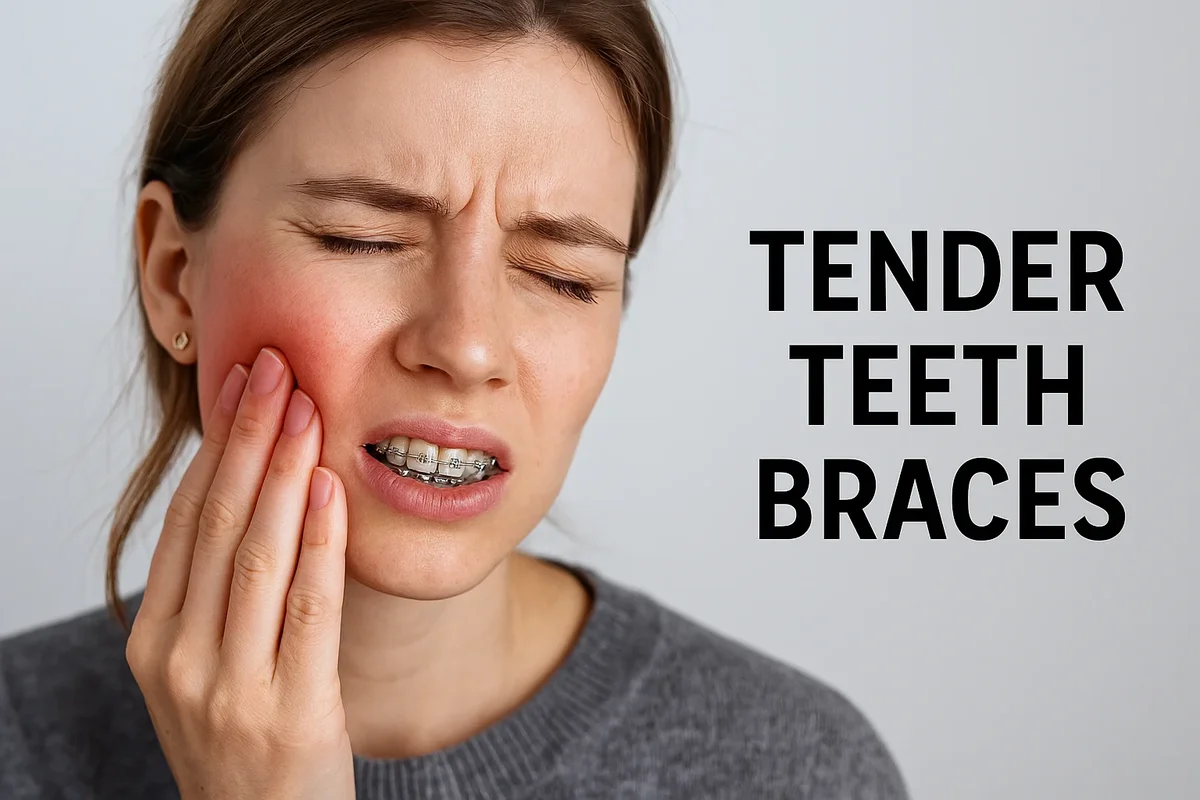
Long-Term Care and Prevention Tips for Tender Teeth Braces
Successfully managing tender teeth braces is not only about short-term pain relief — it’s about adopting consistent, long-term care habits that ensure your teeth and gums stay healthy throughout your orthodontic journey. Over time, proper maintenance reduces sensitivity, speeds up alignment, and helps you avoid future tenderness. This comprehensive guide covers the best long-term strategies, daily care practices, and lifestyle adjustments that make your braces experience smoother, more comfortable, and more effective.
Understanding Long-Term Tenderness During Orthodontic Treatment
While most tenderness occurs right after an adjustment, some individuals experience recurring discomfort due to poor hygiene, diet, or stress on certain teeth. Chronic tender teeth braces pain often stems from minor but consistent issues such as plaque accumulation, irregular eating habits, or skipped orthodontic appointments. The good news? These can be completely avoided with proper care routines and awareness of what causes sensitivity over time.
Why Long-Term Care Matters:
- Prevents enamel erosion and gum inflammation that cause tenderness.
- Ensures faster, more efficient tooth movement.
- Reduces orthodontic emergencies like loose brackets or wires.
- Improves overall oral health and maintains fresh breath.
Long-term care is about prevention — not reaction. Addressing small issues early keeps your smile healthy and minimizes discomfort from tender teeth braces.
Establishing a Consistent Oral Hygiene Routine 🪥
Consistency is the cornerstone of effective braces care. Over time, plaque and food debris can irritate gums, leading to persistent tenderness. To prevent this, maintain a strict cleaning routine tailored to braces wearers.
Daily Routine for Long-Term Comfort:
- Brush after every meal: Use a soft-bristled toothbrush and fluoride toothpaste to clean around brackets and wires.
- Use interdental brushes: These small brushes reach under wires and between brackets where normal brushes can’t.
- Floss nightly: Floss threaders or water flossers remove food particles that cause gum inflammation and tenderness.
- Rinse with fluoride mouthwash: This strengthens enamel and reduces the risk of decay that can worsen tender teeth braces pain.
It’s essential to clean your braces system thoroughly at least twice a day — morning and night — to keep your teeth healthy and your gums calm.
Nutrition for Stronger Teeth and Reduced Sensitivity
Long-term comfort is also heavily influenced by your diet. Certain foods can either support your braces journey or make tender teeth braces pain worse. Focus on nutrient-dense, tooth-friendly options that strengthen enamel and promote gum health.
Foods That Support Oral Health:
- Calcium-rich foods like yogurt, cheese, and milk strengthen tooth enamel.
- Vitamin C-rich fruits (like oranges and kiwis) promote gum healing — but consume them in moderation to avoid acidity.
- Leafy greens and soft-cooked vegetables boost gum health and provide antioxidants.
- Protein sources like eggs, soft fish, and tofu aid tissue repair.
Foods to Limit or Avoid:
- Hard and sticky foods that can damage brackets and worsen tenderness.
- Sugary snacks that promote bacterial growth and gum irritation.
- Acidic drinks like soda and citrus juices that erode enamel.
Adopting a braces-friendly diet ensures less pressure on your teeth and minimizes soreness. It’s an essential preventive measure for maintaining long-term comfort during orthodontic treatment.
Scheduling Regular Orthodontic Visits
Routine orthodontic check-ups every 4–6 weeks are vital to keep your treatment progressing smoothly. These appointments allow your orthodontist to make precise adjustments and identify potential causes of ongoing tender teeth braces discomfort early. Skipping or delaying visits can result in uneven tension, prolonged pain, and even treatment delays.
During these visits, your orthodontist will:
- Check for loose brackets, wires, or bands.
- Assess gum and enamel health.
- Perform adjustments gradually to minimize future tenderness.
- Offer advice on oral hygiene and comfort management.
If you ever experience persistent pain between appointments, you can quickly contact your care provider through the Redent Klinik Contact Page for professional guidance.
Managing Lifestyle Factors That Affect Sensitivity
Long-term tender teeth braces sensitivity isn’t always caused by mechanical pressure. Lifestyle factors — such as stress, poor sleep, or dehydration — can also heighten your perception of pain. Stress, for instance, can lead to teeth grinding (bruxism), putting additional strain on braces. Practicing relaxation techniques like deep breathing or gentle jaw stretches can alleviate this tension and improve comfort over time.
Helpful Lifestyle Adjustments:
- Stay hydrated: Dry mouth increases sensitivity and bacterial buildup.
- Avoid grinding or clenching: Use a soft mouthguard if necessary to protect against pressure.
- Sleep well: Adequate rest supports tissue healing and pain recovery.
- Practice mindfulness: Managing stress reduces inflammation and helps you adapt to orthodontic changes more easily.
Protecting Your Braces During Physical Activity
If you play contact sports or engage in physical activities, wearing a custom mouthguard is essential. These protective devices prevent impact injuries that can cause tender teeth braces and damage your orthodontic setup. Orthodontists can create custom-fit mouthguards that fit comfortably over your braces and provide optimal protection without restricting breathing or speech.
Long-Term Use of Pain Relief and Oral Care Products
Even after months of treatment, occasional tenderness is normal after adjustments. Having a few go-to care products can make long-term management easier:
- Orthodontic wax: Prevents irritation from brackets and wires.
- Desensitizing toothpaste: Reduces enamel sensitivity during prolonged treatment.
- Antibacterial mouthwash: Keeps gums healthy and inflammation-free.
- Cold compress: Eases temporary soreness after wire tightening sessions.
Consult your orthodontist before starting any new oral care product, as certain ingredients may not be compatible with your treatment plan.
Maintaining Results After Braces Removal 🦷
Once your braces are removed, you may still experience mild tender teeth braces sensations as your teeth stabilize in their new positions. To prevent relapse, follow your orthodontist’s post-treatment recommendations carefully — this usually includes wearing retainers. Clean your retainers regularly, maintain excellent oral hygiene, and continue routine dental visits to preserve your perfect smile.
Expert Guidance and Reliable Resources
For detailed, evidence-based orthodontic care recommendations, visit the American Dental Association. They provide comprehensive resources on braces maintenance, enamel protection, and long-term sensitivity management. Pairing these guidelines with your orthodontist’s instructions ensures your teeth remain healthy, pain-free, and well-aligned for years to come.
Final Thoughts: Your Journey to a Pain-Free Smile 😁
Long-term success with tender teeth braces depends on consistent care, good hygiene, and regular professional monitoring. By brushing properly, eating wisely, staying hydrated, and addressing discomfort promptly, you can maintain both comfort and progress. Remember, orthodontic tenderness is temporary — but the results are permanent. With patience, diligence, and the right support, you’ll enjoy a radiant, healthy smile that lasts a lifetime.