
Losing multiple teeth can affect far more than just your appearance. It can change how you chew, speak, and even how confident you feel in social situations. If you are searching for a stable, long-term solution, bridge dental implants may be exactly what you need. Unlike removable dentures or traditional tooth-supported bridges, bridge dental implants provide a fixed, natural-looking replacement anchored securely into the jawbone. This comprehensive guide explains everything you need to know about bridge dental implants, how they work, and why they are considered one of the most reliable modern dental solutions. 😊
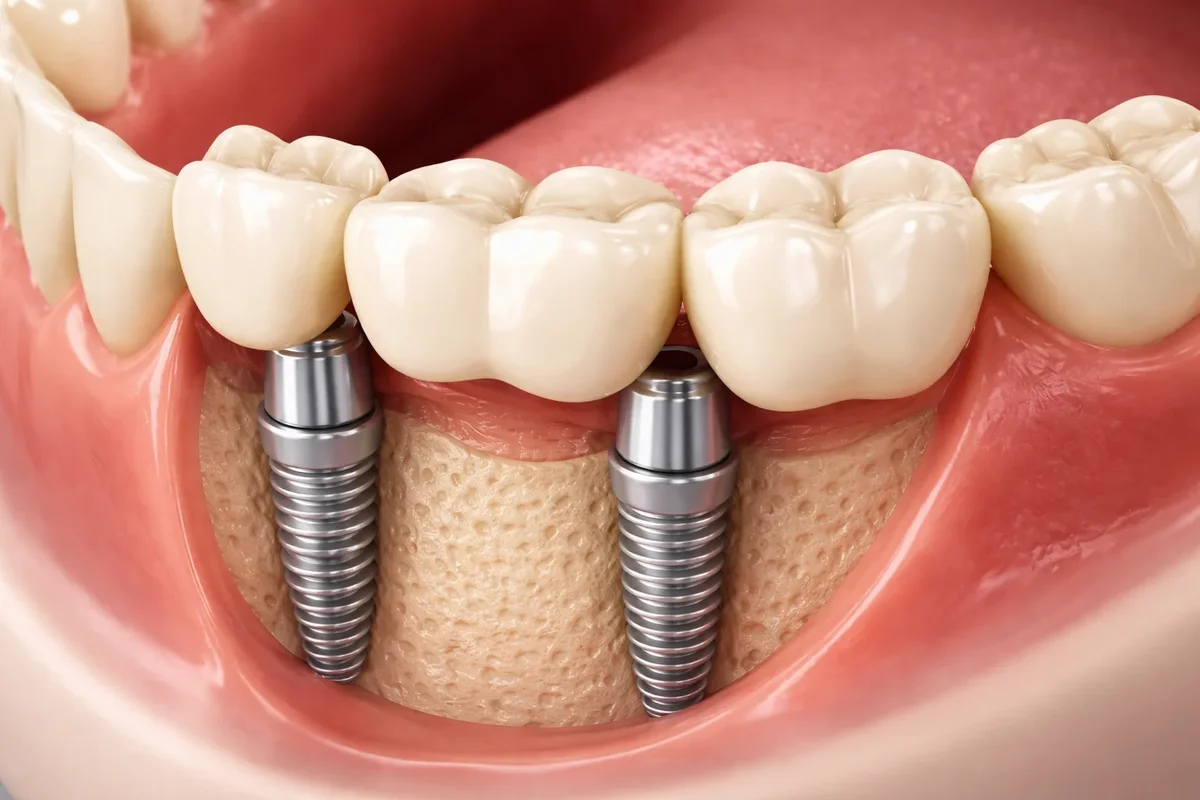
Bridge dental implants are designed specifically for patients who have lost two or more consecutive teeth. Instead of placing a single implant for each missing tooth, dentists strategically insert two or more titanium implants into the jawbone. These implants act as artificial tooth roots. A custom-made bridge (a row of connected crowns) is then attached to these implants, restoring both function and aesthetics. This approach reduces the number of implants required while still delivering excellent strength and stability.
One of the main reasons bridge dental implants are so popular is their ability to preserve jawbone health. When teeth are missing, the bone in that area begins to shrink over time because it no longer receives stimulation from natural tooth roots. Bridge dental implants prevent this bone loss by mimicking the function of real roots. The titanium posts fuse with the jawbone through a biological process called osseointegration. This fusion creates a strong foundation that supports the dental bridge securely for many years.
Compared to traditional bridges, bridge dental implants do not rely on adjacent natural teeth for support. In a conventional bridge, nearby teeth must be shaved down to hold crowns that anchor the bridge in place. This can weaken otherwise healthy teeth. With bridge dental implants, the surrounding teeth remain untouched, preserving your natural oral structure and long-term dental health.
Another key advantage of bridge dental implants is their natural appearance. The crowns placed on top are custom-designed to match the color, shape, and size of your existing teeth. When properly placed by an experienced implant dentist, bridge dental implants blend seamlessly into your smile. Most people will not even notice you have had dental work done. 😁
Functionality is equally important. Patients often report that bridge dental implants feel just like natural teeth. You can eat your favorite foods, speak clearly, and smile confidently without worrying about slipping or discomfort. Unlike removable dentures, bridge dental implants are fixed in place and do not require adhesives. This stability dramatically improves comfort and chewing efficiency.
Durability is another major reason patients choose bridge dental implants. With proper care, including daily brushing, flossing, and regular dental check-ups, they can last 15–25 years or even longer. The implant posts themselves can potentially last a lifetime if maintained correctly. This makes bridge dental implants a long-term investment in both oral health and quality of life.
Many patients also appreciate the psychological benefits. Missing multiple teeth can impact self-esteem and social interactions. By restoring a full, natural-looking smile, bridge dental implants help rebuild confidence. Patients frequently describe feeling younger and more self-assured after completing treatment.
It is important to understand that bridge dental implants require sufficient jawbone density. If bone loss has already occurred, procedures such as bone grafting may be recommended before implant placement. An experienced dental team will evaluate your oral health, take digital scans, and develop a personalized treatment plan tailored to your specific needs.
Safety is another concern for many patients. Bridge dental implants have been extensively studied and show high long-term success rates, often above 95% when performed under proper clinical conditions. Organizations like the American Dental Association recognize dental implants as a safe and effective treatment option when placed by qualified professionals.
If you are considering bridge dental implants and would like professional guidance tailored to your case, you can reach out through the Redent Klinik Contact Page to receive personalized information and a consultation plan.
In summary, bridge dental implants provide a permanent, stable, and aesthetically pleasing solution for multiple missing teeth. They protect jawbone health, preserve adjacent teeth, restore full chewing function, and deliver a natural-looking smile. Whether your tooth loss resulted from injury, decay, or gum disease, bridge dental implants offer a modern solution designed to restore both your oral health and your confidence. 🌟
What Are Bridge Dental Implants and How Do They Work?
Understanding how bridge dental implants function is essential if you are considering a long-term solution for multiple missing teeth. Bridge dental implants are a modern restorative treatment designed to replace two or more consecutive missing teeth using implant-supported technology rather than relying on natural teeth for support. Unlike removable dentures or traditional bridges, bridge dental implants are fixed in place and anchored directly into the jawbone, providing exceptional stability, durability, and a natural appearance. 😊
The Core Concept Behind Bridge Dental Implants
At their core, bridge dental implants combine two highly effective dental concepts: dental implants and a dental bridge. Instead of placing an individual implant for each missing tooth, dentists strategically position two or more titanium implants into the jawbone. These implants act as artificial tooth roots. A custom-designed bridge (a connected row of crowns) is then securely attached to the implants. This configuration allows bridge dental implants to restore multiple missing teeth with fewer implant posts while maintaining strong support.
The titanium posts used in bridge dental implants are biocompatible, meaning they are accepted naturally by the body. After placement, the implants integrate with the jawbone through a biological process called osseointegration. This fusion creates a stable and permanent base for the bridge. Once healing is complete, the final prosthetic teeth are attached, completing the restoration.
How Bridge Dental Implants Differ From Tooth-Supported Bridges
Traditional dental bridges depend on adjacent healthy teeth for support. Those neighboring teeth must be reshaped and covered with crowns to hold the bridge in place. While effective in some cases, this method can compromise healthy enamel and place additional stress on natural teeth.
Bridge dental implants eliminate that issue entirely. Because bridge dental implants are anchored directly into the jawbone, they do not require alteration of nearby teeth. This preserves your natural dental structure and reduces long-term complications. Additionally, implant-supported bridges distribute chewing forces more evenly across the jaw, which protects surrounding teeth and bone.
Bone Preservation and Structural Stability
One of the most important advantages of bridge dental implants is their ability to preserve jawbone density. When teeth are missing, the jawbone in that area begins to deteriorate due to lack of stimulation. Bridge dental implants mimic natural tooth roots, stimulating the bone and preventing shrinkage. This helps maintain facial structure and prevents the “sunken” appearance often associated with long-term tooth loss.
The Step-by-Step Functional Mechanism
To fully understand how bridge dental implants work, it helps to break down the process into stages:
1. Consultation and Digital Planning
Your dentist performs a comprehensive evaluation, including digital X-rays and 3D imaging. This ensures precise placement of bridge dental implants and confirms sufficient bone density.
2. Implant Placement Surgery
During a minor surgical procedure, titanium implants are inserted into the jawbone. The number of implants depends on how many teeth are being replaced. Bridge dental implants typically require two implants to support three or four missing teeth.
3. Healing and Osseointegration
Over the next 3–6 months, the implants fuse with the jawbone. This stage is critical for the long-term success of bridge dental implants, as it ensures maximum stability.
4. Abutment and Bridge Placement
After healing, small connector pieces called abutments are attached to the implants. A custom-made bridge is then secured on top, completing the bridge dental implants restoration.
Materials Used in Bridge Dental Implants
Bridge dental implants typically use titanium posts combined with porcelain, zirconia, or ceramic crowns. These materials are chosen for durability and aesthetics. Modern ceramic materials closely resemble natural enamel, making bridge dental implants virtually indistinguishable from real teeth. 😁
How Bridge Dental Implants Restore Function
Bridge dental implants restore full chewing ability by transferring bite forces directly into the jawbone. This mimics the way natural teeth function. Patients often report that bridge dental implants feel secure and comfortable, allowing them to eat a wide variety of foods without concern.
Speech clarity also improves with bridge dental implants. Missing teeth can alter pronunciation, but a properly fitted implant-supported bridge restores correct spacing in the mouth, enhancing articulation.
Longevity and Performance
When properly maintained, bridge dental implants can last decades. The implant posts themselves may last a lifetime with good oral hygiene and regular dental visits. According to clinical research and guidelines supported by the American Dental Association, implant-supported restorations show high success rates when placed by experienced professionals.
Daily brushing, flossing around the implant bridge, and routine professional cleanings are essential to protect your bridge dental implants from peri-implant inflammation or gum issues.
Why Patients Choose Bridge Dental Implants
Patients choose bridge dental implants because they offer a permanent, stable, and natural-looking solution for multiple missing teeth. They eliminate the inconvenience of removable dentures and avoid damaging adjacent teeth. Most importantly, bridge dental implants restore confidence and comfort in daily life. 🌟
If you are exploring whether bridge dental implants are right for you, a personalized consultation can help determine the best approach based on your oral health, bone density, and treatment goals.
Bridge Dental Implants vs Traditional Bridges: Key Differences
When replacing multiple missing teeth, patients often compare bridge dental implants with traditional tooth-supported bridges. While both options restore function and appearance, they differ significantly in structure, longevity, maintenance, and long-term oral health impact. Understanding these differences helps you make an informed decision based on your needs, expectations, and budget. 😊
Structural Support: Bone vs Natural Teeth
The most important distinction between bridge dental implants and traditional bridges lies in how they are supported. Bridge dental implants are anchored directly into the jawbone using titanium implant posts. These posts function as artificial tooth roots, providing a stable and independent foundation for the bridge.
In contrast, traditional bridges rely on adjacent natural teeth for support. The teeth on either side of the gap are reshaped and fitted with crowns to hold the bridge in place. This means healthy enamel must be removed permanently. Over time, this added stress can weaken those supporting teeth.
Why Bone Support Matters
Because bridge dental implants integrate with the jawbone, they help preserve bone density. When a tooth is missing, the bone underneath gradually deteriorates due to lack of stimulation. Bridge dental implants prevent this bone loss by mimicking the natural root structure. Traditional bridges do not offer this benefit, as they sit above the gum line and do not stimulate the bone.
Longevity and Durability
Bridge dental implants are widely recognized for their long lifespan. With proper care, the implant posts can last decades and often a lifetime. The prosthetic bridge may require replacement after many years due to wear, but the underlying implants typically remain stable.
Traditional bridges generally last 7–15 years, depending on oral hygiene and bite forces. Because they rely on natural teeth, any decay or structural failure in the supporting teeth can compromise the entire bridge. Bridge dental implants eliminate this dependency, making them a more durable long-term solution.
Impact on Adjacent Teeth
One of the strongest advantages of bridge dental implants is that they do not affect neighboring teeth. No drilling or reshaping is required. This preserves the integrity of healthy enamel and reduces the risk of future complications.
Traditional bridges, however, require modification of surrounding teeth. Even if those teeth are perfectly healthy, they must be reduced in size to accommodate crowns. Over time, this can increase sensitivity, risk of decay under crowns, or even root canal treatment.
Aesthetic Differences
Both bridge dental implants and traditional bridges can be designed to look natural using high-quality ceramic or zirconia materials. However, bridge dental implants often provide superior gum contour aesthetics because they maintain bone structure beneath the gums. This helps prevent the sunken appearance sometimes associated with bone loss.
In long-term cases, traditional bridges may show slight gaps near the gum line if bone resorption occurs underneath. Bridge dental implants help maintain a fuller, more natural smile line. 😁
Cost Comparison in 2026
Cost is often a major deciding factor. While bridge dental implants typically require a higher initial investment, they may be more cost-effective long term due to durability.
Estimated Cost Overview (United States 2026)
Traditional 3-Unit Bridge:      $2,000 – $5,000
Single Dental Implant:          $3,000 – $5,500
Bridge Dental Implants (3 teeth supported by 2 implants):
                                $6,000 – $12,000
These figures vary depending on location, materials used, and whether additional procedures like bone grafting are required. Although bridge dental implants may cost more upfront, their longer lifespan often reduces the need for repeated replacements.
Comfort and Functionality
Patients frequently report that bridge dental implants feel more like natural teeth. Because they are firmly anchored into the jawbone, there is minimal movement during chewing or speaking. This stability enhances confidence and comfort.
Traditional bridges can also feel secure, but they do not replicate the root-level support that bridge dental implants provide. In cases of heavy biting pressure, traditional bridges may place strain on supporting teeth.
Maintenance Requirements
Bridge dental implants require consistent oral hygiene, including brushing, flossing under the bridge, and regular professional cleanings. Special floss threaders or water flossers can help maintain gum health around implants.
Traditional bridges also require meticulous cleaning, particularly around the margins where crowns meet the gum. If decay develops under a crown, replacement may be necessary. Bridge dental implants are not susceptible to decay themselves, though surrounding gum health must still be maintained.
Clinical Success Rates
Research supported by organizations such as the American Dental Association indicates that implant-supported restorations demonstrate high long-term success rates when placed by experienced clinicians. Bridge dental implants often exceed 95% success over 10 years with proper care.
Traditional bridges also show strong success rates but may require replacement more frequently due to supporting tooth complications.
Which Option Is Right for You?
Choosing between bridge dental implants and traditional bridges depends on multiple factors: bone density, overall health, financial considerations, and long-term goals. If preserving jawbone structure and adjacent teeth is a priority, bridge dental implants are often the preferred solution. If you are seeking a faster and initially less expensive option, a traditional bridge may be considered.
Ultimately, a personalized consultation will determine the best treatment plan for your specific situation. For many patients seeking durability, stability, and natural aesthetics, bridge dental implants offer the most advanced and long-lasting solution available today. 🌟
Who Is a Good Candidate for Bridge Dental Implants?
Choosing bridge dental implants is a significant decision, and not every patient is automatically an ideal candidate. While bridge dental implants are one of the most reliable and long-lasting solutions for multiple missing teeth, certain health, anatomical, and lifestyle factors determine whether this treatment is appropriate. Understanding candidacy helps patients set realistic expectations and ensures long-term success. 😊
Ideal Dental Conditions for Bridge Dental Implants
The best candidates for bridge dental implants are individuals who have lost two or more consecutive teeth in the same area of the mouth. Because bridge dental implants are designed to replace multiple adjacent teeth using fewer implants, they are especially effective for restoring gaps caused by trauma, decay, or advanced periodontal disease.
Healthy Gums Are Essential
Healthy gum tissue plays a crucial role in the success of bridge dental implants. Active gum disease must be treated before implant placement. Inflammation or infection around the gums can compromise healing and increase the risk of implant failure. Dentists will typically perform a periodontal evaluation before recommending bridge dental implants.
Sufficient Jawbone Density
Since bridge dental implants are anchored directly into the jawbone, adequate bone volume and density are required. When teeth are missing for a long time, bone resorption can occur. However, patients who have experienced bone loss may still qualify for bridge dental implants after undergoing procedures such as bone grafting or sinus lifting. Modern imaging technology allows dentists to carefully assess bone quality before planning treatment.
General Health Considerations
Overall health significantly impacts healing and implant integration. Bridge dental implants rely on proper osseointegration, which means the titanium posts must fuse successfully with the jawbone.
Medical Conditions That Require Evaluation
Patients with uncontrolled diabetes, autoimmune disorders, or severe cardiovascular disease may need medical clearance before receiving bridge dental implants. These conditions do not automatically disqualify someone, but careful monitoring is necessary to reduce complications.
Smoking is another important factor. Tobacco use can slow healing and increase the risk of implant failure. Patients considering bridge dental implants are often advised to quit smoking before and after surgery to improve outcomes.
Age and Bridge Dental Implants
Age alone is not a limiting factor for bridge dental implants. Adults of all ages, including seniors, can benefit from this treatment. What matters more than chronological age is bone maturity and overall health. Younger patients must have fully developed jawbones before undergoing bridge dental implants.
Older adults frequently choose bridge dental implants because they offer superior stability compared to removable dentures. In many cases, seniors report improved comfort, chewing efficiency, and confidence after receiving bridge dental implants. 😁
Lifestyle and Oral Hygiene Habits
Commitment to good oral hygiene is essential for maintaining bridge dental implants. Candidates must be willing to brush twice daily, floss properly, and attend regular dental check-ups. While bridge dental implants cannot develop cavities, the surrounding gum tissue can become inflamed if not properly cleaned.
Understanding Long-Term Responsibility
Bridge dental implants are a long-term investment. Patients who understand the importance of maintenance and follow professional guidance typically experience excellent long-term results. Routine professional cleanings and monitoring ensure that bridge dental implants remain stable and functional for many years.
Psychological and Functional Motivation
Beyond physical health, motivation plays a role. Ideal candidates for bridge dental implants are individuals seeking a permanent, fixed solution rather than a removable appliance. Many patients choose bridge dental implants to regain full chewing ability, restore speech clarity, and rebuild self-confidence.
If missing teeth are causing embarrassment or difficulty eating certain foods, bridge dental implants can dramatically improve daily life. Patients who prioritize comfort, aesthetics, and stability often find that bridge dental implants meet their expectations better than traditional alternatives.
When Bridge Dental Implants May Not Be Immediately Recommended
There are situations where bridge dental implants may need to be delayed. Active oral infections, untreated gum disease, or severe systemic health conditions must be addressed first. In some cases, orthodontic alignment may be necessary before placing bridge dental implants to ensure proper bite balance.
However, advancements in modern dentistry mean that very few patients are permanently excluded. With proper preparation and treatment planning, many individuals who initially seem unsuitable can become candidates for bridge dental implants.
Professional Evaluation Is Key
A comprehensive consultation, including digital imaging and a full oral examination, is the only way to determine eligibility. Dentists evaluate bone structure, gum health, bite alignment, and medical history before recommending bridge dental implants. Clinical guidelines supported by the American Dental Association emphasize personalized assessment to ensure safety and long-term success.
In summary, good candidates for bridge dental implants are individuals with multiple missing adjacent teeth, healthy gums, sufficient bone density (or the ability to undergo bone grafting), stable general health, and a commitment to oral hygiene. With proper evaluation and care, bridge dental implants can provide a durable, natural-looking, and life-changing solution for tooth loss. 🌟
The Step-by-Step Procedure for Bridge Dental Implants
Understanding the complete treatment journey helps patients feel more confident about choosing bridge dental implants. While the idea of implant surgery may sound complex, modern dentistry has made the procedure highly predictable, safe, and comfortable. Bridge dental implants are placed through a carefully planned, multi-stage process designed to ensure long-term stability, proper healing, and natural aesthetics. 😊
Initial Consultation and Comprehensive Evaluation
The first step in receiving bridge dental implants is a detailed consultation. During this visit, your dentist evaluates your oral health, reviews your medical history, and determines whether bridge dental implants are suitable for your case.
Digital Imaging and 3D Planning
Advanced diagnostic tools such as 3D cone-beam CT scans allow the dentist to assess jawbone density, nerve positions, and sinus anatomy. This precise imaging is essential for safe placement of bridge dental implants. The planning stage ensures that the implants will be positioned at the correct angle and depth for maximum stability.
If bone loss is detected, your dentist may recommend preparatory procedures like bone grafting before placing bridge dental implants. This ensures that the implants have a strong foundation for long-term success.
Treatment Planning and Customization
After evaluation, a personalized treatment plan is created. The dentist determines how many implants are needed to support the bridge. In most cases, bridge dental implants require two implants to support three or four consecutive missing teeth.
The material of the final prosthetic bridge is also selected during this stage. Options such as zirconia or high-quality ceramic are commonly used because they closely resemble natural tooth enamel and offer excellent durability.
Surgical Placement of Bridge Dental Implants
The surgical phase is typically performed under local anesthesia. For anxious patients, sedation options may also be available to ensure comfort throughout the procedure.
Step 1: Implant Insertion
Small incisions are made in the gum tissue to access the jawbone. Titanium implant posts are then carefully inserted into predetermined positions. These posts serve as artificial tooth roots and are the foundation of bridge dental implants.
Step 2: Suturing and Healing Phase
Once the implants are placed, the gums are sutured to allow healing. At this stage, temporary teeth may be provided for aesthetic purposes while waiting for osseointegration.
Osseointegration: The Critical Healing Process
Osseointegration is the biological process where the titanium implants fuse with the jawbone. This phase typically takes 3 to 6 months. During this time, the stability of bridge dental implants is established.
This integration is what makes bridge dental implants so strong and reliable. The implants essentially become part of your jawbone structure, providing a secure base that mimics natural tooth roots. 😁
Abutment Placement
After successful healing, a minor procedure is performed to attach abutments. Abutments are small connector components placed on top of the implants. They serve as the attachment point for the final bridge.
This step ensures that bridge dental implants can securely support the custom-designed prosthetic teeth. The gums are then allowed to heal around the abutments for a short period.
Design and Placement of the Final Bridge
Once healing is complete, impressions are taken to fabricate the permanent bridge. Modern digital scanning technology ensures high precision and a comfortable fit.
Custom Fabrication
The dental laboratory creates a bridge that matches the color, shape, and alignment of your natural teeth. A well-designed restoration ensures that bridge dental implants look seamless and natural.
Final Attachment
The final bridge is securely attached to the abutments. After placement, your dentist checks bite alignment and makes necessary adjustments to ensure optimal comfort and function.
Post-Procedure Care and Monitoring
After completing the bridge dental implants procedure, proper care is essential. Mild swelling or discomfort is normal during the initial healing stage, but this usually resolves within a few days.
Patients are advised to follow post-operative instructions carefully, maintain excellent oral hygiene, and attend regular follow-up appointments. Routine monitoring ensures that bridge dental implants remain healthy and stable for years.
Estimated Treatment Timeline
Consultation and Planning:        1–2 weeks
Implant Placement Surgery:        1 day
Osseointegration Healing:         3–6 months
Final Bridge Placement:           2–3 weeks after healing
Total Estimated Duration:         4–8 months
While the process may take several months, the long-term benefits of bridge dental implants make the investment worthwhile. According to clinical guidelines supported by the American Dental Association, implant-supported restorations demonstrate high success rates when properly planned and maintained.
In summary, the step-by-step procedure for bridge dental implants involves consultation, digital planning, surgical placement, healing through osseointegration, abutment connection, and final bridge attachment. Each phase is carefully executed to ensure durability, functionality, and natural aesthetics. With modern techniques and experienced professionals, bridge dental implants provide a safe, predictable, and life-changing solution for restoring multiple missing teeth. 🌟
Costs of Bridge Dental Implants: What to Expect in 2026
One of the most common questions patients ask before starting treatment is: how much do bridge dental implants cost? While bridge dental implants offer exceptional durability, aesthetics, and long-term function, they do require a financial investment. Understanding the pricing structure, influencing factors, and long-term value helps patients make informed decisions without surprises. 😊
Average Cost of Bridge Dental Implants in 2026
The total cost of bridge dental implants depends on the number of implants required, materials used, the complexity of the case, and geographic location. In most cases, bridge dental implants designed to replace three missing teeth using two implants fall within the following price range in the United States:
Single Dental Implant (including crown):      $3,000 – $5,500
Two Implants for Implant Bridge:              $6,000 – $11,000
Custom 3-Unit Implant-Supported Bridge:       $2,000 – $5,000
---------------------------------------------------------------
Estimated Total for Bridge Dental Implants:   $6,000 – $12,000
In Europe, pricing may vary between $4,000 and $9,000 depending on country and clinic standards. It is important to remember that bridge dental implants are typically more cost-effective long term compared to traditional bridges that may need replacement every 10–15 years.
What Factors Influence the Cost?
The cost of bridge dental implants is not a fixed number. Several clinical and technical factors influence the final price.
1. Number of Implants Required
Most bridge dental implants require two implants to support multiple teeth. However, larger gaps may require additional implant posts, increasing overall costs.
2. Bone Grafting or Additional Procedures
If jawbone density is insufficient, preparatory procedures such as bone grafting or sinus lifts may be necessary. These procedures can add $500 to $3,000 to the total treatment cost.
3. Material of the Final Bridge
Bridge dental implants can be restored using porcelain-fused-to-metal, full zirconia, or premium ceramic materials. Zirconia bridges typically cost more but offer superior aesthetics and strength.
4. Dentist’s Expertise and Technology
Clinics using advanced 3D imaging, guided implant surgery, and digital planning may charge higher fees. However, these technologies significantly improve the precision and success rate of bridge dental implants.
Are Bridge Dental Implants Covered by Insurance?
Dental insurance coverage for bridge dental implants varies. Some insurance plans cover a portion of the prosthetic bridge but may not fully cover the implant surgery. Coverage typically ranges from 10% to 50% of certain components.
Patients are encouraged to review their insurance policies carefully and consult directly with their provider. Organizations like the American Dental Association provide general guidance on dental benefits and implant coverage trends.
Financing Options for Bridge Dental Implants
Many dental clinics offer financing plans to make bridge dental implants more accessible. These may include:
- Interest-free installment plans (6–24 months)
- Medical credit programs
- Flexible payment structures
- Third-party healthcare financing providers
Spreading the cost over time allows patients to benefit from bridge dental implants immediately without financial strain.
Long-Term Value vs Initial Cost
Although bridge dental implants require a higher upfront investment than traditional bridges, they often prove more economical over time. Traditional bridges may need replacement every decade, and supporting teeth may require additional treatments.
Bridge dental implants, on the other hand, are designed for long-term performance. The titanium implant posts can last decades or even a lifetime with proper care. This reduces the need for repeated dental work and associated costs.
Cost Comparison Over 20 Years
Traditional Bridge (replaced twice):   $4,000 – $10,000+
Bridge Dental Implants (one-time):     $6,000 – $12,000
When viewed over a 20-year period, bridge dental implants often provide better financial value while preserving bone health and adjacent teeth.
Hidden Costs to Consider
Patients should also consider indirect costs such as maintenance, follow-up visits, and potential repairs. Fortunately, bridge dental implants are highly durable and resistant to decay. While surrounding gum tissue must be maintained, the implants themselves do not develop cavities.
Routine dental cleanings and proper oral hygiene significantly reduce the risk of complications, protecting your investment in bridge dental implants. 😁
Is Traveling for Bridge Dental Implants Worth It?
Some patients explore dental tourism to reduce expenses. While bridge dental implants may cost less abroad, it is crucial to evaluate clinic credentials, sterilization standards, and follow-up care availability. Lower pricing should never compromise safety or long-term outcomes.
Why Bridge Dental Implants Are an Investment in Quality of Life
Beyond financial calculations, bridge dental implants restore chewing efficiency, speech clarity, and self-confidence. Patients often describe improved comfort, better nutrition, and enhanced social confidence after treatment.
When considering cost, it is important to evaluate both tangible and intangible benefits. Bridge dental implants are not merely a cosmetic procedure; they are a comprehensive oral health solution that supports bone structure, protects adjacent teeth, and delivers long-lasting function.
In conclusion, the cost of bridge dental implants in 2026 typically ranges between $6,000 and $12,000 depending on complexity, materials, and location. While the initial investment may seem significant, the durability, stability, and health benefits of bridge dental implants make them a highly valuable long-term solution for replacing multiple missing teeth. 🌟
Benefits of Choosing Bridge Dental Implants for Multiple Missing Teeth
When replacing several missing teeth in a row, patients want a solution that feels natural, looks seamless, and lasts for many years. Bridge dental implants offer a highly advanced restorative option that combines strength, stability, and aesthetic excellence. Unlike removable dentures or traditional bridges, bridge dental implants are anchored directly into the jawbone, providing long-term structural support and exceptional comfort. Understanding the benefits of bridge dental implants helps patients appreciate why this treatment is often considered the gold standard for restoring multiple missing teeth. 😊
Superior Stability and Function
One of the most important advantages of bridge dental implants is their unmatched stability. Because bridge dental implants are fused with the jawbone through osseointegration, they function similarly to natural tooth roots. This direct integration prevents shifting or movement during chewing and speaking.
Improved Chewing Efficiency
Patients with removable dentures often experience reduced biting force. Bridge dental implants restore nearly full chewing capacity, allowing patients to comfortably enjoy a wide range of foods, including harder textures like nuts, apples, and lean meats. This improved function supports better nutrition and overall health.
Enhanced Speech Clarity
Missing teeth can affect pronunciation and speech patterns. Bridge dental implants restore proper spacing in the mouth, improving articulation and clarity. Because they are securely fixed, there is no concern about slipping while talking.
Preservation of Jawbone Health
When teeth are missing, the underlying jawbone begins to deteriorate due to lack of stimulation. Bridge dental implants help prevent bone resorption by acting as artificial tooth roots. The titanium posts stimulate the bone during chewing, maintaining bone density and preserving facial structure.
This bone-preserving feature distinguishes bridge dental implants from traditional bridges, which sit above the gum line and do not interact with the jawbone. Over time, untreated bone loss can lead to a sunken facial appearance. Bridge dental implants help maintain natural facial contours. 😁
Protection of Adjacent Teeth
Traditional bridges require the reshaping of neighboring healthy teeth to support the restoration. Bridge dental implants eliminate this need. Because bridge dental implants are independently anchored, they preserve the integrity of surrounding natural teeth.
Reduced Risk of Future Dental Issues
By avoiding unnecessary alteration of adjacent teeth, bridge dental implants reduce the risk of decay, sensitivity, and structural weakening. This protective benefit contributes to long-term oral health stability.
Long-Term Durability
Bridge dental implants are designed for longevity. With proper oral hygiene and regular dental check-ups, they can last decades. The implant posts themselves may last a lifetime, while the prosthetic bridge may require replacement only after many years of wear.
According to clinical findings referenced by the American Dental Association, implant-supported restorations demonstrate high success rates when properly placed and maintained. Bridge dental implants consistently show strong long-term performance compared to traditional alternatives.
Natural Appearance and Aesthetic Excellence
Aesthetic restoration is often a top priority for patients. Bridge dental implants are custom-designed to match the color, size, and shape of your natural teeth. High-quality materials such as zirconia and ceramic provide a lifelike translucency that closely mimics natural enamel.
Seamless Smile Integration
Because bridge dental implants maintain underlying bone structure, gum contours remain more natural over time. This creates a seamless integration between the prosthetic teeth and the surrounding gum tissue.
Comfort Without Removability
Removable dentures may cause discomfort, irritation, or insecurity due to movement. Bridge dental implants eliminate these concerns. Since they are permanently fixed in place, patients experience a stable and secure feeling similar to natural teeth.
No adhesives are required, and there is no daily removal process. Bridge dental implants become part of your mouth’s structure, providing confidence during daily activities.
Psychological and Social Benefits
Tooth loss can significantly affect self-confidence. Bridge dental implants restore a complete smile, allowing patients to feel comfortable in professional and social environments. Many individuals report increased confidence and improved quality of life after treatment.
The stability and natural feel of bridge dental implants reduce anxiety associated with eating or speaking in public. This emotional benefit is just as valuable as the physical restoration.
Efficient Replacement for Multiple Teeth
Bridge dental implants offer an efficient solution when several consecutive teeth are missing. Instead of placing one implant per tooth, dentists strategically position two implants to support multiple crowns. This reduces surgical complexity while maintaining structural integrity.
Cost-Effective Long-Term Solution
Although the initial investment may be higher, bridge dental implants often provide better long-term value. Their durability reduces the likelihood of repeated replacements, saving time and expense over the years.
Improved Oral Hygiene Compared to Traditional Bridges
Cleaning around bridge dental implants is generally straightforward with proper technique. Specialized floss threaders or water flossers help maintain gum health around the implants. Unlike traditional bridges, bridge dental implants are not susceptible to decay, though surrounding gum care remains essential.
With good hygiene practices and professional monitoring, bridge dental implants offer predictable and lasting results.
In summary, bridge dental implants provide superior stability, preserve jawbone health, protect adjacent teeth, deliver natural aesthetics, and enhance overall quality of life. For patients missing multiple teeth, bridge dental implants represent a durable, functional, and confidence-restoring solution designed to last for many years. 🌟
Risks, Complications, and Long-Term Success Rates
Although bridge dental implants are widely recognized as a safe and predictable solution for replacing multiple missing teeth, it is important for patients to understand potential risks and long-term outcomes. Every surgical procedure carries some degree of risk, and bridge dental implants are no exception. However, when performed by experienced clinicians using proper planning and sterile protocols, bridge dental implants demonstrate very high success rates. A clear understanding of possible complications helps patients make informed decisions and prepare for optimal healing. 😊
Are Bridge Dental Implants Safe?
Bridge dental implants have been extensively studied for decades. Clinical data consistently show high survival rates, often exceeding 95% over 10 years. According to research supported by the American Dental Association, implant-supported restorations are considered safe and effective when placed in properly selected candidates. Bridge dental implants benefit from the same strong scientific backing.
That said, safety depends on multiple factors including patient health, bone quality, surgical precision, and aftercare compliance. When these elements are managed properly, complications are relatively rare.
Common Short-Term Risks After Surgery
Immediately after placement of bridge dental implants, mild and temporary side effects are normal. These typically resolve within a few days.
Swelling and Bruising
Minor swelling around the surgical site is common after bridge dental implants placement. Cold compresses and prescribed medication help manage discomfort.
Mild Pain or Sensitivity
Most patients describe post-operative discomfort as manageable. Over-the-counter or prescribed pain relievers are usually sufficient.
Minor Bleeding
Light bleeding may occur during the first 24 hours. Proper post-operative care instructions significantly reduce this risk.
These short-term effects are part of the normal healing process and do not indicate implant failure.
Potential Surgical Complications
While uncommon, certain surgical risks can occur during the placement of bridge dental implants.
Nerve Irritation
If implants are placed too close to a nerve, temporary numbness or tingling may occur. Advanced 3D imaging greatly reduces this risk by allowing precise planning of bridge dental implants.
Sinus Complications
For upper jaw placements, implants positioned near the sinus cavity require careful planning. Sinus lift procedures are sometimes performed to create sufficient bone height for bridge dental implants.
Infection
Infection around the implant site, known as peri-implantitis, is one of the most significant risks. Proper sterilization during surgery and excellent oral hygiene afterward greatly reduce this risk.
Long-Term Complications to Be Aware Of
Bridge dental implants are designed for long-term success, but complications can develop over time if maintenance is neglected.
Peri-Implantitis
This inflammatory condition affects the gum and bone surrounding bridge dental implants. It is often caused by poor oral hygiene or smoking. Early detection and professional treatment can prevent progression.
Mechanical Issues
Over time, screws or prosthetic components in bridge dental implants may loosen or wear. These issues are typically repairable without replacing the implants themselves.
Excessive Bite Pressure
Patients who grind their teeth (bruxism) may place additional stress on bridge dental implants. Night guards are often recommended to protect the restoration.
Factors That Influence Success Rates
The long-term success of bridge dental implants depends on several important variables:
Bone Quality and Quantity
Strong, healthy bone provides stable support for bridge dental implants. Bone grafting procedures can improve outcomes when bone density is insufficient.
Oral Hygiene Practices
Consistent brushing, flossing, and professional cleanings are essential. Although bridge dental implants cannot develop cavities, surrounding gum tissue must remain healthy.
Lifestyle Habits
Smoking significantly increases the risk of implant failure. Patients who quit smoking before and after bridge dental implants placement show much higher success rates.
What Is the Long-Term Survival Rate?
Studies indicate that bridge dental implants can last 20 years or more with proper care. Implant survival rates typically exceed 90–95% over long-term follow-up periods. The titanium implant posts themselves may last a lifetime, while the prosthetic bridge may need replacement after years of use due to normal wear.
Compared to traditional bridges, bridge dental implants generally demonstrate superior durability and structural stability over extended periods.
How to Minimize Risks
Patients can actively improve the success of bridge dental implants by:
- Choosing an experienced implant specialist
- Maintaining excellent oral hygiene
- Attending regular follow-up appointments
- Avoiding smoking
- Wearing protective night guards if recommended
Regular monitoring allows dentists to detect early signs of inflammation or mechanical wear before serious complications develop.
Balancing Risks and Benefits
While no procedure is completely risk-free, the benefits of bridge dental implants often outweigh potential complications for properly selected candidates. Their ability to restore chewing efficiency, preserve bone, and provide a natural appearance makes bridge dental implants a highly reliable restorative option.
In summary, bridge dental implants offer excellent long-term success rates when placed and maintained correctly. By understanding potential risks and following professional guidance, patients can confidently choose bridge dental implants as a durable, safe, and life-enhancing solution for multiple missing teeth. 🌟
Recovery Timeline and Aftercare Tips for Bridge Dental Implants
After receiving bridge dental implants, proper recovery and aftercare are essential for long-term success. While bridge dental implants are known for their durability and stability, the healing period plays a critical role in ensuring that the implants integrate successfully with the jawbone. Understanding what to expect during recovery and how to care for bridge dental implants will help protect your investment and support optimal healing. 😊
Immediate Post-Surgery Recovery (First 24–72 Hours)
The first few days after bridge dental implants placement are focused on initial healing. Mild swelling, slight bruising, and minor discomfort are normal during this period.
Managing Swelling and Discomfort
Cold compresses applied to the outside of the face can help reduce swelling. Dentists typically prescribe or recommend pain relievers to manage temporary discomfort. Most patients report that recovery after bridge dental implants surgery is manageable and less intense than expected.
Controlling Bleeding
Light bleeding may occur within the first 24 hours. Biting gently on gauze as instructed helps control it. Excessive bleeding is rare but should be reported to your dentist immediately.
First Week After Bridge Dental Implants Surgery
During the first week, soft tissue healing continues around the implant sites. It is important to avoid disturbing the surgical area.
Dietary Recommendations
Patients are advised to follow a soft-food diet for several days. Foods like yogurt, mashed vegetables, soups, and smoothies are ideal. Avoid chewing directly on the area where bridge dental implants were placed.
Oral Hygiene Adjustments
Maintaining oral hygiene is crucial, but brushing directly over the surgical site should be done gently. Antibacterial mouth rinses may be recommended to reduce the risk of infection.
Osseointegration Phase (3–6 Months)
The most critical stage in the success of bridge dental implants is osseointegration. During this period, the titanium implant posts fuse with the jawbone. Although you may not feel this process happening, it is essential for creating the strong foundation that supports bridge dental implants long term.
Most patients experience minimal discomfort during this stage. Regular check-ups allow the dentist to monitor the stability of bridge dental implants and confirm proper healing.
After Final Bridge Placement
Once healing is complete and the permanent prosthetic bridge is attached, patients can gradually return to normal chewing habits. Bridge dental implants are designed to restore full biting force, but initial adaptation may take a few weeks.
Adapting to Your New Bite
Your dentist will carefully adjust the bite alignment to ensure comfort. If minor pressure points are noticed, small modifications can be made easily.
Long-Term Aftercare for Bridge Dental Implants
Long-term maintenance is essential to preserve the health and stability of bridge dental implants. While the implants themselves cannot decay, surrounding gum tissue must remain healthy.
Daily Cleaning Routine
Brush at least twice daily using a soft-bristled toothbrush. Flossing underneath the bridge is essential to remove plaque buildup. Specialized floss threaders or water flossers are often recommended for cleaning around bridge dental implants.
Regular Professional Cleanings
Professional dental cleanings every six months help maintain gum health. Dentists use special instruments designed specifically for cleaning around bridge dental implants without damaging the titanium surface.
Lifestyle Habits That Support Healing
Certain habits can significantly influence the long-term success of bridge dental implants.
Avoid Smoking
Smoking increases the risk of peri-implantitis and implant failure. Patients who avoid tobacco use after receiving bridge dental implants show higher long-term success rates.
Use a Night Guard if Necessary
If you grind your teeth at night, a custom night guard can protect bridge dental implants from excessive pressure.
Signs to Watch For
While complications are rare, patients should contact their dentist if they notice:
- Persistent swelling or pain
- Bleeding that does not subside
- Mobility in the implant area
- Signs of gum inflammation around bridge dental implants
Early detection and intervention prevent minor issues from becoming major problems.
Long-Term Success Outlook
With proper care, bridge dental implants can last decades. Clinical research supported by the American Dental Association confirms high survival rates for implant-supported restorations when patients follow recommended aftercare guidelines.
Bridge dental implants not only restore function and aesthetics but also provide long-term stability when maintained correctly. Patients who commit to consistent oral hygiene and routine check-ups typically enjoy reliable performance for many years.
In summary, recovery from bridge dental implants involves a short initial healing phase followed by a longer osseointegration period. With proper care, healthy habits, and professional monitoring, bridge dental implants offer predictable healing and durable, long-term results. 🌟
Frequently Asked Questions About Bridge Dental Implants
When considering bridge dental implants, patients naturally have many questions. Because bridge dental implants involve both surgical placement and prosthetic restoration, it is important to understand every aspect before making a decision. Below, we answer the most frequently asked questions in detail to help you feel fully informed and confident. 😊
How Long Do Bridge Dental Implants Last?
Bridge dental implants are designed as a long-term solution for multiple missing teeth. The titanium implant posts that anchor bridge dental implants can last 20 years or more, and in many cases, they may last a lifetime with proper care. The prosthetic bridge attached to the implants may require replacement after 10–20 years due to normal wear, but the underlying implants typically remain stable.
Longevity depends on oral hygiene, lifestyle habits, and regular dental check-ups. Patients who brush, floss, and attend professional cleanings consistently tend to experience excellent long-term success with bridge dental implants.
Are Bridge Dental Implants Painful?
One of the biggest concerns patients have is discomfort. The placement of bridge dental implants is performed under local anesthesia, meaning you will not feel pain during the procedure. Mild soreness or swelling may occur afterward, but most patients describe the discomfort as manageable and temporary.
Compared to the long-term benefits of bridge dental implants, the short recovery period is generally considered a worthwhile trade-off. 😁
How Many Implants Are Needed for a Bridge?
Bridge dental implants typically require two implants to support three or four consecutive missing teeth. This approach reduces the need for one implant per tooth while still providing strong structural support.
Can More Implants Be Used?
Yes. In cases involving larger gaps, additional implants may be placed to distribute biting forces evenly. The exact number of implants for bridge dental implants depends on bone quality and the length of the missing tooth span.
Are Bridge Dental Implants Better Than Dentures?
Bridge dental implants are often preferred over removable dentures because they are permanently fixed in place. Dentures may shift, require adhesives, and provide reduced chewing efficiency. Bridge dental implants, on the other hand, offer greater stability and feel more like natural teeth.
Additionally, bridge dental implants help preserve jawbone density, while dentures do not stimulate the bone. This makes implant-supported bridges a more biologically supportive solution in the long term.
How Do I Clean Bridge Dental Implants?
Maintaining bridge dental implants requires consistent oral hygiene. Although bridge dental implants cannot develop cavities, the surrounding gum tissue must remain healthy.
Recommended Cleaning Tools
- Soft-bristled toothbrush
- Floss threaders or super floss
- Water flosser
- Antibacterial mouth rinse (if recommended)
Professional cleanings every six months are essential. Dental professionals use special tools designed specifically for cleaning around bridge dental implants without damaging the implant surface.
What Is the Success Rate of Bridge Dental Implants?
Clinical research indicates that bridge dental implants have a success rate exceeding 90–95% over 10 years when properly planned and maintained. According to information supported by the American Dental Association, implant-supported restorations are considered highly predictable in suitable candidates.
Factors influencing success include bone quality, overall health, and lifestyle habits such as smoking. Patients who follow aftercare instructions carefully generally experience excellent outcomes with bridge dental implants.
Can Bridge Dental Implants Fail?
While rare, bridge dental implants can fail due to infection (peri-implantitis), poor bone integration, or excessive bite pressure. Early detection is key. Regular follow-up appointments allow dentists to monitor the condition of bridge dental implants and intervene if necessary.
Most complications can be prevented through proper planning, high-quality surgical techniques, and diligent oral hygiene.
Are Bridge Dental Implants Suitable for Older Adults?
Yes. Age alone is not a limiting factor. Many seniors choose bridge dental implants because they offer superior comfort and function compared to removable dentures. As long as overall health and bone conditions are favorable, older adults can successfully receive bridge dental implants.
How Soon Can I Return to Normal Activities?
Most patients return to normal daily activities within 1–3 days after bridge dental implants surgery. However, strenuous physical activity should be avoided for about a week. Full chewing function is restored once healing is complete and the permanent bridge is attached.
Is the Procedure Safe?
Bridge dental implants are considered safe when performed by experienced professionals using modern technology. Advanced 3D imaging and digital planning significantly reduce surgical risks. Strict sterilization protocols further enhance safety.
Organizations such as the American Dental Association recognize implant dentistry as a safe and effective treatment modality when proper guidelines are followed.
Why Do Patients Choose Bridge Dental Implants?
Patients consistently choose bridge dental implants because they provide:
- Long-term durability
- Preservation of jawbone structure
- Protection of adjacent natural teeth
- Natural appearance
- Improved chewing and speech
- Enhanced confidence
Bridge dental implants combine functionality, stability, and aesthetics in one comprehensive solution.
In conclusion, bridge dental implants are a safe, durable, and highly effective option for replacing multiple missing teeth. By understanding these frequently asked questions, patients can confidently move forward with bridge dental implants as a reliable, long-term investment in oral health and quality of life. 🌟