
Missing teeth can affect far more than your smile. They influence how you eat, speak, and even how confident you feel in social situations. If you are researching dental implants and bridges, you are likely looking for a reliable, long-term solution to restore both function and aesthetics. This comprehensive guide will help you understand what dental implants and bridges are, how they work, and what you should consider before choosing the right treatment for your oral health needs.
Dental implants and bridges are two of the most common and effective solutions for replacing missing teeth. Both options are designed to restore your bite, prevent shifting of surrounding teeth, and improve overall oral health. However, they differ significantly in structure, procedure, durability, and cost. Understanding these differences is essential before making a decision that will impact your health for years to come.
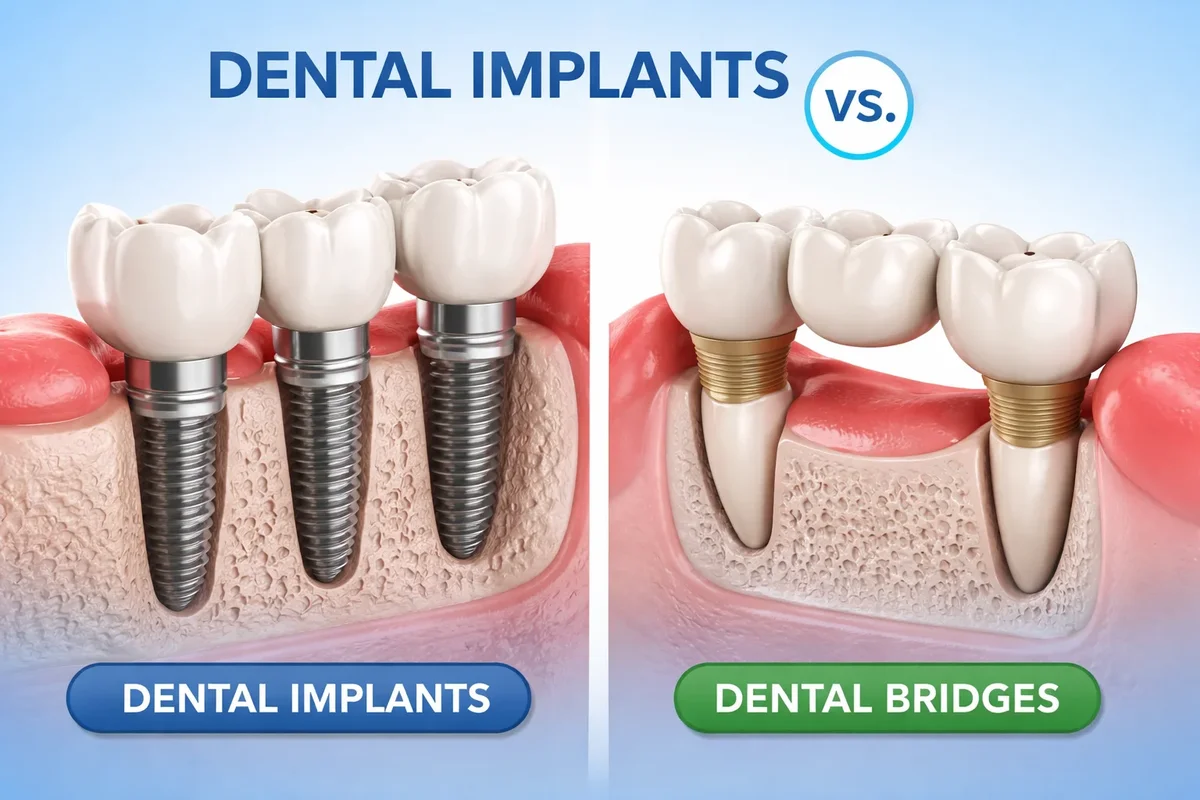
Let’s start with the basics. Dental implants are titanium posts that are surgically placed into the jawbone to act as artificial tooth roots. Once the implant integrates with the bone through a process called osseointegration, a crown is placed on top to mimic a natural tooth. In some cases, implants can also support multiple teeth or even a full arch. On the other hand, dental bridges are prosthetic devices that literally “bridge” the gap created by one or more missing teeth. A traditional bridge relies on adjacent natural teeth, which are reshaped and crowned to support the artificial tooth (pontic) in between.
When comparing dental implants and bridges, one of the most important distinctions is how they interact with surrounding teeth and bone. Dental implants function independently, meaning they do not require support from neighboring teeth. This helps preserve healthy tooth structure and prevents unnecessary enamel removal. Bridges, however, depend on adjacent teeth for support, which can sometimes weaken otherwise healthy teeth over time.
Another critical factor in dental implants and bridges is bone preservation. After a tooth is lost, the jawbone in that area begins to shrink due to lack of stimulation. Dental implants help maintain bone density because they mimic natural tooth roots and stimulate the jaw during chewing. Bridges do not provide this stimulation, so bone loss may continue under the missing tooth area.
From an aesthetic perspective, dental implants and bridges are both designed to look natural. Modern materials such as porcelain and zirconia closely replicate the appearance of real teeth. Most patients cannot visually distinguish between a natural tooth and a well-crafted implant crown or bridge. 😊 However, implants often provide a more natural feel because they are anchored directly into the jawbone.
Functionality is another key consideration. Dental implants and bridges both restore chewing ability, but implants typically offer greater stability. Since implants are integrated into the bone, they do not shift or move. Bridges are fixed in place as well, but their long-term stability depends on the health of the supporting teeth.
Many patients also want to understand the longevity of dental implants and bridges. With proper care, dental implants can last 20 years or more—often a lifetime. Bridges generally last between 10 and 15 years, although this can vary depending on oral hygiene and overall dental health. Regular dental visits and professional cleanings are essential for maintaining both options.
Safety and professional guidelines are also important when considering dental implants and bridges. Reputable dental organizations such as the American Dental Association provide evidence-based recommendations regarding tooth replacement treatments. Consulting with an experienced dental professional ensures that you receive a treatment plan tailored to your specific needs.
If you are unsure whether dental implants and bridges are right for you, scheduling a personalized consultation is the best next step. Every patient’s oral structure, bone density, medical history, and aesthetic goals are unique. You can reach out directly through the Redent Klinik Contact Page to discuss your case with a qualified dental team.
In summary, dental implants and bridges are highly effective solutions for replacing missing teeth, restoring oral function, and improving confidence. The right choice depends on multiple factors including bone health, budget, long-term expectations, and personal preference. By understanding how dental implants and bridges work and what benefits each offers, you can make an informed decision that supports your oral health for years to come. 🦷✨
1. What Are Dental Implants and Bridges?
When patients begin researching tooth replacement options, one of the first questions they ask is: what exactly are dental implants and bridges? Understanding the structural and functional differences between dental implants and bridges is essential before deciding on the right treatment. Both solutions are designed to restore missing teeth, improve chewing efficiency, protect oral health, and enhance smile aesthetics. However, they achieve these goals in very different ways.
Dental implants and bridges are considered fixed restorative treatments, meaning they are permanently secured in the mouth and cannot be removed like dentures. They are widely recommended by dental professionals because they provide stability, durability, and a natural appearance. Let’s explore each option in detail.
Dental Implants: Structure and Function
Dental implants are advanced prosthetic solutions that replace the root of a missing tooth. A dental implant typically consists of three main components: the titanium implant post, the abutment, and the crown. The implant post is surgically placed into the jawbone, where it acts as an artificial tooth root. Over several months, the implant integrates with the bone through a biological process called osseointegration. This fusion creates a strong, stable foundation.
Once healing is complete, an abutment is attached to the implant post. The final step involves placing a custom-made crown on top, which is carefully designed to match the shape, size, and color of your natural teeth. This process makes dental implants and bridges both highly aesthetic options, but implants uniquely mimic the full anatomy of a natural tooth—from root to crown. 🦷
Types of Dental Implants
There are different types of implant systems used in modern dentistry. The most common are endosteal implants, which are placed directly into the jawbone. In cases where bone density is insufficient, procedures such as bone grafting may be recommended before implant placement. For patients missing multiple teeth, implant-supported bridges or full-arch restorations can be used. This is where dental implants and bridges can overlap, as implants may actually support a bridge structure.
Dental Bridges: Structure and Function
Dental bridges, on the other hand, are prosthetic devices designed to fill the gap created by one or more missing teeth. A traditional bridge consists of one or more artificial teeth (pontics) held in place by crowns attached to the adjacent natural teeth. These neighboring teeth are reshaped to support the bridge, which is then permanently cemented into position.
Unlike implants, dental bridges do not replace the tooth root. They rely on the strength and stability of surrounding teeth for support. While dental implants and bridges both restore chewing function and appearance, bridges achieve this without surgical placement into the jawbone.
Types of Dental Bridges
There are several types of bridges used in restorative dentistry:
- Traditional bridges: Supported by crowns on adjacent teeth.
- Cantilever bridges: Anchored to only one adjacent tooth.
- Maryland bridges: Supported by a metal or porcelain framework bonded to the back of neighboring teeth.
- Implant-supported bridges: Secured by dental implants instead of natural teeth.
Implant-supported bridges represent a combination approach within dental implants and bridges, offering enhanced stability for patients missing multiple teeth in a row.
How Dental Implants and Bridges Restore Oral Function
Both dental implants and bridges restore the ability to chew and speak properly. Missing teeth can lead to shifting of adjacent teeth, bite misalignment, and jaw discomfort. By filling these gaps, dental implants and bridges help maintain proper spacing and prevent long-term complications.
One major distinction is bone preservation. Dental implants stimulate the jawbone, helping prevent bone loss that naturally occurs after tooth extraction. Bridges do not provide this stimulation, which means bone resorption may continue beneath the missing tooth area. This is an important consideration when comparing dental implants and bridges for long-term oral health.
Aesthetic and Psychological Benefits
Beyond function, dental implants and bridges significantly improve self-confidence. Many patients feel embarrassed by missing teeth and avoid smiling or speaking freely. Both treatments are custom-designed to match your natural smile, restoring facial balance and improving overall appearance. 😊
Modern materials such as porcelain and zirconia provide lifelike translucency and strength. With proper planning and professional placement, dental implants and bridges can look virtually indistinguishable from natural teeth.
Professional Standards and Safety
Dental implants and bridges are supported by extensive clinical research and are recognized as safe, effective treatments when performed by qualified professionals. Organizations such as the American Dental Association provide guidelines to ensure patient safety and treatment success. A thorough evaluation, including X-rays or 3D imaging, is typically required before determining whether dental implants and bridges are suitable for you.
In summary, dental implants and bridges are two proven, reliable solutions for replacing missing teeth. Implants replace both root and crown, preserving bone and functioning independently. Bridges restore the visible portion of teeth by relying on adjacent support. Understanding how dental implants and bridges differ structurally and functionally empowers you to make an informed decision that aligns with your oral health goals.
2. Key Differences Between Dental Implants and Bridges
When deciding between dental implants and bridges, understanding the key differences is crucial for making an informed and confident choice. While both treatments aim to replace missing teeth and restore oral function, they differ significantly in structure, procedure, durability, maintenance, and long-term impact on oral health. Patients often compare dental implants and bridges based on cost, longevity, and invasiveness, but there are deeper biological and functional distinctions that should not be overlooked.
Structural Differences: Root Replacement vs. Surface Restoration
The most fundamental difference between dental implants and bridges lies in how they replace a missing tooth. Dental implants replace both the root and the crown of a tooth. A titanium post is surgically inserted into the jawbone, serving as an artificial root that integrates with the bone. This creates a stable and independent foundation for a crown.
Bridges, however, replace only the visible portion of the tooth. They consist of one or more artificial teeth supported by crowns placed on adjacent natural teeth. Unlike dental implants and bridges that involve bone integration, traditional bridges rely entirely on neighboring teeth for stability.
Impact on Adjacent Teeth
One major consideration when comparing dental implants and bridges is the effect on surrounding teeth. Dental implants do not require alteration of adjacent teeth, preserving healthy enamel and natural tooth structure. In contrast, bridges require reshaping nearby teeth to accommodate crowns, which may weaken otherwise healthy teeth over time.
Bone Preservation and Jaw Health
Another critical distinction between dental implants and bridges is their impact on jawbone health. When a tooth is lost, the jawbone in that area begins to shrink due to lack of stimulation. Dental implants prevent this bone loss because they mimic natural tooth roots and stimulate the bone during chewing.
Bridges do not provide this stimulation, which means bone resorption may continue beneath the missing tooth area. Over time, this can affect facial structure and overall oral stability. For patients concerned about long-term bone preservation, this difference between dental implants and bridges is especially important. 🦷
Longevity and Durability
Durability is often a deciding factor when evaluating dental implants and bridges. Dental implants are known for their long lifespan. With proper care, they can last 20 years or more, and in many cases, they last a lifetime. Their success rate is high when placed by experienced professionals.
Bridges typically last between 10 and 15 years, depending on oral hygiene, bite forces, and the health of supporting teeth. While both dental implants and bridges are reliable solutions, implants generally provide greater long-term stability.
Maintenance Requirements
Maintaining dental implants and bridges also differs slightly. Dental implants can be brushed and flossed much like natural teeth. Good oral hygiene and regular dental visits are essential to prevent peri-implantitis, an inflammatory condition affecting the tissues around the implant.
Bridges require special cleaning techniques, including floss threaders or interdental brushes, to clean beneath the pontic. Because bridges are attached to adjacent teeth, decay or gum disease in supporting teeth can compromise the entire restoration. Therefore, maintenance considerations are a key difference when comparing dental implants and bridges.
Procedure and Treatment Timeline
The treatment process for dental implants and bridges varies significantly. Dental implant placement involves minor oral surgery and a healing period of several months to allow osseointegration. In some cases, bone grafting may be required before implant placement.
Bridges, on the other hand, typically require two to three appointments over a few weeks. Because they do not involve surgical placement into the jawbone, bridges generally have a shorter initial treatment time. However, the long-term benefits of dental implants and bridges must be weighed against the initial timeline difference.
Cost Considerations
Cost is another area where dental implants and bridges differ. On average:
Single Dental Implant (including crown): $3,000 – $5,000
Traditional Dental Bridge (3-unit): $2,000 – $4,000
Implant-Supported Bridge: $5,000 – $15,000
While dental implants and bridges both require financial investment, implants often represent a longer-term solution, potentially reducing future replacement costs. Patients should consult with their dental provider for personalized estimates based on their specific case.
Aesthetic and Functional Stability
Both dental implants and bridges provide excellent aesthetic outcomes. Modern materials such as porcelain and zirconia closely mimic natural teeth. However, implants often feel more natural because they are anchored directly into the jawbone.
Functionally, dental implants and bridges both restore chewing efficiency, but implants typically provide greater bite strength. Because they are integrated into the bone, implants do not shift or depend on adjacent teeth for support.
Professional Guidance and Safety
Choosing between dental implants and bridges should always involve a thorough consultation with a qualified dental professional. Reputable organizations such as the American Dental Association provide guidelines supporting both treatments when properly indicated.
If you are unsure which option suits your needs, you can schedule a consultation through the Redent Klinik Contact Page to receive personalized advice tailored to your oral health condition.
In summary, the key differences between dental implants and bridges involve structure, bone preservation, longevity, procedure complexity, maintenance, and cost. By understanding these distinctions, patients can make an informed decision that aligns with their long-term oral health goals and lifestyle. 😊
3. Who Is a Good Candidate for Dental Implants and Bridges?
Choosing between dental implants and bridges begins with understanding whether you are a suitable candidate for one or both treatments. Not every patient has the same oral health condition, bone structure, or medical background. Therefore, determining candidacy for dental implants and bridges requires a comprehensive clinical evaluation, including digital X-rays, 3D imaging, and a full review of medical history.
Both dental implants and bridges are designed to replace missing teeth and restore oral function. However, the ideal candidate profile differs slightly for each treatment. Let’s examine the specific criteria in detail so you can better understand which option may align with your personal dental situation. 🦷
General Requirements for Dental Implants and Bridges
In general, candidates for dental implants and bridges should have good overall oral health. This means healthy gums, no active periodontal disease, and sufficient bone support. Patients should also be committed to maintaining proper oral hygiene and attending regular dental check-ups.
Before recommending dental implants and bridges, dentists assess factors such as:
- Number and location of missing teeth
- Jawbone density and volume
- Condition of adjacent teeth
- Presence of gum disease
- Medical conditions affecting healing
Understanding these criteria ensures that dental implants and bridges are not only aesthetically successful but also biologically stable in the long term.
Ideal Candidates for Dental Implants
Dental implants are often considered the gold standard for tooth replacement. However, they require sufficient bone density to support the titanium implant post. Ideal candidates for dental implants and bridges involving implants typically have:
- Healthy jawbone with adequate thickness
- Fully developed jaw structure (usually adults over 18)
- No uncontrolled chronic diseases
- Non-smoking habits or willingness to quit
Bone Density and Osseointegration
Because dental implants integrate directly with the bone, sufficient bone mass is essential. If bone loss has already occurred, procedures such as bone grafting or sinus lifting may be required before implant placement. This is a key consideration when comparing dental implants and bridges, as bridges do not require bone integration.
Medical Considerations
Patients with uncontrolled diabetes, immune disorders, or certain cardiovascular conditions may require additional medical clearance before receiving dental implants and bridges involving surgical procedures. Smoking can also affect healing and increase the risk of implant failure. However, many patients with medical conditions can still successfully receive implants with proper planning.
Ideal Candidates for Dental Bridges
Dental bridges may be recommended for patients who:
- Have healthy adjacent teeth strong enough to support crowns
- Prefer a non-surgical solution
- Have insufficient bone for implants and prefer to avoid grafting
- Need a faster treatment timeline
Because dental implants and bridges differ in surgical requirements, bridges are often chosen by patients who wish to avoid implant surgery. However, the strength and condition of the neighboring teeth are crucial. If the supporting teeth are weak or heavily restored, a bridge may not be the best long-term solution.
Single Tooth vs. Multiple Teeth Replacement
The number of missing teeth plays an important role in determining candidacy for dental implants and bridges. For a single missing tooth, both treatments are viable options. However, if multiple adjacent teeth are missing, implant-supported bridges may provide superior stability compared to traditional bridges.
When comparing dental implants and bridges for multiple tooth replacement, implant-supported options distribute biting forces more evenly and reduce stress on natural teeth.
Age and Lifestyle Factors
Age alone is not a limiting factor for dental implants and bridges. Many older adults successfully receive implants. The more important consideration is bone health and overall systemic health. Younger patients with incomplete jaw development may need to wait before implant placement.
Lifestyle habits such as smoking, teeth grinding (bruxism), and poor oral hygiene can influence the long-term success of dental implants and bridges. Patients who grind their teeth may require a night guard to protect their restoration.
Psychological and Functional Expectations
Beyond clinical factors, expectations also matter. Patients seeking maximum long-term stability and bone preservation often lean toward implants. Those prioritizing shorter treatment time or lower initial cost may consider bridges. Discussing these expectations openly with a dental professional ensures that dental implants and bridges align with your lifestyle and goals.
Professional Evaluation and Consultation
Ultimately, only a qualified dental professional can determine whether you are a good candidate for dental implants and bridges. A comprehensive evaluation ensures safe and predictable treatment. Trusted organizations like the American Dental Association support both treatments when properly indicated.
If you are unsure about your candidacy, you can request a personalized assessment through the Redent Klinik Contact Page. A customized treatment plan will consider your bone structure, oral health, and long-term expectations.
In summary, good candidates for dental implants and bridges are individuals with healthy gums, sufficient bone support (for implants), stable adjacent teeth (for bridges), and realistic expectations. By carefully evaluating medical history, lifestyle, and oral condition, you can confidently determine which tooth replacement option best supports your long-term oral health and overall well-being. 😊
4. Step-by-Step Procedure for Dental Implants and Bridges
Understanding the treatment process helps patients feel confident and prepared before choosing between dental implants and bridges. While both options aim to restore missing teeth, the clinical steps involved are quite different. Dental implants and bridges follow distinct timelines, require different levels of intervention, and involve unique healing phases. In this section, we will walk through each procedure step by step so you clearly understand what to expect from start to finish. 😊
Initial Consultation and Diagnosis
The first step for both dental implants and bridges is a comprehensive dental evaluation. During this visit, your dentist will perform a clinical examination, take digital X-rays, and often use 3D imaging to assess bone density and the condition of surrounding teeth. Medical history is reviewed to ensure you are a safe candidate for either procedure.
This diagnostic stage is critical because it determines whether dental implants and bridges are suitable for your oral structure. If bone loss or gum disease is detected, preliminary treatments may be required before proceeding.
Step-by-Step Process for Dental Implants
Dental implants involve a surgical component and a longer healing timeline. However, they offer long-term stability and bone preservation.
Step 1: Treatment Planning
Precise measurements are taken to determine the ideal implant position. Custom planning ensures proper bite alignment and aesthetic results. At this stage, patients receive a detailed overview of the full dental implants and bridges comparison to confirm their final decision.
Step 2: Implant Placement Surgery
The titanium implant post is surgically placed into the jawbone under local anesthesia. The procedure typically takes 1–2 hours per implant. After placement, the gum tissue is sutured, and healing begins. Most patients report mild discomfort that can be managed with prescribed medication. 🦷
Step 3: Osseointegration Period
Over the next 3–6 months, the implant integrates with the bone through osseointegration. This biological process ensures stability and strength. Unlike bridges, dental implants and bridges involving implants depend heavily on successful bone fusion.
Step 4: Abutment Placement
Once healing is complete, a small connector piece called an abutment is attached to the implant post. This step may require minor gum adjustment.
Step 5: Crown Placement
A custom-made porcelain or zirconia crown is attached to the abutment. The crown is carefully designed to match the surrounding teeth in color and shape, completing the dental implant restoration.
Step-by-Step Process for Dental Bridges
The procedure for dental bridges is generally faster and does not require surgical placement into the jawbone. However, it involves preparation of adjacent teeth.
Step 1: Tooth Preparation
The neighboring teeth are reshaped to allow placement of dental crowns. This step is irreversible, as enamel is permanently removed. When comparing dental implants and bridges, this is one of the most significant differences.
Step 2: Impressions and Temporary Bridge
Dental impressions are taken to create a custom bridge. A temporary bridge is placed to protect the prepared teeth while the permanent restoration is being fabricated.
Step 3: Permanent Bridge Placement
During the final appointment, the custom bridge is cemented into place. The dentist checks bite alignment and ensures comfort. Unlike implants, bridges do not require months of healing.
Treatment Timeline Comparison
The timeline for dental implants and bridges varies considerably:
Dental Implant Timeline:
Consultation → Surgery → 3–6 Months Healing → Crown Placement

Dental Bridge Timeline:
Consultation → Tooth Preparation → 2–3 Weeks → Final Placement
While dental implants and bridges both restore function effectively, implants require more time but offer greater long-term stability.
Recovery and Post-Procedure Expectations
Recovery after implant surgery typically involves mild swelling and discomfort for a few days. Soft foods are recommended during early healing. Bridges involve minimal recovery time since no surgical placement occurs.
Both dental implants and bridges require good oral hygiene and routine dental visits to maintain long-term success. According to the American Dental Association, proper aftercare significantly increases restoration longevity.
Follow-Up and Maintenance
After completion of dental implants and bridges, regular check-ups are essential. Dentists monitor gum health, bite alignment, and restoration integrity. If you would like a personalized consultation regarding the procedure, you can reach out through the Redent Klinik Contact Page.
In summary, the step-by-step procedure for dental implants and bridges differs in surgical involvement, treatment duration, and healing time. Implants require a multi-stage process involving bone integration, while bridges provide a faster, non-surgical alternative. Understanding each phase allows patients to make informed decisions and prepare confidently for treatment.
5. Cost Comparison of Dental Implants and Bridges
One of the most common concerns patients have when choosing between dental implants and bridges is cost. While both treatments effectively replace missing teeth, their pricing structures differ significantly due to materials, procedure complexity, laboratory work, and long-term durability. Understanding the financial aspects of dental implants and bridges helps patients make a well-informed decision that balances budget, longevity, and overall value.
The cost of dental implants and bridges is influenced by several factors, including geographic location, dentist expertise, materials used, additional procedures required, and the number of teeth being replaced. Although price is important, it should always be evaluated alongside long-term benefits and maintenance considerations. 😊
Average Cost of Dental Implants
Dental implants are typically more expensive upfront because they involve surgery, high-quality titanium components, and advanced planning technologies such as 3D imaging. However, many patients view implants as a long-term investment due to their durability and bone-preserving benefits.
Typical Price Breakdown for a Single Dental Implant
Implant Post (Titanium Screw): $1,000 – $2,000
Abutment: $300 – $500
Custom Crown: $1,000 – $2,000
Total Estimated Cost: $3,000 – $5,000 per tooth
If bone grafting or sinus lifting is required, additional costs may range from $500 to $3,000 depending on the complexity. When comparing dental implants and bridges, it’s important to remember that implants often last significantly longer, potentially reducing future replacement expenses.
Average Cost of Dental Bridges
Dental bridges generally have a lower initial cost compared to implants because they do not require surgical placement into the jawbone. However, bridges rely on adjacent teeth for support, which may lead to additional dental work in the future.
Typical Price Breakdown for a 3-Unit Bridge
Two Supporting Crowns: $1,000 – $2,000 each
Pontic (Artificial Tooth): $800 – $1,500
Total Estimated Cost: $2,000 – $4,000
When evaluating dental implants and bridges, it’s essential to consider how many units are needed. If multiple teeth are missing, an implant-supported bridge may cost between $5,000 and $15,000 depending on the number of implants placed.
Long-Term Value and Cost Efficiency
Although dental implants and bridges differ in initial cost, long-term value often favors implants. Dental implants can last 20 years or more, and in many cases, a lifetime with proper care. Bridges typically last 10 to 15 years before needing replacement.
Replacing a bridge multiple times over several decades may result in cumulative costs exceeding that of a single implant procedure. Therefore, when comparing dental implants and bridges, patients should consider lifetime value rather than upfront expense alone.
Insurance Coverage and Financing
Insurance coverage for dental implants and bridges varies widely. Many dental insurance plans partially cover bridges because they are considered a traditional restorative treatment. Implant coverage is increasing but may still be limited depending on the provider.
Some plans cover the crown portion of dental implants and bridges while excluding the surgical component. It is advisable to review your insurance benefits carefully or consult your provider for clarification.
Financing Options
Many dental clinics offer financing plans that allow patients to spread payments over several months. Third-party healthcare financing companies may also provide installment plans with low or zero interest for qualified applicants. This makes dental implants and bridges more accessible to a wider range of patients.
Factors That Influence Pricing
The final cost of dental implants and bridges can vary based on:
- Geographic location (urban clinics may charge more)
- Dentist’s experience and specialization
- Materials used (zirconia vs. porcelain)
- Additional procedures such as bone grafting
- Number of teeth replaced
Clinics that use advanced digital planning and high-quality laboratory materials may charge more, but they often provide superior precision and long-term success.
Professional Recommendations and Cost Transparency
Reputable dental professionals follow guidelines from organizations such as the American Dental Association to ensure ethical treatment planning and cost transparency. Patients should always request a detailed treatment estimate outlining each component of dental implants and bridges.
If you would like a personalized treatment plan with transparent pricing, you can contact the clinic directly through the Redent Klinik Contact Page to discuss your specific case and financial options.
In summary, while dental implants and bridges both require financial investment, implants generally offer superior longevity and bone preservation, potentially making them more cost-effective in the long run. Bridges may have a lower initial price and shorter treatment timeline, but their lifespan is typically shorter. Evaluating total lifetime value, maintenance needs, and insurance coverage will help you determine which solution aligns best with your budget and long-term oral health goals. 🦷✨
6. Longevity and Durability of Dental Implants and Bridges
When patients compare dental implants and bridges, one of the most important deciding factors is longevity. After all, replacing a missing tooth is not just about restoring appearance—it is about investing in a long-term solution that supports oral health, comfort, and confidence. Understanding how long dental implants and bridges last, what affects their durability, and how to maximize their lifespan can help you make a confident and informed choice. 🦷
Both dental implants and bridges are considered reliable restorative treatments, but their long-term performance differs due to structural design, biological interaction, and maintenance requirements. Let’s explore these differences in detail.
Average Lifespan of Dental Implants
Dental implants are widely recognized for their exceptional durability. With proper care and regular dental visits, dental implants can last 20 years or more. In many cases, they last a lifetime. The titanium implant post integrates directly with the jawbone through osseointegration, creating a stable and permanent foundation.
When evaluating dental implants and bridges, this bone integration is a major advantage. Because implants function like natural tooth roots, they distribute chewing forces evenly and reduce stress on surrounding teeth. This stability significantly contributes to their long-term success.
What May Need Replacement?
Although the implant post itself can last decades, the crown attached to the implant may require replacement after 10–15 years due to normal wear and tear. However, replacing a crown is generally simpler and less invasive than replacing an entire restoration.
Average Lifespan of Dental Bridges
Dental bridges typically last between 10 and 15 years, depending on oral hygiene, bite pressure, and the health of supporting teeth. Some bridges may last longer with excellent care, but they usually require replacement sooner than implants.
When comparing dental implants and bridges, bridges rely on adjacent teeth for support. If decay or gum disease affects those supporting teeth, the entire bridge may fail. This structural dependency is one reason bridges generally have a shorter lifespan than implants.
Common Causes of Bridge Failure
- Decay in supporting teeth
- Gum disease
- Excessive bite forces or teeth grinding
- Poor oral hygiene
Because bridges depend on natural teeth, maintaining those teeth is critical for long-term success.
Bone Health and Long-Term Stability
One of the most significant differences in durability between dental implants and bridges relates to bone preservation. After a tooth is lost, the jawbone in that area begins to shrink due to lack of stimulation. Dental implants prevent this bone loss by mimicking natural tooth roots and stimulating the bone during chewing.
Bridges do not provide this stimulation, meaning bone resorption may continue beneath the missing tooth area. Over time, this can lead to changes in facial structure or gaps beneath the bridge. Therefore, when assessing the longevity of dental implants and bridges, bone health plays a crucial role.
Factors That Influence Durability
The long-term success of dental implants and bridges depends on several key factors:
- Oral hygiene habits
- Regular professional cleanings
- Smoking status
- Systemic health conditions
- Bite alignment and grinding habits
Patients who brush twice daily, floss regularly, and attend routine check-ups significantly increase the lifespan of dental implants and bridges. Smoking, on the other hand, can increase the risk of implant failure and gum complications.
Maintenance Requirements for Maximum Lifespan
Maintaining Dental Implants
Dental implants should be brushed and flossed like natural teeth. While implants cannot develop cavities, the surrounding gum tissue can become inflamed if plaque accumulates. A condition called peri-implantitis can compromise implant stability if not treated promptly.
Maintaining Dental Bridges
Bridges require special cleaning techniques, such as floss threaders or interdental brushes, to clean underneath the pontic. Because dental implants and bridges have different structural designs, maintenance approaches vary slightly.
According to guidance from the American Dental Association, maintaining excellent oral hygiene is the most important factor in prolonging the life of restorative dental treatments.
Long-Term Cost Considerations
While dental implants often have a higher initial cost, their extended lifespan may make them more cost-effective over time. Bridges, though less expensive upfront, may require replacement once or twice over the same period that a single implant remains functional.
If you are considering dental implants and bridges and want personalized guidance on durability and long-term expectations, you can consult directly through the Redent Klinik Contact Page for a customized evaluation.
Psychological and Lifestyle Benefits of Long-Term Stability
Durability is not only about structure—it is also about confidence. Knowing that your restoration is secure allows you to eat comfortably, speak clearly, and smile without hesitation. Many patients report greater peace of mind with dental implants due to their stability and bone-preserving benefits.
In summary, while both dental implants and bridges provide reliable tooth replacement solutions, implants generally offer superior longevity and bone preservation. Bridges remain an effective alternative, especially for patients seeking a shorter treatment timeline. Ultimately, the lifespan of dental implants and bridges depends on proper planning, skilled placement, and consistent oral care. By understanding these durability factors, you can make a confident decision that supports your long-term oral health and overall well-being. 😊
7. Advantages and Disadvantages of Dental Implants and Bridges
When evaluating dental implants and bridges, it is essential to weigh both the advantages and disadvantages of each option. Every patient’s oral health condition, expectations, budget, and lifestyle are different. While dental implants and bridges are both highly effective tooth replacement solutions, they come with unique benefits and limitations. Understanding these pros and cons allows you to make a well-informed decision that aligns with your long-term oral health goals. 😊
Advantages of Dental Implants
Dental implants are often considered the most advanced solution for replacing missing teeth. Because they integrate directly into the jawbone, they provide structural and functional benefits that closely mimic natural teeth.
1. Long-Term Durability
One of the biggest advantages of dental implants and bridges—specifically implants—is longevity. Dental implants can last 20 years or more and, in many cases, a lifetime with proper care. Their titanium post fuses with the bone, creating exceptional stability.
2. Bone Preservation
Unlike traditional bridges, dental implants stimulate the jawbone and help prevent bone loss. This is a critical biological advantage when comparing dental implants and bridges. Preserving bone density helps maintain facial structure and prevents premature aging of the lower face.
3. No Impact on Adjacent Teeth
Dental implants do not require reshaping or grinding down neighboring teeth. In contrast, bridges depend on adjacent teeth for support. Protecting natural enamel is a major benefit of implants.
4. Natural Look and Feel
Dental implants function independently and feel very similar to natural teeth. Most patients report that implants provide superior comfort and chewing efficiency compared to other restorative options.
Disadvantages of Dental Implants
While dental implants and bridges both offer strong restorative outcomes, implants are not without limitations.
1. Higher Initial Cost
Dental implants generally have a higher upfront cost compared to bridges due to surgery, materials, and advanced planning technology.
2. Surgical Procedure Required
Implant placement involves minor oral surgery. Although it is a routine and safe procedure, some patients prefer to avoid surgical interventions when choosing between dental implants and bridges.
3. Longer Treatment Timeline
The healing period for implants can take several months due to osseointegration. Patients seeking immediate results may find this timeline challenging.
Advantages of Dental Bridges
Dental bridges remain a popular and effective alternative. For certain patients, bridges offer practical benefits.
1. Faster Treatment Process
Unlike implants, bridges do not require surgical placement or months of healing. The entire process for dental implants and bridges—when selecting bridges—can typically be completed within a few weeks.
2. Lower Initial Cost
Bridges generally cost less upfront than implants, making them attractive for patients with budget constraints.
3. Suitable for Patients with Bone Loss
Patients who lack sufficient bone density and prefer not to undergo bone grafting may find bridges a simpler solution compared to dental implants and bridges involving surgical reconstruction.
Disadvantages of Dental Bridges
1. Impact on Adjacent Teeth
Traditional bridges require grinding down healthy neighboring teeth to support the restoration. This irreversible modification is one of the most significant disadvantages when comparing dental implants and bridges.
2. Shorter Lifespan
Bridges typically last 10–15 years before needing replacement. This shorter lifespan may increase long-term costs.
3. Risk of Bone Loss
Because bridges do not stimulate the jawbone, bone resorption may continue beneath the missing tooth area. Over time, this can affect facial structure and oral stability.
Functional and Lifestyle Considerations
Both dental implants and bridges restore chewing function and improve aesthetics. However, implants generally provide stronger bite force and greater stability. Patients who grind their teeth or require maximum durability often prefer implants.
Maintenance also differs slightly. Dental implants are cleaned like natural teeth, while bridges require special flossing techniques. Proper oral hygiene is essential for both options, as recommended by the American Dental Association.
Emotional and Confidence Benefits
Replacing missing teeth has psychological benefits as well. Both dental implants and bridges can significantly improve confidence, speech clarity, and overall quality of life. Many patients report feeling more comfortable smiling and interacting socially after treatment. 😊
Making the Right Decision
Choosing between dental implants and bridges should involve a personalized consultation with a dental professional. Factors such as bone health, budget, medical history, and long-term expectations must be carefully evaluated.
If you are unsure which option is best for you, consider scheduling a consultation through the Redent Klinik Contact Page to receive expert guidance tailored to your needs.
In summary, dental implants and bridges each offer clear advantages and disadvantages. Implants provide superior longevity, bone preservation, and independence from adjacent teeth. Bridges offer faster treatment and lower upfront cost but may require replacement sooner. By understanding these trade-offs, you can confidently choose the solution that best supports your long-term oral health and lifestyle.
8. Recovery and Aftercare for Dental Implants and Bridges
Recovery and proper aftercare play a crucial role in the long-term success of dental implants and bridges. While both treatments restore missing teeth and improve function, their healing processes and maintenance routines differ. Understanding what to expect after treatment helps patients protect their investment and ensure lasting results. Whether you choose dental implants and bridges for a single tooth or multiple teeth replacement, following professional aftercare instructions is essential for durability and comfort. 😊
Immediate Recovery After Dental Implants
The recovery process for dental implants involves healing at both the gum and bone levels. Since implant placement requires minor oral surgery, patients may experience mild swelling, tenderness, or slight bruising for a few days. These symptoms are typically manageable with prescribed or over-the-counter medication.
First 48 Hours After Surgery
During the initial phase after implant placement, patients are advised to:
- Avoid strenuous physical activity
- Apply cold compresses to reduce swelling
- Eat soft foods such as yogurt, soup, or mashed vegetables
- Avoid smoking or alcohol consumption
Because dental implants and bridges differ in surgical involvement, implant recovery requires more attention during the early healing period.
Osseointegration Phase
Over the next 3–6 months, the implant integrates with the jawbone through osseointegration. During this period, it is important to maintain excellent oral hygiene while avoiding excessive pressure on the implant site. Follow-up appointments allow the dentist to monitor healing progress.
Recovery After Dental Bridge Placement
The recovery process for dental bridges is generally faster and less complex because no surgical placement into the jawbone is involved. After the bridge is cemented, patients may experience temporary sensitivity in the supporting teeth.
Adjusting to a New Bridge
It may take a few days for patients to adjust to the feel of a bridge. Minor bite adjustments may be required if discomfort occurs. Compared to dental implants and bridges involving surgery, bridge recovery is typically quicker and involves minimal downtime.
Long-Term Aftercare for Dental Implants and Bridges
Long-term maintenance is critical for preserving both dental implants and bridges. While both restorations are designed to be durable, their success largely depends on daily oral hygiene and regular dental visits.
Daily Oral Hygiene Routine
- Brush at least twice daily using a soft-bristled toothbrush
- Use fluoride toothpaste
- Floss daily (special floss threaders for bridges)
- Consider antimicrobial mouthwash if recommended
Dental implants should be cleaned like natural teeth, focusing on the gum line to prevent inflammation. Bridges require special cleaning underneath the pontic to prevent plaque buildup. This distinction is important when maintaining dental implants and bridges properly.
Professional Dental Check-Ups
Routine dental visits every six months allow early detection of potential issues such as gum inflammation, bite imbalance, or wear. According to the American Dental Association, preventive dental care significantly extends the lifespan of restorative treatments.
Managing Potential Complications
Although dental implants and bridges have high success rates, complications can occasionally occur.
For Dental Implants
- Peri-implantitis (gum inflammation around the implant)
- Implant mobility due to failed osseointegration
- Excessive bite pressure
For Dental Bridges
- Decay in supporting teeth
- Gum recession
- Loosening of the cement
Early detection and professional intervention are key to preventing serious issues. If you notice unusual discomfort or mobility in dental implants and bridges, immediate consultation is recommended.
Lifestyle Adjustments for Long-Term Success
Certain lifestyle habits can directly affect the longevity of dental implants and bridges. Smoking increases the risk of gum disease and implant failure. Teeth grinding (bruxism) may damage restorations and should be managed with a custom night guard.
A balanced diet rich in vitamins and minerals supports gum health and bone stability. Staying hydrated also helps maintain oral tissue health and saliva production.
Emotional and Functional Benefits During Recovery
As healing progresses, patients typically notice improved chewing efficiency, clearer speech, and renewed confidence. Dental implants and bridges restore not only physical function but also emotional well-being. Many patients report feeling more comfortable smiling and engaging socially once their treatment is complete. 😊
When to Seek Professional Advice
If you experience prolonged swelling, severe pain, or changes in bite alignment after receiving dental implants and bridges, contact your dental provider promptly. Professional evaluation ensures early management of any concerns.
You can schedule a personalized consultation through the Redent Klinik Contact Page to discuss any recovery-related questions or long-term maintenance guidance.
In summary, recovery and aftercare for dental implants and bridges require attention, consistency, and professional monitoring. While implant recovery involves a longer healing period due to bone integration, bridges offer a faster adjustment phase. With proper daily hygiene, regular check-ups, and healthy lifestyle habits, both dental implants and bridges can provide long-lasting comfort, stability, and a confident smile for many years.