
Bridgework teeth are one of the most effective and widely used solutions in modern dentistry for replacing missing teeth and restoring a complete, confident smile 😊. If you are dealing with gaps caused by tooth loss, understanding how bridgework teeth function can help you make an informed decision about your oral health. In simple terms, bridgework teeth are dental restorations designed to “bridge” the gap created by one or more missing teeth using artificial teeth anchored by neighboring natural teeth or dental implants.
The concept behind bridgework teeth is both practical and aesthetic. When a tooth is lost, the surrounding teeth tend to shift toward the empty space over time. This movement can cause misalignment, bite problems, and even jaw pain. Bridgework teeth prevent these complications by maintaining the natural structure and spacing of your teeth. At the same time, they restore your ability to chew, speak, and smile naturally without discomfort or embarrassment.
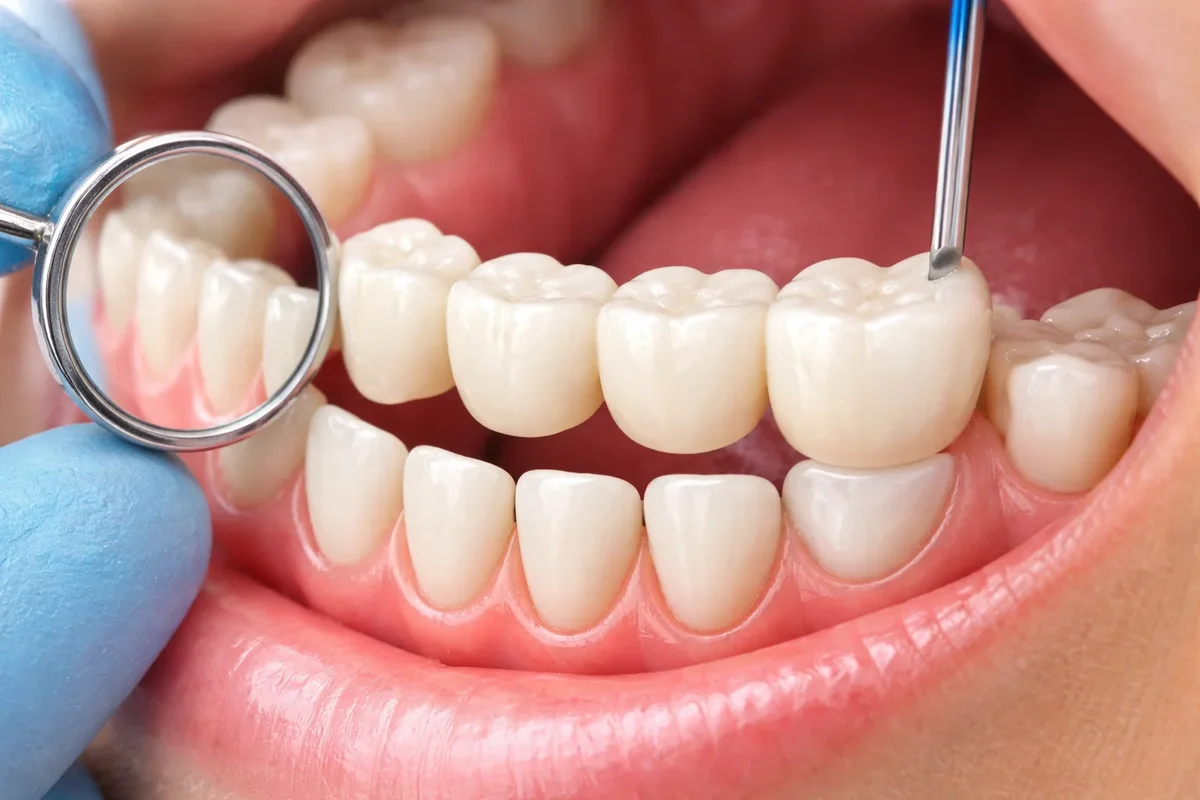
Typically, bridgework teeth consist of one or more artificial teeth known as pontics, which are supported by crowns placed on the adjacent teeth (called abutment teeth). These crowns hold the bridge securely in place. In some advanced cases, bridgework teeth can also be supported by dental implants instead of natural teeth, offering increased stability and longevity. This flexibility makes bridgework teeth a highly customizable treatment option tailored to each patient’s needs.
One of the key advantages of bridgework teeth is how quickly they can restore function compared to other treatments. While dental implants may require months for healing and integration, traditional bridgework teeth can often be completed within a few weeks. This makes them an excellent choice for patients who want a faster solution without compromising on effectiveness. However, the decision between bridgework teeth and other options should always be made after consulting a dental professional.
From an aesthetic perspective, bridgework teeth are designed to blend seamlessly with your natural teeth. Modern materials such as porcelain and ceramic allow dentists to match the color, shape, and size of your existing teeth, ensuring that the final result looks completely natural. This is particularly important for front teeth restorations, where appearance plays a crucial role in confidence and self-esteem 😁.
Bridgework teeth also play a significant role in maintaining overall oral health. Missing teeth can lead to bone loss in the jaw over time, as the bone is no longer stimulated by chewing forces. While bridgework teeth do not directly prevent bone loss like implants, they help distribute bite forces evenly across the teeth, reducing stress on specific areas and preserving the overall balance of your mouth.
Another important aspect to consider is how bridgework teeth improve daily life. Patients often report immediate improvements in their ability to eat a wide variety of foods, speak clearly, and smile without hesitation. These functional benefits go hand in hand with psychological benefits, as restoring a full smile can significantly boost confidence and quality of life.
When considering bridgework teeth, it is essential to seek professional guidance. A thorough dental examination will determine whether your surrounding teeth are strong enough to support the bridge or if alternative solutions like implants are more suitable. If you are unsure about your options, you can always reach out through the Redent Klinik Contact Page for personalized advice and consultation.
Additionally, staying informed through trusted sources such as the American Dental Association can help you better understand the benefits and limitations of bridgework teeth and make confident decisions about your treatment.
In conclusion, bridgework teeth are a reliable, effective, and aesthetically pleasing solution for replacing missing teeth. They restore both function and appearance while preventing further oral health complications. Whether you have lost a single tooth or multiple teeth, bridgework teeth offer a proven method to regain your smile and maintain long-term dental health. With proper care and regular dental check-ups, bridgework teeth can last for many years, making them a valuable investment in your overall well-being.
What Are Bridgework Teeth and How Do They Work?
Bridgework teeth are a foundational solution in restorative dentistry, designed to replace one or more missing teeth by literally “bridging” the gap between healthy teeth. If you have experienced tooth loss, understanding how bridgework teeth function is essential for making the right treatment decision. Bridgework teeth are not just about aesthetics—they play a crucial role in restoring chewing ability, maintaining facial structure, and preventing further dental complications 😊.
Definition and Basic Structure of Bridgework Teeth
At their core, bridgework teeth consist of artificial teeth (called pontics) that are anchored in place using crowns attached to adjacent natural teeth or dental implants. These supporting teeth are known as abutment teeth. The entire structure works as a single unit, creating a stable and durable replacement for missing teeth.
The design of bridgework teeth ensures that the gap left by missing teeth is completely filled, preventing neighboring teeth from shifting out of position. Without bridgework teeth, this shifting can lead to bite misalignment, jaw discomfort, and long-term oral health issues. That’s why dentists often recommend bridgework teeth as soon as possible after tooth loss.
Main Components of Bridgework Teeth
- Pontic (Artificial Tooth): This is the visible replacement tooth that fills the gap.
- Abutment Teeth: These are the natural teeth or implants that support the bridge.
- Crowns: Placed over abutment teeth to anchor the bridgework teeth securely.
Each of these components plays a vital role in ensuring that bridgework teeth function effectively and comfortably in your mouth.
How Bridgework Teeth Work in Daily Life
Bridgework teeth are engineered to mimic the natural function of your teeth. Once placed, they allow you to chew food properly, speak clearly, and smile confidently. Unlike removable dentures, bridgework teeth are fixed in place, meaning they do not shift or move while eating or talking.
When you bite down, the force is distributed evenly across the bridgework teeth and the supporting abutment teeth. This helps protect your remaining natural teeth from excessive stress. Bridgework teeth essentially restore balance to your bite, which is critical for long-term oral health.
Patients often notice a dramatic improvement in their ability to eat foods that were previously difficult to chew. Whether it’s crunchy vegetables or tougher meats, bridgework teeth restore functionality in a way that feels natural and reliable.
The Role of Bridgework Teeth in Preventing Oral Problems
One of the most important benefits of bridgework teeth is their preventive role. When a tooth is missing, the surrounding teeth may begin to tilt or drift into the empty space. This can cause alignment issues and even lead to gum disease due to difficulty in cleaning misaligned teeth.
Bridgework teeth prevent these issues by maintaining proper spacing and alignment. They also help preserve the shape of your face by supporting the underlying bone and soft tissues. Without bridgework teeth, prolonged tooth loss can lead to a sunken facial appearance over time.
Although bridgework teeth do not stimulate the jawbone like dental implants, they still play a key role in distributing chewing forces evenly, reducing the risk of further tooth damage.
Types of Support for Bridgework Teeth
Bridgework teeth can be supported in different ways depending on your dental condition:
- Tooth-Supported Bridges: Anchored by natural teeth on either side of the gap.
- Implant-Supported Bridges: Secured using dental implants for added strength and durability.
- Cantilever Bridges: Supported by a single abutment tooth when only one adjacent tooth is available.
Each type of bridgework teeth has its own advantages, and the best option depends on factors such as bone density, oral health, and personal preferences.
Who Is a Good Candidate for Bridgework Teeth?
Not everyone is automatically a candidate for bridgework teeth. Ideal candidates typically have:
- Healthy gums and strong adjacent teeth
- One or more missing teeth
- Good oral hygiene habits
- No severe untreated dental conditions
If you meet these criteria, bridgework teeth can be an excellent solution for restoring your smile. However, a professional evaluation is always necessary to determine the most suitable treatment plan. You can easily schedule a consultation through the Redent Klinik Contact Page to get personalized guidance.
Why Understanding Bridgework Teeth Matters
Choosing the right dental restoration is a significant decision that impacts your health, comfort, and confidence. Bridgework teeth offer a balanced combination of affordability, functionality, and aesthetics. By understanding how bridgework teeth work, you can approach your treatment with confidence and realistic expectations.
For more detailed, evidence-based information, you can also refer to the American Dental Association, which provides reliable guidelines on dental restorations, including bridgework teeth.
In summary, bridgework teeth are a proven and effective way to replace missing teeth while maintaining the natural structure and function of your mouth. With proper care and professional placement, bridgework teeth can significantly enhance both your oral health and your overall quality of life.
Types of Bridgework Teeth Explained in Detail
When considering tooth replacement options, understanding the different types of bridgework teeth is essential for making the best decision for your oral health. Bridgework teeth are not a one-size-fits-all solution; instead, they come in several variations, each designed to address specific dental conditions and patient needs. Choosing the right type of bridgework teeth depends on factors such as the number of missing teeth, the condition of surrounding teeth, and overall bone health.
Bridgework teeth are customized restorations, meaning your dentist will recommend the most suitable type based on your unique situation. Each type of bridgework teeth offers its own advantages, limitations, and ideal use cases. Let’s explore these in detail so you can fully understand how bridgework teeth function across different scenarios 😊.
Traditional Bridgework Teeth
Traditional bridgework teeth are the most common and widely used type. In this approach, one or more artificial teeth (pontics) are held in place by dental crowns that are cemented onto the adjacent natural teeth. These supporting teeth, known as abutment teeth, provide the stability needed for the bridgework teeth to function effectively.
When Are Traditional Bridgework Teeth Used?
Traditional bridgework teeth are ideal when you have healthy natural teeth on both sides of the missing tooth gap. These teeth must be strong enough to support the crowns and withstand chewing forces.
Advantages of Traditional Bridgework Teeth
- Strong and durable solution for missing teeth
- Natural-looking results with modern materials
- Relatively quick procedure compared to implants
However, traditional bridgework teeth require the preparation of adjacent teeth, which involves removing some enamel. This is an important consideration when evaluating long-term oral health.
Cantilever Bridgework Teeth
Cantilever bridgework teeth are used when there is only one adjacent tooth available to support the bridge. Unlike traditional bridgework teeth, which rely on two abutment teeth, this type uses a single anchor point.
When Are Cantilever Bridgework Teeth Recommended?
Cantilever bridgework teeth are typically recommended in areas of the mouth that experience less biting force, such as the front teeth region. Using this type in high-pressure areas like molars may increase the risk of complications.
Pros and Cons of Cantilever Bridgework Teeth
- Pros: Requires only one supporting tooth, less invasive
- Cons: May place extra stress on the supporting tooth
While cantilever bridgework teeth can be effective in specific cases, careful evaluation is necessary to ensure long-term success.
Maryland Bridgework Teeth (Resin-Bonded Bridges)
Maryland bridgework teeth offer a more conservative approach compared to traditional options. Instead of crowns, this type uses a metal or porcelain framework bonded to the back of adjacent teeth.
Key Features of Maryland Bridgework Teeth
Maryland bridgework teeth are minimally invasive, as they do not require significant reshaping of adjacent teeth. This makes them an attractive option for patients who want to preserve as much natural tooth structure as possible.
Benefits of Maryland Bridgework Teeth
- Preserves natural tooth enamel
- Less invasive procedure
- Often used for front teeth restorations
However, Maryland bridgework teeth may not be as strong as traditional bridges, especially in areas subjected to heavy chewing forces.
Implant-Supported Bridgework Teeth
Implant-supported bridgework teeth represent the most advanced and stable option available today. Instead of relying on natural teeth, these bridgework teeth are anchored by dental implants placed directly into the jawbone.
How Implant-Supported Bridgework Teeth Work
Dental implants act as artificial tooth roots, providing a strong and permanent foundation for the bridgework teeth. This eliminates the need to modify adjacent natural teeth, preserving their integrity.
Advantages of Implant-Supported Bridgework Teeth
- Exceptional stability and durability
- No damage to surrounding teeth
- Helps maintain jawbone density
Although implant-supported bridgework teeth require a longer treatment timeline and higher initial investment, they often provide the best long-term results.
Choosing the Right Type of Bridgework Teeth
Selecting the appropriate type of bridgework teeth depends on multiple factors, including oral health, budget, and personal preferences. A thorough dental examination is necessary to determine which option will provide the best balance of function, aesthetics, and longevity.
If you are unsure which type of bridgework teeth is right for you, it is highly recommended to consult with a dental professional. You can easily reach out via the Redent Klinik Contact Page to receive expert guidance tailored to your needs.
Additionally, for evidence-based information about restorative dental procedures, the American Dental Association is an excellent resource that explains various treatment options, including bridgework teeth.
Final Thoughts on Bridgework Teeth Types
Each type of bridgework teeth offers unique benefits and is suited to specific dental situations. Whether you choose traditional, cantilever, Maryland, or implant-supported bridgework teeth, the goal remains the same: restoring your smile, improving functionality, and enhancing your overall quality of life 😊.
Understanding the differences between these options empowers you to make informed decisions and ensures that your bridgework teeth will meet both your functional and aesthetic expectations for years to come.
Who Needs Bridgework Teeth? Signs and Eligibility
Bridgework teeth are one of the most effective solutions for replacing missing teeth, but not everyone automatically qualifies for this treatment. Understanding who needs bridgework teeth and recognizing the signs early can help you prevent further oral health issues and restore your smile in a timely manner 😊. In this section, we will explore the key indicators, eligibility criteria, and factors that determine whether bridgework teeth are the right option for you.
Common Signs You May Need Bridgework Teeth
There are several clear signs that indicate you might benefit from bridgework teeth. Tooth loss is the most obvious one, but there are also less noticeable symptoms that can signal the need for treatment.
Visible Gaps in Your Smile
If you have one or more missing teeth, you may notice visible gaps when you smile. Bridgework teeth are specifically designed to fill these gaps and restore a natural appearance. Even a single missing tooth can impact your confidence and oral function.
Difficulty Chewing or Biting
One of the primary functions of bridgework teeth is to restore proper chewing ability. If you find it difficult to chew certain foods or experience discomfort while eating, it may be a sign that you need bridgework teeth. Missing teeth can disrupt how your upper and lower teeth come together, leading to inefficient chewing.
Shifting or Misaligned Teeth
When a tooth is lost, the surrounding teeth tend to shift into the empty space over time. This movement can cause misalignment and bite problems. Bridgework teeth help maintain the correct alignment by filling the gap and stabilizing neighboring teeth.
Changes in Facial Structure
Tooth loss can affect the structure of your face, causing a sunken or aged appearance. Bridgework teeth provide support to facial muscles and help maintain a youthful look by restoring the natural contour of your smile.
Eligibility Criteria for Bridgework Teeth
While many people can benefit from bridgework teeth, certain conditions must be met to ensure successful treatment. Your dentist will evaluate several factors before recommending bridgework teeth.
Healthy Adjacent Teeth
For traditional bridgework teeth, the teeth next to the gap must be strong enough to support the bridge. These abutment teeth play a crucial role in holding the bridgework teeth securely in place.
Good Gum Health
Healthy gums are essential for the success of bridgework teeth. If you have gum disease, it must be treated before proceeding with the placement of bridgework teeth. Strong gum support ensures long-term stability.
Adequate Oral Hygiene
Patients who maintain good oral hygiene habits are better candidates for bridgework teeth. Regular brushing, flossing, and dental check-ups are necessary to keep the bridge and surrounding teeth healthy.
Stable Bite and Jaw Structure
Your bite alignment and jaw condition also influence whether bridgework teeth are suitable. A stable bite ensures that the bridgework teeth can withstand chewing forces without causing discomfort or damage.
Who Should Consider Alternatives to Bridgework Teeth?
In some cases, bridgework teeth may not be the best option. Patients with severely damaged adjacent teeth or insufficient support may need to consider alternatives such as dental implants or removable dentures.
Implant-supported bridgework teeth can be an excellent alternative when natural teeth are not strong enough. This approach provides additional stability and helps preserve jawbone health.
Age and Lifestyle Considerations
Bridgework teeth are suitable for adults of various ages, but lifestyle factors also play a role. For example, individuals who grind their teeth (bruxism) may require additional protective measures to ensure the longevity of their bridgework teeth.
Smoking and poor dietary habits can also affect the success of bridgework teeth. Maintaining a healthy lifestyle contributes to better outcomes and longer-lasting results.
Why Early Intervention Matters
Delaying treatment after tooth loss can lead to more complex dental problems. The longer the gap remains, the higher the risk of bone loss, tooth shifting, and bite issues. Bridgework teeth offer a timely solution that prevents these complications and restores oral function quickly.
If you suspect that you may need bridgework teeth, it is important to consult a dental professional as soon as possible. You can easily schedule an appointment through the Redent Klinik Contact Page to receive expert advice tailored to your situation.
Professional Evaluation and Diagnosis
A comprehensive dental examination is essential to determine if bridgework teeth are right for you. This typically includes X-rays, digital scans, and a thorough assessment of your oral health. Your dentist will then recommend the most appropriate treatment plan based on your specific needs.
For reliable and evidence-based information about dental treatments, including bridgework teeth, you can also refer to the American Dental Association.
Final Thoughts on Bridgework Teeth Eligibility
Bridgework teeth are an excellent solution for many patients dealing with missing teeth, but proper evaluation is key to success. By recognizing the signs early and understanding the eligibility criteria, you can take proactive steps toward restoring your smile and maintaining long-term oral health 😊.
Whether you have recently lost a tooth or have been living with gaps for some time, bridgework teeth can provide a reliable and aesthetically pleasing solution that improves both function and confidence.
Types of Bridgework Teeth and How to Choose the Right One
Understanding the different types of bridgework teeth is essential for anyone considering tooth replacement options. Bridgework teeth are not a one-size-fits-all solution; instead, they come in multiple variations designed to address different clinical situations, aesthetic expectations, and long-term oral health goals. Choosing the right bridgework teeth depends on factors such as the number of missing teeth, the condition of surrounding teeth, bone health, and patient preferences. In this section, we will explore the most common types of bridgework teeth in detail and help you understand which option may be the most suitable for your needs.
Traditional Bridgework Teeth
Traditional bridgework teeth are the most commonly used type and are considered the standard solution for replacing missing teeth. This type of bridgework teeth involves placing a false tooth (pontic) between two dental crowns that are cemented onto adjacent natural teeth. These supporting teeth, known as abutment teeth, play a critical role in holding the bridgework teeth securely in place.
Advantages of Traditional Bridgework Teeth
Traditional bridgework teeth offer excellent durability and stability. Because they are anchored to natural teeth, they provide a strong biting force and can last for many years with proper care. Additionally, bridgework teeth of this type can be made from porcelain fused to metal or all-ceramic materials, ensuring a natural appearance that blends seamlessly with your existing teeth.
Considerations for Traditional Bridgework Teeth
One of the main considerations is that healthy adjacent teeth must be reshaped to accommodate the crowns. This means that even if those teeth are healthy, they will need to be altered to support the bridgework teeth. However, for many patients, the reliability and effectiveness of traditional bridgework teeth outweigh this drawback.
Cantilever Bridgework Teeth
Cantilever bridgework teeth are used when there is only one adjacent tooth available to support the bridge. Unlike traditional bridgework teeth, which rely on two abutment teeth, cantilever bridgework teeth are anchored on just one side. This type of bridgework teeth is less common but can be useful in specific clinical situations.
When Cantilever Bridgework Teeth Are Recommended
Cantilever bridgework teeth are typically recommended in areas of the mouth that experience less biting force, such as the front teeth. Because bridgework teeth in this design rely on a single support, they may not be as strong as traditional options. However, they can still provide a functional and aesthetic solution when used appropriately.
Limitations of Cantilever Bridgework Teeth
The primary limitation is the increased risk of stress on the supporting tooth. Over time, this can lead to complications if not carefully managed. Therefore, your dentist will evaluate whether cantilever bridgework teeth are suitable for your specific case.
Maryland Bridgework Teeth
Maryland bridgework teeth, also known as resin-bonded bridges, offer a more conservative approach. Instead of using crowns, this type of bridgework teeth uses a metal or porcelain framework that is bonded to the back of adjacent teeth. This allows bridgework teeth to be placed without significant alteration of the surrounding teeth.
Benefits of Maryland Bridgework Teeth
One of the biggest advantages is that minimal tooth structure is removed. This makes Maryland bridgework teeth an attractive option for younger patients or those who want to preserve as much natural tooth as possible. Additionally, the procedure is typically less invasive and can be completed more quickly.
Drawbacks of Maryland Bridgework Teeth
While Maryland bridgework teeth are less invasive, they may not be as strong as traditional options. The bonding material can weaken over time, especially under heavy chewing forces. As a result, bridgework teeth of this type are usually recommended for replacing front teeth rather than molars.
Implant-Supported Bridgework Teeth
Implant-supported bridgework teeth represent the most advanced and durable option available today. Instead of relying on natural teeth, this type of bridgework teeth is anchored by dental implants placed directly into the jawbone. Each implant acts as an artificial tooth root, providing exceptional stability for the bridgework teeth.
Why Choose Implant-Supported Bridgework Teeth
Implant-supported bridgework teeth offer superior strength, longevity, and functionality. Because they do not depend on adjacent teeth, they help preserve natural tooth structure and prevent bone loss in the jaw. Patients who choose this type of bridgework teeth often experience improved comfort and confidence in their smile.
Important Considerations
The process for implant-supported bridgework teeth is more complex and requires sufficient bone density. It also involves a longer treatment timeline due to the healing period after implant placement. However, for many patients, the long-term benefits make implant-supported bridgework teeth the preferred choice.
How to Choose the Best Bridgework Teeth Option
Selecting the right bridgework teeth requires a thorough evaluation by a dental professional. Factors such as oral health, budget, aesthetic goals, and lifestyle all play a role in determining the most appropriate type of bridgework teeth. A personalized treatment plan ensures that the chosen bridgework teeth will provide optimal results and long-term satisfaction.
Consultation and Assessment
Your dentist will perform a detailed examination, including X-rays and possibly 3D imaging, to assess your suitability for different types of bridgework teeth. This step is crucial in identifying any underlying issues that may affect the success of the treatment.
Long-Term Maintenance
Regardless of the type you choose, maintaining your bridgework teeth is essential for longevity. Proper oral hygiene, regular dental check-ups, and avoiding excessive force on the bridgework teeth will help ensure that your restoration remains functional and aesthetically pleasing for years to come.
In summary, bridgework teeth come in several forms, each with its own advantages and considerations. By understanding these options and working closely with your dentist, you can select the type of bridgework teeth that best meets your needs and enhances your overall oral health.
Step-by-Step Procedure for Getting Bridgework Teeth
The process of getting bridgework teeth is carefully structured to ensure both functional success and long-term durability. Understanding each step helps patients feel more confident and prepared before starting treatment. Bridgework teeth procedures are typically completed in multiple stages, each designed to create a precise, comfortable, and natural-looking result. From initial consultation to final placement, every phase of bridgework teeth treatment plays a crucial role in achieving optimal oral health and aesthetics.
Initial Consultation and Evaluation for Bridgework Teeth
The journey begins with a detailed consultation where your dentist evaluates your oral health and determines whether bridgework teeth are the most suitable solution. During this phase, the dentist examines the condition of your missing teeth area, adjacent teeth, and gums. X-rays and sometimes digital scans are used to assess bone structure and alignment, ensuring that bridgework teeth can be properly supported.
Diagnostic Planning for Bridgework Teeth
Accurate diagnosis is essential for successful bridgework teeth treatment. Your dentist will identify the type of bridgework teeth that best fits your needs, whether traditional, cantilever, Maryland, or implant-supported. This planning stage ensures that bridgework teeth will function correctly and align perfectly with your bite.
Preparation of Supporting Teeth for Bridgework Teeth
Once the treatment plan is finalized, the next step involves preparing the abutment teeth that will support the bridgework teeth. These natural teeth are carefully reshaped to accommodate dental crowns, which will anchor the bridgework teeth securely in place.
Tooth Shaping and Protection
To ensure a precise fit, a small portion of enamel is removed from the supporting teeth. This allows the crowns to sit properly without affecting your bite. Although this step is irreversible, it is necessary for the stability of bridgework teeth and ensures long-term success.
Impressions and Digital Scanning for Bridgework Teeth
After the supporting teeth are prepared, your dentist takes impressions or digital scans of your mouth. These impressions are used to create custom bridgework teeth that match your natural teeth in shape, size, and color. Modern digital scanning technology allows for highly accurate results, improving the fit and comfort of bridgework teeth.
Custom Design of Bridgework Teeth
The dental laboratory uses these impressions to fabricate your bridgework teeth. Each set of bridgework teeth is individually designed to blend seamlessly with your smile, ensuring both aesthetic harmony and functional performance.
Temporary Bridgework Teeth Placement
While your permanent bridgework teeth are being fabricated, temporary bridgework teeth are placed to protect the prepared teeth and maintain appearance. These temporary restorations allow you to eat and speak normally during the waiting period.
Care for Temporary Bridgework Teeth
Temporary bridgework teeth require careful handling. Patients are advised to avoid hard or sticky foods and maintain good oral hygiene to prevent damage. Although temporary, these bridgework teeth play an important role in preserving oral function.
Final Placement of Bridgework Teeth
Once the custom bridgework teeth are ready, the dentist removes the temporary bridge and places the permanent one. The fit, bite alignment, and appearance are carefully checked before permanently cementing the bridgework teeth into position.
Adjustment and Fine-Tuning
Minor adjustments may be made to ensure that the bridgework teeth feel comfortable and function correctly. Proper alignment is crucial to prevent uneven pressure and ensure the longevity of bridgework teeth.
Post-Procedure Care for Bridgework Teeth
After placement, maintaining bridgework teeth is essential for long-term success. Patients should follow a consistent oral hygiene routine, including brushing, flossing, and using specialized cleaning tools designed for bridgework teeth.
Follow-Up Visits and Maintenance
Regular dental check-ups allow your dentist to monitor the condition of your bridgework teeth and address any potential issues early. With proper care, bridgework teeth can last many years while maintaining their functionality and appearance.
Recovery and Adaptation to Bridgework Teeth
Adapting to new bridgework teeth may take a few days as your mouth adjusts to the restoration. Some patients may experience mild sensitivity or discomfort initially, but this typically resolves quickly as the bridgework teeth settle into place.
Tips for Smooth Adaptation
Eating soft foods, avoiding excessive pressure, and maintaining good oral hygiene can help you adjust more comfortably. Over time, bridgework teeth will feel like a natural part of your mouth, restoring both confidence and functionality.
In conclusion, the process of getting bridgework teeth involves multiple carefully coordinated steps, each designed to ensure a precise and durable result. From consultation to final placement and ongoing care, every stage contributes to the success of bridgework teeth treatment. By understanding this process, patients can approach their dental restoration journey with clarity and confidence, knowing that bridgework teeth offer a reliable and effective solution for missing teeth.
Advantages and Disadvantages of Bridgework Teeth
When considering restorative dental solutions, understanding the benefits and limitations of bridgework teeth is essential for making an informed decision. Bridgework teeth are widely used to replace missing teeth, offering both functional and aesthetic improvements. However, like any dental treatment, bridgework teeth come with their own set of advantages and disadvantages. Evaluating these factors helps patients determine whether bridgework teeth align with their oral health needs, lifestyle, and long-term expectations.
Key Advantages of Bridgework Teeth
Bridgework teeth provide several important benefits that make them a popular choice among patients and dentists alike. From restoring chewing ability to enhancing smile aesthetics, bridgework teeth can significantly improve quality of life.
Restoration of Function and Bite
One of the primary advantages of bridgework teeth is the restoration of proper chewing and biting function. Missing teeth can disrupt how you eat, leading to uneven pressure on remaining teeth. Bridgework teeth fill these gaps, allowing for a more balanced bite and improved digestion. With properly fitted bridgework teeth, patients can return to eating a wide variety of foods comfortably.
Improved Aesthetic Appearance
Bridgework teeth are designed to closely mimic the natural look of real teeth. High-quality materials such as porcelain or ceramic ensure that bridgework teeth blend seamlessly with existing teeth. This results in a more confident smile and improved facial symmetry. Many patients report increased self-esteem after receiving bridgework teeth.
Prevention of Teeth Shifting
When a tooth is missing, surrounding teeth can shift into the empty space over time. Bridgework teeth help maintain proper alignment by filling the gap and stabilizing adjacent teeth. This prevents complications such as bite misalignment and jaw discomfort, making bridgework teeth an important preventive solution.
Faster Treatment Compared to Implants
Another advantage of bridgework teeth is the relatively shorter treatment time compared to dental implants. While implants may require several months for healing, bridgework teeth can often be completed within a few weeks. This makes bridgework teeth a convenient option for patients seeking quicker results.
Potential Disadvantages of Bridgework Teeth
Despite their benefits, bridgework teeth also have certain drawbacks that should be carefully considered. Understanding these limitations helps set realistic expectations and ensures long-term satisfaction with bridgework teeth.
Alteration of Healthy Teeth
Traditional bridgework teeth require the preparation of adjacent teeth to support the bridge. This involves removing a portion of the enamel, which is irreversible. Even if the supporting teeth are healthy, they must be modified to accommodate bridgework teeth, which can be a concern for some patients.
Limited Lifespan Compared to Implants
While bridgework teeth are durable, they typically do not last as long as dental implants. On average, bridgework teeth may need replacement after 10 to 15 years, depending on oral hygiene and usage. This means patients may require future dental work to maintain their bridgework teeth.
Risk of Decay and Gum Issues
Bridgework teeth can make oral hygiene more challenging, especially in the area beneath the pontic. Food particles and plaque can accumulate if not properly cleaned, increasing the risk of decay in supporting teeth and gum disease. Proper care is essential to maintain the health of bridgework teeth.
Does Not Prevent Bone Loss
Unlike dental implants, bridgework teeth do not stimulate the jawbone. Over time, this can lead to bone loss in the area of the missing tooth. Although bridgework teeth restore appearance and function, they do not address underlying bone changes.
Comparing Bridgework Teeth with Other Options
When evaluating bridgework teeth, it is helpful to compare them with alternative treatments such as dentures and implants. Bridgework teeth offer a fixed and stable solution, unlike removable dentures, which may shift during use. However, implants provide superior longevity and bone preservation compared to bridgework teeth.
Bridgework Teeth vs Dentures
Bridgework teeth are more stable and natural-feeling than dentures, which can sometimes cause discomfort or require adhesives. Patients who prefer a non-removable option often choose bridgework teeth for this reason.
Bridgework Teeth vs Implants
While implants offer greater durability and bone support, bridgework teeth are less invasive and more cost-effective in many cases. The choice between implants and bridgework teeth depends on individual clinical conditions and personal preferences.
Who Should Consider Bridgework Teeth
Bridgework teeth are ideal for patients who have one or more missing teeth but still have strong adjacent teeth to support the restoration. They are also suitable for individuals who may not be candidates for implant surgery due to medical or anatomical reasons. Bridgework teeth provide a reliable and effective solution for restoring both function and aesthetics.
Consultation with a Dental Professional
A thorough evaluation by a dentist is essential to determine whether bridgework teeth are the right option. Factors such as oral health, bone density, and long-term goals must be considered before proceeding with bridgework teeth treatment.
In conclusion, bridgework teeth offer a balanced combination of functionality, aesthetics, and convenience. While they provide many advantages, it is important to consider their limitations and compare them with alternative treatments. By understanding both the benefits and drawbacks, patients can make a well-informed decision and achieve long-lasting results with bridgework teeth.
How to Care for Bridgework Teeth for Long-Term Success
Proper care is essential to ensure the longevity and performance of bridgework teeth. While bridgework teeth are designed to be durable and functional, their success largely depends on how well they are maintained on a daily basis. Unlike natural teeth, bridgework teeth require specific cleaning techniques and consistent attention to prevent complications such as decay, gum disease, or structural damage. Understanding how to care for bridgework teeth correctly will help preserve both oral health and the investment made in this treatment.
Daily Oral Hygiene Routine for Bridgework Teeth
Maintaining a strict oral hygiene routine is the foundation of caring for bridgework teeth. Because bridgework teeth create areas where food particles can become trapped, regular cleaning is even more important than with natural teeth alone. Patients should brush at least twice a day using a soft-bristled toothbrush and fluoride toothpaste to keep bridgework teeth clean and free from plaque buildup.
Brushing Techniques for Bridgework Teeth
When brushing bridgework teeth, it is important to focus on both the crowns and the gumline. Gentle circular motions should be used to clean around the edges of bridgework teeth without causing irritation. Special attention should be given to the area where the bridge meets the gums, as plaque can easily accumulate in these regions.
Flossing Around Bridgework Teeth
Flossing bridgework teeth requires a slightly different approach compared to natural teeth. Traditional floss may not be sufficient, so tools like floss threaders or super floss are recommended. These allow patients to clean underneath the pontic of bridgework teeth, removing debris that could otherwise lead to gum problems.
Using Specialized Cleaning Tools for Bridgework Teeth
In addition to brushing and flossing, specialized tools can significantly improve the maintenance of bridgework teeth. Interdental brushes and water flossers are particularly effective in reaching areas that are difficult to access with standard tools.
Interdental Brushes for Bridgework Teeth
Interdental brushes are small, cone-shaped brushes designed to clean between teeth and around bridgework teeth. They are especially useful for removing plaque from tight spaces and ensuring that bridgework teeth remain hygienic.
Water Flossers and Bridgework Teeth
Water flossers use a stream of water to dislodge food particles and bacteria from around bridgework teeth. This method is gentle yet effective, making it an excellent addition to a daily oral care routine. Many patients find that water flossers improve the cleanliness and comfort of their bridgework teeth.
Dietary Habits That Protect Bridgework Teeth
What you eat plays a significant role in the longevity of bridgework teeth. Certain foods can place excessive stress on the bridge or increase the risk of damage. Adopting the right dietary habits helps maintain the integrity of bridgework teeth over time.
Foods to Avoid with Bridgework Teeth
Hard foods such as ice, nuts, and hard candies can damage bridgework teeth or cause fractures. Sticky foods like caramel and chewing gum may pull on bridgework teeth, potentially loosening them. Limiting these foods reduces the risk of complications.
Recommended Foods for Bridgework Teeth
Soft and nutrient-rich foods are ideal for maintaining bridgework teeth. Options such as vegetables, fruits, lean proteins, and dairy products support overall oral health and help keep bridgework teeth in optimal condition.
Regular Dental Check-Ups for Bridgework Teeth
Routine dental visits are critical for monitoring the condition of bridgework teeth. Dentists can identify early signs of wear, decay, or gum issues and provide professional cleaning to maintain the health of bridgework teeth.
Professional Cleaning and Maintenance
During check-ups, dental professionals use specialized tools to clean areas around bridgework teeth that are difficult to reach at home. This helps prevent plaque buildup and ensures that bridgework teeth remain secure and functional.
Early Detection of Problems
Regular visits allow dentists to detect potential issues before they become serious. Addressing problems early can extend the lifespan of bridgework teeth and prevent costly repairs or replacements.
Common Mistakes to Avoid with Bridgework Teeth
Many patients unknowingly make mistakes that can shorten the lifespan of bridgework teeth. Avoiding these habits is essential for maintaining their durability and effectiveness.
Neglecting Oral Hygiene
Failing to clean bridgework teeth properly can lead to plaque accumulation, gum disease, and decay in supporting teeth. Consistency is key to preserving bridgework teeth.
Using Teeth as Tools
Using bridgework teeth to open packages or bite non-food items can cause damage. Bridgework teeth are strong, but they are not designed for such purposes.
Long-Term Maintenance Strategies for Bridgework Teeth
Long-term success with bridgework teeth requires a combination of daily care, professional maintenance, and healthy lifestyle choices. Patients who follow these strategies can enjoy the benefits of bridgework teeth for many years.
Consistency in Care
Establishing a consistent routine ensures that bridgework teeth remain clean and functional. Daily habits play a major role in preventing complications.
Awareness and Prevention
Being aware of how bridgework teeth function and what can affect them helps patients take proactive steps to protect their oral health. Preventive care is always more effective than corrective treatment.
In summary, caring for bridgework teeth involves more than basic brushing and flossing. It requires a comprehensive approach that includes specialized tools, proper diet, regular dental visits, and mindful habits. By following these guidelines, patients can ensure that their bridgework teeth remain strong, functional, and aesthetically pleasing for many years, ultimately maximizing the success of their dental restoration.
How Long Do Bridgework Teeth Last and What Affects Their Lifespan
The longevity of bridgework teeth is one of the most important considerations for patients planning tooth replacement treatment. Bridgework teeth are designed to be durable and long-lasting, but their actual lifespan can vary depending on several critical factors. Understanding how long bridgework teeth typically last and what influences their durability helps patients make informed decisions and maintain their restoration effectively over time.
Average Lifespan of Bridgework Teeth
In general, bridgework teeth can last between 10 to 15 years, and in many cases even longer with proper care. High-quality bridgework teeth made from advanced materials such as porcelain or zirconia can provide excellent strength and resistance to wear. However, the lifespan of bridgework teeth is not fixed; it depends on how well they are maintained and the conditions in which they function daily.
Material Quality and Bridgework Teeth Durability
The materials used in bridgework teeth play a significant role in determining their longevity. Porcelain-fused-to-metal bridgework teeth offer a balance between strength and aesthetics, while all-ceramic bridgework teeth provide superior appearance. Zirconia-based bridgework teeth are known for their exceptional durability, making them a popular choice for long-term solutions.
Craftsmanship and Fit of Bridgework Teeth
Precision in fabrication is another key factor. Well-designed bridgework teeth that fit perfectly reduce stress on supporting teeth and surrounding tissues. Poorly fitted bridgework teeth may lead to uneven pressure, increasing the risk of damage or failure over time.
Factors That Influence the Lifespan of Bridgework Teeth
Several factors directly impact how long bridgework teeth will last. These include oral hygiene habits, lifestyle choices, and the condition of supporting teeth and gums. Each of these elements plays a crucial role in the long-term success of bridgework teeth.
Oral Hygiene and Maintenance of Bridgework Teeth
Proper oral hygiene is perhaps the most important factor. Bridgework teeth require thorough cleaning to prevent plaque buildup around the supporting teeth. If plaque accumulates, it can lead to decay or gum disease, compromising the stability of bridgework teeth. Regular brushing, flossing, and the use of specialized cleaning tools are essential.
Bite Force and Daily Usage
The amount of force applied to bridgework teeth during chewing also affects their lifespan. Patients who grind their teeth or frequently consume hard foods may place excessive stress on bridgework teeth, leading to wear or fractures. Managing these habits can significantly extend the life of bridgework teeth.
Condition of Supporting Teeth
Bridgework teeth rely heavily on the health of the adjacent teeth that support them. If these abutment teeth become weakened due to decay or gum disease, the entire structure of bridgework teeth may be compromised. Maintaining the health of these supporting teeth is essential for long-term success.
Signs That Bridgework Teeth May Need Replacement
Even well-maintained bridgework teeth will eventually show signs of wear. Recognizing these signs early can help prevent more serious complications and allow for timely replacement or repair.
Visible Wear or Damage
Cracks, chips, or discoloration in bridgework teeth are common indicators that the restoration may need attention. While minor issues can sometimes be repaired, significant damage may require replacing the bridgework teeth entirely.
Discomfort or Sensitivity
Persistent discomfort, sensitivity, or pain around bridgework teeth may signal underlying problems such as decay in supporting teeth or gum inflammation. These symptoms should not be ignored, as they can affect the stability of bridgework teeth.
Loosening of Bridgework Teeth
If bridgework teeth feel loose or unstable, it may indicate that the supporting structure has been compromised. Immediate dental evaluation is necessary to determine the cause and appropriate solution.
How to Extend the Lifespan of Bridgework Teeth
While bridgework teeth have a natural lifespan, there are several strategies patients can follow to maximize their durability and performance. Consistent care and preventive measures can significantly extend the life of bridgework teeth.
Regular Dental Visits
Routine check-ups allow dentists to monitor the condition of bridgework teeth and address any issues early. Professional cleanings also help maintain the health of surrounding tissues, supporting the longevity of bridgework teeth.
Protective Measures for Bridgework Teeth
Using a night guard can protect bridgework teeth from damage caused by grinding or clenching. Additionally, avoiding harmful habits such as chewing ice or using teeth as tools helps preserve the integrity of bridgework teeth.
Balanced Diet and Lifestyle
A healthy diet supports overall oral health and contributes to the longevity of bridgework teeth. Limiting sugary and acidic foods reduces the risk of decay, ensuring that bridgework teeth remain stable and functional.
Long-Term Value of Bridgework Teeth
Despite the need for eventual replacement, bridgework teeth offer excellent value as a long-term dental solution. Their ability to restore function, improve aesthetics, and maintain oral structure makes them a reliable choice for many patients. With proper care, bridgework teeth can provide years of comfort and confidence.
In conclusion, the lifespan of bridgework teeth depends on a combination of material quality, oral hygiene, lifestyle habits, and professional care. By understanding these factors and taking proactive steps, patients can ensure that their bridgework teeth remain strong and effective for as long as possible, maximizing the benefits of their dental restoration.
Bridgework Teeth vs Dental Implants: Which Option Is Better for You
Choosing between bridgework teeth and dental implants is one of the most important decisions patients face when replacing missing teeth. Both options are highly effective, but they differ significantly in terms of procedure, longevity, maintenance, and overall impact on oral health. Bridgework teeth remain a widely used solution due to their efficiency and accessibility, while implants are often considered the gold standard for long-term tooth replacement. Understanding the key differences between bridgework teeth and implants will help you determine which option best suits your needs.
Structural Differences Between Bridgework Teeth and Implants
The fundamental difference between bridgework teeth and implants lies in how they are supported. Bridgework teeth rely on adjacent natural teeth for support, while implants are anchored directly into the jawbone using titanium posts that act as artificial roots. This distinction affects how each solution functions within the mouth.
Support Mechanism of Bridgework Teeth
Bridgework teeth are held in place by crowns attached to neighboring teeth, known as abutment teeth. These supporting teeth provide stability for the bridgework teeth, allowing them to function similarly to natural teeth. However, this also means that bridgework teeth depend on the health and strength of adjacent teeth.
Implant-Based Support System
Dental implants, on the other hand, do not rely on surrounding teeth. Each implant integrates with the jawbone through a process called osseointegration, creating a stable and independent foundation. While bridgework teeth share support, implants function as standalone replacements.
Procedure and Treatment Timeline
The process of getting bridgework teeth is generally quicker and less invasive compared to implants. Bridgework teeth can often be completed within a few weeks, making them a convenient option for patients seeking faster results.
Timeline for Bridgework Teeth
Bridgework teeth typically require two to three dental visits. After preparing the supporting teeth and taking impressions, the final bridgework teeth are placed once they are fabricated. This relatively short timeline is one of the key advantages of bridgework teeth.
Timeline for Dental Implants
Implants require a longer treatment period due to the healing phase after surgical placement. The integration of the implant with the bone can take several months. While this results in a highly stable solution, it requires patience and multiple stages of treatment compared to bridgework teeth.
Durability and Longevity Comparison
Both bridgework teeth and implants are designed to last for many years, but their longevity differs. Bridgework teeth generally last between 10 to 15 years, while implants can last several decades with proper care.
Longevity of Bridgework Teeth
The lifespan of bridgework teeth depends on factors such as oral hygiene, bite pressure, and the condition of supporting teeth. While durable, bridgework teeth may eventually need replacement due to wear or changes in the supporting structures.
Longevity of Implants
Dental implants are known for their exceptional durability. Because they integrate with the jawbone, they provide a long-term solution that often outlasts bridgework teeth. However, they still require proper maintenance to ensure success.
Impact on Oral Health
Bridgework teeth and implants affect oral health in different ways. Bridgework teeth restore function and aesthetics but do not prevent bone loss in the area of the missing tooth. Implants, however, stimulate the jawbone and help maintain bone density.
Effect of Bridgework Teeth on Adjacent Teeth
Because bridgework teeth rely on neighboring teeth, these teeth must be reshaped to support the bridge. While this provides stability, it also places additional responsibility on the supporting teeth, which must remain healthy for the bridgework teeth to function properly.
Bone Preservation with Implants
Implants help prevent bone loss by stimulating the jawbone during chewing. This is a significant advantage over bridgework teeth, which do not provide the same level of bone support.
Maintenance and Care Requirements
Both bridgework teeth and implants require consistent oral hygiene, but the maintenance process differs slightly. Bridgework teeth require special cleaning techniques to maintain the area beneath the pontic, while implants can be cared for similarly to natural teeth.
Cleaning Bridgework Teeth
Bridgework teeth require the use of floss threaders or water flossers to clean underneath the bridge. Proper hygiene is essential to prevent decay in supporting teeth and ensure the longevity of bridgework teeth.
Implant Maintenance
Implants are easier to clean in some cases, as they function like individual teeth. However, they still require regular brushing, flossing, and professional check-ups to remain in good condition.
Cost and Accessibility Considerations
Cost is often a deciding factor when choosing between bridgework teeth and implants. Bridgework teeth are generally more affordable upfront, making them accessible to a wider range of patients.
Affordability of Bridgework Teeth
Bridgework teeth typically involve lower initial costs and fewer procedures. This makes them an attractive option for patients seeking a cost-effective solution without compromising functionality.
Investment in Dental Implants
While implants have a higher upfront cost, their long lifespan may provide better value over time. Patients must weigh the immediate affordability of bridgework teeth against the long-term benefits of implants.
Which Option Is Right for You
The choice between bridgework teeth and implants depends on individual needs, oral health conditions, and personal preferences. Bridgework teeth are ideal for patients who want a quicker, less invasive solution, while implants are better suited for those seeking maximum durability and bone preservation.
Personalized Treatment Planning
A consultation with a dental professional is essential to determine the best option. Factors such as bone density, gum health, and overall oral condition will influence whether bridgework teeth or implants are recommended.
In conclusion, both bridgework teeth and dental implants offer effective solutions for replacing missing teeth. Bridgework teeth provide a faster and more accessible option, while implants offer superior longevity and bone support. By understanding the differences and evaluating your individual needs, you can choose the solution that best aligns with your goals and ensures long-term oral health.