
Dental problems can appear suddenly and often at the worst possible time. Understanding what qualifies as an emergency for dentist care is essential if you want to protect your oral health and avoid long-term complications. Many people delay treatment because they are unsure whether their situation truly requires urgent attention. However, acting quickly during a dental emergency can make the difference between saving and losing a tooth. 🚨
An emergency for dentist situation refers to any oral health issue that requires immediate professional intervention to relieve severe pain, stop bleeding, or prevent permanent damage. These situations are not just inconvenient—they can escalate rapidly if ignored. For example, a minor toothache might develop into a serious infection that spreads to other parts of the body if not treated promptly.
So, how do you know when you are dealing with an emergency for dentist? The answer lies in recognizing the severity and urgency of your symptoms. Conditions such as knocked-out teeth, intense tooth pain, uncontrolled bleeding, facial swelling, or abscesses are clear indicators that you need immediate dental care. In such cases, delaying treatment can lead to irreversible damage and more complex procedures later.
One of the most common triggers for an emergency for dentist visit is severe tooth pain. Pain is your body’s warning system, and when it becomes intense or persistent, it often signals an underlying issue such as infection, decay, or nerve damage. Ignoring this pain can worsen the condition and increase the risk of tooth loss. Therefore, seeking an emergency for dentist as soon as possible is critical.
Another frequent reason for an emergency for dentist is dental trauma. Accidents during sports, falls, or even biting into hard foods can cause teeth to crack, break, or become dislodged. In these situations, time is crucial. A knocked-out tooth, for instance, has the highest chance of being saved if treated within 30 to 60 minutes. This is why knowing how to react during an emergency for dentist scenario is so important.
Infections also play a major role in emergency for dentist cases. A dental abscess, which is a pocket of pus caused by bacterial infection, can lead to swelling, fever, and severe discomfort. If left untreated, the infection can spread beyond the mouth, posing serious health risks. This makes it essential to treat any signs of infection as an emergency for dentist condition.
Bleeding is another indicator that you may need an emergency for dentist. While minor bleeding after brushing or flossing can be normal in some cases, continuous or heavy bleeding is not. This could be due to trauma, gum disease, or other serious conditions. Immediate evaluation by an emergency for dentist ensures that the underlying cause is addressed quickly.
It is also important to understand that not all dental issues are emergencies. For example, a lost filling or mild sensitivity might not require immediate care but should still be addressed promptly. The key difference is whether the condition causes severe pain, bleeding, or risk of permanent damage. When in doubt, it is always safer to consult an emergency for dentist rather than waiting.
Access to timely care is essential during any emergency for dentist. Many clinics offer same-day appointments or extended hours specifically for urgent cases. If you are unsure where to go, you can quickly reach out through the Redent Klinik Contact Page to get immediate assistance and guidance. Acting fast ensures that your condition is managed effectively and reduces the risk of complications.
For reliable information about dental emergencies and best practices, you can also refer to trusted sources like the American Dental Association, which provides guidelines on handling urgent dental situations.
Ultimately, recognizing an emergency for dentist and taking swift action can protect your oral health, reduce pain, and prevent costly treatments in the future. Being informed and prepared allows you to respond confidently when unexpected dental issues arise. 😊
What Is an Emergency for Dentist and When Should You Act?
Understanding what qualifies as an emergency for dentist is one of the most important steps in protecting your oral health. Many people hesitate when faced with dental discomfort, unsure whether their condition requires urgent care or can wait for a regular appointment. However, recognizing the signs of an emergency for dentist early can prevent severe complications, reduce pain, and even save your natural teeth. 🦷
An emergency for dentist is any dental issue that demands immediate attention to stop bleeding, relieve intense pain, or prevent further damage to the teeth, gums, or surrounding tissues. These situations often develop suddenly and can escalate quickly if ignored. Acting promptly ensures that minor problems do not turn into major health concerns.
Key Characteristics of an Emergency for Dentist Situation
To determine whether you are dealing with an emergency for dentist, you need to evaluate the severity of your symptoms. The most common indicators include intense pain, swelling, infection, trauma, and uncontrolled bleeding. These are not normal dental issues and should never be ignored.
Severe and Persistent Pain
Pain is one of the most obvious signs of an emergency for dentist. If you are experiencing sharp, throbbing, or constant pain that does not go away with over-the-counter medication, it could indicate nerve damage, deep decay, or infection. In such cases, delaying treatment may worsen the condition and lead to more invasive procedures.
Swelling and Infection
Facial swelling, gum inflammation, or the presence of pus are strong signs of infection and should always be treated as an emergency for dentist. Infections can spread rapidly, potentially affecting other parts of the body. Immediate intervention is necessary to control the infection and protect your overall health.
Bleeding That Does Not Stop
Bleeding after an injury or dental procedure is sometimes expected, but if it continues for an extended period, it becomes an emergency for dentist. Persistent bleeding may indicate serious trauma or underlying conditions that require urgent care.
Situations That Require Immediate Emergency for Dentist Care
There are specific scenarios where seeking an emergency for dentist is absolutely critical. These situations often involve trauma or acute conditions that can lead to permanent damage if not addressed quickly.
Knocked-Out or Loose Teeth
A knocked-out tooth is one of the most time-sensitive emergency for dentist cases. If handled correctly and treated within the first hour, there is a high chance the tooth can be reinserted successfully. Similarly, a loose tooth due to trauma should be stabilized immediately by an emergency for dentist.
Broken or Cracked Teeth
Cracks and fractures can expose the inner layers of the tooth, leading to pain and increased risk of infection. Even if the damage seems minor, it can quickly worsen, making it an emergency for dentist situation that requires professional evaluation.
Dental Abscess
A dental abscess is a serious infection that forms at the root of a tooth or in the gums. Symptoms include severe pain, swelling, fever, and a bad taste in the mouth. This condition is a clear emergency for dentist because the infection can spread and become life-threatening if untreated.
When It May Not Be an Emergency for Dentist
Not every dental issue requires immediate care. Understanding the difference can help you make informed decisions and avoid unnecessary stress. For example, mild sensitivity, a small chip without pain, or a lost filling may not qualify as an emergency for dentist, but they should still be addressed promptly.
However, if any of these minor issues suddenly worsen or begin to cause significant discomfort, they can quickly turn into an emergency for dentist. Monitoring your symptoms closely is essential.
Why Acting Quickly Matters
Time plays a crucial role in every emergency for dentist. The sooner you seek treatment, the better your chances of avoiding complications. Quick action can:
- Save a damaged or knocked-out tooth
- Prevent infections from spreading
- Reduce pain and discomfort rapidly
- Lower the need for complex and costly procedures
Delaying an emergency for dentist visit often leads to more severe outcomes. What starts as a manageable issue can evolve into a serious condition requiring surgery or long-term treatment.
How to Respond to an Emergency for Dentist
If you suspect an emergency for dentist, the first step is to stay calm and assess the situation. Apply basic first aid if necessary, such as rinsing your mouth with warm water or using a cold compress to reduce swelling. Then, contact a dental professional immediately.
Having access to a reliable clinic is essential. You can quickly reach out through the Redent Klinik Contact Page to get immediate guidance and schedule urgent care. Professional assistance ensures that your emergency for dentist is handled correctly and efficiently.
For additional trusted information, the American Dental Association provides valuable resources on identifying and managing dental emergencies.
In conclusion, knowing what constitutes an emergency for dentist empowers you to act quickly and confidently when faced with unexpected dental problems. Recognizing the warning signs, understanding the risks, and seeking timely care are the keys to maintaining a healthy smile and avoiding serious complications. 😊
Top Signs You Need Immediate Emergency for Dentist Treatment
Recognizing the early warning signs of an emergency for dentist can save you from severe pain, costly procedures, and even permanent tooth loss. Many dental issues start small but can escalate quickly if ignored. The key to protecting your oral health is knowing exactly when your situation requires urgent care. 🚨
An emergency for dentist is not always obvious at first. Some symptoms may appear mild but hide serious underlying problems such as infections, nerve damage, or structural tooth issues. Understanding these signals ensures that you act at the right time and avoid complications.
Severe Tooth Pain That Won’t Go Away
One of the most common signs of an emergency for dentist is intense and persistent tooth pain. Pain that lingers, worsens at night, or becomes sharp when biting down often indicates a deeper issue such as pulp infection or advanced decay.
Why Persistent Pain Is Dangerous
Pain is your body’s way of alerting you that something is wrong. Ignoring it can allow bacteria to spread, turning a simple issue into a full emergency for dentist. What could have been treated with a minor procedure may eventually require root canal therapy or extraction.
When Pain Becomes an Emergency
If the pain interferes with eating, sleeping, or daily activities, it is no longer a minor inconvenience—it is an emergency for dentist that requires immediate professional attention.
Swelling in the Face or Gums
Swelling is another critical indicator of an emergency for dentist. It usually signals infection, which can spread rapidly if untreated. Facial swelling, gum inflammation, or tenderness should never be ignored.
Signs of Infection You Should Watch
- Visible swelling in the cheek or jaw
- Red, inflamed gums
- Difficulty opening the mouth
- Fever or fatigue
These symptoms strongly suggest an infection that qualifies as an emergency for dentist. Immediate care is necessary to prevent the infection from spreading to other areas of the body.
Knocked-Out or Loose Tooth
A knocked-out tooth is one of the most urgent forms of an emergency for dentist. Whether caused by sports injuries, accidents, or trauma, this situation requires immediate action.
What Makes This a True Emergency
The chances of saving a tooth decrease significantly after the first hour. Seeking an emergency for dentist within 30 to 60 minutes can dramatically improve the outcome.
Immediate Actions to Take
Handle the tooth carefully by the crown, avoid touching the root, and try to keep it moist. Then, go directly to an emergency for dentist without delay.
Uncontrolled Bleeding
Bleeding that does not stop after a dental injury or procedure is a serious emergency for dentist. While minor bleeding can occur, prolonged or heavy bleeding requires urgent attention.
Possible Causes of Severe Bleeding
- Trauma to the gums or teeth
- Post-extraction complications
- Underlying gum disease
Ignoring this type of bleeding can lead to further complications, making it essential to seek an emergency for dentist immediately.
Broken, Cracked, or Chipped Teeth
Damage to the structure of a tooth is often underestimated, but it can quickly become an emergency for dentist. Cracks and fractures expose sensitive inner layers, increasing the risk of infection.
Why Structural Damage Is Serious
Even a small crack can deepen over time, leading to pain and potential tooth loss. Prompt evaluation by an emergency for dentist ensures that the damage is contained and treated effectively.
Bad Taste, Pus, or Abscess Formation
A persistent bad taste in the mouth, presence of pus, or swelling near the gums are classic signs of a dental abscess. This is a severe emergency for dentist that should never be ignored.
Risks of Untreated Abscess
An abscess can lead to serious health complications if the infection spreads beyond the oral cavity. Immediate treatment by an emergency for dentist is essential to control the infection and relieve symptoms.
Sensitivity That Suddenly Becomes Severe
While mild sensitivity is common, sudden and intense sensitivity can indicate nerve exposure or damage. This change often signals an emergency for dentist situation.
When Sensitivity Is a Warning Sign
If sensitivity becomes sharp, persistent, or painful even without triggers, it is time to seek an emergency for dentist evaluation.
Difficulty Eating, Speaking, or Opening the Mouth
If you find it difficult to chew, speak, or fully open your mouth, it may be due to infection, swelling, or joint issues. These symptoms often indicate an emergency for dentist that requires immediate care.
Why Functionality Matters
Your ability to perform basic functions like eating and speaking is directly tied to oral health. When these are affected, it is a clear sign that you need an emergency for dentist as soon as possible.
What You Should Do Next
If you experience any of these signs, do not wait. Contact a dental professional immediately. You can quickly get help through the Redent Klinik Contact Page to ensure your emergency for dentist is handled without delay.
For additional trusted guidance, the American Dental Association provides comprehensive information on recognizing and managing urgent dental situations.
In summary, identifying the warning signs of an emergency for dentist allows you to act quickly and prevent serious complications. The sooner you respond, the better your chances of preserving your oral health and avoiding long-term damage. 😊
Common Dental Emergencies Treated by Emergency for Dentist Services
Dental emergencies can happen unexpectedly, and knowing the most common conditions treated during an emergency for dentist visit helps you respond quickly and correctly. Many people underestimate how serious certain dental problems can become if not treated immediately. Understanding these situations ensures that you seek timely care and avoid long-term damage. 🦷
An emergency for dentist typically involves conditions that cause severe pain, infection, bleeding, or trauma. These issues require immediate professional attention to stabilize the situation and protect your oral health. Below are the most common dental emergencies that require urgent care.
Toothache and Severe Dental Pain
One of the leading reasons patients seek an emergency for dentist is severe tooth pain. While mild discomfort can sometimes be managed temporarily, intense or persistent pain often indicates deeper issues such as decay, infection, or nerve damage.
Causes of Severe Tooth Pain
- Advanced tooth decay
- Infected pulp (nerve tissue)
- Cracked or damaged teeth
- Impacted wisdom teeth
When pain becomes unbearable or disrupts daily life, it clearly qualifies as an emergency for dentist. Immediate treatment helps relieve discomfort and prevents the condition from worsening.
Knocked-Out (Avulsed) Tooth
A knocked-out tooth is one of the most urgent emergency for dentist cases. This situation usually occurs due to accidents, sports injuries, or falls. Acting quickly is essential to save the tooth.
What to Do Immediately
If a tooth is knocked out, handle it carefully by the crown and avoid touching the root. Rinse it gently with water if dirty, but do not scrub it. Place it back into the socket if possible or keep it in milk, then visit an emergency for dentist immediately.
Time is critical—treatment within the first hour significantly increases the chances of saving the tooth.
Cracked, Broken, or Chipped Teeth
Damage to a tooth’s structure is another common reason for an emergency for dentist. Even minor cracks can expose sensitive inner layers, leading to pain and infection.
Types of Tooth Damage
- Minor chips affecting enamel
- Deep cracks reaching the pulp
- Fractures that split the tooth
Depending on the severity, an emergency for dentist may involve bonding, crowns, or even root canal treatment to restore the tooth.
Dental Abscess and Infections
A dental abscess is a serious infection that forms at the root of a tooth or in the gums. It is one of the most dangerous emergency for dentist conditions because it can spread to other parts of the body.
Symptoms of an Abscess
- Severe, throbbing pain
- Swelling in the face or jaw
- Pus discharge
- Fever and fatigue
Ignoring an abscess can lead to severe health complications, making it essential to seek an emergency for dentist immediately.
Lost Fillings or Crowns
While not always painful at first, losing a filling or crown can quickly turn into an emergency for dentist. The exposed tooth becomes vulnerable to damage and sensitivity.
Why Immediate Care Matters
Without protection, the tooth can weaken or decay further. Visiting an emergency for dentist ensures that the restoration is replaced promptly, preventing additional issues.
Soft Tissue Injuries
Injuries to the lips, cheeks, tongue, or gums are also treated during an emergency for dentist visit. These injuries often result from accidents or trauma.
Common Soft Tissue Injuries
- Cuts and lacerations
- Bruising or swelling
- Bleeding that does not stop
These conditions may require stitches or other treatments, making them a valid emergency for dentist situation.
Object Stuck Between Teeth
Sometimes, a foreign object lodged between teeth can cause significant discomfort or pain. If it cannot be removed with floss or gentle methods, it may require an emergency for dentist.
Why Professional Removal Is Important
Attempting to remove the object with sharp tools can damage the gums or teeth. An emergency for dentist ensures safe and effective removal without causing further harm.
Orthodontic Emergencies
Patients with braces or other orthodontic appliances may also face situations requiring an emergency for dentist. Broken wires, loose brackets, or severe discomfort can disrupt treatment.
When Orthodontic Issues Become Urgent
If a wire is causing pain or injury to the soft tissues, it should be addressed immediately by an emergency for dentist or orthodontist.
How Emergency for Dentist Services Manage These Cases
During an emergency for dentist visit, the primary goal is to stabilize the condition, relieve pain, and prevent further damage. Treatment may include:
- Pain management and medication
- Temporary or permanent restorations
- Infection control through antibiotics
- Surgical procedures if necessary
Access to immediate care is essential. If you are experiencing any of these conditions, you can quickly get assistance through the Redent Klinik Contact Page. Prompt action ensures that your emergency for dentist is handled efficiently and effectively.
For additional trusted information, the American Dental Association provides guidelines on managing common dental emergencies.
In conclusion, understanding the most common situations treated during an emergency for dentist visit helps you act quickly and confidently. Early intervention not only relieves pain but also protects your teeth and overall health from serious complications. 😊
Step-by-Step First Aid Before Reaching Emergency for Dentist Care
When facing a sudden dental problem, knowing what to do before reaching an emergency for dentist can make a huge difference in the outcome. Immediate first aid can reduce pain, control bleeding, and even save a tooth. Many dental emergencies escalate because people panic or take incorrect actions. With the right knowledge, you can stabilize your condition until professional help is available. 🚑
An emergency for dentist situation often requires quick thinking and proper first aid. While these steps do not replace professional treatment, they play a critical role in minimizing damage and improving recovery outcomes.
Stay Calm and Assess the Situation
The first step in any emergency for dentist is to remain calm. Panic can lead to poor decisions that worsen the situation. Take a moment to evaluate your symptoms and identify the type of dental emergency you are experiencing.
Why Staying Calm Matters
Keeping a clear mind allows you to take the right actions quickly. Whether it’s controlling bleeding or preserving a tooth, your response during the first few minutes of an emergency for dentist is crucial.
Managing Severe Tooth Pain
If you are experiencing intense pain, it is likely an emergency for dentist involving infection or nerve damage. Pain management should be your immediate priority.
Steps to Reduce Pain
- Rinse your mouth with warm salt water
- Use over-the-counter pain relievers (avoid placing them directly on the gums)
- Apply a cold compress to the outside of the cheek
These measures can help you stay comfortable until you reach an emergency for dentist, but they are only temporary solutions.
What to Do for a Knocked-Out Tooth
A knocked-out tooth is one of the most urgent emergency for dentist situations. Immediate action can significantly increase the chances of saving the tooth.
Step-by-Step Tooth Preservation
- Pick up the tooth by the crown, not the root
- Rinse gently with water if dirty
- Try to place it back in the socket if possible
- If not, store it in milk or saliva
Then, go directly to an emergency for dentist. Time is critical—treatment within 30–60 minutes offers the best chance of success.
Handling Broken or Cracked Teeth
If a tooth is cracked or broken, it qualifies as an emergency for dentist because the inner layers may be exposed.
Immediate Actions to Take
- Rinse your mouth with warm water
- Save any broken pieces if possible
- Apply gauze if there is bleeding
- Use a cold compress to reduce swelling
These steps help protect the tooth until you receive care from an emergency for dentist.
Controlling Bleeding
Uncontrolled bleeding is a serious emergency for dentist that requires immediate attention. Whether caused by trauma or post-procedure complications, stopping the bleeding is essential.
How to Stop Bleeding Safely
- Apply clean gauze to the area
- Use gentle pressure for at least 10 minutes
- Avoid spitting or rinsing excessively
If bleeding continues, seek an emergency for dentist immediately.
Dealing with Swelling and Infection
Swelling often indicates infection and is a common emergency for dentist. Managing it early can prevent complications.
Reducing Swelling at Home
- Apply a cold compress to the affected area
- Keep your head elevated
- Avoid heat, which can worsen inflammation
These steps help control symptoms until you reach an emergency for dentist for proper treatment.
Removing Objects Stuck Between Teeth
If something is lodged between your teeth and causing pain, it may require an emergency for dentist if you cannot remove it safely.
Safe Removal Tips
Use dental floss gently to try to remove the object. Avoid using sharp tools, as they can damage your gums and teeth. If unsuccessful, visit an emergency for dentist for safe removal.
Protecting Your Mouth During Trauma
In cases of injury, protecting the affected area is essential before reaching an emergency for dentist.
Key Protective Measures
- Avoid chewing on the injured side
- Use a soft cloth or gauze to cover wounds
- Keep the area clean
These precautions help prevent further damage until professional care is available.
When to Contact an Emergency for Dentist Immediately
While first aid is helpful, it is not a substitute for professional treatment. You should contact an emergency for dentist immediately if you experience:
- Severe pain that does not improve
- Swelling or signs of infection
- Knocked-out or loose teeth
- Uncontrolled bleeding
You can quickly reach out through the Redent Klinik Contact Page to get immediate assistance for your emergency for dentist.
For additional guidance, the American Dental Association offers trusted recommendations on handling dental emergencies.
In summary, knowing step-by-step first aid for an emergency for dentist empowers you to act effectively in critical moments. Quick and correct actions can reduce pain, prevent complications, and improve treatment outcomes significantly. 😊
How Emergency for Dentist Clinics Handle Urgent Cases
When you arrive at a clinic for an emergency for dentist, the process is very different from a routine dental visit. Emergency dental care is designed to prioritize speed, accuracy, and immediate relief. Clinics are structured to assess urgent conditions quickly and provide targeted treatment to stabilize the patient. Understanding how an emergency for dentist clinic operates can help reduce anxiety and prepare you for what to expect. 🏥
An emergency for dentist visit focuses on addressing the most critical issues first—pain, bleeding, infection, or trauma. The goal is not always to complete full treatment immediately but to control the situation and prevent further damage.
Initial Assessment and Triage
The first step in any emergency for dentist appointment is a rapid assessment. This process ensures that the most urgent cases receive immediate attention.
What Happens During Triage
- Evaluation of pain severity
- Checking for swelling or infection
- Assessment of trauma or injury
- Review of medical history
This quick evaluation allows the emergency for dentist team to prioritize treatment based on urgency and risk.
Diagnostic Procedures
After the initial assessment, the next step in an emergency for dentist visit is diagnosis. Accurate diagnosis is essential for effective treatment.
Common Diagnostic Tools
- Digital X-rays to detect hidden damage
- Visual examination of teeth and gums
- Percussion tests to identify sensitive teeth
These tools help the emergency for dentist identify the root cause of the problem quickly and efficiently.
Pain Management and Immediate Relief
One of the primary goals of an emergency for dentist is to relieve pain as quickly as possible. Severe dental pain can be debilitating, so immediate intervention is crucial.
Methods of Pain Control
- Local anesthesia to numb the affected area
- Prescription pain medications
- Temporary protective restorations
By addressing pain early, the emergency for dentist ensures that patients remain comfortable throughout the procedure.
Treatment of Infections
Infections are a serious concern during an emergency for dentist visit. Left untreated, they can spread rapidly and lead to severe health complications.
How Infections Are Managed
- Drainage of abscesses
- Prescription of antibiotics
- Cleaning and disinfecting the affected area
The emergency for dentist focuses on controlling the infection immediately to prevent further spread.
Handling Dental Trauma
Trauma cases, such as knocked-out or broken teeth, are among the most urgent emergency for dentist situations. These require immediate and precise action.
Emergency Trauma Procedures
- Reimplantation of knocked-out teeth
- Stabilization of loose teeth
- Repair of fractures with bonding or crowns
The success of these procedures often depends on how quickly the patient receives emergency for dentist care.
Temporary vs Permanent Solutions
In many cases, an emergency for dentist provides temporary treatment to stabilize the condition before a permanent solution is applied later.
Examples of Temporary Treatments
- Temporary fillings or crowns
- Protective coverings for exposed nerves
- Short-term pain management solutions
Once the immediate issue is resolved, the emergency for dentist will schedule follow-up appointments for complete treatment.
Advanced Procedures in Emergency Care
Some emergency for dentist cases require more advanced procedures depending on the severity of the condition.
Common Emergency Procedures
- Root canal therapy for infected teeth
- Tooth extraction when saving the tooth is not possible
- Surgical intervention for severe infections
These procedures are performed with precision to ensure the best possible outcome during an emergency for dentist.
Post-Treatment Instructions and Follow-Up
After receiving care, the emergency for dentist will provide detailed instructions to ensure proper healing and prevent complications.
Typical Aftercare Guidelines
- Avoid hard or sticky foods
- Maintain oral hygiene carefully
- Take prescribed medications as directed
Following these instructions is essential to ensure the success of your emergency for dentist treatment.
Accessing Immediate Emergency for Dentist Care
Quick access to care is critical in any emergency for dentist. Many clinics offer same-day appointments and extended hours to handle urgent cases efficiently.
If you are experiencing a dental emergency, you can immediately contact a professional through the Redent Klinik Contact Page. Fast response ensures that your emergency for dentist is managed without delay.
For additional trusted information, the American Dental Association provides expert guidance on emergency dental care.
In conclusion, understanding how an emergency for dentist clinic handles urgent cases helps you feel more prepared and confident during stressful situations. From rapid diagnosis to immediate treatment, every step is designed to protect your oral health and provide relief as quickly as possible. 😊
Costs and Insurance Coverage for Emergency for Dentist Visits
Understanding the financial side of an emergency for dentist visit is essential for making informed decisions during stressful situations. Dental emergencies often happen unexpectedly, and many patients worry about the cost before seeking care. However, delaying treatment due to financial concerns can lead to more serious complications and higher expenses in the long run. 💸
An emergency for dentist typically involves immediate evaluation, diagnostic procedures, and urgent treatment. The total cost depends on the severity of the issue, the type of treatment required, and the location of the clinic. Knowing what to expect financially can help you act quickly without hesitation.
Typical Costs of Emergency for Dentist Services
The cost of an emergency for dentist visit can vary widely depending on the procedure. Below is a general breakdown of common emergency dental treatments and their estimated costs based on global averages:
Basic Emergency Examination
The initial consultation for an emergency for dentist usually includes an examination and possibly X-rays.
- Emergency consultation: $50 – $150
- Dental X-rays: $25 – $200
Pain Relief and Temporary Treatment
Many emergency for dentist visits focus on immediate pain relief and temporary stabilization.
- Temporary filling: $100 – $300
- Medication and pain management: $20 – $100
Advanced Emergency Procedures
More serious emergency for dentist cases may require advanced treatments.
- Root canal treatment: $500 – $1500
- Tooth extraction: $75 – $600
- Dental crown: $800 – $2000
These costs highlight why it is important to address an emergency for dentist early—minor issues are far less expensive to treat than advanced conditions.
Factors That Influence Emergency for Dentist Costs
Several factors affect the total cost of an emergency for dentist. Understanding these variables can help you better anticipate expenses.
Severity of the Condition
A simple issue like a lost filling will cost significantly less than a severe infection or trauma. The more complex the emergency for dentist, the higher the cost.
Location of the Clinic
Dental costs vary by region. Clinics in major cities or private facilities may charge more for an emergency for dentist compared to smaller clinics.
Time of the Visit
After-hours or weekend visits often come with additional fees. Since many emergency for dentist cases occur outside regular hours, this can impact the total cost.
Insurance Coverage for Emergency for Dentist Care
Dental insurance can significantly reduce the financial burden of an emergency for dentist. However, coverage varies depending on your plan.
What Insurance Typically Covers
- Emergency examinations
- X-rays and diagnostics
- Basic procedures like fillings or extractions
Most insurance plans partially cover emergency for dentist services, especially when they are medically necessary.
What May Not Be Fully Covered
- Cosmetic procedures
- Advanced restorations like crowns or implants
- Out-of-network clinic visits
It is important to review your policy to understand how your insurance handles an emergency for dentist.
Payment Options for Emergency for Dentist Visits
If you do not have insurance, there are still ways to manage the cost of an emergency for dentist.
Flexible Payment Plans
Many clinics offer installment plans, allowing you to spread the cost of your emergency for dentist treatment over time.
Discount Programs
Some dental clinics provide membership or discount plans that reduce the cost of emergency for dentist services.
Health Savings Accounts (HSA)
If you have an HSA or similar account, you can use it to pay for emergency for dentist treatments tax-free.
Why You Should Not Delay Emergency for Dentist Care
One of the biggest mistakes patients make is postponing an emergency for dentist due to cost concerns. Unfortunately, this often leads to more severe conditions that require expensive treatments.
Cost Comparison Example
- Early treatment of decay: $100 – $300
- Advanced infection requiring root canal: $500 – $1500
This example shows how delaying an emergency for dentist can significantly increase costs.
How to Prepare Financially for Emergency for Dentist Situations
Planning ahead can reduce stress when facing an emergency for dentist.
Practical Preparation Tips
- Maintain dental insurance if possible
- Set aside an emergency fund
- Know nearby clinics offering urgent care
Being prepared ensures that you can respond quickly to any emergency for dentist without hesitation.
Where to Get Immediate Assistance
If you are dealing with an emergency for dentist, immediate access to care is essential. You can quickly reach out through the Redent Klinik Contact Page to get professional assistance and guidance.
For additional trusted information, the American Dental Association provides detailed resources on dental care and emergency treatments.
In conclusion, understanding the costs and insurance aspects of an emergency for dentist helps you make informed decisions during urgent situations. Acting quickly not only protects your health but can also save you from higher expenses in the future. 😊
How to Prepare Before You Go for an Emergency for Dentist Visit
When pain starts suddenly or an accident happens, many people panic and rush out the door without knowing what to bring, what to do, or how to explain the problem clearly. Preparing properly for an emergency for dentist visit can save valuable time and help the dental team act faster. In many situations, the first few minutes matter because swelling, bleeding, trauma, or infection can become more difficult to manage if important details are missed. Understanding how to get ready for an emergency for dentist appointment helps you stay calm, protect the affected area, and improve the chance of a smoother treatment experience.
Why preparation matters in an emergency for dentist situation
An emergency for dentist case often feels overwhelming because it combines pain, stress, and uncertainty. Some people do not know whether they should eat before the appointment, take medicine, bring records, or call ahead. Good preparation reduces confusion. It also allows the clinic to assess the urgency of the emergency for dentist problem before you arrive. If you describe symptoms accurately, the team may tell you how to control bleeding, protect a broken tooth, or store a knocked-out tooth correctly. These details can make a real difference in treatment results.
Call before arriving whenever possible
One of the most important steps before leaving home is calling the clinic. Even when you know you need an emergency for dentist appointment, it is still helpful to speak with the office first. Explain whether the issue is severe pain, swelling, trauma, a broken crown, gum bleeding, or a knocked-out tooth. Mention when the symptoms started and whether they are getting worse. If you have a fever, difficulty swallowing, or trouble breathing, say so immediately. These symptoms may indicate a more serious emergency for dentist condition that requires very fast attention. Calling ahead also gives the clinic time to prepare the correct room, instruments, and imaging needs before you arrive.
Information to tell the clinic on the phone
Try to describe the problem in a simple and clear way. State your age, your main complaint, the location of the pain, and whether the problem happened because of trauma or developed over time. If the emergency for dentist issue involves bleeding, say whether the bleeding is active or controlled. If the tooth is broken, explain whether the nerve may be exposed or if only a small piece is missing. If you have swelling, describe whether it is inside the mouth, on the face, or both. The more precise you are, the easier it is for the clinic to judge the seriousness of the emergency for dentist problem.
What to bring with you
For any emergency for dentist visit, bring identification, payment method if needed, insurance information if applicable, and a list of medications you currently use. If you have allergies, medical conditions, or recent treatment history, be ready to share them. Patients sometimes forget that medical details affect dental care. Blood thinners, diabetes medications, recent surgeries, pregnancy, and heart conditions may influence decisions during an emergency for dentist evaluation. If a dental appliance, crown, veneer, bridge piece, or broken tooth fragment came out, bring it in a clean container. Do not scrub it aggressively. In certain cases, the dentist may be able to use or evaluate the broken part.
How to manage symptoms before the appointment
Before going to an emergency for dentist clinic, take practical steps to reduce further damage. If there is swelling, place a cold compress on the outside of the face for short intervals. If there is bleeding, apply gentle pressure with clean gauze. If a tooth is knocked out, handle it by the crown rather than the root. If possible, rinse it gently without scrubbing and store it properly according to the instructions the clinic gives you. If your emergency for dentist issue is a severe toothache, avoid placing aspirin directly on the gums because that can irritate the tissue. Over-the-counter pain relief may help in some cases, but follow appropriate directions and only use what is safe for your health condition.
Food and drink considerations
Many people heading to an emergency for dentist appointment wonder whether they should eat first. The answer depends on the situation. If you may need a procedure that involves anesthesia, sedation, or extraction, the clinic may want specific preparation instructions. That is another reason calling first is so important. Avoid extremely hot, cold, hard, or sugary foods before your emergency for dentist visit if your tooth is already sensitive or broken. Choose something soft only if you need to eat and the clinic has not told you otherwise.
How to explain the problem clearly when you arrive
Once you reach the office, be direct and organized. Tell the dentist when the pain started, what makes it worse, what makes it better, and whether the pain is sharp, throbbing, constant, or triggered by pressure. If your emergency for dentist concern started after a fall, sports injury, or car accident, mention that immediately. If you have already taken pain medicine or antibiotics, say what you took and when. These details help the dentist identify whether the emergency for dentist condition is related to infection, fracture, nerve involvement, bite trauma, or gum damage.
Mistakes to avoid before an emergency visit
Several common mistakes can make an emergency for dentist problem worse. Do not ignore facial swelling that is spreading. Do not keep touching the area with your fingers or tongue. Do not delay care for a knocked-out tooth. Do not self-medicate excessively or take leftover antibiotics without proper advice. Do not assume the pain will disappear on its own if the tooth is cracked, bleeding, or infected. Waiting too long can turn a manageable emergency for dentist issue into a more painful and expensive condition.
Staying calm improves decision-making
Finally, remember that staying calm is part of good preparation. An emergency for dentist visit is stressful, but panic can cause people
How to Prepare Before You Go for an Emergency for Dentist Visit
When pain starts suddenly or an accident happens, many people panic and rush out the door without knowing what to bring, what to do, or how to explain the problem clearly. Preparing properly for an emergency for dentist visit can save valuable time and help the dental team act faster. In many situations, the first few minutes matter because swelling, bleeding, trauma, or infection can become more difficult to manage if important details are missed. Understanding how to get ready for an emergency for dentist appointment helps you stay calm, protect the affected area, and improve the chance of a smoother treatment experience.
Why preparation matters in an emergency for dentist situation
An emergency for dentist case often feels overwhelming because it combines pain, stress, and uncertainty. Some people do not know whether they should eat before the appointment, take medicine, bring records, or call ahead. Good preparation reduces confusion. It also allows the clinic to assess the urgency of the emergency for dentist problem before you arrive. If you describe symptoms accurately, the team may tell you how to control bleeding, protect a broken tooth, or store a knocked-out tooth correctly. These details can make a real difference in treatment results.
Call before arriving whenever possible
One of the most important steps before leaving home is calling the clinic. Even when you know you need an emergency for dentist appointment, it is still helpful to speak with the office first. Explain whether the issue is severe pain, swelling, trauma, a broken crown, gum bleeding, or a knocked-out tooth. Mention when the symptoms started and whether they are getting worse. If you have a fever, difficulty swallowing, or trouble breathing, say so immediately. These symptoms may indicate a more serious emergency for dentist condition that requires very fast attention. Calling ahead also gives the clinic time to prepare the correct room, instruments, and imaging needs before you arrive.
Information to tell the clinic on the phone
Try to describe the problem in a simple and clear way. State your age, your main complaint, the location of the pain, and whether the problem happened because of trauma or developed over time. If the emergency for dentist issue involves bleeding, say whether the bleeding is active or controlled. If the tooth is broken, explain whether the nerve may be exposed or if only a small piece is missing. If you have swelling, describe whether it is inside the mouth, on the face, or both. The more precise you are, the easier it is for the clinic to judge the seriousness of the emergency for dentist problem.
What to bring with you
For any emergency for dentist visit, bring identification, payment method if needed, insurance information if applicable, and a list of medications you currently use. If you have allergies, medical conditions, or recent treatment history, be ready to share them. Patients sometimes forget that medical details affect dental care. Blood thinners, diabetes medications, recent surgeries, pregnancy, and heart conditions may influence decisions during an emergency for dentist evaluation. If a dental appliance, crown, veneer, bridge piece, or broken tooth fragment came out, bring it in a clean container. Do not scrub it aggressively. In certain cases, the dentist may be able to use or evaluate the broken part.
How to manage symptoms before the appointment
Before going to an emergency for dentist clinic, take practical steps to reduce further damage. If there is swelling, place a cold compress on the outside of the face for short intervals. If there is bleeding, apply gentle pressure with clean gauze. If a tooth is knocked out, handle it by the crown rather than the root. If possible, rinse it gently without scrubbing and store it properly according to the instructions the clinic gives you. If your emergency for dentist issue is a severe toothache, avoid placing aspirin directly on the gums because that can irritate the tissue. Over-the-counter pain relief may help in some cases, but follow appropriate directions and only use what is safe for your health condition.
Food and drink considerations
Many people heading to an emergency for dentist appointment wonder whether they should eat first. The answer depends on the situation. If you may need a procedure that involves anesthesia, sedation, or extraction, the clinic may want specific preparation instructions. That is another reason calling first is so important. Avoid extremely hot, cold, hard, or sugary foods before your emergency for dentist visit if your tooth is already sensitive or broken. Choose something soft only if you need to eat and the clinic has not told you otherwise.
How to explain the problem clearly when you arrive
Once you reach the office, be direct and organized. Tell the dentist when the pain started, what makes it worse, what makes it better, and whether the pain is sharp, throbbing, constant, or triggered by pressure. If your emergency for dentist concern started after a fall, sports injury, or car accident, mention that immediately. If you have already taken pain medicine or antibiotics, say what you took and when. These details help the dentist identify whether the emergency for dentist condition is related to infection, fracture, nerve involvement, bite trauma, or gum damage.
Mistakes to avoid before an emergency visit
Several common mistakes can make an emergency for dentist problem worse. Do not ignore facial swelling that is spreading. Do not keep touching the area with your fingers or tongue. Do not delay care for a knocked-out tooth. Do not self-medicate excessively or take leftover antibiotics without proper advice. Do not assume the pain will disappear on its own if the tooth is cracked, bleeding, or infected. Waiting too long can turn a manageable emergency for dentist issue into a more painful and expensive condition.
Staying calm improves decision-making
Finally, remember that staying calm is part of good preparation. An emergency for dentist visit is stressful, but panic can cause people to forget essential details, misplace a broken tooth fragment, or delay the call to the clinic. Take a breath, gather your items, follow the clinic’s instructions, and travel safely. Good preparation does not remove the urgency, but it makes the process more controlled. When you understand how to respond before an emergency for dentist appointment, you protect your oral health more effectively and give the dental team the best chance to help quickly and accurately.
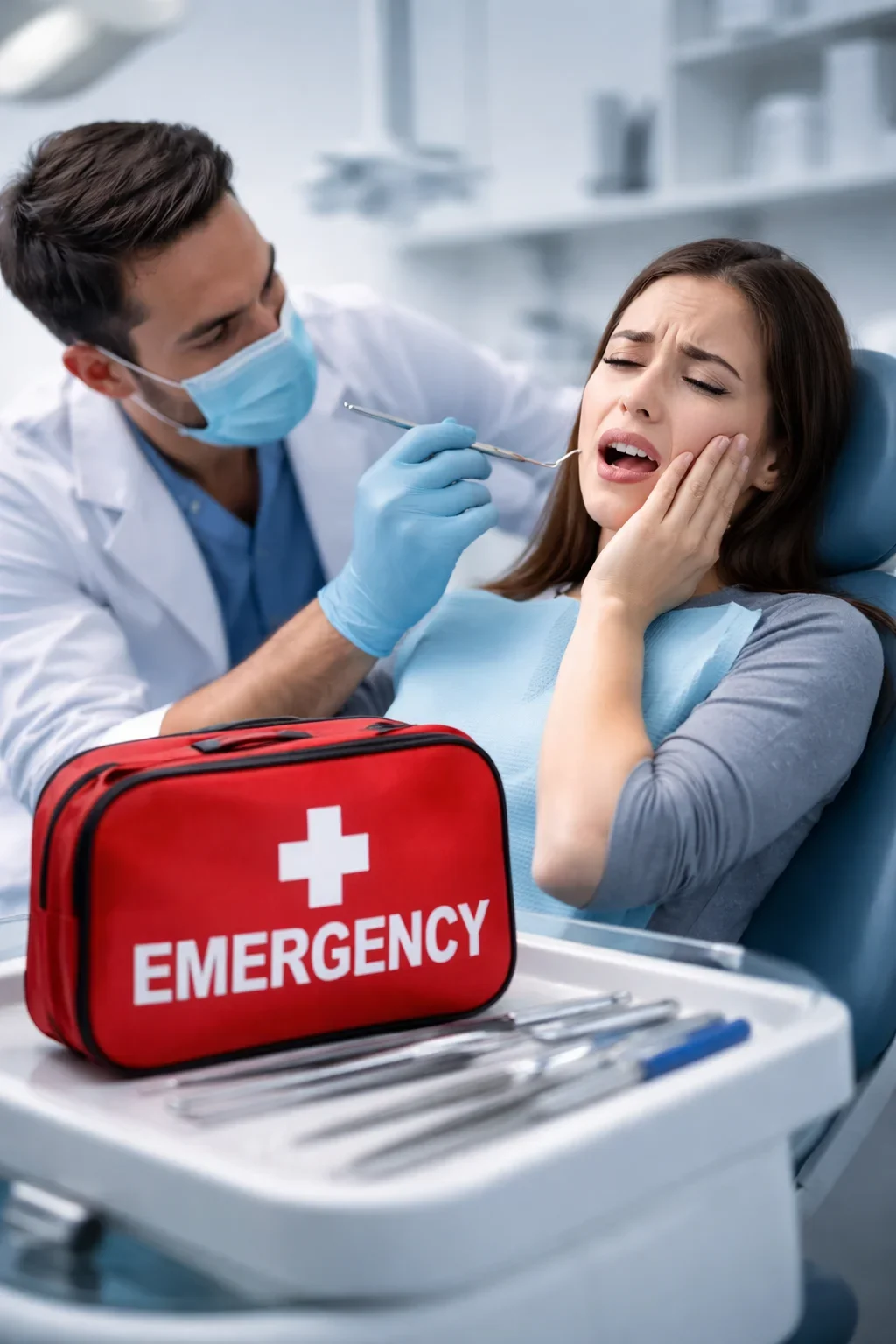
Aftercare and Recovery Tips Following an Emergency for Dentist Treatment
Once the urgent phase of treatment is complete, proper aftercare becomes the most critical factor in ensuring long-term success. Many patients assume that once they leave the clinic, the emergency for dentist situation is fully resolved. However, the healing process continues at home, and what you do in the hours and days after your visit can directly affect outcomes. Whether the emergency for dentist procedure involved extraction, infection control, trauma repair, or temporary restoration, following the correct recovery steps helps prevent complications and supports faster healing.
Understanding what was done during your emergency for dentist visit
Before leaving the clinic, you should clearly understand what type of treatment was performed. Some emergency for dentist procedures are temporary solutions designed to stabilize the condition until a full treatment plan is completed later. For example, a temporary filling may be placed, or an infection may be controlled but not fully eliminated. Knowing this helps you avoid false assumptions. Ask whether you need a follow-up appointment and what signs indicate that your emergency for dentist condition is improving or worsening.
Temporary vs permanent treatments
In many emergency for dentist cases, immediate relief is the priority. This means you might receive a temporary crown, a protective dressing, or medication rather than a final restoration. Temporary solutions are not meant to last indefinitely. If you ignore follow-up care, the emergency for dentist problem may return. Always treat temporary work with caution and follow the dentist’s instructions closely to avoid dislodging or damaging it.
Managing pain and discomfort at home
Pain management is a common concern after any emergency for dentist procedure. Mild to moderate discomfort is normal, especially after extractions or procedures involving the nerve. Use medications exactly as prescribed or recommended. Avoid taking additional medications beyond what is safe for your health condition. If swelling is present, applying a cold compress intermittently during the first 24 hours can help reduce inflammation. Keeping your head slightly elevated while resting can also minimize swelling after an emergency for dentist intervention.
When pain is not normal
While some discomfort is expected, severe or worsening pain may signal a complication. If your emergency for dentist area becomes increasingly painful after initial improvement, or if you develop fever, persistent bleeding, or spreading swelling, you should contact the clinic immediately. These signs may indicate infection or delayed healing that requires further attention.
Eating and drinking after treatment
Your diet plays a significant role in recovery after an emergency for dentist visit. For the first few hours, avoid eating until numbness wears off to prevent accidental injury. After that, choose soft foods that do not require strong chewing. Avoid extremely hot, cold, spicy, or hard foods that could irritate the treated area. If your emergency for dentist procedure involved extraction, avoid using straws or creating suction in the mouth, as this can disturb the healing site.
Hydration and oral comfort
Staying hydrated supports healing, but you should drink carefully. Take small sips and avoid beverages that may irritate sensitive tissues. Alcohol and very acidic drinks should be avoided, especially in the early stages of recovery from an emergency for dentist treatment.
Oral hygiene after an emergency for dentist procedure
Maintaining oral hygiene is essential, but it must be done gently. Do not brush directly over a sensitive or treated area on the first day unless instructed otherwise. Instead, focus on keeping the rest of your mouth clean. After the initial healing phase, you can gradually resume normal brushing while being careful around the emergency for dentist site. In some cases, the dentist may recommend a specific rinse to reduce bacteria and support healing.
Protecting the treated area
If you received stitches, a dressing, or a temporary restoration during your emergency for dentist visit, avoid touching or disturbing it. Repeated contact with fingers or the tongue can delay healing or introduce bacteria. Follow all care instructions exactly as given to maintain the stability of the treatment.
Activity and rest recommendations
After an emergency for dentist procedure, your body needs time to recover. Avoid intense physical activity for at least the first 24 hours, especially if the treatment involved surgery or extraction. Increased blood flow from exercise can lead to bleeding or swelling. Rest allows your body to focus on healing the emergency for dentist site effectively.
Recognizing signs of proper healing
Healing after an emergency for dentist visit usually follows a predictable pattern. Mild discomfort should gradually decrease, swelling should reduce, and normal function should slowly return. You may notice slight sensitivity, but it should not worsen over time. Monitoring these changes helps you understand whether your emergency for dentist recovery is progressing correctly.
Warning signs to watch for
If you notice persistent bleeding, bad taste, increasing swelling, or difficulty opening your mouth, these may indicate complications. Do not wait too long to act. Contact your dentist if anything feels unusual after your emergency for dentist treatment. Early intervention can prevent more serious problems.
Importance of follow-up appointments
Many patients skip follow-up visits after an emergency for dentist appointment, especially if pain has decreased. This is a major mistake. Follow-up care ensures that the underlying issue has been fully resolved. It also allows the dentist to replace temporary solutions with permanent ones if needed. Without proper follow-up, the emergency for dentist problem may return, sometimes in a more severe form.
Long-term habits to prevent future emergencies
Finally, recovery is not just about healing—it is also about prevention. After experiencing an emergency for dentist situation, it is important to adopt better oral care habits. Regular brushing, flossing, routine dental check-ups, and avoiding harmful habits like chewing hard objects can reduce the risk of another emergency for dentist event. Being proactive with your oral health helps you avoid sudden pain and unexpected visits in the future.
In summary, proper aftercare is a continuation of the treatment itself. An emergency for dentist visit does not end at the clinic door. What you do afterward determines how well and how quickly you recover. By following instructions carefully, staying aware of warning signs, and attending follow-up appointments, you ensure that your emergency for dentist experience leads to a stable and healthy outcome.