
✨ Byte night aligners have become one of the most discussed orthodontic solutions for adults who want straighter teeth without the inconvenience of traditional braces. Designed specifically for nighttime wear, byte night aligners offer a convenient alternative for individuals who prefer a more discreet approach to orthodontic treatment. Instead of wearing aligners throughout the entire day, users typically wear byte night aligners for approximately 10 hours each night while sleeping, making treatment easier to fit into busy lifestyles.
The popularity of byte night aligners continues to grow because many people seek effective teeth-straightening options that do not interfere with work, social activities, or daily routines. Clear aligner technology has transformed modern orthodontics, allowing patients to correct mild to moderate alignment issues without metal brackets and wires. As a result, byte night aligners have emerged as a practical solution for adults looking for flexibility and comfort.
At their core, byte night aligners are custom-made transparent trays designed to gradually move teeth into more desirable positions. Using digital impressions or molds of the patient’s teeth, a series of aligners is created. Each aligner is slightly different from the previous one, applying controlled pressure that encourages gradual tooth movement over time. This process is based on the same orthodontic principles used in traditional braces and daytime clear aligners.
One of the most appealing aspects of byte night aligners is their nearly invisible appearance. Unlike conventional braces, which are immediately noticeable, these clear trays fit snugly over the teeth and remain discreet. This feature is especially attractive for professionals, students, and adults who prefer a subtle treatment option.
Understanding how byte night aligners work begins with recognizing the biological process behind tooth movement. Teeth are supported by bone and periodontal ligaments. When gentle pressure is applied consistently, these structures gradually adapt, allowing teeth to shift into new positions. Each set of byte night aligners is worn for a predetermined period before progressing to the next set in the series. This step-by-step approach helps ensure predictable and controlled results.
📋 The treatment process typically includes the following stages:
- Initial dental assessment and eligibility review
- Digital scanning or impression collection
- Creation of a customized treatment plan
- Manufacturing of personalized aligners
- Regular progression through aligner sets
- Completion of treatment and retention phase
Many individuals choose byte night aligners because they offer convenience without sacrificing effectiveness. Since the aligners are worn primarily during sleep, users can enjoy meals, meetings, and social events without constantly managing orthodontic appliances throughout the day. This unique nighttime schedule differentiates byte night aligners from many other clear aligner systems currently available.
Another important consideration is comfort. Most patients report that byte night aligners feel smoother and less irritating than traditional braces. There are no brackets that can rub against the cheeks or wires that may require emergency adjustments. While mild pressure is expected whenever a new aligner tray is introduced, this sensation is generally considered a normal sign that tooth movement is occurring.
🦷 Common dental concerns that may be addressed with byte night aligners include:
- Mild crowding
- Minor spacing issues
- Slightly crooked teeth
- Small alignment irregularities
- Certain bite-related concerns
However, it is important to understand that not every orthodontic case is suitable for byte night aligners. Severe bite discrepancies, significant tooth rotations, and complex orthodontic conditions may require alternative treatments under direct supervision from an orthodontist. A professional evaluation is always recommended before starting any aligner therapy.
Patients considering byte night aligners should also maintain realistic expectations. Although the technology is highly advanced, successful outcomes depend heavily on compliance. Consistent wear according to treatment instructions is essential for achieving predictable results. Skipping nights or failing to follow the recommended schedule can delay progress and affect final outcomes.
In addition to straightening teeth, properly aligned teeth may contribute to easier oral hygiene. When teeth are less crowded, brushing and flossing can become more effective. This may help reduce areas where plaque and food particles accumulate. Resources from the American Dental Association emphasize the importance of maintaining proper oral hygiene throughout orthodontic treatment to support long-term dental health.
For individuals exploring orthodontic options internationally or seeking professional dental guidance, the Redent Klinik Contact Page can provide additional information regarding available treatments and consultation opportunities.
✅ Ultimately, byte night aligners represent a modern approach to orthodontic care that combines convenience, aesthetics, and advanced clear aligner technology. By wearing customized trays during sleep, patients can gradually improve tooth alignment while minimizing disruptions to daily life. Whether someone is concerned about mild crowding, spacing, or cosmetic alignment issues, byte night aligners may offer an attractive solution worth discussing with a qualified dental professional. As demand for discreet orthodontic treatment continues to rise, byte night aligners remain a popular choice among adults seeking a comfortable and flexible path toward a healthier, more confident smile. 😁
Benefits of Choosing Byte Night Aligners for Teeth Straightening
Modern orthodontic treatment has evolved significantly over the past decade, giving patients more choices than ever before. Among the most popular innovations are byte night aligners, a treatment option designed for individuals who want straighter teeth without wearing aligners throughout the day. The primary appeal of byte night aligners lies in their convenience, discretion, and ability to fit seamlessly into busy lifestyles. For adults balancing work, family responsibilities, and social commitments, byte night aligners provide an attractive alternative to traditional braces and full-time clear aligners.
Many people hesitate to begin orthodontic treatment because they worry about appearance, comfort, or daily disruptions. Fortunately, byte night aligners address many of these concerns while still utilizing proven orthodontic principles to gradually improve dental alignment. Understanding the advantages of byte night aligners can help patients determine whether this treatment option aligns with their oral health and cosmetic goals.
Convenience for Busy Lifestyles
One of the most significant benefits of byte night aligners is their nighttime-only wear schedule. Unlike traditional clear aligners that often require 20 to 22 hours of daily wear, byte night aligners are generally designed to be worn while sleeping. This schedule can be especially beneficial for professionals, students, parents, and individuals who frequently attend meetings or social events.
Because byte night aligners are worn primarily at night, patients can enjoy greater freedom during the day. There is no need to remove aligners before meals, clean trays during lunch breaks, or worry about aligners affecting speech during important presentations. This flexibility is one reason many adults find byte night aligners appealing.
Reduced Daytime Disruption
- No need to remove aligners multiple times daily.
- Greater convenience when dining out.
- Less concern about speaking in public.
- Easier integration into daily routines.
- Improved compliance for some users.
For individuals who previously delayed orthodontic treatment because of lifestyle concerns, byte night aligners can make treatment feel more manageable and less intrusive.
Discreet and Nearly Invisible Appearance
Another major advantage of byte night aligners is their aesthetic appeal. Traditional braces use metal brackets and wires that are highly visible whenever a person smiles or speaks. In contrast, byte night aligners are made from clear materials designed to fit closely over the teeth.
Since treatment occurs mainly during sleeping hours, the visibility factor becomes even less significant. Many patients appreciate that byte night aligners allow them to pursue orthodontic correction while maintaining a natural appearance throughout the day.
For professionals working in client-facing roles, media positions, education, healthcare, or customer service, this discreet approach can be particularly valuable. The confidence gained from knowing orthodontic treatment remains largely unnoticed often contributes to a more positive overall experience.
Improved Comfort Compared to Traditional Braces
Comfort is another reason many patients choose byte night aligners. Conventional braces contain brackets and wires that may cause irritation to the lips, cheeks, and gums. Adjustments can also create temporary soreness.
In contrast, byte night aligners feature smooth plastic surfaces that generally produce less irritation. While some mild pressure is expected whenever transitioning to a new aligner set, most users describe the sensation as manageable and temporary.
The absence of metal components provides several comfort-related advantages:
- Reduced soft tissue irritation.
- No broken brackets or poking wires.
- Smoother fit against oral tissues.
- Fewer emergency orthodontic visits.
- More comfortable sleeping experience.
These benefits help explain why byte night aligners continue gaining popularity among adults seeking a gentler orthodontic experience.
Support for Better Oral Hygiene
Maintaining oral hygiene during orthodontic treatment can sometimes be challenging. Traditional braces create numerous small spaces where food particles and plaque may accumulate. Cleaning around brackets and wires often requires additional tools and effort.
Because byte night aligners are removable, patients can brush and floss normally before inserting the aligners at bedtime. This allows many users to maintain their existing oral hygiene routine with minimal modification.
Proper cleaning remains essential throughout treatment. Following recommendations from the American Dental Association can help support healthy gums and teeth while using byte night aligners. Consistent oral hygiene may reduce the risk of plaque buildup, gum inflammation, and other preventable dental concerns.
Customized Treatment Planning
Every smile is unique, and one of the strengths of byte night aligners is the customized nature of treatment. Advanced digital technology is used to create a personalized treatment plan based on the patient’s specific dental anatomy.
Custom aligners are designed to apply controlled forces to targeted teeth, gradually moving them into improved positions. This individualized approach allows byte night aligners to address various alignment concerns, including:
- Mild crowding.
- Small gaps between teeth.
- Minor rotations.
- Cosmetic alignment irregularities.
- Certain bite-related concerns.
Patients often appreciate seeing projected treatment outcomes before beginning therapy, helping them better understand the potential benefits of byte night aligners.
Enhanced Confidence Throughout Treatment
Confidence plays an important role in both personal and professional interactions. Many adults avoid orthodontic treatment because they fear braces will affect their appearance. The discreet nature of byte night aligners helps address this concern while still allowing patients to pursue smile improvement.
As teeth gradually become more aligned, many users report feeling increasingly confident in photographs, social settings, workplace interactions, and everyday conversations. A straighter smile can contribute positively to self-esteem and overall satisfaction with appearance.
For patients exploring orthodontic options and seeking professional guidance, the Redent Klinik Contact Page can provide additional information regarding consultations and treatment planning.
Long-Term Benefits Beyond Appearance
While cosmetic improvement is a common motivation, the advantages of byte night aligners extend beyond aesthetics. Proper alignment may contribute to improved oral function, easier cleaning, and more balanced distribution of biting forces. When teeth are positioned more favorably, maintaining long-term oral health may become easier.
Ultimately, byte night aligners offer a combination of convenience, comfort, discretion, and effectiveness that appeals to many adults seeking orthodontic treatment. Their nighttime-only design, removable nature, and personalized treatment approach make byte night aligners a compelling option for individuals who want to improve their smile while minimizing disruptions to daily life. 😊
Who Is a Good Candidate for Byte Night Aligners?
Choosing the right orthodontic treatment is one of the most important decisions for anyone looking to improve their smile. While clear aligner therapy has become increasingly popular, not every treatment option is suitable for every patient. Understanding who is an ideal candidate for byte night aligners can help individuals determine whether this nighttime orthodontic solution aligns with their dental needs, lifestyle preferences, and treatment goals.
Byte night aligners are designed for patients seeking a discreet and convenient way to straighten their teeth without wearing orthodontic appliances throughout the day. Unlike traditional braces or full-time clear aligners, byte night aligners are generally intended to be worn during sleeping hours. This unique treatment approach appeals to adults who want flexibility while still working toward a healthier and more attractive smile.
However, successful treatment with byte night aligners depends on several factors, including the complexity of the dental issue, patient compliance, oral health status, and overall expectations. A comprehensive dental evaluation is always recommended before beginning treatment.
Adults Seeking a Discreet Orthodontic Solution
One of the largest groups interested in byte night aligners consists of adults who postponed orthodontic treatment during their teenage years or experienced shifting teeth later in life. Many professionals and working adults prefer solutions that do not affect their appearance during meetings, presentations, or social interactions.
Because byte night aligners are worn primarily at night, they offer a level of discretion that many patients find appealing. Individuals who feel self-conscious about wearing visible orthodontic appliances often appreciate the flexibility provided by byte night aligners.
Common Adult Motivations Include:
- Improving smile aesthetics.
- Correcting minor crowding.
- Closing small gaps between teeth.
- Enhancing self-confidence.
- Addressing mild relapse after previous orthodontic treatment.
For these individuals, byte night aligners may provide an effective and convenient solution without major lifestyle disruptions.
Patients with Mild to Moderate Alignment Issues
The ideal candidate for byte night aligners typically has mild to moderate orthodontic concerns. Clear aligner systems are highly effective for many common alignment problems, but they have limitations when treating severe orthodontic cases.
Examples of conditions that may be suitable for byte night aligners include:
- Mild crowding of front teeth.
- Small spacing issues.
- Slight tooth rotations.
- Minor bite irregularities.
- Cosmetic alignment concerns.
Patients with these issues often achieve favorable outcomes when using byte night aligners as directed. The customized trays apply gradual pressure that encourages controlled tooth movement over time.
On the other hand, severe skeletal discrepancies, significant bite problems, impacted teeth, and major orthodontic complications may require more advanced treatment approaches under direct orthodontic supervision.
People with Good Oral Health
Before starting byte night aligners, patients should ideally have healthy teeth and gums. Active dental problems can interfere with treatment and may worsen if left untreated.
Dental professionals often recommend addressing the following conditions before beginning byte night aligners:
- Untreated cavities.
- Periodontal disease.
- Severe gum inflammation.
- Dental infections.
- Broken or damaged restorations.
Healthy gums provide a stable foundation for orthodontic tooth movement. Patients who maintain excellent oral hygiene generally experience smoother treatment and better long-term results with byte night aligners.
Individuals Committed to Following Instructions
Compliance plays a critical role in the success of any aligner therapy. Even though byte night aligners are designed for nighttime wear, consistency remains essential. Patients must wear their aligners according to the prescribed schedule to achieve predictable results.
The best candidates for byte night aligners are individuals who:
- Follow treatment guidelines carefully.
- Replace aligners on schedule.
- Maintain proper aligner hygiene.
- Attend recommended follow-up evaluations.
- Remain patient throughout treatment.
Patients who frequently skip wear time may experience slower progress or less predictable outcomes. Therefore, motivation and commitment are important characteristics of successful byte night aligners users.
Patients Looking for Lifestyle Flexibility
One of the defining advantages of byte night aligners is convenience. Individuals with demanding schedules often appreciate the ability to complete treatment while sleeping. This can be particularly beneficial for:
- Business professionals.
- Healthcare workers.
- Teachers and educators.
- University students.
- Frequent travelers.
- Parents managing busy households.
Because daytime wear is minimized, byte night aligners can fit naturally into many lifestyles. Patients can enjoy meals, presentations, social events, and conversations without worrying about orthodontic appliances throughout the day.
Who May Not Be an Ideal Candidate?
Although byte night aligners offer numerous benefits, they are not appropriate for every situation. Certain dental and orthodontic conditions may require alternative treatment options.
Potential Limitations Include:
- Severe overcrowding.
- Complex bite abnormalities.
- Major jaw alignment issues.
- Impacted teeth.
- Advanced periodontal disease.
- Patients unwilling to follow treatment instructions.
In these situations, an orthodontist may recommend traditional braces, comprehensive aligner therapy, or other specialized treatments instead of byte night aligners.
Importance of Professional Evaluation
Although online orthodontic solutions have become increasingly accessible, professional assessment remains essential. A dentist or orthodontist can evaluate whether byte night aligners are appropriate based on diagnostic records, bite analysis, and oral health examination.
Resources from the American Dental Association consistently emphasize the importance of maintaining proper oral health and receiving professional dental guidance before beginning orthodontic treatment.
Patients considering smile improvement may also seek consultation through the Redent Klinik Contact Page to discuss personalized treatment options and determine whether aligner therapy is suitable for their specific needs.
Final Thoughts on Candidate Eligibility
Ultimately, the best candidates for byte night aligners are adults with mild to moderate alignment concerns who desire a discreet, convenient, and flexible orthodontic solution. Individuals with healthy teeth and gums, realistic expectations, and a strong commitment to treatment instructions often achieve the most successful outcomes.
While byte night aligners can provide significant cosmetic and functional improvements, determining candidacy requires professional evaluation and individualized treatment planning. By understanding the strengths and limitations of byte night aligners, patients can make informed decisions and pursue the orthodontic solution that best supports their long-term oral health and smile goals. 😁🦷
Byte Night Aligners vs Traditional Braces: Key Differences
When considering orthodontic treatment, one of the most common questions patients ask is whether they should choose byte night aligners or traditional braces. Both treatment options are designed to improve tooth alignment, enhance smile aesthetics, and support better oral function. However, the experience, appearance, maintenance requirements, and lifestyle impact of these treatments can differ significantly. Understanding the key differences between byte night aligners and traditional braces can help patients make informed decisions based on their personal goals and dental needs.
Orthodontic treatment has evolved considerably over the years. While metal braces have been successfully used for decades to correct a wide range of dental issues, clear aligner systems such as byte night aligners have introduced a more flexible and discreet approach. Each option offers unique benefits and limitations, making professional evaluation essential before selecting the most appropriate treatment.
Appearance and Aesthetic Considerations
One of the biggest distinctions between byte night aligners and traditional braces is appearance. Traditional braces consist of metal brackets attached to the teeth and connected by wires. Although modern braces are smaller and more comfortable than older designs, they remain highly visible when smiling, speaking, or eating.
In contrast, byte night aligners are made from transparent plastic material designed to fit closely over the teeth. Because they are worn primarily during sleep, they offer an even greater level of discretion than many daytime aligner systems. For adults who are concerned about maintaining a professional appearance throughout treatment, byte night aligners can be particularly attractive.
Appearance Comparison
- Byte night aligners: Nearly invisible and worn mostly at night.
- Traditional braces: Clearly visible metal brackets and wires.
- Byte night aligners: Minimal impact on professional appearance.
- Traditional braces: More noticeable during social interactions.
For many adults, aesthetic considerations are among the primary reasons for choosing byte night aligners over braces.
Comfort During Treatment
Comfort is another major factor influencing treatment decisions. Traditional braces involve brackets and wires that can occasionally irritate the cheeks, lips, and gums. Patients may experience soreness following adjustment appointments as orthodontic forces are increased.
Byte night aligners, on the other hand, use smooth plastic trays without metal components. While users may experience temporary pressure when switching to a new aligner set, the absence of brackets and wires generally contributes to a more comfortable experience.
Many patients report that byte night aligners feel less intrusive in daily life compared to traditional braces. The aligners are custom-designed for each patient, helping improve fit and comfort throughout treatment.
Treatment Flexibility and Lifestyle Impact
One of the most distinctive advantages of byte night aligners is flexibility. Traditional braces remain attached to the teeth throughout treatment and cannot be removed by the patient. This means individuals must adapt their eating habits and oral hygiene routines accordingly.
By comparison, byte night aligners are removable. Because treatment primarily occurs during sleeping hours, users experience minimal daytime disruption. This can be particularly beneficial for professionals, students, and individuals with demanding schedules.
Lifestyle Benefits of Byte Night Aligners
- No brackets or wires during daytime activities.
- Freedom to eat favorite foods during the day.
- Minimal effect on speech during work or social events.
- Convenient integration into nighttime routines.
- Reduced concern about orthodontic visibility.
These advantages help explain why many adults are increasingly interested in byte night aligners as an alternative to traditional braces.
Effectiveness for Different Orthodontic Cases
Although byte night aligners offer numerous benefits, treatment suitability depends on the complexity of the dental condition. Traditional braces remain one of the most versatile orthodontic tools available and can address a wide range of severe alignment and bite problems.
Traditional braces are often recommended for:
- Severe crowding.
- Complex bite discrepancies.
- Significant tooth rotations.
- Major jaw alignment issues.
- Advanced orthodontic corrections.
Meanwhile, byte night aligners are generally most effective for mild to moderate alignment concerns. These may include small gaps, mild crowding, minor rotations, and cosmetic tooth positioning issues.
A thorough evaluation by a dental professional is essential to determine whether byte night aligners can achieve the desired treatment objectives.
Oral Hygiene Maintenance
Maintaining oral hygiene during orthodontic treatment is critical for long-term dental health. Traditional braces can make brushing and flossing more challenging because food particles may become trapped around brackets and wires.
Since byte night aligners are removable, patients can continue brushing and flossing their teeth using normal techniques before inserting the aligners at night. This often makes oral hygiene easier to manage.
The American Dental Association emphasizes the importance of maintaining proper oral hygiene throughout orthodontic treatment. Whether using braces or byte night aligners, consistent dental care remains essential for preventing cavities and gum disease.
Dietary Restrictions
Traditional braces often require patients to avoid certain foods that may damage brackets or wires. Hard candies, sticky foods, popcorn, and chewing gum are commonly restricted during treatment.
Because byte night aligners are removed during meals, dietary limitations are generally far less restrictive. Patients can typically continue enjoying their normal diet without worrying about damaging orthodontic appliances.
This freedom is another reason why many adults prefer byte night aligners over conventional braces.
Treatment Monitoring and Compliance
One advantage of traditional braces is that they remain attached to the teeth, meaning treatment progresses continuously regardless of patient compliance. With byte night aligners, patient commitment plays a larger role.
Successful outcomes depend on wearing byte night aligners according to prescribed instructions. Skipping wear time can delay progress and affect treatment results. Therefore, motivated patients who follow recommendations carefully tend to achieve the best outcomes with byte night aligners.
Cost Considerations
The cost of orthodontic treatment varies based on complexity, treatment duration, and provider fees. Depending on individual circumstances, both traditional braces and byte night aligners may represent significant investments in oral health and appearance.
Patients considering orthodontic treatment should request a detailed consultation and treatment plan. Those interested in exploring aligner-based solutions can obtain additional information through the Redent Klinik Contact Page.
Final Comparison
Ultimately, both traditional braces and byte night aligners can produce excellent orthodontic outcomes when used appropriately. Traditional braces remain highly effective for complex cases, while byte night aligners offer a discreet, comfortable, and convenient option for many adults with mild to moderate alignment concerns.
For patients seeking flexibility, improved aesthetics, easier oral hygiene, and minimal daytime disruption, byte night aligners may provide substantial advantages. However, treatment selection should always be guided by professional evaluation to ensure the chosen approach aligns with the individual’s dental condition, expectations, and long-term oral health goals. 😁🦷
Treatment Timeline: How Long Do Byte Night Aligners Take?
One of the most common questions patients ask before starting orthodontic treatment is how long it will take to achieve noticeable results. Individuals considering byte night aligners are often attracted by the convenience and flexibility of nighttime wear, but they also want to understand the expected treatment timeline. While every smile is unique, the duration of treatment with byte night aligners depends on several important factors, including the complexity of the alignment issue, patient compliance, oral health status, and treatment goals.
Unlike traditional braces, which may require treatment periods lasting several years, byte night aligners are typically designed for patients with mild to moderate orthodontic concerns. Because these cases are generally less complex, treatment can often be completed within a shorter timeframe. However, it is important to remember that every patient’s situation is different, and professional evaluation remains essential for determining an accurate treatment estimate.
Understanding the Byte Night Aligners Treatment Process
The timeline for byte night aligners begins long before the first aligner is worn. Treatment starts with an assessment of the patient’s oral health and tooth alignment. Digital scans or impressions are used to create a customized treatment plan that maps out the gradual movement of each tooth.
Once the treatment plan is finalized, a series of custom aligners is manufactured. Each aligner tray is designed to move teeth incrementally toward their desired positions. Patients progress through these aligners according to the prescribed schedule, allowing byte night aligners to produce controlled and predictable tooth movement over time.
Typical Treatment Stages
- Initial consultation and eligibility assessment.
- Digital scanning or dental impressions.
- Customized treatment planning.
- Aligner manufacturing.
- Active aligner wear phase.
- Final evaluation.
- Retention and maintenance phase.
Each stage contributes to the overall success of byte night aligners treatment and influences the total duration required to achieve results.
Average Treatment Duration
For many patients, treatment with byte night aligners may take anywhere from approximately 10 to 20 months. The exact duration varies based on individual circumstances. Patients with very minor alignment concerns may complete treatment more quickly, while those with moderate crowding or spacing issues may require additional time.
Compared with full-time clear aligners, byte night aligners generally require a somewhat longer treatment period because they are worn fewer hours per day. This does not necessarily indicate reduced effectiveness; rather, tooth movement occurs more gradually due to the reduced daily wear schedule.
Patients should maintain realistic expectations and understand that orthodontic treatment is a biological process that cannot be rushed excessively without compromising safety and predictability.
Factors That Influence Treatment Time
Several variables can affect how long byte night aligners treatment takes. Understanding these factors can help patients better anticipate their orthodontic journey.
Severity of Alignment Problems
The complexity of the dental issue is one of the most important determinants of treatment length. Mild spacing or crowding may require fewer aligner stages than more extensive alignment corrections.
Patients with the following concerns often experience shorter treatment durations:
- Minor crowding.
- Small gaps between teeth.
- Slight cosmetic misalignment.
- Minor tooth rotations.
More complex cases may require longer treatment plans, additional aligners, or alternative orthodontic approaches beyond byte night aligners.
Patient Compliance
Consistency is critical for successful treatment. Because byte night aligners rely on regular wear, patients who follow instructions closely tend to achieve results more efficiently.
Skipping nights, forgetting to wear aligners, or extending aligner changes beyond the recommended schedule can delay tooth movement and prolong treatment. Patients who remain committed to their prescribed routine generally experience smoother progress with byte night aligners.
Biological Response to Tooth Movement
Every individual responds differently to orthodontic forces. Some patients experience relatively rapid tooth movement, while others progress more slowly. Age, bone density, gum health, and overall oral condition can all influence treatment speed.
This natural variation explains why treatment duration with byte night aligners can differ even among patients with similar alignment concerns.
When Will Results Become Visible?
Many users begin noticing subtle improvements within the first few months of wearing byte night aligners. Small changes may initially appear in the front teeth because these areas are more visible when smiling.
Visible progress often motivates patients to remain consistent with treatment. However, it is important to remember that significant orthodontic correction occurs gradually. The most dramatic improvements are typically observed later in the treatment process as teeth continue moving toward their planned positions.
Patients should focus on long-term outcomes rather than expecting immediate transformation from byte night aligners.
The Importance of the Retention Phase
Completing active treatment does not mark the end of the orthodontic journey. After finishing treatment with byte night aligners, retainers are usually recommended to help maintain results.
Teeth naturally have a tendency to shift over time. Retainers help stabilize the newly achieved tooth positions and reduce the risk of relapse. Patients who neglect retention may experience movement that compromises the results obtained through byte night aligners.
Benefits of Retainers
- Maintain treatment outcomes.
- Prevent unwanted tooth shifting.
- Protect the investment in orthodontic care.
- Support long-term smile stability.
Monitoring Progress Throughout Treatment
Regular monitoring is important for ensuring treatment remains on track. Depending on the treatment model, patients may submit progress updates, photographs, or attend follow-up evaluations. These assessments help confirm that byte night aligners are producing the expected tooth movement.
Professional oversight allows adjustments to be made when necessary and helps maximize treatment success.
Organizations such as the American Dental Association emphasize the importance of professional dental supervision throughout orthodontic treatment to support patient safety and optimal outcomes.
Seeking Professional Guidance
Individuals interested in improving their smile should always seek personalized advice before beginning treatment. A professional evaluation can determine whether byte night aligners are appropriate and provide a more accurate estimate of expected treatment duration.
Patients who would like additional information about orthodontic solutions can visit the Redent Klinik Contact Page to discuss treatment options and receive individualized recommendations.
Final Thoughts on Treatment Duration
In summary, the timeline for byte night aligners varies depending on the patient’s specific dental needs, treatment goals, and commitment to the prescribed wear schedule. While many cases may be completed within approximately 10 to 20 months, individual experiences differ. Patients with mild alignment concerns, excellent compliance, and healthy oral conditions often achieve results more efficiently.
Ultimately, byte night aligners provide a flexible and discreet approach to orthodontic care, allowing patients to improve their smiles while minimizing daytime disruption. By following treatment instructions carefully and maintaining realistic expectations, users can maximize the benefits of byte night aligners and work toward lasting, confident smile improvements. 😁🦷
Cost of Byte Night Aligners and Available Payment Options
For many people considering orthodontic treatment, cost is one of the most important factors influencing their decision. While achieving a straighter smile and improved oral health is valuable, patients naturally want to understand the financial commitment involved before beginning treatment. Byte night aligners have attracted significant attention because they offer a modern, convenient, and discreet alternative to traditional braces. However, understanding the cost structure of byte night aligners, as well as the available payment options, is essential for making an informed decision.
The overall cost of byte night aligners depends on several variables, including treatment complexity, geographic location, provider policies, promotional offers, and whether additional dental procedures are required before treatment begins. Although pricing can vary over time, patients should view orthodontic treatment as a long-term investment in both aesthetics and oral health.
How Much Do Byte Night Aligners Typically Cost?
Historically, publicly advertised pricing for byte night aligners in the United States has generally ranged between approximately $2,000 and $3,500, depending on treatment requirements and available promotions. However, pricing structures may change, and patients should always verify current fees directly through official providers or qualified dental professionals.
Compared with traditional braces, which can often cost between $3,000 and $8,000 depending on case complexity, byte night aligners are frequently viewed as a more affordable option for individuals with mild to moderate alignment concerns.
Approximate Cost Comparison
| Treatment Type | Estimated Cost Range |
|---|---|
| Byte Night Aligners | $2,000 – $3,500 |
| Traditional Metal Braces | $3,000 – $8,000 |
| Ceramic Braces | $4,000 – $8,500 |
| In-Office Clear Aligners | $3,500 – $8,000+ |
These figures are approximate estimates and should not be considered fixed treatment prices. Individual treatment plans involving byte night aligners may vary significantly based on specific clinical needs.
What Is Included in the Cost?
Many patients assume orthodontic treatment costs only cover the aligners themselves. In reality, the overall price of byte night aligners may include several components designed to support successful treatment.
Depending on the treatment provider, the package may include:
- Initial eligibility assessment.
- Digital impressions or dental scans.
- Customized treatment planning.
- Complete aligner series.
- Progress monitoring.
- Customer support throughout treatment.
- Retention recommendations after completion.
Before committing to byte night aligners, patients should carefully review what services are included in the quoted fee. Understanding the full scope of treatment can help prevent unexpected expenses later.
Factors That Affect the Cost of Treatment
Several variables influence the final cost of byte night aligners. While some patients may qualify for relatively straightforward treatment, others may require additional interventions that affect overall expenses.
Severity of Alignment Issues
Mild crowding or spacing concerns often require fewer aligners and less extensive treatment planning. More complicated orthodontic cases may involve additional aligners or longer treatment durations, which can influence costs.
Additional Dental Procedures
Before beginning byte night aligners, some patients may require:
- Professional dental cleaning.
- Cavity treatment.
- Periodontal therapy.
- Tooth extractions.
- Replacement of damaged restorations.
These procedures are generally separate from aligner costs and should be considered when planning an overall orthodontic budget.
Geographic Location
Dental treatment costs often vary depending on the region where services are provided. Urban areas and major metropolitan locations may have higher treatment fees than smaller communities.
While byte night aligners may offer standardized pricing in certain markets, consultation and supporting dental services can still vary geographically.
Payment Plans and Financing Options
One reason many patients find byte night aligners appealing is the availability of financing options. Rather than paying the entire treatment fee upfront, many individuals choose monthly payment plans that spread costs over time.
Common financing approaches may include:
- Monthly installment plans.
- Third-party healthcare financing.
- Credit card payments.
- Flexible spending accounts (FSA).
- Health savings accounts (HSA).
These options can make byte night aligners more accessible for patients who prefer predictable monthly expenses rather than a large one-time payment.
Benefits of Monthly Financing
- Reduced upfront financial burden.
- More manageable budgeting.
- Greater treatment accessibility.
- Flexibility for different income levels.
Patients should always review financing terms carefully, including interest rates, repayment periods, and eligibility requirements.
Does Dental Insurance Cover Byte Night Aligners?
Insurance coverage for byte night aligners varies considerably among providers and policies. Some dental insurance plans include orthodontic benefits that may partially offset treatment expenses.
Coverage often depends on factors such as:
- Patient age.
- Type of insurance plan.
- Orthodontic benefit limits.
- Medical necessity requirements.
Before starting treatment, patients should contact their insurance provider to determine whether benefits apply to byte night aligners. Even partial coverage can significantly reduce out-of-pocket expenses.
Value Beyond Cost
Although cost is important, orthodontic treatment should not be evaluated solely on price. Many patients choose byte night aligners because of the combination of convenience, comfort, aesthetics, and flexibility they offer.
Potential benefits may include:
- Improved smile appearance.
- Enhanced confidence.
- Better oral hygiene accessibility.
- Correction of minor alignment concerns.
- More comfortable treatment experience.
For many individuals, these advantages justify the investment required for byte night aligners.
Importance of Professional Consultation
Before making financial decisions regarding orthodontic treatment, patients should seek professional guidance. A qualified dental evaluation can determine whether byte night aligners are appropriate and provide a personalized cost estimate based on specific treatment goals.
Organizations such as the American Dental Association recommend discussing treatment options thoroughly with dental professionals before beginning orthodontic care.
Patients interested in exploring aligner treatment and available financing opportunities may also obtain additional information through the Redent Klinik Contact Page.
Final Thoughts on Cost and Affordability
Ultimately, the cost of byte night aligners varies based on individual circumstances, treatment complexity, and provider-specific factors. While approximate pricing often falls between $2,000 and $3,500, patients should obtain personalized assessments to determine actual treatment costs.
With financing plans, insurance possibilities, and flexible payment arrangements, byte night aligners have become an accessible orthodontic option for many adults. By understanding both the financial commitment and the potential benefits, patients can make confident decisions about investing in a healthier, straighter, and more attractive smile through byte night aligners. 😁🦷
Caring for Your Byte Night Aligners and Maintaining Oral Health
Proper care and maintenance play a critical role in the success of orthodontic treatment. While byte night aligners are designed to provide a convenient and discreet method for straightening teeth, achieving the best possible results requires more than simply wearing the aligners each night. Patients must also maintain excellent oral hygiene, clean their aligners consistently, and follow professional recommendations throughout the treatment process. Understanding how to care for byte night aligners properly can help protect oral health, maximize treatment effectiveness, and extend the lifespan of the aligners.
Many patients are surprised to learn that aligner maintenance is directly connected to dental health. Because byte night aligners fit closely over the teeth, any plaque, food particles, or bacteria present in the mouth can become trapped against tooth surfaces if oral hygiene is neglected. Therefore, maintaining clean teeth and clean aligners is essential for preventing complications during treatment.
Why Proper Care Matters
The primary purpose of byte night aligners is to apply controlled pressure that gradually moves teeth into improved positions. However, aligners can only perform effectively when they remain clean, structurally sound, and properly fitted.
Neglecting aligner care may contribute to:
- Unpleasant odors.
- Staining and discoloration.
- Bacterial buildup.
- Increased plaque accumulation.
- Potential oral health issues.
- Reduced aligner transparency.
By following a consistent cleaning routine, patients can keep their byte night aligners hygienic and maintain the clear appearance that makes them so attractive.
Daily Cleaning Routine for Byte Night Aligners
Cleaning byte night aligners should become part of a patient’s daily oral hygiene routine. Aligners are exposed to saliva and oral bacteria every night, making regular cleaning essential.
Recommended Daily Cleaning Steps
- Remove the aligners carefully each morning.
- Rinse them thoroughly with lukewarm water.
- Gently brush the aligners using a soft toothbrush.
- Remove any visible residue or buildup.
- Allow them to dry if recommended by the provider.
- Store them properly when not in use.
Patients should avoid using hot water when cleaning byte night aligners, as excessive heat may warp the plastic material and affect the fit of the trays.
Consistency is key. Regular cleaning helps preserve both the appearance and functionality of byte night aligners throughout treatment.
Maintaining Excellent Oral Hygiene
Successful treatment with byte night aligners depends not only on clean aligners but also on healthy teeth and gums. Before inserting aligners each night, patients should brush and floss thoroughly to remove food particles and plaque.
Failing to clean the teeth before wearing byte night aligners may increase the risk of:
- Tooth decay.
- Plaque accumulation.
- Bad breath.
- Gum inflammation.
- Surface staining.
Because aligners create a close-fitting environment around the teeth, maintaining excellent oral hygiene becomes especially important during treatment.
Essential Oral Hygiene Habits
- Brush at least twice daily.
- Floss every day.
- Use fluoride toothpaste.
- Attend regular dental checkups.
- Address dental problems promptly.
These habits support both oral health and successful treatment outcomes with byte night aligners.
How to Store Byte Night Aligners Properly
Proper storage is often overlooked but remains an important aspect of aligner care. When byte night aligners are not being worn, they should be stored in a protective case whenever possible.
Improper storage may expose aligners to:
- Dust and contaminants.
- Physical damage.
- Accidental loss.
- Household pets.
- Environmental bacteria.
Patients should avoid wrapping byte night aligners in napkins or leaving them exposed on countertops. A designated storage case provides the best protection.
Foods and Beverages to Consider
Since byte night aligners are generally worn during sleep, patients are less likely to eat or drink while wearing them. However, it is still important to understand how beverages and dietary habits can affect treatment.
Before inserting byte night aligners, patients should ideally avoid leaving sugary substances on their teeth. Consuming sweet snacks immediately before bedtime without proper brushing may increase the risk of cavities.
Drinks that can contribute to staining or oral health concerns include:
- Sugary soft drinks.
- Energy drinks.
- Sweetened coffee beverages.
- Sports drinks.
- Alcoholic beverages containing sugar.
Brushing before wearing byte night aligners helps minimize these risks and supports healthier treatment outcomes.
Recognizing Signs of Wear and Damage
Although byte night aligners are manufactured from durable materials, they are not indestructible. Patients should inspect their aligners regularly for signs of damage.
Warning Signs to Monitor
- Visible cracks.
- Warping or distortion.
- Loss of transparency.
- Poor fit.
- Sharp edges.
If any of these issues occur, patients should seek professional guidance rather than continuing to use damaged byte night aligners.
Regular Dental Checkups Remain Essential
Even while undergoing treatment with byte night aligners, routine dental examinations remain extremely important. Orthodontic treatment does not replace preventive dental care.
Professional dental visits help monitor:
- Tooth health.
- Gum condition.
- Plaque accumulation.
- Cavity development.
- Overall treatment progress.
The American Dental Association strongly recommends regular dental examinations and preventive care throughout orthodontic treatment.
Supporting Long-Term Oral Health
One of the potential advantages of successful treatment with byte night aligners is improved access for brushing and flossing after teeth become better aligned. Straighter teeth may reduce difficult-to-clean areas where plaque commonly accumulates.
Patients who maintain strong oral hygiene habits during treatment often establish routines that continue benefiting them long after their byte night aligners treatment is complete.
Individuals seeking additional guidance regarding orthodontic care and smile improvement can obtain further information through the Redent Klinik Contact Page.
Final Thoughts on Aligner Care
Caring for byte night aligners involves much more than simply wearing them every night. Proper cleaning, safe storage, excellent oral hygiene, regular dental visits, and consistent treatment compliance all contribute to successful outcomes. By taking proactive steps to maintain both their aligners and their oral health, patients can maximize the effectiveness of byte night aligners while supporting long-term dental wellness.
Ultimately, individuals who follow recommended care practices often enjoy cleaner aligners, healthier teeth and gums, and more predictable orthodontic results. With proper maintenance, byte night aligners can help patients move confidently toward a straighter, healthier, and more attractive smile. 😁🦷✨
Potential Challenges and Side Effects During Treatment
While byte night aligners offer a convenient and discreet approach to orthodontic treatment, it is important for patients to understand that every dental procedure comes with potential challenges and temporary side effects. Being informed about what to expect can help individuals approach treatment with realistic expectations and improve their ability to manage any discomfort that may arise along the way.
Most people who use byte night aligners complete treatment successfully without major complications. However, because orthodontic tooth movement involves applying controlled pressure to teeth and supporting structures, certain temporary symptoms are considered normal. Understanding these experiences can help patients distinguish between expected treatment effects and situations that may require professional attention.
Fortunately, many of the challenges associated with byte night aligners are mild, manageable, and temporary. Proper compliance, good oral hygiene, and regular communication with dental professionals can significantly reduce the likelihood of treatment-related issues.
Initial Pressure and Tooth Sensitivity
One of the most common experiences reported by users of byte night aligners is temporary pressure or sensitivity when starting treatment or switching to a new aligner set. This sensation occurs because the aligners are designed to apply controlled forces that gradually reposition teeth.
Many patients describe the feeling as mild tightness rather than significant pain. The sensation is often most noticeable during the first few days after beginning a new aligner stage.
Common Symptoms Include:
- Mild pressure on specific teeth.
- Temporary sensitivity when biting.
- Slight soreness during the adjustment period.
- A feeling of tightness around the teeth.
These symptoms generally decrease as the teeth adapt to the forces generated by byte night aligners. In most cases, discomfort improves within several days.
Speech Adjustments During Early Use
Although byte night aligners are primarily worn while sleeping, some patients may occasionally wear them during evening hours before bedtime. During the initial adaptation period, slight changes in speech can occur.
The presence of aligners inside the mouth may temporarily affect tongue positioning and pronunciation of certain sounds. Fortunately, most users adapt quickly and notice improvements within a short period.
Speech-related adjustments associated with byte night aligners are typically temporary and rarely interfere significantly with daily communication.
Increased Saliva Production
When any new appliance is introduced into the mouth, the body may initially respond by producing additional saliva. This reaction is common among individuals beginning treatment with byte night aligners.
Excess saliva production usually decreases naturally as the mouth becomes accustomed to the aligners. Most patients find that this side effect resolves within the first few days or weeks of treatment.
Although mildly inconvenient, increased saliva production is generally considered a normal adjustment response to byte night aligners.
Dry Mouth in Some Individuals
Interestingly, while some patients experience increased saliva, others may notice occasional dry mouth while using byte night aligners. This can occur due to changes in oral airflow, sleeping habits, or individual biological responses.
Symptoms may include:
- Dry sensation upon waking.
- Thirst during the night.
- Mild mouth discomfort.
- Temporary bad breath.
Staying adequately hydrated throughout the day can often help reduce dry mouth symptoms associated with byte night aligners.
Gum Irritation and Soft Tissue Discomfort
Although byte night aligners are manufactured from smooth plastic materials, some users may experience minor irritation along the gums or oral tissues, particularly when starting a new aligner set.
Potential causes include:
- Pressure from tooth movement.
- Minor friction against gum tissue.
- Individual sensitivity variations.
- Improper aligner fit.
Most irritation associated with byte night aligners is temporary and improves as the mouth adapts. Persistent discomfort should be discussed with a dental professional.
Compliance Challenges
One unique challenge associated with byte night aligners is the need for consistent patient compliance. Unlike traditional braces, which remain attached to the teeth continuously, aligners depend heavily on proper wear habits.
Patients who skip nights or fail to follow instructions may experience:
- Delayed treatment progress.
- Poor aligner fit.
- Extended treatment duration.
- Less predictable outcomes.
Maintaining a regular wear schedule is one of the most important factors influencing success with byte night aligners.
Temporary Changes in Bite Sensation
As teeth gradually move during treatment, some patients may notice temporary changes in how their teeth come together when biting. This is generally a normal part of orthodontic treatment.
Because byte night aligners are actively repositioning teeth, bite relationships may feel slightly different throughout various stages of treatment.
Most bite-related sensations improve as treatment progresses and teeth continue moving toward their planned positions.
Risk of Plaque Buildup if Hygiene Is Neglected
Orthodontic treatment requires excellent oral hygiene. If patients fail to brush and floss thoroughly before wearing byte night aligners, food particles and bacteria may become trapped against the teeth.
Potential Consequences Include:
- Plaque accumulation.
- Bad breath.
- Tooth decay.
- Gum inflammation.
- Surface staining.
Fortunately, these issues are largely preventable through proper oral hygiene and routine dental care during treatment with byte night aligners.
Psychological Challenges and Expectations
Some patients become discouraged if they do not see immediate results from byte night aligners. Orthodontic treatment is a gradual biological process, and significant changes often require time.
Maintaining realistic expectations is essential. While many users notice improvements within a few months, complete treatment outcomes may take considerably longer depending on the complexity of the case.
Patience and consistency are key to achieving successful results with byte night aligners.
When to Contact a Dental Professional
Although most side effects are mild and temporary, certain situations warrant professional evaluation. Patients should seek guidance if they experience:
- Severe pain.
- Persistent gum bleeding.
- Significant swelling.
- Broken aligners.
- Poor aligner fit.
- Unexpected oral health concerns.
The American Dental Association emphasizes the importance of ongoing dental supervision during orthodontic treatment to ensure safety and optimal outcomes.
Individuals who have concerns regarding their treatment or wish to discuss orthodontic options may also obtain additional support through the Redent Klinik Contact Page.
Final Thoughts on Treatment Challenges
While byte night aligners offer many benefits, understanding potential challenges helps patients approach treatment with confidence and realistic expectations. Mild pressure, temporary sensitivity, speech adjustments, increased saliva production, and compliance-related difficulties are among the most common experiences associated with byte night aligners. Fortunately, these issues are generally manageable and often resolve as treatment progresses.
By maintaining excellent oral hygiene, following instructions carefully, attending routine dental evaluations, and communicating openly with dental professionals, patients can minimize complications and maximize the benefits of byte night aligners. With patience and commitment, most users successfully navigate these temporary challenges and move closer to achieving a healthier, straighter, and more confident smile. 😁🦷✨
How to Achieve the Best Results with Byte Night Aligners
Starting orthodontic treatment is an important investment in both appearance and oral health. While byte night aligners are designed to provide a convenient and discreet solution for teeth straightening, achieving the best possible outcome depends largely on the patient’s commitment throughout the treatment process. Even the most advanced aligner technology requires consistency, proper care, and realistic expectations to deliver optimal results.
Many people are attracted to byte night aligners because they offer flexibility compared to traditional braces and full-time aligners. However, convenience should never be mistaken for effortless treatment. Like all orthodontic systems, byte night aligners rely on biological tooth movement, which requires time, patience, and compliance. Understanding the strategies that contribute to successful treatment can help patients maximize the effectiveness of byte night aligners and achieve a healthier, more confident smile.
Wear Your Aligners Consistently Every Night
The most important factor influencing the success of byte night aligners is consistent wear. These aligners are specifically designed to be worn during sleeping hours, and treatment plans are developed based on this schedule.
Skipping nights or wearing the aligners inconsistently can disrupt the planned tooth movements. When teeth are not exposed to the necessary orthodontic forces regularly, progress may slow or become less predictable.
Benefits of Consistent Wear
- More predictable tooth movement.
- Reduced treatment delays.
- Improved aligner fit.
- Greater treatment efficiency.
- Better overall results.
Patients who follow instructions carefully often achieve the best outcomes with byte night aligners. Establishing a nightly routine can help make compliance easier and more consistent.
Follow the Recommended Aligner Schedule
Each set of byte night aligners is designed to move teeth incrementally toward their final positions. Advancing through aligner stages too quickly or remaining in one aligner longer than recommended can affect treatment progress.
Patients should always follow the schedule provided by their treatment plan. The gradual progression of byte night aligners allows controlled tooth movement while minimizing unnecessary discomfort.
Whenever uncertainty arises regarding aligner changes, professional guidance should be sought rather than making independent adjustments.
Maintain Excellent Oral Hygiene
Oral hygiene plays a crucial role in successful treatment with byte night aligners. Since aligners fit closely against the teeth, any plaque, bacteria, or food debris present before insertion may remain trapped against tooth surfaces for extended periods.
Before wearing byte night aligners each night, patients should:
- Brush thoroughly.
- Floss carefully.
- Rinse if necessary.
- Ensure teeth are clean before aligner insertion.
Maintaining healthy gums and teeth throughout treatment helps create an optimal environment for successful orthodontic movement.
Oral Hygiene Benefits During Treatment
- Reduced plaque accumulation.
- Lower risk of cavities.
- Healthier gum tissue.
- Fresher breath.
- Improved treatment comfort.
Strong oral hygiene habits support both dental health and the effectiveness of byte night aligners.
Keep Your Aligners Clean
Clean aligners contribute to comfort, aesthetics, and oral health. Dirty aligners may accumulate bacteria, develop unpleasant odors, or become stained over time.
Patients should clean their byte night aligners regularly according to professional recommendations. A gentle cleaning routine helps preserve the transparency and functionality of the aligners throughout treatment.
Proper maintenance also helps ensure that byte night aligners continue fitting correctly and performing as intended.
Monitor Your Progress
Observing treatment progress can be highly motivating. Many patients begin noticing gradual improvements within the first few months of using byte night aligners. Taking periodic photographs can help document changes and reinforce commitment to treatment.
Monitoring progress also allows patients to identify potential concerns early. If aligners stop fitting properly or expected tooth movement does not occur, professional evaluation may be necessary.
Remaining engaged throughout the treatment journey helps maximize the benefits of byte night aligners.
Attend Recommended Follow-Up Evaluations
Even though byte night aligners provide greater flexibility than traditional orthodontic appliances, professional oversight remains important. Follow-up evaluations allow dental professionals to assess progress and ensure treatment remains on track.
These evaluations may include:
- Progress assessments.
- Fit verification.
- Oral health monitoring.
- Treatment plan adjustments if necessary.
Regular monitoring contributes significantly to successful outcomes with byte night aligners.
Maintain Realistic Expectations
One of the most important aspects of successful treatment is maintaining realistic expectations. Although byte night aligners can produce impressive improvements, orthodontic treatment requires time.
Teeth move gradually as surrounding bone and supporting tissues adapt. Patients should avoid comparing their progress to others because every orthodontic case is unique.
Patience allows individuals to remain focused on long-term goals rather than becoming discouraged by temporary challenges during treatment with byte night aligners.
Remember These Key Points
- Results occur gradually.
- Every patient progresses differently.
- Consistency matters more than speed.
- Long-term improvements require patience.
Protect Your Results After Treatment
Completing active treatment with byte night aligners is a major achievement, but maintaining results is equally important. Teeth naturally tend to shift over time if retention protocols are ignored.
Retainers are commonly recommended after treatment to preserve the new tooth positions achieved through byte night aligners. Consistent retainer use helps protect the investment made in orthodontic care.
Patients who follow retention instructions carefully are more likely to enjoy long-lasting treatment outcomes.
Support Your Overall Oral Health
Successful orthodontic treatment extends beyond tooth alignment alone. Healthy gums, strong enamel, and routine preventive care contribute to better long-term outcomes.
The American Dental Association emphasizes the importance of regular dental visits, preventive care, and proper oral hygiene throughout orthodontic treatment. These practices complement the benefits of byte night aligners and support overall dental wellness.
Patients seeking professional guidance regarding smile enhancement and orthodontic solutions can also learn more through the Redent Klinik Contact Page.
Final Thoughts on Maximizing Treatment Success
Achieving excellent results with byte night aligners requires more than simply wearing the aligners. Consistent nightly use, proper aligner care, excellent oral hygiene, regular progress monitoring, and realistic expectations all contribute to treatment success. Patients who actively participate in their orthodontic journey often experience the most satisfying outcomes.
Ultimately, byte night aligners provide a flexible and effective pathway toward a straighter smile, but long-term success depends on patient commitment. By following professional recommendations and maintaining healthy habits throughout treatment, individuals can maximize the effectiveness of byte night aligners and enjoy the confidence that comes with a healthier, better-aligned smile. 😁🦷✨
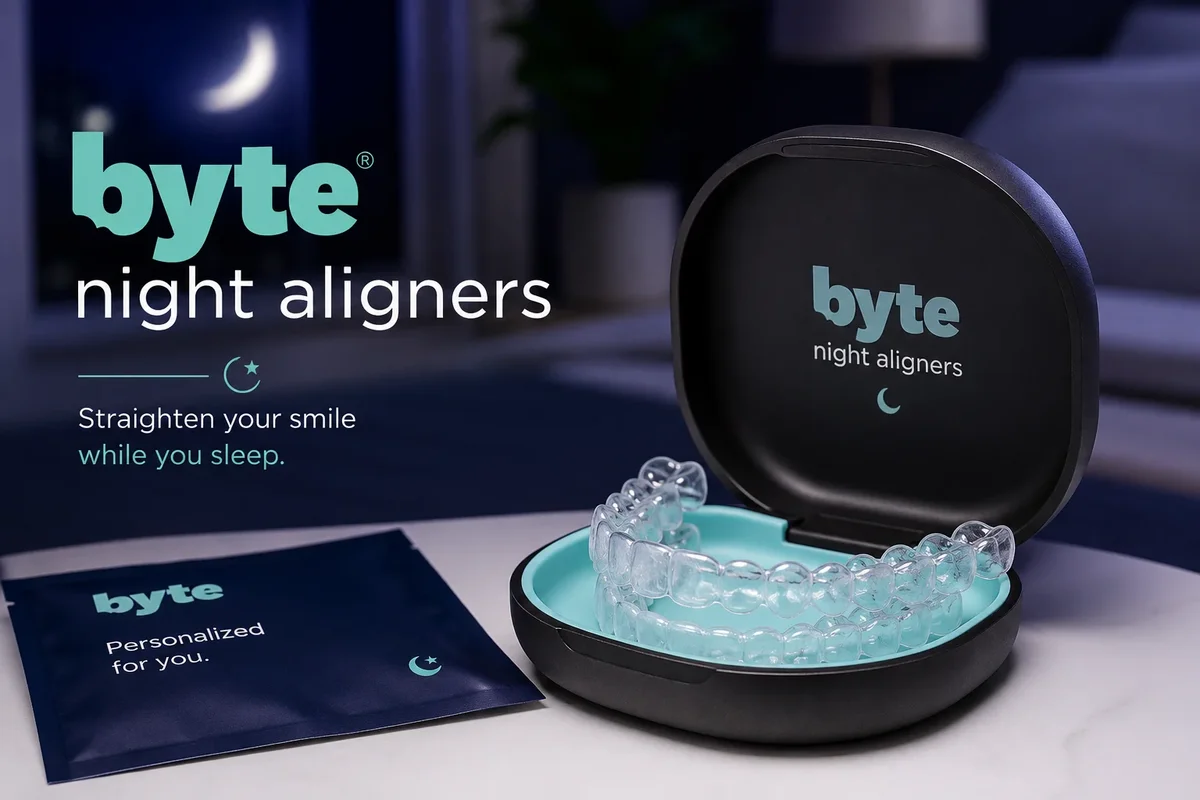
Frequently Asked Questions About Byte Night Aligners
As interest in clear aligner therapy continues to grow, many patients have questions about how byte night aligners work, who can benefit from them, and what they can realistically expect during treatment. Because orthodontic treatment is a significant investment in both appearance and oral health, it is natural for prospective users to seek detailed information before making a decision.
This frequently asked questions section addresses many of the most common concerns surrounding byte night aligners. While these answers provide general guidance, every orthodontic case is unique, and professional evaluation remains essential for determining the most appropriate treatment approach.
What Are Byte Night Aligners?
Byte night aligners are custom-made clear orthodontic trays designed to gradually move teeth into improved positions while being worn primarily during sleeping hours. Unlike traditional braces, which use brackets and wires, byte night aligners utilize transparent plastic trays that fit closely over the teeth.
The primary goal of byte night aligners is to provide a discreet and convenient orthodontic solution for individuals seeking smile improvement without the appearance of conventional braces.
How Do Byte Night Aligners Work?
Byte night aligners work by applying controlled orthodontic forces to specific teeth. Each aligner in the treatment sequence is slightly different from the previous one, gradually guiding teeth toward their desired positions.
As patients progress through the series of byte night aligners, small adjustments accumulate over time, resulting in noticeable improvements in alignment. This process relies on the body’s natural ability to remodel bone and supporting tissues around the teeth.
Key Treatment Components
- Custom treatment planning.
- Digital impressions or scans.
- Sequential aligner progression.
- Regular progress monitoring.
- Retention after treatment completion.
Who Is Eligible for Byte Night Aligners?
Many adults with mild to moderate orthodontic concerns may be suitable candidates for byte night aligners. Common concerns treated with aligners include:
- Mild crowding.
- Minor spacing issues.
- Slightly crooked teeth.
- Minor rotations.
- Certain cosmetic alignment concerns.
However, severe orthodontic cases may require alternative treatment methods. A professional assessment is necessary to determine whether byte night aligners are appropriate for a specific patient.
How Long Does Treatment Take?
The duration of treatment with byte night aligners varies depending on individual circumstances. Factors influencing treatment length include:
- Complexity of alignment issues.
- Patient compliance.
- Biological response to tooth movement.
- Overall treatment goals.
Many patients complete treatment within approximately 10 to 20 months, although timelines can vary significantly. Consistent use of byte night aligners is one of the most important factors influencing treatment efficiency.
Do Byte Night Aligners Hurt?
Most users experience mild pressure rather than significant pain when using byte night aligners. Temporary soreness may occur when transitioning to a new aligner set because the teeth are responding to orthodontic forces.
These sensations are generally considered normal and often indicate that byte night aligners are actively moving the teeth. Discomfort usually decreases within a few days as the mouth adapts.
Are Byte Night Aligners Better Than Traditional Braces?
The answer depends on the patient’s needs. Byte night aligners offer several advantages, including:
- Discreet appearance.
- Nighttime-only wear schedule.
- Removable design.
- Greater dietary flexibility.
- Easier oral hygiene maintenance.
Traditional braces, however, may be more appropriate for severe orthodontic cases requiring complex tooth movement. Both treatment options can be effective when selected appropriately.
Main Differences
| Feature | Byte Night Aligners | Traditional Braces |
|---|---|---|
| Visibility | Minimal | High |
| Removability | Yes | No |
| Diet Restrictions | Minimal | Significant |
| Complex Cases | Limited | Excellent |
Can I Eat While Wearing Byte Night Aligners?
Because byte night aligners are generally worn while sleeping, eating during aligner wear is uncommon. Nevertheless, aligners should typically be removed before consuming food unless otherwise instructed by a dental professional.
Food particles trapped beneath byte night aligners can contribute to plaque buildup, staining, and potential oral health concerns.
How Do I Clean Byte Night Aligners?
Proper maintenance helps keep byte night aligners clean, transparent, and functional. Patients should clean aligners regularly according to professional recommendations.
Basic cleaning practices often include:
- Rinsing with lukewarm water.
- Gentle brushing.
- Proper storage.
- Avoiding excessive heat exposure.
Good oral hygiene should always accompany aligner cleaning to maximize the effectiveness of byte night aligners.
Will My Teeth Stay Straight After Treatment?
After completing treatment with byte night aligners, retainers are usually recommended to maintain results. Teeth naturally tend to shift over time, particularly if retention protocols are ignored.
Consistent retainer use helps preserve the improvements achieved through byte night aligners and supports long-term smile stability.
Are Byte Night Aligners Safe?
When prescribed appropriately and used according to professional recommendations, byte night aligners are generally considered a safe orthodontic treatment option for suitable candidates.
Safety depends on factors such as:
- Proper case selection.
- Good oral health.
- Consistent compliance.
- Professional oversight.
- Routine dental monitoring.
The American Dental Association emphasizes the importance of maintaining oral health and receiving professional dental guidance throughout orthodontic treatment.
When Should I Contact a Dental Professional?
Patients using byte night aligners should seek professional guidance if they experience:
- Severe pain.
- Persistent swelling.
- Broken aligners.
- Poor aligner fit.
- Unexpected dental concerns.
- Questions regarding treatment progress.
Prompt communication can help address issues early and maintain successful treatment outcomes.
Individuals interested in learning more about orthodontic treatment options and smile enhancement may also visit the Redent Klinik Contact Page for additional information and professional consultation opportunities.
Final Thoughts
Byte night aligners have become a popular orthodontic solution because they combine convenience, discretion, and modern clear aligner technology. Whether patients are exploring treatment costs, timelines, eligibility requirements, or maintenance recommendations, understanding the fundamentals of byte night aligners can help them make informed decisions.
While every orthodontic journey is unique, many individuals successfully improve their smiles with byte night aligners by maintaining realistic expectations, following professional guidance, and remaining committed to treatment. With proper planning and consistent compliance, byte night aligners can provide a flexible path toward a healthier, more confident smile that lasts for years to come. 😁🦷✨
Disclosure: this page may contain affiliate links. We may earn a commission if you use them, at no extra cost to you.