
When a toothache strikes, your gums swell, or your breath suddenly turns unpleasant, the best decision you can make is to call the dentist. Yet, many people postpone this crucial step, hoping the discomfort will fade on its own. Unfortunately, dental problems rarely improve without professional care. 🦷 In fact, waiting too long can transform a minor issue into an expensive, painful, and complex treatment. This article explains why it’s so important to call your dentist early, what to expect during a dental visit, and how regular checkups can save your smile — and your wallet.
Let’s begin with an essential truth: your oral health is deeply connected to your overall well-being. Bacteria from an untreated dental infection can spread through your bloodstream, increasing the risk of heart disease, diabetes complications, and even respiratory infections. Therefore, the moment you experience pain, swelling, bleeding gums, or sensitivity to hot and cold, it’s time to call the dentist without hesitation. Early intervention allows your dentist to diagnose the root cause and prevent irreversible damage.
One of the most common reasons people hesitate to call the dentist is fear or anxiety. This is completely understandable. Many adults associate dental visits with discomfort or negative past experiences. However, modern dentistry has evolved dramatically. Today’s dental clinics, such as Redent Klinik Contact Page, focus on gentle, patient-centered care using advanced technology that minimizes pain and enhances comfort. From digital X-rays to sedation options, your experience can be surprisingly stress-free. 😌
When you call the dentist, you’re not only seeking treatment for pain; you’re investing in prevention. Cavities, gum disease, and enamel erosion develop silently. Regular dental checkups can detect these problems long before you notice any symptoms. For example, a small cavity can be filled quickly and inexpensively, while an untreated one might require a root canal or even extraction later. Preventive dental care is always cheaper, faster, and less invasive than emergency care. Think of it like maintaining your car — small tune-ups prevent big breakdowns.
Many patients wonder what happens when they first call the dentist. The process is simple yet reassuring. When you call, a trained dental assistant will ask you about your symptoms — whether you have pain, bleeding, swelling, or recent trauma. They’ll also inquire about your dental history and any medications you take. Based on this, they’ll determine how urgent your situation is. If it’s an emergency, such as severe pain, infection, or broken teeth, you’ll likely be scheduled for same-day treatment. Otherwise, you’ll be given a convenient appointment time for a comprehensive exam, cleaning, and diagnostic imaging.
During your appointment, your dentist will perform a thorough evaluation that includes visual inspection, probing for gum health, and possibly taking X-rays. They may also use intraoral cameras to show you real-time images of your teeth on a screen — helping you understand what’s happening inside your mouth. This transparency allows you to make informed decisions about your treatment options. If a problem is found, your dentist will explain it clearly, discuss potential costs, and help you plan accordingly. You can even ask for an estimate before starting treatment. According to the American Dental Association, clear communication between patient and dentist leads to better outcomes and long-term satisfaction.
Another benefit of choosing to call the dentist promptly is avoiding costly complications. For example, untreated gum inflammation (gingivitis) can progress into periodontitis, a serious condition that affects the bone supporting your teeth. Once bone loss occurs, it cannot be fully restored. Similarly, ignoring tooth sensitivity might mean missing early signs of enamel erosion or cracked teeth, both of which can lead to infections or abscesses. A quick dental visit can diagnose and treat these issues before they spiral into something severe.
Let’s address one more misconception: that dental care is only necessary when something hurts. The truth is, routine dental visits are part of a healthy lifestyle — just like eating nutritious food and exercising. Most dentists recommend a checkup every six months, but those with higher risk factors (such as smokers, diabetics, or people with gum disease) might need more frequent visits. Scheduling your next visit after you call the dentist helps establish continuity of care, ensuring that any new problems are detected early.
Finally, remember that your dentist is not just a problem-solver — they are your long-term partner in health. Whether you’re seeking a cosmetic upgrade, treatment for bad breath, or a full-mouth restoration, your dentist can guide you through every step. By taking the time to call the dentist today, you’re investing in your confidence, comfort, and overall wellness. 💪 Don’t wait for the pain to dictate your next move — proactive care is the secret to a lifelong, radiant smile.
So, next time you hesitate, remind yourself: your smile deserves professional attention. Call your dentist, ask questions, and schedule that appointment. A few minutes on the phone could save you years of discomfort and thousands in treatment costs. 😊
1. Common Signs That Indicate It’s Time to Call the Dentist
Your body has its own way of sending warning signals — and your mouth is no different. Recognizing the signs that it’s time to call the dentist can prevent minor oral issues from turning into major health problems. Many people tend to ignore early symptoms, assuming they’ll resolve with brushing or mouthwash. However, oral health problems rarely disappear on their own. In fact, even a small amount of bleeding, pain, or swelling could indicate the start of something more serious. Let’s explore the key warning signs that mean you should pick up the phone and call the dentist immediately. 🦷
Persistent Toothache or Sensitivity
A toothache is often your body’s first signal that something isn’t right. If you feel a sharp or throbbing pain when chewing, or sensitivity to hot and cold that lasts longer than a few seconds, it’s time to call the dentist. Tooth sensitivity may point to enamel erosion, cavities, or even an exposed nerve. When left untreated, these conditions can worsen, leading to infections that may require root canal therapy or extraction. Don’t rely on painkillers as a long-term solution — they only mask the problem. Instead, schedule an appointment so your dentist can identify the real cause and provide lasting relief.
Bleeding Gums and Swelling
Do your gums bleed when you brush or floss? That’s not normal — it’s a sign of gingivitis or early-stage gum disease. Gum inflammation occurs when plaque and bacteria accumulate along the gumline. Ignoring this symptom can lead to periodontitis, a more advanced and irreversible form of gum disease that causes tooth loss. If your gums appear red, swollen, or tender, call the dentist as soon as possible. Professional cleaning and scaling can remove plaque buildup and restore your gum health before permanent damage sets in. In severe cases, your dentist might recommend laser or surgical treatments to stop the disease’s progression.
Bad Breath That Won’t Go Away
While temporary bad breath may result from food or poor hygiene, persistent halitosis (chronic bad breath) can indicate an underlying dental or medical issue. Decaying teeth, gum infections, or tonsil stones are common culprits. No matter how much mouthwash or gum you use, the odor won’t disappear until the root cause is treated. If you find yourself constantly battling bad breath, it’s a strong reason to call the dentist. They can perform an oral exam and cleaning to eliminate bacteria hiding between teeth and under the gumline. This step not only restores your confidence but also prevents further complications.
Loose or Shifting Teeth
Adult teeth should remain firmly anchored in place. If you notice that your teeth feel loose or your bite seems different, that’s a major red flag. This could be due to advanced gum disease, trauma, or bone loss. Waiting too long can lead to irreversible damage and tooth loss. It’s crucial to call the dentist immediately for a proper evaluation. Your dentist may take X-rays to assess bone density and determine the best treatment plan — whether it’s deep cleaning, bone grafting, or periodontal therapy. Early detection makes a huge difference in preserving your natural smile.
Jaw Pain and Clicking Sounds
Do you hear a clicking or popping sound when opening your mouth? This could point to temporomandibular joint (TMJ) disorder, which affects the muscles and joints controlling jaw movement. Stress, teeth grinding, or bite misalignment are common causes. Ignoring these symptoms may lead to chronic pain and difficulty chewing. If you notice jaw discomfort or tension, call the dentist for an evaluation. They may suggest bite adjustments, night guards, or physical therapy exercises to ease the pressure and restore proper function. Addressing TMJ issues early helps prevent long-term discomfort and damage.
Tooth Discoloration or Spots
Stained or spotted teeth may seem like a cosmetic issue, but they can also signal underlying decay or enamel damage. White spots could indicate early decay, while dark spots might be cavities forming under the surface. If you see changes in color or texture, call the dentist right away. A quick professional cleaning or fluoride treatment may be all that’s needed to reverse the damage before it spreads. Your dentist can also discuss safe whitening options to restore brightness without harming enamel.
Swelling or Pain in the Face or Neck
Facial swelling, tenderness under the jaw, or enlarged lymph nodes can be signs of a dental abscess — a severe infection that must be treated immediately. An abscess forms when bacteria enter the pulp of a tooth, causing inflammation and pus buildup. Left untreated, this infection can spread to other parts of the body and become life-threatening. If you experience these symptoms, do not delay — call the dentist for emergency treatment. Your dentist will likely prescribe antibiotics and perform a procedure to drain the infection and relieve pressure. 🩺
Cracked or Chipped Teeth
Cracks or chips can occur from biting hard foods, accidents, or grinding your teeth while sleeping. Even a small crack can allow bacteria to enter, leading to decay or infection. If you’ve damaged a tooth, rinse your mouth with warm water and avoid chewing on that side. Then, call the dentist for a same-day appointment. Depending on the severity, treatments might include bonding, veneers, or crowns. Quick action prevents the crack from worsening and restores your tooth’s structure and appearance.
When in Doubt, Don’t Wait — Call the Dentist
Many oral health problems begin silently, with little or no pain. By the time discomfort becomes noticeable, the condition might already be advanced. That’s why the best rule of thumb is simple: if something feels off, call the dentist. Whether it’s a mild sensitivity or visible swelling, a professional can determine whether you need treatment. Visiting your dentist early not only prevents complications but also saves you money in the long run.
For instance, a small filling costs far less than a root canal or crown. A professional cleaning is cheaper and easier than periodontal surgery. Don’t let fear or procrastination delay your care. Regular communication with your dentist — including scheduling routine checkups through trusted clinics like Redent Klinik Contact Page — keeps your oral health strong and your smile bright. You can also refer to the American Dental Association for reliable oral health information and preventive care tips.
In summary, your mouth sends clear signals when it needs help. From pain and sensitivity to swelling and bleeding, these symptoms are your body’s call for attention. Listen to them, take action, and call the dentist at the first sign of trouble. Prevention, after all, is the best medicine for a lifetime of healthy, confident smiles. 😁
2. How Regular Dental Visits Prevent Major Problems
One of the most effective ways to maintain lifelong oral health is to call the dentist regularly for checkups and cleanings. 🦷 Far too many people wait until they experience pain or discomfort before seeking dental care. However, dental diseases such as cavities and gum inflammation begin silently and progress without noticeable symptoms. Regular visits to your dentist are not just about cleaning teeth — they are about early detection, prevention, and saving your natural smile from irreversible damage.
The Power of Prevention: Why Early Action Matters
When you call the dentist for routine care, you’re investing in prevention rather than treatment. Think of your dentist as your oral health partner — someone who can identify small problems before they turn into large, painful, and expensive ones. For example, a small cavity can be easily filled in a single visit, while untreated decay can spread to the tooth pulp, requiring a root canal or extraction. By keeping up with biannual checkups, you reduce the likelihood of costly and invasive procedures in the future. Regular care also helps maintain fresh breath, prevent gum disease, and keep your smile bright. 😁
Professional Cleaning: Going Beyond the Toothbrush
Even with excellent home care, plaque and tartar can build up in places that brushing and flossing can’t reach. When you call the dentist for a cleaning, a dental hygienist uses specialized tools to remove hardened tartar deposits and plaque around the gumline. This professional cleaning not only improves your oral hygiene but also prevents gingivitis — the earliest stage of gum disease. Removing plaque reduces bacterial buildup, eliminates bad breath, and prevents cavities from forming. Cleanings every six months can make a world of difference in maintaining long-term dental health.
The Role of Scaling and Polishing
Scaling removes tough tartar (also known as calculus) from the teeth’s surface and under the gums, while polishing smooths the enamel to make it more resistant to bacteria. If you experience frequent bleeding while brushing, it’s time to call the dentist for scaling and polishing. This simple, non-invasive procedure enhances the health and appearance of your smile. Afterward, your teeth feel smoother, cleaner, and more polished — an instant motivation to maintain good daily hygiene habits.
Detecting Hidden Issues with Dental X-Rays
Many dental problems start beneath the surface — between teeth, inside the gums, or below the bone line. These hidden issues can only be identified through professional X-rays. When you call the dentist for your regular visit, your dentist may recommend taking X-rays to detect cavities, bone loss, or impacted teeth. Modern digital X-rays are safe, quick, and emit minimal radiation. They allow dentists to see what the naked eye cannot, ensuring accurate diagnosis and targeted treatment. This early detection prevents painful surprises later and allows for timely, conservative care.
Preventing Gum Disease Before It Starts
Gum disease is one of the leading causes of tooth loss in adults — yet it’s entirely preventable. The bacteria that cause gum inflammation thrive in neglected plaque and tartar. Without regular cleanings, this bacteria can infect the gums, leading to swelling, bleeding, and eventually bone loss. When you call the dentist for routine visits, your gums are evaluated for early signs of gingivitis or periodontitis. Early-stage gum disease can often be reversed through deep cleaning, while advanced cases may require specialized treatments. Regular professional monitoring ensures that gum health is never overlooked.
The Connection Between Gum Health and Heart Disease
Did you know that skipping dental appointments can also affect your heart? Research from the American Dental Association and various medical studies shows a link between gum disease and cardiovascular problems. Bacteria from the mouth can enter the bloodstream, triggering inflammation throughout the body. This increases the risk of heart attacks, strokes, and other systemic diseases. By making it a habit to call the dentist twice a year, you’re not only protecting your teeth but also promoting overall health and longevity. ❤️
Fluoride Treatments and Sealants for Extra Protection
Fluoride is nature’s way of strengthening enamel and preventing decay. During your regular dental visit, your dentist may apply a professional fluoride treatment that remineralizes weak enamel and protects against acids from bacteria. Children and adults alike benefit from fluoride, especially those prone to cavities. Likewise, dental sealants — thin coatings applied to the chewing surfaces of back teeth — provide an extra barrier against decay. If you have children or are cavity-prone yourself, call the dentist to discuss these preventive options. They’re painless, affordable, and highly effective at keeping your teeth healthy.
Addressing Oral Habits and Lifestyle Factors
Regular dental visits also give your dentist the opportunity to identify harmful habits that you might not even notice. Teeth grinding (bruxism), nail biting, smoking, or frequent consumption of sugary drinks can all damage your teeth over time. When you call the dentist, you can receive personalized advice and solutions — such as mouthguards, dietary recommendations, or smoking cessation guidance. These conversations play a major role in long-term prevention and can significantly reduce your risk of future dental problems.
Cosmetic and Restorative Benefits
Preventive visits aren’t just about avoiding disease — they’re about maintaining confidence and aesthetics. Regular checkups allow your dentist to monitor your smile’s appearance, address minor imperfections early, and offer treatments like whitening, bonding, or veneers when appropriate. When you consistently call the dentist, you stay one step ahead of both functional and cosmetic issues, ensuring your smile always looks and feels its best. If you ever need personalized recommendations, clinics such as Redent Klinik Contact Page provide expert consultations tailored to your oral health goals.
Building a Lifelong Relationship with Your Dentist
Consistency builds trust — and that’s vital when it comes to dental care. Seeing the same dentist regularly means your provider understands your oral health history, lifestyle, and unique needs. This personalized relationship allows for better treatment planning, accurate tracking of changes, and faster responses to potential issues. By making it a routine to call the dentist every six months, you create a partnership focused on maintaining strong, healthy teeth for life.
In conclusion, regular dental visits are not a luxury — they’re a necessity for anyone serious about their health. Prevention saves you time, money, and discomfort. By choosing to call the dentist proactively rather than reactively, you’re taking control of your well-being. Make it a habit, prioritize your checkups, and let professional care keep your smile radiant for decades to come. 🌟
3. What Happens When You Call the Dentist for an Emergency
Dental emergencies can happen at any time — a sudden toothache at midnight, a broken tooth while eating, or a swelling that appears overnight. When these moments strike, the best and most important step is to call the dentist immediately. ⏰ Quick action can mean the difference between saving or losing a tooth. In emergencies, every minute counts, and knowing what to expect when you contact your dental office can help you stay calm and prepared. This section provides a comprehensive guide on what happens when you call the dentist for an emergency, what treatments might follow, and how to handle the situation before you arrive at the clinic.
Understanding What Qualifies as a Dental Emergency
Not every dental issue requires immediate attention, but certain symptoms indicate urgent care is needed. If you experience severe pain, heavy bleeding, swelling in the mouth or face, or a knocked-out tooth, you must call the dentist right away. These signs often point to infections, fractures, or trauma that can worsen rapidly without professional intervention. Common emergencies include:
- Severe toothache or infection causing swelling in the jaw or face
- Knocked-out (avulsed) teeth
- Broken, chipped, or cracked teeth causing pain
- Uncontrolled bleeding after an extraction or injury
- Dental abscesses and pus-filled swellings
- Loose crowns, lost fillings, or exposed nerves
If you’re unsure whether your situation qualifies as an emergency, it’s still better to call the dentist. The dental team will assess your symptoms over the phone and decide whether you should come in immediately or schedule the next available appointment.
Step 1: Initial Call and Assessment
When you call the dentist for an emergency, the receptionist or dental assistant will first ask you about your symptoms. Expect questions like: “Where is the pain located?”, “How long have you had it?”, and “Are you experiencing any swelling or fever?” These questions help them determine the urgency of your situation. If your condition is severe — for example, if you have an abscess, uncontrolled bleeding, or a knocked-out tooth — they’ll advise you to come in as soon as possible, sometimes even outside regular office hours. Many dental offices reserve emergency slots daily to accommodate urgent cases.
What Information You Should Provide
To help the dental team prepare for your visit, provide details such as:
- Any recent injuries or accidents involving your mouth
- All medications or allergies you have
- Previous dental treatments, especially root canals or extractions
- Whether the pain increases when you lie down or chew
Having this information ready speeds up the process and ensures that your care is as effective and comfortable as possible. Once your appointment is confirmed, follow any instructions given over the phone — for instance, rinsing with salt water, applying a cold compress, or taking over-the-counter pain relief if approved.
Step 2: What Happens When You Arrive at the Clinic
Once you arrive, the emergency team immediately begins with an assessment to pinpoint the source of the problem. Expect your dentist to perform a thorough examination using visual inspection and diagnostic tools such as digital X-rays. When you call the dentist for an emergency, the goal is not only to relieve your pain but also to prevent the condition from worsening. Depending on the situation, treatment may begin right away — for example, draining an abscess, stabilizing a broken tooth, or prescribing antibiotics.
Pain Relief and Infection Control
In most emergencies, managing pain and infection is the first priority. Your dentist may administer a local anesthetic or provide medication to alleviate discomfort. For infections, antibiotics or anti-inflammatory drugs are prescribed. In some cases, a temporary filling or crown may be applied to protect a damaged tooth until a permanent solution can be arranged. If swelling is severe, drainage may be necessary to relieve pressure and prevent the infection from spreading.
Step 3: Treatment Options Depending on the Problem
The treatment you receive after you call the dentist depends on the nature of the emergency. Here are a few examples:
- Toothache: May require filling, root canal, or extraction depending on decay severity.
- Knocked-out tooth: If you reach the clinic within 30 minutes, the dentist may re-implant the tooth successfully. Keep the tooth moist in milk or saline during transport.
- Broken or cracked teeth: Can be restored with bonding, crowns, or veneers depending on the fracture depth.
- Swelling or abscess: Draining the infection and antibiotics are essential to prevent systemic complications.
When Emergency Surgery is Required
In rare but serious cases — such as deep infections, cysts, or trauma-related fractures — surgical intervention may be necessary. Oral surgeons handle these cases promptly to ensure the infection doesn’t spread to the jawbone or bloodstream. The American Dental Association emphasizes that timely intervention significantly improves recovery rates and prevents complications.
Step 4: Aftercare and Follow-Up
Once your emergency treatment is complete, your dentist will provide detailed aftercare instructions. These typically include guidelines for pain management, hygiene, diet, and follow-up appointments. If you received antibiotics, be sure to complete the entire course. Avoid smoking or consuming hot foods until your mouth has healed. Your dentist will also schedule a follow-up visit to monitor recovery and determine whether further treatment — such as a crown or restoration — is required.
Preventing Future Emergencies
The best way to reduce the likelihood of dental emergencies is through prevention. Brush and floss daily, use fluoride toothpaste, wear a mouthguard during sports, and schedule regular checkups. The next time you feel a mild discomfort, sensitivity, or gum bleeding, don’t wait — call the dentist before the issue escalates. Prevention is not only easier but far less painful and costly than emergency care.
How Clinics Handle Emergency Calls Efficiently
Modern dental practices, such as Redent Klinik Contact Page, are well-equipped to manage urgent situations efficiently. Their teams are trained to handle distressing cases with empathy, speed, and precision. Most clinics use digital scheduling systems that prioritize emergencies, ensuring that you’re seen quickly and treated with care. Some even offer 24-hour hotlines for after-hours emergencies, helping you get professional advice when you need it most.
In conclusion, dental emergencies are unpredictable, but your response doesn’t have to be. Knowing what to do when you call the dentist — from explaining your symptoms clearly to following their advice — can save your teeth and protect your overall health. 🦷 Quick action, proper communication, and trust in your dental team make all the difference when every second matters.
4. The Cost of Ignoring Dental Pain: When Waiting Is Risky
One of the most common mistakes people make is delaying the decision to call the dentist when they feel discomfort or pain. Many assume it’s “just a small cavity,” “gum irritation,” or “something that will pass.” However, dental pain is almost always a sign that something deeper is wrong — and waiting can lead to serious health, financial, and even life-threatening consequences. 🦷 Ignoring early warning signs can turn a minor, affordable issue into a complex and costly treatment that requires surgery, root canals, or tooth extraction. Let’s explore the real cost of waiting and why it’s essential to act quickly and call the dentist as soon as symptoms appear.
Why Dental Pain Should Never Be Ignored
Pain is your body’s way of signaling distress. When it comes to oral health, that distress usually stems from infection, inflammation, or structural damage. A mild ache might seem manageable at first, but dental infections spread rapidly through the soft tissue and bone. Once bacteria reach the pulp — the tooth’s inner nerve chamber — they can cause abscesses and systemic infection. If you call the dentist early, such problems can often be resolved with simple fillings or cleanings. If you delay, however, you may face root canal therapy, surgical extraction, or even hospitalization for severe infection. The longer you wait, the greater the pain, risk, and expense.
The Hidden Financial Cost of Waiting
Many people postpone dental visits because they fear the cost — ironically, this is what leads to much higher expenses later. Preventive treatments are far cheaper than restorative ones. For instance:
- Regular checkup and cleaning: $100–$150
- Filling a small cavity: $150–$300
- Root canal treatment: $800–$1,500 per tooth
- Tooth extraction with replacement (implant): $2,000–$4,000
As these figures show, waiting can increase your costs by 10x or more. Instead of saving money by avoiding the dentist, you end up paying much more for complex procedures. When you call the dentist promptly, you catch problems early — while they’re easy and affordable to fix.
Insurance and Preventive Coverage
Most dental insurance plans cover preventive checkups and cleanings at little or no cost. Yet, many people fail to take advantage of this. By simply using your benefits and scheduling routine visits, you can prevent expensive emergencies later. If you don’t have insurance, some clinics offer financing plans or memberships that make preventive care accessible. Before your next cleaning, reach out to your provider or Redent Klinik Contact Page to discuss affordable options — the investment will pay off in both health and savings.
Health Risks of Untreated Dental Pain
The danger of ignoring dental pain goes far beyond your mouth. Oral infections can spread to the bloodstream, causing a serious condition known as sepsis. This life-threatening response occurs when bacteria from an untreated abscess travel to vital organs. Studies published by the American Dental Association have shown that chronic oral infections can increase the risk of heart disease, stroke, diabetes complications, and premature birth in pregnant women. When you call the dentist early, you prevent these cascading health issues from taking root.
From Cavity to Crisis: The Stages of Neglect
Understanding how a small cavity turns into a major problem helps illustrate why waiting is so dangerous. Here’s how neglect progresses over time:
- Initial stage: Plaque buildup causes small enamel erosion. You might feel mild sensitivity — an ideal time to call the dentist.
- Progressive decay: Bacteria penetrate deeper, reaching the dentin and causing continuous pain.
- Pulp infection: The nerve becomes inflamed, leading to severe throbbing pain and swelling.
- Abscess formation: Pus collects at the root tip, causing facial swelling and fever. At this point, antibiotics and root canal therapy are required.
- Systemic infection: The bacteria enter the bloodstream, posing serious health risks to your heart and other organs.
Each of these stages becomes progressively more painful, complex, and costly to treat. A simple phone call to your dentist early on could prevent this entire cascade. ⏳
The Emotional Toll of Living with Dental Pain
Beyond the physical pain, chronic dental discomfort can impact your emotional well-being and quality of life. People who live with untreated dental problems often experience difficulty eating, speaking, or smiling confidently. This can affect self-esteem, job performance, and social interactions. Constant pain also leads to stress and sleep disturbances. If you’re avoiding treatment out of fear or anxiety, remember that modern dentistry is built on comfort and compassion. When you call the dentist today, you’ll find sedation options, gentle care, and supportive professionals who make the experience pain-free and positive.
Dental Anxiety: A Silent Barrier
Dental fear is one of the top reasons patients delay seeking help. However, delaying care due to anxiety only leads to greater discomfort later. Communicate your fears honestly when you call the dentist; many clinics offer anxiety management techniques such as nitrous oxide (laughing gas), oral sedation, or even therapy-based relaxation techniques. Your dentist’s goal is not only to fix your teeth but also to ensure your comfort and trust.
How Prevention Can Save You from Pain and Expense
The most effective way to avoid these painful and costly outcomes is through prevention. Regular brushing, flossing, fluoride use, and semiannual checkups dramatically reduce your risk of decay and gum disease. If you notice even mild discomfort, call the dentist immediately. Early detection allows your dentist to use conservative methods like small fillings or non-surgical cleanings instead of invasive procedures. Prevention truly is the foundation of affordable, lifelong oral health.
Building a Proactive Dental Routine
To stay ahead of problems, create a calendar reminder to call the dentist every six months for a checkup. Maintain a daily oral care routine that includes fluoride toothpaste, interdental cleaning, and antibacterial mouthwash. Avoid tobacco, limit sugary foods, and drink plenty of water to neutralize acids in the mouth. With these simple steps — and regular professional care — you can avoid pain, protect your finances, and preserve your natural smile for decades to come.
In conclusion, the real cost of ignoring dental pain extends far beyond the wallet. The price includes your comfort, confidence, and overall health. By choosing to call the dentist at the first sign of trouble, you safeguard yourself from unnecessary suffering and long-term damage. Prevention isn’t just cheaper — it’s smarter, safer, and the key to a brighter, healthier future. 🌟
5. Step-by-Step Guide: What to Expect When You Call the Dentist
For many people, the thought of visiting a dental clinic can feel overwhelming. Not knowing what to expect can increase anxiety and lead to unnecessary delays in treatment. That’s why understanding what happens when you call the dentist — from the moment you schedule your appointment to your follow-up visit — can make the process easier, more comfortable, and even empowering. This section breaks down every stage of your dental experience in a clear, step-by-step format, so you know exactly what to expect when you make that important call. 🦷
Step 1: Making the Call and Scheduling the Appointment
When you first call the dentist, you’ll usually speak to a receptionist or dental assistant trained to assess your needs. They’ll ask about your symptoms, dental history, and the nature of your concern — whether it’s a routine cleaning, toothache, or an emergency. If you’re in pain or experiencing swelling, they’ll prioritize your appointment to ensure timely treatment. Many dental clinics, such as Redent Klinik Contact Page, offer flexible scheduling and even same-day appointments for urgent cases.
Information You Should Provide
To make your first call efficient, have these details ready:
- Your full name and contact information
- Any medications or allergies you have
- A description of your symptoms (pain, sensitivity, swelling, etc.)
- Relevant dental history — recent procedures or chronic conditions
- Your insurance or payment details if applicable
Being prepared helps the clinic tailor your visit to your needs. After scheduling, you may receive a text or email confirmation, along with a reminder 24 hours before your appointment.
Step 2: Preparing for Your Visit
Once your appointment is set, it’s time to prepare. Before you call the dentist or visit, make a list of questions or concerns you’d like to discuss. Are you experiencing discomfort while chewing? Do your gums bleed when brushing? Bringing this information helps your dentist provide the best possible care. If you’re nervous, consider informing the clinic ahead of time so they can make special arrangements, such as extra time for explanations or anxiety-reducing techniques.
Documents and Essentials to Bring
Bring a valid ID, any previous dental X-rays or medical reports (if available), and your insurance card. If it’s your first visit, you’ll likely fill out a medical history form upon arrival. This allows the dental team to understand your overall health and tailor your care safely — for example, avoiding medications that could interfere with your prescriptions or allergies.
Step 3: Arrival and Initial Evaluation
When you arrive, you’ll be greeted by the reception team and asked to sign in. Most modern clinics have a calm, clean environment designed to reduce anxiety. Once your name is called, a dental assistant will escort you to the examination room. If you call the dentist for an emergency, you’ll be seen as quickly as possible. For routine visits, you’ll typically start with X-rays or digital imaging to give your dentist a clear picture of your oral health.
Comprehensive Oral Examination
The dentist will perform a detailed examination of your teeth, gums, tongue, and jaw. They’ll check for cavities, gum inflammation, tooth wear, and alignment issues. Modern technology, such as intraoral cameras, allows the dentist to show you close-up images of your teeth on a screen — helping you understand your condition better. Transparency and education are key goals during every appointment. 🪥
Step 4: Discussing Findings and Treatment Options
Once your dentist completes the exam, they’ll review the findings with you. This is your opportunity to ask questions and understand your oral health in detail. If any issues are found — like decay, gum disease, or cracked fillings — your dentist will outline treatment options. Each option will include details about the procedure, recovery, and cost. According to the American Dental Association, informed decision-making is one of the most important aspects of modern dentistry. Understanding the process helps you feel confident about moving forward.
Getting a Cost Estimate
Many clinics provide a transparent cost estimate before beginning any treatment. If you’re covered by insurance, staff will explain what portion is included and what’s out-of-pocket. Some dental offices also offer payment plans or financing options. When you call the dentist in advance to discuss these details, you avoid financial surprises and can plan your care with peace of mind.
Step 5: Receiving the Treatment
If your treatment can be performed on the same day, the dentist will begin right after you agree to the plan. For larger procedures — such as root canals or implants — a follow-up appointment may be scheduled. During treatment, your comfort is a top priority. Local anesthesia or sedation options ensure a pain-free experience. Don’t hesitate to communicate if you feel nervous; your dental team is there to make you comfortable every step of the way.
Common Procedures During Visits
- Cleaning and scaling: Removes plaque and tartar to prevent gum disease.
- Filling cavities: Repairs small areas of decay before they spread.
- Root canal: Eliminates infection while preserving the natural tooth.
- Crown or bridge placement: Restores function and aesthetics.
- Teeth whitening or cosmetic procedures: Enhances the smile’s appearance.
Regardless of the procedure, when you call the dentist for timely care, treatments are easier, faster, and far more effective than waiting until the problem worsens.
Step 6: Post-Treatment Care and Follow-Up
After your procedure, you’ll receive detailed instructions for aftercare. These may include recommendations for brushing, avoiding hard foods, and managing temporary sensitivity. If you’ve had surgery or deep cleaning, you might be prescribed antibiotics or pain relief medication. The clinic will schedule a follow-up to ensure healing is progressing properly. If you experience new symptoms — like swelling, pain, or bleeding — call the dentist right away for additional support.
Building a Long-Term Dental Relationship
Your first appointment is only the beginning of your oral health journey. Developing a relationship with your dentist builds trust and ensures continuous care. Regular six-month checkups help detect new issues early and keep your smile healthy. Consistent visits also make it easier to discuss goals such as orthodontic treatment, whitening, or replacing missing teeth with implants. By choosing to call the dentist regularly, you’re investing in both your health and your confidence.
In summary, knowing what happens when you call the dentist removes fear and uncertainty. From the first phone call to the final follow-up, your dental team is focused on ensuring your comfort, clarity, and care. Whether you’re scheduling a routine cleaning or handling an emergency, understanding this process empowers you to take charge of your oral health — one confident step at a time. 🌟
6. How to Choose the Right Dentist for Your Needs
Choosing a trusted dental professional is one of the most important health decisions you can make. Whether you’re new in town, unhappy with your current provider, or simply looking for specialized care, knowing how to find the right dentist can make all the difference. When you call the dentist, you’re not just booking an appointment — you’re selecting a partner who will safeguard your oral health for years to come. This guide outlines exactly how to evaluate qualifications, services, reviews, and communication styles so you can confidently choose the perfect match for your dental needs. 🦷
Step 1: Define Your Dental Needs and Goals
Before you call the dentist, take a moment to clarify what you need. Are you seeking a general dentist for regular cleanings and checkups? Or are you in search of a specialist, such as a periodontist for gum disease, an endodontist for root canals, or a cosmetic dentist for veneers and whitening? Defining your goals helps you narrow your search. For example, if you’re concerned about aesthetics, look for clinics that specialize in smile makeovers and cosmetic restorations. If you have anxiety about dental visits, find practices that offer sedation dentistry or relaxation techniques.
Types of Dentists to Consider
- General Dentist: Provides comprehensive oral care, including cleanings, fillings, and preventive services.
- Orthodontist: Specializes in aligning teeth and correcting bite issues with braces or Invisalign.
- Periodontist: Focuses on gum health, treatment of periodontitis, and dental implants.
- Endodontist: Expert in root canal treatments and managing tooth nerve problems.
- Prosthodontist: Restores damaged or missing teeth using crowns, bridges, and dentures.
Knowing which specialist aligns with your needs ensures you call the dentist who can deliver the right expertise for your specific situation.
Step 2: Research Credentials and Experience
After identifying your needs, research potential dentists’ qualifications. Look for information about their education, certifications, years of experience, and ongoing training. Reliable professionals typically list these details on their websites. If you’re considering complex procedures like implants or full-mouth restoration, experience is especially important. You can verify credentials through national dental associations such as the American Dental Association. This ensures your dentist adheres to the highest standards of safety and ethics. 🏅
Questions to Ask Before Scheduling
- Where did the dentist receive their training?
- Do they participate in continuing education programs?
- Are they members of professional dental organizations?
- What types of treatments do they specialize in?
When you call the dentist, don’t hesitate to ask these questions directly. A reputable professional will appreciate your interest and answer transparently.
Step 3: Evaluate Communication and Comfort Level
Communication is key to building a strong patient-dentist relationship. The way a clinic responds when you call the dentist can reveal much about their service quality. Are they patient, friendly, and willing to answer your questions? Do they explain treatments in plain language rather than using confusing jargon? You should feel respected, understood, and comfortable expressing your concerns. A compassionate and empathetic dentist can make all the difference, especially for patients with dental anxiety.
Observing the Atmosphere During Your Visit
When you arrive for your first appointment, pay attention to the clinic’s environment. Is it clean, organized, and welcoming? Are the staff polite and attentive? A professional setting reflects how seriously the dentist takes hygiene and patient comfort. The clinic should also follow strict sterilization and infection-control protocols. Many top-rated practices, like Redent Klinik Contact Page, prioritize a patient-first approach that combines advanced technology with a relaxing atmosphere.
Step 4: Check Technology and Services Offered
Modern dentistry relies heavily on technology for accurate diagnosis and comfortable treatment. Before you call the dentist, review whether the clinic uses updated equipment such as digital X-rays, intraoral cameras, laser tools, or 3D scanners. These tools enhance precision, minimize discomfort, and speed up recovery. Advanced dental offices may also offer same-day crowns (using CAD/CAM systems), implant-guided surgery, or pain-free laser cleaning. Choosing a tech-savvy dentist ensures you benefit from the latest innovations in oral care.
Comprehensive Care Under One Roof
Some dental clinics offer a full range of services — from preventive care to cosmetic and restorative treatments — in one location. This is especially convenient for families. When you call the dentist, ask if they provide pediatric care, orthodontics, or oral surgery on-site. Having all your dental records and treatments in one place simplifies your long-term care and ensures better continuity.
Step 5: Read Reviews and Ask for Recommendations
In today’s digital world, reviews play a major role in decision-making. Before you call the dentist, check Google, Yelp, or social media platforms for authentic patient feedback. Look for consistent praise regarding cleanliness, punctuality, friendliness, and treatment outcomes. Be cautious of clinics with repeated complaints about billing, pain, or lack of communication. You can also ask friends, coworkers, or family members for personal recommendations. Word-of-mouth referrals often lead to trustworthy providers who genuinely care about their patients.
How to Interpret Online Reviews
Not all reviews carry equal weight. Focus on detailed, balanced feedback that describes the patient’s overall experience. Pay attention to how the dentist responds to negative comments — professional replies indicate accountability and care. Remember, one or two poor reviews don’t necessarily mean poor service, but a consistent pattern of problems is a red flag.
Step 6: Consider Location, Hours, and Accessibility
Practical details matter, too. Choose a dentist whose location and hours fit your lifestyle. When you call the dentist, ask about office hours, parking availability, and emergency services. A conveniently located practice encourages consistency with checkups, while flexible hours accommodate busy schedules. For families or seniors, wheelchair accessibility and child-friendly facilities can make visits much easier. The best dental care is the one you can easily access when you need it most.
Emergency Availability and Communication
Dental emergencies can happen without warning, and quick response is crucial. Before you commit to a clinic, ask if they offer after-hours care or an emergency hotline. A responsible provider will have systems in place to assist you outside regular business hours — ensuring that when you call the dentist in an emergency, you won’t be left waiting for help.
Step 7: Trust Your Instincts
Finally, trust your gut feeling. If you feel comfortable, respected, and informed during your visit, you’ve likely found the right dentist. Your relationship with your dentist should be long-term, built on trust, honesty, and care. Remember: you are not just a patient — you are a partner in your own oral health journey. The right dentist will listen, educate, and support you through every stage of your dental wellness.
In conclusion, finding the ideal dental provider involves research, intuition, and proactive communication. From credentials to comfort level, every detail matters. Take your time, ask questions, and observe how you’re treated from the moment you call the dentist. By following these steps, you’ll find a skilled, compassionate professional who helps you achieve a healthy, confident smile that lasts a lifetime. 🌟
7. Kids’ Dental Health: When to Call the Dentist for Your Child 👶
Children’s oral health lays the foundation for their lifelong well-being. Establishing healthy dental habits early prevents cavities, gum disease, and misaligned teeth later in life. But many parents wonder: when is it truly time to call the dentist for your child? Should you wait until there’s pain, or book a checkup even if everything seems fine? The truth is, early dental care is essential, and regular visits help detect issues long before they cause discomfort. In this section, we’ll explore when to make that call, what to expect during pediatric dental visits, and how to help your child feel calm and confident in the dental chair. 🦷
Why Early Dental Visits Are Crucial
Experts recommend that parents call the dentist as soon as their child’s first tooth erupts — usually around six months of age — or by their first birthday. Early visits allow the dentist to check tooth development, spot early signs of decay, and provide parents with guidance on brushing, diet, and oral hygiene routines. According to the American Dental Association, early dental checkups can prevent 80% of childhood cavities. Waiting until your child complains of pain often means the decay has already progressed and may require fillings or more invasive procedures. Prevention truly starts at the first tooth.
The Role of Baby Teeth
Some parents assume baby teeth aren’t important since they eventually fall out, but this is a dangerous misconception. Primary teeth serve critical roles in speech development, nutrition, and guiding permanent teeth into proper alignment. If baby teeth are lost too early due to decay or trauma, surrounding teeth can shift, leading to crooked or crowded adult teeth. When you call the dentist early, you ensure these tiny teeth stay healthy long enough to fulfill their purpose.
Common Signs It’s Time to Call the Dentist
It’s always better to be proactive, but there are specific warning signs that require immediate attention. Parents should call the dentist right away if they notice:
- White or brown spots on teeth (possible early decay)
- Swollen or bleeding gums
- Persistent bad breath despite good hygiene
- Difficulty chewing or refusal to eat
- Complaints of tooth sensitivity or pain
- Accidents or injuries that damage the mouth or teeth
Prompt dental care ensures small problems don’t escalate into infections or long-term damage. Pediatric dentists are specially trained to handle these issues gently and effectively, making early intervention painless and reassuring for children.
Step-by-Step: What Happens During a Child’s First Dental Visit
When you call the dentist for your child’s first appointment, the experience is designed to be educational and comforting. Pediatric dental offices are usually colorful, child-friendly spaces filled with toys and cheerful decorations to ease anxiety. The first visit is primarily about building trust between your child and the dental team.
The First Examination
The dentist will examine your child’s teeth, gums, and jaw development. They’ll look for early signs of cavities, teething issues, or abnormalities in bite alignment. In most cases, X-rays aren’t required unless there’s visible damage or concern. The dentist will also demonstrate proper brushing and flossing techniques, helping both parent and child learn the right approach.
Parental Guidance and Education
Parents will receive advice on topics like fluoride use, thumb-sucking habits, and the impact of sugary foods. If your child uses a pacifier or bottle, the dentist will provide tips on how to prevent future bite problems or tooth decay. The goal is to make parents feel empowered and informed. Remember — when you call the dentist regularly, you’re not just treating problems; you’re preventing them from ever occurring.
Preventive Treatments for Kids
Pediatric dentists focus heavily on prevention. After your child’s teeth are cleaned, the dentist may apply fluoride varnish to strengthen enamel or sealants to protect molars from decay. These painless, fast treatments significantly reduce cavity risk, especially for children with sweet tooth tendencies. The best time to call the dentist for sealants is when your child’s permanent molars first erupt, typically between ages 6 and 12. Regular checkups every six months ensure continuous protection and early detection of potential problems.
Fluoride and Diet: The Perfect Pair
Fluoride is a natural mineral that helps remineralize tooth enamel, making it more resistant to bacteria and acid. Pairing fluoride use with a balanced, low-sugar diet is the key to preventing cavities. Encourage your child to drink water instead of sugary juices or sodas, and limit sticky snacks that cling to teeth. Dentists can provide guidance on child-safe fluoride toothpaste and proper brushing amounts. If you’re unsure about fluoride levels in your local water, call the dentist for personalized advice.
Handling Dental Emergencies in Children
Kids are active, curious, and occasionally reckless — meaning dental injuries are common. A fall from a bike, sports collision, or even biting hard candy can lead to chipped or knocked-out teeth. Knowing when to call the dentist and what to do in the meantime can save your child’s tooth. If a baby tooth is knocked out, don’t try to reinsert it; instead, rinse your child’s mouth with water and apply a cold compress. If it’s a permanent tooth, gently place it back into the socket or store it in milk, then head to the dentist immediately.
Calming Your Child During Emergencies
In stressful moments, your calm demeanor matters. Speak softly, reassure your child that the dentist will fix everything, and avoid showing panic. Pediatric dental professionals are experts in managing emergencies with empathy and speed. Clinics like Redent Klinik Contact Page have emergency care systems specifically designed for children, ensuring fast and gentle treatment even in urgent situations.
Overcoming Fear and Building Positive Habits
Many children (and even adults) fear dental visits, but the key to overcoming that fear is familiarity. The earlier and more consistently you call the dentist, the more comfortable your child becomes with the environment and staff. Consider role-playing at home before visits — pretend to be the dentist and count your child’s teeth with a toothbrush. Reading picture books about dental checkups can also help reduce anxiety. Pediatric dentists often reward kids with stickers or small toys after appointments, turning the visit into a positive experience.
Setting a Long-Term Dental Routine
Consistency builds confidence. Schedule checkups every six months and stick to a predictable brushing routine — morning and night. Supervise brushing until your child is at least eight years old to ensure proper technique. As they grow older, explain why oral health matters and how their smile contributes to overall health and confidence. When you teach your child that it’s normal to call the dentist regularly, you instill lifelong habits that protect their smile well into adulthood.
In summary, a healthy smile begins in childhood. By choosing to call the dentist early, stay proactive, and maintain consistent care, you’re giving your child the gift of confidence, comfort, and lifelong oral wellness. Remember: prevention, education, and trust are the three pillars of pediatric dentistry — and they all start with one simple step: making that first call. 🌟
8. What to Do If You Have a Dental Emergency: When to Call the Dentist 🚨
Dental emergencies can strike at the worst possible times — during a meal, while playing sports, or even in the middle of the night. Severe tooth pain, bleeding, or a broken tooth can cause panic and confusion. In such moments, knowing when and how to call the dentist can make the difference between saving and losing a tooth. Understanding what qualifies as an emergency, what to do before professional help arrives, and how to prevent future incidents ensures you stay calm and act effectively. 🦷
Recognizing a True Dental Emergency
Not every dental problem requires immediate attention, but some situations do demand quick action. You should call the dentist immediately if you experience:
- Severe or persistent toothache that doesn’t improve with medication
- A knocked-out or broken tooth
- Swelling in your face or gums
- Bleeding that doesn’t stop after 10–15 minutes
- Infection or abscess with fever, pus, or bad taste in your mouth
- Loose adult teeth (not caused by injury)
- Jaw injury or difficulty opening your mouth
If any of these occur, don’t delay — call the dentist or go to an emergency dental clinic right away. Immediate attention can prevent infection from spreading and help preserve your natural teeth.
When It’s Not an Emergency
Minor issues like small chips, mild tooth sensitivity, or lost fillings are usually not emergencies. You can book a regular appointment for these. However, if pain worsens or swelling develops, it can quickly escalate — and that’s your cue to call the dentist for further evaluation.
Step-by-Step Guide: What to Do Before You Reach the Dentist
While waiting for professional help, taking the right first-aid steps can protect your oral health. Here’s what you should do in the most common dental emergencies:
1. Knocked-Out Tooth (Avulsed Tooth)
If an adult tooth is completely knocked out, act fast — time is critical. Pick up the tooth by the crown (the white part), not the root. Rinse it gently with water if dirty, but don’t scrub or use soap. If possible, reinsert the tooth into its socket and bite down gently on a clean cloth to hold it in place. If that’s not possible, store it in milk or saline solution. Then immediately call the dentist — ideally within 30 minutes. Quick action increases the chances of saving the tooth.
2. Broken or Chipped Tooth
Rinse your mouth with warm water and apply a cold compress to reduce swelling. Save any broken pieces and bring them to the clinic. Avoid chewing on the injured side and stick to soft foods. When you call the dentist, explain the size of the break and whether you feel pain or sensitivity, as this helps them prioritize your case.
3. Severe Toothache or Abscess
Persistent pain can indicate infection or nerve damage. Rinse your mouth with warm salt water to reduce bacteria and inflammation. Avoid placing aspirin directly on the tooth — it can burn the gums. Instead, take an over-the-counter pain reliever if needed. Then, call the dentist immediately. Abscesses are serious infections that can spread to the jaw or bloodstream if untreated. Signs include swelling, fever, or a bad taste in the mouth. Your dentist may prescribe antibiotics before further treatment.
4. Lost Filling or Crown
If a filling or crown comes loose, avoid chewing on that side. Temporary dental cement from a pharmacy can protect the tooth surface until you see your dentist. When you call the dentist, mention if there’s pain or sensitivity — this helps them determine whether urgent care is required. Never use glue or household adhesives to reattach dental work.
5. Bleeding Gums or Injury to Soft Tissue
Rinse your mouth with cool water and apply a clean gauze pad or damp tea bag to stop bleeding. If it continues for more than 15 minutes, call the dentist or visit an emergency room. Soft tissue injuries to the tongue, lips, or gums may require stitches or antibiotic treatment to prevent infection.
When to Visit the ER Instead of the Dentist
In some rare cases, you may need to visit a hospital instead of a dental clinic. If your injury involves major bleeding, broken facial bones, or difficulty breathing or swallowing, go to the emergency room immediately. Once stabilized, you can call the dentist for follow-up restorative care. For all other dental emergencies, it’s best to contact your regular dental provider first, as they are better equipped for oral-specific issues.
After-Hours Dental Care Options
Many clinics have emergency hotlines or on-call dentists who can assist outside regular business hours. If your usual provider is closed, check their voicemail or website for emergency contact numbers. Some hospitals also have dental departments available 24/7. Trusted clinics like Redent Klinik Contact Page offer round-the-clock emergency services for both adults and children, ensuring you receive care whenever you need it.
How to Prevent Future Dental Emergencies
While accidents can’t always be avoided, good oral care habits greatly reduce your risk. Regular checkups, proper hygiene, and protective gear make a big difference. Here are a few preventive tips to follow before you need to call the dentist again:
- Wear a mouthguard: Especially during sports or physical activities to protect against impact.
- Maintain good oral hygiene: Brush twice daily and floss to prevent decay and infection.
- Avoid using teeth as tools: Don’t open bottles or packages with your teeth.
- Address issues early: Schedule checkups every six months to catch small problems before they escalate.
- Watch your diet: Reduce sugary foods and acidic drinks that weaken enamel.
The Role of Regular Dental Visits
Many emergencies result from neglected issues — such as untreated cavities or gum infections — that could have been detected earlier. When you call the dentist routinely for preventive visits, you significantly lower your chances of facing unexpected dental pain or trauma. Professional cleanings and exams strengthen your oral defenses and ensure lasting protection.
Staying Calm and Acting Fast
During an emergency, panic can cloud judgment. The best thing you can do is stay calm and focus on practical steps. Breathe deeply, assess the situation, and follow the first-aid measures outlined above. Remember that modern dentistry offers quick, painless solutions for nearly every problem — from root canals to reattachments. When you call the dentist promptly, you’re giving yourself the best chance of a smooth recovery and a healthy smile.
In conclusion, dental emergencies are unpredictable but manageable when handled with knowledge and composure. The key is knowing when to call the dentist, acting swiftly, and following proper care instructions. By staying prepared and maintaining regular dental visits, you can protect your teeth from unexpected harm and enjoy peace of mind knowing help is only a phone call away. 🌟
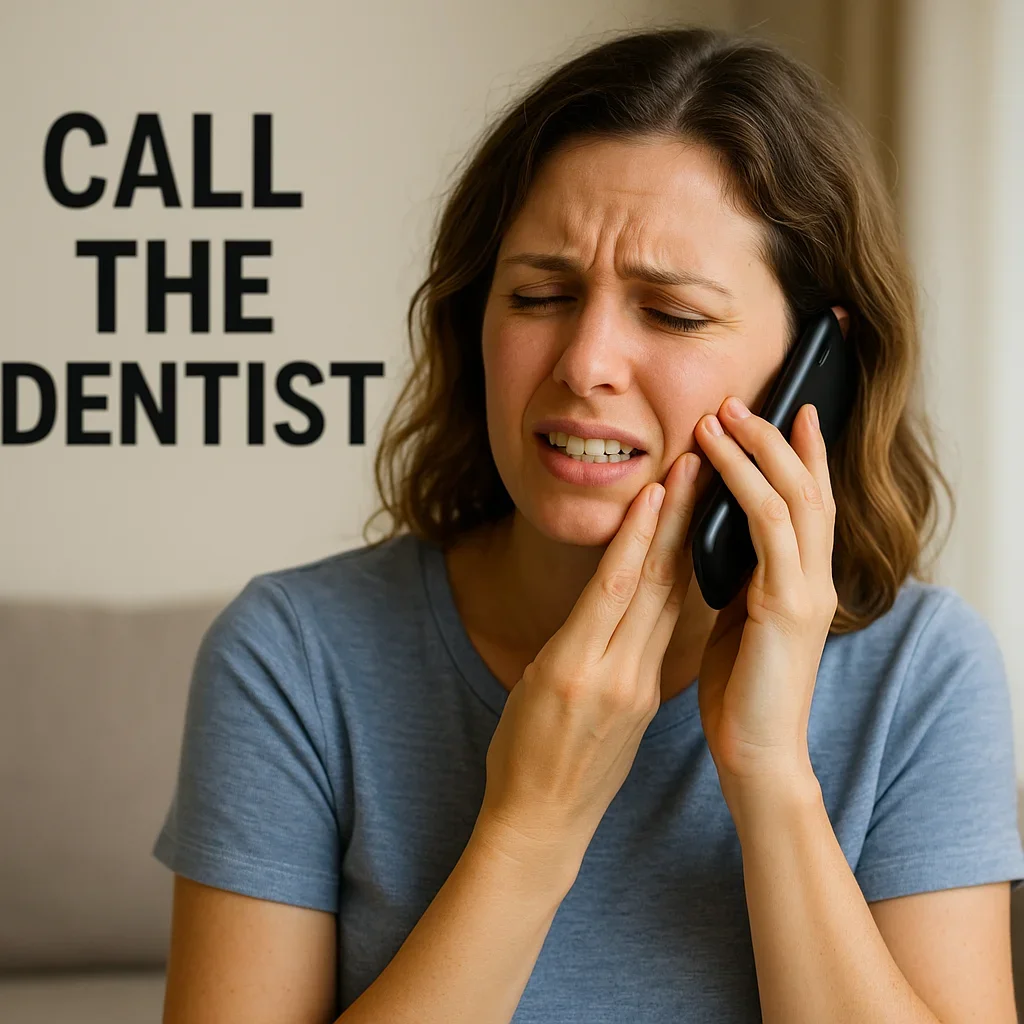
9. How to Overcome Dental Anxiety and Feel Confident When You Call the Dentist 😌
Dental anxiety is a common but manageable challenge that prevents millions of people from getting the care they need. Many individuals postpone treatment for years due to fear of pain, embarrassment, or negative past experiences. Unfortunately, delaying care often leads to more complex procedures and greater discomfort later on. Learning how to manage anxiety, communicate openly, and find a compassionate provider can completely change your relationship with dental care. This guide will help you take control of your fears so that you can confidently call the dentist and maintain lifelong oral health. 🦷
Understanding Dental Anxiety: Why So Many People Avoid the Dentist
Before you can overcome fear, it’s important to understand where it comes from. Common causes include painful past experiences, fear of needles or drills, loss of control, and embarrassment about the condition of one’s teeth. Others feel anxious about costs or potential bad news. When these emotions go unaddressed, even the thought of having to call the dentist can trigger stress. Recognizing that dental fear is completely normal — and treatable — is the first step toward overcoming it.
The Vicious Cycle of Avoidance
Many people avoid appointments until pain becomes unbearable. This creates a cycle: fear leads to avoidance, which causes dental issues to worsen, resulting in more painful procedures later on. Breaking this cycle starts with one small step — making that first call. Every time you call the dentist for preventive care, you’re taking a proactive step that reduces the chance of emergencies and boosts your confidence.
Step 1: Find a Dentist Who Understands Anxiety
Not all dental practices are the same. When you call the dentist, ask whether they specialize in treating anxious patients. Compassionate dentists use gentle techniques, communicate clearly, and ensure patients feel in control throughout treatment. Some even have certifications in sedation dentistry or psychological approaches to patient comfort. For instance, many modern clinics — like Redent Klinik Contact Page — combine advanced technology with empathetic communication to make visits as calm and pleasant as possible.
Questions to Ask When Choosing a Dentist
- Do you offer sedation options such as nitrous oxide or oral sedation?
- Can I bring music or headphones to help me relax?
- How do you handle patients who experience panic during treatment?
- Are there shorter sessions available for complex treatments?
Asking these questions before you call the dentist helps you feel more prepared and ensures you choose a provider who aligns with your emotional needs.
Step 2: Communicate Your Fears Openly
One of the most powerful tools against dental anxiety is honest communication. When you call the dentist to book an appointment, mention that you experience dental fear. This allows the team to take extra measures to make you comfortable — from longer appointment times to detailed explanations of each step. During your visit, let the staff know your specific triggers. For instance, if the sound of the drill worries you, they can provide noise-canceling headphones or play calming music.
Setting Up a “Stop Signal”
Most dentists encourage anxious patients to agree on a simple hand signal, such as raising your hand if you need a break. This gives you a sense of control during treatment and helps reduce feelings of helplessness. Knowing that you can stop at any time makes it easier to relax and trust your dentist.
Step 3: Explore Sedation and Relaxation Options
Modern dentistry offers several safe methods to help you stay relaxed and pain-free. When you call the dentist, ask about these options:
- Nitrous Oxide (Laughing Gas): A mild sedative that helps you feel calm but fully conscious. Its effects wear off quickly after the procedure.
- Oral Sedation: Medication taken before your visit to help you feel drowsy and less anxious.
- IV Sedation: Administered during longer procedures for deeper relaxation, monitored closely by professionals.
- Local Anesthesia: Numbs specific areas, ensuring a completely pain-free experience.
These methods make dental care more comfortable for people who previously avoided it altogether. The key is to discuss your concerns openly before your appointment — a good reason to call the dentist early and plan ahead.
Natural Relaxation Techniques
If you prefer a drug-free approach, try deep breathing, mindfulness meditation, or guided imagery. Listening to calming music, practicing slow breathing, and visualizing positive outcomes can lower your stress levels before and during your appointment. Some patients also benefit from aromatherapy with lavender or chamomile to create a soothing atmosphere.
Step 4: Gradual Exposure: Start Small, Build Confidence
Overcoming dental fear doesn’t happen overnight. Start by scheduling a consultation instead of a treatment session. Simply visiting the clinic, meeting the staff, and seeing the environment can reduce anxiety significantly. When you call the dentist to set this up, explain that you want to get comfortable before proceeding with any work. Gradual exposure helps your brain associate dental visits with positive experiences rather than fear.
Creating Positive Associations
Reward yourself after each visit — treat yourself to your favorite meal, watch a movie, or celebrate your progress. Positive reinforcement strengthens your confidence and turns each dental visit into a personal achievement. Over time, this retrains your mind to view dental care as a form of self-care rather than a threat.
Step 5: Manage Anxiety Before and During the Appointment
Practical strategies can make your experience smoother. Here’s how to prepare before you call the dentist or walk into the clinic:
- Book morning appointments to minimize anticipation throughout the day.
- Avoid caffeine, which can increase heart rate and anxiety.
- Bring a trusted friend or family member for emotional support.
- Practice relaxation exercises while waiting.
During treatment, focus on breathing steadily. If you feel tension building, remind yourself that modern dentistry is designed to be comfortable, safe, and nearly painless. Trust your body’s ability to stay calm and your dentist’s expertise to handle your care gently.
Aftercare: Turning Fear Into Routine
Once you’ve completed your appointment, reflect on the experience. Notice how much smoother it was than expected. When you successfully call the dentist and attend without distress, you reinforce your confidence for future visits. With consistent exposure and a supportive dental team, most patients find their anxiety decreases dramatically after just a few appointments.
Step 6: Professional Help for Severe Dental Phobia
In some cases, fear is rooted in deeper psychological trauma. If anxiety feels uncontrollable even after trying relaxation and communication techniques, consider speaking with a mental health professional. Therapies such as cognitive-behavioral therapy (CBT) or exposure therapy can help reframe negative beliefs about dental care. Many therapists specialize in dental phobia and collaborate with dentists to create personalized treatment plans. Remember — there’s no shame in seeking help. The important thing is to take the first step and call the dentist instead of avoiding care entirely.
In conclusion, overcoming dental anxiety is entirely possible with patience, communication, and the right support. The moment you decide to call the dentist, you begin transforming fear into empowerment. Each positive experience builds trust and peace of mind, helping you protect your smile and your health for years to come. So take a deep breath, make that call, and embrace a future where dental visits are comfortable, routine, and completely fear-free. 🌟