
A general dentist is the primary dental care provider for individuals and families seeking to maintain healthy teeth and gums. This professional handles a wide range of dental services — from routine cleanings and fillings to advanced preventive treatments — ensuring that your oral health stays at its best throughout life. In most cases, the general dentist is the first person you visit when you experience tooth pain, gum issues, or simply need a regular check-up. Their role is essential not only for treating problems but also for preventing them before they become serious. 🦷
General dentists are often referred to as the “family doctors” of dentistry. They are trained to diagnose, manage, and treat nearly all aspects of oral health. Whether it’s removing decay, filling cavities, fitting crowns, or performing minor surgical procedures, their expertise covers an extensive range. Typically, a general dentist completes a four-year dental school program and may undergo additional training in cosmetic and restorative dentistry to enhance patient care. By combining medical precision with a personalized touch, general dentists help patients maintain both oral and overall health.
When visiting a general dentist, the first step usually involves a detailed oral examination. This includes checking for cavities, assessing gum health, and sometimes taking X-rays to identify underlying problems not visible to the naked eye. Preventive care is one of the cornerstones of general dentistry. Regular visits — ideally every six months — allow the dentist to spot early signs of issues such as gingivitis, enamel erosion, or bite misalignment. Catching these problems early means simpler and more affordable treatments later on. Many patients underestimate the importance of these routine visits, but they can significantly reduce the risk of costly and painful procedures in the future.
In addition to preventive care, general dentists perform restorative procedures that repair damage caused by decay, trauma, or aging. These may include dental fillings, crowns, bridges, dentures, and sometimes root canal therapy. When necessary, your general dentist may also collaborate with specialists — such as periodontists, endodontists, or orthodontists — to ensure you receive the most effective treatment possible. This coordination creates a comprehensive and seamless dental care experience that prioritizes your long-term oral wellness.
Another essential role of a general dentist is patient education. Dentists take time to explain proper brushing and flossing techniques, the effects of diet on dental health, and the importance of fluoride use. They also provide personalized advice based on your oral hygiene habits, lifestyle, and family history. Educating patients is crucial because daily habits have a long-term impact on teeth and gum health. By teaching proper maintenance, general dentists empower patients to take control of their oral hygiene routines at home — reducing the likelihood of developing major dental issues later.
Beyond basic care, many general dentists offer cosmetic dentistry services such as teeth whitening, veneers, and composite bonding. These treatments not only improve the appearance of your smile but also restore confidence and self-esteem. It’s important to note that cosmetic and preventive dentistry often overlap. For example, a whitening treatment may reveal early enamel problems that your dentist can address before they worsen. Aesthetic procedures have become increasingly popular as people realize that a healthy smile contributes to professional success and emotional well-being. 😁
Modern general dentistry also integrates advanced technologies to improve accuracy, comfort, and patient outcomes. Digital X-rays, intraoral cameras, laser dentistry, and 3D imaging have revolutionized diagnostic and treatment processes. These innovations allow your general dentist to detect issues earlier and provide treatments that are less invasive and more effective. Such advancements also mean reduced chair time, minimal discomfort, and faster recovery for patients. Moreover, computerized systems help create precise restorations like crowns and inlays within a single visit, making dental care more convenient than ever before.
In terms of oral health’s connection to overall well-being, general dentists play a critical role. Poor dental hygiene can lead to systemic conditions such as heart disease, diabetes, and respiratory infections. Therefore, visiting a general dentist is not just about maintaining your smile — it’s a vital step toward protecting your general health. Regular dental cleanings remove harmful bacteria that may enter the bloodstream, while early detection of gum disease can prevent inflammatory responses affecting other parts of the body. This holistic approach underscores the importance of maintaining consistent visits to your dentist.
Furthermore, a general dentist can guide patients regarding lifestyle choices that influence oral health. For example, they can help smokers understand how tobacco use stains teeth and increases the risk of oral cancer, or advise on dietary adjustments to prevent cavities. Children, teenagers, adults, and seniors all benefit from personalized care plans developed by general dentists. Whether it’s applying sealants to protect children’s molars or fitting dentures for seniors, the dentist tailors each treatment to individual needs and life stages.
For those looking to schedule an appointment or learn more about professional dental services, you can easily reach out through the Redent Klinik Contact Page. And for reliable, science-backed oral health standards, visit the American Dental Association, which provides valuable guidance on dental best practices and preventive care recommendations. Together, these resources and your trusted general dentist will help ensure your teeth remain strong, your smile bright, and your confidence high for years to come. 🌟
Why Visiting a General Dentist Regularly Matters for Your Oral Health
Maintaining oral health is not just about having a bright smile—it’s about protecting your overall well-being. Regular visits to a general dentist are essential for early detection, prevention, and treatment of oral health issues that can affect the entire body. Many people only schedule a dental appointment when they feel pain or notice a problem, but by that time, damage may already be significant. Seeing your general dentist routinely helps prevent such complications and ensures your mouth remains healthy for life. 🦷
The Importance of Preventive Dental Care
One of the primary responsibilities of a general dentist is to provide preventive care. Preventive dentistry focuses on maintaining healthy teeth and gums through regular checkups, professional cleanings, and personalized hygiene advice. During a typical visit, the dentist examines the teeth, gums, and soft tissues for early signs of cavities, gum disease, or oral cancer. This early detection allows for immediate intervention—often avoiding complex and expensive procedures later on.
For example, a small cavity identified during a routine exam can be treated with a simple filling. However, if neglected, it may progress to the nerve, requiring a root canal or even extraction. Regular dental cleanings remove plaque and tartar buildup that daily brushing cannot eliminate. By visiting your general dentist every six months, you significantly reduce your risk of gum inflammation, tooth decay, and periodontal disease. Preventive care is not just cost-effective—it’s a vital investment in your health.
How General Dentist Visits Impact Overall Health
Your mouth is a gateway to the rest of your body, and oral health directly influences overall well-being. Studies have shown links between gum disease and serious health problems such as diabetes, heart disease, stroke, and respiratory infections. When bacteria from gum infections enter the bloodstream, they can trigger inflammation in other organs. That’s why regular visits to a general dentist play a key role in maintaining systemic health. A clean, bacteria-free mouth can reduce your risk of chronic diseases and enhance your immune function.
Furthermore, general dentists often detect early signs of conditions that manifest in the mouth first—such as vitamin deficiencies, acid reflux, or even autoimmune disorders. This makes your regular dental checkup a valuable health screening opportunity. Patients who maintain routine appointments tend to have lower rates of tooth loss, fewer emergency visits, and overall better quality of life.
Personalized Dental Advice and Hygiene Education
Every mouth is unique, and what works for one person might not suit another. A general dentist provides tailored guidance based on your dental anatomy, diet, and lifestyle. During your appointment, your dentist may recommend specific toothpaste, mouth rinses, or interdental cleaning tools suited to your needs. For instance, individuals prone to cavities may benefit from fluoride treatments, while those with gum sensitivity might require soft-bristle brushes and alcohol-free rinses.
Education is one of the most valuable aspects of a general dentist visit. Many people unknowingly brush too hard, use improper techniques, or neglect flossing. Through one-on-one demonstrations and discussions, the dentist helps you correct these habits and establish effective routines. This patient-centered approach empowers you to maintain strong oral hygiene between appointments.
For Families and Children: Establishing Lifelong Dental Habits
Regular dental visits from a young age help children build positive relationships with oral care. Pediatric checkups at the family’s general dentist establish a sense of trust and reduce fear or anxiety about dental procedures. Early education on brushing, flossing, and diet lays the foundation for lifelong healthy habits. Moreover, dentists can apply sealants or fluoride varnishes to protect children’s developing teeth from cavities. These small preventive steps can save parents from costly orthodontic and restorative treatments later in life. 🪥
The Financial Benefits of Consistent Checkups
Neglecting routine dental visits may seem like a way to save money, but it often leads to more expensive treatments in the long term. A simple cleaning costs far less than treating gum disease or performing a crown or root canal. By maintaining regular appointments, your general dentist can catch small problems early, minimizing both discomfort and cost. Many dental insurance plans also cover preventive visits entirely, making them an affordable way to maintain oral health.
Additionally, patients who visit their general dentist regularly tend to experience fewer dental emergencies, which can otherwise be financially and emotionally stressful. Emergency care—such as extractions, abscess treatment, or urgent restorations—often costs significantly more than scheduled preventive visits. Thus, routine care is both a health safeguard and a smart financial decision.
What to Expect During a Routine Dental Visit
A standard appointment with a general dentist typically includes several steps designed to evaluate and preserve oral health. It begins with a comprehensive visual examination, checking for cavities, gum inflammation, and alignment issues. Next, the dental hygienist performs a deep cleaning to remove plaque and tartar buildup using ultrasonic tools. Your dentist may then conduct an X-ray to assess hidden decay or bone loss. Finally, fluoride treatment or sealant application may be performed to strengthen tooth enamel and prevent future problems.
During the visit, your general dentist will also discuss any changes in your medical history, as certain conditions and medications can affect oral health. For example, diabetes and certain blood pressure medications can increase the risk of dry mouth or gum disease. By staying informed, your dentist can adjust your care plan accordingly, ensuring you receive the safest and most effective treatment possible.
Building Trust and Reducing Dental Anxiety
Regular visits to a trusted general dentist also help alleviate dental anxiety, which affects millions of people worldwide. When patients become familiar with their dentist and the environment, their comfort levels increase, leading to better cooperation and outcomes. Dentists often use gentle communication techniques, modern anesthetics, and minimally invasive methods to make procedures painless and stress-free. This relationship-based care builds trust and encourages patients to maintain lifelong oral hygiene habits without fear.
Taking the Next Step Toward Better Oral Health
If you haven’t visited your general dentist in the last six months, now is the perfect time to schedule an appointment. Regular dental visits not only protect your teeth and gums but also enhance your overall health, confidence, and quality of life. For professional, compassionate care, contact the team at Redent Klinik Contact Page and experience the difference a personalized approach can make. You can also learn more about best practices and oral health standards by visiting the American Dental Association.
Consistent dental visits are the foundation of lifelong oral wellness. They ensure that your smile stays healthy, your body remains strong, and your confidence never fades. Remember—your general dentist isn’t just someone who fixes teeth; they are your partner in achieving total health, one visit at a time. 🌟
Common Dental Treatments Provided by a General Dentist
A general dentist offers a wide range of treatments that focus on maintaining, restoring, and enhancing oral health for patients of all ages. These treatments are designed not only to address existing dental issues but also to prevent future complications. From routine cleanings and fillings to more advanced restorative procedures, your general dentist serves as your first line of defense against oral diseases. Understanding these treatments helps patients appreciate the comprehensive care provided during every dental visit. 🦷
Preventive Treatments for Long-Term Oral Health
Preventive care is the foundation of general dentistry. It includes regular checkups, professional cleanings, fluoride applications, and sealants that protect teeth from decay. A general dentist emphasizes prevention because it is the most effective way to maintain strong and healthy teeth. During a cleaning, plaque and tartar that cannot be removed through daily brushing are carefully eliminated. This not only keeps your smile bright but also helps prevent gum disease and cavities.
Fluoride treatments are another important preventive measure. They help strengthen enamel and make it more resistant to acid attacks caused by bacteria. Similarly, dental sealants are applied to the chewing surfaces of molars, especially in children, to create a protective barrier against decay. By scheduling biannual preventive visits, patients can significantly reduce the risk of developing severe dental problems and save money on future restorative procedures.
Early Detection Through Regular Exams
Your general dentist plays a crucial role in detecting potential oral health issues early. Routine examinations often include digital X-rays and oral cancer screenings to identify problems before they cause noticeable symptoms. For instance, cavities that are invisible to the naked eye can be spotted through X-rays, allowing for prompt treatment. Early detection of gum disease, abscesses, or bone loss ensures that proper interventions can be implemented quickly, preventing complications and tooth loss.
Restorative Dental Treatments
Even with preventive care, dental issues can occasionally occur. When they do, a general dentist provides restorative treatments that repair damaged or decayed teeth. One of the most common procedures is the dental filling. Using composite resin, amalgam, or porcelain materials, the dentist removes decay and restores the tooth’s shape and function. This prevents the decay from spreading deeper into the tooth and causing more severe problems.
When a tooth is too damaged for a filling, a crown may be required. Crowns—also known as caps—are custom-made restorations that cover the entire tooth, providing protection and strength. A general dentist may also offer bridges, which replace one or more missing teeth by anchoring artificial teeth to neighboring healthy ones. These restorations not only improve chewing ability but also prevent surrounding teeth from shifting out of position, maintaining proper bite alignment.
Root Canal Therapy: Saving Natural Teeth
When decay or infection reaches the inner pulp of a tooth, root canal therapy becomes necessary. This procedure allows a general dentist to save a tooth that might otherwise need extraction. During the process, the infected tissue is removed, the canals are cleaned, and the space is filled and sealed to prevent reinfection. Root canal therapy relieves pain, restores function, and preserves the natural tooth structure—an outcome that is always preferable to extraction. Contrary to popular belief, modern root canals are relatively painless and often completed in a single visit with the help of advanced anesthetics and dental technologies.
Cosmetic Dental Treatments for a Beautiful Smile
Beyond restoring functionality, many general dentists also specialize in cosmetic procedures that enhance the appearance of your smile. Treatments such as teeth whitening, veneers, and dental bonding are common in modern dental clinics. Teeth whitening, for instance, removes stains caused by food, beverages, and tobacco, giving patients a whiter and more radiant smile. Veneers, on the other hand, are thin porcelain shells that cover imperfections like chips, discoloration, or misalignment.
Dental bonding uses composite resin to correct minor aesthetic flaws and restore harmony to the smile. These cosmetic procedures are often performed by a general dentist using advanced tools that ensure precise, natural-looking results. Aesthetic improvements not only boost confidence but can also motivate patients to maintain better oral hygiene, contributing to long-term dental health. 😁
Periodontal Treatments for Healthy Gums
Gum health is just as important as tooth health. A general dentist provides periodontal care to prevent, diagnose, and treat gum diseases such as gingivitis and periodontitis. Early-stage gum disease can often be managed through deep cleaning procedures called scaling and root planing, which remove plaque and tartar from below the gum line. These treatments reduce inflammation, promote healing, and prevent tooth loss.
For more advanced cases, your general dentist may work in collaboration with a periodontist to ensure effective treatment. Gum disease not only affects the mouth but can also contribute to systemic health problems, including cardiovascular issues. By treating gum infections early, general dentists help protect both your smile and your overall health.
Dental Extractions and Replacements
Sometimes, despite best efforts, a tooth cannot be saved. In such cases, a general dentist may perform an extraction. This procedure is done under local anesthesia to ensure comfort and safety. Once the extraction site has healed, the dentist can recommend replacement options such as dental implants, bridges, or dentures. Replacing missing teeth promptly is important to prevent jawbone deterioration, misalignment, and changes in facial structure.
Emergency Dental Treatments
Accidents can happen at any time, and when they do, a general dentist is often the first person to turn to for immediate help. Emergency treatments may include addressing severe toothaches, cracked or broken teeth, abscesses, and dental trauma resulting from sports injuries or accidents. Prompt attention prevents complications and helps relieve pain effectively. Many clinics reserve same-day appointments for dental emergencies, ensuring that patients receive care when it matters most.
Modern Tools and Techniques Used in General Dentistry
Advancements in dental technology have significantly improved treatment precision and patient comfort. Today’s general dentist uses tools such as digital X-rays, intraoral cameras, 3D imaging systems, and laser instruments. These technologies allow for earlier detection of problems, minimally invasive treatments, and faster recovery times. For instance, lasers can treat soft tissue infections with less bleeding and discomfort, while CAD/CAM systems allow same-day creation of crowns and inlays.
Modern anesthesia and sedation techniques also make treatments more comfortable for anxious patients. This ensures that every dental experience is as stress-free as possible while maintaining the highest standards of care. The combination of technology, skill, and compassion defines the excellence of contemporary general dentistry.
Comprehensive Care for Every Stage of Life
A general dentist provides lifelong care, adapting treatments for patients’ changing needs at every stage. Children benefit from preventive education and fluoride protection, adults often require restorative or cosmetic procedures, and seniors may need solutions like dentures or implants. This holistic approach ensures that each patient receives personalized attention and long-term care designed to maintain oral health and functionality.
For more information or to schedule your next checkup, visit the Redent Klinik Contact Page. To explore evidence-based standards and guidelines for dental treatments, refer to the American Dental Association. Your smile deserves the care, expertise, and dedication that only a skilled general dentist can provide. 🌟
The Difference Between a General Dentist and a Specialist
When it comes to oral care, many patients wonder whether they should visit a general dentist or see a dental specialist. Understanding the differences between these two types of dental professionals is essential for choosing the right provider for your specific needs. While both are licensed dental practitioners, their roles, training, and scope of practice vary significantly. A general dentist focuses on overall oral health and preventive care, whereas specialists undergo additional years of training to treat complex or specific dental conditions. 🦷
What Is a General Dentist?
A general dentist is the primary oral health provider for patients of all ages. They are responsible for diagnosing, treating, and managing a wide range of dental conditions, as well as providing preventive and restorative care. After completing dental school, general dentists earn either a Doctor of Dental Surgery (DDS) or Doctor of Dental Medicine (DMD) degree. Their training covers all aspects of dentistry, including anatomy, radiology, periodontology, restorative techniques, and patient care.
General dentists are typically the first point of contact when you experience tooth pain, need a cleaning, or require oral health advice. They perform regular exams, fillings, crowns, extractions, and sometimes root canals. If a case is more complex, your general dentist will refer you to an appropriate specialist for advanced treatment. Their holistic approach ensures comprehensive management of your oral health while coordinating with specialists when needed.
Key Roles and Responsibilities of a General Dentist
The primary goal of a general dentist is to help patients maintain lifelong oral wellness. Their responsibilities include diagnosing dental diseases, creating treatment plans, performing restorative procedures, and offering preventive care. They also educate patients on oral hygiene techniques, nutrition, and lifestyle habits that affect dental health. This educational component plays a vital role in reducing the risk of future dental issues. Additionally, general dentists often serve entire families, treating children, adults, and seniors under one roof, which makes continuity of care convenient and consistent.
Who Is a Dental Specialist?
A dental specialist, on the other hand, focuses on a specific area of oral health. After earning a general dental degree, specialists undergo an additional two to six years of advanced education and clinical training in their chosen field. This extra training allows them to perform complex procedures that go beyond the scope of general dentistry. There are currently twelve recognized dental specialties approved by the American Dental Association, including orthodontics, periodontics, endodontics, oral surgery, pediatric dentistry, and prosthodontics.
For instance, an orthodontist specializes in aligning teeth and jaws using braces or clear aligners, while a periodontist focuses on treating gum diseases and performing implant surgeries. An endodontist is an expert in root canal therapy, and an oral surgeon handles complex extractions and jaw-related surgeries. While a general dentist may perform some of these treatments at a basic level, specialists are trained to handle more severe or intricate cases requiring advanced equipment and expertise.
Training and Education: Comparing the Two Paths
Both general dentists and specialists begin their careers with a solid foundation in dental school. After four years of undergraduate education and four years of dental school, they graduate as DDS or DMD. However, a specialist continues education through residency programs focused on their specific discipline. For example, an oral surgeon completes an additional four to six years of surgical residency, while a prosthodontist trains for three years to master dental prosthetics and restorations.
Although a general dentist may not pursue specialization, many still undertake continuing education courses to stay current with technological advancements and treatment methods. This ongoing learning ensures that patients receive the most up-to-date care possible, even in general practice settings. The ability to perform a wide variety of treatments and recognize when to refer patients to specialists makes general dentists vital in coordinating comprehensive care.
When Should You See a Specialist Instead of a General Dentist?
Most patients begin with a general dentist for their regular dental care. However, if your condition requires advanced expertise, your dentist may recommend a specialist. Here are a few scenarios where this may occur:
- Complex root canal: An endodontist may be needed for teeth with multiple or curved roots.
- Gum disease treatment: A periodontist provides advanced therapy, including bone grafts and flap surgery.
- Orthodontic correction: An orthodontist designs braces or aligners for misaligned teeth and jaw issues.
- Oral surgery: Complicated extractions or corrective jaw procedures are performed by oral surgeons.
- Restorative solutions: A prosthodontist handles dental implants, dentures, and full-mouth restorations.
While specialists focus on specific problems, a general dentist remains your long-term oral health partner, ensuring that every aspect of your dental care is properly coordinated. They often work collaboratively with specialists to achieve the best possible results for the patient.
The Importance of Collaboration Between Dentists and Specialists
Modern dentistry thrives on collaboration. A general dentist often serves as the central coordinator of a patient’s treatment plan, referring to and communicating with specialists as needed. This teamwork ensures that no aspect of your dental health is overlooked. For example, if a patient requires orthodontic alignment before receiving a dental crown, the general dentist and orthodontist work together to sequence the procedures efficiently. Similarly, in implant cases, a periodontist may handle the surgical placement while the general dentist completes the restorative crown. This integrated approach ensures functional, aesthetic, and lasting results.
Comprehensive Care Through Communication
Clear communication between your general dentist and specialists prevents redundant procedures, reduces costs, and ensures consistent quality of care. This system also simplifies your experience as a patient—you receive expert treatment from different professionals who share a unified goal: your oral health and satisfaction. Effective collaboration allows your dentist to monitor your progress and maintain your dental records accurately for future visits.
Choosing the Right Dental Professional for Your Needs
When selecting between a general dentist and a specialist, consider the nature of your dental concern. For preventive care, checkups, and routine restorations, a general dentist is ideal. For complex surgical or orthodontic needs, a specialist may be recommended. The best dental care often involves both working together, ensuring you receive expert guidance and treatment at every stage.
If you’re unsure where to start, scheduling an appointment with your general dentist is the best first step. They can evaluate your condition and refer you to the appropriate specialist if necessary. At Redent Klinik Contact Page, experienced dental professionals can assess your unique situation and guide you through every phase of your oral care journey.
Final Thoughts: The Perfect Partnership for Optimal Oral Health
Both general dentists and specialists play indispensable roles in maintaining oral health. Your general dentist acts as your primary provider, offering preventive care and managing common issues, while specialists address complex cases requiring advanced techniques. Together, they create a seamless, patient-centered dental experience that promotes health, function, and beauty.
Whether you need a routine cleaning, cosmetic enhancement, or specialized surgery, understanding the difference between these professionals ensures you make informed decisions about your oral care. Guided by your trusted general dentist and supported by skilled specialists, you can achieve a healthier, more confident smile that lasts a lifetime. 🌟
How to Choose the Best General Dentist for Your Family
Selecting the right general dentist is one of the most important health decisions you can make for yourself and your family. Your dentist is not just a medical professional who fixes teeth; they are a long-term partner in maintaining your oral health, preventing diseases, and keeping your smile bright for life. The ideal general dentist should combine clinical expertise with compassion, communication, and modern technology to provide a safe and comfortable experience for every member of your family. 🦷
Understanding the Qualities of a Good General Dentist
A great general dentist goes beyond technical skills—they must also build trust, create a friendly environment, and offer personalized care. Look for a dentist who listens carefully, explains procedures in simple terms, and considers your comfort throughout every visit. Good communication fosters confidence, particularly for children or anxious patients. Compassionate care transforms routine checkups into positive, stress-free experiences.
Moreover, your general dentist should prioritize preventive dentistry and take time to educate you about oral hygiene habits, diet, and lifestyle choices that affect your teeth and gums. The best dentists believe in proactive care—helping you prevent problems instead of just treating them. This patient-centered philosophy ensures long-term oral health for your entire family.
Professional Qualifications and Experience
Before choosing a general dentist, review their educational background and experience. Most dentists display their degrees and certifications in their clinics or websites. Check if the dentist holds a DDS (Doctor of Dental Surgery) or DMD (Doctor of Dental Medicine) from an accredited dental school. Additionally, look for continued education credentials, which show commitment to learning the latest advancements in dentistry.
Experience matters, especially when it comes to complex dental procedures. A general dentist with years of hands-on practice will be more skilled in identifying and managing oral health issues quickly and accurately. You can also look for memberships in professional organizations such as the American Dental Association, which ensures adherence to high ethical and professional standards.
Evaluating Technology and Modern Techniques
Modern dentistry has evolved significantly, and the best general dentist clinics integrate state-of-the-art technology to enhance precision and patient comfort. Look for practices that use digital X-rays (which emit less radiation), intraoral cameras, and laser tools for procedures like gum contouring and cavity detection. Some clinics even offer 3D imaging and CAD/CAM systems that allow same-day crowns and restorations.
These technologies not only improve accuracy but also minimize discomfort and recovery time. A technologically advanced practice reflects a dentist’s commitment to providing high-quality care while keeping pace with modern innovations. Before booking your first appointment, don’t hesitate to ask what kind of equipment the practice uses and how it benefits your treatment experience.
Comfort, Cleanliness, and Clinic Environment
The physical environment of a dental clinic says a lot about its standards of care. A good general dentist ensures that the office is clean, organized, and welcoming. The waiting area should be comfortable, the staff friendly, and the dental rooms equipped with sterilized instruments. Infection control measures—such as disposable gloves, masks, and disinfected tools—should be strictly followed according to international health protocols.
For families with children, the environment should feel safe and positive. Pediatric-friendly clinics often include colorful décor, gentle communication, and small rewards to encourage children to return for regular visits. These touches foster trust and make dental care an enjoyable experience rather than a stressful one. 🪥
Checking Reviews, Referrals, and Reputation
Word of mouth remains one of the most reliable ways to find a trustworthy general dentist. Ask friends, coworkers, or family members for recommendations, especially those with similar dental needs. Online reviews on platforms like Google, Yelp, or local dental directories can also provide valuable insights into a dentist’s professionalism, punctuality, and bedside manner.
When reading reviews, look for patterns rather than isolated comments. A consistent history of positive feedback—especially regarding comfort, honesty, and transparency—indicates reliability. Additionally, pay attention to how the dentist responds to feedback online; a professional, respectful attitude reflects genuine concern for patient satisfaction.
Insurance, Cost, and Transparency
Before committing to a general dentist, confirm that the practice accepts your dental insurance or offers flexible payment plans. Dental treatments can vary in cost depending on the procedure and materials used, so clarity and transparency are vital. A reputable dentist will always provide a detailed cost estimate before starting treatment and explain alternative options if available.
Some clinics also offer membership programs or discounts for families without insurance coverage. Remember, the cheapest option is not always the best; focus instead on value, quality, and the dentist’s reputation. Preventive visits with a skilled general dentist can save you thousands in future restorative or surgical procedures by catching issues early.
Communication and Personalized Care
A top-tier general dentist recognizes that each patient has unique needs. Whether you have dental anxiety, medical conditions, or cosmetic goals, your dentist should adapt treatments accordingly. Effective communication builds confidence, helps patients understand their treatment plans, and fosters long-term relationships. Ask yourself: does the dentist take time to answer questions thoroughly? Do they explain the procedure and post-treatment care clearly? If so, you’ve likely found a professional who values your comfort as much as your results.
Emergency and After-Hours Support
Dental emergencies can happen unexpectedly, and having a reliable general dentist who provides after-hours support is invaluable. Some clinics reserve emergency slots for urgent cases like broken teeth, severe pain, or infections. Knowing that your dentist is available during unexpected situations offers peace of mind for your entire family.
Building a Lifelong Relationship With Your Dentist
Choosing a general dentist isn’t just about convenience—it’s about forming a long-term partnership that supports your health through every stage of life. Children need preventive care and fluoride protection, adults may require restorative treatments, and seniors often need dentures or implants. A trusted family dentist provides continuity, tracks your oral health history, and ensures consistent, comprehensive care year after year.
At Redent Klinik Contact Page, patients receive personalized treatment plans tailored to their needs, using cutting-edge technology and compassionate care. The goal is simple: to keep your smile bright, your mouth healthy, and your visits enjoyable. 🌟
Final Thoughts: Making the Right Choice
Your choice of a general dentist directly impacts your oral health, confidence, and quality of life. Look for a practitioner who blends expertise with empathy, uses modern technology, and values open communication. Trust your instincts—when you feel comfortable, understood, and informed, you’ve found the right dental home for your family. Regular checkups, transparent advice, and proactive prevention from a skilled general dentist will ensure a lifetime of strong teeth, healthy gums, and confident smiles. 😁
Top Preventive Care Tips from a General Dentist 🪥
Prevention is at the heart of modern dentistry, and no one understands this better than a general dentist. Maintaining a healthy smile involves more than just brushing your teeth twice a day—it requires a comprehensive approach that combines daily oral hygiene, professional care, and lifestyle adjustments. A general dentist focuses on helping patients prevent dental problems before they occur, saving time, discomfort, and money in the long run. Below are the most effective preventive care tips recommended by experienced dentists to keep your mouth in top shape. 🦷
1. Maintain a Consistent Oral Hygiene Routine
One of the simplest yet most powerful pieces of advice from any general dentist is to brush your teeth at least twice daily with fluoride toothpaste. Brushing removes plaque—a sticky film of bacteria—that can cause cavities and gum disease. Use a soft-bristled toothbrush and replace it every three months or sooner if the bristles are frayed. Don’t forget to brush your tongue, as it can harbor bacteria responsible for bad breath.
Flossing is equally crucial. Many patients underestimate its importance, but flossing removes food particles and plaque between teeth where a toothbrush can’t reach. If you find traditional floss challenging, your general dentist may recommend alternatives like water flossers or interdental brushes for improved ease and comfort. Consistent daily hygiene forms the foundation for a healthy mouth and prevents long-term oral complications.
Choosing the Right Dental Products
When selecting oral care products, opt for those approved by reputable organizations such as the American Dental Association. Look for fluoride-containing toothpaste, alcohol-free mouthwash, and toothbrushes with ergonomic designs. Your general dentist can help identify products suited to your individual needs, such as desensitizing toothpaste for sensitive teeth or antibacterial rinses for gum health. Personalized product recommendations ensure your oral hygiene routine is both safe and effective.
2. Visit Your Dentist Regularly
Regular dental checkups—ideally every six months—are vital for maintaining oral health. During these visits, your general dentist conducts a thorough examination, professional cleaning, and sometimes X-rays to detect hidden issues. Even if your teeth feel fine, small cavities, plaque buildup, or early gum disease can progress silently. Routine dental visits allow early detection and treatment of such conditions, preventing more serious problems later.
Professional cleanings remove hardened tartar (calculus) that cannot be removed by brushing alone. They also help polish teeth, giving you a cleaner and brighter smile. Visiting your general dentist regularly is a key preventive measure that ensures long-term oral stability and helps maintain overall health.
Preventive Screenings During Dental Visits
Beyond cleaning, your general dentist may perform oral cancer screenings, bite assessments, and evaluations for signs of systemic health issues. For example, symptoms such as dry mouth, gum inflammation, or mouth sores can sometimes indicate underlying conditions like diabetes or hormonal imbalances. Regular visits help identify these signs early, allowing timely medical intervention and improved well-being.
3. Adopt a Tooth-Friendly Diet
Nutrition plays a significant role in maintaining oral health. According to every experienced general dentist, what you eat affects your teeth just as much as how you care for them. Sugary and acidic foods, such as soda, candy, and fruit juices, erode enamel and promote cavities. Instead, choose a balanced diet rich in calcium, phosphorus, and vitamins A, C, and D to strengthen teeth and gums.
Crunchy fruits and vegetables like apples, carrots, and celery act as natural cleansers, helping remove plaque while stimulating saliva production. Saliva is essential for neutralizing acids and washing away food particles. A general dentist also recommends limiting snacks between meals and drinking plenty of water to maintain optimal oral moisture and pH balance. 💧
Healthy Habits for Kids and Adults
Parents should encourage children to choose water over sugary drinks and to enjoy calcium-rich snacks such as cheese and yogurt. Adults should avoid excessive coffee, red wine, and tobacco use, as these contribute to staining and enamel weakening. Consulting your general dentist for dietary guidance tailored to your age and health condition can make a lasting difference in your smile’s strength and appearance.
4. Protect Your Teeth from Injury
Physical protection is another crucial element of preventive dental care. A general dentist strongly advises wearing a mouthguard during contact sports or recreational activities that could result in dental trauma. Custom-fitted mouthguards, made by your dentist, offer superior protection and comfort compared to store-bought options. They safeguard against chipped, broken, or knocked-out teeth, which can otherwise require extensive and costly restorative treatment.
Additionally, patients who grind their teeth during sleep (a condition known as bruxism) can benefit from nightguards. These oral appliances prevent enamel wear, jaw pain, and headaches. By addressing these habits early, your general dentist helps prevent long-term damage to teeth and jaw joints.
5. Don’t Ignore Early Warning Signs
Preventive dentistry also means paying attention to your body’s signals. If you notice bleeding gums, tooth sensitivity, persistent bad breath, or jaw discomfort, contact your general dentist promptly. Ignoring these symptoms can lead to more severe conditions like periodontitis or abscess formation. Early evaluation ensures that simple treatments, such as deep cleaning or medication, can resolve the issue before it escalates.
Monitoring Oral Changes Over Time
Keep an eye on changes in your teeth and gums. For example, receding gums, loose fillings, or visible discoloration could indicate deeper problems. Your general dentist can monitor these changes through digital records, ensuring consistent tracking of your oral health over time. This ongoing evaluation is key to preventing chronic dental problems and maintaining functional, attractive teeth well into old age.
6. Incorporate Fluoride and Sealant Treatments
Professional fluoride treatments and dental sealants are highly effective in preventing decay, especially for children and teenagers. Fluoride strengthens enamel, making it more resistant to acid attacks, while sealants protect molar grooves where bacteria often accumulate. A general dentist can apply these treatments quickly and painlessly, providing years of protection against cavities. Even adults with a history of decay benefit from periodic fluoride applications as part of preventive maintenance.
7. The Role of Education and Regular Reinforcement
Education is the cornerstone of preventive dentistry. A general dentist not only treats dental problems but also empowers patients to prevent them. They teach proper brushing and flossing techniques, demonstrate effective use of dental tools, and provide personalized advice based on your habits. Regular reinforcement during visits helps maintain motivation and ensures you’re using correct techniques to protect your teeth and gums effectively.
Final Thoughts: Prevention Is Always Better Than Cure
By following these expert recommendations from a general dentist, you can maintain strong, healthy teeth and a radiant smile for life. Preventive care is not about reacting to problems—it’s about avoiding them altogether. Regular visits, a mindful diet, consistent hygiene, and open communication with your dentist form the foundation of lifelong oral health.
For professional guidance, routine checkups, and preventive care plans tailored to your needs, contact the team through the Redent Klinik Contact Page. Their experienced general dentist team provides top-tier preventive services using the latest technologies to keep your smile healthy and confident. 🌟
Modern Technologies Used by Today’s General Dentists
Advancements in dental technology have completely transformed how a general dentist diagnoses, treats, and prevents oral health issues. Today’s dental offices are equipped with tools that make procedures faster, more accurate, and far more comfortable for patients. These innovations allow for earlier detection of problems, minimally invasive treatments, and improved patient outcomes. In this section, we’ll explore the cutting-edge technologies that modern general dentists use to deliver precision care and ensure every smile receives the best possible treatment. 🦷
Digital X-Rays and 3D Imaging
One of the most impactful technological developments in dentistry is the introduction of digital X-rays. Unlike traditional film-based X-rays, digital imaging produces instant, high-resolution images with significantly reduced radiation exposure—up to 90% less. This allows a general dentist to diagnose cavities, bone loss, infections, and other hidden issues quickly and safely. Digital records can be easily stored and shared with specialists if needed, improving collaboration and accuracy in treatment planning.
Complementing digital X-rays is 3D cone beam computed tomography (CBCT), which provides detailed three-dimensional views of the teeth, jawbone, nerves, and soft tissues. This imaging is particularly beneficial for planning complex treatments like implants, orthodontics, and root canal therapy. A general dentist using CBCT technology can precisely evaluate bone density, nerve positioning, and sinus structure—ensuring safe, customized, and highly effective treatment outcomes.
Intraoral Cameras for Real-Time Visualization
Intraoral cameras are small, pen-sized devices that allow a general dentist to capture clear, magnified images of the inside of your mouth. These images are displayed on a chairside monitor, giving both dentist and patient a clear view of existing dental issues. This transparency builds trust and helps patients understand their diagnosis and treatment plan. Intraoral imaging is especially useful for detecting early decay, cracked fillings, and gum disease before they become major problems.
Laser Dentistry for Precision and Comfort
Laser dentistry has revolutionized how procedures are performed by reducing the need for scalpels and sutures. A general dentist uses dental lasers for various treatments, such as gum reshaping, cavity preparation, and whitening. Lasers minimize bleeding, discomfort, and recovery time while sterilizing the treated area to lower the risk of infection. They are particularly beneficial in periodontal therapy, where lasers can target and remove diseased tissue without damaging healthy gums.
Laser technology also enhances patient comfort by reducing the need for anesthesia in many procedures. This makes it ideal for individuals with dental anxiety or those seeking less invasive treatment options. Whether used for cosmetic enhancements or clinical precision, lasers are a key tool in the arsenal of any modern general dentist.
CAD/CAM Systems: Same-Day Restorations
Computer-Aided Design and Computer-Aided Manufacturing (CAD/CAM) systems enable a general dentist to design and create dental restorations such as crowns, veneers, and inlays in a single visit. Traditionally, these restorations required multiple appointments and external lab work. Now, with CAD/CAM technology, digital scans of your teeth are used to create perfectly fitted restorations using biocompatible materials. The process is efficient, precise, and highly aesthetic—restoring both function and appearance in just one day.
This innovation also eliminates messy impressions, reduces turnaround time, and ensures restorations match the natural color and contour of your teeth. Patients benefit from faster care without compromising quality, which has made CAD/CAM an essential part of the modern general dentist’s workflow.
3D Printing in Dentistry
3D printing technology is another remarkable advancement that has entered general dentistry. A general dentist can now use 3D printers to create models, surgical guides, aligners, and even temporary crowns directly in the clinic. This speeds up production time and allows for an unprecedented level of customization. 3D printing also enhances accuracy in implant placement and orthodontic treatments by providing precise, patient-specific designs.
AI-Powered Diagnostics and Predictive Analytics
Artificial intelligence (AI) is transforming how general dentists detect and diagnose oral health problems. Using machine learning algorithms, AI tools analyze digital X-rays, intraoral scans, and patient records to identify early signs of cavities, gum disease, and bone loss that might be missed by the human eye. AI-driven software assists in treatment planning by predicting future risks, helping the dentist develop proactive care strategies tailored to each patient.
Additionally, AI helps streamline clinic operations by automating appointment scheduling, patient reminders, and treatment documentation. This allows a general dentist to focus more on personalized patient care and less on administrative tasks, improving overall efficiency and satisfaction.
Teledentistry: Remote Dental Consultations
In an increasingly digital world, teledentistry has become an invaluable tool for both patients and dentists. It allows individuals to connect with their general dentist through video consultations for follow-ups, minor concerns, and pre-screenings. This technology is especially beneficial for patients in remote areas or those with mobility limitations. By reviewing digital photos or scans, the dentist can provide guidance and determine whether an in-person visit is necessary.
Teledentistry also enhances patient education by making oral health consultations more accessible. A general dentist can demonstrate brushing techniques, discuss preventive care, or provide dietary advice through virtual sessions—helping maintain oral hygiene even outside the clinic.
Integration with Patient Digital Records
Modern dental practices utilize integrated software systems that combine imaging, diagnostics, and patient history into one platform. This holistic view allows a general dentist to track progress over time, monitor ongoing treatments, and personalize care. Such digital systems also improve accuracy in recordkeeping and simplify communication between general dentists and specialists, ensuring seamless patient management.
Comfort-Focused Technologies: Enhancing the Patient Experience
New dental technologies aren’t just about precision—they’re also about comfort. Many clinics now feature ergonomic chairs, noise-reducing equipment, and virtual reality (VR) headsets to reduce patient anxiety during treatment. A general dentist may also use digital anesthetic delivery systems that control dosage and eliminate the pain associated with traditional injections. Together, these innovations create a more relaxed, positive environment that encourages patients to seek regular care without fear or hesitation. 😌
Environmentally Friendly Dentistry
Another growing trend among forward-thinking general dentists is eco-conscious dentistry. Digital recordkeeping, low-radiation imaging, and water-efficient equipment contribute to a greener practice. Many clinics now use biodegradable materials, recyclable packaging, and energy-efficient sterilization systems. This sustainability focus reflects the profession’s commitment not only to patient health but also to environmental responsibility.
The Future of Dental Technology
The evolution of dental technology shows no signs of slowing down. Emerging innovations like regenerative dentistry, smart toothbrushes, and nanotechnology are already influencing how oral health is maintained. A general dentist equipped with these tools will soon be able to repair damaged enamel, monitor oral bacteria in real-time, and provide fully customized preventive solutions. These breakthroughs will make dental visits faster, more comfortable, and more precise than ever before.
Modern technologies have made it possible for a general dentist to deliver exceptional care that blends precision, speed, and comfort. From AI-driven diagnostics to 3D imaging, every innovation aims to improve patient experience and oral health outcomes. To experience advanced dental care backed by state-of-the-art technology, schedule your visit through the Redent Klinik Contact Page. The future of dentistry is already here—and your smile deserves to benefit from it. 🌟
Costs and Insurance Coverage for General Dentistry Procedures
Understanding the costs and insurance coverage associated with visiting a general dentist is essential for managing your oral health effectively. Many patients delay necessary treatments because they fear unexpected expenses, yet most dental care costs can be anticipated and reduced with proper planning. In this comprehensive section, we’ll explain the typical pricing of general dental procedures, how insurance policies work, and practical tips for making dental care affordable for everyone in your family. 🦷
Why Understanding Dental Costs Matters
A general dentist offers a broad range of preventive, restorative, and cosmetic treatments, each with its own cost structure. Knowing these costs in advance helps patients plan their dental budgets, choose the right insurance plans, and avoid unpleasant financial surprises. More importantly, regular visits often prevent minor issues from turning into expensive emergencies—meaning that proactive care is always more affordable in the long run.
Most general dental procedures are designed to maintain oral health rather than treat advanced problems. For example, a simple filling is far less costly than a root canal or crown. By visiting your general dentist regularly, you can minimize both health risks and financial strain. Understanding the relationship between prevention and cost is the first step toward smarter, stress-free dental care.
Average Costs of Common Dental Procedures
Although prices vary by region, materials, and individual case complexity, the following table provides a general overview of typical dental procedure costs offered by a general dentist in the U.S.:
| Treatment | Average Cost (USD) | Description |
|---|---|---|
| Routine Checkup & Cleaning | $80–$150 | Includes oral exam, plaque removal, and polishing. |
| Dental X-rays | $25–$200 | Used to detect cavities, bone loss, or infection. |
| Tooth Filling | $100–$350 | Repairs cavities using composite or amalgam material. |
| Tooth Extraction | $150–$400 | Simple or surgical removal of a damaged tooth. |
| Root Canal Treatment | $600–$1,200 | Removes infected pulp to save a natural tooth. |
| Crown Placement | $800–$1,500 | Restores damaged teeth with durable materials like porcelain or zirconia. |
| Dental Sealants | $40–$60 (per tooth) | Prevents cavities in children and teens by sealing molar surfaces. |
| Teeth Whitening | $250–$600 | Professional whitening treatment for aesthetic improvement. |
These prices are estimates and may differ based on your geographic location, the dentist’s experience, and the materials used. It’s always wise to ask your general dentist for a detailed written quote before starting any procedure.
Preventive vs. Restorative Treatment Costs
Preventive treatments such as cleanings and fluoride applications are significantly less expensive than restorative procedures. A general dentist encourages patients to attend regular checkups because preventive care helps avoid advanced decay or gum disease, which require more costly interventions. For example, paying $100 for a cleaning every six months can save you from a $1,000 root canal in the future.
Restorative treatments—including fillings, crowns, and dentures—are necessary when damage has already occurred. While these procedures may have higher upfront costs, they restore functionality and prevent further deterioration. Discussing these options openly with your dentist helps balance cost, durability, and aesthetics effectively.
How Dental Insurance Works
Dental insurance helps cover part of the cost of procedures provided by a general dentist. Most plans operate on a 100-80-50 model, which means:
- 100% coverage for preventive care (cleanings, exams, X-rays)
- 80% coverage for basic treatments (fillings, simple extractions)
- 50% coverage for major procedures (crowns, bridges, dentures)
However, dental insurance plans typically have an annual maximum limit—usually between $1,000 and $2,000. Once this cap is reached, the patient must cover additional costs out of pocket. That’s why regular preventive care from your general dentist is so important—it reduces the need for high-cost treatments later in the year.
In-Network vs. Out-of-Network Dentists
If your general dentist is “in-network,” it means they have an agreement with your insurance provider to offer services at a discounted rate. Out-of-network dentists may still be covered, but patients typically pay a higher percentage of the total fee. Before scheduling any major procedure, it’s wise to confirm your dentist’s network status to maximize insurance benefits and minimize costs.
Alternative Payment Options and Financing Plans
For patients without insurance or those who exceed their annual coverage limit, many clinics offer alternative payment options. A general dentist may provide flexible monthly payment plans, in-house membership programs, or financing through third-party companies like CareCredit. These options make it easier to receive necessary care without financial hardship.
Some clinics also provide discounts for upfront payments or family bundles for multiple members receiving treatment. Discussing these possibilities with your dentist ensures transparent pricing and helps tailor financial solutions to your circumstances.
Government and Community Assistance Programs
In certain regions, patients may qualify for public dental assistance programs that subsidize treatment from a general dentist. These programs are often available for children, seniors, and low-income individuals. Community health centers and dental schools also provide affordable services performed by supervised students—an excellent option for those seeking quality care at reduced rates.
Hidden Costs and Transparency
Transparency is a hallmark of a trustworthy general dentist. Always ask for a written treatment plan that clearly outlines procedures, materials, and costs before proceeding. This document should also include potential follow-up treatments, maintenance costs, and optional upgrades (e.g., ceramic crowns vs. metal-based crowns). A reputable dentist will review these details openly, ensuring you fully understand your investment in oral health.
Be cautious of unusually low prices, as they may indicate substandard materials or hidden fees. Quality care involves fair pricing, proper sterilization, and high-grade materials—all of which ensure your long-term oral health and satisfaction.
Tips for Managing Dental Expenses
To manage costs effectively, experts recommend the following strategies:
- Schedule preventive visits every six months to reduce the risk of costly treatments.
- Ask your general dentist about treatment alternatives that fit your budget without compromising quality.
- Compare insurance plans yearly to ensure you’re getting the best coverage for your dental needs.
- Use flexible spending accounts (FSAs) or health savings accounts (HSAs) to pay for dental procedures tax-free.
- Take advantage of free consultations or second opinions before major dental work.
Investing in Oral Health Pays Off
While dental care may seem like an expense, it’s truly an investment in overall well-being. Regular visits to your general dentist not only prevent decay and gum disease but also help detect systemic health issues like diabetes and heart disease early. Maintaining oral health saves money in the long term by avoiding emergency procedures and preserving your natural teeth for life. 🌟
Final Thoughts: Affordable Care Through Smart Choices
The key to affordable dentistry lies in prevention, transparency, and communication. Choose a general dentist who values patient education, provides clear cost breakdowns, and works with you to design flexible payment options. By prioritizing regular care, understanding your insurance coverage, and asking the right questions, you can keep your smile healthy without financial stress.
To receive detailed information about costs, insurance compatibility, and financing options, contact the team via the Redent Klinik Contact Page. Their experienced general dentist team provides honest pricing, modern care, and personalized financial solutions that make quality dental treatment accessible to everyone. 🪥
When to See a General Dentist: Signs You Shouldn’t Ignore
Many people only visit a general dentist when they experience pain or visible damage to their teeth. However, waiting too long can make minor issues develop into serious oral health problems that require extensive and costly treatments. A general dentist is not only there to fix problems but also to help you prevent them. Recognizing the early warning signs that it’s time to schedule a dental appointment can save your teeth, your confidence, and your health. 🦷
Understanding the Role of a General Dentist in Early Detection
A general dentist serves as the first line of defense against oral health issues. Their role includes routine examinations, professional cleanings, and diagnostic screenings that identify dental problems before symptoms worsen. Regular checkups help detect decay, gum disease, and bite irregularities long before they cause pain or visible changes. These visits are also crucial for spotting early signs of oral cancer, which is most treatable in its initial stages.
Most dental problems start silently. For example, cavities begin deep in enamel layers and often progress unnoticed until they reach the nerve. Similarly, gum disease starts with mild irritation but can eventually lead to tooth loss. By visiting your general dentist at least twice a year, you increase your chances of catching such issues early, ensuring simple and cost-effective treatment.
1. Persistent Toothache or Sensitivity
Tooth pain or sensitivity is one of the most common indicators that it’s time to see a general dentist. Sharp, throbbing, or intermittent pain can result from cavities, cracked enamel, or infections. Sensitivity to hot, cold, or sweet foods may indicate enamel erosion or exposed tooth roots caused by gum recession. Ignoring these symptoms can allow decay to reach the pulp, leading to infection or the need for a root canal.
Why You Shouldn’t Ignore Tooth Pain
Even mild discomfort can signal a deeper issue. A general dentist uses digital X-rays and thorough examinations to identify the exact cause of pain. Treating the problem early can prevent more complex procedures like crowns or extractions later on. Remember, pain is your body’s way of alerting you to underlying dental damage—addressing it promptly ensures faster recovery and long-term relief.
2. Bleeding or Swollen Gums
If you notice bleeding while brushing or flossing, it’s time to book an appointment with your general dentist. These symptoms often indicate gingivitis—the earliest stage of gum disease. Left untreated, gingivitis can progress into periodontitis, a severe infection that damages the bone supporting your teeth. Gum disease has also been linked to systemic conditions such as diabetes, heart disease, and respiratory infections.
Signs of Gum Disease You Might Miss
- Gums that appear red, tender, or swollen
- Bad breath that persists even after brushing
- Receding gum lines making teeth appear longer
- Loose or shifting teeth
A skilled general dentist can perform scaling and root planing (deep cleaning) to remove plaque and bacteria beneath the gums. Early treatment restores gum health and prevents permanent damage.
3. Persistent Bad Breath (Halitosis)
Chronic bad breath is more than a social inconvenience—it’s a sign that something deeper may be wrong. A general dentist can identify whether bad breath is caused by gum disease, dry mouth, cavities, or bacterial buildup on the tongue. Professional cleanings, combined with good oral hygiene and possible antibacterial rinses, can eliminate the source of odor and restore fresh breath.
Medical Conditions Behind Bad Breath
Sometimes, persistent halitosis may indicate other health problems such as sinus infections, gastrointestinal disorders, or metabolic diseases. Regular dental visits ensure that your general dentist can refer you to a physician if non-dental causes are suspected, ensuring comprehensive care.
4. Loose, Cracked, or Damaged Teeth
Teeth should never move once they’ve developed. If you notice loose or cracked teeth, it’s critical to see a general dentist immediately. Looseness may be caused by trauma, bruxism (teeth grinding), or advanced gum disease weakening the supporting bone structure. Cracked teeth, on the other hand, expose nerves to bacteria, potentially leading to infection or abscess formation.
Restorative Options for Damaged Teeth
A general dentist can restore damaged teeth using crowns, veneers, or bonding materials. For severely loose teeth, splinting techniques can help stabilize them while underlying causes are treated. Early restoration preserves your bite alignment and prevents further deterioration of adjacent teeth.
5. Jaw Pain, Clicking, or Headaches
Chronic jaw pain or a clicking sound when opening your mouth may signal temporomandibular joint (TMJ) disorder. A general dentist can evaluate your bite alignment and jaw function to determine if stress, grinding, or arthritis is contributing to the discomfort. Customized nightguards or bite adjustments can relieve pain and prevent long-term joint damage.
Ignoring TMJ-related symptoms can lead to headaches, earaches, and difficulty chewing. By addressing these issues early with your general dentist, you can prevent chronic pain and muscle tension from worsening over time.
6. Mouth Sores or Lesions That Don’t Heal
Sores that persist for more than two weeks should always be examined by a general dentist. While many mouth ulcers are harmless, some may indicate infections, immune disorders, or even oral cancer. A dentist can perform a visual inspection and, if needed, a biopsy to rule out serious conditions.
Oral Cancer Screening and Prevention
Early detection saves lives. During routine visits, a general dentist conducts oral cancer screenings to check for unusual tissue changes, discolorations, or growths. Risk factors include smoking, alcohol use, HPV infection, and prolonged sun exposure. If you fall into these categories, regular dental exams are vital for early intervention and successful treatment.
7. Dry Mouth or Changes in Saliva Flow
Saliva plays a vital role in maintaining oral health by washing away bacteria and neutralizing acids. If you experience chronic dryness, it may indicate medication side effects, dehydration, or underlying health issues. A general dentist can recommend saliva substitutes, hydration techniques, or adjustments to your oral care routine to restore balance and comfort.
8. Changes in Bite or Difficulty Chewing
If your bite feels different or you find it difficult to chew, see your general dentist immediately. Bite irregularities can result from shifting teeth, jaw misalignment, or uneven dental restorations. Ignoring this problem can strain the jaw muscles and cause long-term damage. The dentist may use digital bite analysis to assess your alignment and recommend corrective measures, such as orthodontic adjustments or reshaping restorations.
Why Consistency in Dental Visits Matters
Many of these issues develop gradually, making them hard to detect without professional monitoring. Regular appointments allow your general dentist to establish a baseline of your oral health and identify subtle changes early. Routine cleanings, X-rays, and oral health assessments provide a preventive safety net that keeps your mouth healthy and functioning properly for decades.
9. Annual or Biannual Checkups—Even Without Symptoms
Even if your teeth feel fine, routine checkups are essential. A general dentist uses these visits to remove plaque, evaluate enamel wear, and ensure restorations like fillings and crowns remain intact. Preventive appointments are the cornerstone of long-term dental health and reduce your risk of sudden emergencies.
Final Thoughts: Listen to Your Mouth
Your body often sends subtle signals long before serious dental issues arise. Paying attention to these signs and scheduling timely visits to your general dentist ensures that you stay ahead of potential problems. Whether it’s minor bleeding, discomfort, or even a change in how your bite feels—taking action early protects your teeth, gums, and confidence for life.
Don’t wait until discomfort becomes pain. If you’ve noticed any of these symptoms, reach out to your trusted professionals via the Redent Klinik Contact Page. Their experienced general dentist team can evaluate your condition, provide expert care, and keep your smile healthy, strong, and radiant. 🌟
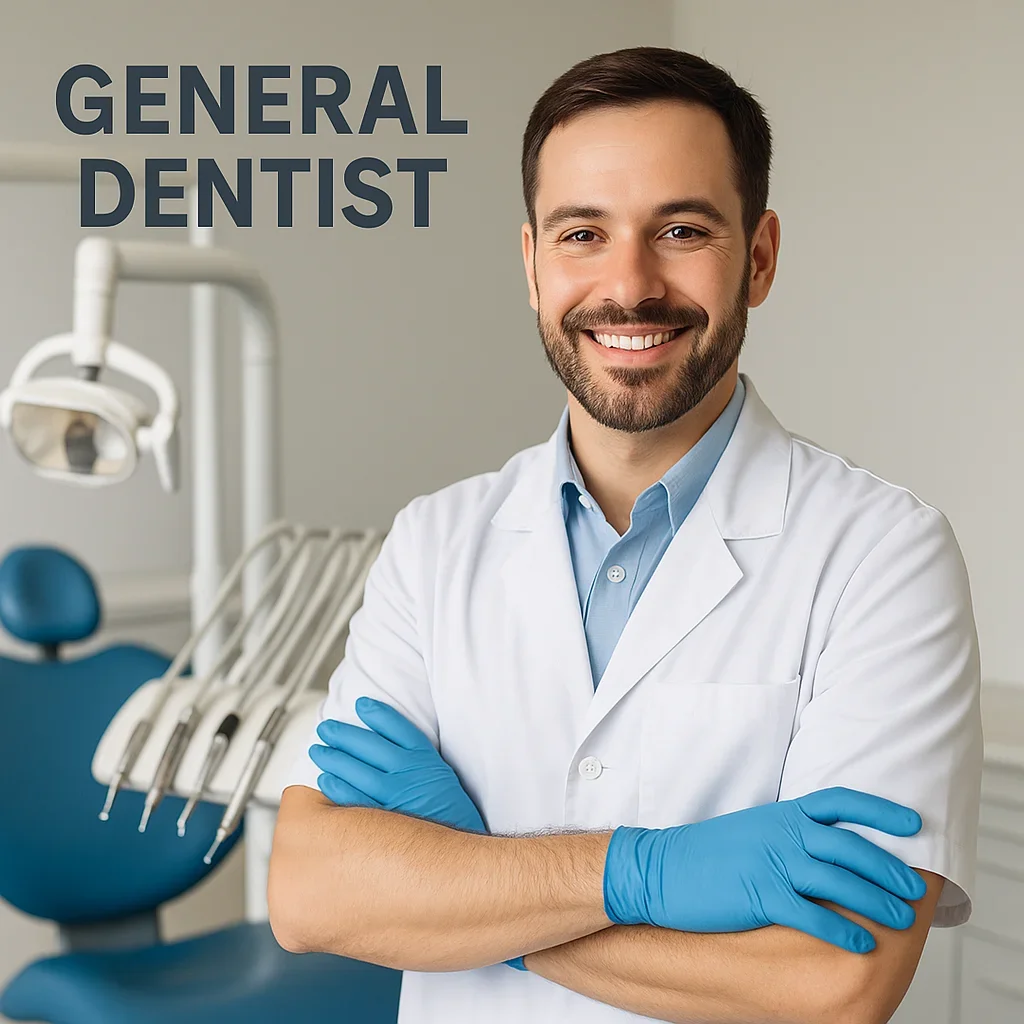
How a General Dentist Can Help Improve Your Smile Confidence 😁
Your smile is one of the first things people notice about you—it reflects confidence, health, and approachability. A general dentist plays a vital role in maintaining not only the health of your teeth but also the beauty and harmony of your smile. Modern dentistry combines science, art, and technology to help patients achieve smiles they’re proud to show off. Whether it’s correcting discoloration, restoring damaged teeth, or improving alignment, your general dentist can guide you toward a confident and radiant smile. 🌟
The Connection Between Oral Health and Confidence
Smile confidence goes far beyond aesthetics. Healthy teeth and gums influence your speech, chewing ability, and self-esteem. A general dentist understands that when patients feel good about their smiles, they tend to smile more often, enhancing both personal and professional interactions. Research has shown that people with healthy, attractive smiles are perceived as more confident, trustworthy, and friendly.
However, even minor dental imperfections can affect self-image. Stains, chips, or uneven teeth can cause hesitation in social settings. By addressing these issues through preventive care, restorative treatments, and cosmetic enhancements, your general dentist helps you regain a sense of confidence and freedom in your everyday life.
1. Teeth Whitening: A Bright Way to Boost Confidence
Discoloration is one of the most common aesthetic concerns patients discuss with their general dentist. Coffee, tea, wine, smoking, and aging can cause enamel to lose its natural whiteness. Professional teeth whitening treatments offered in dental offices deliver faster, safer, and more effective results than over-the-counter alternatives. Using high-grade whitening gels and LED or laser light activation, your general dentist can lighten your teeth by several shades in just one visit.
At-Home Whitening Options
Some patients prefer gradual whitening at home. In these cases, a general dentist can create custom trays that ensure even application and minimize gum irritation. Consistent use of professional-grade whitening gels can yield remarkable results within two to three weeks. Whether in-office or at home, whitening enhances your smile’s brightness, giving you the confidence to express yourself freely.
2. Dental Bonding and Veneers for Perfectly Shaped Teeth
For chipped, cracked, or uneven teeth, a general dentist may recommend dental bonding or veneers. Bonding involves applying a tooth-colored resin to correct imperfections, while veneers are thin porcelain shells placed over the front surface of teeth for a flawless look. Both options provide a natural appearance and durable results.
These procedures are minimally invasive and can dramatically enhance the symmetry and brightness of your smile. A skilled general dentist carefully matches the shade and contour of your restorations to your natural teeth, ensuring seamless integration. With these treatments, even subtle improvements can make a huge difference in your overall appearance.
Choosing Between Bonding and Veneers
The choice depends on your goals, budget, and oral health condition. Bonding is ideal for minor chips or discoloration, while veneers offer a longer-lasting solution for more significant cosmetic concerns. Your general dentist will guide you through both options, explaining the pros, cons, and expected results to ensure your smile transformation aligns perfectly with your expectations.
3. Orthodontic Solutions: Aligning Your Smile with Confidence
Misaligned or crooked teeth not only affect your appearance but can also lead to oral health problems such as uneven wear, jaw pain, or difficulty cleaning. A general dentist often provides or coordinates orthodontic treatments to correct misalignments. While traditional braces remain an effective solution, clear aligners like Invisalign® have gained popularity for their discreet design and convenience.
With clear aligners, your general dentist uses digital 3D imaging to create a custom treatment plan. Each set of aligners gradually shifts teeth into their ideal position, improving both aesthetics and bite function. The result? A straighter, healthier smile that enhances your self-assurance without the discomfort or visibility of metal braces.
Retainers and Long-Term Maintenance
After orthodontic treatment, retainers help maintain the new alignment. Your general dentist will monitor your progress and provide maintenance tips to ensure lasting results. Regular checkups ensure your smile remains aligned, functional, and confident for years to come.
4. Restorative Dentistry: Repairing and Strengthening Your Smile
When teeth are damaged, decayed, or missing, restorative dentistry restores both function and appearance. A general dentist uses advanced techniques and materials to repair or replace affected teeth, allowing you to eat, speak, and smile comfortably again. Procedures such as crowns, bridges, and dental implants can make your smile whole and aesthetically pleasing once more.
Modern restorative materials, such as ceramic or zirconia, are designed to match natural enamel in color and strength. This allows your general dentist to blend restorations seamlessly, giving you a natural, confident look. Restorative treatments not only enhance appearance but also improve overall oral stability, ensuring your bite remains balanced and comfortable.
Dental Implants and Confidence Restoration
Missing teeth can cause embarrassment and difficulty chewing, but dental implants offer a permanent, realistic replacement. A general dentist collaborates with implant specialists to place titanium posts that act as artificial roots. Once healed, crowns are attached to the implants, completing your smile with unmatched stability and beauty. Patients often report a renewed sense of confidence and comfort after this life-changing procedure.
5. Gum Contouring and Smile Symmetry
Sometimes, it’s not your teeth but your gums that affect your smile’s appearance. A general dentist can use laser technology to reshape uneven gum lines, creating better proportion and balance. This procedure—known as gum contouring—is quick, virtually painless, and provides immediate aesthetic improvement. The result is a more symmetrical and attractive smile that enhances your facial harmony.
Maintaining Gum Health After Contouring
After treatment, your general dentist will recommend a gentle hygiene routine and possibly prescribe medicated rinses to aid healing. Healthy gums not only frame your teeth beautifully but also provide the foundation for a confident, long-lasting smile.
6. Preventive Care for Lasting Confidence
Confidence in your smile starts with prevention. Regular visits to your general dentist ensure early detection of decay, gum disease, or enamel wear before they affect your appearance. Professional cleanings remove stains and plaque that brushing alone can’t reach. Preventive care keeps your teeth bright, strong, and healthy—so you can smile without hesitation.
Education and At-Home Maintenance
Beyond clinical care, your general dentist provides valuable education about maintaining your smile. From teaching proper brushing and flossing techniques to recommending diet adjustments, dentists empower you to preserve results between visits. Consistency is key to sustaining both oral health and confidence.
7. The Psychological Benefits of a Healthy Smile
A beautiful smile doesn’t just improve appearance—it boosts emotional well-being. Smiling triggers the release of serotonin and endorphins, enhancing mood and reducing stress. When patients regain confidence in their smiles after treatment with a general dentist, they often experience improved self-image, motivation, and social interaction. Dental care truly transforms more than just teeth—it enhances quality of life.
Final Thoughts: Let Your Smile Shine
A confident smile is powerful—it can open doors, improve relationships, and elevate your overall happiness. With modern cosmetic, restorative, and preventive dentistry, your general dentist can help you achieve the smile you’ve always dreamed of. Whether you need whitening, alignment correction, or complete restoration, professional dental care makes all the difference.
Ready to begin your smile transformation? Visit the Redent Klinik Contact Page to schedule a consultation with an expert general dentist today. They’ll design a personalized treatment plan to enhance your smile’s appearance, boost your self-confidence, and help you radiate positivity wherever you go. 😁