
One of the most common questions patients ask after losing a tooth is: can I get a bridge instead of an implant? If you are facing this decision, you are not alone. Tooth loss can affect your smile, your confidence, your chewing ability, and even your overall oral health. Understanding whether you can choose a bridge rather than an implant is essential before starting treatment.
So, can I get a bridge instead of an implant in every case? The short answer is: often yes, but it depends on your oral condition, bone health, surrounding teeth, budget, and long-term goals. Both dental bridges and dental implants are established, clinically proven solutions for replacing missing teeth. However, they work in very different ways and come with different advantages and limitations.
When patients ask, can I get a bridge instead of an implant, they are usually concerned about surgery, healing time, or cost. A dental implant requires placing a titanium post into the jawbone, which then integrates with the bone over several months. A bridge, on the other hand, uses the adjacent teeth as support and does not require surgical placement in the bone. For patients who want to avoid surgery, the question can I get a bridge instead of an implant becomes especially relevant.
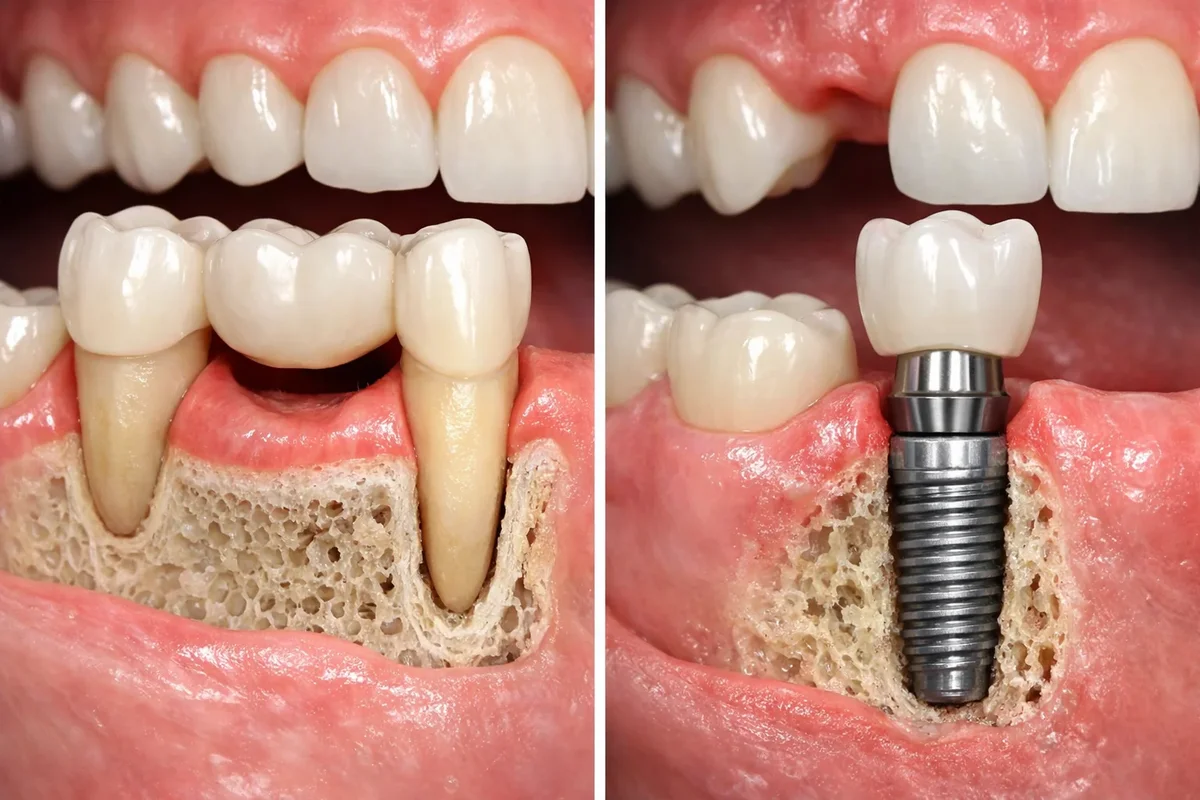
A dental bridge literally “bridges” the gap created by a missing tooth. The dentist reshapes the neighboring teeth and places crowns on them, with a false tooth (pontic) suspended in between. If you are wondering, can I get a bridge instead of an implant, this approach may be suitable if your adjacent teeth already have large fillings or crowns, making them ideal support structures.
However, the answer to can I get a bridge instead of an implant also depends on the condition of your jawbone. Implants stimulate the jawbone and help prevent bone loss. A bridge does not replace the tooth root, so it does not offer the same bone-preserving benefits. If you have significant bone loss, your dentist may still discuss implants, bone grafting, or alternative restorative options.
Another key factor when asking can I get a bridge instead of an implant is long-term durability. Implants can last 15–25 years or more with proper care, and often even a lifetime. Bridges typically last 7–15 years, depending on oral hygiene and bite forces. That does not mean a bridge is a poor option. For many patients, especially those seeking a faster solution, the answer to can I get a bridge instead of an implant is a confident yes.
Cost is another major reason people ask, can I get a bridge instead of an implant. In the United States, a traditional three-unit bridge may cost approximately $2,000 to $5,000, depending on materials and location. A single dental implant with crown can range from $3,000 to $6,000 or more. These are general estimates and may vary. For updated oral health guidelines, you can refer to the American Dental Association.
If affordability is a concern and you are considering treatment abroad, you can also reach out through the Redent Klinik Contact Page to explore personalized options.
Functionally, when patients ask can I get a bridge instead of an implant, they often want to know if chewing strength will be compromised. In most cases, a well-made bridge restores chewing ability effectively. However, implants tend to feel more like natural teeth because they are anchored directly into the bone. If maximum stability is your goal, you should discuss with your dentist whether asking can I get a bridge instead of an implant aligns with your expectations.
From an aesthetic standpoint 😊, both bridges and implants can look extremely natural. Modern ceramic materials are designed to match your natural tooth color and translucency. So if your main concern is appearance and you are thinking, can I get a bridge instead of an implant, rest assured that both treatments can produce beautiful results.
There are also medical considerations. Certain health conditions, such as uncontrolled diabetes, heavy smoking, or compromised immune systems, may affect implant success rates. In these situations, the question can I get a bridge instead of an implant becomes clinically important. A bridge may sometimes be recommended if implant surgery presents higher risks.
Ultimately, when you ask, can I get a bridge instead of an implant, you are really asking which option best fits your health, lifestyle, timeline, and financial situation. There is no one-size-fits-all answer. The decision should always be based on a thorough dental examination, X-rays, and a personalized treatment plan.
In summary, can I get a bridge instead of an implant? In many cases, yes. A bridge can be an effective, faster, and sometimes more affordable alternative to an implant. However, implants may offer superior bone preservation and long-term durability. The best choice depends on your specific oral health condition and long-term goals. Consulting with an experienced dentist will help you determine whether choosing a bridge over an implant is the right solution for your smile and your future oral health. 🦷
1. Can I Get a Bridge Instead of an Implant? Understanding Your Options
When patients lose a tooth, one of the first questions they ask is, can I get a bridge instead of an implant? This question is completely valid because both treatments are widely used to replace missing teeth. However, they differ in structure, procedure, cost, longevity, and long-term oral health impact. To properly answer the question can I get a bridge instead of an implant, you must understand how each solution works and what it means for your mouth in the years ahead.
How a Dental Bridge Works
A dental bridge is a fixed restoration designed to “bridge” the gap left by a missing tooth. It typically consists of two crowns placed on the teeth adjacent to the gap, with an artificial tooth (called a pontic) attached between them. If you are wondering can I get a bridge instead of an implant, a bridge may be an option if the neighboring teeth are healthy enough to support crowns.
To place a bridge, your dentist reshapes the adjacent teeth so that crowns can fit securely over them. An impression is taken, and a custom bridge is fabricated in a dental laboratory. Once placed, the bridge restores appearance and chewing function. For patients who ask can I get a bridge instead of an implant because they prefer a faster treatment, a bridge often requires only two to three appointments over a few weeks.
How a Dental Implant Works
Understanding implants is essential when evaluating can I get a bridge instead of an implant. A dental implant replaces the missing tooth root with a titanium post inserted into the jawbone. Over several months, the implant integrates with the bone in a process called osseointegration. After healing, a crown is attached to the implant.
Unlike a bridge, an implant does not rely on adjacent teeth for support. This distinction is important when patients ask can I get a bridge instead of an implant, because the implant preserves the structure of neighboring teeth and stimulates the jawbone, reducing bone loss over time.
Key Structural Differences
Support System
One major difference when considering can I get a bridge instead of an implant is how each restoration is supported. A bridge depends on natural teeth, while an implant is anchored directly into the jawbone. If the adjacent teeth already have large fillings or crowns, choosing a bridge may make practical sense.
Impact on Adjacent Teeth
When asking can I get a bridge instead of an implant, you must consider that placing a bridge requires removing enamel from healthy teeth. An implant, on the other hand, leaves neighboring teeth untouched. Preserving natural tooth structure is often a priority in modern dentistry.
Bone Preservation
Another critical factor in the discussion of can I get a bridge instead of an implant is bone health. Because implants replace the root, they help maintain bone density. A bridge does not stimulate the bone beneath the missing tooth, which may lead to gradual bone loss over time.
Situations Where a Bridge May Be Recommended
If you are asking can I get a bridge instead of an implant, your dentist will evaluate several clinical factors:
- Insufficient bone for implant placement
- Medical conditions that complicate surgery
- Preference to avoid surgical procedures
- Need for a faster treatment timeline
- Financial considerations
In these situations, the answer to can I get a bridge instead of an implant may be yes. A bridge can effectively restore function and aesthetics without requiring bone surgery.
Longevity Considerations
Many patients who ask can I get a bridge instead of an implant are thinking long term. Implants often last 15–25 years or more with proper care, sometimes even a lifetime. Bridges typically last 7–15 years. While bridges are durable, they may eventually need replacement due to wear or decay in the supporting teeth.
This does not mean that choosing a bridge is a poor decision. For some patients, especially those over a certain age or with existing restorations on adjacent teeth, asking can I get a bridge instead of an implant leads to a practical and efficient solution.
Cost Overview
Financial concerns frequently influence the question can I get a bridge instead of an implant. In the United States, a traditional three-unit bridge generally ranges between $2,000 and $5,000 depending on materials and location. A single dental implant with crown often ranges between $3,000 and $6,000 or more.
Because implants involve surgery and multiple components, the upfront cost is typically higher. For patients comparing affordability, asking can I get a bridge instead of an implant may feel like the more economical route in the short term.
Functional and Aesthetic Results
From a functional perspective, both options restore chewing ability and speech. If you are concerned about appearance and asking can I get a bridge instead of an implant, modern ceramic bridges are designed to look extremely natural. 😊
Implants may feel slightly more like a natural tooth because they are anchored into bone. However, a well-designed bridge can provide excellent comfort and stability for everyday use.
Making an Informed Decision
Ultimately, the answer to can I get a bridge instead of an implant depends on your individual oral health, bone structure, medical history, and long-term goals. There is no universal solution. A comprehensive dental examination, including X-rays and a discussion of your expectations, is essential.
If you are still wondering can I get a bridge instead of an implant, the best step is to consult an experienced dentist who can evaluate your specific case and provide a personalized recommendation. Both treatments are safe and effective when properly planned. The key is choosing the option that aligns with your health, comfort, and future dental stability. 🦷
2. Dental Bridge vs Dental Implant: Key Differences Explained
When patients seriously consider tooth replacement options, they often circle back to the same important question: can i get a bridge instead of an implant? To answer that properly, it is essential to understand the core differences between these two restorative treatments. While both solutions aim to replace a missing tooth and restore function, their design, biological impact, procedure, durability, and maintenance requirements vary significantly.
If you are asking can i get a bridge instead of an implant, you are likely comparing comfort, cost, longevity, and long-term oral health. Let’s break these differences down in detail so you can make a fully informed decision.
Structural Design and Support System
The most fundamental difference when evaluating can i get a bridge instead of an implant lies in how each restoration is supported.
How a Bridge Is Supported
A traditional dental bridge relies on the adjacent natural teeth for support. These neighboring teeth are reshaped and covered with crowns that anchor the artificial tooth in between. If those teeth are already restored or weakened, this approach may be practical. However, if they are perfectly healthy, preparing them requires removing natural enamel.
This becomes important when asking can i get a bridge instead of an implant, because a bridge changes the structure of surrounding teeth permanently.
How an Implant Is Supported
A dental implant, by contrast, is anchored directly into the jawbone using a titanium post. It acts as an artificial root. Once the implant integrates with the bone, a crown is attached on top. When patients ask can i get a bridge instead of an implant, they should understand that implants do not rely on neighboring teeth at all.
This independent support system is one of the main reasons implants are often considered the gold standard in modern dentistry.
Impact on Jawbone and Long-Term Oral Health
Another critical factor when discussing can i get a bridge instead of an implant is bone preservation. After a tooth is lost, the jawbone beneath it begins to shrink due to lack of stimulation.
Bone Preservation with Implants
Implants help prevent bone loss because they replace the tooth root and continue to stimulate the jawbone during chewing. This stimulation helps maintain facial structure and long-term oral stability.
Bone Changes with Bridges
When you choose a bridge and ask can i get a bridge instead of an implant, you should know that a bridge does not stimulate the underlying bone. Over time, the bone in that area may gradually shrink. This does not necessarily cause immediate problems, but it can affect long-term stability and facial aesthetics.
Treatment Timeline and Procedure
The treatment timeline is another reason people ask can i get a bridge instead of an implant.
Bridge Timeline
A dental bridge usually requires two to three visits over a few weeks. After reshaping the supporting teeth, impressions are taken and the bridge is fabricated. Once ready, it is permanently cemented into place. The process is relatively fast and does not require surgical healing time.
Implant Timeline
An implant procedure involves surgical placement of the post into the jawbone. Healing and integration can take three to six months before the final crown is attached. For patients seeking immediate results, asking can i get a bridge instead of an implant often relates to wanting a shorter overall treatment duration.
Longevity and Durability
Longevity is a major consideration when evaluating can i get a bridge instead of an implant.
Dental implants can last 15–25 years or longer with proper care, and many last a lifetime. Bridges typically last between 7 and 15 years. The lifespan of a bridge depends heavily on oral hygiene and the health of the supporting teeth.
Because a bridge relies on natural teeth, decay or gum disease affecting those teeth may compromise the entire restoration. This is an essential point when considering can i get a bridge instead of an implant for long-term stability.
Cost Differences
Cost is one of the most common motivations behind the question can i get a bridge instead of an implant. In the United States, a three-unit bridge generally ranges between $2,000 and $5,000 depending on materials and location. A single dental implant with crown can range from $3,000 to $6,000 or more.
While implants often have a higher initial cost, their longevity may make them more cost-effective over time. When patients ask can i get a bridge instead of an implant, it is important to consider both short-term and long-term financial impact.
Comfort and Function
Both treatments restore chewing ability and appearance effectively. If you are asking can i get a bridge instead of an implant because you are worried about comfort, both options can feel natural once properly placed.
Implants tend to feel slightly more like a natural tooth because they are integrated into the bone. Bridges are also stable but may feel slightly different under heavy biting pressure. 😊
Maintenance Requirements
Maintenance is another factor to consider when asking can i get a bridge instead of an implant.
Bridges require careful cleaning underneath the artificial tooth using floss threaders or special brushes. Implants are cleaned similarly to natural teeth, although excellent oral hygiene remains essential.
Which Option Is Better for You?
Ultimately, the answer to can i get a bridge instead of an implant depends on your bone health, surrounding teeth, budget, overall medical condition, and long-term expectations. There is no universally correct answer.
If preserving bone and avoiding alteration of neighboring teeth is your priority, an implant may be preferable. If you prefer a faster, non-surgical option and your adjacent teeth require crowns anyway, a bridge may be entirely appropriate.
When you ask can i get a bridge instead of an implant, you are making an important decision about your oral health future. A comprehensive dental evaluation and professional consultation are essential to determine which solution best supports your smile, comfort, and long-term dental stability. 🦷
3. Who Is a Good Candidate for a Dental Bridge?
When patients ask, can i get a bridge instead of an implant, the most important factor is whether they are a suitable candidate for a dental bridge. Not every case of tooth loss is identical, and the best treatment option depends on individual oral health, bone condition, gum stability, and the status of surrounding teeth. Understanding candidacy helps you move from simply asking can i get a bridge instead of an implant to confidently knowing whether it is the right choice for you.
General Requirements for a Dental Bridge
If you are wondering can i get a bridge instead of an implant, your dentist will first examine the teeth adjacent to the missing tooth. These neighboring teeth must be strong enough to support crowns. Because a bridge relies on these teeth for stability, they must have healthy roots and sufficient enamel structure.
Healthy Adjacent Teeth
One of the primary conditions when evaluating can i get a bridge instead of an implant is whether the adjacent teeth are structurally sound. Teeth with severe decay, fractures, or advanced gum disease may not provide adequate support. However, if these teeth already require crowns due to large fillings or previous damage, choosing a bridge can actually be a practical and efficient solution.
Stable Gum Health
Gum health plays a major role when deciding can i get a bridge instead of an implant. Healthy gums ensure long-term success. If you have untreated periodontal disease, it must be addressed before any restorative procedure. Bridges depend on the stability of surrounding gum tissue to remain secure and functional.
Bone Condition and Implant Limitations
Many patients ask can i get a bridge instead of an implant because they have been told they have insufficient bone for implant placement. Dental implants require adequate jawbone density to integrate properly. If bone loss has occurred and a patient prefers to avoid bone grafting surgery, a bridge may become a more appealing option.
In such cases, the answer to can i get a bridge instead of an implant is often yes, especially if surgical procedures are not desirable or medically advisable.
Medical Conditions That Influence the Decision
Medical history is another key factor when asking can i get a bridge instead of an implant. Certain systemic conditions can affect healing and implant success.
Chronic Health Conditions
Patients with uncontrolled diabetes, immune disorders, or conditions that impair healing may face higher risks with implant surgery. For them, asking can i get a bridge instead of an implant becomes a clinically important conversation.
Smoking Habits
Heavy smokers may experience lower implant success rates due to impaired healing and increased risk of infection. While smoking also affects bridge longevity, it does not involve surgical integration with bone. Therefore, when smokers ask can i get a bridge instead of an implant, dentists often evaluate both risk profiles carefully.
Age Considerations
Age can influence the answer to can i get a bridge instead of an implant. Younger patients whose jawbones are still developing are generally not candidates for implants until growth is complete. In such cases, temporary bridges may be used.
Older adults, especially those with existing crowns or restorations on neighboring teeth, may find that asking can i get a bridge instead of an implant leads to a practical and time-efficient solution.
Time and Lifestyle Factors
Treatment timeline often affects the decision. If you are asking can i get a bridge instead of an implant because you want a faster result, a bridge typically requires only a few weeks from preparation to placement. Implants may require several months of healing before the final crown is attached.
Patients with busy schedules or upcoming events sometimes prefer a shorter treatment duration. In these cases, the answer to can i get a bridge instead of an implant may align with lifestyle needs.
Financial Considerations
Budget is another major reason patients ask can i get a bridge instead of an implant. Bridges often have a lower upfront cost compared to implants. While implants may offer longer durability, bridges may be more accessible financially in the short term.
However, it is important to consider long-term maintenance costs as well. When evaluating can i get a bridge instead of an implant, both immediate affordability and future replacement potential should be discussed with your dentist.
When a Bridge May Not Be Ideal
Even if you are asking can i get a bridge instead of an implant, there are situations where a bridge may not be recommended. If adjacent teeth are completely healthy and untouched, preparing them for crowns may not be the most conservative option. Additionally, if multiple teeth are missing in a row, an implant-supported solution may provide better stability.
Therefore, while many patients can confidently choose a bridge, the answer to can i get a bridge instead of an implant always depends on a detailed clinical evaluation.
Final Assessment and Professional Guidance
Ultimately, determining candidacy goes beyond simply asking can i get a bridge instead of an implant. Your dentist will conduct a comprehensive examination, take X-rays, evaluate bite alignment, assess gum health, and discuss your expectations.
If your surrounding teeth are strong, your gums are healthy, and you prefer a non-surgical, faster option, you may be an excellent candidate for a bridge. 😊 However, if long-term bone preservation and maximum durability are your priorities, an implant may still be the better investment.
In conclusion, the answer to can i get a bridge instead of an implant depends on clinical suitability, medical background, financial considerations, and personal preferences. A personalized consultation remains the most reliable way to determine which solution best protects your smile and long-term oral health. 🦷
4. Advantages and Disadvantages of Choosing a Bridge
When patients seriously ask, can i get a bridge instead of an implant, they are usually weighing the pros and cons of each treatment. Understanding the advantages and disadvantages of a dental bridge is essential before making a long-term decision. While a bridge can be an excellent solution in many cases, it is not automatically the best choice for everyone. The key is evaluating your individual situation carefully and realistically.
If you are wondering can i get a bridge instead of an implant, this section will help you clearly understand the benefits and potential drawbacks of choosing a bridge so that your decision is based on facts, not assumptions.
Main Advantages of a Dental Bridge
1. Faster Treatment Time
One of the biggest reasons people ask can i get a bridge instead of an implant is because they want a quicker solution. A dental bridge usually requires two to three visits over a few weeks. There is no surgical healing period like with implants, which may require three to six months of integration before the final crown is placed.
If time is an important factor for you, the answer to can i get a bridge instead of an implant may strongly favor a bridge.
2. No Surgical Procedure
Another major advantage when considering can i get a bridge instead of an implant is avoiding surgery. Implant placement involves a minor surgical procedure to insert the titanium post into the jawbone. Although implant surgery is generally safe and predictable, some patients prefer to avoid any surgical intervention.
If you have anxiety about surgery or medical conditions that complicate healing, asking can i get a bridge instead of an implant becomes highly relevant.
3. Lower Initial Cost
Cost is often a decisive factor when patients ask can i get a bridge instead of an implant. In many regions, a traditional three-unit dental bridge costs approximately $2,000 to $5,000 depending on materials and location. A single dental implant with crown typically ranges from $3,000 to $6,000 or more.
Although long-term durability differs, the lower upfront investment makes bridges appealing for patients who need immediate restoration within a limited budget.
4. Proven and Reliable Treatment
Dental bridges have been used successfully for decades. When properly fabricated and maintained, they restore chewing function, speech, and appearance effectively. If you are asking can i get a bridge instead of an implant, it is reassuring to know that bridges remain a trusted restorative option in modern dentistry.
Potential Disadvantages of a Dental Bridge
1. Alteration of Healthy Teeth
A key disadvantage when evaluating can i get a bridge instead of an implant is that the supporting teeth must be reshaped to accommodate crowns. This process removes natural enamel permanently. If those teeth are perfectly healthy, this preparation may be considered less conservative than placing an implant.
This is one of the main reasons dentists carefully assess whether asking can i get a bridge instead of an implant aligns with long-term preservation of natural tooth structure.
2. Risk to Adjacent Teeth
Because a bridge relies on neighboring teeth, those teeth carry additional biting forces. Over time, decay or gum disease affecting these supporting teeth can compromise the entire bridge. If you are asking can i get a bridge instead of an implant, you must understand that the health of two teeth becomes essential for replacing one.
3. Bone Loss Over Time
Unlike implants, bridges do not replace the tooth root. When patients ask can i get a bridge instead of an implant, they should know that bone beneath the missing tooth may gradually shrink over time. While this may not cause immediate problems, it can influence long-term facial structure and stability.
4. Shorter Lifespan Compared to Implants
Another consideration when deciding can i get a bridge instead of an implant is longevity. Bridges typically last between 7 and 15 years with proper care. Implants often last 15–25 years or more. This does not mean a bridge is unreliable, but it may require replacement sooner than an implant.
Functional and Aesthetic Performance
Many patients asking can i get a bridge instead of an implant are concerned about how natural the restoration will feel and look. Modern ceramic bridges are highly aesthetic and can blend seamlessly with surrounding teeth. 😊
Functionally, bridges restore chewing ability very effectively. However, implants may provide slightly greater stability under heavy biting pressure because they are anchored into bone.
Long-Term Maintenance Considerations
If you are evaluating can i get a bridge instead of an implant, maintenance should also be considered. Bridges require meticulous cleaning underneath the artificial tooth using floss threaders or special brushes. Failure to maintain hygiene can lead to decay or gum problems around supporting teeth.
Implants also require excellent oral hygiene, but they do not depend on adjacent teeth for support.
Balancing Benefits and Risks
Ultimately, when asking can i get a bridge instead of an implant, you are balancing speed, cost, surgical considerations, durability, and long-term oral health. For some patients, the advantages of a bridge clearly outweigh the disadvantages. For others, implant therapy may offer superior long-term value.
The best choice depends on your clinical condition, lifestyle, budget, and personal preferences. A comprehensive dental consultation will provide clarity and ensure that your decision supports both your immediate needs and your long-term oral health stability. 🦷
5. Cost Comparison: Bridge vs Implant in 2026
For many patients, the question can i get a bridge instead of an implant is closely tied to cost. While clinical suitability and long-term oral health are critical, financial considerations often play a major role in decision-making. Understanding the real cost differences between a dental bridge and a dental implant in 2026 can help you evaluate whether asking can i get a bridge instead of an implant makes sense for your personal budget and long-term investment.
It is important to remember that pricing varies depending on country, clinic expertise, materials used, and additional procedures required. However, we can examine realistic average ranges to give you a clear picture.
Average Cost of a Dental Bridge
Traditional Three-Unit Bridge
In the United States in 2026, a traditional three-unit porcelain-fused-to-metal or all-ceramic bridge typically costs between $2,000 and $5,000. The final price depends on:
- Type of material (zirconia, ceramic, porcelain-fused-to-metal)
- Geographic location of the clinic
- Dentist’s expertise and laboratory quality
- Complexity of the case
When patients ask can i get a bridge instead of an implant, the lower upfront cost of a bridge often becomes attractive. Bridges generally do not involve surgical fees, bone grafting costs, or implant component expenses, which can significantly increase total treatment cost.
Additional Possible Costs
If supporting teeth require root canal treatment or additional restorative work, costs may increase. Therefore, when evaluating can i get a bridge instead of an implant, it is essential to consider the condition of neighboring teeth.
Average Cost of a Dental Implant
Single Implant with Crown
A single dental implant in the United States in 2026 typically ranges from $3,000 to $6,000 or more. This price often includes:
- Implant post (titanium fixture)
- Abutment component
- Custom crown
- Surgical placement procedure
However, this does not always include additional procedures such as bone grafting or sinus lifting. If those are required, total cost may increase by $500 to $3,000 depending on complexity. This is why many patients initially ask can i get a bridge instead of an implant, especially if they wish to avoid additional surgical expenses.
Short-Term vs Long-Term Investment
When comparing costs, it is crucial to distinguish between short-term affordability and long-term value. If you are asking can i get a bridge instead of an implant because the implant cost seems high, consider the lifespan difference.
Lifespan Comparison
- Dental Bridge: 7–15 years on average
- Dental Implant: 15–25+ years, sometimes lifetime
If a bridge needs replacement after 10–12 years, the cumulative cost over 20–25 years may equal or even exceed the cost of a single implant. Therefore, when asking can i get a bridge instead of an implant, it is wise to calculate potential future replacement expenses.
Insurance Coverage Differences
Another factor influencing the question can i get a bridge instead of an implant is insurance coverage. In many cases, dental insurance plans partially cover bridges but may provide limited or no coverage for implants. Policies vary significantly, so reviewing your individual plan is essential.
Because bridges are often categorized as “major restorative procedures,” insurance may cover 40–60% of the cost after deductibles. Implant coverage is improving in 2026 but still remains less consistent across providers.
Cost Differences in Dental Tourism
For patients exploring treatment abroad, asking can i get a bridge instead of an implant may involve comparing international pricing. In countries known for dental tourism, such as Turkey, Hungary, or Mexico:
- Dental bridges may range from $800 to $2,500
- Dental implants may range from $1,500 to $3,500
Even with travel costs, total expenses can be significantly lower than domestic treatment in some regions.
Hidden Financial Considerations
Maintenance Costs
When deciding can i get a bridge instead of an implant, consider long-term maintenance. Bridges require careful cleaning under the pontic using floss threaders or special brushes. Poor hygiene can lead to decay in supporting teeth, potentially increasing future treatment costs.
Bone Loss and Future Treatment
Because bridges do not stimulate the jawbone, bone shrinkage may occur over time. If future implant placement becomes necessary, additional bone grafting procedures could increase expenses. Therefore, the financial impact of asking can i get a bridge instead of an implant extends beyond initial treatment fees.
Financial Decision-Making Strategy
To answer can i get a bridge instead of an implant from a financial perspective, consider these steps:
- Request a detailed treatment plan with itemized costs.
- Ask about expected lifespan and replacement probability.
- Review insurance coverage specifics.
- Calculate 15–20 year projected cost comparison.
When patients ask can i get a bridge instead of an implant, the most cost-effective solution depends on individual priorities. If minimizing upfront cost is essential, a bridge may be attractive. If maximizing long-term durability and reducing future replacement risk is the priority, an implant may represent better long-term value.
Ultimately, cost should be evaluated alongside clinical suitability, oral health preservation, and personal comfort. A thorough consultation will help determine whether the answer to can i get a bridge instead of an implant aligns with both your budget and your long-term dental health goals. 🦷
6. Procedure Timeline: How Long Does a Bridge Take?
One of the most practical reasons patients ask can i get a bridge instead of an implant is related to time. Many people want to restore their smile quickly, especially if the missing tooth is visible when speaking or smiling. Understanding the treatment timeline helps you realistically compare both options and decide whether asking can i get a bridge instead of an implant aligns with your schedule and expectations.
Although both treatments restore function and aesthetics, the timeline for a dental bridge is generally shorter than that of a dental implant. However, several clinical factors influence the exact duration.
Typical Timeline for a Dental Bridge
First Appointment: Examination and Tooth Preparation
During the initial visit, your dentist evaluates whether you are a suitable candidate. If you are asking can i get a bridge instead of an implant, this appointment includes X-rays, gum evaluation, and checking the strength of adjacent teeth.
If approved, the supporting teeth are reshaped to accommodate crowns. Impressions or digital scans are taken, and a temporary bridge is placed. This appointment typically lasts 1–2 hours.
Laboratory Fabrication Phase
The custom bridge is fabricated in a dental laboratory. This process usually takes 1–3 weeks depending on the clinic and lab workload. During this time, you wear a temporary restoration.
For patients wondering can i get a bridge instead of an implant because they need a faster solution, this relatively short waiting period is often appealing.
Final Placement Appointment
Once the permanent bridge is ready, your dentist removes the temporary and permanently cements the final bridge. Adjustments are made to ensure proper bite alignment and comfort. After this visit, the treatment is complete.
In total, the bridge process typically takes 2–4 weeks from start to finish. For many patients asking can i get a bridge instead of an implant, this shorter timeline is a decisive advantage.
Typical Timeline for a Dental Implant
To properly answer can i get a bridge instead of an implant, it is important to compare the implant timeline as well.
Surgical Placement
The implant procedure begins with surgical placement of the titanium post into the jawbone. This appointment usually takes 1–2 hours.
Healing and Osseointegration
After placement, the implant must integrate with the bone in a process called osseointegration. This healing period typically lasts 3–6 months. During this time, the implant becomes stable enough to support a crown.
This longer healing period is one of the main reasons patients ask can i get a bridge instead of an implant, especially if they want immediate restoration.
Final Crown Placement
After healing, impressions are taken for the final crown, which is then attached to the implant. From start to finish, implant treatment may take 4–8 months or longer if additional procedures are needed.
Factors That May Extend the Timeline
Bone Grafting
If you have insufficient bone density, a bone graft may be required before implant placement. This can add several months to the overall timeline. For patients who prefer to avoid additional procedures, asking can i get a bridge instead of an implant becomes especially relevant.
Root Canal Treatment
In bridge cases, if the supporting teeth require root canal treatment, the timeline may extend slightly. However, it still remains shorter than most implant cases.
Immediate Solutions and Temporary Options
In certain cases, immediate implants can be placed right after tooth extraction. However, healing time is still required before final restoration. If you are asking can i get a bridge instead of an implant because you need quick cosmetic improvement, a bridge usually offers faster visible results.
Temporary removable options may also be used while waiting for implant healing, but these are not permanent solutions.
Time vs Long-Term Stability
When evaluating can i get a bridge instead of an implant, it is important to balance speed with longevity. While bridges offer faster completion, implants may provide greater long-term durability and bone preservation.
Patients often prioritize different factors. Some value immediate restoration due to professional or social reasons. Others prefer waiting longer for what they perceive as a more permanent solution. The question can i get a bridge instead of an implant ultimately reflects your personal priorities.
Recovery and Comfort Considerations
Bridge procedures generally involve minimal recovery. You may experience mild sensitivity after tooth preparation, but discomfort is usually temporary. Implant surgery may involve mild swelling and soreness for a few days after placement.
If avoiding surgical recovery is important to you, asking can i get a bridge instead of an implant may lead to a more comfortable short-term experience.
Final Timeline Comparison
- Dental Bridge: 2–4 weeks total
- Dental Implant: 4–8 months total (sometimes longer)
Ultimately, if speed and simplicity are your top priorities, the answer to can i get a bridge instead of an implant may favor a bridge. However, if you are willing to invest more time for potentially longer-lasting results, an implant may still be worth considering.
A personalized consultation will clarify your expected timeline based on your oral health condition. Making an informed decision ensures that your chosen treatment supports both your immediate needs and your long-term dental health goals. 🦷
7. Longevity and Durability: Which Option Lasts Longer?
When patients seriously evaluate their options, one of the most important long-term questions becomes durability. Many people ask, can i get a bridge instead of an implant, but what they are truly asking is: which solution will last longer and require fewer future treatments? Longevity is not just about years of use; it is about stability, resistance to complications, maintenance demands, and overall oral health preservation.
If you are considering can i get a bridge instead of an implant, understanding lifespan differences will help you make a confident and realistic decision.
Average Lifespan of a Dental Bridge
Typical Longevity Range
A traditional dental bridge generally lasts between 7 and 15 years. With excellent oral hygiene and regular dental check-ups, some bridges may last even longer. However, it is important to understand that bridges rely heavily on the health of the supporting teeth.
When patients ask can i get a bridge instead of an implant, they must consider that the bridge’s durability is directly connected to the strength and health of two neighboring teeth. If one of those teeth develops decay or gum disease, the entire bridge may need replacement.
Common Reasons for Bridge Failure
- Decay under supporting crowns
- Gum disease affecting anchor teeth
- Fracture of supporting teeth
- Excessive bite pressure or grinding (bruxism)
If you are wondering can i get a bridge instead of an implant, these risk factors should be discussed openly with your dentist. While bridges are reliable, they are biologically dependent on adjacent natural teeth.
Average Lifespan of a Dental Implant
Long-Term Durability
Dental implants typically last 15 to 25 years or more, and many remain functional for a lifetime with proper care. The titanium post integrates with the jawbone, creating a stable and independent foundation.
This independence is one reason implants are often recommended when patients ask can i get a bridge instead of an implant but prioritize long-term stability. Unlike bridges, implants do not rely on neighboring teeth for support.
Possible Implant Complications
- Peri-implantitis (inflammation around the implant)
- Bone loss due to poor oral hygiene
- Mechanical loosening of components
Even though implants have high success rates (above 95% in many studies), they still require excellent oral hygiene. When asking can i get a bridge instead of an implant, patients must understand that both treatments demand proper maintenance.
Bone Preservation and Long-Term Stability
One major durability advantage of implants is bone preservation. After tooth loss, the jawbone naturally shrinks over time. Implants stimulate the bone and help maintain its density. Bridges, however, do not replace the tooth root.
If you are considering can i get a bridge instead of an implant, it is important to understand that gradual bone loss under a bridge may occur. While this may not cause immediate problems, it can influence long-term stability and facial structure.
Maintenance and Hygiene Impact
Bridge Cleaning Requirements
Bridges require careful cleaning beneath the artificial tooth using floss threaders or special interdental brushes. Inadequate cleaning increases the risk of decay in supporting teeth. When evaluating can i get a bridge instead of an implant, daily hygiene commitment plays a critical role in long-term success.
Implant Maintenance
Implants are cleaned similarly to natural teeth, although special attention must be given to gum health around the implant. With proper brushing, flossing, and professional check-ups, implants often demonstrate excellent longevity.
Effect of Bite Force and Grinding
Patients who grind their teeth (bruxism) must consider durability carefully. Excessive bite pressure can weaken bridge support teeth over time. If you are asking can i get a bridge instead of an implant and you have a history of grinding, your dentist may recommend a night guard to protect either restoration.
Implants are generally very strong, but they can also experience mechanical stress. Proper bite alignment and protective measures are essential in both cases.
Replacement and Future Planning
Another factor to consider when deciding can i get a bridge instead of an implant is the likelihood of future replacement. Bridges may need replacement once or twice over a 25-year period. Implants, if successful, may not require replacement of the post itself, though the crown component may occasionally need renewal.
From a long-term investment perspective, some patients find that implants offer better durability over decades. However, this depends on oral hygiene, health conditions, and lifestyle habits.
Which Option Truly Lasts Longer?
In most cases, dental implants statistically last longer than traditional bridges. However, this does not automatically mean a bridge is a poor choice. If adjacent teeth already require crowns, or if surgical procedures are not ideal, asking can i get a bridge instead of an implant may still lead to a very successful outcome.
Durability is influenced by:
- Oral hygiene habits
- Regular dental check-ups
- Gum health
- Bite alignment
- Systemic health conditions
Ultimately, when patients ask can i get a bridge instead of an implant, they must balance immediate needs with long-term expectations. Implants typically provide superior longevity and bone preservation. Bridges, however, offer reliable function and faster treatment, though they may require replacement sooner.
The best choice depends on your clinical situation and long-term goals. A personalized dental consultation ensures that your restoration not only looks natural 😊 but also supports lasting oral health for many years to come. 🦷
8. Oral Health Impact: Bone Loss, Gums, and Adjacent Teeth
When patients ask, can i get a bridge instead of an implant, they are often focused on cost or treatment time. However, one of the most important aspects to consider is the long-term impact on oral health. Tooth replacement is not just about filling a gap; it affects jawbone stability, gum health, surrounding teeth, and even facial structure. Understanding these biological effects helps you answer the question can i get a bridge instead of an implant from a health-centered perspective rather than purely cosmetic or financial considerations.
Jawbone Health and Bone Loss
Why Bone Loss Happens After Tooth Loss
When a natural tooth is lost, the root that once stimulated the jawbone during chewing is no longer present. Without stimulation, the body begins to resorb bone tissue in that area. Over time, this can lead to measurable bone shrinkage.
If you are asking can i get a bridge instead of an implant, it is crucial to understand that a bridge does not replace the tooth root. Because of this, it does not provide direct stimulation to the jawbone beneath the missing tooth.
How Implants Preserve Bone
A dental implant acts as an artificial root. Once integrated into the jawbone, it transmits chewing forces to the bone, helping maintain density and structure. This is one of the primary reasons implants are often recommended when patients ask can i get a bridge instead of an implant but are concerned about long-term oral stability.
Bone preservation also plays a role in maintaining facial appearance. Significant bone loss over time can subtly affect facial contours.
Impact on Adjacent Teeth
Tooth Preparation for Bridges
When choosing a bridge and asking can i get a bridge instead of an implant, you should know that the adjacent teeth must be reshaped to accommodate crowns. This preparation permanently removes enamel from healthy teeth.
While this is a standard and safe procedure, it means that two teeth are modified to replace one. If those supporting teeth later develop decay or gum disease, the entire bridge may be affected.
Implants Preserve Neighboring Teeth
Implants do not require alteration of adjacent teeth. When evaluating can i get a bridge instead of an implant, preserving natural tooth structure is an important consideration. Keeping neighboring teeth untouched reduces long-term biological risk.
Gum Health Considerations
Cleaning Under a Bridge
Bridges require careful hygiene practices. Because the artificial tooth is suspended between crowns, special floss threaders or interdental brushes must be used to clean underneath. If oral hygiene is neglected, bacteria can accumulate around the supporting teeth.
When asking can i get a bridge instead of an implant, patients must commit to consistent cleaning to prevent gum inflammation or decay.
Gum Health Around Implants
Implants also require excellent hygiene. While they do not decay like natural teeth, the surrounding gum tissue can become inflamed if plaque accumulates. Peri-implantitis, an inflammatory condition around implants, can threaten stability if untreated.
Therefore, regardless of whether you ask can i get a bridge instead of an implant, long-term success depends on disciplined oral hygiene and regular professional check-ups.
Bite Alignment and Functional Balance
Missing teeth can cause neighboring teeth to shift and opposing teeth to over-erupt. Replacing the tooth promptly helps maintain proper bite alignment.
If you are wondering can i get a bridge instead of an implant, both options effectively restore chewing function and prevent shifting. However, because implants integrate with bone, they may provide slightly more natural force distribution during chewing.
Long-Term Biological Stability
One major factor when evaluating can i get a bridge instead of an implant is how each option influences overall oral stability over decades.
- Bridges: Depend on supporting teeth and do not prevent bone loss beneath the missing tooth.
- Implants: Function independently and stimulate bone tissue.
This does not mean that choosing a bridge automatically leads to severe problems. Many patients successfully maintain bridges for years without complications. However, understanding these biological differences allows you to answer can i get a bridge instead of an implant with realistic expectations.
Facial Structure and Aesthetic Considerations
Bone loss over long periods can subtly influence facial contours, especially if multiple teeth are missing. While a single missing tooth may not dramatically change facial appearance, cumulative bone shrinkage can have visible effects.
If you are asking can i get a bridge instead of an implant and long-term aesthetic preservation is important to you, discussing bone preservation with your dentist is essential.
Risk Management and Preventive Care
Regardless of whether you decide can i get a bridge instead of an implant, preventive care plays a decisive role in long-term success. This includes:
- Daily brushing and flossing
- Professional dental cleanings every 6 months
- Monitoring gum health
- Addressing bite imbalances
Both bridges and implants can provide excellent oral health outcomes when properly maintained.
Final Considerations for Oral Health Impact
Ultimately, when patients ask can i get a bridge instead of an implant, they must evaluate more than just appearance or cost. The long-term impact on bone, gums, and adjacent teeth is a critical factor in decision-making.
Implants generally offer superior bone preservation and independence from neighboring teeth. Bridges offer faster treatment and avoid surgery but rely on supporting teeth and do not stimulate bone.
A thorough clinical evaluation will determine which option aligns best with your oral biology and long-term health goals. Making an informed choice ensures not only a beautiful smile 😊 but also strong, stable oral health for years to come. 🦷
9. How to Decide: Questions to Ask Your Dentist
After reviewing costs, timelines, durability, and oral health impact, many patients still return to the same essential question: can i get a bridge instead of an implant? Making the right decision requires more than comparing numbers. It requires a personalized discussion with your dentist, based on your medical history, bone condition, lifestyle, and long-term goals.
If you are seriously considering can i get a bridge instead of an implant, preparing the right questions before your appointment will help you gain clarity and confidence.
Assessing Your Oral Condition
Do I Have Enough Bone for an Implant?
One of the first questions to ask when discussing can i get a bridge instead of an implant is whether your jawbone has sufficient density to support an implant. Your dentist will evaluate this using X-rays or 3D imaging.
If bone density is inadequate, additional procedures such as bone grafting may be required. If you prefer to avoid such procedures, the answer to can i get a bridge instead of an implant may lean toward choosing a bridge.
Are My Adjacent Teeth Strong Enough for a Bridge?
Since bridges rely on neighboring teeth, it is essential to ask whether those teeth are healthy and stable. If they already have large fillings or crowns, placing a bridge may be practical. However, if they are completely healthy, modifying them may not be the most conservative approach.
When asking can i get a bridge instead of an implant, understanding the condition of your surrounding teeth is crucial.
Evaluating Long-Term Goals
Which Option Preserves My Oral Health Best?
Ask your dentist to explain the long-term biological impact of each option. Implants preserve bone and do not involve adjacent teeth. Bridges avoid surgery but do not prevent bone loss beneath the missing tooth.
If long-term preservation is your priority, the discussion around can i get a bridge instead of an implant should include detailed consideration of bone health and gum stability.
How Long Will Each Option Last in My Case?
Durability varies from patient to patient. Ask how your oral hygiene habits, bite force, and medical history may affect longevity. While implants often last longer on average, individual factors matter greatly.
When evaluating can i get a bridge instead of an implant, longevity should be discussed specifically for your personal situation, not just general statistics.
Understanding Risks and Complications
What Are the Possible Complications?
No dental procedure is entirely risk-free. Ask your dentist about potential complications such as gum inflammation, decay of supporting teeth, peri-implantitis, or mechanical wear.
Understanding these risks will help you answer can i get a bridge instead of an implant with realistic expectations.
What Happens If the Restoration Fails?
It is important to ask what options exist if either treatment needs replacement. Bridges may require full replacement if one supporting tooth fails. Implants may require crown replacement or, in rare cases, implant removal.
Clarifying these possibilities ensures that your decision about can i get a bridge instead of an implant includes contingency planning.
Financial Transparency
What Is the Total Cost, Including Future Maintenance?
Request a detailed cost breakdown, including potential additional procedures. While bridges may have lower initial costs, implants may provide better long-term value.
When asking can i get a bridge instead of an implant, understanding total projected costs over 15–20 years provides a more complete financial picture.
Does My Insurance Cover Either Option?
Insurance coverage can influence your decision. Bridges are often partially covered by many dental plans, while implant coverage varies. Clarifying this may help you decide whether can i get a bridge instead of an implant fits your financial planning.
Personal Comfort and Lifestyle Considerations
Am I Comfortable with Surgery?
If you are anxious about surgical procedures, this may influence your choice. Implant placement involves minor surgery, while bridges do not require surgical bone insertion.
For patients uncomfortable with surgery, asking can i get a bridge instead of an implant is entirely reasonable.
How Important Is Treatment Speed?
Bridges typically take 2–4 weeks to complete, while implants may require several months due to healing. If you need a quick aesthetic solution, this may guide your answer to can i get a bridge instead of an implant.
Requesting a Personalized Treatment Plan
The most important step in answering can i get a bridge instead of an implant is requesting a personalized treatment plan. This should include:
- Clinical evaluation results
- Radiographic findings
- Detailed explanation of both options
- Projected longevity
- Full cost estimate
A comprehensive consultation ensures that your decision is informed by professional assessment rather than assumptions.
Final Decision-Making Guidance
Ultimately, asking can i get a bridge instead of an implant is about aligning treatment with your priorities. There is no universally correct choice. Bridges provide faster, non-surgical restoration and may be financially appealing. Implants offer bone preservation, independence from adjacent teeth, and potentially longer durability.
By asking thoughtful, detailed questions and reviewing all relevant factors, you can confidently choose the option that best supports your smile, health, and long-term well-being. 😊
Remember, the best decision is always the one based on a thorough clinical evaluation and open communication with your dentist. 🦷