
If you are asking yourself can i get dental implants if i have bone loss, you are absolutely not alone. This is one of the most common concerns among patients who have lost teeth due to gum disease, trauma, or long-term tooth loss. The short answer is: yes, in many cases, you still can 😊 — but the full explanation requires understanding how bone loss works, why it matters for implants, and what modern dentistry can do to overcome it.
Dental implants rely on healthy jawbone for stability. An implant is essentially a titanium screw placed into the jawbone, where it integrates with the bone through a process called osseointegration. When bone volume or density is reduced, patients naturally worry and ask, can i get dental implants if i have bone loss, because they assume implants automatically become impossible. Fortunately, dental technology has advanced significantly, making implant treatment achievable even for patients with moderate to severe bone loss.
Bone loss usually happens when a tooth has been missing for a long time. Without the stimulation provided by tooth roots, the jawbone gradually shrinks. Periodontal (gum) disease is another major cause, as chronic inflammation damages both the gums and the supporting bone. Trauma, poorly fitting dentures, smoking, and certain medical conditions can also accelerate bone deterioration. When patients learn this, the question can i get dental implants if i have bone loss becomes more complex—but also more hopeful.
What many people do not realize is that bone loss is not an automatic disqualification for implants. Dentists evaluate not only how much bone is missing, but also where the bone loss is located, the overall health of the patient, and whether bone can be rebuilt. Thanks to procedures like bone grafting, sinus lifts, and advanced implant designs, the answer to can i get dental implants if i have bone loss is often a confident yes.
Another important point is that bone loss exists on a spectrum. Some patients have mild bone thinning that still allows implants to be placed without additional procedures. Others may have moderate bone loss that requires preparatory treatment. Even patients with advanced bone resorption may qualify for specialized solutions such as short implants, angled implants, or full-arch systems like All-on-4. This is why asking can i get dental implants if i have bone loss should always lead to a personalized clinical evaluation rather than a quick online conclusion.
From a patient perspective, this topic also involves emotional and quality-of-life concerns. Many people feel discouraged when they hear they have bone loss, assuming dentures are their only option. However, modern implant dentistry focuses on restoring function, appearance, and confidence. Understanding the real answer to can i get dental implants if i have bone loss can be life-changing, especially for those who want a permanent and natural-feeling tooth replacement solution.
It is also important to address safety and long-term success. Dental implants placed with proper planning—even in patients with bone loss—can last decades. The key lies in detailed diagnostics such as 3D CBCT scans, careful treatment planning, and experienced surgical execution. This ensures that the implant is placed in the most stable bone available or in regenerated bone that can support it effectively.
In summary, asking can i get dental implants if i have bone loss is the right question—but the answer depends on individual factors, not assumptions. Bone loss does not automatically mean implants are impossible. In fact, with today’s techniques, many patients who were once told they were “not candidates” are now successfully receiving implants and enjoying long-term results 😁.
If you suspect bone loss or have been told you have insufficient bone, the next step is a professional consultation. A detailed assessment can reveal what options are available specifically for you. You can take the first step by reaching out through the Redent Klinik Contact Page and discussing your situation with an experienced dental team.
For additional authoritative information on dental implants and oral health standards, you can also explore resources provided by the American Dental Association. Reliable guidance combined with expert care is the best way to move from uncertainty to a confident smile.
Understanding Bone Loss and Why It Happens Before Dental Implants
Before truly answering the question can i get dental implants if i have bone loss, it is essential to understand what bone loss is, why it happens, and how it directly affects implant treatment. Many patients hear the term “bone loss” during a dental consultation without fully understanding its meaning, which often leads to unnecessary fear or confusion 😟. In reality, bone loss is a common condition—and in many cases, it is manageable.
What Is Jawbone Loss in Dentistry?
Jawbone loss refers to the gradual reduction of bone volume and density in the upper or lower jaw. The jawbone exists primarily to support teeth. When teeth are present, their roots stimulate the bone during chewing, keeping it strong and healthy. Once a tooth is lost, this stimulation disappears, and the body begins to resorb the unused bone. Over time, this leads patients to ask, can i get dental implants if i have bone loss, because implants also rely on bone support.
Bone loss does not occur overnight. It progresses slowly, often without pain or visible symptoms. This is why many people only discover it years after tooth loss, when they finally consider dental implants. Understanding this process helps clarify why bone condition is so critical for implant success.
Main Causes of Bone Loss Before Implant Treatment
There are several well-documented reasons why bone loss develops before patients seek implant treatment. Identifying the cause helps dentists determine whether the answer to can i get dental implants if i have bone loss is straightforward or requires additional procedures.
Tooth Loss Left Untreated
The most common cause of jawbone loss is long-term tooth loss without replacement. Studies show that up to 25% of bone width can be lost within the first year after a tooth is removed. As years pass, the bone continues to shrink. This is why early intervention matters—and why many people later wonder, can i get dental implants if i have bone loss, after waiting too long.
Gum Disease (Periodontal Disease)
Advanced gum disease is another major contributor to bone loss. Chronic infection destroys the tissues and bone that support the teeth. Even if teeth are still present, severe periodontal disease can leave insufficient bone for implants. However, modern periodontal and implant treatments often work together to restore function, reinforcing that can i get dental implants if i have bone loss is not a dead-end question.
Trauma, Dentures, and Other Factors
Jaw injuries, poorly fitting dentures, smoking, uncontrolled diabetes, and osteoporosis can all accelerate bone loss. Dentures, in particular, rest on the gums and do not stimulate the bone, which can worsen resorption over time. This explains why long-term denture wearers frequently ask, can i get dental implants if i have bone loss, when they want a more stable solution.
Why Bone Loss Matters for Dental Implants
Dental implants need sufficient bone to anchor securely. Without adequate bone height and width, implants may lack stability, increasing the risk of failure. This is why bone assessment is a crucial step in implant planning. However, it is important to emphasize that bone loss does not automatically mean implants are impossible. Instead, it changes the treatment approach.
Modern dentistry no longer looks at bone loss as a final barrier. Instead, dentists evaluate whether the existing bone can be used, enhanced, or bypassed with advanced techniques. This shift in perspective is why the question can i get dental implants if i have bone loss has a much more optimistic answer today than it did 20 years ago 😊.
How Common Is Bone Loss Among Implant Patients?
Bone loss is extremely common among patients seeking implants. In fact, a significant percentage of implant candidates require some form of bone-related treatment before or during implant placement. This reality alone proves that asking can i get dental implants if i have bone loss is normal—and expected.
Thanks to modern diagnostics like 3D CBCT imaging, dentists can precisely measure bone volume and density. This allows for safer planning and higher success rates, even in patients with compromised bone. Reliable standards and treatment guidelines are supported by institutions such as the American Dental Association, reinforcing evidence-based implant care.
Bone Loss Does Not Mean the End of Implant Options
Understanding why bone loss happens empowers patients to move forward with realistic expectations. Instead of assuming implants are impossible, patients should view bone loss as a condition that needs proper management. With bone grafting, sinus lifts, and alternative implant techniques, many patients who once felt discouraged now enjoy long-term implant success.
Ultimately, learning the causes of bone loss is the foundation for answering can i get dental implants if i have bone loss accurately. Knowledge replaces fear, and proper evaluation replaces guesswork. With the right expertise and planning, bone loss becomes a challenge—not a stop sign—on the path to restoring your smile.
Can I Get Dental Implants If I Have Bone Loss: A Clear Medical Answer
The question can i get dental implants if i have bone loss deserves a clear, evidence-based medical answer rather than a simple yes or no. From a clinical perspective, the modern answer is: yes, most patients with bone loss can still receive dental implants—but the treatment plan must be adapted to the individual’s bone condition, oral health, and overall medical profile 😊.
In the past, significant bone loss often meant implants were not recommended. Today, however, advancements in implant design, diagnostic imaging, and bone regeneration techniques have completely changed how dentists approach this issue. As a result, asking can i get dental implants if i have bone loss now leads to a structured medical evaluation rather than an automatic rejection.
What Dentists Mean by “Enough Bone”
When dentists assess whether implants are possible, they look at three main bone factors: height, width, and density. “Enough bone” does not mean perfect bone—it means sufficient bone to stabilize an implant safely and predictably.
Many patients hear they have bone loss and immediately assume implants are impossible. In reality, mild to moderate bone loss often still allows implant placement without additional surgery. Even when bone volume is reduced, dentists can frequently rebuild or work around the deficiency. This is why the real medical answer to can i get dental implants if i have bone loss is far more nuanced than most people expect.
Medical Criteria Used to Decide Implant Eligibility
Implant eligibility is based on a combination of dental and medical factors. Bone loss is only one piece of the puzzle.
Bone Quality and Location
Bone density varies throughout the mouth. Some areas of the jaw naturally have softer bone, while others are denser. A patient with bone loss in one area may still have adequate bone elsewhere. Strategic implant placement can often solve this issue, reinforcing that can i get dental implants if i have bone loss is not a one-size-fits-all decision.
Overall Health and Healing Ability
Conditions such as uncontrolled diabetes, heavy smoking, or certain immune disorders can affect healing. These do not automatically disqualify a patient, but they may influence timing and technique. Dentists focus on optimizing health before implant placement to improve success rates.
Gum Health and Infection Control
Healthy gums are essential for implant success. If bone loss is caused by active periodontal disease, that infection must be treated first. Once the gums are stable, implants can often be placed safely. This staged approach plays a major role in answering can i get dental implants if i have bone loss correctly.
Modern Solutions That Make Implants Possible Despite Bone Loss
One of the most important reasons the answer to can i get dental implants if i have bone loss is often yes lies in modern treatment options. Techniques such as bone grafting, sinus lifting, and the use of specialized implants allow dentists to overcome anatomical limitations that once made implants impossible.
In addition, newer implant systems are designed to achieve strong stability even in reduced bone. Short implants, angled implants, and full-arch systems like All-on-4 can bypass areas of severe bone loss entirely. These solutions are supported by long-term clinical studies and professional guidelines.
Risk Assessment and Success Rates
From a medical standpoint, dentists must weigh benefits against risks. With proper planning, implant success rates in patients with treated bone loss are comparable to those without bone loss. The key difference is preparation. When bone loss is identified early and managed correctly, implant outcomes remain highly predictable.
This evidence-based approach is why reputable organizations like the American Dental Association emphasize individualized treatment planning rather than blanket rules. Their guidance supports the idea that bone loss alone should not determine whether implants are offered.
Why a Personalized Consultation Matters
No article—no matter how detailed—can replace a professional evaluation. The real answer to can i get dental implants if i have bone loss depends on your unique anatomy, medical history, and goals. Advanced imaging such as 3D CBCT scans allows dentists to map your bone structure precisely and design a safe treatment plan.
If you are seeking clarity and want an expert opinion tailored to your situation, scheduling a consultation is the most reliable next step. You can easily begin that process through the Redent Klinik Contact Page, where experienced professionals can assess your bone condition and explain your options in detail.
In conclusion, from a medical perspective, the question can i get dental implants if i have bone loss is rarely answered with a simple no. Instead, it opens the door to advanced diagnostics, modern surgical techniques, and personalized solutions that make implant treatment possible for a wide range of patients—even those with significant bone loss 😁.
How Dentists Measure Bone Loss Before Implant Treatment
To accurately answer the question can i get dental implants if i have bone loss, dentists must first measure the amount and quality of bone in your jaw. This step is critical because implant success depends on precise planning rather than assumptions. Many patients are surprised to learn that bone loss cannot be judged accurately with a simple visual exam alone. Instead, modern dentistry relies on advanced diagnostic tools to make a reliable decision 😊.
Measuring bone loss is not about finding “perfect” bone—it is about identifying whether the existing bone can support an implant directly or whether it needs enhancement. This detailed evaluation is the foundation for safely answering can i get dental implants if i have bone loss in a personalized and medically sound way.
Initial Clinical Examination
The process begins with a comprehensive clinical examination. During this visit, the dentist evaluates your gums, bite, missing teeth, and overall oral health. Signs such as gum recession, loose teeth, or changes in facial structure can indicate underlying bone loss. While this exam alone cannot determine implant eligibility, it provides important clues that guide further investigation.
At this stage, dentists often explain to patients that asking can i get dental implants if i have bone loss is exactly the right concern—and that accurate imaging is the next step toward a real answer.
Dental X-Rays: A Basic Bone Assessment Tool
Traditional dental X-rays are usually the first imaging method used to evaluate bone levels. These images help dentists see vertical bone height and identify obvious areas of bone loss caused by infection or long-term tooth absence.
However, standard X-rays provide only a two-dimensional view. While they are helpful, they cannot show bone width or density accurately. This limitation is why further imaging is almost always required when patients ask, can i get dental implants if i have bone loss.
3D CBCT Scans: The Gold Standard for Implant Planning
The most important tool for measuring bone loss before implant treatment is the Cone Beam Computed Tomography (CBCT) scan. This advanced 3D imaging technology allows dentists to view the jawbone from every angle, providing precise measurements of bone height, width, and density.
Why CBCT Scans Matter for Bone Loss
CBCT scans reveal critical details that cannot be seen on regular X-rays, such as:
- Exact bone thickness at the implant site
- Bone density and quality
- Location of nerves and sinuses
- Hidden bone defects or irregularities
With this data, dentists can determine whether implants can be placed immediately, whether bone grafting is needed, or whether alternative implant techniques should be used. This is a major reason why the question can i get dental implants if i have bone loss often has a positive outcome today.
Measuring Bone Quality, Not Just Quantity
Bone quantity refers to how much bone is present, but bone quality refers to how strong and dense that bone is. Some patients may have limited bone volume but excellent bone density, which can still support implants effectively. Others may have adequate volume but softer bone that requires special implant designs.
This distinction is crucial because it explains why two patients with similar bone loss may receive different treatment plans. Understanding both quantity and quality helps dentists answer can i get dental implants if i have bone loss accurately and safely.
Assessing Bone Loss Location
Not all bone loss affects implant treatment equally. Bone loss in the upper jaw near the sinuses presents different challenges than bone loss in the lower jaw near the nerves. Dentists carefully assess the exact location of bone loss to determine the safest and most effective implant approach.
In some cases, implants can be angled to avoid areas of severe bone loss. In others, bone can be rebuilt only where needed. This targeted strategy further reinforces that can i get dental implants if i have bone loss depends more on smart planning than on bone loss alone.
Risk Evaluation and Treatment Simulation
Modern implant planning software allows dentists to simulate implant placement digitally using CBCT data. This virtual planning reduces risks and increases accuracy. Dentists can test different implant sizes, angles, and positions before performing any surgery.
This level of precision is one of the main reasons implant success rates remain high—even in patients with bone loss. It transforms the question can i get dental implants if i have bone loss from a concern into a calculated, manageable treatment decision.
Why Accurate Measurement Changes Everything
Accurate bone measurement eliminates guesswork. It allows dentists to offer honest, evidence-based answers and tailored solutions. Instead of giving a generic response, professionals can explain exactly what is possible in your specific case.
In conclusion, dentists measure bone loss using a combination of clinical exams, imaging, and digital planning tools. This comprehensive evaluation is the key to determining whether implants are feasible and how they should be placed. Thanks to these advanced methods, the question can i get dental implants if i have bone loss is more likely than ever to be answered with confidence, clarity, and a successful treatment plan 😁.
Bone Grafting Options If You Have Bone Loss
For many patients asking can i get dental implants if i have bone loss, bone grafting is the procedure that makes implant treatment possible. Bone grafting is a well-established, evidence-based technique used to rebuild or enhance the jawbone so it can securely support dental implants. Rather than being a last resort, bone grafting is now a routine part of modern implant dentistry 😊.
Understanding how bone grafting works—and which options exist—helps patients feel more confident and informed. When bone loss is present, the goal is not simply to “add bone,” but to create a stable, healthy foundation that allows implants to integrate successfully over the long term. This is why bone grafting plays such a central role in answering can i get dental implants if i have bone loss.
What Is Bone Grafting in Dental Implant Treatment?
Bone grafting is a surgical procedure in which bone material is placed in areas where bone has been lost or weakened. Over time, this graft material integrates with your natural bone, stimulating new bone growth. Once healed, the augmented bone can support dental implants safely and predictably.
Patients are often surprised to learn how common bone grafting is. In fact, a significant portion of implant cases worldwide involve some form of grafting. This reality alone demonstrates that asking can i get dental implants if i have bone loss is not unusual—and that solutions are readily available.
Types of Bone Grafting Materials
There are several types of bone graft materials, each chosen based on the patient’s needs, health, and the extent of bone loss.
Autografts (Your Own Bone)
Autografts use bone harvested from another area of the patient’s body, often the jaw or hip. Because this bone comes from your own body, it has excellent compatibility and healing potential. Autografts are considered the gold standard in some cases, especially when larger volumes of bone are required.
Allografts (Donor Bone)
Allografts use processed bone from human donors. These grafts are thoroughly sterilized and safe. They eliminate the need for a second surgical site, making recovery easier for many patients. Allografts are widely used and highly successful in implant dentistry.
Xenografts and Synthetic Grafts
Xenografts are derived from animal sources, while synthetic grafts are man-made materials designed to support bone regeneration. Both options provide a scaffold that encourages the body to form new bone. These materials are commonly used in patients who ask can i get dental implants if i have bone loss and want a less invasive grafting option.
When Is Bone Grafting Necessary?
Bone grafting is recommended when the existing bone is insufficient in height, width, or density to stabilize an implant. This can occur after long-term tooth loss, advanced gum disease, or trauma. Dentists determine the need for grafting through detailed imaging and planning.
Importantly, not all bone loss requires grafting. Some patients with mild bone loss can receive implants without additional procedures. However, when grafting is needed, it significantly increases the chances of implant success. This is why bone grafting is often the key factor in answering can i get dental implants if i have bone loss positively.
Healing Time After Bone Grafting
Healing time varies depending on the type and size of the graft. Minor grafts may heal within a few months, while larger grafts can take six months or more. During this time, the graft integrates with your natural bone, creating a solid foundation for implants.
While waiting can feel frustrating, this healing period is critical for long-term success. Rushing implant placement before the bone is ready can compromise results. Dentists prioritize stability and safety, ensuring that when implants are placed, they have the best possible chance to last for decades.
Success Rates of Bone Grafting for Implant Patients
Bone grafting has a high success rate when performed by experienced professionals using proper techniques. Once healed, grafted bone functions similarly to natural bone, allowing implants to integrate effectively. Studies consistently show excellent outcomes, even in patients who initially had significant bone loss.
This evidence strongly supports the idea that bone loss does not eliminate implant options. Instead, it requires a more comprehensive treatment plan—one that modern dentistry is well-equipped to provide.
Is Bone Grafting Safe?
Bone grafting is considered a safe and predictable procedure. Complications are rare, especially when patients follow post-operative instructions carefully. Dentists also evaluate overall health factors such as smoking, diabetes control, and oral hygiene to minimize risks.
From a safety and effectiveness standpoint, bone grafting transforms the question can i get dental implants if i have bone loss from a concern into a realistic treatment pathway.
Bone Grafting as a Bridge to Long-Term Implant Success
Ultimately, bone grafting is not an obstacle—it is a bridge. It allows patients who once thought implants were impossible to enjoy the benefits of a stable, natural-feeling tooth replacement. Rather than settling for removable solutions, many patients achieve permanent results through graft-assisted implant treatment.
In conclusion, if you are wondering can i get dental implants if i have bone loss, bone grafting is often the reason the answer is yes. With the right approach, proper healing time, and expert care, bone loss becomes a manageable condition rather than a permanent limitation 😁.
Sinus Lift Procedures for Upper Jaw Bone Loss
For patients with bone loss in the upper jaw, especially in the back teeth area, a sinus lift procedure can be the key to answering can i get dental implants if i have bone loss with confidence. Upper jaw bone loss is extremely common because the maxillary sinuses naturally expand over time after tooth loss. When this happens, there may not be enough vertical bone height to safely place implants—unless the sinus floor is carefully lifted 😊.
A sinus lift (also called sinus augmentation) is a specialized surgical technique that creates additional bone height in the upper jaw. By gently elevating the sinus membrane and placing bone graft material underneath, dentists can rebuild the bone needed to support dental implants. This procedure has been used successfully for decades and is now a routine solution for upper jaw bone loss.
Why Upper Jaw Bone Loss Is So Common
The anatomy of the upper jaw makes bone loss more likely after tooth loss. The maxillary sinuses are air-filled cavities located above the upper back teeth. When teeth are removed and not replaced, the bone beneath the sinuses resorbs, and the sinus cavity slowly expands downward.
This anatomical change explains why many patients with missing upper molars ask, can i get dental implants if i have bone loss, only to discover that a sinus lift can solve the problem.
What Is a Sinus Lift Procedure?
A sinus lift is a surgical procedure that increases bone height in the upper jaw by lifting the sinus membrane upward and placing bone graft material in the newly created space. Over time, this graft material integrates with the existing bone, creating a stable foundation for dental implants.
Types of Sinus Lift Techniques
There are two main sinus lift approaches, chosen based on the amount of bone loss present:
- Lateral Window Sinus Lift: Used when significant bone height is missing. The surgeon accesses the sinus from the side of the jaw.
- Internal (Crestal) Sinus Lift: Used when only a small amount of bone height is needed. This technique is less invasive and often performed during implant placement.
Both techniques have high success rates when performed by experienced clinicians. Choosing the right approach is essential in determining whether the answer to can i get dental implants if i have bone loss is immediate or staged.
When Is a Sinus Lift Necessary?
A sinus lift is recommended when the remaining bone height in the upper jaw is insufficient to stabilize an implant safely. This is typically identified through 3D CBCT imaging, which shows the exact distance between the jawbone and the sinus floor.
Patients are often relieved to learn that needing a sinus lift does not disqualify them from implants. Instead, it expands their treatment options. In many cases, sinus lifts are the final step that makes implant placement possible.
Healing and Implant Placement Timeline
Healing time after a sinus lift varies depending on the extent of bone grafting. Minor sinus lifts may allow implant placement at the same time as the procedure. More extensive lifts usually require a healing period of 4 to 9 months before implants are placed.
Although waiting can feel inconvenient, this healing phase ensures long-term stability and success. Proper integration of the grafted bone is critical for implant longevity and function.
Safety and Success Rates of Sinus Lifts
Sinus lift procedures have a high success rate and are considered safe when performed by qualified professionals. Modern techniques, sterile materials, and precise imaging significantly reduce risks.
Complications are rare and usually minor when post-operative instructions are followed carefully. For most patients, the benefits far outweigh the risks—especially when the goal is a permanent implant solution.
How Sinus Lifts Change the Answer
Without sinus lift procedures, many patients with upper jaw bone loss would not be candidates for implants. With them, the question can i get dental implants if i have bone loss often changes from “maybe” to “yes.”
This procedure allows patients to avoid removable dentures and enjoy stable, natural-feeling teeth once again. It also preserves facial structure and prevents further bone loss over time.
Professional Evaluation Is Essential
Not every patient with upper jaw bone loss needs a sinus lift, and not every sinus lift requires the same technique. A personalized evaluation using advanced imaging is the only way to determine the safest and most effective approach.
In conclusion, sinus lift procedures play a critical role in modern implant dentistry. For patients concerned about upper jaw bone loss, they are often the missing link in answering can i get dental implants if i have bone loss with clarity and confidence 😁.
Alternative Implant Solutions for Severe Bone Loss
For patients facing advanced or long-term bone loss, the question can i get dental implants if i have bone loss may feel especially uncertain. When bone deterioration is severe, traditional implant placement and even bone grafting may not always be the most practical or predictable solution. Fortunately, modern implant dentistry offers several advanced alternatives specifically designed for patients with significant bone loss 😊.
These alternative implant solutions focus on maximizing existing bone, avoiding compromised areas, and delivering long-lasting stability without extensive grafting procedures. Understanding these options can transform the outlook for patients who were previously told implants were not possible.
Why Traditional Implants May Not Be Ideal in Severe Bone Loss
Conventional dental implants require a minimum amount of bone height, width, and density to ensure long-term success. In cases of severe bone loss—often caused by long-term tooth loss, advanced periodontal disease, or prolonged denture use—rebuilding enough bone may require multiple surgeries and extended healing times.
For some patients, this approach may be medically, financially, or emotionally challenging. This is where alternative implant techniques become especially valuable in answering can i get dental implants if i have bone loss realistically and safely.
All-on-4 and Full-Arch Implant Solutions
One of the most revolutionary solutions for severe bone loss is the All-on-4 implant system. This technique uses four strategically placed implants to support a full arch of teeth. By angling the posterior implants, dentists can utilize stronger bone areas and avoid regions with severe bone loss.
Benefits of All-on-4 for Bone Loss Patients
- Often avoids the need for bone grafting
- Provides immediate stability
- Supports a full set of fixed teeth
- Shorter treatment timeline compared to traditional implants
For many patients with extensive bone loss, All-on-4 completely changes the answer to can i get dental implants if i have bone loss from uncertainty to possibility.
Short Dental Implants
Short dental implants are designed for areas with limited vertical bone height. These implants are shorter than traditional ones but engineered to provide excellent stability through advanced surface technology and design.
Short implants are especially useful when bone grafting is not ideal or when anatomical structures such as nerves or sinuses limit implant length. In carefully selected cases, they offer predictable outcomes and high success rates.
Angled and Tilted Implants
Angled implants are placed at specific angles to engage stronger, denser bone areas while avoiding regions affected by bone loss. This technique is commonly used in full-arch restorations and can often eliminate the need for complex grafting.
By changing the implant trajectory, dentists can work around bone deficiencies rather than trying to rebuild them entirely. This strategic placement is another reason why can i get dental implants if i have bone loss is no longer a simple yes-or-no question.
Zygomatic Implants for Extreme Bone Loss
In cases of extreme upper jaw bone loss, zygomatic implants may be recommended. These longer implants anchor into the cheekbone (zygoma) rather than the jawbone, providing exceptional stability without the need for bone grafting or sinus lifts.
When Are Zygomatic Implants Used?
Zygomatic implants are typically reserved for patients with severe maxillary bone resorption who are not candidates for traditional implants or extensive grafting. While more complex, this solution has helped many patients regain fixed teeth when no other options were available.
Comparing Alternative Implant Options
Each alternative implant solution has specific indications, benefits, and considerations. The choice depends on bone condition, overall health, aesthetic goals, and functional needs. Dentists evaluate these factors carefully to design the safest and most effective plan.
What these solutions have in common is their ability to bypass or minimize the limitations caused by severe bone loss. They demonstrate that even advanced bone deterioration does not automatically eliminate implant possibilities.
Long-Term Outcomes and Patient Satisfaction
Studies show that alternative implant systems—when properly planned and executed—have high long-term success rates and excellent patient satisfaction. Patients often report improved comfort, confidence, chewing ability, and quality of life compared to removable dentures.
This evidence reinforces that the question can i get dental implants if i have bone loss should always be explored thoroughly, even in severe cases.
The Importance of Expertise and Planning
Alternative implant solutions require advanced training, experience, and technology. Not every clinic offers these options, which is why seeking a specialized implant center is essential.
In conclusion, severe bone loss does not mean the end of implant treatment. With modern alternatives such as All-on-4, short implants, angled implants, and zygomatic implants, many patients can still achieve stable, permanent tooth replacement. These innovations ensure that the answer to can i get dental implants if i have bone loss is often far more hopeful than expected 😁.
Healing Time and Success Rates When Bone Loss Is Present
When patients ask can i get dental implants if i have bone loss, they are not only concerned about eligibility—they also want to know how long treatment will take and how successful it will be. Healing time and success rates are two of the most important factors in decision-making, especially when bone loss adds complexity to the implant process. The good news is that, with proper planning and modern techniques, outcomes are highly predictable 😊.
Bone loss does not automatically mean longer recovery or lower success. Instead, it means that healing must be carefully managed and tailored to the individual. Understanding realistic timelines and evidence-based success rates helps patients move forward with confidence.
How Bone Loss Affects the Implant Healing Process
Dental implant healing revolves around osseointegration—the biological process where bone fuses with the implant surface. When bone loss is present, dentists focus on ensuring that the bone available (or newly regenerated bone) is stable enough to support this process.
If implants are placed into healthy native bone, healing may proceed similarly to cases without bone loss. When bone grafting or sinus lifts are involved, healing time may be extended to allow proper bone regeneration before implants are loaded. This staged approach is essential to answer can i get dental implants if i have bone loss safely rather than quickly.
Typical Healing Timelines With Bone Loss
Healing time varies depending on the severity of bone loss and the treatment approach used.
Implants Without Bone Grafting
In mild bone loss cases where grafting is not required, implants typically heal within 3 to 4 months in the lower jaw and 4 to 6 months in the upper jaw. During this time, the implant integrates with the bone before a permanent crown is placed.
Implants With Bone Grafting or Sinus Lifts
When bone grafting or sinus lift procedures are necessary, healing usually occurs in two phases. First, the graft heals and integrates over 3 to 9 months, depending on graft size and location. After implants are placed, an additional healing period of several months follows.
While this extends the overall timeline, it dramatically improves stability and long-term success. Rushing this process can compromise results, which is why experienced clinicians prioritize proper healing when addressing can i get dental implants if i have bone loss.
Immediate vs. Delayed Loading in Bone Loss Cases
Some patients are candidates for immediate loading, where temporary teeth are attached shortly after implant placement. This is more common in full-arch systems like All-on-4, even in patients with bone loss.
However, immediate loading is only recommended when primary stability is excellent. In many bone loss cases, delayed loading is the safer choice, allowing bone to integrate fully before applying chewing forces.
Success Rates of Implants in Patients With Bone Loss
One of the most reassuring facts for patients wondering can i get dental implants if i have bone loss is that success rates remain very high when bone loss is properly managed. Numerous clinical studies show implant success rates of 90–98%, even in grafted bone.
Success depends on several factors, including:
- Quality of treatment planning and imaging
- Experience of the implant surgeon
- Patient’s overall health and oral hygiene
- Smoking status and chronic disease control
When these factors are optimized, implants placed in regenerated bone perform comparably to those placed in native bone.
Long-Term Stability and Bone Preservation
Once implants are successfully integrated, they actually help prevent further bone loss by restoring stimulation to the jawbone—similar to natural tooth roots. This means that implants not only replace missing teeth but also protect remaining bone over time.
For patients concerned about ongoing bone deterioration, this benefit is especially important. It turns the question can i get dental implants if i have bone loss into a proactive solution rather than a reactive one.
Patient Commitment and Aftercare
Healing and long-term success also depend on patient cooperation. Good oral hygiene, regular dental visits, and avoiding smoking significantly improve outcomes. Dentists provide detailed aftercare instructions to support healing at every stage.
Patients who follow these guidelines consistently enjoy excellent long-term results—even when bone loss was present initially.
Balancing Patience With Predictability
While implant treatment with bone loss may take longer, the results are worth the wait. Proper healing ensures stability, comfort, and longevity. Patients who understand this process are better prepared and more satisfied with their outcomes.
In conclusion, healing time may be extended when bone loss is present, but success rates remain impressively high. With careful planning, modern techniques, and patient commitment, the answer to can i get dental implants if i have bone loss is not only yes—but yes with confidence and predictability 😁.
Who Is a Good Candidate for Dental Implants With Bone Loss?
One of the most important questions patients ask—after learning about grafts, sinus lifts, and alternative techniques—is can i get dental implants if i have bone loss, and more specifically, am I personally a good candidate? The answer depends on a combination of oral, medical, and lifestyle factors. Bone loss alone rarely determines candidacy. Instead, dentists evaluate the whole patient to make a safe, predictable decision 😊.
Understanding candidacy helps set realistic expectations and eliminates unnecessary fear. Many patients who assume they are not eligible for implants due to bone loss turn out to be excellent candidates once all factors are properly assessed.
Bone Loss Alone Does Not Disqualify You
The first and most important clarification is this: having bone loss does not automatically mean you cannot receive dental implants. Modern dentistry offers multiple solutions to manage or bypass bone deficiencies. What matters more is whether the bone loss can be stabilized, regenerated, or worked around using advanced techniques.
This is why the question can i get dental implants if i have bone loss should never be answered without a detailed evaluation. Many patients with moderate or even advanced bone loss are successfully treated every year.
Key Factors Dentists Use to Determine Candidacy
Dentists assess several criteria to decide whether implants are appropriate and which approach will be safest and most effective.
Overall Oral Health
Healthy gums are essential for implant success. If bone loss is caused by active periodontal disease, that infection must be treated first. Once gum health is restored and inflammation is controlled, implants often become a viable option.
Good oral hygiene habits also play a critical role. Patients willing to maintain proper cleaning routines and attend regular check-ups are far more likely to succeed with implants.
General Medical Health
Most healthy adults are candidates for dental implants, even with bone loss. However, certain medical conditions require careful management. Controlled diabetes, for example, is usually not a barrier, while uncontrolled diabetes may delay treatment until blood sugar levels are stabilized.
Conditions that affect healing—such as immune disorders or recent radiation therapy—are evaluated individually. Importantly, these conditions rarely lead to a permanent “no,” but they may influence timing and technique. This reinforces that can i get dental implants if i have bone loss is a personalized medical question, not a generic one.
Smoking and Lifestyle Factors
Smoking is one of the most significant risk factors for implant complications, especially in patients with bone loss. Smokers are not automatically excluded, but they are strongly encouraged to quit or reduce smoking before and after treatment.
Patients who commit to healthier habits dramatically improve their implant success rates. This commitment often turns a borderline case into a successful one.
Age Is Rarely a Limiting Factor
There is no upper age limit for dental implants. Older adults frequently ask can i get dental implants if i have bone loss, assuming age works against them. In reality, overall health and bone condition matter far more than age.
As long as a patient is medically stable and able to heal properly, implants can be placed safely—even in seniors with significant bone loss.
Psychological Readiness and Expectations
Being a good candidate also means understanding the process. Implant treatment with bone loss may involve multiple steps, longer timelines, and healing periods. Patients who are informed, patient, and motivated tend to have the best experiences and outcomes.
Clear communication between dentist and patient ensures expectations align with reality, reducing stress and increasing satisfaction.
When a Second Opinion Is Valuable
Some patients are told they are not candidates for implants based on outdated information or limited experience. If you have been turned away in the past, it is reasonable—and often beneficial—to seek a second opinion from a clinic experienced in advanced implant techniques.
Many patients who were once discouraged later discover that modern options completely change the answer to can i get dental implants if i have bone loss.
The Importance of a Personalized Consultation
No article can determine candidacy with certainty. Only a comprehensive consultation—including 3D imaging, medical history review, and treatment planning—can provide a definitive answer.
If you are ready to find out whether you are a good candidate, the best next step is a professional evaluation. You can start this process easily through the Redent Klinik Contact Page, where your bone condition and overall health can be assessed in detail.
Final Perspective on Candidacy
In summary, a good candidate for dental implants with bone loss is someone whose condition can be managed through modern techniques, who is medically stable, and who is committed to long-term oral health. Bone loss is a challenge—but not a disqualifier.
With today’s technology, experience, and evidence-based protocols, the question can i get dental implants if i have bone loss is very often answered with a confident and well-supported yes 😁.
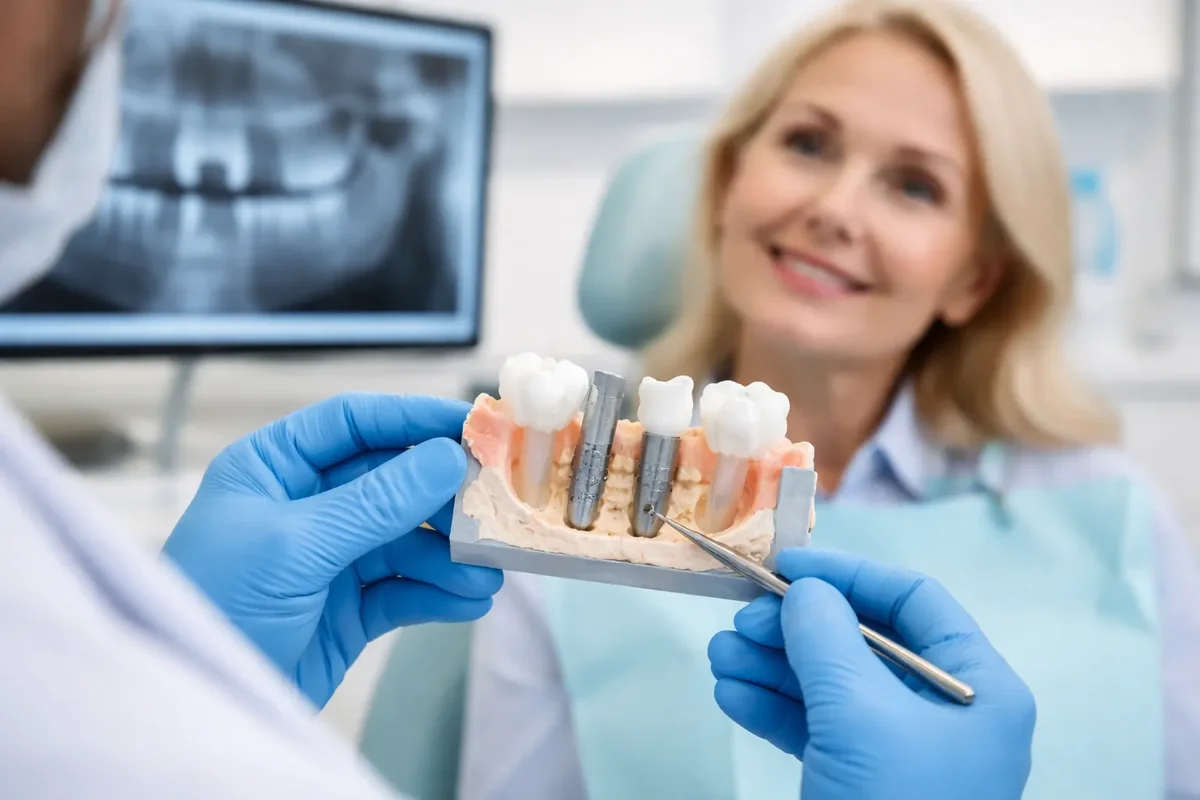
What to Expect During Your Implant Consultation If You Have Bone Loss
When patients finally decide to seek professional advice, the question can i get dental implants if i have bone loss usually becomes the central focus of the implant consultation. This appointment is far more than a quick check—it is a comprehensive diagnostic and planning session designed to give you a clear, honest, and personalized answer 😊. Understanding what happens during this visit can reduce anxiety and help you feel prepared.
An implant consultation for patients with bone loss is structured to gather detailed information, evaluate risks, and explore solutions. Rather than guessing, dentists rely on science, imaging, and experience to determine the best path forward.
Medical and Dental History Review
The consultation always begins with a thorough review of your medical and dental history. Dentists ask about chronic conditions, medications, smoking habits, and previous dental treatments. This step is essential because healing ability and infection risk directly affect implant success.
Patients often realize at this stage that the question can i get dental implants if i have bone loss depends not only on bone—but also on overall health and stability.
Comprehensive Oral Examination
Next, the dentist performs a detailed oral exam. This includes evaluating gum health, bite alignment, remaining teeth, and signs of active infection. Healthy gums are especially important for patients with bone loss, as untreated periodontal disease must be addressed before implant placement.
This examination helps determine whether implant treatment can begin immediately or whether preparatory care is needed first.
Advanced Imaging and Bone Analysis
One of the most critical parts of the consultation is advanced imaging—most commonly a 3D CBCT scan. This scan provides precise measurements of bone height, width, and density, allowing dentists to visualize areas affected by bone loss in detail.
What Dentists Look for on a CBCT Scan
- Exact bone volume at potential implant sites
- Bone density and structural quality
- Location of nerves and sinuses
- Hidden defects not visible on standard X-rays
This imaging is often the moment when patients receive their clearest answer to can i get dental implants if i have bone loss.
Discussion of Treatment Options
After analyzing the data, the dentist explains your treatment options in detail. These may include standard implants, bone grafting, sinus lifts, alternative implant systems, or a staged treatment approach.
Rather than presenting a single solution, dentists typically explain why certain options are recommended and how each choice affects healing time, cost, and long-term outcomes. Transparency is key to building trust and confidence.
Timeline and Healing Expectations
Patients with bone loss often want to know how long the process will take. During the consultation, dentists outline a realistic timeline—from preparatory procedures to final restoration.
Understanding this timeline helps patients make informed decisions and plan accordingly. It also reinforces that patience is part of achieving a stable, long-lasting result.
Cost Overview and Planning
While exact costs vary depending on treatment complexity, dentists usually provide a general cost overview during the consultation. For patients requiring bone grafting or advanced implant techniques, costs may be higher due to additional procedures.
However, dentists also explain the long-term value of implants compared to repeated denture adjustments or temporary solutions. For many patients, this discussion clarifies that investing in implants is a durable, cost-effective choice over time.
Opportunity to Ask Questions
The consultation is also your opportunity to ask questions and express concerns. Patients are encouraged to ask openly about risks, success rates, discomfort, and alternatives.
Clear communication ensures you leave the appointment understanding not just whether implants are possible, but why a particular plan is recommended.
Why the Consultation Is So Important
No online article can replace a professional implant consultation. While general information helps, only an in-person evaluation can definitively answer can i get dental implants if i have bone loss for your specific situation.
If you are ready to take this step, scheduling a consultation is the most effective way forward. You can begin by contacting an experienced dental team through the Redent Klinik Contact Page, where your bone condition and implant options can be evaluated thoroughly.
Final Thoughts on the Consultation Process
In conclusion, the implant consultation is a turning point for patients with bone loss. It replaces uncertainty with clarity and fear with informed confidence. With modern diagnostics and personalized planning, the question can i get dental implants if i have bone loss is answered thoughtfully, accurately, and with your long-term health in mind 😁.