

A dentist cleaning appointment is one of the most important preventive dental visits you can make, yet it is often misunderstood or postponed by many people. From a user’s perspective, the main intent behind searching for this topic is clear: people want to know what actually happens during a dentist cleaning appointment, whether it is painful, how necessary it really is, and what long-term benefits it provides. This section is designed to answer all of those questions clearly, accurately, and in a reassuring way 😊.
At its core, a dentist cleaning appointment is a professional dental procedure aimed at removing plaque, tartar, and surface stains that cannot be eliminated through daily brushing and flossing alone. Even with excellent oral hygiene habits, microscopic bacteria accumulate in hard-to-reach areas of the mouth over time. During a dentist cleaning appointment, dental professionals use specialized instruments to clean these areas thoroughly and safely.
One of the most important reasons a dentist cleaning appointment matters is that it focuses on prevention rather than treatment. Cavities, gum disease, and bad breath usually develop slowly and silently. A regular dentist cleaning appointment helps detect early warning signs before they turn into painful, expensive dental problems. This proactive approach protects both your oral health and your overall well-being.
Many people assume that a dentist cleaning appointment is only about having whiter teeth. While improved appearance is a nice bonus ✨, the real value lies beneath the surface. Plaque that hardens into tartar can irritate the gums and cause inflammation, leading to gingivitis and eventually periodontal disease if left untreated. A dentist cleaning appointment removes these harmful deposits and helps keep the gums healthy and firm.
Another key benefit of a dentist cleaning appointment is the professional assessment that comes with it. During the visit, the dental team evaluates your gums, teeth, and oral tissues. This allows them to identify issues such as early tooth decay, gum recession, or signs of grinding. In many cases, problems discovered during a dentist cleaning appointment can be resolved quickly with minimal intervention.
For patients who feel anxious, it is important to understand that a dentist cleaning appointment is generally gentle and non-invasive. Modern dental tools and techniques are designed to maximize comfort. While you may feel light pressure or vibration during the cleaning process, most patients describe the experience as manageable and even refreshing 😌. Dental professionals are also trained to adjust their approach based on individual sensitivity levels.
From a health perspective, a dentist cleaning appointment has benefits that go beyond the mouth. Research has shown strong connections between oral health and systemic conditions such as heart disease and diabetes. By reducing inflammation and bacterial load in the mouth, a dentist cleaning appointment contributes to better overall health and lowers the risk of complications associated with poor oral hygiene.
Another reason people search for information about a dentist cleaning appointment is uncertainty about frequency and necessity. Dental professionals worldwide agree that routine cleanings are a cornerstone of lifelong oral care. Skipping a dentist cleaning appointment may save time in the short term, but it often leads to more complex treatments later on. Regular cleanings are an investment in long-term dental stability.
It is also worth noting that a dentist cleaning appointment provides personalized guidance. During the visit, patients receive tailored advice on brushing techniques, flossing habits, and oral care products. This education empowers patients to maintain better hygiene at home and extend the benefits of each dentist cleaning appointment between visits 🦷.
In summary, a dentist cleaning appointment is far more than a routine dental visit. It is a preventive, educational, and protective service that supports healthy teeth, strong gums, and overall wellness. Understanding what a dentist cleaning appointment involves helps reduce anxiety, encourages consistency, and allows patients to make informed decisions about their oral health. By prioritizing regular cleanings, you take an active role in protecting your smile for years to come.
What Is a Dentist Cleaning Appointment?
A dentist cleaning appointment is a professional preventive dental visit focused on removing harmful buildup from your teeth and gums while evaluating your overall oral health. Many people confuse this visit with a general dental checkup, but a dentist cleaning appointment has a very specific purpose: to clean areas that daily brushing and flossing cannot fully reach and to prevent oral diseases before they begin 🦷.
Understanding what a dentist cleaning appointment truly involves helps patients feel more confident and prepared. It is not just a cosmetic service, nor is it reserved for people with dental problems. In fact, a dentist cleaning appointment is most effective when performed regularly on healthy teeth, long before pain or visible damage appears.
The Primary Purpose of a Dentist Cleaning Appointment
The main goal of a dentist cleaning appointment is to remove plaque and tartar from the tooth surfaces and along the gumline. Plaque is a sticky film of bacteria that forms constantly in the mouth. When plaque is not removed properly, it hardens into tartar, which cannot be eliminated with a toothbrush alone. A dentist cleaning appointment uses professional instruments to safely remove this buildup.
Another essential purpose of a dentist cleaning appointment is gum disease prevention. Tartar accumulation near the gums can cause inflammation, redness, and bleeding. If ignored, this can progress into periodontal disease, which may lead to tooth loss. Regular dentist cleaning appointments significantly reduce this risk by keeping the gums clean and healthy.
Who Performs a Dentist Cleaning Appointment?
A dentist cleaning appointment is usually performed by a dental hygienist, although the dentist may also be involved. Dental hygienists are specially trained to clean teeth thoroughly while monitoring gum health and spotting early signs of dental issues. During a dentist cleaning appointment, the dentist often conducts an oral examination to ensure everything is progressing normally.
This team-based approach ensures that a dentist cleaning appointment is both preventive and diagnostic. The hygienist focuses on cleaning, while the dentist evaluates deeper concerns such as cavities, bite alignment, or signs of enamel wear.
Dentist Cleaning Appointment vs. Regular Dental Checkup
Many patients ask whether a dentist cleaning appointment is the same as a dental checkup. While they are closely related, they are not identical. A checkup focuses more on examination and diagnosis, whereas a dentist cleaning appointment emphasizes professional cleaning and maintenance. Most dental visits combine both, but the cleaning portion is a distinct and essential part of the appointment.
Skipping the cleaning while only having exams reduces the effectiveness of preventive care. A dentist cleaning appointment ensures that problems are not only identified but also actively prevented.
What Makes a Dentist Cleaning Appointment Different from Home Care?
Daily brushing and flossing are critical, but they are not enough to replace a dentist cleaning appointment. Home care removes surface plaque, but it cannot fully clean tight spaces between teeth or beneath the gumline. Over time, bacteria in these areas harden into tartar, which only professional tools can remove.
During a dentist cleaning appointment, specialized instruments and polishing techniques are used to smooth the tooth surfaces. This makes it harder for bacteria to attach in the future, extending the benefits of the cleaning beyond the appointment itself 😊.
Is a Dentist Cleaning Appointment Only for Adults?
A dentist cleaning appointment is important for patients of all ages. Children benefit by learning proper oral hygiene habits early, while adults rely on regular cleanings to maintain gum health and prevent tooth loss. Older adults especially benefit from a dentist cleaning appointment, as age-related changes can increase the risk of gum disease and decay.
Regardless of age, a dentist cleaning appointment is a foundational part of lifelong oral care.
Why Understanding a Dentist Cleaning Appointment Matters
When patients fully understand what a dentist cleaning appointment is, they are more likely to attend regularly and less likely to feel anxious. Misconceptions often cause people to delay care, leading to avoidable dental problems. Education plays a key role in prevention, and knowing what to expect from a dentist cleaning appointment builds trust and consistency.
In essence, a dentist cleaning appointment is a proactive health measure rather than a reaction to pain or damage. It protects teeth, supports gum health, improves breath, and contributes to overall wellness. By recognizing the true value of a dentist cleaning appointment, patients take a powerful step toward maintaining a healthy, confident smile for the long term 😄.
Why Regular Dentist Cleaning Appointments Are Essential for Oral Health
A dentist cleaning appointment plays a critical role in maintaining long-term oral health, yet many people underestimate its importance. While brushing and flossing at home are essential daily habits, they are not enough to fully protect your teeth and gums. Regular dentist cleaning appointments serve as a professional safety net, catching and preventing problems before they escalate into serious conditions 🦷.
The main reason a dentist cleaning appointment is essential lies in its preventive nature. Most dental diseases develop gradually and without obvious symptoms. By the time pain appears, damage has often already occurred. A routine dentist cleaning appointment interrupts this process by removing harmful bacteria and allowing early detection of issues that are invisible to the untrained eye.
The Link Between Dentist Cleaning Appointments and Gum Health
Gum health is one of the strongest reasons to prioritize a dentist cleaning appointment. Plaque and tartar buildup along the gumline cause inflammation, which is the first stage of gum disease. Without intervention, this inflammation can progress into periodontal disease, a condition that damages the bone supporting the teeth.
During a dentist cleaning appointment, hardened tartar is removed from below and above the gumline. This reduces bacterial irritation and gives the gums a chance to heal. Regular dentist cleaning appointments are proven to lower the risk of gum recession, bleeding gums, and eventual tooth loss.
Preventing Gingivitis Before It Becomes Serious
Gingivitis is an early, reversible form of gum disease that often goes unnoticed. A dentist cleaning appointment is the most effective way to reverse gingivitis before it becomes permanent. Professional cleaning removes the bacteria responsible for inflammation and restores a healthier gum environment.
Patients who attend dentist cleaning appointments consistently are far less likely to develop advanced periodontal problems later in life.
How a Dentist Cleaning Appointment Protects Your Teeth
Beyond gum health, a dentist cleaning appointment directly protects the teeth themselves. Plaque bacteria produce acids that weaken enamel and lead to cavities. Even small areas of plaque left behind can cause decay over time. A dentist cleaning appointment removes these acid-producing bacteria and polishes the enamel, making it more resistant to future buildup ✨.
Additionally, professional polishing during a dentist cleaning appointment smooths microscopic imperfections on the tooth surface. This makes it harder for plaque to adhere, helping teeth stay cleaner for longer between visits.
Reducing the Risk of Cavities and Tooth Loss
Cavities often begin in areas that are difficult to clean at home, such as between teeth or near the gumline. A dentist cleaning appointment targets these high-risk zones directly. When decay is caught early during a dentist cleaning appointment, treatment is simpler, faster, and far less invasive.
Over time, skipping dentist cleaning appointments significantly increases the likelihood of needing fillings, root canals, or even extractions.
The Impact of Dentist Cleaning Appointments on Overall Health
Modern research shows that oral health is closely connected to overall health. A dentist cleaning appointment helps reduce chronic inflammation in the mouth, which has been linked to conditions such as heart disease, diabetes, and respiratory infections.
Bacteria from untreated gum disease can enter the bloodstream, potentially affecting other parts of the body. By keeping oral bacteria under control, regular dentist cleaning appointments support systemic health and reduce the burden on the immune system.
Why Consistency Matters More Than Occasional Visits
One-time cleanings are helpful, but the true benefits of a dentist cleaning appointment come from consistency. Oral bacteria regenerate continuously, which means prevention must be ongoing. Regularly scheduled dentist cleaning appointments maintain a stable, healthy oral environment.
Patients who treat a dentist cleaning appointment as a routine part of healthcare, rather than a reaction to discomfort, experience fewer dental emergencies and enjoy better long-term outcomes 😄.
Psychological and Lifestyle Benefits of Dentist Cleaning Appointments
A dentist cleaning appointment also provides psychological benefits. Clean teeth feel smoother, breath feels fresher, and confidence often improves after a professional cleaning. This positive reinforcement encourages better home care habits and reduces dental anxiety over time.
Knowing that your mouth is professionally monitored gives peace of mind. A dentist cleaning appointment reassures patients that they are actively protecting their health rather than waiting for problems to arise.
In conclusion, a dentist cleaning appointment is essential not because something is wrong, but because it keeps things from going wrong. It protects gums, strengthens teeth, supports overall health, and promotes confidence. When viewed as a preventive investment rather than a routine chore, the true value of regular dentist cleaning appointments becomes clear.
How Often Should You Schedule a Dentist Cleaning Appointment?
One of the most common questions patients ask is how often a dentist cleaning appointment should be scheduled. The answer depends on several factors, including oral health status, lifestyle habits, and individual risk for dental disease. While general guidelines exist, the ideal frequency of a dentist cleaning appointment is ultimately personalized to each patient 🦷.
Understanding the recommended timing of a dentist cleaning appointment helps patients avoid both neglect and over-treatment. When cleanings are scheduled appropriately, they provide maximum preventive benefit with minimal discomfort or intervention.
The Standard Recommendation for a Dentist Cleaning Appointment
For most healthy adults, dental professionals recommend a dentist cleaning appointment every six months. This interval is based on how quickly plaque hardens into tartar and how oral bacteria repopulate after a cleaning. A six-month dentist cleaning appointment schedule allows plaque and tartar to be removed before they cause gum inflammation or enamel damage.
This standard timeline works well for individuals with good oral hygiene habits, no history of gum disease, and a low risk of cavities. Regular dentist cleaning appointments at this frequency help maintain stable oral health and catch minor issues early.
Why Six Months Is Often Ideal
Plaque begins forming immediately after brushing, and within weeks it can harden into tartar. A dentist cleaning appointment every six months ensures that tartar buildup never reaches a level that significantly irritates the gums. This timing also aligns with routine dental exams, making it easier to monitor changes over time.
For many patients, the six-month dentist cleaning appointment becomes a sustainable habit that supports lifelong oral health.
When You May Need a Dentist Cleaning Appointment More Often
Some individuals benefit from scheduling a dentist cleaning appointment more frequently than every six months. Patients with a history of gum disease, heavy plaque buildup, or chronic inflammation may be advised to come in every three to four months. These more frequent dentist cleaning appointments help control bacteria and prevent relapse.
Other factors that may require shorter intervals between dentist cleaning appointments include smoking, diabetes, hormonal changes, and certain medications that reduce saliva flow. In these cases, oral bacteria grow more aggressively, increasing the risk of infection.
Special Considerations for Gum Disease
For patients with periodontal disease, a dentist cleaning appointment becomes part of ongoing maintenance rather than routine prevention. These patients often require periodontal maintenance visits, which are more frequent and more detailed than standard cleanings.
Skipping or delaying dentist cleaning appointments in these situations can quickly lead to worsening gum health and bone loss.
Can You Schedule a Dentist Cleaning Appointment Less Often?
Some people wonder whether they can safely schedule a dentist cleaning appointment less often than every six months. While this may be possible for a small number of low-risk individuals, it is generally not recommended without professional guidance.
Even if teeth appear healthy, hidden plaque and tartar can still accumulate. A dentist cleaning appointment serves as a preventive check that cannot be fully replaced by home care alone. Extending the interval too far increases the risk of undetected problems.
Why Skipping Dentist Cleaning Appointments Is Risky
Skipping a dentist cleaning appointment does not just delay cleaning; it allows bacteria more time to damage gums and enamel. Once gum disease progresses beyond the early stage, it cannot be fully reversed. Regular dentist cleaning appointments reduce this risk significantly.
What feels like saving time in the short term often results in more complex dental treatment later.
How Your Dentist Determines the Right Schedule
The ideal frequency of a dentist cleaning appointment is determined through professional assessment. Dentists and hygienists evaluate gum measurements, plaque levels, bleeding, and medical history to decide how often cleanings should occur.
This personalized approach ensures that each dentist cleaning appointment provides maximum benefit without unnecessary visits. Patients should always follow the schedule recommended by their dental provider rather than relying on general advice alone 😊.
Building a Long-Term Routine with Dentist Cleaning Appointments
Consistency is more important than exact timing when it comes to a dentist cleaning appointment. Whether visits are scheduled every three, four, or six months, maintaining a regular routine helps stabilize oral health over time.
Patients who view a dentist cleaning appointment as a normal part of healthcare—similar to routine medical checkups—experience fewer emergencies and greater peace of mind.
In summary, there is no single answer that fits everyone. While six months is a common guideline, the best schedule for a dentist cleaning appointment depends on individual needs. By working closely with dental professionals and attending cleanings consistently, patients can protect their smiles and avoid preventable dental problems for years to come 😄.
What Happens During a Dentist Cleaning Appointment Step by Step
For many patients, uncertainty about what actually happens during a dentist cleaning appointment is a major source of anxiety. Understanding each step of the process helps set realistic expectations and makes the visit feel more comfortable and predictable 😌. A dentist cleaning appointment follows a structured, professional sequence designed to clean, evaluate, and protect your oral health.
Although individual visits may vary slightly depending on personal needs, most dentist cleaning appointments follow the same essential steps. Each phase plays a specific role in maintaining healthy teeth and gums.
Initial Assessment at a Dentist Cleaning Appointment
A dentist cleaning appointment usually begins with a brief oral assessment. The dental hygienist examines your teeth and gums, checking for visible plaque, tartar buildup, inflammation, or bleeding. Gum measurements may be taken to assess pocket depth, which helps identify early signs of gum disease.
This initial evaluation allows the hygienist to tailor the dentist cleaning appointment to your specific needs. Areas that require extra attention are identified before the cleaning begins, ensuring a more effective and targeted procedure.
Review of Medical and Dental History
Before continuing, the hygienist may ask about changes in your medical history, medications, or oral symptoms. This step is essential because certain health conditions can affect how a dentist cleaning appointment is performed. Open communication helps ensure safety and comfort throughout the visit.
Removing Plaque and Tartar
The core of a dentist cleaning appointment is the removal of plaque and tartar. Using specialized tools, the hygienist carefully cleans along the gumline and between teeth. This process is called scaling. Tartar is hardened plaque that cannot be removed with regular brushing, making professional removal essential.
Some patients hear a scraping sound during scaling, which can sound intimidating, but the sensation is usually mild. Dental professionals are trained to adjust pressure based on sensitivity, ensuring the dentist cleaning appointment remains as comfortable as possible 🦷.
Manual Tools vs. Ultrasonic Cleaning
During a dentist cleaning appointment, either manual instruments or ultrasonic devices may be used. Ultrasonic tools use gentle vibrations and water spray to break up tartar more efficiently. Both methods are safe and effective, and the choice depends on your oral condition and comfort level.
Professional Tooth Polishing
After plaque and tartar removal, the dentist cleaning appointment continues with professional polishing. A high-powered brush and special polishing paste are used to clean the tooth surfaces. This step removes surface stains and smooths enamel, making it harder for bacteria to stick.
Polishing also leaves the teeth feeling noticeably smoother and fresher, which many patients find satisfying 😊. While polishing does not whiten teeth dramatically, it significantly improves cleanliness and appearance.
Flossing and Rinsing
Flossing is another key step in a dentist cleaning appointment. The hygienist flosses between your teeth to remove any remaining debris and ensure that no plaque remains in tight spaces. This step also helps identify areas where gums may be sensitive or prone to bleeding.
After flossing, you may be asked to rinse to remove loosened particles. This completes the cleaning phase of the dentist cleaning appointment.
Dentist Examination During the Appointment
In many cases, the dentist joins the dentist cleaning appointment for a final examination. The dentist checks for cavities, signs of enamel wear, bite issues, and oral tissue abnormalities. This exam ensures that no underlying problems are missed.
If concerns are found, the dentist discusses next steps, which may include monitoring or scheduling further treatment. Early detection during a dentist cleaning appointment often prevents the need for more complex procedures later.
X-Rays When Necessary
X-rays are not taken at every dentist cleaning appointment, but they may be recommended periodically. X-rays help detect issues that are not visible during a visual exam, such as decay between teeth or bone loss. When needed, they add valuable diagnostic insight.
Personalized Oral Care Guidance
A dentist cleaning appointment typically ends with personalized advice. The hygienist may demonstrate brushing or flossing techniques and recommend specific products based on your needs. This education helps extend the benefits of the cleaning between visits.
Patients often leave a dentist cleaning appointment feeling informed, refreshed, and reassured that their oral health is on track 😄.
In summary, a dentist cleaning appointment is a carefully structured process that combines cleaning, evaluation, and education. Knowing each step removes uncertainty and highlights the value of attending regular cleanings. By understanding what happens during a dentist cleaning appointment, patients can approach each visit with confidence and clarity.
Does a Dentist Cleaning Appointment Hurt?
One of the most common concerns people have before booking a dentist cleaning appointment is whether it will be painful. This fear alone causes many patients to delay or avoid professional cleanings altogether. The good news is that for the vast majority of people, a dentist cleaning appointment is not painful at all. In fact, most patients describe it as mildly uncomfortable at worst and often quite refreshing once it is over 😊.
Understanding why discomfort may occur—and when it usually does not—can significantly reduce anxiety. Pain is not a normal or expected outcome of a dentist cleaning appointment, and modern dental techniques are designed with patient comfort in mind.
What Sensations Are Normal During a Dentist Cleaning Appointment?
During a dentist cleaning appointment, patients may feel sensations such as light pressure, vibration, or a scraping feeling as plaque and tartar are removed. These sensations are normal and do not indicate damage or harm. The cleaning tools are carefully designed to remove hardened buildup without injuring the teeth or gums.
Some people also notice brief sensitivity when cold water or air is used, especially during ultrasonic cleaning. This sensitivity is temporary and typically disappears immediately after the dentist cleaning appointment is completed.
Pressure vs. Pain: Understanding the Difference
It is important to distinguish pressure from pain during a dentist cleaning appointment. Pressure is a common and expected sensation, particularly when tartar is being removed from tight spaces. Pain, on the other hand, is not normal and should always be communicated to the dental professional.
Hygienists routinely adjust their technique based on patient feedback, making the dentist cleaning appointment more comfortable when sensitivity is present.
Why Some People Feel Discomfort During a Dentist Cleaning Appointment
While most dentist cleaning appointments are painless, certain conditions can increase sensitivity. Patients with gum inflammation, exposed tooth roots, or a long gap since their last dentist cleaning appointment may experience more discomfort.
When plaque and tartar buildup is significant, the gums may already be irritated before the cleaning begins. In these cases, removing the buildup can temporarily increase sensitivity, but this discomfort is short-lived and part of the healing process 🦷.
Long Gaps Between Cleanings
Patients who have not had a dentist cleaning appointment in several years often report more sensitivity. This is because tartar accumulation is heavier, and gums may be inflamed. Once regular dentist cleaning appointments are resumed, discomfort usually decreases significantly with each visit.
Does Gum Disease Make a Dentist Cleaning Appointment Hurt?
Gum disease is one of the main reasons a dentist cleaning appointment may feel uncomfortable. Inflamed or infected gums are more sensitive to touch. However, avoiding cleanings in this situation makes the condition worse, not better.
Professional cleaning is a critical part of managing gum disease. While initial dentist cleaning appointments may involve some tenderness, they help reduce inflammation over time, making future visits much more comfortable.
Deep Cleaning vs. Routine Dentist Cleaning Appointment
It is important to note that a routine dentist cleaning appointment is different from a deep cleaning procedure. Deep cleanings, which are performed for advanced gum disease, may require numbing. A standard dentist cleaning appointment, however, typically does not require anesthesia.
How Dental Professionals Minimize Discomfort
Modern dentistry places a strong emphasis on patient comfort. During a dentist cleaning appointment, hygienists are trained to work gently and efficiently. They regularly check in with patients and adjust pressure or tools if sensitivity is reported.
Topical numbing gels can also be used for patients with sensitive gums, reducing discomfort without the need for injections. This option makes a dentist cleaning appointment far more manageable for anxious or sensitive patients 😌.
What You Can Do to Make a Dentist Cleaning Appointment More Comfortable
Patients play an active role in how comfortable a dentist cleaning appointment feels. Maintaining good daily oral hygiene reduces plaque buildup and gum inflammation, making cleanings easier. Scheduling regular appointments prevents heavy tartar accumulation that can cause discomfort.
Communicating openly with your dental provider is also essential. Letting them know about sensitivity, anxiety, or past experiences allows them to tailor the dentist cleaning appointment to your comfort level.
Comfort Improves with Consistency
One of the most reassuring facts about a dentist cleaning appointment is that it typically becomes more comfortable over time. As gums become healthier and buildup is controlled, sensitivity decreases. Patients who attend regular cleanings often report that their appointments feel quicker and easier with each visit 😄.
In conclusion, a dentist cleaning appointment should not hurt. While mild discomfort is possible in certain situations, pain is not normal and can almost always be prevented or managed. By attending cleanings regularly and communicating with dental professionals, patients can experience dentist cleaning appointments that are comfortable, effective, and stress-free.
How Long Does a Dentist Cleaning Appointment Take?
Time is a major concern for many patients when scheduling a dentist cleaning appointment. People often want to know how long the visit will last, whether it can fit into a busy workday, and why appointment lengths sometimes vary. Understanding the typical duration of a dentist cleaning appointment helps set realistic expectations and reduces stress before the visit ⏱️.
While there is no single fixed length for a dentist cleaning appointment, most follow predictable time ranges based on oral health status, history, and the type of cleaning required. Knowing what influences appointment length allows patients to plan confidently.
Average Duration of a Dentist Cleaning Appointment
For most adults with good oral health, a standard dentist cleaning appointment typically lasts between 45 and 60 minutes. This time frame includes the initial assessment, plaque and tartar removal, polishing, flossing, and a brief dentist examination.
Patients who attend regular dentist cleaning appointments and maintain good daily hygiene often fall within the shorter end of this range. Their cleanings tend to be more efficient because there is less buildup to remove.
Why Appointments Are Rarely Shorter Than 30 Minutes
A dentist cleaning appointment involves more than just cleaning teeth. Proper assessment, careful scaling, and professional polishing all require time and precision. Shortening the appointment too much would compromise quality and reduce the preventive benefits of the visit.
Dental professionals prioritize thoroughness over speed to ensure each dentist cleaning appointment delivers real health value.
What Can Make a Dentist Cleaning Appointment Take Longer?
Several factors can increase the length of a dentist cleaning appointment. Patients with significant tartar buildup, inflamed gums, or a long gap since their last cleaning may require additional time. Removing hardened tartar safely and comfortably cannot be rushed.
Gum disease is another common reason a dentist cleaning appointment may take longer. Inflamed or bleeding gums require more careful cleaning, and measurements may be taken to assess periodontal health.
First-Time or Infrequent Dentist Cleaning Appointments
If it has been several years since your last dentist cleaning appointment, the visit may take 60 to 90 minutes. This allows time for detailed assessment, thorough cleaning, and patient education. While longer, this extended appointment sets the foundation for easier, shorter visits in the future.
Does a Dentist Cleaning Appointment Take Longer for Children?
A dentist cleaning appointment for children is usually shorter than for adults, often lasting 30 to 45 minutes. Children typically have less tartar buildup, and their cleanings are more focused on education and gentle maintenance.
However, appointment length may vary depending on the child’s comfort level and cooperation. Dental teams take extra time when needed to ensure a positive experience and reduce fear 🦷.
Deep Cleaning vs. Routine Dentist Cleaning Appointment Time
It is important to distinguish between a routine dentist cleaning appointment and more advanced cleaning procedures. A routine cleaning focuses on surface plaque and tartar and fits within standard time frames.
Deep cleaning procedures, which are used to treat advanced gum disease, require significantly more time and are often divided into multiple visits. These are not considered standard dentist cleaning appointments and follow a different structure.
Why Routine Cleanings Are Faster Over Time
One of the biggest advantages of attending regular dentist cleaning appointments is that they usually become quicker and easier. With consistent care, less tartar accumulates, gums remain healthier, and cleaning becomes more efficient.
Patients who maintain a regular schedule often find that their dentist cleaning appointment stays comfortably within the 45-minute range 😄.
Can You Speed Up a Dentist Cleaning Appointment?
While the dental professional controls the clinical process, patients can influence how smoothly a dentist cleaning appointment goes. Good daily oral hygiene, including brushing twice a day and flossing, reduces buildup and shortens cleaning time.
Arriving on time, completing paperwork in advance, and communicating clearly about concerns also help ensure the appointment runs efficiently.
Why Appointment Length Should Not Be the Main Concern
Although time matters, the quality of a dentist cleaning appointment is far more important than speed. A thorough cleaning and careful evaluation protect long-term oral health and prevent future problems that would require much longer treatment visits.
Rushing a dentist cleaning appointment increases the risk of missed buildup or undetected issues. Dental professionals balance efficiency with precision to deliver the best outcome for each patient.
In conclusion, a dentist cleaning appointment usually lasts between 45 and 60 minutes, but this can vary based on individual needs. Longer appointments are not a negative sign—they reflect personalized care. By attending cleanings regularly and maintaining good oral hygiene, patients can enjoy dentist cleaning appointments that are efficient, comfortable, and highly effective.
Preparing for Your Dentist Cleaning Appointment
Preparing properly for a dentist cleaning appointment can make the visit smoother, more comfortable, and more effective. While a dentist cleaning appointment does not require extensive preparation, a few simple steps can significantly improve your experience and the results of the cleaning 🦷. Patients who arrive informed and prepared often feel less anxious and get more value from their visit.
Knowing how to prepare for a dentist cleaning appointment also helps dental professionals work more efficiently. This section explains exactly what you should do before your appointment, what to avoid, and how to set yourself up for a successful visit.
What to Do Before a Dentist Cleaning Appointment
One of the easiest ways to prepare for a dentist cleaning appointment is to maintain your regular oral hygiene routine. Brushing and flossing before your visit helps remove loose plaque and food particles, allowing the hygienist to focus on hardened tartar and deeper cleaning.
However, brushing does not replace the dentist cleaning appointment itself. Instead, it complements it by making the cleaning process more efficient and comfortable.
Brush and Floss Gently
Before a dentist cleaning appointment, brush and floss as you normally would, but avoid aggressive brushing. Overbrushing can irritate the gums, making them more sensitive during cleaning. Gentle care is the best approach.
Flossing before the appointment can also reduce bleeding and improve comfort during the dentist cleaning appointment.
Eating and Drinking Before a Dentist Cleaning Appointment
Patients often wonder whether they should eat before a dentist cleaning appointment. In most cases, eating a light meal beforehand is perfectly fine. In fact, having eaten can make you more comfortable during the appointment, especially if it is scheduled later in the day.
It is generally recommended to avoid very strong-smelling foods, such as garlic or onions, right before a dentist cleaning appointment. This consideration helps create a more pleasant experience for both you and the dental team 😊.
Stay Hydrated
Drinking water before a dentist cleaning appointment is helpful, especially for patients who experience dry mouth. Adequate hydration supports saliva flow, which naturally protects the teeth and gums.
Managing Anxiety Before a Dentist Cleaning Appointment
Dental anxiety is common, even for routine visits like a dentist cleaning appointment. Preparing mentally can greatly reduce stress. Knowing what will happen during the appointment and reminding yourself that cleanings are preventive—not painful—can be reassuring.
Deep breathing, listening to music, or arriving early to relax can all help lower anxiety before a dentist cleaning appointment.
Communicate Your Concerns
One of the most effective ways to prepare for a dentist cleaning appointment is open communication. Let the dental team know if you feel nervous, have sensitive teeth, or experienced discomfort in past visits. This allows them to adjust their approach and prioritize comfort.
Medical Information to Share Before a Dentist Cleaning Appointment
Before your dentist cleaning appointment, be ready to update your medical history. Changes in medications, recent illnesses, or new diagnoses can affect oral health and how the cleaning is performed.
Certain conditions, such as diabetes or heart disease, may require additional precautions during a dentist cleaning appointment. Accurate information ensures safe and appropriate care.
Pregnancy and Dentist Cleaning Appointments
Pregnant patients should always inform their dental provider before a dentist cleaning appointment. Cleanings are safe and recommended during pregnancy, but awareness allows the team to tailor care appropriately.
What to Avoid Before a Dentist Cleaning Appointment
To prepare effectively for a dentist cleaning appointment, avoid smoking or using tobacco beforehand. Tobacco can irritate gums and increase sensitivity during cleaning. Avoiding it before the visit improves comfort and results.
It is also best to avoid skipping oral care entirely before the appointment. Some patients mistakenly think they should not brush so the hygienist can “see everything,” but this is unnecessary and counterproductive.
Preparing Children for a Dentist Cleaning Appointment
For children, preparation for a dentist cleaning appointment is especially important. Explaining the visit in positive, simple terms helps reduce fear. Avoid using words that imply pain or discomfort.
Parents who frame a dentist cleaning appointment as a normal, helpful experience encourage lifelong healthy habits 😄.
Why Preparation Improves the Dentist Cleaning Appointment Experience
Being prepared for a dentist cleaning appointment leads to a smoother visit for both patient and provider. It reduces anxiety, shortens appointment time, and allows the dental team to focus fully on preventive care.
In summary, preparing for a dentist cleaning appointment does not require major effort, but small steps make a big difference. By practicing good hygiene, communicating openly, and managing expectations, patients can ensure their dentist cleaning appointment is comfortable, efficient, and beneficial for long-term oral health.
Dentist Cleaning Appointment Costs and What Affects Pricing
The cost of a dentist cleaning appointment is one of the most searched and discussed topics in dental care. Many patients want to understand what they are paying for, why prices vary, and whether regular cleanings are truly worth the investment. While costs can differ widely, understanding the factors behind pricing helps patients make informed and confident decisions 🦷.
A dentist cleaning appointment is not a one-size-fits-all service. Pricing reflects professional expertise, time, equipment, and the individual needs of each patient. Knowing what influences the cost allows you to see a dentist cleaning appointment as preventive healthcare rather than an expense.
Average Cost of a Dentist Cleaning Appointment
In many countries, the average cost of a dentist cleaning appointment for adults typically ranges between $75 and $200 for a routine cleaning. This usually includes plaque and tartar removal, polishing, flossing, and a basic oral evaluation.
According to widely accepted dental standards and guidance from organizations such as the American Dental Association, routine cleanings are considered essential preventive care. Because of this, many dental insurance plans partially or fully cover a standard dentist cleaning appointment.
With Insurance vs. Without Insurance
If you have dental insurance, a dentist cleaning appointment is often covered once or twice per year. In these cases, patients may pay little to nothing out of pocket. Without insurance, the full cost applies, but many clinics offer transparent pricing or preventive care packages.
Even without coverage, the cost of a dentist cleaning appointment is significantly lower than treating advanced dental problems that arise from skipping cleanings.
Factors That Affect Dentist Cleaning Appointment Costs
Several variables influence the price of a dentist cleaning appointment. One of the most important factors is the type of cleaning required. A routine preventive cleaning costs less than more involved procedures needed for gum disease.
Geographic location also plays a major role. Dental clinics in large cities or high-cost regions generally charge more due to higher operating expenses. However, pricing differences do not necessarily reflect quality differences.
Oral Health Condition
The condition of your teeth and gums directly affects the cost of a dentist cleaning appointment. Patients with healthy gums usually require a standard cleaning. Those with heavy tartar buildup or gum disease may need longer or more frequent visits, increasing overall cost.
Regular dentist cleaning appointments help keep costs predictable and lower over time.
Routine Cleaning vs. Deep Cleaning Costs
It is crucial to distinguish between a routine dentist cleaning appointment and a deep cleaning procedure. Routine cleanings are preventive and relatively affordable. Deep cleanings, often required for periodontal disease, involve cleaning below the gumline and are more complex.
Deep cleaning costs can range from $150 to $400 per quadrant, depending on severity and location. These are not standard dentist cleaning appointments and are typically recommended only when gum disease is present.
Why Skipping Cleanings Can Increase Long-Term Costs
Skipping a dentist cleaning appointment may seem like a short-term cost-saving decision, but it often leads to higher expenses later. Untreated plaque and tartar cause decay and gum disease, which require fillings, root canals, or surgical treatments.
Regular dentist cleaning appointments are one of the most cost-effective ways to avoid major dental expenses.
Are Dentist Cleaning Appointments Worth the Cost?
From a long-term perspective, a dentist cleaning appointment is one of the best investments in oral health. It prevents disease, preserves natural teeth, and reduces the likelihood of expensive restorative procedures.
Beyond financial savings, dentist cleaning appointments also protect quality of life. Healthy teeth support proper nutrition, confident speech, and self-esteem 😊.
Cost Transparency and Choosing the Right Clinic
When scheduling a dentist cleaning appointment, it is reasonable to ask about pricing upfront. Reputable clinics are transparent about costs and explain what is included in the appointment. This transparency builds trust and helps patients plan their care.
If you are looking to schedule a professional dentist cleaning appointment or ask detailed questions about preventive dental care, you can reach out through the Redent Klinik Contact Page for clear guidance and personalized support.
Preventive Care as a Financial Strategy
Viewing a dentist cleaning appointment as preventive healthcare rather than a routine expense changes how its value is perceived. Just like regular medical checkups, cleanings reduce risk and improve long-term outcomes.
Patients who attend dentist cleaning appointments consistently often spend less on dental care over their lifetime compared to those who seek treatment only when problems arise.
Final Thoughts on Dentist Cleaning Appointment Costs
In summary, the cost of a dentist cleaning appointment depends on multiple factors, including oral health status, location, and frequency of visits. While prices vary, the value remains consistent: prevention, protection, and peace of mind.
A dentist cleaning appointment is one of the most affordable and effective ways to maintain oral health. When considered in terms of long-term savings, comfort, and overall wellness, regular dentist cleaning appointments are not just worth the cost—they are essential 😄.
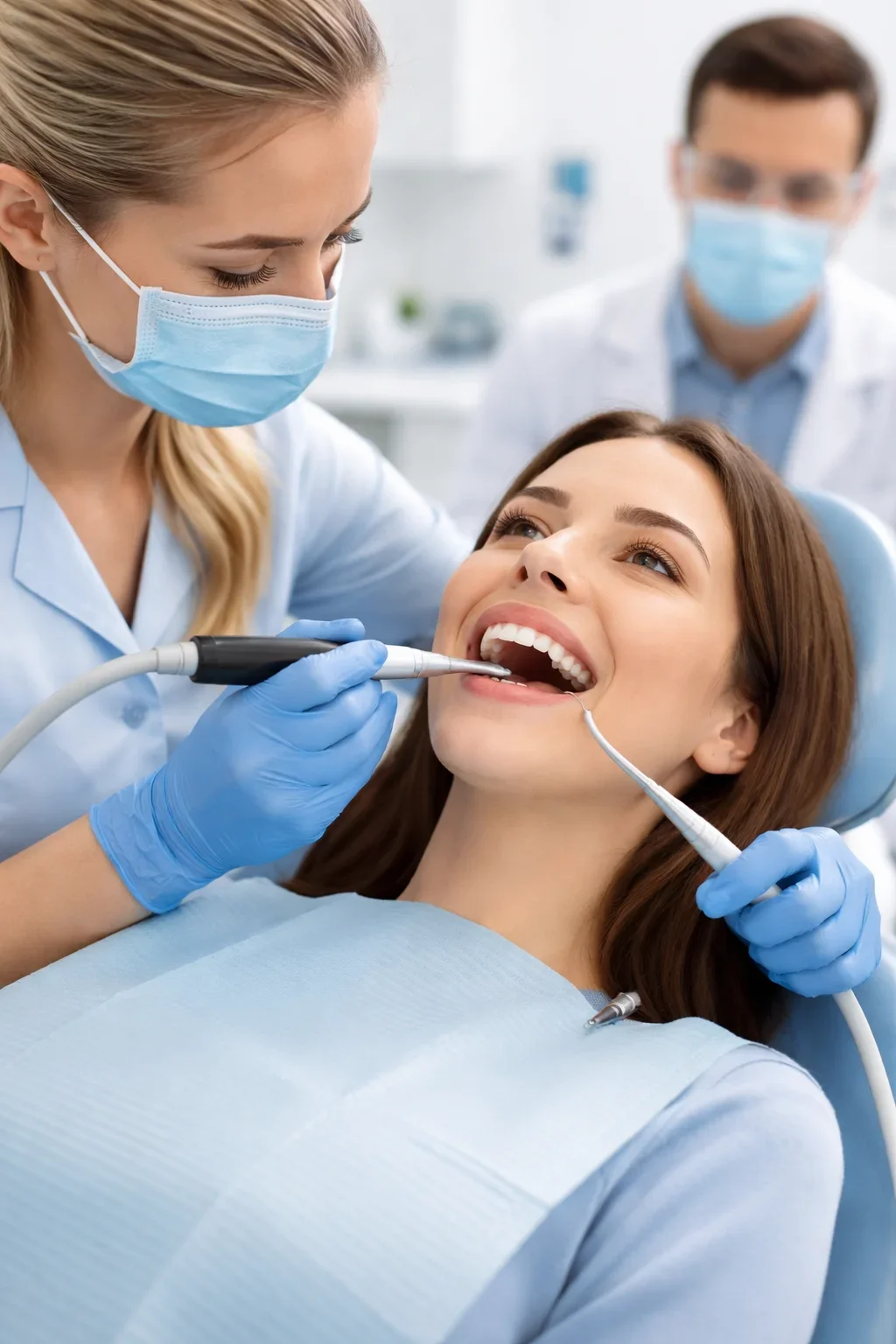
Common Myths and Mistakes About Dentist Cleaning Appointments
Despite how routine and beneficial a dentist cleaning appointment is, many myths and misconceptions still prevent people from scheduling regular visits. These misunderstandings often lead to poor oral health decisions, unnecessary anxiety, and avoidable dental problems. Clarifying the most common myths helps patients make informed choices and get the full benefit from every dentist cleaning appointment 🦷.
In this section, we will break down widespread myths and common mistakes related to dentist cleaning appointments, explain why they are incorrect, and offer practical guidance for better oral health habits.
Myth 1: A Dentist Cleaning Appointment Is Only Necessary If You Have Pain
One of the most damaging myths is the belief that a dentist cleaning appointment is only needed when there is pain or a visible problem. In reality, pain usually appears at later stages of dental disease, when treatment becomes more complex.
A dentist cleaning appointment is preventive, not reactive. It is designed to stop cavities and gum disease before they cause discomfort. Waiting for pain before scheduling a dentist cleaning appointment often results in more extensive and costly treatment.
The Reality of Silent Dental Problems
Many oral health issues develop without symptoms. Gum disease, for example, can progress significantly without pain. A regular dentist cleaning appointment detects and addresses these silent problems early, protecting long-term oral health.
Myth 2: Brushing and Flossing Make a Dentist Cleaning Appointment Unnecessary
Another common myth is that excellent home care eliminates the need for a dentist cleaning appointment. While brushing and flossing are essential, they cannot remove hardened tartar or clean below the gumline.
A dentist cleaning appointment provides professional tools and expertise that go beyond what is possible at home. Even patients with excellent oral hygiene benefit from regular cleanings.
Home Care and Professional Care Work Together
Daily hygiene and a dentist cleaning appointment are complementary, not interchangeable. Skipping professional cleanings allows hidden buildup to accumulate, increasing the risk of decay and gum disease over time.
Myth 3: Dentist Cleaning Appointments Damage Teeth or Enamel
Some people avoid a dentist cleaning appointment because they believe frequent cleanings weaken enamel. This is false. Professional cleaning tools are designed to remove plaque and tartar safely without harming tooth structure.
In fact, regular dentist cleaning appointments protect enamel by removing acid-producing bacteria that cause erosion.
Why Professional Cleaning Is Safe
Dental professionals are trained to clean teeth thoroughly while preserving enamel. A dentist cleaning appointment strengthens oral health rather than damaging it.
Myth 4: Dentist Cleaning Appointments Are Always Painful
Fear of pain is one of the most common reasons people avoid a dentist cleaning appointment. As discussed earlier, routine cleanings are generally painless. Mild discomfort may occur in cases of inflammation, but pain is not normal.
Modern dental techniques prioritize comfort, and patients can always request adjustments during a dentist cleaning appointment.
How Avoidance Increases Discomfort
Ironically, avoiding a dentist cleaning appointment often leads to more discomfort later. Long gaps between cleanings allow inflammation to worsen, making future visits more sensitive.
Common Mistake: Skipping Appointments After One “Good” Visit
A frequent mistake is assuming that one clean dentist cleaning appointment means future visits are unnecessary. Oral bacteria regenerate continuously, which means prevention must be ongoing.
Consistency is key. Skipping follow-up dentist cleaning appointments increases the risk of relapse, even if previous visits showed good results.
Common Mistake: Not Communicating During a Dentist Cleaning Appointment
Many patients hesitate to speak up during a dentist cleaning appointment. This can lead to unnecessary discomfort or missed concerns. Dental professionals rely on patient feedback to adjust techniques and address issues.
Open communication improves comfort and ensures the dentist cleaning appointment meets individual needs 😊.
Questions Are Always Welcome
Asking questions during a dentist cleaning appointment helps patients understand their oral health and reinforces good habits. Education is a core part of preventive care.
Common Mistake: Delaying Appointments Due to Cost Concerns
Some patients delay a dentist cleaning appointment due to cost worries, not realizing that preventive care is far more affordable than restorative treatment. Skipping cleanings often leads to higher expenses later.
Routine dentist cleaning appointments are one of the most cost-effective healthcare investments available.
Why Correcting Myths Improves Oral Health Outcomes
Beliefs influence behavior. When patients understand the true purpose and value of a dentist cleaning appointment, they are more likely to attend regularly and maintain better oral hygiene.
Correcting myths removes fear, builds trust in dental care, and encourages long-term consistency.
Final Thoughts on Dentist Cleaning Appointment Myths
In summary, many myths and mistakes surrounding the dentist cleaning appointment are rooted in misunderstanding or outdated beliefs. The truth is simple: regular cleanings are safe, comfortable, preventive, and essential.
By replacing myths with accurate information and avoiding common mistakes, patients can fully benefit from each dentist cleaning appointment and protect their oral health for life 😄.