
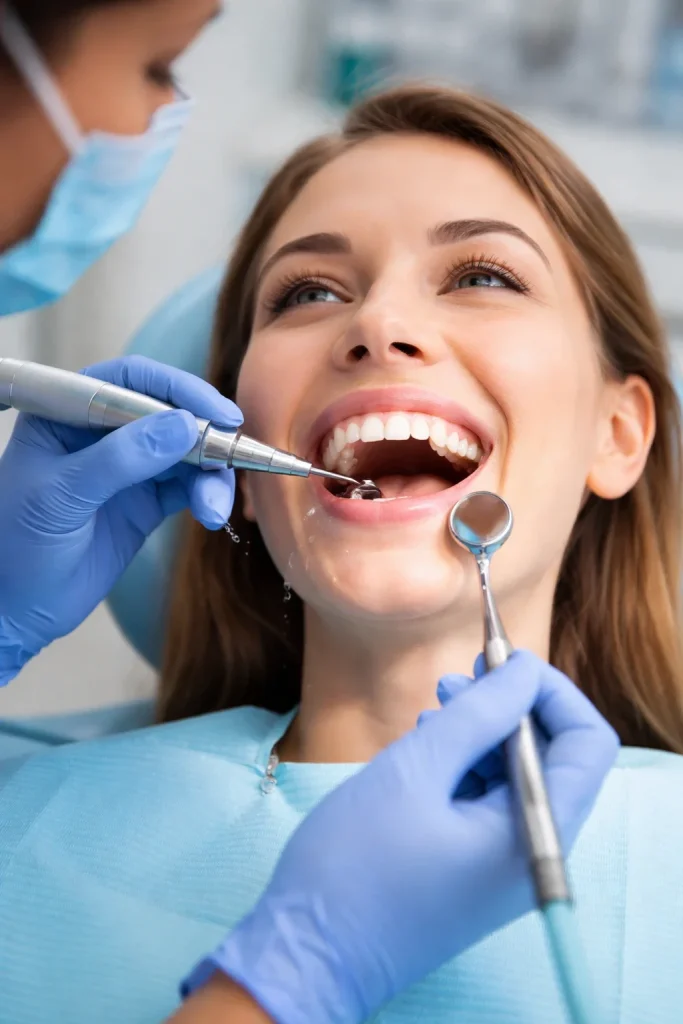
A dentist appointment cleaning is one of the most important yet often underestimated steps in maintaining long-term oral health. Many people think brushing and flossing at home are enough, but professional dental cleanings go far beyond what daily routines can achieve. This type of appointment is not only about making your teeth look whiter or feel smoother—it plays a critical role in preventing serious dental and overall health problems 🦷.
At its core, a dentist appointment cleaning is a preventive dental procedure performed by a dental hygienist or dentist. The goal is to remove plaque, tartar, and surface stains that accumulate over time, even in patients with excellent oral hygiene. Plaque is a sticky film of bacteria that forms constantly on teeth. When it is not removed effectively, it hardens into tartar, which cannot be eliminated with a toothbrush alone. This is where professional intervention becomes essential.
One of the biggest reasons a dentist appointment cleaning matters is its role in preventing gum disease. Early-stage gum inflammation, known as gingivitis, often develops silently. Many patients do not notice symptoms until the condition progresses. During a professional cleaning, dental professionals can identify early warning signs such as bleeding gums, pocket formation, or enamel erosion. Addressing these issues early can prevent more complex treatments later on.
Another key benefit of a dentist appointment cleaning is its contribution to overall health. Research consistently shows a strong connection between oral health and systemic conditions such as heart disease, diabetes, and respiratory infections. Harmful oral bacteria can enter the bloodstream through inflamed gums, increasing the risk of inflammation elsewhere in the body. Regular cleanings significantly reduce bacterial load and support overall wellness ❤️.
From a patient perspective, understanding what happens during a dentist appointment cleaning helps reduce anxiety and uncertainty. Many people delay visits due to fear or past negative experiences. In reality, modern dental cleanings are gentle, controlled, and designed with patient comfort in mind. Tools such as ultrasonic scalers and polishing devices allow for efficient plaque removal with minimal discomfort. Knowing what to expect empowers patients and encourages consistent dental care.
A dentist appointment cleaning also serves as a valuable educational opportunity. During the visit, dental professionals often provide personalized advice on brushing techniques, flossing habits, and lifestyle factors that affect oral health. This guidance is tailored to your specific needs, whether you are prone to cavities, have sensitive gums, or wear dental restorations. These insights help patients improve their daily oral care routines and maximize the benefits of professional cleanings.
Cosmetic improvements are another noticeable outcome of a dentist appointment cleaning. While it is not a whitening treatment, professional cleaning removes surface stains caused by coffee, tea, smoking, or certain foods. Patients often leave the clinic with teeth that look brighter and feel noticeably smoother ✨. This aesthetic boost can improve confidence and motivate better oral hygiene habits.
It is also important to understand that a dentist appointment cleaning is not a one-size-fits-all procedure. The duration, techniques used, and frequency depend on individual factors such as gum health, plaque buildup, and medical history. Some patients may require more frequent cleanings or deeper periodontal maintenance. Recognizing this personalized approach helps patients see dental cleanings as an ongoing health strategy rather than a routine chore.
In summary, a dentist appointment cleaning is far more than a basic dental visit. It is a cornerstone of preventive care that protects your teeth, gums, and overall health. By removing harmful buildup, detecting problems early, and reinforcing healthy habits, professional cleanings play a vital role in maintaining a strong, confident smile over time 😊. Understanding its importance is the first step toward making dental care a consistent and stress-free part of your life.
What Is Dentist Appointment Cleaning and How Does It Work?
A dentist appointment cleaning is a professional preventive dental procedure designed to keep your teeth, gums, and mouth healthy by removing harmful buildup that cannot be eliminated through daily brushing and flossing alone. While many people assume that good home care is enough, the reality is that even the most disciplined oral hygiene routines leave behind plaque and bacteria in hard-to-reach areas. A dentist appointment cleaning fills this gap and acts as a protective barrier against long-term dental problems 🦷.
At a basic level, a dentist appointment cleaning focuses on eliminating plaque and tartar from the surfaces of the teeth and along the gumline. Plaque forms constantly from bacteria mixing with saliva and food particles. When plaque is not removed promptly, it hardens into tartar (also called calculus), which firmly attaches to tooth enamel. Once tartar forms, only professional dental tools can remove it safely.
The Main Purpose of a Dentist Appointment Cleaning
The primary goal of a dentist appointment cleaning is prevention. Rather than treating problems after they become painful or expensive, this procedure helps stop issues before they start. By regularly removing plaque and tartar, dental professionals significantly reduce the risk of cavities, gum disease, enamel erosion, and bad breath. Preventive care is always simpler, safer, and more cost-effective than restorative treatments.
Another important purpose of a dentist appointment cleaning is early detection. During the cleaning process, the dental team closely examines your teeth and gums for signs of trouble. Early-stage cavities, gum inflammation, receding gums, and abnormal tissue changes can often be identified during routine cleanings. Detecting these issues early allows for timely intervention and better outcomes.
Step-by-Step Overview of How Dentist Appointment Cleaning Works
Although every dental clinic may follow slightly different protocols, most dentist appointment cleaning sessions follow a structured and methodical process. Understanding these steps helps patients feel more relaxed and prepared for their visit.
Initial Oral Assessment
The process usually begins with a brief oral evaluation. The dental hygienist or dentist checks your teeth and gums for visible plaque buildup, gum redness, swelling, or bleeding. This initial assessment helps determine how intensive the dentist appointment cleaning needs to be and whether additional procedures, such as deep cleaning, are required.
Professional Scaling and Tartar Removal
Scaling is the core component of a dentist appointment cleaning. Using specialized instruments, the hygienist carefully removes plaque and tartar from the tooth surfaces and around the gumline. Many clinics use ultrasonic scalers that vibrate and spray water to break apart hardened deposits efficiently. This step is essential because tartar traps bacteria and accelerates gum disease if left untreated.
Polishing and Surface Cleaning
After scaling, the teeth are polished using a professional-grade polishing paste and a rotating brush. This step smooths the enamel surface, making it harder for plaque to attach in the future. While polishing is not a whitening treatment, it noticeably improves tooth brightness by removing surface stains caused by coffee, tea, or tobacco. This part of the dentist appointment cleaning often leaves teeth feeling exceptionally smooth and clean ✨.
Flossing and Rinsing
Professional flossing is performed to remove any remaining debris between the teeth. Even patients who floss daily often miss certain areas, and this step ensures a thorough clean. The mouth is then rinsed to flush away loosened particles, completing the cleaning process.
Is Dentist Appointment Cleaning Painful?
One of the most common concerns about a dentist appointment cleaning is discomfort. For most patients, the procedure is not painful at all. Mild sensitivity or pressure may be felt during scaling, especially if there is significant tartar buildup or gum inflammation. However, modern dental tools and techniques are designed to minimize discomfort. Patients with sensitive teeth or gums can always communicate with their dental provider to adjust the process.
How Dentist Appointment Cleaning Differs From Deep Cleaning
It is important not to confuse a routine dentist appointment cleaning with a deep cleaning procedure. A standard cleaning targets the visible surfaces of the teeth and the shallow gumline. Deep cleaning, also known as scaling and root planing, is recommended when gum disease has progressed and bacteria have moved below the gumline. Understanding this distinction helps patients appreciate the preventive value of regular cleanings and avoid more intensive treatments later.
In conclusion, a dentist appointment cleaning is a structured, preventive procedure that plays a vital role in maintaining oral health. By combining plaque removal, professional polishing, early detection, and patient education, it offers benefits that go far beyond cosmetic improvement. Knowing how the process works empowers patients to approach dental care with confidence and consistency 😊.
Why Regular Dentist Appointment Cleaning Is Essential for Oral Health
A regular dentist appointment cleaning is one of the most effective ways to protect your oral health over the long term. While brushing and flossing at home are essential daily habits, they are not enough to fully prevent plaque buildup, gum disease, and hidden dental problems. Professional cleanings work as a preventive shield, stopping small issues from developing into serious and costly conditions 🦷.
Many dental problems develop silently. Cavities, gum inflammation, and bacterial infections often show little to no symptoms in the early stages. A routine dentist appointment cleaning creates an opportunity for dental professionals to intervene early, preserving both your oral health and your overall well-being.
The Role of Dentist Appointment Cleaning in Preventing Gum Disease
Gum disease is one of the most common oral health issues worldwide, and it is a primary reason why a dentist appointment cleaning is so important. Plaque that accumulates along the gumline contains harmful bacteria that irritate gum tissue. Over time, this irritation causes gingivitis, the earliest stage of gum disease.
If gingivitis is left untreated, it can progress into periodontitis, a more severe condition that damages the bone supporting the teeth. Regular dentist appointment cleaning removes plaque and tartar before they cause irreversible harm. This preventive step significantly reduces gum inflammation, bleeding, and the risk of tooth loss.
Early Intervention Saves Teeth
One of the most powerful benefits of consistent dentist appointment cleaning is early intervention. Dental professionals can detect gum pockets, recession, or abnormal tissue changes long before patients feel pain. Early treatment is simpler, less invasive, and far more successful than addressing advanced gum disease.
How Dentist Appointment Cleaning Helps Prevent Cavities
Cavities form when bacteria in plaque produce acids that weaken tooth enamel. Even with careful brushing, plaque can remain in tight spaces between teeth and along the gumline. A professional dentist appointment cleaning removes these bacterial colonies, reducing acid production and protecting enamel integrity.
During the cleaning process, dental professionals also assess enamel strength and identify areas that may be at higher risk for decay. This proactive approach allows patients to adjust their oral care habits before cavities develop, saving time, discomfort, and expense in the future.
The Connection Between Dentist Appointment Cleaning and Overall Health
The importance of a dentist appointment cleaning extends beyond the mouth. Numerous studies have shown strong links between oral health and systemic conditions such as heart disease, diabetes, and respiratory infections. Inflammation caused by oral bacteria can spread through the bloodstream, contributing to broader health complications.
By reducing bacterial load and inflammation, regular dental cleanings help support overall health. This connection is widely recognized by leading organizations such as the American Dental Association, which emphasizes preventive dental care as a key component of total wellness ❤️.
Why Skipping Dentist Appointment Cleaning Can Be Risky
Skipping a dentist appointment cleaning may not cause immediate pain, but the long-term consequences can be significant. Plaque continues to harden into tartar, gum inflammation worsens, and minor issues progress unnoticed. Over time, patients who avoid cleanings are more likely to require fillings, root canal treatments, or even extractions.
In addition to health risks, neglecting regular cleanings often leads to higher dental costs. Preventive care is far more affordable than restorative procedures. Investing in routine dentist appointment cleaning is a practical way to protect both your health and your budget.
Psychological and Lifestyle Benefits of Regular Cleanings
Beyond physical health, a dentist appointment cleaning also offers psychological and lifestyle benefits. Clean, healthy teeth improve confidence, speech clarity, and social comfort. Fresh breath and a brighter smile positively impact personal and professional interactions 😊.
Regular visits also reinforce healthy habits. Patients who attend routine cleanings are more likely to maintain consistent brushing and flossing routines, creating a positive cycle of oral care. The guidance provided during cleanings helps patients stay motivated and informed.
Who Benefits the Most from Frequent Dentist Appointment Cleaning?
While everyone benefits from a dentist appointment cleaning, certain individuals may require more frequent visits. Patients with a history of gum disease, smokers, individuals with diabetes, and those wearing orthodontic appliances often accumulate plaque more quickly. Personalized cleaning schedules help address these higher-risk situations effectively.
If you are unsure how often you should schedule a cleaning, consulting a dental professional is the best approach. Clinics like Redent Klinik encourage patients to ask questions and seek personalized guidance through their Redent Klinik Contact Page.
In conclusion, regular dentist appointment cleaning is essential for maintaining strong teeth, healthy gums, and overall wellness. It prevents disease, reduces long-term costs, and supports a confident, healthy lifestyle. Consistency is the key—making professional cleanings a routine part of your life is one of the smartest investments you can make for your health ✨.
How to Prepare for a Dentist Appointment Cleaning Step by Step
Preparing properly for a dentist appointment cleaning can significantly improve your comfort, the effectiveness of the procedure, and the overall experience. While professional cleanings are routine and safe, a little preparation helps both patients and dental professionals achieve the best possible results. Knowing what to do before your visit reduces anxiety, saves time, and ensures that your dentist appointment cleaning is as thorough and stress-free as possible 😊.
Why Preparation Matters Before a Dentist Appointment Cleaning
Many people assume that no preparation is needed before a dentist appointment cleaning, but this is a common misconception. Proper preparation allows dental professionals to work more efficiently and helps them better assess your oral health. It also gives you the opportunity to communicate concerns, sensitivities, or recent changes in your health that may affect the cleaning process.
Additionally, preparing in advance helps patients feel more in control. Dental anxiety often comes from uncertainty, and understanding how to get ready for a dentist appointment cleaning can greatly reduce stress.
What to Do the Day Before Your Dentist Appointment Cleaning
Maintain Your Regular Oral Hygiene Routine
Before a dentist appointment cleaning, continue brushing and flossing as you normally would. There is no need to brush excessively hard or floss aggressively. Overbrushing can irritate gums and cause sensitivity, which may make the cleaning less comfortable. Gentle, consistent care is ideal.
Using fluoride toothpaste the day before your appointment helps strengthen enamel and provides extra protection during the cleaning process. Avoid trying new oral care products right before your visit, as unfamiliar ingredients may irritate your mouth.
Avoid Stain-Causing Foods and Drinks
While this step is optional, avoiding foods and drinks that stain teeth—such as coffee, red wine, or dark berries—can improve the immediate results of your dentist appointment cleaning. Since professional polishing removes surface stains, limiting stain exposure beforehand helps maximize the cosmetic benefits of the procedure ✨.
How to Prepare on the Day of the Dentist Appointment Cleaning
Eat a Light Meal Before Your Appointment
It is generally recommended to eat a light meal before your dentist appointment cleaning. Having food in your stomach helps prevent lightheadedness, especially if you are prone to anxiety. However, avoid sticky or sugary foods that may leave residue on your teeth.
After eating, brush your teeth lightly to remove food particles. This makes the cleaning process more comfortable and allows the dental team to begin immediately.
Arrive Early and Stay Relaxed
Arriving 10–15 minutes early for your dentist appointment cleaning allows time to complete paperwork, update medical history, and mentally prepare. Rushing can increase stress levels, which may make you more sensitive during the procedure.
Deep breathing techniques or listening to calming music before your appointment can help you stay relaxed. Many modern dental clinics are designed with patient comfort in mind, so take advantage of the environment.
What Information to Share Before a Dentist Appointment Cleaning
Clear communication is a critical part of preparing for a dentist appointment cleaning. Inform your dental provider about any changes in your health, medications, or recent dental issues. Certain medical conditions, such as diabetes or heart conditions, may influence how the cleaning is performed.
You should also mention if you experience tooth sensitivity, gum tenderness, or dental anxiety. Dental professionals can adjust their techniques, use gentler tools, or apply numbing agents if necessary to make the dentist appointment cleaning more comfortable.
Preparing Children or First-Time Patients
For children or first-time patients, preparation for a dentist appointment cleaning is especially important. Explaining the process in simple, positive terms helps reduce fear. Avoid using alarming language or sharing negative past experiences.
Parents can encourage children by explaining that the cleaning helps keep teeth strong and healthy. Bringing a favorite toy or allowing the child to ask questions beforehand can also make the visit more enjoyable 😊.
Common Mistakes to Avoid Before a Dentist Appointment Cleaning
One common mistake is skipping brushing or flossing out of embarrassment. Dental professionals are trained to help, not judge. Avoiding oral hygiene before a dentist appointment cleaning does not improve outcomes and may make the process less pleasant.
Another mistake is postponing the appointment due to minor discomfort or bleeding gums. These symptoms are often signs that a cleaning is needed. Delaying care can allow problems to worsen.
Mental Preparation and Setting Expectations
Mentally preparing for a dentist appointment cleaning is just as important as physical preparation. Understanding that the procedure is preventive, routine, and designed to protect your health helps shift perspective. Modern dental cleanings are efficient, gentle, and focused on patient comfort.
Setting realistic expectations also helps. A dentist appointment cleaning improves oral health and removes buildup, but it is not a cosmetic makeover or whitening treatment. Viewing it as a health investment rather than a cosmetic procedure leads to greater satisfaction.
In conclusion, proper preparation for a dentist appointment cleaning ensures a smoother, more comfortable, and more effective experience. By maintaining good oral hygiene, communicating openly, and arriving relaxed and informed, patients can get the maximum benefit from each cleaning. A little preparation goes a long way toward protecting your smile and your overall health 🌟.
What Happens During a Professional Dentist Appointment Cleaning?
Understanding what actually happens during a dentist appointment cleaning can greatly reduce anxiety and help patients feel more confident about scheduling regular visits. Many people imagine dental cleanings as uncomfortable or rushed, but in reality, they follow a structured, patient-focused process designed to protect oral health while maximizing comfort. Knowing each step in advance transforms a dentist appointment cleaning from a source of stress into a predictable and manageable experience 😊.
The Initial Examination Before Dentist Appointment Cleaning
Every dentist appointment cleaning begins with an initial oral examination. The dental hygienist or dentist visually inspects your teeth, gums, tongue, and surrounding tissues. This step helps identify visible plaque buildup, gum inflammation, bleeding points, or early signs of decay.
This examination is essential because it determines how intensive the cleaning needs to be. If gums appear healthy and plaque levels are low, the cleaning may be straightforward. If there are signs of gum disease or heavy tartar buildup, the dentist appointment cleaning may take longer or require special attention in certain areas.
X-rays and Diagnostic Checks (When Needed)
In some cases, X-rays may be taken before or during a dentist appointment cleaning. X-rays are not required at every visit, but they help detect issues that cannot be seen with the naked eye, such as decay between teeth or bone loss beneath the gums. This diagnostic step ensures that underlying problems are not overlooked.
Scaling: The Core of Dentist Appointment Cleaning
Scaling is the most important and time-intensive part of a dentist appointment cleaning. During this step, plaque and tartar are carefully removed from the surfaces of the teeth and along the gumline. Tartar forms when plaque hardens over time, and it creates a rough surface that attracts more bacteria if not removed.
Dental professionals use specialized hand instruments or ultrasonic scalers to break up and remove these deposits. Ultrasonic tools use gentle vibrations and water spray to loosen tartar efficiently, making the dentist appointment cleaning faster and more comfortable for most patients.
What Scaling Feels Like
Patients often describe scaling during a dentist appointment cleaning as a sensation of light pressure or vibration rather than pain. Mild sensitivity is common, especially if there is significant buildup or gum inflammation. However, discomfort is usually minimal and temporary. Patients with sensitive teeth can always request breaks or adjustments.
Polishing and Smoothing the Teeth
After scaling, the teeth are polished using a professional-grade polishing paste and a rotating brush. This step removes surface stains and smooths the enamel. Polishing is not intended to whiten teeth dramatically, but it leaves them noticeably cleaner and brighter ✨.
Smoothing the tooth surface is an important part of a dentist appointment cleaning because it makes it more difficult for plaque to adhere in the future. The smoother the enamel, the longer the teeth stay clean between visits.
Professional Flossing and Rinsing
Once polishing is complete, professional flossing is performed to remove any remaining debris between the teeth. Even patients who floss daily often miss certain tight spaces. This step ensures that the dentist appointment cleaning is thorough and complete.
The mouth is then rinsed to wash away loosened particles and polishing residue. Some clinics use antibacterial rinses to further reduce bacteria levels and leave the mouth feeling fresh.
Final Check and Personalized Feedback
The final stage of a dentist appointment cleaning includes a brief review and feedback session. The dentist or hygienist checks the cleaned teeth and gums to ensure no areas were missed. They may point out areas that require extra attention during daily brushing or flossing.
This is also when patients receive personalized oral hygiene advice. Recommendations may include specific brushing techniques, flossing tools, or lifestyle adjustments that support better oral health. This guidance makes each dentist appointment cleaning a learning opportunity, not just a procedure.
How Long Does a Dentist Appointment Cleaning Take?
The duration of a dentist appointment cleaning varies depending on individual needs. For patients with good oral health and minimal buildup, the process typically takes 30 to 45 minutes. If there is heavy tartar accumulation or early gum disease, the appointment may last longer.
Understanding that time varies helps set realistic expectations and prevents unnecessary worry. Longer cleanings are not a bad sign—they simply mean that more care is being taken to protect your oral health.
What You Should Feel After Dentist Appointment Cleaning
After a dentist appointment cleaning, most patients notice that their teeth feel exceptionally smooth and their mouth feels refreshed. Mild gum sensitivity or light bleeding may occur, especially if gums were inflamed before the visit. These effects usually resolve within a day.
Patients are often advised to avoid very hot, cold, or acidic foods for a few hours after the cleaning if sensitivity is present. Drinking water and maintaining gentle oral care help speed recovery.
Why This Process Matters
Each step of a dentist appointment cleaning serves a specific purpose, from removing harmful buildup to reinforcing healthy habits. This structured process ensures that dental problems are prevented rather than treated after they become serious.
In conclusion, a professional dentist appointment cleaning is a carefully designed procedure focused on prevention, comfort, and long-term health. Knowing what happens during the visit helps patients approach dental care with confidence, consistency, and peace of mind 🌟.
Dentist Appointment Cleaning vs At-Home Oral Care: Key Differences
Many patients believe that diligent brushing and flossing at home can fully replace a dentist appointment cleaning. While at-home oral care is absolutely essential, it cannot match the depth, precision, and preventive power of professional dental cleanings. Understanding the key differences between daily oral hygiene and a dentist appointment cleaning helps clarify why both are necessary for long-term oral health 🦷.
Rather than competing approaches, at-home care and professional cleaning work best as complementary parts of a complete oral health strategy. Each serves a unique role, and relying on only one leaves gaps that can lead to dental problems over time.
What At-Home Oral Care Can Achieve
Daily brushing and flossing form the foundation of oral hygiene. These habits remove food particles, reduce surface plaque, and help control bacteria levels in the mouth. When done correctly, at-home care significantly lowers the risk of cavities and gum inflammation.
However, even the most disciplined routines have limitations. Toothbrush bristles cannot fully reach deep grooves, tight spaces between teeth, or areas below the gumline. Over time, plaque accumulates in these hidden areas and hardens into tartar. Once tartar forms, it cannot be removed without a dentist appointment cleaning.
Common Limitations of At-Home Oral Care
One major limitation of at-home care is technique. Many people unknowingly brush too hard, too quickly, or miss certain areas altogether. Flossing is often inconsistent or ineffective, especially in hard-to-reach spaces. These gaps allow bacteria to thrive despite regular brushing.
Another limitation is detection. At home, it is nearly impossible to identify early signs of gum disease, enamel erosion, or cavities forming beneath the surface. This is where professional evaluation during a dentist appointment cleaning becomes critical.
What Makes Dentist Appointment Cleaning Different
A dentist appointment cleaning goes far beyond surface-level care. Dental professionals use specialized instruments to remove hardened tartar and bacterial buildup that toothbrushes cannot reach. This deep cleaning protects the gums and prevents the progression of periodontal disease.
Additionally, dentist appointment cleaning includes a thorough examination of oral tissues. Dentists and hygienists are trained to spot subtle changes that signal early dental problems. Early detection allows for timely treatment, often preventing pain, tooth loss, or costly procedures.
Professional Tools and Expertise
Professional dental tools are designed specifically for safe and effective plaque and tartar removal. Ultrasonic scalers, precision hand instruments, and professional polishing systems allow for controlled cleaning without damaging enamel or gums.
Equally important is the expertise behind these tools. Dental professionals understand tooth anatomy, gum health, and risk factors that vary from patient to patient. This expertise ensures that each dentist appointment cleaning is personalized rather than generic.
The Role of Prevention in Dentist Appointment Cleaning
One of the most significant differences between at-home care and a dentist appointment cleaning is prevention. While brushing and flossing slow plaque buildup, professional cleaning actively stops disease progression.
By removing tartar and reducing bacterial load, dentist appointment cleaning lowers the risk of cavities, gum disease, and chronic inflammation. This preventive effect is especially important for patients with risk factors such as smoking, diabetes, orthodontic appliances, or a history of periodontal issues.
Why At-Home Care Alone Is Not Enough
Relying solely on at-home care creates a false sense of security. Teeth may feel clean, but hidden buildup continues beneath the surface. Over time, this can lead to bleeding gums, bad breath, sensitivity, and eventually tooth loss.
A dentist appointment cleaning interrupts this cycle by resetting the oral environment. It removes accumulated threats and allows at-home care to be effective again. Without periodic professional intervention, even excellent brushing habits lose their protective impact.
How Dentist Appointment Cleaning Enhances At-Home Care
Professional cleanings do not replace daily hygiene—they enhance it. After a dentist appointment cleaning, tooth surfaces are smoother, making it harder for plaque to adhere. This means brushing and flossing become more effective in the weeks following the appointment ✨.
During the visit, patients also receive personalized advice tailored to their specific needs. This may include technique adjustments, product recommendations, or targeted care for sensitive areas. These insights help patients improve their daily routines and maintain results longer.
Cost and Long-Term Impact Comparison
From a long-term perspective, combining at-home care with regular dentist appointment cleaning is far more cost-effective than relying on home care alone. Preventive cleanings reduce the likelihood of needing fillings, crowns, root canals, or extractions.
While at-home care requires minimal financial investment, it cannot prevent advanced dental problems without professional support. Dentist appointment cleaning is an investment that protects both oral health and future dental expenses.
Finding the Right Balance
The healthiest smiles come from balance. Daily brushing and flossing maintain cleanliness between visits, while a dentist appointment cleaning provides deep care and professional oversight. Neither approach works optimally on its own.
In conclusion, at-home oral care and dentist appointment cleaning serve different but equally important roles. Understanding their differences highlights why professional cleanings are not optional extras, but essential components of lifelong oral health 🌟.
How Often Should You Schedule a Dentist Appointment Cleaning?
One of the most common questions patients ask is how often they really need a dentist appointment cleaning. While the general recommendation is well known, the ideal frequency is not the same for everyone. Oral health, lifestyle habits, medical conditions, and personal risk factors all influence how often a dentist appointment cleaning should be scheduled. Understanding these variables helps patients make informed decisions and avoid both under- and over-treatment 🦷.
Rather than following a one-size-fits-all rule, dental professionals focus on personalized prevention. The goal of determining the right interval for a dentist appointment cleaning is to stop problems before they begin, not to react after damage has already occurred.
The Standard Recommendation for Dentist Appointment Cleaning
For most healthy adults, dental professionals recommend a dentist appointment cleaning every six months. This interval is based on how quickly plaque accumulates and hardens into tartar for the average person. Six months is usually enough time for early buildup to form, but not enough for serious damage to develop.
Regular six-month cleanings allow dental professionals to remove plaque and tartar before they cause cavities or gum disease. This schedule also ensures that changes in oral health are detected early, when treatment is simplest and most effective.
Why Six Months Works for Many People
Plaque begins forming within hours of brushing, and it can harden into tartar within weeks. A dentist appointment cleaning every six months interrupts this cycle before tartar buildup becomes excessive. For patients with good oral hygiene habits and low risk factors, this frequency maintains stable oral health.
However, six months is a guideline, not a strict rule. Some patients require more frequent cleanings, while others may be able to extend the interval slightly under professional supervision.
Who Needs More Frequent Dentist Appointment Cleaning?
Certain individuals benefit from scheduling a dentist appointment cleaning more often than every six months. These patients typically have higher risk factors for plaque accumulation, gum disease, or dental complications.
Patients with Gum Disease or History of Periodontal Issues
Patients with current or past gum disease often need a dentist appointment cleaning every three to four months. Gum disease creates pockets below the gumline where bacteria accumulate more rapidly. Frequent professional cleaning helps control inflammation and prevents disease progression.
Smokers and Tobacco Users
Smoking and tobacco use increase plaque buildup and reduce blood flow to the gums, making infections harder to detect and treat. As a result, smokers often require more frequent dentist appointment cleaning to maintain gum health and reduce staining.
Patients with Medical Conditions
Conditions such as diabetes, heart disease, and immune system disorders can affect oral health. These patients may experience faster plaque buildup or increased susceptibility to infection. More frequent dentist appointment cleaning helps reduce oral bacteria and supports overall health.
Can Some People Schedule Dentist Appointment Cleaning Less Often?
In rare cases, individuals with exceptional oral hygiene, low plaque buildup, and no history of cavities or gum disease may be advised to extend the interval between cleanings slightly. Even in these cases, a dentist appointment cleaning at least once a year is still essential.
Skipping cleanings altogether is never recommended. Oral health can change over time, and problems may develop even in patients with excellent habits. Regular professional evaluation remains critical.
Signs You May Need a Dentist Appointment Cleaning Sooner
Regardless of your usual schedule, certain symptoms may indicate that a dentist appointment cleaning is needed sooner than planned. These signs include persistent bad breath, bleeding gums, tooth sensitivity, visible tartar, or gum swelling.
Ignoring these warning signs remembered is risky. Early intervention through professional cleaning often prevents the need for more invasive treatments later.
The Long-Term Impact of Proper Cleaning Frequency
Scheduling a dentist appointment cleaning at the right intervals has a powerful long-term impact. Consistent cleanings reduce the risk of tooth loss, preserve enamel strength, and maintain healthy gums well into older age.
From a financial perspective, preventive cleanings are far less costly than restorative treatments. Patients who maintain regular cleaning schedules typically experience fewer dental emergencies and lower lifetime dental expenses.
How Your Dentist Determines the Right Schedule
Your dentist evaluates several factors to determine how often you need a dentist appointment cleaning. These include plaque levels, gum health, cavity history, lifestyle habits, and medical background. This personalized approach ensures that care is tailored to your specific needs.
Open communication is key. Patients should discuss concerns, habits, and changes in health so their dentist can recommend the most effective cleaning schedule.
Consistency Matters More Than Perfection
The most important factor in scheduling a dentist appointment cleaning is consistency. Whether your ideal interval is three months or six months, sticking to the recommended schedule is what protects your oral health over time.
In conclusion, the right frequency for a dentist appointment cleaning depends on individual needs, not assumptions. By following professional guidance and paying attention to your oral health, you can maintain a strong, healthy smile for life 🌟.
Common Myths and Fears About Dentist Appointment Cleaning
Despite how routine and beneficial it is, a dentist appointment cleaning is still surrounded by many myths and fears. These misunderstandings often cause people to delay or completely avoid professional dental care, which can lead to serious oral health problems over time. By addressing these common concerns with accurate information, patients can approach a dentist appointment cleaning with confidence rather than anxiety 😊.
Most fears related to dental cleanings are based on outdated experiences, secondhand stories, or simple misinformation. Modern dentistry has evolved significantly, and understanding the truth behind these myths can make a major difference in how patients perceive professional cleanings.
Myth 1: Dentist Appointment Cleaning Is Painful
One of the most widespread myths is that a dentist appointment cleaning is painful. In reality, for the vast majority of patients, the procedure is comfortable and manageable. Mild pressure or vibration may be felt during scaling, but pain is not the norm.
Discomfort is more likely when there is significant tartar buildup or gum inflammation—conditions that develop when cleanings are skipped. Ironically, avoiding dentist appointment cleaning due to fear often leads to more discomfort later. Regular cleanings keep gums healthier and make future visits easier.
Modern Tools Reduce Discomfort
Today’s dental clinics use ultrasonic scalers and refined hand instruments designed to be efficient and gentle. These tools allow plaque and tartar to be removed with minimal irritation. Patients can also request breaks or adjustments at any point during a dentist appointment cleaning.
Myth 2: Bleeding Gums Mean You Should Avoid Cleaning
Many people believe that bleeding gums are a reason to delay a dentist appointment cleaning. In truth, bleeding gums are often a sign that cleaning is urgently needed. Gum bleeding is commonly caused by inflammation due to plaque buildup along the gumline.
Professional cleaning removes the bacteria responsible for inflammation, allowing gums to heal. Skipping cleanings allows the underlying cause to worsen, potentially leading to gum disease. A dentist appointment cleaning is part of the solution, not the problem.
Myth 3: At-Home Brushing Makes Dentist Appointment Cleaning Unnecessary
Another common misconception is that brushing and flossing perfectly at home eliminates the need for a dentist appointment cleaning. While excellent home care is essential, it cannot remove hardened tartar or detect hidden dental issues.
Professional cleanings reach areas that toothbrushes cannot and provide early detection of problems such as cavities, gum disease, and enamel wear. At-home care and dentist appointment cleaning work together; one cannot fully replace the other.
Fear 1: Dental Anxiety and Loss of Control
Dental anxiety is a real and valid concern. Many patients fear a dentist appointment cleaning because they feel vulnerable or out of control during the procedure. This fear often stems from past experiences or fear of the unknown.
Modern dental practices prioritize communication and patient comfort. Patients are encouraged to ask questions, signal if they need a break, and express concerns openly. Knowing that you are in control significantly reduces anxiety during a dentist appointment cleaning.
Communication Makes a Difference
Letting your dental provider know about anxiety, sensitivity, or fear allows them to adjust their approach. Slower pacing, gentler techniques, and clear explanations can transform the experience into a positive one.
Fear 2: Bad Teeth Will Be Judged
Some patients avoid a dentist appointment cleaning because they feel embarrassed about the condition of their teeth. This fear of judgment is common but unfounded. Dental professionals are trained to help, not criticize.
Dental teams see a wide range of oral health conditions every day. Their focus is on improving health and preventing future problems. Delaying care due to embarrassment only increases the risk of more complex issues later.
Myth 4: Dentist Appointment Cleaning Damages Enamel
A persistent myth is that frequent dentist appointment cleaning can wear down enamel. In reality, professional cleanings are designed to protect enamel, not harm it. Dental instruments are used carefully to remove plaque and tartar without damaging tooth structure.
Enamel damage is far more likely to occur from untreated plaque acids, aggressive brushing at home, or acidic diets. Regular cleanings actually preserve enamel by eliminating harmful bacteria.
Fear 3: Unexpected Pain or Bad News
Some people fear that a dentist appointment cleaning will uncover serious problems they are not prepared to deal with. While it is true that cleanings allow early detection, this is a benefit rather than a drawback.
Finding issues early usually means simpler, less invasive treatment. Avoiding cleanings does not prevent problems—it allows them to grow unnoticed. A dentist appointment cleaning provides clarity and control over your oral health.
Replacing Fear with Facts
The key to overcoming myths and fears about a dentist appointment cleaning is education. Understanding what actually happens during the procedure and why it matters helps patients feel empowered rather than anxious.
Modern dental cleanings are preventive, patient-centered, and focused on comfort. When myths are replaced with accurate information, patients are more likely to maintain regular care and enjoy the long-term benefits of a healthy smile 🌟.
In conclusion, common myths and fears should never stand in the way of a dentist appointment cleaning. By recognizing misconceptions and trusting modern dental practices, patients can approach cleanings with confidence and protect their oral health for years to come.
Long-Term Benefits of Consistent Dentist Appointment Cleaning
Committing to regular dentist appointment cleaning is one of the most impactful decisions you can make for your long-term oral and overall health. While the immediate effects—cleaner teeth and fresher breath—are easy to notice, the true value of consistent professional cleanings becomes clear over time. These benefits extend far beyond aesthetics and play a critical role in preserving teeth, gums, and quality of life 🦷.
Many serious dental problems develop slowly and silently. A consistent dentist appointment cleaning schedule acts as a safeguard, preventing small issues from becoming permanent damage. Understanding the long-term advantages helps reinforce why professional cleanings should never be viewed as optional.
Preserving Natural Teeth for a Lifetime
One of the most significant long-term benefits of regular dentist appointment cleaning is the preservation of natural teeth. Tooth loss is often the result of advanced gum disease or untreated decay—both of which are largely preventable with consistent professional care.
By removing plaque and tartar before they cause structural damage, dentist appointment cleaning protects the supporting tissues around the teeth. Healthy gums and bone are essential for keeping teeth stable throughout life. Patients who maintain regular cleanings are far more likely to keep their natural teeth well into old age.
Preventing Bone Loss and Gum Recession
Gum disease does not only affect soft tissue; it can also lead to bone loss around the teeth. Once bone is lost, it cannot be fully regenerated. Consistent dentist appointment cleaning helps prevent the inflammation that triggers this destructive process, preserving the foundation of your smile.
Reducing the Risk of Complex Dental Treatments
Another major advantage of routine dentist appointment cleaning is the reduced need for invasive dental procedures. Fillings, crowns, root canals, and extractions are often the result of problems that could have been prevented or minimized with regular cleanings.
Professional cleanings allow dentists to identify early-stage issues when treatment is simpler, less expensive, and less invasive. Over time, this preventive approach significantly lowers the likelihood of dental emergencies and complex interventions.
Supporting Long-Term Gum Health
Healthy gums are the cornerstone of oral health, and a dentist appointment cleaning plays a central role in maintaining them. Chronic gum inflammation can persist unnoticed for years, gradually weakening the attachment between teeth and gums.
Consistent cleanings keep harmful bacteria under control and allow gums to remain firm, pink, and resilient. Patients who maintain regular dentist appointment cleaning schedules are far less likely to develop advanced periodontal disease.
Lowering Chronic Inflammation
Chronic inflammation in the mouth does not stay isolated. It can contribute to systemic inflammation throughout the body. By controlling oral bacteria and gum inflammation, regular dentist appointment cleaning supports a healthier inflammatory balance overall ❤️.
Improving Overall Health Outcomes
The long-term benefits of a dentist appointment cleaning extend beyond oral health. Scientific research continues to demonstrate links between oral bacteria and conditions such as cardiovascular disease, diabetes complications, and respiratory infections.
By reducing bacterial load and inflammation, consistent cleanings help lower these systemic risks. This is why preventive dental care is increasingly recognized as an essential part of overall healthcare, not a separate or optional service.
Maintaining a Confident Smile Over Time
Aesthetics may not be the primary goal of a dentist appointment cleaning, but they are an important long-term benefit. Regular polishing and plaque removal help prevent discoloration, surface stains, and uneven buildup that can dull the appearance of teeth.
Maintaining a clean, healthy smile contributes to confidence in social and professional settings. Over time, this confidence positively affects communication, self-esteem, and overall quality of life ✨.
Financial Benefits of Preventive Care
From a financial perspective, consistent dentist appointment cleaning is one of the most cost-effective healthcare investments available. Preventive cleanings are far less expensive than restorative treatments required for advanced dental problems.
Patients who prioritize regular cleanings typically experience fewer unexpected dental expenses and better long-term financial predictability. Preventive care protects not only health but also budgets.
Creating Lifelong Healthy Habits
Routine dentist appointment cleaning reinforces positive oral hygiene habits over time. Regular visits create accountability and encourage patients to maintain effective brushing and flossing routines between appointments.
Dental professionals also provide ongoing education and personalized recommendations that evolve as patients age. This guidance helps individuals adapt their oral care routines to changing needs, such as increased sensitivity or medical conditions.
Long-Term Peace of Mind
Perhaps one of the most underrated benefits of consistent dentist appointment cleaning is peace of mind. Knowing that your oral health is being professionally monitored reduces anxiety about hidden problems or sudden dental emergencies.
This sense of control and reassurance contributes to overall well-being and encourages proactive healthcare decisions.
In conclusion, the long-term benefits of consistent dentist appointment cleaning are profound and far-reaching. From preserving natural teeth and supporting systemic health to reducing costs and improving confidence, regular professional cleanings are a cornerstone of lifelong wellness. Choosing consistency today protects your smile—and your health—for years to come 🌟.
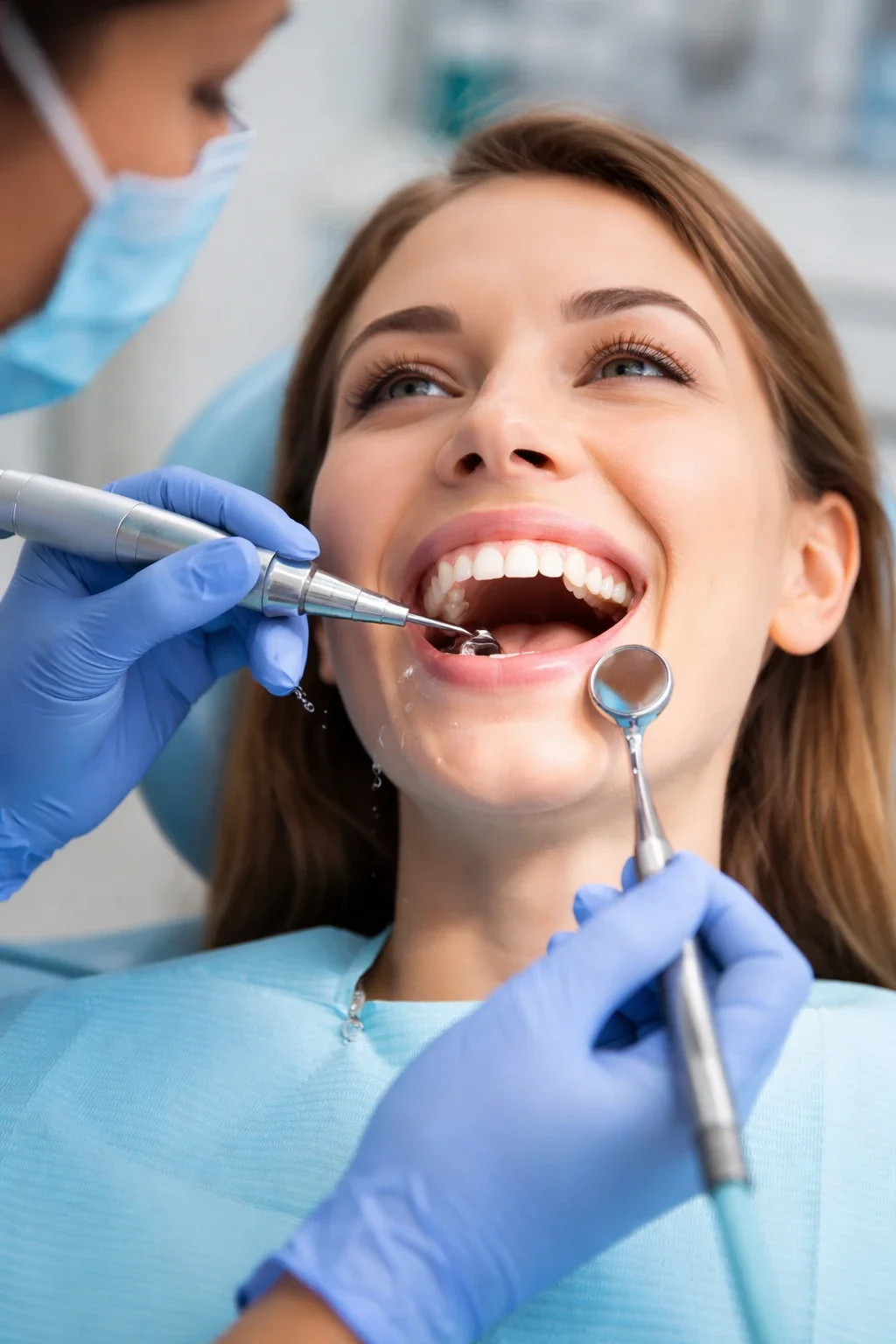
Aftercare Tips and What to Do After a Dentist Appointment Cleaning
What you do after a dentist appointment cleaning is just as important as the cleaning itself. While professional cleaning removes plaque, tartar, and surface stains, proper aftercare helps protect the results, reduce sensitivity, and maintain oral health until your next visit. Many patients underestimate this phase, but simple post-cleaning habits can significantly extend the benefits of a dentist appointment cleaning 🦷.
Understanding what is normal after a cleaning—and how to respond—helps you avoid unnecessary worry and supports faster recovery, especially if your gums were inflamed before the appointment.
What Is Normal After a Dentist Appointment Cleaning?
After a dentist appointment cleaning, it is common for teeth to feel unusually smooth and polished. This sensation occurs because plaque and tartar have been completely removed, leaving enamel surfaces clean and slick. Many patients also notice a fresher mouth and improved breath almost immediately.
Mild gum sensitivity or slight bleeding may occur, particularly if there was gum inflammation or heavy tartar buildup before the cleaning. These symptoms are usually temporary and resolve within 24 hours.
When Sensitivity Is Expected
Tooth sensitivity after a dentist appointment cleaning is more likely if exposed root surfaces were cleaned or if gums were swollen before the visit. Cold air or drinks may feel more noticeable for a short time. This does not indicate damage—it is a sign that buildup has been removed and gums are beginning to heal.
Best Practices for the First 24 Hours
The first day after a dentist appointment cleaning is important for recovery and comfort. Gentle care allows gums to settle and enamel to rehydrate naturally.
Be Gentle With Brushing and Flossing
You should continue brushing and flossing after your dentist appointment cleaning, but use gentle pressure. A soft-bristled toothbrush is ideal. Aggressive brushing can irritate gums that are already sensitive.
Floss carefully, especially if gums bled during the cleaning. Gentle flossing helps remove bacteria without disrupting healing tissue.
Avoid Extreme Temperatures and Acidic Foods
For several hours after a dentist appointment cleaning, it is wise to avoid very hot, very cold, or acidic foods and drinks. These can trigger temporary sensitivity. Lukewarm water and mild foods are best during this period.
What to Eat and Drink After Dentist Appointment Cleaning
Choosing the right foods after a dentist appointment cleaning supports gum comfort and enamel health. Soft foods such as yogurt, eggs, soups, and cooked vegetables are gentle on sensitive gums.
Drinking water is especially important. Water helps rinse away bacteria, neutralize acids, and keep the mouth hydrated. Avoid sugary snacks and carbonated beverages immediately after cleaning, as enamel may be more vulnerable to acid exposure.
Managing Gum Sensitivity and Discomfort
If gums feel sore after a dentist appointment cleaning, simple measures can help. Rinsing with warm salt water can soothe inflammation and promote healing. This is especially helpful if there was bleeding during the cleaning.
Over-the-counter pain relievers can be used if necessary, but most patients do not need medication. Sensitivity typically fades quickly as gums recover.
What Not to Do After a Dentist Appointment Cleaning
Certain habits can reduce the benefits of a dentist appointment cleaning if resumed too quickly. Avoid smoking or using tobacco products for at least 24 hours, as they irritate gums and promote plaque buildup.
Do not skip oral hygiene out of fear of sensitivity. Avoiding brushing or flossing allows bacteria to recolonize quickly, undoing the benefits of the cleaning.
How Aftercare Extends the Results of Dentist Appointment Cleaning
Proper aftercare helps maintain the clean, smooth surfaces created during a dentist appointment cleaning. When plaque has fewer rough surfaces to cling to, daily brushing and flossing become more effective.
Patients who follow good aftercare practices often notice that their teeth stay cleaner longer and their gums remain healthier between visits. This reduces the intensity and duration of future cleanings.
When to Contact Your Dentist After Cleaning
While most post-cleaning symptoms are normal, certain signs should not be ignored after a dentist appointment cleaning. Persistent pain, swelling that worsens after 48 hours, or heavy bleeding should be evaluated by a dental professional.
Reaching out early ensures that any underlying issue is addressed promptly and prevents complications.
Making Aftercare a Habit, Not an Exception
The habits you practice after a dentist appointment cleaning should ideally become part of your daily routine. Gentle brushing, consistent flossing, and mindful eating support oral health long after the appointment ends.
When aftercare is taken seriously, each dentist appointment cleaning builds upon the last, creating long-term stability rather than temporary improvement.
In conclusion, proper aftercare following a dentist appointment cleaning protects your comfort, enhances results, and supports lasting oral health. By treating the hours and days after your cleaning as part of the care process, you maximize the value of every professional visit and keep your smile healthy and confident 🌟.