
Losing teeth can significantly affect a person’s confidence, daily comfort, and ability to eat properly. For many people, traditional dentures have long been the most common solution to replace missing teeth. However, modern dentistry has advanced dramatically, and today many patients are asking an important question: can you get dental implants after dentures? The short answer is yes—many people successfully transition from dentures to dental implants, often achieving improved comfort, stability, and long-term oral health.
If you currently wear dentures and feel frustrated with slipping, irritation, or difficulty chewing, you are not alone. Millions of people worldwide rely on dentures, but not all patients are completely satisfied with them. This is why the topic can you get dental implants after dentures has become one of the most frequently asked questions in modern dentistry. Dental implants provide a fixed and stable alternative that can dramatically improve quality of life.
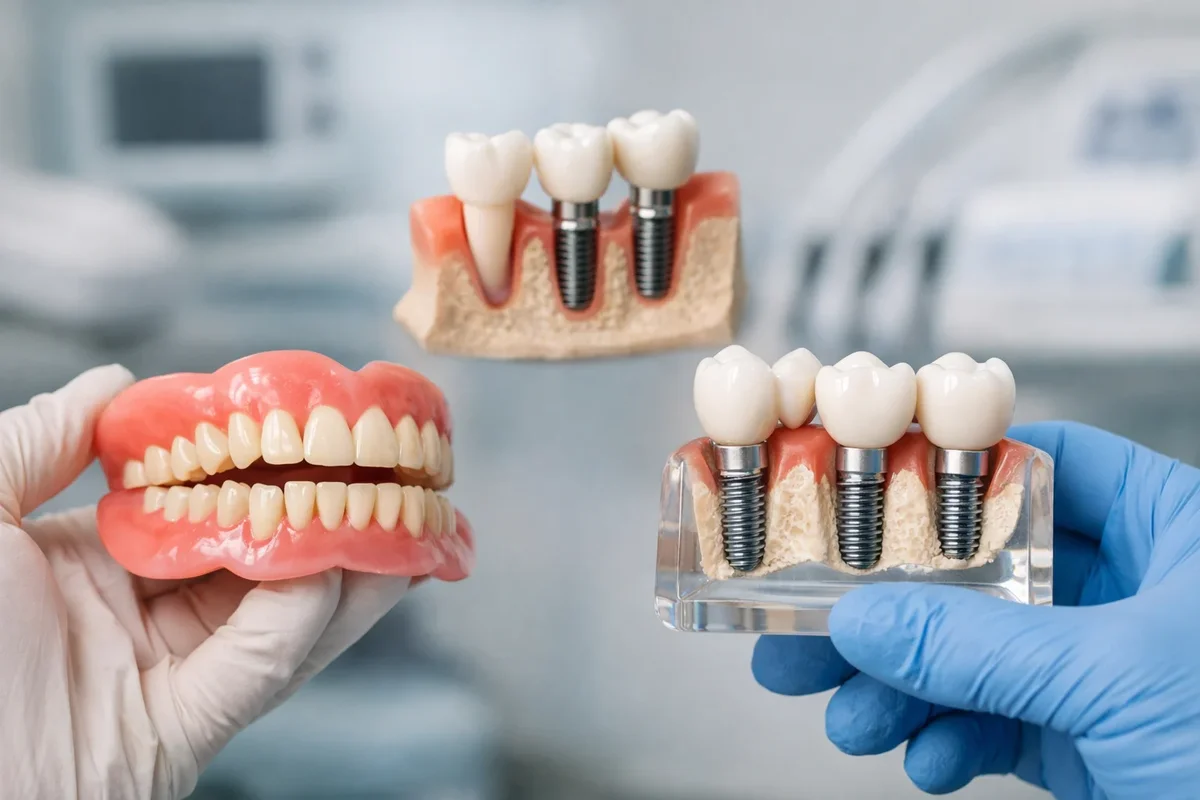
To understand whether can you get dental implants after dentures is the right path for you, it helps to know how dentures and implants differ. Traditional dentures rest on top of the gums and rely on suction or adhesive to stay in place. Over time, however, the jawbone beneath missing teeth begins to shrink—a natural process called bone resorption. This often leads to dentures becoming loose, uncomfortable, and less effective for chewing.
Dental implants solve this problem differently. Instead of sitting on the gums, implants are surgically placed into the jawbone where missing tooth roots once existed. These titanium posts integrate with the bone through a process called osseointegration, creating a strong and stable foundation for replacement teeth. Because implants replace the missing tooth root, they also help preserve the jawbone structure.
This leads many denture wearers to ask: can you get dental implants after dentures if you have been wearing dentures for years? In most cases, the answer is yes. Even patients who have worn dentures for decades can often receive dental implants with proper evaluation and planning. However, certain factors must be considered before the procedure begins.
The first factor dentists evaluate when answering the question can you get dental implants after dentures is bone density. Because dentures do not stimulate the jawbone the way natural teeth do, bone loss can occur over time. If significant bone loss has occurred, additional procedures such as bone grafting may be recommended to rebuild the jaw structure before implants are placed.
Another important consideration is overall oral health. Healthy gums are essential for successful implant treatment. Conditions such as gum disease must be treated before implants are placed. A qualified implant dentist will perform a comprehensive examination, which typically includes digital X-rays or 3D scans to evaluate bone quality and determine whether can you get dental implants after dentures safely applies to your situation.
Age is generally not a limiting factor when discussing can you get dental implants after dentures. Many patients in their 60s, 70s, or even 80s successfully receive dental implants. What matters most is overall health, bone condition, and the patient’s ability to heal after surgery.
Another common concern people have when asking can you get dental implants after dentures is whether the process is painful. Modern implant dentistry uses advanced techniques and local anesthesia to ensure patient comfort. Most people report that implant placement is easier than expected and comparable to a routine dental extraction.
Many denture wearers are also curious about the benefits of switching. When considering can you get dental implants after dentures, patients often discover that implants offer several advantages:
- Improved chewing ability and bite strength
- Greater stability compared to removable dentures
- Enhanced speech clarity
- Preservation of jawbone structure
- Natural appearance and feel
In addition to these benefits, implants can also support different types of restorations. Some patients choose implant-supported dentures, which combine the affordability of dentures with the stability of implants. Others prefer full implant bridges such as All-on-4 or All-on-6 systems, which replace an entire arch of teeth with fixed prosthetics.
If you are wondering can you get dental implants after dentures, the best next step is to schedule a consultation with a qualified dental implant specialist. During this visit, the dentist will evaluate your jawbone, discuss your goals, and recommend the most suitable treatment option.
Patients interested in learning more about their implant options can also contact experienced clinics directly through the Redent Klinik Contact Page. Professional guidance ensures that every treatment plan is customized to the patient’s unique dental needs.
For additional educational resources on implant dentistry and oral health standards, you may also explore information provided by the American Dental Association. Trusted organizations like this provide valuable guidance on safe and effective dental treatments.
Ultimately, the answer to can you get dental implants after dentures is encouraging for most patients. Advances in dental technology have made implant treatment accessible and predictable, even for long-term denture wearers. With proper planning and expert care, dental implants can restore not only your smile but also your confidence, comfort, and ability to enjoy everyday life.
Understanding can you get dental implants after dentures is the first step toward making an informed decision about your oral health. In the following sections, we will explore who qualifies for implants, how the procedure works, treatment timelines, costs, and the long-term benefits of switching from dentures to implants.
Can You Get Dental Implants After Dentures? Understanding the Basics
Many patients who wear dentures eventually begin wondering about more stable and permanent solutions for missing teeth. One of the most common questions dentists hear today is: can you get dental implants after dentures? The good news is that modern implant dentistry has made this transition possible for many people. In fact, thousands of former denture wearers successfully switch to dental implants every year, improving both comfort and oral health.
Understanding the basics behind the question can you get dental implants after dentures helps patients make informed decisions about their treatment options. Dental implants are considered one of the most advanced and reliable methods for replacing missing teeth because they mimic the natural structure of real teeth. Unlike dentures, implants replace both the tooth and the root, providing a secure foundation within the jawbone.
Why Denture Wearers Often Consider Dental Implants
Traditional dentures have helped millions of people regain the appearance of a full smile. However, dentures do not completely replicate the strength or stability of natural teeth. Over time, many denture wearers begin asking can you get dental implants after dentures because they experience issues such as looseness, gum irritation, or difficulty eating certain foods.
When dentures sit directly on the gums, they rely on suction, adhesives, or the shape of the jaw to remain in place. Unfortunately, the jawbone gradually shrinks after teeth are lost, which can cause dentures to become unstable. This natural bone loss is one of the main reasons patients begin researching whether can you get dental implants after dentures is a viable option for them.
Dental implants solve this problem by integrating directly with the jawbone. The implant post functions like a natural tooth root, stimulating the bone and preventing further bone loss. Because of this structural support, implant-supported teeth remain stable when speaking, chewing, or smiling.
How Dental Implants Work
To fully understand the answer to can you get dental implants after dentures, it is helpful to know how implants function. A dental implant typically consists of three main components:
- Implant Post: A titanium screw that is surgically placed into the jawbone.
- Abutment: A connector piece that attaches the artificial tooth to the implant.
- Restoration: The visible replacement tooth, bridge, or denture.
Once the implant is placed in the jawbone, the healing process begins. During this period, the bone gradually fuses with the implant surface through a process called osseointegration. This biological bonding creates a stable and long-lasting anchor for replacement teeth.
Because of this strong integration, patients who ask can you get dental implants after dentures often discover that implants can feel much closer to natural teeth compared to removable dentures.
Osseointegration: The Key to Implant Stability
Osseointegration is one of the most important reasons implants are so successful. When patients explore whether can you get dental implants after dentures, dentists carefully evaluate whether the jawbone can support this fusion process.
If enough bone is present, the implant can integrate naturally and provide long-term stability. If bone loss has occurred due to years of denture use, additional procedures such as bone grafting may be recommended before implants are placed.
Is It Always Possible to Get Implants After Dentures?
While many people qualify for implants, the answer to can you get dental implants after dentures depends on several individual factors. These include jawbone density, gum health, overall medical condition, and lifestyle habits such as smoking.
During an implant consultation, dentists perform a thorough examination to determine whether implants are suitable. This typically includes:
- 3D imaging or CT scans of the jaw
- Evaluation of bone density
- Assessment of gum health
- Review of medical history
For most patients asking can you get dental implants after dentures, modern dentistry offers multiple solutions—even when bone loss has occurred.
Bone Grafting for Denture Patients
If a patient has experienced significant bone loss from long-term denture use, bone grafting may be recommended. This procedure rebuilds the jawbone so that it can support dental implants. After healing, patients who once thought the answer to can you get dental implants after dentures was “no” often discover they are actually good candidates.
Different Implant Options for Former Denture Wearers
Patients researching can you get dental implants after dentures often learn that implants can support several types of restorations. These include:
- Single implants for replacing individual missing teeth
- Implant-supported bridges
- Implant-supported dentures
- Full arch systems such as All-on-4 or All-on-6
Implant-supported dentures are particularly popular among former denture wearers. This system uses several implants placed in the jaw to anchor a removable or fixed denture, dramatically increasing stability.
Patients who transition after asking can you get dental implants after dentures often report that implant-supported dentures feel far more secure than traditional dentures.
Why Professional Consultation Matters
Although the answer to can you get dental implants after dentures is positive for many people, each patient requires a personalized treatment plan. Consulting with an experienced implant dentist ensures the best results and long-term success.
If you are considering making the switch, you can speak with experienced dental professionals through the Redent Klinik Contact Page. A detailed evaluation will help determine the most suitable implant option for your needs.
Patients can also find trusted oral health information and treatment guidelines through the American Dental Association, which provides educational resources about dental implants and tooth replacement solutions.
Ultimately, understanding the fundamentals behind can you get dental implants after dentures empowers patients to explore life-changing treatment possibilities. Dental implants have revolutionized restorative dentistry, allowing many denture wearers to regain the comfort, confidence, and function of a natural-looking smile.
Why Many Denture Wearers Consider Dental Implants
For millions of people around the world, dentures have long been a practical solution for replacing missing teeth. However, as dental technology has advanced, more patients are beginning to ask an important question: can you get dental implants after dentures? This question usually arises when denture wearers start experiencing limitations in comfort, stability, and chewing ability.
While dentures restore the appearance of a smile, they do not function exactly like natural teeth. Many long-term denture users report problems such as slipping dentures, gum irritation, difficulty eating certain foods, or a lack of confidence when speaking or laughing. Because of these challenges, patients increasingly explore whether can you get dental implants after dentures might offer a better long-term solution.
Dental implants have become one of the most recommended tooth replacement options in modern dentistry. They provide stability, durability, and a more natural feeling compared to removable dentures. For individuals researching can you get dental implants after dentures, understanding the reasons behind this transition can help clarify why implants are becoming so popular.
The Limitations of Traditional Dentures
Traditional dentures are designed to sit on top of the gums and replace missing teeth visually. While they can improve appearance and basic function, dentures rely on suction, adhesives, or jaw shape to remain in place. Over time, this design can create challenges that lead many patients to ask can you get dental implants after dentures as a more stable alternative.
One of the biggest limitations of dentures is gradual jawbone shrinkage. After teeth are lost, the bone that once supported them begins to deteriorate due to lack of stimulation. This process, known as bone resorption, changes the shape of the jaw over time. As the jawbone shrinks, dentures may become loose, causing discomfort or frequent adjustments.
Because of this issue, many denture wearers eventually research whether can you get dental implants after dentures to restore both stability and bone support.
Common Problems Denture Wearers Experience
- Loose or slipping dentures
- Difficulty chewing tough foods
- Changes in speech clarity
- Gum irritation and sore spots
- Reduced confidence in social situations
These concerns often motivate people to explore whether can you get dental implants after dentures and move toward a more permanent solution.
Improved Stability and Function with Implants
One of the primary reasons denture wearers ask can you get dental implants after dentures is the promise of improved stability. Dental implants anchor directly into the jawbone, creating a solid foundation that holds replacement teeth firmly in place.
This stability offers several advantages over traditional dentures. Patients can chew more efficiently, enjoy a wider variety of foods, and speak with greater confidence. Foods that were previously difficult to eat—such as apples, steak, or crunchy vegetables—often become manageable again after implant treatment.
For people wondering can you get dental implants after dentures, these functional improvements are often life-changing.
Preserving Jawbone and Facial Structure
Another major reason patients investigate can you get dental implants after dentures involves bone preservation. When natural teeth are lost, the jawbone begins to shrink because it no longer receives stimulation from tooth roots.
Traditional dentures sit on top of the gums and do not stimulate the bone beneath them. Over time, this leads to progressive bone loss, which can affect facial appearance and cause the lower face to look sunken.
Dental implants address this issue by acting like artificial tooth roots. When chewing forces are transferred through the implant into the bone, they stimulate the jaw in a similar way to natural teeth. This helps maintain bone density and preserve facial structure.
For many people researching can you get dental implants after dentures, this bone-preserving benefit is one of the most compelling reasons to switch.
How Implants Help Maintain Facial Appearance
Implants support the jawbone, which in turn supports the muscles and skin of the face. This helps prevent the sunken or aged appearance that sometimes develops with long-term denture use. Patients asking can you get dental implants after dentures often learn that implants can restore not only their smile but also their facial profile.
Greater Confidence and Quality of Life
Beyond physical benefits, dental implants can significantly improve quality of life. Many denture wearers feel self-conscious about their dentures slipping while talking or eating. Because implants are fixed securely in the jaw, they eliminate many of these concerns.
Patients who transition after asking can you get dental implants after dentures frequently report feeling more confident in social situations. They can laugh, speak, and eat without worrying about their teeth shifting out of place.
This emotional benefit is often just as important as the physical improvements.
Long-Term Durability and Convenience
Another reason many people research can you get dental implants after dentures is the long-term durability implants offer. Traditional dentures may need relining, repairs, or replacement over time as the jawbone changes.
Dental implants, on the other hand, are designed to be a long-lasting solution. With proper care and regular dental visits, implants can remain functional for decades. Patients simply maintain them with regular brushing, flossing, and routine dental checkups.
Because implants do not require adhesives or nightly removal like dentures, many patients find them far more convenient.
Professional Guidance and Implant Planning
If you are considering making the transition and asking can you get dental implants after dentures, the most important step is consulting with an experienced implant dentist. A professional evaluation will determine whether implants are suitable based on bone density, gum health, and overall medical history.
Patients interested in learning about implant solutions can reach out through the Redent Klinik Contact Page to discuss treatment possibilities with qualified dental professionals.
For trusted oral health guidelines and patient education resources about tooth replacement options, you can also visit the American Dental Association.
Ultimately, many denture wearers discover that the answer to can you get dental implants after dentures opens the door to a more comfortable, functional, and confident smile. As implant technology continues to improve, more patients than ever before are making the transition from removable dentures to stable, natural-feeling dental implants.
Who Is a Good Candidate for Dental Implants After Dentures?
One of the most important questions patients ask when exploring modern tooth replacement options is can you get dental implants after dentures, but an equally important question is whether someone qualifies for this treatment. Not every denture wearer automatically becomes a dental implant candidate, yet the majority of patients who ask can you get dental implants after dentures discover that they can indeed receive implants with the right preparation and professional evaluation.
Dental implants require specific conditions to succeed. These include healthy gums, adequate jawbone density, and overall good health. When dentists evaluate whether can you get dental implants after dentures, they carefully assess several factors to determine if implant placement will be safe and effective for the patient.
The encouraging reality is that many denture wearers—even those who have worn dentures for many years—can still become successful implant candidates. Advances in modern implant dentistry allow dentists to rebuild bone, treat gum conditions, and design personalized treatment plans that make the answer to can you get dental implants after dentures a positive one for most patients.
Jawbone Density: The Most Important Factor
The first factor dentists examine when determining can you get dental implants after dentures is jawbone density. Dental implants require a stable foundation within the jawbone because the implant post functions like an artificial tooth root. When the implant is placed into the bone, it must fuse with the surrounding bone tissue through a biological process called osseointegration.
However, many long-term denture wearers experience bone loss over time. When teeth are missing, the jawbone no longer receives stimulation from tooth roots, which leads to gradual bone shrinkage. This natural process can sometimes make patients wonder whether can you get dental implants after dentures if bone loss has already occurred.
Fortunately, modern dentistry provides solutions for this issue.
Bone Grafting Can Restore Implant Eligibility
If a dentist determines that jawbone density is insufficient, bone grafting may be recommended. This procedure involves adding bone material to rebuild the jaw so it can support implants. After the graft heals and integrates with the existing bone, implant placement becomes possible.
Many patients who initially believe the answer to can you get dental implants after dentures might be “no” are surprised to learn that bone grafting can make implant treatment achievable.
Healthy Gums Are Essential
Another important factor when evaluating can you get dental implants after dentures is gum health. Healthy gums provide essential support for dental implants. If gum disease is present, it must be treated before implants are placed.
Gum disease, also known as periodontal disease, can weaken the supporting structures around implants. Because of this, dentists perform a thorough examination to ensure that patients who ask can you get dental implants after dentures have healthy gum tissue capable of supporting the implant restoration.
Treatments such as deep cleanings, periodontal therapy, or improved oral hygiene routines may be recommended before implant surgery.
Overall Health and Medical Conditions
General health plays a role in determining can you get dental implants after dentures. While dental implants are safe and widely performed, certain medical conditions may affect healing after surgery.
Dentists typically review a patient’s medical history to identify conditions that could influence implant success. These may include:
- Uncontrolled diabetes
- Severe osteoporosis
- Autoimmune disorders
- Heavy smoking habits
- Medications affecting bone healing
This does not necessarily mean implants are impossible. In many cases, patients asking can you get dental implants after dentures can still proceed with treatment once medical conditions are properly managed.
Smoking and Implant Success
Smoking can slow healing and increase the risk of implant failure. Dentists often recommend reducing or quitting smoking before implant placement. Patients committed to improving their oral health often find that lifestyle adjustments make the answer to can you get dental implants after dentures more favorable.
Age Is Usually Not a Limiting Factor
Many older adults assume that implants are only suitable for younger patients, which leads them to ask can you get dental implants after dentures later in life. Fortunately, age alone is rarely a limiting factor.
Dental implants have been successfully placed in patients in their 60s, 70s, and even 80s. What matters most is bone health and overall physical condition rather than age. As long as the patient is healthy enough for minor oral surgery, implant treatment can often be performed safely.
This means that even long-time denture wearers may still benefit from implants years after losing their natural teeth.
Commitment to Oral Hygiene
Another key factor dentists evaluate when answering can you get dental implants after dentures is the patient’s commitment to oral hygiene. While implants cannot develop cavities like natural teeth, the surrounding gum tissue must remain healthy.
Patients must maintain proper daily care routines including brushing, flossing, and attending regular dental checkups. Good oral hygiene protects the implant and prevents infections that could compromise its stability.
When patients demonstrate strong oral hygiene habits, the likelihood that can you get dental implants after dentures becomes a successful long-term treatment greatly increases.
Consultation and Personalized Treatment Planning
Determining whether can you get dental implants after dentures applies to your specific situation requires a professional dental consultation. During this visit, dentists use advanced diagnostic tools such as digital X-rays or 3D scans to evaluate bone structure and create a customized treatment plan.
If you are considering transitioning from dentures to implants, you can connect with experienced dental professionals through the Redent Klinik Contact Page. A personalized consultation will help determine the most appropriate implant solution for your needs.
Patients can also explore educational resources and clinical guidelines from the American Dental Association to better understand implant treatments and oral health care standards.
Ultimately, many patients who initially wonder can you get dental implants after dentures are pleasantly surprised to learn they qualify for implant treatment. With modern dental techniques, bone restoration procedures, and personalized care plans, dental implants are accessible to more denture wearers than ever before.
Step-by-Step Process of Getting Dental Implants After Dentures
Many denture wearers eventually ask an important question when seeking a more stable and permanent solution: can you get dental implants after dentures? The encouraging answer is yes for many patients, but understanding the treatment journey is essential before making a decision. Knowing the step-by-step process helps people feel more confident and prepared when exploring whether can you get dental implants after dentures is the right solution for their oral health.
Dental implant treatment is not a single-day procedure but rather a carefully planned process that ensures safety, long-term stability, and optimal results. Each stage is designed to maximize the success rate of implants and provide patients with a comfortable experience. For individuals wondering can you get dental implants after dentures, understanding these stages can help clarify how modern dentistry restores function and aesthetics.
Step 1: Comprehensive Dental Consultation
The first step in answering can you get dental implants after dentures begins with a professional dental consultation. During this visit, the dentist performs a detailed examination of your mouth, gums, and jawbone to determine whether implant treatment is suitable.
This assessment often includes advanced imaging techniques such as digital X-rays or 3D cone-beam CT scans. These tools allow the dentist to evaluate bone density, nerve locations, and overall jaw structure. Because bone health is essential for implant stability, this stage is crucial when determining whether can you get dental implants after dentures safely.
The dentist will also review your medical history, medications, and lifestyle habits. Factors such as smoking, uncontrolled diabetes, or gum disease may affect healing and implant success.
Personalized Treatment Planning
After the examination, the dentist creates a customized treatment plan. This plan outlines how many implants are required, the type of restoration that will be used, and whether additional procedures such as bone grafting are necessary. Patients researching can you get dental implants after dentures often learn that treatment plans vary depending on their individual anatomy and oral health.
Step 2: Preparing the Jawbone
The next stage in the journey to answer can you get dental implants after dentures involves preparing the jawbone. Long-term denture wearers sometimes experience bone loss due to the absence of natural tooth roots stimulating the jawbone.
If sufficient bone is present, implant surgery can proceed directly. However, if bone loss has occurred, the dentist may recommend procedures such as:
- Bone grafting
- Sinus lift surgery (for upper jaw implants)
- Ridge augmentation
These procedures rebuild the jawbone so it can support dental implants effectively. Many patients initially believe the answer to can you get dental implants after dentures might be no due to bone loss, but bone grafting frequently makes implant placement possible.
Step 3: Implant Placement Surgery
Once the jawbone is ready, the next step in the process of can you get dental implants after dentures is implant placement surgery. During this procedure, the dentist or oral surgeon inserts a small titanium post into the jawbone where the missing tooth root once existed.
The surgery is typically performed under local anesthesia, and many patients report minimal discomfort during the procedure. Sedation options may also be available for individuals who feel anxious about dental surgery.
The titanium implant acts as an artificial tooth root, providing a strong anchor for replacement teeth. Because titanium is biocompatible, the body naturally accepts it and integrates it with the surrounding bone.
Healing and Osseointegration
After implant placement, the healing phase begins. This stage is critical when exploring can you get dental implants after dentures because the implant must bond with the jawbone through a biological process called osseointegration.
This integration typically takes several months. During this time, the bone grows around the implant, creating a stable and durable foundation for the final restoration.
Many patients can continue wearing temporary dentures during the healing phase while the implants integrate with the bone.
Step 4: Abutment Placement
Once the implant has successfully fused with the jawbone, the dentist places a small connector piece called an abutment. This component connects the implant to the final restoration.
The abutment sits above the gum line and serves as the attachment point for the artificial tooth or denture. Patients asking can you get dental implants after dentures often discover that this stage is relatively quick and requires minimal recovery time.
Step 5: Final Restoration
The final stage in the journey of can you get dental implants after dentures is placing the permanent restoration. Depending on the treatment plan, this restoration may include:
- Implant-supported crowns
- Implant-supported bridges
- Implant-supported dentures
- Full arch solutions such as All-on-4 or All-on-6
The dentist carefully designs the restoration to match the patient’s natural smile and facial structure. Once attached, the new teeth look, feel, and function much like natural teeth.
Recovery and Long-Term Care
After the final restoration is placed, patients who previously wondered can you get dental implants after dentures often experience significant improvements in comfort and functionality. Eating becomes easier, speech improves, and confidence returns.
Maintaining dental implants is straightforward. Good oral hygiene, including regular brushing, flossing, and routine dental checkups, helps ensure the implants remain healthy for many years.
Patients interested in exploring implant treatment can consult professionals through the Redent Klinik Contact Page. Personalized evaluations help determine the most suitable implant approach for each individual.
For additional information about dental implants and oral health care standards, you can also visit the American Dental Association, which provides trusted educational resources.
Ultimately, understanding the full treatment process answers the question can you get dental implants after dentures with clarity and confidence. With modern dental technology, careful planning, and professional guidance, many denture wearers successfully transition to dental implants and enjoy a stronger, healthier, and more natural smile.
Bone Loss and Jaw Health: Important Factors Before Implant Treatment
When patients begin researching tooth replacement options, one of the most important questions they ask is can you get dental implants after dentures. While dental implants are often an excellent solution, the health of the jawbone plays a critical role in determining whether the treatment will be successful. Understanding the relationship between bone health and implants is essential for anyone exploring can you get dental implants after dentures as a long-term dental solution.
The jawbone provides the structural foundation that holds dental implants in place. Unlike dentures that rest on the gums, implants are anchored directly into the bone. Because of this, dentists carefully evaluate bone density and jaw health when patients ask can you get dental implants after dentures. Without sufficient bone support, implants may not integrate properly or may fail over time.
Fortunately, modern dentistry offers several techniques to restore bone and improve jaw health, making it possible for many denture wearers to successfully receive implants.
Why Bone Loss Happens After Wearing Dentures
One of the main reasons patients ask can you get dental implants after dentures is because they experience changes in the fit of their dentures over time. This usually occurs due to bone resorption, a natural process in which the jawbone gradually shrinks after tooth loss.
Natural teeth stimulate the jawbone every time we chew or bite. When teeth are lost, this stimulation disappears. As a result, the body begins to break down the bone that once supported the teeth. Dentures sit on the gums and do not provide the same stimulation, which is why long-term denture wearers often experience bone shrinkage.
This process can cause dentures to become loose, uncomfortable, and less effective. It also leads many patients to investigate whether can you get dental implants after dentures is still possible despite bone loss.
Signs of Jawbone Shrinkage
Patients considering can you get dental implants after dentures may notice several symptoms of bone loss, including:
- Loose or unstable dentures
- Changes in facial structure
- Sunken appearance around the mouth
- Frequent denture adjustments
- Difficulty chewing certain foods
These signs indicate that the jawbone may be shrinking, which can influence implant treatment planning.
How Dentists Evaluate Jawbone Health
Before confirming whether can you get dental implants after dentures, dentists perform a detailed examination of the jawbone. Modern diagnostic technology allows dentists to measure bone density and volume accurately.
During this evaluation, dentists typically use:
- Digital dental X-rays
- 3D cone-beam CT scans
- Clinical gum and bone assessments
These tools help determine whether the jawbone can support implants immediately or if preparatory procedures are required. Patients asking can you get dental implants after dentures often learn that even moderate bone loss can still be treated effectively.
Bone Grafting: Restoring Bone for Implant Placement
If the jawbone lacks sufficient density, dentists may recommend a procedure called bone grafting. Bone grafting rebuilds the jawbone using natural or synthetic bone materials, creating a stronger foundation for implants.
Many people who initially wonder can you get dental implants after dentures are relieved to discover that bone grafting can make implant treatment possible even after years of denture use.
Types of Bone Grafts Used in Dentistry
Several types of bone grafts may be used depending on the patient’s condition:
- Autografts: Bone taken from the patient’s own body
- Allografts: Donor bone obtained from tissue banks
- Xenografts: Bone derived from animal sources
- Synthetic grafts: Artificial bone materials
After the graft is placed, the body gradually integrates the material and forms new bone tissue. This process can take several months, but it often allows patients who ask can you get dental implants after dentures to proceed with implant placement.
Sinus Lifts and Ridge Augmentation
In some cases, specialized bone restoration procedures may be required before implants are placed. These include sinus lifts and ridge augmentation.
A sinus lift is commonly performed when patients need implants in the upper jaw. The procedure raises the sinus membrane and adds bone material to increase bone height. Ridge augmentation, on the other hand, rebuilds the natural contour of the jawbone when significant bone loss has occurred.
Both procedures help ensure that patients asking can you get dental implants after dentures have the proper bone structure to support implants safely.
How Implants Help Prevent Future Bone Loss
One of the most significant advantages of implants is their ability to prevent further bone loss. When patients transition after asking can you get dental implants after dentures, implants function like natural tooth roots and stimulate the jawbone during chewing.
This stimulation signals the body to maintain bone density, slowing or stopping the bone resorption process. As a result, implants not only replace missing teeth but also preserve the underlying bone structure.
Patients who choose implants often maintain stronger jawbones and healthier facial structures compared to those who continue using traditional dentures.
Professional Guidance and Implant Planning
If you are considering implants and wondering can you get dental implants after dentures, consulting with an experienced implant dentist is the most important step. A professional evaluation will determine the condition of your jawbone and whether bone restoration procedures are needed.
Patients interested in exploring implant options can contact experienced dental professionals through the Redent Klinik Contact Page for a personalized consultation.
You can also learn more about dental implant treatments and oral health recommendations from the American Dental Association, which provides reliable information for patients considering tooth replacement procedures.
Understanding jawbone health is essential when asking can you get dental implants after dentures. With modern dental technology, bone restoration procedures, and expert treatment planning, many denture wearers can successfully transition to dental implants and enjoy long-term oral health improvements.
Types of Dental Implant Solutions for Former Denture Wearers
Many people who have worn dentures for years begin exploring more stable and permanent tooth replacement options. This naturally leads to the question can you get dental implants after dentures. The good news is that modern dentistry offers several implant solutions specifically designed for former denture wearers. Understanding these options helps patients make informed decisions about their oral health and determine whether can you get dental implants after dentures is the right step toward a stronger and more natural smile.
Dental implants are extremely versatile and can support a wide variety of restorations. Depending on bone structure, budget, and treatment goals, dentists may recommend different implant approaches. For patients researching can you get dental implants after dentures, the available implant solutions range from single implants to full-arch restorations that replace an entire row of teeth.
Single Dental Implants for Partial Denture Wearers
Some patients wear partial dentures rather than full dentures. In these cases, the question can you get dental implants after dentures often leads to a simple and effective solution: single dental implants.
A single dental implant replaces one missing tooth and functions just like a natural tooth root. A titanium implant is placed in the jawbone and topped with a custom crown that blends seamlessly with the surrounding teeth.
This option is particularly beneficial for patients who have lost only a few teeth but currently rely on removable partial dentures. By placing implants in the areas of missing teeth, dentists can restore stability and eliminate the need for removable appliances.
Advantages of Single Implants
- Preserve surrounding natural teeth
- Prevent jawbone shrinkage
- Improve chewing ability
- Provide a natural appearance
For patients asking can you get dental implants after dentures when only a few teeth are missing, single implants may be the most conservative solution.
Implant-Supported Bridges
Another option for people researching can you get dental implants after dentures is the implant-supported bridge. This solution is commonly used when multiple teeth in a row are missing.
Instead of placing an implant for every missing tooth, dentists place implants at strategic positions along the jaw. A dental bridge is then attached to these implants to replace several teeth at once.
This treatment provides a stable and permanent solution for patients who previously depended on removable partial dentures.
When Implant Bridges Are Recommended
Implant bridges are often recommended for patients who:
- Have several missing teeth in the same area
- Want a fixed solution instead of removable dentures
- Have sufficient bone density for implants
Many patients asking can you get dental implants after dentures discover that implant bridges restore both function and comfort while requiring fewer implants than replacing every tooth individually.
Implant-Supported Dentures
For individuals who currently wear full dentures, one of the most common solutions when exploring can you get dental implants after dentures is implant-supported dentures.
Unlike traditional dentures that rely on suction or adhesives, implant-supported dentures attach to several implants placed in the jawbone. These implants anchor the denture firmly in place, preventing movement while eating or speaking.
Implant-supported dentures may be removable or fixed depending on the patient’s preference and treatment plan.
Removable vs Fixed Implant Dentures
Patients exploring can you get dental implants after dentures often compare two types of implant dentures:
- Removable Implant Dentures: Snap onto implants and can be removed for cleaning.
- Fixed Implant Dentures: Permanently attached and only removed by a dentist.
Both options significantly improve denture stability and chewing efficiency compared to traditional dentures.
All-on-4 and All-on-6 Full Arch Implants
For patients seeking the most advanced solution when asking can you get dental implants after dentures, full-arch implant systems such as All-on-4 or All-on-6 may be recommended.
These systems use four to six strategically placed implants to support a complete arch of replacement teeth. The implants are positioned at specific angles to maximize bone support and reduce the need for bone grafting.
This technique allows many denture wearers to receive a full set of fixed teeth supported by implants in a relatively short treatment timeframe.
Benefits of Full-Arch Implant Systems
- Permanent, non-removable teeth
- Improved bite strength and chewing ability
- Natural appearance and comfort
- Preservation of jawbone density
Patients who once struggled with unstable dentures often experience life-changing improvements after transitioning through procedures designed for those asking can you get dental implants after dentures.
Choosing the Right Implant Option
Because multiple implant solutions exist, determining the best option requires professional evaluation. Dentists consider factors such as jawbone health, number of missing teeth, lifestyle, and patient preferences when answering can you get dental implants after dentures.
Personalized treatment planning ensures that the selected implant solution provides both long-term durability and natural aesthetics.
If you are interested in exploring implant treatment options, you can consult dental professionals through the Redent Klinik Contact Page to receive a detailed evaluation and personalized care plan.
For additional trusted information about dental implants and tooth replacement treatments, the American Dental Association offers reliable educational resources for patients.
Ultimately, the wide variety of implant solutions available today makes the answer to can you get dental implants after dentures more encouraging than ever. Whether replacing a single tooth, several teeth, or a full arch, dental implants provide a stable, natural-looking alternative that helps former denture wearers regain confidence and comfort in their daily lives.
How Long the Treatment Takes: Timeline for Implant Placement
When patients begin researching permanent tooth replacement options, one of the most common questions they ask—alongside can you get dental implants after dentures—is how long the entire implant process takes. Understanding the treatment timeline is important because dental implant therapy involves several carefully planned stages that ensure long-term success. While many people are excited to move forward after learning the answer to can you get dental implants after dentures, knowing the expected timeline helps set realistic expectations and prepares patients for each phase of treatment.
The timeline for implant placement varies depending on several factors. These include the patient’s bone health, the number of implants required, whether bone grafting is necessary, and how quickly the body heals. For most people exploring can you get dental implants after dentures, the complete process can take anywhere from three months to a year. However, each step in the process is designed to ensure maximum implant stability and durability.
Initial Consultation and Planning (1–2 Weeks)
The journey begins with a comprehensive consultation. During this stage, dentists evaluate whether can you get dental implants after dentures safely applies to the patient. Advanced imaging such as digital X-rays or 3D cone-beam CT scans helps dentists analyze bone structure, nerve placement, and jaw alignment.
At this stage, the dentist develops a customized treatment plan outlining how many implants will be placed, the type of restoration used, and whether additional procedures are required. Patients researching can you get dental implants after dentures often discover that careful planning significantly improves implant success rates.
Diagnostic Imaging and Treatment Design
During planning, dentists map the exact position of each implant. Digital technology allows clinicians to simulate implant placement before surgery, improving precision and reducing complications. This careful preparation ensures that patients asking can you get dental implants after dentures receive safe and predictable treatment.
Preparatory Procedures (If Needed) – 3 to 6 Months
Some patients who ask can you get dental implants after dentures may require preparatory treatments before implants are placed. Long-term denture wear can lead to bone loss, which sometimes requires bone grafting or sinus lift procedures.
Bone grafting rebuilds the jawbone so it can support dental implants. After grafting, the bone needs time to heal and integrate with the existing bone structure. This healing phase can take three to six months depending on the size of the graft and the patient’s overall health.
Although this step adds time to the process, it greatly increases the chances of successful implants. Many patients initially worried about can you get dental implants after dentures discover that bone grafting allows them to proceed with treatment even after years of denture use.
Implant Placement Surgery (1 Day Procedure)
The actual implant placement procedure is usually completed in a single visit. During surgery, the dentist or oral surgeon places the titanium implant posts into the jawbone. Patients who previously wondered can you get dental implants after dentures are often surprised by how quick and straightforward the procedure can be.
The surgery is typically performed under local anesthesia, and sedation options may also be available. Most patients experience only mild discomfort afterward, similar to a routine tooth extraction.
Immediate Temporary Teeth
In some cases, dentists can place temporary teeth on the same day as the implant surgery. This is often referred to as “same-day implants” or “immediate loading.” While not every patient qualifies for this approach, some individuals researching can you get dental implants after dentures may benefit from this accelerated option.
Osseointegration Healing Phase (3–6 Months)
After implant placement, the body begins a natural healing process known as osseointegration. During this phase, the jawbone gradually fuses with the titanium implant surface. This biological bonding creates a strong and stable foundation for the replacement teeth.
For patients asking can you get dental implants after dentures, this stage is critical for long-term success. Although the healing period requires patience, it ensures the implant can withstand chewing forces for many years.
During this time, many patients continue wearing temporary dentures or provisional restorations so they can maintain normal daily activities.
Abutment Placement (2–3 Weeks Healing)
Once osseointegration is complete, the dentist attaches an abutment to the implant. The abutment is a small connector that links the implant post to the final restoration.
This procedure is relatively minor and typically requires a short healing period of two to three weeks. Patients researching can you get dental implants after dentures often find this stage straightforward and comfortable.
Final Restoration Placement
The final step in the timeline occurs when the permanent restoration is attached to the implants. Depending on the treatment plan, this may involve crowns, bridges, or implant-supported dentures.
The dentist carefully designs the final teeth to match the patient’s facial structure, bite alignment, and aesthetic preferences. After this stage, patients who once asked can you get dental implants after dentures can finally enjoy a stable, natural-looking smile.
Total Treatment Timeline Overview
For most patients transitioning from dentures, the complete implant timeline typically follows this pattern:
- Consultation and planning: 1–2 weeks
- Bone grafting (if required): 3–6 months
- Implant placement surgery: 1 day
- Osseointegration healing: 3–6 months
- Final restoration placement: 2–3 weeks
While the process requires patience, patients who successfully transition after asking can you get dental implants after dentures often feel the long-term benefits far outweigh the waiting period.
Getting Professional Guidance
If you are considering dental implants and wondering can you get dental implants after dentures, the best step is consulting with experienced implant professionals. A personalized consultation helps determine your treatment timeline and ensures the most effective solution for your dental needs.
You can reach qualified dental professionals through the Redent Klinik Contact Page to schedule a consultation and discuss your implant options.
Additionally, patients can explore trusted oral health resources from the American Dental Association, which provides reliable information about dental implants and restorative dentistry.
Ultimately, understanding the timeline helps patients feel confident when asking can you get dental implants after dentures. With proper planning and expert care, dental implants can restore both function and confidence, providing a long-lasting solution for missing teeth.
Benefits of Switching from Dentures to Dental Implants
For many people who have worn dentures for years, comfort and stability can become ongoing concerns. This is why a growing number of patients ask an important question when visiting their dentist: can you get dental implants after dentures? The answer is encouraging for most individuals, and understanding the benefits of implants helps explain why so many denture wearers decide to make the transition.
Dentures have helped millions of people restore their smiles, but they do not completely replicate the function of natural teeth. Over time, denture wearers may experience problems such as slipping dentures, limited chewing ability, or discomfort during daily activities. These issues often lead patients to explore whether can you get dental implants after dentures as a more permanent and reliable solution.
Dental implants offer several advantages over traditional dentures, including improved stability, better chewing performance, enhanced facial appearance, and long-term bone preservation. For patients researching can you get dental implants after dentures, these benefits can dramatically improve both oral health and quality of life.
Improved Stability and Comfort
One of the most noticeable benefits for patients who transition after asking can you get dental implants after dentures is improved stability. Traditional dentures sit on the gums and rely on suction or adhesives to stay in place. This design can cause dentures to shift or slip while eating, talking, or laughing.
Dental implants solve this issue by anchoring directly into the jawbone. Once integrated with the bone, implants act like artificial tooth roots that hold replacement teeth firmly in place. Because of this secure attachment, patients who once wondered can you get dental implants after dentures often find that implants feel far more stable and natural.
Freedom from Denture Adhesives
Many denture wearers rely on adhesives to keep their dentures in place throughout the day. However, adhesives can be inconvenient and messy. After transitioning to implants, patients no longer need adhesives because the implant-supported teeth remain securely fixed.
This convenience is one of the main reasons individuals who ask can you get dental implants after dentures feel relieved once they complete implant treatment.
Better Chewing Ability and Diet
Another significant advantage of switching to implants is improved chewing efficiency. Dentures typically provide only a fraction of the biting power of natural teeth. This limitation can make it difficult to eat certain foods, particularly those that are crunchy, tough, or sticky.
When patients research can you get dental implants after dentures, they often discover that implants restore much stronger bite force. Because implants are anchored into the jawbone, they allow patients to chew more naturally and comfortably.
As a result, many implant patients enjoy a broader and healthier diet that includes foods they previously avoided with dentures.
Preservation of Jawbone and Facial Structure
One of the most important long-term benefits for patients considering can you get dental implants after dentures is bone preservation. When teeth are lost, the jawbone gradually shrinks due to the lack of stimulation from tooth roots.
Traditional dentures do not stop this process because they sit on top of the gums rather than stimulating the bone underneath. Over time, bone loss can lead to facial changes such as a sunken appearance around the mouth.
Dental implants help prevent this problem because they function like natural tooth roots. Each time the patient chews, the implant transmits pressure into the jawbone, stimulating bone tissue and helping maintain bone density.
Maintaining Facial Appearance
Patients who ask can you get dental implants after dentures often discover that implants can help maintain their natural facial shape. By preserving the jawbone structure, implants support the muscles and skin of the face, preventing the collapsed look sometimes associated with long-term denture wear.
Improved Speech and Confidence
Loose dentures can sometimes shift while speaking, which may cause speech difficulties or embarrassment in social situations. Many patients researching can you get dental implants after dentures are motivated by the desire to speak more clearly and confidently.
Implants eliminate this concern because the replacement teeth remain fixed in the jaw. Patients can speak naturally without worrying about dentures moving unexpectedly.
Improved speech clarity often leads to greater self-confidence in professional, social, and personal interactions.
Long-Term Durability
Another advantage of implants is their durability. While dentures may need periodic adjustments or replacements as the jawbone changes shape, dental implants are designed to be a long-lasting solution.
With proper care, implants can last for decades. Patients who once asked can you get dental implants after dentures frequently report that implants provide a reliable and low-maintenance alternative to removable dentures.
Daily care for implants is simple and includes brushing, flossing, and routine dental visits—similar to caring for natural teeth.
Convenience in Daily Life
Dentures often require removal for cleaning and soaking overnight. Some patients find this routine inconvenient or uncomfortable. Implant-supported teeth, however, function much like natural teeth and remain in the mouth at all times.
For individuals exploring can you get dental implants after dentures, this convenience makes everyday life significantly easier. Patients can brush and floss normally without worrying about removing their teeth.
Professional Guidance for Implant Treatment
If you are considering switching from dentures and asking can you get dental implants after dentures, consulting with an experienced dental professional is the best first step. A detailed evaluation will determine your eligibility and help create a personalized treatment plan.
You can schedule a consultation with experienced dental professionals through the Redent Klinik Contact Page to learn more about implant treatment options.
Additionally, patients interested in evidence-based dental care can explore educational resources provided by the American Dental Association, which offers reliable information about oral health and dental implants.
Ultimately, the benefits of dental implants explain why so many patients transition after asking can you get dental implants after dentures. From improved stability and chewing ability to enhanced confidence and long-term oral health, implants provide a powerful solution for restoring both function and quality of life.
Risks, Costs, and Long-Term Success of Dental Implants After Dentures
When people begin exploring advanced tooth replacement options, they often ask an important question: can you get dental implants after dentures? While the answer is yes for many patients, it is equally important to understand the potential risks, treatment costs, and long-term success rates associated with dental implants. Having realistic expectations allows patients to make confident and informed decisions when evaluating whether can you get dental implants after dentures is the right choice for their oral health and lifestyle.
Dental implants are considered one of the most reliable solutions for replacing missing teeth, but like any medical procedure, they require proper planning, professional care, and patient commitment. In this section, we will explore the potential risks, financial considerations, and long-term outcomes for patients asking can you get dental implants after dentures.
Potential Risks and Complications
Although dental implants have a very high success rate, understanding potential risks is important for patients researching can you get dental implants after dentures. Implant placement is a minor surgical procedure, which means it carries some risks similar to other dental surgeries.
Fortunately, serious complications are rare when the procedure is performed by an experienced implant dentist. Still, patients should be aware of possible issues so they can take proper precautions.
Common Implant Risks
- Infection at the implant site
- Insufficient bone integration (implant failure)
- Nerve irritation or temporary numbness
- Sinus complications in upper jaw implants
- Inflammation of surrounding tissues (peri-implantitis)
Most of these risks can be minimized through careful treatment planning and good oral hygiene. Patients asking can you get dental implants after dentures should choose qualified professionals who use modern diagnostic tools and implant techniques.
Factors That Influence Implant Success
The long-term success of implants depends on several factors. When dentists evaluate can you get dental implants after dentures, they carefully review elements that influence healing and implant stability.
These factors include:
- Jawbone density and volume
- Gum health
- Patient’s overall health condition
- Smoking habits
- Oral hygiene practices
Patients who maintain good oral care habits and follow their dentist’s instructions typically achieve excellent outcomes. In fact, many individuals who once wondered can you get dental implants after dentures enjoy stable implants for decades.
Average Cost of Dental Implants
Cost is another important consideration for patients asking can you get dental implants after dentures. Implant treatment can vary widely depending on the number of implants required, the complexity of the procedure, and the materials used for the final restoration.
While prices vary between countries and clinics, the following general estimates provide an overview of typical implant costs.
Estimated Implant Treatment Costs
Single Dental Implant (implant + crown): $2,500 – $5,000
Implant-Supported Bridge: $5,000 – $15,000
Implant-Supported Dentures: $8,000 – $25,000
Full-Arch Implants (All-on-4): $20,000 – $40,000 per arch
Although implants may appear expensive initially, they often provide better long-term value compared to dentures that require ongoing relining, repairs, or replacement. Patients researching can you get dental implants after dentures often realize that implants can be a worthwhile investment in long-term oral health.
Insurance and Financing Options
Dental insurance coverage for implants varies depending on the provider and policy. Some plans may partially cover implant procedures or related treatments such as crowns and bone grafting.
Patients exploring can you get dental implants after dentures should consult their dental provider and insurance company to understand available coverage. Many clinics also offer financing plans or installment payment options to make implant treatment more accessible.
Long-Term Success Rates of Dental Implants
One of the most reassuring facts for patients asking can you get dental implants after dentures is the high success rate of dental implants. Clinical studies show that dental implants have success rates of approximately 95–98% when placed by experienced professionals.
With proper care, implants can remain functional for 20 years or longer. Some patients even keep their implants for the rest of their lives.
Tips for Maintaining Implant Success
- Brush teeth at least twice daily
- Floss around implants regularly
- Visit the dentist for routine checkups
- Avoid smoking or tobacco products
- Follow professional cleaning schedules
Patients who adopt these habits after learning can you get dental implants after dentures greatly improve the long-term durability of their implants.
Why Many Denture Wearers Choose Implants
Despite the costs and potential risks, many denture wearers ultimately decide that implants provide significant advantages. Patients who previously struggled with loose dentures, chewing difficulties, or reduced confidence often find that implants dramatically improve their quality of life.
After exploring whether can you get dental implants after dentures, many individuals report feeling more comfortable, eating better, and smiling more confidently.
Consulting a Professional Implant Specialist
If you are considering implant treatment and wondering can you get dental implants after dentures, the best step is scheduling a professional consultation. A dentist can evaluate your jawbone health, discuss treatment options, and create a personalized plan for your needs.
You can connect with experienced implant specialists through the Redent Klinik Contact Page to discuss your implant treatment options.
For additional evidence-based oral health information and implant guidelines, patients can also consult resources from the American Dental Association.
Ultimately, understanding the risks, costs, and long-term success factors helps patients answer the question can you get dental implants after dentures with confidence. With proper planning and professional care, dental implants can provide a durable, comfortable, and life-changing solution for replacing missing teeth.