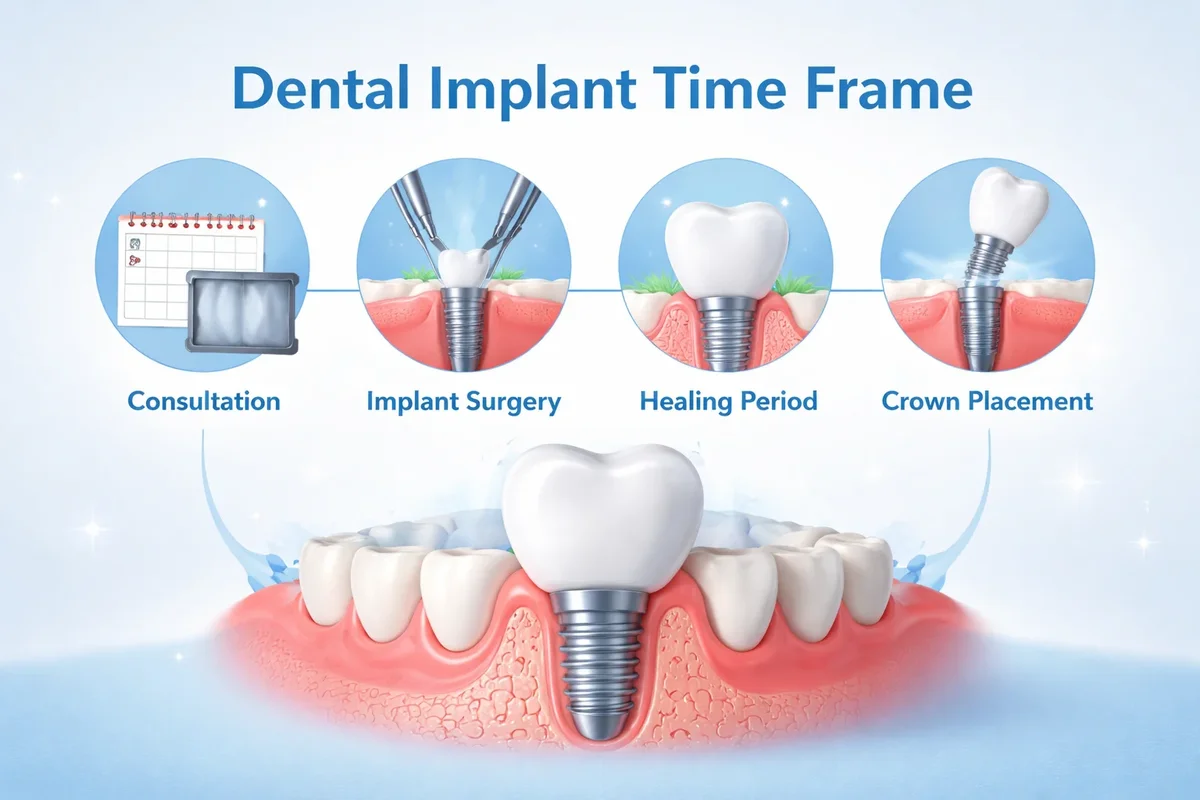
When patients consider replacing missing teeth, one of the first questions they ask is: “How long does the process take?” Understanding the dental implant time frame is essential because dental implants are not a single-day treatment but a carefully planned process that ensures long-term success. Unlike removable dentures or bridges, dental implants require several stages of healing and preparation. Each stage plays a crucial role in ensuring that the implant becomes a stable and permanent part of your smile.
The dental implant time frame varies depending on many factors, including your oral health, bone density, treatment plan, and healing capacity. For most patients, the entire dental implant time frame ranges between 3 and 9 months. However, some cases may be shorter with advanced techniques, while others may take longer if additional procedures like bone grafting are required.
Dental implants are designed to mimic the structure of natural teeth. A titanium implant post is placed into the jawbone, acting as an artificial tooth root. Over time, the implant integrates with the bone through a biological process known as osseointegration. This integration is what makes implants incredibly strong and long-lasting. Because the body needs time to heal and bond with the implant, the dental implant time frame cannot be rushed without risking complications.
Understanding the dental implant time frame also helps patients prepare mentally and practically for the treatment journey. Knowing what happens at each stage can reduce anxiety and set realistic expectations. From consultation to final restoration, every step is carefully planned by dental professionals to ensure optimal outcomes.
According to the American Dental Association, dental implants have one of the highest success rates in modern dentistry, often exceeding 95% when proper treatment planning and healing time are respected. This is one of the reasons why following the recommended dental implant time frame is so important. Allowing the body to heal naturally ensures that the implant becomes stable enough to support chewing forces and daily function.
Let’s break down the general stages included in a typical dental implant time frame so you can understand how the entire process unfolds.
1. Initial Consultation and Evaluation 🦷
The first step in the dental implant time frame is a comprehensive dental consultation. During this visit, the dentist evaluates your oral health, bone density, and medical history. Advanced imaging technologies such as digital X-rays or 3D CBCT scans are often used to assess the jawbone structure. These diagnostic tools help the dentist determine whether your bone is strong enough to support an implant.
If bone loss is present, the dental implant time frame may include additional procedures like bone grafting or sinus lifting. These treatments strengthen the jawbone before implant placement and may add several months to the treatment timeline.
2. Treatment Planning and Preparation
Once the evaluation is complete, a personalized treatment plan is created. This stage outlines the exact dental implant time frame for your case, including surgery dates, healing periods, and final restoration steps. The dentist will also discuss anesthesia options, recovery expectations, and potential risks.
During this stage, patients often receive instructions about oral hygiene improvements, quitting smoking, or managing medical conditions. These preparations help ensure that the upcoming stages of the dental implant time frame proceed smoothly.
3. Implant Placement Surgery ⚙️
The next phase in the dental implant time frame involves the surgical placement of the titanium implant into the jawbone. The procedure itself typically takes 30 to 90 minutes per implant and is usually performed under local anesthesia or sedation.
After the implant is placed, the gum tissue is closed over the implant or a healing cap is placed on top. Although the surgery itself is relatively quick, the real waiting period begins afterward, as the body starts the healing and integration process.
4. Healing and Osseointegration ⏳
This stage is the most important part of the dental implant time frame. During osseointegration, the jawbone gradually fuses with the titanium implant. This biological bonding process provides the strong foundation that allows dental implants to function like natural teeth.
The osseointegration phase typically lasts between 3 and 6 months. During this time, patients may wear temporary restorations to maintain appearance and functionality while the implant stabilizes.
5. Abutment Placement and Final Restoration
Once healing is complete, the dentist attaches an abutment—a small connector piece that links the implant to the final crown. After the gums heal around the abutment, a custom dental crown is fabricated and attached.
This final stage completes the dental implant time frame and restores both the function and appearance of the missing tooth. The new crown is designed to match the color, shape, and size of surrounding teeth, creating a natural-looking smile.
Estimated Dental Implant Treatment Timeline
Typical dental implant time frame overview:
- Consultation and evaluation: 1–2 weeks
- Treatment planning and preparation: 1–3 weeks
- Implant surgery: 1 day
- Healing and osseointegration: 3–6 months
- Abutment and crown placement: 2–4 weeks
Overall, the full dental implant time frame generally falls between 4 and 9 months, although advanced techniques such as same-day implants may shorten this timeline for suitable candidates.
If you are considering dental implants and want a personalized evaluation of your dental implant time frame, you can contact a professional dental team for guidance. For expert consultation and treatment planning, visit the Redent Klinik Contact Page to schedule an appointment.
Understanding the complete dental implant time frame helps patients feel more confident about the procedure and ensures that every stage of treatment supports long-term success. With proper planning, patience, and professional care, dental implants can provide a lifetime solution for missing teeth and significantly improve oral health and quality of life. 😊
What Is the Dental Implant Time Frame and Why It Matters
Understanding the dental implant time frame is one of the most important steps for anyone considering dental implant treatment. Dental implants are widely regarded as the most reliable and natural-looking solution for replacing missing teeth, but unlike some dental procedures, they require time, healing, and careful planning. The dental implant time frame refers to the complete duration of the treatment process—from the first consultation to the placement of the final crown that restores the appearance and function of a natural tooth.
Many patients are surprised to learn that the dental implant time frame is not a single appointment procedure. Instead, it involves several carefully planned stages that allow the implant to properly integrate with the jawbone. This process is essential because dental implants must become firmly anchored within the bone structure before they can support a crown, bridge, or denture. Rushing the dental implant time frame could compromise the stability of the implant and lead to complications.
For most patients, the average dental implant time frame ranges between 3 and 9 months, although individual circumstances may shorten or extend the timeline. Factors such as bone density, oral health, the need for preparatory procedures, and the number of implants being placed all influence how long the dental implant time frame will be. Understanding these factors helps patients set realistic expectations and prepare for each stage of treatment.
Why the Dental Implant Time Frame Is Different from Other Dental Treatments
Traditional dental treatments like crowns, bridges, or fillings can often be completed within a few visits. However, the dental implant time frame is longer because the procedure involves surgery and biological healing. Dental implants function as artificial tooth roots, meaning they must fuse with the jawbone through a process called osseointegration. This natural bonding process requires time and cannot be accelerated without risking implant failure.
During the dental implant time frame, the implant post made of medical-grade titanium gradually integrates with the bone tissue. This process creates a stable foundation capable of supporting everyday activities such as chewing, speaking, and smiling. Because of this integration, dental implants often feel and function like natural teeth once treatment is complete.
Compared with temporary solutions like removable dentures, the longer dental implant time frame offers significant long-term advantages. Dental implants help preserve jawbone density, maintain facial structure, and prevent neighboring teeth from shifting. These benefits make the time invested in the dental implant time frame worthwhile for many patients seeking a permanent tooth replacement solution.
Stages Included in the Dental Implant Time Frame
The dental implant time frame usually consists of several key stages. Each stage serves a specific purpose in ensuring the implant integrates properly and functions effectively over time.
Initial Consultation and Diagnosis
The first stage of the dental implant time frame begins with a consultation and examination. Dentists evaluate the patient’s oral health, jawbone condition, and medical history to determine whether implants are appropriate. Imaging technologies such as 3D scans or digital X-rays allow clinicians to map out the precise implant placement location.
Preparatory Treatments
Some patients require additional procedures before implant surgery. If the jawbone lacks sufficient density, treatments like bone grafting or sinus lifting may be necessary. These procedures can extend the overall dental implant time frame by several months because the bone must heal before implant placement can occur.
Implant Placement Surgery
Once the jawbone is ready, the implant placement surgery is scheduled. The surgical portion of the dental implant time frame usually takes less than two hours per implant and is performed under local anesthesia or sedation. After the implant post is inserted into the bone, the healing process begins.
Healing and Osseointegration
The healing phase is the longest portion of the dental implant time frame. During this period, the jawbone gradually fuses with the implant surface, creating a stable bond that supports long-term functionality. This stage typically takes between 3 and 6 months. Patients may wear temporary restorations during this time to maintain aesthetics.
Final Restoration
The last stage of the dental implant time frame involves attaching the abutment and placing the final crown or prosthetic tooth. This custom-made restoration is designed to match the color, shape, and size of the surrounding teeth, ensuring a natural-looking smile.
Why Following the Recommended Dental Implant Time Frame Is Important
Respecting the recommended dental implant time frame is essential for treatment success. Each stage allows the body to heal properly and ensures that the implant becomes firmly integrated with the jawbone. Attempting to shorten the dental implant time frame without proper medical evaluation can increase the risk of implant instability, infection, or failure.
Research from organizations like the American Dental Association indicates that dental implants have success rates exceeding 95% when placed under optimal conditions and when the recommended healing periods are respected. This is why dental professionals emphasize patience throughout the dental implant time frame.
Benefits of Understanding Your Dental Implant Time Frame
Knowing the expected dental implant time frame allows patients to plan their schedules, manage recovery periods, and maintain proper oral care throughout treatment. Understanding the process can also reduce anxiety because patients know exactly what to expect at each stage.
If you are considering dental implants and want to learn more about your personalized dental implant time frame, consulting with experienced professionals is the best next step. For detailed guidance and appointment scheduling, visit the Redent Klinik Contact Page.
Ultimately, the dental implant time frame is an investment in long-term oral health. While it may take several months to complete, the result is a durable, natural-looking tooth replacement that can last for decades with proper care. By understanding why the dental implant time frame exists and what happens during each stage, patients can approach the treatment with confidence and realistic expectations. 😊
Typical Dental Implant Time Frame From Consultation to Final Crown
The dental implant time frame can vary depending on a patient’s oral health, the number of implants required, and whether additional procedures such as bone grafting are necessary. However, most dental implant treatments follow a predictable sequence of stages that guide patients from the initial consultation to the placement of the final crown. Understanding the typical dental implant time frame helps patients prepare for each step and appreciate why patience is important during the treatment process.
Dental implants are designed to function like natural teeth, which means the treatment must allow time for biological healing and bone integration. Unlike temporary tooth replacement options, the dental implant time frame ensures the implant becomes securely anchored in the jawbone. This process provides the stability required for long-term durability and functionality.
For most individuals, the entire dental implant time frame ranges between 4 and 9 months. Some advanced treatment protocols may shorten the timeline, while complex cases may require additional healing periods. Below is a detailed breakdown of the stages involved in a typical dental implant time frame.
Stage 1: Consultation and Comprehensive Evaluation
The first stage in the dental implant time frame begins with a consultation. During this visit, the dentist performs a detailed examination of the patient’s teeth, gums, and jawbone. Digital X-rays or 3D imaging scans are often used to evaluate bone density and determine the optimal location for implant placement.
This stage typically takes one or two appointments. The dentist also reviews the patient’s medical history, discusses treatment expectations, and determines whether preparatory procedures are necessary. If the jawbone is strong and healthy, the dental implant time frame can proceed directly to the implant placement stage.
Why This Stage Matters
A proper diagnosis ensures that the entire dental implant time frame proceeds safely and efficiently. By identifying potential complications early, dentists can create a personalized treatment plan that minimizes risks and maximizes success rates.
Stage 2: Preparatory Procedures (If Needed)
In some cases, patients require preparatory treatments before implant surgery. These treatments may include bone grafting, sinus lifts, or gum therapy. Such procedures are necessary when the jawbone lacks the density or structure required to support an implant.
If these treatments are required, they can extend the dental implant time frame by several months. Bone grafting, for example, may require 3 to 6 months of healing before implant placement can occur. While this may seem lengthy, it ensures the implant will have a stable foundation.
Common Preparatory Procedures
- Bone grafting to increase jawbone volume
- Sinus lift surgery for upper jaw implants
- Periodontal treatment to improve gum health
- Tooth extraction if a damaged tooth must be removed
These steps are sometimes necessary to create the conditions needed for a successful dental implant time frame.
Stage 3: Implant Placement Surgery
Once the jawbone is ready, the next stage in the dental implant time frame is the implant placement surgery. During this procedure, the dentist surgically inserts a titanium implant post into the jawbone. The implant serves as the artificial root that will support the final crown.
The surgery itself is typically completed within 30 to 90 minutes per implant and is performed under local anesthesia or sedation. Most patients experience minimal discomfort, and recovery usually takes only a few days.
Immediate Aftercare
After surgery, patients may experience mild swelling, minor bleeding, or slight discomfort. These symptoms are normal and usually subside within a few days. Proper aftercare is crucial to ensure the dental implant time frame continues smoothly.
Stage 4: Osseointegration and Healing
The longest stage in the dental implant time frame is the healing phase known as osseointegration. During this period, the jawbone gradually fuses with the titanium implant surface. This biological bonding process creates the strong foundation necessary for the final restoration.
Osseointegration typically takes between 3 and 6 months, depending on the patient’s healing ability and bone quality. During this stage, the implant becomes stable enough to withstand chewing pressure.
Some patients may receive temporary restorations while waiting for the dental implant time frame to progress. These temporary solutions maintain the appearance of the smile while the implant heals.
Stage 5: Abutment Placement
After osseointegration is complete, the dentist places an abutment on the implant. The abutment is a small connector that links the implant post to the final crown. This stage in the dental implant time frame usually requires a minor procedure and a short healing period.
The gum tissue is allowed to heal around the abutment for about 1 to 2 weeks. This step ensures that the final crown will fit properly and appear natural within the gum line.
Stage 6: Final Crown Placement
The final stage of the dental implant time frame is the placement of the permanent crown. This custom-made restoration is designed to match the surrounding teeth in color, size, and shape. Once attached to the abutment, the implant restoration functions just like a natural tooth.
At this point, the dental implant time frame is complete. Patients can chew, speak, and smile with confidence, knowing their implant is securely integrated with the jawbone.
Estimated Timeline Overview
Typical dental implant time frame breakdown:
- Consultation and diagnosis: 1–2 weeks
- Preparatory procedures (if required): 3–6 months
- Implant surgery: 1 day
- Healing and osseointegration: 3–6 months
- Abutment placement: 1–2 weeks
- Final crown placement: 1 appointment
Organizations such as the American Dental Association emphasize that respecting the full dental implant time frame is essential for achieving high success rates and long-lasting results.
If you want to receive professional guidance about your personalized dental implant time frame, you can schedule a consultation with experienced dental professionals. Visit the Redent Klinik Contact Page to learn more about treatment options and begin planning your implant journey.
Ultimately, the dental implant time frame represents a carefully designed treatment pathway that prioritizes stability, healing, and long-term oral health. While it requires patience, the final result is a strong, natural-looking tooth replacement that can last for decades with proper care. 🦷
Dental Implant Time Frame: Initial Consultation and Treatment Planning
The first and one of the most critical stages of the dental implant time frame is the initial consultation and treatment planning phase. While many patients focus on the surgical part of the procedure, the planning stage actually lays the foundation for the entire implant process. A well-planned dental implant time frame significantly increases the success rate of the treatment and ensures that every step—from diagnosis to final crown placement—runs smoothly.
During this stage, the dentist evaluates the patient’s oral health, jawbone quality, and overall medical condition. This evaluation determines whether the patient is a suitable candidate for dental implants and helps establish a personalized dental implant time frame. Since every patient’s anatomy and healing ability are different, no two treatment plans are exactly the same.
Patients are often surprised to learn that the consultation phase can influence the total dental implant time frame more than any other stage. Careful diagnosis, imaging, and planning help avoid complications later in the process and ensure the implant integrates successfully with the jawbone.
Comprehensive Dental Examination
The consultation stage of the dental implant time frame begins with a thorough dental examination. The dentist examines the patient’s teeth, gums, bite alignment, and oral hygiene habits. This evaluation helps determine whether the mouth is healthy enough to support an implant.
Several diagnostic tools are typically used to gather detailed information about the patient’s oral structure. These tools help map out the implant placement location and guide the next steps in the dental implant time frame.
Digital Imaging and 3D Scans
Modern implant dentistry relies heavily on advanced imaging technology. Dentists frequently use digital X-rays and cone beam computed tomography (CBCT) scans to analyze bone density and nerve positioning. These scans allow clinicians to visualize the jawbone in three dimensions, which helps them determine the safest and most effective implant placement location.
Accurate imaging plays a crucial role in determining the overall dental implant time frame. If the scans show adequate bone density, the implant surgery can be scheduled sooner. However, if bone loss is detected, additional procedures may be required before implant placement.
Evaluating Bone Density and Jaw Structure
The strength and volume of the jawbone directly influence the dental implant time frame. Dental implants require a solid foundation in order to fuse with the bone and remain stable for many years. If the jawbone lacks sufficient density, the implant may not integrate properly.
In such cases, the dentist may recommend bone grafting to rebuild the jaw structure. Although this can extend the dental implant time frame by several months, it greatly improves the likelihood of long-term success.
Bone Grafting Considerations
Bone grafting involves adding bone material to areas where the jawbone has deteriorated. Over time, the graft integrates with the existing bone and creates a stronger foundation for implant placement.
While bone grafting may lengthen the dental implant time frame, it ensures that the implant can withstand the forces of chewing and daily use. Patients who undergo bone grafting often experience excellent long-term outcomes because the implant has a stronger base.
Medical History and Health Assessment
An important part of determining the dental implant time frame is reviewing the patient’s medical history. Certain medical conditions can affect healing speed and bone integration. For example, conditions such as diabetes, osteoporosis, or autoimmune disorders may influence how quickly the jawbone heals after implant placement.
The dentist may also ask about medications, smoking habits, and previous dental treatments. Smoking, in particular, can slow down healing and potentially extend the dental implant time frame. Patients are often advised to quit smoking before undergoing implant surgery to improve treatment success.
Creating a Personalized Treatment Plan
After completing the examination and diagnostic tests, the dentist develops a customized treatment plan that outlines the expected dental implant time frame. This plan typically includes several stages:
- Initial consultation and diagnostic imaging
- Preparatory procedures such as tooth extraction or bone grafting (if necessary)
- Implant placement surgery
- Healing and osseointegration period
- Abutment placement and final crown installation
This personalized roadmap ensures that the dental implant time frame is optimized for the patient’s unique situation. Proper planning helps reduce risks and allows the dentist to anticipate any potential complications before they occur.
Patient Education and Expectations
Another essential part of the consultation stage in the dental implant time frame is patient education. Dentists explain each phase of the procedure so patients understand what to expect throughout the treatment journey.
During this discussion, patients often learn about recovery timelines, oral hygiene requirements, and lifestyle adjustments that may be necessary during the healing period. Understanding the full dental implant time frame helps patients feel more confident and prepared for the process.
For example, patients may be advised to maintain excellent oral hygiene, follow a soft food diet after surgery, and attend regular follow-up appointments. These practices help ensure that the dental implant time frame progresses smoothly and without complications.
Cost Overview During Treatment Planning
Although treatment costs can vary depending on location and complexity, dentists often provide an estimated price range during the consultation phase of the dental implant time frame. Typical dental implant costs may include:
- Single dental implant: $1,500 – $3,000
- Abutment and crown: $1,000 – $2,500
- Bone grafting procedure: $300 – $2,000
These estimates help patients understand the financial aspect of the dental implant time frame and allow them to plan accordingly.
The Importance of Professional Guidance
Professional guidance is essential during the consultation stage of the dental implant time frame. Organizations such as the American Dental Association emphasize that comprehensive planning significantly increases implant success rates.
If you are considering dental implants and want a personalized evaluation of your dental implant time frame, consulting experienced professionals is the best first step. You can schedule a consultation through the Redent Klinik Contact Page to receive expert advice and begin your treatment journey.
Ultimately, the consultation and treatment planning phase sets the stage for the entire dental implant time frame. With proper evaluation, detailed planning, and patient education, dentists can create a treatment strategy that maximizes success and delivers long-lasting results. By investing time in this critical first stage, patients increase the likelihood that their dental implant procedure will be smooth, predictable, and highly successful. 🦷
Dental Implant Time Frame for Implant Placement Surgery
The surgical placement of the dental implant is one of the most important milestones within the overall dental implant time frame. Although the entire treatment may take several months from start to finish, the actual surgical procedure is relatively quick and typically completed within a single appointment. Understanding what happens during this stage of the dental implant time frame helps patients feel more prepared and confident about the process.
Implant placement surgery is the step where the artificial tooth root—usually made from medical-grade titanium—is carefully inserted into the jawbone. This titanium post will later support the abutment and final crown. While the surgical stage itself may last only 30 to 90 minutes per implant, it plays a critical role in determining the success of the entire dental implant time frame. Precision, planning, and proper aftercare are essential to ensure that the implant integrates successfully with the surrounding bone.
Most patients are relieved to learn that implant surgery is typically performed under local anesthesia and is considered a minimally invasive procedure. With modern dental technology and guided surgical techniques, the surgical phase of the dental implant time frame is safer and more predictable than ever before.
Preparing for Implant Placement Surgery
Before the implant placement procedure begins, several preparations must take place to ensure the dental implant time frame progresses smoothly. These preparations are usually completed during the consultation and treatment planning phase but are confirmed again before surgery.
Pre-Surgical Instructions
Patients are often given specific instructions before surgery to help optimize healing during the dental implant time frame. These instructions may include:
- Avoiding food for several hours before sedation procedures
- Taking prescribed antibiotics if recommended
- Arranging transportation if sedation will be used
- Maintaining excellent oral hygiene before surgery
Following these guidelines helps minimize complications and ensures that the surgical stage of the dental implant time frame proceeds efficiently.
The Implant Placement Procedure
The surgical portion of the dental implant time frame is performed in a dental clinic or oral surgery center. Once the patient is comfortable and the anesthesia has taken effect, the dentist begins the procedure by making a small incision in the gum tissue to expose the jawbone.
A specialized dental drill is then used to create a precise channel in the bone where the implant post will be inserted. The titanium implant is carefully placed into this space and positioned so it can integrate properly with the surrounding bone.
Placement of Healing Components
After the implant is inserted, the dentist may place either a healing cap or close the gum tissue over the implant. This decision depends on the specific treatment plan and where the implant is located in the mouth. Both options are common and do not significantly change the overall dental implant time frame.
The purpose of these healing components is to protect the implant while the surrounding tissue begins the healing process.
Immediate Recovery After Surgery
Following implant placement surgery, patients enter an early healing stage of the dental implant time frame. Most people experience mild swelling, minor bleeding, or slight discomfort during the first few days after surgery. These symptoms are normal and usually manageable with over-the-counter pain medication or prescriptions provided by the dentist.
Many patients are surprised by how quickly they recover from the surgical stage of the dental implant time frame. Most individuals can return to normal daily activities within one or two days, although strenuous physical activity should be avoided for about a week.
Post-Surgical Care Tips
Proper aftercare is essential to protect the implant during the early healing period of the dental implant time frame. Dentists typically recommend the following guidelines:
- Eat soft foods such as yogurt, soup, and smoothies for the first few days
- Avoid chewing directly on the implant site
- Use prescribed mouth rinses to prevent infection
- Maintain gentle oral hygiene around the surgical area
These precautions help ensure that the implant remains stable while the bone begins to integrate with the titanium surface.
How Surgery Fits into the Dental Implant Time Frame
Although implant placement surgery is completed in a single visit, it marks the beginning of the longest phase in the dental implant time frame: osseointegration. During this phase, the jawbone gradually bonds with the implant post, creating a secure and durable foundation for the final restoration.
The surgical step is therefore only one part of the overall dental implant time frame, but it is the stage that makes the rest of the treatment possible. When placed correctly and allowed to heal properly, dental implants can last for decades.
Cost Considerations for Implant Surgery
The surgical phase of the dental implant time frame also represents a significant portion of the treatment cost. Although prices vary depending on location and case complexity, typical implant placement costs may include:
- Single implant placement surgery: $1,500 – $3,000
- Sedation or anesthesia fees: $200 – $500
- Surgical guides or advanced imaging: $100 – $500
These costs are usually discussed during treatment planning so patients fully understand the financial aspects of their dental implant time frame.
Importance of Professional Expertise
Implant placement surgery should always be performed by qualified dental professionals who specialize in implant dentistry. Organizations such as the American Dental Association emphasize that careful surgical planning and proper healing significantly increase implant success rates.
If you are considering dental implants and want to understand how implant surgery fits into your personal dental implant time frame, consulting with experienced professionals is essential. You can schedule an appointment through the Redent Klinik Contact Page to receive personalized guidance.
Ultimately, the implant placement surgery stage is a crucial turning point within the dental implant time frame. While the procedure itself is relatively quick, its success determines how smoothly the remaining stages of treatment progress. With careful planning, proper surgical technique, and attentive aftercare, this phase sets the stage for successful healing and a durable final restoration that can last for many years. 🦷