
Losing all teeth in the lower jaw can significantly affect daily life, from eating and speaking to smiling confidently. For many people, dental implants offer a long-term and stable solution. However, before starting treatment, one of the most common questions patients ask is about the cost of full bottom implants. Understanding what this treatment involves and why prices vary can help patients make informed decisions about restoring their smile.
The cost of full bottom implants refers to the total price required to replace all missing teeth in the lower jaw using dental implants. Unlike removable dentures, implant-supported teeth are fixed in the jawbone, offering improved stability, functionality, and comfort. Because this treatment involves surgical procedures, custom prosthetics, and advanced technology, the cost of full bottom implants can vary significantly depending on several important factors.
To fully understand the cost of full bottom implants, it is helpful to first understand how implant treatment works. Dental implants are titanium posts that are surgically placed into the jawbone. These implants function as artificial tooth roots. After the healing period, a dental prosthesis—such as a bridge or a full arch restoration—is attached to the implants to recreate a natural-looking smile. Because the lower jaw typically requires multiple implants to support a full set of teeth, the cost of full bottom implants reflects the complexity of this advanced dental procedure.
Several elements influence the cost of full bottom implants, including the number of implants used, the quality of implant materials, and the experience of the dental surgeon performing the procedure. In many modern treatment plans, dentists use systems such as All-on-4 or All-on-6 implants to support a complete lower arch restoration. These methods allow patients to receive a full set of teeth supported by four or six implants, which can impact the final cost of full bottom implants depending on the chosen approach.
Another important factor influencing the cost of full bottom implants is diagnostic preparation. Before treatment begins, dentists perform detailed examinations that often include digital X-rays, 3D cone beam CT scans, and oral health evaluations. These steps help determine whether the patient has sufficient bone density to support implants. In some cases, additional procedures such as bone grafting may be necessary before implants can be placed, which may increase the overall cost of full bottom implants.
Patients considering this treatment often compare the cost of full bottom implants with alternative options such as traditional dentures. While dentures are typically less expensive initially, they may require adjustments, replacements, and adhesives over time. Implant-supported restorations, on the other hand, provide a more permanent solution that can last decades with proper care. Because of their durability and functionality, many patients view the cost of full bottom implants as a long-term investment in oral health.
According to guidance provided by trusted dental organizations such as the American Dental Association, dental implants are one of the most predictable and successful restorative procedures in modern dentistry. When performed by experienced professionals using high-quality materials, implants offer long-lasting results that closely mimic natural teeth. This reliability is one reason the cost of full bottom implants is higher than some other restorative options.
Another reason the cost of full bottom implants can vary is the customization involved in each treatment plan. Every patient’s jaw structure, oral health condition, and aesthetic goals are different. Dentists must carefully design the final prosthesis so that it fits comfortably and functions like natural teeth. The process often involves digital smile design, temporary restorations, and laboratory-crafted prosthetic teeth. All of these steps contribute to the final cost of full bottom implants.
Patients who are exploring treatment options often want to know whether there are ways to make the cost of full bottom implants more manageable. Many dental clinics offer payment plans, financing options, or treatment packages that include surgery, prosthetics, and follow-up care. If you are considering implant treatment and want personalized guidance, you can contact an experienced clinic through the Redent Klinik Contact Page to receive a detailed consultation and cost evaluation.
It is also important to remember that the cost of full bottom implants should always be evaluated alongside quality and safety. Choosing a highly qualified implant dentist, advanced technology, and proven implant systems significantly increases the likelihood of long-term success. Although lower prices may appear attractive, selecting experienced specialists helps ensure that the cost of full bottom implants leads to durable, natural-looking results.
Ultimately, understanding the cost of full bottom implants is about more than just numbers. It involves evaluating treatment quality, long-term benefits, and improvements in overall quality of life. Patients who choose implant-supported restorations often report improved chewing ability, clearer speech, and greater self-confidence. These life-changing benefits explain why the cost of full bottom implants continues to be a valuable investment for individuals seeking a permanent solution for missing teeth.
In the following sections of this guide, we will explore the factors that influence the cost of full bottom implants, compare prices around the world, explain treatment procedures, and discuss how patients can plan financially for this advanced dental solution.
What Determines the Cost of Full Bottom Implants?
Many patients considering implant treatment want to understand what factors influence the cost of full bottom implants. Because this procedure replaces all teeth in the lower jaw using dental implants, it is a complex treatment that involves multiple stages, advanced technology, and specialized dental expertise. As a result, the cost of full bottom implants is determined by several clinical and technical factors rather than a single fixed price.
Understanding these elements can help patients better evaluate treatment plans and make informed decisions about their oral health. The cost of full bottom implants is not simply the price of the implants themselves; it includes diagnosis, surgical placement, prosthetic restoration, materials, laboratory work, and long-term care planning. Each of these components contributes to the overall investment required for a complete lower arch implant restoration.
Number of Dental Implants Required
One of the most important factors affecting the cost of full bottom implants is the number of implants needed to support the prosthetic teeth. In most modern treatment approaches, dentists use systems such as All-on-4 or All-on-6 to restore the entire lower jaw.
With the All-on-4 technique, four implants are strategically placed in the jawbone to support a full arch bridge. In contrast, the All-on-6 method uses six implants for additional support and stability. Because additional implants increase surgical time, implant materials, and laboratory work, they can raise the cost of full bottom implants.
Patients with stronger bone density may qualify for fewer implants, which can reduce the overall cost of full bottom implants. However, dentists always prioritize long-term stability rather than simply minimizing costs.
Quality and Brand of Implant Materials
The materials used in dental implant systems also influence the cost of full bottom implants. Dental implants are typically made of medical-grade titanium, a material known for its strength, durability, and ability to integrate with bone. High-quality implant brands often come with decades of clinical research, precision engineering, and long-term success rates.
Premium implant systems may increase the cost of full bottom implants, but they also provide greater reliability and durability. These systems often include advanced surface treatments that help implants fuse more effectively with the jawbone.
Implant Manufacturing Technology
Some implant brands use advanced manufacturing processes such as laser-treated surfaces or nanotechnology coatings. These innovations improve bone integration and stability. While such technology can increase the cost of full bottom implants, it may also improve treatment success and long-term outcomes.
Experience of the Implant Dentist
The training and expertise of the dental surgeon performing the procedure also affect the cost of full bottom implants. Highly experienced implant specialists often charge higher fees because they have advanced surgical training and extensive experience with complex cases.
Choosing an experienced professional can significantly improve treatment success. Because implant placement involves delicate surgical procedures near nerves and bone structures, skill and precision are essential. For this reason, many patients prioritize quality care rather than selecting treatment based solely on the lowest cost of full bottom implants.
Diagnostic Imaging and Treatment Planning
Before implant surgery begins, dentists perform comprehensive diagnostic evaluations. These examinations are critical for determining the safest and most effective implant placement strategy. Diagnostic steps typically include:
- Digital dental X-rays
- 3D cone beam CT scans
- Bone density analysis
- Digital smile design planning
These tools allow dentists to evaluate jawbone health and plan the precise placement of implants. Advanced imaging technology adds to the cost of full bottom implants, but it significantly improves surgical accuracy and treatment outcomes.
For further information about implant standards and dental treatment guidelines, patients can review educational resources provided by the American Dental Association.
Prosthetic Teeth and Laboratory Work
Another major component of the cost of full bottom implants is the prosthetic restoration that replaces the missing teeth. The artificial teeth attached to implants are custom-designed to match each patient’s bite, facial structure, and smile aesthetics.
Dental laboratories use advanced digital technology to create these prosthetics, which may be made from several different materials, including:
- Acrylic hybrid prosthetics
- Porcelain fused to metal bridges
- Zirconia full arch restorations
High-end materials such as zirconia provide exceptional durability and natural appearance. However, they can increase the cost of full bottom implants compared with simpler prosthetic materials.
Additional Dental Procedures
Some patients require additional treatments before implant placement can occur. These procedures can also influence the cost of full bottom implants. Common preparatory treatments include:
- Bone grafting
- Tooth extractions
- Sinus lifting procedures
- Gum disease treatment
If the jawbone has deteriorated due to long-term tooth loss, bone grafting may be necessary to create a stable foundation for implants. This additional surgical step can increase the overall cost of full bottom implants, but it ensures long-term implant stability.
Location of the Dental Clinic
Geographical location is another important factor that affects the cost of full bottom implants. Dental treatment prices vary widely depending on the country and region where the procedure is performed.
For example, implant procedures in countries with higher living costs often have higher treatment fees. In contrast, many patients choose dental tourism destinations where clinics offer high-quality care at more affordable prices. Even when traveling for treatment, patients should carefully evaluate the expertise of the dental team and clinic reputation rather than focusing solely on the lowest cost of full bottom implants.
If you are considering implant treatment and want to explore your options, you can contact a professional dental team through the Redent Klinik Contact Page to receive a personalized evaluation and treatment plan.
Long-Term Maintenance and Follow-Up Care
Finally, the cost of full bottom implants may include follow-up visits, adjustments, and long-term maintenance. Implant-supported restorations require periodic dental check-ups to ensure that the implants remain healthy and that the prosthetic teeth continue functioning properly.
These follow-up visits allow dentists to monitor implant stability, assess gum health, and ensure the restoration remains secure. Proper maintenance helps protect the investment patients make in the cost of full bottom implants and ensures that the implants can last for many years.
In summary, the cost of full bottom implants is influenced by numerous factors including implant quantity, material quality, dental expertise, imaging technology, prosthetic materials, and additional treatments. By understanding these elements, patients can better evaluate treatment options and choose a solution that balances quality, safety, and long-term value.
Average Cost of Full Bottom Implants Around the World
The cost of full bottom implants can vary significantly depending on where the treatment is performed. Many patients researching implant dentistry quickly realize that pricing is not universal. Differences in healthcare systems, laboratory costs, surgeon expertise, implant brands, and overall clinic expenses all contribute to variations in the cost of full bottom implants worldwide.
For individuals who have lost all teeth in the lower jaw, implant-supported full arch restoration offers a long-term and stable solution. However, because the procedure involves surgical placement of multiple implants and the creation of a custom prosthetic bridge, the cost of full bottom implants can differ greatly between countries. Understanding these global price differences helps patients evaluate whether local treatment or dental tourism may be the best option.
Typical Cost of Full Bottom Implants in the United States
The United States is known for having some of the highest dental treatment prices in the world. The cost of full bottom implants in the U.S. often reflects advanced dental technology, highly specialized surgeons, and strict medical regulations.
Estimated Price Range in the U.S.
Patients in the United States may expect the cost of full bottom implants to fall within the following approximate range:
All-on-4 lower jaw implants: $18,000 – $30,000
All-on-6 lower jaw implants: $22,000 – $35,000
Premium zirconia full arch restoration: $30,000 – $50,000+
This price often includes the surgical placement of implants, temporary prosthetic teeth, and the final permanent restoration. However, additional procedures such as bone grafting or tooth extractions may increase the total cost of full bottom implants.
Because dental insurance coverage for implants in the U.S. is often limited, many patients seek more affordable options abroad while maintaining high-quality care.
Cost of Full Bottom Implants in Europe
European countries offer a wide range of implant treatment prices. The cost of full bottom implants in Western Europe is generally slightly lower than in the United States but still relatively high due to similar healthcare standards and laboratory costs.
Typical European Price Estimates
United Kingdom: $16,000 – $28,000
Germany: $15,000 – $25,000
France: $14,000 – $24,000
Spain: $12,000 – $20,000
These figures represent the average cost of full bottom implants when performed in established dental clinics with experienced implant specialists. The price may include diagnostic imaging, surgery, and prosthetic restoration.
Although Europe offers excellent dental care, the relatively high cost of full bottom implants leads many international patients to consider more cost-effective destinations with equivalent technology and expertise.
Cost of Full Bottom Implants in Popular Dental Tourism Destinations
Dental tourism has become increasingly popular for patients seeking more affordable implant treatments. Countries known for advanced dental tourism often provide high-quality care at significantly reduced prices. As a result, the cost of full bottom implants in these locations may be much lower than in North America or Western Europe.
Average Prices in Dental Tourism Countries
Turkey: $4,000 – $8,000
Mexico: $6,000 – $12,000
Hungary: $7,000 – $12,000
Thailand: $7,000 – $13,000
Poland: $6,000 – $11,000
These estimates illustrate how the cost of full bottom implants can vary internationally. Lower operational costs, competitive dental markets, and specialized dental tourism infrastructure allow clinics in these countries to offer more affordable treatment options.
Despite the lower cost of full bottom implants, many of these clinics use the same internationally recognized implant systems and modern digital technology as clinics in the U.S. or Western Europe.
Why the Cost of Full Bottom Implants Varies by Country
Several factors explain why the cost of full bottom implants differs around the world. These differences are not necessarily related to treatment quality but often reflect broader economic conditions.
- Cost of living and clinic operating expenses
- Laboratory manufacturing costs
- Dental surgeon training and certification
- Local healthcare regulations
- Currency exchange rates
Because implant dentistry involves multiple professionals—including surgeons, prosthodontists, and dental technicians—the cost of full bottom implants reflects the combined work of an entire clinical team.
Organizations such as the American Dental Association emphasize that implant success depends heavily on proper diagnosis, surgical expertise, and prosthetic design. These professional standards influence the overall cost of full bottom implants regardless of location.
Hidden Costs Patients Should Consider
When comparing international prices, patients should carefully evaluate what is included in the quoted cost of full bottom implants. Some clinics provide all-inclusive packages, while others charge separately for each step of treatment.
Common Additional Expenses
- 3D CT scans and digital diagnostics
- Tooth extractions
- Bone grafting procedures
- Temporary prosthetic teeth
- Final zirconia or porcelain bridge
- Follow-up appointments
If these services are not included in the initial quote, the final cost of full bottom implants may be higher than expected.
Balancing Cost and Quality
While affordability is an important consideration, patients should avoid choosing treatment based solely on the lowest cost of full bottom implants. Implant dentistry requires precise planning, advanced surgical techniques, and high-quality materials.
Choosing a reputable clinic with experienced implant surgeons significantly increases the likelihood of long-term success. Patients should look for clinics that offer transparent treatment plans, modern imaging technology, and internationally recognized implant systems.
If you are considering implant treatment and want personalized advice, you can reach out through the Redent Klinik Contact Page to discuss treatment options and receive an individualized estimate for the cost of full bottom implants.
Ultimately, the global comparison of the cost of full bottom implants highlights how patients today have more options than ever before. Whether choosing treatment locally or traveling internationally, understanding price differences allows individuals to balance affordability, quality, and long-term oral health outcomes.
Different Types of Full Lower Jaw Implant Solutions
When patients begin researching the cost of full bottom implants, they quickly discover that there are several different treatment options available. Each solution varies in terms of stability, number of implants used, prosthetic design, and long-term durability. Because these technical differences affect both treatment complexity and materials used, they also play a significant role in determining the cost of full bottom implants.
Modern implant dentistry offers several approaches for replacing all missing teeth in the lower jaw. Some solutions focus on affordability, while others prioritize maximum durability and aesthetics. Understanding the available treatment types can help patients make an informed decision about which option best fits their needs and expectations regarding the cost of full bottom implants.
All-on-4 Lower Jaw Implants
The All-on-4 technique is one of the most widely used methods for restoring an entire lower arch. In this treatment, four dental implants are strategically placed in the jawbone to support a full set of fixed prosthetic teeth. Because the implants are angled in specific positions, the All-on-4 system often eliminates the need for bone grafting, which can help control the overall cost of full bottom implants.
Key Advantages of All-on-4
- Fewer implants required compared to traditional methods
- Reduced surgical time
- Often avoids bone grafting procedures
- Patients may receive temporary teeth the same day
Because fewer implants are used, the All-on-4 system typically results in a lower cost of full bottom implants compared with more extensive implant restorations. However, the long-term durability still depends heavily on proper implant placement and high-quality prosthetic materials.
For many patients who want a stable alternative to dentures without dramatically increasing the cost of full bottom implants, All-on-4 remains one of the most popular treatment choices.
All-on-6 Lower Jaw Implants
The All-on-6 method is another highly effective full arch restoration technique. Instead of four implants, six implants are placed in the lower jaw to support the prosthetic teeth. The additional implants distribute chewing forces more evenly across the jawbone.
Because this approach requires more implants and slightly more complex surgery, it may increase the cost of full bottom implants. However, many dentists recommend this technique for patients with stronger bone density who want maximum long-term durability.
Benefits of All-on-6 Treatment
- Improved structural support for the prosthetic teeth
- Better distribution of chewing pressure
- Greater long-term stability
- Reduced stress on individual implants
Although the All-on-6 approach may raise the cost of full bottom implants, it often provides excellent long-term results, especially for patients who have strong jawbone structure and require additional support.
Implant-Supported Overdentures
Another option for restoring the lower jaw is an implant-supported overdenture. This treatment involves placing two to four implants in the jawbone, which are used to stabilize a removable denture.
Because this solution uses fewer implants and removable prosthetics, it generally results in a lower cost of full bottom implants compared with fully fixed restorations. Implant-supported overdentures offer better stability than traditional dentures while still remaining more affordable.
Characteristics of Implant-Supported Overdentures
- The denture attaches to implants for improved stability
- The prosthesis can be removed for cleaning
- Lower treatment cost compared to fixed implants
- Reduced surgical complexity
Patients who want improved chewing function without dramatically increasing the cost of full bottom implants may consider implant-supported overdentures as an intermediate solution between dentures and fixed implants.
Fixed Zirconia Full Arch Implants
For patients seeking the most advanced and durable solution, zirconia full arch restorations represent a premium option. Zirconia is a highly durable ceramic material that closely mimics the appearance of natural teeth.
These restorations are typically supported by four to six implants and offer exceptional strength and aesthetics. However, because zirconia prosthetics require sophisticated laboratory fabrication and advanced materials, they may significantly increase the cost of full bottom implants.
Advantages of Zirconia Implant Bridges
- Extremely strong and durable material
- Highly natural appearance
- Resistant to staining and wear
- Long-lasting prosthetic solution
Although zirconia restorations raise the cost of full bottom implants, many patients choose this option because of its superior durability and natural-looking results.
Traditional Individual Implant Bridges
In some cases, dentists may recommend placing a larger number of implants to support individual implant crowns or multiple bridges. This approach attempts to replicate natural teeth more closely by replacing each missing tooth with its own implant-supported crown.
Because this method may require eight or more implants, it typically results in the highest cost of full bottom implants. However, it may also provide excellent chewing strength and natural bite function.
Most patients prefer the All-on-4 or All-on-6 solutions because they provide comparable results with a lower cost of full bottom implants.
How Dentists Choose the Right Implant Solution
Choosing the best treatment plan depends on several important factors. Dentists evaluate jawbone density, overall oral health, aesthetic goals, and long-term expectations before recommending a specific implant solution.
During the consultation process, dentists typically perform detailed imaging and diagnostics to determine the safest and most effective approach. According to the American Dental Association, personalized treatment planning is essential for successful implant dentistry.
Because every patient has unique needs, the final cost of full bottom implants depends on the selected implant method, materials used, and complexity of the procedure.
If you are exploring full arch implant solutions and want a personalized consultation, you can contact a qualified dental team through the Redent Klinik Contact Page to learn more about the most appropriate treatment options and receive an accurate estimate for the cost of full bottom implants.
Ultimately, understanding the different types of implant-supported restorations helps patients evaluate the benefits, durability, and financial considerations associated with each option. By comparing these solutions carefully, individuals can choose the treatment plan that offers the best balance between function, aesthetics, and the overall cost of full bottom implants.
Step-by-Step Treatment Process for Full Bottom Implants
Understanding the treatment process helps patients better evaluate the cost of full bottom implants and what is included in the procedure. Full lower jaw implant restoration is a carefully planned medical process that involves multiple stages, advanced diagnostics, surgical precision, and customized prosthetic design. Each stage contributes to the final cost of full bottom implants, but every step also plays a critical role in ensuring long-term success and patient satisfaction.
Although treatment timelines vary depending on the patient’s oral health condition, the typical implant process follows several essential phases. These phases include consultation, diagnostics, implant placement, healing, and final prosthetic restoration. When patients understand each step involved, they gain a clearer picture of why the cost of full bottom implants reflects a comprehensive and highly specialized treatment.
Initial Consultation and Oral Examination
The first stage in determining the cost of full bottom implants begins with a detailed dental consultation. During this visit, the dentist evaluates the patient’s oral health, jawbone condition, and overall suitability for implant treatment.
This consultation typically includes:
- Medical history review
- Oral examination
- Evaluation of gum health
- Assessment of remaining teeth or dentures
These initial evaluations allow the dentist to determine whether the patient is a good candidate for implants. Because proper diagnosis is essential for long-term implant success, this stage plays an important role in planning the overall cost of full bottom implants.
Advanced Imaging and Digital Diagnostics
After the initial consultation, dentists perform detailed diagnostic imaging to plan the implant procedure. These technologies ensure that implants are placed in the most precise and stable locations within the jawbone.
Common Diagnostic Tools
- 3D Cone Beam CT scans
- Digital panoramic X-rays
- Intraoral digital scanning
- Computer-guided implant planning software
These diagnostic technologies allow dentists to measure bone density, identify nerve pathways, and design the ideal implant placement strategy. Because this stage involves specialized imaging equipment and advanced software, it contributes to the overall cost of full bottom implants.
According to recommendations from the American Dental Association, proper imaging and treatment planning are essential steps that significantly improve implant success rates.
Treatment Planning and Implant Design
Once diagnostic imaging is complete, the dentist develops a personalized treatment plan. This plan determines the number of implants needed, the type of implant system used, and the design of the final prosthetic teeth.
During this stage, dentists often decide between popular full-arch solutions such as:
- All-on-4 implant restoration
- All-on-6 implant restoration
- Implant-supported overdentures
The selected treatment option directly affects the cost of full bottom implants because it determines the number of implants placed, the prosthetic materials used, and the complexity of the procedure.
Implant Placement Surgery
The surgical placement of implants is the most critical step in the treatment process. During this procedure, the dentist or oral surgeon inserts titanium implant posts into the jawbone. These implants function as artificial tooth roots that will support the final prosthetic teeth.
What Happens During Implant Surgery
- Local anesthesia or sedation is administered
- Small incisions are made in the gum tissue
- Titanium implants are inserted into the jawbone
- The gums are closed around the implants
The surgical phase significantly contributes to the cost of full bottom implants because it requires advanced surgical expertise, sterile operating environments, and specialized implant equipment.
Depending on the treatment plan, some patients may receive temporary teeth immediately after surgery. This technique is often referred to as “same-day teeth” or “immediate loading.”
Healing and Osseointegration Period
After implants are placed, the body enters a healing phase called osseointegration. During this process, the jawbone gradually fuses with the titanium implant surface, creating a strong and stable foundation for the prosthetic teeth.
This healing phase typically lasts between three and six months. While patients may wear temporary teeth during this time, the implants must fully integrate with the bone before the final restoration can be placed.
The long-term durability associated with the cost of full bottom implants largely depends on successful osseointegration. Proper healing ensures that implants can withstand daily chewing forces for many years.
Creation of the Final Prosthetic Teeth
Once the implants have successfully integrated with the jawbone, dentists begin designing the final prosthetic restoration. This stage involves collaboration between the dentist and a dental laboratory to produce custom teeth that match the patient’s facial features and bite alignment.
Common Prosthetic Materials
- Acrylic hybrid prosthetics
- Porcelain fused to metal bridges
- Zirconia full-arch restorations
The choice of prosthetic material has a direct impact on the cost of full bottom implants. Premium materials such as zirconia offer superior durability and aesthetics but may increase the overall treatment price.
Placement of the Final Implant Bridge
Once the final prosthetic teeth are ready, the dentist attaches the restoration securely to the implants. This final stage completes the full arch implant treatment.
Patients can now enjoy a fully restored smile that feels stable, natural, and functional. The improved chewing ability, speech clarity, and overall comfort often make the cost of full bottom implants a worthwhile investment for many individuals.
Follow-Up Care and Long-Term Maintenance
Even after the treatment is completed, proper maintenance remains essential. Patients must attend regular dental check-ups to ensure the implants remain healthy and stable.
Recommended Maintenance Practices
- Routine dental examinations
- Professional implant cleanings
- Daily oral hygiene with specialized brushes
- Avoiding excessive bite pressure
Long-term care protects the investment patients make in the cost of full bottom implants and helps ensure that implants remain functional for decades.
If you are considering implant treatment and want expert guidance on your personalized treatment plan, you can contact an experienced dental team through the Redent Klinik Contact Page to receive a consultation and detailed breakdown of the cost of full bottom implants.
By understanding the full treatment process—from consultation to final restoration—patients can see why the cost of full bottom implants reflects a comprehensive medical procedure designed to restore oral health, comfort, and confidence.
Additional Procedures That Affect the Cost of Full Bottom Implants
When patients research the cost of full bottom implants, they often focus only on the implants themselves. However, implant dentistry is a comprehensive treatment that may require several additional procedures before, during, or after implant placement. These supplementary treatments ensure the success, stability, and longevity of the implants. As a result, they can significantly influence the overall cost of full bottom implants.
Every patient has unique oral health conditions. Some individuals may already have sufficient bone density and healthy gum tissue, while others may require preparatory procedures to create a strong foundation for implants. Understanding these potential treatments helps patients better anticipate the total cost of full bottom implants and avoid unexpected expenses during the treatment process.
Tooth Extractions Before Implant Placement
Many patients who are considering implants still have damaged or failing teeth in their lower jaw. Before implants can be placed, these teeth must often be removed. Tooth extraction is one of the most common procedures that can affect the cost of full bottom implants.
Why Extractions May Be Necessary
- Severely decayed teeth
- Advanced periodontal disease
- Broken or non-restorable teeth
- Loose teeth caused by bone loss
In some treatment plans, extractions and implant placement can occur during the same appointment. This approach, often called “immediate implant placement,” may help reduce the total treatment timeline. However, even when performed simultaneously, extractions can still contribute to the overall cost of full bottom implants.
Bone Grafting to Strengthen the Jawbone
Bone density plays a critical role in implant stability. If the jawbone has deteriorated due to long-term tooth loss, bone grafting may be required before implants can be placed. This procedure rebuilds the jawbone and creates a stable structure that can support dental implants.
Because bone grafting involves additional surgical procedures and healing time, it may increase the cost of full bottom implants. However, this step is often essential for ensuring the long-term success of the implant treatment.
Types of Bone Grafting Used in Implant Dentistry
- Autogenous bone grafts (bone from the patient’s body)
- Allografts (donor bone material)
- Synthetic bone graft substitutes
- Xenografts derived from animal bone
Each grafting material has unique advantages and cost considerations. The specific material chosen can influence the final cost of full bottom implants, depending on the patient’s needs and the surgeon’s recommendation.
Gum Disease Treatment Before Implants
Healthy gums are essential for successful implant placement. Patients with untreated periodontal disease must first undergo gum therapy before implants can be safely inserted. Gum disease treatment can therefore affect the cost of full bottom implants.
Common Periodontal Treatments
- Deep cleaning (scaling and root planing)
- Antibiotic therapy
- Laser gum treatment
- Periodontal surgery
Treating gum disease helps eliminate harmful bacteria and allows the gums to heal before implants are placed. Although this step may increase the short-term cost of full bottom implants, it significantly improves long-term implant success.
Organizations such as the American Dental Association emphasize the importance of treating periodontal disease before implant surgery to ensure optimal outcomes.
Sinus Lift Procedures (When Upper Implants Are Involved)
While sinus lift procedures are more commonly associated with upper jaw implants, they may still affect overall treatment planning if both jaws require restoration. In cases where patients plan to restore both arches, sinus lifts can influence the total cost of full bottom implants as part of a combined treatment plan.
This procedure increases bone volume in the upper jaw by lifting the sinus membrane and placing bone graft material. Although it does not directly involve the lower jaw, it may still impact the complete implant treatment budget.
Temporary Teeth During Healing
During the healing phase after implant placement, patients may receive temporary teeth that allow them to maintain normal appearance and function. These temporary restorations help protect the implants while the bone integrates with them.
The fabrication and placement of temporary prosthetic teeth can influence the overall cost of full bottom implants. However, they offer several benefits during the healing period:
- Improved comfort while eating
- Maintained facial aesthetics
- Better speech clarity
- Protection of the surgical site
Although temporary teeth add to the cost of full bottom implants, they significantly improve the patient experience during the recovery phase.
Advanced Prosthetic Materials
The material used to create the final prosthetic teeth is another factor that can influence the cost of full bottom implants. Dental laboratories use different materials to fabricate implant bridges, each offering unique durability and aesthetic characteristics.
Common Prosthetic Material Options
- Acrylic hybrid bridges
- Porcelain fused to metal restorations
- Zirconia full-arch bridges
Zirconia restorations are considered one of the most durable and aesthetically pleasing options available today. However, their advanced manufacturing process and material quality may increase the cost of full bottom implants compared with other prosthetic materials.
Digital Smile Design and Customization
Modern implant dentistry often incorporates digital smile design technology. This process allows dentists to digitally simulate the final smile before treatment begins. Patients can preview their new teeth and collaborate with the dentist to customize the final appearance.
This technology enhances aesthetic results but may also influence the cost of full bottom implants. The process involves advanced scanning equipment, specialized design software, and collaboration with dental laboratories.
Follow-Up Visits and Implant Maintenance
After the final prosthetic teeth are placed, patients must attend follow-up appointments to ensure that the implants remain healthy and stable. These maintenance visits are an important part of protecting the long-term investment in the cost of full bottom implants.
Typical Maintenance Services
- Professional implant cleaning
- Prosthetic adjustments
- Bite alignment checks
- Routine oral health examinations
Regular follow-up care ensures that the implants continue to function properly and remain comfortable for the patient.
If you would like to learn more about how these procedures may affect your personalized treatment plan, you can contact a professional dental team through the Redent Klinik Contact Page for a detailed consultation and breakdown of the cost of full bottom implants.
In summary, the cost of full bottom implants is influenced not only by the implants themselves but also by the additional procedures needed to ensure a stable, healthy, and aesthetically pleasing result. By understanding these factors, patients can better prepare for treatment and make informed decisions about their long-term oral health.
Cost Comparison: Full Bottom Implants vs Dentures
When patients explore treatment options for missing lower teeth, they often compare traditional dentures with implant-supported restorations. One of the most common questions patients ask is whether the cost of full bottom implants is truly worth the investment when compared with removable dentures. While dentures are usually less expensive at first, implants provide long-term stability, improved comfort, and greater durability. Understanding the financial and functional differences between these options can help patients make the best decision for their oral health.
The cost of full bottom implants reflects a permanent restorative solution designed to replace missing teeth with titanium implants anchored into the jawbone. In contrast, dentures rest on the gums and may require adhesives or adjustments over time. Although dentures may appear more affordable initially, the long-term expenses associated with maintenance, replacements, and discomfort often lead patients to reconsider the value of the cost of full bottom implants.
Initial Treatment Costs
The first difference patients notice when comparing these two options is the initial price. Dentures generally require less complex treatment and fewer clinical procedures, which means the upfront cost is typically lower than the cost of full bottom implants.
Typical Initial Cost Comparison
Traditional Full Dentures: $800 – $3,000
Implant-Supported Overdentures: $3,500 – $10,000
Full Bottom Implant Restoration (All-on-4 or All-on-6): $6,000 – $30,000+
At first glance, dentures appear far more affordable than the cost of full bottom implants. However, the initial price does not tell the full story. Dentures often require ongoing adjustments and replacements over time, which can increase long-term costs.
Long-Term Maintenance Costs
One major factor patients often overlook is long-term maintenance. Dentures typically require relining, repairs, and replacements every few years. These ongoing expenses accumulate over time, which can narrow the financial gap between dentures and the cost of full bottom implants.
Typical Denture Maintenance Expenses
- Denture relining every 2–3 years
- Adhesive products for daily use
- Denture repairs
- Full denture replacement every 5–8 years
Because implant restorations are fixed in the jawbone, they generally require less frequent replacement. Although the initial cost of full bottom implants may be higher, many patients find that implants are more economical over the long term.
Stability and Chewing Performance
Functionality is another major difference between dentures and implants. Traditional dentures sit on top of the gums, which can make them prone to slipping or shifting during speaking or eating. This instability may limit the types of foods patients can comfortably consume.
Implant-supported restorations, however, are anchored directly into the jawbone. This secure foundation allows patients to chew with significantly greater strength. Because implants function similarly to natural teeth, many patients report that the benefits justify the cost of full bottom implants.
Chewing Ability Comparison
- Dentures: Approximately 20–30% of natural chewing power
- Implant-supported teeth: Up to 90% of natural chewing ability
This dramatic improvement in chewing performance is one reason why the cost of full bottom implants is often considered a long-term investment in daily comfort and nutrition.
Bone Health and Jaw Preservation
Another important difference lies in how each treatment affects the jawbone. When teeth are lost, the underlying bone gradually deteriorates due to lack of stimulation. Dentures do not prevent this bone loss, which can lead to facial changes and a shrinking jawline over time.
Implants stimulate the jawbone in a way similar to natural tooth roots. This stimulation helps maintain bone density and facial structure. Because implants support long-term bone health, many dentists believe the benefits justify the cost of full bottom implants.
According to clinical information provided by the American Dental Association, dental implants are one of the most reliable ways to restore both function and jawbone stability after tooth loss.
Comfort and Daily Convenience
Comfort plays a major role in treatment satisfaction. Dentures may cause gum irritation, pressure points, or sore spots if they do not fit properly. Additionally, patients must remove dentures daily for cleaning.
Implant-supported restorations, on the other hand, are fixed in place and function much like natural teeth. This stability allows patients to speak, eat, and smile without worrying about dentures slipping. These improvements in daily comfort are another reason why many patients consider the cost of full bottom implants worthwhile.
Daily Lifestyle Differences
- Dentures must be removed at night
- Dentures require adhesive products
- Implants remain fixed in place
- Implants are cleaned like natural teeth
The convenience of a fixed restoration is often a major factor when patients evaluate the long-term value of the cost of full bottom implants.
Aesthetic Results
While modern dentures can look natural, implant-supported restorations often provide superior aesthetics. Because implants are anchored securely, dentists can design prosthetic teeth with more precise alignment and natural gum contours.
Advanced materials such as zirconia allow dentists to create highly realistic prosthetic teeth that closely resemble natural enamel. Although these materials may increase the cost of full bottom implants, they also improve durability and appearance.
Psychological and Quality-of-Life Benefits
Beyond functional advantages, implants often have a profound psychological impact on patients. Individuals who switch from dentures to implants frequently report increased confidence when speaking, eating, and smiling in social settings.
For many people, these improvements in quality of life make the cost of full bottom implants a worthwhile investment in both physical and emotional well-being.
If you are considering implant treatment and would like a personalized evaluation, you can consult with experienced dental professionals through the Redent Klinik Contact Page to learn more about treatment options and receive a detailed estimate for the cost of full bottom implants.
Ultimately, while dentures may offer a lower initial price, implant-supported restorations provide superior stability, durability, and long-term comfort. By comparing both options carefully, patients can determine whether the long-term benefits justify the cost of full bottom implants for their specific needs.
How Long Do Full Bottom Implants Last?
Patients researching dental implants often ask an important question: how long will the results last? Understanding the lifespan of implants is essential when evaluating the cost of full bottom implants. While the initial investment may seem high compared with other tooth replacement options, implants are widely known for their durability and long-term performance. In many cases, properly placed dental implants can last decades or even a lifetime with proper care.
The long lifespan of implants is one of the main reasons patients view the cost of full bottom implants as a long-term investment rather than a short-term expense. Unlike dentures or bridges that may need replacement every few years, implants are designed to integrate with the jawbone and function similarly to natural tooth roots.
The Lifespan of Dental Implants
Dental implants themselves are typically made from medical-grade titanium, a material known for its exceptional strength and biocompatibility. Once placed in the jawbone, implants undergo a process called osseointegration, during which the bone bonds with the implant surface.
Average Implant Longevity
- Implant posts: 20–30 years or longer
- Prosthetic teeth: 10–20 years depending on material
- With proper care, implants may last a lifetime
Because of this durability, the cost of full bottom implants often provides far greater long-term value compared with other dental restorations. While the prosthetic teeth attached to implants may eventually require replacement due to normal wear, the implant posts themselves usually remain stable for decades.
Factors That Influence Implant Longevity
Although implants are designed for long-term success, several factors can influence their lifespan. Patients who understand these factors can protect their investment in the cost of full bottom implants and help ensure their restoration lasts as long as possible.
Key Factors Affecting Implant Durability
- Oral hygiene habits
- Quality of implant materials
- Skill and experience of the implant surgeon
- Patient lifestyle factors such as smoking
- Regular dental check-ups and maintenance
When these factors are managed properly, the cost of full bottom implants can result in a restoration that remains functional and comfortable for many years.
The Role of Implant Materials
The material used for both the implant posts and the prosthetic teeth can affect durability. Titanium implants are widely recognized as the gold standard in implant dentistry because they integrate successfully with bone tissue.
The prosthetic bridge attached to the implants may be made from different materials such as acrylic, porcelain fused to metal, or zirconia. These materials vary in durability and appearance, which may influence both longevity and the cost of full bottom implants.
Material Durability Comparison
- Acrylic prosthetics: 10–15 years
- Porcelain fused to metal: 15–20 years
- Zirconia restorations: 20+ years
Although premium materials such as zirconia may increase the cost of full bottom implants, they often provide superior strength and aesthetic quality.
The Importance of Oral Hygiene
Even though implants cannot develop cavities like natural teeth, maintaining good oral hygiene remains essential. Bacteria can still accumulate around implants and cause inflammation in the surrounding gum tissue, a condition known as peri-implantitis.
Proper oral care protects the gums and bone supporting the implants, helping ensure the long-term success of the cost of full bottom implants.
Recommended Daily Care Routine
- Brushing twice daily with a soft-bristled toothbrush
- Using interdental brushes or floss designed for implants
- Rinsing with antimicrobial mouthwash if recommended
- Cleaning beneath implant bridges with specialized tools
These daily habits play an important role in preserving the longevity associated with the cost of full bottom implants.
Regular Dental Check-Ups
Routine dental visits are essential for maintaining implant health. During these visits, dentists examine the implants, assess gum health, and ensure that the prosthetic teeth remain properly aligned.
Typical Follow-Up Schedule
- Initial follow-up after implant surgery
- Check-up every six months
- Professional implant cleaning as needed
These maintenance visits help protect the investment patients make in the cost of full bottom implants. Early detection of minor issues allows dentists to address problems before they become serious.
Professional organizations such as the American Dental Association emphasize the importance of ongoing dental care to ensure the long-term success of implant restorations.
Lifestyle Habits That Affect Implant Longevity
Certain lifestyle factors may influence how long implants last. Smoking, poor oral hygiene, and excessive bite pressure can all increase the risk of implant complications.
Lifestyle Tips for Protecting Implants
- Avoid smoking or tobacco products
- Limit consumption of extremely hard foods
- Use a night guard if you grind your teeth
- Maintain regular dental visits
Patients who follow these recommendations often experience excellent long-term results after investing in the cost of full bottom implants.
When Prosthetic Teeth May Need Replacement
Although implants themselves can last decades, the prosthetic bridge attached to them may eventually require replacement due to normal wear. This replacement typically occurs after many years of use.
Fortunately, replacing the prosthetic teeth is generally simpler and less expensive than repeating the entire implant procedure. As a result, the long-term value of the cost of full bottom implants remains very favorable compared with other dental restorations.
Why Longevity Makes Implants a Smart Investment
The extended lifespan of dental implants is one of the strongest reasons patients choose this treatment. When evaluating the cost of full bottom implants, it is important to consider how long the results will last compared with alternatives such as dentures.
Because implants restore chewing ability, maintain jawbone health, and provide natural-looking teeth, many patients find that the benefits far outweigh the initial cost of full bottom implants.
If you would like to learn more about how long implants may last in your specific situation, you can consult with experienced professionals through the Redent Klinik Contact Page to receive personalized guidance and a detailed treatment evaluation.
Ultimately, the long lifespan of dental implants demonstrates why the cost of full bottom implants represents a lasting investment in oral health, confidence, and quality of life.
Ways to Reduce the Cost of Full Bottom Implants Safely
For many patients, dental implants represent a life-changing solution for missing teeth, but the cost of full bottom implants can initially feel overwhelming. Fortunately, there are several safe and practical ways to make implant treatment more affordable without compromising quality or safety. Understanding these strategies allows patients to plan financially while still receiving reliable and long-lasting dental care.
The key to managing the cost of full bottom implants is balancing affordability with treatment quality. Choosing the cheapest option without considering clinical expertise or materials may lead to complications that ultimately increase long-term expenses. Instead, patients should focus on strategies that reduce the cost of full bottom implants while maintaining high standards of dental care.
Choose the Right Implant Treatment Plan
One of the most effective ways to control the cost of full bottom implants is by selecting a treatment approach that suits your oral health condition and budget. Not every patient requires the same number of implants or prosthetic materials.
Common Implant Treatment Options
- All-on-4 full arch restoration
- All-on-6 implant-supported bridge
- Implant-supported overdentures
For example, an All-on-4 treatment plan uses fewer implants than traditional implant bridges, which can reduce the cost of full bottom implants while still providing excellent stability and function. A qualified implant dentist can recommend the most efficient treatment option based on bone density, oral health, and long-term goals.
Consider Dental Tourism Options
Many patients explore international treatment options to reduce the cost of full bottom implants. Dental tourism has become increasingly popular because several countries offer high-quality implant treatments at significantly lower prices than those found in North America or Western Europe.
Popular Dental Tourism Destinations
- Turkey
- Hungary
- Mexico
- Thailand
- Poland
Clinics in these countries often use internationally recognized implant systems and modern digital technology. Lower operating costs allow them to provide competitive pricing without sacrificing quality. As a result, patients may significantly reduce the cost of full bottom implants while still receiving advanced treatment.
However, patients should always research the clinic carefully, review credentials, and ensure that the dental team has extensive experience with full arch implant restorations.
Take Advantage of Payment Plans and Financing
Many dental clinics understand that implant treatment is a major financial investment. To make treatment more accessible, clinics often offer financing programs or flexible payment plans that allow patients to spread the cost of full bottom implants over several months or years.
Common Financing Options
- Monthly installment plans
- Medical credit financing
- Clinic-based payment agreements
- Dental treatment packages
These financing options allow patients to begin treatment without paying the entire cost of full bottom implants upfront. By spreading the cost over time, implant treatment becomes more manageable for many individuals.
Use Dental Insurance When Available
Dental insurance coverage for implants varies depending on the provider and policy. Some insurance plans may cover portions of the procedure, such as tooth extractions, diagnostic imaging, or prosthetic components. Although insurance rarely covers the entire cost of full bottom implants, partial coverage can still reduce the total treatment expense.
Patients should review their dental insurance benefits carefully and consult their provider to determine whether any aspects of implant treatment are covered.
Address Dental Problems Early
Another effective way to reduce the cost of full bottom implants is by addressing dental problems before they become severe. When patients delay treatment, bone loss and gum disease may progress to the point where additional procedures become necessary.
Complications That Increase Implant Costs
- Advanced periodontal disease
- Severe bone loss requiring grafting
- Multiple surgical procedures
- Complex restorative treatments
Early intervention can prevent these complications and help keep the cost of full bottom implants lower by avoiding additional surgeries or treatments.
Choose Durable Prosthetic Materials
While some patients attempt to lower costs by selecting the least expensive prosthetic materials, this approach may not always be cost-effective in the long run. Choosing high-quality materials can reduce future repair or replacement expenses.
Prosthetic Material Options
- Acrylic hybrid prosthetics
- Porcelain fused to metal restorations
- Zirconia implant bridges
Although premium materials such as zirconia may increase the initial cost of full bottom implants, they often last longer and require fewer repairs over time. This durability can make them a more economical choice in the long term.
Maintain Excellent Oral Hygiene
Proper oral hygiene plays a crucial role in protecting the investment made in the cost of full bottom implants. Maintaining healthy gums and bone tissue ensures that implants remain stable and functional for many years.
Essential Implant Care Tips
- Brush twice daily with a soft toothbrush
- Use implant-safe floss or interdental brushes
- Attend regular dental check-ups
- Avoid smoking and tobacco use
Following these practices helps prevent complications that could increase the long-term cost of full bottom implants.
Professional dental organizations such as the American Dental Association emphasize that proper maintenance and regular dental visits are essential for protecting implant health.
Consult Experienced Implant Specialists
Choosing an experienced implant dentist is one of the most important steps in managing the cost of full bottom implants. Skilled specialists can accurately plan implant placement, minimize surgical complications, and design durable restorations that last for many years.
Although highly qualified specialists may charge higher fees initially, their expertise often prevents costly complications in the future. This makes the overall cost of full bottom implants more predictable and reliable.
If you are considering implant treatment and want to explore affordable options with experienced professionals, you can reach out through the Redent Klinik Contact Page to receive a personalized consultation and a detailed estimate of the cost of full bottom implants.
In conclusion, while the cost of full bottom implants can be significant, there are many safe and effective ways to make treatment more affordable. By selecting the right treatment plan, exploring financing options, maintaining good oral health, and working with experienced professionals, patients can successfully manage the financial aspect of implant treatment while achieving long-lasting results.
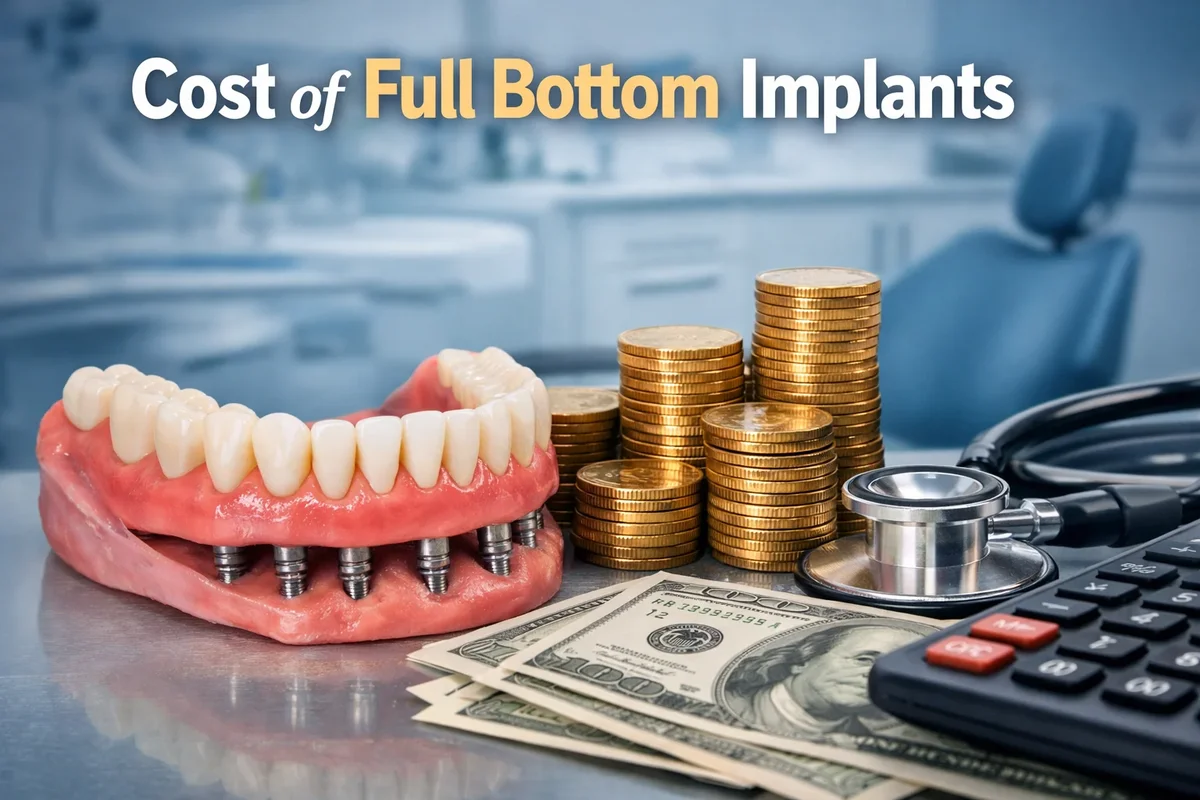
Is the Cost of Full Bottom Implants Worth It?
For many patients who have lost all teeth in the lower jaw, deciding whether to invest in implant treatment can be challenging. One of the most important questions people ask is whether the cost of full bottom implants is truly worth it. Because this treatment often requires a significant financial commitment, patients naturally want to understand the long-term value and benefits before making a decision.
To evaluate whether the cost of full bottom implants is worthwhile, it is helpful to look beyond the initial price and consider the long-term advantages. Dental implants are not simply cosmetic restorations; they are advanced medical solutions designed to restore oral health, improve chewing ability, preserve jawbone structure, and enhance overall quality of life.
Long-Term Value Compared to Other Tooth Replacement Options
When patients compare tooth replacement options, they often notice that dentures or traditional bridges have lower initial costs. However, these alternatives typically require more maintenance and frequent replacement. Over time, these ongoing expenses can reduce the financial difference between dentures and the cost of full bottom implants.
Long-Term Comparison
- Dentures may need replacement every 5–8 years
- Dentures often require relining and repairs
- Implants can last decades with proper care
- Implants preserve jawbone structure
Because dental implants offer greater durability, the cost of full bottom implants may actually provide better long-term value than treatments that require repeated replacements.
Improved Chewing Ability and Nutrition
One of the most immediate benefits patients notice after implant treatment is improved chewing ability. Traditional dentures may shift or slip while eating, which can limit the types of foods patients feel comfortable consuming.
Implants are anchored directly into the jawbone, allowing them to function much like natural teeth. This stability allows patients to enjoy a wider variety of foods, including fruits, vegetables, meats, and other nutrient-rich meals. For many individuals, this improvement alone makes the cost of full bottom implants worthwhile.
Benefits of Restored Chewing Function
- Greater comfort when eating
- Improved digestion through proper chewing
- Ability to maintain a balanced diet
- Better overall health
Because proper nutrition plays a critical role in overall well-being, restoring chewing function can significantly improve quality of life.
Preservation of Jawbone and Facial Structure
Another major advantage of implant treatment is its ability to preserve jawbone density. When natural teeth are lost, the jawbone begins to deteriorate due to lack of stimulation. Over time, this bone loss can lead to facial changes such as a collapsed jawline and sunken cheeks.
Dental implants stimulate the bone in the same way that natural tooth roots do. This stimulation helps maintain bone volume and facial structure. As a result, many patients consider the cost of full bottom implants a worthwhile investment in long-term facial aesthetics and oral health.
Clinical guidance provided by the American Dental Association highlights that dental implants are one of the most effective treatments for preventing bone loss after tooth extraction.
Improved Confidence and Quality of Life
The psychological benefits of dental implants are often just as important as the physical ones. Missing teeth can cause embarrassment, self-consciousness, and hesitation when speaking or smiling. Dentures may also cause anxiety if patients worry about them slipping in social situations.
Implant-supported teeth remain securely fixed in the mouth, allowing patients to smile, laugh, and speak confidently. For many individuals, this increase in confidence makes the cost of full bottom implants extremely valuable.
Common Lifestyle Improvements
- More confidence when speaking and smiling
- No fear of dentures slipping
- Improved social interactions
- Enhanced professional appearance
These emotional and social benefits often play a major role in why patients feel satisfied with their investment in the cost of full bottom implants.
Convenience Compared to Removable Dentures
Another factor that contributes to the value of implant treatment is daily convenience. Dentures must be removed for cleaning and often require adhesives to stay in place. Some patients also experience sore spots or irritation caused by denture movement.
Implant-supported restorations eliminate many of these inconveniences. Because the prosthetic teeth are permanently attached to implants, patients can care for them much like natural teeth.
Convenience Benefits of Implants
- No denture adhesives required
- No nightly removal for cleaning
- Stable and secure teeth
- Natural feel and function
For patients seeking a permanent solution to tooth loss, these conveniences often justify the cost of full bottom implants.
Long-Term Health Benefits
Implants also contribute to improved oral health. Unlike traditional bridges, implants do not require adjacent teeth to be altered or reduced. This allows surrounding natural teeth to remain healthy and intact.
Because implants replace the entire tooth structure—including the root—they help maintain proper bite alignment and jaw stability. These health benefits further reinforce the long-term value of the cost of full bottom implants.
When the Cost of Full Bottom Implants Is Most Worthwhile
Implants are particularly beneficial for patients who have lost multiple teeth in the lower jaw and want a stable, long-lasting restoration. Individuals who struggle with loose dentures often find implant treatment life-changing.
The cost of full bottom implants tends to be most worthwhile when patients prioritize:
- Long-term durability
- Improved chewing function
- Natural-looking teeth
- Preservation of jawbone structure
For these patients, implants provide a reliable and permanent alternative to removable dentures.
Consulting a Professional for Personalized Advice
Because every patient has unique dental needs, the best way to determine whether implant treatment is right for you is through a professional consultation. An experienced dentist can evaluate bone density, oral health, and aesthetic goals before recommending a treatment plan.
If you would like to learn more about whether the cost of full bottom implants is the right investment for your situation, you can contact a professional dental team through the Redent Klinik Contact Page to schedule a personalized consultation.
Ultimately, the value of implant treatment goes far beyond its price. When patients consider improved comfort, restored confidence, long-term durability, and enhanced oral health, many conclude that the cost of full bottom implants is a worthwhile investment in both their smile and overall quality of life.