
When patients first consider restoring their smile, one of the most common and important questions they ask is: can you get dental implants if you have gum disease? This is a crucial concern because gum health plays a major role in the long-term success of dental implants. The short answer is: yes, but not immediately in most cases. Understanding the relationship between gum disease and dental implants is essential before making any treatment decision.
Dental implants are designed to replace missing teeth by anchoring a titanium post into the jawbone. This post acts as an artificial tooth root, providing a strong and stable foundation for crowns, bridges, or dentures. However, the success of this process depends heavily on the condition of the surrounding gums and bone. That’s why the question can you get dental implants if you have gum disease cannot be answered without evaluating the severity of the condition.
🦷 Gum disease, also known as periodontal disease, is an infection that affects the soft tissues and bone supporting your teeth. It typically starts as gingivitis, which is mild and reversible, but can progress into periodontitis if left untreated. In advanced stages, gum disease can cause bone loss, gum recession, and even tooth loss. These factors directly impact whether or not you can proceed with dental implants safely.
So, can you get dental implants if you have gum disease in its early stage? In cases of mild gingivitis, the answer is often yes—after proper treatment. Professional cleaning, improved oral hygiene, and routine dental care can eliminate the infection, making the mouth healthy enough for implants. However, if the disease has progressed to periodontitis, additional treatments such as deep cleaning (scaling and root planing), antibiotics, or even surgical procedures may be required before implants can be considered.
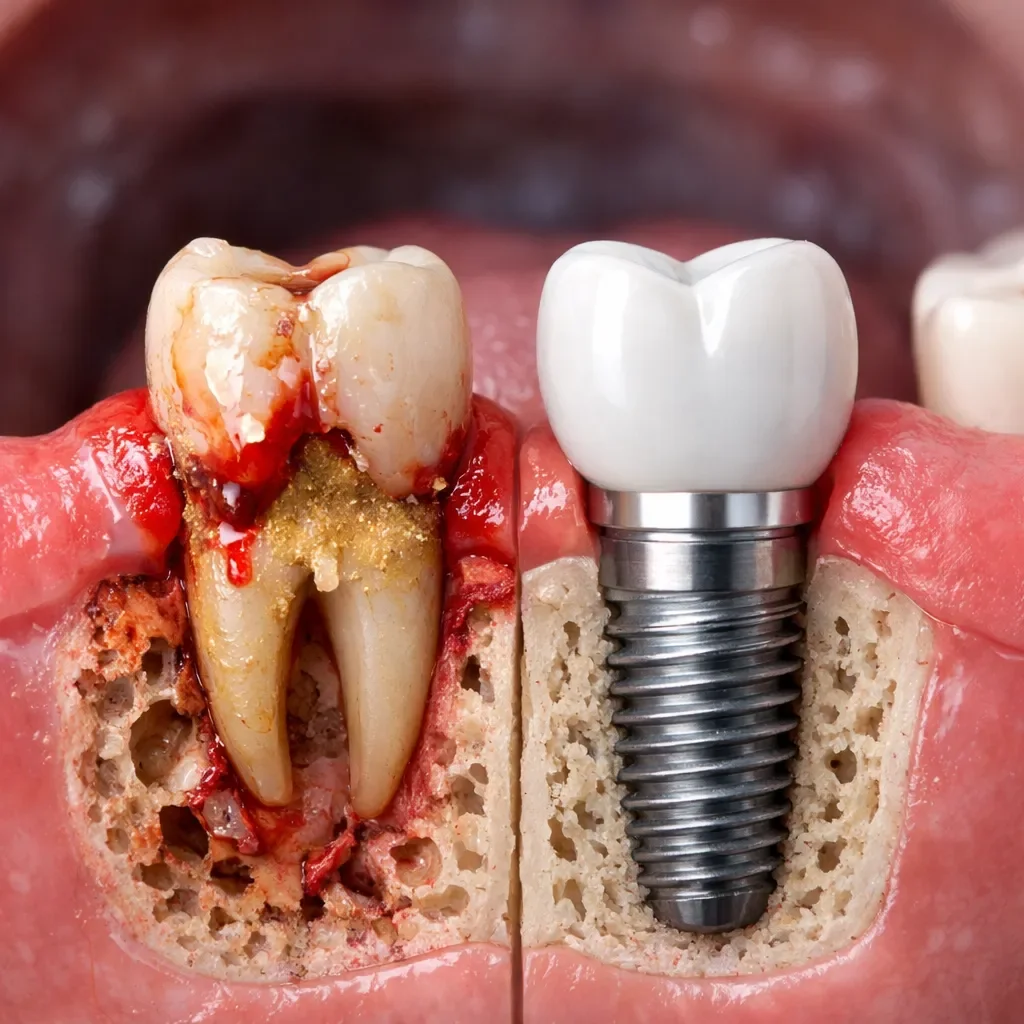
⚠️ It is extremely important to understand that placing dental implants in an infected environment significantly increases the risk of implant failure. Bacteria from gum disease can attack the implant site, leading to a condition called peri-implantitis, which is similar to periodontitis but affects implants. This is why dentists always emphasize treating gum disease first before moving forward with implant procedures.
Another key factor when asking can you get dental implants if you have gum disease is bone density. Advanced gum disease often leads to bone loss in the jaw. Since dental implants rely on sufficient bone to remain stable, bone grafting may be necessary. This procedure rebuilds the jawbone, providing a strong foundation for implants. While this adds time to the treatment process, it significantly improves long-term outcomes.
😊 Patients often worry that having gum disease means they are no longer candidates for implants. Fortunately, modern dentistry offers many solutions. With proper diagnosis, treatment planning, and care, many individuals who once suffered from gum disease can still enjoy the benefits of dental implants. The key is timing and preparation.
If you are currently wondering can you get dental implants if you have gum disease, the best first step is a comprehensive dental evaluation. A dentist will assess your gum health, bone condition, and overall oral hygiene before recommending a personalized treatment plan. Early intervention can make a significant difference in your eligibility for implants.
👉 If you are considering dental implants and want expert guidance, you can always reach out through the Redent Klinik Contact Page to get a personalized consultation and professional advice tailored to your needs.
Additionally, for reliable and authoritative information on oral health and dental treatments, you can visit the American Dental Association, which provides comprehensive resources about gum disease and dental implants.
📌 In conclusion, the question can you get dental implants if you have gum disease does not have a simple yes or no answer. It depends on the severity of the disease, the condition of your jawbone, and your commitment to oral health. With proper treatment and professional care, many patients can successfully move forward with dental implants—even after experiencing gum disease. The most important step is to address the infection first and create a healthy foundation for long-term success.
Can You Get Dental Implants If You Have Gum Disease? Understanding the Basics
One of the most frequently asked questions in modern dentistry is: can you get dental implants if you have gum disease? This question is critical because both dental implants and gum health are deeply connected. Before moving forward with any treatment, it is essential to fully understand how these two factors interact and what steps are required to ensure long-term success.
Dental implants are widely considered the gold standard for replacing missing teeth. They provide a natural appearance, strong functionality, and long-lasting results. However, the foundation of a successful implant lies in healthy gums and sufficient bone support. This is why the question can you get dental implants if you have gum disease requires careful evaluation rather than a simple yes or no answer.
What Are Dental Implants and Why Gum Health Matters
Dental implants consist of a titanium post that is surgically inserted into the jawbone. Over time, this post integrates with the bone through a process called osseointegration, creating a stable base for artificial teeth. However, this process can only occur successfully in a healthy oral environment.
🦷 When asking can you get dental implants if you have gum disease, it’s important to understand that gum disease introduces harmful bacteria into the mouth. These bacteria can interfere with healing, compromise the implant site, and even cause implant failure. Healthy gums act as a protective barrier, while infected gums create risks that must be addressed before implantation.
The Role of Gum Tissue in Implant Stability
The gums are not just soft tissue; they play a crucial role in protecting the underlying bone and implant structure. If gum disease is present, inflammation and infection can weaken this protective layer. Therefore, before answering can you get dental implants if you have gum disease, dentists must evaluate the condition of the gum tissue carefully.
In many cases, treating the infection restores the gums to a healthy state, allowing implants to be placed safely. However, skipping this step can lead to complications such as peri-implantitis, which is a major cause of implant failure.
Understanding Gum Disease: From Mild to Severe
To properly answer can you get dental implants if you have gum disease, you must first understand the stages of gum disease and how they impact oral health.
Gingivitis: The Early Stage
😊 Gingivitis is the mildest form of gum disease and is usually reversible. Symptoms include redness, swelling, and bleeding gums. At this stage, the answer to can you get dental implants if you have gum disease is often yes—after proper treatment such as professional cleaning and improved oral hygiene.
Periodontitis: The Advanced Stage
⚠️ Periodontitis is a more serious condition where the infection spreads deeper into the gums and bone. This stage often leads to bone loss and gum recession. If you are asking can you get dental implants if you have gum disease at this stage, the answer becomes more complex. Additional treatments like scaling, root planing, or even surgery may be required before implants can be considered.
Why Immediate Implants Are Not Recommended with Active Gum Disease
One of the biggest misconceptions is that implants can be placed immediately regardless of oral health. However, if you are wondering can you get dental implants if you have gum disease, the presence of active infection is a major contraindication.
🚫 Placing an implant in an infected site significantly increases the risk of failure. The bacteria associated with gum disease can attack the implant, preventing proper healing and leading to complications. This is why dentists always prioritize eliminating infection before proceeding.
Pre-Treatment Steps Before Dental Implants
To properly address the question can you get dental implants if you have gum disease, it’s important to understand the preparation process.
Comprehensive Dental Evaluation
A dentist will perform a detailed examination, including X-rays and possibly 3D imaging, to assess bone density and gum condition. This helps determine whether implants are feasible.
Periodontal Treatment
🪥 Treatment may include deep cleaning, antibiotic therapy, or surgical intervention. Once the infection is controlled, the chances of implant success improve significantly.
Bone Grafting (If Necessary)
If gum disease has caused bone loss, bone grafting may be required. This procedure rebuilds the jawbone, creating a stable base for implants and addressing concerns related to can you get dental implants if you have gum disease in advanced cases.
Long-Term Outlook After Treatment
Many patients are relieved to learn that the answer to can you get dental implants if you have gum disease is often yes—with proper care and treatment. Once the gums are healthy and stable, dental implants can be placed successfully and function just like natural teeth.
🌟 Maintaining good oral hygiene, attending regular dental check-ups, and following your dentist’s recommendations are essential for long-term success. Patients who take these steps often enjoy durable, aesthetically pleasing results for many years.
👉 If you are unsure about your eligibility, consulting with a specialist is the best approach. You can easily reach out through the Redent Klinik Contact Page for expert evaluation and personalized guidance.
For further trusted information on gum disease and implant safety, you can also visit the American Dental Association, which provides detailed resources on oral health care.
📌 In summary, the question can you get dental implants if you have gum disease depends on proper diagnosis, timely treatment, and ongoing care. By addressing gum disease first and ensuring a healthy oral environment, patients can significantly improve their chances of successful dental implant treatment.
How Gum Disease Affects Dental Implant Success Rates
When patients explore tooth replacement options, a critical concern often arises: can you get dental implants if you have gum disease, and more importantly, how does gum disease affect the success of those implants? Understanding this connection is essential because gum disease is one of the leading risk factors for implant failure.
Dental implants have a very high success rate—often above 90–95%—but this success depends heavily on the health of the gums and supporting bone. If you are asking can you get dental implants if you have gum disease, the answer becomes more nuanced when we consider how untreated or poorly managed gum disease can significantly reduce these success rates.
The Link Between Gum Disease and Implant Failure
🦷 Gum disease is caused by bacterial infection that affects the gums and underlying bone. These bacteria do not simply disappear when an implant is placed. In fact, if gum disease is still present, the same bacteria can attack the implant site.
This is why the question can you get dental implants if you have gum disease is closely tied to the concept of peri-implantitis—a condition similar to periodontitis but affecting dental implants. Peri-implantitis leads to inflammation, bone loss, and eventually implant failure if not treated promptly.
What Is Peri-Implantitis?
⚠️ Peri-implantitis is a serious complication that occurs when bacteria accumulate around an implant, causing infection in the surrounding tissue. It is one of the main reasons why dentists are cautious when patients ask can you get dental implants if you have gum disease without prior treatment.
Symptoms may include:
- Bleeding gums around the implant
- Swelling and redness
- Pain or discomfort
- Bone loss visible on X-rays
If gum disease is not resolved before implant placement, the risk of developing peri-implantitis increases dramatically.
Impact of Gum Disease Severity on Implant Outcomes
To properly understand can you get dental implants if you have gum disease, it is essential to evaluate the severity of the condition.
Mild Gum Disease (Gingivitis)
😊 In cases of gingivitis, the impact on implant success is minimal—provided the condition is treated before the procedure. Professional cleaning and improved oral hygiene can restore gum health, making implant placement relatively safe.
In such scenarios, the answer to can you get dental implants if you have gum disease is generally yes, with proper preparation.
Moderate to Severe Periodontitis
🚨 Advanced gum disease presents a much higher risk. Bone loss, deep pockets, and chronic infection can compromise the stability of implants. Patients in this category often require extensive periodontal treatment before implants can even be considered.
This highlights why dentists do not give a simple answer to can you get dental implants if you have gum disease without a full clinical evaluation.
Bone Loss and Its Effect on Implant Stability
One of the most critical factors affecting implant success is bone density. Gum disease often leads to jawbone deterioration, which directly impacts the ability of an implant to integrate properly.
📉 When asking can you get dental implants if you have gum disease, bone loss is often the deciding factor. Without sufficient bone, the implant cannot anchor securely, increasing the risk of failure.
Bone Grafting as a Solution
Fortunately, modern dentistry offers solutions such as bone grafting. This procedure rebuilds lost bone, creating a stable foundation for implants. Although it adds time to the treatment process, it significantly improves outcomes for patients who previously had gum disease.
Healing and Osseointegration Challenges
Successful dental implants rely on osseointegration—the process where the implant fuses with the jawbone. However, gum disease can interfere with this healing process.
🧬 If infection is present, the body’s ability to heal is compromised. This is another reason why the question can you get dental implants if you have gum disease depends heavily on whether the disease has been fully treated.
Inflamed tissues and bacterial presence can prevent proper integration, leading to implant instability or failure.
Long-Term Success and Maintenance
Even after successful implant placement, patients with a history of gum disease must remain vigilant. The question can you get dental implants if you have gum disease extends beyond the procedure itself—it also involves long-term care.
Importance of Oral Hygiene
🪥 Maintaining excellent oral hygiene is essential to prevent reinfection. This includes regular brushing, flossing, and professional cleanings.
Regular Dental Check-Ups
Routine visits allow dentists to monitor implant health and detect early signs of complications. Patients who previously had gum disease are often placed on more frequent recall schedules.
Scientific Perspective on Implant Success Rates
According to research and guidelines from the American Dental Association, patients with untreated or poorly controlled gum disease have a significantly higher risk of implant complications. However, those who undergo proper periodontal treatment can achieve success rates comparable to patients without gum disease.
This reinforces the idea that can you get dental implants if you have gum disease is not about exclusion—it’s about preparation and management.
Professional Guidance and Personalized Planning
Every patient is unique, and the answer to can you get dental implants if you have gum disease depends on individual factors such as oral hygiene, bone condition, and medical history.
👉 For a personalized assessment and expert advice, you can visit the Redent Klinik Contact Page. A professional evaluation will determine the safest and most effective treatment plan tailored to your needs.
📌 In conclusion, gum disease can significantly affect dental implant success rates, but it does not automatically disqualify you from treatment. By addressing the infection, restoring gum health, and following proper care protocols, many patients can successfully receive implants and enjoy long-lasting results.
Stages of Gum Disease and Their Impact on Dental Implants
Understanding the different stages of gum disease is essential when evaluating the question: can you get dental implants if you have gum disease? Not all cases of gum disease are the same, and each stage affects your eligibility for dental implants in different ways. From mild inflammation to severe bone loss, the progression of gum disease directly influences treatment decisions and outcomes.
🦷 If you are wondering can you get dental implants if you have gum disease, the first step is identifying which stage of gum disease you are experiencing. Dentists classify gum disease into several stages, each with unique symptoms and implications for implant treatment.
Stage 1: Gingivitis – The Reversible Phase
Gingivitis is the earliest and mildest form of gum disease. It is caused by plaque buildup along the gumline and is characterized by inflammation without affecting the underlying bone.
Symptoms of Gingivitis
- Red or swollen gums
- Bleeding during brushing or flossing
- Bad breath (halitosis)
😊 At this stage, the answer to can you get dental implants if you have gum disease is generally positive—but only after proper treatment. Gingivitis is fully reversible with professional cleaning and improved oral hygiene. Once the gums return to a healthy state, dental implants can be placed with a high success rate.
Ignoring gingivitis, however, can lead to more severe forms of gum disease, which complicates implant procedures.
Stage 2: Early Periodontitis – Beginning of Damage
When gingivitis is left untreated, it can progress to early periodontitis. At this stage, the infection begins to affect the supporting structures of the teeth, including the bone.
Key Changes in Early Periodontitis
- Formation of periodontal pockets
- Initial bone loss
- Increased gum sensitivity
⚠️ If you are asking can you get dental implants if you have gum disease at this stage, the answer becomes conditional. Treatment such as scaling and root planing is required to control the infection. Once stabilized, implants may still be a viable option.
However, close monitoring is essential to ensure the disease does not progress further before implant placement.
Stage 3: Moderate Periodontitis – Increased Risk Factors
Moderate periodontitis represents a more advanced stage of gum disease where both gum tissue and bone are significantly affected.
Symptoms and Complications
- Gum recession
- Tooth mobility
- Noticeable bone loss
- Persistent bad breath
🚨 At this stage, the question can you get dental implants if you have gum disease requires a comprehensive treatment plan. The infection must be fully controlled before considering implants. In many cases, additional procedures such as bone grafting may be necessary to restore lost bone structure.
Without these interventions, implant placement would carry a high risk of failure due to insufficient support and ongoing infection.
Stage 4: Advanced Periodontitis – Severe Damage
Advanced periodontitis is the most severe form of gum disease and poses the greatest challenge for dental implant treatment.
Serious Effects on Oral Health
- Severe bone loss
- Loose or shifting teeth
- Deep periodontal pockets
- Potential tooth loss
❗ When patients at this stage ask can you get dental implants if you have gum disease, the answer is complex. Extensive periodontal therapy is required, and in some cases, multiple surgical procedures are needed before implants can even be considered.
Bone grafting, soft tissue grafts, and long-term infection control are often part of the treatment process. Even then, the success rate may be lower compared to patients with healthy gums.
Why Early Detection Matters
📊 The earlier gum disease is detected, the better the chances of successful implant treatment. Patients who address gingivitis early have a much higher likelihood of being eligible for implants compared to those with advanced periodontitis.
This highlights the importance of regular dental check-ups and professional cleanings. If you are concerned about can you get dental implants if you have gum disease, early intervention can make a significant difference.
Customized Treatment Planning Based on Disease Stage
Every patient’s situation is unique, and dentists tailor treatment plans based on the stage of gum disease.
Step-by-Step Approach
- Diagnosis of gum disease stage
- Elimination of infection
- Restoration of bone and gum health
- Evaluation for implant placement
🧩 This structured approach ensures that when answering can you get dental implants if you have gum disease, the decision is based on clinical evidence rather than assumptions.
Expert Insights and Trusted Resources
According to the American Dental Association, managing gum disease effectively is essential before undergoing any restorative dental procedure, including implants. Their guidelines emphasize prevention, early diagnosis, and proper treatment as key factors in achieving successful outcomes.
👉 If you are unsure about your gum health or implant eligibility, you can reach out through the Redent Klinik Contact Page for a detailed consultation and personalized treatment plan.
📌 In summary, the answer to can you get dental implants if you have gum disease depends heavily on the stage of the disease. While early stages allow for relatively straightforward treatment, advanced stages require more complex procedures and careful planning. By understanding these stages and seeking timely care, patients can significantly improve their chances of successful dental implant treatment.
Treatment Options Before Getting Dental Implants with Gum Disease
Before moving forward with dental implants, one of the most critical steps is addressing gum disease properly. Many patients ask, can you get dental implants if you have gum disease, but the more accurate question is: what treatments are required first to make implants safe and successful? The answer lies in eliminating infection, restoring gum health, and rebuilding any lost bone structure.
🦷 Dental professionals emphasize that implants should never be placed in an unhealthy oral environment. If you are wondering can you get dental implants if you have gum disease, the key is understanding that treatment must come first. The goal is to create a stable, infection-free foundation that supports long-term implant success.
Initial Periodontal Evaluation
The first step in determining can you get dental implants if you have gum disease is a comprehensive periodontal assessment. This evaluation allows the dentist to identify the severity of the disease and plan the appropriate treatment.
What the Evaluation Includes
- Measurement of gum pocket depth
- X-rays to assess bone loss
- Examination of gum inflammation and bleeding
📊 This detailed analysis ensures that any underlying issues are identified before proceeding. Without this step, the risk associated with can you get dental implants if you have gum disease increases significantly.
Non-Surgical Treatments for Gum Disease
For mild to moderate cases, non-surgical treatments are often the first line of defense. These procedures aim to eliminate bacteria and restore gum health.
Scaling and Root Planing
🪥 This deep cleaning procedure removes plaque and tartar from below the gumline and smooths the root surfaces to prevent bacterial buildup. It is one of the most effective treatments when addressing the question can you get dental implants if you have gum disease in early stages.
Antibiotic Therapy
💊 Dentists may prescribe local or systemic antibiotics to control bacterial infection. These medications help reduce inflammation and improve healing, making it safer to consider implants later.
Once these treatments are completed and the gums have healed, patients are often re-evaluated to determine if they are now candidates for implants.
Surgical Treatments for Advanced Gum Disease
In more severe cases, surgical intervention may be necessary before answering can you get dental implants if you have gum disease with confidence.
Flap Surgery (Pocket Reduction Surgery)
⚠️ This procedure involves lifting the gums to remove deep-seated bacteria and tartar. The gums are then repositioned to reduce pocket depth, making it easier to maintain oral hygiene.
Soft Tissue Grafts
When gum recession has occurred, soft tissue grafts can restore lost gum tissue. This not only improves aesthetics but also strengthens the support around future implants.
These procedures are often essential for patients asking can you get dental implants if you have gum disease in advanced stages.
Bone Grafting for Implant Preparation
One of the most important factors in implant success is bone density. Gum disease frequently leads to bone loss, which can prevent implants from being securely placed.
Why Bone Grafting Is Necessary
📉 If the jawbone is too weak or thin, it cannot support an implant. Bone grafting rebuilds this structure, providing a solid foundation for future placement.
This step is crucial when addressing can you get dental implants if you have gum disease, especially in cases where periodontitis has caused significant damage.
Healing Time After Bone Grafting
⏳ After the grafting procedure, several months may be required for the bone to heal and integrate. While this extends the treatment timeline, it greatly increases the likelihood of implant success.
Importance of Oral Hygiene During Treatment
Maintaining excellent oral hygiene is essential throughout the treatment process. Patients who consistently practice good hygiene are more likely to receive a positive answer to can you get dental implants if you have gum disease.
Daily Care Routine
- Brushing twice daily with a soft-bristled toothbrush
- Flossing to remove plaque between teeth
- Using antibacterial mouthwash
🧼 These habits help control bacteria and prevent reinfection, which is critical before implant placement.
Re-Evaluation Before Implant Placement
After completing gum disease treatment, a follow-up evaluation is necessary. Dentists reassess gum health, bone stability, and overall oral condition.
🔍 This step determines whether the answer to can you get dental implants if you have gum disease has shifted from “not yet” to “yes.” Only when the gums are healthy and stable will the implant procedure be scheduled.
Professional Guidance and Support
Every case is unique, which is why professional guidance is essential. The journey from gum disease to successful implant placement requires careful planning and expert care.
👉 If you are considering treatment and wondering can you get dental implants if you have gum disease, you can contact specialists through the Redent Klinik Contact Page for personalized advice and treatment options.
For additional trusted information on periodontal treatment and implant preparation, you can also visit the American Dental Association, which offers evidence-based guidelines on oral health care.
📌 In conclusion, the answer to can you get dental implants if you have gum disease depends on proper treatment and preparation. By addressing gum disease through non-surgical or surgical methods, rebuilding bone when necessary, and maintaining excellent oral hygiene, patients can significantly improve their chances of successful dental implant treatment.
Can You Get Dental Implants If You Have Gum Disease After Treatment?
After undergoing periodontal therapy, many patients revisit the question: can you get dental implants if you have gum disease once it has been treated? The encouraging answer is that in many cases, yes—you can proceed with dental implants after successful gum disease treatment. However, the key lies in the quality of healing, stability of the gums, and long-term maintenance of oral health.
🦷 Treating gum disease is not the end of the journey—it is the beginning of a new phase. If you are asking can you get dental implants if you have gum disease after treatment, the focus shifts from infection control to ensuring a healthy and stable environment for implant placement.
When Is It Safe to Proceed with Dental Implants?
The timing of implant placement is critical. Dentists do not immediately place implants after gum disease treatment. Instead, they monitor healing and ensure that the infection has been fully eliminated.
Signs You Are Ready for Implants
- No bleeding or inflammation in the gums
- Stable gum attachment around teeth
- No active periodontal pockets
- Sufficient bone density for implant support
✅ If these conditions are met, the answer to can you get dental implants if you have gum disease becomes much more favorable. The mouth must be considered “periodontally stable” before proceeding.
Importance of Periodontal Stability
Periodontal stability means that gum disease is under control and no longer progressing. This is one of the most important factors when evaluating can you get dental implants if you have gum disease after treatment.
Why Stability Matters
⚠️ Even if gum disease has been treated, residual bacteria can remain. If the disease reactivates, it can compromise the implant. Therefore, dentists often recommend a stabilization period before implant placement.
This period allows the gums to heal fully and ensures that the patient can maintain proper oral hygiene consistently.
Role of Bone Health After Treatment
Another critical factor in answering can you get dental implants if you have gum disease is bone condition after treatment. Gum disease often leads to bone loss, and even after treatment, the bone may not be sufficient to support implants.
Bone Regeneration and Grafting
📈 If bone loss has occurred, procedures such as bone grafting may be required. This process rebuilds the jawbone and creates a stable base for implants. Once the graft has healed, implant placement becomes much more predictable and successful.
Without adequate bone, the risk associated with can you get dental implants if you have gum disease increases significantly.
Monitoring and Maintenance After Treatment
Even after successful gum disease treatment, ongoing care is essential. Patients who previously had gum disease must follow strict maintenance protocols to ensure long-term implant success.
Regular Dental Visits
🗓️ Dentists typically recommend more frequent check-ups for patients with a history of gum disease. These visits allow early detection of any recurring issues.
Professional Cleanings
Routine cleanings help prevent plaque buildup and reduce the risk of reinfection. This is particularly important when considering can you get dental implants if you have gum disease in the long term.
At-Home Oral Hygiene
🪥 Daily brushing, flossing, and the use of antimicrobial mouthwash are essential habits. Patients must demonstrate consistent oral care before and after implant placement.
Success Rates After Gum Disease Treatment
📊 Studies show that patients who have successfully treated gum disease can achieve implant success rates comparable to those without a history of periodontal issues. However, this depends on strict adherence to maintenance routines.
This means that the answer to can you get dental implants if you have gum disease is not only about treatment but also about long-term commitment to oral health.
Potential Risks Even After Treatment
While implants are possible after treatment, there are still risks to consider.
Risk of Recurrence
🔁 Gum disease can return if oral hygiene is neglected. This can lead to peri-implantitis, which threatens the stability of the implant.
Delayed Healing
Patients with a history of gum disease may experience slower healing times, requiring careful monitoring during the implant process.
These risks highlight why the question can you get dental implants if you have gum disease must always include a discussion about long-term care.
Professional Evaluation and Personalized Planning
Every patient’s situation is unique. Dentists consider multiple factors, including medical history, lifestyle habits, and oral hygiene practices, when determining eligibility.
👉 If you are considering implants after gum disease treatment, you can consult experts through the Redent Klinik Contact Page for a detailed assessment and personalized treatment plan.
For additional reliable information on implant safety and periodontal health, you can also visit the American Dental Association, which provides evidence-based guidelines on dental care.
Long-Term Outlook and Patient Responsibility
🌟 The long-term success of dental implants after gum disease treatment largely depends on the patient’s commitment. Maintaining healthy gums is not a one-time effort but an ongoing responsibility.
If you consistently follow professional advice and maintain excellent oral hygiene, the answer to can you get dental implants if you have gum disease becomes a confident yes.
📌 In conclusion, dental implants are often possible after gum disease treatment, provided that the gums are healthy, the bone is stable, and the patient is committed to ongoing care. By addressing these factors, patients can achieve successful and long-lasting implant results.
Risks and Complications of Dental Implants with Gum Disease
When considering implant treatment, many patients continue to ask: can you get dental implants if you have gum disease, but equally important is understanding the potential risks involved. While dental implants are highly successful in healthy individuals, the presence or history of gum disease introduces specific complications that must be carefully managed.
🦷 The reality is that can you get dental implants if you have gum disease is not just about eligibility—it is also about risk assessment. Even after treatment, patients with a history of periodontal disease face a higher likelihood of complications compared to those with completely healthy gums.
Increased Risk of Peri-Implantitis
One of the most significant complications associated with implants in patients with gum disease is peri-implantitis.
What Is Peri-Implantitis?
⚠️ Peri-implantitis is an inflammatory condition that affects the tissues surrounding a dental implant. It is similar to periodontitis but specifically targets implants instead of natural teeth.
If you are asking can you get dental implants if you have gum disease, you must understand that peri-implantitis is more likely to occur if gum disease was not fully resolved before implant placement.
Symptoms of Peri-Implantitis
- Bleeding or pus around the implant
- Swelling and redness
- Pain or discomfort
- Progressive bone loss
🚨 If left untreated, peri-implantitis can lead to complete implant failure, making it one of the most serious risks associated with can you get dental implants if you have gum disease.
Implant Failure Due to Poor Healing
Successful dental implants depend on osseointegration—the process where the implant fuses with the jawbone. However, gum disease can interfere with this critical healing phase.
How Gum Disease Affects Healing
🧬 Inflammation caused by gum disease can disrupt the body’s natural healing response. Even if the disease has been treated, residual effects may slow down recovery.
This is why the question can you get dental implants if you have gum disease often involves evaluating healing capacity and immune response.
Signs of Implant Failure
- Loose implant
- Persistent pain
- Swelling that does not subside
- Difficulty chewing
Early detection of these signs is essential to prevent further complications.
Bone Loss and Structural Instability
Another major concern when discussing can you get dental implants if you have gum disease is the impact of bone loss.
Why Bone Loss Matters
📉 Gum disease often leads to the deterioration of the jawbone. Without adequate bone support, implants cannot remain stable, increasing the likelihood of failure.
Even after treatment, previously lost bone may not fully regenerate without intervention, such as bone grafting.
Long-Term Stability Concerns
Implants placed in compromised bone may initially succeed but fail over time due to insufficient support. This highlights the importance of addressing bone health before answering can you get dental implants if you have gum disease positively.
Higher Maintenance Requirements
Patients with a history of gum disease must commit to a higher level of maintenance after implant placement.
Frequent Dental Visits
🗓️ Regular check-ups are necessary to monitor implant health and detect early signs of complications. Dentists often recommend more frequent visits for these patients.
Strict Oral Hygiene Routine
🪥 Daily care becomes even more critical. Brushing, flossing, and using antibacterial mouthwash help prevent reinfection and protect the implant.
If these routines are not followed, the risks associated with can you get dental implants if you have gum disease increase significantly.
Risk of Recurring Gum Disease
🔁 Gum disease is a chronic condition that can return if not properly managed. This is a major concern for patients who have already undergone treatment and are considering implants.
When evaluating can you get dental implants if you have gum disease, dentists also consider the likelihood of recurrence. Poor oral hygiene, smoking, and certain medical conditions can increase this risk.
Impact on Implants
If gum disease returns, it can affect both natural teeth and implants. This can lead to inflammation, bone loss, and eventual implant failure.
Systemic Health Considerations
Patients with gum disease often have other underlying health conditions, such as diabetes, which can further complicate implant treatment.
Connection Between Oral and Overall Health
🌐 Research highlighted by the American Dental Association shows a strong link between oral health and systemic conditions. Poorly controlled health issues can impair healing and increase the risk of complications.
This makes the question can you get dental implants if you have gum disease even more complex, as it involves evaluating overall health, not just oral conditions.
Professional Risk Assessment and Planning
Given these potential complications, professional evaluation is essential before proceeding with implants.
👉 If you are concerned about risks and wondering can you get dental implants if you have gum disease, you can seek expert guidance through the Redent Klinik Contact Page. A personalized assessment will help determine the safest approach.
Balancing Risks and Benefits
⚖️ While there are risks, it is important to note that many patients with a history of gum disease still achieve successful implant outcomes. The key lies in proper treatment, careful planning, and ongoing maintenance.
By addressing all risk factors and following professional advice, the answer to can you get dental implants if you have gum disease can still be positive.
📌 In conclusion, dental implants in patients with gum disease carry additional risks, including peri-implantitis, implant failure, and bone instability. However, with proper management and commitment to oral health, these risks can be minimized, allowing patients to benefit from long-lasting and functional dental implants.
How to Improve Your Chances of Implant Success
For patients asking can you get dental implants if you have gum disease, the most empowering part of the journey is knowing that there are clear, actionable steps you can take to significantly improve your chances of success. While gum disease introduces risks, it does not automatically eliminate your eligibility for implants. With the right preparation, habits, and professional care, you can create a strong foundation for long-lasting results.
🦷 The key to answering can you get dental implants if you have gum disease positively lies in preparation and consistency. Implant success is not just about the surgical procedure—it is about what you do before and after the treatment.
Commit to Treating Gum Disease First
The most important step in improving your chances is ensuring that gum disease is fully treated before implant placement.
Why Early Treatment Matters
⚠️ Active infection is the biggest threat to implant success. If you are asking can you get dental implants if you have gum disease, the answer depends heavily on whether the infection has been eliminated.
Professional treatments such as scaling and root planing, antibiotic therapy, or surgical procedures are essential to restore gum health.
Follow Your Dentist’s Treatment Plan
📋 Adhering to the recommended treatment plan ensures that your gums heal properly. Skipping steps or delaying treatment can reduce your chances of receiving implants safely.
Maintain Excellent Oral Hygiene
Once gum disease is under control, maintaining oral hygiene becomes your responsibility.
Daily Oral Care Routine
- Brush at least twice a day with a soft-bristled toothbrush
- Floss daily to remove plaque between teeth
- Use antibacterial mouthwash to control bacteria
🪥 These habits are critical for anyone asking can you get dental implants if you have gum disease, as they help prevent reinfection and protect both natural teeth and implants.
Use Specialized Tools
🧰 Interdental brushes, water flossers, and implant-specific cleaning tools can further improve hygiene, especially after implant placement.
Strengthen Bone Health Before Implants
Bone quality is a major factor in implant success. Gum disease often leads to bone loss, which must be addressed before proceeding.
Bone Grafting Procedures
📈 Bone grafting rebuilds lost bone and provides a stable base for implants. If you are wondering can you get dental implants if you have gum disease, this procedure can make a significant difference in your eligibility.
Nutrition for Bone Support
🥗 A diet rich in calcium, vitamin D, and protein supports bone healing and overall oral health. Proper nutrition enhances your body’s ability to recover and integrate the implant.
Avoid Risk Factors That Compromise Healing
Certain habits and conditions can negatively affect implant success, especially for patients with a history of gum disease.
Smoking and Tobacco Use
🚫 Smoking is one of the biggest risk factors for implant failure. It reduces blood flow, slows healing, and increases the likelihood of infection.
If you are serious about the question can you get dental implants if you have gum disease, quitting smoking is strongly recommended.
Manage Chronic Conditions
🩺 Conditions such as diabetes must be well-controlled before undergoing implant treatment. Poorly managed health issues can interfere with healing and increase complications.
Choose an Experienced Dental Professional
The expertise of your dentist or implant specialist plays a crucial role in the outcome.
Why Experience Matters
👨⚕️ Experienced professionals can accurately assess your condition, plan the procedure, and manage any complications that may arise. This is particularly important when addressing can you get dental implants if you have gum disease.
Advanced Technology and Techniques
Modern clinics use advanced imaging and surgical techniques to improve precision and success rates. Choosing the right clinic can significantly enhance your results.
Follow a Strict Post-Implant Care Plan
After implant placement, proper care is essential to maintain success.
Post-Surgery Instructions
📌 Follow all post-operative guidelines provided by your dentist, including medication use, diet restrictions, and cleaning instructions.
Long-Term Maintenance
🔁 Regular dental visits and cleanings help ensure that your implants remain healthy over time. Patients with a history of gum disease must be especially diligent.
Stay Informed with Trusted Resources
Educating yourself about oral health can help you make better decisions and maintain your results.
🌐 The American Dental Association provides reliable information on maintaining oral health and preventing complications related to implants.
Get Personalized Guidance
Every patient’s situation is unique, which is why personalized advice is essential.
👉 If you are still asking can you get dental implants if you have gum disease, consulting with experts is the best way to get a clear answer. You can reach out through the Redent Klinik Contact Page for a detailed evaluation and customized treatment plan.
Consistency Is the Key to Success
🌟 Ultimately, improving your chances of implant success comes down to consistency. From treating gum disease to maintaining oral hygiene and attending regular check-ups, every step plays a role.
If you stay committed to your oral health, the answer to can you get dental implants if you have gum disease becomes not only possible but highly achievable.
📌 In conclusion, while gum disease presents challenges, it does not prevent successful dental implant treatment. By following proper treatment protocols, maintaining excellent hygiene, and working closely with dental professionals, patients can significantly increase their chances of achieving durable and aesthetically pleasing implant results.
Cost Considerations for Dental Implants with Gum Disease
When evaluating treatment options, many patients not only ask can you get dental implants if you have gum disease, but also wonder how much the entire process will cost. The financial aspect is a major factor because treating gum disease before implant placement often adds additional procedures, time, and expenses. Understanding these costs in detail helps you plan effectively and avoid unexpected surprises.
💰 The total cost of dental implants for patients with gum disease is typically higher than for those with healthy gums. This is because the answer to can you get dental implants if you have gum disease usually involves multiple stages of treatment, including periodontal therapy, possible bone grafting, and ongoing maintenance.
Why Gum Disease Increases Implant Costs
Gum disease introduces complications that must be addressed before implants can be safely placed. Each of these steps contributes to the overall cost.
Additional Pre-Treatment Procedures
🦷 Before answering can you get dental implants if you have gum disease positively, dentists must treat the infection. This often includes:
- Scaling and root planing (deep cleaning)
- Antibiotic therapy
- Periodontal surgery in advanced cases
These treatments are essential but add to the total investment required.
Bone and Tissue Restoration
📉 Gum disease frequently leads to bone loss and gum recession. Procedures such as bone grafting and soft tissue grafts may be necessary to restore the structure needed for implants.
This is a key reason why the cost increases when addressing can you get dental implants if you have gum disease.
Average Cost Breakdown
While prices vary depending on location and clinic, here is a general breakdown to give you a realistic expectation:
Basic Implant Costs
- Single dental implant: $1,500 – $3,500
- Abutment and crown: $1,000 – $2,500
Additional Procedures for Gum Disease Patients
- Scaling and root planing: $200 – $600 per quadrant
- Bone grafting: $500 – $3,000
- Soft tissue graft: $600 – $1,500
💡 When combined, the total cost for a patient asking can you get dental implants if you have gum disease can range from $3,000 to $8,000 or more per implant, depending on the complexity of the case.
Cost vs. Long-Term Value
Although the upfront cost may seem high, dental implants offer long-term benefits that often outweigh the investment.
Durability and Longevity
🌟 Dental implants can last 15–25 years or longer with proper care. Compared to dentures or bridges, which may need replacement, implants provide a more permanent solution.
Improved Oral Health
By restoring missing teeth and preventing further bone loss, implants contribute to overall oral health. This is especially important for patients considering can you get dental implants if you have gum disease, as maintaining stability is crucial.
Insurance and Financing Options
Understanding payment options can make treatment more accessible.
Dental Insurance Coverage
📄 Some insurance plans may cover parts of the procedure, such as periodontal treatment or crowns. However, implants themselves are often only partially covered or excluded.
Payment Plans and Financing
💳 Many clinics offer flexible payment plans or financing options to help patients manage costs over time. This can make it easier to proceed when asking can you get dental implants if you have gum disease without financial stress.
Hidden Costs to Consider
It is important to be aware of potential additional expenses that may arise during treatment.
Follow-Up Visits
🗓️ Regular check-ups and maintenance visits are essential, especially for patients with a history of gum disease.
Maintenance Products
🪥 Specialized oral hygiene products, such as water flossers and antibacterial rinses, may be recommended to maintain implant health.
These ongoing costs should be factored into your overall budget when considering can you get dental implants if you have gum disease.
Choosing the Right Clinic for Value
Not all clinics offer the same level of expertise, technology, or pricing. Choosing the right provider can significantly impact both cost and outcome.
Quality vs. Price
⚖️ While it may be tempting to choose the lowest price, quality care is essential for long-term success. Poorly performed procedures can lead to complications and additional costs.
Transparent Pricing
✔️ A reputable clinic will provide a detailed treatment plan and clear cost breakdown. This helps you understand exactly what you are paying for when addressing can you get dental implants if you have gum disease.
Expert Advice and Reliable Information
For evidence-based guidance on dental treatments and costs, the American Dental Association provides valuable resources on oral health care and treatment planning.
👉 If you want a personalized cost estimate and treatment plan, you can contact professionals through the Redent Klinik Contact Page. A consultation will help you understand your specific needs and financial options.
Balancing Budget and Health
💡 Ultimately, the decision is not just about cost—it is about value. Investing in proper treatment ensures long-term oral health and prevents future complications.
If you are seriously considering can you get dental implants if you have gum disease, remember that addressing the condition properly and choosing high-quality care can save you money and discomfort in the long run.
📌 In conclusion, dental implants for patients with gum disease involve additional costs due to necessary pre-treatment and restoration procedures. However, with careful planning, financing options, and professional guidance, patients can achieve successful outcomes and long-lasting benefits.
When to Avoid Dental Implants and Consider Alternatives
While many patients ask can you get dental implants if you have gum disease, it is equally important to understand that dental implants are not always the best option for everyone. In some cases, the risks outweigh the benefits, and alternative treatments may provide safer and more effective results. Knowing when to avoid implants can help you make a more informed and confident decision about your oral health.
🦷 The answer to can you get dental implants if you have gum disease depends on multiple factors, including the severity of the disease, overall health, bone condition, and lifestyle habits. If these factors are not favorable, dentists may recommend alternative solutions instead of proceeding with implants.
Severe Untreated Gum Disease
One of the most critical situations where implants should be avoided is when gum disease is still active and untreated.
Why Active Infection Is a Major Risk
⚠️ Active gum disease introduces harmful bacteria that can compromise implant healing and lead to failure. If you are asking can you get dental implants if you have gum disease while infection is present, the answer is typically no until the condition is treated.
Placing implants in infected tissue significantly increases the risk of peri-implantitis, which can result in implant loss.
Insufficient Bone Density Without Treatment
Bone loss is a common consequence of advanced gum disease. Without adequate bone, implants cannot be securely anchored.
When Bone Grafting Is Not an Option
📉 In some cases, patients may not be suitable candidates for bone grafting due to medical conditions or personal preferences. In such situations, the answer to can you get dental implants if you have gum disease may lean toward alternative treatments.
Impact on Implant Stability
Without sufficient bone support, implants may fail either immediately or over time. This makes it essential to evaluate bone health before proceeding.
Chronic Health Conditions
Systemic health plays a major role in determining implant eligibility.
Conditions That Affect Healing
- Uncontrolled diabetes
- Autoimmune disorders
- Severe cardiovascular conditions
🩺 These conditions can impair healing and increase the risk of complications. When evaluating can you get dental implants if you have gum disease, dentists must consider the patient’s overall health, not just oral conditions.
Medication-Related Risks
Certain medications, such as those affecting bone metabolism, may also impact implant success. A thorough medical history is essential before making a decision.
Smoking and Lifestyle Factors
🚫 Smoking is one of the most significant risk factors for implant failure. It reduces blood flow, delays healing, and increases the likelihood of infection.
If you are asking can you get dental implants if you have gum disease and you smoke heavily, dentists may recommend quitting before considering implants—or exploring alternatives if quitting is not possible.
Inability to Maintain Oral Hygiene
Successful dental implants require consistent and thorough oral hygiene.
Why Maintenance Matters
🪥 Patients who cannot maintain proper hygiene are at a higher risk of developing peri-implantitis. This is especially important for those with a history of gum disease.
If maintaining oral hygiene is a challenge, the answer to can you get dental implants if you have gum disease may be negative, and alternative solutions may be safer.
Alternative Treatment Options
When implants are not suitable, several effective alternatives can restore function and aesthetics.
Dental Bridges
🌉 Bridges use adjacent teeth to support artificial teeth, providing a fixed solution without requiring surgery.
Removable Dentures
😁 Dentures are a non-invasive and cost-effective option for replacing multiple missing teeth. Modern dentures offer improved comfort and appearance.
Implant-Supported Dentures (When Possible)
In some cases, fewer implants can be used to support dentures, reducing the need for extensive bone support while still providing stability.
Professional Evaluation Is Essential
Every patient’s situation is unique, and determining whether to avoid implants requires a thorough evaluation.
👉 If you are unsure and still asking can you get dental implants if you have gum disease, consulting a specialist is the best approach. You can reach out through the Redent Klinik Contact Page for a personalized assessment and expert recommendations.
Trusted Guidance and Research
According to the American Dental Association, proper diagnosis and individualized treatment planning are essential when deciding between implants and alternative options. Their guidelines emphasize patient safety and long-term success over immediate solutions.
Balancing Safety and Results
⚖️ While dental implants are highly effective, they are not always the safest choice in every situation. Understanding when to avoid them ensures better outcomes and prevents unnecessary complications.
If the answer to can you get dental implants if you have gum disease is no in your case, it does not mean you cannot restore your smile. Modern dentistry offers multiple alternatives that can provide excellent results tailored to your needs.
📌 In conclusion, dental implants should be avoided in cases of active gum disease, severe bone loss without treatment options, uncontrolled health conditions, or poor oral hygiene. By recognizing these situations and exploring alternatives, patients can achieve safe, functional, and aesthetically pleasing outcomes.