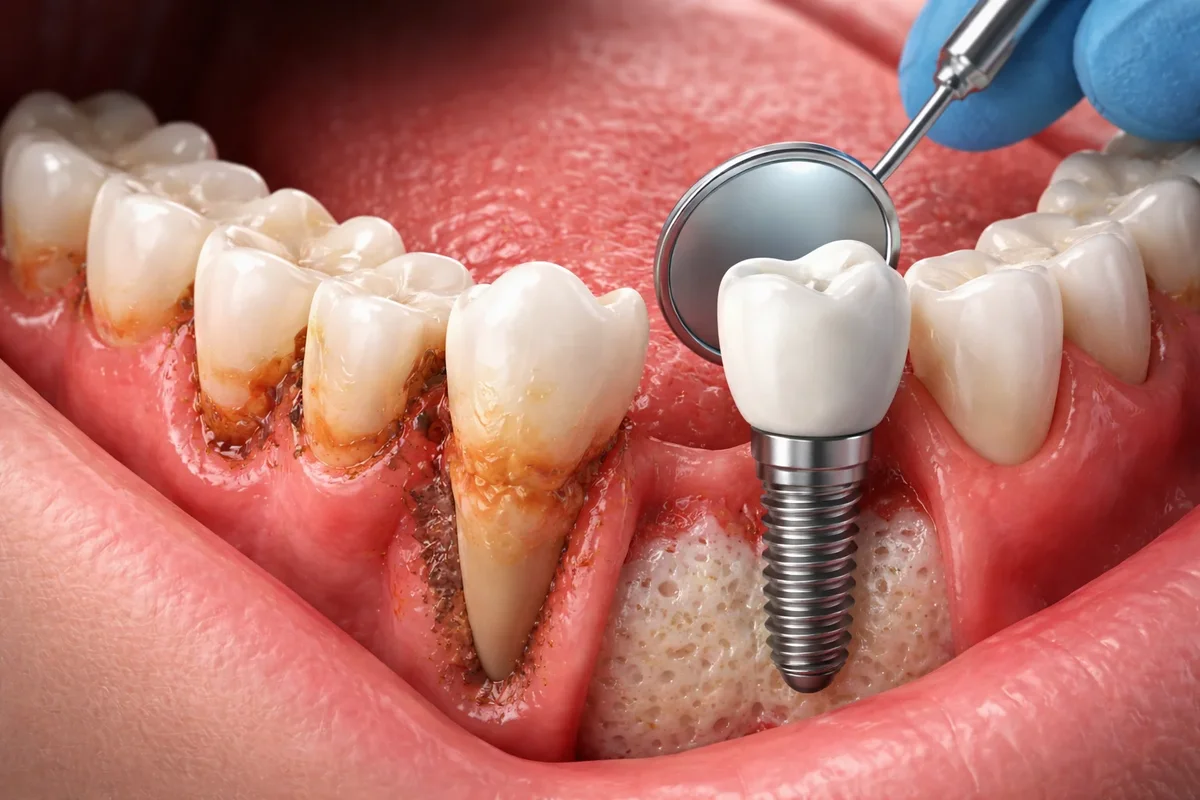
When patients first ask, can you get dental implants if you have periodontal disease, the answer is not a simple yes or no. It depends on several important factors, including the severity of the gum disease, the amount of bone loss, and how well the condition is controlled before treatment. Understanding this relationship is crucial because periodontal disease is one of the leading causes of tooth loss worldwide, and dental implants are often considered the most effective long-term solution for replacing missing teeth.
To clearly answer the question, can you get dental implants if you have periodontal disease, we must first understand what periodontal disease actually does to your oral health. Periodontal disease, also known as gum disease, is a chronic inflammatory condition caused by bacterial infection. It begins with gingivitis (mild inflammation of the gums) and can progress into periodontitis, where the supporting structures of the teeth—including bone—are damaged. Since dental implants rely heavily on strong, healthy bone for stability, this becomes a critical factor in determining eligibility.
So, can you get dental implants if you have periodontal disease in its early stages? In many cases, yes. If the disease is caught early and properly treated, the gums can return to a healthier state, making implants a viable option. However, if the disease has advanced, additional procedures such as deep cleaning, antibiotic therapy, or even bone grafting may be required before implant placement.
It is also important to recognize that patients who ask can you get dental implants if you have periodontal disease often worry about implant failure. This concern is valid. Studies show that untreated or poorly controlled gum disease significantly increases the risk of peri-implantitis, a condition similar to periodontal disease but affecting implants. This is why dentists emphasize treating and stabilizing gum disease before considering implants.
Another key point when evaluating can you get dental implants if you have periodontal disease is oral hygiene commitment. Patients must be willing to maintain excellent oral hygiene practices, including regular brushing, flossing, and professional cleanings. Without these habits, even the most advanced implant procedures may fail over time. 😊
For patients wondering can you get dental implants if you have periodontal disease, a thorough clinical evaluation is essential. This typically includes digital X-rays, 3D imaging, and a periodontal assessment. These tools allow the dentist to determine whether there is sufficient bone density and whether the infection has been fully controlled.
Interestingly, modern dentistry offers advanced solutions for patients who ask can you get dental implants if you have periodontal disease. Techniques such as guided bone regeneration and sinus lifting can rebuild lost bone, making implant placement possible even in cases that were once considered unsuitable. This has significantly expanded treatment possibilities for patients with a history of gum disease.
It is also worth noting that patients frequently search for answers to can you get dental implants if you have periodontal disease because they are comparing alternatives like dentures or bridges. While these options may work, dental implants provide superior stability, prevent bone loss, and feel more natural. However, their success depends heavily on proper planning and disease management.
Another important consideration when asking can you get dental implants if you have periodontal disease is timing. Dentists usually recommend waiting until the periodontal disease is fully under control before proceeding. This waiting period ensures that the infection does not compromise the implant site and improves long-term success rates.
Patients who are still unsure about can you get dental implants if you have periodontal disease should consult with a qualified dental professional. At Redent Klinik Contact Page, specialists evaluate each case individually and design personalized treatment plans to maximize success.
For additional authoritative guidance, you can also explore resources provided by the American Dental Association, which offers evidence-based information on periodontal health and dental implants.
In conclusion, the answer to can you get dental implants if you have periodontal disease is generally yes—but only if the condition is properly treated and controlled. With modern dental techniques, even patients with a history of gum disease can achieve successful, long-lasting implant results. The key lies in early diagnosis, proper treatment, and a lifelong commitment to oral health.
Can You Get Dental Implants If You Have Periodontal Disease: Understanding the Basics
Many patients begin their research by asking one important question: can you get dental implants if you have periodontal disease? This question is extremely relevant because periodontal disease is one of the primary causes of tooth loss, and dental implants are widely regarded as the most effective and long-lasting tooth replacement option available today. However, understanding how these two conditions interact is essential before making any treatment decisions.
To fully answer can you get dental implants if you have periodontal disease, we must start with the fundamentals. Dental implants are artificial tooth roots, typically made of titanium, that are surgically placed into the jawbone. Over time, they fuse with the bone through a process called osseointegration, providing a stable foundation for crowns, bridges, or dentures. This process requires healthy bone and gum tissue, which is where periodontal disease becomes a critical factor.
What Is Periodontal Disease and Why It Matters?
Periodontal disease, often referred to as gum disease, is a chronic infection caused by bacteria that accumulate in plaque. When untreated, it leads to inflammation, gum recession, and eventually destruction of the bone supporting the teeth. This is why patients frequently ask, can you get dental implants if you have periodontal disease, since bone and gum health are directly linked to implant success.
In its early stage (gingivitis), periodontal disease is reversible with proper care. However, in advanced stages (periodontitis), permanent damage can occur. This damage significantly affects whether the answer to can you get dental implants if you have periodontal disease will be positive or require additional treatment steps.
Key Symptoms to Watch For
Understanding symptoms can help patients determine their eligibility when asking can you get dental implants if you have periodontal disease. Common signs include:
- Bleeding gums during brushing or flossing
- Persistent bad breath 😷
- Gum recession (teeth appearing longer)
- Loose or shifting teeth
- Pain when chewing
If these symptoms are present, immediate periodontal treatment is necessary before considering implants.
Why Healthy Gums Are Essential for Implants
The reason so many patients ask can you get dental implants if you have periodontal disease is because implants depend heavily on the surrounding tissues. Healthy gums act as a protective barrier against bacteria, while strong bone ensures stability. When periodontal disease is active, both of these structures are compromised.
Without proper treatment, placing an implant into infected tissue can lead to complications such as peri-implantitis. This condition mirrors gum disease but affects implants, often resulting in implant failure. Therefore, the answer to can you get dental implants if you have periodontal disease depends largely on whether the disease is controlled.
The Role of Bone Density
Bone density is another crucial factor when evaluating can you get dental implants if you have periodontal disease. Periodontitis can cause significant bone loss, which may prevent implants from being securely anchored. In such cases, procedures like bone grafting may be required to rebuild the jawbone before implant placement.
Can Treatment Make Implants Possible?
The encouraging news for patients asking can you get dental implants if you have periodontal disease is that modern dentistry offers effective treatments to control the condition. These include scaling and root planing (deep cleaning), laser therapy, and sometimes surgical interventions. Once the infection is eliminated and the gums have healed, many patients become suitable candidates for implants.
In fact, one of the most important aspects of answering can you get dental implants if you have periodontal disease is understanding that treatment is often a prerequisite—not a limitation. Dentists typically require a stable periodontal condition before proceeding with implants to ensure long-term success.
Patient Responsibility and Long-Term Success
Another key consideration when asking can you get dental implants if you have periodontal disease is the patient’s commitment to oral hygiene. Even after successful treatment and implant placement, maintaining gum health is essential. Daily brushing, flossing, and regular dental visits are non-negotiable for preventing recurrence.
Patients who neglect oral care may face complications, even if their initial treatment was successful. This is why dentists emphasize that the answer to can you get dental implants if you have periodontal disease is not just about clinical eligibility—it also depends on long-term habits and lifestyle.
Professional Evaluation Is Essential
Every patient’s situation is unique, which is why a professional evaluation is critical when considering can you get dental implants if you have periodontal disease. Dentists use advanced diagnostic tools such as 3D imaging and periodontal charting to assess gum health, bone levels, and overall oral condition.
If you are considering treatment, you can consult experts through the Redent Klinik Contact Page for a personalized evaluation and treatment plan.
For additional trusted information, the American Dental Association provides valuable guidelines on gum disease and implant procedures.
In summary, the question can you get dental implants if you have periodontal disease can often be answered positively—but only after proper diagnosis, treatment, and commitment to oral health. Understanding these basics is the first step toward achieving a healthy, functional, and confident smile. 😊
How Periodontal Disease Affects Implant Success Rates
One of the most critical concerns patients have when researching can you get dental implants if you have periodontal disease is whether the success rate of implants will be affected. This is a valid and important question because periodontal disease directly impacts the health of both the gums and the underlying bone—two essential components for successful dental implant outcomes.
To properly understand can you get dental implants if you have periodontal disease, it is necessary to examine how implant success is measured. Dental implants are considered highly successful, with long-term success rates often exceeding 90–95% in healthy individuals. However, when periodontal disease is present or has been present in the past, these success rates can vary significantly depending on how well the condition is managed.
The Link Between Gum Disease and Implant Failure
Patients asking can you get dental implants if you have periodontal disease must understand that untreated gum disease is one of the leading causes of implant complications. The bacteria responsible for periodontal disease can also attack the tissues surrounding an implant, leading to a condition known as peri-implantitis.
Peri-implantitis is similar to periodontitis but occurs around implants instead of natural teeth. It results in inflammation, bone loss, and, in severe cases, implant failure. This is why dentists emphasize that before answering yes to can you get dental implants if you have periodontal disease, the disease must be fully controlled.
Key Risk Factors That Lower Success Rates
Several risk factors influence the outcome when patients ask can you get dental implants if you have periodontal disease:
- Active or untreated periodontal infection
- Poor oral hygiene habits 🪥
- Smoking or tobacco use
- Severe bone loss
- Chronic health conditions such as diabetes
These factors can significantly reduce implant stability and increase the likelihood of complications.
Impact of Bone Loss on Implant Stability
Another essential factor when evaluating can you get dental implants if you have periodontal disease is bone loss. Periodontal disease gradually destroys the bone that supports the teeth. Since dental implants require sufficient bone to anchor securely, this loss directly affects success rates.
Patients with moderate to severe bone loss may require additional procedures, such as bone grafting, to rebuild the jawbone. While this adds complexity to the treatment plan, it can dramatically improve the outcome and make it possible to confidently answer can you get dental implants if you have periodontal disease with a positive result.
How Bone Grafting Improves Outcomes
Bone grafting is a common solution for patients concerned about can you get dental implants if you have periodontal disease. This procedure involves adding bone material to areas where bone has been lost, creating a stable foundation for implants. After healing, the success rate of implants can approach that of patients without prior gum disease.
The Importance of Disease Control Before Implant Placement
One of the most important points when answering can you get dental implants if you have periodontal disease is that active disease must be treated before implant placement. Dentists typically perform deep cleaning procedures, prescribe antibiotics, or recommend periodontal surgery to eliminate infection.
Once the disease is under control, the risk of implant failure decreases significantly. This means that the answer to can you get dental implants if you have periodontal disease becomes much more favorable when proper treatment protocols are followed.
Long-Term Success Rates in Periodontal Patients
Research shows that patients who have had periodontal disease can still achieve high implant success rates—provided they maintain strict oral hygiene and attend regular dental check-ups. This is encouraging for those asking can you get dental implants if you have periodontal disease, as it demonstrates that a history of gum disease does not automatically disqualify someone from receiving implants.
However, it is important to note that these patients may require more frequent monitoring. Dentists often recommend maintenance visits every 3–4 months to ensure that the gums remain healthy and free of infection.
Maintenance Is the Key to Longevity
Patients who successfully receive implants after periodontal treatment must remain vigilant. The question can you get dental implants if you have periodontal disease does not end with the procedure—it extends into long-term care. Regular cleanings, proper brushing techniques, and lifestyle changes are essential for preserving implant health.
Professional Support and Personalized Planning
Because every case is unique, the best way to determine can you get dental implants if you have periodontal disease is through a personalized consultation. Dental professionals assess the severity of the disease, bone quality, and overall health before recommending a treatment plan.
If you are considering implants, you can seek expert advice through the Redent Klinik Contact Page, where specialists provide tailored solutions for patients with complex dental conditions.
Additionally, the American Dental Association offers reliable, evidence-based information about dental implants and gum disease management.
In conclusion, while periodontal disease can negatively affect implant success rates, it does not necessarily prevent treatment. With proper care, disease control, and professional guidance, the answer to can you get dental implants if you have periodontal disease can often be yes—with excellent long-term results. 😊
Stages of Gum Disease and Their Impact on Dental Implants
To fully answer the question can you get dental implants if you have periodontal disease, it is essential to understand that gum disease is not a single condition but a progressive one. The stage of periodontal disease you are in plays a decisive role in determining whether dental implants are possible, how complex the procedure will be, and what additional treatments may be required beforehand.
Patients often assume that the answer to can you get dental implants if you have periodontal disease is the same for everyone, but this is not true. The severity of gum disease varies greatly, and each stage presents different risks and considerations. By breaking down these stages, you can better understand your eligibility and the path toward successful implant treatment.
Stage 1: Gingivitis – The Reversible Stage
Gingivitis is the earliest and mildest form of periodontal disease. At this stage, the gums become inflamed due to plaque buildup, but there is no permanent damage to the bone or connective tissue. Patients experiencing gingivitis often ask can you get dental implants if you have periodontal disease, and in this case, the answer is usually yes—with minimal complications.
Since gingivitis is reversible, proper oral hygiene and professional cleaning can restore gum health quickly. Once the inflammation is under control, the conditions for implant placement are generally favorable. This means that for early-stage disease, the question can you get dental implants if you have periodontal disease is rarely a barrier.
Key Characteristics of Gingivitis
- Red, swollen gums
- Bleeding during brushing 🪥
- No bone loss
- Reversible with proper care
At this stage, early intervention is critical to prevent progression.
Stage 2: Early Periodontitis – Initial Bone Loss Begins
As gum disease progresses into early periodontitis, the infection begins to affect the supporting bone. This is where the question can you get dental implants if you have periodontal disease becomes more complex. While implants may still be possible, treatment is required to stop the disease and stabilize the oral environment.
In this stage, dentists may recommend scaling and root planing (deep cleaning) to remove bacteria below the gum line. Once the infection is controlled, many patients can still proceed with implants, although careful monitoring is necessary.
Impact on Implant Planning
At this level, mild bone loss may not prevent implants, but it can influence their placement and design. Dentists must evaluate bone density and gum condition before confirming whether can you get dental implants if you have periodontal disease applies positively in your case.
Stage 3: Moderate Periodontitis – Increased Risk Factors
Moderate periodontitis presents a more serious challenge when considering can you get dental implants if you have periodontal disease. At this stage, significant bone loss and gum recession are present, which can compromise implant stability if not addressed properly.
Patients in this stage often require more advanced periodontal treatment, including possible surgical intervention. Bone grafting may also be necessary to rebuild lost bone before implants can be placed. While this adds time and cost to the process, it does not eliminate the possibility of implants.
Common Symptoms in Moderate Periodontitis
- Noticeable gum recession
- Teeth appearing longer
- Increased tooth sensitivity
- Occasional tooth mobility
At this point, the answer to can you get dental implants if you have periodontal disease depends heavily on successful treatment and patient commitment.
Stage 4: Advanced Periodontitis – Severe Bone Loss
Advanced periodontitis is the most severe stage and poses the greatest challenge when asking can you get dental implants if you have periodontal disease. Extensive bone loss, deep periodontal pockets, and loose teeth are common. In many cases, teeth may already be lost or require extraction.
However, even in advanced cases, modern dentistry offers solutions. Procedures such as extensive bone grafting, sinus lifts, and guided tissue regeneration can restore the jawbone enough to support implants. This means that while the process is more complex, the answer to can you get dental implants if you have periodontal disease can still be yes—with the right treatment plan.
Challenges in Advanced Cases
- Severe bone deterioration
- High risk of implant failure if untreated
- Longer healing times ⏳
- Need for multidisciplinary care
Why Early Diagnosis Makes a Difference
One of the most important takeaways when evaluating can you get dental implants if you have periodontal disease is the importance of early diagnosis. The earlier the disease is detected and treated, the simpler and more predictable the implant process becomes.
Patients who delay treatment may face more invasive procedures, higher costs, and longer recovery times. This is why regular dental check-ups are essential—not only for maintaining oral health but also for preserving future treatment options like implants.
Personalized Treatment Planning
Because each stage of gum disease presents different challenges, a personalized treatment plan is essential when answering can you get dental implants if you have periodontal disease. Dentists evaluate factors such as bone density, gum health, medical history, and lifestyle habits before recommending implants.
If you are unsure about your stage of gum disease or implant eligibility, consulting a specialist is the best step. You can reach out via the Redent Klinik Contact Page for a detailed assessment and tailored treatment approach.
For further guidance, the American Dental Association provides comprehensive information on gum disease progression and treatment options.
In conclusion, the answer to can you get dental implants if you have periodontal disease varies depending on the stage of the disease. While early stages present minimal obstacles, advanced stages require more complex treatment. With proper care, early intervention, and modern dental techniques, many patients can still achieve successful implant outcomes. 😊
Can You Get Dental Implants If You Have Periodontal Disease After Treatment?
One of the most hopeful and frequently asked questions in modern dentistry is: can you get dental implants if you have periodontal disease after the condition has been treated? The encouraging answer is that in many cases, yes—you absolutely can. However, the success of dental implants after periodontal treatment depends on several important clinical and behavioral factors that must be carefully managed.
When patients initially ask can you get dental implants if you have periodontal disease, they often assume that a diagnosis automatically disqualifies them from implant treatment. This is not true. Periodontal disease is a manageable condition, and once it is properly treated and stabilized, many patients become suitable candidates for dental implants.
Why Treatment Changes the Outcome
The key to answering can you get dental implants if you have periodontal disease lies in the difference between active disease and controlled disease. Active periodontal disease means ongoing infection, inflammation, and bone destruction—conditions that make implant placement risky. However, once the disease is treated, the oral environment becomes significantly more stable.
After successful treatment, the bacteria responsible for gum disease are reduced, inflammation subsides, and the gums begin to heal. This transformation is crucial because dental implants require a healthy foundation. Therefore, when asking can you get dental implants if you have periodontal disease, the real question becomes whether the disease is under control.
Signs That Periodontal Disease Is Controlled
- No bleeding during brushing or probing
- Reduced gum inflammation 😊
- Stable bone levels
- Shallow periodontal pockets
- Good oral hygiene habits
If these conditions are met, implant placement becomes a much safer and more predictable option.
Types of Periodontal Treatments Before Implants
Patients who ask can you get dental implants if you have periodontal disease should understand that treatment may involve several steps. These treatments aim to eliminate infection and create a healthy environment for implants.
Common Treatment Options
- Scaling and Root Planing: Deep cleaning to remove plaque and bacteria below the gum line
- Antibiotic Therapy: Helps control bacterial infection
- Laser Treatment: Minimally invasive method to remove infected tissue
- Periodontal Surgery: Used in advanced cases to restore gum and bone structure
Once these treatments are completed, dentists reassess the patient’s condition to determine if the answer to can you get dental implants if you have periodontal disease is favorable.
The Role of Healing Time Before Implants
Another important factor when considering can you get dental implants if you have periodontal disease is healing time. After periodontal treatment, the gums and bone need time to recover before implants can be placed. This healing period ensures that the infection is fully resolved and that the tissues are strong enough to support the implant.
The duration of this healing phase varies depending on the severity of the disease and the type of treatment performed. In some cases, it may take a few weeks, while in more advanced situations, it could take several months.
Why Waiting Improves Success
Patients sometimes want immediate solutions, but rushing the process can increase the risk of implant failure. By allowing proper healing, the chances of long-term success significantly improve. This is why dentists emphasize patience when answering can you get dental implants if you have periodontal disease.
Bone Regeneration and Implant Readiness
In many cases, periodontal disease leads to bone loss, which can complicate implant placement. However, modern dentistry offers advanced techniques to rebuild bone, making it possible to confidently answer can you get dental implants if you have periodontal disease even after significant damage.
Procedures such as bone grafting and guided tissue regeneration can restore the jawbone, creating a stable foundation for implants. These procedures are highly effective and have made implant treatment accessible to patients who were once considered unsuitable candidates.
Long-Term Maintenance After Implant Placement
Even after successful treatment and implant placement, patients must remain vigilant. The question can you get dental implants if you have periodontal disease does not end once the implant is placed—it continues into long-term care.
Patients with a history of periodontal disease are at a higher risk of developing peri-implantitis. Therefore, maintaining excellent oral hygiene and attending regular dental check-ups is essential for preserving implant health.
Essential Maintenance Practices
- Brush at least twice daily
- Floss or use interdental brushes
- Schedule professional cleanings every 3–6 months
- Avoid smoking 🚭
Personalized Evaluation and Expert Guidance
Every patient’s journey is unique, which is why a professional evaluation is crucial when determining can you get dental implants if you have periodontal disease. Dentists assess multiple factors, including gum health, bone density, and overall medical condition, before recommending implants.
If you are considering this treatment, you can consult experts through the Redent Klinik Contact Page to receive a personalized treatment plan tailored to your needs.
Additionally, the American Dental Association provides reliable, evidence-based information on periodontal therapy and dental implants.
In conclusion, the answer to can you get dental implants if you have periodontal disease after treatment is often yes. With proper care, effective treatment, and ongoing maintenance, patients with a history of gum disease can achieve successful, long-lasting dental implant results. The key lies in controlling the disease, allowing proper healing, and committing to lifelong oral health. 😊
Essential Pre-Implant Treatments for Patients with Periodontal Disease
Before moving forward with implant placement, one of the most critical steps in answering can you get dental implants if you have periodontal disease is completing the necessary pre-implant treatments. These treatments are not optional—they are essential for eliminating infection, restoring oral health, and creating a stable environment where implants can successfully integrate with the bone.
Patients who ask can you get dental implants if you have periodontal disease often focus only on the implant itself, but the preparation phase is just as important. Without proper treatment, the risk of implant failure increases significantly. Therefore, dentists always prioritize stabilizing periodontal health before proceeding.
Initial Periodontal Evaluation and Diagnosis
The first step in determining can you get dental implants if you have periodontal disease is a comprehensive periodontal evaluation. This includes measuring gum pocket depths, assessing bone levels through imaging, and identifying active infection.
This diagnostic phase is crucial because it allows the dentist to create a personalized treatment plan. Every patient is different, and the severity of periodontal disease directly influences the type of pre-implant treatments required.
Diagnostic Tools Commonly Used
- Digital X-rays 📸
- 3D CBCT scans for bone assessment
- Periodontal probing
- Plaque and bleeding index evaluation
These tools help answer the question can you get dental implants if you have periodontal disease with precision and accuracy.
Scaling and Root Planing (Deep Cleaning)
One of the most common treatments for patients asking can you get dental implants if you have periodontal disease is scaling and root planing. This non-surgical procedure removes plaque and tartar from below the gum line and smooths the tooth roots to prevent bacterial reattachment.
Deep cleaning is often the first step in controlling periodontal disease. It reduces inflammation, shrinks gum pockets, and creates a healthier environment for future implant placement.
Benefits of Deep Cleaning
- Eliminates harmful bacteria
- Reduces gum inflammation 😊
- Promotes natural healing of tissues
- Prepares gums for further treatment if needed
For many patients, this step alone significantly improves their chances when asking can you get dental implants if you have periodontal disease.
Antibiotic and Antimicrobial Therapy
In addition to mechanical cleaning, dentists may prescribe antibiotics or antimicrobial treatments to further control infection. This is particularly important for patients with moderate to severe periodontal disease who are exploring can you get dental implants if you have periodontal disease.
These medications help eliminate bacteria that cannot be reached through cleaning alone. They may be administered orally or applied directly to the affected gum areas.
When Antibiotics Are Recommended
- Persistent infection after deep cleaning
- Advanced periodontal pockets
- High bacterial load
This step ensures that the oral environment is as healthy as possible before implant placement.
Periodontal Surgery for Advanced Cases
For patients with advanced gum disease, surgical intervention may be necessary to answer can you get dental implants if you have periodontal disease positively. Procedures such as flap surgery allow dentists to access deep areas of infection, clean them thoroughly, and reshape the bone if needed.
In some cases, soft tissue grafts may also be performed to restore receding gums. These procedures not only improve oral health but also enhance the aesthetic outcome of future implants.
Common Surgical Procedures
- Flap surgery to remove deep infection
- Gum grafting to restore tissue
- Guided tissue regeneration
While surgery may sound intimidating, it often plays a crucial role in making implants possible for patients with severe periodontal disease.
Bone Grafting to Restore Jaw Structure
Bone loss is a major concern when patients ask can you get dental implants if you have periodontal disease. Without sufficient bone, implants cannot be securely placed. Bone grafting is a highly effective solution that rebuilds lost bone and provides a strong foundation for implants.
This procedure involves adding bone material to areas where bone has deteriorated. Over time, the graft integrates with the natural bone, creating a stable structure capable of supporting implants.
Types of Bone Grafts
- Autografts (from the patient’s own body)
- Allografts (donor bone)
- Synthetic bone materials
Bone grafting significantly improves the outcome when evaluating can you get dental implants if you have periodontal disease, especially in advanced cases.
Importance of Healing and Monitoring
After completing pre-implant treatments, a healing period is essential. This allows the gums and bone to recover fully before implant placement. Patients who ask can you get dental implants if you have periodontal disease must understand that this waiting period is crucial for long-term success.
During this phase, dentists monitor healing progress and ensure that the disease remains under control. Only when the oral environment is stable will implant placement be considered.
Professional Guidance and Next Steps
Because pre-implant treatments are highly individualized, consulting a dental professional is the best way to determine can you get dental implants if you have periodontal disease. A tailored treatment plan ensures that all necessary steps are completed before implant placement.
If you are considering treatment, you can reach out through the Redent Klinik Contact Page to receive expert guidance and personalized care.
For additional trusted information, the American Dental Association offers detailed resources on periodontal therapy and implant preparation.
In conclusion, pre-implant treatments are a vital part of answering can you get dental implants if you have periodontal disease. With proper diagnosis, effective treatment, and careful monitoring, patients can significantly improve their chances of successful implant outcomes and enjoy long-lasting results. 😊
Bone Loss and Its Role in Implant Eligibility
One of the most critical factors in determining can you get dental implants if you have periodontal disease is the condition of the jawbone. Bone loss is a direct consequence of periodontal disease, and it plays a decisive role in whether dental implants can be successfully placed. Understanding this connection is essential for patients who are exploring their options after experiencing gum disease.
When patients ask can you get dental implants if you have periodontal disease, dentists immediately evaluate bone density and volume. This is because dental implants rely on the jawbone for support. Without sufficient bone, the implant cannot properly integrate, which increases the risk of failure. Therefore, bone health is just as important as gum health when considering implants.
How Periodontal Disease Causes Bone Loss
Periodontal disease is not limited to the gums—it also affects the underlying bone structure. The bacteria responsible for the infection trigger an inflammatory response that gradually destroys the bone supporting the teeth. This is why patients frequently ask can you get dental implants if you have periodontal disease, as the disease directly compromises the very foundation needed for implants.
As the disease progresses, bone loss becomes more severe. Teeth may loosen or fall out, and the jawbone may shrink over time. This process not only affects oral function but also facial aesthetics, leading to a sunken appearance.
Signs of Bone Loss
- Loose or shifting teeth
- Gum recession exposing tooth roots
- Changes in bite alignment
- Facial structure changes over time 😟
Recognizing these signs early can help patients seek treatment before the condition worsens.
Why Bone Density Is Essential for Implants
The success of dental implants depends heavily on osseointegration—the process by which the implant fuses with the jawbone. When patients ask can you get dental implants if you have periodontal disease, the dentist must determine whether the bone is strong enough to support this process.
If the bone is too thin or weak, the implant may not stabilize properly. This can lead to complications such as implant mobility or complete failure. Therefore, assessing bone density is a critical step in answering can you get dental implants if you have periodontal disease.
Minimum Bone Requirements
While exact requirements vary depending on the implant type and location, most cases require sufficient height, width, and density of bone. Advanced imaging techniques, such as 3D scans, help dentists measure these parameters accurately.
Can Bone Loss Be Reversed?
One of the most encouraging developments in modern dentistry is that bone loss does not always permanently prevent implants. Patients who ask can you get dental implants if you have periodontal disease will be pleased to know that bone regeneration techniques can restore lost bone in many cases.
Procedures such as bone grafting and guided bone regeneration are designed to rebuild the jawbone. These treatments create a stable foundation for implants, making it possible to proceed with implant placement even after significant bone loss.
Bone Grafting Explained
Bone grafting involves placing bone material in areas where bone has been lost. Over time, this material integrates with the existing bone, increasing its volume and strength. This process can take several months but greatly improves the chances of implant success.
- Autografts (patient’s own bone)
- Allografts (donor bone)
- Synthetic bone substitutes
These options allow dentists to customize treatment based on the patient’s needs.
Advanced Techniques for Severe Bone Loss
In more complex cases, additional procedures may be required to answer can you get dental implants if you have periodontal disease positively. Techniques such as sinus lifts and ridge augmentation are commonly used to increase bone volume in specific areas of the jaw.
Sinus Lift Procedure
This procedure is often performed in the upper jaw, where bone loss is common. It involves lifting the sinus membrane and placing bone graft material underneath to create space for implants.
Ridge Augmentation
Ridge augmentation restores the natural contour of the jawbone, improving both function and aesthetics. These advanced procedures make implant placement possible even in challenging cases.
The Importance of Early Intervention
When considering can you get dental implants if you have periodontal disease, timing is crucial. Early treatment of periodontal disease can prevent or minimize bone loss, making implant placement simpler and more predictable.
Patients who delay treatment may require more complex and costly procedures to rebuild bone. This highlights the importance of regular dental check-ups and prompt treatment of gum disease.
Personalized Assessment and Expert Care
Every patient’s situation is unique, which is why a personalized assessment is essential when determining can you get dental implants if you have periodontal disease. Dentists evaluate bone density, gum health, and overall oral condition before recommending a treatment plan.
If you are considering dental implants, you can consult specialists through the Redent Klinik Contact Page to receive a detailed evaluation and tailored treatment plan.
For additional reliable information, the American Dental Association provides comprehensive resources on bone health and dental implants.
In conclusion, bone loss is a critical factor in determining can you get dental implants if you have periodontal disease. While it presents challenges, modern dental techniques offer effective solutions to rebuild bone and restore eligibility for implants. With proper treatment and professional guidance, many patients can achieve successful and long-lasting results. 😊
Risks of Dental Implants with Untreated Periodontal Disease
One of the most important considerations when evaluating can you get dental implants if you have periodontal disease is understanding the risks associated with proceeding without proper treatment. While dental implants are highly successful in healthy individuals, placing them in an environment affected by untreated periodontal disease significantly increases the likelihood of complications and failure.
Patients often ask can you get dental implants if you have periodontal disease because they want a quick solution to missing teeth. However, skipping periodontal treatment and moving directly to implants can lead to serious long-term consequences. Dentists strongly advise against implant placement in the presence of active infection, as this compromises both healing and stability.
Why Untreated Periodontal Disease Is Dangerous for Implants
To fully understand can you get dental implants if you have periodontal disease, it is crucial to recognize how active gum disease affects oral tissues. Periodontal disease creates a bacterial environment that damages both soft tissue and bone. When an implant is placed into this infected environment, the risk of complications increases dramatically.
The bacteria responsible for periodontal disease can quickly colonize the implant surface, leading to inflammation and infection around the implant. This condition is known as peri-implantitis and is one of the most common causes of implant failure.
What Is Peri-Implantitis?
Peri-implantitis is an inflammatory condition that affects the tissues surrounding a dental implant. It is similar to periodontitis but occurs around artificial tooth roots. Patients who ignore the question can you get dental implants if you have periodontal disease and proceed without treatment are at a much higher risk of developing this condition.
- Inflammation of the gums around the implant
- Progressive bone loss
- Implant instability
- Eventual implant failure 😟
Increased Risk of Implant Failure
One of the most serious risks when ignoring can you get dental implants if you have periodontal disease is implant failure. Without a healthy foundation, the implant may fail to integrate with the bone, a process known as failed osseointegration.
In untreated periodontal disease, the bone is already weakened and inflamed. This makes it difficult for the implant to bond securely, increasing the likelihood of early failure. Even if the implant initially appears stable, ongoing infection can cause it to loosen over time.
Signs of Implant Failure
- Pain or discomfort around the implant
- Swelling and redness of the gums
- Mobility of the implant
- Pus or discharge from the implant site
Recognizing these symptoms early is essential to prevent further complications.
Bone Loss Progression and Structural Damage
Another major concern when asking can you get dental implants if you have periodontal disease is the continued progression of bone loss. Untreated periodontal disease does not stop on its own—it worsens over time, destroying more bone and compromising the jaw structure.
When implants are placed in such conditions, they are at risk of losing support as the bone continues to deteriorate. This not only affects the implant but can also lead to changes in facial appearance, such as a sunken or aged look.
Long-Term Consequences of Bone Loss
- Reduced implant lifespan
- Difficulty placing future implants
- Need for complex reconstructive procedures
This highlights why proper treatment is essential before considering implants.
Systemic Health Risks
The question can you get dental implants if you have periodontal disease is not only about oral health—it also relates to overall health. Periodontal disease has been linked to systemic conditions such as heart disease, diabetes, and respiratory infections.
Placing implants without addressing the underlying infection can allow bacteria to enter the bloodstream, potentially affecting other parts of the body. This makes untreated periodontal disease a serious health concern beyond the mouth.
Health Conditions Linked to Periodontal Disease
- Cardiovascular disease ❤️
- Diabetes complications
- Respiratory infections
These risks further emphasize the importance of treating gum disease before implant placement.
Financial and Emotional Costs
Patients who overlook the importance of can you get dental implants if you have periodontal disease may face significant financial and emotional consequences. Implant failure often requires removal, additional treatments, and replacement procedures, all of which increase costs and extend treatment time.
In addition, repeated procedures can cause stress and frustration for patients who were hoping for a permanent solution. This is why dentists emphasize proper planning and treatment from the beginning.
How to Minimize Risks
The good news is that these risks can be significantly reduced with proper care. The answer to can you get dental implants if you have periodontal disease becomes much safer when the disease is treated and controlled.
Steps to Reduce Risk
- Complete periodontal treatment before implants
- Maintain excellent oral hygiene 🪥
- Attend regular dental check-ups
- Follow your dentist’s post-treatment instructions
By following these steps, patients can greatly improve their chances of successful implant outcomes.
Professional Consultation Is Essential
Because of the risks involved, a professional evaluation is crucial when determining can you get dental implants if you have periodontal disease. Dentists assess the severity of the disease, bone condition, and overall health before recommending treatment.
If you are considering dental implants, you can consult specialists through the Redent Klinik Contact Page for a comprehensive assessment and personalized treatment plan.
For additional trusted information, the American Dental Association provides valuable insights into gum disease and implant safety.
In conclusion, while dental implants are an excellent solution for missing teeth, placing them in the presence of untreated periodontal disease carries significant risks. The answer to can you get dental implants if you have periodontal disease should always involve proper treatment first. By addressing gum disease and following professional guidance, patients can achieve safer, more predictable, and long-lasting results. 😊
Long-Term Care After Implants in Periodontal Patients
After successfully addressing the question can you get dental implants if you have periodontal disease and completing the implant procedure, the journey does not end there. In fact, long-term care is one of the most critical aspects of ensuring that dental implants remain healthy and functional for years to come. Patients with a history of periodontal disease must be especially diligent, as they are at a higher risk of complications compared to individuals with no prior gum issues.
Many people assume that once the answer to can you get dental implants if you have periodontal disease becomes “yes” and the implants are placed, the treatment is complete. However, maintaining implant health requires continuous care, monitoring, and lifestyle adjustments. Without proper maintenance, even successfully placed implants can develop problems over time.
Why Long-Term Care Is Essential
The reason long-term care is so important when considering can you get dental implants if you have periodontal disease is that the underlying susceptibility to infection does not disappear. Patients who have had periodontal disease remain more vulnerable to bacterial accumulation and inflammation around implants.
This means that even after successful treatment, there is a risk of developing peri-implant diseases if oral hygiene is neglected. Therefore, maintaining a strict care routine is essential to protect the investment in dental implants.
Key Goals of Long-Term Maintenance
- Prevent bacterial buildup around implants
- Maintain healthy gum tissue 😊
- Protect bone structure supporting the implant
- Detect early signs of complications
Daily Oral Hygiene Routine
One of the most important aspects of long-term success when asking can you get dental implants if you have periodontal disease is maintaining excellent daily oral hygiene. This includes brushing, flossing, and using additional tools designed to clean around implants.
Dental implants do not decay like natural teeth, but the surrounding tissues can still become infected. Therefore, plaque control is essential to prevent inflammation and maintain gum health.
Recommended Daily Practices
- Brush at least twice a day with a soft-bristled toothbrush 🪥
- Use interdental brushes or floss to clean between implants
- Consider antimicrobial mouthwash for additional protection
- Use water flossers for hard-to-reach areas
These habits significantly improve long-term outcomes for patients who once asked can you get dental implants if you have periodontal disease.
Regular Dental Check-Ups and Professional Cleanings
Professional care is equally important when maintaining implants after periodontal disease. Patients who have undergone treatment for gum disease should schedule dental visits more frequently than average—typically every 3 to 6 months.
These visits allow dentists to monitor implant stability, assess gum health, and remove plaque or tartar that cannot be eliminated at home. This proactive approach is essential for patients concerned about can you get dental implants if you have periodontal disease and wanting to ensure long-term success.
What Happens During Maintenance Visits?
- Evaluation of gum health and pocket depth
- Professional cleaning around implants
- X-rays to monitor bone levels
- Early detection of peri-implantitis
Regular check-ups are a key factor in preventing complications and extending the lifespan of implants.
Preventing Peri-Implantitis
Peri-implantitis is one of the most significant risks for patients who previously asked can you get dental implants if you have periodontal disease. This condition involves inflammation and bone loss around the implant, similar to periodontal disease.
Preventing peri-implantitis requires a combination of good hygiene, regular dental visits, and lifestyle changes. Early detection is crucial, as untreated peri-implantitis can lead to implant failure.
Early Warning Signs
- Bleeding gums around the implant
- Swelling or redness
- Bad breath 😷
- Discomfort or sensitivity
If any of these symptoms appear, immediate dental consultation is necessary.
Lifestyle Factors That Influence Implant Longevity
When considering can you get dental implants if you have periodontal disease, lifestyle choices play a major role in long-term success. Certain habits can either support or jeopardize implant health.
Positive Habits
- Maintaining a balanced diet rich in vitamins
- Staying hydrated
- Managing systemic conditions like diabetes
Habits to Avoid
- Smoking or tobacco use 🚭
- Excessive alcohol consumption
- Poor oral hygiene practices
Adopting healthy habits greatly enhances implant longevity and overall oral health.
Personalized Care Plans for Periodontal Patients
Each patient’s situation is unique, which is why personalized care plans are essential when addressing can you get dental implants if you have periodontal disease. Dentists tailor maintenance schedules and hygiene recommendations based on the patient’s history, risk factors, and overall health.
If you have undergone implant treatment after periodontal disease, it is highly recommended to follow a customized care plan provided by your dental professional.
For expert guidance and individualized support, you can contact specialists through the Redent Klinik Contact Page.
Additionally, the American Dental Association offers reliable information on maintaining oral health and preventing complications.
In conclusion, long-term care is the foundation of success after answering can you get dental implants if you have periodontal disease. With proper hygiene, regular dental visits, and healthy lifestyle choices, patients can enjoy durable, functional, and aesthetically pleasing implants for many years. 😊
Success Tips for Getting Dental Implants with a History of Gum Disease
For patients who have previously asked can you get dental implants if you have periodontal disease, reaching the stage of implant eligibility is a major milestone. However, achieving long-term success requires more than just completing the procedure. Patients with a history of gum disease must follow specific strategies to ensure their dental implants remain stable, healthy, and functional for years to come.
Understanding can you get dental implants if you have periodontal disease is only the first step. The next step is knowing how to maximize success and minimize risks. Since periodontal disease can recur if not properly managed, patients must adopt a proactive approach to oral health.
Choose an Experienced Implant Specialist
One of the most important success factors when addressing can you get dental implants if you have periodontal disease is selecting a qualified and experienced dental professional. Implant placement in patients with a history of periodontal disease requires advanced knowledge, precision, and careful planning.
An experienced specialist will evaluate bone density, gum health, and overall oral condition to create a customized treatment plan. This significantly improves the chances of successful implant integration.
What to Look for in a Specialist
- Extensive experience in implant dentistry
- Knowledge of periodontal treatments
- Use of advanced diagnostic technology 📊
- Positive patient reviews and case results
Choosing the right professional can make a substantial difference in outcomes.
Commit to Excellent Oral Hygiene
Patients who ask can you get dental implants if you have periodontal disease must understand that oral hygiene is the foundation of long-term success. Without proper daily care, bacteria can accumulate around implants, leading to complications such as peri-implantitis.
Maintaining a consistent hygiene routine helps protect both the implant and surrounding tissues from infection.
Essential Daily Habits
- Brush twice daily with proper technique 🪥
- Floss or use interdental brushes regularly
- Use antimicrobial mouthwash when recommended
- Clean around implants carefully to remove plaque
These habits are crucial for patients with a history of gum disease.
Attend Regular Dental Check-Ups
Another key factor when considering can you get dental implants if you have periodontal disease is ongoing professional care. Regular dental visits allow early detection of potential issues and ensure that implants remain healthy.
Dentists typically recommend more frequent check-ups for patients with a history of periodontal disease, often every 3–4 months.
Benefits of Routine Visits
- Professional cleaning to remove plaque and tartar
- Monitoring of gum health and implant stability
- Early detection of peri-implantitis
- Personalized advice for maintaining oral health
These visits are essential for preventing complications and ensuring long-term success.
Address Lifestyle Factors
Lifestyle choices play a significant role in determining can you get dental implants if you have periodontal disease and whether those implants will last. Certain habits can negatively impact healing and increase the risk of implant failure.
Habits That Improve Outcomes
- Maintaining a balanced diet rich in nutrients 🥗
- Staying hydrated
- Managing systemic conditions like diabetes
Habits to Avoid
- Smoking or tobacco use 🚭
- Poor oral hygiene practices
- Ignoring dental symptoms
Eliminating harmful habits greatly enhances implant longevity.
Follow Post-Operative Instructions Carefully
After implant placement, following your dentist’s instructions is critical. Patients who previously wondered can you get dental implants if you have periodontal disease must be especially careful during the healing phase.
This includes taking prescribed medications, avoiding hard or sticky foods, and maintaining proper hygiene around the surgical site. Ignoring these guidelines can compromise healing and increase the risk of complications.
Important Post-Operative Tips
- Avoid chewing on the implant site during healing
- Take medications as prescribed
- Keep the area clean and free of debris
- Report any unusual symptoms to your dentist immediately
Consider Additional Supportive Treatments
Patients asking can you get dental implants if you have periodontal disease may benefit from supportive treatments that enhance implant success. These can include professional maintenance programs, laser therapy, and specialized cleaning techniques.
Such treatments help control bacteria and maintain healthy gum tissue around implants.
Work with a Personalized Care Plan
Every patient’s condition is unique, which is why a personalized care plan is essential when addressing can you get dental implants if you have periodontal disease. Dentists tailor recommendations based on individual risk factors, ensuring optimal outcomes.
For expert guidance and a customized treatment plan, you can consult professionals through the Redent Klinik Contact Page.
Additionally, the American Dental Association provides valuable information on maintaining oral health and implant care.
In conclusion, achieving success after answering can you get dental implants if you have periodontal disease depends on a combination of professional expertise, patient commitment, and ongoing care. By following these tips, patients can significantly improve their chances of enjoying long-lasting, healthy dental implants. 😊