
When people visit a dental clinic, one of the most common questions they have is: dental hygienist does what? While many assume that dentists handle everything, the reality is quite different. A dental hygienist plays a crucial role in maintaining oral health, preventing disease, and ensuring patients receive the best possible care. Understanding dental hygienist does what can help you feel more confident and informed during your dental visits 😊.
At its core, the question dental hygienist does what refers to a wide range of responsibilities that go far beyond simply cleaning teeth. Dental hygienists are licensed oral health professionals who work closely with dentists to provide preventive, therapeutic, and educational services. They are often the first point of contact during your appointment, making their role essential in creating a positive dental experience.
So, dental hygienist does what during a typical visit? One of their primary duties is performing professional teeth cleaning, also known as prophylaxis. This involves removing plaque, tartar (calculus), and stains from the teeth. Even with excellent brushing and flossing habits, some buildup is inevitable. A dental hygienist ensures that these deposits are safely and effectively removed, helping to prevent cavities and gum disease.
Another important aspect of dental hygienist does what includes examining the patient’s oral health. Hygienists check for signs of gingivitis, periodontitis, oral cancer, and other conditions. They carefully assess gum health, measure periodontal pockets, and document any abnormalities. This early detection is vital because it allows for timely treatment before problems become more serious.
Many patients are surprised to learn that dental hygienist does what also involves patient education. Dental hygienists take the time to explain proper brushing and flossing techniques, recommend suitable oral care products, and provide personalized advice based on each patient’s needs. This educational role is essential in helping patients maintain healthy teeth and gums between visits 🪥.
Additionally, dental hygienist does what includes taking dental X-rays when necessary. These images help dentists identify issues that are not visible during a regular examination, such as cavities between teeth, bone loss, or impacted teeth. Hygienists are trained to ensure that X-rays are taken safely and accurately while minimizing radiation exposure.
Another key responsibility related to dental hygienist does what is applying preventive treatments. These may include fluoride treatments to strengthen enamel and dental sealants to protect teeth from decay. Such procedures are especially beneficial for children but can also help adults maintain long-term oral health.
In many clinics, including modern facilities like those you can connect with via the Redent Klinik Contact Page, dental hygienists also assist in developing individualized treatment plans. They collaborate with dentists to ensure that each patient receives comprehensive care tailored to their specific oral health needs.
According to the American Dental Association, dental hygienists are essential members of the dental team, focusing on prevention and patient-centered care. Their expertise allows dentists to concentrate on more complex procedures while ensuring that routine maintenance and early detection are handled effectively.
So, if you’re still wondering dental hygienist does what, the answer is simple: they are the backbone of preventive dentistry. From cleaning and examination to education and support, dental hygienists play a vital role in keeping your smile healthy and bright 😁.
Ultimately, understanding dental hygienist does what empowers patients to take better care of their oral health. By working closely with your dental hygienist and following their recommendations, you can reduce the risk of dental problems and enjoy a confident, long-lasting smile.
Dental Hygienist Does What in Daily Practice?
Understanding dental hygienist does what in daily practice helps patients appreciate the depth of care they receive during every visit. A dental hygienist’s day is structured yet dynamic, combining clinical expertise, patient interaction, and preventive care strategies. From the moment a patient walks into the clinic, the hygienist plays a central role in ensuring a smooth, informative, and effective dental experience 😊.
Patient استقبال and Initial Assessment
One of the first steps in answering dental hygienist does what is patient استقبال and preparation. The hygienist greets the patient, reviews their medical and dental history, and identifies any updates that may affect treatment. This includes checking for conditions such as diabetes, heart disease, or medications that could influence oral health. By doing so, the hygienist ensures that care is both safe and personalized.
During this stage, dental hygienist does what also includes taking vital signs such as blood pressure when necessary and discussing any concerns the patient may have. This communication builds trust and helps tailor the treatment to individual needs.
Comprehensive Oral Examination
Another essential aspect of dental hygienist does what in daily practice is conducting a thorough oral examination. The hygienist checks the condition of teeth, gums, tongue, and soft tissues. They look for early signs of cavities, gum inflammation, and oral lesions.
Periodontal Charting
As part of this process, dental hygienist does what includes measuring gum pocket depths around each tooth. This procedure, known as periodontal charting, helps detect gum disease at an early stage. Accurate records are maintained to monitor changes over time, which is critical for long-term oral health management.
Professional Teeth Cleaning Routine
When patients think about dental hygienist does what, professional cleaning is often the first thing that comes to mind. However, this process is more detailed than it appears. Hygienists use specialized tools to remove plaque and tartar buildup that cannot be eliminated through regular brushing and flossing.
This step includes scaling (removing hardened deposits) and polishing (smoothing the tooth surface to prevent future buildup). By performing these procedures, dental hygienist does what directly contributes to preventing tooth decay and gum disease 🦷.
Use of Advanced Dental Technology
Modern dentistry relies heavily on technology, and dental hygienist does what includes operating advanced equipment. This may involve ultrasonic scalers for efficient cleaning, digital X-ray machines for diagnostics, and intraoral cameras to show patients detailed images of their teeth.
These tools not only improve accuracy but also enhance patient understanding. When patients can see what is happening inside their mouths, they are more likely to follow recommended treatments.
Patient Education and Preventive Guidance
A major part of dental hygienist does what is educating patients about oral hygiene. Hygienists demonstrate proper brushing and flossing techniques, recommend suitable dental products, and explain how lifestyle habits impact oral health.
Personalized Oral Care Plans
Each patient has unique needs, and dental hygienist does what includes creating customized care plans. For example, patients with sensitive gums may receive different recommendations compared to those with orthodontic appliances. This tailored approach ensures better outcomes and long-term oral health success.
Collaboration with the Dental Team
Another important answer to dental hygienist does what is teamwork. Hygienists work closely with dentists and dental assistants to provide comprehensive care. They share findings from examinations, assist in diagnosis, and help plan treatments.
Clinics such as those you can reach through the Redent Klinik Contact Page rely on this collaboration to deliver high-quality patient-centered services.
Documentation and Record Keeping
Accurate documentation is a critical yet often overlooked part of dental hygienist does what. Hygienists maintain detailed records of each patient’s oral condition, treatments performed, and recommendations given. These records are essential for tracking progress and ensuring continuity of care.
Proper documentation also supports communication between dental professionals and ensures compliance with healthcare regulations.
Infection Control and Safety Protocols
Safety is a top priority in any dental clinic, and dental hygienist does what includes strict adherence to infection control protocols. Hygienists sterilize instruments, disinfect treatment areas, and use personal protective equipment to prevent cross-contamination.
This commitment to hygiene protects both patients and staff, creating a safe clinical environment.
Guidance from Professional Authorities
According to the American Dental Association, dental hygienists are integral to preventive dentistry and patient education. Their daily responsibilities are designed to reduce the risk of oral diseases and promote overall health.
Ultimately, when considering dental hygienist does what in daily practice, it becomes clear that their role is multifaceted. They are not just cleaning teeth—they are educators, diagnosticians, and essential members of the healthcare team. By understanding dental hygienist does what, patients can better appreciate the value of regular dental visits and the importance of preventive care for a healthier, brighter smile 😁.
Key Responsibilities: Dental Hygienist Does What During Cleanings?
One of the most frequently asked questions in dentistry is dental hygienist does what during professional cleanings. While many patients associate dental visits primarily with polishing teeth, the actual process is far more detailed and clinically significant. Understanding dental hygienist does what in this context reveals how essential these procedures are for maintaining oral health and preventing serious dental issues 🦷.
Initial Oral Evaluation Before Cleaning
Before any cleaning begins, dental hygienist does what includes a careful evaluation of the patient’s oral condition. The hygienist checks for inflammation, bleeding gums, plaque accumulation, and any visible abnormalities. This step ensures that the cleaning procedure is tailored to the patient’s current needs.
Identifying Risk Factors
As part of this evaluation, dental hygienist does what involves identifying risk factors such as smoking, poor oral hygiene habits, or a history of gum disease. These factors influence how the cleaning is performed and what additional care might be required.
Scaling: Removing Plaque and Tartar
The core answer to dental hygienist does what during cleanings is scaling. This process involves removing plaque and hardened tartar (calculus) from the tooth surfaces and below the gumline. Even with excellent brushing and flossing, tartar can only be removed professionally.
Hygienists use both manual tools and ultrasonic scalers to perform this task efficiently. Ultrasonic devices use vibrations and water spray to break down deposits, making the process more comfortable and effective.
Why Scaling Is Essential
When considering dental hygienist does what, scaling is critical because it prevents the progression of gum disease. If tartar is left untreated, it can lead to gingivitis and eventually periodontitis, which may result in tooth loss.
Polishing for a Smooth Finish
After scaling, dental hygienist does what includes polishing the teeth using a rotating brush and special paste. This step removes surface stains caused by coffee, tea, or smoking and leaves the teeth feeling smooth and clean.
Polishing also helps prevent plaque from sticking to the teeth, making it harder for bacteria to accumulate in the future 😊.
Flossing and Interdental Cleaning
Another key aspect of dental hygienist does what during cleanings is professional flossing. Hygienists carefully clean between teeth, removing any remaining debris and checking for tight contacts or bleeding points.
Assessing Gum Response
During flossing, dental hygienist does what includes observing how the gums respond. Bleeding may indicate inflammation or early gum disease, which can then be addressed with targeted advice and treatment.
Fluoride Application for Protection
In many cases, dental hygienist does what also involves applying fluoride treatment after cleaning. Fluoride strengthens tooth enamel, making it more resistant to decay. This step is especially beneficial for patients at higher risk of cavities.
The fluoride may be applied as a gel, foam, or varnish and typically takes only a few minutes to complete.
Patient Communication During Cleaning
An often-overlooked part of dental hygienist does what is ongoing communication with the patient. Hygienists explain each step of the procedure, answer questions, and provide reassurance throughout the process.
This communication helps reduce anxiety and ensures that patients feel comfortable and informed during their visit.
Customized Oral Hygiene Advice
After completing the cleaning, dental hygienist does what includes offering personalized oral hygiene recommendations. Based on the patient’s condition, the hygienist may suggest specific toothbrushes, flossing techniques, or mouthwashes.
Addressing Individual Needs
Each patient is unique, and dental hygienist does what involves tailoring advice accordingly. For example, patients with braces may need special cleaning tools, while those with sensitive teeth may require gentler products.
Collaboration with the Dentist
Another important part of dental hygienist does what during cleanings is collaboration with the dentist. After the hygienist completes their work, the dentist may perform a final examination and discuss any additional treatments.
Clinics like those accessible through the Redent Klinik Contact Page emphasize this teamwork to ensure comprehensive care for every patient.
Professional Standards and Guidelines
According to the American Dental Association, professional cleanings are a cornerstone of preventive dentistry. The procedures performed by hygienists are designed to maintain oral health and prevent disease progression.
Ultimately, when patients ask dental hygienist does what during cleanings, the answer is clear: they perform a series of precise, evidence-based procedures that protect teeth and gums. From scaling and polishing to education and prevention, every step is essential for achieving a healthy, confident smile 😁.
Dental Hygienist Does What for Preventive Oral Care?
When exploring the question dental hygienist does what, one of the most important areas to understand is preventive oral care. Prevention is the foundation of modern dentistry, and dental hygienists are at the forefront of this approach. Their primary goal is to stop dental problems before they start, saving patients from pain, complex procedures, and long-term complications. So, dental hygienist does what in preventive care? The answer includes a wide range of proactive treatments, assessments, and guidance designed to maintain optimal oral health 🦷.
Early Detection of Oral Health Issues
A key part of dental hygienist does what in preventive oral care is identifying problems at an early stage. Dental hygienists carefully examine the teeth and gums for signs of cavities, plaque buildup, gingivitis, and even oral cancer. Early detection is critical because it allows for simpler, less invasive treatments.
Screening for Gum Disease
One of the most common conditions hygienists monitor is gum disease. As part of dental hygienist does what, they measure gum pocket depths and look for bleeding or swelling. Detecting gingivitis early can prevent it from progressing into periodontitis, which can lead to tooth loss if untreated.
Professional Preventive Treatments
Another major answer to dental hygienist does what involves applying preventive treatments that protect teeth from decay and damage. These treatments are quick, painless, and highly effective in maintaining oral health.
Fluoride Treatments
Fluoride is one of the most widely used preventive tools in dentistry. As part of dental hygienist does what, hygienists apply fluoride to strengthen enamel and make teeth more resistant to acid attacks from bacteria. This is especially beneficial for children and patients prone to cavities.
Dental Sealants
Another preventive measure included in dental hygienist does what is the application of dental sealants. These thin protective coatings are applied to the chewing surfaces of molars, where cavities are most likely to form. Sealants act as a barrier, preventing food particles and bacteria from settling into grooves.
Plaque and Biofilm Management
Understanding dental hygienist does what also involves recognizing their role in controlling plaque and biofilm. Plaque is a sticky film of bacteria that constantly forms on teeth. If not removed, it can harden into tartar and lead to decay and gum disease.
Dental hygienists use specialized tools to remove plaque effectively and provide guidance on how patients can manage it at home. This ongoing control is essential for long-term oral health.
Patient Education for Prevention
A significant portion of dental hygienist does what focuses on educating patients about preventive care. Hygienists teach proper brushing and flossing techniques, recommend suitable oral care products, and explain how diet and lifestyle choices affect oral health.
Daily Oral Hygiene Habits
As part of dental hygienist does what, patients are guided on how to maintain daily routines that prevent dental issues. This includes brushing twice a day, flossing regularly, and using mouthwash when appropriate. Hygienists may also demonstrate techniques to ensure patients are cleaning effectively.
Dietary and Lifestyle Counseling
Another important aspect of dental hygienist does what is advising patients on diet and lifestyle. Sugary foods, acidic drinks, and smoking can all negatively impact oral health. Hygienists provide practical advice on reducing these risks and making healthier choices.
This guidance not only protects teeth but also contributes to overall health and well-being 😊.
Customized Preventive Care Plans
Every patient has unique oral health needs, and dental hygienist does what includes creating individualized preventive care plans. These plans are based on factors such as age, medical history, and current oral condition.
Frequency of Dental Visits
As part of this process, dental hygienist does what involves recommending how often a patient should visit the clinic. While many people benefit from visits every six months, others with higher risk may require more frequent check-ups.
Collaboration with Dental Professionals
Preventive care is a team effort, and dental hygienist does what includes working closely with dentists to ensure comprehensive treatment. Hygienists share their findings and contribute to developing effective care strategies.
Clinics like those accessible through the Redent Klinik Contact Page emphasize this collaborative approach to deliver high-quality preventive care.
Guidelines from Trusted Authorities
According to the American Dental Association, preventive dentistry is essential for maintaining oral health and reducing the need for complex treatments. Dental hygienists play a central role in implementing these preventive strategies.
Ultimately, when asking dental hygienist does what in preventive oral care, the answer highlights their role as protectors of oral health. Through early detection, professional treatments, education, and personalized care, they help patients avoid dental problems and maintain healthy, confident smiles 😁.
Dental Hygienist Does What in Patient Education and Guidance?
When people ask dental hygienist does what, one of the most impactful yet often underestimated answers is patient education and guidance. Beyond clinical procedures, dental hygienists act as educators who empower patients to take control of their oral health. Understanding dental hygienist does what in this area reveals how crucial their role is in preventing disease and promoting lifelong healthy habits 😊.
Building Awareness About Oral Health
A key part of dental hygienist does what is helping patients understand the importance of oral hygiene. Many dental problems, such as cavities and gum disease, develop silently over time. Hygienists explain how these issues occur and why preventive care is essential.
Through clear communication, dental hygienist does what includes simplifying complex dental concepts into easy-to-understand information. This ensures that patients of all ages can make informed decisions about their oral care.
Explaining Common Dental Conditions
As part of dental hygienist does what, hygienists educate patients about conditions like gingivitis, periodontitis, enamel erosion, and plaque buildup. By recognizing early warning signs, patients are more likely to seek timely treatment.
Teaching Proper Brushing Techniques
One of the most practical aspects of dental hygienist does what is demonstrating correct brushing methods. Many patients believe they are brushing effectively, but small mistakes can reduce the effectiveness of their routine.
Dental hygienists show patients how to hold the toothbrush at the correct angle, use gentle circular motions, and ensure all surfaces of the teeth are cleaned thoroughly.
Choosing the Right Toothbrush
Another part of dental hygienist does what includes recommending suitable toothbrushes. Whether it’s a manual or electric toothbrush, the hygienist helps patients choose options that match their needs, such as soft bristles for sensitive gums.
Guidance on Flossing and Interdental Cleaning
Flossing is often neglected, but it is a critical component of oral hygiene. When considering dental hygienist does what, teaching proper flossing techniques is a major responsibility.
Hygienists demonstrate how to gently slide floss between teeth, curve it around each tooth, and clean below the gumline without causing damage.
Alternative Cleaning Tools
For patients who struggle with traditional floss, dental hygienist does what also includes recommending alternatives such as interdental brushes or water flossers. These tools can make daily cleaning easier and more effective.
Personalized Oral Care Recommendations
Every patient is unique, and dental hygienist does what involves tailoring advice based on individual needs. Factors such as age, dental history, and lifestyle influence the type of care required.
Product Recommendations
As part of dental hygienist does what, hygienists suggest specific toothpaste, mouthwash, and other products. For example, patients with sensitivity may benefit from desensitizing toothpaste, while those prone to cavities may need fluoride-rich options.
Dietary Advice for Better Oral Health
Another important element of dental hygienist does what is providing guidance on diet. Foods and beverages play a significant role in oral health. Sugary and acidic items can weaken enamel and increase the risk of decay.
Dental hygienists advise patients to limit sugary snacks, drink water regularly, and include tooth-friendly foods such as dairy products and crunchy vegetables 🥦.
Motivating Positive Behavioral Changes
Understanding dental hygienist does what also involves recognizing their role in motivating patients. Changing habits can be challenging, but hygienists use encouragement and practical tips to help patients improve their routines.
This supportive approach helps patients stay consistent with their oral care practices and achieve better results over time.
Communication with Families and Children
Another aspect of dental hygienist does what is educating not only individual patients but also families. Hygienists teach parents how to care for their children’s teeth and establish healthy habits from an early age.
Making Education Fun for Kids
For younger patients, dental hygienist does what includes using interactive and engaging methods to make learning about oral hygiene enjoyable. This helps children feel comfortable and reduces dental anxiety.
Supporting Ongoing Dental Care
Patient education does not end after one visit. dental hygienist does what includes reinforcing good habits during each appointment and tracking progress over time.
Clinics like those accessible through the Redent Klinik Contact Page emphasize continuous patient support to ensure long-term oral health success.
Guidance Based on Professional Standards
According to the American Dental Association, patient education is a cornerstone of preventive dentistry. Dental hygienists are trained to deliver accurate, evidence-based information that helps patients maintain healthy smiles.
In conclusion, when asking dental hygienist does what in patient education and guidance, the answer highlights their role as educators, motivators, and trusted advisors. Through personalized instruction, practical demonstrations, and ongoing support, dental hygienists empower patients to take control of their oral health and enjoy a brighter, healthier smile 😁.
Dental Hygienist Does What When Assisting Dentists?
When exploring the question dental hygienist does what, one important area that patients often overlook is how dental hygienists assist dentists during various procedures. While hygienists are highly skilled professionals who perform many tasks independently, they also play a vital supporting role in ensuring dental treatments are efficient, safe, and successful. Understanding dental hygienist does what in this collaborative context highlights how essential teamwork is in modern dentistry 😊.
Preparing the Treatment Area
Before any dental procedure begins, dental hygienist does what includes preparing the treatment room. This involves sterilizing instruments, setting up trays with the necessary tools, and ensuring that all equipment is functioning correctly.
This preparation is critical for maintaining infection control standards and ensuring that the dentist can focus entirely on the procedure without interruptions.
Ensuring Sterility and Safety
A key part of dental hygienist does what is maintaining a sterile environment. Hygienists follow strict protocols to disinfect surfaces and sterilize instruments, reducing the risk of cross-contamination and protecting both patients and staff.
Assisting During Dental Procedures
During treatments, dental hygienist does what includes assisting the dentist directly. This may involve handing instruments, using suction devices to keep the treatment area clear, and ensuring the patient remains comfortable throughout the procedure.
By providing this support, hygienists help procedures run smoothly and efficiently, minimizing treatment time and improving patient experience.
Managing Suction and Visibility
Another aspect of dental hygienist does what is maintaining a clear field of vision for the dentist. Hygienists use suction tools to remove saliva, blood, and debris, allowing the dentist to work with precision and accuracy.
Supporting Complex Treatments
When it comes to more advanced procedures, dental hygienist does what becomes even more significant. Hygienists may assist in treatments such as fillings, crowns, extractions, and even implant procedures.
Their role is to anticipate the dentist’s needs, ensuring that the right tools and materials are available at the right time.
Instrument Handling and Efficiency
Efficient instrument handling is a crucial part of dental hygienist does what. By passing instruments quickly and accurately, hygienists help maintain a steady workflow, reducing procedure time and enhancing overall efficiency.
Monitoring Patient Comfort
Another important element of dental hygienist does what is ensuring patient comfort during treatments. Dental procedures can be stressful for many patients, and hygienists play a key role in providing reassurance and support.
They check on the patient’s comfort level, adjust positioning, and communicate with the dentist if any issues arise.
Reducing Anxiety and Stress
As part of dental hygienist does what, hygienists often help calm nervous patients by explaining procedures and offering encouragement. This emotional support can make a significant difference in the patient’s overall experience.
Taking and Processing Dental X-Rays
In many cases, dental hygienist does what also includes taking dental X-rays before or during treatment. These images provide valuable information that helps dentists diagnose and plan procedures accurately.
Hygienists ensure that X-rays are taken safely and efficiently, minimizing patient discomfort and radiation exposure.
Assisting with Treatment Planning
Another aspect of dental hygienist does what is contributing to treatment planning. Hygienists share their observations and findings with the dentist, helping to create a comprehensive care plan tailored to the patient’s needs.
This collaboration ensures that all aspects of the patient’s oral health are considered.
Post-Treatment Care and Instructions
After a procedure is completed, dental hygienist does what includes providing post-treatment care instructions. Hygienists explain how to care for the treated area, what to expect during recovery, and when to return for follow-up visits.
Promoting Faster Healing
Proper aftercare is essential for recovery, and dental hygienist does what involves guiding patients on steps to promote healing. This may include advice on oral hygiene, diet, and avoiding certain activities.
Coordination Within the Dental Team
Teamwork is at the heart of dental hygienist does what when assisting dentists. Hygienists coordinate with dental assistants, reception staff, and dentists to ensure that patient care is seamless from start to finish.
Clinics such as those accessible through the Redent Klinik Contact Page rely on this coordinated approach to deliver high-quality dental services.
Professional Standards and Best Practices
According to the American Dental Association, dental hygienists are essential members of the dental team, contributing to both preventive and restorative care. Their ability to assist dentists effectively enhances treatment outcomes and patient satisfaction.
In conclusion, when considering dental hygienist does what when assisting dentists, it becomes clear that their role goes far beyond basic support. They are integral to every stage of the treatment process, from preparation and assistance to patient care and follow-up. By understanding dental hygienist does what, patients can better appreciate the teamwork that goes into maintaining a healthy, confident smile 😁.
Dental Hygienist Does What with Dental Technology and Tools?
When patients ask dental hygienist does what, one of the most fascinating aspects of their role involves the use of modern dental technology and specialized tools. Today’s dental clinics are equipped with advanced equipment that enhances precision, comfort, and efficiency. Understanding dental hygienist does what in this technological context helps patients appreciate how science and innovation contribute to better oral health outcomes 😊.
Use of Ultrasonic Scaling Devices
A key part of dental hygienist does what is operating ultrasonic scalers. These devices use high-frequency vibrations combined with water spray to remove plaque and tartar from teeth efficiently.
Unlike traditional manual tools, ultrasonic scalers allow for quicker and more comfortable cleanings. They are especially useful for patients with heavy buildup or sensitive gums.
Advantages of Ultrasonic Technology
As part of dental hygienist does what, using ultrasonic tools provides several benefits. These include reduced treatment time, improved patient comfort, and more effective removal of deposits below the gumline.
Digital Dental X-Ray Systems
Another important answer to dental hygienist does what involves taking and processing digital X-rays. These images provide detailed insights into areas that cannot be seen during a visual examination.
Digital X-rays are faster and safer than traditional methods, as they expose patients to significantly lower levels of radiation.
Diagnostic Accuracy
With digital imaging, dental hygienist does what includes helping dentists detect cavities, bone loss, and impacted teeth with greater accuracy. This leads to earlier diagnosis and more effective treatment planning.
Intraoral Cameras for Patient Education
Modern dentistry emphasizes patient understanding, and dental hygienist does what includes using intraoral cameras. These small devices capture high-resolution images inside the mouth, allowing patients to see exactly what the hygienist and dentist see.
This visual approach improves communication and helps patients better understand their oral health condition.
Enhancing Patient Awareness
By using these cameras, dental hygienist does what becomes more interactive. Patients can clearly see plaque buildup, gum inflammation, or cracked teeth, making them more motivated to follow treatment recommendations.
Air Polishing Systems
Another innovative tool included in dental hygienist does what is air polishing. This technique uses a combination of air, water, and fine powder to remove stains and plaque gently.
Air polishing is especially effective for removing surface stains caused by coffee, tea, or smoking, leaving teeth smoother and brighter.
Laser Technology in Dental Hygiene
Advanced clinics may also incorporate laser technology, and dental hygienist does what can include assisting with or using lasers for specific procedures. Lasers can help treat gum disease, reduce bacteria, and promote healing.
Benefits of Laser Use
When considering dental hygienist does what, lasers offer advantages such as reduced discomfort, minimal bleeding, and faster recovery times. This makes treatments more comfortable for patients.
Electronic Health Records (EHR) Systems
Technology is not limited to clinical tools. dental hygienist does what also includes managing digital patient records using electronic health record systems. These systems store detailed information about patient history, treatments, and progress.
Accurate record-keeping ensures continuity of care and allows for better communication within the dental team.
Use of Specialized Hand Instruments
Despite technological advancements, manual tools remain essential. dental hygienist does what includes using scalers, curettes, and probes to perform precise cleaning and examinations.
Precision and Control
Manual instruments allow hygienists to reach areas that machines may not access easily. As part of dental hygienist does what, these tools provide the control needed for delicate procedures.
Maintaining and Sterilizing Equipment
Another critical aspect of dental hygienist does what is ensuring that all tools and equipment are properly sterilized and maintained. Hygienists follow strict infection control protocols to protect patients and staff.
This includes cleaning, disinfecting, and storing instruments according to established guidelines.
Integration with Modern Dental Clinics
Clinics such as those accessible through the Redent Klinik Contact Page utilize advanced technology to enhance patient care. In these environments, dental hygienist does what involves seamlessly integrating traditional skills with modern tools.
Guidance from Professional Organizations
According to the American Dental Association, the use of technology in dental hygiene improves diagnostic accuracy and treatment outcomes. Dental hygienists are trained to use these tools effectively and safely.
In conclusion, when asking dental hygienist does what with dental technology and tools, the answer highlights their role as skilled professionals who combine expertise with innovation. From ultrasonic scalers to digital imaging and laser treatments, hygienists use advanced equipment to deliver high-quality care and ensure a comfortable patient experience 😁.
Dental Hygienist Does What in Periodontal (Gum) Treatments?
When patients ask dental hygienist does what, one of the most critical and medically important answers involves periodontal (gum) treatments. Gum health is the foundation of overall oral health, and dental hygienists play a central role in preventing, diagnosing, and managing gum disease. Understanding dental hygienist does what in periodontal care helps patients realize that these professionals are not only focused on cleaning teeth but also on protecting the structures that support them 🦷.
Understanding Periodontal Disease
Before diving deeper into dental hygienist does what, it’s important to understand what periodontal disease is. It begins as gingivitis, which causes redness, swelling, and bleeding gums. If left untreated, it can progress into periodontitis, leading to bone loss and even tooth loss.
Dental hygienists are often the first to detect these issues, making their role essential in early intervention.
Stages of Gum Disease
As part of dental hygienist does what, hygienists identify the stage of gum disease. This includes evaluating whether the patient has mild gingivitis, moderate periodontitis, or advanced periodontal disease. Each stage requires a different treatment approach.
Periodontal Assessment and Charting
A major component of dental hygienist does what in gum care is periodontal assessment. Hygienists measure the depth of gum pockets around each tooth using a periodontal probe. Healthy gums typically have shallow pockets, while deeper pockets indicate disease.
These measurements are recorded in a periodontal chart, which helps track the patient’s condition over time.
Monitoring Disease Progression
Regular charting is an essential part of dental hygienist does what, as it allows hygienists and dentists to monitor changes and adjust treatment plans accordingly.
Scaling and Root Planing (Deep Cleaning)
One of the most important treatments included in dental hygienist does what is scaling and root planing. This procedure goes beyond standard cleaning by removing plaque and tartar from below the gumline and smoothing the root surfaces of teeth.
This process helps eliminate bacteria and allows the gums to reattach to the teeth, reducing pocket depth and improving overall gum health.
Benefits of Deep Cleaning
When considering dental hygienist does what, scaling and root planing provide several benefits. These include reducing inflammation, preventing disease progression, and preserving natural teeth.
Use of Antibacterial Treatments
In some cases, dental hygienist does what includes applying antibacterial agents directly into periodontal pockets. These medications help reduce bacterial growth and support healing.
This targeted approach enhances the effectiveness of mechanical cleaning procedures.
Maintenance Therapy for Gum Health
After initial treatment, dental hygienist does what involves ongoing periodontal maintenance. Patients with a history of gum disease require more frequent visits to prevent recurrence.
During these visits, hygienists perform detailed cleanings and reassess gum health to ensure stability.
Customized Recall Intervals
As part of dental hygienist does what, hygienists determine how often a patient should return for maintenance. This may range from every three to six months, depending on the severity of the condition.
Patient Education for Gum Disease Prevention
Education is a vital part of dental hygienist does what in periodontal care. Hygienists teach patients how to improve their oral hygiene routines, focusing on proper brushing, flossing, and the use of interdental tools.
They also explain how lifestyle factors, such as smoking and diet, impact gum health.
Home Care Techniques
Patients are guided on techniques that specifically target gum health. As part of dental hygienist does what, this includes recommending soft-bristled toothbrushes, antimicrobial mouthwashes, and water flossers.
Collaboration with Dentists and Specialists
Another key aspect of dental hygienist does what is working closely with dentists and periodontists. In more advanced cases, patients may require specialized treatment, and hygienists play a role in coordinating care.
Clinics such as those accessible through the Redent Klinik Contact Page emphasize teamwork to ensure comprehensive periodontal treatment.
Guidelines from Professional Organizations
According to the American Dental Association, managing periodontal disease is a critical component of dental care. Dental hygienists are trained to perform preventive and therapeutic procedures that protect gum health.
In conclusion, when asking dental hygienist does what in periodontal treatments, the answer highlights their role as frontline defenders against gum disease. Through assessment, deep cleaning, education, and ongoing care, dental hygienists help preserve the health of gums and support long-term oral wellness. Understanding dental hygienist does what in this area empowers patients to take gum health seriously and maintain a strong, healthy smile 😁.
Dental Hygienist Does What Regarding Patient Records and Exams?
When patients ask dental hygienist does what, one of the most essential yet often overlooked responsibilities involves managing patient records and conducting detailed examinations. Accurate documentation and thorough assessments are the backbone of effective dental care. Understanding dental hygienist does what in this area reveals how hygienists contribute to diagnosis, treatment planning, and long-term oral health monitoring 📋.
Comprehensive Patient Record Management
A major part of dental hygienist does what is maintaining accurate and up-to-date patient records. These records include medical history, dental history, treatment notes, and observations from each visit.
By keeping detailed records, hygienists ensure continuity of care and allow dentists to make informed decisions about treatment. This documentation is especially important for tracking changes over time.
Updating Medical and Dental History
As part of dental hygienist does what, hygienists review and update the patient’s medical history at every visit. Conditions such as diabetes, heart disease, or medications can directly impact oral health and influence treatment approaches.
Performing Detailed Oral Examinations
Another critical aspect of dental hygienist does what is conducting thorough oral examinations. Hygienists assess the teeth, gums, tongue, and surrounding tissues to identify any abnormalities or early signs of disease.
This examination is not limited to visible issues. Hygienists are trained to detect subtle changes that may indicate underlying problems.
Screening for Oral Diseases
As part of dental hygienist does what, hygienists screen for conditions such as cavities, gum disease, and oral cancer. Early detection allows for prompt treatment and significantly improves outcomes.
Recording Clinical Findings
After completing an examination, dental hygienist does what includes documenting all findings in the patient’s record. This may involve noting areas of decay, gum inflammation, plaque levels, and any unusual observations.
Accurate record-keeping ensures that the entire dental team has access to the same information, promoting coordinated care.
Use of Digital Charting Systems
Modern clinics rely on digital systems, and dental hygienist does what includes using electronic charting tools. These systems improve efficiency, reduce errors, and make it easier to track patient progress over time.
Taking and Interpreting Diagnostic Data
Understanding dental hygienist does what also involves recognizing their role in gathering diagnostic data. This includes taking X-rays, photographs, and periodontal measurements.
These diagnostic tools provide valuable insights that help dentists identify issues that are not visible during a standard examination.
Monitoring Changes Over Time
Another important part of dental hygienist does what is comparing current findings with previous records. This allows hygienists to detect trends, such as worsening gum health or improvements following treatment.
By monitoring these changes, hygienists can recommend adjustments to care plans and ensure optimal outcomes.
Tracking Periodontal Health
As part of dental hygienist does what, hygienists regularly measure gum pocket depths and record these values. Changes in these measurements can indicate improvement or progression of gum disease.
Communication with the Dental Team
Effective communication is a key element of dental hygienist does what. Hygienists share their findings with dentists and other team members, ensuring that everyone is informed and aligned.
This collaboration helps create comprehensive treatment plans that address all aspects of the patient’s oral health.
Clinics such as those accessible through the Redent Klinik Contact Page rely on clear communication and accurate records to deliver high-quality care.
Legal and Ethical Responsibilities
Another dimension of dental hygienist does what involves adhering to legal and ethical standards. Patient records must be handled with confidentiality and accuracy, as they are considered official medical documents.
Hygienists ensure that all documentation complies with regulations and professional guidelines.
Guidelines from Professional Authorities
According to the American Dental Association, accurate record-keeping and thorough examinations are essential for effective dental care. Dental hygienists are trained to perform these tasks with precision and professionalism.
In conclusion, when asking dental hygienist does what regarding patient records and exams, the answer highlights their role as meticulous record-keepers and skilled examiners. Their work ensures that dental care is informed, consistent, and tailored to each patient’s needs. By understanding dental hygienist does what in this context, patients can appreciate the importance of regular check-ups and detailed assessments for maintaining a healthy smile 😁.
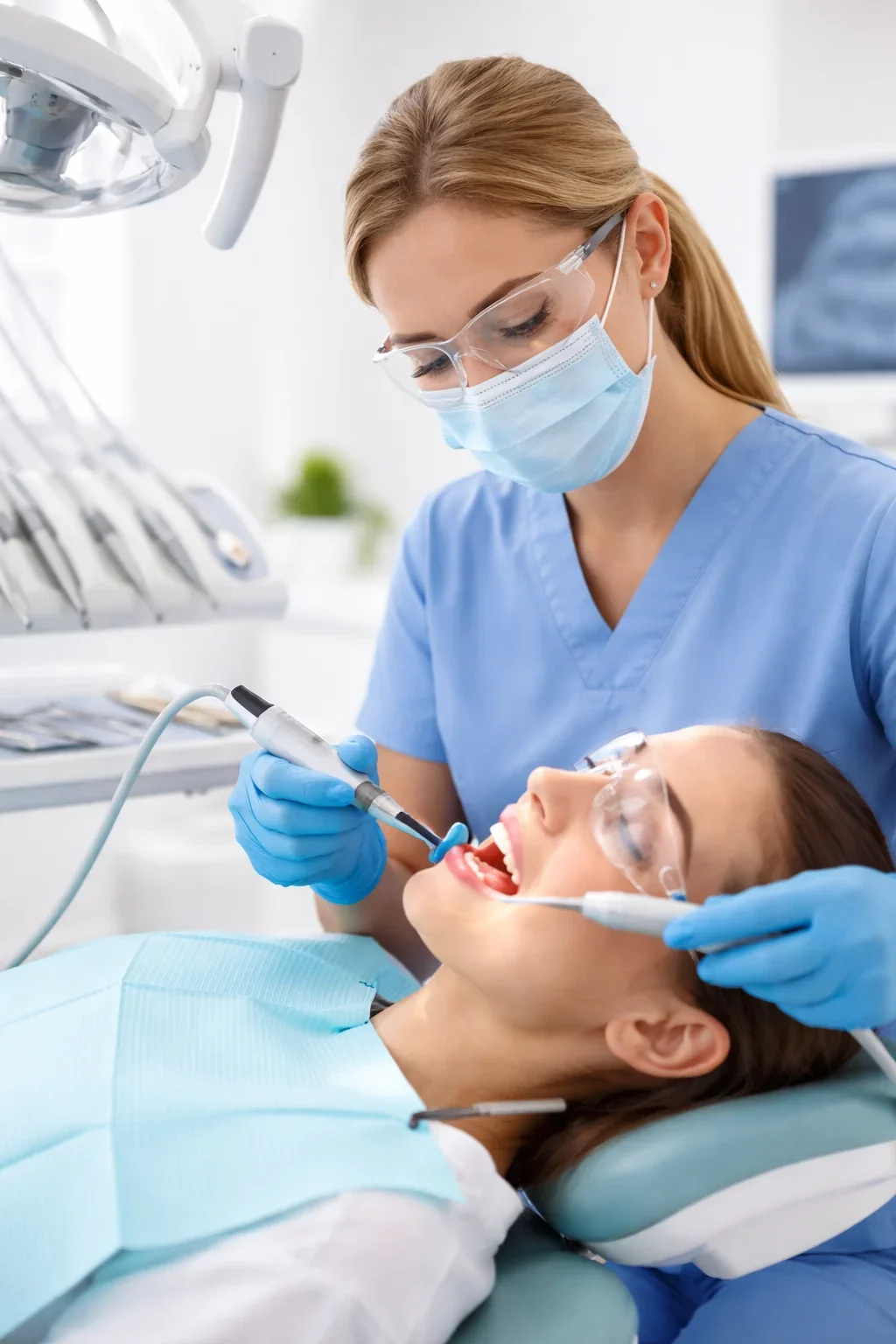
Dental Hygienist Does What in Cosmetic and Whitening Procedures?
When patients ask dental hygienist does what, many are surprised to learn that dental hygienists also play a significant role in cosmetic dentistry, especially in teeth whitening and aesthetic treatments. While dentists typically oversee advanced cosmetic procedures, hygienists are often responsible for performing and supporting treatments that enhance the appearance of a patient’s smile. Understanding dental hygienist does what in cosmetic and whitening procedures highlights how these professionals contribute not only to oral health but also to confidence and self-esteem 😊.
Professional Teeth Whitening Treatments
One of the most common answers to dental hygienist does what in cosmetic care is performing professional teeth whitening. Hygienists are trained to apply whitening agents safely and effectively, ensuring optimal results while minimizing sensitivity.
These treatments are far more effective than over-the-counter products because they use higher concentrations of whitening agents under controlled conditions.
In-Office Whitening Procedures
As part of dental hygienist does what, in-office whitening involves applying a bleaching gel to the teeth and sometimes using a special light to enhance the process. The hygienist carefully protects the gums and soft tissues to prevent irritation.
Pre-Whitening Assessment
Before any whitening procedure, dental hygienist does what includes evaluating whether the patient is a suitable candidate. Not all stains respond equally to whitening, and certain conditions, such as untreated cavities or gum disease, must be addressed first.
This assessment ensures that the treatment is both safe and effective.
Identifying Types of Stains
As part of dental hygienist does what, hygienists determine whether stains are extrinsic (surface stains) or intrinsic (deep stains). This helps guide the choice of whitening method and expected results.
Teeth Cleaning Before Whitening
A crucial step in dental hygienist does what is performing a professional cleaning before whitening. Removing plaque and tartar ensures that the whitening agent can penetrate evenly and produce consistent results.
This preparation significantly enhances the effectiveness of the procedure.
Post-Whitening Care Instructions
After whitening, dental hygienist does what includes providing detailed aftercare instructions. Patients are advised to avoid staining foods and beverages such as coffee, tea, and red wine for a certain period.
Hygienists also recommend using desensitizing toothpaste if needed.
Maintaining Whitening Results
Maintaining results is an important part of dental hygienist does what. Hygienists guide patients on how to preserve their brighter smile through good oral hygiene and periodic touch-up treatments.
Supporting Other Cosmetic Procedures
Beyond whitening, dental hygienist does what includes assisting with other cosmetic treatments such as polishing, stain removal, and preparation for procedures like veneers or bonding.
These tasks help ensure that the teeth are in optimal condition before cosmetic work is performed.
Patient Education on Aesthetic Care
Another essential aspect of dental hygienist does what is educating patients about maintaining a bright and healthy smile. Hygienists explain how lifestyle choices, such as smoking or consuming certain foods, can affect tooth color.
They also recommend products that support whitening results without damaging enamel.
Daily Habits for a Brighter Smile
As part of dental hygienist does what, patients are encouraged to adopt habits such as regular brushing, flossing, and using whitening-friendly toothpaste. These small steps can make a significant difference over time.
Ensuring Safety During Cosmetic Treatments
Safety is a top priority, and dental hygienist does what includes carefully monitoring patients during cosmetic procedures. Hygienists ensure that whitening agents are applied correctly and that patients do not experience excessive sensitivity or discomfort.
This attention to detail helps prevent complications and ensures a positive experience.
Collaboration with the Dental Team
Cosmetic dentistry often involves teamwork, and dental hygienist does what includes working closely with dentists to achieve the best results. Hygienists provide valuable input and support throughout the process.
Clinics such as those accessible through the Redent Klinik Contact Page emphasize this collaborative approach to deliver high-quality aesthetic treatments.
Guidelines from Professional Organizations
According to the American Dental Association, cosmetic dental procedures should be performed with a focus on safety and effectiveness. Dental hygienists are trained to follow these guidelines and ensure that treatments meet professional standards.
In conclusion, when asking dental hygienist does what in cosmetic and whitening procedures, the answer highlights their role in enhancing smiles through safe, effective, and personalized treatments. From whitening and stain removal to patient education and aftercare, dental hygienists contribute significantly to both the health and appearance of teeth. Understanding dental hygienist does what in this context allows patients to fully appreciate the value of these treatments and enjoy a confident, radiant smile 😁.