
Many patients who need advanced dental treatment often ask a very practical financial question: can you use HSA for dental implants? Dental implants are one of the most reliable and long-lasting solutions for replacing missing teeth, but they can also represent a significant investment. Because of this, understanding whether a Health Savings Account (HSA) can be used to pay for implants is extremely important for patients who want to manage healthcare costs wisely.
An HSA is a tax-advantaged medical savings account available to individuals who are enrolled in a high-deductible health plan (HDHP). The funds deposited into this account can be used for many qualified medical expenses, including certain dental treatments. The key reason many people search for the answer to can you use HSA for dental implants is that HSAs offer a unique financial benefit: the money you contribute is typically tax-deductible, grows tax-free, and can be withdrawn tax-free when used for qualified medical costs.
Dental implants often fall into the category of medically necessary dental procedures rather than purely cosmetic treatments. This distinction is important because the IRS determines whether an expense qualifies for HSA reimbursement. If a dental procedure restores normal function, replaces missing teeth, or helps maintain oral health, it may be considered a qualified medical expense. Because implants replace missing teeth and help restore chewing ability, many patients discover that the answer to can you use HSA for dental implants is often yes.
Dental implants consist of three main components: the implant post that acts as an artificial tooth root, the abutment that connects the implant to the restoration, and the crown that replaces the visible tooth. These components work together to restore both the function and appearance of natural teeth. When patients ask can you use HSA for dental implants, they are typically referring to whether these stages of treatment—including surgery, implant placement, and restoration—can be paid using HSA funds.
Another reason this question is so common is that dental implants can be costly compared with other tooth replacement options. Traditional dentures or bridges may be cheaper in the short term, but implants often last decades and help preserve jawbone health. Because implants can significantly improve oral function and prevent bone loss, many dentists consider them a restorative treatment rather than cosmetic dentistry. This medical necessity strengthens the case when patients ask can you use HSA for dental implants.
For patients considering dental implant treatment, it is always wise to consult with both a dental professional and an HSA provider. A qualified dentist can explain whether your implant procedure is considered medically necessary. At the same time, your HSA administrator can confirm whether the treatment qualifies under IRS guidelines. Reliable information about dental health and treatment standards can also be found through trusted organizations such as the American Dental Association.
In many situations, patients using HSA funds for dental implants will pay for consultation visits, diagnostic imaging such as X-rays or CT scans, implant surgery, and the final crown restoration directly from their account. This can reduce out-of-pocket costs because the funds were contributed before taxes were applied. Understanding can you use HSA for dental implants can therefore help patients make more strategic decisions about timing their treatment and budgeting their healthcare expenses.
Patients who are researching implant treatment internationally may also explore clinics that specialize in advanced restorative dentistry. For example, those seeking detailed consultation or treatment planning can reach out directly through the Redent Klinik Contact Page to receive personalized information about dental implant procedures.
It is also important to understand that every patient’s situation is slightly different. Insurance coverage, HSA balance, treatment complexity, and the number of implants required all affect how the procedure is paid for. Some individuals may use HSA funds to cover part of the treatment, while others may cover the entire procedure using their HSA balance. This is why the question can you use HSA for dental implants is not only about eligibility but also about financial planning.
Ultimately, dental implants provide a long-term solution for missing teeth that supports both oral health and overall quality of life. Patients who investigate can you use HSA for dental implants are often pleasantly surprised to learn that HSAs can play a major role in making this treatment more affordable. By understanding the rules governing qualified medical expenses and planning ahead, individuals can use their HSA strategically to invest in durable, life-changing dental care.
In the following sections, we will explore the topic in greater depth—examining IRS eligibility rules, which implant procedures qualify, how much implants typically cost, and how patients can maximize their HSA benefits when planning restorative dental treatment.
What Is an HSA and How Does It Work for Dental Care?
Before answering the important question can you use HSA for dental implants, it is essential to understand what a Health Savings Account (HSA) actually is and how it works for dental care. An HSA is a tax-advantaged savings account specifically designed to help individuals pay for qualified healthcare expenses. These accounts are available to people enrolled in high-deductible health insurance plans (HDHPs). The main advantage of an HSA is that it allows individuals to save money for medical and dental costs while receiving significant tax benefits.
Many patients researching implant treatment start by asking can you use HSA for dental implants because dental implants are considered a major dental investment. Understanding how HSAs function can help patients decide whether their funds can be used to cover implant surgery, diagnostic imaging, or restorative procedures. In many cases, HSA funds can indeed be applied to restorative dental treatments when they are considered medically necessary.
Understanding the Basics of a Health Savings Account
A Health Savings Account works as a personal healthcare savings tool. Individuals contribute money to the account and use those funds later to pay for qualified medical expenses. One of the most attractive features of an HSA is its triple tax advantage. Contributions are usually tax-deductible, the money grows tax-free through investment options, and withdrawals are tax-free when used for qualified medical expenses.
This tax structure is one reason why so many patients researching can you use HSA for dental implants consider HSAs a powerful way to manage large dental costs. Instead of paying for dental implants entirely with after-tax income, patients can use pre-tax savings from their HSA to reduce their total financial burden.
Another important benefit is that HSA funds roll over from year to year. Unlike flexible spending accounts (FSAs), which often require funds to be used within the same year, HSA balances accumulate over time. This feature allows patients planning major treatments—like implants—to save money gradually before undergoing surgery. For those asking can you use HSA for dental implants, this rollover feature can make implant treatment much more financially manageable.
Qualified Medical Expenses and Dental Treatments
The Internal Revenue Service (IRS) determines which expenses qualify for HSA reimbursement. Generally, qualified medical expenses include treatments that diagnose, treat, prevent, or alleviate disease. Many dental treatments fall under this category, particularly those that restore oral function or address medical problems affecting the teeth and jaw.
Because implants replace missing teeth and restore chewing ability, they are often considered restorative rather than cosmetic procedures. This is why many patients researching can you use HSA for dental implants discover that implant-related treatments frequently qualify as eligible medical expenses.
Common dental procedures that may qualify for HSA spending include:
- Dental examinations and consultations
- X-rays and diagnostic scans
- Tooth extractions
- Dental implants and implant surgery
- Bone grafting when medically necessary
- Crowns and implant restorations
- Periodontal treatments
Patients who want reliable information about dental treatment standards can consult professional organizations such as the American Dental Association, which provides guidance on oral healthcare procedures and patient education.
Why Dental Implants Are Often Considered a Qualified Expense
When people ask can you use HSA for dental implants, they are often worried that implants may be classified as cosmetic dentistry. However, dental implants typically serve an essential medical purpose. Missing teeth can lead to jawbone loss, bite problems, shifting teeth, and difficulty chewing. Implant treatment restores normal oral function and prevents long-term oral health complications.
Because of these health benefits, implant procedures are commonly recognized as medically necessary restorative treatments. This medical classification plays a key role in determining whether HSA funds can be used to cover the costs.
Still, patients should confirm with their HSA provider or benefits administrator before starting treatment. Every healthcare plan may interpret eligibility slightly differently, and documentation from a dentist may sometimes be required to verify that the treatment is medically necessary.
How Patients Actually Use HSA Funds for Dental Care
Once patients understand the answer to can you use HSA for dental implants, the next step is learning how to use their HSA funds properly. The process is usually straightforward. Most HSA accounts include a debit card linked directly to the savings account. Patients can simply use this card to pay their dental provider at the time of treatment.
Another option is to pay out-of-pocket first and reimburse themselves later. This approach is often used by patients who want to leave their HSA funds invested for a longer period. As long as the dental treatment qualifies and the patient keeps proper documentation, reimbursement can be requested at any time.
Documentation is extremely important when using HSA funds. Patients should keep copies of:
- Dental treatment plans
- Receipts and invoices
- Proof of payment
- Insurance statements if applicable
Maintaining these records ensures that HSA withdrawals remain compliant with IRS regulations.
Planning Dental Implant Treatment With HSA Funds
Patients planning implant treatment often use their HSA strategically. Because implant procedures may involve several stages—including consultation, surgery, healing, and crown placement—patients may spread costs across multiple months or even years. This staged treatment process allows individuals to allocate HSA funds gradually.
For example, a patient researching can you use HSA for dental implants might first use their HSA to pay for diagnostic imaging and consultations. Later, they may apply additional HSA funds toward the implant surgery and final restoration.
Those interested in discussing implant treatment plans or learning more about options can contact a dental clinic directly through the Redent Klinik Contact Page to receive personalized guidance.
Understanding the structure and benefits of HSAs is essential for patients evaluating implant treatment. By learning how these accounts function and what qualifies as a medical expense, patients can make informed financial decisions. For individuals wondering can you use HSA for dental implants, the answer often depends on understanding both the medical purpose of implants and the specific rules governing HSA spending.
Can You Use HSA for Dental Implants Under IRS Rules?
When patients research major restorative treatments, one of the most common financial questions is can you use HSA for dental implants. Dental implants are widely recognized as the most durable and natural-looking solution for replacing missing teeth, but they can also involve significant costs. Because of this, understanding how the Internal Revenue Service (IRS) classifies dental implant procedures is essential for patients who want to use Health Savings Account funds to pay for treatment.
The IRS provides clear guidelines regarding which healthcare expenses qualify for HSA reimbursement. These rules are outlined in IRS Publication 502, which defines eligible medical and dental expenses. The key factor that determines eligibility is whether the procedure is considered medically necessary rather than purely cosmetic. For patients wondering can you use HSA for dental implants, the good news is that implants often qualify because they restore oral function and replace missing teeth.
Dental implants help patients chew properly, maintain jawbone health, and prevent surrounding teeth from shifting. These functional benefits are why implants are frequently classified as restorative dentistry. When a procedure restores normal body function, the IRS typically considers it a qualified medical expense, meaning HSA funds can be used to cover the cost.
IRS Definition of Qualified Medical Expenses
The IRS defines qualified medical expenses as costs associated with diagnosing, curing, mitigating, treating, or preventing disease. In dental care, this includes procedures that maintain or restore oral health. When patients ask can you use HSA for dental implants, the eligibility often depends on whether the implant procedure meets this medical definition.
Dental implants replace missing tooth roots and support artificial crowns that function like natural teeth. Without implants, patients may experience bone loss, difficulty chewing, and misalignment of surrounding teeth. Because implants address these medical issues, they are generally considered restorative treatment rather than cosmetic enhancement.
According to IRS guidelines, many dental procedures qualify for HSA spending. These may include:
- Dental examinations and consultations
- X-rays and diagnostic imaging
- Tooth extractions
- Dental implants and implant surgery
- Bone graft procedures when medically necessary
- Implant-supported crowns and bridges
- Periodontal treatments for gum disease
Since implants fall into the category of tooth replacement treatments, the answer to can you use HSA for dental implants is often yes when the procedure is medically justified.
Patients can also learn more about dental standards and treatment recommendations from reputable organizations like the American Dental Association, which provides educational resources about oral health care.
When Dental Implants Might Not Qualify
Although many implant procedures qualify for HSA reimbursement, there are certain situations where coverage could be questioned. The IRS generally does not allow HSA funds to be used for cosmetic procedures that are performed solely to improve appearance without providing medical benefits.
For example, if dental implants are placed purely for aesthetic reasons and not to restore function, eligibility may become less clear. However, this situation is relatively uncommon because implants almost always serve a restorative purpose. Patients researching can you use HSA for dental implants should consult both their dentist and HSA administrator to confirm eligibility before beginning treatment.
Proper documentation is extremely important in these cases. Dentists typically provide treatment plans and diagnostic reports that demonstrate the medical necessity of the implant procedure. This documentation can help ensure that HSA withdrawals comply with IRS regulations.
Dental Implant Procedures That Typically Qualify
Dental implant treatment usually involves several stages, and many of these steps may qualify as eligible HSA expenses. Patients asking can you use HSA for dental implants should understand that multiple components of implant therapy may be covered.
Common implant-related procedures that may qualify include:
- Initial dental consultation and treatment planning
- 3D imaging or CT scans used for implant placement
- Surgical placement of the implant post
- Bone grafting procedures required for implant stability
- Abutment placement
- Custom dental crowns attached to the implant
Each of these procedures contributes to restoring the patient’s ability to chew, speak, and maintain oral health. Because they support the function of the mouth and jaw, they typically meet the IRS definition of qualified medical expenses.
Documentation Requirements for HSA Reimbursement
Patients who plan to use their HSA funds for implant treatment should keep detailed documentation. Maintaining accurate records ensures that HSA withdrawals remain compliant with IRS guidelines and prevents potential tax penalties.
When determining can you use HSA for dental implants, patients should save the following documents:
- Detailed dental treatment plans
- Invoices from the dental clinic
- Proof of payment receipts
- Insurance statements if insurance is involved
- Written explanation of medical necessity if required
These documents serve as proof that the withdrawal was used for qualified healthcare expenses.
Consulting a Dental Professional Before Using HSA Funds
Even though many implant procedures qualify under IRS rules, patients should still confirm eligibility before beginning treatment. Dental professionals can explain the medical necessity of implants and provide documentation required for HSA reimbursement.
Patients who are considering implant treatment and want personalized guidance can reach out through the Redent Klinik Contact Page to discuss treatment options and financial planning.
Understanding IRS rules is the most important step when evaluating can you use HSA for dental implants. Because dental implants restore essential oral function, they are commonly considered eligible healthcare expenses under HSA guidelines. However, confirming eligibility with your HSA provider and maintaining proper documentation ensures that patients can safely use their tax-advantaged healthcare savings for this life-changing dental treatment.
Which Dental Implant Procedures Qualify for HSA Spending?
After learning the basics of Health Savings Accounts and IRS eligibility rules, many patients naturally ask the next question: can you use HSA for dental implants at every stage of the implant procedure? Dental implant treatment typically involves several steps, from diagnosis and planning to surgery and final restoration. Understanding which of these procedures qualify for HSA spending can help patients plan their treatment more effectively and maximize the benefits of their healthcare savings.
The good news for many patients researching can you use HSA for dental implants is that most implant-related treatments are classified as restorative dental care rather than cosmetic procedures. Because implants restore the ability to chew, support jawbone health, and replace missing teeth, they are frequently considered qualified medical expenses under IRS guidelines. However, it is important to understand exactly which parts of the implant process may be eligible for HSA reimbursement.
Initial Consultation and Diagnostic Evaluations
The dental implant process always begins with a comprehensive evaluation. During this stage, a dentist or oral surgeon examines the patient’s oral health, assesses bone structure, and determines whether implants are the most appropriate solution. Patients asking can you use HSA for dental implants should know that diagnostic procedures are usually considered qualified medical expenses.
Common diagnostic procedures that often qualify for HSA spending include:
- Comprehensive dental examinations
- Digital X-rays
- 3D CT scans for implant planning
- Periodontal health assessments
- Consultation appointments with implant specialists
These evaluations are essential because they allow the dentist to determine whether a patient has sufficient bone density for implant placement and whether additional procedures such as bone grafting may be required. Since these diagnostic services are necessary for treatment planning, they typically qualify under HSA rules. This is another reason why many patients find that the answer to can you use HSA for dental implants is often yes.
Dental Implant Surgery
The core stage of implant treatment involves surgically placing the titanium implant post into the jawbone. This post acts as an artificial tooth root that will eventually support a dental crown or bridge. Implant surgery is considered a restorative medical procedure because it replaces missing teeth and restores oral function.
For patients researching can you use HSA for dental implants, implant surgery itself is typically one of the most clearly eligible expenses. The surgical procedure is performed to correct tooth loss and prevent further oral health problems such as bone deterioration and bite misalignment.
Implant surgery may include several related components:
- Surgical placement of the implant post
- Anesthesia or sedation used during the procedure
- Surgical fees charged by the oral surgeon
- Follow-up appointments during the healing phase
Because these services directly contribute to restoring oral health, they are generally considered qualified medical expenses that can be paid using HSA funds.
Bone Grafting and Preparatory Procedures
Some patients do not have enough jawbone density to support dental implants immediately. In these situations, additional procedures such as bone grafting may be necessary before implant placement. Patients often ask can you use HSA for dental implants if preparatory treatments like bone grafts are required.
Bone grafting procedures are commonly performed to rebuild the jawbone and create a stable foundation for implants. Because these procedures directly support restorative dental treatment, they are frequently considered eligible HSA expenses.
Preparatory treatments that may qualify include:
- Bone grafting procedures
- Sinus lift surgery
- Extraction of damaged teeth prior to implant placement
- Periodontal treatments needed to stabilize gum health
These treatments improve the success rate of implant placement and ensure long-term oral health, making them medically necessary in many cases.
Abutments, Crowns, and Final Restorations
Once the implant post integrates with the jawbone—a process called osseointegration—the dentist places an abutment and attaches a custom dental crown. This crown replaces the visible portion of the missing tooth and restores the patient’s ability to chew and speak normally.
Patients researching can you use HSA for dental implants often wonder whether the final restoration also qualifies for HSA spending. In most cases, the answer is yes. Implant-supported crowns are considered a functional part of the restorative process rather than a cosmetic enhancement.
The following components may qualify:
- Implant abutments
- Custom dental crowns
- Implant-supported bridges
- Adjustments and follow-up restoration visits
Because these restorations complete the implant treatment and allow patients to regain normal oral function, they are usually recognized as eligible healthcare expenses.
Additional Implant-Related Costs That May Qualify
Beyond the primary surgical and restorative stages, several other expenses may also be covered when patients evaluate can you use HSA for dental implants. These additional services are often necessary to ensure successful treatment outcomes.
Examples include:
- Prescription medications related to implant surgery
- Post-surgical follow-up appointments
- Dental sedation when medically appropriate
- Temporary prosthetics used during healing
Each of these services supports the overall implant treatment process and may qualify under IRS guidelines.
Patients who want authoritative information about dental care and treatment guidelines can consult the American Dental Association, which provides educational resources about restorative dentistry.
Planning Your Implant Treatment and HSA Strategy
Understanding which procedures qualify is an important part of planning implant treatment. Because the implant process often occurs over several months, patients can strategically use HSA funds at different stages of treatment. This flexibility helps reduce financial stress and allows patients to take advantage of the tax benefits associated with HSAs.
If you are considering implant treatment and want personalized guidance, you can contact a dental specialist through the Redent Klinik Contact Page to discuss your options and develop a treatment plan.
For patients wondering can you use HSA for dental implants, the answer often becomes clearer once they understand the entire implant process. From diagnostic imaging and surgery to crowns and follow-up care, many stages of implant treatment qualify as medical expenses. By understanding these eligible procedures and keeping proper documentation, patients can confidently use their HSA funds to support long-term oral health and restore their smiles.
Costs of Dental Implants and Using HSA Funds
One of the most important reasons patients search the question can you use HSA for dental implants is the cost of implant treatment. Dental implants are widely regarded as the most durable and natural-feeling solution for replacing missing teeth, but they are also one of the most significant financial investments in dentistry. Understanding the typical cost of dental implants and how Health Savings Account (HSA) funds can help offset these expenses is crucial for anyone planning implant treatment.
Dental implant procedures involve several steps including consultation, imaging, surgery, healing, and restoration. Because of this multi-stage process, costs can vary widely depending on the patient’s oral health, the number of implants required, and the complexity of the procedure. Patients asking can you use HSA for dental implants are often trying to determine whether they can reduce their out-of-pocket expenses by using tax-advantaged healthcare funds.
Average Cost of Dental Implants
The price of dental implants can differ significantly depending on the clinic, geographic location, and specific treatment plan. However, general price ranges provide a helpful guideline for patients researching can you use HSA for dental implants.
Typical dental implant costs in the United States may include:
- Initial consultation and examination: $100 – $300
- 3D CT scan or diagnostic imaging: $200 – $600
- Single dental implant placement: $1,500 – $3,000
- Abutment and implant crown: $1,000 – $2,500
- Bone grafting if required: $300 – $3,000
This means the total cost of a single dental implant can range between approximately:
$3,000 – $6,000 per tooth
Patients who require multiple implants or full-mouth reconstruction may see higher overall costs. However, because implants are designed to last decades, many dentists consider them a long-term investment in oral health.
When patients evaluate can you use HSA for dental implants, they often discover that using HSA funds can significantly reduce the financial burden because these funds are typically contributed before taxes.
Why Dental Implants Are Worth the Investment
Although the upfront cost may appear high, dental implants offer several long-term benefits that make them one of the most cost-effective tooth replacement options. Many patients researching can you use HSA for dental implants want reassurance that their investment will improve both oral health and quality of life.
Key benefits of dental implants include:
- Long lifespan, often lasting 20 years or more
- Prevention of jawbone loss after tooth loss
- Improved chewing and speech
- No need to grind down adjacent teeth like dental bridges
- A natural look and feel similar to real teeth
Because implants restore essential oral function, they are usually classified as restorative dentistry rather than cosmetic treatment. This classification is one of the main reasons the answer to can you use HSA for dental implants is frequently yes.
Tax Advantages of Paying for Implants With an HSA
One of the most powerful financial advantages of using an HSA is the tax benefit. HSAs are unique because they provide a triple tax advantage:
- Contributions are typically tax-deductible
- Funds grow tax-free
- Withdrawals are tax-free when used for qualified medical expenses
For patients asking can you use HSA for dental implants, this means the effective cost of the procedure may be lower than paying with after-tax income.
For example, imagine a patient who needs a $4,500 dental implant and is in a 25% combined tax bracket. If the treatment is paid using HSA funds, the tax savings could effectively reduce the real cost of the procedure by over $1,000.
This financial advantage is one reason why many healthcare planners recommend saving HSA funds for larger medical procedures like dental implants.
Using HSA Funds for Different Stages of Implant Treatment
Dental implant treatment often occurs over several months, and patients frequently ask can you use HSA for dental implants at each stage of the process. Fortunately, most stages of implant treatment may qualify for HSA spending.
Eligible expenses may include:
- Consultations and examinations
- Diagnostic imaging such as CT scans
- Surgical implant placement
- Bone graft procedures
- Implant abutments
- Custom crowns attached to the implant
- Follow-up appointments and adjustments
Because these treatments restore oral function, they generally meet the IRS definition of qualified medical expenses.
Patients who want reliable dental health information can review resources from the American Dental Association, which provides professional guidelines about dental treatments and oral healthcare.
Planning Implant Treatment With HSA Savings
Many patients strategically save HSA funds in advance to prepare for major procedures like dental implants. Since HSA balances roll over each year and can even be invested, patients can accumulate significant savings before starting treatment.
For example, individuals who regularly contribute to their HSA may build several thousand dollars in savings over time. When the time comes for implant treatment, these funds can be used to cover part or all of the procedure.
Patients who want personalized advice or treatment planning can reach out through the Redent Klinik Contact Page to discuss their dental implant options.
Ultimately, understanding treatment costs is essential for answering the question can you use HSA for dental implants. Dental implants may require a significant investment, but using HSA funds allows patients to pay for treatment using tax-advantaged savings. By planning ahead and understanding the stages of implant treatment, individuals can make informed financial decisions while improving their long-term oral health.
Step-by-Step Guide: How to Pay for Dental Implants With an HSA
Once patients understand the eligibility rules and cost structure of implant treatment, the next practical question becomes: can you use HSA for dental implants and how exactly do you pay for the procedure using your Health Savings Account? Knowing the step-by-step process can make the entire experience smoother and help you avoid mistakes that might cause reimbursement issues later.
Dental implant treatment often involves several stages, and each stage may involve separate payments. Because of this, many people researching can you use HSA for dental implants want clear guidance on how to apply their HSA funds correctly throughout the treatment process. By following a structured approach and keeping proper documentation, patients can safely use their HSA to cover qualified implant expenses.
Step 1: Confirm That Your Dental Implant Procedure Qualifies
The first step when evaluating can you use HSA for dental implants is confirming that your treatment qualifies as a medical expense under IRS guidelines. In most cases, dental implants qualify because they restore missing teeth, improve chewing function, and prevent jawbone deterioration.
However, it is always wise to verify eligibility before starting treatment. This can be done by:
- Consulting with your dentist or oral surgeon
- Reviewing IRS Publication 502 guidelines
- Contacting your HSA administrator
Because dental implants are considered restorative dentistry rather than cosmetic treatment, they are commonly approved as qualified medical expenses. Patients asking can you use HSA for dental implants usually receive confirmation that implant placement, crowns, and related procedures are eligible.
For trustworthy information about dental procedures and treatment standards, patients can also review resources from the American Dental Association.
Step 2: Schedule a Consultation and Treatment Plan
The next step after confirming eligibility is scheduling a consultation with a dental professional. During this visit, the dentist will evaluate your oral health, take diagnostic images, and determine whether dental implants are the best option.
Patients researching can you use HSA for dental implants should know that consultation appointments and diagnostic tests are typically eligible HSA expenses. These may include:
- Initial dental examination
- X-rays or digital imaging
- 3D CT scans for implant planning
- Periodontal evaluations
At this stage, your dentist will also create a detailed treatment plan that outlines each step of the implant procedure. This document is extremely important when using HSA funds because it shows the medical necessity of the treatment.
Tip: Ask for an Itemized Treatment Estimate
Before starting treatment, request a detailed cost breakdown from your dental clinic. An itemized estimate helps you understand exactly how much each stage of the implant process will cost and allows you to determine how much of your HSA funds will be used.
This step is particularly useful for patients researching can you use HSA for dental implants because it allows them to plan HSA withdrawals strategically.
Step 3: Use Your HSA Debit Card or Reimbursement Method
Once treatment begins, patients can use their HSA funds in two primary ways. Understanding these payment options is essential when answering can you use HSA for dental implants.
Option 1: Pay Directly With an HSA Debit Card
Many HSA providers issue debit cards connected directly to the account. Patients can use this card at the dental clinic to pay for eligible procedures such as implant placement, imaging, or restorations.
This is often the easiest way to use HSA funds for dental implants because the payment is automatically recorded as a healthcare expense.
Option 2: Pay Out-of-Pocket and Request Reimbursement
Some patients prefer to pay for implant treatment out-of-pocket first and reimburse themselves later from their HSA. This approach can allow HSA funds to remain invested longer, potentially growing tax-free.
If you choose this method while exploring can you use HSA for dental implants, you must keep detailed documentation of the expenses.
Required documentation typically includes:
- Invoices from the dental clinic
- Receipts showing payment
- Treatment plans explaining medical necessity
- Insurance statements if insurance is involved
Keeping these records ensures compliance with IRS rules and protects you in case of an audit.
Step 4: Use HSA Funds for Each Stage of Implant Treatment
Dental implant procedures often occur over several months. This allows patients to use HSA funds at multiple stages rather than paying the entire cost at once. When researching can you use HSA for dental implants, many patients find that spreading payments across treatment phases makes the process easier to manage financially.
Typical stages where HSA funds may be used include:
- Initial consultation and diagnostics
- Tooth extraction if necessary
- Bone grafting procedures
- Implant placement surgery
- Abutment placement
- Final crown restoration
Each of these procedures contributes to restoring oral health, which is why they are commonly classified as qualified medical expenses.
Step 5: Keep All Documentation for Tax Records
Maintaining proper records is the final step in successfully using HSA funds for dental implants. Even though most implant procedures qualify, patients should always keep documentation that proves the treatment was medically necessary.
This documentation may include:
- Dental treatment plans
- Receipts and payment confirmations
- Diagnostic imaging reports
- Insurance explanations of benefits
Proper documentation ensures that HSA withdrawals remain tax-free.
If you are planning implant treatment and want professional guidance, you can consult a dental clinic through the Redent Klinik Contact Page to discuss treatment options and financial planning.
Understanding the exact payment process is essential when evaluating can you use HSA for dental implants. By confirming eligibility, creating a treatment plan, using HSA funds strategically, and keeping proper documentation, patients can successfully use their Health Savings Account to help cover the cost of dental implant treatment.
Common Mistakes When Using HSA for Dental Implants
Even though many patients discover that the answer to can you use HSA for dental implants is often yes, mistakes can still occur when using Health Savings Account funds for dental procedures. HSAs offer powerful tax advantages, but they are also governed by specific IRS rules. If patients do not understand these rules clearly, they may accidentally misuse their HSA funds or fail to keep proper documentation.
For anyone researching can you use HSA for dental implants, avoiding these common mistakes can help ensure that implant treatment remains fully compliant with IRS regulations while maximizing the financial benefits of HSA savings. In this section, we will examine the most frequent errors patients make and how to avoid them.
Assuming All Dental Procedures Automatically Qualify
One of the most common misunderstandings when people ask can you use HSA for dental implants is assuming that every dental procedure automatically qualifies for HSA reimbursement. While many dental treatments are eligible, the IRS distinguishes between restorative procedures and purely cosmetic treatments.
Dental implants are usually considered restorative because they replace missing teeth and restore normal oral function. However, certain procedures performed solely for aesthetic reasons may not qualify.
Examples of procedures that may not qualify include:
- Cosmetic veneers placed purely for appearance
- Teeth whitening treatments
- Elective cosmetic smile makeovers
When evaluating can you use HSA for dental implants, it is important to confirm that the procedure addresses a medical need such as tooth loss, chewing function, or jawbone preservation.
Patients can also review dental care guidelines and educational materials provided by the American Dental Association, which offers valuable information about restorative dental treatments.
Not Confirming Eligibility With the HSA Administrator
Another mistake patients make when researching can you use HSA for dental implants is failing to confirm eligibility with their HSA provider before starting treatment. Although implants commonly qualify, each HSA administrator may have slightly different documentation requirements.
Before scheduling implant surgery, it is wise to:
- Contact your HSA administrator
- Review eligible medical expense lists
- Ask whether documentation of medical necessity is required
Taking these steps can prevent confusion later and ensure that HSA funds are used correctly.
Failing to Keep Proper Documentation
Documentation is one of the most important aspects of using HSA funds correctly. Patients exploring can you use HSA for dental implants should understand that the IRS may require proof that the withdrawal was used for a qualified medical expense.
Without proper documentation, HSA withdrawals could be classified as non-qualified expenses. This could lead to income taxes and additional penalties.
Patients should keep records such as:
- Detailed dental treatment plans
- Invoices from the dental clinic
- Proof of payment receipts
- Diagnostic imaging reports
- Insurance statements if applicable
Keeping these records ensures that you can verify the eligibility of your implant procedure if needed.
Using HSA Funds for Non-Qualified Expenses
Another mistake people sometimes make while investigating can you use HSA for dental implants is accidentally using HSA funds for expenses that are not eligible under IRS rules.
For example, certain costs associated with dental treatment may not qualify, including:
- Travel expenses unrelated to medical necessity
- Luxury upgrades unrelated to treatment
- Cosmetic-only dental procedures
Patients should focus on using their HSA funds for expenses that directly contribute to restoring oral health and dental function.
Not Planning HSA Contributions in Advance
Many people researching can you use HSA for dental implants realize that planning ahead can significantly improve affordability. Dental implant treatment can involve multiple procedures, and the total cost may be several thousand dollars.
If patients do not plan their HSA contributions early enough, they may not have sufficient funds available when treatment begins. Because HSA contributions are limited each year by IRS regulations, strategic planning is essential.
For example, individuals expecting implant treatment in the future may choose to:
- Increase HSA contributions during the year
- Allow HSA funds to accumulate over time
- Use investment options available within the HSA
This long-term strategy helps patients prepare financially for large healthcare expenses.
Overlooking the Multi-Stage Nature of Implant Treatment
Dental implant treatment usually occurs in several stages. Patients researching can you use HSA for dental implants sometimes assume the entire procedure must be paid at once, but this is rarely the case.
Implant treatment may involve:
- Initial consultation and imaging
- Tooth extraction if necessary
- Bone graft procedures
- Implant placement surgery
- Healing period for osseointegration
- Placement of the crown or final restoration
Each stage may occur months apart, allowing patients to use HSA funds gradually instead of paying the entire amount immediately.
Not Consulting a Dental Professional for Financial Planning
Some patients researching can you use HSA for dental implants attempt to navigate financial planning alone without consulting a dental professional. However, dentists often provide detailed treatment plans that can help patients understand both the medical and financial aspects of implant care.
A consultation with a dental clinic can provide valuable information about procedure timelines, expected costs, and available payment options. Patients interested in discussing implant treatment can request additional information through the Redent Klinik Contact Page.
Final Thoughts on Avoiding HSA Mistakes
Understanding the rules and avoiding common errors is essential for anyone asking can you use HSA for dental implants. While HSAs provide powerful tax advantages and can significantly reduce the cost of implant treatment, they must be used carefully and responsibly.
By confirming eligibility, maintaining accurate documentation, planning contributions in advance, and consulting with dental professionals, patients can use their HSA funds confidently. Taking these precautions ensures that dental implant treatment remains both financially efficient and fully compliant with healthcare regulations.
Comparing HSA vs FSA for Dental Implant Treatment
When patients start researching how to finance implant procedures, another common question appears alongside the main topic can you use HSA for dental implants: should you use an HSA or an FSA to pay for treatment? Both Health Savings Accounts (HSAs) and Flexible Spending Accounts (FSAs) are tax-advantaged healthcare accounts designed to help individuals pay for qualified medical expenses, including certain dental treatments. However, they operate under different rules, contribution limits, and flexibility levels.
Understanding the differences between these two accounts is extremely important for patients planning major restorative treatments such as dental implants. If you are asking can you use HSA for dental implants, you may also want to know whether an FSA might provide similar benefits or if one option offers greater financial advantages.
What Is a Flexible Spending Account (FSA)?
A Flexible Spending Account is an employer-sponsored benefit that allows employees to set aside pre-tax money to pay for healthcare expenses. Like HSAs, FSAs provide tax savings because the funds are deducted from your paycheck before taxes are applied.
Patients researching can you use HSA for dental implants often compare FSAs because they can also be used to pay for many dental procedures. Qualified dental expenses under an FSA may include:
- Dental examinations
- X-rays and diagnostic imaging
- Dental implant procedures
- Crowns and bridges
- Periodontal treatments
However, FSAs operate differently from HSAs in several important ways. One of the biggest differences is the “use-it-or-lose-it” rule.
The “Use-It-Or-Lose-It” Rule
One limitation of FSAs is that unused funds typically expire at the end of the plan year. Some employers offer a small grace period or allow a limited rollover amount, but generally the funds must be spent within the same year.
This rule can make long-term treatment planning more difficult for patients asking can you use HSA for dental implants. Because implant procedures may occur over several months or even more than a year, patients may find HSAs more flexible for saving money gradually.
What Is a Health Savings Account (HSA)?
A Health Savings Account is available to individuals enrolled in a high-deductible health plan (HDHP). Unlike FSAs, HSAs are personally owned accounts, meaning the funds belong to the individual rather than the employer.
When patients investigate can you use HSA for dental implants, they often discover that HSAs offer several powerful financial advantages:
- Funds roll over every year without expiration
- The account stays with you even if you change jobs
- HSA funds can be invested for long-term growth
- Withdrawals are tax-free when used for qualified medical expenses
This flexibility is especially helpful for patients planning expensive dental treatments such as implants, which may require thousands of dollars in healthcare spending.
Trusted dental organizations such as the American Dental Association emphasize the importance of restorative procedures like implants in maintaining long-term oral health.
Key Differences Between HSA and FSA for Dental Implants
Patients evaluating can you use HSA for dental implants should understand the major differences between these two healthcare savings tools.
| Feature | HSA | FSA |
|---|---|---|
| Ownership | Owned by the individual | Owned by employer |
| Fund rollover | Funds roll over indefinitely | Usually expire annually |
| Eligibility | Requires high-deductible health plan | Employer-sponsored benefit |
| Investment options | Often available | Not available |
| Account portability | Keeps account when changing jobs | Usually lost when leaving employer |
For patients asking can you use HSA for dental implants, the rollover feature of HSAs is particularly valuable because implant treatment often requires saving funds over time.
Which Option Is Better for Dental Implant Costs?
Dental implants are often a multi-stage procedure that includes consultation, surgery, healing, and final crown placement. Because of this extended timeline, many financial planners recommend HSAs as the better long-term savings tool for implant treatment.
Patients researching can you use HSA for dental implants typically discover that HSAs allow them to:
- Save funds gradually for future dental procedures
- Invest HSA contributions to grow savings
- Use tax-free funds for major restorative treatments
FSAs may still be helpful in some cases, especially when patients already know they will undergo implant surgery within the same year. In those situations, allocating FSA funds for the procedure can still provide valuable tax savings.
Using Both Accounts Strategically
Some individuals have access to both an HSA and a limited-purpose FSA, which can be used specifically for dental and vision expenses. In these situations, patients researching can you use HSA for dental implants may combine both accounts strategically.
For example:
- The FSA may cover initial diagnostic exams and imaging
- The HSA may cover implant surgery and restorations
This strategy can maximize tax savings while ensuring sufficient funds are available for each stage of treatment.
Consulting Dental Professionals About Financial Options
Choosing between an HSA and FSA often depends on your healthcare plan, employer benefits, and treatment timeline. Patients considering dental implants may benefit from discussing financial planning options with their dentist.
Individuals who want personalized advice about implant treatment or cost planning can contact a dental clinic through the Redent Klinik Contact Page to explore their options.
Ultimately, understanding the differences between HSAs and FSAs is essential for anyone researching can you use HSA for dental implants. While both accounts can help reduce healthcare costs through tax savings, HSAs generally offer greater flexibility for long-term dental treatments. By comparing these options carefully, patients can choose the financing strategy that best supports their oral health and financial goals.
Other Ways to Finance Dental Implants If HSA Isn’t Enough
Even after learning the answer to can you use HSA for dental implants, many patients discover that their Health Savings Account balance may not fully cover the cost of treatment. Dental implants are a long-term investment in oral health, and depending on the number of implants required or the complexity of the procedure, the total cost can reach several thousand dollars. Because of this, patients often explore additional financing options to make implant treatment more affordable.
Understanding the full range of financing solutions is important for anyone researching can you use HSA for dental implants. While HSAs offer significant tax advantages, combining HSA funds with other payment strategies can make implant treatment accessible to more patients. In this section, we will explore the most common ways individuals finance dental implants when their HSA funds alone are not sufficient.
Using Dental Insurance Alongside HSA Funds
One of the first financing options to consider is dental insurance. While many dental insurance plans do not fully cover implants, some policies may cover portions of the treatment. Patients asking can you use HSA for dental implants should know that insurance and HSA funds can often be used together.
Depending on the policy, dental insurance may partially cover:
- Initial consultations and examinations
- Diagnostic imaging such as X-rays or CT scans
- Tooth extractions
- Implant-supported crowns
If insurance pays for part of the treatment, the remaining balance may still be eligible for payment using HSA funds. This combination allows patients to reduce their out-of-pocket costs significantly.
Patients who want to learn more about professional dental treatment guidelines and oral health recommendations can consult the American Dental Association, which provides valuable resources about restorative dentistry.
Dental Payment Plans Offered by Clinics
Many dental clinics understand that implant treatment can be a large financial commitment. Because of this, clinics often offer flexible payment plans that allow patients to spread costs over several months or years.
For individuals researching can you use HSA for dental implants, payment plans can work well in combination with HSA funds. Patients may choose to:
- Pay a portion of the treatment with their HSA
- Finance the remaining balance through a monthly payment plan
This approach allows patients to benefit from tax-advantaged HSA savings while managing the remaining cost in smaller installments.
Interest-Free Dental Financing Programs
Some clinics partner with third-party healthcare financing companies that offer interest-free payment plans for qualified patients. These programs allow patients to pay for dental implants gradually without paying interest if the balance is paid within a specific time period.
For patients asking can you use HSA for dental implants, this option can provide additional financial flexibility. For example, a patient might use HSA funds for the surgical placement of the implant and finance the crown restoration through an interest-free payment plan.
Healthcare Credit Options
Healthcare credit providers offer financing specifically for medical and dental treatments. These services function similarly to credit cards but are designed exclusively for healthcare expenses.
Patients exploring can you use HSA for dental implants sometimes combine healthcare credit with HSA funds. For instance:
- HSA funds may be used for consultation and surgery
- Healthcare credit may cover additional procedures such as bone grafts or restorations
This strategy helps patients access treatment sooner rather than waiting to accumulate additional HSA savings.
Personal Savings and Health Investment Planning
Another common approach when researching can you use HSA for dental implants is combining HSA funds with personal savings. Because dental implants are a long-term solution for missing teeth, many patients view them as an investment in health and quality of life.
Patients may choose to:
- Save gradually before scheduling treatment
- Use HSA contributions for part of the cost
- Pay the remaining balance using personal savings
This method avoids interest charges while still taking advantage of the tax benefits associated with HSA contributions.
Considering International Dental Treatment
Some patients researching can you use HSA for dental implants explore dental clinics in countries where implant treatment costs may be lower. In certain cases, international dental clinics offer high-quality care at significantly reduced prices compared with treatment in the United States.
However, patients should carefully research clinics, dentist qualifications, and treatment standards before considering this option. Choosing a reputable clinic is essential to ensure safety and treatment success.
Patients interested in learning more about implant treatment options or receiving a personalized consultation can reach out through the Redent Klinik Contact Page to discuss available solutions.
Combining Multiple Financing Strategies
Many patients successfully combine several financing methods when planning implant treatment. Individuals researching can you use HSA for dental implants may benefit from creating a structured financial plan that includes multiple funding sources.
A typical strategy might look like this:
- Use HSA funds for consultation and surgery
- Apply dental insurance benefits to eligible services
- Finance the remaining balance through a payment plan
This combination approach can significantly reduce financial stress and make dental implant treatment more accessible.
Making Implant Treatment Financially Achievable
While HSAs provide an excellent way to reduce healthcare costs, they may not always cover the full expense of implant treatment. Patients researching can you use HSA for dental implants should understand that many additional financing options are available.
By combining HSA funds with insurance benefits, payment plans, healthcare financing, or personal savings, patients can create a practical strategy to achieve long-term oral health. Dental implants are not only a cosmetic improvement—they restore chewing function, protect jawbone health, and improve overall quality of life. With careful planning and the right financing approach, this life-changing treatment can become accessible for many patients.
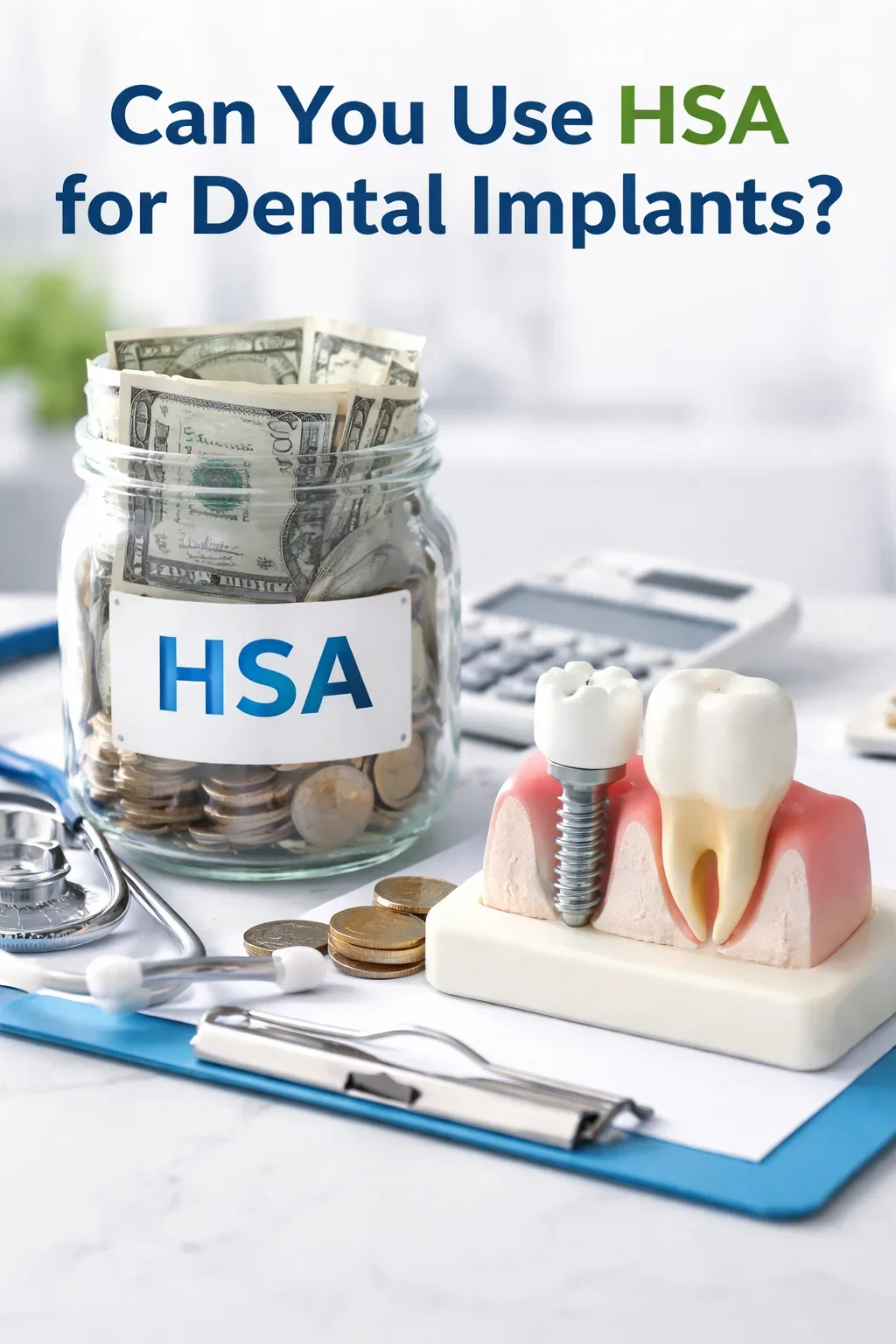
When Using HSA for Dental Implants Is the Smartest Choice
After exploring eligibility rules, costs, and financing options, many patients still want a clear answer to one final question: can you use HSA for dental implants in a way that truly maximizes the financial benefits? The reality is that using a Health Savings Account for dental implant treatment can be one of the smartest healthcare financial decisions when planned correctly.
Dental implants are not just cosmetic improvements—they restore chewing ability, protect the jawbone, and improve overall oral health. Because of these benefits, implant procedures are often considered medically necessary restorative treatments. This classification is the key reason why the answer to can you use HSA for dental implants is frequently yes for many patients who meet eligibility criteria.
However, the smartest use of HSA funds depends on timing, financial planning, and understanding when HSA spending provides the greatest value. In this section, we will explore the situations where using an HSA for dental implants makes the most financial sense.
When Dental Implants Are Medically Necessary
The most straightforward scenario where the answer to can you use HSA for dental implants becomes clear is when implants are required to restore lost teeth or oral function. Missing teeth can lead to several serious health concerns including jawbone deterioration, shifting teeth, bite problems, and difficulty chewing.
Dental implants help prevent these complications by replacing both the root and crown of the missing tooth. Because implants restore normal oral function rather than simply improving appearance, they are typically classified as qualified medical expenses under IRS guidelines.
Common medically necessary situations include:
- Replacing a missing tooth after injury or decay
- Restoring chewing ability after tooth extraction
- Preventing jawbone loss caused by missing teeth
- Stabilizing dentures with implant-supported solutions
In these cases, using an HSA for implant treatment can provide significant financial advantages.
Patients who want reliable educational resources about dental procedures and oral health can consult the American Dental Association, which provides professional guidance on restorative dental care.
When You Have Built Up Significant HSA Savings
Another ideal situation for using HSA funds occurs when patients have accumulated a substantial balance in their account. Because HSA funds roll over every year and may even be invested, many individuals build up thousands of dollars in healthcare savings over time.
For patients asking can you use HSA for dental implants, this accumulated balance can be used strategically to cover major restorative treatments.
Using HSA funds in this situation provides several advantages:
- Reduces the need for personal savings or loans
- Uses tax-advantaged funds rather than after-tax income
- Helps cover multiple stages of implant treatment
This approach is particularly helpful for patients who have delayed dental treatment until they had sufficient healthcare savings available.
Strategic Timing of Implant Treatment
Timing can also influence whether using HSA funds is the smartest choice. Because dental implant treatment may occur in several stages, patients can strategically plan HSA contributions to coincide with upcoming procedures.
Patients researching can you use HSA for dental implants may choose to schedule implant surgery in a year when their HSA balance is highest. For example, they might:
- Increase HSA contributions during the year
- Allow funds to accumulate for several years
- Use those savings when implant treatment begins
This strategy helps reduce the financial burden of implant procedures.
When You Want to Maximize Tax Savings
One of the most powerful reasons people ask can you use HSA for dental implants is the tax advantage associated with HSAs. These accounts offer what is often called a “triple tax benefit.”
The three tax advantages include:
- Contributions are typically tax-deductible
- Funds grow tax-free
- Withdrawals are tax-free when used for qualified medical expenses
Because dental implants are usually considered restorative healthcare procedures, they often qualify as eligible HSA expenses. Paying for implant treatment using pre-tax funds can effectively reduce the real cost of the procedure.
For example, a patient paying $5,000 for dental implants using HSA funds may effectively save hundreds or even thousands of dollars in taxes compared to paying the same amount with after-tax income.
When You Are Planning Long-Term Oral Health
Another reason patients research can you use HSA for dental implants is that implants are designed to be a long-term solution. Unlike dentures or bridges that may require replacement over time, dental implants can last decades with proper care.
This longevity makes implants one of the most cost-effective restorative dental treatments over the long term. By using HSA funds to support this investment, patients can improve both their financial efficiency and their oral health outcomes.
Implants provide benefits such as:
- Preserving jawbone density
- Maintaining natural facial structure
- Improving speech and chewing ability
- Preventing neighboring teeth from shifting
Because these benefits directly support oral health, they strengthen the case for why the answer to can you use HSA for dental implants is often yes.
Consulting a Dental Specialist for Treatment Planning
Even though HSAs can significantly reduce the cost of dental implants, proper treatment planning is still essential. A dental specialist can evaluate your oral health, determine the number of implants required, and develop a detailed treatment plan.
Patients who want professional advice about implant procedures or financial planning can reach out through the Redent Klinik Contact Page to discuss available options and receive personalized guidance.
Final Thoughts
Understanding when and how to use HSA funds can make a significant difference in the affordability of dental implant treatment. For patients researching can you use HSA for dental implants, the smartest approach often involves careful planning, proper documentation, and consultation with dental professionals.
When implants are medically necessary, when HSA funds have accumulated, and when tax savings are maximized, using an HSA for dental implant treatment becomes a powerful financial strategy. By combining thoughtful financial planning with high-quality dental care, patients can restore their smiles while making the most of their healthcare savings.