
A health care dentist plays a critical role in maintaining both oral health and overall well-being. Dentistry today is no longer limited to treating cavities or performing tooth extractions. Instead, modern dental professionals focus on comprehensive health care that combines prevention, diagnosis, treatment, and patient education. Visiting a health care dentist regularly ensures that your teeth, gums, and mouth stay healthy while also helping to prevent many systemic health issues linked to oral infections.
Oral health is closely connected to general health. Studies have shown that poor dental hygiene can contribute to conditions such as heart disease, diabetes complications, respiratory infections, and even pregnancy issues. Because of this connection, a health care dentist does much more than improve smiles — they help protect the body’s overall health. Maintaining healthy teeth and gums can reduce inflammation in the body and improve quality of life.
A professional health care dentist focuses heavily on preventive dentistry. Preventive dental care includes routine check-ups, professional cleanings, early detection of oral disease, and patient education on proper hygiene techniques. These preventive services help patients avoid serious dental problems that could require more complex treatments later. Preventive care also saves time, reduces discomfort, and lowers long-term dental costs.
When patients visit a health care dentist, they receive a full evaluation of their oral condition. This evaluation typically includes examining the teeth, gums, tongue, jaw, and surrounding tissues. Dentists may also use advanced imaging technologies such as digital X-rays to detect hidden issues beneath the surface of the teeth or inside the jawbone. Early diagnosis is one of the most important advantages of visiting a health care dentist regularly.
Another important responsibility of a health care dentist is patient education. Dentists teach patients how to brush properly, how to floss effectively, and how to maintain healthy habits that support strong teeth and gums. Many people underestimate how daily habits influence dental health. Diet choices, smoking, hydration, and oral hygiene routines all play a major role in preventing tooth decay and gum disease.
Modern dental care has also evolved significantly with technological innovations. A skilled health care dentist may use tools such as digital scanners, laser dentistry, and 3D imaging to provide more accurate diagnoses and comfortable treatments. These technologies allow dentists to detect small problems before they become serious and to perform treatments with greater precision and less discomfort for patients.
Preventing gum disease is another key focus area for any health care dentist. Gum disease, also known as periodontal disease, is one of the leading causes of tooth loss in adults. Early symptoms may include bleeding gums, persistent bad breath, gum recession, or tooth sensitivity. A health care dentist can identify these warning signs early and provide appropriate treatment to stop the condition from progressing.
Beyond medical treatment, a health care dentist also contributes to improving patients’ confidence and quality of life. Healthy teeth allow individuals to eat comfortably, speak clearly, and smile with confidence. Many people experience a significant improvement in self-esteem after addressing dental issues through professional care. This emotional and psychological benefit is an often-overlooked advantage of visiting a health care dentist.
Dental care should never be delayed until pain appears. Many dental problems develop silently without noticeable symptoms in the early stages. This is why experts recommend scheduling routine dental check-ups at least twice a year with a trusted health care dentist. Regular visits help identify potential issues early and allow dentists to provide timely treatment before complications arise.
If you are looking for professional dental support, you can always reach experienced specialists through the
Redent Klinik Contact Page. A qualified health care dentist will assess your individual dental needs and create a personalized treatment plan designed to maintain long-term oral health.
Patients who want to learn more about dental health standards and best practices can also explore resources provided by the
American Dental Association. This organization offers trusted information on oral health guidelines, preventive care recommendations, and modern dental research supported by professionals worldwide.
Ultimately, choosing a reliable health care dentist is one of the most important steps toward maintaining lifelong oral health. By combining preventive care, advanced technology, and patient-centered treatment, a health care dentist ensures that every patient receives comprehensive dental support. With regular check-ups, proper hygiene, and professional guidance, it is possible to enjoy strong teeth, healthy gums, and a confident smile for many years to come. 😁
What Does a Health Care Dentist Do for Your Oral Health?
A health care dentist is responsible for protecting, restoring, and maintaining the health of your teeth, gums, and entire oral cavity. While many people think of dentistry only when they experience tooth pain, the role of a health care dentist is much broader and far more preventive. These professionals work to stop dental problems before they begin, diagnose issues early, and provide treatments that protect both oral and overall health. Because oral health is closely connected to systemic health, visiting a health care dentist regularly can significantly reduce the risk of complications related to infections, inflammation, and chronic diseases.
The main goal of a health care dentist is to help patients maintain healthy teeth and gums throughout their lives. This involves a combination of professional treatments, preventive care, and personalized advice tailored to each patient’s lifestyle and medical history. A modern health care dentist also uses advanced technology to diagnose dental problems with precision and deliver effective treatments with minimal discomfort.
Comprehensive Oral Examinations
One of the primary responsibilities of a health care dentist is performing thorough oral examinations. These examinations allow the dentist to assess the condition of the teeth, gums, jawbone, and surrounding tissues. During a routine check-up, a health care dentist carefully inspects each tooth for signs of decay, cracks, or damage while also evaluating the health of the gums.
Early detection is extremely important in dentistry. Many oral diseases develop silently and may not cause pain until they reach an advanced stage. By visiting a health care dentist regularly, patients can detect cavities, gum disease, infections, or oral lesions early. Early diagnosis allows the dentist to treat these issues quickly and prevent more complicated procedures later.
Diagnostic Tools Used by a Health Care Dentist
To support accurate diagnosis, a health care dentist often uses several modern diagnostic tools. These may include:
- Digital dental X-rays to detect hidden decay and bone loss
- Intraoral cameras that provide detailed images of teeth
- 3D dental imaging for precise treatment planning
- Periodontal probes to measure gum health
These technologies allow a health care dentist to identify problems that are not visible to the naked eye, ensuring that every patient receives the most accurate evaluation possible.
Preventive Dental Care and Patient Education
Another major responsibility of a health care dentist is providing preventive dental care. Prevention is considered the foundation of modern dentistry because it reduces the need for extensive treatments in the future. Preventive services offered by a health care dentist typically include professional cleanings, fluoride treatments, sealants, and oral health counseling.
Professional cleaning performed by a health care dentist removes plaque and tartar that cannot be eliminated through regular brushing alone. This helps prevent cavities, gum disease, and bad breath. Additionally, preventive visits give the dentist an opportunity to educate patients about proper brushing techniques, flossing habits, and diet choices that support dental health.
For example, a health care dentist may advise patients to reduce sugary foods, increase water intake, and avoid habits that damage teeth such as smoking or excessive acidic beverages. These recommendations play a major role in maintaining a healthy smile over time.
Treatment of Common Dental Problems
When dental issues occur, a health care dentist provides treatments that restore the function and appearance of the teeth. Some of the most common treatments include cavity fillings, root canal therapy, gum disease treatment, and tooth extractions. The goal of a health care dentist is always to preserve natural teeth whenever possible.
If tooth decay is detected early, a health care dentist can treat the cavity with a simple filling. This procedure removes the damaged portion of the tooth and replaces it with a protective material. Early treatment helps prevent the decay from spreading deeper into the tooth structure.
In cases where infection reaches the inner pulp of the tooth, a health care dentist may perform root canal therapy. This procedure removes infected tissue, cleans the root canal, and seals the tooth to prevent further infection. Thanks to modern dental techniques, root canal treatments are now much more comfortable than many patients expect.
Improving Overall Health Through Dental Care
A health care dentist also plays an important role in protecting overall health. Research has shown strong connections between oral health and systemic conditions such as cardiovascular disease, diabetes, and respiratory infections. Inflammation caused by gum disease can spread through the bloodstream and contribute to other health complications.
By diagnosing and treating oral infections early, a health care dentist helps reduce inflammation in the body and supports better long-term health. This is why dental professionals often collaborate with physicians and other health specialists to ensure patients receive comprehensive care.
Patients who want personalized dental guidance can contact professionals through the
Redent Klinik Contact Page. A qualified health care dentist can evaluate your oral health and recommend the best preventive and treatment strategies for your specific needs.
Additionally, patients can explore reliable oral health information provided by the
American Dental Association. This organization offers evidence-based guidelines that help both dentists and patients maintain high standards of dental care worldwide.
Ultimately, the work of a health care dentist goes far beyond treating tooth pain. These professionals protect oral health, educate patients, detect diseases early, and improve overall wellness. Through routine visits and proper hygiene habits, patients can maintain strong teeth, healthy gums, and a confident smile for many years. 😊
Why Regular Visits to a Health Care Dentist Matter
Many people only consider visiting a dentist when they feel pain or notice a visible dental problem. However, consistent visits to a health care dentist are essential for maintaining long-term oral health and preventing serious dental issues. Preventive dental care allows small problems to be detected early, reducing the need for complicated procedures later. A professional health care dentist focuses not only on treatment but also on prevention, patient education, and maintaining overall oral wellness.
Routine dental check-ups play a crucial role in protecting both oral and general health. Dental professionals recommend visiting a health care dentist at least twice a year for examinations and professional cleanings. These regular appointments allow the dentist to monitor the health of your teeth, gums, jawbone, and soft tissues. Early diagnosis helps prevent minor dental problems from developing into painful or expensive conditions.
Early Detection of Dental Problems
One of the most important benefits of visiting a health care dentist regularly is the early detection of dental problems. Many oral health issues develop slowly and may not show obvious symptoms at first. Tooth decay, gum disease, oral infections, and even oral cancer can progress silently in their early stages.
A trained health care dentist has the expertise and diagnostic tools necessary to identify these conditions before they worsen. During a routine examination, the dentist carefully evaluates your teeth, gums, bite alignment, and oral tissues. By detecting issues early, a health care dentist can provide timely treatment that prevents complications and protects natural teeth.
Common Conditions Detected Early by a Health Care Dentist
- Early-stage tooth decay and enamel erosion
- Gum inflammation or gingivitis
- Periodontal (gum) disease
- Oral infections or abscesses
- Jaw alignment issues
- Signs of oral cancer
Because many of these problems are painless at first, regular appointments with a health care dentist are the best way to ensure that potential issues are addressed quickly.
Professional Dental Cleaning and Plaque Removal
Even with excellent brushing and flossing habits, plaque and tartar can accumulate on the teeth over time. Plaque is a sticky film of bacteria that forms naturally in the mouth, while tartar is hardened plaque that cannot be removed with regular brushing. A health care dentist provides professional dental cleaning to remove these harmful deposits and keep the teeth and gums healthy.
During a professional cleaning appointment, a health care dentist or dental hygienist carefully removes plaque and tartar from the surfaces of the teeth and along the gum line. This process helps prevent cavities, gum disease, and bad breath. In addition, professional cleaning can polish the teeth, removing surface stains and leaving the smile looking brighter.
By maintaining regular cleaning appointments with a health care dentist, patients significantly reduce their risk of developing serious oral health problems.
Preventing Gum Disease and Tooth Loss
Gum disease is one of the leading causes of tooth loss in adults. It begins with gingivitis, which causes redness, swelling, and bleeding of the gums. If left untreated, gingivitis can progress into periodontitis, a more serious condition that damages the bone supporting the teeth.
A health care dentist plays a key role in preventing gum disease through early detection, professional cleaning, and personalized treatment plans. Regular dental visits allow the dentist to measure gum pockets, assess gum health, and identify signs of inflammation. When gum disease is caught early, a health care dentist can provide treatment that prevents permanent damage.
Preventive care provided by a health care dentist helps patients maintain strong gums and protect their natural teeth for many years.
Improving Overall Health Through Dental Care
Oral health is closely linked to overall health. Infections in the mouth can affect other parts of the body, contributing to serious medical conditions. Research has shown connections between poor oral health and diseases such as heart disease, diabetes, and respiratory infections.
A skilled health care dentist monitors signs of oral inflammation and infection that may impact systemic health. By treating dental problems early and maintaining healthy gums, a health care dentist helps reduce inflammation in the body and supports better general health.
Maintaining a healthy mouth also improves everyday quality of life. When teeth and gums are healthy, people can eat comfortably, speak clearly, and smile with confidence. Regular visits to a health care dentist therefore contribute to both physical health and emotional well-being.
Access to Professional Dental Guidance
Another advantage of visiting a health care dentist regularly is receiving professional advice about oral hygiene. Dentists educate patients on proper brushing techniques, flossing methods, and dietary habits that support dental health. They may also recommend products such as fluoride toothpaste, mouthwash, or dental sealants.
If you are seeking expert dental care, you can connect with experienced professionals through the
Redent Klinik Contact Page. A qualified health care dentist can evaluate your dental needs and create a personalized care plan designed to maintain your oral health.
For additional reliable information about oral health standards and preventive dentistry, patients can visit the
American Dental Association. This respected organization provides valuable resources about dental care guidelines and best practices.
Ultimately, routine dental visits are one of the most important habits for maintaining lifelong oral health. By seeing a health care dentist regularly, patients benefit from early diagnosis, preventive care, professional cleaning, and expert guidance. These regular check-ups help protect teeth, maintain healthy gums, and ensure that small dental problems never become serious health concerns. 😊
Key Treatments Provided by a Health Care Dentist
A health care dentist offers a wide range of dental treatments designed to maintain oral health, prevent disease, and restore the function and appearance of teeth. Modern dentistry combines preventive care, restorative procedures, and cosmetic solutions to ensure patients enjoy strong teeth and healthy gums throughout their lives. By visiting a health care dentist regularly, patients can receive personalized treatment plans that address both immediate dental concerns and long-term oral health goals.
Dental treatments provided by a health care dentist are tailored to each patient’s needs. Some patients require preventive care to maintain healthy teeth, while others may need restorative procedures to repair damage caused by decay or injury. A qualified health care dentist evaluates each patient carefully before recommending the most appropriate treatment.
Preventive Treatments Offered by a Health Care Dentist
Preventive care is the foundation of modern dentistry. A health care dentist focuses on stopping dental problems before they begin. Preventive treatments help reduce the risk of cavities, gum disease, and other oral health issues that could require complex procedures later.
Routine preventive services provided by a health care dentist include professional dental cleanings, fluoride treatments, dental sealants, and routine examinations. These treatments help remove plaque buildup, strengthen tooth enamel, and protect vulnerable areas of the teeth from decay.
Common Preventive Dental Procedures
- Professional dental cleaning (scaling and polishing)
- Fluoride treatment to strengthen enamel
- Dental sealants to protect molars from cavities
- Routine oral examinations and X-rays
- Oral cancer screening
By scheduling preventive visits with a health care dentist at least twice a year, patients significantly reduce their risk of serious dental conditions.
Restorative Dental Treatments
When teeth become damaged by decay, trauma, or wear, restorative treatments help restore their structure and function. A health care dentist uses several techniques to repair damaged teeth and preserve natural tooth structure whenever possible.
One of the most common procedures performed by a health care dentist is the dental filling. Fillings are used to repair cavities caused by tooth decay. During this treatment, the dentist removes the decayed portion of the tooth and replaces it with a durable filling material such as composite resin.
Another important restorative procedure offered by a health care dentist is root canal therapy. When infection reaches the inner pulp of the tooth, a root canal procedure removes the infected tissue, disinfects the root canals, and seals the tooth to prevent further infection. Root canal treatment allows patients to keep their natural teeth instead of requiring extraction.
Dental crowns are also frequently recommended by a health care dentist. A crown is a protective cap placed over a damaged or weakened tooth to restore strength and appearance. Crowns are commonly used after root canal therapy or when a tooth is severely fractured.
Tooth Replacement Solutions
When teeth are lost due to injury, decay, or gum disease, a health care dentist can recommend tooth replacement solutions. Replacing missing teeth is important not only for cosmetic reasons but also for maintaining proper bite alignment and preventing bone loss in the jaw.
Dental implants are one of the most advanced solutions provided by a health care dentist. A dental implant replaces the root of a missing tooth with a titanium post that integrates with the jawbone. A crown is then attached to restore the appearance and function of the tooth.
Other tooth replacement options offered by a health care dentist may include dental bridges or removable dentures. Each solution is designed to help patients chew comfortably, speak clearly, and maintain facial structure.
Typical Tooth Replacement Cost Ranges
Although costs vary by region and clinic, common price ranges for tooth replacement treatments may include:
- Dental filling: $150 – $400 per tooth
- Dental crown: $800 – $2,000 per tooth
- Dental bridge: $1,500 – $5,000 depending on complexity
- Dental implant: $3,000 – $6,000 per implant
A consultation with a health care dentist is the best way to determine which treatment option is most appropriate based on oral health condition, budget, and long-term dental goals.
Cosmetic Treatments from a Health Care Dentist
In addition to medical treatments, a health care dentist may also offer cosmetic dentistry services to improve the appearance of a patient’s smile. Cosmetic procedures focus on enhancing tooth color, alignment, and overall aesthetics.
Teeth whitening is one of the most popular cosmetic procedures offered by a health care dentist. Professional whitening treatments can significantly brighten the smile by removing stains caused by coffee, tea, tobacco, or aging.
Other cosmetic treatments may include dental veneers, bonding, and smile makeover procedures. These treatments allow a health care dentist to reshape teeth, close small gaps, and improve the symmetry of a smile.
Accessing Professional Dental Care
Patients who wish to explore available treatments can contact experienced professionals through the
Redent Klinik Contact Page. A skilled health care dentist will evaluate your dental condition and recommend the most appropriate treatment options for maintaining long-term oral health.
For additional trusted information about dental procedures and oral health recommendations, patients can visit the
American Dental Association. This organization provides reliable guidance supported by dental professionals worldwide.
Ultimately, the treatments provided by a health care dentist are designed to protect oral health, restore damaged teeth, and improve the quality of life for patients. Whether the goal is prevention, restoration, or cosmetic improvement, working with a trusted health care dentist ensures that every patient receives comprehensive and personalized dental care. 😊
Preventive Care Strategies Used by a Health Care Dentist
Preventive dentistry is one of the most important responsibilities of a health care dentist. Rather than waiting for problems such as cavities, gum disease, or infections to appear, preventive care focuses on stopping these issues before they begin. A skilled health care dentist works with patients to develop daily habits, routine check-up schedules, and treatment plans that protect teeth and gums for the long term. Preventive dental care not only saves patients from discomfort but also helps reduce the need for complex dental procedures later in life.
Modern dentistry emphasizes prevention because many oral health problems develop slowly and silently. A health care dentist is trained to detect the earliest signs of tooth decay, gum inflammation, and enamel erosion. By identifying these problems early, the health care dentist can provide simple treatments that prevent more serious complications. Preventive care is therefore the foundation of maintaining a healthy smile and avoiding costly dental treatments.
Routine Dental Check-Ups and Oral Evaluations
Regular dental examinations are one of the most effective preventive strategies used by a health care dentist. During a routine check-up, the dentist performs a comprehensive evaluation of the teeth, gums, jawbone, and oral tissues. These visits allow a health care dentist to monitor changes in oral health and identify early warning signs of disease.
Most dental professionals recommend visiting a health care dentist every six months. These visits help detect small cavities, gum inflammation, bite problems, or oral lesions before they become serious conditions. By maintaining consistent appointments with a health care dentist, patients significantly reduce their risk of developing severe dental issues that require advanced treatment.
What Happens During a Preventive Dental Exam?
During a preventive dental examination, a health care dentist typically performs several important checks to ensure optimal oral health. These may include:
- Inspection of teeth for cavities, fractures, or wear
- Evaluation of gum health and measurement of gum pockets
- Examination of tongue, cheeks, and oral tissues
- Digital X-rays to detect hidden dental problems
- Assessment of bite alignment and jaw function
These detailed evaluations allow the health care dentist to identify potential problems before they progress into more serious dental conditions.
Professional Dental Cleaning and Plaque Control
Daily brushing and flossing are essential for oral hygiene, but they are not always enough to remove all plaque and tartar. A health care dentist provides professional cleaning procedures that eliminate hardened plaque deposits that cannot be removed at home. Professional cleaning is a critical preventive service offered by a health care dentist.
During professional cleaning, the health care dentist or dental hygienist uses specialized tools to remove plaque and tartar buildup along the gum line and between the teeth. This process helps prevent cavities, gum disease, and bad breath. After plaque removal, the teeth are polished to remove stains and create a smooth surface that discourages further plaque accumulation.
By scheduling regular cleaning appointments with a health care dentist, patients can maintain healthier gums and significantly reduce their risk of periodontal disease.
Fluoride Treatments and Dental Sealants
Another important preventive strategy used by a health care dentist is the application of fluoride treatments and dental sealants. Fluoride strengthens tooth enamel, making teeth more resistant to decay caused by bacteria and acids. Fluoride treatments are especially beneficial for children, teenagers, and adults who are prone to cavities.
Dental sealants are another preventive solution provided by a health care dentist. Sealants are thin protective coatings applied to the chewing surfaces of molars and premolars. These teeth often have deep grooves that trap food particles and bacteria. By applying sealants, a health care dentist helps prevent cavities in these vulnerable areas.
Preventive treatments such as fluoride applications and sealants are quick, painless, and highly effective in protecting teeth from decay.
Patient Education and Daily Oral Hygiene
Education is a key part of preventive dental care. A health care dentist does more than treat dental problems; they also teach patients how to maintain oral health at home. Proper brushing techniques, flossing methods, and dietary habits play a crucial role in preventing dental disease.
A knowledgeable health care dentist may recommend brushing twice a day with fluoride toothpaste, flossing daily, and limiting sugary snacks and acidic beverages. These simple habits significantly reduce the risk of tooth decay and gum disease.
Patients who want personalized dental advice can consult experienced professionals through the
Redent Klinik Contact Page. A trusted health care dentist can evaluate individual oral health needs and recommend the most effective preventive strategies.
For additional guidance on maintaining oral health, patients can also explore educational resources from the
American Dental Association. This organization provides evidence-based recommendations for dental hygiene and preventive care.
The Long-Term Benefits of Preventive Dentistry
Preventive care provided by a health care dentist offers long-term benefits that extend beyond oral health. Healthy teeth and gums support proper digestion, clear speech, and improved self-confidence. Additionally, preventing oral infections can reduce inflammation in the body and contribute to better overall health.
By partnering with a health care dentist and maintaining consistent oral hygiene habits, patients can enjoy a lifetime of strong teeth and healthy smiles. Preventive dentistry is one of the most effective ways to protect both oral health and general well-being. 😊
How a Health Care Dentist Helps Detect Early Dental Problems
One of the most valuable roles of a health care dentist is identifying dental problems at the earliest possible stage. Many oral health issues develop gradually and often remain painless until they become serious. This is why early diagnosis is one of the most important services provided by a health care dentist. Through routine examinations, advanced diagnostic tools, and professional expertise, a health care dentist can detect problems before they cause permanent damage to teeth, gums, or bone.
Early detection saves patients from complex procedures, discomfort, and high treatment costs. Instead of waiting for pain or visible damage to occur, visiting a health care dentist regularly allows potential dental problems to be treated when they are still small and manageable. In many cases, early treatment means a simple filling or preventive therapy rather than a root canal, crown, or tooth extraction.
Identifying Tooth Decay in Its Early Stages
Tooth decay is one of the most common dental conditions worldwide. It begins when bacteria in plaque produce acids that slowly break down tooth enamel. At first, tooth decay may not cause any noticeable symptoms, which is why regular visits to a health care dentist are essential. A skilled health care dentist can detect early signs of enamel demineralization before a cavity fully forms.
During a dental exam, a health care dentist carefully inspects each tooth surface for discoloration, soft spots, or early cavities. If detected early, decay can often be reversed with fluoride treatments, improved oral hygiene, and dietary adjustments recommended by the health care dentist. Early intervention prevents deeper damage to the tooth structure.
Tools Used by a Health Care Dentist to Detect Cavities
- Digital X-rays that reveal hidden decay between teeth
- Dental explorers used to check for soft areas in enamel
- Intraoral cameras providing detailed images of tooth surfaces
- Laser cavity detection technology
With these advanced tools, a health care dentist can identify decay long before it becomes visible to the patient.
Detecting Gum Disease Before It Becomes Severe
Another important area where a health care dentist helps patients is the early detection of gum disease. Gum disease begins with gingivitis, which causes redness, swelling, and bleeding gums. If untreated, gingivitis can develop into periodontitis, a serious condition that damages the bone supporting the teeth.
A health care dentist examines the gums carefully during routine check-ups. By measuring the depth of gum pockets and checking for signs of inflammation, a health care dentist can identify gum disease in its earliest stage. Early treatment may include professional cleaning, improved oral hygiene practices, and antimicrobial treatments recommended by the health care dentist.
Treating gum disease early helps prevent tooth mobility and tooth loss. It also protects overall health, since gum infections are associated with systemic conditions such as heart disease and diabetes.
Screening for Oral Cancer
A health care dentist also performs oral cancer screenings during routine dental visits. Oral cancer can affect the tongue, cheeks, throat, and other tissues inside the mouth. When detected early, oral cancer has a much higher survival rate.
During an oral cancer screening, a health care dentist checks for unusual sores, lumps, discoloration, or tissue changes inside the mouth. These screenings are quick, painless, and extremely important for early diagnosis. A trained health care dentist can recognize suspicious symptoms and refer the patient for further evaluation if necessary.
Identifying Bite and Jaw Problems
Beyond teeth and gums, a health care dentist also evaluates bite alignment and jaw function. Bite problems can lead to uneven tooth wear, jaw pain, headaches, and temporomandibular joint (TMJ) disorders. Early detection by a health care dentist allows patients to receive corrective treatment before these issues worsen.
A health care dentist examines how the upper and lower teeth come together when the patient bites down. If misalignment is detected, the health care dentist may recommend orthodontic treatment, bite adjustment, or protective appliances such as night guards.
Monitoring Changes in Oral Health Over Time
Regular visits to a health care dentist allow professionals to monitor changes in oral health over time. Dental records, X-rays, and photographs help the health care dentist compare past and present conditions. This ongoing monitoring helps identify subtle changes that could indicate developing problems.
For example, a health care dentist may detect gradual enamel erosion caused by acidic foods or grinding habits. Identifying these patterns early allows preventive measures to be implemented before significant damage occurs.
Patients seeking professional evaluation and early diagnosis can reach experienced dental professionals through the
Redent Klinik Contact Page. A qualified health care dentist will perform a comprehensive examination and recommend preventive or restorative treatments tailored to each patient.
Reliable information about dental disease prevention and early detection can also be found through the
American Dental Association. This organization provides trusted guidelines and educational resources that support evidence-based dental care.
The Importance of Early Diagnosis
Ultimately, early diagnosis is one of the most powerful advantages of visiting a health care dentist regularly. By identifying problems before symptoms appear, a health care dentist helps patients maintain healthy teeth, avoid pain, and reduce treatment costs. Preventive monitoring ensures that small dental concerns never develop into major oral health problems.
Through professional expertise, advanced diagnostic technology, and routine check-ups, a health care dentist plays a crucial role in protecting both oral health and overall well-being. Consistent dental care leads to stronger teeth, healthier gums, and greater confidence in every smile. 😊
Choosing the Right Health Care Dentist for Your Needs
Selecting the right health care dentist is an important decision that can significantly impact your oral health and overall well-being. A skilled health care dentist does much more than treat dental problems — they serve as a long-term partner in maintaining healthy teeth, strong gums, and a confident smile. Because dental care is an ongoing process, choosing a trustworthy and experienced health care dentist ensures that you receive consistent, high-quality treatment throughout your life.
Many patients feel overwhelmed when searching for a dental professional because there are numerous clinics and specialists available. However, by understanding the key factors that define a reliable health care dentist, you can make an informed decision that supports your long-term dental health goals.
Qualifications and Professional Experience
The first factor to consider when choosing a health care dentist is professional education and experience. Dentists must complete extensive training in dental medicine, including academic education and clinical practice. An experienced health care dentist has the knowledge and technical skills necessary to diagnose and treat a wide range of dental conditions.
When evaluating a potential health care dentist, patients should look for information about their professional background. This may include dental school credentials, specialized training, certifications, and years of clinical experience. A well-trained health care dentist is more likely to provide accurate diagnoses and effective treatment plans tailored to each patient’s needs.
Professional Certifications to Look For
- Accreditation from recognized dental associations
- Continuing education in modern dental technologies
- Specialized training in cosmetic or restorative dentistry
- Membership in professional dental organizations
Organizations such as the American Dental Association promote high standards in dental education and patient care. Dentists who stay updated with professional guidelines often provide more advanced and reliable treatment options.
Modern Dental Technology and Facilities
Another important factor when choosing a health care dentist is the quality of the dental clinic’s technology and equipment. Modern dentistry relies heavily on advanced tools that improve diagnosis accuracy, treatment precision, and patient comfort. A reputable health care dentist typically works in a clinic equipped with up-to-date dental technologies.
Some of the advanced technologies that may be used by a health care dentist include digital X-rays, intraoral cameras, laser dentistry equipment, and 3D dental imaging systems. These tools allow the health care dentist to detect problems earlier and perform treatments more efficiently.
Modern technology also enhances patient comfort. Digital scanning, for example, replaces traditional dental impressions with precise digital models of the teeth. A forward-thinking health care dentist adopts these innovations to improve patient experience and treatment outcomes.
Patient Communication and Comfort
Communication is a key quality of a good health care dentist. Dental visits can cause anxiety for many patients, especially those who have had negative experiences in the past. A compassionate health care dentist takes time to explain procedures clearly, answer patient questions, and ensure that patients feel comfortable during treatment.
The best health care dentist prioritizes patient education and transparency. They discuss treatment options, explain potential risks, and help patients understand the benefits of preventive dental care. When patients feel informed and supported, they are more likely to maintain regular dental visits and follow recommended oral hygiene practices.
Range of Dental Services Available
A comprehensive health care dentist offers a wide range of dental services, allowing patients to receive most treatments in one location. This may include preventive care, restorative procedures, cosmetic treatments, and emergency dental services.
Choosing a versatile health care dentist ensures that you can continue receiving care from the same professional even if your dental needs change over time. For example, a patient may initially visit a health care dentist for routine cleanings but later require treatments such as dental crowns, implants, or orthodontic consultation.
Common Services Provided by a Health Care Dentist
- Routine dental check-ups and professional cleaning
- Cavity fillings and tooth restoration
- Root canal therapy
- Dental crowns and bridges
- Cosmetic treatments such as teeth whitening
- Dental implants and tooth replacement solutions
Having access to a full range of dental services makes it easier for patients to maintain consistent care with a trusted health care dentist.
Patient Reviews and Reputation
Before selecting a health care dentist, it is helpful to review feedback from other patients. Online reviews, testimonials, and recommendations from family or friends can provide insight into the quality of care offered by a particular dentist. A well-reviewed health care dentist often demonstrates professionalism, patient satisfaction, and reliable treatment outcomes.
Patients should also consider the overall atmosphere of the dental clinic. A welcoming environment, friendly staff, and organized facilities often reflect the professionalism of the health care dentist and their team.
Convenient Access to Professional Dental Care
Accessibility and location are also practical factors when choosing a health care dentist. Regular dental visits are easier to maintain when the clinic is conveniently located and offers flexible appointment scheduling. This convenience encourages patients to prioritize preventive dental care.
Patients who wish to consult experienced dental professionals can connect through the
Redent Klinik Contact Page. A trusted health care dentist can evaluate your oral health condition and recommend personalized treatments designed to maintain long-term dental wellness.
Building a Long-Term Relationship with Your Dentist
Ultimately, choosing the right health care dentist is about building a long-term partnership focused on maintaining oral health. When patients feel comfortable with their dental provider, they are more likely to attend regular check-ups, follow preventive care advice, and address dental concerns early.
A reliable health care dentist combines clinical expertise, modern technology, and patient-centered care to create a positive dental experience. With the right professional guidance, patients can maintain healthy teeth, prevent dental disease, and enjoy a confident smile for years to come. 😊
Costs and Insurance: Understanding Health Care Dentist Services
Understanding the cost of dental care is an important step for anyone seeking professional oral health services. A health care dentist provides treatments that range from routine preventive care to advanced restorative procedures, and each service may have different pricing structures. Dental costs can vary depending on the complexity of the procedure, the clinic location, the materials used, and the level of expertise provided by the health care dentist. For this reason, it is helpful for patients to understand typical treatment costs and the role dental insurance can play in reducing expenses.
While some people delay dental visits because they are concerned about costs, regular appointments with a health care dentist are actually one of the most effective ways to reduce long-term expenses. Preventive care helps detect problems early, allowing the health care dentist to treat minor issues before they require more expensive procedures such as root canals, crowns, or implants. Investing in routine dental care ultimately saves money and protects oral health.
Typical Costs for Common Dental Procedures
The services offered by a health care dentist include preventive, restorative, and cosmetic treatments. Each type of procedure has its own cost range depending on the complexity and materials involved. Although exact prices vary between clinics and regions, the following estimates provide a general idea of what patients might expect when visiting a health care dentist.
Average Dental Treatment Costs
- Routine dental exam and cleaning: $75 – $200
- Dental X-rays: $50 – $250
- Cavity filling (composite): $150 – $400 per tooth
- Root canal treatment: $700 – $1,500
- Dental crown: $800 – $2,000
- Dental bridge: $1,500 – $5,000
- Dental implant: $3,000 – $6,000 per implant
- Professional teeth whitening: $300 – $1,000
These estimates highlight why early treatment by a health care dentist is so valuable. Treating a small cavity early with a filling is far less expensive than waiting until the damage requires a crown or root canal therapy. Preventive care provided by a health care dentist helps patients maintain healthy teeth and minimize expensive treatments.
The Role of Dental Insurance
Dental insurance can significantly reduce the financial burden of oral health care. Many insurance plans cover preventive services such as examinations, professional cleanings, and X-rays. This means that visiting a health care dentist for routine check-ups may be partially or fully covered by insurance providers.
Most dental insurance plans categorize treatments into three main groups:
- Preventive care: Exams, cleanings, and X-rays (often fully covered)
- Basic procedures: Fillings, simple extractions, and periodontal treatments
- Major procedures: Crowns, bridges, dentures, and implants
Insurance typically covers preventive care at a higher percentage because maintaining oral health reduces long-term medical costs. A health care dentist can often assist patients in understanding their insurance benefits and determining which treatments are covered under their plan.
Flexible Payment Options
Many dental clinics understand that some treatments can be costly, especially when multiple procedures are required. To make care more accessible, a health care dentist may offer flexible payment options or financing plans. These options allow patients to receive necessary treatment without delaying care due to financial concerns.
Common payment options offered by a health care dentist may include installment payment plans, dental financing programs, or health savings accounts (HSAs). These solutions help patients spread the cost of treatment over time while still receiving the dental care they need.
Why Preventive Dentistry Saves Money
Preventive dentistry is one of the most cost-effective aspects of oral health care. By scheduling routine visits with a health care dentist, patients can prevent serious dental problems that require complex treatment. A simple professional cleaning or fluoride treatment can significantly reduce the risk of cavities and gum disease.
When patients maintain consistent appointments with a health care dentist, they often avoid emergency dental procedures that can be expensive and uncomfortable. Preventive care protects natural teeth, reduces treatment costs, and improves overall health.
Understanding Treatment Plans and Cost Estimates
Before beginning any major dental procedure, a health care dentist typically provides a detailed treatment plan outlining the recommended procedures and associated costs. This allows patients to understand their options and make informed decisions about their dental care.
A transparent treatment plan from a health care dentist may include diagnostic information, recommended procedures, estimated timelines, and payment options. Patients should feel comfortable discussing costs and asking questions about their treatment plans to ensure they fully understand the process.
Patients seeking professional dental consultation can contact experienced specialists through the
Redent Klinik Contact Page. A knowledgeable health care dentist can evaluate your oral health condition and provide a personalized treatment plan that aligns with your needs and budget.
For additional information about dental care standards, insurance policies, and treatment guidelines, patients can also visit the
American Dental Association. This organization offers trusted resources that help patients make informed decisions about their oral health.
Balancing Cost and Quality of Dental Care
While cost is an important factor when choosing dental services, quality care should always remain the top priority. A qualified health care dentist combines expertise, modern technology, and patient-centered treatment to ensure the best possible outcomes. Investing in professional dental care not only protects your smile but also contributes to better overall health.
By understanding treatment costs, insurance coverage, and preventive care strategies, patients can confidently plan their dental care with a trusted health care dentist. With proper planning and routine visits, maintaining healthy teeth and gums becomes both affordable and achievable. 😊
Modern Technologies Used by a Health Care Dentist
Dentistry has evolved dramatically over the past two decades thanks to rapid technological innovation. Today, a health care dentist relies on advanced tools and digital systems that improve diagnostic accuracy, treatment precision, and patient comfort. Modern dental technology allows a health care dentist to detect oral health problems earlier, perform treatments with greater efficiency, and reduce recovery time for patients. As dental clinics continue to adopt these innovations, visiting a health care dentist has become safer, faster, and more comfortable than ever before.
The integration of technology into dentistry has transformed how dental professionals diagnose and treat oral health conditions. A modern health care dentist combines clinical expertise with digital tools to provide highly personalized care. These technologies not only enhance treatment outcomes but also help patients better understand their oral health through visual imaging and digital analysis.
Digital Dental X-Rays for Accurate Diagnosis
One of the most widely used technologies by a health care dentist is digital radiography, commonly known as digital dental X-rays. Traditional film X-rays have largely been replaced by digital systems that provide clearer images while exposing patients to significantly lower radiation levels.
Digital X-rays allow a health care dentist to detect problems that may not be visible during a routine visual examination. These may include cavities between teeth, bone loss caused by gum disease, infections within the tooth root, and impacted teeth. Because digital images appear instantly on a computer screen, a health care dentist can review results immediately and discuss findings with the patient during the same appointment.
Advantages of Digital Dental X-Rays
- Lower radiation exposure compared to traditional X-rays
- Instant digital imaging results
- Enhanced image clarity for accurate diagnosis
- Easy storage and comparison of dental records
With these advantages, digital X-rays have become an essential diagnostic tool for every modern health care dentist.
Intraoral Cameras for Detailed Examination
Intraoral cameras are another valuable technology used by a health care dentist. These small handheld cameras allow the dentist to capture high-resolution images of the inside of a patient’s mouth. The images are displayed on a screen so both the dentist and patient can view the condition of the teeth and gums.
This technology allows a health care dentist to show patients exactly what is happening in their mouths. For example, small cracks, plaque buildup, or gum inflammation can be clearly visualized. Seeing these images often helps patients better understand why treatment may be necessary. A health care dentist can also use these images to track changes in oral health over time.
3D Dental Imaging and Cone Beam CT Scans
For complex dental procedures, a health care dentist may use three-dimensional imaging technology such as Cone Beam Computed Tomography (CBCT). Unlike traditional X-rays, which produce flat images, CBCT scans create detailed 3D views of teeth, bones, nerves, and soft tissues.
This technology is particularly useful for procedures such as dental implants, orthodontic treatment planning, and surgical evaluations. A health care dentist can analyze the exact structure of the jawbone and surrounding tissues before performing advanced treatments. This level of detail significantly improves treatment accuracy and patient safety.
Laser Dentistry for Minimally Invasive Treatment
Laser dentistry is another innovation frequently used by a modern health care dentist. Dental lasers can be used for a variety of procedures, including gum disease treatment, cavity removal, teeth whitening, and soft tissue surgery.
Compared to traditional dental instruments, lasers allow a health care dentist to perform procedures with greater precision and minimal discomfort. Laser treatments often reduce bleeding, minimize the need for stitches, and shorten recovery time. For patients who experience dental anxiety, laser dentistry can make dental procedures more comfortable.
Common Procedures Performed with Dental Lasers
- Removal of infected gum tissue
- Reshaping gum lines for cosmetic treatments
- Treatment of periodontal pockets
- Teeth whitening activation
By incorporating laser technology, a health care dentist can deliver more efficient and patient-friendly treatment.
Digital Impressions and 3D Scanning
Traditional dental impressions often required patients to bite into trays filled with impression material, which many people found uncomfortable. Today, a health care dentist can use digital scanners to create precise 3D models of the teeth without the need for messy impression materials.
Digital scanning technology allows a health care dentist to design crowns, bridges, aligners, and other dental restorations with exceptional accuracy. These digital models can also be shared with dental laboratories instantly, speeding up the fabrication of dental restorations.
Patients benefit from faster treatment times, improved comfort, and highly accurate restorations when their health care dentist uses digital impression technology.
Artificial Intelligence and Smart Diagnostics
Artificial intelligence (AI) is beginning to play an important role in dental diagnostics. Some advanced dental imaging systems used by a health care dentist now include AI-assisted analysis that helps detect cavities, bone loss, and other abnormalities.
AI technology supports the expertise of a health care dentist by highlighting areas that may require closer examination. This technology improves diagnostic accuracy and helps dentists identify potential issues earlier than ever before.
Patients interested in modern dental care can consult professionals through the
Redent Klinik Contact Page. A qualified health care dentist can evaluate your oral health and recommend advanced treatment solutions tailored to your needs.
For additional information about dental technologies and professional standards, patients can explore resources from the
American Dental Association. This organization provides reliable information on the latest developments in dental science and technology.
The Future of Technology in Dentistry
As dental technology continues to advance, the capabilities of a health care dentist will continue to expand. Innovations such as robotic dentistry, AI-assisted treatment planning, and digital smile design are already shaping the future of oral health care. These technologies promise even greater precision, comfort, and efficiency in dental treatment.
Patients who choose a modern health care dentist benefit from these innovations through improved diagnosis, faster treatment, and enhanced comfort. With the combination of professional expertise and cutting-edge technology, today’s health care dentist can provide comprehensive dental care that supports both oral health and overall well-being. 😊
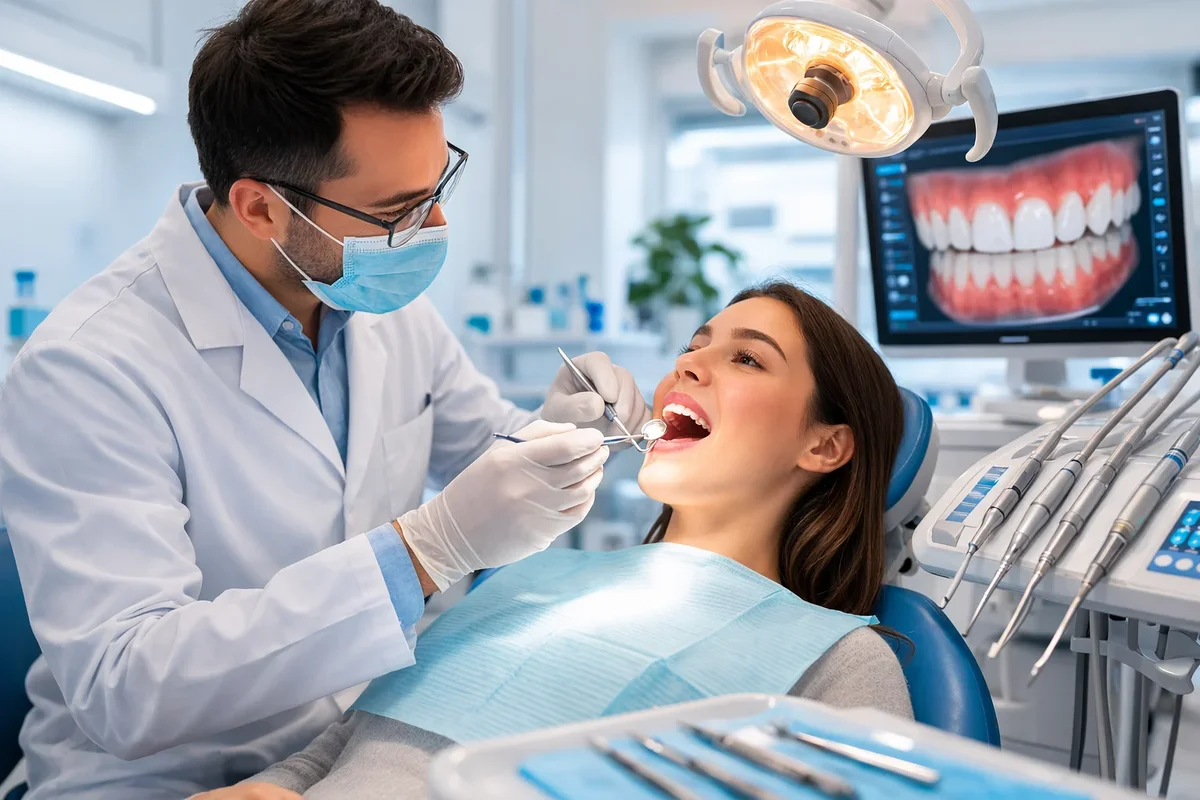
Tips from a Health Care Dentist for Maintaining a Healthy Smile
Maintaining a healthy smile requires consistent care, good daily habits, and regular visits to a health care dentist. While professional dental treatment is essential, the majority of oral health maintenance actually occurs at home. A qualified health care dentist often emphasizes preventive habits because they significantly reduce the risk of cavities, gum disease, and other dental complications. By following the guidance of a health care dentist, patients can protect their teeth and gums for many years while also improving their overall well-being.
Healthy teeth do not happen by chance. They are the result of daily oral hygiene practices combined with professional dental monitoring. A trusted health care dentist works closely with patients to develop routines that support long-term dental health. These routines include brushing, flossing, healthy nutrition, and avoiding harmful habits that may damage teeth or gums.
Brush Your Teeth Properly Every Day
One of the most basic but essential recommendations from any health care dentist is brushing your teeth correctly. Brushing removes plaque, a sticky layer of bacteria that accumulates on the teeth throughout the day. If plaque is not removed regularly, it can lead to cavities and gum disease.
A health care dentist typically recommends brushing at least twice a day using fluoride toothpaste and a soft-bristled toothbrush. Each brushing session should last at least two minutes to ensure all tooth surfaces are properly cleaned. Brushing should include the outer surfaces, inner surfaces, and chewing surfaces of each tooth.
Effective Brushing Tips from a Health Care Dentist
- Use a soft-bristled toothbrush to protect tooth enamel
- Brush for a full two minutes twice daily
- Hold the toothbrush at a 45-degree angle to the gums
- Replace your toothbrush every three months
- Use fluoride toothpaste recommended by your health care dentist
Following these brushing techniques recommended by a health care dentist can significantly improve oral hygiene and reduce the risk of dental disease.
Floss Daily to Remove Hidden Plaque
Flossing is another critical habit emphasized by every health care dentist. While brushing cleans the surfaces of the teeth, flossing removes plaque and food particles trapped between teeth and under the gumline. These areas are difficult to reach with a toothbrush alone.
Daily flossing helps prevent cavities between teeth and reduces the risk of gum disease. A health care dentist often demonstrates proper flossing techniques during routine dental visits to ensure patients understand how to clean these hidden areas effectively.
Patients who floss regularly experience healthier gums, fresher breath, and a reduced likelihood of dental infections.
Maintain a Tooth-Friendly Diet
Diet plays an important role in oral health, and a knowledgeable health care dentist often provides guidance about nutrition. Foods high in sugar or acid can weaken tooth enamel and contribute to cavities. Sugary snacks and beverages feed harmful bacteria that produce acids damaging to teeth.
A health care dentist typically recommends limiting sugary drinks, candies, and highly processed foods. Instead, patients are encouraged to eat a balanced diet rich in calcium, vitamins, and minerals that support healthy teeth and bones.
Foods Recommended by a Health Care Dentist
- Dairy products such as milk, cheese, and yogurt
- Crunchy fruits and vegetables like apples and carrots
- Leafy greens rich in vitamins and minerals
- Lean proteins such as fish and poultry
- Water instead of sugary beverages
These foods strengthen tooth enamel and support gum health, making them ideal choices according to a health care dentist.
Avoid Harmful Habits That Damage Teeth
Certain habits can severely damage teeth and gums over time. A health care dentist often advises patients to avoid behaviors such as smoking, chewing ice, biting hard objects, or using teeth as tools to open packages. These habits can lead to tooth fractures, gum damage, and enamel erosion.
Smoking is particularly harmful to oral health. A health care dentist frequently warns patients that tobacco use increases the risk of gum disease, tooth discoloration, and oral cancer. Avoiding tobacco products significantly improves both oral health and overall wellness.
Visit Your Health Care Dentist Regularly
Even with excellent daily oral hygiene, professional dental care remains essential. A health care dentist provides professional cleaning, early diagnosis, and preventive treatments that cannot be performed at home. Most dental professionals recommend visiting a health care dentist every six months for routine check-ups.
During these visits, the health care dentist examines the teeth and gums for signs of decay, infection, or other dental concerns. Early detection allows small issues to be treated quickly before they become serious problems. Professional cleaning also removes tartar buildup that cannot be removed through brushing alone.
Patients who want personalized dental guidance can consult experienced professionals through the
Redent Klinik Contact Page. A skilled health care dentist can evaluate your oral health and recommend customized strategies for maintaining a healthy smile.
For additional reliable dental health recommendations, patients can explore educational resources provided by the
American Dental Association. This organization offers trusted guidance on oral hygiene practices and preventive dentistry.
Consistency Is the Key to Long-Term Oral Health
Maintaining a healthy smile is not about occasional effort but about consistent daily care combined with regular professional support. A health care dentist provides the expertise and preventive treatments necessary to protect oral health, while patients contribute by maintaining strong hygiene habits at home.
By following the advice of a health care dentist, brushing and flossing regularly, maintaining a balanced diet, and avoiding harmful habits, patients can enjoy strong teeth and healthy gums for a lifetime. A beautiful smile not only improves appearance but also supports confidence, communication, and overall quality of life. 😊