
Dental implants are one of the most advanced and reliable solutions in modern dentistry, offering a natural look, long-lasting durability, and improved oral function. However, achieving long-term success depends heavily on proper care for dental implants. While implants are designed to be strong and resistant, they still require consistent attention and maintenance to prevent complications and ensure they last for decades. Understanding how to implement effective care for dental implants is essential for protecting your investment and maintaining optimal oral health. 😊
The process of care for dental implants is not complicated, but it does require discipline and awareness. Many patients mistakenly believe that implants do not need care because they are artificial. In reality, the surrounding gum tissue and bone structure are very much alive and susceptible to infection. Without proper care for dental implants, issues such as peri-implantitis (a condition similar to gum disease) can develop, leading to implant failure.
One of the most important aspects of care for dental implants is maintaining excellent oral hygiene. This includes brushing at least twice a day using a soft-bristled toothbrush and non-abrasive toothpaste. Proper brushing helps remove plaque and bacteria that can accumulate around the implant and gum line. In addition, flossing daily is crucial in your care for dental implants routine, as it helps clean areas that your toothbrush cannot reach.
Another key factor in care for dental implants is using the right dental products. Interdental brushes, water flossers, and antimicrobial mouthwashes can significantly enhance your cleaning routine. These tools are especially helpful for maintaining the spaces around implants and preventing bacterial buildup. Choosing the correct products ensures that your care for dental implants is both effective and gentle on your oral tissues.
Regular dental check-ups also play a vital role in care for dental implants. Visiting your dentist every 6 months allows for professional cleaning and early detection of potential problems. Dentists can assess the condition of your implants, gums, and surrounding bone, ensuring that your care for dental implants routine is working as intended. If necessary, they may recommend adjustments to improve your oral hygiene practices.
Lifestyle choices also influence the success of your care for dental implants. Smoking, for example, significantly increases the risk of implant failure by reducing blood flow to the gums and slowing down healing. Similarly, excessive alcohol consumption can negatively impact your oral health. For optimal care for dental implants, it is advisable to adopt healthy habits that support your overall well-being.
Diet is another critical component of care for dental implants. Consuming a balanced diet rich in vitamins and minerals helps maintain strong gums and bones. Avoiding excessively hard or sticky foods can prevent unnecessary stress on your implants. By making mindful dietary choices, you can enhance your care for dental implants and prolong their lifespan.
It is also important to recognize early warning signs that may indicate problems with your implants. Symptoms such as redness, swelling, bleeding gums, or discomfort around the implant area should not be ignored. Prompt action and proper care for dental implants can prevent minor issues from becoming serious complications.
Ultimately, care for dental implants is a lifelong commitment that requires consistency and attention to detail. By combining good oral hygiene practices, regular dental visits, and healthy lifestyle choices, you can ensure that your implants remain functional and aesthetically pleasing for many years. With the right approach to care for dental implants, you can enjoy a confident smile and improved quality of life. 😁
For personalized advice and professional support, you can always visit the Redent Klinik Contact Page to connect with experienced dental specialists who can guide you in your journey toward optimal implant health.
Additionally, staying informed through trusted organizations like the American Dental Association can help you follow the latest recommendations and best practices for care for dental implants. Reliable information empowers you to take control of your oral health and make the best decisions for long-term success.
Why Proper Care for Dental Implants Is Crucial for Oral Health
Understanding the importance of proper care for dental implants is the foundation of long-term oral health and implant success. Dental implants are designed to function like natural teeth, but they rely heavily on the health of surrounding gums and bone. Without consistent and correct care for dental implants, even the most advanced implant systems can fail over time. This is why dental professionals emphasize preventive care and patient education as essential components of treatment. 😊
Unlike natural teeth, implants cannot develop cavities, but that does not mean they are immune to problems. The tissues surrounding the implant are still vulnerable to bacterial infection. Poor care for dental implants can lead to plaque accumulation, which may cause inflammation and eventually progress into peri-implant diseases. These conditions can compromise the stability of the implant and even result in bone loss if not addressed promptly.
The Biological Connection Between Implants and Gum Health
The success of any implant depends on a process called osseointegration, where the implant fuses with the jawbone. This bond is strong, but it is not indestructible. Proper care for dental implants helps maintain this connection by keeping the surrounding tissues healthy and free from infection. When plaque and bacteria are allowed to build up, they can irritate the gums and weaken the supporting bone structure.
Healthy gums act as a protective barrier around your implants. Practicing consistent care for dental implants ensures that this barrier remains intact. Redness, swelling, or bleeding gums are early warning signs that your routine may need improvement. Addressing these symptoms early through better care for dental implants can prevent more serious complications.
Peri-Implantitis: A Preventable Risk
One of the most serious threats to implants is peri-implantitis, an inflammatory condition that affects the soft and hard tissues around the implant. It is often caused by inadequate care for dental implants and poor oral hygiene habits. This condition can lead to progressive bone loss and, if untreated, implant failure.
The good news is that peri-implantitis is largely preventable with proper care for dental implants. Daily cleaning, regular dental visits, and the use of appropriate oral hygiene tools significantly reduce the risk. Early detection also plays a crucial role, making routine check-ups an essential part of your care for dental implants strategy.
Long-Term Investment Protection
Dental implants are not only a medical solution but also a financial investment in your health and confidence. Protecting that investment requires consistent care for dental implants. Neglecting maintenance can lead to costly repairs or replacement procedures, which could have been avoided with proper care.
Think of your implants as a long-term asset. Just like any valuable investment, they require regular maintenance to retain their value. By committing to thorough care for dental implants, you ensure that your smile remains functional and aesthetically pleasing for years to come.
Cost Comparison of Maintenance vs. Replacement
Preventive care is always more affordable than corrective treatment. Here is a general comparison:
- Routine cleaning and check-ups: $100 – $300 per visit
- Treatment of peri-implantitis: $500 – $2,000+
- Implant replacement: $2,000 – $5,000+ per implant
These estimates highlight why proper care for dental implants is not only beneficial for your health but also for your finances. Investing in daily hygiene and professional maintenance can save you significant costs in the long run.
Impact on Overall Health and Well-Being
Oral health is closely linked to overall health, and this connection extends to implants as well. Poor care for dental implants can contribute to systemic health issues, including cardiovascular disease and diabetes complications. Bacteria from oral infections can enter the bloodstream, affecting other parts of the body.
Maintaining proper care for dental implants supports not only your oral health but also your general well-being. A healthy mouth contributes to better digestion, clearer speech, and improved self-confidence. 😁
Psychological Benefits of Healthy Implants
Beyond physical health, proper care for dental implants has psychological advantages. A clean, well-maintained smile boosts self-esteem and social confidence. Patients who follow a consistent care for dental implants routine often report feeling more comfortable in professional and personal interactions.
Professional Guidance and Support
Even with the best home care routine, professional support remains essential. Dentists provide specialized cleaning and monitoring that cannot be replicated at home. Scheduling regular visits is a key part of effective care for dental implants. If you need personalized guidance, you can reach out through the Redent Klinik Contact Page for expert assistance.
In addition, following recommendations from trusted organizations like the American Dental Association ensures that your care for dental implants aligns with the latest clinical standards and best practices.
In summary, proper care for dental implants is essential for maintaining oral health, protecting your investment, and enhancing your overall quality of life. By understanding its importance and implementing consistent habits, you can enjoy the full benefits of your dental implants for many years. 🌟
Daily Oral Hygiene Routine for Effective Care for Dental Implants
Establishing a consistent daily routine is the cornerstone of proper care for dental implants. While dental implants are engineered to be durable and resistant, they still rely on the health of surrounding gum tissues and bone. Without a disciplined hygiene routine, plaque and bacteria can accumulate, leading to inflammation and potential complications. That is why a structured and effective approach to care for dental implants must be part of your everyday life. 🦷✨
Unlike natural teeth, implants cannot decay, but the tissues around them can still become infected. This makes daily cleaning even more critical. A well-planned care for dental implants routine ensures that harmful bacteria are removed before they cause damage. The goal is not only cleanliness but also maintaining a healthy environment around the implant for long-term stability.
Brushing Techniques for Optimal Implant Care
Brushing your teeth at least twice a day is essential for effective care for dental implants. However, technique matters just as much as frequency. Use a soft-bristled toothbrush to gently clean all surfaces of the implant, including the gum line. Aggressive brushing can irritate the gums, so gentle, circular motions are recommended.
Electric toothbrushes are often considered superior for care for dental implants because they provide consistent motion and can remove plaque more efficiently. They are especially helpful for patients who may struggle with manual dexterity. Regardless of the tool you choose, consistency in your care for dental implants routine is key.
Choosing the Right Toothpaste
Not all toothpaste is suitable for implants. Abrasive formulas can scratch the surface of the implant crown, making it easier for plaque to accumulate. For proper care for dental implants, select a low-abrasive toothpaste specifically designed for sensitive teeth or implants. This ensures effective cleaning without causing damage.
Flossing and Interdental Cleaning
Flossing is a non-negotiable part of care for dental implants. It removes food particles and plaque from areas that a toothbrush cannot reach. Special implant-friendly floss or unwaxed dental tape is recommended, as it glides easily around the implant without causing irritation.
In addition to traditional floss, interdental brushes are highly effective for care for dental implants. These small brushes can clean the spaces between teeth and implants more thoroughly. Water flossers are another excellent option, using a stream of water to remove debris and bacteria. Incorporating these tools into your care for dental implants routine significantly improves overall hygiene.
How Often Should You Floss?
For optimal care for dental implants, floss at least once a day, preferably before bedtime. This ensures that any debris accumulated throughout the day is removed before bacteria have a chance to multiply overnight.
Mouthwash and Antibacterial Support
Using an antimicrobial mouthwash can enhance your care for dental implants routine by reducing bacteria in the mouth. Alcohol-free mouthwashes are generally recommended, as they are gentler on the gums and do not cause dryness.
Mouthwash should not replace brushing or flossing but should complement your care for dental implants. When used correctly, it helps maintain a balanced oral environment and reduces the risk of infection.
Best Practices for Mouthwash Use
Rinse for 30–60 seconds after brushing and flossing to maximize the effectiveness of your care for dental implants. Avoid eating or drinking immediately afterward to allow the active ingredients to work properly.
Morning vs. Night Routine Differences
Your morning and evening routines may differ slightly, but both are equally important for care for dental implants. In the morning, focus on removing bacteria that accumulated overnight. At night, the goal is to thoroughly clean your mouth before sleep, when saliva production decreases and bacteria can thrive.
Nighttime care for dental implants is especially critical. Skipping this step can lead to plaque buildup and increase the risk of gum inflammation. A complete evening routine should include brushing, flossing, and rinsing.
Consistency: The Key to Success
The effectiveness of your care for dental implants routine depends on consistency. Even the best tools and techniques will not yield results if used irregularly. Developing a habit and sticking to it ensures that your implants remain healthy and functional.
If you are unsure whether your routine is effective, consulting a dental professional can help. You can visit the Redent Klinik Contact Page for personalized advice tailored to your needs.
Additionally, staying informed through trusted resources like the American Dental Association can provide valuable insights into maintaining proper care for dental implants.
In conclusion, a well-structured daily hygiene routine is the foundation of successful care for dental implants. By combining proper brushing, flossing, and the use of supportive products, you can protect your implants and enjoy a healthy, confident smile for years to come. 😁
Best Toothbrushes and Products for Care for Dental Implants
Choosing the right tools is a critical step in maintaining effective care for dental implants. While daily routines are essential, the products you use can significantly influence how well you clean your implants and protect the surrounding tissues. Not all dental products are created equal, and selecting the correct ones ensures that your care for dental implants is both safe and efficient. 🪥✨
Dental implants require gentle yet thorough cleaning. Using inappropriate tools, such as hard-bristled brushes or abrasive toothpaste, can damage the implant surface or irritate the gums. Therefore, understanding which products support optimal care for dental implants is key to preserving both function and aesthetics.
Manual vs. Electric Toothbrushes
One of the most common questions in care for dental implants is whether to use a manual or electric toothbrush. Both can be effective, but electric toothbrushes are often recommended due to their consistent motion and superior plaque removal capabilities.
Electric toothbrushes, especially those with oscillating or sonic technology, can reach areas that are difficult to clean manually. This makes them highly beneficial for care for dental implants, particularly for individuals with limited dexterity. However, a soft-bristled manual toothbrush can also be effective if used with proper technique.
Recommended Features in a Toothbrush
- Soft or ultra-soft bristles to protect gums
- Small brush head for better access
- Ergonomic handle for control
- Pressure sensors (for electric models)
These features help ensure that your care for dental implants routine is thorough without causing harm to sensitive tissues.
Specialized Implant Toothbrushes
There are toothbrushes specifically designed for care for dental implants. These often include angled heads or dual-length bristles to clean around implant structures more effectively. Such designs allow for better access to the gum line and hard-to-reach areas.
Using a specialized brush can enhance your care for dental implants by targeting areas where plaque tends to accumulate. These brushes are particularly useful for patients with multiple implants or complex restorations.
When to Replace Your Toothbrush
For optimal care for dental implants, replace your toothbrush or brush head every 3 months, or sooner if the bristles become frayed. Worn bristles are less effective at cleaning and can compromise your hygiene routine.
Toothpaste: What to Use and What to Avoid
Toothpaste plays a vital role in care for dental implants, but not all formulas are suitable. Abrasive toothpaste can scratch the implant crown, creating surfaces where plaque can easily adhere. Therefore, it is important to choose a low-abrasive, implant-safe toothpaste.
Fluoride toothpaste is generally safe and beneficial for overall oral health, even though implants themselves do not decay. Proper selection of toothpaste ensures that your care for dental implants routine supports both natural teeth and implants.
Ingredients to Look For
- Low abrasiveness (RDA below 70)
- Fluoride for enamel protection
- Non-staining formulas
- Gentle whitening agents (if needed)
Avoid toothpaste containing harsh whitening chemicals or baking soda in large amounts, as these can damage surfaces and affect your care for dental implants.
Interdental Brushes and Flossing Tools
Interdental cleaning is essential for comprehensive care for dental implants. Interdental brushes are small, cone-shaped tools designed to clean between teeth and around implants. They are particularly effective for removing plaque from areas that standard brushes cannot reach.
In addition to interdental brushes, implant-specific floss is recommended. These floss types are thicker and more durable, making them ideal for care for dental implants. They can clean around abutments and under prosthetic components without fraying.
Water Flossers: Are They Worth It?
Water flossers are an excellent addition to your care for dental implants routine. They use a pressurized stream of water to remove debris and bacteria. This is especially beneficial for patients with bridges or multiple implants.
Although water flossers should not replace traditional flossing entirely, they significantly enhance care for dental implants by improving cleanliness and reducing inflammation.
Mouthwash and Antibacterial Solutions
Mouthwash can provide an additional layer of protection in your care for dental implants routine. Antibacterial mouthwashes help reduce harmful bacteria and maintain a balanced oral environment.
For best results, choose alcohol-free mouthwash to avoid dryness and irritation. Incorporating mouthwash into your care for dental implants routine supports gum health and reduces the risk of infection.
Frequency of Use
Using mouthwash once or twice daily is sufficient for effective care for dental implants. Overuse should be avoided, as it may disrupt the natural balance of oral bacteria.
Professional Recommendations and Guidance
Even with the best products, professional guidance is essential for optimal care for dental implants. Dentists can recommend specific tools tailored to your individual needs. If you need expert advice, you can visit the Redent Klinik Contact Page for personalized support.
Additionally, trusted organizations like the American Dental Association provide valuable recommendations on oral care products, helping you maintain effective care for dental implants.
In conclusion, selecting the right toothbrushes and dental products is a vital part of successful care for dental implants. By using appropriate tools and maintaining consistency, you can protect your implants, prevent complications, and enjoy a healthy, confident smile for years to come. 😁
Foods to Eat and Avoid for Better Care for Dental Implants
Your diet plays a surprisingly powerful role in effective care for dental implants. While many people focus only on brushing and flossing, what you eat daily directly impacts the health of your gums, bone structure, and overall implant stability. A well-balanced diet supports healing, strengthens tissues, and reduces inflammation, all of which are essential for proper care for dental implants. 🍎🥦
Dental implants function similarly to natural teeth, but they rely on healthy surrounding tissues to remain stable. Poor dietary habits can increase plaque buildup, weaken the immune response, and even contribute to implant complications. Therefore, understanding which foods support or harm your care for dental implants routine is essential for long-term success.
Best Foods to Support Care for Dental Implants
Eating nutrient-rich foods is one of the simplest yet most effective ways to enhance care for dental implants. These foods promote gum health, strengthen bone, and support the healing process after implant placement.
Calcium-Rich Foods for Strong Bone Support
Calcium is vital for maintaining the bone structure that supports your implants. Without sufficient calcium, the jawbone may weaken, compromising the implant’s stability. Including calcium-rich foods in your diet is essential for proper care for dental implants.
- Milk, cheese, and yogurt 🧀
- Leafy greens like spinach and kale
- Almonds and fortified plant-based milk
These foods help maintain strong bone density, ensuring your care for dental implants remains effective over time.
Vitamin C for Healthy Gums
Vitamin C is crucial for gum health and tissue repair. It helps prevent inflammation and supports healing, making it a key component of care for dental implants.
- Oranges, lemons, and citrus fruits 🍊
- Strawberries and kiwi
- Bell peppers and broccoli
Regular consumption of vitamin C-rich foods enhances your care for dental implants by keeping your gums strong and resilient.
Protein for Tissue Repair
Protein is essential for repairing and maintaining tissues around your implants. It supports healing and strengthens your immune system, which is vital for successful care for dental implants.
- Lean meats like chicken and turkey 🍗
- Fish rich in omega-3 fatty acids
- Eggs, beans, and legumes
Including sufficient protein in your diet ensures that your care for dental implants routine supports long-term tissue health.
Foods to Avoid for Better Implant Protection
Just as some foods support implant health, others can harm it. Avoiding certain foods is a critical part of care for dental implants, especially during the healing phase and beyond.
Hard and Crunchy Foods
Foods that are excessively hard can put undue pressure on your implants, potentially causing damage or loosening. This is particularly risky in the early stages after placement. Avoiding such foods is essential for safe care for dental implants.
- Ice cubes ❄️
- Hard candies
- Unpopped popcorn kernels
Reducing stress on your implants ensures that your care for dental implants remains effective and prevents unnecessary complications.
Sticky and Sugary Foods
Sticky foods can cling to implant surfaces and are difficult to remove, increasing the risk of plaque buildup. Sugary foods promote bacterial growth, which can lead to gum inflammation. Limiting these foods is crucial for proper care for dental implants.
- Caramel and chewing gum 🍬
- Sweet pastries and candies
- Sugary drinks like soda
By minimizing sugar intake, you enhance your care for dental implants and reduce the risk of peri-implant diseases.
Acidic Foods and Beverages
Highly acidic foods can irritate the gums and weaken enamel on natural teeth. While implants themselves are not affected by acid, the surrounding tissues are. Moderation is key for effective care for dental implants.
- Soft drinks and energy drinks 🥤
- Citrus juices (in excess)
- Vinegar-based foods
Balancing your intake of acidic foods supports better care for dental implants and protects your oral environment.
Hydration and Its Role in Implant Care
Staying hydrated is often overlooked but plays an important role in care for dental implants. Water helps wash away food particles and bacteria, reducing plaque buildup and supporting saliva production.
Saliva acts as a natural defense mechanism, neutralizing acids and protecting your gums. Drinking enough water throughout the day enhances your care for dental implants by maintaining a clean and balanced oral environment. 💧
Best Hydration Practices
- Drink water after meals
- Limit sugary and acidic beverages
- Carry a reusable water bottle for convenience
Simple hydration habits can significantly improve your care for dental implants routine.
Post-Surgery Dietary Guidelines
If you have recently received implants, your diet plays an even more critical role. Soft foods are recommended during the initial healing phase to avoid pressure on the implant site. Proper care for dental implants during this period ensures successful integration with the jawbone.
Recommended Soft Foods
- Mashed potatoes 🥔
- Yogurt and smoothies
- Scrambled eggs and soups
Gradually reintroducing solid foods as advised by your dentist supports effective care for dental implants and prevents complications.
Professional Advice and Ongoing Support
Your dentist can provide personalized dietary recommendations tailored to your specific needs. If you are unsure about your diet, you can consult experts through the Redent Klinik Contact Page for guidance on improving your care for dental implants.
Additionally, organizations like the American Dental Association offer reliable information on maintaining oral health, helping you optimize your care for dental implants.
In conclusion, your dietary choices play a vital role in the success of your implants. By consuming nutrient-rich foods, avoiding harmful options, and staying hydrated, you can significantly improve your care for dental implants and enjoy long-lasting results. 😁
Common Mistakes That Can Damage Your Dental Implants
Even with the best intentions, many patients unknowingly make mistakes that can compromise their care for dental implants. Dental implants are highly durable, but they are not indestructible. Poor habits, lack of awareness, and improper routines can lead to complications that may shorten the lifespan of your implants. Understanding these common mistakes is essential for maintaining effective care for dental implants and protecting your long-term oral health. ⚠️
One of the biggest misconceptions is that implants do not require the same level of attention as natural teeth. In reality, proper care for dental implants is just as important—if not more—because the surrounding tissues are still vulnerable to infection and inflammation. Avoiding common errors ensures that your implants remain stable, functional, and aesthetically pleasing.
Neglecting Daily Oral Hygiene
Skipping brushing or flossing is one of the most damaging mistakes in care for dental implants. Plaque and bacteria can accumulate quickly around implants, leading to gum irritation and peri-implant diseases. Even a few days of neglect can create an environment where harmful bacteria thrive.
Consistency is key. Effective care for dental implants requires brushing at least twice a day and flossing daily. Neglecting these habits can result in inflammation, bleeding gums, and eventually implant failure.
Inconsistent Cleaning Routine
Many people clean their teeth thoroughly in the morning but skip nighttime care. This inconsistency weakens your care for dental implants routine, as bacteria multiply overnight when saliva production decreases. A complete daily routine is essential for maintaining implant health.
Using Incorrect Dental Products
Another common mistake in care for dental implants is using inappropriate dental products. Hard-bristled toothbrushes and abrasive toothpaste can damage the implant surface and irritate the gums. Over time, this can lead to plaque buildup and complications.
Choosing the right tools is crucial for effective care for dental implants. Soft-bristled brushes and non-abrasive toothpaste help protect both the implant and surrounding tissues.
Avoiding Abrasive Ingredients
Toothpaste containing harsh whitening agents or baking soda in large amounts can scratch implant surfaces. This makes it easier for bacteria to adhere, negatively impacting your care for dental implants. Always opt for gentle, implant-safe products.
Ignoring Regular Dental Visits
Skipping dental check-ups is a major mistake that can compromise your care for dental implants. Professional cleanings and examinations are essential for detecting early signs of problems. Dentists can identify issues that may not be visible or noticeable at home.
Routine visits every 6 months are recommended for optimal care for dental implants. These appointments ensure that your implants and surrounding tissues remain healthy.
Delayed Problem Detection
Without regular check-ups, minor issues can develop into serious complications. Early detection is a key component of successful care for dental implants, preventing costly and invasive treatments later.
Smoking and Poor Lifestyle Choices
Smoking is one of the most harmful habits affecting care for dental implants. It reduces blood flow to the gums, slows healing, and increases the risk of infection. Smokers are significantly more likely to experience implant failure compared to non-smokers.
In addition to smoking, excessive alcohol consumption and poor dietary habits can negatively impact your care for dental implants. Adopting a healthy lifestyle supports better oral health and implant longevity.
Impact on Healing and Bone Health
Nicotine interferes with the healing process and weakens bone integration. This directly affects the success of your care for dental implants, especially in the early stages after placement.
Grinding and Clenching Teeth (Bruxism)
Teeth grinding or clenching can place excessive pressure on implants, leading to damage or loosening. This is a common yet often overlooked issue in care for dental implants.
If you suffer from bruxism, your dentist may recommend a night guard to protect your implants. Managing this condition is essential for maintaining proper care for dental implants.
Signs of Bruxism
- Jaw pain or stiffness
- Headaches in the morning
- Worn-down teeth
Addressing these symptoms early helps improve your care for dental implants and prevents long-term damage.
Consuming Harmful Foods and Habits
Dietary choices can also impact your care for dental implants. Frequently consuming hard, sticky, or sugary foods increases the risk of damage and plaque buildup. Chewing ice or biting hard objects can place unnecessary stress on implants.
Maintaining a balanced diet and avoiding harmful habits supports better care for dental implants and overall oral health.
Chewing Non-Food Items
Habits like chewing pens, nails, or bottle caps can damage implants. Eliminating these behaviors is essential for proper care for dental implants.
Lack of Awareness and Education
Many patients simply lack the knowledge needed for proper care for dental implants. Without proper guidance, they may unknowingly follow ineffective or harmful practices.
Education is a powerful tool. Understanding how to maintain your implants ensures that your care for dental implants routine is both effective and sustainable.
Seeking Professional Guidance
If you are unsure about your routine, consulting a dental professional is highly recommended. You can visit the Redent Klinik Contact Page for expert advice on improving your care for dental implants.
Additionally, trusted resources like the American Dental Association provide valuable information to support proper care for dental implants.
Conclusion: Avoiding Mistakes for Long-Term Success
In summary, avoiding common mistakes is essential for successful care for dental implants. From maintaining daily hygiene to choosing the right products and adopting healthy habits, every step plays a role in protecting your implants.
By staying informed and proactive, you can ensure that your care for dental implants routine supports long-term success, allowing you to enjoy a healthy and confident smile for years to come. 😁
Professional Cleaning and Check-Ups for Dental Implant Maintenance
While daily hygiene is essential, professional support plays an equally critical role in effective care for dental implants. Regular dental visits ensure that your implants remain in optimal condition and that any potential issues are identified early. Even the most diligent home routine cannot fully replace the benefits of professional cleaning and expert evaluation. That is why integrating routine check-ups into your care for dental implants plan is vital for long-term success. 🦷✨
Dental professionals use specialized tools and techniques to clean areas that are difficult to reach at home. These cleanings help remove hardened plaque (tartar) that cannot be eliminated through brushing alone. Without proper professional maintenance, your care for dental implants routine may fall short, increasing the risk of complications such as inflammation or infection.
Why Professional Cleaning Is Essential
Professional cleaning goes beyond what you can achieve at home. It is a fundamental component of comprehensive care for dental implants. Dental hygienists are trained to clean around implants without damaging their surfaces or surrounding tissues.
During these sessions, plaque and tartar buildup are carefully removed using non-abrasive instruments. This ensures that your care for dental implants remains effective and safe. Regular cleanings also help maintain gum health, which is crucial for implant stability.
Specialized Tools for Implant Cleaning
Unlike standard dental tools, implant-safe instruments are designed to avoid scratching the implant surface. These may include:
- Plastic or titanium scalers
- Ultrasonic devices with special tips
- Air polishing systems
Using the correct tools ensures that your care for dental implants is both thorough and gentle, preserving the integrity of your implants.
Frequency of Dental Check-Ups
Regular check-ups are a cornerstone of effective care for dental implants. Most dentists recommend visits every 6 months, but some patients may require more frequent appointments depending on their oral health condition.
These visits allow your dentist to monitor the health of your implants, gums, and surrounding bone. Consistent appointments ensure that your care for dental implants routine is working as intended and can be adjusted if necessary.
Customized Maintenance Plans
Each patient is unique, and so is their care for dental implants plan. Your dentist may recommend a personalized schedule based on factors such as:
- Number of implants
- Gum health status
- Medical history
- Lifestyle habits (e.g., smoking)
A tailored approach ensures that your care for dental implants is optimized for your specific needs.
Early Detection of Potential Problems
One of the greatest advantages of regular check-ups is early detection. Many implant-related issues develop gradually and may not cause noticeable symptoms at first. Professional evaluations are essential for identifying these problems before they escalate.
Early detection is a critical aspect of care for dental implants, as it allows for timely intervention and prevents more serious complications.
Common Issues Detected During Check-Ups
- Gum inflammation or bleeding
- Bone loss around the implant
- Loose implant components
- Plaque and tartar buildup
Addressing these issues early ensures that your care for dental implants remains effective and minimizes the risk of implant failure.
Professional Advice and Patient Education
Dental visits are not only about cleaning—they are also an opportunity to receive expert guidance. Dentists can evaluate your current routine and suggest improvements to enhance your care for dental implants.
This guidance may include recommendations on brushing techniques, product selection, and lifestyle adjustments. Continuous education helps you refine your care for dental implants and maintain optimal oral health.
Personalized Oral Hygiene Tips
Your dentist may suggest specific tools or methods tailored to your needs, such as:
- Using interdental brushes for better access
- Switching to an electric toothbrush
- Incorporating antimicrobial mouthwash
These personalized tips enhance your care for dental implants and ensure long-term success.
Cost of Professional Maintenance vs. Neglect
Investing in regular dental visits is far more cost-effective than dealing with complications. Proper care for dental implants through professional maintenance can prevent expensive treatments.
Estimated Costs
- Routine cleaning: $100 – $300 per visit
- Deep cleaning or peri-implant treatment: $500 – $2,000+
- Implant repair or replacement: $2,000 – $5,000+
These figures highlight the importance of consistent care for dental implants. Preventive care saves both time and money in the long run.
Accessing Professional Support
If you are unsure about your current routine or need professional assistance, seeking expert care is essential. You can connect with experienced dental professionals through the Redent Klinik Contact Page for personalized support and guidance.
Additionally, organizations like the American Dental Association provide valuable resources and recommendations to help you maintain effective care for dental implants.
Conclusion: Partnering with Professionals for Success
In conclusion, professional cleaning and regular check-ups are indispensable components of successful care for dental implants. They complement your daily routine, provide early detection of issues, and ensure that your implants remain healthy and functional.
By combining at-home hygiene with professional maintenance, you create a comprehensive care for dental implants strategy that supports long-term success and a confident smile. 😁
Signs of Problems: When Your Dental Implants Need Attention
Recognizing early warning signs is a critical part of proper care for dental implants. While implants are designed to be durable and long-lasting, they are not immune to complications. Many issues develop gradually and may not cause immediate pain, which is why awareness is essential. Understanding when something is wrong allows you to act quickly and protect your long-term care for dental implants. 🚨
Ignoring early symptoms can lead to serious problems such as infection, bone loss, or even implant failure. By learning to identify these signs and responding promptly, you can maintain effective care for dental implants and avoid costly treatments.
Common Early Warning Signs
Early detection is one of the most important aspects of successful care for dental implants. Many symptoms may seem minor at first but can indicate underlying issues that require attention.
Redness and Swelling Around the Implant
Healthy gums should appear pink and firm. If you notice redness, swelling, or tenderness, it may be a sign of inflammation. This is often caused by plaque buildup and inadequate care for dental implants.
Inflammation is the body’s response to infection. Addressing it early through improved hygiene and professional care is essential for maintaining proper care for dental implants.
Bleeding Gums
Bleeding while brushing or flossing is not normal and should not be ignored. It is often an early indicator of gum disease or peri-implant mucositis. Consistent and correct care for dental implants can help prevent this condition from progressing.
Pain or Discomfort Around Implants
While dental implants are generally pain-free once healed, any persistent discomfort should be taken seriously. Pain may indicate infection, improper placement, or excessive pressure on the implant.
Effective care for dental implants includes monitoring for unusual sensations. If discomfort persists, seeking professional evaluation is crucial.
Sensitivity When Chewing
If you experience pain while chewing, it may suggest that the implant is under stress or that surrounding tissues are inflamed. This can compromise your care for dental implants if left untreated.
Loose Implant or Prosthetic Components
Dental implants should feel stable and secure, just like natural teeth. Any movement or looseness is a serious warning sign that requires immediate attention. This is one of the most critical indicators that your care for dental implants may need improvement or professional intervention.
Causes of Implant Loosening
- Bone loss around the implant
- Mechanical failure of components
- Excessive biting force or bruxism
Addressing these issues promptly is essential for maintaining effective care for dental implants and preventing further complications.
Persistent Bad Breath or Unpleasant Taste
Chronic bad breath or a persistent bad taste in your mouth can indicate bacterial buildup or infection around the implant. This is often a sign that your care for dental implants routine needs improvement.
These symptoms may be subtle but should not be ignored. Proper cleaning and professional evaluation are key to restoring effective care for dental implants.
Bacterial Accumulation and Its Effects
Bacteria trapped around implants can lead to inflammation and tissue damage. Maintaining thorough care for dental implants helps prevent these issues and keeps your mouth fresh and healthy.
Gum Recession and Bone Loss
Gum recession around an implant exposes more of its structure and can indicate underlying problems. This condition often results from poor care for dental implants or untreated inflammation.
Bone loss is even more serious, as it directly affects the stability of the implant. Regular monitoring and proper care for dental implants are essential to prevent these complications.
Visual Changes to Watch For
- Visible implant threads
- Changes in gum shape or contour
- Gaps forming around the implant
Noticing these changes early allows you to take action and improve your care for dental implants before the problem worsens.
Difficulty Cleaning Around the Implant
If you find it increasingly difficult to clean around your implant, it may indicate swelling, improper positioning, or buildup of debris. Effective care for dental implants requires easy access for cleaning.
Using appropriate tools and techniques can help maintain proper care for dental implants, but persistent difficulty should be evaluated by a professional.
Adapting Your Cleaning Routine
Your dentist may recommend alternative tools such as interdental brushes or water flossers to improve your care for dental implants. Adjusting your routine can make a significant difference in maintaining oral health.
When to Seek Professional Help
Knowing when to consult a dentist is essential for effective care for dental implants. If you notice any of the symptoms mentioned above, do not delay seeking professional advice.
Early intervention can prevent minor issues from becoming major problems. You can reach out to experts through the Redent Klinik Contact Page for personalized assistance and guidance.
Additionally, trusted organizations like the American Dental Association provide valuable information on maintaining proper care for dental implants and recognizing warning signs.
Conclusion: Stay Alert and Proactive
In conclusion, recognizing the signs of problems is a vital part of successful care for dental implants. From gum inflammation to implant loosening, early detection and prompt action can make all the difference.
By staying alert, maintaining a consistent routine, and seeking professional help when needed, you can ensure that your care for dental implants remains effective and your smile stays healthy and confident for years to come. 😁
Smoking, Alcohol, and Their Impact on Dental Implant Care
Lifestyle habits play a significant role in the long-term success of dental implants, and two of the most influential factors are smoking and alcohol consumption. Even with a perfect daily routine, poor lifestyle choices can negatively affect your care for dental implants. Understanding how these habits impact your oral health allows you to make informed decisions that protect your implants and ensure lasting results. 🚭🍷
Dental implants rely on healthy gums and strong bone integration to remain stable. Smoking and excessive alcohol consumption can interfere with these processes, making proper care for dental implants more challenging. Patients who are aware of these risks are better equipped to maintain optimal oral health and prevent complications.
The Effects of Smoking on Dental Implants
Smoking is widely recognized as one of the most harmful habits for oral health. It significantly impacts the success rate of dental implants and can undermine even the best care for dental implants routine.
Nicotine constricts blood vessels, reducing blood flow to the gums. This limits the delivery of oxygen and essential nutrients needed for healing and tissue maintenance. As a result, smokers often experience delayed healing and a higher risk of implant failure.
How Smoking Affects Healing
After implant placement, the body needs time to integrate the implant with the jawbone—a process known as osseointegration. Smoking disrupts this process, making effective care for dental implants more difficult.
- Reduced blood circulation
- Slower tissue regeneration
- Increased risk of infection
These factors highlight why quitting smoking is strongly recommended for anyone committed to proper care for dental implants.
Increased Risk of Peri-Implantitis
Smokers are more likely to develop peri-implantitis, a serious inflammatory condition that can lead to bone loss and implant failure. Poor care for dental implants combined with smoking significantly increases this risk.
Maintaining strict hygiene and reducing or eliminating smoking can greatly improve your care for dental implants and overall success rate.
Alcohol Consumption and Implant Health
Alcohol, when consumed in excess, can also negatively affect your care for dental implants. While moderate consumption may not pose significant risks, heavy drinking can interfere with healing and immune function.
Alcohol can dry out the mouth, reducing saliva production. Saliva is essential for neutralizing acids and washing away bacteria, making it a key component of effective care for dental implants.
Impact on Immune System
Excessive alcohol weakens the immune system, making it harder for the body to fight infections. This can compromise your care for dental implants and increase the likelihood of complications.
- Higher risk of infection
- Delayed healing
- Increased inflammation
Limiting alcohol intake supports better care for dental implants and overall oral health.
Interaction with Medications
After implant surgery, patients are often prescribed medications such as antibiotics or pain relievers. Alcohol can interfere with these medications, reducing their effectiveness and impacting your care for dental implants.
Following your dentist’s recommendations regarding alcohol consumption is essential for proper recovery and long-term implant success.
Combined Effects of Smoking and Alcohol
When smoking and alcohol use are combined, their negative effects on care for dental implants are amplified. Together, they create an environment that is highly conducive to bacterial growth and inflammation.
This combination can significantly increase the risk of implant failure, making it crucial to address both habits as part of your care for dental implants strategy.
Synergistic Risks
- Greater likelihood of gum disease
- Accelerated bone loss
- Reduced treatment success rates
Eliminating or reducing these habits can dramatically improve your care for dental implants outcomes.
Strategies for Reducing Risk
Improving your lifestyle habits is one of the most effective ways to enhance your care for dental implants. Even small changes can have a significant impact on your oral health.
Tips for Quitting Smoking
- Seek professional support or counseling
- Use nicotine replacement therapies
- Avoid triggers that encourage smoking
Quitting smoking is one of the best decisions you can make for your care for dental implants and overall health.
Moderating Alcohol Intake
- Limit consumption to moderate levels
- Stay hydrated while drinking
- Avoid alcohol during the healing phase
Responsible alcohol use supports better care for dental implants and reduces the risk of complications.
Professional Guidance and Support
If you are struggling to manage these habits, professional guidance can make a significant difference. Dentists and healthcare providers can offer personalized advice to improve your care for dental implants.
You can connect with specialists through the Redent Klinik Contact Page for tailored recommendations and support.
Additionally, organizations like the American Dental Association provide reliable information on maintaining healthy habits and effective care for dental implants.
Conclusion: Lifestyle Choices Matter
In conclusion, smoking and alcohol consumption have a significant impact on the success of your implants. By making healthier choices, you can greatly improve your care for dental implants and ensure long-term stability.
Taking control of your lifestyle habits not only protects your implants but also enhances your overall well-being. With the right approach to care for dental implants, you can enjoy a healthy, confident smile for years to come. 😁
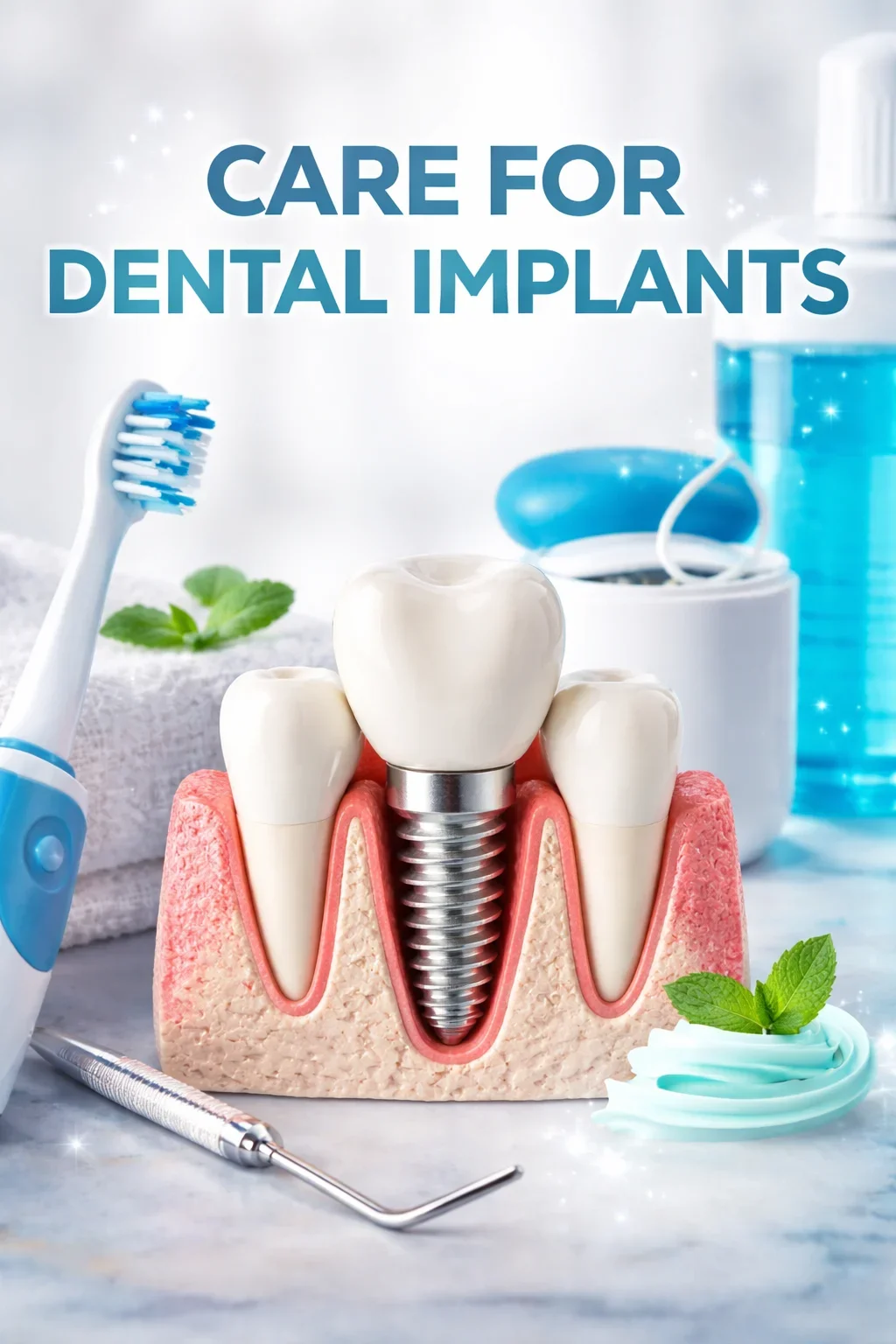
Long-Term Tips to Maximize the Lifespan of Dental Implants
Dental implants are designed to be a long-term solution, often lasting decades or even a lifetime with proper attention. However, achieving this longevity depends heavily on consistent and informed care for dental implants. While daily hygiene and professional check-ups are essential, long-term success also requires lifestyle awareness, preventive habits, and proactive maintenance. By adopting the right strategies, you can ensure that your care for dental implants leads to durable, reliable results. 🦷✨
Many patients assume that once implants are placed, the work is done. In reality, long-term care for dental implants is an ongoing process that evolves with your oral health needs. Understanding how to maintain implants over the years helps you avoid complications and maximize their lifespan.
Consistency Is the Foundation of Long-Term Success
The most important principle in care for dental implants is consistency. Even the best techniques and products will not be effective if they are not used regularly. Maintaining a daily routine of brushing, flossing, and rinsing ensures that plaque and bacteria do not accumulate.
Consistency also applies to professional care. Regular dental visits are a key part of long-term care for dental implants, allowing for early detection of issues and timely intervention.
Building Sustainable Habits
Creating habits that fit seamlessly into your daily life makes it easier to maintain proper care for dental implants. Setting reminders, using easy-to-handle tools, and following a structured routine can help ensure long-term compliance.
Protecting Implants from Physical Damage
Dental implants are strong, but excessive force can still cause damage. Protecting them from physical stress is a crucial aspect of care for dental implants.
Avoid habits such as biting hard objects, chewing ice, or using your teeth as tools. These actions can weaken implant components and compromise your care for dental implants routine.
Using Night Guards for Bruxism
If you grind or clench your teeth, a night guard can provide essential protection. Bruxism places significant pressure on implants, and managing it is vital for effective care for dental implants.
- Custom-fitted guards offer the best protection
- Wearing them nightly reduces stress on implants
- They help preserve both implants and natural teeth
Incorporating protective devices into your routine enhances your long-term care for dental implants.
Maintaining Gum and Bone Health
The stability of dental implants depends on the health of surrounding gums and bone. Long-term care for dental implants must include strategies to maintain these structures.
A balanced diet, proper hygiene, and regular check-ups all contribute to healthy tissues. Neglecting these factors can lead to bone loss and implant instability, undermining your care for dental implants.
Nutritional Support for Longevity
Key nutrients that support implant health include:
- Calcium for bone strength 🥛
- Vitamin D for absorption
- Vitamin C for gum health
Ensuring adequate intake of these nutrients strengthens your care for dental implants and supports long-term success.
Adapting Your Routine Over Time
Your oral health needs may change as you age, and your care for dental implants routine should adapt accordingly. Factors such as gum sensitivity, medical conditions, and medication use can influence how you care for your implants.
Regular consultations with your dentist help you adjust your care for dental implants plan to meet your evolving needs.
Monitoring Changes in Oral Health
Be attentive to any changes, such as increased sensitivity, gum recession, or difficulty cleaning. Addressing these issues early ensures that your care for dental implants remains effective.
Avoiding Complacency
One of the biggest threats to long-term success is complacency. After years of trouble-free use, some patients become less diligent in their care for dental implants. This can lead to gradual problems that may go unnoticed until they become serious.
Maintaining the same level of commitment over time is essential for preserving your implants and ensuring that your care for dental implants continues to deliver results.
Staying Motivated
Remind yourself of the investment you made in your smile. Keeping this perspective helps you stay committed to proper care for dental implants and avoid neglect.
Regular Professional Monitoring
Even with excellent home care, professional monitoring is indispensable. Dentists can detect subtle changes that may not be visible to you. Regular visits are a cornerstone of long-term care for dental implants.
If you need expert guidance or follow-up care, you can visit the Redent Klinik Contact Page to connect with experienced professionals.
Additionally, staying informed through trusted organizations like the American Dental Association ensures that your care for dental implants aligns with current best practices.
Conclusion: A Lifetime Commitment to Implant Health
In conclusion, maximizing the lifespan of your implants requires a long-term commitment to proper care for dental implants. From maintaining daily hygiene to protecting against physical damage and adapting your routine over time, every step contributes to lasting success.
By staying consistent, informed, and proactive, you can ensure that your care for dental implants supports a healthy, functional, and confident smile for many years—perhaps even a lifetime. 😁