
Finding the right pediatric dentist for special needs is one of the most important steps parents and caregivers can take to ensure optimal oral health for children with unique medical, physical, or developmental conditions. A pediatric dentist for special needs is specifically trained to provide compassionate, individualized dental care tailored to children who may require extra attention, modified techniques, or specialized environments. These dental professionals understand that every child is different and that a personalized approach is essential for successful treatment and long-term oral health outcomes.
Children with special needs—including conditions such as autism spectrum disorder, Down syndrome, cerebral palsy, sensory processing disorders, and other developmental or physical challenges—often face unique oral health issues. These may include difficulty maintaining oral hygiene, increased risk of tooth decay, gum disease, delayed tooth eruption, or challenges in cooperating during dental visits. A pediatric dentist for special needs is trained to recognize and manage these challenges effectively, ensuring that each child receives the care they deserve in a safe and supportive environment.
One of the key reasons why choosing a pediatric dentist for special needs is so important lies in their specialized training. Unlike general dentists, these professionals undergo additional education focused on child psychology, behavior management, and advanced clinical techniques. This enables them to communicate effectively with children who may have limited verbal skills, anxiety, or sensory sensitivities. Their clinics are often designed to be calming and accommodating, reducing stress for both the child and the caregiver. 😊
A pediatric dentist for special needs also works closely with parents, caregivers, and sometimes other healthcare providers to create a comprehensive care plan. This collaborative approach ensures that all aspects of the child’s health are considered. For example, if a child has a medical condition that affects their ability to tolerate certain procedures, the dentist can adapt the treatment plan accordingly. This level of coordination is essential for achieving safe and effective outcomes.
Another major advantage of visiting a pediatric dentist for special needs is their expertise in preventive care. Prevention is especially critical for children with special needs because untreated dental issues can quickly escalate into more serious health problems. Regular check-ups, fluoride treatments, dental sealants, and professional cleanings are all part of a proactive strategy to maintain oral health. In addition, these dentists provide tailored guidance to parents on how to manage daily oral hygiene routines at home, even when challenges are present.
It is also important to understand that a pediatric dentist for special needs uses a variety of behavior management techniques to ensure a positive dental experience. These may include desensitization, tell-show-do methods, visual aids, or even sedation dentistry when necessary. The goal is always to minimize fear and discomfort while building trust with the child. Over time, this approach can significantly improve the child’s comfort level with dental visits, making future appointments easier and more successful.
Parents often wonder when they should first visit a pediatric dentist for special needs. The answer is simple: as early as possible. Early intervention allows the dentist to monitor the child’s oral development, identify potential issues, and establish a routine of care. Starting dental visits early also helps the child become familiar with the dental environment, reducing anxiety in the long run. 🦷
In addition to clinical care, a pediatric dentist for special needs plays an educational role. They empower parents with knowledge about diet, oral hygiene techniques, and habits that can impact dental health. For instance, children with special needs may have dietary preferences or medication routines that increase the risk of cavities. A knowledgeable dentist can provide practical solutions to mitigate these risks.
For families seeking expert care, choosing a trusted clinic is essential. You can easily reach out through the Redent Klinik Contact Page to learn more about specialized dental services tailored to children with unique needs. Additionally, for authoritative guidance on oral health standards and recommendations, the American Dental Association offers valuable resources that support both parents and professionals.
Ultimately, a pediatric dentist for special needs is more than just a dental provider—they are a partner in your child’s overall health journey. Their expertise, patience, and dedication ensure that every child receives respectful, effective, and individualized care. By choosing the right pediatric dentist for special needs, you are taking a crucial step toward protecting your child’s smile and enhancing their quality of life for years to come. 🌟
What Is a Pediatric Dentist for Special Needs and Why It Matters
A pediatric dentist for special needs is a dental professional who specializes in providing comprehensive oral healthcare to children with physical, developmental, behavioral, or emotional conditions. These conditions may include autism spectrum disorder, Down syndrome, cerebral palsy, ADHD, or other medical complexities that require a more tailored and sensitive approach. Unlike general dentists, a pediatric dentist for special needs undergoes additional training focused on managing unique patient needs, ensuring both safety and comfort throughout every stage of treatment.
The importance of a pediatric dentist for special needs cannot be overstated. Children with special healthcare needs often face barriers to receiving standard dental care. These may include difficulty sitting still, sensory sensitivities, communication challenges, or medical conditions that complicate treatment. A pediatric dentist for special needs is equipped with the skills and tools necessary to overcome these challenges and create a positive dental experience. 😊
Understanding the Role of a Pediatric Dentist for Special Needs
The role of a pediatric dentist for special needs extends far beyond basic dental care. These professionals take a holistic approach, considering the child’s medical history, behavioral patterns, and emotional needs. They often collaborate with pediatricians, therapists, and caregivers to develop a customized treatment plan. This ensures that the dental care provided aligns with the child’s overall health strategy.
For example, a pediatric dentist for special needs may adjust appointment times to suit a child’s routine, use specialized equipment to improve comfort, or implement alternative communication techniques. This level of personalization helps reduce anxiety and builds trust between the child and the dental team.
Specialized Training and Expertise
Every pediatric dentist for special needs completes additional education beyond dental school, focusing on pediatric dentistry and special care dentistry. This includes training in behavior management, sedation techniques, and the treatment of patients with complex medical conditions. As a result, a pediatric dentist for special needs is uniquely qualified to handle situations that may be challenging for a general dentist.
They also stay updated with guidelines from organizations such as the American Dental Association, ensuring that their practices meet the highest standards of care.
Why Specialized Dental Care Is Essential
Children who require a pediatric dentist for special needs often have a higher risk of oral health issues. Factors such as medication side effects, dietary habits, and difficulty maintaining oral hygiene can contribute to problems like cavities, gum disease, and enamel defects. Without proper care, these issues can lead to pain, infection, and even systemic health complications.
A pediatric dentist for special needs focuses heavily on prevention. Regular check-ups, fluoride treatments, and sealants are used to protect teeth and reduce the likelihood of dental problems. Additionally, parents receive guidance on how to support their child’s oral health at home, even when daily brushing and flossing may be challenging.
Emotional and Psychological Benefits
Visiting a pediatric dentist for special needs also provides significant emotional benefits. Dental anxiety is common among children, especially those with sensory sensitivities or past negative experiences. A specialized dentist uses gentle techniques, calming environments, and positive reinforcement to create a stress-free experience.
This approach helps children feel safe and understood, which is crucial for building long-term cooperation. Over time, regular visits to a pediatric dentist for special needs can transform dental care from a source of fear into a routine part of life. 🌟
How It Improves Quality of Life
Choosing a pediatric dentist for special needs directly impacts a child’s overall quality of life. Good oral health supports proper nutrition, clear speech, and self-confidence. When dental issues are addressed early and managed effectively, children can avoid unnecessary pain and complications.
Furthermore, families benefit from the peace of mind that comes with knowing their child is receiving expert care. Clinics that specialize in this field often provide a welcoming environment and flexible scheduling, making it easier for families to maintain regular dental visits. If you are looking for professional support, you can connect with experts through the Redent Klinik Contact Page.
Bridging the Gap in Healthcare
One of the most important roles of a pediatric dentist for special needs is bridging the gap in healthcare accessibility. Many children with special needs struggle to find dental providers who can accommodate them. Specialized dentists fill this gap by offering inclusive care that respects each child’s individuality.
They advocate for their patients, educate families, and contribute to a more inclusive healthcare system. By choosing a pediatric dentist for special needs, parents are ensuring that their child receives the same level of care and attention as any other patient, tailored to their unique requirements.
In summary, a pediatric dentist for special needs plays a vital role in maintaining and improving oral health for children who require specialized care. Their expertise, compassion, and commitment make a significant difference in both the dental experience and the overall well-being of the child. 🦷
Key Qualifications of a Pediatric Dentist for Special Needs
Choosing the right pediatric dentist for special needs requires a deep understanding of the qualifications and expertise that set these professionals apart. Not every dentist is equipped to handle the unique challenges presented by children with special healthcare needs. A pediatric dentist for special needs must possess a combination of advanced education, clinical experience, emotional intelligence, and specialized skills to provide safe, effective, and compassionate care. These qualifications are essential to ensure that every child receives treatment tailored to their specific condition and comfort level. 🦷
Advanced Education and Specialized Training
A pediatric dentist for special needs begins their journey by completing dental school, followed by additional years of specialized training in pediatric dentistry. This advanced training focuses not only on children’s oral health but also on managing patients with physical, developmental, and behavioral conditions. During this period, a pediatric dentist for special needs learns how to adapt dental procedures to meet the needs of children who may require extra care, patience, or modified techniques.
In many cases, a pediatric dentist for special needs also receives education in hospital dentistry, sedation techniques, and emergency care. This allows them to safely treat children who may not be able to undergo standard dental procedures in a typical clinical setting. Their education is often aligned with global standards set by organizations like the American Dental Association, ensuring high-quality and evidence-based care.
Continuous Professional Development
Learning does not stop after formal education. A pediatric dentist for special needs is committed to continuous professional development. They regularly attend workshops, seminars, and training programs to stay updated on the latest advancements in dental technology and patient care techniques. This ongoing education ensures that a pediatric dentist for special needs can provide the most modern and effective treatments available.
Expertise in Behavior Management Techniques
One of the most critical qualifications of a pediatric dentist for special needs is expertise in behavior management. Children with special needs may experience anxiety, fear, or difficulty understanding dental procedures. A skilled pediatric dentist for special needs uses proven techniques such as tell-show-do, positive reinforcement, desensitization, and visual communication tools to help children feel comfortable and cooperative during visits.
In some cases, advanced methods like sedation dentistry or general anesthesia may be required. A pediatric dentist for special needs is trained to assess when these options are appropriate and to administer them safely. This ensures that even complex procedures can be completed without causing distress to the child. 😊
Communication Skills with Children and Caregivers
Effective communication is another essential qualification. A pediatric dentist for special needs must be able to communicate clearly with both the child and their caregivers. This includes explaining procedures in simple, reassuring language and providing detailed instructions for at-home care. Building trust is key, and a pediatric dentist for special needs excels at creating a supportive and understanding environment.
Clinical Experience with Diverse Conditions
Hands-on experience is invaluable for a pediatric dentist for special needs. These professionals often work with children who have a wide range of conditions, including autism, Down syndrome, cerebral palsy, and sensory processing disorders. Each condition presents unique challenges, and a pediatric dentist for special needs must be adaptable and knowledgeable in addressing them.
For example, a child with sensory sensitivities may require a quiet, low-stimulation environment, while a child with limited mobility may need specialized equipment for positioning during treatment. A pediatric dentist for special needs is trained to recognize these needs and adjust their approach accordingly.
Use of Specialized Equipment and Techniques
Another important qualification is familiarity with specialized dental equipment and techniques. A pediatric dentist for special needs often uses tools designed to enhance comfort and accessibility, such as supportive seating, mouth props, and adaptive devices. These tools make it easier to perform procedures while minimizing discomfort for the child.
Compassion, Patience, and Emotional Intelligence
Beyond technical skills, a pediatric dentist for special needs must possess a high level of compassion and patience. Treating children with special needs requires understanding, empathy, and the ability to remain calm in challenging situations. A pediatric dentist for special needs recognizes that every child progresses at their own pace and adapts their approach accordingly.
This emotional intelligence helps build strong relationships with both the child and their family. When families feel supported and understood, they are more likely to maintain regular dental visits and follow recommended care plans.
Collaboration with Healthcare Providers
A pediatric dentist for special needs often works as part of a multidisciplinary team. This may include pediatricians, speech therapists, occupational therapists, and other healthcare professionals. Collaboration ensures that the child’s dental care is aligned with their overall health and development goals.
If you are seeking expert care, you can connect with a qualified pediatric dentist for special needs through the Redent Klinik Contact Page, where personalized treatment plans are developed with your child’s unique needs in mind.
Commitment to Preventive and Long-Term Care
Finally, a pediatric dentist for special needs is dedicated to preventive care and long-term oral health. They focus on early intervention, regular monitoring, and education to prevent dental issues before they become serious. This proactive approach is especially important for children who may face additional challenges in maintaining oral hygiene.
In conclusion, the qualifications of a pediatric dentist for special needs go far beyond standard dental training. Their advanced education, specialized skills, compassionate approach, and commitment to continuous learning make them uniquely equipped to provide exceptional care. By choosing a highly qualified pediatric dentist for special needs, parents can ensure that their child receives the best possible dental experience and long-term oral health support. 🌟
How to Choose the Best Pediatric Dentist for Special Needs
Choosing the right pediatric dentist for special needs is a critical decision that directly impacts your child’s comfort, safety, and long-term oral health. Not every dental clinic is equipped to provide the level of care required for children with unique physical, developmental, or behavioral conditions. Therefore, selecting a pediatric dentist for special needs involves careful evaluation of qualifications, environment, communication style, and the ability to personalize care. When done correctly, this choice ensures a positive dental experience and builds lifelong healthy habits. 😊
Look for Specialized Experience and Credentials
The first step in choosing a pediatric dentist for special needs is verifying their education and experience. A qualified pediatric dentist for special needs should have completed advanced training in pediatric dentistry and demonstrate hands-on experience treating children with various conditions such as autism, Down syndrome, or cerebral palsy.
Ask about certifications, continuing education, and familiarity with behavior management techniques. A reputable pediatric dentist for special needs will be transparent about their qualifications and may also follow guidelines from trusted organizations like the American Dental Association, ensuring adherence to high clinical standards.
Ask About Case Experience
Every child is different, so it is important to ask whether the pediatric dentist for special needs has experience with your child’s specific condition. For example, a dentist experienced in treating sensory-sensitive children will know how to adjust lighting, sounds, and pacing during treatment.
Evaluate the Clinic Environment
The physical environment of the clinic plays a major role in your child’s comfort. A well-designed clinic for a pediatric dentist for special needs should be calm, welcoming, and adapted to reduce sensory overload. This may include quiet waiting areas, soft lighting, and minimal noise.
A supportive environment helps children feel safe and reduces anxiety, making dental visits more manageable. A high-quality pediatric dentist for special needs ensures that every detail—from the reception area to the treatment room—is designed with patient comfort in mind.
Sensory-Friendly Features
Look for clinics that offer sensory-friendly features such as weighted blankets, visual aids, or headphones. These small adjustments can make a significant difference when visiting a pediatric dentist for special needs.
Assess Communication and Approach
Communication is one of the most important factors when selecting a pediatric dentist for special needs. The dentist should be able to explain procedures clearly and adapt their communication style to match your child’s level of understanding.
A skilled pediatric dentist for special needs will also listen carefully to parents and caregivers, taking their concerns seriously and incorporating their insights into the treatment plan. This collaborative approach builds trust and ensures that the child’s needs are fully understood.
Parent Involvement
A good pediatric dentist for special needs encourages parental involvement during visits. Allowing a parent to stay nearby can help the child feel secure and improve cooperation during treatment.
Check Available Treatment Options
Different children require different treatment approaches, so it is essential to choose a pediatric dentist for special needs who offers a wide range of services. These may include preventive care, restorative treatments, sedation dentistry, and emergency care.
A comprehensive service offering ensures that all dental needs can be addressed in one place. A well-equipped pediatric dentist for special needs will also tailor treatment plans based on the child’s medical history and behavioral needs.
Sedation and Advanced Care Options
Some children may require sedation to undergo dental procedures comfortably. A qualified pediatric dentist for special needs should be trained in safe sedation techniques and explain the process clearly to parents.
Read Reviews and Seek Recommendations
Another important step is researching reviews and seeking recommendations from other parents or healthcare providers. Feedback from families who have already visited a pediatric dentist for special needs can provide valuable insights into the quality of care and patient experience.
Look for consistent positive feedback regarding patience, professionalism, and the ability to handle complex cases. A trusted pediatric dentist for special needs will have a strong reputation within the community.
Accessibility and Convenience
Location and accessibility are also important considerations. Frequent visits may be necessary, so choosing a conveniently located pediatric dentist for special needs can make a big difference. Flexible scheduling and shorter waiting times are additional advantages.
If you are looking for a reliable option, you can explore services through the Redent Klinik Contact Page, where specialized care plans are designed to meet individual needs.
Trust Your Instincts
Finally, trust your instincts as a parent or caregiver. After visiting a clinic, consider how comfortable you and your child felt. A good pediatric dentist for special needs will create a welcoming atmosphere, communicate clearly, and demonstrate genuine care.
If the interaction feels rushed or impersonal, it may be worth exploring other options. The right pediatric dentist for special needs will prioritize your child’s well-being and work to build a long-term relationship based on trust and respect. 🌟
In conclusion, selecting the best pediatric dentist for special needs requires careful consideration of multiple factors, including qualifications, environment, communication, and available services. By taking the time to evaluate these aspects, parents can ensure that their child receives high-quality, personalized dental care that supports both oral health and overall well-being.
Common Dental Challenges in Special Needs Children
Children who require a pediatric dentist for special needs often face unique oral health challenges that differ significantly from those of typically developing children. These challenges may arise from physical limitations, developmental conditions, medications, or behavioral factors that make daily oral care more difficult. A qualified pediatric dentist for special needs understands these complexities and is trained to identify, prevent, and manage a wide range of dental issues effectively. 🦷
Understanding these common dental challenges is essential for parents and caregivers. It allows them to take proactive steps and seek timely care from a pediatric dentist for special needs. Early intervention can prevent minor problems from becoming serious complications, ensuring better long-term oral health and overall well-being.
Increased Risk of Tooth Decay
One of the most common issues addressed by a pediatric dentist for special needs is a higher risk of tooth decay. Children with special needs may have difficulty brushing and flossing effectively due to motor skill limitations or sensory sensitivities. Additionally, certain medications—especially those in liquid form—often contain sugars that increase the risk of cavities.
A pediatric dentist for special needs focuses on preventive care strategies such as fluoride treatments, dental sealants, and regular cleanings to reduce this risk. Parents are also guided on how to establish effective oral hygiene routines at home, even when challenges are present.
Dietary Factors and Their Impact
Diet plays a significant role in oral health. Many children who visit a pediatric dentist for special needs may have restricted diets or preferences for soft, carbohydrate-rich foods. These foods can stick to teeth and contribute to plaque buildup. A pediatric dentist for special needs can recommend dietary adjustments that support dental health without compromising nutritional needs.
Gum Disease and Oral Inflammation
Gum disease is another concern commonly managed by a pediatric dentist for special needs. Poor oral hygiene, combined with certain medical conditions, can lead to inflammation, bleeding gums, and infection. Children who have difficulty maintaining consistent brushing habits are particularly vulnerable.
A pediatric dentist for special needs monitors gum health closely and provides professional cleanings to remove plaque and tartar. They also educate caregivers on recognizing early signs of gum disease, allowing for prompt intervention.
Impact of Medications on Gum Health
Some medications can cause side effects such as dry mouth or gum overgrowth, both of which increase the risk of oral health issues. A knowledgeable pediatric dentist for special needs takes these factors into account when developing a treatment plan and may recommend specific products to counteract these effects.
Delayed Tooth Eruption and Developmental Issues
Children under the care of a pediatric dentist for special needs may experience delayed tooth eruption or abnormalities in tooth development. Conditions like Down syndrome, for example, are often associated with delayed dental milestones. This can affect alignment, bite function, and overall oral health.
A pediatric dentist for special needs tracks the child’s dental development over time and intervenes when necessary. Early detection of developmental issues allows for more effective treatment and can prevent complications later in life.
Orthodontic Considerations
Some children may require orthodontic treatment due to misaligned teeth or jaw irregularities. A pediatric dentist for special needs works closely with orthodontists to create a treatment plan that accommodates the child’s specific needs and abilities.
Bruxism (Teeth Grinding)
Teeth grinding, also known as bruxism, is frequently observed in children who need a pediatric dentist for special needs. This habit can lead to worn enamel, tooth sensitivity, and jaw discomfort. It is often associated with stress, sensory issues, or neurological conditions.
A pediatric dentist for special needs can recommend solutions such as custom mouthguards or behavioral strategies to minimize grinding and protect the teeth.
Difficulty Cooperating During Dental Care
Behavioral challenges can make dental visits and at-home care more difficult. Children who require a pediatric dentist for special needs may have anxiety, communication difficulties, or sensory sensitivities that affect their ability to cooperate during treatment.
A skilled pediatric dentist for special needs uses specialized behavior management techniques to create a calm and supportive environment. These may include gradual desensitization, visual aids, and positive reinforcement to build trust and improve cooperation. 😊
Importance of a Familiar Environment
Consistency is key. Visiting the same pediatric dentist for special needs regularly helps the child become familiar with the environment, reducing anxiety and making future visits smoother.
Oral Trauma and Injury Risk
Children with certain physical or behavioral conditions may be at a higher risk of oral injuries. Falls, seizures, or self-injurious behaviors can lead to chipped or broken teeth. A pediatric dentist for special needs is trained to manage dental trauma and provide immediate care when accidents occur.
Preventive measures, such as protective mouthguards, may also be recommended by a pediatric dentist for special needs to reduce the risk of injury.
Why Early and Regular Care Is Essential
Regular visits to a pediatric dentist for special needs are essential for managing these challenges effectively. Early detection, preventive care, and personalized treatment plans help minimize complications and improve overall oral health outcomes.
Parents seeking expert care can connect with professionals through the Redent Klinik Contact Page, where individualized treatment plans are designed to address each child’s unique needs.
In summary, the dental challenges faced by children who require a pediatric dentist for special needs are diverse and often complex. However, with the right professional support, these challenges can be managed successfully. A dedicated pediatric dentist for special needs provides the expertise, compassion, and tailored care necessary to ensure that every child achieves and maintains a healthy, confident smile. 🌟
Behavior Management Techniques Used by Specialists
A pediatric dentist for special needs does far more than perform dental procedures—they create a supportive environment where children feel safe, understood, and comfortable. One of the most critical aspects of this specialized care is behavior management. Children with developmental, sensory, or physical conditions may experience anxiety, fear, or difficulty cooperating during dental visits. A highly trained pediatric dentist for special needs uses proven behavioral techniques to ensure a positive and stress-free experience for both the child and the caregiver. 😊
Behavior management is not a one-size-fits-all approach. Each pediatric dentist for special needs carefully evaluates the child’s personality, medical history, communication ability, and sensory triggers before selecting the most appropriate strategy. This individualized approach helps build trust and encourages long-term cooperation with dental care.
Tell-Show-Do Technique
One of the most widely used methods by a pediatric dentist for special needs is the “tell-show-do” technique. This approach involves explaining the procedure in simple terms (tell), demonstrating it using instruments or models (show), and then performing the procedure (do). This step-by-step method reduces fear of the unknown and helps children understand what to expect.
A pediatric dentist for special needs often adapts this technique further by using visual aids, pictures, or videos, especially for children who respond better to visual learning. This enhances comprehension and reduces anxiety during treatment.
Use of Visual Supports
Visual schedules, flashcards, or social stories are commonly used by a pediatric dentist for special needs to prepare the child for each step of the visit. These tools are particularly effective for children with autism or communication challenges.
Desensitization and Gradual Exposure
Desensitization is another powerful strategy employed by a pediatric dentist for special needs. This involves gradually introducing the child to the dental environment over multiple visits. Instead of completing all procedures in one session, the dentist slowly builds the child’s comfort level.
For example, the first visit may involve simply sitting in the dental chair, while subsequent visits introduce tools and procedures step by step. A pediatric dentist for special needs understands that patience is key and that progress may take time.
Short and Positive Visits
Short, successful appointments help reinforce positive experiences. A pediatric dentist for special needs may schedule brief visits initially to avoid overwhelming the child.
Positive Reinforcement
Positive reinforcement is a cornerstone of behavior management used by a pediatric dentist for special needs. Praising the child for cooperation, offering small rewards, or using encouraging language can significantly improve behavior during dental visits.
This technique helps children associate dental care with positive outcomes rather than fear. Over time, visits to a pediatric dentist for special needs become more predictable and less stressful.
Reward Systems
Some clinics implement reward systems such as stickers, toys, or certificates. These incentives motivate children and make visits to a pediatric dentist for special needs more enjoyable. 🎉
Sensory Adaptation Techniques
Many children who require a pediatric dentist for special needs have sensory sensitivities. Bright lights, loud sounds, or unfamiliar textures can be overwhelming. To address this, specialized dentists modify the environment to reduce sensory triggers.
A pediatric dentist for special needs may use dim lighting, noise-canceling headphones, weighted blankets, or calming music to create a soothing atmosphere. These adjustments can make a significant difference in the child’s comfort level.
Customized Environment
Every pediatric dentist for special needs aims to create a customized environment tailored to each child’s preferences and sensitivities. This personalized approach enhances cooperation and reduces anxiety.
Communication Strategies
Effective communication is essential for successful behavior management. A pediatric dentist for special needs adapts their communication style based on the child’s abilities. This may include using simple language, gestures, or alternative communication methods such as picture boards.
Building trust through clear and consistent communication helps children feel more secure during dental visits. A pediatric dentist for special needs also involves parents in the process, ensuring that everyone is aligned.
Protective Stabilization (When Necessary)
In certain situations, protective stabilization may be used by a pediatric dentist for special needs to ensure the safety of the child and the dental team. This technique involves gently limiting movement to prevent injury during procedures.
This method is always used as a last resort and with full parental consent. A responsible pediatric dentist for special needs prioritizes the child’s comfort and dignity at all times.
Sedation Dentistry Options
For children who cannot tolerate dental procedures despite behavior management techniques, sedation may be recommended. A pediatric dentist for special needs is trained in safe sedation methods, including nitrous oxide (laughing gas), oral sedation, or general anesthesia.
These options allow necessary treatments to be completed without causing distress. A pediatric dentist for special needs carefully evaluates each case to determine the safest and most appropriate approach.
Safety and Monitoring
Safety is a top priority. A pediatric dentist for special needs follows strict protocols and monitors the child closely during sedation to ensure a safe experience.
Building Long-Term Trust and Confidence
The ultimate goal of behavior management is to build long-term trust. A pediatric dentist for special needs focuses on creating positive experiences that encourage children to return for regular check-ups without fear.
Parents can support this process by reinforcing positive messages at home and maintaining consistent dental routines. For professional guidance and personalized care, families can visit the Redent Klinik Contact Page.
In conclusion, behavior management techniques used by a pediatric dentist for special needs are essential for delivering effective and compassionate care. From communication strategies to sensory adaptations and sedation options, these techniques ensure that every child receives the attention they need in a safe and supportive environment. With the right approach, dental visits can become a positive and empowering experience for children with special needs. 🌟
Preparing Your Child for a Dental Visit Step-by-Step
Preparing a child for a visit to a pediatric dentist for special needs requires thoughtful planning, patience, and a personalized approach. Children with developmental, behavioral, or physical challenges may experience heightened anxiety or sensory sensitivities when faced with unfamiliar environments. A well-prepared visit to a pediatric dentist for special needs can transform what might otherwise be a stressful experience into a calm and positive one. 😊
Parents and caregivers play a crucial role in this preparation process. By taking proactive steps and working closely with a pediatric dentist for special needs, families can help their child feel safe, confident, and ready for dental care. This step-by-step guide outlines practical strategies to ensure a successful visit.
Step 1: Choose the Right Pediatric Dentist for Special Needs
The first and most important step is selecting a qualified pediatric dentist for special needs. Not all dental clinics are equipped to provide the level of care required for children with unique conditions. Look for a dentist with specialized training, experience, and a child-friendly environment.
A trusted pediatric dentist for special needs will offer a welcoming atmosphere, flexible scheduling, and a team trained to handle various behavioral and medical challenges. You can explore professional support through the Redent Klinik Contact Page, where personalized care plans are designed for each child.
Schedule a Pre-Visit Consultation
Many parents find it helpful to schedule a pre-visit consultation with a pediatric dentist for special needs. This allows the child to become familiar with the environment without the pressure of treatment.
Step 2: Introduce the Dental Visit at Home
Before visiting a pediatric dentist for special needs, it is important to prepare your child at home. Use simple, positive language to explain what will happen during the visit. Avoid using words that may trigger fear, such as “pain” or “needle.”
Instead, describe the experience in a reassuring way, focusing on how the dentist helps keep teeth healthy and strong. A pediatric dentist for special needs often recommends using storybooks, videos, or role-playing activities to familiarize the child with the process.
Use Visual Aids and Social Stories
Visual aids are especially effective for children with communication challenges. A pediatric dentist for special needs may provide visual schedules or social stories that outline each step of the visit, helping the child understand what to expect.
Step 3: Establish a Consistent Routine
Consistency is key when preparing for a visit to a pediatric dentist for special needs. Schedule appointments at a time when your child is typically calm and well-rested. Morning appointments are often ideal for children who become fatigued or overwhelmed later in the day.
Maintaining a predictable routine helps reduce anxiety and makes the experience more manageable. A pediatric dentist for special needs can also help you choose the best appointment time based on your child’s needs.
Practice at Home
Practicing dental routines at home, such as opening the mouth for brushing or counting teeth, can help the child feel more comfortable during the actual visit to a pediatric dentist for special needs.
Step 4: Prepare for Sensory Needs
Children who require a pediatric dentist for special needs often have sensory sensitivities. Bright lights, unfamiliar sounds, and new textures can be overwhelming. Preparing for these sensory experiences can make a significant difference.
Bring comfort items such as a favorite toy, blanket, or headphones to the appointment. A pediatric dentist for special needs may also offer sensory-friendly accommodations, such as dim lighting or calming music, to create a soothing environment.
Communicate Sensory Triggers
Inform the pediatric dentist for special needs about any specific sensory triggers your child may have. This allows the dental team to adjust the environment accordingly.
Step 5: Use Positive Reinforcement
Encouragement and rewards can motivate children to cooperate during dental visits. A pediatric dentist for special needs often uses positive reinforcement techniques, such as praise or small rewards, to create a positive association with dental care.
Parents can reinforce this approach by celebrating small achievements, such as sitting in the dental chair or opening the mouth. Over time, these positive experiences help build confidence.
Create a Reward System
Consider creating a simple reward system at home. For example, after a successful visit to a pediatric dentist for special needs, the child can receive a sticker or a favorite activity as a reward. 🎉
Step 6: Stay Calm and Supportive
Children often pick up on their parents’ emotions. Staying calm and positive during a visit to a pediatric dentist for special needs can help reassure your child. Avoid expressing anxiety or concern in front of the child.
A supportive presence can make a significant difference in how the child perceives the experience. A pediatric dentist for special needs may also encourage parents to stay nearby during the appointment to provide comfort.
Step 7: Follow Up After the Visit
After visiting a pediatric dentist for special needs, take time to discuss the experience with your child. Highlight what went well and provide positive feedback. This reinforces good behavior and helps the child feel proud of their accomplishment.
Regular follow-ups and consistent dental visits are essential for maintaining oral health. A pediatric dentist for special needs will guide you on the appropriate schedule for check-ups and treatments.
Building a Long-Term Positive Experience
Preparing your child for a visit to a pediatric dentist for special needs is an ongoing process. With the right preparation, communication, and support, dental visits can become a routine and stress-free part of life.
In conclusion, working closely with a pediatric dentist for special needs and following these step-by-step strategies can significantly improve your child’s dental experience. By creating a positive and supportive environment, you are helping your child build healthy habits and a confident attitude toward oral care for years to come. 🌟
Treatment Options Offered by a Pediatric Dentist for Special Needs
A pediatric dentist for special needs provides a wide range of treatment options designed to meet the unique oral health requirements of children with physical, developmental, or behavioral conditions. These treatments go beyond standard dental care, focusing on comfort, safety, and individualized approaches. Every pediatric dentist for special needs carefully evaluates each child’s medical history, communication ability, and behavioral profile to create a customized treatment plan that ensures effective and stress-free care. 🦷
Understanding the available treatment options helps parents make informed decisions and prepares them for what to expect during dental visits. A pediatric dentist for special needs emphasizes both preventive and restorative care, ensuring long-term oral health and overall well-being.
Preventive Dental Care
Prevention is the foundation of treatment provided by a pediatric dentist for special needs. Preventive care aims to stop dental problems before they begin, which is especially important for children who may face challenges in maintaining daily oral hygiene.
Routine check-ups, professional cleanings, fluoride treatments, and dental sealants are commonly used by a pediatric dentist for special needs to protect teeth from decay and gum disease. These visits also allow the dentist to monitor oral development and identify potential issues early.
Fluoride Treatments and Sealants
Fluoride strengthens tooth enamel and reduces the risk of cavities. A pediatric dentist for special needs may recommend regular fluoride applications, especially for children at higher risk of tooth decay. Dental sealants are another preventive measure that protects the grooves of molars from plaque buildup.
Restorative Treatments
When dental issues occur, a pediatric dentist for special needs provides restorative treatments to repair and restore the affected teeth. These may include fillings, crowns, and other procedures designed to preserve tooth structure and function.
A pediatric dentist for special needs uses child-friendly materials and techniques to ensure comfort during treatment. For example, tooth-colored fillings are often used to provide a natural appearance while maintaining durability.
Dental Crowns for Protection
In cases of severe decay or damage, a pediatric dentist for special needs may recommend dental crowns. These caps protect the tooth and restore its strength, preventing further complications.
Behavioral and Sedation-Based Treatments
Some children may require additional support to undergo dental procedures. A pediatric dentist for special needs offers various behavior management and sedation options to ensure a safe and comfortable experience.
These options include nitrous oxide (laughing gas), oral sedation, and in some cases, general anesthesia. A pediatric dentist for special needs carefully evaluates the child’s condition to determine the most appropriate method.
Safe Sedation Practices
Safety is always a priority. A pediatric dentist for special needs follows strict guidelines and monitors the child closely during sedation to ensure a secure and controlled environment.
Emergency Dental Care
Accidents and dental emergencies can happen unexpectedly, especially for children with certain physical or behavioral conditions. A pediatric dentist for special needs is trained to handle emergencies such as broken teeth, oral injuries, or severe pain.
Quick access to a pediatric dentist for special needs ensures that emergencies are managed promptly, reducing the risk of complications and providing immediate relief.
Orthodontic Evaluation and Guidance
Many children who visit a pediatric dentist for special needs may require orthodontic evaluation due to misaligned teeth or jaw irregularities. Early assessment allows for timely intervention and improved outcomes.
A pediatric dentist for special needs works closely with orthodontists to develop a treatment plan that suits the child’s specific needs and abilities. This collaborative approach ensures comprehensive care.
Early Intervention Benefits
Addressing alignment issues early can prevent more complex problems in the future. A pediatric dentist for special needs monitors growth and development to determine the best time for orthodontic treatment.
Specialized Oral Hygiene Support
Maintaining oral hygiene can be challenging for children with special needs. A pediatric dentist for special needs provides tailored guidance to help parents and caregivers establish effective routines.
This may include recommending adaptive toothbrushes, modified brushing techniques, or specific dental products designed for ease of use. A pediatric dentist for special needs ensures that oral care is both practical and achievable at home.
Customized Treatment Plans
Every child is unique, and a pediatric dentist for special needs recognizes the importance of individualized care. Treatment plans are customized based on the child’s medical history, behavioral needs, and oral health status.
This personalized approach ensures that all treatments are safe, effective, and aligned with the child’s overall health goals. Families can access professional support through the Redent Klinik Contact Page to receive tailored care solutions.
Integration with Overall Healthcare
A pediatric dentist for special needs often collaborates with other healthcare providers to ensure comprehensive care. This includes working with pediatricians, therapists, and specialists to align dental treatments with the child’s overall health plan.
Such coordination is essential for children with complex medical conditions, as it ensures that dental care does not interfere with other treatments or medications.
Long-Term Benefits of Specialized Treatment
The treatment options provided by a pediatric dentist for special needs are designed to support long-term oral health and improve quality of life. By addressing dental issues early and providing ongoing care, these specialists help children maintain healthy smiles and avoid complications.
In conclusion, a pediatric dentist for special needs offers a comprehensive range of treatments tailored to each child’s unique requirements. From preventive care to advanced procedures, their expertise ensures safe, effective, and compassionate dental care. With the right support, children with special needs can achieve optimal oral health and enjoy a positive dental experience. 🌟
Costs and Insurance Coverage for Special Needs Dentistry
Understanding the financial aspect of dental care is essential when choosing a pediatric dentist for special needs. Many parents and caregivers are concerned about the costs involved, especially since children with special healthcare needs may require more frequent visits, specialized treatments, or additional support such as sedation. A qualified pediatric dentist for special needs not only provides tailored clinical care but also helps families navigate the financial side of treatment, including insurance coverage and payment options. 💡
The cost of visiting a pediatric dentist for special needs can vary depending on the type of services required, the complexity of the child’s condition, and the geographic location of the clinic. However, understanding typical pricing structures and available financial support can make the process more manageable and less stressful.
Average Costs of Dental Treatments
The services provided by a pediatric dentist for special needs may include preventive care, restorative procedures, and advanced treatments. Below is a general overview of common dental costs based on global averages:
- Initial consultation: $50 – $150
- Routine cleaning and exam: $80 – $200
- Fluoride treatment: $30 – $80
- Dental sealants (per tooth): $40 – $100
- Fillings: $100 – $300 per tooth
- Dental crowns: $500 – $1,200 per tooth
- Sedation (nitrous oxide): $50 – $150
- General anesthesia: $500 – $2,000+
A pediatric dentist for special needs may recommend additional services depending on the child’s condition. While these costs may seem high, they reflect the specialized care and expertise required to ensure safe and effective treatment.
Factors That Influence Costs
Several factors can affect the overall cost of treatment with a pediatric dentist for special needs, including:
- The child’s medical and behavioral condition
- The need for sedation or advanced techniques
- The frequency of dental visits
- The complexity of dental procedures
Insurance Coverage Options
Many families rely on insurance to help cover the cost of visiting a pediatric dentist for special needs. Dental insurance plans often include coverage for preventive services such as cleanings, exams, and fluoride treatments. However, coverage for specialized procedures may vary.
A pediatric dentist for special needs typically works with insurance providers to maximize benefits and minimize out-of-pocket expenses. It is important to review your insurance policy carefully to understand what services are covered and any limitations that may apply.
Public and Private Insurance Plans
Depending on your location, both public and private insurance plans may offer support for children with special needs. Some government programs provide additional benefits for medically necessary dental treatments. A pediatric dentist for special needs can guide families in accessing these resources.
Flexible Payment Plans and Financial Assistance
Many clinics offering services from a pediatric dentist for special needs understand that affordability is a concern for families. As a result, they often provide flexible payment plans, installment options, or discounts for multiple treatments.
Some clinics also collaborate with charitable organizations or offer financial assistance programs to support families in need. These options make it easier to access high-quality care without financial strain.
Discussing Costs in Advance
Before starting treatment, it is always recommended to discuss costs with your pediatric dentist for special needs. A clear understanding of the treatment plan and associated expenses helps avoid unexpected financial surprises.
Why Investing in Specialized Dental Care Is Worth It
While the cost of a pediatric dentist for special needs may be higher than general dental care, the value of specialized treatment is significant. Proper dental care prevents serious oral health issues, reduces the need for emergency treatments, and improves the child’s overall quality of life.
Investing in a pediatric dentist for special needs also ensures that your child receives care in a safe and supportive environment, which is essential for building trust and maintaining long-term oral health.
Tips for Managing Dental Expenses
Here are some practical tips to manage the cost of visiting a pediatric dentist for special needs:
- Schedule regular preventive visits to avoid costly treatments
- Use insurance benefits effectively
- Ask about payment plans or discounts
- Maintain good oral hygiene at home to reduce treatment needs
By following these strategies, families can make dental care more affordable while ensuring their child receives the best possible treatment.
Finding Affordable and Reliable Care
Choosing the right clinic is crucial for balancing cost and quality. A trusted pediatric dentist for special needs will provide transparent pricing, flexible options, and high-quality care. Families can explore professional services through the Redent Klinik Contact Page to receive personalized guidance and support.
For additional information on dental care standards and insurance considerations, the American Dental Association offers reliable resources that can help families make informed decisions.
Long-Term Financial Benefits of Early Care
Early and consistent visits to a pediatric dentist for special needs can lead to long-term financial savings. Preventive care reduces the likelihood of severe dental problems, which are often more expensive to treat.
In conclusion, understanding the costs and insurance coverage associated with a pediatric dentist for special needs is essential for making informed decisions. While specialized care may involve higher upfront costs, the long-term benefits for your child’s oral health and overall well-being make it a worthwhile investment. With the right planning and support, families can access high-quality dental care without unnecessary financial stress. 🌟
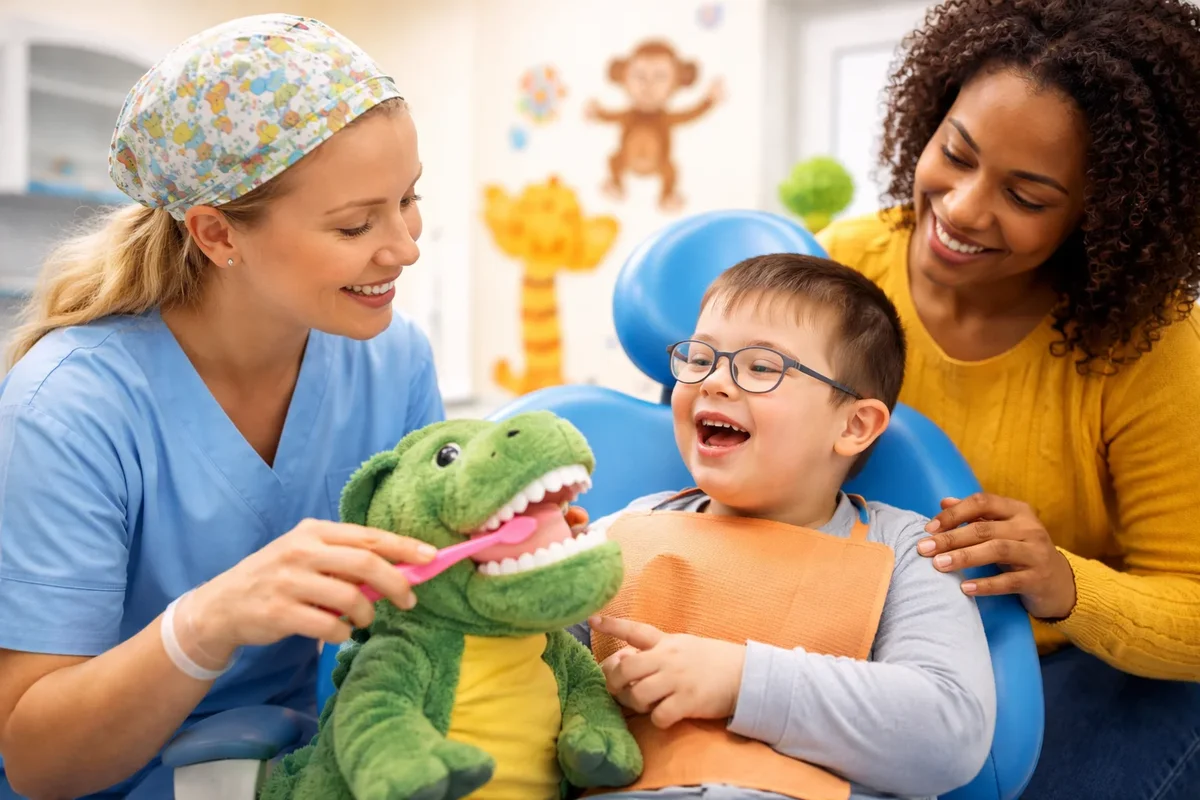
Long-Term Oral Care Tips for Special Needs Children
Maintaining long-term oral health is essential for every child, but it becomes even more important when working with a pediatric dentist for special needs. Children with developmental, physical, or behavioral challenges often require consistent, structured routines and personalized strategies to maintain healthy teeth and gums. A pediatric dentist for special needs not only provides professional care but also equips parents and caregivers with the tools and knowledge needed for effective long-term oral hygiene. 🦷
Establishing a sustainable oral care routine at home is one of the most impactful ways to prevent dental problems. With the guidance of a pediatric dentist for special needs, families can develop customized approaches that align with the child’s abilities, preferences, and sensitivities.
Building a Consistent Daily Routine
Consistency is the foundation of long-term oral care. A pediatric dentist for special needs recommends brushing teeth at least twice a day and flossing daily, but the approach may need to be adapted depending on the child’s condition.
Creating a predictable routine helps children feel more comfortable and reduces resistance. A pediatric dentist for special needs often suggests incorporating oral care into the child’s daily schedule, such as brushing after breakfast and before bedtime.
Use of Visual Schedules
Visual schedules or step-by-step charts can be very helpful. A pediatric dentist for special needs may recommend using pictures or symbols to guide the child through each step of brushing and flossing.
Choosing the Right Dental Tools
Selecting appropriate dental tools can make a significant difference in maintaining oral hygiene. A pediatric dentist for special needs may suggest specialized toothbrushes, such as those with larger handles, electric toothbrushes, or soft bristles that are gentle on sensitive gums.
Adaptive devices can help children who have limited motor skills or difficulty gripping standard toothbrushes. A pediatric dentist for special needs ensures that these tools are tailored to the child’s specific needs.
Toothpaste and Floss Options
For children with sensory sensitivities, flavored or non-foaming toothpaste may be more comfortable. A pediatric dentist for special needs can recommend suitable products that encourage regular use.
Diet and Nutrition for Healthy Teeth
Diet plays a crucial role in oral health. A pediatric dentist for special needs advises limiting sugary snacks and drinks, as they contribute to tooth decay. Instead, encourage a balanced diet rich in fruits, vegetables, and calcium-rich foods.
Some children may have dietary restrictions or preferences, so it is important to find healthy alternatives that meet their nutritional needs. A pediatric dentist for special needs can provide personalized dietary recommendations.
Managing Medication Side Effects
Certain medications can affect oral health by causing dry mouth or increasing sugar exposure. A pediatric dentist for special needs helps parents manage these effects through hydration, sugar-free alternatives, and regular dental check-ups.
Regular Dental Visits and Monitoring
Routine visits to a pediatric dentist for special needs are essential for maintaining long-term oral health. These visits allow the dentist to monitor development, detect issues early, and provide preventive treatments such as fluoride applications and sealants.
A pediatric dentist for special needs typically recommends check-ups every six months, although the frequency may vary depending on the child’s needs.
Tracking Progress Over Time
Regular visits help track improvements and adjust care plans as needed. A pediatric dentist for special needs works closely with families to ensure continuous progress.
Encouraging Independence in Oral Care
As children grow, encouraging independence in oral hygiene becomes important. A pediatric dentist for special needs supports this process by teaching techniques that the child can manage on their own, with supervision when necessary.
Building independence boosts confidence and helps establish lifelong habits. A pediatric dentist for special needs tailors these strategies to the child’s abilities and developmental level.
Step-by-Step Skill Development
Breaking tasks into smaller steps makes them easier to learn. A pediatric dentist for special needs may recommend practicing one skill at a time, such as holding the toothbrush correctly or rinsing after brushing.
Managing Behavioral Challenges at Home
Some children may resist oral care due to sensory sensitivities or anxiety. A pediatric dentist for special needs provides strategies to manage these challenges, such as using positive reinforcement, distraction techniques, or gradual desensitization.
Creating a calm and supportive environment at home helps reduce stress and encourages cooperation. A pediatric dentist for special needs can guide parents in implementing these techniques effectively. 😊
Emergency Preparedness
Being prepared for dental emergencies is an important part of long-term care. A pediatric dentist for special needs educates families on how to handle situations such as tooth injuries, pain, or swelling.
Knowing when to seek immediate care can prevent complications and ensure quick recovery. A pediatric dentist for special needs provides clear instructions for emergency situations.
Partnering with a Trusted Dental Clinic
Long-term success in oral care requires a strong partnership with a reliable pediatric dentist for special needs. Choosing a clinic that understands your child’s unique needs ensures consistent and high-quality care.
Families can connect with experienced professionals through the Redent Klinik Contact Page to receive personalized support and guidance.
In conclusion, long-term oral care for children who require a pediatric dentist for special needs involves a combination of consistent routines, proper tools, healthy habits, and regular professional care. By following these strategies and working closely with a pediatric dentist for special needs, parents can help their children achieve and maintain a healthy, confident smile for life. 🌟