
When considering orthodontic treatments, one of the most common questions patients ask is: “What is the ceramic braces price, and is it worth it?” 🤔 Understanding this is essential before starting your journey toward a perfectly aligned smile. Ceramic braces have gained immense popularity because they blend aesthetic appeal with effective tooth correction. They offer the same reliable results as metal braces but with a more discreet, natural appearance that appeals especially to adults and professionals.
In this comprehensive guide, we’ll explore every aspect of ceramic braces pricing — from cost comparisons across regions to the factors that influence their overall price. You’ll also learn how to determine whether ceramic braces are the right investment for your dental goals and lifestyle. By the end, you’ll have a clear idea of what to expect financially and practically when choosing ceramic braces in 2025.
Understanding Ceramic Braces: The Aesthetic Alternative
Ceramic braces are similar to traditional metal braces but use clear or tooth-colored brackets that blend with your natural teeth. This makes them far less noticeable — a huge advantage for anyone seeking a professional or aesthetic look during treatment. The brackets are often paired with tooth-colored wires, making the braces nearly invisible in casual interactions. Many patients describe them as “the confidence-friendly braces.” 😄
Unlike aligners, which are removable, ceramic braces stay fixed to your teeth, ensuring constant correction. This means they can handle complex alignment issues just as effectively as metal braces, though at a slightly higher cost. The ceramic braces price tends to reflect the material’s delicacy, advanced manufacturing process, and cosmetic advantage.
Average Ceramic Braces Price and Regional Differences
The ceramic braces price varies significantly based on your location, orthodontist’s expertise, and the length of treatment. In the United States, for instance, the average cost ranges between $3,500 and $8,000. In the UK, prices typically start around £2,500, while in countries like Turkey, the average ceramic braces price is substantially lower — around $1,200 to $2,500, depending on the clinic and materials used. 🌍
These price differences often reflect local healthcare costs and the experience of orthodontists. Clinics such as Redent Klinik Contact Page in Turkey provide internationally accredited orthodontic services at competitive rates, making them a popular destination for dental tourism. Patients often choose such clinics not just for the cost advantage but also for the high-quality materials and technology used in their treatments.
What’s Included in the Ceramic Braces Price?
When researching the ceramic braces price, it’s essential to understand what is included in the total package. Typically, the cost covers:
- Initial orthodontic consultation and X-rays 📷
- Bracket and wire installation
- Routine adjustment appointments (every 4–6 weeks)
- Post-treatment retainers
- Basic maintenance and emergency visits
However, not every clinic offers an all-inclusive package. Some may charge separately for retainers, special coatings, or replacement brackets. Always request a detailed breakdown of the ceramic braces price to avoid surprises later. Transparency helps you compare clinics more effectively and understand your investment clearly.
Why Ceramic Braces Cost More Than Metal Braces
One of the main reasons for the higher ceramic braces price is the material itself. Ceramic brackets are made of composite materials that resist staining while maintaining strength. The manufacturing process involves precision engineering to ensure both durability and translucency. Additionally, ceramic braces require more careful installation and monitoring since the brackets can be slightly more brittle than metal.
Patients often choose ceramic braces for aesthetic reasons, and that cosmetic appeal comes with a premium. Still, many find the investment worthwhile, as the improved confidence during treatment is invaluable. According to the American Dental Association, orthodontic treatments like ceramic braces not only improve appearance but also enhance long-term oral health — reducing risks of decay, jaw pain, and uneven wear.
How Long Does the Treatment Last and How It Affects Price
Treatment duration significantly influences the overall ceramic braces price. On average, ceramic braces treatment lasts between 18 and 36 months. Longer treatment times naturally lead to higher costs due to additional adjustments and appointments. However, ceramic braces maintain steady, reliable pressure throughout the process, leading to predictable, effective results.
Your orthodontist will provide a customized treatment plan based on your dental condition. Factors like crowding, bite alignment, and patient compliance affect both duration and total price. Patients who maintain excellent oral hygiene and follow professional guidance tend to complete treatment faster — saving time and money in the long run.
Final Thoughts
In summary, the ceramic braces price reflects not only the materials used but also the balance between aesthetics, comfort, and efficiency. Whether you’re considering treatment in your home country or exploring options abroad, understanding these details will help you make an informed decision. Investing in your smile is one of the most valuable choices you can make — both for your confidence and your long-term dental health. 🌟
For a personalized quote or professional consultation, you can reach out directly via the Redent Klinik Contact Page to compare the best ceramic braces options for your needs and budget. Remember: a confident smile is priceless, but knowing the right ceramic braces price helps make it achievable. 💎
What Are Ceramic Braces and How Do They Work? 😁
Before exploring the details of the ceramic braces price, it’s important to understand exactly what ceramic braces are and how they function. Ceramic braces are a modern orthodontic solution designed for people who want straighter teeth without the highly visible look of traditional metal braces. They consist of clear or tooth-colored brackets and a metal wire that applies continuous pressure to gradually move the teeth into the desired position. Their discreet appearance and effectiveness have made them a favorite among adults and image-conscious teenagers alike. 🌟
The Structure of Ceramic Braces
At first glance, ceramic braces look very similar to metal braces. However, the primary difference lies in the material. The brackets are made of a high-quality ceramic composite that can be tinted to match the natural color of your teeth. This makes them blend seamlessly, offering a far more aesthetic look compared to stainless steel brackets. The wires connecting these brackets are often coated with a white or translucent layer to maintain that subtle appearance.
The smooth surface of the ceramic material prevents irritation to the gums and inner cheeks, which can occur with traditional metal braces. Despite being slightly more delicate, these braces are designed to be strong enough to handle daily chewing and talking, maintaining efficiency throughout treatment. The refinement of the material and manufacturing process plays a significant role in the overall ceramic braces price.
How Ceramic Braces Move Your Teeth
The working principle of ceramic braces is straightforward but scientifically precise. Like any fixed orthodontic device, they exert continuous pressure on the teeth to encourage bone remodeling. Over time, the bone surrounding each tooth adjusts to the pressure, allowing the teeth to shift into proper alignment. This slow and controlled movement ensures stability and minimizes discomfort.
Each bracket acts as an anchor point, and the archwire applies force in calculated directions. Your orthodontist makes periodic adjustments—tightening or replacing the wire—to maintain the pressure at optimal levels. These adjustments are essential for progress and also influence the total ceramic braces price, since more complex adjustments may require additional materials and visits.
The Role of Elastics and Attachments
In some cases, orthodontists add small elastic bands or attachments to improve movement efficiency. These components help correct bite issues and speed up tooth movement. Although small, they can make a significant difference in the treatment duration, and thus in the total cost. Patients who are compliant with these accessories often complete treatment faster and more comfortably. 🦷
Why People Choose Ceramic Braces Over Other Options
Many patients are drawn to ceramic braces for their balance between functionality and aesthetics. While clear aligners are removable and nearly invisible, they may not be suitable for complex orthodontic cases. Metal braces, on the other hand, are more noticeable but generally more affordable. Ceramic braces offer the best of both worlds — subtle in appearance and capable of handling significant tooth movements.
Patients who choose ceramic braces often say that they feel more confident during the process because the braces are barely visible in photos or social situations. For working professionals or students, this confidence boost is worth the slightly higher ceramic braces price. Moreover, ceramic braces are less likely to stain compared to older models, thanks to advancements in material technology. Proper care, regular cleaning, and professional maintenance can keep them looking clear throughout the treatment. 😃
Advantages of Ceramic Braces
- Aesthetic appeal: Tooth-colored brackets make them almost invisible.
- Comfort: Smoother surface reduces gum and cheek irritation.
- Effective results: They correct alignment issues as efficiently as metal braces.
- Confidence-friendly: Ideal for professionals and adults who prefer a discreet look.
- Durable materials: Despite their delicate appearance, modern ceramics are highly resilient.
These advantages justify the slightly higher ceramic braces price and make them a long-term investment in both dental health and appearance. The price also reflects the customization and precision required in creating and maintaining these braces.
Disadvantages and Considerations
While ceramic braces are a fantastic choice for many, they do come with certain considerations. The brackets, although strong, can be more brittle than metal ones, so patients are advised to avoid hard or sticky foods that could crack or dislodge them. Additionally, the friction between the ceramic brackets and wire can sometimes be higher, potentially lengthening treatment slightly. However, advances in self-ligating systems and new materials have minimized this drawback.
Another factor influencing the ceramic braces price is maintenance. Because they are less stain-resistant than metal, patients must maintain good oral hygiene and avoid excessive coffee, tea, or wine, which could cause discoloration over time. Still, with careful attention and regular cleaning, modern ceramic braces remain clear and attractive throughout treatment.
Professional Guidance and Maintenance
Regular orthodontic check-ups are essential to monitor progress and ensure the braces remain in top condition. Clinics such as Redent Klinik Contact Page offer professional guidance, affordable payment plans, and customized ceramic braces solutions to fit each patient’s dental needs and budget. These clinics also emphasize preventive care, ensuring patients enjoy excellent results without unnecessary complications or extra costs.
Scientific Validation and Safety
According to the American Dental Association, ceramic braces are safe, biocompatible, and suitable for most orthodontic cases. The adhesives used to bond ceramic brackets to teeth are non-toxic and approved for long-term intraoral use. These materials do not damage the enamel, and when removed properly, they leave minimal residue. Scientific studies confirm that ceramic braces deliver precise tooth movement without compromising oral health.
Overall, the ceramic braces price reflects years of innovation in orthodontic materials, technology, and patient comfort. Choosing ceramic braces is more than just a cosmetic decision — it’s a step toward better dental alignment, improved bite function, and long-term confidence. For those seeking a balance of beauty and performance, ceramic braces remain one of the most advanced options in modern orthodontics. 💎
In the next section, we’ll take a closer look at the average ceramic braces price around the world and analyze how regional differences and healthcare systems impact the overall cost.
Average Ceramic Braces Price Around the World 🌍
One of the most pressing questions when considering orthodontic treatment is: what is the typical ceramic braces price? Understanding global averages and regional variations can help you set realistic expectations and budget accordingly. 😊
Global Overview of Ceramic Braces Costs
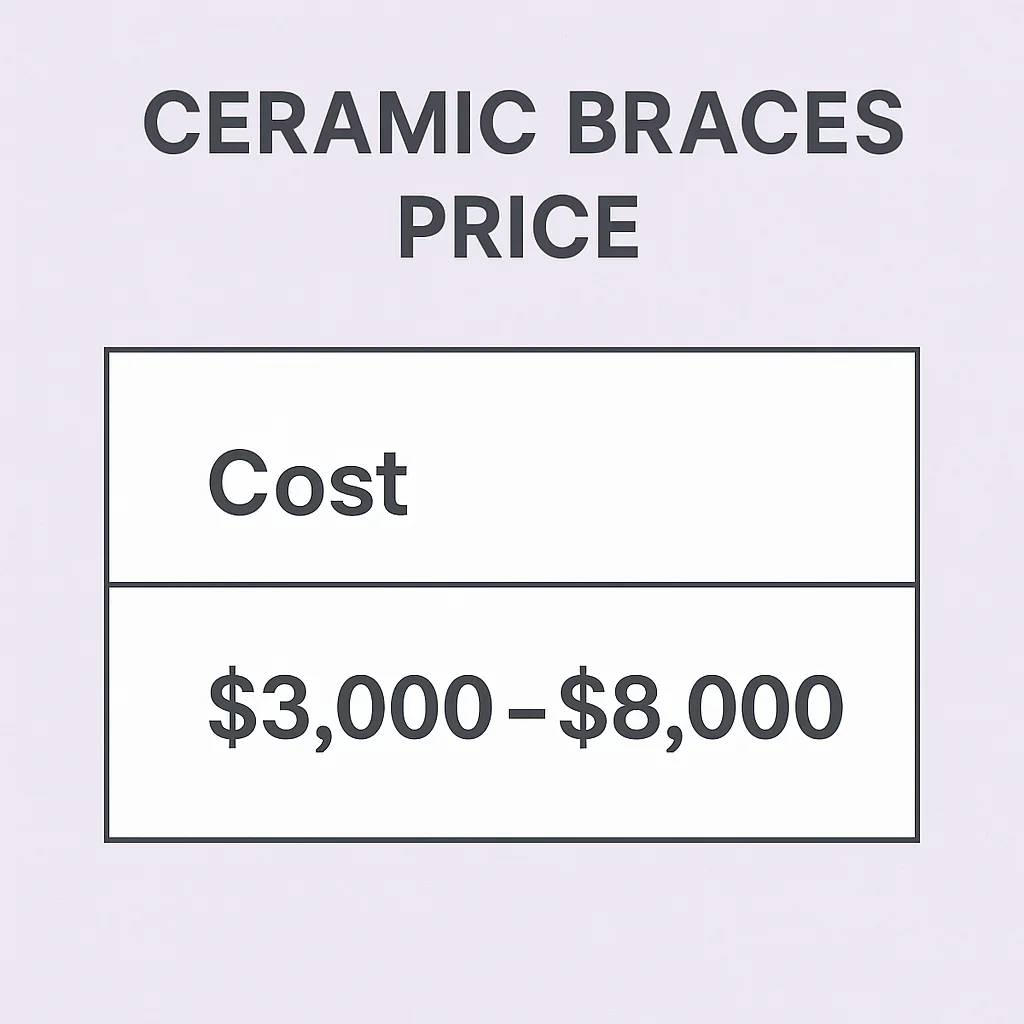
The ceramic braces price worldwide shows considerable variation, driven by factors such as the country’s cost of living, healthcare infrastructure, material costs, and the expertise of the orthodontist. For example, in the United States, ceramic bracket systems typically cost between roughly $3,000 and $8,000. This includes the total cost of the treatment—from initial consultation to retainers at the end. In the UK and several European countries, comparable treatment might fall in the £2,500–£6,000 range.
In contrast, many dental clinics in countries such as Türkiye offer significantly lower pricing for the same type of treatment. According to a report on braces pricing in Istanbul, ceramic braces were noted to cost around $1,200 to $2,000 in 2025. [oai_citation:0‡hospitadent.com](https://www.hospitadent.com/en/blogen/braces-prices-in-istanbul/?utm_source=chatgpt.com) Because of these cost differences, many international patients explore dental tourism for affordable orthodontic care.
Illustrative Price Blocks
Here’s a snapshot of approximate ceramic braces pricing by region (estimates for typical cases):
- United States: ~ $3,000–$8,000
- United Kingdom / Western Europe: ~ £2,500–£6,000 (~ $3,000–$7,000)
- Türkiye (Istanbul): ~ $1,200–$2,000 for ceramic braces. [oai_citation:1‡hospitadent.com](https://www.hospitadent.com/en/blogen/braces-prices-in-istanbul/?utm_source=chatgpt.com)
Please note that these price ranges are illustrative averages for “standard” treatment cases. The actual ceramic braces price for your specific case can be higher or lower depending on many variables.
Why Regional Averages Differ So Much
The variation in the ceramic braces price across countries arises from multiple causes:
- Labor and facility costs: Higher in developed countries; lower in emerging economies.
- Materials and import duties: Even though ceramic brackets are produced globally, distribution costs differ by region.
- Orthodontist experience and accreditation: Clinics in top-tier metro areas may charge more because of higher overhead and stronger brand reputation.
- Package inclusions: Some clinics include diagnostics, X-rays, retainers, follow-ups in the price; others may separate these out, thereby affecting the quoted figure for the base treatment.
For example, a clinic listing a low base price may exclude retainers or emergency visits, so while the quoted ceramic braces price looks attractive, the final cost may rise when all factors are included. In contrast, some low-cost regions bundle most of the follow-up care into a transparent “all-inclusive” price. [oai_citation:2‡hospitadent.com](https://www.hospitadent.com/en/blogen/braces-prices-in-istanbul/?utm_source=chatgpt.com)
The Impact of Treatment Duration on Price Averages
Treatment duration significantly affects cost. In regions where orthodontic practices commonly treat patients for 12–18 months, the average price may skew lower; in cases where complex malocclusion requires 24–36 months, price averages increase accordingly. Since ceramic braces work the same way globally (applying consistent pressure to shift teeth gradually), longer treatment means more adjustments, visits, and material usage. Thus the quoted global average for the ceramic braces price includes both shorter and longer-duration treatments.
What to Ask When You See a Quote
When you receive a quote for ceramic braces, be sure to ask the following questions to compare apples to apples and better understand what your personal ceramic braces price might be:
- Does the quote include the initial orthodontic consultation, X-rays, and treatment planning?
- Are monthly adjustment visits included, or are they billed separately?
- Are retention devices (retainers) included at the end of treatment?
- Is there a warranty or guarantee period for adjustments or bracket replacements?
- What happens if treatment takes longer than initially estimated? Will the cost increase?
Asking these helps you understand whether the quoted price is the full final cost or subject to extras. Since the ceramic braces price varies so much by region and package, transparency is key.
When Looking at International Clinics
If you’re considering treatment abroad (for instance in Türkiye, where the ceramic braces price is notably lower), take special care to consider travel, accommodation, potential follow-up visits, language barriers, and after-care support. While the base cost may be lower, your total investment may include indirect costs. Still, many patients find the value compelling—especially when treatment is done by skilled and accredited orthodontists using modern materials. [oai_citation:3‡hospitadent.com](https://www.hospitadent.com/en/blogen/braces-prices-in-istanbul/?utm_source=chatgpt.com)
Summing up, the average global pricing for ceramic braces varies widely—from a few thousand dollars in lower-cost regions to much higher in premium markets. Your local quote should be contextualised by your region’s cost factors, the complexity of your case, and what’s included in the price. Understanding these helps you interpret the number you’re given for the ceramic braces price and decide whether it’s the right option for your budget and dental goals.
Key Factors That Affect Ceramic Braces Cost 💰
The ceramic braces price can vary dramatically depending on several important factors, including the orthodontist’s expertise, the materials used, and even your geographical location. While the global average gives a general idea, each patient’s final bill can differ based on their individual case and treatment needs. Understanding these factors helps you make a more informed decision — and may even help you find ways to save money without compromising on quality. Let’s explore the main elements that shape how much you’ll pay for ceramic braces.
1. Geographic Location and Economic Conditions 🌍
Where you live plays one of the most significant roles in determining the ceramic braces price. In high-cost regions such as the United States, Canada, or Northern Europe, dental clinics face higher operational costs — rent, staff salaries, taxes, and materials — which are reflected in the treatment price. By contrast, countries like Türkiye, Thailand, and Hungary have built reputations as affordable dental tourism destinations, offering world-class orthodontic treatments at a fraction of the price.
For example, while a full course of ceramic braces in New York might average $6,000–$8,000, the same treatment at an internationally accredited clinic in Istanbul could cost around $1,500–$2,500. These clinics often include additional services such as consultation, X-rays, and follow-ups in the total cost, making them attractive to international patients. The Redent Klinik Contact Page is an example of a trusted provider offering cost-effective solutions for those seeking high-quality orthodontic care abroad.
2. Orthodontist’s Experience and Clinic Reputation 🦷
Just like in any medical field, experience matters. Orthodontists who specialize in ceramic braces, possess advanced certifications, or have years of proven results often charge more for their expertise. While their services may increase the ceramic braces price, they can ensure more precise tooth movement, shorter treatment times, and reduced risk of complications. Choosing a well-reviewed clinic with modern technology, digital scanning systems, and customized treatment planning software adds value — both in quality and results.
Why Paying for Experience Can Save You Money
It might seem counterintuitive, but paying slightly more for an expert orthodontist can save money in the long run. Improper adjustments or inaccurate bracket placement can lead to prolonged treatment or even require retreatment later. Skilled orthodontists use digital tools to plan each movement in advance, minimizing inefficiencies. So, while the initial ceramic braces price may appear higher, the total investment over time can actually be lower.
3. Complexity of the Dental Case
Not all orthodontic cases are created equal. Some patients only need minor tooth alignment, while others require full bite correction or treatment for jaw discrepancies. Complex cases typically need more frequent appointments, advanced techniques, and extended treatment durations — all of which increase the total cost. The ceramic braces price is often proportional to the complexity of the case and the estimated number of adjustment sessions needed.
For example, mild crowding that takes 12 months to correct might cost around $2,000–$3,000, while severe misalignment requiring 30 months or more could reach $6,000–$8,000. The orthodontist’s initial assessment and X-rays help determine where you fall on that scale.
4. Duration of Treatment and Adjustment Frequency
Time is another cost factor. The longer your treatment lasts, the more visits you’ll make to your orthodontist. These appointments usually occur every 4–8 weeks for tightening and progress checks. Each of these visits adds to the total ceramic braces price since they require professional labor, new elastics, and occasional wire replacements.
Patients with faster-moving teeth or simpler cases benefit from shorter durations and therefore lower total costs. However, orthodontic quality should never be rushed — slow and steady pressure is what ensures stable, long-term results without relapse.
5. Materials and Customization Level
The materials used in ceramic braces can greatly affect their price. High-quality brackets made from translucent, stain-resistant ceramic are costlier to manufacture but provide superior aesthetics. Some modern systems even use self-ligating brackets that eliminate the need for elastic bands, improving comfort and reducing friction. These advanced technologies typically raise the ceramic braces price, but they also deliver a more pleasant experience and sometimes faster results.
Types of Ceramic Brackets
- Monocrystalline Ceramic: Offers excellent translucency and aesthetics, blending almost perfectly with tooth enamel.
- Polycrystalline Ceramic: Slightly more opaque but more durable and often more affordable.
- Self-Ligating Ceramic: Eliminates the need for elastic ties and reduces friction, improving comfort and hygiene.
The type of bracket you choose influences both appearance and functionality — and by extension, the total ceramic braces price.
6. Additional Treatments and Procedures
Some orthodontic plans require preparatory procedures before braces placement, such as tooth extractions, dental cleaning, or restorations. Others may involve retainers or bite correction appliances after treatment. Each of these services adds to the final ceramic braces price. Discussing these additional steps with your orthodontist in advance prevents hidden costs later in the process.
7. Insurance and Payment Options
If you have dental insurance, part of your ceramic braces treatment may be covered. However, coverage levels vary by provider and region. Some plans only cover traditional metal braces, while others reimburse a percentage of orthodontic treatment up to a fixed amount. Be sure to clarify with your insurer whether ceramic braces are included in your policy. Even if they are not fully covered, flexible payment plans offered by clinics can make the ceramic braces price easier to manage over several months.
Tip: Check for Tax or Health Savings Benefits
In some countries, orthodontic expenses can be deducted as medical costs or paid using pre-tax health savings accounts. This can indirectly lower your effective ceramic braces price by saving you money on taxes. Always check with your financial advisor or insurance company for details.
8. Aftercare and Retention Costs
Once your ceramic braces come off, you’ll need retainers to maintain the new tooth positions. These devices, which can be removable or fixed, are essential for preventing relapse. The cost of retainers and post-treatment visits is often included in the original quote, but not always. Confirming these details ensures that your final ceramic braces price accurately reflects the complete treatment package from start to finish.
Conclusion
Ultimately, several interconnected factors determine the total ceramic braces price — from location and materials to treatment complexity and professional expertise. A higher price doesn’t necessarily mean overcharging; it often represents the quality of care, technology, and precision involved. When comparing quotes, focus not only on the number but also on the value you receive for that investment. A beautiful, healthy smile achieved through expert orthodontic care is truly priceless. 😁
For transparent pricing and expert consultation, visit the Redent Klinik Contact Page to learn more about customized orthodontic solutions suited to your budget and dental goals.
Ceramic Braces vs Metal Braces: Which One Is Worth the Price?
When choosing between ceramic and metal braces, many patients wonder whether the difference in the ceramic braces price is justified. Both types of braces are effective in correcting misaligned teeth, but they differ in material, appearance, comfort, and overall treatment experience. Understanding these distinctions will help you decide which option offers the best value for your dental goals and budget. Let’s examine the key differences and evaluate whether ceramic braces are truly worth the higher investment. 🦷
1. Material and Aesthetic Differences 😁
Metal braces are made from durable stainless steel, making them extremely strong and cost-effective. However, their shiny silver appearance is very noticeable — something that makes many adults and teenagers self-conscious during treatment. Ceramic braces, by contrast, are made from a tooth-colored or translucent material that blends naturally with your enamel, making them far less visible.
This aesthetic advantage is one of the biggest reasons for the higher ceramic braces price. The ceramic material is more expensive to produce and requires specialized manufacturing techniques to achieve strength and translucency. For professionals, students, or anyone concerned about appearance, the confidence that comes with nearly invisible braces often outweighs the additional cost.
Real-Life Aesthetic Comparison
Imagine taking a photo or joining a business meeting — ceramic braces are barely noticeable under natural light, while metal braces reflect light and draw attention. For people who regularly appear in public or on camera, this subtlety can be a game-changer. That’s why many patients feel that the ceramic braces price is worth paying for the boost in self-esteem and comfort in social settings.
2. Comfort and Oral Experience
Another major difference lies in how each type feels inside your mouth. Ceramic brackets are smoother and cause less irritation to the gums and inner cheeks compared to metal braces. This contributes to better comfort, especially during the first few weeks of treatment. Metal braces, while durable, can feel rougher due to their sharp edges and rigid surface.
However, ceramic brackets can be slightly larger and thicker than metal ones, which may cause minor initial discomfort. Despite this, most patients report getting used to them quickly. The improved comfort and aesthetic appeal are two reasons why many are willing to pay a higher ceramic braces price.
3. Durability and Strength
In terms of durability, metal braces have the upper hand. Stainless steel brackets rarely break or chip, even under heavy chewing forces. Ceramic brackets, while strong, can be more brittle and prone to cracking if not handled carefully. This is particularly relevant for patients who play sports or have habits like nail-biting or chewing on hard foods.
That said, advances in modern orthodontic materials have made today’s ceramic braces much stronger than older models. Many new designs use reinforced polycrystalline ceramics that can withstand regular wear and tear while maintaining an aesthetic look. As technology improves, the gap in durability continues to close — reducing one of the main drawbacks that once justified a lower ceramic braces price.
Maintenance Tip
To prevent damage, avoid biting hard foods directly with your front teeth and follow your orthodontist’s cleaning instructions carefully. Proper care helps maintain both the strength and appearance of ceramic braces throughout treatment.
4. Treatment Duration and Efficiency
Metal braces are often slightly faster at aligning teeth because their metal-on-metal friction allows for easier tooth movement. Ceramic braces, on the other hand, create more friction between the bracket and archwire, which can extend treatment time by a few months in some cases. However, with modern self-ligating ceramic systems and high-tech wire materials, this difference is now minimal.
Therefore, while the ceramic braces price may be higher, the time difference in treatment is usually negligible. For most patients, the trade-off between aesthetics and efficiency feels worthwhile, especially since the visual benefit lasts the entire duration of treatment.
5. Staining and Color Maintenance
One concern many patients have is staining. Ceramic braces themselves are highly resistant to discoloration, but the elastic ties that hold the wires in place can sometimes absorb pigments from foods and drinks like coffee, tea, and curry. Regular cleaning, using whitening toothpaste, and avoiding excessive consumption of staining foods can help maintain their clarity.
Metal braces don’t face the same aesthetic issue, as their silver color hides stains naturally. However, clinics offering premium ceramic braces often use advanced coatings or self-ligating designs without elastic ties — preventing staining entirely. These improved systems can slightly increase the ceramic braces price, but they also enhance long-term aesthetics and convenience.
6. Cost Comparison: Ceramic vs Metal Braces
The biggest practical difference between the two is, of course, cost. The average ceramic braces price ranges from $3,000 to $8,000, depending on the region and complexity of treatment. In comparison, metal braces typically range from $2,000 to $6,000. The higher cost of ceramic braces covers the aesthetic material, advanced manufacturing, and often a more customized treatment approach.
In dental tourism destinations such as Türkiye, clinics like Redent Klinik Contact Page offer ceramic braces for approximately $1,500 to $2,500, providing a budget-friendly option without compromising quality. Patients traveling abroad for orthodontic care often find that even with travel expenses included, the total cost remains lower than domestic treatment in Western countries.
Example Price Breakdown
- Metal braces: $2,000 – $6,000 (standard cost)
- Ceramic braces: $3,000 – $8,000 (premium cost for aesthetics)
- Türkiye / Dental Tourism Average: $1,200 – $2,500
Although ceramic braces are more expensive, many patients consider the improved aesthetics, comfort, and confidence they offer as invaluable. 🪄
7. Long-Term Value and Patient Satisfaction
Ultimately, the real value of ceramic braces lies beyond the price tag. Patients who choose ceramic braces report higher satisfaction levels during treatment, largely due to the discrete appearance and reduced self-consciousness. This emotional comfort can have a lasting positive impact, especially during long treatment periods. Furthermore, ceramic braces produce equally excellent results as metal braces, provided they are properly maintained and adjusted by a skilled orthodontist.
Therefore, when evaluating the ceramic braces price versus metal braces, the choice comes down to priorities. If visibility and comfort matter most, ceramic braces are worth the investment. If cost and durability are your main concerns, metal braces may be the better fit. Both achieve the same end goal — a beautiful, confident smile — but the journey differs in appearance and experience.
Conclusion
In conclusion, while the ceramic braces price is higher than that of metal braces, the advantages in aesthetics, comfort, and modern technology make it an appealing choice for many adults and teens. The best decision depends on your budget, lifestyle, and personal preference. Consulting with an experienced orthodontist — such as those at the Redent Klinik Contact Page — ensures you receive accurate guidance tailored to your needs. Investing in your smile is more than a financial choice; it’s an investment in your confidence and well-being for years to come. 💎
Insurance Coverage and Payment Options for Ceramic Braces
One of the most common concerns patients have when considering orthodontic treatment is how to pay for it. The ceramic braces price can seem daunting at first glance, but there are several ways to make it more affordable through insurance coverage, financing plans, and flexible payment options. Understanding how these systems work can help you manage costs more effectively and avoid financial stress while achieving your dream smile. 💳
1. How Dental Insurance Impacts the Ceramic Braces Price
Dental insurance policies differ widely from country to country and even from one provider to another. Some insurance plans cover a portion of orthodontic treatment, while others only apply to specific age groups or brace types. In general, most insurance companies classify braces as a semi-cosmetic procedure, meaning full coverage is rare. However, many policies provide partial reimbursement, typically covering up to 50% of the total ceramic braces price within a defined lifetime orthodontic maximum.
For instance, if your insurance policy includes a $3,000 lifetime orthodontic benefit and the total ceramic braces price is $6,000, you could be reimbursed for up to $3,000 depending on your plan’s terms. Patients are usually responsible for the remaining balance, which can often be spread out through flexible monthly payments offered by the clinic. 🦷
Important Insurance Questions to Ask
- Does your dental plan cover orthodontic treatment for adults, or only for minors?
- Is ceramic braces coverage included, or only metal braces?
- What percentage of the total cost does the policy cover?
- Is there a waiting period before orthodontic benefits apply?
- What is the lifetime maximum benefit for orthodontic care?
Clarifying these details before starting treatment helps you accurately estimate how much of the ceramic braces price you’ll need to pay out of pocket. Many orthodontic offices, including Redent Klinik Contact Page, can assist patients in understanding insurance paperwork and submitting claims for smoother reimbursement.
2. Payment Plans Offered by Orthodontic Clinics
Even without insurance, there are still affordable ways to manage the ceramic braces price. Most orthodontic clinics offer structured payment plans that break the total cost into monthly installments. These plans often come with low or even zero interest, allowing you to spread payments across 12 to 36 months, depending on the clinic’s policy.
For example, a total cost of $4,500 for ceramic braces could be divided into $125 monthly payments over three years. Some clinics also offer small discounts if you pay upfront. The flexibility of these plans ensures that more patients can access high-quality orthodontic care without financial burden.
Popular Payment Options
- Monthly Installments: The most common option, spreading the ceramic braces cost evenly over the treatment period.
- Down Payment + Balance Plan: Paying an initial portion (20–30%) followed by monthly installments for the rest.
- Interest-Free Financing: Available in many clinics for qualifying patients, reducing the total long-term expense.
- Credit Card or Health Financing Services: Some patients use credit or third-party financing platforms designed for healthcare payments.
Clinics like Redent Klinik offer transparent installment plans that help international patients plan their dental budgets efficiently. By discussing these options during your consultation, you can tailor a plan that suits your financial comfort while maintaining quality care.
3. Flexible Spending Accounts (FSA) and Health Savings Accounts (HSA)
In many countries, especially the United States, patients can use pre-tax income from Flexible Spending Accounts (FSA) or Health Savings Accounts (HSA) to cover part of the ceramic braces price. These accounts let you set aside money for medical and dental expenses, effectively reducing your taxable income and saving you money overall.
For example, if you contribute $2,500 annually to an FSA and use that amount toward your orthodontic treatment, you avoid paying taxes on those funds. It’s an excellent way to manage treatment costs strategically while gaining tax benefits. Consult your employer or benefits administrator to confirm eligibility for orthodontic expenses under your plan.
4. Government or Employer-Supported Benefits
In some countries, government healthcare programs or employer-sponsored dental benefits may cover part of the ceramic braces price, particularly for children or teenagers. While adult orthodontic care is less commonly subsidized, some national healthcare systems offer partial reimbursement for treatments that improve oral health and bite function, not just aesthetics.
Employees should review their workplace dental benefit packages carefully. Some employers partner with dental networks that provide discounted rates for participating clinics, lowering the overall ceramic braces cost even if direct insurance coverage isn’t available.
5. Dental Tourism and International Payment Options 🌍
Many patients seek orthodontic care abroad to take advantage of lower treatment costs. Dental tourism destinations like Türkiye, Thailand, and Mexico offer comprehensive orthodontic packages at 50–70% lower rates than in the US or UK. For example, the ceramic braces price in Istanbul averages between $1,200 and $2,500 — far below Western market averages.
Clinics catering to international patients often accept multiple payment methods, including bank transfers, credit cards, and even installment plans through global financing services. Redent Klinik Contact Page is one such example, providing English-speaking support, transparent pricing, and structured payment options for international clients seeking high-quality orthodontic care at a fraction of the usual cost.
Currency and Transaction Considerations
When paying for treatment abroad, remember to account for currency exchange rates, transfer fees, and possible transaction delays. It’s a good idea to confirm the final amount in your local currency before proceeding with payment. Many clinics fix the treatment price once a deposit is made, protecting you from exchange fluctuations during treatment.
6. Tax Deductions and Reimbursements
In several countries, orthodontic expenses are tax-deductible if they exceed a certain percentage of your annual income. Keeping all receipts, insurance documents, and proof of payment allows you to claim deductions or reimbursements during tax filing. The ceramic braces price can therefore be reduced indirectly through these tax benefits, lowering your effective out-of-pocket cost.
7. Combining Options for Maximum Savings
To make the most of your resources, consider combining different financial strategies. You might use your insurance coverage for part of the treatment, pay a portion from your FSA or HSA, and cover the rest through a payment plan. By layering these methods, you can make the ceramic braces price significantly more manageable while still receiving top-tier orthodontic care.
Conclusion
While the ceramic braces price may initially appear high, a variety of payment options and coverage methods make it accessible for most patients. Whether through insurance, flexible installments, or international clinics with competitive rates, there’s always a way to achieve your ideal smile without financial strain. The key is to plan ahead, explore all available benefits, and choose a trusted clinic that provides transparency and flexibility. 🦷
For personalized advice and clear cost breakdowns, reach out to the Redent Klinik Contact Page. Their experienced team can help you find the most efficient way to manage your treatment plan while ensuring the best possible value for your investment in a healthy, confident smile. 💎
Are Ceramic Braces Worth the Higher Price Tag? Expert Opinions
When evaluating orthodontic options, many patients pause at one key question — are ceramic braces really worth the higher cost? The ceramic braces price can be significantly higher than that of traditional metal braces, but value is not only about numbers. It’s about aesthetics, comfort, confidence, and long-term results. In this section, we’ll break down what makes ceramic braces a premium choice and explore what dental experts and real patients say about their overall worth. 💎
1. Understanding the Value Behind the Cost
The slightly elevated ceramic braces price stems from more than just cosmetic appeal. Ceramic brackets are made of specialized materials engineered to resist discoloration and provide high translucency, allowing them to blend with natural tooth enamel. The production process requires precision, ensuring durability while maintaining aesthetics. These advanced materials and manufacturing methods naturally increase cost compared to basic metal brackets.
However, orthodontic experts emphasize that this investment reflects quality. According to many dental professionals, patients who prioritize appearance and comfort find ceramic braces well worth the additional expense. Beyond functionality, the confidence boost that comes from having nearly invisible braces during treatment contributes to an enhanced quality of life — a factor that can’t easily be measured in dollars.
Expert Insight: Why the Price Reflects More Than Material
Orthodontist Dr. Laura Jennings, a member of the American Dental Association, explains: “Ceramic braces use sophisticated bonding agents and custom-fitted brackets that minimize enamel damage. Their design is as much about comfort and health as aesthetics. While the ceramic braces price may seem higher, it represents years of innovation in orthodontic safety and precision.”
2. Aesthetic and Psychological Benefits 😁
Confidence plays a crucial role in patient satisfaction during orthodontic treatment. Unlike metal braces, ceramic braces are discreet — they don’t dominate your smile. This makes them especially appealing to professionals, students, and anyone in public-facing roles. In several patient studies, individuals wearing ceramic braces reported higher self-esteem and less anxiety about appearance during their treatment.
Psychologists studying dental aesthetics often note that the self-perception of patients significantly improves when they feel their orthodontic appliance isn’t drawing attention. In this context, the ceramic braces price can be seen as an investment in personal comfort and social confidence, which contributes positively to mental well-being throughout the treatment journey.
Real-World Testimonies
Many patients who chose ceramic braces have shared that they felt more at ease in professional and social situations. One patient commented: “I didn’t want my braces to be visible at work meetings. The difference in ceramic braces price was minor compared to how much more confident I felt.” For countless individuals, that peace of mind alone makes the added expense worthwhile.
3. Performance and Effectiveness
From a clinical perspective, both metal and ceramic braces are highly effective at aligning teeth. However, modern ceramic systems now rival traditional ones in precision and treatment time. Early versions of ceramic braces once caused slightly longer alignment periods due to friction between the wire and bracket, but new self-ligating and low-friction designs have largely eliminated this issue.
Orthodontists confirm that today’s ceramic braces can handle most cases — from mild crowding to complex bite adjustments — with nearly the same speed and reliability as metal braces. Therefore, while the ceramic braces price is higher, the efficiency and results are comparable, proving that patients don’t have to compromise on performance for aesthetics.
Expert Data: Treatment Success Rates
Studies published in orthodontic journals reveal that ceramic braces deliver success rates above 95%, nearly identical to metal braces. Patients following proper care and maintenance protocols experience excellent outcomes and minimal complications. This further supports the conclusion that ceramic braces offer not only beauty but also dependable functionality, justifying their higher cost.
4. Long-Term Oral Health Considerations
Beyond alignment, ceramic braces contribute to long-term oral health. Straightened teeth reduce plaque buildup, prevent gum irritation, and make cleaning easier. Since ceramic braces offer the same corrective force as metal braces, their results are equally long-lasting. Dental professionals highlight that investing in high-quality materials — even at a higher ceramic braces price — can lead to fewer repairs and less maintenance during treatment.
Additionally, ceramic materials are hypoallergenic, making them ideal for patients sensitive to metal alloys such as nickel. This biocompatibility ensures comfort and safety, reducing the likelihood of irritation or inflammation. Over time, fewer complications can mean fewer unexpected expenses, further validating the cost difference.
5. Comparing Lifetime Value: A Cost-Benefit Analysis
When evaluating the ceramic braces price, it’s essential to consider lifetime value instead of just upfront cost. While metal braces may initially be cheaper, ceramic braces often deliver a better experience — leading to improved patient compliance, satisfaction, and even faster follow-up recovery. The positive psychological and aesthetic impact during one to three years of treatment can be invaluable.
Moreover, high-quality ceramic braces are less likely to require repairs or replacements if properly cared for. The minimal wear and consistent appearance throughout the process reduce the risk of mid-treatment costs, which sometimes occur with lower-end alternatives. Therefore, the real cost difference between metal and ceramic braces often narrows over the entire treatment timeline.
Professional Advice
Experts recommend considering both short-term affordability and long-term outcomes. Paying a higher ceramic braces price upfront might seem steep, but when weighed against years of confidence, comfort, and excellent results, it often proves to be the smarter investment.
6. When Ceramic Braces Might Not Be Worth It
That said, ceramic braces aren’t ideal for every patient. Those involved in contact sports or activities that risk facial impact may find metal braces more durable. Patients who consume a lot of coffee, tea, or red wine must also commit to rigorous oral hygiene to avoid potential staining of the elastic ties. In these cases, the additional ceramic braces price may not be necessary if aesthetics are not a primary concern.
7. The Verdict: Are They Worth It?
In conclusion, dental experts agree that ceramic braces are an excellent choice for individuals prioritizing aesthetics, comfort, and professional appearance. While the ceramic braces price is higher than metal alternatives, the benefits often justify the investment. They offer the same effectiveness, superior comfort, and near-invisible design that helps patients smile confidently throughout their treatment. 🌟
If you’re considering ceramic braces and want an accurate cost estimate tailored to your specific needs, reach out to Redent Klinik Contact Page. Their team provides transparent quotes, flexible payment options, and expert orthodontic care, helping you make the most informed and cost-effective decision for your smile.
How to Get Affordable Ceramic Braces Without Compromising Quality
While ceramic braces are renowned for their aesthetics and comfort, the ceramic braces price can sometimes deter patients from choosing them. Fortunately, there are effective ways to reduce costs without sacrificing treatment quality or safety. This section provides a detailed guide to finding budget-friendly ceramic braces through smart decision-making, transparent pricing, and strategic planning. 💰
1. Comparing Orthodontic Clinics and Treatment Packages
Prices can vary significantly from one clinic to another, even within the same city. The first step to saving money on ceramic braces is to compare treatment packages. Some clinics offer all-inclusive deals that cover consultations, X-rays, adjustments, retainers, and follow-up visits. Others may advertise a low base ceramic braces price but charge separately for these services.
When researching clinics, always request a written breakdown of all associated costs. This allows you to compare total prices rather than just the initial quote. For example, a clinic offering a $3,000 base price plus $500 for retainers might actually be cheaper overall than one quoting $2,800 but excluding essential aftercare services.
Tip:
Look for clinics that provide transparent, itemized pricing. Reputable dental centers like Redent Klinik Contact Page are known for offering clear, all-inclusive orthodontic packages — a major advantage for patients seeking predictability and affordability.
2. Exploring Dental Tourism Options 🌍
Dental tourism is an increasingly popular solution for patients looking to save money on the ceramic braces price while maintaining high standards of care. Countries such as Türkiye, Thailand, Hungary, and Mexico offer world-class orthodontic services at a fraction of the cost found in the United States or Western Europe. Many of these clinics employ internationally trained orthodontists and use the same materials and technologies as their Western counterparts.
For example, the average ceramic braces price in Istanbul ranges between $1,200 and $2,500, compared to $5,000–$8,000 in the U.S. Patients can combine their treatment with a short vacation, making the experience both economical and enjoyable. 🌴
What to Look for in an Overseas Clinic
- Accreditation by international dental associations
- Positive patient reviews and before–after photos
- English-speaking staff for smooth communication
- Flexible scheduling for follow-ups
- Transparent cost documentation and warranty policies
Clinics like Redent Klinik are frequently chosen by international patients due to their commitment to safety, transparency, and affordability. Patients can easily contact their team online to receive personalized quotes and treatment plans before traveling.
3. Utilizing Insurance and Financing Options
Even though not all insurance policies cover ceramic braces, some plans offer partial reimbursement. Always verify if orthodontic coverage includes ceramic materials or only traditional metal braces. If your insurance covers even 30–50% of the ceramic braces price, that can translate into substantial savings.
In addition, ask your clinic about financing or installment options. Many orthodontic practices provide 0% interest payment plans, allowing you to spread the total cost over 12–36 months. This makes premium braces financially accessible without the need for large upfront payments.
Combining Payment Strategies
Patients can maximize savings by combining insurance benefits with flexible payment plans or health savings accounts (HSA/FSA). For example, you could use insurance for the initial phase of treatment and an FSA account for monthly adjustments. This structured approach reduces financial strain and helps manage the ceramic braces price more efficiently.
4. Choosing the Right Bracket Type
The specific type of ceramic bracket significantly influences cost. Some models offer higher translucency or self-ligating features, while others use simpler mechanisms that are equally effective but more affordable. By selecting a reliable yet cost-efficient option, patients can reduce the ceramic braces price without compromising results.
- Monocrystalline Ceramic Braces: More transparent, slightly higher cost.
- Polycrystalline Ceramic Braces: Less translucent, but more budget-friendly.
- Self-Ligating Ceramic Braces: Easier maintenance and faster treatment, but premium-priced.
Your orthodontist can recommend the best balance between aesthetics, strength, and affordability. This personalization ensures that you don’t overpay for features that may not significantly impact your treatment outcome.
5. Avoiding Hidden Costs
Sometimes, the advertised ceramic braces price doesn’t reflect the final amount due. Hidden charges like bracket replacement, retainer fees, or emergency visits can increase your total cost. Before starting treatment, ask your orthodontist about potential additional expenses. Transparent communication helps avoid unpleasant financial surprises later on.
Checklist Before You Commit
- Ask if retainers are included in the quoted price.
- Confirm if repair or replacement fees apply for broken brackets.
- Inquire about maintenance visits and adjustments.
- Request written documentation of all expected costs.
Clinics with clear financial policies are generally more trustworthy and patient-focused. Institutions like Redent Klinik Contact Page provide detailed treatment agreements outlining everything from start to finish — ensuring no surprise charges later on.
6. Considering Shorter or Hybrid Treatment Plans
Another way to lower the ceramic braces price is to consider hybrid treatment options. Some orthodontists offer a combination of metal braces on the less visible teeth (such as the molars) and ceramic braces on the front teeth. This approach provides aesthetic appeal while cutting costs by 20–30% compared to full ceramic treatment.
Shorter treatment durations can also reduce overall costs. If your alignment issue is mild, modern orthodontic technology may allow a faster treatment time — meaning fewer adjustment visits and lower fees. Always ask your orthodontist about treatment length optimization.
7. Leveraging Promotions and Seasonal Discounts
Many clinics offer seasonal promotions, referral bonuses, or discounts for upfront payments. Signing up for newsletters or following dental clinics on social media can help you stay informed about special offers. While you should never compromise on safety or qualifications, taking advantage of such deals can help you reduce your total ceramic braces price.
8. Preventing Extra Costs Through Proper Care
Proper maintenance plays a major role in keeping your treatment affordable. Broken brackets, stained elastics, and delayed progress can all increase costs. To maintain your ceramic braces effectively:
- Avoid hard or sticky foods that may damage brackets.
- Brush after every meal to prevent staining.
- Use fluoride mouthwash to protect enamel and brackets.
- Attend all scheduled appointments to ensure timely progress.
Preventive care not only protects your smile but also ensures that the initial ceramic braces price remains your final cost.
Conclusion
Achieving a beautiful smile with ceramic braces doesn’t have to strain your budget. By comparing clinics, exploring dental tourism, using insurance strategically, and maintaining proper oral hygiene, you can significantly reduce the ceramic braces price without compromising treatment quality. A transparent and well-planned approach ensures that your investment brings lasting results, confidence, and satisfaction. 😁
To find out how affordable your personalized treatment can be, visit the Redent Klinik Contact Page today and request a free consultation. Their team will help you identify the most cost-effective path to achieving the perfect smile you deserve — without sacrificing quality or peace of mind. 🌟
Maintenance, Aftercare, and Longevity of Ceramic Braces
Once you’ve committed to treatment, understanding the proper care routine is vital for protecting your investment and achieving the best outcome. The ceramic braces price not only reflects the materials and expertise involved but also the long-term responsibility to maintain them correctly. Proper maintenance helps ensure that your braces stay clear, functional, and effective throughout treatment. 🦷✨
1. Importance of Aftercare for Ceramic Braces
Unlike metal braces, ceramic braces require a bit more attention to prevent staining and maintain their aesthetic appearance. The brackets themselves are resistant to discoloration, but the elastic ligatures that hold the wires can easily pick up pigments from certain foods or drinks. Therefore, developing a consistent oral hygiene routine is essential. Maintaining clean brackets not only preserves your smile’s appearance but also ensures optimal performance, protecting the value of your ceramic braces price investment.
Proper aftercare reduces plaque buildup, prevents gum inflammation, and keeps the braces looking natural. Neglecting these steps can lead to staining, enamel demineralization, or even treatment delays. In essence, daily maintenance is a low-cost way to maximize the return on your orthodontic investment.
Everyday Cleaning Routine
- Brush your teeth after every meal using a soft-bristled toothbrush.
- Use interdental brushes or orthodontic floss threaders to remove plaque between wires.
- Rinse with fluoride mouthwash to strengthen enamel.
- Clean around the brackets gently to avoid dislodging them.
These small habits go a long way in keeping your braces hygienic and beautiful throughout the duration of treatment.
2. Foods to Avoid for a Stain-Free Smile
To maintain the clear look of ceramic braces, certain dietary adjustments are necessary. Pigmented foods and beverages such as coffee, tea, curry, red wine, and tomato-based sauces can stain the elastic ties, dulling the appearance of your smile. Hard and sticky foods — like nuts, caramel, or popcorn — may also risk breaking brackets or bending wires, increasing overall treatment cost and extending the ceramic braces price value timeline.
Orthodontists recommend limiting staining foods, especially during the first few months, when patients are still getting used to cleaning around brackets. If you do consume these items, rinse your mouth immediately or brush soon after to prevent discoloration. Using a straw for colored beverages can also reduce direct contact with your braces. 🍷🥤
Best Food Practices
- Opt for light-colored sauces instead of heavily pigmented ones.
- Eat softer foods that don’t strain brackets — think yogurt, soups, and steamed vegetables.
- Cut food into smaller pieces to minimize chewing stress on brackets.
3. Regular Checkups and Professional Maintenance
Routine visits to your orthodontist are crucial to keep your treatment on track. These appointments ensure that adjustments are made correctly, wires are replaced when necessary, and brackets remain intact. Missing these sessions can slow progress and add months to your treatment, increasing indirect costs tied to your ceramic braces price.
During these visits, orthodontists also replace stained ligatures and inspect for any signs of bracket damage. Patients are advised to attend checkups every 4–6 weeks, although frequency may vary depending on the complexity of the case. At clinics such as Redent Klinik Contact Page, detailed aftercare consultations are included in the overall treatment package, ensuring continuous professional oversight.
What to Expect at Maintenance Visits
- Wire tightening or replacement
- Bracket integrity check
- Elastic tie color replacement
- Progress evaluation using digital imaging
These visits not only maintain the aesthetic appearance of ceramic braces but also ensure proper tooth movement efficiency, maximizing your treatment’s success.
4. Managing Minor Repairs and Emergencies
Accidents can happen — a loose wire, broken bracket, or discomfort from a shifted piece of hardware. Knowing how to handle these issues quickly can save both time and money. If a bracket becomes loose, avoid forcing it back into place and contact your orthodontist immediately. Temporary orthodontic wax can be used to prevent irritation until a repair can be made.
Many clinics provide free minor repairs during active treatment. However, some may charge small fees for repeated issues, so taking preventive care minimizes these costs and ensures your ceramic braces price remains stable without unexpected add-ons.
DIY Temporary Fixes (Before Professional Help)
- Use orthodontic wax to cover sharp edges.
- Rinse with warm salt water to soothe irritation.
- Do not cut wires yourself; let a professional handle it.
Emergency preparedness helps prevent small issues from escalating into costly repairs.
5. Whitening and Polishing After Braces Removal
Once your braces are removed, your teeth may appear slightly uneven in color due to the contrast between previously covered and exposed enamel. Professional cleaning and whitening treatments can restore uniform brightness. These procedures are generally safe for enamel post-treatment and enhance the final result — ensuring that your investment in the ceramic braces price delivers a picture-perfect smile.
Some clinics include a complimentary polishing session after brace removal, while others offer discounted whitening packages. Ask your orthodontist if post-treatment aesthetic services are part of your plan.
Post-Treatment Steps
- Schedule a professional cleaning session immediately after removal.
- Use enamel-strengthening toothpaste for at least six weeks.
- Follow up with whitening only after enamel recovery.
6. Retainer Care: Protecting Your Results
Retainers are essential for preserving your newly aligned smile. Failing to wear them as prescribed can cause teeth to shift back, effectively undoing months or years of progress. Considering the total ceramic braces price and time commitment involved, diligent retainer use is a must to protect your outcome.
Most patients receive either removable clear retainers or fixed lingual wires. Both types require cleaning and maintenance. Clear retainers should be brushed daily using mild soap (not toothpaste, which can scratch them), while fixed retainers must be flossed carefully to avoid plaque accumulation.
7. Long-Term Benefits of Proper Maintenance
Patients who maintain excellent hygiene and follow professional instructions often finish their treatment sooner and with fewer complications. This not only preserves the value of the ceramic braces price but can also save additional costs associated with repairs, replacements, or extended treatment.
Additionally, proper care reduces risks of gum disease, enamel wear, and discoloration — ensuring your smile remains both healthy and radiant long after the braces are gone.
Conclusion
Maintenance and aftercare are integral parts of maximizing your orthodontic investment. By maintaining strict oral hygiene, attending regular checkups, and managing small issues early, you ensure that the ceramic braces price pays off in full — with lasting results and minimal complications. Your diligence after installation is just as important as the treatment itself. 🌟
For expert guidance, maintenance advice, and post-treatment care, visit the Redent Klinik Contact Page. Their orthodontic specialists provide personalized aftercare programs to keep your ceramic braces clean, comfortable, and long-lasting — ensuring you enjoy the confident, beautiful smile you’ve worked for. 😁
Final Thoughts: Achieving the Best Results for the Right Ceramic Braces Price
Choosing orthodontic treatment is more than just a financial decision — it’s an investment in your smile, confidence, and long-term oral health. The ceramic braces price reflects not only the material quality and technology behind these nearly invisible braces but also the skill and personalized care of your orthodontist. When selected wisely, ceramic braces can deliver exceptional results that last a lifetime, combining functionality with a discreet and elegant appearance. 🌟
1. Balancing Aesthetics, Comfort, and Cost
The appeal of ceramic braces lies in their ability to correct dental misalignments without compromising on aesthetics. Patients who wish to maintain a natural-looking smile during treatment often see them as the perfect middle ground between metal braces and more expensive options like clear aligners. Although the ceramic braces price is higher than metal braces, the added comfort and subtle design justify the difference for many.
Modern ceramic materials are smooth, hypoallergenic, and highly durable. Unlike older versions that were prone to chipping, today’s ceramic brackets are engineered to handle normal bite pressures effectively. When combined with advanced archwires, these braces deliver efficient tooth movement — ensuring results that are both functional and visually pleasing. 🦷
Key Consideration
Choosing ceramic braces should be based on lifestyle, visibility concerns, and personal comfort, not just price. Many patients find that investing slightly more for a better aesthetic experience enhances motivation and compliance throughout treatment, ultimately improving the outcome.
2. Choosing the Right Orthodontist: The Hidden Factor in Price
It’s essential to understand that the ceramic braces price varies not only by material but also by the expertise of your orthodontist. Skilled professionals use precision alignment techniques that minimize discomfort and reduce treatment time. Cheaper options may save money initially but can lead to extended treatment durations or additional adjustments later.
Experienced orthodontists also provide comprehensive aftercare, monitor progress meticulously, and adjust plans according to your dental structure. This ensures predictable results and long-term satisfaction. As a rule of thumb, always choose a certified orthodontic specialist affiliated with recognized bodies such as the American Dental Association to guarantee professional standards.
How to Evaluate an Orthodontist’s Value
- Check credentials, certifications, and years of experience.
- Ask to see before-and-after photos of similar cases.
- Request transparent cost estimates with no hidden fees.
- Ensure follow-up appointments are included in the ceramic braces price.
In reputable clinics like Redent Klinik Contact Page, patients receive full guidance on treatment scope, expected outcomes, and payment flexibility — ensuring the best results for every budget.
3. Why Long-Term Value Outweighs Short-Term Savings
Many patients initially focus on upfront cost, but orthodontic treatment should be viewed as a long-term investment. A well-done ceramic braces treatment can prevent future dental problems such as uneven wear, gum issues, or jaw discomfort. Considering these benefits, the ceramic braces price often becomes more economical over time than cheaper alternatives that might lead to additional procedures or corrections later on.
High-quality ceramic braces resist discoloration, maintain their structural integrity, and offer predictable tooth movement. By choosing durable materials and skilled application, you ensure that the aesthetic and functional benefits extend long after the braces are removed. In contrast, opting for low-cost providers or inferior materials can compromise both the treatment quality and the longevity of results.
Cost vs. Value Perspective
Imagine the ceramic braces price as an investment that yields dividends in confidence, career opportunities, and self-image. Straight teeth not only enhance your smile but also contribute to clearer speech, easier cleaning, and improved dental health — all of which save you money on future treatments.
4. Emotional and Psychological Impact of a Confident Smile
One often-overlooked advantage of ceramic braces is their positive impact on emotional well-being. Patients who are self-conscious about metal braces find ceramic options liberating. The nearly invisible design allows them to smile freely in public and professional environments, boosting self-esteem throughout the process. This emotional comfort adds tremendous intangible value beyond what the ceramic braces price alone represents.
Clinical research has shown that patients who feel confident about their orthodontic appearance tend to be more compliant with treatment plans. They attend follow-ups more regularly, practice better hygiene, and wear retainers consistently — all of which enhance long-term results. Confidence, therefore, becomes part of the treatment’s return on investment.
Patient Testimony Example
“I was hesitant at first because of the higher cost,” says Sarah, a 29-year-old patient who chose ceramic braces for her career in public relations. “But now I realize that the extra investment was worth every penny. My clients barely noticed I had braces, and I never felt embarrassed during meetings. The ceramic braces price bought me peace of mind.”
5. Integrating Advanced Technology for Better Outcomes
Modern orthodontic technology has made ceramic braces more efficient and user-friendly than ever before. Innovations like self-ligating brackets, 3D imaging, and customized archwires shorten treatment duration and enhance precision. These advancements may increase the ceramic braces price slightly, but they also improve comfort and reduce maintenance visits — translating into long-term convenience and reduced indirect costs.
Many leading clinics incorporate digital scanning systems instead of traditional molds, providing patients with a more comfortable, accurate start to their treatment. These innovations not only optimize aesthetics but also minimize risks of human error, ensuring a perfect fit and smoother alignment progress. 🚀
6. The Role of Patient Discipline in Maximizing Value
Even with the best materials and orthodontists, achieving perfect results requires patient commitment. Regular cleaning, diet discipline, and consistent appointment attendance ensure that you get the maximum return on your ceramic braces price. Following your orthodontist’s advice on brushing, flossing, and avoiding sticky or staining foods will keep your braces functional and your smile bright throughout the treatment.
Smart Patient Habits Include:
- Using a fluoride mouthwash daily to strengthen enamel.
- Flossing with orthodontic threaders or water flossers.
- Attending all follow-up visits on schedule.
- Replacing worn elastics or damaged wires promptly.
7. The End Result: A Smile That Lasts a Lifetime
The true reward for your investment in ceramic braces comes when you see your final smile — aligned, symmetrical, and radiant. The results not only transform your appearance but also enhance dental functionality and oral hygiene. When properly maintained, the benefits of this treatment last for decades, proving that the ceramic braces price is well worth it.
After treatment, most patients report improved self-confidence, better chewing efficiency, and easier cleaning habits. These combined benefits make the slightly higher cost of ceramic braces negligible in the long run compared to their life-changing impact. 🌈
Conclusion
In conclusion, ceramic braces offer a perfect blend of sophistication, strength, and subtlety. While the ceramic braces price may be higher than traditional metal options, the advantages in comfort, appearance, and confidence make it a wise investment for anyone serious about achieving their ideal smile. The long-term value, backed by advanced technology and professional care, ensures that you’re not just paying for treatment — you’re investing in lifelong self-assurance and dental wellness. 💎
To explore personalized ceramic braces options, transparent pricing, and expert orthodontic consultation, contact the Redent Klinik Contact Page. Their professional team offers customized treatment plans designed to deliver premium results at an optimal cost, ensuring every patient achieves a perfect balance between price, performance, and beauty. 😁