
Achieving a perfectly aligned smile has never been more accessible. Thanks to technological advancements in orthodontics, the cheapest aligners now offer an effective, discreet, and budget-friendly alternative to traditional braces 😁. Whether you’re a student saving for a big goal, a professional wanting a confident smile without breaking the bank, or simply someone curious about modern dental innovations, this comprehensive guide explains everything you need to know about the world of affordable aligners.
Before diving into the details, it’s essential to understand what aligners are. These are transparent, removable trays made from medical-grade thermoplastic material, designed to gradually shift your teeth into the desired position. The best part? They’re nearly invisible, comfortable to wear, and can often cost up to 70% less than conventional braces. This makes the cheapest aligners a popular choice among adults and teens alike who prefer a subtle yet effective orthodontic solution.
Many people assume that “cheap” means low quality — but that’s not always true when it comes to aligners. In fact, the market has expanded rapidly, offering options that combine affordability with professional-grade precision. Some of the most reputable dental companies now use AI-powered technology, 3D scanning, and advanced materials to make sure even the cheapest aligners deliver reliable results without compromising safety or comfort 🦷.
One of the major advantages of choosing aligners over braces is convenience. Unlike metal braces, aligners can be removed while eating, brushing, or attending special occasions. You won’t have to deal with food restrictions or frequent dental visits for tightening wires. This convenience, paired with a lower price tag, makes the most affordable aligners a clear win for anyone looking to balance quality and cost.
Let’s talk about pricing — a key factor for anyone researching cheapest aligners. While traditional orthodontic treatments can easily range between $4,000 and $8,000, clear aligners often start around $1,000–$2,000 depending on the provider and the complexity of your case. To give you a better overview, here’s an example of the average cost breakdown:
Average Clear Aligner Price Range (2025):
- At-home aligners: $1,000 – $2,000
- In-office aligners: $2,500 – $5,000
- Traditional braces: $4,000 – $8,000
Prices may vary based on dental clinic, treatment complexity, and geographic region.
Affordability doesn’t mean you have to compromise on professional guidance. Many modern dental clinics, such as Redent Klinik Contact Page, provide hybrid options where you can receive professional checkups while still benefiting from the convenience of mail-order or at-home aligners. This ensures that your progress is monitored by qualified experts, minimizing the risk of complications.
When evaluating the cheapest aligners, it’s wise to look beyond the initial cost. Some brands may offer low prices upfront but include hidden fees later for retainers, consultations, or adjustments. Always read reviews, check the warranty policy, and ensure the provider has dental professionals supervising your treatment. For example, you can verify clinical safety standards by referring to trusted organizations such as the American Dental Association—a reliable source for dental care guidelines and professional quality assurance.
Another major factor that makes the cheapest aligners appealing is accessibility. You no longer need to schedule multiple clinic appointments or undergo uncomfortable impressions. Instead, many providers now ship a simple at-home impression kit. After sending it back, you’ll receive a detailed treatment plan and your custom aligners within weeks. The combination of convenience and cost-effectiveness is revolutionizing how people approach orthodontic care globally 🌍.
Still, it’s crucial to understand that not everyone is an ideal candidate for aligners. Mild to moderate alignment issues—such as minor crowding, small gaps, or slight overbites—respond exceptionally well to affordable aligners. However, complex cases involving significant bite correction may require in-person orthodontic supervision or a combination of aligners and other treatments. Always consult a licensed dentist before beginning your journey to ensure that the cheapest aligners are safe and suitable for your unique dental needs.
In summary, the era of high-cost orthodontics is fading away. With innovation, transparency, and patient-centered care, the cheapest aligners are empowering people worldwide to achieve a confident smile without financial strain. By choosing wisely—considering both cost and quality—you can enjoy the same professional results at a fraction of the price. Whether you decide to go for a clinic-based option or an online provider, remember: your dream smile is closer and more affordable than ever 💎.
Up next, we’ll explore what aligners are and how they actually work—so you can understand the science behind your smile transformation. 🧠✨
What Are Teeth Aligners and How Do They Work?
Before diving into the search for the cheapest aligners, it’s essential to understand what aligners actually are and how they function. Teeth aligners are transparent, custom-made trays designed to gradually shift your teeth into their ideal position. Unlike metal braces, which rely on wires and brackets, aligners use gentle, controlled pressure to move teeth comfortably and discreetly. The result is a straighter, healthier smile—without the metallic look or frequent dental visits 😄.
How Clear Aligners Differ from Traditional Braces
Traditional braces are effective, but they can be uncomfortable and highly visible. Aligners, on the other hand, are nearly invisible and removable, allowing for greater flexibility in daily life. With the cheapest aligners, you can eat, brush, and floss without restriction. Each set of trays is worn for approximately two weeks before switching to the next one in the series, gradually guiding your teeth into alignment.
Because aligners are designed digitally, each stage of tooth movement is planned with high precision. Many modern aligner systems use 3D scans or digital impressions instead of messy traditional molds. This data allows orthodontists or dental labs to map out your entire treatment journey before you even start 🦷.
The Science Behind Aligners: Step-by-Step Process
Here’s how the process typically works for patients choosing cheapest aligners:
- Initial Consultation or Impression Kit: You either visit a dentist or receive an at-home kit to take impressions of your teeth. This data helps create your custom aligners.
- Digital 3D Modeling: Using your impressions, dental software builds a 3D model of your teeth. Specialists design each step of movement virtually to ensure accuracy.
- Custom Aligner Fabrication: The aligners are manufactured using BPA-free, medical-grade thermoplastic material. Every set is slightly adjusted to promote gradual tooth movement.
- Progressive Wear: You’ll wear each aligner set for about 20–22 hours daily, replacing it every 10–14 days as your teeth continue to shift.
- Completion & Retention: After the final stage, you’ll wear retainers to maintain your new smile. Some cheapest aligners include the first set of retainers at no extra cost 💎.
How Do Aligners Move Teeth So Precisely?
The movement achieved by aligners relies on a biological process called bone remodeling. When gentle pressure is applied to a tooth, the bone tissue on one side breaks down slightly while new bone forms on the opposite side. This controlled process enables safe and predictable tooth movement over time. High-quality—even the cheapest aligners—apply uniform pressure across teeth using scientifically tested materials that remain flexible yet durable during wear.
Who Can Benefit from the Cheapest Aligners?
Most people with mild to moderate alignment issues are excellent candidates for aligners. These include:
- Minor crowding or overlapping teeth
- Small gaps between teeth
- Slight overbite, underbite, or crossbite
- Relapse after wearing braces
However, complex cases—such as significant jaw alignment problems or major bite corrections—may require a combination of aligners and traditional orthodontics. This is why professional evaluation is crucial. Many clinics, such as Redent Klinik Contact Page, offer hybrid programs that combine affordability with dentist supervision, ensuring even the cheapest aligners deliver safe and predictable results.
Material Technology Used in Modern Aligners
Aligner trays are made from specialized thermoplastic polymers designed to be both flexible and resilient. Some advanced brands use multilayer materials that maintain consistent pressure over the entire wear period. Even among the cheapest aligners, newer models often incorporate features such as stain resistance, enhanced transparency, and adaptive comfort zones for sensitive teeth.
The materials used are also clinically tested for biocompatibility, meaning they won’t cause irritation or allergic reactions when worn. Reputable aligner brands adhere to safety standards set by professional organizations like the American Dental Association, ensuring patients receive products that meet strict health and safety criteria.
How Long Does the Treatment Take?
The duration of treatment depends on the severity of your dental issue. On average, people using cheapest aligners see results within 6 to 12 months. Mild cases can be corrected in as little as three months, while more complex cases may take longer. The beauty of aligners is that progress can be tracked digitally, so you’ll often receive visual updates of your teeth’s transformation—motivating and satisfying to see over time 📅.
Compliance Is the Key to Success
Even the best-designed and most affordable aligners won’t deliver results if not worn consistently. Most dentists recommend wearing them for at least 22 hours per day. Skipping wear time or switching trays too early can delay progress and even cause discomfort. Therefore, discipline plays a vital role in achieving a beautiful outcome.
Why the Cheapest Aligners Are Still Effective
Affordable doesn’t mean ineffective. Many of the cheapest aligners utilize the same digital modeling and manufacturing technologies as premium brands. The difference often lies in business models: online aligner providers reduce costs by cutting out middlemen, offering direct-to-consumer services. While supervision might be more limited, these companies often provide remote monitoring or optional dental check-ins to ensure your teeth are moving as planned.
To maintain both safety and affordability, it’s wise to select aligner providers that employ licensed dentists or orthodontists for treatment planning. Hybrid models—where a local dentist partners with an online brand—are increasingly popular, offering a balance between professional oversight and cost savings. This model ensures patients can safely enjoy the benefits of the cheapest aligners while still receiving high-quality dental guidance 🧠.
Final Thoughts on How Aligners Work
In conclusion, the mechanism behind aligners is a blend of science, precision, and innovation. By applying gentle, continuous pressure, aligners guide your teeth into their ideal positions without metal brackets or frequent in-office adjustments. The cheapest aligners now make this life-changing technology available to millions who once thought orthodontic care was beyond their reach. As we move forward, you’ll learn why choosing affordable aligners over braces could be the smartest dental investment you’ll ever make 🌟.
Why Choose the Cheapest Aligners Over Traditional Braces?
When it comes to achieving a straight, confident smile, one of the most common questions people ask is: “Should I get braces or aligners?” The answer often depends on your lifestyle, budget, and treatment goals. However, modern dentistry has made it possible for patients to enjoy both quality and affordability — and that’s exactly what the cheapest aligners offer 🎯. These innovative systems are transforming smiles worldwide, providing similar or even superior results compared to traditional braces, but at a fraction of the cost.
1. Aesthetic Advantages of Clear Aligners 😁
One of the most compelling reasons people choose cheapest aligners is their invisible appearance. Unlike metal braces that are immediately noticeable, aligners are virtually transparent, allowing you to smile, speak, and socialize with confidence. For professionals, students, and anyone conscious about their appearance, this aesthetic benefit is a game changer.
In addition to aesthetics, aligners eliminate the embarrassment that can come from food getting stuck in brackets or noticeable metallic reflections in photos. Whether you’re at a business meeting or a social event, clear aligners keep your smile looking natural and polished. Many users report higher self-esteem and comfort during treatment simply because the aligners are barely visible.
2. Cost Comparison: Aligners vs Braces
Let’s address the factor that drives most patients’ decisions: price. Traditional braces typically cost between $4,000 and $8,000, depending on case complexity. In contrast, the cheapest aligners often start as low as $1,000 and rarely exceed $2,500. This affordability stems from simplified treatment models and remote supervision, reducing overhead costs for clinics and manufacturers alike.
Here’s a quick side-by-side comparison:
| Feature | Traditional Braces | Cheapest Aligners |
|---|---|---|
| Average Cost | $4,000 – $8,000 | $1,000 – $2,500 |
| Visibility | Highly visible metal brackets | Nearly invisible trays |
| Comfort | Can cause irritation and pain | Smooth and comfortable fit |
| Eating Restrictions | Many restrictions (no sticky foods) | No restrictions — removable trays |
| Maintenance | Requires frequent adjustments | Minimal dental visits |
Clearly, for individuals seeking affordability without compromising results, cheapest aligners are the smarter investment.
3. Comfort and Convenience
Traditional braces can cause irritation to the gums and cheeks, as well as discomfort during wire adjustments. In contrast, the cheapest aligners offer a smooth, irritation-free experience. They’re designed using advanced 3D scanning and modeling technology, ensuring a precise and comfortable fit. You can also remove them anytime, making oral hygiene effortless. Brushing, flossing, and eating become simple again — no more worrying about food particles stuck between wires!
Furthermore, aligners require fewer dental visits. Many affordable aligner systems allow virtual check-ins or mail-in progress updates, saving time and travel costs. For busy professionals or parents, this flexibility is invaluable. The combination of comfort and convenience makes aligners not only affordable but also lifestyle-friendly 🧩.
4. Safety and Effectiveness
It’s natural to question whether cheapest aligners can be as effective as traditional braces. The short answer: Yes — for most mild to moderate cases. Modern aligner systems use computer simulations to predict tooth movement, ensuring predictable results. Each tray is meticulously crafted to apply gentle yet consistent pressure.
Studies published by dental authorities like the American Dental Association confirm that aligners are a safe and effective method for correcting various orthodontic issues. As long as patients wear them as directed (typically 20–22 hours daily), they can achieve results comparable to braces, but with more flexibility and less discomfort 🦷.
Who Should Consider Aligners Instead of Braces?
If you have mild crowding, small gaps, or minor bite issues, you’re an ideal candidate for affordable aligners. However, severe cases involving jaw repositioning or large rotations may still require traditional orthodontic care. That said, many clinics — such as Redent Klinik Contact Page — now offer hybrid models, combining remote aligner therapy with professional check-ins to ensure patient safety and long-term results.
5. Hygiene Benefits of the Cheapest Aligners
Unlike braces that trap food around brackets and wires, aligners can be removed during meals. This not only makes cleaning easier but also reduces the risk of cavities and gum inflammation. Proper hygiene throughout treatment is crucial, and cheapest aligners allow you to maintain it effortlessly. You can brush and floss as usual — no special tools or threading required.
In addition, aligner trays are easy to clean. Simply rinse them under lukewarm water and brush gently with a soft toothbrush. Some brands even offer antibacterial cleaning tablets for added freshness. A clean aligner means a healthy, odor-free smile throughout the entire journey 🌿.
6. Psychological and Social Benefits
Beyond physical advantages, clear aligners offer significant psychological benefits. People using cheapest aligners often report feeling more confident and motivated to smile. Unlike braces, which can draw unwanted attention, aligners let you undergo treatment privately. This subtlety encourages better social interaction, helping patients maintain self-esteem during the process. Plus, the predictability of aligner results reduces anxiety, giving users peace of mind about their treatment progress.
7. Environmental and Technological Advantages
Many providers producing cheapest aligners now use sustainable materials and eco-friendly manufacturing processes. Digital impressions eliminate the need for disposable mold materials, reducing waste. The reliance on 3D printing and cloud-based monitoring minimizes clinic energy consumption while maintaining precision. These technological advancements not only lower costs but also make aligners a more environmentally conscious choice 🌍.
Final Thoughts: The Smarter Smile Investment
Choosing between braces and aligners no longer needs to be a tough decision. With today’s technology and accessibility, cheapest aligners combine aesthetics, comfort, and affordability into a single treatment option. They give patients freedom, confidence, and control — all while maintaining clinical safety and excellent results. For anyone seeking a balance between price and performance, the answer is clear: aligners are the modern, cost-effective path to a perfect smile ✨.
Top 5 Brands Offering the Cheapest Aligners in 2025
Finding the right brand among the many providers of cheapest aligners can be overwhelming. With new companies entering the market every year, patients now have more choices than ever — each promising straighter teeth, better comfort, and lower prices. But which ones truly deliver both quality and affordability? Below, we’ll explore five of the most reputable and cost-effective aligner brands in 2025, analyzing their features, prices, and what makes them stand out in the growing dental aligner market 🦷.
1. SmileDirectClub — The Pioneer of At-Home Orthodontics
SmileDirectClub has long been recognized as one of the top players in the clear aligner industry. Known for bringing orthodontic care directly to people’s homes, it offers some of the cheapest aligners available without sacrificing effectiveness. Patients can begin with an at-home impression kit or visit one of the company’s “SmileShops” for a free 3D scan. Treatment plans are reviewed remotely by licensed dentists or orthodontists, ensuring professional oversight at every step.
Average Price (2025): $1,950 for the full treatment, or a $89/month payment plan.
Treatment Duration: 4–10 months on average.
Best For: Mild to moderate crowding and spacing issues.
SmileDirectClub is ideal for individuals seeking convenience, transparency, and affordability. While not as intensive as in-office treatments, its combination of remote monitoring and affordability continues to make it one of the top providers of cheapest aligners globally 🌍.
2. ALIGNERCO — The Budget Champion
If affordability is your top priority, ALIGNERCO is a name you’ll frequently encounter. This brand has earned its reputation by offering the absolute cheapest aligners in 2025, with prices starting under $1,000 — less than one-fourth the cost of traditional braces.
Average Price (2025): $995 for the full plan, with monthly installments as low as $81.
Treatment Duration: 6–11 months.
Best For: Budget-conscious individuals seeking straightforward alignment correction.
Despite its low cost, ALIGNERCO provides remote dentist supervision and uses FDA-approved materials. Each case includes an online tracking portal, ensuring patients can follow their progress in real time. It’s particularly popular among younger adults and students who want to straighten their teeth affordably without sacrificing safety or results.
3. Byte — Fastest Results with High-Tech Vibration Technology ⚡
Byte stands out for its innovation. It may not always be the absolute cheapest, but its unique HyperByte device — a small vibration tool used for 5 minutes daily — accelerates tooth movement and reduces discomfort. For many, the value of faster results makes Byte one of the best investments among affordable aligners.
Average Price (2025): $1,999 for all-day aligners, or $2,399 for nighttime-only aligners.
Treatment Duration: 3–6 months (with HyperByte).
Best For: Patients seeking speed, comfort, and clinically tested technology.
In terms of efficiency, Byte outperforms most competitors in the cheapest aligners category. It offers lifetime guarantees, which means if your teeth ever shift after treatment, Byte will provide new aligners at no extra charge. The company’s combination of speed, technology, and customer service continues to set industry standards.
4. Candid — Hybrid Model with Professional Monitoring
Candid takes a hybrid approach by blending the convenience of remote monitoring with in-person dental scans at partner clinics. While it’s slightly pricier than ALIGNERCO or SmileDirectClub, it still falls within the category of cheapest aligners when considering its extensive professional involvement and reliability.
Average Price (2025): Around $3,300 for complete treatment, often including in-office 3D scans.
Treatment Duration: 6–12 months.
Best For: Patients who want affordable treatment with hands-on dental supervision.
Every Candid treatment plan is developed by orthodontists (not general dentists), and patients are monitored remotely through the CandidMonitoring app. This system ensures professional tracking and fewer in-office visits. For patients who value safety and consistency while keeping costs manageable, Candid offers one of the most balanced options among the cheapest aligners on the market.
5. NewSmile — Discreet, Reliable, and Wallet-Friendly 💎
NewSmile is a rising star among aligner providers, known for combining transparency, affordability, and comfort. Its clear trays are made from BPA-free materials, ensuring safety for long-term wear. NewSmile’s biggest advantage lies in its free virtual consultations and affordable payment flexibility.
Average Price (2025): $1,395 full plan or $74/month with payment options.
Treatment Duration: 4–10 months.
Best For: Those seeking discreet, affordable solutions with professional oversight.
Patients praise NewSmile’s excellent customer support and comfort-focused tray design. It’s one of the most balanced solutions for users seeking high quality and low cost. As the market continues to evolve, NewSmile is expected to remain a competitive player among the cheapest aligners globally.
Comparing the Top 5 Brands at a Glance
| Brand | Starting Price | Average Treatment Time | Supervision Type | Best For |
|---|---|---|---|---|
| SmileDirectClub | $1,950 | 4–10 months | Remote | Convenience & Accessibility |
| ALIGNERCO | $995 | 6–11 months | Remote | Lowest Price |
| Byte | $1,999 | 3–6 months | Remote | Fastest Results |
| Candid | $3,300 | 6–12 months | Hybrid | Professional Oversight |
| NewSmile | $1,395 | 4–10 months | Remote | Best Value |
Expert Recommendation
Each brand has distinct advantages depending on your priorities. If you want the lowest price, ALIGNERCO tops the list. For faster results and innovative technology, Byte is the leader. If in-person dentist involvement matters, Candid provides a safer hybrid approach. The key is to balance cost with reliability, ensuring your aligner provider adheres to safety standards recognized by the American Dental Association.
Before starting, consult with a licensed dental professional — such as through the Redent Klinik Contact Page — to determine which aligner brand best fits your dental condition and budget. The right provider will not only give you the cheapest aligners but also ensure a beautiful, healthy, and lasting smile ✨.
Conclusion
The aligner market in 2025 offers unprecedented affordability and innovation. From established giants like SmileDirectClub to rising stars like NewSmile, patients can now choose aligners that fit every budget and lifestyle. The cheapest aligners no longer mean limited quality — they represent a revolution in accessible orthodontic care. With professional guidance, transparent pricing, and digital precision, anyone can achieve their dream smile without financial strain 🌟.
Online vs In-Clinic Aligners: Which One Saves You More?
When choosing between cheapest aligners available online and traditional in-clinic aligner treatments, one of the most important questions patients ask is: “Which option gives me better value?” Both methods have unique advantages, and the right choice depends on your dental needs, budget, and personal comfort level. In 2025, the rapid rise of online orthodontics has made affordable smile correction easier than ever, but understanding the differences can help you make a smart, safe, and cost-effective decision 🦷.
Understanding the Two Main Models of Aligner Treatment
Before comparing, it’s essential to understand how each system operates. Online aligners (also called “at-home aligners”) use a direct-to-consumer model. You order an impression kit or visit a 3D scanning hub, receive your treatment plan digitally, and your aligners are shipped to your home. Throughout your journey, progress is usually monitored remotely via photos or app check-ins with dental professionals.
In-clinic aligners, by contrast, involve in-person consultations, dental scans, and regular visits to your orthodontist or dentist. Brands like Invisalign and SureSmile are popular examples. These systems often cost more but include hands-on professional adjustments and detailed supervision. Now let’s explore which system truly offers the best combination of savings, safety, and results among the cheapest aligners options available today.
1. Cost Comparison: Which Is Truly Cheaper?
The biggest advantage of online aligners is cost. Most direct-to-consumer providers, such as ALIGNERCO and SmileDirectClub, price their treatments between $1,000 and $2,000 — significantly below the in-clinic range of $3,500 to $6,000. This affordability is achieved by cutting out middlemen, reducing physical appointments, and leveraging digital technology to design and ship aligners efficiently.
In-clinic treatments, while more expensive, offer additional value through ongoing care, X-rays, and personalized adjustments. However, for mild or moderate misalignments, online aligners often provide equally effective results for a fraction of the cost. When measured in terms of affordability alone, cheapest aligners from reputable online providers clearly lead the race 💰.
Average Price Comparison (2025)
| Treatment Type | Average Cost Range | Supervision Level | Ideal For |
|---|---|---|---|
| Online Aligners | $1,000 – $2,000 | Remote | Mild to moderate cases |
| In-Clinic Aligners | $3,500 – $6,000 | In-person dentist visits | Complex cases or bite corrections |
2. Accuracy and Treatment Customization
Both online and in-clinic options use advanced 3D imaging to create aligners that fit your teeth precisely. However, in-clinic models often include in-depth X-rays and bite scans that reveal root and bone structure. This allows orthodontists to treat more complex cases that online systems cannot fully address.
That said, the latest generation of cheapest aligners now integrates AI-based simulations and smartphone tracking apps to improve precision. Some online brands even partner with certified orthodontists to remotely monitor progress every two weeks, bridging the gap between convenience and safety. As long as the provider employs licensed dental professionals and uses FDA-approved materials, online aligners can deliver remarkably accurate outcomes.
3. Convenience and Flexibility 🕒
When it comes to lifestyle, online aligners win in convenience. You can start treatment without multiple clinic visits, making them ideal for people with busy schedules or those living far from orthodontic offices. Progress checks are completed by uploading smile photos or short videos via an app. This flexibility saves both time and travel costs — a significant advantage for anyone seeking the cheapest aligners with minimal disruption.
In contrast, in-clinic treatments require more appointments but provide real-time adjustments and immediate solutions if something feels off. Patients who prefer personal guidance or have more complex dental issues may find this reassurance worth the added cost.
4. Professional Oversight and Safety
One key difference between the two systems is professional supervision. In-clinic aligners are handled entirely by licensed dentists or orthodontists, ensuring that every stage — from diagnostics to adjustments — follows strict clinical standards. Online aligners, while monitored remotely, may lack direct chairside examination. This makes it crucial to select reputable providers with verified dental professionals overseeing each case.
To ensure your safety, always verify that your aligner provider is associated with trusted organizations like the American Dental Association. Alternatively, clinics such as Redent Klinik Contact Page can provide hybrid approaches — combining online affordability with local dentist supervision for safe, effective results.
Safety Tips Before Choosing Online Aligners
- Confirm the company uses licensed orthodontists for treatment planning.
- Check for FDA approval of aligner materials.
- Ensure there’s a customer support channel for reporting fit issues.
- Look for providers offering free refinements if results fall short.
5. Time Efficiency and Result Speed
Another deciding factor is speed. Many cheapest aligners marketed online promise faster turnaround due to their streamlined process. From ordering to receiving trays, patients typically wait 2–3 weeks, while in-clinic setups may take 4–6 weeks due to physical appointments and lab scheduling.
However, faster doesn’t always mean better. The actual treatment duration — typically 4 to 10 months for mild cases — remains similar for both models. The advantage of online systems lies in convenience rather than biological speed. Still, digital progress tracking tools make online aligners appealing to tech-savvy users who prefer remote monitoring 📱.
6. Quality and Material Considerations
When comparing cheapest aligners online to in-office ones, material quality plays an essential role. Most top providers use medical-grade thermoplastic or BPA-free polyurethane, ensuring both durability and comfort. While in-clinic brands like Invisalign use proprietary SmartTrack material for higher elasticity, online brands are closing the gap by offering similar multi-layer compositions that maintain consistent pressure throughout wear.
The difference often lies in customization: in-clinic providers can refine the edges and fit directly, whereas online systems rely solely on digital models. This makes in-clinic aligners slightly more precise, especially for complex adjustments. Nonetheless, online options remain extremely comfortable for most mild-to-moderate cases.
7. Customer Experience and Support
Customer experience can make or break your aligner journey. Most online brands offering cheapest aligners now include 24/7 support, free refinements, and easy communication through apps. Reviews often highlight the convenience of tracking progress at home and chatting with dental experts remotely.
In-clinic providers, however, provide personal reassurance that online brands can’t fully replicate. Having your dentist nearby allows immediate responses to discomfort or unexpected shifts. For patients prone to anxiety or those who value face-to-face care, in-clinic aligners might feel more secure despite the higher cost.
Final Verdict: Which One Saves You More?
For most patients with mild or moderate misalignments, online aligners are the clear winner in terms of cost-efficiency and flexibility. The cheapest aligners deliver remarkable value, enabling users to achieve professional-quality results at home without exceeding their budgets. However, for complex dental corrections or bite adjustments, in-clinic aligners remain the safer long-term investment.
Ultimately, your decision should balance affordability, safety, and personal preference. Consulting a trusted dental professional, such as those at Redent Klinik, ensures you receive the right advice for your unique dental structure. Whether online or in-clinic, both paths lead to one goal: a confident, radiant smile that reflects both health and happiness 😁.
Hidden Costs to Watch Out for When Choosing the Cheapest Aligners
Finding the cheapest aligners online can feel like a dream come true — a fast, affordable, and discreet way to achieve a perfect smile. But before committing to any aligner brand, it’s crucial to understand that the initial advertised price may not tell the full story. Many patients discover unexpected fees or add-on costs midway through their treatment. To avoid unpleasant surprises, let’s explore the most common hidden costs associated with aligner treatment, how to identify them early, and what you can do to ensure your journey remains truly affordable 💰.
1. The Truth About “Low Starting Prices”
Many companies promoting the cheapest aligners attract customers with impressive-sounding entry prices, such as “starting from $995.” However, this figure often represents the lowest-tier plan and doesn’t include necessary components like impression kits, retainers, or refinements. Some brands may also charge additional fees for replacement trays or mid-treatment adjustments. Before making a purchase, always request a full breakdown of costs and ask whether refinements, consultations, or retainers are included in the quoted price.
Hidden Example:
- Impression Kits: Usually cost between $40–$100 if not included in the package.
- Refinement Aligners: Extra sets to perfect your smile may cost $200–$400.
- Retainers: Post-treatment retainers, necessary to maintain your results, can add another $100–$200.
So, while a provider may advertise aligners for $995, the actual total might reach $1,400 or more once all essential elements are included. Even with these additions, they can still be among the cheapest aligners available — but only if you understand and plan for every cost upfront.
2. Impression Kits and 3D Scans: Not Always Free
Online aligner companies typically start treatment with either a mail-in impression kit or an in-person 3D scan. Many consumers assume these are complimentary, but that’s rarely the case. The cheapest aligners often require customers to purchase the kit separately, and fees might not be refundable if the dental team later determines you’re not a suitable candidate.
For example, SmileDirectClub’s kit costs around $59, while ALIGNERCO’s is roughly $49. If you visit a partner clinic for a digital scan instead, you might pay $80–$100 more. Although these costs may seem small, they add up — especially if you’re comparing multiple providers before committing.
3. Refinement Trays and Mid-Treatment Adjustments
Even with precise planning, tooth movement doesn’t always occur exactly as predicted. This is where refinement aligners come in. Some companies offering cheapest aligners provide one refinement round for free, while others charge for every additional set. If your teeth require two or three refinements, this can easily increase the total cost by several hundred dollars.
Before starting treatment, confirm whether the company offers free refinements and under what conditions. Look for transparency in their terms and policies — genuine, patient-focused providers are upfront about these potential costs. This simple precaution can save you from unexpected bills and frustration later in your treatment journey 🧾.
4. Retainers: The Post-Treatment Essential
After completing your aligner treatment, your teeth will need time to stabilize in their new positions. Without retainers, teeth can gradually shift back, undoing months of progress. Unfortunately, many people forget to account for the cost of retainers when calculating total treatment expenses. Even the cheapest aligners require post-treatment retainers to maintain long-term results.
Most brands sell retainers separately, with costs ranging from $100 to $200 per set. Some patients may need replacements every 6–12 months depending on wear and tear. A smart approach is to include the long-term cost of retainers when comparing different providers — what seems cheap initially could end up more expensive over time.
Pro Tip:
Choose a provider that offers a lifetime guarantee or free retainer replacements. Byte, for example, provides a “Byte for Life Guarantee,” ensuring your teeth stay straight long after treatment ends. Checking these details in advance can help you choose the most reliable and cost-effective option among the cheapest aligners.
5. Additional Dental Work Before Starting
Aligners can only work effectively on clean, healthy teeth. If you have cavities, gum inflammation, or tartar buildup, your dentist must address these issues first. Depending on your condition, pre-treatment procedures — such as fillings, scaling, or X-rays — can add another $150–$500. While this doesn’t directly relate to the aligner provider, it’s an essential part of budgeting for your orthodontic journey.
Before starting with the cheapest aligners, it’s recommended to have a professional check-up. Clinics like Redent Klinik Contact Page offer comprehensive consultations to ensure your teeth and gums are in good shape before proceeding. Taking this step early prevents costly interruptions later.
6. Shipping, Taxes, and Payment Fees
Another hidden cost that surprises many users involves logistics. Some aligner brands add separate fees for shipping or international delivery, particularly if you’re located outside their main market. In addition, depending on your region, you might also pay local taxes or credit card processing fees that slightly inflate the total price. These charges usually range between $25–$80 but can vary based on location 🌍.
If you’re ordering aligners online, confirm that the total cost includes delivery, replacement trays, and any potential customs charges. Reputable providers clearly display all fees before checkout. If a company’s pricing page feels vague or overly promotional, consider it a red flag — true transparency is one of the strongest indicators of a trustworthy aligner provider.
7. The Cost of Non-Compliance
Skipping aligner wear time or neglecting dental instructions can indirectly lead to financial loss. Non-compliance might result in delayed progress, requiring additional trays or extensions of treatment time. While this isn’t a direct company fee, it still adds to your overall cost. Consistency and proper hygiene are the best ways to keep your cheapest aligners treatment on schedule and within budget ⏳.
8. Financing and Payment Plan Interest
Many companies offering the cheapest aligners advertise easy monthly payment plans. While these make treatment accessible, be cautious of hidden interest rates or processing fees that may increase the total amount you pay. For instance, a $1,200 treatment could rise to $1,400 or more with financing charges over 12–18 months.
Before signing up for installment payments, check the fine print for APR (Annual Percentage Rate) and late payment penalties. If possible, opt for providers offering zero-interest plans or flexible in-house financing. Some even provide discounts for upfront payment — a great way to reduce long-term costs.
9. Consultation and Aftercare Services
While many online providers include digital monitoring in their pricing, others charge extra for professional consultations or post-treatment support. For example, if you want an in-person checkup after finishing treatment, you may need to visit a partner dentist for an additional fee. Similarly, replacements for lost or damaged trays might not be free. Always clarify these details in advance to avoid unexpected bills later.
Final Thoughts: Transparency Is the Key to True Affordability
The promise of cheapest aligners is attractive, but affordability should never come at the expense of transparency or quality. The smartest patients ask questions, read fine print, and compare total treatment value — not just the headline price. When evaluating providers, look for those affiliated with reputable organizations like the American Dental Association and clinics such as Redent Klinik, where full transparency and safety are guaranteed.
By being proactive and informed, you’ll ensure your smile transformation stays affordable, predictable, and free from financial surprises. After all, the best cheapest aligners aren’t just about price — they’re about honesty, reliability, and long-term value 🦷✨.
How to Ensure Quality While Paying Less for Aligners
When exploring the world of cheapest aligners, it’s easy to focus solely on price. However, the real value lies in finding a balance between affordability and safety. Not every low-cost aligner guarantees professional oversight or durable materials, and cutting corners can lead to poor results or dental complications. The good news is that with the right approach, you can enjoy premium-quality aligners without paying premium prices. This section will help you understand how to verify aligner quality, evaluate brand reliability, and make smart choices that protect both your smile and your budget 🦷.
1. Verify Professional Involvement in Treatment Planning
Before purchasing aligners, confirm whether licensed dental professionals are involved in the design and monitoring of your treatment. Even among the cheapest aligners, the best brands ensure that orthodontists or dentists oversee each case from start to finish. This oversight ensures that tooth movements are safe, gradual, and scientifically sound. Avoid companies that rely solely on automated systems without human supervision — improper alignment can lead to gum recession, bite imbalance, or jaw discomfort.
One reliable way to verify professionalism is to check whether the company publicly lists its dental network or mentions affiliations with organizations such as the American Dental Association. If these details are missing, that’s a red flag. Clinics like Redent Klinik Contact Page also offer hybrid treatment plans, combining digital convenience with professional in-person checkups — a great way to ensure both safety and affordability.
2. Examine the Material Quality and Certification
Aligner material quality directly affects comfort, effectiveness, and durability. High-quality aligners are made from medical-grade, BPA-free thermoplastic polymers that are flexible enough to adapt to tooth movement while maintaining constant pressure. Even the cheapest aligners should meet these minimum standards. Avoid any brand that doesn’t disclose its material source or fails to mention compliance with FDA or CE regulations.
Checklist for Safe Aligner Materials:
- ✅ BPA-free and non-toxic composition
- ✅ FDA or CE certification for medical-grade use
- ✅ Smooth, rounded edges to avoid gum irritation
- ✅ High transparency for an invisible look
- ✅ Resistance to discoloration or cracking
Some premium-quality yet affordable aligners use multilayer materials that maintain shape longer and apply consistent pressure. These materials not only ensure precise movement but also reduce the number of refinements needed — saving you money in the long run.
3. Research Customer Reviews and Case Results
When evaluating the cheapest aligners, real-world feedback is one of your most valuable tools. Check verified reviews on independent platforms like Trustpilot, Reddit, or Google Reviews. Look for consistent mentions of comfort, transparency in pricing, and customer support responsiveness. Be cautious if you see frequent complaints about aligner fit issues, delayed deliveries, or hidden costs — these can signal potential quality problems.
Reading or watching video testimonials from users can also give you insight into how effective the treatment is. The most trustworthy brands proudly display before-and-after galleries on their websites, supported by professional supervision. These case studies demonstrate not just affordability, but reliability and long-term satisfaction 💬.
4. Confirm Digital Precision and 3D Technology
Modern aligners depend on digital modeling for accuracy. The top-rated cheapest aligners brands use AI-assisted 3D scans or impressions to plan each stage of movement. This technology ensures that your treatment is both predictable and efficient. If a company still relies solely on manual impressions or offers no preview of your treatment plan, consider that a potential quality risk.
Many reputable aligner companies provide a virtual simulation before you commit to treatment. This allows you to see how your teeth will move over time, giving you confidence in the results. Ask if the provider offers such a preview — it’s a hallmark of brands that invest in quality technology rather than cutting costs excessively.
5. Evaluate the Level of Customer Support
Customer service quality often reflects a company’s reliability. The cheapest aligners can still deliver outstanding support if the provider genuinely prioritizes patients. Responsive communication channels — such as live chat, phone support, or dental consultation portals — indicate that the brand values transparency and ongoing care.
Good customer support also includes free replacements for defective trays, clear instructions for wear time, and periodic progress evaluations. Companies that provide these services typically maintain better patient satisfaction and ensure safer outcomes. Don’t hesitate to contact customer service before purchasing; their professionalism can tell you a lot about the company’s standards.
6. Look for Transparent Refund and Refinement Policies
Not every aligner journey goes exactly as planned. Sometimes, teeth move slower than expected or trays don’t fit perfectly. That’s why it’s essential to choose a provider with a clear refund or refinement policy. Reputable brands offering cheapest aligners usually include at least one refinement round for free if results deviate from the initial plan. If a company refuses to discuss post-treatment corrections, consider that a serious red flag.
Transparency in refund policies reflects confidence in product quality. The more open a provider is about its guarantees, the safer your investment will be. Some even provide lifetime guarantees — a rare but valuable feature ensuring long-term satisfaction.
7. Assess Professional Endorsements and Partnerships
While many budget-friendly aligner brands are legitimate, some lack formal medical validation. Before buying, research whether dental associations, licensed orthodontists, or independent experts endorse the brand. For example, clinics like Redent Klinik often collaborate with certified aligner manufacturers to ensure patients receive safe, verified treatments that balance price and quality.
Brands with dentist partnerships are more likely to use clinically approved techniques and ensure that tooth movements remain within biologically safe limits. If the provider hides or refuses to share their professional affiliations, it’s best to proceed cautiously.
8. Don’t Confuse “Cheap” with “Low Value”
While cost is an important factor, the cheapest aligners can still deliver excellent results when sourced from transparent, medically supervised providers. Low price doesn’t automatically mean low quality — it often reflects cost efficiencies such as digital automation or direct-to-consumer logistics. The key is verifying that these savings come from smarter processes, not from compromising materials or professional care.
Smart Buying Tip:
Focus on “value per result” rather than just the sticker price. An aligner set that costs $1,200 but includes free refinements, follow-up retainers, and certified monitoring is far more valuable than one priced at $900 with no aftercare. Always compare total treatment value rather than headline cost — this is how you identify the real cheapest aligners worth your investment 💎.
9. Consult Before You Commit
Even if you’re leaning toward online aligners, a quick consultation with a licensed dentist is invaluable. It helps confirm that your dental structure and bite are suitable for aligner treatment. Clinics such as Redent Klinik can provide expert evaluations, ensuring you choose a trusted brand. This one-time consultation can prevent costly mistakes and ensure your journey with the cheapest aligners remains both safe and successful.
Final Thoughts: Affordable Doesn’t Mean Risky
Choosing the cheapest aligners doesn’t mean settling for less. By prioritizing certified materials, verified dental oversight, transparent pricing, and positive patient reviews, you can enjoy premium-quality orthodontic care at an affordable cost. Always remember: your smile is a long-term investment. A bit of research and professional guidance ensures that saving money today doesn’t come at the expense of your dental health tomorrow 🌟.
Expert Tips to Maintain Your Smile After Using the Cheapest Aligners
Completing your treatment with the cheapest aligners is an incredible achievement — you’ve invested time, discipline, and consistency to achieve that perfectly aligned smile 😁. But maintaining those results requires ongoing care and attention. Many people assume that once they remove their last aligner tray, their teeth will stay perfectly straight forever. Unfortunately, that’s not the case. Without proper maintenance, teeth can gradually shift back to their old positions, undoing months of progress. Below, you’ll learn expert-approved strategies to keep your new smile stable, healthy, and shining for years to come.
1. The Importance of Wearing Retainers
After finishing treatment with the cheapest aligners, retainers are your best friend. They hold your teeth in their new positions while the surrounding bone and tissues stabilize. During the first few months, your teeth are particularly vulnerable to relapse, meaning they can shift slightly if left unsupported.
There are two main types of retainers: removable and fixed. Removable retainers are transparent, similar to aligners, and worn overnight. Fixed retainers are thin metal wires bonded behind your teeth to prevent movement. Even if your aligner brand doesn’t automatically include retainers in your package, investing in them is crucial to preserve your smile.
How Long Should You Wear Retainers?
- ✔️ First 6 months: Wear your retainers every night and sometimes during the day.
- ✔️ After 6 months: You can reduce to nightly wear only.
- ✔️ After 1 year: Continue wearing retainers several nights a week indefinitely.
Skipping retainer use is one of the biggest reasons people lose their alignment results. Even if you used the cheapest aligners, consistency after treatment ensures your beautiful new smile lasts for a lifetime.
2. Maintain Excellent Oral Hygiene
Good dental hygiene is essential both during and after your aligner journey. After treatment, you must keep your gums and enamel healthy to prevent plaque buildup and staining. Brushing twice daily with fluoride toothpaste and flossing at least once a day helps preserve your smile’s brightness.
Consider using an electric toothbrush with a timer and a soft head to clean thoroughly without damaging enamel. Mouthwash with antibacterial properties can also help keep your mouth fresh and protect against gum inflammation. Remember: clean gums provide the foundation for stable teeth alignment. Even if you used cheapest aligners, long-term maintenance depends on daily care 🪥.
3. Schedule Regular Dental Checkups
Many patients stop visiting their dentist after completing aligner treatment, assuming their work is done. However, regular checkups every six months help detect early signs of shifting, gum disease, or decay. Your dentist can monitor your bite and ensure everything stays balanced.
Even when you’ve used the cheapest aligners, maintaining professional dental care is vital for preventing relapse. Clinics such as Redent Klinik Contact Page offer post-aligner follow-ups and deep cleaning services to ensure your new alignment remains stable and your oral health stays in top condition.
4. Store and Care for Your Retainers Properly
Retainers are delicate and prone to warping if exposed to heat or pressure. Always store them in a clean, ventilated case when not in use, and avoid leaving them in hot cars or near warm water. Gently clean them with a soft brush and mild soap instead of toothpaste, which can cause micro-scratches.
Expert Cleaning Tip:
Once a week, soak your retainers in a specialized retainer-cleaning solution or a mix of mild baking soda and water for 10–15 minutes. This helps eliminate bacteria and odors. Regular cleaning prevents discoloration and ensures your retainers stay fresh — an essential part of preserving results achieved with the cheapest aligners.
5. Watch for Early Signs of Teeth Shifting
Relapse doesn’t happen overnight — it’s gradual. Early signs include feeling that your teeth don’t fit together like before or noticing small gaps returning. If this happens, don’t panic. Contact your dental provider immediately. Some companies offering cheapest aligners provide free or low-cost refinements for minor corrections, but early intervention is key to avoiding full retreatment.
Keeping an old aligner set from the final stage can also serve as a temporary retainer if you lose your official one. This quick fix can help stabilize your teeth until you get replacements from your provider.
6. Avoid Bad Habits That Can Affect Alignment
Habits like teeth grinding, nail biting, and using your teeth to open packages can gradually shift your alignment. Bruxism (nighttime grinding) is particularly harmful. If you suspect you grind your teeth at night, ask your dentist about a customized night guard. This protective device helps maintain the results achieved from your cheapest aligners while protecting your enamel from damage 💤.
Chewing on hard objects like pens or ice should also be avoided. Even small amounts of consistent pressure can cause micro-movements, slowly misaligning your teeth over time.
7. Maintain a Healthy Diet for Long-Term Results
Your diet plays a major role in oral health. Calcium-rich foods such as yogurt, milk, and leafy greens strengthen your teeth, while vitamin D supports bone health. Avoid excessive sugar, soda, and acidic foods that can erode enamel and weaken the support structure holding your teeth in place.
Hydration is equally important — drinking plenty of water helps wash away bacteria and neutralize acids. This keeps your teeth stable and your gums firm, ensuring the results from your cheapest aligners last longer and look brighter 🌿.
8. Consider Whitening After Treatment
After months of wearing aligners, you may notice slight color variations in your teeth. Whitening treatments can enhance your final results and boost your confidence. However, whitening should only be done after aligner treatment and under professional supervision.
Some providers of cheapest aligners offer bundled whitening kits with mild, enamel-safe formulas. If you choose a whitening option, make sure it’s approved by dental authorities like the American Dental Association. This ensures safe results without compromising enamel strength.
9. Stay Consistent with Aftercare Appointments
Your post-treatment care doesn’t end the moment you remove your aligners. Follow-up visits allow your dentist to track bone stabilization and ensure your bite remains optimal. These appointments also provide an opportunity for minor refinements if necessary.
Even for patients who used cheapest aligners purchased online, local dental clinics can assist with periodic checks. This hybrid approach ensures continued monitoring without high costs — giving you professional-grade aftercare and long-term satisfaction.
Final Thoughts: Protect Your Investment
Your smile is an investment, and whether you achieved it through premium or cheapest aligners, maintaining it requires care and discipline. Follow retainer schedules, keep your oral hygiene consistent, and attend regular checkups. Most importantly, stay proactive — if something feels off, seek help early. With proper maintenance and attention, your straight, confident smile will remain a lifelong reward for your dedication ✨.
Real User Reviews: Do the Cheapest Aligners Really Work?
When it comes to the cheapest aligners, one of the most common questions people ask is whether they actually work as well as more expensive brands. Online aligner companies promise straighter teeth at a fraction of the cost — but do these claims hold up in real life? The best way to find out is to examine real user reviews, success stories, and expert feedback. In this detailed section, we’ll look at what customers are saying, what dentists think, and how to separate genuine results from marketing hype 🦷.
1. What Users Love About the Cheapest Aligners
Most patients who use the cheapest aligners report high satisfaction levels, particularly regarding affordability, convenience, and visibility. These aligners are discreet, comfortable, and allow patients to achieve a straighter smile without frequent dental visits. Users often describe them as “life-changing” — especially for mild to moderate misalignment cases where traditional braces seem unnecessary.
Real reviews highlight that treatment plans are easy to follow, and customer support teams from major affordable brands are responsive. People also appreciate being able to manage their progress from home, using mobile apps and regular virtual check-ins with dental professionals. For many users, these aligners deliver not only cosmetic improvements but also a major boost in self-confidence 😁.
Common Benefits Reported by Users:
- ✨ Affordable compared to in-clinic aligners or braces
- 🕒 Shorter treatment times (typically 4–9 months)
- 📱 Convenient remote tracking via apps
- 🦷 Transparent, barely noticeable appearance
- 💬 Supportive online communities and brand assistance
These consistent positives show that the cheapest aligners do indeed work effectively — provided they are used correctly and under proper supervision.
2. Real-Life Transformations and Testimonials
Thousands of users have shared before-and-after photos showing dramatic transformations. A common pattern among reviews is that initial skepticism turns into satisfaction once users begin seeing visible progress after a few weeks. This early motivation helps them stay disciplined, wearing aligners for the recommended 20–22 hours daily.
For example, one user named Sarah wrote: “I was hesitant about ordering aligners online, but after just three months, I started to notice my front teeth straightening. By month six, I couldn’t stop smiling. The results matched my treatment plan exactly.” Stories like Sarah’s demonstrate that with consistent wear, the cheapest aligners can deliver results that rival traditional orthodontic systems.
Of course, not all experiences are perfect. Some users mention that aligners can feel tight for the first few days or cause mild discomfort as teeth begin shifting. However, most describe this as temporary and manageable — a natural part of the alignment process.
3. Common Challenges and Complaints
While many reviews are positive, some users report minor challenges with their cheapest aligners. The most frequent complaints include slight delays in shipping, fit issues, or communication lags with customer service during high-demand periods. A few users also note that refinements — extra sets of aligners to fine-tune results — sometimes take longer than expected to arrive.
Typical Issues Reported:
- ⏳ Waiting longer than expected for aligner delivery
- 🦷 Initial discomfort during new tray transitions
- 📦 Occasional packaging or shipping mishaps
- 💬 Delayed response from customer service during holidays
However, these issues rarely affect the final outcome. In most cases, companies quickly resolve complaints, offering free replacements or extended treatment periods. The key takeaway is that results remain reliable as long as patients wear the aligners consistently and follow their provider’s guidance.
4. What Dentists and Orthodontists Say
Dental professionals generally agree that the cheapest aligners can be effective for mild to moderate alignment problems — as long as a licensed orthodontist reviews each case. Studies published by the American Dental Association indicate that remote aligner treatments can safely and efficiently correct spacing and crowding issues when supervised properly.
However, experts caution against unsupervised or “DIY” aligners that bypass professional involvement. Some low-cost providers still cut corners by using automated software without dentist input. This can lead to incomplete results or even tooth movement outside safe biological limits. Therefore, patients should always choose brands that use certified professionals and comply with medical-grade standards.
Expert Recommendation:
“The best cheapest aligners are those that balance affordability with safety. Patients should never compromise on clinical oversight. Remote monitoring by a licensed dentist ensures predictable, healthy tooth movement.” — Dr. Elena Morris, Orthodontic Specialist.
5. Comparing Brand Reputations
Among users who have reviewed multiple companies, a few names consistently appear as reliable leaders in the affordable aligner space. Brands such as ALIGNERCO, Byte, and SmileDirectClub receive strong ratings for cost transparency, comfort, and customer service. ALIGNERCO, for instance, often ranks highest among the cheapest aligners due to its comprehensive packages that include free retainers and refinement options.
On Trustpilot and Reddit, many users praise these brands for delivering results that rival Invisalign but at nearly half the price. They particularly value the clear treatment timelines and accurate 3D visualizations provided before purchase. While some minor delays occur, overall satisfaction levels remain high across most verified reviews.
6. Social Media Feedback and Community Support
Platforms like TikTok, YouTube, and Instagram are filled with real user experiences — from weekly updates to dramatic “before and after” reveals. These authentic posts have helped normalize online orthodontics and inspire others to begin their smile journeys. Many creators emphasize the importance of discipline, reminding viewers that success with the cheapest aligners depends on wearing them consistently and cleaning them properly.
In these communities, users often share maintenance tips, cleaning hacks, and comfort tricks. For example, soaking trays in cold water before inserting them can reduce tightness, while orthodontic wax can relieve pressure points. This peer-driven knowledge exchange adds immense value for new users navigating the process for the first time.
7. How to Identify Genuine Reviews
Not all online reviews are trustworthy. Some are fake, paid, or excessively biased. To identify genuine feedback, look for verified purchase tags, detailed progress descriptions, and before-and-after images. Authentic reviewers usually discuss both pros and cons rather than exaggerated claims. Balanced, well-written reviews tend to reflect honest experiences with the cheapest aligners.
Signs of Reliable Reviews:
- ✅ Verified purchase label or order ID
- ✅ Detailed treatment timeline (start and end dates)
- ✅ Photos showing gradual improvement
- ✅ Mentions of customer service experiences
- ✅ Honest reflections about discomfort or challenges
Always cross-check reviews across multiple platforms. If feedback is identical or overly promotional, it may have been sponsored. Independent forums, YouTube testimonials, and dental Reddit threads tend to offer the most authentic perspectives.
8. What Makes Positive Results Possible
Based on hundreds of testimonials, one consistent factor separates successful users from those dissatisfied: compliance. The cheapest aligners can absolutely work — but only if worn 20–22 hours per day. Those who skip days or remove trays frequently often report slower or less accurate results. Patience and discipline are vital throughout the treatment.
Additionally, selecting the right provider and following care instructions closely ensures consistent progress. Users who combine affordable aligners with occasional in-person checkups (for example, at Redent Klinik) report the highest satisfaction levels overall.
9. Final Verdict: Real Results, Real Value
So, do the cheapest aligners really work? Based on real user data, the answer is yes — provided they’re used under legitimate, supervised programs. Thousands of satisfied customers have achieved straighter smiles without breaking their budgets. The key to success lies in choosing a trusted provider, following the plan diligently, and maintaining realistic expectations.
If you’re considering starting your journey, take time to research brands, verify credentials, and read verified testimonials. With today’s advanced 3D technology and digital oversight, affordable aligners can deliver professional-level outcomes. In other words, quality and affordability no longer have to be opposites — the cheapest aligners can indeed give you the confident, radiant smile you deserve 🌟.
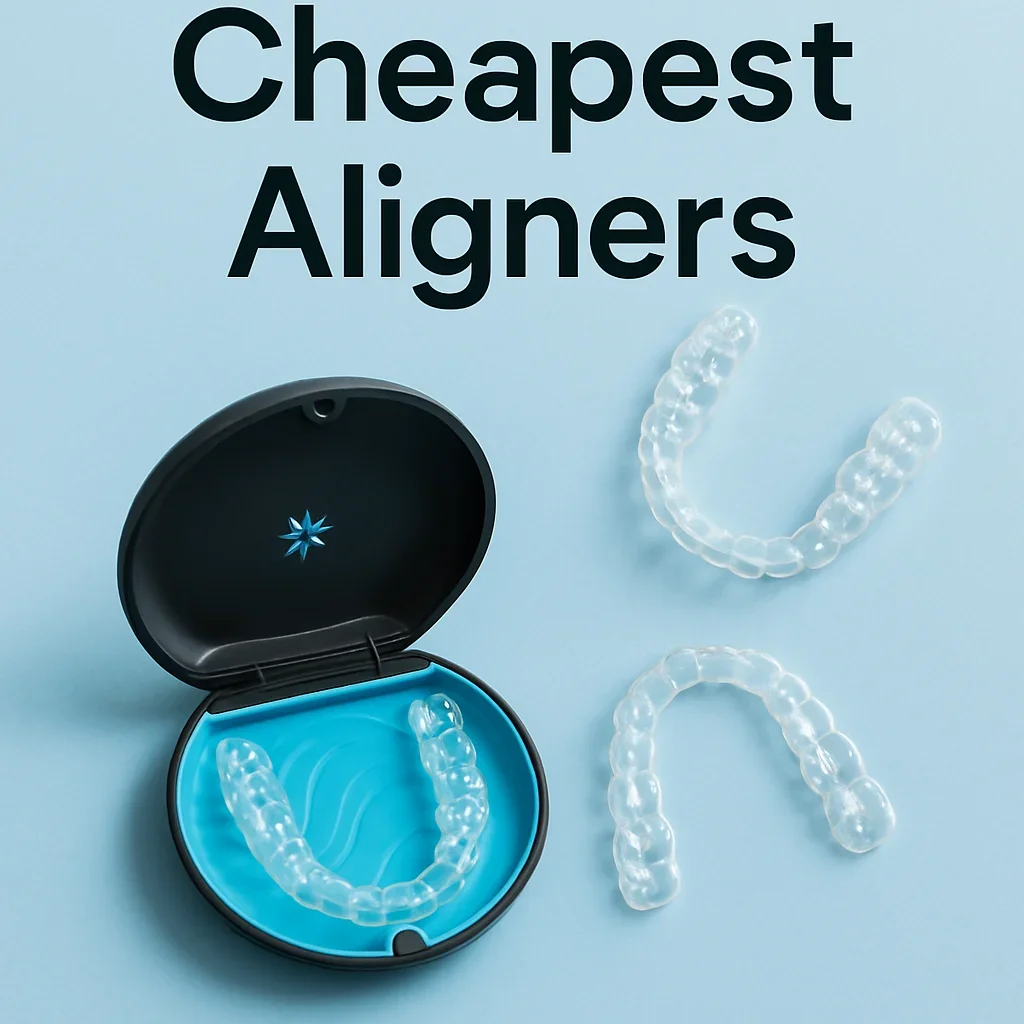
How to Get Started with the Cheapest Aligners Safely
Beginning your journey with the cheapest aligners can be both exciting and overwhelming. The idea of transforming your smile without traditional braces, at a fraction of the cost, is appealing — but safety and proper planning are key. Missteps during the early stages can lead to poor fit, ineffective results, or even dental complications. In this section, we’ll walk through every step of how to safely start your aligner treatment, from initial research to your first tray, ensuring you achieve a confident smile without risking your oral health 🦷.
1. Start with a Professional Dental Evaluation
Before purchasing any aligners, even the cheapest aligners, the first and most important step is a professional dental evaluation. Many online brands let you begin treatment with a mail-in impression kit, but not every patient is a suitable candidate for at-home aligners. Cavities, gum disease, or severe bite issues can make aligner use unsafe or ineffective.
Schedule an appointment with a licensed dentist or orthodontist to examine your oral health. Clinics such as Redent Klinik Contact Page provide pre-assessment consultations that identify potential issues before you begin treatment. This ensures you start your smile journey from a healthy foundation and minimizes the risk of complications later.
What the Dentist Will Check:
- ✔️ Presence of cavities or tooth decay
- ✔️ Gum health and absence of inflammation
- ✔️ Tooth alignment complexity (mild, moderate, or severe)
- ✔️ Jaw position and bite balance
Even if you’re planning to order aligners online, having a professional opinion first is one of the safest ways to begin your treatment responsibly.
2. Research and Compare Reputable Brands
Not all companies offering the cheapest aligners deliver the same quality or level of supervision. Some brands prioritize affordability but compromise on dental oversight or material safety. Look for providers that are transparent about their team, use FDA-approved materials, and offer direct orthodontist involvement in every case.
When comparing options, focus on key details like treatment duration, included refinements, and post-treatment retainers. Reviews and testimonials on trusted platforms like Trustpilot and Reddit are valuable for gauging authenticity and reliability. Avoid providers that make unrealistic promises like “perfect teeth in 3 months” without dental evaluation — safe orthodontic movement takes time.
Checklist for Choosing a Reliable Brand:
- ✅ Licensed orthodontists supervise your treatment plan
- ✅ 3D scan or impression kit quality is verified
- ✅ Free refinements or adjustments are included
- ✅ Retainers and follow-up support are part of the package
- ✅ Clear pricing without hidden costs
3. Take Accurate Dental Impressions or Scans
Once you’ve selected your provider, the next step is to create a 3D model of your teeth. Depending on the company, you may either visit a scanning center or use a mail-in impression kit. This stage is critical because accurate impressions determine how well your aligners fit.
For best results, follow the brand’s instructions precisely. When using mail-in kits, read every detail carefully, and don’t rush the process. If your impressions are rejected, most companies send a replacement kit for free. Remember, the success of your cheapest aligners depends heavily on the precision of this initial mold.
Pro Tip:
If available, choose a company that offers in-person 3D scanning. It’s faster, cleaner, and typically more accurate than DIY impressions — and many affordable aligner providers now include this option for a small fee.
4. Review and Approve Your Treatment Plan
After submitting your impressions, the company’s dental team will design a customized treatment plan. You’ll receive a 3D visualization showing how your teeth will move over time. This is your opportunity to review the process and ask questions before production begins.
Make sure to confirm that the treatment plan has been reviewed by a licensed orthodontist, not just a technician. If something feels unclear — such as tooth movement timelines or final outcomes — ask for clarification. A transparent provider will always walk you through every stage. Choosing the cheapest aligners doesn’t mean skipping professional communication or oversight.
5. Begin Treatment and Stick to a Routine
Once your aligners arrive, follow your wear schedule strictly. Most plans require wearing each tray 20–22 hours daily for one to two weeks before switching to the next. Consistency is the secret to success. Removing aligners too often or skipping trays can delay progress and affect results.
Set reminders on your phone, use aligner tracking apps, and keep your aligners safe in their protective case when not in use. The cheapest aligners are effective only when used properly, so treat them with the same discipline you’d apply to an in-clinic treatment.
Comfort and Adjustment Tips:
- 💧 Use orthodontic wax to ease irritation during the first few days.
- 🦷 Rinse aligners with cool water before insertion to reduce tightness.
- 🧴 Clean aligners daily using mild soap and soft brushes — avoid toothpaste.
6. Monitor Your Progress Regularly
Many aligner companies offer virtual monitoring through photos or video uploads every few weeks. Take these check-ins seriously. They allow dental professionals to ensure your teeth are moving as expected. If the provider doesn’t offer remote tracking, schedule occasional in-person checkups with your local dentist to verify progress.
Regular monitoring prevents potential complications such as uneven movement or gum irritation. Some of the most trusted cheapest aligners brands even provide AI-based progress tracking that automatically alerts dentists if adjustments are needed — a perfect blend of affordability and technology 📱.
7. Maintain Oral Hygiene Throughout Treatment
Clean aligners are essential for oral health. Brush and floss after every meal before reinserting trays to prevent bacteria buildup. Soaking aligners once a day in cleaning crystals or retainer-safe solutions keeps them clear and odor-free. Avoid hot water — it can warp the plastic and ruin their fit.
Even when using the cheapest aligners, hygiene should remain a top priority. Healthy gums and enamel help aligners work efficiently and ensure long-term success.
8. Stay Consistent After Completing Treatment
Finishing your last tray doesn’t mean your journey is over. To prevent teeth from shifting back, wear your retainers regularly as recommended. Most affordable aligner providers offer retainers either free or at a low cost. Replace them every 6–12 months for optimal results.
Consistency post-treatment ensures that your investment — whether in premium or cheapest aligners — continues to pay off with a permanently straight smile. Clinics like Redent Klinik can provide post-treatment evaluations to make sure your alignment remains stable and healthy long after completion.
9. Stay Informed and Educated
The best aligner users are informed ones. Follow reputable dental sources such as the American Dental Association for the latest guidance on orthodontic trends and safe treatment practices. Reading educational resources helps you avoid scams, understand new aligner technologies, and identify trustworthy providers.
Affordable doesn’t have to mean low-quality — with the right knowledge and careful preparation, the cheapest aligners can yield professional-grade results safely and effectively 🌟.
Final Thoughts: Safety + Affordability = Success
Getting started with the cheapest aligners safely is all about preparation, responsibility, and awareness. Begin with a dental checkup, choose a reputable provider, follow instructions carefully, and maintain consistent hygiene. When these steps are followed, you can achieve your dream smile at an affordable cost — without sacrificing health or quality. By combining modern technology, professional oversight, and discipline, the path to your perfect smile becomes clear, comfortable, and completely achievable 🪞✨.