
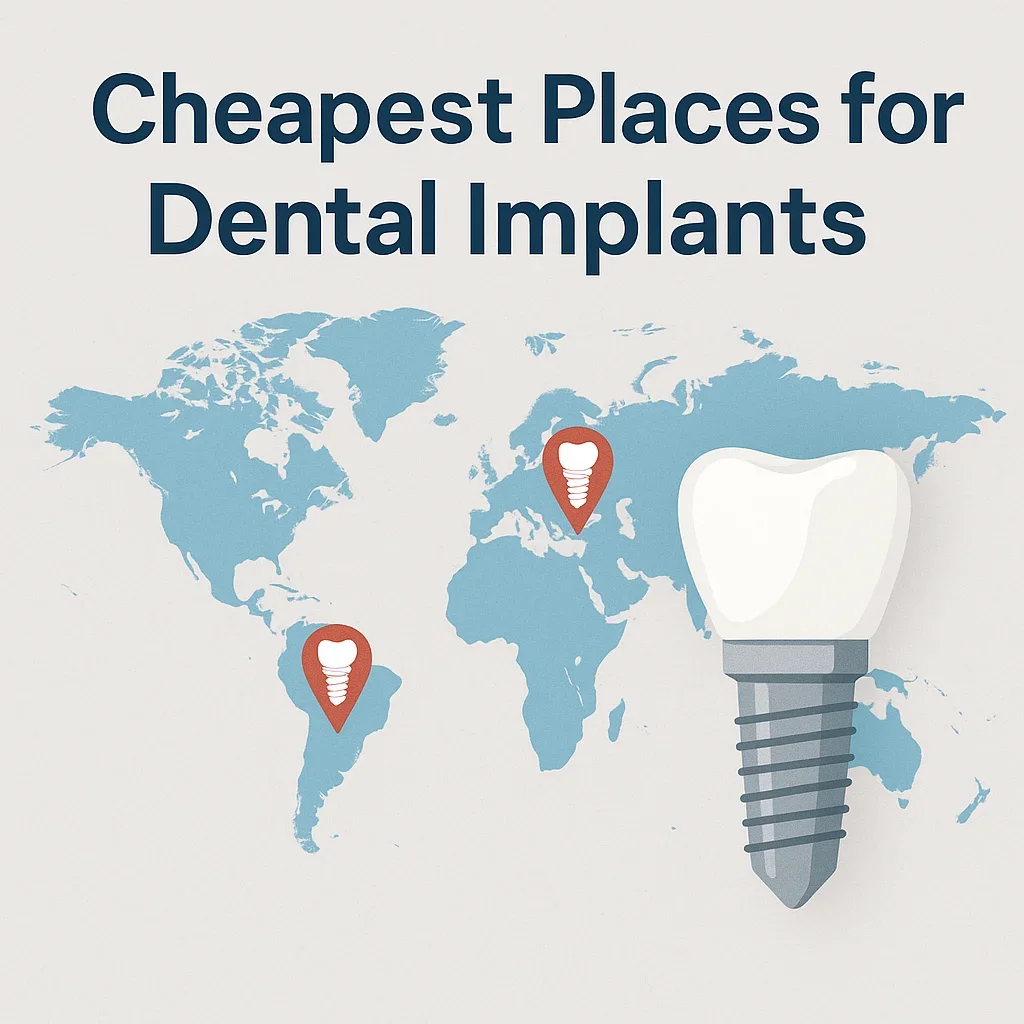
Dental implants have become one of the most sought-after restorative dental treatments worldwide. With rising healthcare expenses in many countries, millions of patients actively search for the cheapest places for dental implants to save money without sacrificing quality. 🌍✨ The goal is simple: access modern implant technology, experienced surgeons, safe materials, and predictable results — all at a price that does not overwhelm the patient. In this comprehensive guide, you will learn exactly why implant costs vary, what influences total expenses, which destinations offer the best value, and how to safely plan treatment abroad.
Before diving into comparisons, it’s important to understand why so many patients now travel internationally for implants. A single implant in the U.S., U.K., or Canada may cost several thousand dollars, leading travelers to seek alternatives in the world’s most affordable dental destinations. Searching for the cheapest places for dental implants is not just about finding the lowest possible price — it is about achieving a balance of affordability, safety, expertise, and predictable results. Patients want durable, natural-looking teeth, but they also want accessible treatment that fits their financial situation.
A major factor influencing this global trend is the rapid advancement of dental tourism. Countries like Turkey, Mexico, Hungary, Thailand, and India have built thriving international dental care sectors, offering world-class clinics equipped with FDA-approved materials, high-resolution imaging, and highly trained implantologists. This combination allows these destinations to offer significantly more competitive prices than Western nations — often up to 70% lower. ✈️💎
Beyond cost savings, patients also appreciate transparent treatment plans, shorter waiting times, flexible scheduling, and access to well-reviewed specialists who perform thousands of implants annually. Clinics in many of the cheapest destinations operate under strict health regulations, follow European Union standards, or maintain accreditation from recognized dental authorities. In fact, many international dentists receive training in the U.S. or Europe before returning to their home countries to practice.
Traveling abroad for implants also allows patients to benefit from bundled treatment packages. These may include panoramic X-rays, CT scans, consultations, abutments, crowns, airport transfers, hotel accommodations, and aftercare — all of which reduce overall financial stress. This is why comparing treatment packages can be more important than simply comparing single implant prices. Quality clinics combine affordability with exceptional service, making them some of the best low-cost destinations for implant procedures (an LSI keyword).
Of course, cost alone should never be the deciding factor. Patients must evaluate surgeon experience, implant brands, sterilization protocols, laboratory technology, anesthesia options, and long-term success rates. This holistic approach ensures that searching for the cheapest places for dental implants does not compromise health or safety. The ideal destination offers a balance of affordability, skill, modern equipment, and positive patient outcomes.
Another important aspect is that implant treatment often occurs in two stages: surgical placement and prosthetic restoration. Some patients complete both stages within one trip, while others require a return visit after healing. Understanding these steps helps patients better budget their travel plans. For example, additional procedures such as sinus lifts, bone grafting, or temporary crowns may influence the total cost. Villas, flights, local transportation, and extra nights of stay may also contribute to overall expenses.
When planning a dental implant trip abroad, patients should have direct communication with the clinic, ask for detailed quotes, and confirm the implant system used (e.g., Nobel Biocare, Straumann, Osstem). Many reputable international clinics maintain partnerships with global suppliers, ensuring that patients receive the same quality materials available in their home country. Additionally, organizations such as the American Dental Association provide useful educational resources to help patients understand implant standards, materials, and safety considerations.
For those considering treatment in Turkey, Mexico, or Europe, contacting a reliable clinic is essential. To explore personalized treatment plans or receive cost instructions, you may visit the Redent Klinik Contact Page. This ensures direct communication with professionals who can guide you through the process from start to finish.
In the following sections, we will analyze top countries, compare prices, discuss quality standards, examine travel-related expenses, and break down clinical protocols step by step. Each topic is designed to help you approach treatment decisions confidently and clearly. With the right preparation, you can identify the most affordable international locations for dental implants while achieving long-lasting, high-quality results. 🦷🌟
Top Budget-Friendly Countries for Dental Implants Worldwide
When patients begin researching the cheapest places for dental implants, they often discover that several countries have developed world-class dental tourism industries that offer premium quality at a fraction of Western prices. These destinations combine advanced healthcare infrastructure, experienced specialists, and transparent pricing — creating an ideal environment for international patients seeking both affordability and safety. 🌍🦷
Global economic differences, currency advantages, and lower operational costs allow these countries to offer significantly reduced implant fees without compromising medical standards. In fact, many of the top affordable dental tourism destinations invest heavily in modern diagnostic tools, computer-guided implant placement, premium implant brands, and multilingual patient coordinators. For this reason, thousands of travelers per year prefer these regions when searching for the cheapest places for dental implants that still deliver long-term durability and aesthetic excellence.
Why These Countries Dominate the Low-Cost Dental Tourism Market
Several factors make these destinations especially attractive to international patients. Lower labor costs, government-supported medical tourism initiatives, competitive clinic pricing, and the widespread use of globally recognized implant systems create an environment where savings of 60–80% are realistic. Many clinics also follow European Union or U.S.-based sterilization protocols, and some implantologists are certified by global dental organizations.
These countries have learned to leverage their cost advantages while maintaining strong oversight of clinical safety standards. Additionally, the integration of digital dentistry — including intraoral scanners, CBCT imaging, and 3D surgical guides — ensures that treatment quality parallels (and sometimes even exceeds) what patients expect at home. This makes them consistent leaders among the most affordable destinations for implant dentistry, an important LSI expression that reinforces semantic relevance.
Turkey: A Leading Global Hub for Affordable Dental Implants
Turkey has rapidly risen as one of the most desirable destinations for affordable dentistry. Known for its highly skilled specialists, luxurious patient experience, and competitive all-inclusive packages, Turkey consistently ranks among the cheapest places for dental implants. Clinics often provide airport transfers, hotel accommodations, digital scans, and consultation services within a single bundled price.
Cities like Istanbul, Antalya, and Izmir feature internationally accredited clinics with surgeons trained in Europe and the United States. This combination of skill and affordability is why Turkey remains a top choice for patients seeking premium-quality implant dentistry at reduced costs. The country also benefits from favorable currency exchange rates, significantly reducing overall treatment expenses.
Mexico: A Preferred Destination for U.S. and Canadian Patients
Mexico has long been a favorite among North American travelers looking for high-quality yet affordable implant solutions. Border cities such as Los Algodones, Tijuana, and Cancun welcome thousands of dental tourists annually. Mexico’s competitive pricing, proximity to the U.S., and established infrastructure for international dental care make it appealing for patients seeking safe treatment without long flights.
Many Mexican clinics offer modern implant brands, digital X-ray technology, CAD/CAM crowns, and bilingual dental teams. Patients benefit from savings of up to 70% compared to U.S. prices, making the country one of the most widely recognized low-cost options for implant care.
Hungary: Europe’s Dental Tourism Capital
Located in the heart of Europe, Hungary — especially Budapest — is famous for its long-standing reputation in restorative and cosmetic dentistry. It consistently appears on lists of the cheapest places for dental implants in Europe due to its competitive pricing and highly qualified implantologists. Hungarian clinics often collaborate with international laboratories and follow strict EU regulations, ensuring excellent treatment quality.
The country offers world-class dental services at prices significantly lower than those found in Western Europe or the U.K. Many clinics provide combination travel-treatment packages, which allow patients to enjoy cultural tourism alongside their dental appointments.
Thailand: Combining Dental Excellence With Medical Tourism
Thailand is well-known for its advanced healthcare system and luxurious patient experience. Clinics in Bangkok and Phuket feature internationally recognized specialists, FDA-cleared implant brands, and comfortable recovery environments. Although slightly more expensive than some other destinations on this list, Thailand still qualifies as one of the most affordable international implant options due to its exceptional quality-to-cost ratio.
Patients appreciate Thailand’s warm hospitality, transparent pricing, and detailed treatment planning. Many medical facilities in Thailand are globally accredited, making it a trusted destination for major dental procedures.
India: High Volume, Low Cost, Strong Expertise
India remains one of the most competitively priced countries for implant dentistry. Its large population of dental specialists, widespread use of modern implant systems, and extremely low operational costs contribute to its strong reputation in dental tourism. Several Indian clinics maintain global partnerships, ensuring that patients receive internationally certified materials and long-term treatment warranties.
Patients traveling to India for implants typically benefit from comprehensive packages that include 3D scans, surgical placement, abutments, and final prosthetics at a significantly lower cost than Western alternatives.
Other Emerging Destinations Gaining Popularity
Countries such as Colombia, Costa Rica, Poland, and Romania are increasingly appearing on global lists of the cheapest places for dental implants because of their skilled dentists, modern facilities, and competitive pricing structures. These nations continue to attract patients due to favorable exchange rates and improving healthcare standards.
As competition grows, more clinics worldwide are striving to offer world-class implant services at affordable rates — benefiting patients who are eager to restore their smiles without excessive financial burden.
In the next section, we will examine why implant prices vary so dramatically between countries and how to evaluate cost differences safely and intelligently.
Why Dental Implant Prices Vary Dramatically Between Countries
When researching the cheapest places for dental implants, one of the most common questions patients ask is: “Why do implant prices differ so much from country to country?” The answer lies in a complex combination of economic, clinical, regulatory, and technological factors that influence total treatment costs. Understanding these variables helps patients make informed decisions and avoid choosing a clinic based solely on the lowest price. Instead, they can confidently compare value, expertise, and long-term outcomes while ensuring safety and durability.
In this section, we break down each cost-driving factor in detail. From surgeon experience and implant brand quality to sterilization standards, cost of living, and global supply chains — every component plays a role in determining overall treatment fees. By exploring why prices fluctuate internationally, patients gain clarity on what contributes to high or low costs and how to wisely evaluate the cheapest places for dental implants without compromising their oral health.
Economic Differences and Cost of Living
One of the biggest reasons for price differences is the economic structure of each country. Nations with lower labor costs, reduced overhead expenses, and currency advantages can offer implant treatments at significantly lower rates. This doesn’t mean quality is compromised — rather, the operational cost for clinics is naturally lower.
For example, countries like Turkey, India, Mexico, and Hungary benefit from stronger currency exchange rates for foreign visitors. As a result, international patients can access premium-quality treatment at a fraction of Western pricing. This economic advantage is one reason these destinations are consistently listed among the cheapest places for dental implants.
Implant Brands and Material Costs
Different clinics use different implant brands, and the type of implant system selected can greatly influence cost. Premium implant brands such as Straumann, Nobel Biocare, and Neodent are priced higher globally due to advanced engineering, extensive research, long-term clinical studies, and high manufacturing standards. These implants offer superior success rates, precise connections, and excellent biocompatibility.
On the other hand, mid-range implant systems — often from Korea, Israel, or Germany — deliver strong reliability at a more affordable price. Many clinics in low-cost destinations use high-quality yet cost-efficient implant lines, enabling them to offer competitive treatment packages while still providing safe and predictable outcomes.
Why Material Pricing Differs By Region
Import taxes, supplier agreements, logistical chains, and local distributor partnerships affect the final price of implant materials. In some countries, clinics receive direct bulk pricing from manufacturers, reducing cost per implant dramatically. This strategic advantage further strengthens their reputation as one of the cheapest places for dental implants.
Surgeon Experience and Clinical Expertise
Implant dentistry is a highly skilled, technique-sensitive specialty. Surgeons with decades of experience, advanced certifications, and international training typically charge higher fees. In the U.S., Canada, and the U.K., dental professionals must pay high malpractice insurance, continuing education costs, and operational fees, all of which influence pricing.
In contrast, countries known for dental tourism often have extremely high procedure volumes. Surgeons in Turkey, Mexico, and Hungary may perform hundreds or even thousands of implants annually due to high patient demand. This allows them to maintain world-class expertise while keeping prices accessible. High-volume practice also leads to greater efficiency, shorter surgery times, and elevated proficiency.
Clinic Technology and Laboratory Costs
Modern implant dentistry relies heavily on advanced technology:
- 3D CT scanners
- Guided surgery software
- Intraoral scanners
- CAD/CAM milling machines
- Digital shade-matching tools
These tools dramatically improve accuracy, comfort, and long-term results — but they also require significant investment.
In Western countries, dental labs and technology centers operate with higher wages, higher rent, and higher tax burdens, increasing prosthetic costs. In more affordable dental destinations, in-house labs or lower-cost production systems reduce crown, abutment, and bridge prices significantly.
Digital Dentistry and Cost Efficiency
Countries at the forefront of dental tourism often operate fully digital clinics, reducing errors and enhancing productivity. Digital workflows eliminate many costly manual steps associated with traditional dentistry. This efficiency contributes to their status as some of the cheapest places for dental implants while still offering cutting-edge care.
Regulatory Standards and Clinic Overhead
Governments with strict healthcare regulations impose high operational costs on clinics through licensing, inspections, insurance, and compliance rules. While these regulations ensure safety, they also increase overall treatment fees.
However, many affordable implant destinations maintain internationally recognized safety standards without excessive administrative costs. This balance enables clinics to operate at lower expense while still delivering high-quality treatment. The outcome is clear: these nations provide safe, regulated care at prices significantly lower than Western markets.
Additional Factors That Influence Pricing
Several other components contribute to global cost differences:
- Taxes and import duties: Some countries tax medical products heavily, others do not.
- Competition: Regions with many dental clinics tend to lower prices to attract medical tourists.
- Insurance limitations: In some countries, dental insurance rarely covers implants, increasing out-of-pocket costs.
- Local wages: The income levels of dental staff influence overall clinic operation fees.
When all these factors are combined, they explain why a single implant in the U.S. might cost $3,000–$5,000 while the same treatment in highly rated clinics abroad costs between $500 and $1,000 — saving patients up to 80%. Understanding these elements helps patients intelligently evaluate the cheapest places for dental implants while ensuring they receive safe, ethical, and professional care.
In the next section, we will analyze actual price ranges around the world and show how each country compares in terms of total cost, inclusions, and long-term value.
Full Cost Comparison: What You Actually Pay in Popular Destinations
When researching the cheapest places for dental implants, it’s essential to understand how prices differ across countries and what these fees actually include. Many patients assume that the final cost only reflects the implant screw, but in reality, a complete implant restoration involves multiple components: the surgical implant post, the abutment, and the final crown. Additionally, diagnostic imaging, consultations, anesthesia, temporary teeth, and follow-up care all influence total pricing.
This section provides a comprehensive, real-world comparison of implant prices in the most popular dental tourism destinations worldwide. By examining average costs, package details, material variations, and optional procedures, patients gain a clear understanding of what they should expect to pay — and why certain countries consistently appear as the cheapest places for dental implants. This transparency helps prevent unexpected fees and ensures that travelers can budget accurately for their treatment journey.
Breaking Down the Cost of a Complete Dental Implant
Before comparing international prices, it’s important to understand what a full implant treatment includes. While every clinic structures its pricing differently, a standard implant typically involves:
- Initial consultation & dental examination
- 3D CT scan or panoramic X-ray
- Surgical implant placement
- Healing cap or temporary prosthesis
- Abutment connection
- Final zirconia or porcelain crown
In Western nations, each of these steps is billed separately, contributing to high overall costs. Conversely, many low-cost dental tourism countries provide all-inclusive packages, which allow them to rank among the most affordable international destinations for implant treatment (LSI term).
United States, Canada, and the United Kingdom: The High-Cost Benchmark
These regions serve as the global reference point for implant pricing due to their high operational costs, expensive insurance structures, and strict medical regulations. In the U.S., the price for one complete implant often ranges between $3,000 and $5,500. A premium implant with bone grafting or sinus lift may exceed $6,500.
The U.K. and Canada show similar pricing trends, where clinics often charge £2,000–£3,500 or $3,000–$5,000 CAD for a single implant. These costs make many patients consider traveling abroad as a practical alternative.
Turkey: One of the World’s Most Affordable and High-Quality Options
Turkey consistently ranks among the cheapest places for dental implants due to its modern clinics, internationally trained implantologists, and comprehensive treatment packages. A full implant — including the implant screw, abutment, and zirconia crown — typically ranges from $450 to $900.
This price often includes:
- 3D CT scanning
- Digital impressions
- High-grade titanium implants
- Hotel accommodations for international patients
- Airport transfers
These bundled amenities significantly reduce patient expenses and increase the country’s appeal compared to Western alternatives.
Mexico: A Prime Destination for North American Dental Travelers
Mexico is one of the most accessible and cost-effective implant destinations for U.S. and Canadian residents. Average pricing ranges from $700 to $1,200 per implant, including the abutment and crown. This makes the country a popular option for patients who want to remain close to home while benefiting from lower costs.
Border cities like Los Algodones — often called “Molar City” — specialize in high-volume implant dentistry. This concentration of clinics allows Mexico to remain competitive with other global dental tourism hubs.
Hungary: Europe’s Top Implant Tourism Hub
Hungary, especially Budapest, has been known as Europe’s dental capital for decades. Prices typically range from €700 to €1,200 per full implant restoration. Clinics in Hungary are famous for their strict adherence to EU medical regulations and their partnerships with leading implant manufacturers.
Because of its central location and affordable pricing, Hungary attracts thousands of patients annually from Germany, the U.K., France, and Scandinavia. This high patient volume has helped maintain competitive prices while ensuring exceptional quality.
Thailand: Premium Service at a Moderate Cost
Thailand offers high-end facilities, globally recognized certifications, and luxurious dental treatment environments. While not the absolute lowest-priced destination, its cost-to-quality value remains exceptional. Pricing for a complete implant typically falls between $1,000 and $1,600.
Patients appreciate Thailand’s advanced digital dentistry systems, internationally trained surgeons, and reputation for medical tourism excellence.
India: Extremely Affordable Options for International Patients
India is another major contender among the cheapest places for dental implants. Prices usually range from $350 to $700 for a full implant. Skilled professionals, modern clinics, and large-scale dental institutions make India an accessible choice for patients seeking affordability above all else.
Indian clinics often offer cost-efficient implant systems and locally produced prosthetics, further lowering overall expenses.
Additional Cost Variables to Consider
While comparing prices across countries, patients should also factor in:
- Travel and accommodation costs
- Number of required visits (often 1–2 trips)
- Need for bone grafting or sinus lifting
- Brand of implant system (premium vs. mid-range)
- Type of final crown (zirconia, porcelain, E-max)
- Aftercare or extended warranties
For example, even if a destination offers cheap implants, long flights or multiple visits may influence total cost. On the other hand, clinics in the cheapest places for dental implants frequently provide flexible treatment timelines and all-inclusive care bundles that reduce travel stress and financial strain.
In the following section, we will explore how to choose safe, accredited clinics when seeking affordable implant destinations — ensuring that cost savings never come at the expense of safety or long-term success.
How to Choose a Safe Clinic in the Cheapest Places for Dental Implants
Finding the cheapest places for dental implants can be exciting, but choosing the right clinic is the most crucial step in ensuring a safe, successful, and long-lasting result. Price alone should never guide your decision. Instead, the clinic’s credentials, hygiene standards, implant brands, surgeon experience, and patient safety protocols must be evaluated carefully. This detailed guide breaks down every factor smart patients should consider before booking treatment abroad.
Dental implants are a surgical procedure involving bone, tissue, and long-term integration with the jaw. As such, selecting a reputable clinic is essential for avoiding complications like infections, implant failure, nerve damage, or poorly fitted crowns. Fortunately, many clinics in the cheapest places for dental implants maintain world-class standards. By following the criteria below, you can confidently identify safe, reliable, and professional dental centers across the globe.
Check the Clinic’s Certifications, Accreditations, and Regulatory Compliance
Accreditation is one of the strongest indicators of clinic quality. Reputable international dental centers are often certified by national health authorities or global regulatory bodies. When researching clinics abroad, look for certifications from organizations such as:
- ISO (International Organization for Standardization)
- JCI (Joint Commission International)
- Ministry of Health accreditations
- European Union health compliance
Clinics that meet these standards follow structured protocols regarding sterilization, patient care, anesthesia, emergency preparedness, and implant material safety. Many of the most affordable destinations for implant tourism (LSI keyword) have clinics that actively pursue international certification. These clinics undergo strict inspections, ensuring long-term safety and reliability — even with lower cost structures.
Evaluate the Implantologists’ Experience and Educational Background
Implant dentistry requires specialized training beyond general dental education. When choosing a clinic, research the surgeons’:
- Years of experience in implant surgery
- Number of implants placed annually (high-volume surgeons tend to have better outcomes)
- International certifications from implant institutions
- Participation in continuing education programs
Many surgeons in the cheapest places for dental implants have completed fellowships in Europe or the United States. Look for dentists who are members of respected associations such as the American Dental Association or global implant academies. These affiliations reflect strong professional commitment and confirm that the surgeon follows international best practices.
Inspect the Clinic’s Technology and Diagnostic Tools
Modern implant dentistry relies heavily on advanced technology for accurate diagnosis and predictable placement. Safe clinics in affordable destinations typically use:
- CBCT 3D imaging for bone analysis
- Digital intraoral scanners for impression accuracy
- CAD/CAM systems for designing custom crowns
- Computer-guided surgery for precision implant placement
High-tech equipment allows surgeons to identify bone density, nerve position, and sinus anatomy before surgery, dramatically lowering risk. Even in the cheapest places for dental implants, reputable clinics invest in the same equipment used in top European and American dental centers.
In-House Dental Laboratories Increase Accuracy
Some clinics also feature in-house digital laboratories staffed by skilled dental technicians. This shortens turnaround times and provides tighter quality control over zirconia crowns, abutments, and bridges. Clinics that rely on external laboratories may face longer delays or inconsistent quality.
Review Online Feedback, Photos, and Video Testimonials
Real patient experiences offer valuable insight into the clinic’s reliability. When evaluating a clinic, look for:
- Before-and-after photos
- Video testimonials on YouTube or clinic websites
- Independent reviews on Google, Trustpilot, or medical tourism platforms
Patient feedback often highlights details that are not visible in advertising — such as communication quality, waiting times, complication management, or postoperative care. Consistent positive reviews are an excellent indicator that the clinic is safe, trustworthy, and deserving of a place among the cheapest places for dental implants without sacrificing standards.
Verify the Implant Brands Used
Cheap implants do not always indicate poor quality — but clinics should clearly disclose their brands. Safe destinations use recognized systems such as:
- Straumann
- Nobel Biocare
- Neodent
- Osstem
- Megagen
These brands offer clinically proven results, high biocompatibility, and long-term warranties. If a clinic refuses to disclose implant brands or only uses unrecognizable systems, this is a red flag.
Evaluate Communication, Transparency, and Treatment Planning
Clear communication is another sign of a reputable clinic. Safe providers always:
- Offer detailed pricing breakdowns
- Explain treatment stages thoroughly
- Provide written treatment plans
- Use medical translators when needed
A good clinic will never rush or pressure you into treatment. Instead, they encourage questions and provide honest explanations about risks, timelines, and expected outcomes. This level of transparency is crucial when traveling abroad for surgical care.
Pre-Treatment Virtual Consultations
Many clinics also offer free video consultations to review CT scans, discuss medical history, and recommend tailored treatment plans. This helps build trust long before you arrive. To get personalized guidance, you may reach out through the Redent Klinik Contact Page, which connects you directly with a trained dental team.
Check Sterilization Protocols and Infection Control Measures
Safe clinics strictly follow international sterilization protocols, including:
- Class B autoclave usage
- Single-use consumables (needles, gloves, masks)
- Surface disinfection between patients
- Proper instrument handling and storage
Sterilization standards are non-negotiable. Even in the cheapest places for dental implants, reputable clinics prioritize hygiene and maintain hospital-grade cleanliness.
Red Flags to Avoid
If you notice any of these issues, reconsider the clinic:
- No clear pricing or hidden fees
- Unusually low prices without explanation
- Lack of verifiable reviews
- Unwillingness to share surgeon credentials
- Use of non-certified implant brands
- Outdated or missing technology
Trustworthy dental centers do not hide information. They are transparent because they have nothing to conceal.
In the next section, we will explore the hidden travel expenses that influence the total cost of dental tourism and how to budget effectively when planning treatment abroad.
Hidden Travel Costs That Affect Your Overall Implant Budget
When comparing the cheapest places for dental implants, many patients focus solely on clinic pricing and overlook the additional travel expenses that significantly influence the total budget. While countries like Turkey, Mexico, India, Hungary, and Thailand offer exceptional value on implant procedures, the total financial outcome ultimately depends on travel planning, length of stay, number of visits, and lifestyle choices during the trip. Understanding these hidden or unexpected costs ensures that patients avoid surprises and maintain a well-organized budget from start to finish.
This section provides an in-depth analysis of all travel-related expenses—both predictable and subtle—that affect the real cost of getting implants abroad. With the right planning, patients can still fully benefit from the world’s cheapest places for dental implants while maintaining safety, comfort, and financial clarity.
Flight Costs and Seasonal Price Variations
Airfare is often the most significant non-medical travel expense. Prices vary dramatically depending on the destination, season, and departure country. For example:
- Europe to Turkey: Affordable year-round, with off-season flights costing as little as €80–€150.
- U.S. to Mexico: Short flights make it budget-friendly, especially for border towns like Tijuana or Los Algodones.
- U.K. to Hungary: Extremely low-cost airlines keep prices competitive.
- International flights to Thailand or India: Longer routes mean higher airfare, though off-season deals offer relief.
Experienced dental travelers often book flights during off-peak seasons, which reduces overall expenses significantly and helps maintain the financial benefits of choosing the cheapest places for dental implants.
Accommodation Costs and Treatment Duration
Another important factor is accommodation. Implant surgery usually requires a short healing period, meaning patients may need to stay between 3 and 10 days depending on the clinic’s protocol. Costs vary by region:
- Turkey: Many clinics offer free hotel stays for international patients.
- Mexico: Budget hotels near clinics start around $30–$50 per night.
- Hungary: Mid-range hotels near dental districts average €40–€70 per night.
- Thailand: Accommodation can range widely depending on region and comfort level.
While this still makes these destinations among the cheapest places for dental implants, patients must factor accommodation into the total calculation, especially for complex procedures that may require a longer stay.
Local Transportation and Daily Travel Needs
Transportation expenses such as taxis, buses, metro tickets, and airport shuttles also add up. Some clinics include complimentary transfers, while others do not. Patients should check:
- Airport pickup availability
- Distance from hotel to clinic
- Local transportation pricing
- Whether the area is walkable
Even in the cheapest places for dental implants, transportation fees can accumulate quickly if the clinic is far from main tourist zones or if patients require multiple visits during their stay.
Unexpected Local Expenses
Beyond transportation, small daily expenses—such as dining, pharmacy needs, bottled water, and miscellaneous items—can influence the budget. Although the cost of living is lower in most dental tourism destinations, over several days these small costs add up.
Multiple Trip Requirements and Return Visit Costs
Many patients are unaware that dental implants often require two separate visits:
- First trip: Implant placement
- Second trip: Abutment and crown placement (3–6 months later)
Certain clinics offer same-trip solutions using immediate-load implants, but only patients with sufficient bone density qualify. Therefore, budgeting for a second trip is essential.
For example, while Turkey or Mexico may rank among the cheapest places for dental implants, a second flight and additional hotel stay must be factored into the total cost if traditional two-stage implants are required.
Tourist Spending and Lifestyle Choices
Many patients combine their dental trip with tourism—visiting beaches, historical sites, shopping districts, spas, and local restaurants. While enjoyable, these activities add to the total cost.
Some patients choose a modest lifestyle during their treatment stay, while others lean toward luxury travel. The financial difference between these approaches can be significant.
Food and Daily Meals
Daily meal expenses vary widely by destination:
- Turkey: $5–$10 per meal
- Mexico: $4–$8 per meal
- Thailand: $3–$6 per meal
- Hungary: €6–€12 per meal
These costs remain low compared to Western standards, but patients staying for extended periods should include food budgeting in their overall plan.
Extra Dental Work and Medical Add-Ons
Though not technically “travel expenses,” many patients require additional procedures once they arrive at the clinic. These may include:
- Bone grafting
- Sinus lifting
- Gum contouring
- Tooth extractions
- Temporary dentures or crowns
While these are standard treatments, they can influence total cost. Fortunately, clinics in the cheapest places for dental implants typically offer these procedures at far lower prices than Western clinics, helping patients stay within a manageable budget.
Travel Insurance and Medical Coverage
Another overlooked expense is short-term travel insurance. While not required, it is highly recommended. Dental travel insurance can cover:
- Emergency hospital visits
- Flight delays or cancelations
- Lost luggage
- Accidental injuries
Comprehensive plans cost between $25 and $60 depending on the destination and length of stay.
Visa and Entry Requirements
Some destinations require visas or entry fees. For example:
- Turkey: Visa-free for many countries or low-cost e-visas
- India: eVisa fees apply depending on nationality
- Thailand: Visa exemption for many travelers
These additional fees, while modest, should be included in a full travel budget plan.
Ultimately, the cheapest places for dental implants still offer remarkable savings even when travel expenses are included. By planning wisely, comparing seasonal pricing, and choosing clinics that offer bundled services, patients can dramatically reduce costs while enjoying world-class dental care abroad.
In the next section, we will evaluate the essential quality standards and certifications to look for when selecting a safe, affordable clinic in an international destination.
Quality Standards and Certifications to Look For in Low-Cost Countries
When evaluating the cheapest places for dental implants, the most important factor beyond pricing is the clinic’s compliance with international quality standards. Dental implants are a sophisticated medical procedure involving surgical accuracy, sterilization, bone biology, implant engineering, and long-term functional stability. Because of this, certifications, clinical protocols, and globally recognized standards serve as reliable indicators of whether a clinic can safely deliver an implant that lasts for decades.
Many dental tourism hotspots—such as Turkey, Hungary, Mexico, Thailand, Poland, and India—offer treatment at a fraction of Western prices, but not all clinics are equal. This section explains exactly which certifications matter, what standards are truly important, and how to verify clinic compliance before booking your appointment. By understanding these benchmarks, patients can confidently identify high-quality facilities even in the cheapest places for dental implants worldwide.
International Accreditation: The Most Reliable Indicator of Quality
Accreditations confirm that a clinic meets global standards of safety, hygiene, and treatment reliability. Clinics that undergo international evaluation are far more trustworthy because they commit to rigorous audits and ongoing quality control. Look for these key accreditations:
- JCI (Joint Commission International) — the gold standard for medical tourism facilities
- ISO 9001 & ISO 13485 — international quality management certifications
- EU Health Compliance Certificates — especially important in Hungary and Poland
- Ministry of Health Licensing — required in Turkey, Thailand, and India
- ADA-aligned protocols — based on safety standards published by the American Dental Association
Clinics with these certifications follow strict rules for sterilization, surgical planning, patient management, record-keeping, staff training, and emergency preparedness. These accreditations also demonstrate that the clinic has invested in infrastructure and training, something that only reputable institutions do—even in countries considered the cheapest places for dental implants.
Implant System Certifications and Material Safety Standards
Dental implant systems must pass stringent safety evaluations before being approved for use. When researching a clinic, verify whether the implant brands are approved by reputable regulatory bodies such as:
- FDA (U.S. Food and Drug Administration)
- CE Certification (European Union)
- ISO 14801 Compliance — mechanical strength testing
Top implant brands like Straumann, Nobel Biocare, Neodent, Megagen, and Osstem hold these certifications. A clinic using FDA- and CE-approved materials is far more reliable. This ensures that—even in the cheapest places for dental implants—patients receive implants manufactured under the same safety standards found in the U.S., U.K., Canada, and Europe.
Why Implant Certification Matters
Certified implant systems undergo testing for:
- Biocompatibility
- Fracture resistance
- Surface treatment integrity
- Long-term bone integration
- Connection stability with abutments
Uncertified or generic implant systems may not offer these guarantees. A low clinic price is acceptable—but using unregulated implants is not. Patients should always ask for documentation and confirm the exact implant model in advance.
Clinical Hygiene and Sterilization Protocols
Sterilization is one of the most important safety components in implant surgery. Reputable international clinics follow strict hospital-grade protocols such as:
- Class B autoclave sterilization
- Use of disposable supplies including suction tips, gloves, syringes, and surgical drapes
- High-level disinfectants between each patient
- Personal protective equipment (PPE) for all staff members
- Separate surgical and non-surgical zones within the facility
Even in the cheapest places for dental implants, high-quality clinics maintain these protocols consistently. If a clinic cannot demonstrate its sterilization procedures or show proof of its protocols, this is a strong sign to look elsewhere.
Surgeon Credentials and Professional Memberships
Dental implant success heavily depends on the surgeon’s expertise. Many top implantologists in affordable countries have world-class training. Look for surgeons who are members of respected organizations such as:
- International Congress of Oral Implantologists (ICOI)
- European Association for Osseointegration (EAO)
- American Academy of Implant Dentistry (AAID)
- Turkish Dental Association or regional equivalents
Membership in these organizations shows dedication to ongoing education, proper training, and adherence to global clinical standards. This is essential when considering the cheapest places for dental implants because surgeon expertise ensures safety even when costs are low.
Experience Matters More Than Price
Experienced surgeons have higher success rates, fewer complications, and better prosthetic outcomes. Clinics should be willing to share:
- The number of implants placed yearly
- Before-and-after cases
- Success rate documentation
- Advanced procedure capabilities (bone grafting, sinus lifts, etc.)
This transparency reflects trustworthiness and confirms that the facility is reputable.
Modern Diagnostic and Surgical Technology
Clinics offering high-quality treatment use state-of-the-art dental technologies, including:
- CBCT 3D Tomography for accurate bone assessment
- Digital intraoral scanners for precise impressions
- CAD/CAM milling machines for custom crowns
- Surgical guides for computer-assisted implant placement
These technologies reduce human error, shorten healing time, and increase overall precision. High-quality clinics in the cheapest places for dental implants proudly showcase their digital equipment because it differentiates them from low-standard facilities.
Patient Reviews and Third-Party Verification
Feedback from real patients is one of the most reliable methods for assessing a clinic. Look for:
- Google Reviews
- Trustpilot feedback
- YouTube testimonials
- Before-and-after photo galleries
Consistent positive reviews and transparent patient stories help confirm the clinic’s credibility.
In the next section, we will explore a direct comparison between Turkey, Mexico, and Hungary — three of the most popular countries considered among the cheapest places for dental implants — and break down their unique advantages and treatment approaches.
Turkey vs. Mexico vs. Hungary: Which Destination Offers the Best Value?
For patients researching the cheapest places for dental implants, three countries consistently appear at the top of global rankings: Turkey, Mexico, and Hungary. Each nation has developed a strong reputation in dental tourism thanks to its skilled specialists, advanced technology, and competitive pricing. However, the true value of a destination depends on more than cost alone. Clinical success, safety protocols, implant brands, travel convenience, and long-term patient satisfaction all play major roles in determining which country is best suited for a patient’s needs.
In this section, we thoroughly compare Turkey, Mexico, and Hungary from every critical angle to help you understand the unique advantages of each. By examining costs, surgeon qualifications, travel factors, and overall treatment quality, patients gain a clear picture of how the top affordable destinations differ—and which one may provide the most value for their specific situation. Because choosing among the cheapest places for dental implants requires more than simply chasing the lowest price, this breakdown focuses on complete value rather than just economic appeal.
Turkey: The Global Leader in Dental Tourism
Turkey has become one of the world’s most sought-after countries for implant dentistry, blending affordability, luxury service, and exceptionally high treatment standards. Cities like Istanbul, Antalya, and Izmir host modern dental centers equipped with cutting-edge scanning devices, computer-guided surgery tools, and on-site digital laboratories.
What makes Turkey stand out?
- Highly trained dentists, many with European or U.S. certifications
- FDA and CE-certified implants (Straumann, Nobel, Osstem, Megagen)
- Clinic packages that include hotel stays and transportation
- Very competitive pricing ($450–$900 per full implant)
- Extremely high patient satisfaction ratings
Turkey’s advantage is not only affordability but also value density. Patients receive premium care, advanced technology, and upscale hospitality for a fraction of Western prices. This makes Turkey one of the cheapest places for dental implants that does not compromise quality, safety, or long-term outcomes.
Who Is Turkey Best For?
Turkey is ideal for patients seeking premium quality, full-mouth restorations, or all-on-4/6 solutions at competitive rates. Its free travel packages and modern clinics make it especially popular among European and Middle Eastern patients.
Mexico: Convenient and Affordable for North American Patients
Mexico is the top dental tourism destination for U.S. and Canadian residents due to proximity, simple travel logistics, and significantly lower prices than North America. Cities like Tijuana, Cancun, and Los Algodones (“Molar City”) have built strong reputations for delivering reliable implant dentistry.
Why patients choose Mexico:
- Short flights from the U.S. and Canada
- Affordable implant pricing ($700–$1,200)
- Clinics with bilingual surgeons and staff
- Same-day consultations and surgeries available
- Strong experience with American-style dental expectations
Mexico maintains its status as one of the cheapest places for dental implants due to lower labor costs and high clinic competition. Many clinics offer modern technology, though standards vary widely. Patients should carefully review clinic reputations before making a decision.
Who Is Mexico Best For?
Mexico is ideal for patients who prefer shorter travel times, want minimal logistical planning, or require fast treatment access. It is especially convenient for same-day border visits for consultation, X-rays, or follow-up care.
Hungary: Europe’s Elite Dental Hub
Hungary—particularly Budapest—has earned the title “The Dental Capital of Europe.” It is known for its highly educated dental workforce, professional transparency, and long-standing tradition in advanced restorative dentistry.
Key advantages of Hungary:
- EU-regulated clinics with strict medical standards
- Highly experienced implantologists
- Excellent crown and bridge work due to top-tier laboratories
- Prices significantly lower than Western Europe (€700–€1,200)
- Safe, clean, structured medical travel experience
Hungary attracts patients from the U.K., Germany, France, and Scandinavia who want high-quality treatment without Western pricing. Though slightly more expensive than Turkey or India, it still ranks among the cheapest places for dental implants in Europe with exceptional clinical outcomes.
Who Is Hungary Best For?
Hungary is perfect for European patients seeking precision, EU-standard dentistry, and highly specialized implant surgeries. It’s also ideal for people who value structured regulatory oversight.
Comparing Overall Value: Which Offers the Best Deal?
When comparing Turkey, Mexico, and Hungary, all three are outstanding global destinations. However, “best value” depends on the patient’s location, needs, and preferences.
- Best overall value: Turkey (top combination of price, quality, and hospitality)
- Best for North Americans: Mexico (closest and most convenient)
- Best for EU-based patients: Hungary (EU standards + strong reputation)
Turkey’s all-inclusive dental tourism packages offer unmatched convenience and high-end facilities, making it one of the strongest contenders among the cheapest places for dental implants.
Final Recommendation Based on Patient Type
- Budget-conscious full-mouth restoration patients: Turkey
- Patients who prefer minimal travel time: Mexico
- Patients prioritizing EU regulation and clinical structure: Hungary
Regardless of destination, patients are encouraged to communicate with clinics early, ask for CT scans, review implant brands, and confirm hygiene protocols. Personalized inquiries can be sent via the Redent Klinik Contact Page for those exploring Turkey as a treatment option.
Next, we will explore real patient experiences and stories from individuals who traveled to the cheapest places for dental implants, giving you firsthand insight into treatment journeys, results, and recovery timelines.
Patient Experiences: Real Stories From Affordable Implant Destinations
Understanding the cheapest places for dental implants becomes far more meaningful when supported by real patient stories. Individuals who travel abroad for dental implants often share valuable insights about pricing, clinic quality, safety, comfort, and results. These firsthand accounts help new patients understand what to expect, what questions to ask, and how to prepare for the journey.
In this section, we explore detailed patient experiences from Turkey, Mexico, and Hungary—three of the most popular and budget-friendly implant destinations. These real stories highlight the emotional journey, from the first consultation to the final crown placement. While every patient’s case is unique, the patterns in their feedback reveal important truths about choosing among the cheapest places for dental implants.
Experiences in Turkey: Premium Care at Affordable Prices
Patients who choose Turkey frequently mention the exceptional hospitality, modern clinics, and seamless medical tourism experience. Many clinics provide airport transfers, luxury accommodations, and multilingual staff, making the process stress-free from day one.
Case Study — Sarah, U.K.
Sarah flew to Istanbul after months of researching dental costs in the U.K., where a single implant would have cost her over £3,500. In Turkey, she received a full zirconia crown, abutment, and Straumann implant for less than £900. She described the clinic as “ultra-modern,” with digital scanners, laser measuring tools, and a fully transparent treatment plan.
She praised how the staff explained every step, including healing timelines, implant integration stages, and postoperative care. Sarah’s experience reinforces why Turkey remains one of the cheapest places for dental implants while still offering premium services.
Comfort and Convenience in Turkey
Most patients report that pain management was handled professionally. Clinics provided medications, postoperative instructions, and scheduled follow-up visits. Some patients even expressed surprise at how painless the implant procedure felt compared to tooth extractions.
Another recurring theme is the cost efficiency of Turkey’s dental tourism packages, many of which include free accommodation and VIP transfers. This combination of service and affordability is what consistently positions Turkey as a top choice for global dental travelers.
Experiences in Mexico: Convenience for North American Patients
Mexico attracts patients from the U.S. and Canada who want quick, affordable treatment without long flights or complicated travel arrangements. Cities like Tijuana, Cancun, and Los Algodones receive thousands of dental tourists each year.
Case Study — David, California
David visited Tijuana after receiving a $5,200 quote for an implant at home. In Mexico, he paid just $900 for a complete implant with a porcelain crown. What David valued most was the proximity—he drove 30 minutes to the border, crossed on foot, and returned to his car the same day.
He appreciated that Mexican clinics offer flexible scheduling, including weekend appointments. His dentist explained the process carefully and used a 3D CBCT scanner to assess bone density. David also reported that staff spoke excellent English and were familiar with U.S.-style patient expectations.
His experience highlights why Mexico ranks among the cheapest places for dental implants for North American patients seeking convenience and significantly lower prices.
Honest Feedback From Mexico Patients
Most reviews praise Mexico’s affordability and accessibility, but patients also mention an important consideration: the variation in clinic quality. While many clinics are excellent, some lack advanced technology or international certifications.
As a result, patients often recommend researching clinic credentials thoroughly—something we covered in earlier sections. The best clinics deliver world-class care, while lower-tier facilities may not meet international standards.
Experiences in Hungary: European Standards With Lower Costs
Hungary is known for clinical precision and long-standing expertise in restorative dentistry. Many patients traveling from the U.K., Germany, and Scandinavia describe Hungarian dental clinics as structured, clean, and highly professional.
Case Study — Maria, Sweden
Maria traveled to Budapest for two implants after receiving quotes exceeding €3,000 each in Sweden. In Hungary, she received both implants—including the abutments and crowns—for €2,100 total. She praised the staff’s professionalism and the clinic’s digital workflow.
Maria’s treatment took place in two phases. She was impressed by the surgeon’s careful bone assessment using CBCT scanning and surgical guides. She also appreciated that the clinic followed strict EU hygiene protocols.
Her story reflects why Hungary is not only one of the cheapest places for dental implants in Europe but also one of the most trusted.
The Reliability of Hungarian Clinics
Patients frequently cite Hungary’s transparency as one of its major strengths. Clinics provide detailed treatment plans, itemized quotes, and realistic timelines. They rarely upsell additional procedures unless medically necessary, which builds trust among international patients.
Additionally, the quality of laboratory work in Hungary is exceptionally high. Patients note that crowns produced in Budapest often look more natural and fit more precisely than those they previously received in their home countries.
Lessons Learned From Real Patient Experiences
Across all destinations, patients consistently emphasize the following points:
- Research is essential—quality varies even in top low-cost countries.
- Digital technology (CBCT, intraoral scanning) improves treatment outcomes.
- Clear communication builds trust and reduces anxiety.
- Travel logistics should be planned carefully, especially for multi-visit treatments.
- Good clinics provide postoperative support, including remote follow-up appointments.
Many patients also recommend contacting clinics directly for personalized guidance before traveling abroad. To do this for Turkey, you may use the Redent Klinik Contact Page, where a professional team can answer questions, provide quotes, and guide you through the process.
In the next section, we will explore a step-by-step guide to planning a successful dental implant trip abroad—ensuring safe travel, proper budgeting, and a stress-free treatment experience in the cheapest places for dental implants.
Step-by-Step Guide to Planning a Dental Implant Trip Abroad
Traveling abroad for dental treatment has become increasingly popular among patients searching for the cheapest places for dental implants. However, securing affordable prices is only part of the process—effective planning, careful decision-making, and informed preparation are equally important for a smooth, successful, and safe experience. A well-organized approach ensures that your treatment journey remains stress-free, efficient, and rewarding from the moment you choose a destination to the day you return home with a confident new smile.
This step-by-step guide outlines everything you need to do before, during, and after your trip. These steps apply to popular destinations such as Turkey, Mexico, Hungary, Thailand, and India—all of which are widely known as the cheapest places for dental implants without compromising clinical quality. Whether you are planning your first medical tourism experience or simply seeking guidance to improve your preparations, this comprehensive roadmap will help you make smart choices every step of the way.
Step 1: Research Destinations and Compare Dental Tourism Standards
Begin by comparing several countries to determine which best fits your needs regarding cost, safety, travel convenience, and clinical reputation. Cost is a major factor, but it should be weighed alongside:
- Clinic accreditation and surgeon experience
- Availability of CE- or FDA-approved implant brands
- Language compatibility and communication style
- Travel distance and total trip expenses
- Aftercare and follow-up policies
When evaluating the cheapest places for dental implants, look for destinations that combine affordability with strong regulatory oversight and modern dental technology. For example, Hungary is known for EU-regulated clinics, while Turkey offers JCI-accredited facilities using advanced digital workflows.
Step 2: Screen Clinics and Validate Credentials
Selecting the right clinic is the most crucial decision of your entire journey. Even in top dental tourism countries, clinic quality can vary. Take time to:
- Review certifications (JCI, ISO, Ministry of Health licensing)
- Check implantologist credentials and experience
- Request before-and-after photos and patient testimonials
- Examine sterilization and hygiene protocols
- Confirm implant brands used (Nobel, Straumann, Osstem, Megagen)
A trustworthy clinic will also provide a customized treatment plan based on your X-rays or CT scans. If you are exploring Turkey as your implant destination, you can directly reach out through the Redent Klinik Contact Page to receive professional guidance, detailed quotes, and trip coordination support.
Step 3: Request a Comprehensive Treatment Plan
Before traveling, ask the clinic for a written plan describing:
- Implant type and brand
- Surgical stages and timelines
- Healing requirements
- Number of visits required
- Total breakdown of costs
- Any potential additional procedures
This step ensures full transparency. It prevents misunderstandings about what is included and helps patients compare offerings across multiple clinics in the cheapest places for dental implants.
Step 4: Budget for Travel Expenses and Trip Logistics
Even when saving up to 70% on dental care, travel costs may vary depending on your destination. Consider expenses such as:
- Flights
- Hotel stays
- Local transportation
- Meals and daily spending
- Visa fees
- Travel insurance
Turkey and Hungary often provide complimentary hotel accommodations or discounted travel packages, making them especially appealing among the cheapest places for dental implants. Mexico, on the other hand, offers shorter travel times for patients from the U.S. and Canada.
Step 5: Prepare Medical Records and Share Medical History
Before surgery, clinics will need information about:
- General health conditions (diabetes, hypertension, etc.)
- Medications you are taking
- Oral habits (smoking, bruxism)
- Past dental treatments or surgeries
- Allergies or sensitivities
Providing accurate details helps surgeons anticipate healing times, anatomical considerations, and potential complications. Responsible clinics in the cheapest places for dental implants will never proceed without understanding your full health history.
Step 6: Schedule Your Trip With Enough Time for Proper Healing
Most implant placement surgeries require patients to remain at the destination for several days. Healing caps, postoperative checks, and digital impressions may need multiple appointments.
Plan at least:
- 3–7 days for single implants
- 7–14 days for full-mouth restorations
Turkey is well-known for offering smooth, tourism-inclusive treatment timelines, while Hungary also provides efficient scheduling that aligns with European travel standards.
Healing and Integration Period
After implant placement, patients typically return home for 3–6 months while the implant fuses to the bone. Then they come back for the final crown.
Some clinics offer immediate-load implants, but these are only suitable for specific cases with sufficient bone density.
Step 7: Follow Pre-Operative Instructions Carefully
Clinics will provide guidelines such as:
- Pausing blood-thinning medications (if approved by your doctor)
- Avoiding smoking before surgery
- Fasting if sedation will be used
- Arriving well-rested and hydrated
These instructions improve safety and healing outcomes. Reputable clinics in the cheapest places for dental implants always give clear, written pre-op guidance.
Step 8: Undergo the Implant Surgery
On the surgery day, you can expect:
- Local anesthesia or conscious sedation
- 3D-guided implant placement
- Immediate temporary restoration (in some cases)
- Postoperative medications and follow-up instructions
Most patients report minimal discomfort thanks to modern surgical techniques. Many describe the procedure as easier than a tooth extraction.
Step 9: Monitor Healing and Attend Follow-Up Appointments
After returning home, patients must follow strict hygiene guidelines. Reputable clinics encourage virtual follow-ups via video calls or photo updates.
When the healing period ends, you return for:
- Abutment connection
- Crown fitting
- Bite adjustment and polishing
Turkey and Hungary handle this stage with exceptional precision, frequently using digital impressions and CAD/CAM technology.
Step 10: Maintain Long-Term Oral Health
After implants are restored, proper care is essential:
- Brush twice daily with soft bristles
- Use interdental brushes
- Schedule regular dental checkups
- Avoid grinding or biting hard objects
Proper maintenance ensures the longevity of implants, regardless of which of the cheapest places for dental implants you choose for treatment.
This step-by-step guide ensures a safe, smooth, and predictable dental tourism experience. By following these guidelines carefully, patients can confidently navigate the process and enjoy world-class implant treatment at a fraction of the cost.