
Childhood dentistry is a specialized branch of dental care focused on the oral health of infants, children, and adolescents. It goes far beyond simply checking for cavities. Childhood dentistry includes preventive care, early diagnosis, growth monitoring, education, and treatment strategies designed specifically for developing teeth and jaws. Because children’s oral structures are constantly changing, childhood dentistry plays a critical role in ensuring proper development and long-term dental health. 🦷✨
From the eruption of the very first baby tooth to the transition into permanent teeth, childhood dentistry provides structured, age-appropriate care. Many parents assume that baby teeth are “temporary” and therefore less important, but this is a common misconception. Primary teeth guide permanent teeth into proper position, support speech development, enable proper chewing, and maintain facial structure. Without consistent childhood dentistry care, untreated issues in baby teeth can affect overall health, confidence, and long-term oral alignment.
One of the most important goals of childhood dentistry is prevention. Preventive pediatric dental care includes routine examinations, professional cleanings, fluoride applications, sealants, and early orthodontic assessments. These measures significantly reduce the risk of tooth decay, gum inflammation, and developmental irregularities. According to the American Dental Association, early dental visits help detect problems before they become severe, saving both discomfort and long-term treatment costs.
Another key aspect of childhood dentistry is education. Dentists trained in childhood dentistry teach both children and parents about proper brushing techniques, flossing habits, and nutrition choices. Developing good oral hygiene habits at an early age increases the likelihood of maintaining healthy teeth into adulthood. Children who grow up with structured childhood dentistry routines are statistically less likely to experience severe dental anxiety later in life.
Early intervention is also a defining characteristic of childhood dentistry. Dentists monitor jaw growth, bite alignment, and tooth eruption patterns. Identifying crowding, crossbites, or early orthodontic concerns during childhood dentistry appointments allows for less invasive and more effective corrections. In many cases, early guidance can reduce or even eliminate the need for complex orthodontic procedures in the teenage years.
Childhood dentistry also addresses behavioral and emotional factors. Dental anxiety is common among children, but pediatric-focused environments are designed to create a calm and welcoming experience. Child-friendly communication, positive reinforcement, and age-appropriate explanations are core elements of childhood dentistry practice. 😊 This supportive environment helps children build trust with dental professionals and view dental visits as normal and safe.
In addition, childhood dentistry is closely linked to overall health. Poor oral hygiene in children has been associated with systemic conditions such as infections, nutritional deficiencies, and even concentration difficulties in school due to dental pain. By maintaining consistent childhood dentistry appointments, parents can ensure that oral health supports their child’s general well-being.
Many families wonder about the financial aspect of childhood dentistry. Preventive visits are generally far more affordable than emergency treatments. In many countries, routine childhood dentistry check-ups range between $50 and $150 per visit, while fluoride treatments may cost $20–$50. More advanced treatments such as fillings or space maintainers can range from $100 to $400 depending on complexity. These preventive investments significantly reduce the likelihood of costly procedures later on.
Importantly, childhood dentistry is not limited to treating existing problems. It is a proactive, structured approach to guiding healthy oral development from infancy through adolescence. Pediatric dental care ensures that children learn lifelong hygiene habits, develop confidence in healthcare settings, and avoid preventable complications.
If you are unsure about your child’s dental development or want to establish a preventive plan, consulting a professional childhood dentistry provider is the best first step. You can easily reach out through the Redent Klinik Contact Page to schedule an evaluation and receive personalized guidance tailored to your child’s needs.
Ultimately, childhood dentistry is an investment in your child’s future. Healthy teeth influence speech clarity, nutrition, social confidence, and academic performance. By prioritizing childhood dentistry from an early age, parents lay the foundation for a lifetime of strong smiles and positive dental experiences. 🌟
When Should a Child First Visit a Childhood Dentistry Specialist?
One of the most common questions parents ask is: when is the right time to schedule the first visit in childhood dentistry? The answer may surprise many families. According to professional guidelines, a child should visit a childhood dentistry specialist by their first birthday or within six months after the first tooth erupts—whichever comes first. 🦷 Early visits are not just about checking teeth; they establish a foundation for lifelong oral health and preventive care.
Early childhood dentistry appointments focus on prevention, growth monitoring, and parental education. Even if only one or two baby teeth are visible, these visits help identify potential risks such as early tooth decay, feeding-related enamel problems, or developmental concerns. By starting childhood dentistry early, families reduce the likelihood of dental emergencies and complicated treatments later on.
Why the First Year Matters in Childhood Dentistry
The first year of life is critical in childhood dentistry because this is when early habits form. Babies who fall asleep with bottles containing milk or juice are at higher risk for early childhood caries. A childhood dentistry visit allows the dentist to assess risk factors, guide parents on proper cleaning techniques, and recommend fluoride exposure if needed.
During this stage, childhood dentistry is mostly educational. Dentists demonstrate how to clean baby teeth with a soft brush, how much toothpaste to use, and how to gently wipe gums before teeth erupt. They also discuss pacifier use, thumb sucking, and feeding patterns. These conversations may seem simple, but they are essential components of preventive pediatric dental care.
What Happens During the First Childhood Dentistry Visit?
The first childhood dentistry appointment is usually short and comfortable. The dentist will examine the baby’s mouth, check gum tissue, evaluate tooth eruption, and ensure that jaw development appears normal. In many cases, the child sits on the parent’s lap to create a sense of security. 😊
The dentist may also assess bite alignment and screen for early signs of developmental anomalies. While X-rays are typically not required at this stage unless a specific issue is suspected, establishing a dental record is an important part of childhood dentistry. Parents receive guidance tailored to their child’s specific oral development stage.
Ongoing Visit Schedule in Childhood Dentistry
After the initial appointment, most childhood dentistry specialists recommend check-ups every six months. These routine visits allow professionals to monitor growth, apply preventive treatments, and reinforce good habits. Consistency in childhood dentistry care ensures that any small issue—such as enamel weakness or early plaque accumulation—is addressed before it becomes a larger problem.
For children at higher risk of cavities, childhood dentistry visits may be scheduled more frequently. Risk factors include frequent sugary snacks, limited fluoride exposure, special healthcare needs, or a family history of dental decay. Individualized planning is one of the strongest advantages of structured childhood dentistry programs.
Signs That a Child Needs an Earlier Childhood Dentistry Appointment
Although routine visits are recommended every six months, certain symptoms require immediate attention in childhood dentistry. Parents should schedule an urgent visit if they notice white spots on teeth (early decay), gum swelling, persistent bad breath, delayed tooth eruption, or signs of discomfort while chewing.
Additionally, dental trauma is common in toddlers learning to walk. If a child falls and injures a tooth, childhood dentistry evaluation is essential—even if no visible damage appears. Early intervention can prevent infection or alignment problems in developing permanent teeth.
Psychological Benefits of Early Childhood Dentistry Visits
Starting childhood dentistry appointments early also helps normalize dental care. Children who begin visits as infants are less likely to develop dental anxiety. Instead of associating dental clinics with pain, they associate them with positive experiences and friendly environments. This emotional comfort carries into adolescence and adulthood.
Childhood dentistry specialists are trained to communicate using age-appropriate language, gentle techniques, and positive reinforcement. These strategies build trust and confidence. Over time, children view dental care as a routine part of healthcare—similar to pediatric medical check-ups.
How Early Visits Support Long-Term Oral Health
Early childhood dentistry appointments create a preventive roadmap. Dentists track jaw growth, spacing between baby teeth, and eruption patterns of permanent teeth. If early orthodontic concerns are identified, guidance can be provided before problems worsen. This proactive approach often reduces the need for complex corrective treatments later.
Research supported by the American Dental Association emphasizes that children who receive early and regular childhood dentistry care experience fewer cavities and less severe dental complications. Preventive care is always more effective and less invasive than reactive treatment.
Financially, early childhood dentistry visits are also cost-effective. Routine examinations typically range between $50 and $150, while preventive fluoride treatments may cost $20 to $50. These small investments significantly lower the risk of advanced restorative procedures, which can range from $150 to $500 per tooth depending on complexity.
Ultimately, the right time to start childhood dentistry is earlier than many parents expect. By scheduling the first appointment within the first year of life and maintaining regular follow-ups, families create a strong foundation for healthy smiles. If you are unsure about your child’s dental timeline, you can always seek professional guidance through the Redent Klinik Contact Page to receive personalized recommendations.
Beginning childhood dentistry early is not simply about checking teeth—it is about establishing habits, preventing disease, supporting development, and building confidence. 🦷 A proactive approach today ensures healthier, happier smiles for years to come.
Common Dental Problems Treated in Childhood Dentistry
Childhood dentistry focuses not only on prevention but also on diagnosing and treating a wide range of dental conditions that commonly affect children. Because primary teeth and developing permanent teeth are more vulnerable than adult teeth, early detection and timely intervention are essential. Childhood dentistry specialists are trained to recognize patterns specific to children’s oral development and provide age-appropriate solutions that protect both immediate comfort and long-term dental health. 🦷
Understanding the most common conditions treated in childhood dentistry helps parents recognize early warning signs and seek care promptly. Many childhood dental issues begin subtly but can progress quickly if left untreated. Through regular childhood dentistry visits, these problems are identified early and managed effectively.
Tooth Decay (Early Childhood Caries)
Tooth decay is the most frequently treated condition in childhood dentistry. Also known as early childhood caries, this condition develops when bacteria in the mouth produce acids that weaken tooth enamel. Children are particularly susceptible due to thinner enamel layers and frequent exposure to sugary snacks or drinks.
In childhood dentistry, early-stage decay may appear as white chalky spots on teeth. If untreated, it can progress into cavities that require fillings or more advanced restorative procedures. Pediatric dental care emphasizes prevention through fluoride treatments, dental sealants, and dietary counseling. When treatment is necessary, childhood dentistry specialists use child-friendly techniques to ensure comfort and minimize anxiety.
Treatment Options for Cavities in Childhood Dentistry
For minor cavities, childhood dentistry typically involves tooth-colored fillings that restore structure while maintaining aesthetics. In more advanced cases, stainless steel crowns may be recommended to protect weakened primary teeth. Treatment costs vary depending on severity. Fillings generally range from $100 to $300 per tooth, while pediatric crowns can range between $250 and $600.
Preventive measures such as fluoride varnish applications—usually costing $20 to $50—are strongly encouraged in childhood dentistry to reduce cavity risk.
Gum Inflammation and Early Gingivitis
Although gum disease is often associated with adults, mild gum inflammation can occur in children. Childhood dentistry addresses gingivitis caused by plaque buildup along the gumline. Symptoms may include redness, swelling, or bleeding during brushing.
Professional cleanings performed during childhood dentistry appointments remove plaque and tartar buildup. Dentists also educate families on proper brushing techniques and flossing habits. When treated early, gingivitis in children is fully reversible and does not cause permanent damage.
Dental Trauma and Injuries
Active lifestyles make children prone to dental injuries. Falls, sports accidents, or playground incidents often result in chipped, cracked, or knocked-out teeth. Childhood dentistry specialists are experienced in managing dental trauma quickly and effectively.
If a primary tooth is injured, the dentist evaluates whether intervention is needed to protect developing permanent teeth. In cases involving permanent teeth, immediate childhood dentistry care significantly increases the chances of saving the tooth. Emergency visits may cost between $100 and $300 for evaluation, with additional treatment costs depending on the complexity.
How Childhood Dentistry Handles Knocked-Out Teeth
If a permanent tooth is knocked out, it should be placed in milk and brought immediately to a childhood dentistry clinic. Quick action within the first hour greatly improves the success of reimplantation. For baby teeth, reimplantation is generally not recommended, but careful evaluation ensures no underlying damage has occurred.
Malocclusion and Bite Issues
Childhood dentistry also monitors the alignment of teeth and jaw development. Bite problems such as overbite, underbite, crossbite, or crowding may begin in early childhood. Early assessment allows for interceptive orthodontic planning.
Through regular childhood dentistry visits, dentists evaluate spacing, eruption patterns, and jaw growth. In some cases, early orthodontic appliances may be recommended to guide development. Early intervention can reduce the need for complex orthodontic treatment during adolescence.
Thumb Sucking and Oral Habits
Prolonged thumb sucking or pacifier use can impact dental alignment and jaw structure. Childhood dentistry professionals assess these habits and provide gentle strategies to help children stop them at the appropriate age.
If habits continue beyond age four or five, they may contribute to open bites or protrusion of front teeth. Early behavioral guidance within childhood dentistry appointments helps prevent structural complications.
Enamel Defects and Developmental Conditions
Some children experience enamel hypoplasia or other developmental defects that make teeth more sensitive or prone to decay. Childhood dentistry specialists identify these conditions early and may recommend protective sealants or fluoride therapy to strengthen vulnerable areas.
Regular monitoring within childhood dentistry ensures that these developmental concerns do not progress into severe complications.
Why Early Diagnosis Matters in Childhood Dentistry
Early diagnosis is the cornerstone of childhood dentistry. Small concerns—such as minor enamel weakness or slight misalignment—can be addressed quickly before becoming major problems. The American Dental Association emphasizes preventive and early-intervention strategies to reduce invasive procedures in children.
Routine check-ups allow childhood dentistry professionals to track growth patterns and provide customized preventive plans. These plans may include fluoride treatments, sealants, dietary adjustments, or habit counseling.
If you notice any unusual symptoms, discomfort, or visible changes in your child’s teeth, early consultation is crucial. You can schedule a professional evaluation through the Redent Klinik Contact Page to receive personalized childhood dentistry guidance.
In summary, childhood dentistry addresses a wide spectrum of dental problems—from cavities and gum inflammation to trauma and developmental concerns. With consistent monitoring, early intervention, and preventive care, most childhood dental issues can be effectively managed. 😊 Prioritizing childhood dentistry ensures that small problems remain small, protecting your child’s comfort, confidence, and long-term oral health.
Preventive Care in Childhood Dentistry: Building Healthy Habits
Preventive care is the foundation of childhood dentistry. Rather than waiting for problems to appear, childhood dentistry focuses on stopping dental issues before they start. Prevention reduces discomfort, lowers treatment costs, and helps children grow up with strong, healthy smiles. 🦷✨ Establishing preventive routines early ensures that oral health becomes a natural and consistent part of a child’s overall healthcare.
Childhood dentistry emphasizes proactive strategies such as routine examinations, professional cleanings, fluoride applications, dental sealants, and parental education. These preventive measures are carefully tailored to each child’s age, risk factors, and stage of dental development. By committing to structured childhood dentistry visits, families significantly reduce the likelihood of cavities, gum inflammation, and orthodontic complications.
The Importance of Routine Check-Ups in Childhood Dentistry
Regular dental visits every six months are a key component of childhood dentistry. During these appointments, dentists examine tooth eruption patterns, evaluate jaw development, and identify early signs of decay or enamel weakness. Early detection allows minor concerns to be addressed quickly and comfortably.
Routine childhood dentistry check-ups also reinforce healthy habits. Dentists review brushing and flossing techniques, provide age-appropriate advice, and encourage children to take ownership of their oral hygiene. These positive experiences help normalize dental care and reduce fear or anxiety over time.
Professional cleanings during childhood dentistry visits remove plaque and tartar that cannot be eliminated through brushing alone. Cleanings typically cost between $75 and $200 depending on location and complexity. Preventive care is far more affordable than restorative procedures, which may range from $150 to $500 per tooth.
Fluoride Treatments and Their Role in Childhood Dentistry
Fluoride is one of the most powerful preventive tools in childhood dentistry. It strengthens enamel, making teeth more resistant to acid attacks caused by bacteria and sugary foods. Fluoride treatments are especially important for children at higher risk of cavities.
How Fluoride Protects Developing Teeth
In childhood dentistry, fluoride varnish is applied directly to the tooth surface during routine visits. The application is quick, painless, and highly effective. This protective layer helps remineralize weakened enamel and prevent early-stage decay from progressing.
Fluoride treatments usually cost between $20 and $50 per visit. The American Dental Association supports the safe and effective use of fluoride in preventive dental care for children.
Dental Sealants: Extra Protection in Childhood Dentistry
Dental sealants are another important preventive measure in childhood dentistry. Sealants are thin protective coatings applied to the chewing surfaces of molars, where cavities most commonly develop. Because these teeth have deep grooves that trap food and bacteria, sealants create a smooth barrier that reduces decay risk.
When Are Sealants Recommended?
In childhood dentistry, sealants are typically recommended when permanent molars erupt—usually around ages six and twelve. The procedure is painless and does not require drilling. Sealants can last several years and significantly lower cavity risk.
The cost of dental sealants generally ranges between $30 and $60 per tooth. Compared to the expense of treating cavities, sealants are a cost-effective preventive investment.
Daily Home Care: The Core of Childhood Dentistry Success
While professional visits are essential, daily routines at home are equally important in childhood dentistry. Parents play a crucial role in supervising brushing and flossing until children develop proper coordination—typically around age seven or eight.
Children should brush twice daily using fluoride toothpaste in appropriate amounts: a smear for toddlers and a pea-sized amount for older children. Flossing should begin once teeth start touching. Consistency in these habits supports the preventive goals of childhood dentistry.
Creating Positive Brushing Habits
Making brushing enjoyable increases cooperation. Using colorful toothbrushes, music timers, or reward charts can turn oral hygiene into a positive routine. Childhood dentistry professionals often provide creative suggestions to help families maintain motivation. 😊
Nutrition and Preventive Childhood Dentistry
Diet plays a significant role in childhood dentistry outcomes. Frequent consumption of sugary snacks, juices, and sticky foods increases cavity risk. Preventive childhood dentistry includes counseling on balanced nutrition and limiting sugar exposure.
Encouraging water instead of sugary drinks, offering crunchy fruits and vegetables, and avoiding bedtime bottles with milk or juice are simple yet powerful preventive steps. Nutritional awareness supports the broader goals of childhood dentistry by reducing bacterial acid attacks on enamel.
Early Orthodontic Monitoring in Childhood Dentistry
Preventive care in childhood dentistry also includes monitoring bite alignment and jaw growth. Early detection of crowding, crossbite, or spacing issues allows for timely intervention. Interceptive orthodontics can guide proper development and reduce the need for complex treatments later.
By incorporating orthodontic evaluation into routine childhood dentistry visits, dentists ensure that structural concerns are addressed proactively rather than reactively.
Building Lifelong Habits Through Childhood Dentistry
The ultimate goal of preventive childhood dentistry is not only to protect baby teeth but to instill habits that last into adulthood. Children who grow up attending regular childhood dentistry appointments are more likely to maintain consistent dental care throughout their lives.
Preventive strategies reduce fear, promote confidence, and encourage responsibility. When children understand the importance of brushing, flossing, and routine check-ups, they are empowered to care for their own health.
If you would like to establish a personalized preventive plan tailored to your child’s needs, you can reach out through the Redent Klinik Contact Page for professional guidance.
In conclusion, preventive care is the cornerstone of childhood dentistry. Through routine check-ups, fluoride treatments, sealants, proper home care, and nutritional guidance, most dental problems can be avoided entirely. 🌟 By investing in preventive childhood dentistry today, parents provide their children with the strongest possible foundation for a lifetime of healthy smiles.
The Role of Parents in Supporting Childhood Dentistry
Parents play a central and irreplaceable role in the success of childhood dentistry. While dental professionals provide examinations, preventive treatments, and clinical care, daily habits and attitudes toward oral health are shaped at home. Childhood dentistry is most effective when parents actively participate in establishing routines, modeling healthy behaviors, and ensuring regular dental visits. 🦷👨👩👧👦
Children do not naturally understand the long-term importance of oral hygiene. It is through consistent parental guidance that brushing, flossing, and preventive appointments become normal parts of life. Without parental involvement, even the most advanced childhood dentistry treatments cannot fully protect a child’s oral health. Therefore, supporting childhood dentistry begins with awareness, education, and daily commitment.
Establishing Healthy Oral Hygiene Routines
One of the most important responsibilities parents have in childhood dentistry is creating structured daily routines. Children should brush twice per day and floss once daily once teeth begin to touch. However, young children lack the motor skills to clean effectively on their own. In childhood dentistry, dentists often recommend that parents supervise brushing until at least age seven or eight.
How Parents Can Supervise Brushing Effectively
Effective supervision in childhood dentistry does not mean simply watching. Parents should actively assist, ensuring that all tooth surfaces are cleaned for at least two minutes. Using a small, soft-bristled toothbrush and a pea-sized amount of fluoride toothpaste (for children over three) is recommended.
Making brushing fun improves consistency. Singing a short song, using a timer, or creating a reward chart can turn brushing into a positive activity rather than a daily struggle. Childhood dentistry professionals often emphasize positive reinforcement instead of punishment to encourage cooperation. 😊
Monitoring Diet and Sugar Intake
Nutrition plays a major role in childhood dentistry outcomes. Parents control access to snacks and beverages, making dietary decisions critical in preventing tooth decay. Frequent exposure to sugary foods increases acid production in the mouth, leading to enamel breakdown.
Supporting childhood dentistry means limiting sticky candies, sugary drinks, and processed snacks. Encouraging water as the primary beverage and offering fruits, vegetables, cheese, and yogurt promotes healthier teeth. Even natural sugars from fruit juices can contribute to cavities if consumed excessively.
Parents who align dietary habits with childhood dentistry recommendations significantly reduce the risk of early childhood caries.
Ensuring Regular Childhood Dentistry Visits
Another key parental responsibility is scheduling and maintaining routine childhood dentistry appointments. Professional check-ups every six months allow dentists to monitor growth, detect early issues, and apply preventive treatments such as fluoride varnish or sealants.
Routine visits typically cost between $50 and $150 depending on the region, while preventive treatments like fluoride may range from $20 to $50. These modest investments protect against more expensive procedures such as fillings or crowns, which can range from $150 to $600 per tooth.
The American Dental Association strongly recommends early and consistent dental visits as part of comprehensive preventive care. Parents who follow these guidelines reinforce the effectiveness of childhood dentistry.
Managing Dental Anxiety at Home
Children often mirror their parents’ attitudes. If parents express fear or anxiety about dental visits, children may adopt the same mindset. Supporting childhood dentistry includes maintaining a calm and positive tone when discussing dental appointments.
Practical Strategies to Reduce Fear
Parents can prepare children for childhood dentistry visits by explaining what will happen in simple, reassuring language. Avoid using words associated with pain or fear. Reading children’s books about dental visits or engaging in role-play at home can make the experience feel familiar and safe.
Consistency is also important. Canceling appointments frequently may create the impression that dental visits are optional. Regular attendance reinforces the message that childhood dentistry is a normal part of healthcare.
Recognizing Early Warning Signs
Parents are usually the first to notice changes in their child’s oral health. White spots on teeth, complaints of sensitivity, gum redness, or difficulty chewing should not be ignored. Early detection supports the preventive goals of childhood dentistry.
If unusual symptoms appear, prompt consultation prevents small issues from escalating. Parents can seek professional advice or schedule an evaluation through the Redent Klinik Contact Page for tailored childhood dentistry guidance.
Encouraging Responsibility as Children Grow
As children mature, parents gradually shift from direct supervision to guidance. Teaching responsibility is a natural progression within childhood dentistry support. Encouraging children to track their brushing habits or understand the consequences of poor hygiene fosters independence.
Positive reinforcement remains essential. Praise for consistent brushing or bravery during childhood dentistry appointments strengthens confidence and reinforces healthy behavior patterns.
Long-Term Impact of Parental Involvement in Childhood Dentistry
Research consistently shows that children whose parents actively support childhood dentistry routines experience fewer cavities and less dental anxiety. Early involvement shapes lifelong habits. Children raised in households that prioritize oral hygiene are more likely to maintain consistent dental care into adulthood.
Ultimately, childhood dentistry is a partnership between families and dental professionals. Dentists provide expertise, but parents provide daily structure and encouragement. Together, this collaboration creates the strongest foundation for healthy smiles. 🌟
By supervising brushing, monitoring diet, scheduling appointments, managing anxiety, and recognizing early warning signs, parents ensure that childhood dentistry delivers its full benefits. Active involvement today leads to confident, healthy, and cavity-free smiles tomorrow.
Fluoride, Sealants, and Early Protection in Childhood Dentistry
Protection is one of the core principles of childhood dentistry. While daily brushing and healthy nutrition form the foundation of oral care, professional preventive treatments such as fluoride applications and dental sealants provide an additional layer of defense. Childhood dentistry is designed to strengthen developing teeth, reduce cavity risk, and protect enamel during the most vulnerable years of growth. 🦷✨
Children’s teeth are more susceptible to decay because their enamel is thinner and less mineralized compared to adult teeth. For this reason, childhood dentistry places strong emphasis on scientifically supported preventive methods. Fluoride and sealants are two of the most effective tools used to safeguard children’s oral health.
The Role of Fluoride in Childhood Dentistry
Fluoride is a naturally occurring mineral that helps strengthen tooth enamel and prevent decay. In childhood dentistry, fluoride plays a critical role in reinforcing developing teeth and reversing early stages of enamel demineralization. Regular fluoride exposure significantly reduces cavity formation, particularly in children at moderate to high risk.
Fluoride works by remineralizing weak enamel areas and making teeth more resistant to acid attacks from plaque bacteria and sugary foods. Because childhood dentistry focuses on prevention, fluoride treatments are commonly included during routine check-ups.
Professional Fluoride Applications in Childhood Dentistry
During a childhood dentistry appointment, fluoride varnish may be applied directly to the teeth. The procedure is quick, painless, and safe when administered by trained professionals. The varnish adheres to enamel and gradually releases fluoride, providing prolonged protection.
Fluoride treatments generally cost between $20 and $50 per visit. Compared to the cost of treating cavities—which may range from $150 to $500 per tooth—fluoride is an affordable and highly effective preventive measure. The American Dental Association supports the appropriate use of fluoride as a safe and evidence-based component of preventive dental care for children.
Understanding Dental Sealants in Childhood Dentistry
Sealants are another cornerstone of preventive childhood dentistry. Molars, especially permanent molars, have deep grooves on their chewing surfaces. These grooves can trap food particles and bacteria, making them highly vulnerable to cavities. Even with careful brushing, cleaning these areas thoroughly can be challenging for children.
Childhood dentistry specialists apply sealants as thin protective coatings that fill these grooves and create a smooth surface. This barrier prevents plaque accumulation and significantly lowers the risk of decay in high-risk areas.
When Are Sealants Recommended?
In childhood dentistry, sealants are typically recommended when the first permanent molars erupt, usually around age six, and again when second molars appear around age twelve. The process does not require drilling or anesthesia. The tooth surface is cleaned, conditioned, and the sealant material is applied and hardened with a special light.
The cost of dental sealants generally ranges from $30 to $60 per tooth. Considering that sealants can protect teeth for several years, they represent a cost-effective preventive investment within childhood dentistry.
Combining Fluoride and Sealants for Maximum Protection
Childhood dentistry often combines fluoride treatments and sealants for optimal preventive results. While fluoride strengthens all tooth surfaces, sealants specifically protect the deep grooves of molars. Together, these strategies dramatically reduce the likelihood of cavity formation.
This combined approach is particularly beneficial for children with a history of cavities, high sugar consumption, or limited access to fluoridated water. By customizing preventive plans, childhood dentistry ensures each child receives protection tailored to their individual risk profile.
Safety and Parental Concerns in Childhood Dentistry
Some parents may have questions about fluoride safety. When used appropriately in childhood dentistry settings, fluoride treatments are safe and carefully controlled. The amount applied during professional visits is minimal and monitored by dental professionals.
Sealants are also safe and widely studied. Modern sealant materials are durable, biocompatible, and designed specifically for pediatric dental care. Childhood dentistry specialists evaluate each child’s needs before recommending any preventive procedure.
Early Protection and Long-Term Benefits
Investing in preventive protection through childhood dentistry has long-term benefits. Children who receive fluoride treatments and sealants experience fewer cavities, less dental pain, and reduced need for invasive procedures. Preventive care not only protects oral health but also contributes to improved concentration, school attendance, and overall well-being.
Additionally, early protection supports healthy development of permanent teeth. By preserving primary teeth and preventing decay, childhood dentistry maintains proper spacing and alignment for erupting adult teeth.
When to Discuss Preventive Options
Parents should discuss fluoride and sealant options during routine childhood dentistry visits. Each child’s risk level differs, and personalized evaluation ensures appropriate recommendations. Regular examinations allow dentists to determine the best timing for protective treatments.
If you would like personalized advice regarding preventive options, you can contact a specialist through the Redent Klinik Contact Page for professional guidance.
In conclusion, fluoride and sealants are essential components of modern childhood dentistry. 🦷 By strengthening enamel and protecting vulnerable tooth surfaces, these preventive measures significantly reduce cavity risk. Early protection not only saves money and prevents discomfort but also builds a strong foundation for lifelong oral health.
Managing Dental Anxiety in Childhood Dentistry Appointments
Dental anxiety is one of the most common challenges faced in childhood dentistry. Many children feel nervous about unfamiliar environments, new sounds, or the idea of dental instruments. However, childhood dentistry is specifically designed to address these fears through gentle communication, child-friendly techniques, and positive reinforcement. 🦷😊 When managed properly, dental anxiety can be transformed into confidence and trust.
Understanding why anxiety develops is the first step in improving childhood dentistry experiences. Fear may arise from previous medical visits, stories from peers, or even parental anxiety. Because children are highly observant, they often mirror adult emotions. For this reason, childhood dentistry professionals work closely with families to create calm, supportive environments.
Why Children Experience Fear in Childhood Dentistry
Children may feel anxious in childhood dentistry settings for several reasons. The dental chair, bright lights, unfamiliar smells, and sounds of instruments can seem overwhelming. Younger children may not fully understand what will happen during the visit, leading to uncertainty.
Additionally, if a child only visits a dentist when pain occurs, childhood dentistry becomes associated with discomfort. Preventive visits from an early age help normalize appointments and reduce fear over time.
The Psychological Impact of Early Experiences
Positive early encounters in childhood dentistry shape long-term attitudes toward oral health. When children feel respected and supported, they are more likely to cooperate and maintain routine visits into adolescence and adulthood. On the other hand, negative experiences can create avoidance behaviors that persist for years.
Child-Friendly Techniques Used in Childhood Dentistry
Childhood dentistry specialists receive training in behavioral management techniques. These methods prioritize communication and trust-building rather than force or pressure. One common approach is the “tell-show-do” method. The dentist explains what will happen, demonstrates the tool in a non-threatening way, and then performs the procedure gently.
Another technique involves positive reinforcement. Praising a child for sitting still or opening their mouth builds confidence and encourages cooperation. Childhood dentistry environments are often decorated with bright colors, toys, or cartoons to reduce clinical tension.
Distraction and Comfort Strategies
Many childhood dentistry clinics use distraction techniques such as ceiling-mounted televisions, music, or storytelling. Some practices offer comfort items like blankets or stuffed animals. These small details significantly reduce anxiety levels.
For children with higher anxiety, mild sedation options may be discussed. Nitrous oxide (laughing gas) is sometimes used in childhood dentistry to help children relax during procedures. Costs for sedation vary but may range from $50 to $150 depending on the duration and complexity of treatment.
The Role of Parents in Reducing Anxiety
Parental involvement is critical in childhood dentistry. Speaking positively about dental visits, avoiding frightening language, and preparing children in advance make a noticeable difference. Parents should avoid words like “pain,” “shot,” or “hurt.” Instead, use reassuring language such as “the dentist will count your teeth.”
It is also important for parents to remain calm. If adults appear anxious, children may interpret the visit as something to fear. Supporting childhood dentistry means projecting confidence and trust in the dental team.
Building Trust Through Consistency
Consistency plays a key role in successful childhood dentistry experiences. Regular six-month visits allow children to become familiar with the dental environment. Over time, appointments feel routine rather than intimidating.
When preventive care is prioritized, childhood dentistry visits are shorter and less invasive. This reduces the likelihood of emergency treatments, which are often more stressful and costly. Routine exams typically cost between $50 and $150, while more complex treatments such as fillings may range from $150 to $400 per tooth.
When Professional Support Is Needed
Some children experience significant dental fear that requires additional behavioral strategies. Childhood dentistry specialists may recommend gradual exposure visits, where the child first visits simply to meet the team and explore the clinic without treatment.
For children with special healthcare needs, childhood dentistry professionals develop customized care plans to ensure comfort and safety. Collaboration between parents and dentists ensures the best possible outcome.
The American Dental Association emphasizes the importance of creating positive dental experiences early in life to prevent long-term avoidance and anxiety.
Long-Term Benefits of Positive Childhood Dentistry Experiences
When anxiety is managed effectively, childhood dentistry becomes a positive and empowering experience. Children learn that dental care is safe and beneficial. This confidence supports lifelong oral health habits and reduces the risk of neglected dental problems later in life.
If your child shows signs of fear before an appointment, professional guidance can help. You may reach out through the Redent Klinik Contact Page to receive personalized advice tailored to your child’s needs.
In conclusion, managing anxiety is an essential part of childhood dentistry. Through gentle techniques, parental support, consistent visits, and professional expertise, dental fear can be minimized. 🌟 By creating positive experiences early, childhood dentistry builds trust, confidence, and healthy smiles that last a lifetime.
Nutrition and Its Impact on Childhood Dentistry Outcomes
Nutrition plays a decisive role in childhood dentistry because the foods and beverages children consume directly affect tooth development, enamel strength, and cavity risk. While professional treatments and routine check-ups are essential, daily dietary habits often determine long-term oral health success. Childhood dentistry does not focus solely on brushing and clinical procedures; it also emphasizes the powerful connection between nutrition and healthy smiles. 🥦🦷
Children’s teeth are still developing, and their enamel is more vulnerable than that of adults. Poor dietary choices—especially frequent sugar consumption—create an environment where harmful bacteria thrive. These bacteria produce acids that weaken enamel and lead to decay. For this reason, childhood dentistry specialists consistently educate families about balanced nutrition as part of preventive care.
How Sugar Affects Teeth in Childhood Dentistry
Sugar is one of the leading contributors to cavities in childhood dentistry. When children consume sugary snacks, juices, sodas, or sticky candies, oral bacteria metabolize the sugars and produce acid. This acid attacks tooth enamel for up to 20–30 minutes after each exposure.
Frequent snacking prolongs acid exposure, increasing the likelihood of enamel breakdown. In childhood dentistry, dentists often explain that it is not only the amount of sugar consumed but also the frequency that matters. Even small amounts of sugar consumed repeatedly throughout the day significantly raise cavity risk.
Hidden Sources of Sugar
Parents may be surprised to learn that many processed foods marketed toward children contain hidden sugars. Flavored yogurts, breakfast cereals, fruit snacks, and even some “healthy” granola bars can contain high sugar levels. Childhood dentistry professionals encourage reading nutrition labels carefully and limiting added sugars whenever possible.
Protective Foods That Support Childhood Dentistry
Not all foods harm teeth. In fact, certain foods actively support the goals of childhood dentistry by strengthening enamel and stimulating saliva production. Saliva naturally neutralizes acids and washes away food particles.
Dairy products such as milk, cheese, and yogurt provide calcium and phosphate, which help remineralize enamel. Crunchy vegetables like carrots and celery stimulate saliva flow and gently clean tooth surfaces. Water, especially fluoridated water, is one of the best beverages for oral health within childhood dentistry guidelines.
The Importance of Calcium and Vitamin D
Calcium and vitamin D are essential for proper tooth and bone development. During childhood dentistry assessments, dentists often discuss whether children are receiving adequate nutrients for strong enamel formation. Insufficient calcium intake can weaken tooth structure and increase vulnerability to decay.
Encouraging balanced meals that include leafy greens, dairy products, fish, and fortified foods supports both overall growth and the preventive objectives of childhood dentistry.
The Impact of Acidic Beverages
In addition to sugar, acidic beverages such as sodas, sports drinks, and certain fruit juices can erode enamel. Even sugar-free carbonated drinks may contribute to enamel wear due to their acidic content. Childhood dentistry specialists advise limiting these beverages and rinsing with water afterward if consumed.
Frequent acid exposure can lead to sensitivity and enamel thinning, making teeth more prone to cavities. By reducing acidic drink consumption, parents actively strengthen childhood dentistry outcomes.
Meal Timing and Snacking Habits
Structured meal timing is another important factor in childhood dentistry. Continuous grazing throughout the day keeps acid levels elevated in the mouth. Encouraging defined meal and snack times allows saliva to neutralize acids between eating periods.
Childhood dentistry recommendations often include offering snacks alongside water rather than juice and avoiding bedtime bottles with milk or sweetened beverages. Nighttime exposure to sugar without brushing significantly increases decay risk.
Early Education and Lifelong Habits
Teaching children about healthy food choices empowers them to take responsibility for their oral health. Childhood dentistry professionals frequently involve children in discussions about nutrition during appointments. Explaining how “sugar bugs” affect teeth makes the concept understandable and memorable. 😊
Parents who model balanced eating habits reinforce these lessons at home. When healthy choices become routine, children are more likely to maintain them into adulthood.
Preventive Costs Versus Treatment Costs
Investing in healthy nutrition is one of the most cost-effective strategies within childhood dentistry. While routine dental check-ups typically range between $50 and $150, and fluoride treatments between $20 and $50, restorative procedures such as fillings may cost $150 to $400 per tooth.
The American Dental Association highlights the importance of preventive strategies—including nutrition—in reducing the prevalence of childhood cavities. Proper dietary management significantly lowers the need for costly interventions.
Partnering with Professionals for Nutritional Guidance
If parents are unsure about their child’s diet and its impact on oral health, childhood dentistry consultations provide personalized guidance. Dentists can assess cavity risk based on dietary patterns and recommend practical adjustments.
For tailored advice regarding nutrition and preventive planning, families can consult through the Redent Klinik Contact Page to receive individualized childhood dentistry recommendations.
In conclusion, nutrition is a cornerstone of successful childhood dentistry. 🥕 By limiting sugar, reducing acidic beverages, promoting balanced meals, and encouraging healthy snacking habits, parents dramatically improve oral health outcomes. Combined with routine dental visits and preventive treatments, smart nutritional choices create a powerful defense against cavities and support lifelong dental wellness.
Choosing the Right Clinic for Childhood Dentistry Care
Selecting the right provider is one of the most important decisions parents make regarding childhood dentistry. A qualified and experienced clinic does more than treat cavities—it builds trust, supports emotional comfort, and creates a preventive roadmap tailored to each child’s developmental stage. Because childhood dentistry focuses on growing smiles, the clinical environment, communication style, and preventive philosophy all matter significantly. 🦷✨
Parents should approach this decision thoughtfully. The right childhood dentistry clinic becomes a long-term partner in your child’s health journey, guiding oral development from infancy through adolescence. A positive dental home ensures continuity of care, early diagnosis, and consistent preventive strategies.
Qualifications and Experience in Childhood Dentistry
One of the first factors to consider is professional training. Dentists who specialize in childhood dentistry receive additional education focused on pediatric oral health, behavior management, and developmental monitoring. This specialized training enables them to address the unique needs of infants, toddlers, children, and teenagers.
When evaluating a childhood dentistry provider, parents may ask about certifications, continuing education, and experience in treating children of various ages. Experience with early orthodontic evaluation, preventive treatments, and dental trauma management is particularly valuable.
Why Specialized Training Matters
Children’s teeth differ from adult teeth in structure, thickness, and development. Childhood dentistry requires understanding of eruption patterns, jaw growth, and age-appropriate treatment methods. A specialist in childhood dentistry is trained to adapt techniques to each child’s comfort level and maturity.
Child-Friendly Environment and Communication
The atmosphere of a clinic strongly influences a child’s perception of dental visits. Childhood dentistry settings are often designed with bright colors, playful décor, and welcoming staff to reduce anxiety. A child-friendly waiting area and supportive team create a positive first impression.
Communication style is equally important. In childhood dentistry, professionals should explain procedures using simple, reassuring language. The ability to build rapport with children fosters cooperation and trust.
Observing the First Visit Experience
During an initial childhood dentistry appointment, parents can observe how the dental team interacts with their child. Do they speak gently? Do they encourage questions? Do they use positive reinforcement? These observations help determine whether the clinic aligns with your expectations.
Comprehensive Preventive Approach
A high-quality childhood dentistry clinic emphasizes prevention rather than reactive treatment. Routine exams, fluoride applications, dental sealants, and nutritional counseling should be integrated into care plans. Preventive focus reduces the need for invasive procedures and supports long-term oral health.
The American Dental Association highlights the importance of preventive pediatric dental care in minimizing cavities and supporting healthy development. Clinics that follow evidence-based guidelines demonstrate commitment to quality childhood dentistry.
Technology and Safety Standards
Modern childhood dentistry clinics often use digital X-rays, which emit lower radiation levels and provide clear diagnostic images. Sterilization protocols and infection control measures should meet or exceed industry standards. Parents should feel confident that safety is prioritized at every step.
Advanced technology allows early detection of issues such as enamel weakness or bite irregularities. Early diagnosis supports the proactive philosophy central to childhood dentistry.
Transparency in Costs and Treatment Planning
Financial clarity is another important factor. A reputable childhood dentistry clinic provides clear explanations of recommended treatments and associated costs. Routine examinations typically range between $50 and $150, while preventive treatments such as fluoride or sealants may cost $20 to $60 per tooth. Restorative procedures like fillings may range from $150 to $400 depending on complexity.
Understanding these costs helps parents plan effectively and avoid unexpected expenses. Preventive childhood dentistry care is generally far more affordable than emergency or advanced restorative treatments.
Accessibility and Ongoing Support
Convenient scheduling and emergency availability are also important considerations in childhood dentistry. Children are active, and dental injuries can occur unexpectedly. Knowing that your clinic offers timely support provides peace of mind.
Additionally, ongoing communication—such as reminders for routine visits and follow-up guidance—demonstrates a clinic’s commitment to comprehensive childhood dentistry care.
Personalized Care and Long-Term Partnership
The best childhood dentistry clinics view care as a long-term partnership rather than a one-time service. Each child’s development is unique, and personalized treatment plans ensure that preventive strategies align with individual risk factors and growth patterns.
Parents should feel comfortable asking questions and discussing concerns. A collaborative approach strengthens trust and improves outcomes.
If you are seeking professional guidance or wish to schedule an evaluation, you can connect through the Redent Klinik Contact Page to receive expert advice tailored to your child’s needs.
In conclusion, choosing the right clinic for childhood dentistry care involves evaluating qualifications, environment, preventive philosophy, technology, cost transparency, and communication. 🌟 A supportive and experienced childhood dentistry provider not only protects teeth but also nurtures confidence, comfort, and lifelong healthy habits. By making an informed choice today, parents invest in their child’s future oral health and overall well-being.
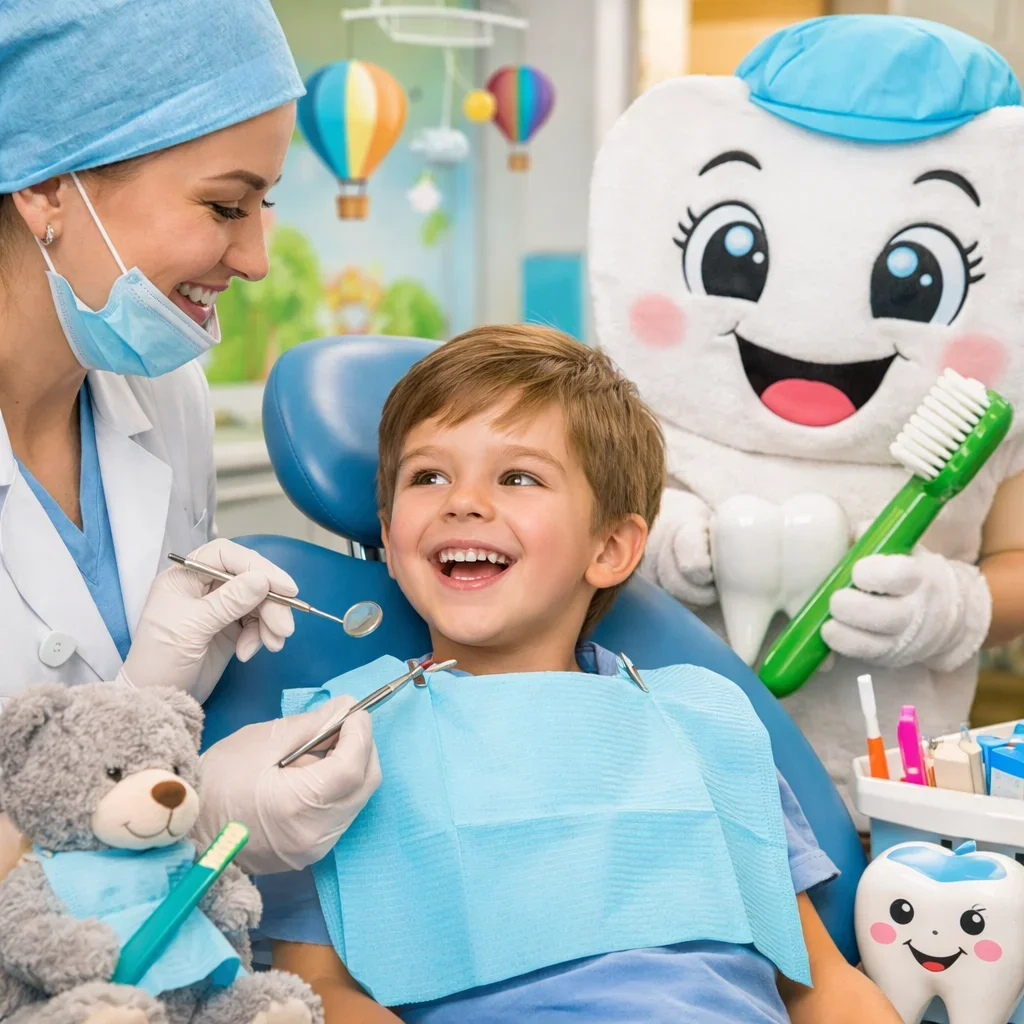
Long-Term Benefits of Early Investment in Childhood Dentistry
Investing early in childhood dentistry creates lasting advantages that extend far beyond cavity prevention. While many parents initially focus on avoiding tooth decay, the long-term benefits of childhood dentistry include improved oral development, reduced healthcare costs, enhanced self-confidence, and better overall health outcomes. 🦷🌟 A proactive approach during the early years shapes habits and structural development that influence dental wellness for decades.
Childhood dentistry is not simply about treating temporary baby teeth. Primary teeth act as placeholders for permanent teeth, support speech development, and contribute to facial growth. When childhood dentistry care begins early and continues consistently, children benefit from stable oral foundations that promote healthy permanent teeth eruption and alignment.
Reduced Risk of Major Dental Problems
One of the most significant long-term advantages of childhood dentistry is the reduced risk of severe dental complications. Children who attend regular check-ups and receive preventive treatments such as fluoride and sealants are far less likely to develop extensive cavities or gum disease.
Untreated decay in childhood can lead to infections, abscesses, and premature tooth loss. These issues may affect permanent teeth and require complex procedures. Through consistent childhood dentistry visits, early signs of decay are identified and treated before escalating into costly or painful conditions.
Financial Savings Over Time
Preventive childhood dentistry care is significantly more affordable than restorative or emergency treatments. Routine exams generally range from $50 to $150, while fluoride treatments may cost $20 to $50. In contrast, procedures such as crowns, root canal therapy, or orthodontic correction can cost hundreds or even thousands of dollars.
By investing in early childhood dentistry, families reduce the likelihood of extensive interventions later in adolescence or adulthood. Preventive care provides measurable financial benefits in addition to health advantages.
Improved Orthodontic Outcomes
Childhood dentistry includes monitoring jaw growth and bite alignment. Early detection of crowding, crossbite, or spacing issues allows for interceptive orthodontic guidance. When structural concerns are addressed early, treatment may be shorter, less invasive, and more effective.
Children who receive structured childhood dentistry care often require less complex orthodontic correction later. Early evaluation ensures that erupting permanent teeth have adequate space and alignment support.
Supporting Proper Facial Development
Primary teeth play an important role in guiding jaw growth and maintaining facial symmetry. When childhood dentistry protects these teeth from premature loss, it preserves natural development patterns. This contributes to balanced facial aesthetics and functional bite alignment.
Positive Psychological Impact
Another powerful long-term benefit of childhood dentistry is emotional well-being. Children who grow up attending regular dental visits in supportive environments are less likely to develop dental anxiety. Positive early experiences build trust and confidence.
Confident smiles also influence social development. Children with healthy teeth are more likely to smile freely, speak clearly, and participate comfortably in school and social settings. Childhood dentistry therefore contributes indirectly to self-esteem and communication skills.
Connection Between Oral Health and Overall Health
Oral health is closely linked to general health. Untreated dental infections can impact nutrition, sleep quality, and concentration. Childhood dentistry helps prevent these complications by maintaining a healthy oral environment.
Research supported by the American Dental Association highlights the importance of preventive dental care in reducing systemic health risks. Establishing strong oral hygiene routines through childhood dentistry contributes to long-term wellness.
Formation of Lifelong Healthy Habits
Habits formed during childhood often persist into adulthood. Children who learn proper brushing, flossing, and dietary habits through childhood dentistry guidance are more likely to continue these practices independently. This continuity supports strong oral health throughout life.
Parents and dental professionals work together in childhood dentistry to teach responsibility and consistency. Over time, children internalize these habits and view oral hygiene as a normal part of daily self-care.
Prevention of Future Anxiety and Avoidance
Adults who avoided dental visits as children often develop advanced dental problems later in life. Early exposure to positive childhood dentistry experiences reduces fear and avoidance behaviors. Regular preventive visits establish familiarity and comfort.
This preventive mindset encourages ongoing dental care during adulthood, minimizing neglected oral health issues.
Establishing a Lifelong Dental Home
Childhood dentistry often establishes a long-term relationship between families and dental providers. A consistent dental home ensures continuity of records, growth tracking, and personalized preventive planning. This stable partnership strengthens outcomes over time.
If you are considering building a long-term preventive plan, you can seek professional guidance through the Redent Klinik Contact Page to receive personalized childhood dentistry recommendations.
In conclusion, early investment in childhood dentistry delivers lasting rewards. From reduced treatment costs and improved orthodontic outcomes to stronger confidence and better overall health, the benefits extend well beyond childhood. 🌈 By prioritizing preventive care and consistent monitoring, families create a powerful foundation for lifelong oral wellness and healthy smiles.