
An invisalign check is one of the most important parts of your clear aligner journey. While many patients focus on wearing their trays daily, the real progress happens when your dentist carefully evaluates how your teeth are responding during each invisalign check appointment. These routine assessments ensure your treatment stays on track, your aligners fit properly, and your smile transformation progresses safely and effectively. 😊
Unlike traditional braces that require wire tightening, Invisalign treatment uses a series of custom-made clear aligners designed to move your teeth gradually. However, even though the system is digital and highly precise, it still requires professional supervision. That is exactly why every invisalign check matters. During these visits, your dentist confirms that your teeth are moving according to the treatment plan created with advanced 3D imaging technology.
At a typical invisalign check, your dentist examines the fit of your current aligners, evaluates tooth movement, and checks your overall oral health. If attachments (small tooth-colored bumps placed on teeth) are used, they are also inspected to ensure they remain secure and effective. In some cases, minor refinements may be recommended if teeth are not tracking as expected. This proactive approach prevents bigger issues later in the treatment process.
Many patients ask whether an invisalign check is really necessary if everything feels fine. The answer is yes. Teeth can sometimes shift differently than predicted, especially if aligners are not worn for the recommended 20–22 hours per day. A scheduled invisalign check helps detect these small discrepancies early. Catching these changes quickly can mean the difference between staying on schedule and needing additional correction trays.
Another key reason for attending every invisalign check is oral health monitoring. Straightening teeth changes how your bite functions. During your appointment, your dentist evaluates your bite alignment and ensures there is no excessive pressure on certain teeth. They also check for gum inflammation, plaque buildup, or early signs of enamel wear. According to the American Dental Association, maintaining consistent dental evaluations during orthodontic treatment is essential for protecting long-term oral health.
An invisalign check also provides an opportunity to discuss any concerns you may have. Are your aligners causing discomfort? Are you noticing speech changes? Is one tray fitting tighter than usual? These are all important topics to address during your visit. Clear communication ensures your treatment remains comfortable and efficient.
Technology plays a significant role in a modern invisalign check. Some clinics use digital scanners instead of traditional impressions to track progress. These scans allow your dentist to compare your current tooth position with the original digital treatment simulation. If necessary, adjustments can be made to optimize results. This level of precision is one reason Invisalign has become one of the most popular orthodontic solutions worldwide.
In certain cases, your dentist may recommend refinement aligners after reviewing your invisalign check results. Refinements are additional trays designed to perfect small details once the main movement phase is complete. This ensures your final smile matches the predicted outcome as closely as possible.
Patients often feel motivated after an invisalign check because they can visibly see their progress. Comparing before-and-after images during the appointment can be incredibly encouraging. It reinforces the importance of consistent aligner wear and attending every invisalign check as scheduled.
If you are considering starting treatment or want to ensure your current progress is evaluated professionally, you can reach out through the Redent Klinik Contact Page to schedule a personalized consultation. Regular invisalign check visits not only keep your smile transformation on track but also protect your overall dental health throughout the process.
Ultimately, an invisalign check is more than a quick appointment. It is a structured evaluation that safeguards your investment, your comfort, and your final smile results. By attending every invisalign check, following your dentist’s guidance, and wearing your aligners as instructed, you maximize the efficiency of your treatment and move confidently toward a healthier, straighter smile. 😁
Why an Invisalign Check Is Crucial for Treatment Success
An invisalign check is not just a routine dental visit; it is a critical milestone that determines whether your clear aligner treatment is progressing as planned. Many patients assume that because Invisalign trays are removable and digitally designed, the process is mostly automatic. However, tooth movement is a biological process influenced by bone density, gum health, patient compliance, and individual healing response. This is why every invisalign check plays a vital role in ensuring long-term treatment success. 😊
When you begin Invisalign treatment, your dentist creates a customized digital roadmap that outlines how each tooth should move step by step. While this roadmap is highly accurate, real-life conditions can vary. An invisalign check allows your dentist to compare your actual tooth movement to the projected plan and intervene early if necessary.
Monitoring Tooth Movement Accuracy
One of the primary goals of an invisalign check is to confirm that your teeth are “tracking” correctly. Tracking means your teeth are moving exactly as the aligners were designed to guide them. If aligners are not worn for 20–22 hours daily or if certain teeth resist movement, minor discrepancies can occur.
During the invisalign check, your dentist carefully examines the fit of your trays. If there are visible gaps between the aligner and your teeth, this may indicate incomplete tracking. Early detection during an invisalign check can prevent the need for extensive refinements later. In some cases, small adjustments like using chewies (soft aligner-seating devices) can help improve fit and restore proper movement.
Preventing Complications Before They Escalate
Another important reason for every invisalign check is the early detection of complications. Even though Invisalign is known for comfort and convenience, problems can still arise. These may include:
- Loose or detached attachments
- Gum inflammation due to poor hygiene
- Uneven bite pressure
- Excessive aligner tightness
An invisalign check allows your dentist to correct these issues before they become serious. For example, if an attachment falls off, it can significantly affect tooth movement efficiency. Identifying this quickly during an invisalign check ensures your treatment timeline remains stable.
Evaluating Bite Alignment and Jaw Function
Orthodontic treatment does more than straighten teeth; it also improves bite alignment. During each invisalign check, your dentist evaluates how your upper and lower teeth come together. An imbalanced bite can lead to jaw discomfort, enamel wear, or long-term functional problems.
If your bite is not adjusting as expected, your dentist may modify your treatment plan during the invisalign check. This might involve additional aligners, slight reshaping between teeth (interproximal reduction), or small refinements to ensure harmony between aesthetics and function.
Ensuring Long-Term Oral Health
A comprehensive invisalign check is not limited to tooth movement alone. Your overall oral health is equally important. Straightening teeth changes cleaning patterns and plaque accumulation areas. During the appointment, your dentist assesses gum health, checks for cavities, and ensures there are no signs of enamel erosion.
According to the American Dental Association, regular dental supervision during orthodontic treatment is essential to prevent secondary oral health issues. Skipping an invisalign check could allow minor problems to develop unnoticed, potentially extending treatment duration.
Maintaining Treatment Efficiency and Timeline
Consistency is key to Invisalign success. Each invisalign check helps confirm that you are progressing within the planned schedule. If everything looks good, you will typically receive your next sets of aligners and continue seamlessly. However, if adjustments are required, your dentist can make modifications before delays accumulate.
Patients who skip an invisalign check may experience setbacks that require additional trays or prolonged wear. Attending every invisalign check ensures your investment in time and resources delivers optimal results.
Building Patient Confidence and Motivation
Beyond clinical monitoring, an invisalign check also serves as a motivational checkpoint. Seeing measurable improvements during your appointment reinforces adherence to wearing aligners correctly. Many patients report feeling encouraged after an invisalign check because they can visibly track their smile transformation.
This psychological boost is an often-overlooked benefit of routine visits. Orthodontic treatment requires discipline, and positive reinforcement during each invisalign check helps maintain commitment.
Professional Guidance When You Need It
If you ever feel discomfort, notice unusual pressure, or question whether your aligners are fitting properly, your invisalign check is the ideal time to seek answers. Personalized advice ensures that you are not relying on guesswork or online speculation.
For patients undergoing treatment at Redent Klinik, scheduling your next invisalign check is simple through the Redent Klinik Contact Page. Professional supervision ensures your journey remains safe, comfortable, and predictable.
In summary, an invisalign check is the foundation of treatment success. It safeguards tooth movement accuracy, prevents complications, maintains bite harmony, protects oral health, and keeps your treatment timeline intact. By attending every invisalign check as recommended, you maximize the effectiveness of your clear aligner therapy and move confidently toward a healthy, beautifully aligned smile. 😁
How Often Should You Schedule an Invisalign Check?
One of the most common questions patients ask after starting clear aligner therapy is how often they need an invisalign check. While Invisalign is designed to be convenient and requires fewer visits than traditional braces, regular monitoring is still essential. The frequency of each invisalign check depends on your individual treatment plan, the complexity of your case, and how well your teeth are responding to movement.
In general, most patients schedule an invisalign check every 6 to 8 weeks. However, this is not a universal rule. Some patients with more complex orthodontic needs may require a more frequent invisalign check, while others with minor alignment issues might safely extend the interval between visits. The key is professional evaluation, not guesswork. 😊
Standard Invisalign Check Timeline
For the average patient, the invisalign check schedule follows a predictable structure. After your initial consultation and delivery of your first aligners, your dentist will usually provide several sets of trays to be changed every 1 to 2 weeks. Your next invisalign check will typically be scheduled after you have completed several aligner stages.
During this invisalign check, your dentist will evaluate whether your teeth are tracking according to the digital treatment simulation. If everything is progressing smoothly, you will receive your next batch of aligners and schedule your following invisalign check. This structured monitoring keeps your treatment efficient and prevents unexpected delays.
Factors That Influence Invisalign Check Frequency
Not every treatment progresses at the same speed. Several factors influence how often you may need an invisalign check:
- Severity of misalignment
- Presence of bite correction needs
- Use of attachments or elastics
- Patient compliance (20–22 hours daily wear)
- Biological response of teeth and bone
For example, patients requiring bite correction or significant crowding may need a closer invisalign check interval. In contrast, minor spacing cases might require fewer appointments. Your dentist will customize your invisalign check schedule to balance convenience with optimal supervision.
Why Skipping an Invisalign Check Is Risky
Some patients feel tempted to postpone an invisalign check if their aligners seem to fit well. However, tooth movement is a biological process that is not always visible to the patient. Minor tracking issues can develop without noticeable discomfort.
Missing an invisalign check can lead to:
- Delayed tooth movement
- Need for additional refinement trays
- Extended treatment time
- Uncorrected bite imbalances
According to guidance supported by the American Dental Association, consistent professional supervision during orthodontic treatment is essential for long-term oral health and stability. An invisalign check ensures that your treatment remains safe and biologically appropriate.
Do You Ever Need an Extra Invisalign Check?
Yes, in some situations you may need an additional invisalign check outside your routine schedule. Contact your dentist if you notice:
- Aligners not fitting snugly
- Severe or persistent discomfort
- Broken or lost aligners
- Loose attachments
- Sudden bite changes
An extra invisalign check allows your dentist to quickly resolve the issue before it disrupts your treatment plan. Early intervention often prevents more complex corrections later.
Invisalign Check During Refinement Phase
After completing your initial aligner series, you may enter a refinement phase. This stage often requires a detailed invisalign check, including new digital scans or impressions. Refinements are common and ensure that your final smile matches the original treatment goals.
During this invisalign check, your dentist carefully evaluates fine details such as minor rotations or subtle spacing adjustments. The frequency of invisalign check visits during refinements may vary depending on how precise the corrections need to be.
Balancing Convenience and Clinical Supervision
One of Invisalign’s biggest advantages is reduced appointment frequency compared to traditional braces. However, fewer visits do not mean no visits. The invisalign check schedule is carefully designed to maintain efficiency while ensuring optimal safety.
If you are unsure about your current schedule or need to arrange your next invisalign check, you can easily reach out through the Redent Klinik Contact Page. Professional planning ensures your treatment remains structured and predictable.
In conclusion, the ideal invisalign check frequency is typically every 6 to 8 weeks, but it can vary based on individual needs. Consistent monitoring helps confirm accurate tooth movement, prevents complications, protects oral health, and keeps your timeline intact. By attending every invisalign check as recommended, you ensure that your smile transformation progresses smoothly and successfully. 😁
What Happens During an Invisalign Check Appointment?
An invisalign check appointment is a structured clinical evaluation designed to ensure your clear aligner treatment is progressing safely and effectively. While Invisalign is known for convenience and fewer office visits compared to traditional braces, each invisalign check plays a critical role in confirming that your teeth are moving according to the digital treatment plan. Understanding what happens during an invisalign check can help you feel confident and prepared for every visit. 😊
Unlike a simple dental cleaning, an invisalign check focuses specifically on orthodontic progress, aligner fit, bite function, and overall oral health. The appointment is typically efficient, but it is highly detailed and carefully monitored by your dentist.
Step 1: Reviewing Your Treatment Progress
The first part of an invisalign check involves reviewing your current aligner stage and comparing it with your original 3D treatment simulation. Your dentist examines how well your teeth are tracking and whether they are aligning with the predicted movements.
During this invisalign check, the dentist may ask questions such as:
- Are you wearing your aligners 20–22 hours per day?
- Have you experienced discomfort or pressure changes?
- Have any aligners felt unusually loose or tight?
This discussion helps identify compliance issues or unexpected movement patterns. If teeth are not tracking precisely, your dentist can make minor adjustments during the invisalign check to prevent delays.
Step 2: Examining Aligner Fit and Attachments
A key focus of every invisalign check is assessing the physical fit of your aligners. Your dentist checks whether the trays sit snugly against your teeth without gaps. Even small air spaces between the aligner and tooth surface can signal incomplete tracking.
If your treatment includes attachments (small tooth-colored bumps bonded to certain teeth), they will also be inspected during the invisalign check. Attachments provide additional grip for complex movements such as rotations or vertical adjustments. If an attachment becomes loose or falls off, it can affect treatment efficiency. Detecting this early during your invisalign check allows for immediate correction.
Use of Chewies and Minor Adjustments
In some cases, your dentist may recommend using aligner chewies to improve fit. These small cylindrical cushions help seat the aligner fully onto your teeth. This recommendation often arises during an invisalign check if slight tracking discrepancies are observed.
Minor enamel reshaping (interproximal reduction) may also be performed during an invisalign check if additional space is needed for proper alignment. This is a precise and controlled procedure that enhances tooth movement accuracy.
Step 3: Bite and Jaw Function Evaluation
Another essential component of an invisalign check is bite assessment. Orthodontic treatment does not only focus on straight teeth but also on functional alignment between upper and lower arches. Your dentist evaluates how your teeth meet when you bite down.
During this invisalign check, your dentist looks for:
- Uneven pressure distribution
- Premature contact between teeth
- Jaw discomfort or clicking sounds
- Signs of excessive wear
If bite irregularities are detected, treatment modifications may be planned to ensure both aesthetic and functional success.
Step 4: Monitoring Gum and Oral Health
An invisalign check also includes a general oral health examination. Straightening teeth can change brushing and flossing patterns, potentially leading to plaque buildup in new areas. Your dentist checks for gum inflammation, early cavity formation, and overall tissue health.
The importance of professional monitoring during orthodontic treatment is supported by organizations like the American Dental Association, which emphasizes maintaining oral health throughout tooth movement procedures.
Digital Scanning and Progress Imaging
Many modern clinics incorporate digital scanning during an invisalign check. Instead of traditional impressions, advanced intraoral scanners capture highly detailed 3D images of your teeth. These scans allow precise comparison between planned and actual progress.
If refinements are needed, new scans taken during the invisalign check help design additional aligners tailored to your updated tooth positions. This ensures the final result matches the intended smile design as closely as possible.
Receiving Your Next Set of Aligners
If your invisalign check confirms proper tracking and healthy oral conditions, you will typically receive your next series of aligners. Your dentist will explain when to switch trays and schedule your next invisalign check accordingly.
This forward-planning keeps your treatment structured and predictable. If you ever need to schedule or reschedule an invisalign check, you can do so easily through the Redent Klinik Contact Page.
In summary, an invisalign check appointment is a comprehensive clinical evaluation covering tooth movement accuracy, aligner fit, attachment stability, bite function, and oral health monitoring. Each invisalign check ensures your treatment stays aligned with the original digital plan while protecting your comfort and long-term dental health. By attending every invisalign check as recommended, you maintain steady progress toward a beautifully aligned and healthy smile. 😁
Common Issues Detected During an Invisalign Check
Every invisalign check is designed to confirm that your treatment is progressing smoothly, but it is also an opportunity to detect and correct potential problems early. Even though Invisalign is a highly advanced orthodontic system, tooth movement is influenced by biological and behavioral factors. That is why each invisalign check plays a vital preventive role. Identifying issues early ensures your smile transformation stays efficient, safe, and predictable. 😊
Many patients feel that if their aligners fit and discomfort is minimal, everything must be perfect. However, subtle complications can develop without obvious symptoms. A professional invisalign check allows your dentist to catch these concerns before they affect your timeline or final results.
Tracking Problems: When Teeth Do Not Move as Planned
One of the most common findings during an invisalign check is a tracking issue. Tracking refers to how closely your teeth follow the projected digital treatment plan. If aligners are not worn consistently for 20–22 hours daily, teeth may lag behind the planned movement.
During the invisalign check, your dentist looks for small gaps between the aligner and the tooth surface. These gaps may indicate incomplete movement. Even minor deviations can compound over time if not corrected. Early detection during an invisalign check may allow for simple solutions such as:
- Using aligner chewies more frequently
- Extending wear time of the current tray
- Reinforcing proper aligner usage habits
If tracking problems persist, your dentist may plan refinement aligners after evaluating the invisalign check results.
Loose or Missing Attachments
Attachments are small, tooth-colored composite shapes bonded to certain teeth to help the aligners apply precise force. They are essential for complex movements like rotation, extrusion, or root control.
During every invisalign check, attachments are carefully examined. If one becomes loose or detaches completely, the effectiveness of your aligner can be compromised. Patients may not always notice when an attachment falls off, which makes routine invisalign check visits especially important.
How Attachment Problems Are Corrected
If an issue is found during the invisalign check, your dentist can quickly rebond or replace the attachment. This is typically a simple and painless procedure. Prompt correction ensures your treatment momentum is not disrupted.
Bite Imbalances and Occlusal Changes
As your teeth shift into better alignment, your bite relationship changes. An invisalign check includes evaluation of how your upper and lower teeth meet when you close your mouth. Bite discrepancies may not be immediately noticeable to patients but can lead to long-term discomfort if unaddressed.
Common bite-related findings during an invisalign check include:
- Uneven contact pressure
- Temporary open bite areas
- Excessive force on specific teeth
- Jaw strain or mild discomfort
If detected early during the invisalign check, these issues can often be corrected through minor treatment adjustments.
Gum Inflammation and Oral Hygiene Concerns
Orthodontic treatment changes how plaque accumulates around teeth. Even though Invisalign trays are removable, patients may sometimes neglect thorough cleaning routines. During an invisalign check, your dentist evaluates gum health and looks for early signs of gingivitis.
Inflamed gums can affect tooth movement efficiency because healthy bone and gum tissue are essential for predictable orthodontic results. According to the American Dental Association, maintaining proper oral hygiene during orthodontic treatment is crucial to prevent complications.
Preventive Advice Given During an Invisalign Check
If hygiene concerns are identified during your invisalign check, your dentist may recommend:
- Improved brushing techniques
- Daily flossing with proper tools
- Antibacterial mouth rinses
- Professional cleaning before continuing aligner progression
Addressing gum health issues during an invisalign check protects both your smile aesthetics and overall oral wellness.
Aligner Fit and Material Concerns
Occasionally, aligners may crack, warp, or lose structural integrity. During an invisalign check, your dentist inspects the condition of your trays. Damaged aligners may not apply the correct orthodontic force.
If a defect is detected during the invisalign check, your dentist may advise switching to the next tray early or reordering a replacement aligner. Prompt management prevents delays in tooth movement.
Delayed Biological Response
Not all teeth respond to orthodontic force at the same rate. Some patients may experience slower-than-expected movement due to bone density differences or individual healing responses. An invisalign check helps evaluate whether your biological response aligns with the treatment schedule.
If slower progress is identified during the invisalign check, your dentist may adjust the timeline or recommend refinements to maintain accuracy.
If you suspect any issue between scheduled visits, arranging an additional invisalign check is always advisable. You can easily contact your dental team through the Redent Klinik Contact Page to ensure your treatment remains uninterrupted.
In conclusion, a routine invisalign check is far more than a quick progress review. It is a preventive safeguard against tracking issues, attachment failures, bite imbalances, gum inflammation, and aligner damage. By attending every invisalign check as recommended, you protect your investment, maintain treatment efficiency, and ensure your final smile meets both aesthetic and functional expectations. 😁
Invisalign Check vs Traditional Braces Adjustment
When comparing orthodontic treatments, many patients wonder how an invisalign check differs from a traditional braces adjustment. While both appointments serve the same fundamental purpose—monitoring tooth movement and ensuring treatment success—the experience, techniques, and clinical processes involved are quite different. Understanding these differences can help you make informed decisions and feel more confident throughout your orthodontic journey. 😊
An invisalign check focuses on evaluating clear aligner fit, tracking accuracy, and digital treatment progress. In contrast, traditional braces adjustments involve physically tightening wires and adjusting brackets to continue tooth movement. Both require professional supervision, but the mechanics and patient experience vary significantly.
Mechanical Differences Between the Two Appointments
During a traditional braces adjustment, your orthodontist manually tightens or replaces archwires. These wires apply continuous pressure to guide teeth into position. Adjustments may involve adding elastic bands, repositioning brackets, or modifying wire tension.
On the other hand, an invisalign check does not involve wire tightening. Instead, your dentist examines how well your teeth are tracking according to the pre-programmed digital plan. Rather than physically adjusting hardware, the invisalign check evaluates whether you are ready to move to the next aligner set or if refinements are required.
This difference often results in greater comfort. Many patients report that an invisalign check is quicker and less physically intense compared to traditional brace tightening appointments.
Comfort and Patient Experience
Braces adjustments can cause noticeable pressure and soreness because the wire is actively tightened during the visit. In contrast, an invisalign check is usually a gentler experience. Since Invisalign trays are pre-designed to apply gradual force, there is no sudden increase in pressure during the appointment itself.
During the invisalign check, your dentist may inspect attachments, confirm aligner fit, and provide the next series of trays. Any discomfort typically comes from switching to a new aligner stage rather than from the appointment procedure.
Oral Hygiene Considerations
Oral hygiene is another major difference. Traditional braces can trap food particles around brackets and wires, increasing the risk of plaque buildup. During braces adjustments, orthodontists often check for signs of decay or gum inflammation.
With Invisalign, aligners are removable, making brushing and flossing easier. However, this does not eliminate the need for supervision. An invisalign check still includes gum evaluation and oral health monitoring. According to the American Dental Association, maintaining professional dental oversight during orthodontic treatment is essential for preventing long-term complications.
Frequency of Visits
Traditional braces typically require adjustments every 4 to 6 weeks. An invisalign check is usually scheduled every 6 to 8 weeks, depending on your treatment plan. Because Invisalign uses multiple pre-manufactured aligners, fewer in-office modifications are necessary.
However, fewer visits do not mean less importance. Each invisalign check ensures that your teeth are responding correctly to the aligner system. Skipping an invisalign check can allow small tracking errors to develop into larger treatment delays.
Technology and Monitoring Methods
Traditional braces rely primarily on visual examination and physical adjustments. While modern orthodontics may use digital imaging, much of the mechanical work happens directly in the mouth.
In contrast, an invisalign check often integrates digital scanning technology. Advanced intraoral scanners allow dentists to capture detailed 3D images of your teeth during the invisalign check. These images can be compared with your original treatment simulation, offering precise measurement of progress.
Refinement and Flexibility
With traditional braces, mid-treatment adjustments are common and can involve significant mechanical modifications. Invisalign provides flexibility through refinement aligners. If your dentist detects minor discrepancies during an invisalign check, additional trays can be ordered to fine-tune results.
This digital adaptability allows the invisalign check process to remain precise and individualized.
Aesthetic and Lifestyle Considerations
One of the main reasons patients choose Invisalign is aesthetics. Clear aligners are discreet, and an invisalign check does not involve visible hardware adjustments. Braces adjustments, by contrast, may include visible elastic changes or wire modifications.
From a lifestyle perspective, Invisalign allows you to remove aligners for eating and special occasions. However, this flexibility requires discipline. Each invisalign check also serves as a compliance review, ensuring aligners are worn for the recommended 20–22 hours daily.
If you are considering Invisalign or want to schedule your next invisalign check, you can easily connect with a professional team through the Redent Klinik Contact Page.
In summary, while both invisalign check appointments and traditional braces adjustments aim to guide your teeth into optimal alignment, the approach, comfort level, and technology involved differ significantly. An invisalign check focuses on digital tracking, aligner fit, and preventive monitoring, offering a modern, comfortable alternative to conventional orthodontic adjustments. By attending every invisalign check as scheduled, you ensure your treatment remains efficient, accurate, and aligned with your smile goals. 😁
Cost of an Invisalign Check and Overall Treatment Pricing
Understanding the financial aspect of your orthodontic journey is just as important as knowing what happens clinically. Many patients ask whether an invisalign check has a separate cost and how it fits into the overall Invisalign treatment pricing. The answer depends on your clinic, treatment complexity, and geographic location. However, in most cases, the invisalign check is included as part of your comprehensive treatment package rather than being charged individually. 😊
Before diving into numbers, it is important to understand that an invisalign check is not simply a routine appointment. It involves professional monitoring of tooth movement, bite alignment evaluation, attachment inspection, and sometimes digital scanning. This ongoing supervision ensures that your investment in clear aligners delivers the expected results safely and efficiently.
Is an Invisalign Check Charged Separately?
In most orthodontic clinics, the invisalign check is included in the total Invisalign treatment fee. When you begin treatment, you typically pay for a complete orthodontic package that covers:
- Initial consultation and digital scans
- Custom aligner manufacturing
- Routine invisalign check appointments
- Attachment placement and adjustments
- Final evaluation and refinement aligners (if needed)
This means that your invisalign check visits are generally part of your overall treatment agreement. However, additional invisalign check appointments outside the planned schedule—such as emergency visits for lost aligners—may sometimes involve extra charges depending on clinic policies.
Average Invisalign Treatment Costs
While the invisalign check itself is often included, understanding total treatment pricing helps you plan effectively. According to industry averages and publicly available data, Invisalign treatment costs vary by region:
- United States: $3,000 – $8,000
- United Kingdom: £2,500 – £5,500
- Turkey: $2,000 – $4,500
- Europe (average): €2,500 – €6,000
These prices generally cover the full Invisalign process, including every invisalign check required during active treatment. More complex cases involving significant bite correction may fall at the higher end of the range.
Factors That Influence Overall Pricing
The total cost of treatment—and indirectly the scope of your invisalign check schedule—depends on several factors:
- Severity of crowding or spacing
- Bite correction requirements
- Treatment duration
- Need for refinement aligners
- Clinic expertise and technology
For example, a mild alignment case may require fewer aligners and fewer invisalign check visits, resulting in lower overall pricing. More complex orthodontic corrections require extended monitoring and potentially additional invisalign check evaluations.
What Happens Financially If Refinements Are Needed?
During your invisalign check appointments, your dentist monitors tracking accuracy. If minor adjustments are necessary at the end of treatment, refinement aligners may be recommended. In many cases, refinements are included in the original treatment package.
However, if a patient fails to attend scheduled invisalign check visits or does not follow wear instructions properly, additional corrective aligners might incur extra fees. This is why maintaining regular invisalign check appointments protects both your smile and your financial investment.
Insurance and Payment Plans
Some dental insurance plans partially cover Invisalign treatment, similar to traditional orthodontics. Coverage varies widely depending on your provider. It is advisable to verify whether invisalign check appointments and refinements are included under your orthodontic benefits.
Many clinics also offer flexible payment plans, allowing you to spread the cost of Invisalign—and the included invisalign check visits—over several months. Financing options can make advanced orthodontic care more accessible.
Why Professional Monitoring Adds Value
It is important to remember that Invisalign is not just about receiving plastic aligners. The invisalign check process ensures controlled, safe, and predictable tooth movement. Professional supervision reduces the risk of complications such as bite imbalances, gum inflammation, or inefficient tracking.
Organizations like the American Dental Association emphasize the importance of professional oversight in orthodontic treatments. An invisalign check provides that essential layer of clinical guidance.
Investing in Long-Term Smile Stability
Although Invisalign may seem like a significant financial commitment, the inclusion of regular invisalign check visits ensures you are not navigating orthodontic treatment alone. Each invisalign check appointment contributes to achieving a healthy bite, aligned teeth, and lasting results.
If you would like a personalized cost estimate or want to schedule your next invisalign check, you can easily connect with the dental team through the Redent Klinik Contact Page. A customized consultation allows you to understand your exact treatment needs and pricing structure.
In conclusion, the invisalign check is typically included within the overall Invisalign treatment fee and serves as a crucial safeguard for your investment. Treatment pricing varies based on complexity and region, but professional monitoring ensures your smile transformation is accurate, safe, and financially worthwhile. By attending every invisalign check and following your dentist’s recommendations, you maximize the value of your orthodontic care and move confidently toward a beautifully aligned smile. 😁
How to Prepare for Your Invisalign Check
Preparing properly for your invisalign check helps ensure that your appointment is efficient, productive, and beneficial for your overall treatment progress. While an invisalign check is typically straightforward, taking a few simple steps beforehand allows your dentist to accurately assess your progress and address any concerns. Being proactive not only supports better clinical outcomes but also helps you stay fully engaged in your smile transformation. 😊
An invisalign check is not just about showing up with your aligners. It is an opportunity for detailed evaluation of tooth movement, bite alignment, oral health, and compliance. Preparing in advance allows the invisalign check to focus on fine-tuning your treatment rather than correcting preventable issues.
Wear Your Aligners as Directed Before the Appointment
One of the most important ways to prepare for an invisalign check is to strictly follow the recommended wear time of 20–22 hours per day. If you reduce wear time before your invisalign check, your teeth may not track properly, making it harder for your dentist to evaluate true progress.
Consistency ensures that the invisalign check reflects accurate treatment movement. If you have missed wear hours, be honest during the invisalign check. Transparency helps your dentist make the right adjustments without compromising your overall results.
Bring All Current and Previous Aligners
It is highly recommended to bring your current aligners and, if possible, your previous set to your invisalign check appointment. Comparing aligners allows your dentist to assess how effectively your teeth have transitioned from one stage to the next.
If you accidentally lose an aligner before your invisalign check, inform your clinic immediately. Sometimes wearing the previous set temporarily may be advised until your invisalign check evaluation determines the next best step.
Clean Your Aligners Thoroughly
Before attending your invisalign check, clean your aligners carefully. Clear trays can accumulate plaque, bacteria, and stains if not properly maintained. Presenting clean aligners during your invisalign check allows your dentist to accurately evaluate their fit and structural integrity.
Use lukewarm water and a soft toothbrush. Avoid hot water, which can warp the aligners and affect the invisalign check assessment.
Maintain Excellent Oral Hygiene
Good oral hygiene is essential before every invisalign check. Brush and floss thoroughly before your appointment so your dentist can clearly evaluate gum health and tooth surfaces. Inflamed gums or plaque buildup may affect how your teeth move.
According to the American Dental Association, maintaining optimal oral hygiene during orthodontic treatment is critical for preventing gum disease and enamel damage. A clean mouth allows your invisalign check to focus on alignment progress rather than hygiene-related complications.
Prepare Questions and Observations
Your invisalign check is also a consultation opportunity. Take note of any unusual sensations, discomfort, or fit issues you have experienced since your last visit. Questions to consider before your invisalign check include:
- Do certain aligners feel excessively tight?
- Have you noticed changes in your bite?
- Are any attachments loose?
- Is speech affected differently with new trays?
Writing down these observations ensures you do not forget to discuss them during your invisalign check.
Avoid Switching Aligners Too Early
Some patients are tempted to switch to the next tray earlier than scheduled, especially before an invisalign check. Doing so can interfere with accurate tracking evaluation. Always follow your prescribed schedule unless your dentist advises otherwise.
Your invisalign check depends on assessing the exact stage you are currently wearing. Changing aligners prematurely may distort clinical findings.
Arrive on Time and Plan Ahead
Although an invisalign check is typically shorter than traditional orthodontic adjustments, punctuality ensures enough time for thorough evaluation. Some invisalign check appointments may include digital scanning or minor adjustments, which require careful attention.
If you need to reschedule your invisalign check, do so promptly to avoid disrupting your treatment timeline. Staying on schedule prevents delays and maintains treatment momentum.
Understand the Next Steps After Your Invisalign Check
Preparing mentally for your invisalign check also helps you stay proactive. At the end of the appointment, you may receive new aligners, instructions for refinement stages, or updates about your progress timeline.
If you are unsure about your next invisalign check appointment or need assistance scheduling, you can contact your dental provider through the Redent Klinik Contact Page to ensure your treatment remains organized and consistent.
In summary, preparing for your invisalign check involves consistent aligner wear, proper hygiene, clean trays, honest communication, and organized planning. These simple yet powerful steps ensure that every invisalign check delivers maximum value. By actively participating in your orthodontic journey and attending each invisalign check fully prepared, you support accurate tooth movement, protect your oral health, and move confidently toward a beautifully aligned smile. 😁
Signs You Should Book an Extra Invisalign Check
Although your treatment plan includes scheduled appointments, there are situations where booking an additional invisalign check is strongly recommended. Invisalign is designed to be convenient and efficient, but tooth movement is a biological process that can sometimes behave unpredictably. Recognizing early warning signs and scheduling an extra invisalign check can prevent small concerns from turning into major treatment delays. 😊
Many patients assume they should wait until their next planned invisalign check even if something feels unusual. However, proactive communication with your dentist is key to maintaining smooth progress. An unscheduled invisalign check can safeguard your results and ensure your smile transformation stays on track.
Aligners No Longer Fit Properly
One of the most common reasons to request an additional invisalign check is poor aligner fit. If you notice visible gaps between your aligners and your teeth, or if the trays suddenly feel loose, this may indicate a tracking issue.
During a routine invisalign check, your dentist evaluates whether your teeth are moving according to the digital plan. However, if misfit occurs between appointments, waiting too long could cause cumulative alignment errors. Booking an early invisalign check allows your dentist to assess the problem and determine whether extended wear, chewies, or refinements are necessary.
Persistent or Severe Pain
Mild pressure is normal when switching to a new aligner. However, sharp, localized, or persistent pain is not typical. If discomfort continues beyond a few days, an additional invisalign check is advisable.
Pain may signal excessive pressure on a specific tooth, inflammation, or bite imbalance. An early invisalign check helps your dentist adjust the treatment plan if needed, preventing unnecessary complications.
Jaw Discomfort or Bite Changes
As your teeth move, your bite relationship gradually shifts. While small adjustments are expected, sudden jaw pain, clicking sounds, or difficulty chewing should not be ignored. These symptoms may indicate occlusal imbalance.
Scheduling an invisalign check when bite discomfort appears allows your dentist to evaluate jaw function and correct pressure distribution before long-term strain develops.
Loose or Detached Attachments
Attachments play a critical role in guiding precise tooth movement. If you notice that a small composite bump has fallen off, do not wait until your next invisalign check. Without the attachment, your aligner may not apply force accurately.
An early invisalign check allows for quick reattachment, ensuring your treatment continues without disruption. Even if you are unsure whether an attachment is missing, a brief invisalign check appointment can confirm its stability.
Lost or Damaged Aligners
Losing or cracking an aligner can significantly impact treatment progression. If this occurs, contact your dentist immediately and schedule an invisalign check. Depending on your stage, your dentist may advise wearing the previous aligner temporarily or advancing to the next tray.
Delaying an invisalign check in this situation can lead to regression or misalignment.
Visible Gum Inflammation or Bleeding
Healthy gums are essential for predictable orthodontic movement. If you notice swelling, bleeding, or persistent bad breath, it may be time for an additional invisalign check.
According to the American Dental Association, gum health plays a fundamental role in overall dental stability. An invisalign check can help identify whether inflammation is hygiene-related or connected to aligner pressure.
Delays in Tooth Movement
Sometimes patients feel that certain teeth are not moving as expected. If you suspect stagnation or uneven progress, scheduling an invisalign check allows your dentist to perform a clinical evaluation and possibly take updated digital scans.
Early assessment during an invisalign check can prevent prolonged treatment timelines and reduce the likelihood of extensive refinements.
Speech or Functional Changes
While minor speech adaptation is normal at the beginning of treatment, sudden changes in speech clarity later in your plan may indicate an alignment shift. An invisalign check can determine whether aligner fit or bite positioning is contributing to the issue.
When in Doubt, Book an Invisalign Check
If you are unsure whether a symptom requires attention, it is always safer to schedule an invisalign check. Early intervention is more efficient and less costly than correcting advanced complications later.
If you need to arrange an additional invisalign check or have concerns about your current progress, you can contact your dental team through the Redent Klinik Contact Page for professional guidance.
In summary, warning signs such as poor aligner fit, severe discomfort, missing attachments, gum inflammation, lost trays, or unexpected bite changes all justify booking an extra invisalign check. Proactive monitoring protects your investment, ensures accurate tooth movement, and keeps your smile transformation progressing safely and efficiently. By responding quickly and attending every necessary invisalign check, you maintain control over your orthodontic journey and move confidently toward lasting results. 😁
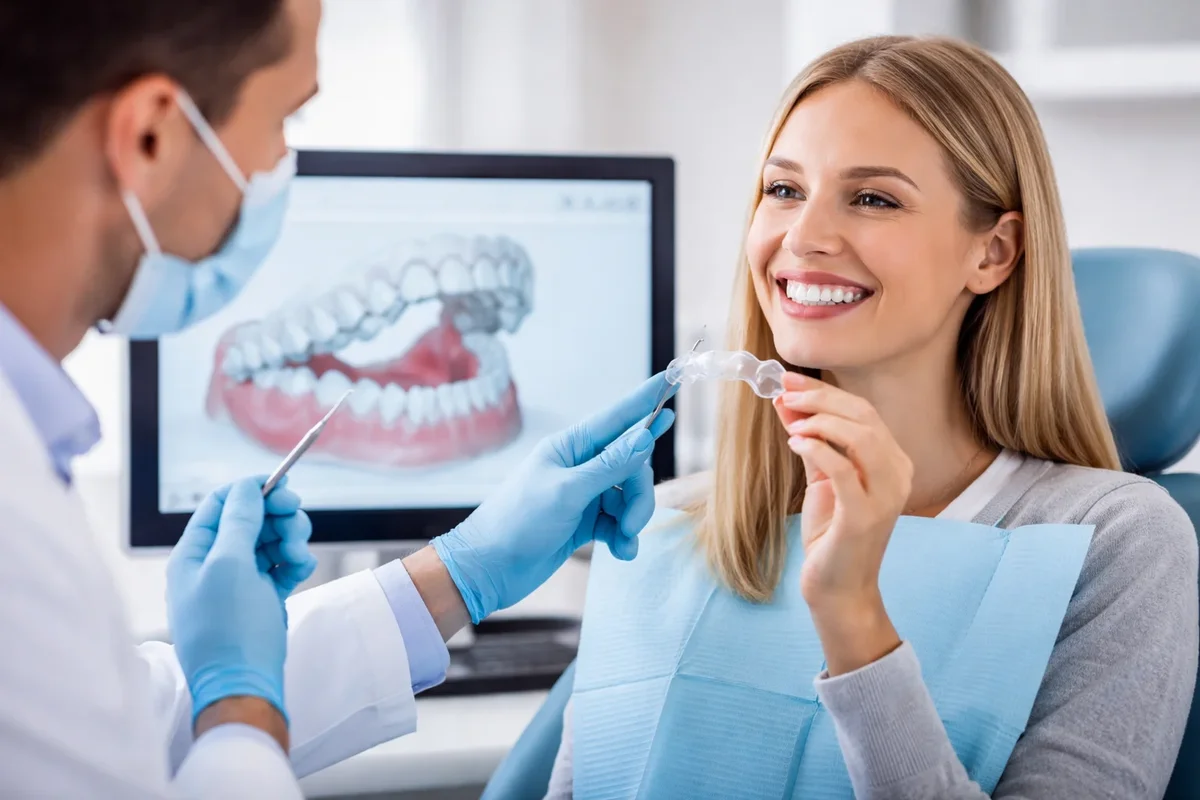
After Your Invisalign Check: What Comes Next?
Completing an invisalign check is not the end of a stage—it is the beginning of the next phase of your smile transformation. Every invisalign check provides critical information about how your teeth are responding to treatment, and what happens afterward determines how smoothly your progress continues. Understanding the steps that follow an invisalign check helps you stay proactive, confident, and fully engaged in your orthodontic journey. 😊
Once your invisalign check appointment concludes, your dentist will outline the next steps based on your progress. These steps may vary depending on whether your teeth are tracking perfectly, require minor adjustments, or need refinement aligners.
Receiving Your Next Set of Aligners
In many cases, if your invisalign check confirms that your teeth are moving according to plan, you will receive your next series of aligners. Your dentist will provide clear instructions on when to switch trays—typically every 7 to 14 days.
After the invisalign check, it is essential to follow the prescribed schedule precisely. Switching aligners too early or too late can interfere with tracking accuracy. The invisalign check serves as a clinical approval that you are ready to progress to the next stage.
Updated Wear Instructions and Monitoring
Following your invisalign check, you may receive updated recommendations regarding wear time or additional tools such as chewies. If minor tracking discrepancies were observed during the invisalign check, your dentist may advise extending the wear period for your current aligner before transitioning to the next one.
Compliance becomes even more critical after each invisalign check. Wearing your aligners 20–22 hours daily ensures that the adjustments evaluated during the invisalign check translate into consistent forward progress.
Scheduling the Next Invisalign Check
Before leaving your appointment, your next invisalign check will usually be scheduled. These visits are commonly arranged every 6 to 8 weeks, though this can vary based on case complexity.
Maintaining this schedule ensures continuous professional supervision. If you ever need to reschedule or book an earlier invisalign check, you can contact your dental provider through the Redent Klinik Contact Page.
Refinement Phase: When Adjustments Are Needed
Sometimes, an invisalign check reveals that certain teeth require additional fine-tuning. This is known as the refinement phase. Refinements are common and not a sign of treatment failure. Instead, they demonstrate precision in achieving the ideal final alignment.
After such an invisalign check, your dentist may take new digital scans to design additional aligners tailored to your updated tooth positions. This ensures that your final smile matches the original treatment goals as closely as possible.
Monitoring Bite Stability
Each invisalign check includes bite evaluation. After your appointment, you should pay attention to how your teeth come together while chewing or speaking. Minor sensitivity is normal, but significant discomfort should be reported before your next invisalign check.
Orthodontic adjustments influence not only aesthetics but also function. According to the American Dental Association, proper bite alignment supports long-term oral health and reduces excessive enamel wear. The invisalign check ensures this balance is maintained throughout treatment.
Maintaining Oral Hygiene Between Visits
After every invisalign check, maintaining optimal oral hygiene remains essential. Clean aligners daily, brush after meals, and floss regularly. Healthy gums and teeth respond more predictably to orthodontic movement, which enhances the results assessed during your invisalign check.
If hygiene issues were noted during your invisalign check, follow your dentist’s recommendations carefully. Improved cleaning habits protect both your treatment progress and overall dental health.
Preparing for the Final Stage and Retention
As you approach the end of active treatment, your invisalign check appointments will focus on final alignment details. Once your dentist confirms that your teeth have reached the desired position, the retention phase begins.
Retention typically involves custom retainers designed to maintain your new alignment. Even after active treatment ends, follow-up invisalign check visits may be recommended to ensure long-term stability.
When to Seek Immediate Attention After an Invisalign Check
If you experience unexpected pain, significant aligner misfit, or attachment loss shortly after your invisalign check, contact your dentist promptly. Early intervention prevents small concerns from escalating into more complex adjustments.
Proactive communication between invisalign check appointments ensures consistent progress and minimizes the risk of delays.
In summary, what happens after an invisalign check is just as important as the appointment itself. Whether progressing to new aligners, entering refinements, or preparing for retention, each invisalign check marks a strategic milestone in your orthodontic journey. By following post-appointment instructions carefully, maintaining hygiene, and attending every scheduled invisalign check, you ensure your smile transformation remains precise, efficient, and long-lasting. 😁