
🦷 Childrens orthodontics is a specialized branch of dentistry focused on diagnosing, preventing, and correcting dental and jaw irregularities in young patients. It plays a crucial role in ensuring proper oral development, balanced facial growth, and lifelong dental health. By starting orthodontic care at the right age, parents can help their children achieve a confident, healthy smile that lasts a lifetime.
Many parents believe orthodontic treatment is only for teenagers, but early intervention is often the key to success. The American Dental Association (American Dental Association) recommends that children have their first orthodontic evaluation by age seven. At this age, a child’s mouth is still developing, and it’s easier for specialists to guide the growth of teeth and jawbones effectively.
Understanding the Purpose of Childrens Orthodontics
The main goal of childrens orthodontics is to create a harmonious relationship between the teeth, jaw, and facial structure. Properly aligned teeth not only enhance appearance but also make it easier to chew, speak, and maintain oral hygiene. Misalignment, on the other hand, can lead to difficulties in cleaning, tooth decay, gum disease, and even jaw pain later in life.
During childhood, the bones are still flexible, allowing orthodontists to make corrections that would be more difficult in adulthood. By using braces, aligners, or other appliances, orthodontists can direct the teeth and jaw into their ideal positions. This proactive approach reduces the need for complex treatments in the future, saving both time and cost.
Why Early Orthodontic Evaluation Is Essential
One of the most important principles in childrens orthodontics is “early detection and intervention.” Many dental issues can be identified long before all permanent teeth erupt. These include problems like crowding, crossbites, overbites, and thumb-sucking-related misalignments. When detected early, these can be managed with gentle, guided corrections.
For example, if a child’s upper and lower jaws are not growing at the same rate, an orthodontist can use functional appliances to correct the imbalance. Similarly, if a child has narrow dental arches or breathing issues due to oral posture, timely orthodontic care can improve not only dental alignment but also overall airway function.
What Happens During an Orthodontic Assessment
An initial orthodontic consultation involves several detailed evaluations. The orthodontist examines the child’s teeth, jaw structure, and facial symmetry using a combination of visual exams, X-rays, and digital scans. These diagnostics help determine whether there are early signs of misalignment or bite issues that might require treatment.
Parents are then guided through a personalized treatment plan that may include monitoring, preventive care, or starting early-phase orthodontics. In some cases, the orthodontist may suggest a two-phase treatment plan — the first phase guiding bone growth, and the second phase perfecting tooth alignment once permanent teeth appear.
Benefits of Early Orthodontic Care
The benefits of childrens orthodontics extend far beyond aesthetics. Early care helps ensure that teeth erupt in the right position, minimizes the risk of extractions, and promotes optimal oral function. It also boosts a child’s confidence, as having straight teeth can greatly impact self-esteem and social interactions during formative years.
Furthermore, well-aligned teeth contribute to better oral hygiene. When teeth fit together properly, brushing and flossing become more effective, significantly reducing the risk of cavities and gum problems. Orthodontic correction also improves bite function, which can enhance digestion and reduce strain on jaw muscles.
How to Support Your Child Through Orthodontic Treatment
Parents play a major role in ensuring successful orthodontic outcomes. Encouraging consistent oral hygiene, regular dental visits, and proper care of braces or aligners is vital. During treatment, some children may experience mild discomfort or speech adaptation, but with support and reassurance, they quickly adjust to their new smile journey.
It’s also essential to maintain open communication with the orthodontist. Routine check-ups allow for timely adjustments and help monitor the progress of tooth movement. If you’re considering starting your child’s orthodontic journey, you can easily reach out to specialists at Redent Klinik Contact Page for expert advice and customized treatment options.
Conclusion
In summary, childrens orthodontics is not just about straightening teeth — it’s about shaping healthy, confident smiles and ensuring balanced facial development. Starting orthodontic evaluation at an early age helps detect potential issues before they become serious, making treatment more efficient and comfortable. Whether it involves preventive care or braces, every small step taken in childhood paves the way for a lifetime of healthy smiles. 🌟
If you’re a parent wondering when to begin, the answer is: the sooner, the better. Consult a qualified orthodontist, explore treatment options, and give your child the gift of perfect oral health today.
Common Orthodontic Problems in Children You Shouldn’t Ignore
Understanding the most frequent dental and skeletal issues treated in childrens orthodontics helps parents recognize early warning signs and seek professional care before small problems grow into major concerns. Childhood is the best time to correct malocclusions (bad bites) and misalignments, as the jaw and teeth are still developing. This section explores common orthodontic problems in children, their causes, and how early intervention ensures a healthier smile and improved oral function.
1. Crowded Teeth: When There’s Not Enough Room
One of the most common challenges in childrens orthodontics is crowding, where teeth overlap due to insufficient space in the jaw. This often happens when baby teeth fall out too early or when permanent teeth erupt before the jaw has fully expanded. Crowding can make brushing and flossing difficult, increasing the risk of cavities and gum disease. Orthodontists may use expanders or braces to create room and align teeth correctly.
Why Crowding Happens
Genetics plays a significant role — if parents had small jaws or crowded teeth, their children might too. Early loss of primary teeth, thumb sucking, or prolonged pacifier use can also contribute to crowding. Fortunately, with early childrens orthodontics evaluations, orthodontists can monitor the growth and apply interceptive treatments like spacers or expanders to guide proper alignment.
2. Overbite and Underbite: Jaw Alignment Issues
Overbites and underbites are among the most recognizable orthodontic issues in children. An overbite occurs when the upper front teeth excessively overlap the lower ones, while an underbite happens when the lower teeth protrude in front of the upper teeth. Both can affect chewing, speech, and facial balance.
How Orthodontics Corrects Bite Problems
In childrens orthodontics, correcting bite issues often involves growth modification techniques. Functional appliances like twin blocks, headgear, or elastics can gently guide the jaw into its proper position during growth. This avoids the need for surgical correction in later years. For mild cases, clear aligners or braces may be sufficient to realign the teeth and improve bite function.
3. Crossbite: When Teeth Don’t Meet Correctly
A crossbite occurs when some upper teeth sit inside the lower teeth instead of outside, leading to uneven wear and potential jaw asymmetry. This condition can affect both the front and back teeth. If left untreated, a crossbite can cause gum recession, tooth wear, and even temporomandibular joint (TMJ) discomfort.
Early Detection Is Key
Crossbites are often identified around age six or seven. Orthodontists can use palatal expanders to widen the upper jaw and correct the bite before facial bones solidify. This preventive approach in childrens orthodontics ensures balanced jaw growth and reduces complications later in life.
4. Open Bite: The Result of Habits Like Thumb Sucking
An open bite occurs when the upper and lower front teeth do not touch, even when the mouth is closed. This often stems from prolonged thumb sucking, tongue thrusting, or extended pacifier use. It can affect speech and make biting into food challenging.
In the field of childrens orthodontics, open bites are usually treated with habit-breaking appliances or early braces to close the gap and promote proper function. Parents should also be encouraged to help their children stop the underlying habits contributing to the misalignment.
5. Spacing Issues: Gaps Between Teeth
While gaps between baby teeth are normal, excessive spacing in permanent teeth may indicate problems with jaw size or missing teeth. Gaps can also be caused by a large labial frenum (the tissue between the upper front teeth). Orthodontic treatment, including braces or aligners, can close these gaps and ensure aesthetic and functional improvement.
Why Spacing Shouldn’t Be Ignored
Even though spacing may seem cosmetic, it can affect how teeth fit together and how efficiently a child can chew. Additionally, gaps can trap food and lead to plaque buildup. Regular childrens orthodontics check-ups can identify whether spacing is part of normal development or needs corrective action.
6. Deep Bite: When the Upper Teeth Cover the Lowers Too Much
A deep bite is characterized by upper front teeth excessively covering the lower front teeth when biting. This can cause the lower teeth to touch the gum tissue behind the upper teeth, leading to irritation or injury. Orthodontists typically use braces with bite plates or other corrective appliances to fix this issue early, before it causes lasting enamel damage or gum recession.
7. Protruding Teeth: “Buck Teeth” and Trauma Risk
Children with protruding upper teeth are at a higher risk of dental trauma, especially during sports or falls. This condition can also make a child self-conscious about their appearance. Childrens orthodontics treatment for protrusion often involves braces or functional appliances to reposition the teeth and enhance facial balance. Early correction reduces both aesthetic and physical risks.
8. Impacted Teeth: When Teeth Fail to Erupt
Sometimes, permanent teeth do not emerge correctly due to crowding or abnormal growth patterns. This can cause pain, cyst formation, or affect the alignment of neighboring teeth. Through X-rays and early scans, orthodontists can identify impacted teeth and use surgical exposure or braces to help them erupt properly.
9. Mouth Breathing and Its Effect on Dental Development
Chronic mouth breathing can alter jaw growth and facial structure. It may lead to long faces, narrow arches, and misaligned bites. Childrens orthodontics often collaborates with ENT specialists to address airway problems and guide proper oral posture. Correcting mouth breathing can significantly improve not just dental alignment but also sleep quality and overall health.
10. The Importance of Monitoring Growth
Orthodontic issues in children often develop gradually. That’s why consistent dental check-ups and early orthodontic screening are vital. Identifying problems like crowding, crossbite, or overbite early allows for easier, shorter, and more effective treatments. Parents can consult specialists at Redent Klinik Contact Page for an initial evaluation and personalized care plan.
Conclusion
Many of the most common orthodontic problems in children — from crowding to crossbites — can be prevented or minimized with early intervention. Childrens orthodontics provides solutions that not only enhance appearance but also promote better chewing, breathing, and speaking. Recognizing warning signs early gives your child the best possible start toward a healthy, confident smile that lasts a lifetime. 🌟
For trusted guidance, always choose an experienced orthodontist who specializes in pediatric care. Early diagnosis and treatment can make all the difference between a temporary issue and a lifelong benefit.
When Should a Child First Visit the Orthodontist? Expert Insights
One of the most common questions parents ask about childrens orthodontics is, “When is the right time to take my child to the orthodontist?” Timing is critical — early detection of dental or skeletal issues can drastically improve outcomes. According to the American Dental Association, children should have their first orthodontic evaluation by the age of seven. At this stage, a mix of baby and permanent teeth allows the orthodontist to assess how the jaw and teeth are developing and intervene when needed. 🦷
1. Why Age Seven Is the Ideal Time
By age seven, most children have enough permanent teeth to reveal potential alignment problems. The jawbones are still flexible, which means early orthodontic treatment can guide growth more effectively. This is why childrens orthodontics focuses on prevention and early correction rather than waiting until adolescence when the bones are harder to manipulate.
At this age, orthodontists can identify issues such as crossbites, crowding, and jaw discrepancies. Even if no immediate treatment is needed, having a baseline record of your child’s oral development helps monitor changes and plan future treatments strategically.
Early Orthodontic Assessment: What to Expect
During a first consultation, the orthodontist conducts a detailed oral exam, often including panoramic X-rays, dental impressions, or digital 3D scans. These tools help analyze the position of permanent teeth that haven’t yet erupted. The evaluation covers:
- Tooth eruption patterns and space availability
- Jaw growth symmetry and alignment
- Bite function and chewing efficiency
- Signs of thumb sucking or tongue thrusting
- Speech and breathing habits
The collected information allows orthodontists to create an individualized plan that may include monitoring, preventive treatment, or early intervention.
2. The Two-Phase Treatment Approach in Childrens Orthodontics
Early orthodontic evaluation doesn’t always mean immediate braces. In fact, many children benefit from what specialists call a “two-phase treatment.” This structured method in childrens orthodontics ensures that jaw growth and teeth alignment are addressed at the optimal developmental stages.
Phase 1: Guiding Jaw Development
Phase one typically starts between ages 7 and 10. The orthodontist focuses on guiding the growth of the jaw and making room for incoming permanent teeth. Appliances like palatal expanders or functional devices may be used to improve the dental arch shape and correct crossbites or crowding. This stage prevents more severe problems from developing later and reduces the need for extractions or surgery.
Phase 2: Perfecting the Smile
Once most permanent teeth have erupted — usually between ages 11 and 13 — phase two begins. This stage involves braces or aligners to fine-tune alignment and bite. Since the foundation was already established during phase one, this phase tends to be shorter, more effective, and more comfortable for the child.
3. Signs Your Child May Need Early Orthodontic Care
Parents should be aware of visible indicators that a child might need orthodontic attention. While only an orthodontist can diagnose accurately, here are some signs that suggest your child could benefit from childrens orthodontics evaluation:
- Early or late loss of baby teeth
- Difficulty chewing or biting food
- Mouth breathing or snoring during sleep
- Thumb sucking after age five
- Crowded or misplaced teeth
- Jaws that appear too far forward or back
- Speech difficulties due to tooth position
Addressing these signs early can prevent future oral health complications. Even if your child doesn’t show visible misalignments, an orthodontic exam ensures hidden issues are detected early.
4. The Role of Growth and Genetics
Genetics and growth patterns both play major roles in orthodontic health. If parents or siblings had orthodontic problems, their children are more likely to develop similar issues. However, habits like thumb sucking, mouth breathing, and tongue thrusting can worsen these genetic tendencies. Childrens orthodontics helps manage both hereditary and environmental factors by promoting balanced jaw and tooth development.
Growth Monitoring and Regular Checkups
After the initial visit, orthodontists often schedule periodic follow-ups every 6 to 12 months. This helps track changes in bite and eruption patterns. Even if no treatment is required immediately, these visits ensure that when intervention becomes necessary, it can be started at the perfect time for maximum effectiveness.
5. Benefits of Early Orthodontic Intervention
Early evaluation and treatment offer multiple long-term benefits, including:
- Reducing the need for tooth extractions later
- Correcting harmful oral habits early
- Preventing severe misalignments
- Guiding permanent teeth into proper position
- Improving speech, chewing, and breathing function
- Boosting self-confidence and social comfort
Children who receive orthodontic evaluation early are more likely to have shorter and less invasive treatments during their teenage years. That’s why childrens orthodontics is considered both a preventive and corrective specialty.
6. The Parent’s Role in Early Orthodontic Care
Parents are partners in this process. Maintaining good communication with the orthodontist, keeping track of appointments, and encouraging healthy habits such as limiting sugary snacks and ensuring daily brushing are crucial. Early cooperation helps children stay comfortable and motivated during treatment.
Parents should also not delay the first orthodontic visit just because their child still has baby teeth. The purpose of early childrens orthodontics care is not necessarily to begin braces but to ensure a proactive approach to healthy growth and development.
7. Finding the Right Specialist
When choosing an orthodontist for your child, look for a clinic that specializes in pediatric and preventive orthodontics. Certified professionals who focus on early intervention will provide a customized plan that considers both function and aesthetics. You can schedule a consultation through Redent Klinik Contact Page to receive professional guidance tailored to your child’s specific needs.
Conclusion
The best time to start your child’s orthodontic journey is sooner rather than later. An early orthodontic evaluation provides insight into the growth and development of your child’s teeth and jaw, allowing for timely, effective, and less invasive treatments. Childrens orthodontics isn’t just about straight teeth — it’s about nurturing confidence, function, and lifelong oral health. 🌟
Scheduling that first orthodontic visit by age seven can make all the difference in shaping a future full of healthy, happy smiles.
Types of Braces and Aligners for Kids: Which One Is Best?
When it comes to childrens orthodontics, one of the biggest decisions parents and orthodontists make together is choosing the right type of braces or aligners for a child’s unique dental needs. Modern orthodontic care offers a variety of treatment options, each designed to correct different issues such as crowding, spacing, or jaw misalignment. From traditional metal braces to invisible aligners, the choice depends on the child’s age, comfort level, dental condition, and lifestyle. Understanding these options helps parents make informed decisions that ensure both effectiveness and a positive treatment experience for their children. 😁
1. Traditional Metal Braces: The Classic and Reliable Choice
Metal braces have been the cornerstone of childrens orthodontics for decades — and for good reason. They are durable, effective, and suitable for correcting a wide range of dental misalignments. Modern versions are much smaller, smoother, and more comfortable than those of the past, making them a great choice even for younger children.
How Metal Braces Work
Metal brackets are bonded to each tooth and connected with a thin archwire that applies gentle pressure to move teeth into their proper positions. Colored elastic bands can make braces fun and personalized for kids, which often helps improve treatment compliance. Adjustments are usually done every 4–8 weeks to ensure steady progress.
Advantages of Metal Braces
- Most affordable option
- Effective for severe misalignments and bite corrections
- Durable and resistant to breakage
- Customization with colored bands makes them child-friendly
Despite the visible metal look, children often adapt quickly and even enjoy choosing colors for their brackets, turning their orthodontic care into a creative experience.
2. Ceramic Braces: Aesthetic Yet Functional
Ceramic braces offer the same mechanics as metal braces but use clear or tooth-colored brackets, making them less noticeable. They’re popular among older kids and preteens who want a subtler appearance without compromising effectiveness. In childrens orthodontics, ceramic braces are often recommended for cases where aesthetics are a concern but alignment correction is still necessary.
Pros and Cons of Ceramic Braces
Pros:
- Blend naturally with tooth color for a discreet look
- Provide strong and precise tooth movement
- Ideal for self-conscious children
Cons:
- More fragile than metal braces
- Can stain if not cleaned properly
- Slightly higher cost
Parents who choose ceramic braces should ensure their children maintain excellent oral hygiene to prevent discoloration of brackets or elastic ties.
3. Self-Ligating Braces: Modern Efficiency
Self-ligating braces are a newer innovation in childrens orthodontics. These braces use special clips instead of elastic bands to hold the archwire in place, allowing teeth to move more freely and often with less friction. This can lead to shorter treatment times and fewer adjustment visits.
Key Benefits of Self-Ligating Braces
- Fewer orthodontic visits required
- Less discomfort during adjustments
- Improved oral hygiene due to fewer plaque-trapping components
Self-ligating braces are available in both metal and ceramic versions, offering flexibility for parents who want an efficient yet aesthetically pleasing treatment for their children.
4. Lingual Braces: Hidden but Effective
Lingual braces are attached to the inner surfaces of the teeth (the tongue side), making them completely invisible from the outside. Although less common in younger children, they can be an option for older kids or teenagers who prioritize discretion. Lingual braces in childrens orthodontics require a skilled orthodontist because they are more complex to install and adjust.
Pros and Considerations
- Completely invisible from the front
- Provide effective alignment for complex cases
- Require careful cleaning to maintain hygiene
- May cause initial tongue irritation
Due to their customization and placement, lingual braces are usually more expensive and require precise care, but they remain an innovative choice for aesthetic-focused treatments.
5. Clear Aligners: The Invisible Revolution
Clear aligners, such as Invisalign® Teen, represent a revolutionary approach in childrens orthodontics. These transparent trays are custom-made to gradually shift teeth into their correct position without brackets or wires. They are removable, which makes eating, brushing, and flossing easier for children and teenagers.
Why Parents Love Clear Aligners
- Virtually invisible appearance
- No dietary restrictions — kids can eat their favorite foods
- Easy to clean and maintain oral hygiene
- Comfortable, with minimal irritation
However, clear aligners require discipline — children must wear them for 20–22 hours a day for optimal results. Parents should ensure consistent usage and safe storage to prevent loss or damage.
6. Removable Appliances and Expanders
In early childrens orthodontics, removable devices such as palate expanders, space maintainers, and retainers play a vital role in guiding jaw growth and creating room for new teeth. Expanders widen the upper jaw to correct crossbites and ensure proper alignment, while space maintainers hold gaps for incoming permanent teeth if baby teeth are lost prematurely.
Benefits of Early Orthodontic Appliances
- Reduce the need for future extractions
- Guide facial growth and symmetry
- Promote natural alignment and breathing improvements
These devices are usually used during the early mixed-dentition phase and are part of interceptive orthodontics — preventive treatment that avoids more complex procedures later on.
7. How to Choose the Right Option for Your Child
Every child’s orthodontic journey is unique. Factors like age, the complexity of dental issues, oral hygiene habits, and personality all influence the right choice. An experienced orthodontist will perform a comprehensive evaluation using 3D imaging and bite analysis to recommend the best approach. For guidance and personalized treatment planning, parents can reach out via the Redent Klinik Contact Page to book a consultation with experts in pediatric care.
8. Comparing Costs and Durability
The cost of different orthodontic options can vary depending on treatment duration, materials, and complexity. Here’s a general comparison for 2025 (prices are approximate and may vary by region):
Estimated Average Costs for Childrens Orthodontics:
Metal Braces: $2,500 – $4,000
Ceramic Braces: $3,500 – $5,000
Self-Ligating Braces: $3,800 – $5,500
Clear Aligners: $4,000 – $6,000
Lingual Braces: $7,000 – $9,000
While metal braces remain the most cost-effective, clear aligners and lingual braces are preferred for their comfort and discretion. In the end, the best choice is the one that aligns with your child’s lifestyle, compliance ability, and orthodontist’s recommendation.
Conclusion
Choosing the right braces or aligners is a crucial part of any childrens orthodontics plan. Each option — from traditional braces to invisible aligners — has unique benefits designed to improve function, appearance, and confidence. The key to success lies in early evaluation, personalized care, and consistent follow-up. 🌟
With modern technology and expert supervision, today’s orthodontic treatments are more comfortable, faster, and effective than ever. No matter which type you choose, your child’s journey toward a healthier, straighter smile will be a rewarding one — setting the foundation for lifelong dental wellness.
How Childrens Orthodontics Improves Facial Growth and Jaw Alignment
Facial growth and jaw development are two of the most critical areas addressed by childrens orthodontics. During childhood, bones are still forming, which makes it possible for orthodontists to guide facial structure and jaw position toward optimal balance and function. Proper alignment doesn’t only create a beautiful smile—it also ensures efficient chewing, clearer speech, and correct breathing patterns. Through early assessment and timely intervention, orthodontists can positively influence a child’s facial symmetry, posture, and overall health. 🦷
1. The Connection Between Jaw Growth and Orthodontic Health
In childrens orthodontics, the jawbones play a central role in how teeth align and how the face develops. The upper and lower jaws should grow in harmony for proper bite function and aesthetics. If one jaw grows faster or in a different direction than the other, it can result in a malocclusion—meaning the teeth and bite don’t fit together properly. This imbalance can cause functional problems such as difficulty chewing, speaking, or even breathing through the nose.
Understanding Malocclusions and Growth Imbalances
Common types of growth-related issues include:
- Class II Malocclusion (Overbite): The upper jaw or teeth are positioned too far forward.
- Class III Malocclusion (Underbite): The lower jaw grows faster than the upper jaw, causing an extended chin appearance.
- Open Bite: The front teeth do not touch when the back teeth are closed, often caused by habits like thumb sucking.
- Crossbite: The upper teeth sit inside the lower teeth when biting, indicating a narrow upper jaw.
When detected early, orthodontists can use growth modification appliances to correct these discrepancies naturally, often avoiding the need for surgery in the future.
2. Growth Modification in Childrens Orthodontics
Growth modification is a specialized approach that uses the natural growth phase of childhood to correct jaw discrepancies. These treatments are most effective between the ages of 7 and 12 when the facial bones are still flexible. Childrens orthodontics uses appliances like headgear, twin blocks, and expanders to guide bone growth and improve symmetry.
Types of Growth Modification Appliances
- Twin Block Appliance: Encourages the lower jaw to grow forward, improving overbite issues.
- Palatal Expander: Widens the upper jaw to correct crossbites and create space for erupting teeth.
- Headgear: Used to control the forward growth of the upper jaw or reposition it backward.
- Functional Orthopedic Devices: Help align the jaws and guide facial muscles to function properly.
These appliances take advantage of a child’s natural growth cycles, working in harmony with biology rather than against it. By influencing how the jaw develops, orthodontists can establish a stable foundation for permanent teeth alignment and facial balance.
3. The Role of Muscle Function and Airway Health
Facial development is not only about bones and teeth—it also depends heavily on muscle function and breathing patterns. Many children with misaligned jaws breathe through their mouths rather than their noses, leading to elongated faces and narrow arches. In childrens orthodontics, early correction of airway problems and mouth breathing is essential for both aesthetics and health.
Myofunctional Therapy and Orthodontics
Myofunctional therapy works hand-in-hand with orthodontic treatment by retraining tongue position, swallowing, and breathing habits. Proper muscle tone helps maintain orthodontic results long-term. This combination of therapy and braces ensures that facial growth proceeds naturally, avoiding relapses or future misalignments.
4. How Orthodontic Treatment Shapes the Face
Properly aligned jaws and teeth influence the appearance of the entire face. Balanced jaw growth contributes to proportional cheekbones, chin alignment, and lip support. When orthodontic treatment corrects the bite, it simultaneously enhances facial harmony. In childrens orthodontics, orthodontists carefully consider how every adjustment will impact facial features, ensuring that the end result looks both natural and healthy.
Facial Profile Improvements from Early Orthodontics
Here are some visible changes that may occur after treatment:
- A stronger, more defined chin after correcting an overbite
- Improved cheek symmetry after palatal expansion
- Balanced lip closure and a more natural smile line
- Better nasal breathing and reduced facial strain
These aesthetic and functional benefits make early orthodontic evaluation one of the best investments in a child’s overall development.
5. Orthodontics and Posture: The Hidden Connection
Few parents realize that jaw alignment also affects posture. The head, neck, and spine maintain balance together, meaning a misaligned jaw can cause subtle postural changes. Over time, this can contribute to tension in neck and shoulder muscles. By correcting bite alignment through childrens orthodontics, posture often improves naturally, creating better overall body balance and comfort.
Functional Harmony Through Proper Bite Alignment
When teeth and jaws align correctly, the body functions in equilibrium. This harmony reduces strain on facial and neck muscles, improving chewing efficiency and speech clarity. It’s not just a dental improvement — it’s a total body wellness upgrade.
6. The Psychological and Emotional Impact of Improved Facial Growth
Beyond physical benefits, orthodontic treatment has a profound emotional effect on children. As the face and smile improve, self-esteem and social confidence rise. Children who once felt self-conscious about their appearance begin to smile more freely. Childrens orthodontics helps build this confidence early, shaping not only the face but also the child’s outlook on life.
7. Timing: Why Early Intervention Matters Most
Timing is everything in facial growth correction. Early evaluation—preferably by age seven—allows orthodontists to detect discrepancies and guide growth during peak developmental years. Waiting until adolescence can limit treatment possibilities, as the bones begin to harden and respond less to gentle adjustments.
If your child hasn’t yet had an orthodontic evaluation, it’s never too early to start. A consultation with specialists at Redent Klinik Contact Page can provide clarity on your child’s jaw and facial development, ensuring the best course for balanced growth.
Conclusion
Proper jaw and facial growth are the cornerstones of both beauty and health. Childrens orthodontics plays a transformative role by guiding these processes at just the right time. From improving bite function to enhancing airway health and facial symmetry, orthodontic care builds the foundation for a lifetime of confident smiles and better overall wellness. 🌟
With early evaluation, functional appliances, and personalized treatment, orthodontists can shape more than just smiles—they can shape the entire future of a child’s face and confidence.
The Role of Parents in a Successful Orthodontic Treatment
Parents play an indispensable role in ensuring the success of childrens orthodontics treatments. While orthodontists design and oversee the clinical aspects, the day-to-day success of treatment largely depends on parental support, supervision, and motivation. From helping with oral hygiene routines to managing appointments and dietary habits, parents are true partners in shaping a child’s healthy, confident smile. Understanding their responsibilities not only ensures faster progress but also helps avoid setbacks or discomfort during the orthodontic journey. 👨👩👧👦
1. Parents as the Foundation of Support
In the field of childrens orthodontics, cooperation between the orthodontist, the child, and the parent is often called the “orthodontic triangle of success.” Each side of this triangle must work together for effective results. Parents, in particular, provide emotional encouragement and practical assistance that make treatment smoother and more enjoyable for children.
Encouraging a Positive Mindset
Wearing braces or aligners can feel challenging for a child at first. Discomfort, dietary changes, or peer comments may affect confidence. Parents can turn these potential stressors into motivation by emphasizing the long-term rewards — a beautiful smile, better oral health, and improved confidence. Simple daily encouragement can make a huge difference in compliance and comfort.
2. Ensuring Excellent Oral Hygiene
Orthodontic appliances make cleaning more complex. Food can easily get trapped around brackets or wires, increasing the risk of cavities and gum inflammation. One of the primary duties of parents in childrens orthodontics is to make sure their child maintains meticulous oral hygiene throughout treatment.
Daily Hygiene Checklist for Parents
- Supervise brushing at least twice a day using a soft-bristle brush or orthodontic toothbrush.
- Encourage flossing with special floss threaders or water flossers to reach under wires.
- Use fluoride mouthwash to strengthen enamel and prevent demineralization.
- Check for food buildup or plaque after meals, especially around brackets.
Parents should schedule professional cleanings every 3–6 months, as recommended by the orthodontist. Consistent hygiene habits reduce the risk of white spots, decay, and gum issues during treatment.
3. Dietary Guidance: Protecting Braces and Teeth
Diet is another major area where parental involvement is crucial. Certain foods can damage braces or delay treatment progress. Parents must teach children which foods are safe and which should be avoided.
Foods to Avoid
- Sticky candies (caramel, taffy, chewing gum)
- Hard foods (nuts, popcorn, ice, raw carrots, apples)
- Sugary snacks and drinks that can lead to cavities
Foods to Encourage
- Soft fruits (bananas, berries, melons)
- Cooked vegetables, pasta, eggs, and yogurt
- Calcium-rich foods for stronger teeth and bones
Parents can make orthodontic-friendly snacks appealing by preparing creative options — smoothies, soups, or mashed fruits — ensuring nutrition without risking damage to appliances.
4. Appointment Management and Follow-Ups
Regular orthodontic appointments are vital for monitoring progress and making adjustments. Parents should prioritize these visits and avoid unnecessary delays. Missed appointments can extend the overall treatment time and lead to complications. Consistent follow-ups allow orthodontists to ensure that childrens orthodontics is progressing according to plan and to make timely adjustments when needed.
Making Appointments a Positive Routine
Parents can turn orthodontic visits into a routine that the child looks forward to rather than fears. Bringing along a favorite toy, a small treat afterward, or simply showing interest in their progress can help children view these visits as part of their self-care journey rather than a chore.
5. Monitoring Appliance Use and Compliance
Some orthodontic treatments, such as removable aligners or retainers, rely heavily on consistent use. It’s the parent’s responsibility to ensure their child wears these appliances as prescribed. In childrens orthodontics, non-compliance is one of the top reasons for delayed or unsuccessful results.
Tips for Better Compliance
- Set reminders or use phone alarms to track aligner wear time (ideally 20–22 hours per day).
- Reward consistent effort — positive reinforcement works better than punishment.
- Keep an extra case for aligners to prevent loss or breakage.
Parents should check for any discomfort or sore spots and report them to the orthodontist. Early attention prevents minor issues from turning into bigger challenges.
6. Emotional Support During the Treatment Journey
Children often face emotional ups and downs during orthodontic treatment. They may feel shy about smiling or worry about discomfort after adjustments. Parental understanding and reassurance can help them overcome these feelings. Remind them that many of their peers go through similar experiences and that the outcome — a healthy, confident smile — will be worth it.
Building Confidence and Patience
Encourage children to smile often and celebrate milestones such as completing adjustment appointments or switching to a new aligner set. Small celebrations can keep motivation high and make the process more enjoyable. Positive parental attitudes create lasting emotional benefits that extend beyond dental health.
7. Communication With the Orthodontist
Open communication between parents and the orthodontist ensures the best outcomes. Parents should not hesitate to ask questions, discuss concerns, or report any unusual symptoms. Active collaboration strengthens the success rate of childrens orthodontics and ensures every aspect of the child’s comfort and safety is prioritized.
For personalized guidance or to consult a professional about your child’s treatment plan, you can reach out to Redent Klinik Contact Page and schedule an appointment with expert orthodontists.
8. Life After Braces: The Retention Phase
The end of active treatment doesn’t mean orthodontic care is over. The retention phase — when the child wears retainers — is equally important. Parents must ensure that retainers are worn exactly as prescribed to prevent relapse (teeth shifting back to their old positions). Consistent supervision and encouragement during this stage help preserve the beautiful results achieved through childrens orthodontics.
Maintaining Results Long-Term
- Clean retainers daily using gentle soap or orthodontic cleaning tablets.
- Store them safely when not in use to avoid loss or damage.
- Attend follow-up appointments to check fit and stability.
Conclusion
Parents are the driving force behind every successful childrens orthodontics journey. Their consistent care, motivation, and involvement help children stay disciplined, confident, and healthy throughout treatment. By promoting good oral hygiene, managing diet, ensuring regular visits, and providing emotional support, parents actively shape not only their child’s smile but also their self-esteem and lifelong dental habits. 🌟
Remember — teamwork between orthodontist, child, and parent is what transforms treatment into a rewarding experience. With guidance, patience, and care, the results will speak for themselves — a perfectly aligned, radiant smile that lasts a lifetime.
Cost of Childrens Orthodontics: What to Expect in 2025
When planning orthodontic treatment for your child, understanding the costs involved is essential. Childrens orthodontics in 2025 continues to evolve with technological advancements, offering a range of treatment options at varying price points. The cost depends on several factors — including the type of braces or aligners, the complexity of the case, the duration of treatment, and the orthodontist’s expertise. This section provides a detailed breakdown of what parents can expect to pay, available financing options, and how to make orthodontic care more affordable without compromising on quality. 💰
1. What Determines the Cost of Childrens Orthodontics
Orthodontic treatment isn’t one-size-fits-all. The cost varies from child to child because each case requires personalized care. The following factors typically influence the total cost:
Key Cost Determinants
- Type of Appliance: Metal braces, ceramic braces, clear aligners, and lingual braces all have different manufacturing and maintenance costs.
- Severity of Misalignment: Complex bite corrections and jaw discrepancies require more adjustments and longer treatment times.
- Treatment Duration: Longer treatments mean more visits, more adjustments, and higher cumulative costs.
- Orthodontist’s Experience and Location: Highly specialized clinics or those in metropolitan areas may have higher fees but often provide advanced technology and faster results.
- Additional Procedures: X-rays, retainers, or growth modification appliances may be billed separately.
Understanding these variables helps parents plan ahead and choose the most suitable option for their child’s specific orthodontic needs.
2. Average Cost Range in 2025
According to updated estimates, here is the average price range for different childrens orthodontics treatments in 2025. Costs are displayed in USD for global comparison, but local prices may vary depending on the clinic and country:
Estimated Average Costs for Common Orthodontic Treatments (2025):
Metal Braces: $2,800 – $4,500
Ceramic Braces: $3,500 – $5,500
Self-Ligating Braces: $3,800 – $5,800
Clear Aligners (e.g., Invisalign Teen): $4,000 – $6,500
Lingual Braces (Behind the Teeth): $7,000 – $9,500
Interceptive Early Treatment (Phase 1): $1,500 – $3,000
These prices usually cover consultations, appliance installation, periodic adjustments, and basic follow-up care. However, replacement retainers, emergency visits, or additional devices may come with extra fees.
3. Hidden or Additional Costs to Be Aware Of
Parents should be aware of potential add-on costs that can appear during treatment. While many orthodontic clinics offer all-inclusive pricing, others may bill separately for certain services.
Possible Additional Fees
- Initial diagnostic records (X-rays, 3D scans, impressions): $150 – $300
- Replacement of broken brackets or lost aligners
- Retainers after treatment completion: $150 – $500 per set
- Emergency visits for wire pokes or discomfort
- Teeth whitening or polishing post-treatment (optional)
Before starting treatment, parents should request a written estimate and verify what’s included in the quoted price. Transparency ensures there are no financial surprises during the treatment journey.
4. Financing and Payment Options
Most clinics understand that orthodontic treatment is a long-term investment and offer flexible financing options. Childrens orthodontics can often be paid for through monthly installment plans, reducing financial pressure on families.
Common Payment Solutions
- Monthly Installments: Spread payments over 12–24 months with zero or low interest.
- Insurance Coverage: Some dental insurance plans cover up to 50% of orthodontic costs for children, depending on the policy.
- Health Savings Accounts (HSA) / Flexible Spending Accounts (FSA): In some countries, families can use pre-tax income to cover treatment costs.
- Discounts for Upfront Payment: Many clinics offer reduced fees for families who pay the total cost in advance.
- Family Discounts: If multiple children receive treatment in the same clinic, discounts or bundled packages are often available.
Parents should ask clinics about financial support options before starting treatment. Reputable clinics like Redent Klinik Contact Page often provide free consultations and customized payment plans to make orthodontic care accessible to all families.
5. Early Orthodontic Evaluation Saves Money Long-Term
One of the smartest financial decisions parents can make is scheduling an orthodontic evaluation early. In childrens orthodontics, early detection can prevent complex treatments later. Interceptive orthodontics (Phase 1 treatment) focuses on guiding jaw and tooth growth to reduce the need for extractions or surgery in the teenage years. Treating issues early often means shorter treatment durations and lower total costs.
Example of Long-Term Savings
A child who receives early treatment for crowding using a palatal expander may avoid future extractions or complicated braces later on. This not only saves thousands of dollars but also ensures more comfortable and stable results.
6. Comparing Quality vs. Cost
While it’s tempting to choose the cheapest option, parents should focus on value rather than price alone. Experienced orthodontists with modern technology and digital treatment planning often deliver faster and more precise results. Childrens orthodontics requires expertise in growth patterns, facial development, and child psychology — skills that ensure both effective and comfortable treatment.
What to Look for in a Clinic
- Board-certified orthodontists with pediatric experience
- Use of 3D imaging and AI-driven treatment planning
- Transparent, itemized pricing
- Positive patient reviews and testimonials
- Comfortable, child-friendly environment
Choosing a trusted, well-equipped clinic helps avoid complications that could lead to additional costs down the road. Cheap treatment done incorrectly may result in longer corrections or even permanent bite issues, which become more expensive to fix later.
7. Global Cost Comparison
Orthodontic pricing varies around the world. In countries like the U.S., U.K., and Canada, prices tend to be higher due to higher operational costs. However, many families are exploring dental tourism — traveling to countries such as Turkey, Mexico, or Thailand — where they can receive high-quality childrens orthodontics care at lower prices.
Average Global Cost Overview (2025)
- United States: $4,000 – $6,500
- United Kingdom: £3,000 – £5,000
- Germany: €3,500 – €5,500
- Turkey: $2,000 – $3,500
- Thailand: $2,500 – $4,000
Turkey, in particular, has become a global hub for dental tourism thanks to advanced clinics, internationally trained orthodontists, and affordable treatment costs without sacrificing quality.
8. Making the Most of Your Investment
To maximize the value of orthodontic treatment, parents should ensure their child follows all recommendations, maintains proper hygiene, and attends every appointment. Successful childrens orthodontics treatment is not only about the initial investment but also about achieving lasting, beautiful results that reduce the need for future dental work.
Conclusion
The cost of childrens orthodontics in 2025 reflects a wide range of treatment options and technologies, making it more customizable and accessible than ever before. Whether choosing traditional braces or advanced aligners, the key is to balance affordability with quality. 🌟
By consulting reputable clinics, exploring financing options, and starting early, parents can give their children the gift of a lifetime — a perfectly aligned smile and strong, healthy teeth. To get an accurate estimate and treatment plan tailored to your child, visit the Redent Klinik Contact Page today and schedule a consultation with trusted orthodontic professionals.
Daily Care Tips for Kids Wearing Braces or Aligners
Maintaining good daily oral hygiene and care routines is essential for children undergoing orthodontic treatment. Whether your child is wearing traditional braces or clear aligners, proper care ensures faster, more effective, and more comfortable results. In childrens orthodontics, even small habits make a big difference in preventing complications like tooth decay, gum inflammation, or appliance damage. This section provides a comprehensive guide for parents and children on how to maintain excellent oral health throughout the orthodontic journey. 🪥
1. Importance of Oral Hygiene During Orthodontic Treatment
When orthodontic appliances are in place, food particles and plaque can easily get trapped around brackets, wires, and aligners. If not cleaned properly, these areas can lead to staining, cavities, or gum problems. That’s why daily hygiene becomes even more crucial in childrens orthodontics. Proper cleaning ensures not only the health of the teeth but also the efficiency of the treatment itself — clean teeth move more easily and predictably.
Why Oral Hygiene Affects Treatment Results
Poor oral hygiene can slow down tooth movement and cause white spots (decalcification) on enamel. In some cases, orthodontists may even pause treatment to allow dental health to recover before continuing. Regular cleaning and care prevent these setbacks, helping ensure that your child’s beautiful new smile is both healthy and long-lasting.
2. Brushing Techniques for Children With Braces
Brushing with braces requires special attention and patience. Regular toothbrushes may not effectively reach under wires and around brackets, so orthodontic-friendly brushes are recommended. Here’s a step-by-step brushing routine designed for children in childrens orthodontics treatment:
Brushing Routine (Recommended Twice a Day)
- Use a soft-bristled or electric toothbrush with a small head for better control.
- Hold the brush at a 45° angle towards the gumline and brush in small circular motions.
- Clean around each bracket carefully, brushing above and below the wire.
- Brush for at least 2–3 minutes, covering all surfaces — front, back, and chewing surfaces.
- Use fluoride toothpaste to strengthen enamel and prevent cavities.
For children using clear aligners, it’s essential to brush after every meal before reinserting the trays. Food residue trapped under aligners can lead to rapid bacterial growth and bad breath.
3. Flossing and Interdental Cleaning
Flossing can be tricky with braces, but it’s non-negotiable. It removes food and plaque between teeth where brushes can’t reach. Specialized tools make it easier for kids undergoing childrens orthodontics to floss effectively.
Best Tools for Effective Flossing
- Floss Threaders: Help guide floss under the archwire for deep cleaning.
- Orthodontic Flossers: Pre-threaded flossers designed for braces.
- Water Flossers: Gentle water streams remove debris efficiently and are fun for kids to use.
Encourage your child to floss once a day, preferably before bedtime, to ensure overnight cleanliness and protection from plaque buildup.
4. Cleaning Aligners and Removable Appliances
For children using removable aligners or retainers, cleaning them properly is as important as brushing teeth. Dirty aligners can harbor bacteria and cause unpleasant odors or infections. In childrens orthodontics, proper aligner hygiene helps maintain oral health and prevents discoloration.
Aligner Cleaning Tips
- Rinse aligners under lukewarm (not hot) water every time they’re removed.
- Use a soft toothbrush and clear, unscented soap to gently clean them.
- Avoid toothpaste on aligners — it can scratch the surface and make them cloudy.
- Soak aligners in orthodontic cleaning crystals or tablets once a day for deep sanitation.
Always store aligners in their case when not in use to avoid loss or accidental damage. Never wrap them in napkins, as they’re easily thrown away by mistake!
5. Diet and Nutrition Guidelines
Diet plays a major role in maintaining orthodontic appliances and ensuring smooth progress. Hard, sticky, or sugary foods can damage braces or stick to aligners, increasing the risk of cavities. The right diet not only protects orthodontic equipment but also supports healthy bone and tooth development — a key focus in childrens orthodontics.
Foods to Avoid
- Sticky candies (toffee, caramel, gum)
- Hard nuts, popcorn, ice cubes
- Crunchy raw vegetables like carrots and apples (unless cut into small pieces)
- Sugary sodas and sports drinks
Tooth-Friendly Alternatives
- Soft fruits (bananas, peaches, berries)
- Cooked vegetables, mashed potatoes, or soups
- Cheese, yogurt, eggs, and other calcium-rich foods
- Water and milk instead of sweet beverages
Parents should encourage balanced nutrition that promotes strong teeth and gums — essential for the success of childrens orthodontics treatment.
6. Managing Discomfort and Emergencies
It’s normal for children to feel mild soreness after braces adjustments or aligner changes. This temporary discomfort usually subsides within a few days. Parents can help ease the transition and prevent panic if small issues occur.
Comfort Tips
- Use orthodontic wax on brackets or wires that irritate cheeks or lips.
- Provide soft foods for a few days after adjustments (e.g., mashed potatoes, smoothies, oatmeal).
- Rinse with warm salt water to relieve soreness.
- For broken brackets or poking wires, schedule an orthodontic visit promptly.
Always keep the orthodontist’s contact handy for emergencies. Quick action prevents damage and keeps treatment on track.
7. Building a Consistent Daily Routine
Children adapt best when oral care becomes part of their daily routine. Parents can set reminders or use fun tools like brushing charts or smartphone apps to motivate their children. Successful childrens orthodontics relies heavily on consistency — skipping cleanings or appointments can delay results.
Parental Involvement Tips
- Monitor brushing and flossing until your child develops good habits independently.
- Reward consistency with small incentives to keep motivation high.
- Schedule orthodontic appointments regularly and avoid missed follow-ups.
8. Regular Check-Ups and Professional Cleanings
Routine visits to both the orthodontist and general dentist are essential during orthodontic care. Orthodontists monitor tooth movement and appliance performance, while dentists perform professional cleanings and cavity checks. Both specialists work hand in hand to ensure the success of childrens orthodontics treatment and overall oral health.
How Often to Visit
- Orthodontic adjustments: every 4–8 weeks (depending on treatment type)
- Dental cleanings: every 3–6 months
- Emergency checks: as needed (for discomfort or breakages)
At each visit, children should ask questions about their progress to stay involved and proud of their treatment journey.
Conclusion
Daily care is the foundation of every successful childrens orthodontics journey. From brushing and flossing to diet and aligner hygiene, consistent habits ensure faster, healthier, and more comfortable results. 🌟
Parents and children working together can transform orthodontic care from a routine task into a fun and rewarding experience. By following these daily care tips and maintaining regular contact with specialists — like those at Redent Klinik Contact Page — families can look forward to a flawless smile that lasts a lifetime.
Emotional Benefits and Confidence Boost After Orthodontic Treatment
The impact of childrens orthodontics goes far beyond straightening teeth. It’s not only about achieving a perfect smile — it’s about boosting self-esteem, encouraging emotional well-being, and improving social confidence. For many children, undergoing orthodontic treatment marks a turning point in how they perceive themselves. As teeth align and smiles transform, so does their self-image, creating a positive ripple effect that influences school life, friendships, and even future opportunities. 🌟
1. The Psychology Behind a Beautiful Smile
Smiles play a major role in how others perceive us and how we perceive ourselves. Research consistently shows that people with straight, healthy smiles are seen as more confident, friendly, and approachable. In childrens orthodontics, correcting dental issues such as crowding, gaps, or protruding teeth doesn’t just improve appearance — it builds psychological resilience.
Why Appearance Matters to a Child’s Self-Esteem
During school years, children are highly aware of their appearance. A misaligned smile may lead to teasing or embarrassment, which can harm self-confidence. Orthodontic treatment helps eliminate these insecurities by giving children a smile they’re proud to show. The result? Better social interactions, increased participation in class, and a stronger sense of self-worth.
2. Building Confidence Through Transformation
One of the most fulfilling outcomes of childrens orthodontics is the visible emotional transformation. Children who once avoided smiling often begin to express themselves more openly after treatment. This change is not just cosmetic — it’s deeply emotional.
Common Emotional Improvements After Treatment
- Increased Confidence: Children feel proud of their smiles, making them more likely to engage socially.
- Positive Self-Image: A well-aligned smile helps children feel better about their appearance overall.
- Reduced Anxiety: The fear of judgment or teasing decreases dramatically.
- Improved Communication: Children speak and laugh more comfortably, without trying to hide their teeth.
These benefits combine to improve a child’s quality of life, encouraging personal growth and emotional resilience that lasts into adulthood.
3. The Role of Parental Encouragement
Parents play an essential role in reinforcing the emotional benefits of orthodontic treatment. Their support helps children view braces or aligners not as burdens but as tools for self-improvement. In childrens orthodontics, emotional coaching from parents can turn apprehension into motivation.
How Parents Can Support Their Child Emotionally
- Celebrate milestones like brace removal or aligner progress.
- Encourage children to smile and embrace their new look during treatment.
- Remind them that temporary discomfort leads to long-term rewards.
- Share before-and-after photos to show progress and boost morale.
When children feel supported, they are more likely to comply with treatment, follow hygiene routines, and maintain a positive attitude.
4. Social Benefits: The Smile That Connects
A smile is often the first thing people notice. In school or social settings, children with bright, aligned smiles tend to form connections more easily. Childrens orthodontics doesn’t just improve how others see them — it helps children communicate with confidence and develop strong interpersonal skills.
Better Communication and Friendships
Children who once hid their smiles or avoided eye contact often become more outgoing after treatment. With improved speech and bite alignment, they can articulate words more clearly, enhancing their ability to participate in conversations, presentations, and group activities.
This improvement in communication fosters stronger relationships and helps children gain a sense of belonging — both crucial for emotional development.
5. Academic and Extracurricular Impacts
Confidence gained from childrens orthodontics extends into academic and extracurricular areas. Children who feel good about their appearance are more likely to raise their hands in class, perform in school plays, or join sports teams. These experiences strengthen their sense of competence and leadership potential.
Confidence Beyond the Smile
Orthodontic treatment teaches children discipline, patience, and self-care — skills that benefit them throughout life. The process of attending appointments, maintaining hygiene, and waiting for results fosters responsibility and perseverance.
6. Emotional Resilience During Treatment
While the outcome is rewarding, the treatment journey itself can challenge a child’s patience. There may be days of soreness or frustration. Parents and orthodontists working together help children navigate these moments. Emotional resilience is a valuable byproduct of childrens orthodontics, teaching kids that meaningful change requires time and effort.
Motivational Strategies During Treatment
- Remind children of their progress regularly using progress photos.
- Set achievable short-term goals (e.g., completing a month of aligner wear).
- Reward positive habits like consistent brushing or appliance care.
- Encourage children to talk about their feelings or fears.
Orthodontists trained in pediatric care often use child-friendly communication to keep young patients motivated and comfortable during their visits.
7. Post-Treatment Confidence Surge
Once the braces come off or aligner treatment ends, children often experience a significant confidence boost. Seeing their new smile in the mirror brings excitement and pride. This phase marks the emotional climax of the childrens orthodontics journey — a visible, tangible reminder that their effort has paid off.
How to Maintain Emotional Momentum
- Encourage children to smile often and showcase their new look.
- Take “after” photos to mark the accomplishment.
- Keep wearing retainers as prescribed to preserve results — this teaches responsibility and long-term thinking.
Many children also notice positive feedback from friends, family, and teachers, which reinforces their confidence and motivates them to maintain oral care habits.
8. The Lasting Impact on Emotional Well-Being
Studies show that individuals who underwent orthodontic treatment during childhood tend to report higher self-confidence as adults. The lessons learned through childrens orthodontics — discipline, resilience, and self-care — remain valuable throughout life.
Long-Term Benefits Include:
- Improved social skills and first impressions
- Higher self-esteem in professional and personal life
- Lower risk of dental anxiety due to early positive dental experiences
- Greater attention to personal health and appearance
These emotional and psychological benefits are just as important as the physical improvements, making orthodontic treatment an investment in a child’s future happiness and self-assurance.
9. Encouraging a Lifetime of Smiles
The goal of childrens orthodontics isn’t just to create straight teeth — it’s to create lifelong confidence. Children who complete orthodontic treatment often smile more, engage better socially, and develop habits of self-care and pride in their appearance. Parents can nurture this positivity by celebrating the journey and encouraging children to keep up good oral hygiene and regular dental visits.
For expert guidance on starting your child’s orthodontic journey, you can contact trusted specialists at Redent Klinik Contact Page. Their team provides compassionate, personalized care that supports both dental and emotional growth.
Conclusion
Orthodontic treatment is as much an emotional journey as it is a physical transformation. Through childrens orthodontics, children gain not just straighter teeth but also self-confidence, courage, and pride in their smiles. These emotional benefits influence their behavior, relationships, and overall well-being for years to come. 💖
By nurturing both dental and emotional development, orthodontists and parents together help children discover one of life’s most powerful assets — a confident, genuine smile that shines from within.
Choosing the Right Clinic for Childrens Orthodontics
Selecting the right orthodontic clinic is one of the most important decisions a parent can make for their child’s oral health and confidence. The success of childrens orthodontics doesn’t rely solely on the braces or aligners used — it depends heavily on the experience, technology, and care provided by the orthodontic team. Choosing wisely ensures the treatment is effective, comfortable, and tailored to your child’s individual needs. In this section, we’ll explore the essential factors to consider, from credentials to communication, that make a clinic truly exceptional. 🏥
1. Why the Right Clinic Matters
Orthodontic treatment is a long-term process, often lasting 12 to 36 months. Therefore, finding a clinic that provides consistent, compassionate, and expert care is crucial. In childrens orthodontics, young patients need not only technical precision but also a positive, friendly environment that helps them feel relaxed and motivated throughout the process.
The Difference a Good Orthodontist Makes
A skilled orthodontist doesn’t just move teeth — they shape a child’s face, confidence, and future smile. The right specialist uses advanced diagnostic tools to predict growth patterns and tailor treatment for optimal results. Parents should always look for board-certified orthodontists who specialize in pediatric care, as they understand how to work with developing jaws and mixed dentition (baby and permanent teeth together).
2. Qualifications and Experience
Before choosing a clinic, parents should verify the orthodontist’s education, certifications, and years of experience. An expert in childrens orthodontics will have specialized training beyond general dentistry and will be familiar with the nuances of child psychology, facial growth, and dental development.
Checklist for Evaluating Professional Expertise
- Graduation from an accredited orthodontic program (2–3 years of postgraduate study).
- Membership in professional organizations such as the American Dental Association or World Federation of Orthodontists.
- Experience specifically in treating children and early intervention cases.
- Regular attendance at continuing education courses to stay updated with the latest techniques.
These qualifications ensure your child receives care from professionals who combine expertise with empathy — essential traits in pediatric orthodontics.
3. Technology and Treatment Options
The best clinics integrate advanced technology to make treatment more precise, efficient, and comfortable. In modern childrens orthodontics, technology plays a vital role in diagnosis, planning, and execution.
Innovative Tools That Enhance Care
- 3D Digital Scanners: Replace messy impressions with accurate digital models.
- AI-Based Treatment Planning: Predicts tooth movement and shortens treatment time.
- Low-Radiation Digital X-rays: Provide detailed insight into jaw growth and tooth eruption.
- Self-Ligating Braces and Clear Aligners: Offer faster, more comfortable results.
Technology not only improves outcomes but also makes appointments faster and less stressful for children. Parents should ask about the types of systems used before committing to a clinic.
4. Clinic Atmosphere and Child-Friendliness
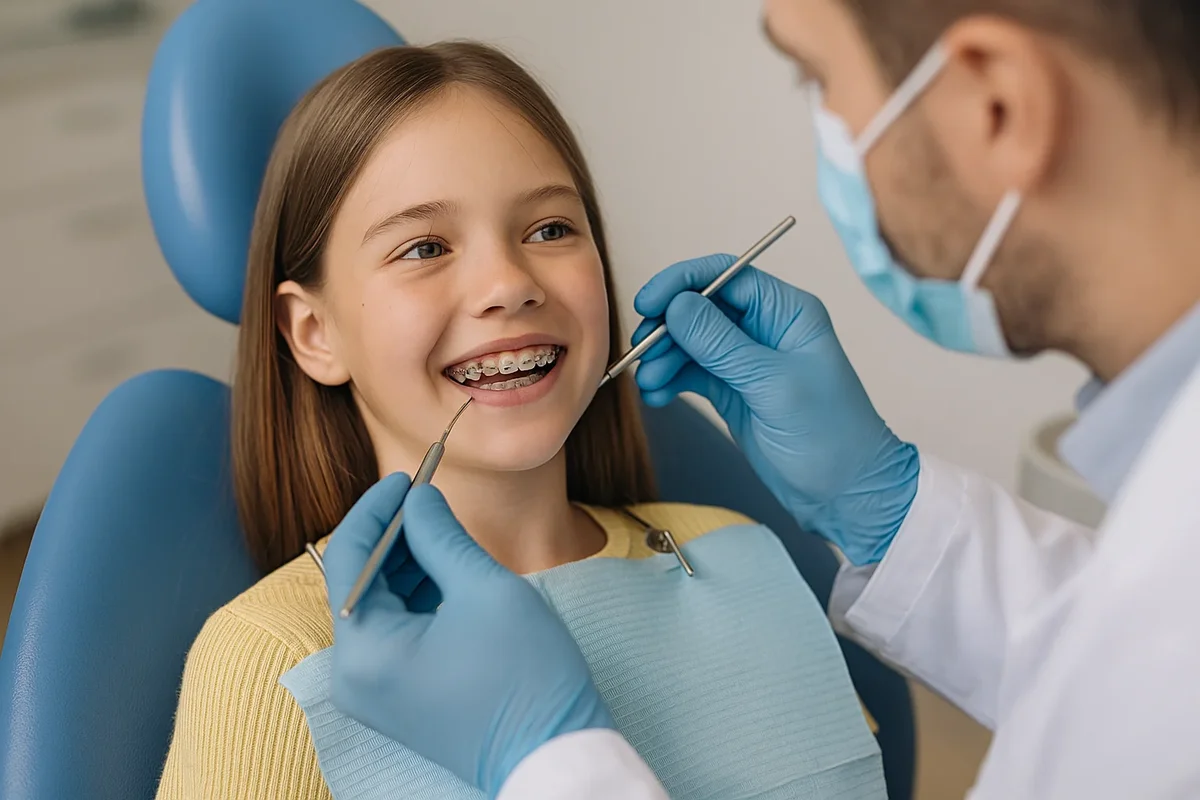
A welcoming and positive environment helps children feel at ease. A top-quality childrens orthodontics clinic designs its space with young patients in mind — bright colors, fun décor, and friendly staff all contribute to reducing anxiety and building trust.
Signs of a Child-Friendly Clinic
- Friendly, patient-centered staff trained to communicate with children.
- Comfortable waiting areas with games, books, or digital entertainment.
- Rewards systems or progress tracking charts that make treatment fun.
- Gentle communication techniques to explain procedures clearly.
When children associate dental visits with positivity, they are far more likely to maintain excellent oral habits long-term.
5. Communication and Transparency
Clear communication between the orthodontist, parent, and child is key to treatment success. Clinics that excel in childrens orthodontics prioritize transparency — they explain the diagnosis, treatment options, duration, and costs in detail.
Questions Parents Should Ask
- What type of appliance is best for my child’s case?
- How long is the estimated treatment period?
- What is included in the total cost — retainers, X-rays, emergencies?
- How frequently will we need to come for check-ups?
Parents should feel comfortable asking questions at every stage. Good clinics value education as much as treatment itself, helping families make confident, informed decisions.
6. Cost, Insurance, and Payment Options
Affordability is a major factor for many families. The right clinic provides flexible payment plans without compromising care quality. Since childrens orthodontics is often a long-term commitment, financial transparency ensures stress-free treatment.
Smart Financial Planning Tips
- Ask about payment installments and discounts for upfront payments.
- Check if your insurance covers orthodontic benefits for dependents.
- Inquire about any additional costs (retainers, repairs, X-rays).
- Confirm whether the clinic offers free initial consultations.
Clinics like Redent Klinik Contact Page are known for offering affordable, personalized plans designed to fit families’ needs without sacrificing quality or comfort.
7. Patient Reviews and Testimonials
Online reviews and personal recommendations can provide insight into a clinic’s service quality. Families who have already completed treatment can share valuable feedback about staff professionalism, communication, and results. In childrens orthodontics, word-of-mouth trust is often the best indicator of reliability.
Where to Find Reliable Reviews
- Google Maps and verified clinic websites
- Parent forums and dental community groups
- Before-and-after photo galleries showcasing real results
Reading reviews can reveal how the clinic handles both routine visits and challenges, such as managing anxious children or handling emergencies promptly.
8. Location and Accessibility
Convenience matters, especially for busy families. Since orthodontic treatment involves regular visits, the clinic should be easily accessible. When selecting a childrens orthodontics provider, consider factors like parking availability, proximity to schools, and flexible scheduling.
Practical Accessibility Considerations
- Flexible appointment times (after-school or weekend slots).
- Accessible public transportation routes or parking spaces.
- Emergency contact availability for urgent concerns.
Choosing a conveniently located clinic ensures parents can keep up with appointments and children remain consistent with treatment schedules — both critical for success.
9. Personalized Care and Long-Term Support
The best clinics go beyond active treatment. They focus on long-term results through retention and ongoing support. Personalized care is what separates ordinary orthodontic offices from truly exceptional ones. Clinics specializing in childrens orthodontics create individualized plans based on facial growth, jaw development, and personality traits — ensuring that the smile remains stable and natural-looking even after braces come off.
Aftercare and Retention Programs
- Custom retainers fitted after treatment to maintain results.
- Regular follow-ups to monitor facial growth and alignment stability.
- Encouragement of lifelong oral hygiene habits and routine checkups.
Orthodontists committed to aftercare ensure that every smile stays beautiful and functional for decades to come.
Conclusion
Choosing the right clinic for childrens orthodontics is about more than convenience — it’s about finding a trusted partner for your child’s smile journey. The ideal clinic combines expert knowledge, modern technology, transparent communication, and a child-centered environment to create a positive experience from start to finish. 🦷
Parents seeking excellence in orthodontic care should prioritize clinics that demonstrate both professional integrity and compassion. By selecting a reputable provider like Redent Klinik Contact Page, families can rest assured that their child’s treatment will be handled with precision, empathy, and long-term dedication. The right choice today leads to a confident, healthy smile that lasts a lifetime. 🌈