
Scheduling an orthodontist appointment is one of the most important steps toward achieving a healthy, confident, and beautiful smile 😁. Whether you’re a teenager getting braces for the first time or an adult considering clear aligners, understanding what happens before, during, and after your visit can make the experience smoother and stress-free. Many people feel anxious before their first orthodontist visit because they don’t know what to expect — but with the right preparation and mindset, you’ll walk into your orthodontist appointment with confidence.
During an orthodontist appointment, the specialist evaluates your teeth, jaw alignment, and bite to determine the best possible treatment for your needs. This process may involve a series of diagnostic tests, including X-rays, digital impressions, or 3D scans. The orthodontist will also discuss your dental history, lifestyle, and preferences to recommend the most effective treatment plan — whether it’s traditional braces, ceramic braces, or Invisalign. This personalized approach ensures that you receive not only a straight smile but also an optimally functioning bite that supports your long-term oral health.
Before your first orthodontist appointment, it’s a good idea to gather your previous dental records or X-rays if available. These can help the orthodontist better understand your oral history and plan accordingly. You should also prepare a list of questions — for example: “How long will the treatment take?”, “What are my options for discreet braces?”, or “What payment plans are available?”. Having these ready helps you make informed decisions about your treatment and budget.
When you arrive for your orthodontist appointment, you’ll usually begin with a consultation. The dental staff will take photographs of your teeth and possibly a panoramic X-ray to assess bone and tooth structure. Then, the orthodontist will perform a detailed examination to check for crowding, gaps, overbites, underbites, or crossbites. Each of these conditions requires a customized treatment plan. If braces or aligners are recommended, the orthodontist will explain how they work, what results to expect, and how to maintain your oral hygiene during treatment.
Most first-time orthodontist appointments last between 45 and 90 minutes, depending on the complexity of your case. If the orthodontist determines that treatment should start immediately, they may take impressions or digital scans during the same visit. However, some cases require additional diagnostic steps before a final treatment plan is confirmed. Once your treatment is planned, you’ll typically schedule a follow-up visit to have your braces or aligners placed. For additional information or to book a consultation directly, you can visit the Redent Klinik Contact Page and get in touch with a specialist.
It’s important to remember that orthodontic care is not only about aesthetics — it’s about improving the way your teeth and jaws function. A properly aligned bite can prevent long-term dental issues such as enamel wear, temporomandibular joint (TMJ) pain, and gum disease. By attending your orthodontist appointments regularly and following the advice of your orthodontist, you’ll protect your oral health for years to come.
In addition to treatment planning, your orthodontist will provide a cost estimate during the initial visit. Prices can vary depending on the location, treatment type, and complexity of your case. According to the American Dental Association, orthodontic treatment in the U.S. can range from $3,000 to $7,000 for braces and around $4,000 to $8,000 for clear aligners. Many clinics offer flexible payment plans or accept dental insurance that covers part of the cost, making orthodontic care more accessible.
To make your orthodontist appointment as effective as possible, consider these preparation tips:
- Brush and floss your teeth thoroughly before the appointment 🪥
- Bring your dental records or previous X-rays
- Write down any concerns about your smile or bite
- Ask about treatment options, duration, and maintenance
- Discuss payment plans or insurance options upfront
After your first orthodontist appointment, you’ll receive detailed care instructions tailored to your treatment plan. This may include dietary recommendations (avoiding hard or sticky foods if you’re getting braces), guidance on cleaning tools like interdental brushes, and scheduling follow-up visits. The orthodontist will also explain how to handle common discomforts, such as mild soreness or pressure after an adjustment. These sensations are completely normal and typically subside within a few days.
Ultimately, your orthodontist appointment is the gateway to achieving a healthier, more aligned smile and boosting your self-confidence. With modern technology and advanced orthodontic methods, today’s treatments are more comfortable, efficient, and discreet than ever before. Taking the time to prepare, ask questions, and follow your orthodontist’s recommendations will help you achieve lasting, beautiful results that you can enjoy for a lifetime 🌟.
Why Scheduling an Orthodontist Appointment Matters for Your Smile
Your smile is one of the first things people notice about you 😁. Beyond aesthetics, it plays a crucial role in your overall oral health and confidence. Scheduling an orthodontist appointment is not just about getting straighter teeth — it’s about improving your bite, preventing long-term dental complications, and achieving harmony between function and appearance. Many people postpone visiting an orthodontist until their dental issues become serious, but early and consistent orthodontic care can make a significant difference in maintaining lifelong oral health.
The Importance of Early Diagnosis and Prevention
One of the main reasons why an orthodontist appointment is essential is early diagnosis. Orthodontists are trained to detect subtle issues in the growth and alignment of teeth and jaws long before they become visible or painful. When you schedule an appointment early — especially for children around the age of 7 — potential problems such as overcrowding, crossbite, or protruding teeth can be identified and corrected while the jaw is still developing. This proactive approach often leads to shorter and more effective treatments in the future.
For adults, booking an orthodontist appointment can help identify underlying causes of jaw discomfort, speech issues, or difficulty in chewing. In many cases, correcting misaligned teeth also alleviates strain on the temporomandibular joint (TMJ) and reduces the risk of chronic pain. By treating orthodontic problems early, you’re not only improving your smile’s appearance but also protecting your long-term dental function and comfort.
Functional Benefits of an Orthodontist Appointment
Most people associate orthodontic care with cosmetic improvements, but the functional benefits are equally important. Misaligned teeth can make it difficult to chew properly, leading to uneven wear on tooth enamel. Over time, this can result in tooth sensitivity, cavities, or even gum disease. An orthodontist appointment ensures your teeth align correctly, allowing for balanced chewing pressure and better oral hygiene. Straight teeth are much easier to clean, reducing the risk of plaque buildup and bad breath.
Moreover, an orthodontist evaluates how your upper and lower teeth fit together — a relationship known as your “bite.” If the bite is not aligned properly, you may experience headaches, jaw tension, or muscle pain. Correcting bite alignment through braces or clear aligners not only improves comfort but also enhances the longevity of your teeth and dental restorations like crowns or veneers.
Boosting Confidence and Mental Well-being
There’s no denying that a beautiful smile boosts self-confidence 🌟. A properly aligned set of teeth allows you to smile freely without feeling self-conscious. Studies have shown that people who complete orthodontic treatment often report higher self-esteem and improved social confidence. This psychological benefit is another reason why scheduling regular orthodontist appointments can have a positive impact far beyond your mouth — it influences how you interact with others and perceive yourself.
Impact on Professional and Social Life
In both personal and professional settings, your smile can make a strong impression. A straight, healthy smile is often associated with good hygiene, confidence, and approachability. Many adults choose to book an orthodontist appointment later in life to improve their appearance before major life events, job interviews, or public-facing careers. Thanks to modern technology such as clear aligners, adult orthodontics has become more discreet and convenient than ever before.
Long-Term Health Advantages
Misaligned teeth are not just a cosmetic concern; they can cause several health complications if left untreated. For example, overlapping teeth can trap food particles and bacteria, leading to gum inflammation or periodontal disease. In severe cases, misalignment can contribute to uneven jaw growth and even bone loss. A comprehensive orthodontist appointment identifies these risks early and helps you take preventive measures before they escalate into costly treatments.
Regular orthodontic check-ups also help your orthodontist monitor the progress of treatment and make adjustments when necessary. By attending follow-up appointments, you ensure that braces or aligners are working effectively. Missing these appointments can delay your results or cause unnecessary discomfort. Therefore, maintaining consistency in your visits is key to achieving optimal outcomes.
How Orthodontist Appointments Support Other Dental Treatments
An often-overlooked benefit of orthodontic care is how it complements other dental procedures. For instance, before undergoing cosmetic dentistry treatments like veneers or implants, your orthodontist may recommend aligning your teeth to create proper spacing. This ensures that future restorations look natural and function correctly. A well-planned orthodontist appointment helps coordinate your care with other dental professionals to deliver the best possible results.
Orthodontists also collaborate with general dentists and periodontists to manage complex cases involving gum health or tooth movement after periodontal therapy. This interdisciplinary approach guarantees that all aspects of your dental health are addressed holistically. You can learn more about integrated dental care options by visiting the American Dental Association, which provides detailed resources on oral health and orthodontic best practices.
Cost Considerations and Accessibility
Some patients delay their orthodontist appointment due to financial concerns. However, many clinics today offer flexible financing options, monthly payment plans, or insurance support to make orthodontic treatment accessible. On average, orthodontic treatments can range between $3,000 and $7,500 depending on the method and duration. While this may seem like a large investment, it’s one that pays lifelong dividends in terms of health, comfort, and self-esteem. If you’re looking to book a consultation or inquire about payment options, you can reach out directly through the Redent Klinik Contact Page.
Final Thoughts: The Value of Commitment
Ultimately, scheduling an orthodontist appointment is a proactive decision that reflects your commitment to long-term health and confidence. Every small step — from consultation to adjustment visits — brings you closer to the smile you’ve always wanted. The process may take time, but with consistent follow-ups, proper hygiene, and expert guidance, your results will be worth it. Remember, a healthy smile is not achieved overnight, but with every orthodontist appointment, you invest in your well-being and future happiness 🦷.
How to Prepare for Your First Orthodontist Appointment
Getting ready for your first orthodontist appointment can feel both exciting and slightly overwhelming 😅 — especially if you don’t know what to expect. But with a little preparation and the right mindset, your initial visit can be smooth, informative, and stress-free. Whether you’re a parent bringing your child in for braces or an adult exploring orthodontic treatment options, proper preparation helps you get the most out of your visit and ensures your treatment starts off on the right foot.
Understanding the Purpose of Your First Visit
The first orthodontist appointment is primarily a consultation, not a treatment session. During this initial visit, your orthodontist will evaluate your teeth, gums, and jaw alignment to determine what kind of treatment you need. This includes taking diagnostic images such as digital X-rays, photographs, or 3D scans of your teeth. You’ll also have a detailed discussion about your goals, medical history, and any concerns you have about your smile. This comprehensive approach allows your orthodontist to design a personalized plan that matches your needs, lifestyle, and budget.
Gathering Essential Documents and Information
Before heading to your orthodontist appointment, make sure you collect any relevant dental documents that could assist in the evaluation. These may include:
- Previous dental X-rays or panoramic scans 📸
- Recent dental cleaning or examination records
- Medical history details, especially if you have allergies or chronic conditions
- Insurance information or benefit documentation
Having this information ready will help your orthodontist get a full picture of your oral health and avoid unnecessary repeated scans or tests.
Preparing Your Questions Ahead of Time
During your first orthodontist appointment, it’s normal to have many questions — and it’s encouraged! Writing them down beforehand ensures you don’t forget anything important during the visit. Common questions might include:
- How long will my orthodontic treatment take?
- What are my options for braces or clear aligners?
- Will I experience pain or discomfort during adjustments?
- How often will I need to schedule follow-up visits?
- What will the total cost be, and what financing options are available?
Having these questions ready not only shows you’re proactive but also helps you understand what to expect throughout the process. If you’re uncertain about pricing or want to discuss payment plans before your appointment, you can reach out to the Redent Klinik Contact Page for more personalized guidance.
Maintaining Oral Hygiene Before the Appointment
Good oral hygiene is crucial before any dental or orthodontic visit. Brush and floss your teeth thoroughly before your orthodontist appointment to ensure a clean oral environment. This allows the orthodontist to perform an accurate evaluation without plaque or food debris obstructing the view. If possible, avoid eating right before your visit, especially sticky or sugary foods that could leave residue on your teeth.
Why Clean Teeth Matter for Orthodontic Evaluation
Clean teeth allow your orthodontist to clearly assess tooth alignment, enamel condition, and gum health. This step might seem small, but it ensures the diagnostic images and impressions taken during your first orthodontist appointment are precise. In some cases, orthodontists may recommend a professional dental cleaning before starting treatment, especially if you haven’t had one in the past six months.
Knowing What to Expect During the Visit
Many first-time patients wonder what will actually happen during their initial orthodontist appointment. Here’s a general breakdown of the process:
- Initial Discussion: You’ll meet your orthodontist and explain your goals — whether you want to fix crowding, close gaps, or improve your bite.
- Examination and Scans: The orthodontist examines your teeth and jaws, takes photos, and possibly X-rays or digital impressions.
- Diagnosis and Recommendations: Based on findings, the orthodontist explains your treatment options such as metal braces, ceramic braces, or Invisalign aligners.
- Financial Overview: You’ll receive a cost estimate and discuss payment options, insurance, or financing plans.
- Next Steps: If you’re ready, your follow-up orthodontist appointment for treatment initiation can be scheduled right away.
Each stage is designed to make you feel informed and comfortable. Nothing happens without your full understanding and consent, so feel free to ask as many questions as you need during your visit.
Preparing Mentally and Physically for the Appointment
It’s normal to feel a bit nervous before your first orthodontist appointment. To ease anxiety, try to arrive at the clinic 10–15 minutes early, giving yourself time to relax and fill out necessary forms. Take slow, deep breaths and remind yourself that orthodontic treatment is a step toward a lifelong improvement in your health and confidence 💪.
Wearing comfortable clothing can also make the experience more pleasant, especially if diagnostic imaging takes longer than expected. If you’re bringing a child, reassure them that this appointment is simply an evaluation — no painful procedures are performed during the first visit.
Nutrition and Lifestyle Tips Before the Appointment
On the day of your orthodontist appointment, try to eat a light meal beforehand. While you won’t undergo any major procedures during the consultation, it’s better to avoid heavy or sticky foods that could linger in your mouth. Stay hydrated, and if you wear retainers or other dental devices, bring them along for the orthodontist to review.
After the Appointment: What Comes Next?
After your first orthodontist appointment, you’ll likely have a clear understanding of your treatment plan. The orthodontist may schedule a follow-up visit to take impressions or start the appliance fitting. You’ll also receive guidelines on maintaining good oral hygiene, avoiding certain foods, and keeping up with future appointments. Consistency is crucial for success — skipping visits can delay results or cause unwanted shifts in tooth alignment.
It’s also recommended to review educational materials about orthodontic care from trusted sources such as the American Dental Association. These resources can deepen your understanding of treatment types, proper care techniques, and how to keep your teeth healthy during orthodontic treatment.
Final Thoughts on Preparation
Preparation is the foundation for a positive orthodontic experience. By gathering your documents, maintaining oral hygiene, asking informed questions, and arriving with a calm mindset, you set yourself up for success. Remember that every orthodontist appointment — starting with the first — is an investment in your confidence and long-term oral health. The more you prepare now, the smoother your orthodontic journey will be, leading you to the healthy, radiant smile you’ve always dreamed of ✨.
Common Procedures During an Orthodontist Appointment
Many people book their first orthodontist appointment with curiosity — and sometimes anxiety — because they don’t know what happens once they sit in the chair 😬. Understanding the common procedures performed during an orthodontic visit can help remove any uncertainty and make the experience far more comfortable. Whether you’re getting braces, aligners, or just a consultation, each step serves a specific purpose designed to evaluate and improve your smile efficiently and safely.
Initial Examination and Diagnostic Imaging
Every orthodontist appointment begins with a thorough oral examination. The orthodontist checks your teeth, gums, and bite alignment to identify any irregularities. You’ll likely undergo diagnostic imaging such as panoramic X-rays, cephalometric X-rays, or 3D scans. These images provide a detailed view of your jawbone structure and tooth roots — crucial data that helps your orthodontist develop a precise treatment plan.
During this stage, the orthodontist also takes photographs of your teeth from multiple angles. These “before” images serve as a baseline for tracking progress throughout treatment. For many patients, these early visuals become motivational, showing how far they’ve come by the end of their journey 🦷.
Digital Impressions and Bite Analysis
Instead of using traditional molds with sticky impression material, many modern clinics now use digital scanners to capture 3D images of your teeth. This innovation has transformed the orthodontist appointment experience — making it faster, cleaner, and more accurate. A bite analysis follows, where you’ll be asked to bite down on a small paper or digital sensor so the orthodontist can evaluate how your upper and lower teeth meet. This analysis reveals any malocclusion (misalignment), crossbite, or overbite that might need correction.
Orthodontic Records and Treatment Planning
Once all diagnostic data has been gathered, your orthodontist compiles your “orthodontic records.” These include X-rays, photos, scans, and clinical notes. The next step during your orthodontist appointment is reviewing these findings with you. Your orthodontist will explain what type of alignment issues are present, what could be causing them, and which treatment options are most suitable for your case.
Some common orthodontic treatments discussed during this stage include:
- Traditional metal braces: Effective for complex alignment issues; durable and cost-efficient.
- Ceramic braces: Tooth-colored brackets for a more discreet appearance.
- Lingual braces: Braces placed on the back of teeth, completely hidden from view.
- Clear aligners (Invisalign): Removable, transparent trays that gradually straighten teeth.
Each treatment has its own pros and cons, and your orthodontist will help you choose the most appropriate method based on your age, goals, and budget.
Fitting Orthodontic Appliances
If your orthodontist decides to begin treatment immediately, the next step during your orthodontist appointment is fitting your orthodontic appliances. This process depends on your treatment type. For braces, metal or ceramic brackets are bonded to your teeth using a special adhesive, and an archwire is threaded through them. The wire applies gentle pressure, gradually moving your teeth into their ideal positions over time.
For clear aligners, such as Invisalign, your digital scans are used to create a series of customized trays. You’ll typically receive your first set of aligners during a follow-up visit. Each tray must be worn for about two weeks before switching to the next one in the sequence, slowly guiding your teeth into place.
Adjustments and Comfort Tips
During the initial fitting, you may feel mild pressure or tightness — this is completely normal! The orthodontist will check to ensure the fit is perfect and provide wax or other comfort aids to prevent irritation. If you’re starting braces, your orthodontist will explain how to clean around brackets and wires effectively, using floss threaders, interdental brushes, and mouth rinses. Following these tips helps prevent plaque buildup and keeps your smile healthy throughout your treatment.
Education and Oral Hygiene Guidance
After fitting your appliances, your orthodontist spends part of the orthodontist appointment educating you about oral hygiene. This includes demonstrating brushing and flossing techniques that help maintain gum health while avoiding stains or cavities. Patients who wear braces must avoid sticky, hard, or crunchy foods, while those with aligners should clean and store them properly when not in use.
It’s also common for orthodontists to give patients an “orthodontic care kit,” which might include a travel toothbrush, interdental picks, and wax for emergencies. Maintaining proper hygiene reduces the risk of decalcification (white spots on enamel) and ensures your treatment stays on schedule.
Follow-Up Appointments and Adjustments
Your orthodontist appointment doesn’t end once the braces or aligners are placed. Orthodontic treatment requires periodic check-ups — usually every 4–8 weeks — to make adjustments and ensure that tooth movement is progressing correctly. During these visits, your orthodontist may tighten wires, replace elastics, or give you new aligner sets. Each adjustment visit is an opportunity to fine-tune your smile and make sure everything is moving as planned.
Tracking Progress and Monitoring Results
Progress tracking is a vital part of orthodontic care. Your orthodontist uses photos and records to compare your results over time, ensuring that your treatment remains effective and efficient. If necessary, they can make small modifications to your treatment plan. Remember, consistent attendance at every orthodontist appointment ensures optimal results — skipping visits can slow your progress or even cause relapse.
Addressing Common Concerns During an Appointment
Many patients use their orthodontist appointments to discuss concerns such as soreness, wire poking, or broken brackets. Your orthodontist will provide immediate solutions, such as trimming wires, applying protective wax, or scheduling repairs. It’s always best to communicate openly — even minor discomforts can be addressed quickly and effectively.
For aligner users, you can ask about tray fit, speech adjustments, or how to clean them properly. The orthodontist will also remind you about wearing aligners at least 20–22 hours per day for best results.
Final Discussion and Next Steps
At the end of your orthodontist appointment, you’ll review what was done during the visit and what’s next in your treatment plan. The orthodontist may provide care instructions, schedule your next follow-up, and answer any final questions. You may also receive reminders about dietary restrictions or appliance maintenance.
If you’re new to orthodontic care and want expert guidance or wish to book a professional consultation, you can reach out directly through the Redent Klinik Contact Page. For trusted educational resources about orthodontic procedures and dental health, refer to the American Dental Association, a globally recognized authority in oral care.
In summary, every orthodontist appointment — from diagnosis to adjustment — is carefully structured to ensure your treatment progresses safely and efficiently. Understanding each procedure empowers you to take an active role in your orthodontic journey, helping you achieve that beautiful, confident smile you’ve always dreamed of 🌟.
What Questions to Ask Your Orthodontist at the Appointment
When you schedule an orthodontist appointment, it’s not only a time for your orthodontist to evaluate your teeth — it’s also an opportunity for you to gather valuable information that will shape your treatment journey 🦷. Asking the right questions helps you make informed decisions, ensures transparency, and boosts your confidence about the process. Whether it’s your first consultation or a routine adjustment visit, knowing what to ask can make a huge difference in how smoothly your treatment progresses.
Understanding Your Diagnosis and Treatment Plan
The first set of questions you should ask during your orthodontist appointment should focus on your diagnosis. It’s important to understand what issues you’re dealing with — such as crowding, spacing, overbite, or crossbite — and how these problems affect your oral health. Ask your orthodontist to explain your X-rays or 3D scans in simple terms so you fully grasp your current dental condition.
You can ask questions like:
- What is the main reason I need orthodontic treatment?
- How severe is my misalignment or bite issue?
- What specific improvements can I expect from treatment?
- Are there any risks if I choose not to proceed with orthodontic care?
These questions establish a clear understanding of your dental situation and allow you to make confident decisions. Your orthodontist should be able to explain the findings in a way that makes sense, using images or models for illustration if necessary. This ensures you leave your orthodontist appointment knowing exactly what’s going on with your smile.
Exploring Treatment Options
After learning about your diagnosis, the next topic to cover at your orthodontist appointment is your treatment options. Every patient’s case is unique, so orthodontists tailor treatment plans accordingly. It’s essential to discuss what choices are available to you — from traditional braces to modern clear aligners like Invisalign.
Key Questions About Treatment Choices
Here are a few questions to guide your discussion:
- What are the treatment options for my specific condition?
- Which method will produce the best results for my case — braces or aligners?
- How long will each treatment option take to complete?
- Are there aesthetic alternatives if I prefer a less visible option?
- What are the pros and cons of each method?
These questions help you weigh convenience, appearance, comfort, and effectiveness. If you’re an adult professional, you may prefer ceramic braces or clear aligners for a more discreet look. Your orthodontist can provide a recommendation based on your lifestyle, age, and dental goals.
Cost and Insurance Questions
Orthodontic treatment is an investment in both your health and confidence, so it’s important to understand the financial side during your orthodontist appointment. Treatment costs can vary based on complexity, duration, and the technology used. Always ask for a detailed breakdown of expenses so there are no surprises later.
Some helpful questions include:
- What is the total cost of treatment from start to finish?
- Does the fee include all follow-up appointments and retainers?
- Do you accept my dental insurance, and how much does it cover?
- Are flexible payment plans or monthly installments available?
- Will there be extra fees for repairs, emergencies, or replacement aligners?
According to the American Dental Association, average orthodontic treatment costs range between $3,000 and $7,000 depending on the complexity. Discussing pricing during your first orthodontist appointment helps you plan ahead and budget comfortably for your treatment. If you want to inquire directly about specific pricing or book a consultation, you can contact the clinic through the Redent Klinik Contact Page.
Maintenance and Lifestyle Adjustments
Another crucial area to address during your orthodontist appointment is lifestyle. Orthodontic treatments often require some adjustments in eating habits, oral hygiene, and even speech (in the early stages). You can ask:
- Are there any foods or drinks I should avoid?
- How should I clean my teeth and braces or aligners?
- What should I do if I experience soreness or wire irritation?
- Can I continue my regular sports or musical activities?
- What are the best tools for cleaning around braces or attachments?
Managing Discomfort and Emergencies
During your orthodontic journey, mild discomfort is common, especially after adjustments. Ask your orthodontist what to expect and how to manage soreness. Questions such as “What should I do if a bracket breaks?” or “How can I handle irritation from wires?” are important for peace of mind. Most orthodontic clinics provide wax, saltwater rinse instructions, and emergency contact details for such situations.
Tracking Progress and Follow-Up Appointments
Your orthodontist appointment is also the perfect time to discuss how progress will be monitored. Orthodontic treatments require consistency, so you’ll likely have regular checkups every 4–8 weeks. Ask your orthodontist how each visit contributes to your overall progress. Common questions include:
- How often should I come for adjustments or new aligners?
- What signs should I look for to know my treatment is on track?
- What happens if I miss or delay a scheduled appointment?
Understanding the timeline keeps you motivated and helps prevent unnecessary delays in achieving your desired results. If your orthodontist offers digital monitoring, you may even track your progress remotely using scans or photos — a convenient option for busy patients.
Post-Treatment and Retention Questions
Many patients focus solely on the active treatment phase, but post-treatment care is just as important. Before ending your orthodontist appointment, ask questions about what happens after your braces or aligners come off:
- Will I need to wear retainers after treatment?
- How long should retainers be worn each day?
- Are permanent retainers an option for my case?
- What happens if I lose or damage my retainer?
These questions ensure you maintain your new smile for life. Neglecting retainer care can cause teeth to shift back to their original positions, undoing months (or years) of progress.
Final Thoughts: Empower Yourself Through Questions
Asking thoughtful questions during your orthodontist appointment turns you from a passive patient into an active participant in your own care. Knowledge reduces anxiety and builds trust between you and your orthodontist. Don’t be afraid to speak up — every question you ask helps ensure your treatment is customized to your needs, budget, and comfort. The more informed you are, the better your orthodontic experience will be, leading you to a confident, healthy, and radiant smile 😄.
How Long Does an Orthodontist Appointment Take?
When planning your orthodontist appointment, one of the most common questions is, “How long will it take?” The answer depends on several factors — whether it’s your initial consultation, a follow-up, or a major procedure like fitting braces or aligners. Understanding the timeline helps you schedule your day efficiently and set realistic expectations about what happens during each visit. Generally, an orthodontist appointment can last anywhere from 20 minutes to 2 hours, depending on the complexity of your treatment and the specific services performed.
Duration of the First Consultation
Your very first orthodontist appointment typically takes longer than subsequent visits because it includes a full diagnostic evaluation. Expect this appointment to last between 45 and 90 minutes. The orthodontist will perform a detailed examination, take photographs and X-rays, and discuss your dental and medical history. This process ensures a customized treatment plan that matches your needs, lifestyle, and goals. During this initial visit, you’ll also have time to ask questions about costs, duration, and the types of orthodontic appliances available — such as traditional braces or Invisalign aligners.
The orthodontist may also perform a bite analysis or take digital impressions using a scanner. These extra steps add time to the appointment but provide valuable data for accurate treatment planning. While it may seem lengthy, this initial consultation sets the foundation for your entire orthodontic journey and helps prevent future complications.
Tips to Make the First Appointment Efficient
To make the most of your first orthodontist appointment, arrive 10–15 minutes early to complete forms and bring your previous dental records, if available. This allows the orthodontist to review your case faster. If you have insurance, carry your policy details so the clinic can prepare an estimate for you. Having your questions written down ahead of time will also make your session more productive and focused.
Routine Adjustment Appointments
After your treatment begins, you’ll have regular orthodontist appointments for adjustments or progress checks. These visits are shorter, usually lasting 15 to 30 minutes. During these check-ups, your orthodontist may tighten braces, change elastic bands, or provide new aligner trays. Though brief, these appointments are essential for keeping your teeth moving in the right direction and ensuring that your treatment stays on track.
Skipping or delaying these follow-up appointments can slow down progress, extend treatment duration, or cause unwanted tooth movement. Therefore, consistency is key. Some clinics send reminders or allow you to schedule appointments online — a convenient option for busy patients. You can always contact the Redent Klinik Contact Page to inquire about scheduling flexibility or to reschedule missed visits.
What Happens During an Adjustment Visit?
During each adjustment-focused orthodontist appointment, the orthodontist carefully evaluates how your teeth have shifted since the previous visit. If you’re wearing braces, the wires may be replaced or tightened to apply steady pressure. For Invisalign users, you’ll receive your next set of trays and a review of how well you’re wearing them. The orthodontist may also take new photos or scans to monitor progress. These appointments are typically painless, though you might experience mild soreness afterward, which usually resolves within a day or two.
Extended Appointments for Appliance Fitting or Repairs
Some orthodontist appointments require more time — especially when fitting new appliances, performing repairs, or making major adjustments. These can take anywhere from 60 to 120 minutes. For example, installing braces involves cleaning your teeth, applying adhesive, and carefully positioning brackets before threading the archwire through them. For clear aligners, you might spend a longer time reviewing fit, care instructions, and wear schedule.
Repair appointments, such as fixing a broken bracket or wire, typically take 30–60 minutes. It’s best to contact your orthodontist immediately if you experience damage or discomfort. Timely repairs ensure your treatment remains uninterrupted and effective. Delaying these repairs can extend the overall duration of your orthodontic journey.
Factors Affecting Appointment Duration
Several factors influence how long your orthodontist appointment lasts, including:
- Type of treatment: Braces usually require more frequent and longer visits than aligners.
- Complexity of your case: Severe misalignments or jaw discrepancies may involve additional steps.
- Technology used: Clinics using digital scanning and 3D modeling often work faster and more efficiently.
- Experience of the orthodontist: Skilled professionals can complete procedures more precisely in less time.
- Your cooperation: Good oral hygiene and consistent appliance wear reduce delays and extra appointments.
Being proactive — showing up on time, following care instructions, and maintaining oral hygiene — can significantly shorten the overall duration of your orthodontic process.
Patient Preparation and Time Management
To minimize time spent at each orthodontist appointment, follow a few practical steps:
- Brush and floss before arriving at the clinic 🪥
- Inform the staff in advance if you have any issues, such as broken brackets
- Keep a note of all concerns so they can be addressed efficiently
- Arrive on time to prevent delays in the schedule
These small habits improve both your experience and your orthodontist’s ability to serve you efficiently.
How Long the Entire Treatment Takes
While each orthodontist appointment may last under an hour, the full treatment can take anywhere from 12 to 36 months. The duration depends on your age, bone structure, and the severity of your misalignment. Children and teenagers often respond faster to orthodontic treatment because their jaws are still developing. Adults may require slightly longer treatment times but often experience more stable results when combined with diligent aftercare.
Aftercare and Retainer Appointments
Once your braces or aligners are removed, your orthodontist will schedule additional orthodontist appointments for retainer fitting and post-treatment evaluations. These visits are shorter — around 20–30 minutes — but equally important. Retainers help maintain the new position of your teeth, preventing them from shifting back. Failing to attend these visits or skipping retainer wear can reverse months of progress. Your orthodontist may recommend removable or fixed retainers based on your case and comfort preferences.
Final Thoughts: Making Every Minute Count
Ultimately, the time spent during an orthodontist appointment is an investment in your long-term health, confidence, and smile aesthetics. While some visits are quick and routine, others are more detailed and comprehensive. Knowing what to expect allows you to plan your schedule effectively and reduce anxiety. If you’re uncertain about timing or want to confirm the estimated length of your next visit, it’s best to contact your orthodontist directly. You can also consult the American Dental Association for detailed information about treatment timelines and best practices. Every minute at the orthodontic chair brings you one step closer to a perfect, radiant smile 😄.
Costs and Insurance Coverage for Orthodontist Appointments
When considering an orthodontist appointment, understanding the costs and available insurance coverage is crucial for effective financial planning 💰. Orthodontic treatment is an investment in both health and confidence, but many people are unsure what to expect when it comes to pricing, payment plans, and what their dental insurance actually covers. The good news is that with the right information, you can make informed decisions, avoid surprises, and take advantage of flexible payment options that fit your budget.
Average Cost of an Orthodontist Appointment
The cost of an orthodontist appointment varies based on several factors, including your location, the clinic’s technology, and the complexity of your treatment. A simple consultation or check-up might cost between $75 and $250, while more advanced procedures—such as applying braces or fitting clear aligners—can range from $3,000 to $8,000 in total. According to the American Dental Association, the average national cost for traditional metal braces in the U.S. is about $5,000 to $6,500, while Invisalign or clear aligners typically range from $4,000 to $7,500.
However, these costs reflect long-term treatment rather than individual appointments. Routine follow-up visits, typically every 4–8 weeks, are often included in your overall treatment plan, meaning you won’t pay for each visit separately. Always confirm this with your orthodontist to ensure clarity on what’s covered in your quoted price.
Factors That Influence the Total Cost
Several elements determine how much your orthodontist appointment and treatment will cost:
- Type of treatment: Traditional braces are usually less expensive than ceramic braces or clear aligners.
- Complexity of the case: Severe bite problems or jaw misalignments require longer treatment times and additional visits.
- Age of the patient: Adult orthodontic treatment can be more complex and slightly more expensive than treatment for children or teens.
- Duration of treatment: The longer the process, the higher the overall cost.
- Clinic technology and expertise: Advanced diagnostic tools, such as 3D scanners and AI-based aligner systems, can affect pricing.
Hidden Costs to Watch For
While most orthodontists are transparent about pricing, patients should still ask whether the following are included:
- Initial consultation and diagnostic X-rays
- Appliance installation (braces, aligners, or retainers)
- Adjustment visits and emergency repairs
- Retainers after treatment completion
- Post-treatment check-ups
It’s always better to ask for a detailed breakdown before committing. This transparency ensures your orthodontist appointment experience remains stress-free from start to finish.
Insurance Coverage for Orthodontic Care
Dental insurance can significantly reduce the financial burden of orthodontic treatment. Most insurance plans cover 25% to 50% of the total treatment cost, up to a certain lifetime maximum, which usually ranges from $1,000 to $3,000. However, it’s important to understand the fine print of your policy.
Common Insurance Terms Explained
When reviewing your coverage before an orthodontist appointment, pay attention to these terms:
- Lifetime Maximum: The total amount your insurance will pay for orthodontic care throughout your life.
- Waiting Period: Some plans require a waiting period before orthodontic coverage begins.
- Age Limit: Many insurance policies cover orthodontic treatment only for children or dependents under 18.
- Pre-Approval: Some insurers require pre-authorization before starting treatment.
Always confirm these details with your insurance provider before your initial orthodontist appointment to avoid unexpected out-of-pocket costs. You can also bring your insurance card and policy information to your orthodontist’s office — many clinics will help verify your benefits for you.
Flexible Payment Plans and Financing Options
For patients without insurance or with limited coverage, many clinics offer in-house financing or third-party payment plans to make treatment affordable. During your orthodontist appointment, ask about monthly installment options or discounts for upfront payments. Typical payment plans allow you to spread the cost over 12 to 36 months with low or zero interest.
Some clinics also accept flexible spending accounts (FSA) or health savings accounts (HSA), which can be used to pay for orthodontic treatment using pre-tax income — saving you money in the long run. Always check whether your orthodontist accepts these payment methods.
Example of Cost Breakdown
Here’s an example of how orthodontic costs might be structured for a 20-month treatment plan:
| Item | Estimated Cost (USD) |
|---|---|
| Initial Consultation and X-rays | $150 |
| Braces Installation | $4,500 |
| Adjustment Visits (Included) | Included |
| Retainers and Final Adjustments | $300 |
| Total Estimated Cost | $4,950 |
If insurance covers 40% of treatment, you’d pay around $2,970 out of pocket. Payment plans can make this manageable through smaller monthly installments.
Tips to Reduce Orthodontic Costs
Here are a few smart ways to make your orthodontist appointments more affordable:
- Use insurance and FSA/HSA benefits together to reduce costs.
- Compare clinics and ask for free consultations before choosing a provider.
- Inquire about referral or family discounts if multiple members need treatment.
- Schedule periodic reviews to ensure your treatment remains on schedule, avoiding additional visits.
- Maintain excellent oral hygiene to prevent damage that could increase costs later.
Why Cost Shouldn’t Be the Only Factor
While it’s natural to consider cost when booking an orthodontist appointment, quality of care should always come first. The cheapest option isn’t always the best. Experienced orthodontists use advanced techniques that improve efficiency, comfort, and long-term results. In contrast, low-cost providers may rely on outdated tools or rushed treatments, which can lead to relapses or additional corrective work later. When possible, choose a clinic known for quality care, transparent pricing, and proven results — such as those verified by the American Dental Association.
Final Thoughts: Investing in a Lifetime of Confidence
Ultimately, every orthodontist appointment you attend is part of a long-term investment in your health and confidence. While the initial costs may seem high, the benefits — from better oral function to enhanced self-esteem — last a lifetime. With insurance assistance, flexible payment options, and transparent pricing, orthodontic care is more accessible than ever. For detailed cost consultations or customized quotes, reach out to the experts at the Redent Klinik Contact Page. A healthy, beautiful smile is priceless — and planning wisely ensures you achieve it affordably and confidently 😄.
How to Book a Follow-Up Orthodontist Appointment
Scheduling a follow-up orthodontist appointment is one of the most important steps in maintaining consistent progress throughout your treatment journey. These appointments allow your orthodontist to monitor tooth movement, adjust appliances, and ensure that your treatment plan stays on track. Missing or delaying these sessions can cause setbacks, prolong treatment time, and affect overall results. Understanding how to properly book, prepare for, and manage your follow-up appointments can make your orthodontic experience smoother and more effective 🦷.
Why Follow-Up Appointments Are Crucial
After your initial consultation and treatment setup, regular orthodontist appointments ensure your teeth are moving in the right direction. Each visit allows the orthodontist to make precise adjustments to wires, brackets, or aligners. Without these follow-ups, your teeth could shift unpredictably, leading to discomfort or even treatment regression. Most orthodontic treatments require visits every 4 to 8 weeks, depending on the stage and complexity of your case.
These sessions also give patients a chance to report any discomfort, broken brackets, or issues with aligner fit. Addressing small problems early prevents them from turning into larger complications that could delay your progress. Regular communication during your orthodontist appointment helps maintain trust and ensures optimal results.
Steps to Book a Follow-Up Appointment
Booking a follow-up orthodontist appointment is typically simple and can be done in several convenient ways. Most clinics today offer multiple scheduling options to accommodate different lifestyles:
- 1. Online Booking: Many orthodontic clinics have online systems that let you choose your preferred date and time. You can use the Redent Klinik Contact Page to request a follow-up appointment easily.
- 2. Phone Scheduling: Calling the clinic directly is a quick way to confirm appointment availability, especially if you need urgent repairs or rescheduling.
- 3. In-Person Booking: Before leaving your current visit, schedule your next session with the receptionist to ensure consistent timing between appointments.
- 4. Automated Reminders: Some clinics send SMS or email reminders to help you remember upcoming appointments — a helpful feature to avoid missed visits.
It’s best to schedule your next orthodontist appointment immediately after your current one. This ensures continuity and prevents delays, especially during busy seasons when appointment slots fill up quickly.
Scheduling Around Your Lifestyle
When booking a follow-up appointment, consider your daily routine, work, or school commitments. Try to book times that align with your schedule — such as early mornings, lunch breaks, or after-school hours. Many orthodontic offices now offer extended hours to accommodate working adults and students. Consistency is key; attending appointments regularly ensures that your braces or aligners remain effective and that your treatment stays on track.
What Happens During a Follow-Up Orthodontist Appointment
A follow-up orthodontist appointment usually lasts between 15 and 30 minutes. The orthodontist examines your progress, evaluates the movement of your teeth, and makes necessary adjustments. For patients with braces, wires may be tightened or replaced, and rubber bands might be added or changed. For Invisalign users, the orthodontist checks your aligner fit and provides the next set in your treatment series.
Other common activities during a follow-up include:
- Replacing worn-out or broken brackets
- Polishing or cleaning around orthodontic appliances
- Checking bite alignment and tooth spacing
- Answering questions about hygiene or discomfort
Progress Tracking and Digital Monitoring
Many modern clinics now use digital software to monitor tooth movement accurately between appointments. During your orthodontist appointment, the orthodontist may take photos or 3D scans to compare progress. Some systems even allow remote progress checks, where you upload photos from home for review. This hybrid model helps reduce in-office visits while maintaining the same quality of care.
How to Prepare for a Follow-Up Appointment
Preparation is simple but essential for a smooth orthodontist appointment. Here are a few steps you can take:
- Brush and floss thoroughly before your visit 🪥
- Note any discomfort, loose wires, or issues with your aligners
- Bring any retainers or removable appliances for inspection
- Prepare a few questions about your progress or pain management
Arriving early ensures you have time to fill out any required paperwork or discuss financial matters at the front desk. Remember, preparation saves time and ensures your orthodontist can focus entirely on treatment adjustments.
Dealing With Missed or Rescheduled Appointments
Sometimes, life gets busy, and you might miss a scheduled orthodontist appointment. While it’s best to avoid cancellations, it’s understandable if they occur. If you need to reschedule, call the clinic as soon as possible to secure the next available slot. Avoid repeatedly missing appointments, as this can extend your treatment by weeks or even months. Some orthodontists offer virtual check-ins for quick progress assessments when you can’t make it in person.
If you experience an emergency — such as a broken wire or severe pain — contact your clinic immediately. Most orthodontists reserve emergency slots during the week for urgent cases. Never attempt to fix an orthodontic appliance yourself, as improper handling could cause injury or further damage.
Communication and Consistency
Regular communication is key to a successful treatment. If you notice slow progress, discomfort, or unexpected changes, bring them up at your next orthodontist appointment. Open dialogue helps the orthodontist make precise adjustments and adapt your plan for the best results. Remember, orthodontic treatment is a partnership between you and your provider.
Insurance and Payment Considerations for Follow-Ups
Most follow-up orthodontist appointments are included in your initial treatment plan’s total cost, meaning you don’t have to pay for each one separately. However, confirm this with your clinic to avoid confusion. If additional procedures, like appliance repairs or retainer fittings, are needed, there may be small service fees. You can always discuss coverage or payment options during your visit or contact your provider beforehand. For more guidance, visit the American Dental Association website for trusted information about orthodontic billing and insurance policies.
Final Thoughts: Staying Committed to Your Orthodontic Journey
Booking and attending every orthodontist appointment on time is the secret to a successful treatment outcome. Each visit, though short, contributes significantly to your smile transformation. Regular follow-ups ensure your appliances work efficiently, reduce discomfort, and keep you motivated. With modern tools like online scheduling, digital reminders, and virtual monitoring, staying consistent has never been easier. To schedule or reschedule your next orthodontic visit, you can reach out through the Redent Klinik Contact Page and let professionals guide you every step of the way. A few minutes of your time every month can lead to a lifetime of confident, healthy smiles 😄.
What to Expect After Your Orthodontist Appointment
Once your orthodontist appointment is over, the real transformation begins. Many patients think that once they leave the clinic, their role is minimal — but in truth, post-appointment care is a vital part of achieving a healthy, aligned smile 😁. Understanding what to expect, how to manage discomfort, and how to maintain good oral hygiene after your visits will make your orthodontic journey smoother, faster, and more comfortable.
Immediate Sensations After the Appointment
After an orthodontist appointment, it’s normal to feel mild pressure or tightness around your teeth. This occurs because braces, wires, or aligners are exerting gentle force to move your teeth into better alignment. The discomfort typically peaks within the first 24–48 hours and subsides within a few days. It’s a positive sign — it means your treatment is working! 🦷
To ease this temporary discomfort, orthodontists often recommend:
- Over-the-counter pain relievers such as ibuprofen or acetaminophen (as directed by your doctor).
- Rinsing your mouth with warm salt water to soothe irritation.
- Eating soft foods like mashed potatoes, soups, yogurt, and smoothies for the first two days.
- Applying orthodontic wax on any brackets or wires that cause friction inside your mouth.
If pain persists beyond three days or becomes severe, contact your orthodontist for a follow-up orthodontist appointment. Persistent pain may indicate that an adjustment needs to be made.
Eating and Drinking After an Appointment
Your diet plays a major role in your recovery and comfort after an orthodontist appointment. Avoid hard, sticky, or crunchy foods that can damage braces or interfere with aligner positioning. Foods like popcorn, nuts, ice, and chewy candies should be off your list. For aligner users, it’s essential to remove aligners before eating or drinking anything other than water.
Recommended Soft Foods
During the first couple of days, opt for:
- Oatmeal, scrambled eggs, and pasta
- Mashed potatoes, steamed vegetables, and soups
- Soft fruits like bananas and berries
- Protein shakes or smoothies for added nutrition
After your teeth adjust, you can gradually return to your normal diet — but remember, maintaining caution prevents unnecessary trips back for emergency orthodontist appointments due to broken wires or loose brackets.
Oral Hygiene Routine After the Appointment
Maintaining oral hygiene is crucial, especially after adjustments or new appliances are fitted. Food particles can easily get trapped around brackets or aligner attachments. A meticulous cleaning routine helps prevent cavities, plaque buildup, and gum inflammation.
Brushing and Flossing Tips
- Brush at least twice a day using a soft-bristled toothbrush or an electric one.
- Use fluoride toothpaste to strengthen enamel and reduce sensitivity.
- Floss daily with a floss threader or orthodontic flosser to reach tight spaces.
- Consider using an interdental brush or water flosser for deeper cleaning around brackets.
Rinse your mouth with an antibacterial mouthwash to kill bacteria and freshen your breath. Proper cleaning not only protects your teeth but also ensures your orthodontist appointment progress remains on schedule.
Managing Aligners or Braces Post-Visit
If you wear braces, your orthodontist may tighten the wires or add new elastics during the orthodontist appointment. It’s common to feel tighter pressure afterward. Always follow your orthodontist’s instructions regarding rubber band placement or any new appliances. Skipping elastics or wearing them incorrectly can slow down your treatment.
For Invisalign or clear aligner users, you’ll typically receive a new set of trays after each visit. Make sure you wear them for the recommended 20–22 hours per day to maintain consistent tooth movement. Keep your previous set of aligners in case your new set breaks or becomes lost.
Handling Discomfort with Orthodontic Appliances
If you experience irritation from brackets, wires, or attachments, you can use orthodontic wax to cushion the area. Avoid trimming wires yourself — instead, book a quick Redent Klinik Contact Page appointment for professional assistance. Timely intervention prevents unnecessary pain and ensures your appliances stay effective.
Monitoring Progress Between Appointments
Between each orthodontist appointment, your teeth will gradually move toward their target positions. You may notice small gaps closing or alignment improving — signs that treatment is progressing successfully. Take photos every few weeks to track changes and share them with your orthodontist during your next visit. If you notice something unusual, like excessive shifting or broken appliances, contact your clinic immediately.
Some modern orthodontic clinics also offer digital tracking apps that let you upload pictures for remote monitoring. This innovative approach, supported by the American Dental Association, helps detect early issues and reduces unnecessary in-office visits while keeping treatment effective and safe.
Handling Emergencies After an Orthodontist Appointment
Occasionally, emergencies can arise after an orthodontist appointment. Common issues include loose brackets, protruding wires, or lost aligners. In such cases, stay calm and contact your orthodontist for advice. Many issues can be temporarily managed at home until your next visit:
- Use orthodontic wax to cover sharp wire edges.
- If a wire comes loose, gently push it back using a cotton swab.
- For lost aligners, revert to the previous set until a replacement is provided.
Never try to repair or remove orthodontic components yourself, as this could worsen the problem. Instead, schedule an emergency orthodontist appointment as soon as possible.
Post-Treatment Retainer Care and Maintenance
After your orthodontic treatment is completed, you’ll likely receive retainers to maintain your results. Your final orthodontist appointment will include fitting and instructions for their use. Retainers help keep teeth in their new positions while your bone and gum tissues stabilize.
How to Care for Your Retainer
- Clean retainers daily using a soft toothbrush and mild soap (avoid toothpaste as it can scratch plastic surfaces).
- Always store them in their case when not in use.
- Avoid exposure to heat, as it can warp the retainer material.
- Schedule periodic check-ups to ensure your retainer remains effective.
Neglecting your retainer can lead to relapse — when teeth gradually return to their pre-treatment positions. Maintaining this habit is key to preserving your beautiful new smile for life.
Final Thoughts: A Journey Worth Every Visit
Every orthodontist appointment you attend contributes to a lasting, confident smile. The period after each visit is just as important as the appointment itself. Proper aftercare, consistent hygiene, and communication with your orthodontist ensure smooth progress and long-term success. Whether it’s managing mild discomfort, eating the right foods, or tracking your progress, your commitment will pay off with every dazzling smile you share. To discuss post-treatment care or to book your next visit, you can always reach out to Redent Klinik Contact Page for personalized guidance and support. With dedication and expert care, your dream smile is closer than you think 🌟.
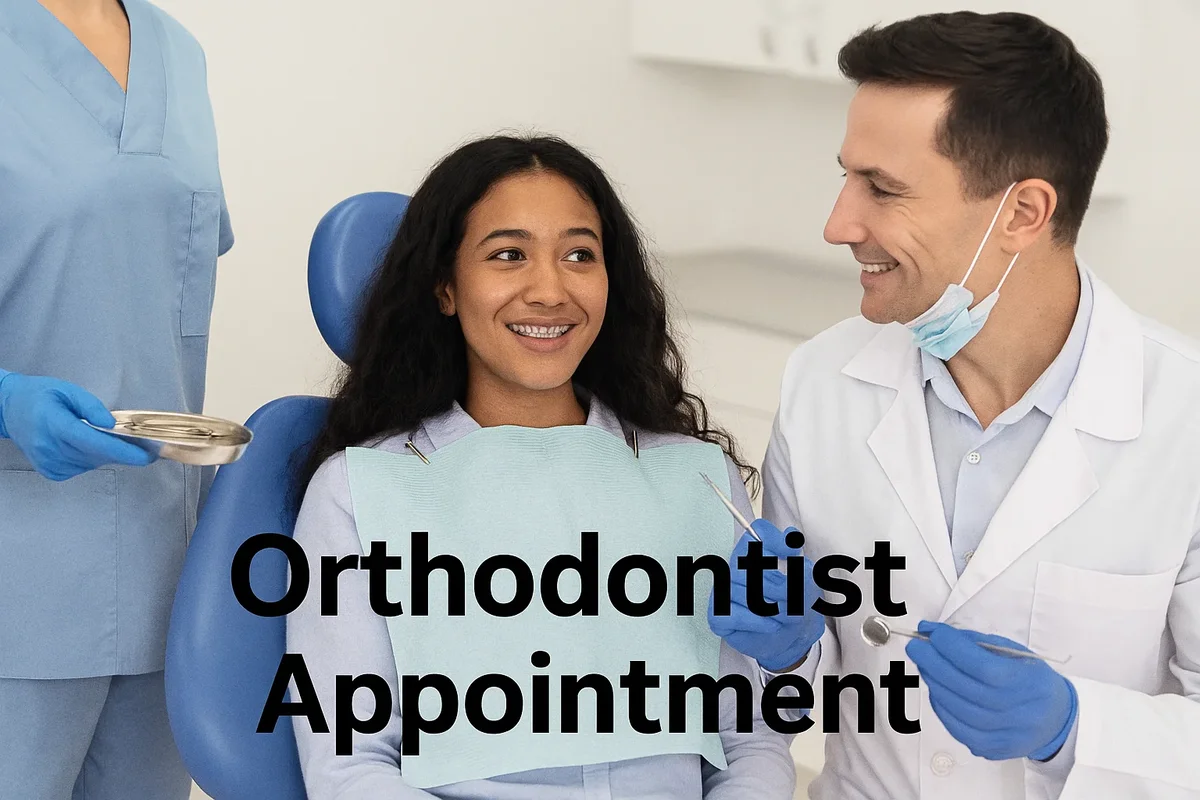
Tips for Making the Most of Your Orthodontist Appointment
Attending an orthodontist appointment is an investment in your health, confidence, and appearance. But to truly benefit from each visit, it’s important to be proactive, informed, and prepared. Whether you’re getting braces adjusted, changing aligners, or just attending a follow-up consultation, knowing how to maximize your appointment time can help you achieve faster results, avoid unnecessary delays, and enhance your overall experience. This section provides expert-backed tips to help you make every orthodontist appointment count.
1. Arrive Prepared and On Time
Punctuality and preparation set the tone for a successful orthodontist appointment. Arriving a few minutes early allows you to complete any paperwork and ensures that your orthodontist can start the session promptly. Bring essential items such as your insurance card, aligners, or retainers, and a list of questions or concerns you’d like to discuss. This shows responsibility and allows for efficient, focused care.
Checklist Before Your Appointment
- Brush and floss your teeth thoroughly before leaving home 🪥
- Carry your dental insurance information (if applicable)
- Bring any appliances or retainers you use
- Note down any discomfort or issues you’ve experienced since your last visit
- Confirm your appointment time to avoid scheduling confusion
Being organized helps the orthodontist quickly assess your case, make necessary adjustments, and provide valuable guidance on how to improve results between visits.
2. Communicate Clearly With Your Orthodontist
Communication is the foundation of successful orthodontic care. During your orthodontist appointment, speak openly about any concerns or changes you’ve noticed — even small ones. Whether you’re experiencing discomfort, noticing slower progress, or having trouble cleaning your braces, your orthodontist needs that feedback to fine-tune your treatment.
Questions You Should Ask During Your Visit
- Is my treatment progressing as expected?
- Are there new tools or techniques I should use for better hygiene?
- How can I reduce discomfort after adjustments?
- What can I do to avoid staining or damaging my braces?
Never hesitate to ask questions. Your orthodontist’s goal is to educate and guide you — not just perform adjustments. Clear communication ensures that each orthodontist appointment brings you closer to your dream smile efficiently and safely.
3. Follow Post-Appointment Instructions Carefully
After every orthodontist appointment, your orthodontist will give you specific instructions regarding diet, hygiene, or appliance use. Following these directions diligently prevents complications like broken brackets, prolonged treatment times, or discomfort. If you’re wearing aligners, ensure that you wear them for the prescribed duration each day (typically 20–22 hours). For braces, follow any elastic or rubber band guidelines precisely.
Skipping these small steps may seem harmless, but over time, they can delay your progress. Patients who follow their orthodontist’s advice typically complete treatment faster and with better results.
Common Post-Appointment Mistakes to Avoid
- Skipping elastic wear or not replacing them regularly
- Eating hard or sticky foods immediately after adjustments
- Forgetting to wear retainers or aligners as prescribed
- Ignoring mild discomfort without consulting your orthodontist
By avoiding these mistakes, you’ll protect your appliances and reduce the likelihood of needing emergency orthodontist appointments.
4. Maintain Excellent Oral Hygiene Between Appointments
Cleanliness is key to effective orthodontic treatment. Between each orthodontist appointment, maintaining oral hygiene helps prevent cavities, gum inflammation, and staining. Food and bacteria can easily collect around braces and aligners, so regular brushing and flossing are essential. The American Dental Association recommends brushing after every meal and using interdental brushes or water flossers to reach difficult areas.
Daily Hygiene Tips for Orthodontic Patients
- Brush after every meal using a fluoride toothpaste and soft brush.
- Floss daily with a threader or specialized orthodontic floss.
- Rinse with antibacterial mouthwash to reduce plaque and odor.
- Clean aligners daily with lukewarm water and a gentle cleaning solution.
Regular care between visits ensures that when you attend your next orthodontist appointment, your orthodontist can focus entirely on progress rather than addressing hygiene-related setbacks.
5. Keep a Progress Journal
Documenting your journey can help you stay motivated. After each orthodontist appointment, note down the date, adjustments made, and any instructions provided. Include personal reflections on comfort, diet changes, and visible improvements. Over time, this record becomes a valuable reminder of how far you’ve come — especially during long treatments that require patience and commitment.
Benefits of Tracking Your Progress
- Boosts motivation by showing visible improvements over time.
- Helps you identify recurring issues (like wire irritation or soreness).
- Makes communication with your orthodontist more effective during visits.
6. Schedule Your Next Appointment Before Leaving
One of the most practical tips is to book your next orthodontist appointment before leaving the clinic. Consistent scheduling ensures your treatment progresses without interruption. If you delay booking, you risk longer gaps between visits, which can slow tooth movement or cause appliances to lose tension. Many clinics, like Redent Klinik Contact Page, offer online scheduling for convenience — a great way to secure your preferred time slots.
7. Stay Positive and Patient
Orthodontic treatment is a marathon, not a sprint. Results develop gradually, and maintaining a positive mindset helps you stay consistent with appointments and daily care. Celebrate small milestones — like noticing straighter teeth or fewer adjustments needed — to keep your motivation high. Remember, each orthodontist appointment is a step closer to a beautiful, lasting smile.
Motivational Tip 💪
Take “before” and “after” photos every few months. Comparing your progress visually can reignite your enthusiasm, especially during longer treatment phases. Share your results with your orthodontist too — they love seeing how their patients’ confidence grows!
8. Manage Discomfort Like a Pro
Mild soreness after an orthodontist appointment is normal and temporary. To ease discomfort, rinse your mouth with salt water, use orthodontic wax for irritation, and eat soft foods. Avoid biting into hard foods during the first few days. If pain persists beyond a few days, contact your orthodontist for a quick assessment — small adjustments may be all that’s needed to restore comfort.
9. Leverage Digital Tools and Apps
Modern orthodontics now offers digital tools that enhance the patient experience. Some clinics use apps for appointment reminders, progress tracking, and remote check-ins. These digital systems make it easier to stay on track between visits. Ask your orthodontist if such tools are available — they can make your entire treatment process more organized and efficient.
Final Thoughts: Be an Active Partner in Your Treatment
Getting the best results from your orthodontist appointment is about more than showing up — it’s about participation, communication, and consistency. By staying prepared, maintaining good hygiene, and following your orthodontist’s instructions, you’ll not only shorten your treatment time but also enhance the overall quality of your results. For questions, scheduling, or personalized guidance, you can always reach out through the Redent Klinik Contact Page. Remember, your orthodontist is your partner in this journey — and together, you can achieve a smile that’s both healthy and beautiful for life 🌟.