
A chipped temporary crown is a surprisingly common dental issue, and if you are reading this, you are likely feeling worried, uncomfortable, or unsure about what to do next. Temporary crowns are designed to protect your tooth while you wait for a permanent crown, but they are not as strong or durable as permanent restorations. Because of this, a chipped temporary crown can happen more easily than most patients expect. The good news is that, in most cases, this situation is manageable when handled correctly and promptly 🦷.
A temporary crown acts as a protective shell placed over a prepared tooth after procedures such as root canal treatment, crown preparation, or extensive decay removal. Its main purpose is to shield the tooth, maintain proper bite alignment, and protect sensitive inner structures. When a chipped temporary crown occurs, that protection may be partially compromised, which is why understanding the causes, risks, and proper response is so important.
One of the main reasons a chipped temporary crown happens is the material used. Temporary crowns are typically made from acrylic or composite resin. These materials are intentionally softer so they can be easily removed by the dentist later. While this flexibility is useful clinically, it also means the crown is more vulnerable to cracking or breaking under pressure. Biting down on hard foods, chewing ice, or even clenching your teeth can lead to a chipped temporary crown without much warning.
Another factor that contributes to a chipped temporary crown is uneven bite pressure. After crown placement, your bite may feel slightly “off,” especially once the local anesthesia wears off. If the temporary crown takes more force than surrounding teeth, it becomes a weak point. Over time, repeated stress can cause small fractures that eventually result in a visible chip. This is why dentists often recommend avoiding certain foods and chewing on the opposite side when possible 😊.
From a patient’s perspective, a chipped temporary crown can feel alarming. You may notice a rough or sharp edge, mild pain, increased sensitivity to hot or cold, or a change in how your teeth come together. While these symptoms do not always indicate a serious problem, they should never be ignored. A chipped crown can expose the underlying tooth, increasing the risk of bacterial leakage, irritation, or even infection if left untreated.
It is also important to understand that a chipped temporary crown does not usually mean the dental work has failed. In most cases, it simply means the temporary material has reached its limit. The permanent crown underneath is still being carefully crafted to fit your tooth precisely. However, continuing daily activities with a damaged temporary crown can lead to complications that may delay or affect the final result.
Many patients wonder whether they should attempt a home fix for a chipped temporary crown. While over-the-counter dental repair kits exist, they should only be considered a very short-term solution. These products cannot restore proper shape, bite alignment, or protection. Improper use may even worsen the damage. The safest and most effective approach is always professional evaluation by a dentist who can assess whether the temporary crown needs smoothing, repair, or complete replacement.
If you are experiencing discomfort, sensitivity, or visible damage from a chipped temporary crown, contacting a dental professional as soon as possible is essential. Clinics that focus on patient-centered care can often address the issue quickly, sometimes on the same day. If you are unsure where to turn, you can reach out through the Redent Klinik Contact Page to get professional guidance and timely assistance.
From an oral health perspective, acting early helps protect the prepared tooth and supports long-term treatment success. According to guidance from trusted organizations such as the American Dental Association, temporary restorations play a critical role in maintaining tooth health between procedures. Addressing a chipped temporary crown promptly reduces unnecessary risks and helps ensure that your permanent crown fits and functions exactly as intended.
In summary, a chipped temporary crown is not uncommon, but it should never be dismissed as insignificant. Understanding why it happens, recognizing early signs, and knowing when to seek professional care can make all the difference. With the right response, you can protect your tooth, avoid complications, and move confidently toward your final, long-lasting dental restoration ✨.
What Is a Chipped Temporary Crown and Why It Happens
A chipped temporary crown refers to damage that occurs to a provisional dental crown placed on a tooth while waiting for a permanent crown to be fabricated. Temporary crowns are not meant to last for years; they are short-term restorations designed to protect a prepared tooth for days or weeks. Because of their temporary nature, they are more vulnerable to damage, making a chipped temporary crown a relatively common experience for many dental patients 🦷.
Understanding the Purpose of a Temporary Crown
Before understanding why a chipped temporary crown happens, it’s important to know why temporary crowns exist in the first place. After a tooth is reshaped for a crown, it becomes smaller, more sensitive, and more exposed to bacteria. A temporary crown covers this tooth to prevent sensitivity, protect the inner structures, and help you chew and speak comfortably until the permanent crown is ready.
Temporary crowns also preserve spacing between teeth and maintain bite alignment. Without this protection, neighboring teeth could shift, making it difficult to place the final crown correctly. When a chipped temporary crown occurs, some of these protective functions may be reduced, which is why dentists recommend prompt evaluation even if discomfort is mild.
Materials Used in Temporary Crowns
One major reason a chipped temporary crown happens lies in the materials used. Temporary crowns are commonly made from acrylic, composite resin, or preformed plastic-based materials. These substances are intentionally softer than porcelain or zirconia used in permanent crowns. Their softness allows dentists to remove them easily without damaging the prepared tooth.
However, this softness also means they are less resistant to pressure. Everyday actions like chewing bread crusts, biting fingernails, or grinding teeth at night can stress the material. Over time—or sometimes suddenly—this stress can result in a chipped temporary crown, even if you feel you have been careful.
Temporary vs Permanent Crown Strength
It’s helpful to compare temporary and permanent crowns to understand expectations. Permanent crowns are engineered to withstand years of chewing force, temperature changes, and daily wear. A chipped temporary crown, by contrast, reflects the fact that temporary crowns are not designed for long-term durability. Their role is protective, not permanent.
This difference in strength explains why dentists give dietary instructions after placement. Ignoring these recommendations increases the likelihood of experiencing a chipped temporary crown before your next appointment.
How Daily Habits Contribute to Chipping
Daily habits play a surprisingly large role in whether a chipped temporary crown occurs. Chewing on the crowned side, eating sticky foods, or consuming hard snacks can place uneven pressure on the crown. Even opening packaging with your teeth or clenching during stress can be enough to cause damage.
Nighttime teeth grinding, known as bruxism, is another hidden cause. Patients who grind their teeth may not realize the force applied during sleep. A temporary crown is especially vulnerable to this pressure, making a chipped temporary crown more likely if a night guard is not used when recommended.
Why Chipping Can Happen Even with Care
Some patients feel frustrated when a chipped temporary crown occurs despite following instructions carefully. This can happen due to bite misalignment or subtle imperfections in the temporary crown’s fit. Even small areas of excess height can concentrate force during chewing, eventually causing a chip.
Additionally, temperature changes from hot and cold foods can slightly expand and contract the crown material. Over repeated exposure, this stress may weaken the structure, increasing the chance of a chipped temporary crown without a single obvious cause.
In summary, a chipped temporary crown is usually the result of material limitations, bite forces, and daily habits rather than patient error. Understanding why it happens helps reduce anxiety and reinforces the importance of gentle care until your permanent crown is placed. With proper awareness and timely dental support, this common issue can be managed safely and effectively ✨.
Common Causes of a Chipped Temporary Crown
A chipped temporary crown can feel frustrating, especially when it seems to happen unexpectedly. Many patients assume they did something wrong, but in reality, temporary crowns are naturally prone to damage due to their design and purpose. Understanding the most common causes of a chipped temporary crown can help you prevent further issues and protect your tooth until your permanent crown is placed 🦷.
Eating Hard or Crunchy Foods
One of the most frequent causes of a chipped temporary crown is chewing hard or crunchy foods. Items such as nuts, ice, hard bread crusts, raw vegetables, or candy can place excessive pressure on the crown material. Temporary crowns are not engineered to withstand these forces the way permanent crowns are.
Even a single bite can be enough to cause a chipped temporary crown, especially if the force is concentrated on a specific area. This is why dentists strongly advise sticking to softer foods and chewing on the opposite side whenever possible.
Why One Wrong Bite Can Be Enough
Unlike natural enamel, temporary crown materials do not distribute pressure evenly. When force is applied unevenly, micro-fractures can form, leading to visible damage. Over time—or instantly—this stress can result in a chipped temporary crown even during normal meals.
Sticky Foods and Chewing Gum
Sticky foods are another major contributor to a chipped temporary crown. Caramel, toffee, chewing gum, and similar foods can adhere to the crown’s surface. When you pull away while chewing, the sticky force can weaken the crown or dislodge small pieces.
In some cases, sticky foods may not cause immediate damage but can loosen the crown slightly. Once loosened, normal chewing forces increase the likelihood of a chipped temporary crown later on.
Uneven Bite or High Occlusion
An uneven bite is a subtle but very common cause of a chipped temporary crown. After placement, your bite may feel normal at first, especially while anesthesia is still active. Once numbness fades, you may notice the temporary crown contacts opposing teeth sooner or harder than expected.
This constant extra pressure increases stress on the crown material. Over repeated chewing cycles, the risk of a chipped temporary crown rises significantly if the bite is not adjusted promptly by a dentist.
Signs Your Bite May Be Causing Damage
If your temporary crown feels taller than surrounding teeth, clicks when you bite, or causes jaw fatigue, these may be warning signs. Addressing these issues early can prevent a chipped temporary crown and protect the underlying tooth.
Teeth Grinding and Clenching
Teeth grinding, also known as bruxism, is a hidden but powerful cause of a chipped temporary crown. Many people grind their teeth unconsciously during sleep or stressful moments during the day. The forces involved are often much stronger than those generated during normal chewing.
Because temporary crowns are softer, they are especially vulnerable to this repeated pressure. A chipped temporary crown caused by grinding may occur without any obvious food-related trigger.
Using Teeth as Tools
Using your teeth to open packaging, tear tape, or bite non-food objects is another preventable cause of a chipped temporary crown. These actions apply unpredictable forces that temporary materials are not designed to handle.
Even habits like chewing pens, fingernails, or bottle caps can stress the crown and lead to a chipped temporary crown sooner than expected.
Weakness from Repeated Temperature Changes
Frequent exposure to hot and cold foods can also contribute to a chipped temporary crown. Temporary crown materials expand and contract slightly with temperature changes. Over time, this repeated movement can weaken the structure.
Although temperature changes alone rarely cause immediate damage, combined with chewing pressure, they increase the chance of a chipped temporary crown developing unexpectedly.
In summary, the most common causes of a chipped temporary crown include hard or sticky foods, uneven bite pressure, teeth grinding, improper habits, and material limitations. Recognizing these risk factors empowers you to protect your temporary crown more effectively and avoid unnecessary complications. With mindful care and prompt dental attention when needed, most cases of a chipped temporary crown can be managed safely until your permanent restoration is ready ✨.
Is a Chipped Temporary Crown a Dental Emergency?
When patients notice a chipped temporary crown, one of the first questions that comes to mind is whether the situation qualifies as a dental emergency. The answer is not always a simple yes or no. While a chipped temporary crown is usually not life-threatening, it can become urgent depending on the severity of the damage, the symptoms you experience, and how long the temporary crown is expected to remain in place 🦷.
Understanding What Counts as a Dental Emergency
A dental emergency typically involves severe pain, active infection, bleeding, or trauma that threatens the health of the tooth or surrounding tissues. In many cases, a chipped temporary crown does not immediately meet these criteria. However, that does not mean it should be ignored.
Temporary crowns serve as a protective barrier. Once that barrier is compromised, the prepared tooth underneath becomes more vulnerable. Whether a chipped temporary crown is an emergency depends largely on how much of the crown is damaged and whether the underlying tooth is exposed.
Minor Chips vs Major Breaks
A small surface chip on a temporary crown may feel rough but cause little discomfort. In such cases, a chipped temporary crown is usually not an immediate emergency, though it still requires dental attention. Minor chips can often be smoothed or repaired quickly by a dentist.
On the other hand, a large fracture or missing section of the crown significantly increases risk. When a chipped temporary crown exposes the tooth, sensitivity, pain, and bacterial contamination become much more likely. This situation should be treated as urgent rather than routine.
Symptoms That Signal Urgency
Certain symptoms indicate that a chipped temporary crown requires prompt or emergency care. These include sharp or throbbing pain, intense sensitivity to temperature, swelling of the gums, or discomfort when biting down. These signs may suggest that the tooth pulp or surrounding tissues are being irritated or exposed.
If pain worsens rather than improves, or if you notice redness or swelling around the crown, the situation may escalate quickly. A chipped temporary crown combined with these symptoms should never be delayed for days without professional evaluation.
Risk of Infection and Tooth Damage
One of the main concerns with a chipped temporary crown is bacterial infiltration. Temporary crowns are sealed with provisional cement, which is not as strong or long-lasting as permanent cement. When the crown chips, the seal may weaken, allowing bacteria to enter.
Over time, this can irritate the tooth pulp or gums, increasing the risk of infection. While infection does not happen overnight, delaying care after a chipped temporary crown raises the chances of complications that could affect the success of the final crown.
Why Time Matters Even Without Pain
Some patients feel no pain after a chipped temporary crown and assume there is no urgency. However, lack of pain does not always mean lack of risk. The prepared tooth is more fragile than a natural tooth, and even minimal exposure can lead to problems if left unprotected.
Dentists often emphasize early intervention because repairing or replacing a temporary crown is usually simple—unless complications develop. Acting early helps preserve the tooth structure and keeps your treatment timeline on track.
What Dentists Typically Recommend
Most dental professionals recommend contacting your dentist as soon as you notice a chipped temporary crown, even if symptoms are mild. The dentist can assess whether the crown needs adjustment, repair, or replacement. In many cases, this can be done quickly and without discomfort.
If your permanent crown appointment is still weeks away, the urgency increases. A chipped temporary crown left untreated for an extended period is far more likely to cause sensitivity, shifting teeth, or gum irritation.
When It Becomes an Emergency
A chipped temporary crown should be treated as a dental emergency if it causes severe pain, bleeding, swelling, or prevents you from chewing or closing your mouth comfortably. Sudden loss of the crown or sharp edges cutting the tongue or cheek also require immediate attention.
In these cases, delaying care may worsen the situation and increase the risk of needing additional treatment. Emergency evaluation helps stabilize the tooth and protects the investment you have already made in your dental care.
In conclusion, a chipped temporary crown is not always a dental emergency, but it should never be dismissed. The level of urgency depends on the extent of damage, your symptoms, and how long the temporary crown must last. When in doubt, early professional assessment is always the safest choice. Prompt action protects your tooth, prevents complications, and ensures your journey toward a permanent crown remains smooth and successful ✨.
Immediate Steps to Take When Your Temporary Crown Chips
Discovering a chipped temporary crown can be stressful, especially if it happens while eating or speaking. Many patients panic and worry that they have damaged their tooth permanently. The truth is that while a chipped temporary crown should be taken seriously, there are clear and practical steps you can take immediately to protect your tooth and prevent further complications 🦷.
Stay Calm and Assess the Damage
The first step after noticing a chipped temporary crown is to stay calm and examine the situation. Use a mirror and good lighting to see how much of the crown has chipped. Is it a small surface chip, or is a large portion missing? Understanding the extent of the damage helps determine how urgently you need care.
If the crown feels rough but still covers the tooth, the situation may be manageable in the short term. However, if the chipped temporary crown exposes the tooth or causes pain, you should treat it as a priority and seek dental care promptly.
Avoid Chewing on the Affected Side
One of the most important immediate actions after a chipped temporary crown is to stop chewing on that side of your mouth. Continued pressure can worsen the damage, loosen the crown further, or irritate the exposed tooth underneath.
Switch to soft foods such as yogurt, soup, mashed vegetables, eggs, or smoothies. Avoid crunchy, sticky, or hard foods entirely until the crown is professionally evaluated. Protecting the area reduces the risk of turning a minor chipped temporary crown into a more serious problem.
Foods to Avoid Immediately
After a chipped temporary crown, avoid nuts, candy, crusty bread, raw vegetables, chewing gum, and anything that requires strong biting force. These foods can catch on the crown edge or increase pressure, causing further damage.
Check for Sharp or Rough Edges
A chipped temporary crown often leaves sharp or jagged edges that can irritate your tongue, lips, or cheeks. Run your tongue gently over the area to check for roughness, but do not poke or pull at the crown.
If sharp edges are present, dental wax (available at most pharmacies) can be placed over the area temporarily. This does not fix the chipped temporary crown, but it helps protect soft tissues until you see your dentist.
Do Not Attempt Permanent Repairs at Home
Many patients are tempted to glue or reshape a chipped temporary crown at home. This is strongly discouraged. Household glues and DIY fixes can be toxic, ineffective, and damaging to your tooth and gums.
Even over-the-counter dental repair kits should only be used as a very short-term solution and never as a replacement for professional care. Improper repair can interfere with how the permanent crown fits later, making a chipped temporary crown more complicated to manage.
Manage Sensitivity and Discomfort
If your chipped temporary crown causes sensitivity to hot, cold, or air, take steps to minimize discomfort. Avoid extreme temperatures and rinse with lukewarm water. Using a toothpaste designed for sensitive teeth may also help temporarily.
Mild discomfort is common, but increasing pain is not. If pain intensifies, it may indicate that the tooth is exposed or irritated, and professional care should not be delayed.
Contact Your Dentist as Soon as Possible
One of the most critical steps after a chipped temporary crown is contacting your dentist promptly. Even if the damage seems minor, your dentist needs to assess the crown’s fit, seal, and protective function.
Dentists can often smooth rough edges, add material, or replace the temporary crown entirely. These procedures are usually quick and prevent complications that could affect your final restoration. Acting early ensures that a chipped temporary crown does not interfere with your overall treatment plan.
Why Prompt Action Matters
Ignoring a chipped temporary crown increases the risk of sensitivity, bacterial leakage, gum irritation, and shifting teeth. Temporary crowns are meant to maintain stability until the permanent crown is placed. Once damaged, their effectiveness decreases rapidly.
Prompt professional care protects the prepared tooth and helps ensure that your permanent crown fits correctly and lasts as intended.
In summary, the immediate response to a chipped temporary crown plays a major role in preventing further problems. By staying calm, avoiding pressure, protecting sharp edges, and contacting your dentist promptly, you can safely manage the situation. Quick and informed action keeps your treatment on track and safeguards your long-term oral health ✨.
Can You Eat Normally with a Chipped Temporary Crown?
One of the most common concerns after experiencing a chipped temporary crown is whether it is still safe to eat normally. Food is a daily necessity, and even minor dental issues can quickly become disruptive. The short answer is that eating with a chipped temporary crown requires extra caution, thoughtful choices, and an understanding of what foods may cause further damage 🦷.
Why Eating Habits Matter After a Crown Chips
Temporary crowns are already weaker than permanent restorations, and a chipped temporary crown further reduces their protective ability. Chewing applies repeated pressure to the crown and the prepared tooth beneath it. When the crown is damaged, this pressure can be unevenly distributed, increasing the risk of additional chipping, loosening, or complete crown loss.
Eating normally without adjustments may worsen the condition of a chipped temporary crown. This can expose the tooth, increase sensitivity, and raise the risk of bacterial infiltration. For these reasons, dentists strongly recommend modifying your eating habits until professional care is provided.
Foods That Are Generally Safe to Eat
With a chipped temporary crown, softer foods are your safest option. These foods require minimal chewing force and are less likely to stress the damaged crown. Examples include yogurt, mashed potatoes, scrambled eggs, pasta, rice, soups, smoothies, oatmeal, and soft-cooked vegetables.
When eating these foods, chew slowly and deliberately, ideally on the opposite side of your mouth. This reduces direct pressure on the chipped temporary crown and helps prevent further damage while maintaining comfort.
Temperature Considerations
Temperature also matters when eating with a chipped temporary crown. Extremely hot or cold foods can increase sensitivity, especially if the underlying tooth is partially exposed. Lukewarm meals are often more comfortable and reduce irritation during this period.
Foods You Should Avoid Completely
Certain foods significantly increase the risk of worsening a chipped temporary crown. Hard foods such as nuts, ice, hard candies, raw carrots, and crusty bread should be avoided. These foods require strong biting force that temporary crown materials are not designed to handle.
Sticky foods are equally problematic. Caramel, toffee, chewing gum, and gummy candies can pull on the crown and loosen it further. Once loosened, a chipped temporary crown is far more likely to fracture or fall off entirely.
Chewing Side and Bite Awareness
Being mindful of where and how you chew is crucial after a chipped temporary crown. Even soft foods can cause damage if chewed directly on the affected side. Consciously shifting chewing to the opposite side helps protect the crown and underlying tooth.
Additionally, avoid clenching your teeth or biting down forcefully. These unconscious actions apply pressure that can aggravate a chipped temporary crown, especially if your bite is slightly uneven.
Eating Out and Social Situations
Eating out with a chipped temporary crown can feel awkward or stressful. Choosing softer menu options, cutting food into smaller pieces, and eating slowly can help you manage meals safely. Avoid foods that require tearing, such as sandwiches with tough bread or meats that need heavy chewing.
If you feel discomfort or notice increased roughness while eating, stop and reassess. Continuing to eat through discomfort can worsen a chipped temporary crown and increase the likelihood of complications.
How Long You Should Follow Dietary Restrictions
Dietary adjustments should remain in place until a dentist evaluates and repairs the chipped temporary crown. Even if discomfort subsides, the structural weakness remains. Returning to normal eating habits too soon can undo temporary improvements.
If your permanent crown appointment is still some time away, maintaining these precautions becomes even more important. Prolonged use of a damaged temporary crown increases the risk of tooth sensitivity and treatment delays.
What If Eating Causes Pain?
Pain while eating with a chipped temporary crown is a warning sign. It may indicate that the tooth is exposed or that pressure is reaching sensitive inner layers. Persistent or worsening pain should prompt immediate dental consultation.
Ignoring pain and continuing to eat normally can lead to inflammation or infection, complicating what is usually a simple fix.
In conclusion, you should not eat completely “normally” with a chipped temporary crown. Careful food selection, mindful chewing, and avoiding risky foods are essential steps to protect your tooth. These temporary adjustments help prevent further damage and ensure that your dental treatment proceeds smoothly until your permanent crown is placed ✨.
Potential Risks of Ignoring a Chipped Temporary Crown
Ignoring a chipped temporary crown may seem harmless at first, especially if pain is minimal or absent. Many patients assume that since the crown is temporary, minor damage does not matter. However, overlooking a chipped temporary crown can lead to a chain of dental problems that affect not only the treated tooth but also the success of the final crown 🦷.
Exposure of the Prepared Tooth
One of the most immediate risks of ignoring a chipped temporary crown is exposure of the prepared tooth underneath. During crown preparation, part of the natural enamel is removed. This makes the tooth more vulnerable to temperature changes, pressure, and bacteria.
When a chipped temporary crown no longer seals the tooth properly, cold air, liquids, and food particles can reach sensitive inner layers. Over time, this exposure can cause increasing sensitivity and discomfort that was not present immediately after the chip occurred.
Why Sensitivity Can Worsen Over Time
Sensitivity related to a chipped temporary crown often starts mildly and gradually intensifies. Repeated exposure to irritants inflames the tooth’s inner tissues, making simple activities like drinking water or breathing through the mouth uncomfortable. Early repair helps prevent this progression.
Increased Risk of Bacterial Leakage
Temporary crowns are sealed with provisional cement, which is less durable than permanent cement. A chipped temporary crown can compromise this seal, allowing bacteria to seep underneath the crown.
Once bacteria enter this space, they can irritate the tooth pulp or surrounding gums. While infection may not develop immediately, delaying care after a chipped temporary crown increases the likelihood of inflammation, decay, or the need for additional procedures before the permanent crown is placed.
Gum Irritation and Inflammation
A chipped temporary crown often creates rough or uneven edges that irritate nearby gum tissue. Constant rubbing from chewing or speaking can cause redness, swelling, and tenderness around the crown.
Inflamed gums are more difficult to manage during crown placement. If gum health deteriorates due to an ignored chipped temporary crown, your dentist may need extra time for healing before proceeding, potentially delaying your treatment.
Shifting Teeth and Bite Problems
Temporary crowns play an important role in maintaining spacing between teeth. When a chipped temporary crown is ignored, it may loosen or partially collapse, allowing adjacent teeth to shift.
Even small shifts can affect how the permanent crown fits. This may result in bite discomfort, uneven pressure, or the need for crown adjustments. In severe cases, ignoring a chipped temporary crown can compromise the fit of the final restoration entirely.
Impact on Jaw Comfort
Changes in bite alignment caused by a damaged temporary crown can lead to jaw strain or headaches. What starts as a minor chipped temporary crown can indirectly affect overall oral comfort if left unresolved.
Damage to the Underlying Tooth Structure
The prepared tooth under a temporary crown is more fragile than a natural tooth. Without full protection, pressure from chewing can stress the exposed structure. Ignoring a chipped temporary crown increases the risk of cracks or fractures in the tooth itself.
Damage to the underlying tooth may require additional treatments, such as bonding or even root canal therapy, before the permanent crown can be placed. This turns a manageable issue into a more complex dental problem.
Delays in Permanent Crown Placement
One often-overlooked risk of ignoring a chipped temporary crown is treatment delay. If complications arise, your dentist may need to pause the process to address sensitivity, inflammation, or structural concerns.
Delays can be frustrating and inconvenient, especially when the original issue could have been resolved quickly with timely attention.
Why Early Action Is Always Safer
Dentists consistently emphasize early intervention because repairing or replacing a temporary crown is usually simple. Addressing a chipped temporary crown promptly helps preserve tooth health, maintain proper alignment, and ensure the success of your permanent crown.
In summary, ignoring a chipped temporary crown carries real risks, even if symptoms seem minor at first. From sensitivity and infection to bite problems and treatment delays, the consequences can escalate over time. Taking action early protects your tooth, your comfort, and the long-term success of your dental restoration ✨.
How Dentists Repair or Replace a Chipped Temporary Crown
When a patient presents with a chipped temporary crown, dentists approach the situation with one primary goal: protecting the prepared tooth until the permanent crown is ready. The treatment method depends on how severe the damage is, how long the temporary crown must remain in place, and whether the underlying tooth or gums have been affected. Fortunately, managing a chipped temporary crown is usually straightforward when addressed promptly 🦷.
Initial Clinical Assessment
The first step in managing a chipped temporary crown is a careful examination. Dentists assess how much of the crown has chipped, whether the tooth underneath is exposed, and if the temporary crown is still properly seated. They also evaluate gum health and check for signs of sensitivity or irritation.
Bite alignment is another critical factor. Even a small chip can alter how teeth meet when chewing. Identifying bite issues early helps prevent repeated stress that could worsen a chipped temporary crown.
Smoothing Minor Chips
If the chipped temporary crown involves only a small rough edge or surface defect, the dentist may simply smooth the area. Polishing rough spots eliminates sharp edges that irritate the tongue or gums and reduces the risk of further cracking.
This approach is common when the crown still provides adequate coverage and protection. Smoothing is quick, painless, and often sufficient if the permanent crown appointment is approaching soon.
When Smoothing Is Enough
Smoothing is typically appropriate when the chipped temporary crown has no deep fractures, no exposure of the tooth, and no bite interference. It restores comfort while maintaining the crown’s protective function.
Adding or Repairing Crown Material
In cases where a chipped temporary crown has lost a noticeable portion but remains mostly intact, dentists may add new temporary material. Using composite or acrylic resin, they rebuild the missing section directly in the mouth.
This repair restores shape, coverage, and bite balance. It also helps reseal the crown margins, reducing the risk of bacterial leakage associated with a chipped temporary crown.
Replacing the Temporary Crown Entirely
Sometimes, the damage is too extensive for simple repair. A severely chipped temporary crown may be unstable, poorly fitting, or unable to protect the tooth adequately. In these cases, full replacement is the safest option.
The dentist removes the damaged crown, cleans the tooth, and fabricates a new temporary crown. This ensures proper coverage, comfort, and stability until the permanent crown is ready.
Why Replacement Is Often the Best Choice
Replacing a badly chipped temporary crown reduces the risk of repeated failures. It also provides a better seal and more predictable protection, especially if the patient must wear the temporary crown for several more weeks.
Managing Sensitivity and Gum Health
If a chipped temporary crown has caused sensitivity, dentists may apply desensitizing agents or adjust the crown to minimize pressure on sensitive areas. Gum irritation is addressed by smoothing edges and ensuring the crown margins are properly contoured.
Healthy gums are essential for accurate permanent crown placement. Addressing inflammation early helps keep the treatment timeline on schedule.
Checking and Adjusting the Bite
After repairing or replacing a chipped temporary crown, dentists always recheck the bite. Even minor height discrepancies can place excessive force on the crown during chewing.
Adjusting the bite reduces stress on the temporary crown and lowers the risk of another chip before the permanent crown is placed.
Impact on the Permanent Crown
Patients often worry that a chipped temporary crown will affect their permanent restoration. In most cases, it does not—provided the issue is managed promptly. Temporary crowns do not determine the final crown’s shape or strength.
However, prolonged exposure or complications from an untreated chipped temporary crown can delay or complicate permanent crown placement. This is why dentists emphasize early repair.
What Patients Can Expect After Repair
After professional care, most patients experience immediate relief. A repaired or replaced temporary crown should feel smooth, stable, and comfortable. Dentists typically reinforce dietary and care instructions to prevent another chipped temporary crown.
In summary, dentists have multiple effective options for managing a chipped temporary crown, ranging from simple smoothing to full replacement. Early professional intervention protects the tooth, maintains comfort, and ensures a smooth transition to the permanent crown. With proper care and timely repair, a chipped temporary crown rarely causes long-term problems ✨.
Prevention Tips to Avoid Chipping a Temporary Crown
Preventing a chipped temporary crown is far easier than dealing with one after it happens. Because temporary crowns are designed to be short-term solutions, they require extra care and awareness in daily life. By understanding how to protect your temporary crown, you can significantly reduce the risk of damage and ensure a smooth transition to your permanent restoration 🦷.
Follow Dentist-Recommended Eating Guidelines
One of the most effective ways to prevent a chipped temporary crown is to follow dietary instructions carefully. Dentists typically advise avoiding hard, crunchy, and sticky foods during the temporary crown period. These foods place excessive stress on materials that are not meant for heavy chewing.
Soft foods reduce pressure and help maintain the integrity of the crown. Even when eating softer items, chewing slowly and mindfully can further reduce the risk of a chipped temporary crown.
Chew on the Opposite Side
Whenever possible, chew on the side of your mouth opposite the temporary crown. This simple habit minimizes direct force on the crown and is one of the most reliable ways to avoid a chipped temporary crown.
Avoid Sticky and Hard Substances Completely
Sticky foods are especially dangerous for temporary crowns. Caramel, chewing gum, and gummy candies can pull on the crown, loosening or breaking it. Once loosened, even gentle chewing can result in a chipped temporary crown.
Hard substances like ice or hard candy can cause immediate fractures. Even if you feel confident in your bite, these items should be avoided entirely until your permanent crown is placed.
Be Mindful of Oral Habits
Everyday habits play a major role in preventing a chipped temporary crown. Using your teeth as tools to open packages, tear tape, or hold objects applies unpredictable force that temporary crowns cannot withstand.
Chewing on pens, fingernails, or other non-food objects should also be avoided. These habits may seem harmless, but they are common causes of a chipped temporary crown.
Manage Teeth Grinding and Clenching
Teeth grinding, or bruxism, is a significant risk factor for a chipped temporary crown. Grinding applies intense pressure repeatedly, often without the patient’s awareness. Temporary crowns are particularly vulnerable to this type of stress.
If you grind your teeth at night, wearing a dentist-recommended night guard can greatly reduce the risk of damage. Addressing bruxism proactively is one of the most important prevention strategies for avoiding a chipped temporary crown.
Stress Awareness
Daytime clenching often occurs during stress or concentration. Being mindful of jaw tension and practicing relaxation techniques can help protect your temporary crown.
Maintain Excellent Oral Hygiene
Good oral hygiene supports crown stability and gum health. Gently brushing and flossing around the temporary crown reduces plaque buildup that could weaken the seal. However, floss carefully to avoid pulling upward on the crown, which could loosen it and lead to a chipped temporary crown.
Sliding floss out sideways rather than lifting it up helps maintain crown stability while keeping the area clean.
Attend Follow-Up Appointments Promptly
Regular dental follow-up is crucial for preventing a chipped temporary crown. If your bite feels uneven or the crown feels uncomfortable, do not wait. Small bite adjustments can significantly reduce stress on the crown.
Prompt communication with your dentist allows minor issues to be corrected before they result in a chipped temporary crown.
Protect Your Crown During Physical Activity
Physical activities, especially contact sports, increase the risk of dental trauma. Wearing a protective mouthguard helps prevent accidental impacts that could cause a chipped temporary crown.
Even non-contact activities with a risk of falls or collisions warrant extra caution during the temporary crown period.
Why Prevention Is Always Worth It
Preventing a chipped temporary crown saves time, reduces discomfort, and keeps your treatment plan on track. Temporary crowns serve an essential protective role, and maintaining their integrity ensures that your permanent crown can be placed without complications.
In conclusion, avoiding a chipped temporary crown requires mindful eating, good habits, stress management, and timely dental care. These simple yet effective prevention strategies help protect your tooth, maintain comfort, and ensure a successful outcome for your dental restoration ✨.
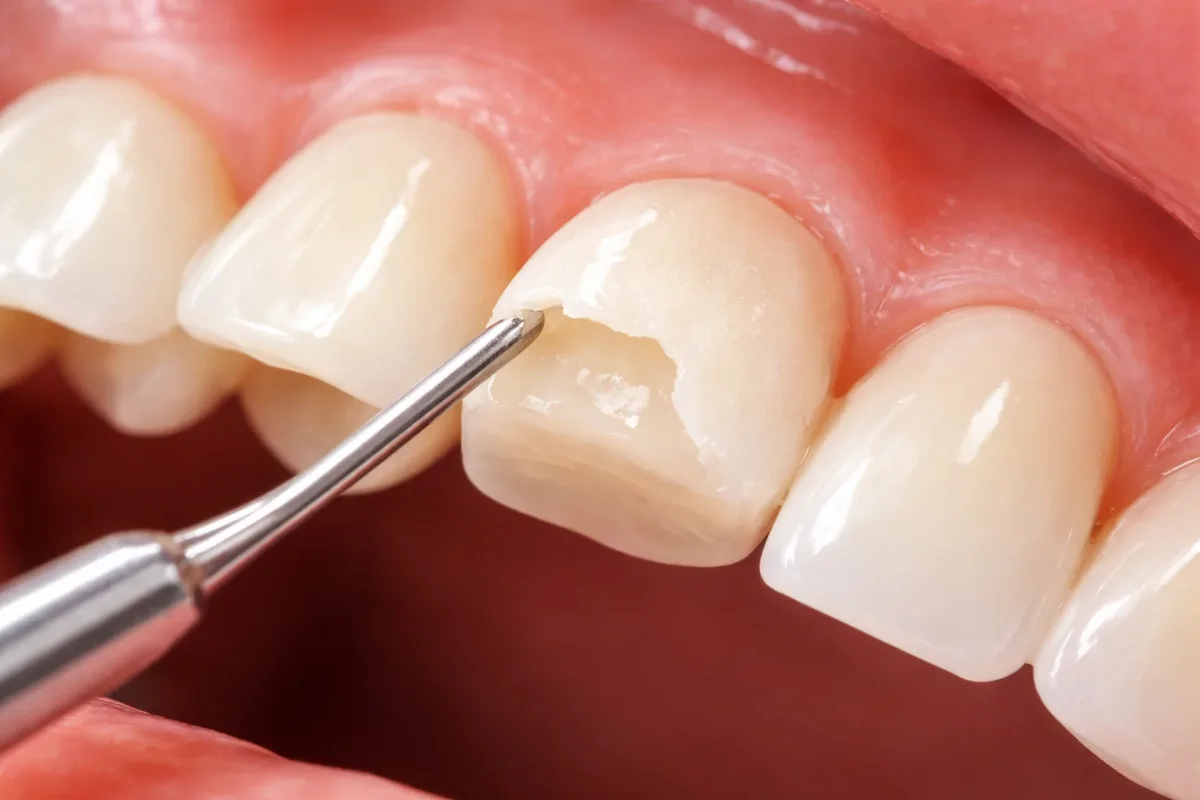
When to Contact Your Dentist About a Chipped Temporary Crown
Knowing when to contact your dentist after a chipped temporary crown is critical for protecting your tooth and avoiding unnecessary complications. Many patients hesitate, especially if discomfort is mild, but delaying professional care can allow small problems to grow into larger ones. Understanding the right timing helps you act confidently and responsibly 🦷.
Contact Your Dentist Immediately If Pain Is Present
Pain is one of the clearest signals that a chipped temporary crown needs prompt dental attention. While temporary crowns are not meant to be completely pain-free in all situations, sharp, throbbing, or worsening pain is not normal.
Pain may indicate that the underlying tooth is exposed, irritated, or under excessive pressure. In these cases, waiting can increase inflammation and complicate treatment. A chipped temporary crown accompanied by pain should always trigger a call to your dentist as soon as possible.
Pain That Gets Worse Over Time
If discomfort increases day by day rather than improving, this suggests ongoing irritation or bacterial leakage. Progressive pain is a strong indicator that a chipped temporary crown requires urgent evaluation.
If You Notice Tooth Sensitivity
Sensitivity to hot, cold, or air is another reason to contact your dentist after a chipped temporary crown. Temporary crowns are designed to shield sensitive tooth structures. Once chipped, this protection may be reduced.
Occasional mild sensitivity may be manageable briefly, but persistent or intense sensitivity means the tooth is no longer adequately protected. Early intervention prevents this sensitivity from becoming chronic or painful.
When the Tooth or Gum Looks Exposed
Visual changes are important warning signs. If you can see part of the tooth underneath the crown or notice that the gum line looks irritated or swollen, a chipped temporary crown should not be ignored.
Exposure increases the risk of bacterial contamination and gum inflammation. Contacting your dentist promptly allows them to restore coverage and protect the area before complications develop.
If the Crown Feels Loose or Unstable
A chipped temporary crown often becomes unstable, even if it does not fall off completely. If the crown shifts when you talk or chew, this is a clear sign that professional care is needed.
An unstable crown can rub against the gums, trap food, and alter bite pressure. These issues increase the likelihood of further damage or complete crown loss if not addressed quickly.
Sharp Edges Causing Irritation
Sharp or jagged edges from a chipped temporary crown can irritate your tongue, cheeks, or lips. Small cuts or sores may develop if the rough area continues to rub against soft tissues.
While dental wax can help temporarily, it does not solve the underlying problem. Persistent irritation is a valid reason to contact your dentist and request adjustment or repair.
If Your Bite Feels “Off”
Changes in how your teeth come together are another reason to seek dental care. A chipped temporary crown may alter bite alignment, causing one tooth to take more pressure than others.
Uneven bite forces can lead to jaw discomfort, headaches, or further crown damage. Dentists can quickly adjust the bite to reduce stress and prevent repeat chipping.
Why Bite Issues Should Not Be Ignored
Even small bite discrepancies can place continuous pressure on a damaged temporary crown. Addressing these issues early helps prevent repeated failure of the chipped temporary crown.
If Your Permanent Crown Appointment Is Weeks Away
Timing matters when deciding whether to contact your dentist. If your permanent crown appointment is soon, minor issues may be manageable briefly. However, if you must wear the temporary crown for several weeks, a chipped temporary crown should always be evaluated.
Longer wear time increases the importance of stability and protection. Dentists often prefer to repair or replace the temporary crown to ensure it lasts until the final appointment.
When in Doubt, It’s Always Better to Call
Many patients worry about overreacting. In reality, dentists prefer early communication rather than delayed problem-solving. A quick phone call can clarify whether your chipped temporary crown needs immediate attention or can safely wait.
Early guidance often prevents unnecessary pain, delays, or additional procedures.
The Value of Prompt Professional Advice
A chipped temporary crown is usually easy to manage when addressed early. Dentists can smooth rough edges, repair minor damage, or replace the crown entirely in a short visit.
Waiting too long increases the risk of sensitivity, infection, and bite complications that may affect your permanent crown.
In conclusion, you should contact your dentist about a chipped temporary crown whenever pain, sensitivity, instability, or visible exposure occurs—or whenever you are unsure. Prompt communication protects your tooth, preserves comfort, and ensures your dental treatment proceeds smoothly toward a successful permanent restoration ✨.