
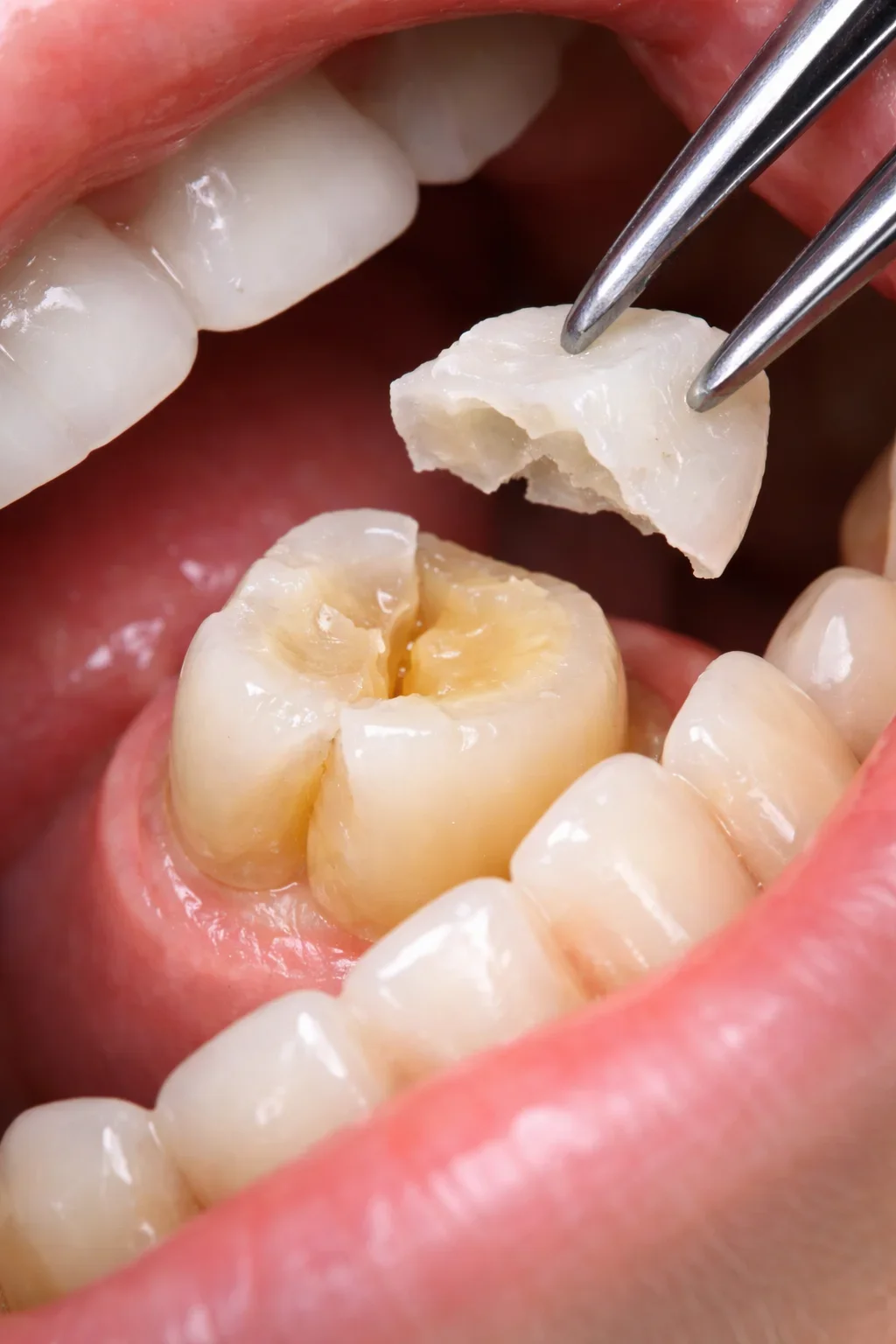
If your temp crown broke, you are definitely not alone—and more importantly, you are not facing a dental emergency in most cases. Temporary crowns are designed to be just that: temporary. They protect your prepared tooth while your permanent crown is being custom-made by a dental lab. Because of their short-term purpose and lightweight materials, it is quite common for patients to experience a situation where a temp crown broke unexpectedly. Understanding what this means, what risks are involved, and what actions to take immediately can help you avoid pain, complications, and unnecessary stress. 😊
When a temp crown broke, the first thing to know is why it happens so often. Temporary crowns are usually made from acrylic or composite resin. These materials are intentionally weaker than permanent crowns so they can be removed easily by your dentist later. Because of this, chewing sticky foods, biting hard items, or even nighttime teeth grinding can cause the temporary crown to crack, loosen, or fully detach. In many cases, patients don’t even realize how fragile these crowns are until a temp crown broke while eating or brushing.
Another important factor when a temp crown broke is the condition of the tooth underneath. After tooth preparation, the natural tooth is often smaller, more sensitive, and more exposed than usual. The temporary crown acts as a shield against temperature changes, bacteria, and pressure. When the crown breaks, this protective barrier is compromised. That is why a temp crown broke situation should never be ignored, even if there is no pain at first.
Many patients panic when a temp crown broke, assuming they have caused serious damage or that their entire treatment has failed. Thankfully, this is rarely the case. A broken temporary crown does not usually affect the final crown or the long-term success of the treatment—as long as you act promptly. The key goal after a temp crown broke is to keep the tooth clean, protected, and stable until you can see your dentist.
Pain levels after a temp crown broke vary widely. Some patients feel sharp sensitivity to cold or air, while others feel nothing at all. Sensitivity does not always mean something is wrong; it often occurs because the dentin layer of the tooth is exposed. However, persistent pain, throbbing, or swelling after a temp crown broke could indicate irritation of the nerve or gum tissue, which should be evaluated quickly.
It’s also important to understand that a temp crown broke does not automatically mean infection. Many people fear bacteria will immediately invade the tooth. While bacteria exposure is possible, short-term exposure is usually not harmful if proper oral hygiene is maintained. Gently brushing, rinsing with warm salt water, and avoiding chewing on that side can significantly reduce risks after a temp crown broke.
Emotionally, a temp crown broke can be frustrating—especially if you are in the middle of an important event, travel, or work schedule. The good news is that dentists deal with broken temporary crowns every single day. This is one of the most routine dental follow-ups. In most cases, repairing or replacing a temporary crown is quick, painless, and affordable.
One common mistake patients make when a temp crown broke is attempting to glue it back permanently using household adhesives. This can seriously damage the tooth or make professional removal difficult. Temporary dental cement may be used in some cases, but only as a short-term solution. When in doubt after a temp crown broke, protecting the tooth and contacting your dental clinic is always the safest choice.
In summary, when a temp crown broke, the situation is usually manageable, but it should never be ignored. Acting calmly, understanding what happened, and taking the right immediate steps will protect your tooth and keep your treatment on track. In the next section, we’ll explore exactly why a temp crown broke in the first place and how to reduce the chances of it happening again. 🦷✨
Why a Temp Crown Broke Happens More Often Than You Think
If a temp crown broke, many patients immediately blame themselves—thinking they ate the wrong food or brushed too hard. While habits can play a role, the reality is that temporary crowns are intentionally fragile by design. Dentists expect that a temp crown broke situation may occur, which is why this is one of the most common follow-up visits in restorative dentistry. Understanding the real reasons behind it can help you feel reassured and better prepared.
The Purpose of a Temporary Crown
To understand why a temp crown broke, it’s essential to know what a temporary crown is meant to do. A temporary crown protects a prepared tooth while the permanent crown is being fabricated. It maintains tooth position, shields sensitive dentin, and protects the gums. However, it is not designed to withstand long-term chewing forces. Because it only needs to last a few weeks, the materials used are lighter and less durable, which makes it more likely that a temp crown broke under normal daily stress.
Material Limitations Play a Major Role
One of the main reasons a temp crown broke is material choice. Temporary crowns are typically made from acrylic or composite resin. These materials are easy to adjust, easy to remove, and cost-effective—but they are not nearly as strong as porcelain or zirconia. Even normal chewing pressure can create micro-fractures. Over time, these weaken the crown until the moment arrives when a temp crown broke seemingly out of nowhere.
Acrylic vs. Composite Temporary Crowns
Acrylic temporary crowns tend to be more brittle, while composite ones offer slightly more flexibility. Still, neither is immune to damage. Patients who grind their teeth at night or clench during stress are especially prone to situations where a temp crown broke. Even something as simple as biting into soft bread at the wrong angle can be enough.
Bite Forces and Chewing Habits
Your bite plays a huge role in whether a temp crown broke. If the temporary crown sits slightly higher than surrounding teeth, it absorbs more force every time you chew. This repeated pressure dramatically increases the likelihood that a temp crown broke. Dentists try to adjust the bite carefully, but minor shifts can occur after you leave the clinic.
Chewing on one side of the mouth, biting fingernails, using teeth to open packages, or eating sticky foods like gum and caramel are common contributors. Many patients report a temp crown broke after chewing something that didn’t even feel hard at the time.
Temporary Cement Is Meant to Be Weak
Another overlooked reason a temp crown broke or came loose is the dental cement. Temporary crowns are held in place with temporary cement—not permanent bonding agents. This allows the dentist to remove the crown easily without damaging the tooth. However, this also means that moisture, saliva, and chewing forces can weaken the bond. Sometimes a temp crown broke simply because the cement washed out or softened.
Gum Changes and Tooth Movement
After a tooth is prepared, the surrounding gum tissue may shrink or heal slightly. This can loosen the fit of the temporary crown. When the seal is no longer tight, food and bacteria can enter, further weakening the structure. In such cases, patients often notice a temp crown broke after feeling it wiggle for a few days.
Time Is Not on the Crown’s Side
Temporary crowns are not designed to last beyond their intended timeframe. Delays in placing the permanent crown significantly increase the risk that a temp crown broke. The longer you wear it, the more wear and tear it experiences. If you have postponed your final appointment, the chances that a temp crown broke rise sharply.
It’s Common—and It’s Fixable
The most important takeaway is this: when a temp crown broke, it does not mean your dental treatment failed. It usually means the temporary restoration did exactly what it was designed to do—serve briefly and protect the tooth until the final crown is ready. Dentists see this daily, and solutions are simple and effective.
In the next section, we’ll cover the exact steps you should take immediately after a temp crown broke to protect your tooth and avoid complications. 🦷
Immediate Steps to Take When a Temp Crown Broke
When a temp crown broke, the moments right after matter more than most patients realize. Acting correctly can protect your tooth, reduce sensitivity, and prevent complications that could affect your permanent crown. While this situation can feel alarming, following a clear step-by-step approach will help you stay in control and avoid unnecessary damage. 😌
Stay Calm and Assess the Situation
The first thing to do when a temp crown broke is to stay calm. Panic often leads to poor decisions, such as throwing the crown away or trying unsafe fixes. Carefully check what happened. Did the temporary crown crack, split, or fall off entirely? In some cases, a temp crown broke but remains partially attached. Avoid pulling it off forcefully, as this could damage the underlying tooth or irritate the gums.
If the crown has completely come out, try to locate it. Even when a temp crown broke, the dentist may be able to reuse or temporarily reposition it. Rinse the crown gently with water—do not scrub it—and store it safely.
Protect the Exposed Tooth Immediately
Once a temp crown broke, the tooth underneath is often exposed and vulnerable. This tooth may be sensitive to cold, heat, air, or pressure. Avoid touching it with your fingers or tongue, as bacteria can easily transfer. If sharp edges are present, dental wax (available at pharmacies) can be applied to prevent irritation.
If dental wax is not available, sugar-free chewing gum can be used as a temporary protective layer. This is not a permanent fix, but it can help reduce discomfort after a temp crown broke until you see a dentist.
Avoid Chewing on the Affected Side
One of the most important rules after a temp crown broke is to stop chewing on that side of your mouth. Even soft foods can place pressure on the exposed tooth, increasing sensitivity or causing micro-damage. Stick to soft foods like yogurt, eggs, soup, or smoothies, and chew on the opposite side whenever possible.
Foods to Avoid After a Temp Crown Broke
After a temp crown broke, avoid sticky foods (gum, caramel), hard foods (nuts, ice), and very hot or cold items. These can worsen sensitivity or cause further damage. Acidic foods should also be limited, as they may irritate the exposed tooth surface.
Do Not Use Household Glue
A critical warning when a temp crown broke: never use super glue, nail glue, or other household adhesives to reattach the crown. These products are toxic, not designed for oral use, and can permanently damage the tooth. They may also make professional removal extremely difficult.
If you choose to temporarily re-seat the crown, only use dental temporary cement specifically labeled for oral use. Even then, this should be considered a short-term measure until professional care is available.
Maintain Excellent Oral Hygiene
Cleanliness is crucial after a temp crown broke. Gently brush the area using a soft-bristled toothbrush. Avoid aggressive brushing directly on the exposed tooth. Floss carefully, sliding floss out sideways rather than pulling upward to avoid disturbing the area.
Rinsing with warm salt water can help soothe gums and reduce bacteria. This is especially helpful if the gums feel tender after a temp crown broke.
Contact Your Dental Clinic Promptly
Even if there is no pain, you should contact your dentist as soon as possible when a temp crown broke. Temporary crowns protect the tooth’s shape and position. Leaving the tooth uncovered for too long can allow it to shift slightly, which may cause the final crown to no longer fit properly.
If you are unable to reach your dentist, you can use a dental clinic contact page such as the
Redent Klinik Contact Page
to get professional guidance quickly. Prompt communication significantly reduces risks after a temp crown broke.
Monitor Symptoms Closely
After a temp crown broke, pay attention to symptoms such as increasing pain, swelling, bleeding, or a bad taste. These could indicate irritation or infection and require immediate evaluation. Mild sensitivity is common, but worsening discomfort is not something to ignore.
In summary, when a temp crown broke, quick and informed action can make all the difference. Protect the tooth, avoid risky fixes, maintain hygiene, and contact your dentist promptly. In the next section, we’ll explore whether it’s dangerous if a temp crown broke while eating and what that means for your dental health. 🦷✨
Is It Dangerous If a Temp Crown Broke While Eating?
When a temp crown broke while eating, it can feel especially alarming. Many patients immediately worry that they have damaged the tooth beyond repair or caused a serious dental emergency. In reality, while this situation should be taken seriously, it is rarely dangerous if handled correctly and promptly. Understanding what actually happens when a temp crown broke during a meal can help you respond calmly and protect your oral health. 🍽️
Why Eating Is a Common Moment for a Temp Crown to Break
Eating places repeated pressure on temporary crowns, making mealtime one of the most common moments a temp crown broke. Even soft foods can create uneven forces depending on how you bite. Temporary crowns are not bonded as strongly as permanent ones, so chewing motion alone may cause the cement to loosen or the crown material to crack. This is why many patients report that a temp crown broke without warning, even while eating something that seemed harmless.
Hidden Pressure Points During Chewing
Chewing is not a simple up-and-down motion. It involves grinding, lateral movement, and pressure distribution across multiple teeth. If the bite is slightly uneven, the temporary crown may absorb more force than intended. Over time, this stress increases the likelihood that a temp crown broke during a routine meal.
Immediate Risks When a Temp Crown Broke While Eating
The primary concern when a temp crown broke during eating is exposure of the prepared tooth. This tooth may be sensitive and more prone to irritation. Food particles can lodge around or inside the exposed area, increasing bacterial presence. However, short-term exposure does not usually cause permanent damage if oral hygiene is maintained and dental care is sought quickly.
Another risk is accidentally swallowing or biting down on the broken crown. If a temp crown broke into pieces, stop eating immediately and carefully check your mouth. Swallowing a small piece is usually harmless, but biting down on it could crack another tooth or irritate soft tissues.
Is Pain a Sign of Serious Damage?
Pain after a temp crown broke while eating can range from mild sensitivity to sharp discomfort. Sensitivity alone does not necessarily mean something serious has happened. It often occurs because the dentin layer of the tooth is exposed to temperature changes. However, severe or persistent pain may indicate pulp irritation or gum trauma and should be evaluated promptly.
Normal vs. Concerning Symptoms
Normal symptoms after a temp crown broke include mild sensitivity to cold or air and slight gum tenderness. Concerning symptoms include throbbing pain, swelling, bleeding that doesn’t stop, or a bad taste in the mouth. These signs suggest that professional attention is needed without delay.
What You Should Do Immediately After It Happens
If a temp crown broke while eating, stop chewing right away. Rinse your mouth gently with water to remove food debris. Avoid probing the area with your tongue or fingers. If you can retrieve the crown, rinse it and keep it safe. Do not attempt to chew further on that side of your mouth.
Applying dental wax or a temporary protective material can help reduce discomfort until you see your dentist. Maintaining cleanliness and avoiding pressure are the most important immediate steps after a temp crown broke.
Long-Term Consequences If Ignored
While a single incident where a temp crown broke while eating is usually manageable, ignoring it can lead to complications. The exposed tooth may shift slightly, affecting the fit of the permanent crown. Prolonged exposure can also irritate the nerve or gums, increasing the risk of inflammation.
Additionally, repeated chewing on an uncovered tooth increases the chance of micro-fractures. Over time, these issues may complicate the final restoration process. That’s why dentists strongly advise scheduling a visit as soon as possible after a temp crown broke.
When Eating Becomes a Warning Sign
If a temp crown broke multiple times during eating, this may signal an underlying issue such as bite misalignment, bruxism (teeth grinding), or inadequate crown fit. In such cases, your dentist may need to adjust your bite or reinforce the temporary crown to prevent repeated failures.
In conclusion, when a temp crown broke while eating, it is rarely dangerous—but it should never be ignored. Prompt action, careful eating habits, and professional follow-up are key to protecting your tooth and ensuring your permanent crown fits perfectly. In the next section, we’ll discuss the common symptoms after a temp crown broke and what they mean for your dental health. 🦷✨
Common Symptoms After a Temp Crown Broke
When a temp crown broke, the symptoms you experience can vary widely from person to person. Some patients feel almost nothing, while others notice immediate discomfort. Knowing what symptoms are normal, which ones require attention, and how long they typically last can help you respond confidently instead of anxiously. Most symptoms after a temp crown broke are manageable and temporary, especially when addressed early. 😊
Tooth Sensitivity Is the Most Common Symptom
The most frequent complaint after a temp crown broke is sensitivity. This happens because the prepared tooth underneath is no longer fully protected. The dentin layer, which contains microscopic tubules connected to the nerve, may be exposed. As a result, cold air, cold drinks, or even room-temperature water can trigger sharp but brief sensations.
Sensitivity after a temp crown broke is usually not dangerous. It is the tooth’s natural response to exposure. Using lukewarm water, avoiding extreme temperatures, and chewing on the opposite side can significantly reduce discomfort until the crown is repaired.
Cold vs. Pressure Sensitivity
Cold sensitivity is common and usually short-lived. Pressure sensitivity, however, may feel like discomfort when biting down. If pressure pain worsens after a temp crown broke, it may indicate irritation of the ligament around the tooth and should be checked by a dentist.
Gum Irritation and Inflammation
Another common symptom after a temp crown broke is gum irritation. Temporary crowns are shaped to sit gently at the gumline. When they break or detach, the gums may become exposed, irritated, or slightly swollen. Food particles can also collect in the area, increasing inflammation.
Mild redness or tenderness is normal, especially in the first day or two after a temp crown broke. Rinsing with warm salt water and keeping the area clean usually helps calm the tissue. However, increasing swelling or persistent bleeding is not normal and should be evaluated.
Sharp Edges and Mouth Discomfort
When a temp crown broke, it may leave behind jagged edges on the crown or the tooth itself. These sharp surfaces can irritate the tongue, cheek, or lips, leading to soreness or small cuts. This type of discomfort often feels more annoying than painful but should still be addressed.
How to Reduce Soft Tissue Irritation
Dental wax is an effective short-term solution to cover sharp edges after a temp crown broke. Applying a small amount can prevent friction and make speaking and eating more comfortable until you see your dentist.
Bad Taste or Mild Odor
Some patients notice a bad taste after a temp crown broke. This usually comes from trapped food debris or bacteria around the exposed tooth. While unpleasant, it does not automatically mean infection. Gentle brushing and rinsing often resolve this issue quickly.
However, if a bad taste persists or is accompanied by pain or swelling after a temp crown broke, it may signal deeper irritation and should be checked.
Loose Tooth Sensation
A feeling that the tooth is loose is another symptom some patients report after a temp crown broke. In most cases, the tooth itself is stable. The sensation often comes from changes in pressure distribution or gum inflammation. This usually resolves once the temporary crown is repaired or replaced.
Symptoms That Are NOT Normal
While many symptoms are expected, certain signs after a temp crown broke should never be ignored. Severe throbbing pain, facial swelling, fever, or pus are not typical and may indicate infection or nerve involvement. These symptoms require immediate professional evaluation.
How Long Do Symptoms Last?
Most symptoms after a temp crown broke improve within a few days once the tooth is protected again. Sensitivity and irritation are usually short-term issues. Delaying treatment, however, can prolong or worsen symptoms.
In summary, when a temp crown broke, symptoms like sensitivity, gum irritation, and mild discomfort are common and usually manageable. Understanding what your body is telling you helps prevent unnecessary worry and ensures timely care. In the next section, we’ll discuss whether you can safely manage a temp crown broke at home—and when you absolutely should not. 🦷✨
Can You Fix a Temp Crown Broke at Home Safely?
When a temp crown broke, one of the first questions many patients ask is whether they can fix it at home. This is completely understandable—especially if the break happens at night, during travel, or before an important event. While some short-term measures may help protect the tooth temporarily, it’s crucial to understand the limits of home care and when professional treatment is absolutely necessary. Knowing what is safe—and what is not—can prevent serious complications after a temp crown broke. 🏠🦷
What “Fixing at Home” Really Means
It’s important to clarify expectations. When a temp crown broke, fixing it at home does not mean permanently repairing it. At-home solutions are only meant to protect the tooth briefly until you can see a dentist. Temporary measures can reduce sensitivity, prevent irritation, and keep the tooth stable, but they are not substitutes for professional care.
In many cases, dentists actually expect that a temp crown broke might happen and are prepared to re-cement or replace it quickly. Home care simply helps you bridge the gap safely.
Safe Temporary Solutions You Can Use
If a temp crown broke and the crown came off in one piece, there are a few safe options you may consider temporarily.
Using Temporary Dental Cement
Temporary dental cement, available at most pharmacies, is designed specifically for situations where a temp crown broke or came loose. If the crown fits comfortably back onto the tooth, a small amount of temporary cement can be used to hold it in place short-term. The area should be clean and dry before application.
This solution can help reduce sensitivity and protect the tooth, but it should only be used for a short period. Even with cement, you should still schedule a dental visit as soon as possible after a temp crown broke.
Dental Wax for Protection
If the crown cannot be reattached or is damaged, dental wax is a safe option. When a temp crown broke, wax can be placed over sharp edges or the exposed tooth to reduce irritation. This does not restore function but helps prevent cuts to the tongue and cheeks.
What You Should NEVER Do at Home
One of the biggest risks after a temp crown broke comes from unsafe DIY fixes. Using household glues such as super glue, nail glue, or craft adhesive is extremely dangerous. These products are toxic, not meant for oral use, and can damage tooth structure permanently.
Additionally, forcing the crown back into place when it doesn’t fit properly can injure the gums or crack the tooth. If a temp crown broke and the crown feels uncomfortable or painful when repositioned, stop immediately.
Why Home Fixes Are Only Short-Term
Even when done carefully, home fixes cannot replicate professional dental care. Temporary crowns require precise bite adjustment and proper sealing. When a temp crown broke, subtle changes in fit can cause pressure issues, gum irritation, or misalignment of the tooth.
Leaving a poorly fixed crown in place for too long may cause the tooth to shift slightly. This can make it difficult for the final crown to fit correctly, potentially delaying treatment.
How Long Can You Safely Wait?
After a temp crown broke, most dentists recommend being seen within a few days. Waiting longer increases the risk of sensitivity, gum inflammation, and tooth movement. While short delays are usually manageable, extended delays should be avoided.
Signs That Home Care Is NOT Enough
Certain symptoms mean you should stop home management and seek professional care immediately. These include increasing pain, swelling, bleeding, or difficulty biting. If a temp crown broke and symptoms worsen instead of improve, this indicates that home care is insufficient.
The Safest Approach Overall
The safest approach when a temp crown broke is to use home measures only as temporary protection—not as a solution. Keeping the area clean, avoiding pressure, and contacting your dentist promptly ensures the best outcome.
In summary, while limited at-home steps can help after a temp crown broke, they are never a replacement for professional care. Used wisely, they can protect your tooth and ease discomfort until your dentist restores proper protection. In the next section, we’ll discuss exactly when to call a dentist after a temp crown broke and which warning signs should never be ignored. 🦷✨
When a Temp Crown Broke: When to Call a Dentist
Knowing exactly when to call a dentist after a temp crown broke can make a big difference in protecting your tooth and ensuring your treatment stays on track. While not every broken temporary crown is an emergency, there are clear situations where professional attention is necessary. Understanding these scenarios helps you avoid complications and unnecessary anxiety. 📞🦷
Why Prompt Dental Contact Matters
When a temp crown broke, the underlying tooth is often exposed or inadequately protected. This tooth has already been prepared for a permanent crown, meaning enamel has been reduced and sensitivity is more likely. Prompt dental contact ensures that the tooth remains protected, aligned, and free from complications that could delay your final crown placement.
Even if discomfort is minimal, dentists generally recommend notifying them whenever a temp crown broke. Early intervention is usually quick, simple, and far less stressful than addressing problems caused by waiting too long.
Call Your Dentist Immediately If You Experience Pain
Pain is one of the clearest signals that you should call your dentist after a temp crown broke. Mild sensitivity can be normal, but persistent or worsening pain may indicate nerve irritation, bite issues, or gum inflammation. Sharp pain when biting down is especially important to report.
Types of Pain That Require Urgent Attention
Throbbing pain, spontaneous pain without stimulation, or pain that wakes you up at night should never be ignored. These symptoms after a temp crown broke may suggest pulp involvement or infection and require prompt evaluation.
If the Crown Fell Off Completely
When a temp crown broke and fell off entirely, you should contact your dentist as soon as possible. Even if you have temporarily reattached it with dental cement, professional assessment is still necessary. The dentist will ensure the crown fits properly, the bite is balanced, and the tooth is adequately sealed.
Leaving the tooth uncovered for an extended period increases the risk of tooth movement. Even slight shifting can interfere with the fit of your permanent crown.
Swelling, Bleeding, or Signs of Infection
Swelling, redness, or bleeding after a temp crown broke are signs that should prompt an immediate dental call. While mild gum irritation can be normal, increasing swelling or persistent bleeding is not.
A bad taste, pus, or fever may indicate infection. These symptoms are not typical after a temp crown broke and require urgent professional care.
When Home Fixes Fail
If you attempted a temporary fix and it did not hold—or made symptoms worse—it’s time to call your dentist. Home measures are only meant to be short-term. When a temp crown broke and continues to cause discomfort or instability, professional repair is the safest option.
Timing Matters: How Soon Is Soon Enough?
Ideally, you should contact your dentist within 24–48 hours after a temp crown broke. Most clinics can accommodate these visits quickly because they are common and usually brief. Delaying longer than a few days increases the risk of sensitivity, gum irritation, and misalignment.
If You’re Traveling or Can’t Reach Your Dentist
If a temp crown broke while you’re traveling or your dentist is unavailable, seek guidance from another dental clinic. Many clinics can provide temporary solutions to protect the tooth until you return to your primary dentist.
You can also reach out through an online dental contact platform such as the
Redent Klinik Contact Page
to receive timely professional advice when access is limited.
Reassurance: Dentists Expect This
It’s important to remember that dentists expect situations where a temp crown broke. This is not a failure on your part. These appointments are routine and typically fast, painless, and straightforward.
In summary, calling a dentist after a temp crown broke is the safest way to protect your tooth and avoid complications. Pain, swelling, crown loss, or worsening symptoms are clear signs that professional care is needed. In the next section, we’ll explain how dentists repair or replace a temp crown broke and what you can expect during the visit. 🦷✨
How Dentists Repair or Replace a Temp Crown Broke
When a temp crown broke, many patients worry that the dental visit will be complicated, painful, or expensive. In reality, repairing or replacing a temporary crown is one of the most routine procedures in dentistry. Dentists handle situations where a temp crown broke on a daily basis, and in most cases, the solution is quick, comfortable, and straightforward. Understanding what happens during this appointment can ease anxiety and help you feel prepared. 🦷
The Initial Examination After a Temp Crown Broke
When you arrive at the dental clinic after a temp crown broke, the dentist will first examine the tooth and surrounding gums. They will check whether the underlying tooth is intact, whether there is any irritation or inflammation, and whether the crown itself is reusable. This assessment is crucial to determine the best next step.
If the tooth shows signs of sensitivity or gum irritation after a temp crown broke, the dentist may clean the area thoroughly to remove bacteria and debris before proceeding.
Cleaning and Preparing the Tooth Again
Before repairing anything, the dentist will gently clean the prepared tooth. When a temp crown broke, food particles and plaque may accumulate quickly. Cleaning ensures a proper fit and reduces the risk of irritation or infection.
If temporary cement residue remains, it will be carefully removed. This step is essential to ensure that the crown—whether reused or replaced—sits correctly and comfortably.
Can the Same Temporary Crown Be Reused?
In many cases, if a temp crown broke but the crown itself is still intact, the dentist can reuse it. Small cracks or looseness do not always require a brand-new temporary crown. The dentist will evaluate the crown’s shape, strength, and fit before deciding.
When Reuse Is Possible
If the crown fits well, has no major fractures, and provides adequate coverage, it can often be re-cemented. This makes the visit quick and efficient after a temp crown broke.
When Replacement Is Necessary
If the crown is severely cracked, distorted, or no longer fits properly, the dentist will create a new temporary crown. This ensures proper protection and prevents repeated issues.
Adjusting the Bite to Prevent Another Break
One of the most important steps after a temp crown broke is bite adjustment. The dentist will carefully check how your teeth come together. If the temporary crown is hitting too hard compared to surrounding teeth, it is more likely to break again.
By adjusting the bite, the dentist reduces pressure on the crown, significantly lowering the chances that a temp crown broke again before the permanent crown is placed.
Re-Cementing the Temporary Crown
Once everything is prepared, the dentist will reattach the temporary crown using fresh temporary dental cement. This cement is designed to hold securely while still allowing easy removal later. After a temp crown broke, proper cementation restores protection and comfort almost immediately.
You’ll be asked to bite down gently to ensure correct positioning. Excess cement is removed, and final adjustments are made.
What If the Tooth Is Sensitive?
If sensitivity increased after a temp crown broke, the dentist may apply a soothing liner or desensitizing agent before placing the crown. This helps calm the tooth nerve and improve comfort during the waiting period before the permanent crown.
How Long Does the Appointment Take?
Most appointments after a temp crown broke take between 15 and 30 minutes. Creating a new temporary crown may take slightly longer, but it is still considered a short visit. Anesthesia is rarely needed unless there is significant sensitivity.
Aftercare Instructions from Your Dentist
After repairing a temp crown broke, your dentist will give specific aftercare instructions. These usually include avoiding sticky or hard foods, chewing on the opposite side when possible, and maintaining gentle oral hygiene.
Following these instructions greatly reduces the risk that a temp crown broke again before your final crown appointment.
Does This Affect the Permanent Crown?
In most cases, a temp crown broke has no negative impact on your permanent crown—as long as it is addressed promptly. Dentists take care to preserve tooth shape and position so that the final crown fits perfectly.
In summary, when a temp crown broke, dental repair is usually fast, painless, and routine. Whether re-cemented or replaced, the goal is the same: protect your tooth and keep your treatment on schedule. In the next section, we’ll discuss what happens if you ignore a temp crown broke and why delaying care can cause avoidable problems. 🦷✨
What Happens If You Ignore a Temp Crown Broke?
When a temp crown broke, some patients are tempted to ignore it—especially if there is little or no pain. This is a common mistake. Temporary crowns play a critical protective role, and ignoring the problem can lead to a chain of avoidable complications. While the situation may not feel urgent at first, understanding what can happen if a temp crown broke and is left untreated will make it clear why timely action matters. ⚠️🦷
Loss of Protection for the Prepared Tooth
After tooth preparation, a significant portion of enamel is removed. When a temp crown broke, that tooth is no longer fully shielded from temperature changes, pressure, and bacteria. Without protection, the exposed dentin becomes highly sensitive and more vulnerable to irritation.
Ignoring a temp crown broke allows daily activities like eating, drinking, and even breathing cold air to repeatedly stress the tooth. Over time, this constant exposure increases the likelihood of inflammation and discomfort.
Increased Risk of Tooth Sensitivity and Pain
Sensitivity may start mild after a temp crown broke, but it often worsens if left unaddressed. What begins as occasional discomfort can develop into persistent pain. This happens because the tooth nerve is repeatedly stimulated without the insulating barrier of a crown.
When Sensitivity Turns Into a Bigger Problem
If sensitivity progresses to spontaneous pain or pain when biting, this may indicate pulp irritation. Ignoring a temp crown broke in this stage can increase the risk of needing additional procedures before the permanent crown is placed.
Gum Irritation and Inflammation
The gums around a prepared tooth are delicate. When a temp crown broke, rough edges or exposed margins can irritate gum tissue. Food debris can easily collect in the area, leading to inflammation and tenderness.
Prolonged gum irritation may cause swelling or bleeding. This not only causes discomfort but can also interfere with the proper fit of the final crown if gum tissue changes shape.
Tooth Movement and Alignment Issues
One of the most significant risks of ignoring a temp crown broke is tooth movement. Temporary crowns help maintain the exact position of the prepared tooth and surrounding teeth. Without this support, teeth can shift slightly—sometimes within days.
Even minimal movement can cause major problems when it’s time to place the permanent crown. A crown designed for a specific shape and position may no longer fit correctly if a temp crown broke and was ignored.
Impact on the Permanent Crown Fit
A poorly fitting permanent crown can result from delaying care after a temp crown broke. This may lead to bite discomfort, food trapping, or the need for crown adjustments or remakes. In some cases, treatment timelines are extended unnecessarily.
Higher Risk of Bacterial Contamination
When a temp crown broke, bacteria can access areas of the tooth that are normally sealed. While short-term exposure is usually manageable, prolonged exposure increases the risk of decay or irritation beneath the crown.
This bacterial presence may not cause immediate symptoms, but it can compromise tooth health over time if the crown is not repaired.
Why “No Pain” Doesn’t Mean “No Problem”
One of the biggest misconceptions is that if a temp crown broke and there’s no pain, it’s safe to wait. Unfortunately, many dental issues develop silently. By the time symptoms appear, the problem may be more complicated.
Dentists strongly advise against waiting simply because discomfort is minimal. Early repair after a temp crown broke is almost always easier and more comfortable than delayed treatment.
Long-Term Consequences of Delaying Care
In rare cases, ignoring a temp crown broke for an extended period can lead to nerve irritation severe enough to require additional dental procedures. While this is uncommon, it is entirely preventable with timely attention.
The Smart Choice: Act Early
In summary, ignoring a temp crown broke can lead to sensitivity, gum problems, tooth movement, and issues with your permanent crown. Even if the problem seems minor, addressing it early protects your comfort, your tooth, and your investment in dental treatment.
In the final section, we’ll cover how to prevent a temp crown broke before your final crown, so you can avoid these issues altogether and complete your treatment smoothly. 🦷✨
How to Prevent a Temp Crown Broke Before Your Final Crown
Once a temp crown broke, many patients become extra cautious—and that’s a good thing. The period between placing a temporary crown and receiving the permanent one is critical. With the right habits and awareness, you can significantly reduce the chances that a temp crown broke again and keep your treatment on track. Prevention is not complicated, but it does require consistency and understanding how temporary crowns behave. 🦷✅
Understand the Limits of a Temporary Crown
The most important preventive step is understanding that a temporary crown is not a permanent solution. It is designed to protect, not to endure heavy forces. Many cases where a temp crown broke happen simply because patients treat it like a permanent tooth. Keeping this limitation in mind will naturally guide safer daily choices.
Temporary crowns are meant to last weeks, not months. Respecting this timeline lowers the likelihood that a temp crown broke due to wear or fatigue.
Be Strategic With What You Eat
Diet plays a major role in whether a temp crown broke. Sticky and hard foods are the most common culprits. Caramel, chewing gum, nuts, ice, and hard candy place excessive stress on temporary crowns and can easily pull them loose.
Safe Food Choices While Wearing a Temporary Crown
Soft foods such as eggs, pasta, rice, fish, yogurt, and well-cooked vegetables are safer options. Cutting food into smaller pieces and chewing on the opposite side of your mouth also reduces pressure. These habits dramatically decrease the chances that a temp crown broke.
Chew Mindfully and Avoid Bad Habits
Mindless chewing is another reason a temp crown broke. Using teeth to open packages, biting fingernails, or chewing pens places unpredictable stress on the crown. These habits may seem harmless but are risky during the temporary crown phase.
Chewing slowly and evenly allows your bite to distribute forces more gently, helping protect the temporary crown.
Maintain Gentle but Consistent Oral Hygiene
Good oral hygiene is essential—but technique matters. Brushing should be gentle, especially around the temporary crown. Aggressive brushing can loosen cement, increasing the likelihood that a temp crown broke.
Flossing Without Dislodging the Crown
Floss carefully by sliding the floss out sideways instead of pulling it upward. This prevents accidental removal of the crown. Many cases where a temp crown broke occur during routine flossing done incorrectly.
Manage Teeth Grinding and Clenching
If you grind or clench your teeth, especially at night, you are at higher risk for a temp crown broke. Grinding places intense pressure on temporary materials that are not designed to withstand it.
If you know you grind your teeth, inform your dentist. They may adjust your bite or recommend protective strategies during the temporary phase.
Follow All Dentist Instructions Carefully
After placing a temporary crown, dentists provide specific instructions for a reason. These guidelines are designed to prevent situations where a temp crown broke. Ignoring dietary advice or follow-up timelines increases risk.
Professional organizations such as the
American Dental Association
emphasize the importance of following post-procedure care instructions to protect dental restorations and overall oral health.
Do Not Delay Your Permanent Crown Appointment
One of the most effective ways to prevent a temp crown broke is to complete treatment on schedule. Temporary crowns are not built for long-term use. Delaying the permanent crown appointment significantly increases the chance of breakage, loosening, or discomfort.
If scheduling issues arise, inform your dentist rather than waiting silently. Early communication can help prevent complications.
Pay Attention to Early Warning Signs
If the temporary crown starts to feel loose, rough, or uncomfortable, don’t ignore it. These are often early signs that a temp crown broke or is about to. Addressing small issues early prevents bigger problems later.
Consistency Is the Key to Prevention
Preventing a temp crown broke is not about one single action—it’s about combining mindful eating, gentle hygiene, and timely dental care. When these habits work together, the temporary crown can serve its purpose without issue until the final restoration is placed.
In conclusion, while it’s common for patients to experience a situation where a temp crown broke, many cases are preventable. By respecting the temporary nature of the crown and following professional guidance, you can protect your tooth, avoid disruptions, and move smoothly toward your permanent crown with confidence. 🦷✨