
When temporary crown breaks, it can feel alarming, uncomfortable, and confusing—especially if you are waiting for your permanent crown. Temporary crowns play a crucial protective role in modern dentistry. They shield the prepared tooth, preserve gum shape, prevent sensitivity, and allow you to eat and speak normally until the final restoration is placed. Because they are designed to be short-term solutions, temporary crown breaks are more common than many patients expect.
A temporary crown is typically made from acrylic or composite materials, which are intentionally weaker than permanent porcelain or zirconia crowns. This means that when temporary crown breaks, it is not necessarily a sign of poor dental work. Instead, it reflects the crown’s purpose: to serve as a provisional cover rather than a long-lasting structure. Still, ignoring the issue when temporary crown breaks can expose your tooth to bacteria, sensitivity, and potential damage.
Understanding why temporary crown breaks is important for both prevention and peace of mind. These crowns are cemented with temporary dental cement, allowing easy removal later. However, this also means they are more likely to loosen or fracture under pressure. Biting into hard foods, grinding teeth at night, or even sticky snacks can cause temporary crown breaks unexpectedly. Even normal chewing can sometimes be enough if the crown has already weakened.
One of the biggest concerns when temporary crown breaks is tooth sensitivity. The tooth underneath is often shaved down, exposing dentin and nerve endings. Without the temporary crown acting as a barrier, hot, cold, or sweet foods may cause sharp discomfort. Additionally, when temporary crown breaks, bacteria can enter the area, increasing the risk of decay or gum inflammation before the permanent crown is placed.
Patients often wonder whether it is their fault when temporary crown breaks. In reality, multiple factors are involved. Bite alignment, jaw pressure, material thickness, and even saliva composition can influence durability. Dentists design temporary crowns to balance comfort and removability, but this trade-off naturally increases the likelihood that temporary crown breaks compared to permanent restorations.
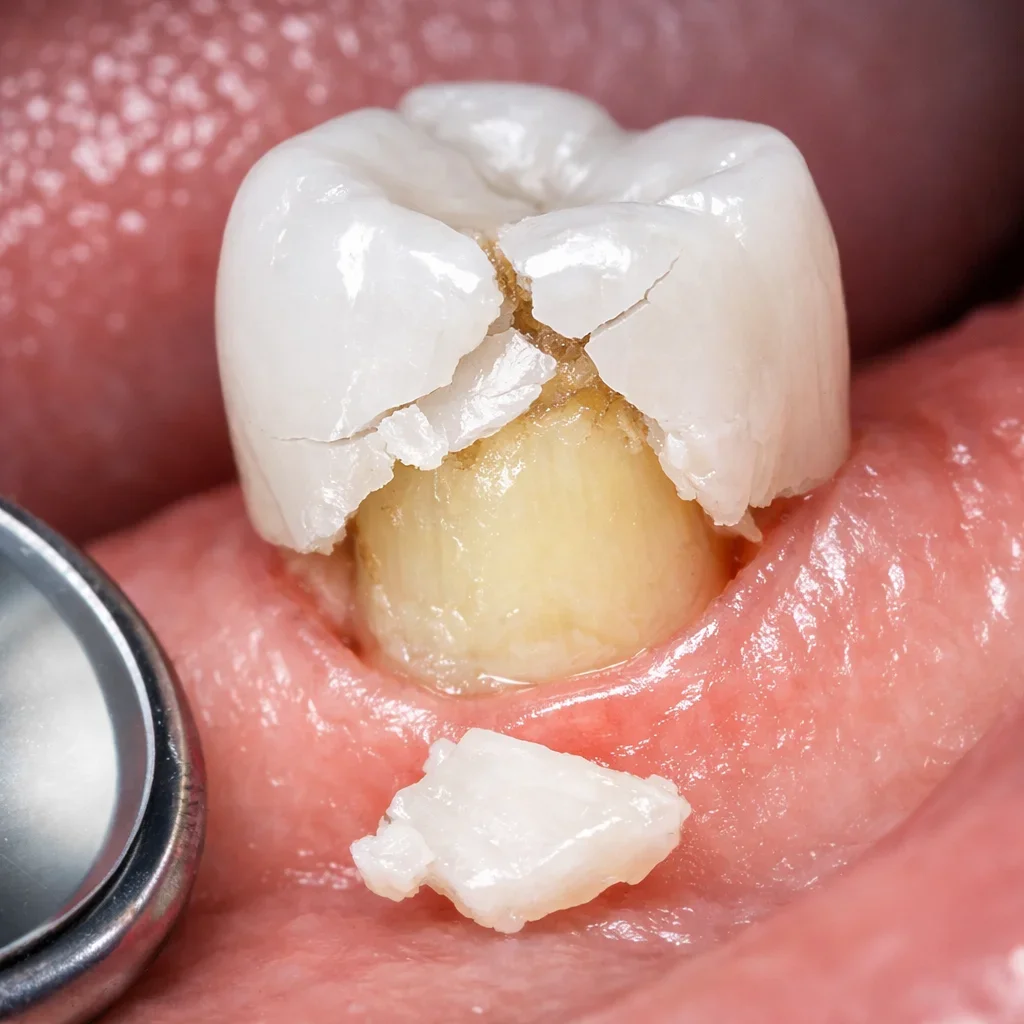
It is also important to clarify what counts as a break. Sometimes temporary crown breaks means a visible crack or missing piece. In other cases, it may simply feel loose or fall off entirely. Both situations should be taken seriously. Even if there is no pain, when temporary crown breaks, the exposed tooth is vulnerable to damage from chewing forces and temperature changes.
Many people delay contacting their dentist after temporary crown breaks, assuming the issue is minor since the crown is “temporary.” This is a common mistake. While it may not always be an emergency, prompt dental attention helps avoid complications. A dentist can quickly recement, reshape, or replace the crown to protect your tooth until the permanent one is ready. If you are unsure what to do when temporary crown breaks, reaching out to a dental professional is always the safest option.
Another overlooked aspect is how temporary crown breaks can affect the final crown fit. Temporary crowns help maintain spacing between teeth and keep gums from shifting. If the crown is broken or missing for too long, nearby teeth may move slightly, or gums may grow over the prepared area. This can complicate the placement of the permanent crown and may require additional dental adjustments.
In summary, when temporary crown breaks, it is a common but important dental issue that should not be ignored. These crowns are essential for protecting your tooth during the interim phase of treatment, even though they are not built to last. Knowing what it means when temporary crown breaks empowers you to act quickly, minimize discomfort, and ensure your long-term dental health stays on track. In the next sections, we will explore the exact causes, risks, and step-by-step actions you should take if this situation happens to you.
What Does It Mean When a Temporary Crown Breaks?
When temporary crown breaks, it indicates that the provisional dental restoration placed over a prepared tooth has cracked, fractured, loosened, or completely detached. A temporary crown is not designed to last for years like a permanent crown. Instead, it serves as a short-term protective cover while the final crown is being fabricated. Understanding what it truly means when temporary crown breaks helps patients respond calmly and correctly rather than panicking or ignoring the issue.
In clinical terms, when temporary crown breaks, the structural integrity of the provisional material has been compromised. This can range from a small surface crack to a full break where part of the crown chips off or falls out. Even minor damage matters because the underlying tooth has already been shaped and weakened in preparation for the permanent crown. Without proper coverage, that tooth becomes exposed and vulnerable.
Why Temporary Crowns Are More Fragile by Design
A key reason temporary crown breaks more easily than a permanent crown lies in the materials used. Temporary crowns are commonly made from acrylic resin or composite materials. These materials are chosen because they are easy to shape, quick to place, and simple to remove later. However, this convenience comes at the cost of strength. When temporary crown breaks, it is often due to this intentional material limitation rather than a treatment failure.
Additionally, temporary crowns are cemented using temporary dental cement. This cement is weaker than permanent bonding agents so that dentists can remove the crown without damaging the tooth. As a result, when temporary crown breaks or loosens, it may feel unstable or come off entirely during eating or brushing.
Different Ways a Temporary Crown Can Break
Not all cases where temporary crown breaks look the same. Some patients notice visible cracks or missing pieces, while others only feel discomfort or movement. Recognizing these variations is important for knowing how urgent the situation may be.
Cracks, Chips, and Fractures
In some cases, temporary crown breaks in the form of a crack or chip. This may not cause immediate pain, but it weakens the crown and increases the likelihood of further damage. A cracked temporary crown may also create sharp edges that irritate the tongue or gums.
Loose or Dislodged Temporary Crowns
Another common scenario occurs when temporary crown breaks by becoming loose or completely dislodged. This can happen suddenly while eating sticky foods or even while flossing. When the crown comes off, the exposed tooth may feel rough, sensitive, or uncomfortable.
What Is Happening to the Tooth Underneath?
When temporary crown breaks, the prepared tooth underneath is often left exposed. This tooth has usually been reduced in size and may have little natural enamel left to protect it. As a result, temperature sensitivity is common. Hot or cold foods may trigger sharp sensations, especially if the nerve is close to the surface.
Another concern is bacterial exposure. When temporary crown breaks, bacteria can more easily reach the tooth surface and the gum line. This increases the risk of decay forming under the future permanent crown or inflammation developing in the surrounding gum tissue.
Does a Broken Temporary Crown Mean the Final Crown Will Fail?
Many patients worry that when temporary crown breaks, it signals a problem with the entire treatment plan. In most cases, this is not true. A broken temporary crown does not automatically mean the permanent crown will fail. However, prolonged exposure without protection can lead to complications that may affect the final outcome.
If temporary crown breaks and is promptly repaired or replaced, the long-term success of the permanent crown is usually unaffected. Problems arise mainly when the broken crown is ignored for days or weeks, allowing tooth movement, gum overgrowth, or decay to develop.
Psychological and Functional Impact on Patients
Beyond physical discomfort, when temporary crown breaks, patients often experience anxiety or embarrassment. Changes in speech, difficulty chewing, or visible damage—especially in front teeth—can affect confidence. Understanding that temporary crown breaks are common and manageable can help reduce unnecessary stress.
In summary, when temporary crown breaks, it means the provisional protection for your tooth has failed in some way and needs attention. While this is not unusual, it should never be ignored. Recognizing the type of break, understanding the impact on the underlying tooth, and acting promptly are essential steps to protecting your dental health while waiting for your permanent crown.
Common Causes Behind Temporary Crown Breaks
When temporary crown breaks, patients often assume something went wrong during the dental procedure. In reality, there are many everyday and clinical factors that explain why temporary crown breaks so frequently. Temporary crowns are intentionally designed as short-term solutions, and their limited durability makes them more vulnerable to daily stresses. Understanding the most common causes helps patients avoid repeat problems and protect their teeth until the permanent crown is placed.
It is important to remember that when temporary crown breaks, the issue is usually mechanical rather than biological. The crown material, the cement used, bite forces, and personal habits all play a role. In many cases, several of these factors combine, increasing the likelihood that temporary crown breaks before the next dental appointment.
Material Limitations of Temporary Crowns
One of the primary reasons temporary crown breaks is the material itself. Temporary crowns are typically made from acrylic or composite resin. These materials are chosen because they are easy to adjust, quick to fabricate, and simple to remove later. However, they are significantly weaker than permanent crown materials like porcelain or zirconia.
Because of this, when temporary crown breaks, it often happens under normal chewing pressure. Even moderate force can cause microcracks that grow over time. The longer the temporary crown is worn, the more likely it becomes that temporary crown breaks, especially if the permanent crown placement is delayed.
Biting Forces and Poor Bite Alignment
Another major cause behind situations where temporary crown breaks is excessive biting force. Some patients naturally bite harder than others, while others may have bite alignment issues that concentrate pressure on a single tooth. If the temporary crown sits slightly high or unevenly, it may absorb more force than intended.
Teeth Grinding and Clenching (Bruxism)
Patients who grind or clench their teeth, especially at night, are at a much higher risk when it comes to temporary crown breaks. Bruxism places repeated stress on the crown, weakening it over time. Even if the crown looks intact initially, constant grinding can cause temporary crown breaks suddenly and without warning.
Dietary Habits That Increase the Risk
Food choices play a significant role in whether temporary crown breaks. Hard foods such as nuts, ice, hard candy, and crusty bread can easily crack a temporary crown. Sticky foods like caramel, chewing gum, or toffee can pull the crown loose or dislodge it completely.
Even healthy foods can contribute. Biting into raw vegetables or tough meats may seem harmless, but when temporary crown breaks, these foods are often involved. Dentists usually recommend a soft-food diet for this exact reason.
Weak Temporary Cement Bond
Temporary crowns are held in place with provisional cement, which is intentionally weaker than permanent cement. This allows easy removal without damaging the prepared tooth. However, this also means that when temporary crown breaks, the issue may actually be crown loosening rather than material fracture.
Saliva, moisture contamination during placement, or excessive chewing can weaken the cement bond. Over time, the crown may start to shift, increasing friction and pressure until temporary crown breaks or falls off.
Improper Oral Hygiene Techniques
Surprisingly, brushing and flossing habits can contribute to cases where temporary crown breaks. Aggressive brushing around the crown margin or snapping floss upward instead of sliding it out can loosen the crown. When this happens repeatedly, the risk that temporary crown breaks increases significantly.
Dentists often advise patients to gently brush and carefully remove floss sideways rather than pulling it straight up. Ignoring these instructions is a common but preventable reason temporary crown breaks.
Extended Wearing Time of Temporary Crowns
Temporary crowns are not designed to be worn for long periods. Delays in permanent crown fabrication, missed appointments, or extended treatment timelines all increase the chance that temporary crown breaks. As time passes, the material degrades, and the cement weakens, making failure more likely.
When temporary crown breaks after being worn longer than intended, it is often due to cumulative wear rather than a single incident.
Accidental Trauma and Unexpected Impact
Sometimes temporary crown breaks due to accidents that patients cannot predict or prevent. Biting down incorrectly, being hit in the mouth during sports, or even sudden jaw movements can fracture a temporary crown. Because these crowns lack the strength of permanent restorations, even mild trauma can cause temporary crown breaks.
In conclusion, temporary crown breaks rarely happen without a reason. Material limitations, bite forces, diet, cement strength, hygiene habits, and time all contribute to the risk. Understanding these causes allows patients to take proactive steps to protect their temporary crown and reduce complications before their permanent crown is placed.
Is a Broken Temporary Crown a Dental Emergency?
When temporary crown breaks, one of the first questions patients ask is whether the situation qualifies as a dental emergency. The answer is not always straightforward. In most cases, when temporary crown breaks, it is not a life-threatening emergency, but it is still a time-sensitive dental issue that should not be ignored. Understanding the difference between an urgent problem and a true emergency helps patients respond appropriately without unnecessary panic.
A temporary crown exists to protect a tooth that has already been significantly altered. Because of this, when temporary crown breaks, the tooth underneath is left exposed to risks that can escalate quickly if no action is taken. While it may not require an immediate trip to the emergency room, it almost always requires prompt dental attention.
Situations Where a Broken Temporary Crown Is Not an Emergency
There are scenarios where temporary crown breaks but does not cause severe pain or immediate danger. For example, if the crown has a small crack or chip and remains mostly intact, the tooth may still be partially protected. In such cases, discomfort may be minimal, and chewing may still feel relatively normal.
If temporary crown breaks without exposing sharp edges or causing sensitivity, it is usually safe to wait a short period—often 24 to 48 hours—before seeing your dentist. However, even in these cases, delaying too long increases the risk of further damage.
When Temporary Crown Breaks Become Urgent
There are many situations where temporary crown breaks should be treated as urgent dental concerns. If the crown falls off completely, the prepared tooth underneath is fully exposed. This can lead to rapid sensitivity, pain when eating or drinking, and an increased risk of bacterial contamination.
Additionally, when temporary crown breaks and causes gum irritation, bleeding, or swelling, prompt care is needed. These symptoms suggest that the surrounding tissues are reacting negatively, which can complicate future crown placement if left untreated.
Severe Pain or Sensitivity
If temporary crown breaks and you experience sharp, persistent pain or intense sensitivity to temperature, this may indicate nerve involvement. While this still may not be a medical emergency, it is a dental urgency that requires immediate attention. Pain is a clear signal that the tooth is no longer adequately protected.
Sharp Edges and Soft Tissue Injury
Sometimes temporary crown breaks in a way that leaves jagged or sharp edges. These can cut the tongue, cheeks, or lips, causing sores or infections. If soft tissue injury occurs, waiting too long can worsen discomfort and increase the risk of complications.
Risks of Ignoring a Broken Temporary Crown
One of the biggest mistakes patients make when temporary crown breaks is assuming it can wait until the next scheduled appointment. Ignoring the issue exposes the tooth to plaque and bacteria. This can lead to decay forming under the future permanent crown, potentially requiring additional procedures such as fillings or even root canal treatment.
When temporary crown breaks and remains untreated, the tooth may also shift slightly. Teeth naturally move when unprotected, and even small movements can interfere with the precise fit of the permanent crown. This can result in additional adjustments, delays, or remakes.
Does the Location of the Crown Matter?
The urgency when temporary crown breaks often depends on where the crown is located. Front teeth are more visible and more prone to sensitivity due to thinner enamel. A broken temporary crown in this area can affect appearance and speech, making prompt repair more important.
Back teeth, on the other hand, experience stronger chewing forces. When temporary crown breaks on a molar, the risk of pain and further fracture is higher, especially during eating. This often makes posterior crown issues more urgent than they may initially seem.
What Dentists Consider an Emergency
From a professional perspective, when temporary crown breaks, dentists evaluate several factors: pain level, exposure of the tooth, risk of infection, and potential impact on the permanent crown. While not every case requires same-day treatment, dentists generally recommend addressing the issue as soon as possible.
Dental professionals also consider how long the permanent crown placement will take. If temporary crown breaks early in the waiting period, replacement is especially important to protect the tooth for the remaining time.
Making the Right Decision
If you are unsure whether your situation is urgent when temporary crown breaks, contacting your dental clinic is always the safest choice. Dental teams can assess symptoms over the phone and guide you on the appropriate next steps. Early communication helps prevent minor issues from becoming major problems.
In summary, while temporary crown breaks are not always true dental emergencies, they should never be ignored. The level of urgency depends on pain, exposure, and risk factors, but timely dental care is essential in all cases. Acting quickly protects your tooth, preserves your treatment plan, and helps ensure a smooth transition to your permanent crown.
Immediate Steps to Take When Temporary Crown Breaks
When temporary crown breaks, knowing exactly what to do in the first moments can make a major difference in preventing pain, infection, and further dental complications. Many patients panic or ignore the issue, but calm and informed action is key. Because a temporary crown protects a prepared and often sensitive tooth, every hour matters once temporary crown breaks.
The good news is that there are clear, practical steps you can take at home before seeing your dentist. These steps are not meant to replace professional care, but they can significantly reduce risks and discomfort while you arrange a dental visit.
Step One: Stay Calm and Assess the Damage
The first thing to do when temporary crown breaks is to carefully assess what happened. Did the crown crack but remain in place? Did it fall off completely? Is there pain, bleeding, or sharp edges? Understanding the situation helps determine urgency and next actions.
If temporary crown breaks without severe pain, avoid touching the area excessively with your tongue or fingers. Repeated pressure can worsen damage or irritate the gums.
Step Two: Retrieve and Inspect the Crown
If the crown has come off after temporary crown breaks, try to find it. Rinse it gently with water and inspect it. Do not scrub it or use chemicals. In many cases, dentists can reuse the same temporary crown if it is intact.
Never attempt to glue the crown back with household adhesives. When temporary crown breaks, using super glue or similar products can damage the tooth and complicate professional repair.
Step Three: Protect the Exposed Tooth
Once temporary crown breaks and the tooth is exposed, protection becomes critical. The prepared tooth is often sensitive and vulnerable to bacteria. Avoid chewing on that side of your mouth and stay away from hot, cold, sugary, or acidic foods.
Temporary Dental Cement or Wax
Pharmacies often sell temporary dental cement or orthodontic wax. If temporary crown breaks and falls off, these products can provide short-term protection. Apply them gently and only as a temporary measure until you see your dentist.
If you do not have dental cement, sugar-free gum (used sparingly) may help cover sharp edges, but this is not ideal. It should only be used briefly when temporary crown breaks and professional care is not immediately available.
Step Four: Manage Pain and Sensitivity Safely
Pain is common when temporary crown breaks, especially if the tooth nerve is close to the surface. Over-the-counter pain relievers like acetaminophen or ibuprofen can help manage discomfort. Avoid placing aspirin directly on the tooth or gums, as this can cause chemical burns.
Desensitizing toothpaste may also help reduce discomfort if temporary crown breaks and sensitivity becomes noticeable. Brush gently to avoid irritating the exposed area.
Step Five: Maintain Gentle Oral Hygiene
Many patients stop brushing around the area when temporary crown breaks, fearing pain or further damage. This is a mistake. Plaque buildup increases infection risk. Continue brushing gently with a soft-bristled toothbrush, keeping the area as clean as possible.
When flossing, slide the floss out sideways instead of pulling it up. This reduces the risk of further loosening or damage if temporary crown breaks partially.
Step Six: Contact Your Dentist Promptly
No matter how minor it seems, once temporary crown breaks, you should contact your dentist as soon as possible. Explain what happened, describe any pain or sensitivity, and follow their instructions. Many dental clinics can address broken temporary crowns quickly, often with same-day or next-day appointments.
If you are traveling or cannot reach your regular dentist, consider contacting another reputable clinic. Leaving a tooth unprotected after temporary crown breaks for several days increases the risk of decay and treatment complications.
What Not to Do When Temporary Crown Breaks
Just as important as knowing what to do is knowing what to avoid when temporary crown breaks. Do not chew hard or sticky foods, do not ignore symptoms, and do not attempt permanent fixes at home. These actions can worsen the situation and increase treatment time and cost.
Also avoid testing the tooth repeatedly with your tongue. This habit may seem harmless, but it can irritate gums and worsen sensitivity when temporary crown breaks.
Why Quick Action Matters
The reason dentists emphasize fast response when temporary crown breaks is prevention. Early intervention protects the tooth structure, keeps gums healthy, and ensures the permanent crown fits properly. Small delays can lead to big complications.
In summary, when temporary crown breaks, your immediate response should focus on protection, pain management, and prompt communication with a dental professional. These simple but crucial steps can prevent unnecessary discomfort and help keep your overall treatment on track.
Can You Eat or Drink Safely After a Temporary Crown Breaks?
When temporary crown breaks, one of the most immediate and practical concerns patients have is whether it is still safe to eat or drink. Food and beverages play a direct role in comfort, pain levels, and the risk of further damage. Because a temporary crown protects a tooth that has already been prepared and weakened, dietary choices become especially important once temporary crown breaks.
The short answer is yes—you can usually eat and drink after temporary crown breaks, but only with strict precautions. Without those precautions, normal eating habits can quickly turn a manageable situation into a painful and complicated dental problem.
Why Eating Becomes Risky When Temporary Crown Breaks
When temporary crown breaks, the underlying tooth structure may be partially or fully exposed. This tooth is often reduced in size and may lack protective enamel. As a result, it is more sensitive to pressure, temperature, and chemical irritation. Chewing normally can place excessive force on the exposed tooth, increasing the risk of pain or further fracture.
In addition, when temporary crown breaks, food particles can easily become trapped around the tooth and gum line. This increases bacterial activity, raising the risk of decay and gum inflammation before the permanent crown is placed.
Foods You Should Avoid Completely
Certain foods dramatically increase the risk of complications when temporary crown breaks. These foods should be avoided until your dentist repairs or replaces the crown.
Hard and Crunchy Foods
Hard foods such as nuts, ice, popcorn kernels, and hard candy can directly damage the exposed tooth or remaining crown structure. When temporary crown breaks, biting into these foods can cause sharp pain or even fracture the tooth itself.
Sticky and Chewy Foods
Sticky foods like caramel, chewing gum, gummy candies, and toffee are particularly dangerous. They can pull on the broken crown edges or temporary cement. When temporary crown breaks, these foods often cause the crown to loosen further or detach completely.
Very Hot or Very Cold Items
Temperature extremes are another major trigger for discomfort. Ice-cold drinks or hot soups can cause sharp sensitivity when temporary crown breaks, especially if the nerve is close to the surface. Sudden temperature changes can also irritate the pulp of the tooth.
Safer Food Choices After a Temporary Crown Breaks
Although restrictions are necessary, you do not need to avoid eating altogether when temporary crown breaks. The key is choosing soft, low-risk foods that minimize pressure and irritation.
Examples of safer options include yogurt, mashed potatoes, scrambled eggs, smoothies (not too cold), oatmeal, soups at mild temperatures, pasta, and soft-cooked vegetables. These foods reduce chewing force and are less likely to aggravate the exposed area.
It is also recommended to chew on the opposite side of your mouth whenever possible. This simple adjustment significantly lowers the chance of further damage when temporary crown breaks.
Drinking Safely Without Causing Sensitivity
Hydration is important, but beverage choices matter when temporary crown breaks. Plain water at room temperature is the safest option. Avoid acidic drinks such as soda, citrus juice, and energy drinks, as these can irritate exposed dentin and increase sensitivity.
If you drink coffee or tea, allow it to cool before sipping. Using a straw for cold beverages may also help limit contact with the affected tooth when temporary crown breaks.
How Long Do These Restrictions Apply?
The dietary limitations after temporary crown breaks are not meant to be permanent. They are temporary measures until your dentist repairs or replaces the crown. In many cases, dental clinics can address the issue quickly, restoring normal function within a short time.
However, if temporary crown breaks and treatment is delayed for several days, maintaining these precautions becomes even more important. Prolonged exposure combined with poor dietary choices increases the risk of complications.
Warning Signs While Eating or Drinking
Pay close attention to warning signs after temporary crown breaks. Sharp pain, lingering sensitivity, pressure discomfort, or swelling are indicators that the tooth is not tolerating exposure well. If symptoms worsen despite careful eating, contact your dentist immediately.
Bleeding or gum irritation during meals may also suggest that food is irritating the surrounding tissues. This is another reason prompt dental care is essential when temporary crown breaks.
Why Dietary Care Makes a Big Difference
Many complications associated with broken temporary crowns are preventable with proper eating habits. When temporary crown breaks, careful food and drink choices help preserve the tooth structure, reduce pain, and protect gum health.
In summary, while eating and drinking are still possible after temporary crown breaks, they must be done thoughtfully. Avoiding hard, sticky, acidic, and extreme-temperature foods while choosing soft, gentle alternatives can significantly reduce discomfort and prevent further damage. These precautions, combined with prompt dental care, help ensure a smooth transition to your permanent crown.
Professional Dental Treatments for Temporary Crown Breaks
When temporary crown breaks, home care and caution are only short-term solutions. Long-term protection of the tooth requires professional dental treatment. Dentists have specific protocols to manage situations where temporary crown breaks, and the chosen approach depends on the type of damage, the condition of the tooth underneath, and how long remains before the permanent crown is placed.
Seeking professional care promptly after temporary crown breaks significantly reduces the risk of pain, infection, and complications that could affect the final crown. Dental treatment at this stage is usually quick, conservative, and focused on preservation rather than complex intervention.
Initial Clinical Evaluation by the Dentist
The first step after temporary crown breaks is a thorough dental examination. The dentist will inspect the broken crown, assess whether it can be reused, and carefully evaluate the prepared tooth underneath. This includes checking for cracks, decay, gum inflammation, and sensitivity.
In some cases, dentists may take a quick X-ray after temporary crown breaks to ensure that the tooth pulp and surrounding bone remain healthy. This step is especially important if the patient reports pain or if the crown has been missing for several days.
Re-cementing the Existing Temporary Crown
If temporary crown breaks but the crown itself is still structurally intact, the dentist may simply clean it and re-cement it. This is one of the most common and least invasive treatments. The tooth and crown are cleaned, dried, and secured again using fresh temporary cement.
Re-cementation works best when temporary crown breaks due to loosening rather than cracking. This option restores protection quickly and allows treatment to continue as planned.
Repairing a Damaged Temporary Crown
When temporary crown breaks with minor chips or cracks, dentists can often repair it chairside. Using composite resin, the dentist reshapes and reinforces the damaged area. This restores coverage and improves comfort without the need to fabricate a new crown.
This approach is especially useful when the permanent crown is already in production and the patient only needs short-term protection after temporary crown breaks.
Replacing the Temporary Crown Entirely
If temporary crown breaks severely or cannot be repaired, the dentist will fabricate a new temporary crown. This may be done directly in the clinic using acrylic or composite materials. A new impression is usually not required, making the process efficient.
Replacement is often necessary when temporary crown breaks repeatedly, as this may indicate bite issues or poor fit. A newly fabricated crown can be adjusted more precisely to reduce future problems.
Adjusting Bite and Occlusion
One critical step during replacement is bite adjustment. Dentists carefully check how the upper and lower teeth come together. When temporary crown breaks multiple times, bite misalignment is often a contributing factor. Proper adjustment reduces pressure and helps prevent further fractures.
Managing Sensitivity and Tooth Protection
After temporary crown breaks, dentists may apply desensitizing agents to the exposed tooth. These treatments reduce nerve sensitivity and make eating and drinking more comfortable. In some cases, a protective liner is placed before re-cementing or replacing the crown.
If the tooth shows signs of inflammation or decay after temporary crown breaks, additional treatment such as medicated liners or minor restorations may be required before placing a new temporary crown.
Impact on Permanent Crown Timeline
Patients often worry that when temporary crown breaks, it will delay their permanent crown. In most cases, this is not true. Dentists aim to keep the original treatment schedule whenever possible. However, if complications are discovered—such as decay or gum irritation—minor delays may be necessary to ensure long-term success.
Addressing issues promptly after temporary crown breaks helps prevent delays and ensures the permanent crown fits accurately and comfortably.
When Additional Treatment Is Needed
In rare situations, when temporary crown breaks and the underlying tooth has been damaged, further procedures may be required. This could include a filling, gum treatment, or in severe cases, evaluation for root canal therapy. These scenarios are uncommon but highlight why professional assessment is essential.
Why Professional Treatment Is Always Recommended
While temporary fixes may provide short-term relief, only professional care can fully address the risks associated with broken temporary crowns. When temporary crown breaks, dentists focus on protecting tooth structure, maintaining gum health, and preserving the accuracy of the final restoration.
In summary, professional dental treatment after temporary crown breaks is typically straightforward but critically important. Whether re-cementing, repairing, or replacing the crown, timely dental care ensures comfort, prevents complications, and keeps your overall treatment plan on track for long-term success.
How Dentists Repair or Replace a Broken Temporary Crown
When temporary crown breaks, patients often assume the fix will be complicated or painful. In reality, dentists are very experienced in managing situations where temporary crown breaks, and the repair or replacement process is usually straightforward. The goal is always the same: to protect the prepared tooth, maintain gum health, and preserve the accuracy of the future permanent crown.
How a dentist repairs or replaces a crown after temporary crown breaks depends on several factors, including the extent of the damage, how long the crown has been broken, and the condition of the tooth underneath. Understanding these steps helps patients feel more confident and informed during treatment.
Step One: Detailed Examination and Cleaning
The repair process begins with a thorough examination once temporary crown breaks. The dentist removes any remaining crown fragments and cleans both the crown (if reusable) and the prepared tooth. This step is critical because plaque, bacteria, or old cement can interfere with proper reattachment.
If temporary crown breaks and the crown has been off for some time, the dentist will also examine the gums for swelling or overgrowth. Healthy gum tissue is essential for a proper seal and for the final crown to fit correctly.
Deciding Between Repair and Replacement
After cleaning and evaluation, the dentist decides whether to repair or replace the temporary crown. This decision is based on structural integrity rather than appearance alone.
When Repair Is Possible
If temporary crown breaks with minor cracks or small chips, repair is often sufficient. Dentists use composite resin to rebuild weakened areas, restoring shape and function. The repaired crown is then polished and re-cemented.
This approach is ideal when the permanent crown is nearly ready and only short-term protection is needed after temporary crown breaks.
When Replacement Is Necessary
If temporary crown breaks extensively or no longer fits securely, replacement is the better option. In this case, the dentist fabricates a new temporary crown directly in the clinic. This ensures proper coverage, comfort, and bite alignment.
Replacement is also recommended when temporary crown breaks repeatedly, as this may indicate bite pressure issues or improper fit that need correction.
Fabrication of a New Temporary Crown
When a new crown is required after temporary crown breaks, the dentist uses fast-setting acrylic or composite materials. These materials are shaped directly on the tooth or from a pre-made mold. Once hardened, the crown is trimmed, polished, and adjusted.
Bite adjustment is a crucial part of this step. Dentists carefully check how the teeth come together to ensure the new crown does not absorb excessive force. Proper adjustment greatly reduces the likelihood that temporary crown breaks again.
Cementation and Final Fit Check
Once the crown is repaired or replaced, it is secured with temporary dental cement. This cement provides enough retention to keep the crown in place while still allowing easy removal later. After temporary crown breaks, dentists take extra care to ensure the crown is stable but not overly tight.
The dentist will then ask the patient to bite down gently and move their jaw side to side. This confirms comfort and identifies any high-pressure points that could cause future damage.
Addressing Sensitivity and Discomfort
After temporary crown breaks, some patients experience sensitivity due to brief tooth exposure. Dentists may apply desensitizing agents or protective liners before cementation. These measures help calm the nerve and improve comfort during eating and drinking.
If gum irritation developed while the crown was broken, soothing treatments or minor adjustments may be made to promote healing.
Impact on the Permanent Crown Process
One of the most common concerns is whether temporary crown breaks will affect the permanent crown. In most cases, timely repair or replacement has no negative impact. Dentists carefully maintain tooth shape and gum contours to ensure the final crown fits as planned.
However, if temporary crown breaks and is left untreated for an extended period, additional steps may be needed before permanent placement. This reinforces why prompt dental care is so important.
Patient Instructions After Repair or Replacement
After fixing the issue, dentists provide clear instructions to prevent another incident. Patients are advised to avoid hard or sticky foods, chew on the opposite side, and maintain gentle oral hygiene. Following these guidelines significantly reduces the risk that temporary crown breaks again.
In summary, when temporary crown breaks, dentists rely on a structured, efficient process to repair or replace it. Through careful evaluation, precise adjustment, and proper cementation, dental professionals restore protection and comfort quickly. Prompt treatment ensures the tooth remains healthy and ready for the final crown, keeping the entire dental restoration process on track.
Long-Term Risks of Ignoring Temporary Crown Breaks
When temporary crown breaks, some patients choose to delay treatment, assuming the issue is minor or will resolve on its own. This decision can lead to serious long-term consequences. A temporary crown is not just a placeholder—it plays a vital role in protecting the tooth, surrounding gums, and the overall success of the final restoration. Ignoring the problem when temporary crown breaks can turn a simple fix into a complex dental issue.
Understanding the long-term risks helps patients realize why dentists strongly recommend prompt care whenever temporary crown breaks, even if pain is minimal at first.
Increased Risk of Tooth Decay
One of the most significant dangers when temporary crown breaks is tooth decay. The prepared tooth underneath often lacks its natural enamel barrier. Once exposed, bacteria can easily adhere to the surface and begin the decay process.
If temporary crown breaks and remains untreated, decay may develop under the area where the permanent crown will sit. This hidden decay can compromise the tooth structure, potentially requiring fillings, crown redesign, or even root canal treatment before the final crown can be placed.
Gum Inflammation and Periodontal Problems
Gum health is closely linked to crown success. When temporary crown breaks, the exposed margins can irritate the gums. Food debris and bacteria accumulate easily, leading to redness, swelling, and bleeding.
Gum Overgrowth and Crown Fit Issues
If temporary crown breaks and is left off for an extended period, the gums may begin to grow over the prepared tooth. This gum overgrowth can interfere with the precise fit of the permanent crown, requiring additional procedures such as gum recontouring.
Healthy gum contours are essential for long-term crown stability and aesthetics. Ignoring the issue when temporary crown breaks puts this balance at risk.
Tooth Movement and Bite Problems
Teeth are not static; they naturally shift when space is available. When temporary crown breaks and leaves a tooth unprotected, neighboring teeth may begin to move slightly. Even small shifts can cause major problems when it comes time to place the permanent crown.
Misalignment caused by delayed care after temporary crown breaks can lead to bite discomfort, uneven chewing forces, and additional dental adjustments. In some cases, the permanent crown may need to be remade.
Increased Sensitivity and Chronic Pain
Sensitivity is often the first symptom patients notice when temporary crown breaks. While mild sensitivity may seem manageable, prolonged exposure can worsen nerve irritation. Over time, this may develop into chronic pain that affects daily activities like eating and drinking.
Ignoring sensitivity after temporary crown breaks increases the likelihood that more invasive treatment will be required to address nerve involvement.
Compromised Success of the Permanent Crown
The ultimate goal of a temporary crown is to ensure the permanent crown fits perfectly and lasts for many years. When temporary crown breaks and is ignored, this goal is jeopardized. Decay, gum changes, and tooth movement all reduce the chances of long-term success.
Addressing issues early when temporary crown breaks helps preserve the tooth’s shape and surrounding structures, ensuring the permanent crown performs as intended.
Higher Treatment Costs and Extended Timelines
Delaying care after temporary crown breaks often leads to additional procedures, which can increase both cost and treatment time. What could have been a quick re-cementation may turn into multiple appointments involving gum treatment, decay removal, or crown redesign.
Prompt care is not only healthier but also more cost-effective when temporary crown breaks.
When to Seek Professional Help Immediately
If you notice pain, swelling, bleeding, or visible tooth exposure after temporary crown breaks, you should contact a dental professional right away. Even in less severe cases, scheduling an appointment as soon as possible is the safest approach.
You can always reach out to a qualified dental clinic for guidance, such as the Redent Klinik Contact Page, to ensure timely and appropriate care.
Trusted Dental Guidance Matters
Following evidence-based dental advice is essential when managing crown-related issues. Organizations like the American Dental Association emphasize the importance of protecting prepared teeth and addressing crown problems promptly to prevent complications.
Final Thoughts on Long-Term Risks
In summary, when temporary crown breaks, ignoring the problem can lead to decay, gum disease, tooth movement, pain, and compromised permanent restorations. What starts as a minor inconvenience can quickly escalate into a serious dental concern.
Taking action early protects your oral health, saves time and money, and ensures the long-term success of your dental treatment. Whenever temporary crown breaks, prompt professional care is the smartest and safest choice.
How to Prevent Temporary Crown Breaks in Daily Life
Preventing problems is always easier than fixing them, and this is especially true when temporary crown breaks. Although temporary crowns are not designed to last forever, patients can significantly reduce the risk of damage by following specific daily habits and precautions. Understanding how lifestyle choices, oral care routines, and awareness play a role can help ensure that temporary crown breaks do not interrupt your dental treatment.
Because a temporary crown protects a prepared and vulnerable tooth, prevention is not just about comfort—it is about safeguarding the success of the final crown. Simple adjustments can make a meaningful difference in reducing how often temporary crown breaks.
Be Mindful of What You Eat
Diet is one of the most influential factors in whether temporary crown breaks. Temporary crowns are not built to withstand the same forces as permanent restorations, so food choices matter every day.
Avoid Hard, Crunchy, and Sticky Foods
Hard foods such as ice, nuts, popcorn kernels, and hard candy place excessive pressure on temporary crowns. Sticky foods like caramel, gum, and chewy candies can pull at the crown or loosen the cement. These foods are among the most common reasons temporary crown breaks, even when the crown was initially well placed.
Opting for softer foods significantly lowers the risk that temporary crown breaks unexpectedly.
Chew Strategically to Reduce Pressure
A simple yet effective strategy is chewing on the opposite side of your mouth whenever possible. When temporary crown breaks, it is often because repeated chewing pressure was concentrated on that tooth.
Being conscious of how and where you chew distributes force more evenly and protects the temporary crown from excessive stress.
Maintain Gentle but Consistent Oral Hygiene
Good oral hygiene is essential, but aggressive techniques can contribute to situations where temporary crown breaks. Brushing too hard around the crown margin can weaken the cement seal and irritate the gums.
Use a soft-bristled toothbrush and gentle circular motions. Cleanliness prevents plaque buildup, which can compromise crown stability if temporary crown breaks and bacteria gain access to the area.
Floss with Care
Flossing incorrectly is a surprisingly common cause of crown issues. Instead of pulling floss straight up, slide it out sideways. This technique reduces the risk that temporary crown breaks due to accidental dislodgement during daily cleaning.
Protect Against Teeth Grinding and Clenching
If you grind or clench your teeth, especially at night, your risk increases significantly when it comes to temporary crown breaks. Bruxism applies repeated force that temporary materials are not designed to withstand.
Your dentist may recommend a temporary night guard if grinding is severe. This protective measure can be extremely effective in preventing temporary crown breaks during sleep.
Avoid Using Your Teeth as Tools
Opening packages, biting nails, or tearing labels with your teeth may seem harmless, but these habits can easily cause temporary crown breaks. Temporary crowns lack the structural strength to tolerate such misuse.
Being mindful of these habits protects not only your temporary crown but your natural teeth as well.
Follow All Dentist Instructions Carefully
After placement, dentists provide specific instructions to reduce the risk that temporary crown breaks. These guidelines are based on clinical experience and should be followed closely.
If your dentist advises avoiding certain foods, limiting chewing on one side, or returning for adjustments, these recommendations are designed to prevent complications.
Attend Scheduled Appointments on Time
Temporary crowns are meant to be temporary. Delays in placing the permanent crown increase the likelihood that temporary crown breaks due to material fatigue and cement wear.
Keeping appointments ensures that the temporary crown does not remain in place longer than intended, reducing the risk of breakage.
Monitor for Early Warning Signs
Pay attention to subtle changes. Slight looseness, mild discomfort, or sensitivity may be early indicators that temporary crown breaks could happen soon. Reporting these symptoms early allows your dentist to make adjustments before a complete failure occurs.
Ignoring warning signs is one of the main reasons minor issues escalate into situations where temporary crown breaks completely.
Why Prevention Matters for Long-Term Success
Preventing damage while wearing a temporary crown directly supports the success of your permanent restoration. When temporary crown breaks repeatedly, it increases the risk of complications such as gum irritation, tooth movement, and delays in treatment.
In summary, preventing temporary crown breaks requires mindful eating, gentle oral care, habit awareness, and timely dental visits. These simple daily actions protect your tooth, reduce discomfort, and help ensure your permanent crown fits perfectly and lasts for years. Prevention is not difficult, but it is essential for a smooth and successful dental treatment experience.