
A temporary crown broken situation can be alarming, especially if it happens suddenly while eating, brushing, or even sleeping. Many patients panic when they notice a cracked, loose, or completely fallen temporary crown, but the truth is that this is a fairly common dental issue—and in most cases, it can be managed safely if handled correctly. Understanding why a temporary crown breaks, what risks it creates, and what actions you should take immediately is essential for protecting your tooth and avoiding further complications 🦷.
A temporary crown is designed as a short-term protective cover placed over a prepared tooth while a permanent crown is being custom-made. Because it is not intended to last for months or years, the materials used are weaker than those of a permanent crown. This is one of the main reasons a temporary crown broken problem occurs more often than patients expect. Unlike permanent crowns made of porcelain, zirconia, or metal alloys, temporary crowns are typically created from acrylic or composite materials that are more vulnerable to pressure, sticky foods, and accidental trauma.
When a temporary crown broken issue happens, the underlying tooth is often left exposed. This tooth has already been shaped and reduced, which means it is more sensitive to temperature changes, bacteria, and physical irritation. Without proper coverage, patients may experience sharp pain, increased sensitivity, or discomfort when chewing. In some cases, the gum tissue around the tooth can become inflamed or irritated, especially if sharp crown edges rub against the soft tissues.
One of the biggest misconceptions is that a broken temporary crown can simply be ignored until the permanent crown appointment. In reality, ignoring a temporary crown broken situation can lead to serious problems. The exposed tooth may shift slightly, making it difficult or impossible for the final crown to fit correctly. Bacteria can also penetrate the exposed tooth, increasing the risk of decay or infection. Dental professionals and organizations like the American Dental Association consistently emphasize the importance of protecting prepared teeth during interim restoration periods.
Another important factor to understand is that not all cases of a temporary crown broken look the same. Sometimes the crown may crack but remain in place. In other cases, it may feel loose or fall out completely. Even a partially broken or chipped temporary crown should be taken seriously. Small cracks can worsen quickly, especially if you continue chewing on that side of your mouth. Sticky foods, chewing gum, and hard items like nuts or ice can turn a minor crack into a full crown failure.
Patients often ask whether a broken provisional crown—or interim dental crown—means something went wrong during treatment. In most cases, it does not. Temporary crowns are meant to be functional but disposable. They are held in place with temporary cement, which is intentionally weaker so the dentist can remove it easily later. This means normal daily activities can sometimes cause a temporary crown broken incident even when everything was done correctly.
If you notice that your temporary crown broken or damaged, the most important thing is not to panic. Avoid chewing on that side of your mouth and keep the area as clean as possible. Gentle rinsing with warm salt water can help reduce irritation and bacterial buildup. If the crown has fallen out entirely, keep it in a clean container and bring it with you to your dental appointment. In many cases, the dentist can simply reattach it.
From a patient care perspective, prompt professional attention is always recommended. Contacting your dental clinic as soon as possible ensures that the exposed tooth is protected and that your treatment timeline stays on track. If you are unsure who to contact or need urgent advice, you can reach out directly through the Redent Klinik Contact Page for guidance and appointment scheduling.
In summary, a temporary crown broken situation is not uncommon, but it should never be ignored. Temporary crowns play a critical role in protecting your tooth, maintaining proper spacing, and ensuring the success of your final crown. By understanding the causes, risks, and immediate steps to take, you can minimize discomfort and prevent long-term dental complications 😊. Acting quickly and following professional advice is the best way to protect your smile until your permanent crown is ready.
What Does It Mean When a Temporary Crown Is Broken?
When patients hear that their temporary crown broken, the first reaction is often confusion or fear. Many are unsure what exactly has gone wrong or how serious the situation really is. A temporary crown breaking does not automatically mean that the dental treatment has failed, but it does signal that the tooth underneath is no longer fully protected. Understanding what a temporary crown broken situation truly means is the first step toward preventing pain, infection, and delays in your final crown placement.
A temporary crown is placed after a tooth has been prepared for a permanent crown. This preparation process removes a portion of the natural tooth structure, leaving it more fragile and sensitive than before. The temporary crown acts as a protective shell during this waiting period. When a temporary crown broken event occurs, that protective barrier is compromised, exposing the tooth to bacteria, temperature changes, and mechanical stress.
What Counts as a Broken Temporary Crown?
Not all damage looks dramatic. A temporary crown broken condition can range from minor cracks to a complete detachment from the tooth. Even small fractures should not be ignored, as they often worsen over time. A crown that feels loose, rough, or uneven may already be partially broken, even if it has not fallen out completely.
In some cases, patients notice that the crown has shifted slightly or no longer aligns with their bite. This can indicate that the temporary cement has weakened or that the crown structure itself has fractured. Any of these signs qualify as a temporary crown broken issue and deserve prompt attention.
Cracked but Still in Place
A hairline crack in a temporary crown may not cause immediate pain, but it is still a problem. These cracks can trap food particles and bacteria, increasing the risk of decay. Over time, chewing pressure can cause the crack to expand, turning a minor issue into a fully temporary crown broken situation.
Loose or Partially Detached Crowns
If the crown moves when you touch it with your tongue or finger, this indicates a failure of the temporary cement or crown integrity. A loose crown often leads to gum irritation and increases the risk of swallowing or inhaling the crown accidentally. This scenario is a common form of temporary crown broken and should be addressed quickly.
Why Temporary Crowns Are More Fragile by Design
Many patients are surprised to learn that temporary crowns are intentionally less durable than permanent ones. This is not a flaw but a design choice. Temporary crowns are made from acrylic or composite materials that are easy to shape and remove. Because of this, a temporary crown broken incident is more likely compared to permanent restorations made from porcelain or zirconia.
The cement used is also temporary. While this allows for easy removal later, it means that biting into sticky or hard foods can dislodge the crown. Even normal daily habits can sometimes lead to a temporary crown broken problem, despite proper dental care.
What Happens to the Tooth Underneath?
When a temporary crown broken occurs, the prepared tooth underneath is at risk. This tooth often has exposed dentin, which is much more sensitive than enamel. Patients may experience sharp pain when consuming hot, cold, or sweet foods. Without protection, bacteria can penetrate the tooth surface, potentially leading to decay or infection.
Another concern is tooth movement. Teeth naturally shift over time, and without a properly fitting temporary crown, the prepared tooth or neighboring teeth may move slightly. Even small shifts can prevent the permanent crown from fitting correctly, resulting in additional dental work.
Is a Broken Temporary Crown Always an Emergency?
While not every temporary crown broken case is a life-threatening emergency, it should always be treated as urgent. Pain, bleeding, swelling, or sharp edges irritating the tongue or cheeks are clear signs that immediate dental attention is needed. Dental authorities such as the American Dental Association emphasize that exposed prepared teeth should not be left unprotected for extended periods.
Even if there is no pain, delaying treatment can create complications that affect the success of your permanent crown. That is why contacting your dental provider promptly is strongly recommended.
Why Professional Evaluation Matters
Self-assessing a temporary crown broken situation can be misleading. What appears minor to a patient may actually compromise the tooth or gums. Dentists can determine whether the crown can be re-cemented, needs replacement, or if additional treatment is required to protect the tooth.
If you are unsure about the severity of your situation or need professional guidance, reaching out through the Redent Klinik Contact Page ensures that your case is evaluated quickly and accurately.
In conclusion, a temporary crown broken condition means that the tooth awaiting a permanent crown is no longer fully protected. Whether the damage is minor or severe, understanding the implications helps you act responsibly. Prompt care, professional assessment, and proper oral hygiene are essential to ensuring that your final crown fits correctly and your oral health remains intact 😊.
Common Reasons a Temporary Crown Gets Broken
A temporary crown broken situation rarely happens without a reason. While patients often blame themselves, the reality is that temporary crowns are exposed to many everyday risks. These crowns are designed to be short-term solutions, not permanent restorations, which makes them more vulnerable to damage. Understanding the most common reasons behind a temporary crown broken incident helps patients prevent repeat problems and protect the prepared tooth underneath.
Weak Materials Used in Temporary Crowns
The most fundamental reason a temporary crown broken event occurs is the material itself. Temporary crowns are typically made from acrylic or composite resin. These materials are chosen because they are easy to shape, quick to place, and simple for dentists to remove later. However, they are significantly weaker than porcelain, zirconia, or metal crowns.
Because of this, even normal chewing pressure can sometimes lead to cracks or fractures. Over time, repeated stress causes the crown structure to weaken. This is why a temporary crown broken problem can happen even when a patient believes they are being careful.
Temporary Cement Plays a Role
Temporary crowns are held in place using provisional dental cement. This cement is intentionally less durable so the crown can be removed without damaging the tooth. While this is beneficial for the dentist, it increases the likelihood of a temporary crown broken or dislodged crown, especially when exposed to sticky or hard foods.
Eating Hard or Sticky Foods
Diet is one of the most common contributors to a temporary crown broken issue. Foods like nuts, ice, hard candies, crusty bread, and popcorn kernels put excessive pressure on temporary crowns. Sticky foods such as caramel, chewing gum, or toffee can pull the crown loose or cause it to crack.
Even healthy foods can be problematic if they require heavy chewing on the side of the mouth where the crown is placed. This is why dentists advise avoiding chewing on that side until the permanent crown is installed.
Teeth Grinding and Clenching
Bruxism, or teeth grinding and clenching, is another major cause of a temporary crown broken situation. Many patients grind their teeth unconsciously during sleep. Temporary crowns are not designed to withstand the intense pressure generated by grinding, which can easily lead to fractures or complete crown failure.
Patients who already use night guards are often advised to continue wearing them during the temporary crown phase. Without protection, repeated grinding can turn a stable temporary crown into a temporary crown broken emergency overnight.
Poor Oral Habits and Accidental Trauma
Everyday habits can also contribute to a temporary crown broken problem. Using teeth to open packaging, biting fingernails, chewing pens, or holding objects with the teeth all place unnecessary stress on the crown. These habits are especially risky when a tooth is already compromised.
Accidental trauma is another factor. A sudden impact from sports, a fall, or even accidentally biting down too hard can damage a temporary crown. Because the materials are fragile, even minor accidents may result in a temporary crown broken outcome.
Improper Fit or Bite Issues
In some cases, the crown itself may contribute to the problem. If the temporary crown does not fit perfectly or sits too high in the bite, it will receive excessive pressure during chewing. Over time, this uneven force can cause cracking or loosening, leading to a temporary crown broken condition.
Dentists usually check the bite carefully after placing a temporary crown, but swelling or changes in the mouth can alter how the crown feels over time. If patients notice discomfort or uneven contact, they should report it immediately.
Extended Wear Time Beyond Recommendation
Temporary crowns are not meant to last for long periods. Delays in permanent crown placement—whether due to scheduling issues or extended travel—can increase the risk of a temporary crown broken problem. The longer a temporary crown is worn, the more it is exposed to wear, moisture, and bacterial buildup.
Dental organizations such as the American Dental Association stress the importance of timely follow-up appointments to ensure temporary restorations do not fail prematurely.
Why Knowing the Cause Matters
Identifying the reason behind a temporary crown broken incident is essential for prevention. If the cause is dietary, behavior changes can reduce risk. If grinding is the issue, protective appliances may be recommended. If fit or bite is the problem, adjustments can be made quickly.
Patients experiencing repeated crown issues should seek professional evaluation rather than attempting to manage the problem alone. Prompt communication with a dental clinic ensures the underlying cause is addressed. If you need guidance or an urgent assessment, the Redent Klinik Contact Page provides direct access to professional support.
In summary, a temporary crown broken situation can result from material limitations, dietary choices, grinding habits, poor oral behaviors, bite issues, or extended wear time. Understanding these causes empowers patients to protect their temporary crowns and ensure a smooth transition to a permanent restoration 😊.
Is a Broken Temporary Crown a Dental Emergency?
When patients realize they have a temporary crown broken, one of the most common questions is whether the situation qualifies as a dental emergency. The answer depends on several factors, including pain level, crown position, and exposure of the underlying tooth. While a temporary crown broken issue is not always life-threatening, it should never be ignored, as delaying care can quickly turn a manageable problem into a serious complication.
Situations That Require Immediate Dental Attention
There are certain scenarios where a temporary crown broken condition should be treated as urgent. If the crown has completely fallen off and the prepared tooth is exposed, the risk of sensitivity, infection, and damage increases significantly. Sharp pain when breathing, drinking, or chewing is a strong indicator that the tooth’s dentin is exposed and unprotected.
Bleeding gums, swelling around the tooth, or sharp crown edges cutting the tongue or cheek are also warning signs. In these cases, a temporary crown broken issue should be addressed as soon as possible to prevent soft tissue injury or bacterial infection.
Severe Pain and Sensitivity
If a temporary crown broken event leads to intense or worsening pain, it should be considered urgent. Severe sensitivity to hot or cold temperatures may indicate that the tooth nerve is irritated. Left untreated, this can lead to inflammation or infection that may require additional procedures beyond a simple crown replacement.
Risk of Tooth Movement
Another emergency-related concern with a temporary crown broken scenario is tooth movement. Teeth naturally shift, especially when a crown is missing. Even slight movement can prevent the permanent crown from fitting properly, potentially delaying treatment and increasing costs.
When It May Not Be an Immediate Emergency
Not every temporary crown broken situation requires an emergency visit. If the crown is cracked but still firmly in place and there is no pain or bleeding, it may be safe to wait a short time before seeing your dentist. However, “not urgent” does not mean “unimportant.” Even minor damage can worsen quickly with normal eating and speaking.
In these cases, patients should still contact their dental clinic promptly to schedule an evaluation. Dental organizations such as the American Dental Association emphasize that exposed or damaged temporary restorations should always be assessed by a professional, even if symptoms seem mild.
Risks of Delaying Treatment
Postponing care after a temporary crown broken incident increases several risks. The exposed tooth is more susceptible to decay, as bacteria can easily penetrate areas normally protected by enamel. Gum tissue may also become inflamed, making it harder to properly seat the permanent crown later.
Additionally, delaying treatment can result in increased discomfort over time. What starts as mild sensitivity may develop into persistent pain, requiring more complex intervention. In some cases, infection can develop, potentially affecting surrounding teeth and tissues.
What Dentists Consider an Emergency
From a clinical perspective, dentists evaluate a temporary crown broken case based on risk rather than appearance alone. A crown that looks slightly chipped may pose little immediate danger, while a crown that appears intact but allows bacterial leakage can be more serious.
Dentists assess factors such as crown stability, gum health, tooth sensitivity, and the amount of time remaining before permanent crown placement. This professional evaluation ensures that the most appropriate and timely treatment is provided.
What to Do While Waiting for Your Appointment
If you experience a temporary crown broken issue and cannot see a dentist immediately, there are steps you can take to reduce risk. Avoid chewing on the affected side, stay away from hard or sticky foods, and maintain gentle oral hygiene. Rinsing with warm salt water can help soothe irritated gums.
If the crown has fallen out completely, keep it clean and store it safely. Do not attempt to glue it back with household adhesives, as these can damage the tooth and gums. Instead, contact your dental provider for proper re-cementation.
If you are uncertain about the urgency of your situation, reaching out through the Redent Klinik Contact Page allows dental professionals to guide you on whether immediate care is needed.
Final Thoughts on Dental Emergencies
In conclusion, a temporary crown broken issue is not always a full emergency, but it is always urgent. The temporary crown plays a vital role in protecting a vulnerable tooth, and any damage to it should be taken seriously. Acting promptly, understanding warning signs, and seeking professional advice ensure that minor issues do not escalate into major dental problems 😊.
Immediate Steps to Take When Your Temporary Crown Breaks
Experiencing a temporary crown broken moment can be stressful, especially if it happens unexpectedly while eating or brushing your teeth. Many patients feel unsure about what to do next and worry about damaging the tooth underneath. The good news is that taking the right steps immediately after a temporary crown broken incident can significantly reduce pain, prevent infection, and protect your dental treatment until you see your dentist.
Stay Calm and Assess the Situation
The first and most important step after noticing a temporary crown broken issue is to remain calm. Panic often leads to poor decisions, such as chewing on the exposed tooth or attempting risky DIY fixes. Gently use your tongue or a clean finger to determine whether the crown is cracked, loose, or has fallen out completely.
If the crown is still partially in place, avoid touching or wiggling it excessively. Movement can worsen the damage and irritate the surrounding gum tissue. A careful assessment helps you understand the severity of the temporary crown broken situation.
Remove the Crown Only If It Has Fully Come Off
If the temporary crown has completely detached, remove it carefully from your mouth to avoid swallowing or choking. A fully dislodged crown is a common form of temporary crown broken, and keeping it safe can be helpful for your dentist. Rinse the crown gently with clean water and store it in a clean container.
Do not attempt to force a loose crown off if it is still partially attached, as this may damage the tooth or gums. Let your dentist handle removal safely.
Never Use Household Glue
One of the most critical rules during a temporary crown broken situation is to never use super glue or other household adhesives. These products are toxic to oral tissues and can permanently damage the tooth. They also make professional re-cementation difficult and may require additional dental procedures.
Protect the Exposed Tooth
When a temporary crown broken event leaves the prepared tooth exposed, protection becomes essential. The tooth underneath is highly sensitive and vulnerable to bacteria. Avoid hot, cold, sweet, or acidic foods that can trigger pain.
If the crown is missing, some pharmacies sell temporary dental cement designed for emergency use. This can be used as a short-term solution only if advised by a dental professional. Even then, it is not a replacement for proper treatment.
Maintain Gentle Oral Hygiene
Good hygiene is crucial after a temporary crown broken incident, but it must be done carefully. Brush gently around the affected area using a soft-bristled toothbrush. Avoid aggressive flossing near the exposed tooth, as this may cause discomfort or bleeding.
Rinsing with warm salt water can help soothe irritated gums and reduce bacterial buildup. This simple step provides temporary relief and supports oral health until professional care is available.
Avoid Chewing on the Affected Side
One of the most common mistakes after a temporary crown broken issue is continuing to chew normally. Chewing on the affected side increases the risk of pain, further damage, and tooth movement. Stick to soft foods and chew on the opposite side of your mouth whenever possible.
This precaution helps preserve the tooth’s position and prevents complications that could interfere with the placement of the permanent crown.
Contact Your Dentist as Soon as Possible
No matter how minor the damage seems, contacting your dentist promptly is essential after a temporary crown broken event. Early intervention reduces the risk of infection, sensitivity, and delays in treatment. Dental professionals can determine whether the crown can be re-cemented or needs replacement.
If you are unsure whom to contact or need quick guidance, the Redent Klinik Contact Page provides direct access to professional assistance and appointment scheduling.
Understand Why Prompt Care Matters
Dental authorities such as the American Dental Association emphasize that temporary restorations are critical for protecting prepared teeth. Ignoring a temporary crown broken issue can lead to decay, gum inflammation, or even nerve damage.
Delaying care may also cause the tooth or surrounding teeth to shift. Even slight movement can prevent the permanent crown from fitting properly, leading to additional appointments and increased treatment time.
Key Takeaway
In summary, taking immediate and informed action after a temporary crown broken incident is essential for protecting your oral health. Staying calm, protecting the tooth, maintaining hygiene, avoiding harmful habits, and seeking professional help all work together to ensure a smooth and successful dental outcome 😊. With the right steps, most temporary crown issues can be resolved quickly and safely.
Can You Eat With a Broken Temporary Crown?
One of the first practical questions patients ask after a temporary crown broken incident is whether it is still safe to eat. Eating is a daily necessity, yet it can quickly become uncomfortable or risky when a temporary crown is damaged. The short answer is: yes, you can eat—but only with caution, and only under certain conditions. Understanding how and what to eat after a temporary crown broken situation is essential to avoid pain, infection, or further dental complications.
Why Eating Becomes Risky After a Temporary Crown Breaks
When a temporary crown broken event occurs, the prepared tooth underneath is often exposed or partially exposed. This tooth no longer has its natural enamel protection and may have exposed dentin. As a result, it is far more sensitive to pressure, temperature, and bacteria. Chewing normally on this tooth can cause sharp pain or worsen the damage.
Additionally, food particles can easily become trapped around or under a damaged crown. This increases the risk of bacterial growth, gum inflammation, and decay. That is why dentists strongly advise modifying eating habits immediately after a temporary crown broken issue.
When It May Be Safe to Eat
Eating may be possible if the temporary crown is only slightly cracked and still firmly in place, with no pain or sensitivity. Even in this scenario, extreme caution is required. Patients should avoid chewing on the affected side and stick to foods that require minimal chewing.
If the crown is loose or has fallen out completely, eating becomes more problematic. In these cases, a temporary crown broken condition should be treated as urgent, and eating should be limited until professional care is provided.
Soft Foods Are Essential
After a temporary crown broken incident, soft foods are the safest option. Examples include yogurt, mashed potatoes, soups (lukewarm, not hot), scrambled eggs, smoothies, oatmeal, and well-cooked pasta. These foods minimize chewing pressure and reduce the risk of irritation.
Cutting food into small pieces and chewing on the opposite side of the mouth also helps protect the damaged area.
Foods You Must Avoid Completely
Certain foods dramatically increase the risk of worsening a temporary crown broken situation. Hard foods like nuts, seeds, ice, popcorn, and hard candies can crack the crown further or damage the exposed tooth. Sticky foods such as caramel, toffee, chewing gum, and gummy candies can pull a loose crown off entirely.
Crunchy foods like chips or crusty bread can also lodge sharp fragments near the gumline, causing irritation or injury. Avoiding these foods is critical until the temporary crown is repaired or replaced.
Temperature Sensitivity and Eating
A common symptom after a temporary crown broken event is heightened sensitivity to temperature. Hot coffee, cold drinks, and even room-temperature water can cause sudden discomfort. This sensitivity occurs because the dentin layer of the tooth is exposed.
To reduce discomfort, consume foods and beverages that are lukewarm. Avoid extremes in temperature, as repeated exposure can irritate the tooth nerve and increase inflammation.
What If the Crown Has Fallen Out Completely?
If the temporary crown has fallen out, eating should be minimized as much as possible. A fully exposed prepared tooth is highly vulnerable. Chewing directly on it can cause pain and may damage the tooth structure.
In this scenario, a temporary crown broken issue should be addressed by a dentist as soon as possible. Until then, limit eating to very soft foods and avoid the affected side entirely.
Why Eating Carefully Protects Your Long-Term Treatment
Eating improperly after a temporary crown broken incident can compromise the success of your permanent crown. Excessive pressure or tooth movement may alter the shape or position of the prepared tooth. This can prevent the permanent crown from fitting correctly, leading to delays or additional dental procedures.
Dental authorities such as the American Dental Association stress the importance of protecting temporary restorations to ensure optimal long-term outcomes.
When to Seek Professional Advice
If you are unsure whether it is safe to eat or experience pain while chewing, contact your dental provider immediately. Professional guidance can prevent complications and ensure your comfort. If you need assistance or urgent advice, the Redent Klinik Contact Page offers direct access to expert care.
Final Guidance
In conclusion, eating after a temporary crown broken incident is possible but must be done carefully and thoughtfully. Choosing soft foods, avoiding the affected side, steering clear of hard or sticky items, and seeking prompt dental care all play a crucial role in protecting your tooth. With the right precautions, you can maintain comfort and prevent further damage until your temporary crown is professionally repaired 😊.
Potential Risks of Ignoring a Broken Temporary Crown
Ignoring a temporary crown broken situation may seem harmless at first, especially if there is little or no pain. Many patients assume they can simply wait until their next scheduled appointment. Unfortunately, this is one of the most common mistakes and can lead to serious dental complications. A temporary crown exists for a critical reason, and when it fails, the tooth underneath is left vulnerable. Understanding the risks of ignoring a temporary crown broken issue can help you avoid long-term damage and unnecessary treatment.
Increased Risk of Tooth Decay
One of the most significant dangers of a temporary crown broken problem is tooth decay. The tooth under a temporary crown has already been shaped and reduced, which means it lacks the protective enamel layer. When the crown cracks, loosens, or falls out, bacteria can easily penetrate the exposed surfaces.
Food particles and plaque accumulate quickly in these exposed areas, accelerating decay. Even a few days of exposure can allow cavities to develop, potentially requiring additional fillings or more complex procedures before a permanent crown can be placed.
Bacterial Infiltration Under the Crown
If the crown is partially broken but still in place, bacteria can seep underneath without being visible. This hidden risk makes a temporary crown broken condition especially dangerous, as decay may progress silently until pain or infection appears.
Severe Tooth Sensitivity and Pain
Another common consequence of ignoring a temporary crown broken issue is increasing tooth sensitivity. The exposed dentin reacts strongly to temperature changes, pressure, and sweet or acidic foods. What starts as mild discomfort can quickly turn into sharp, persistent pain.
Over time, ongoing irritation may inflame the tooth nerve, increasing the risk of pulpitis. This can complicate treatment and may even require root canal therapy—something that could often be avoided with prompt care.
Gum Inflammation and Infection
The gums surrounding a damaged temporary crown are also at risk. A temporary crown broken scenario often creates sharp edges or gaps that irritate the gum tissue. Constant friction and bacterial buildup can cause redness, swelling, and bleeding.
If left untreated, this inflammation can develop into a localized infection. Swollen gums may also make it difficult to properly fit the permanent crown later, leading to delays or the need for adjustments.
Tooth Movement and Bite Problems
One of the less obvious but most impactful risks of ignoring a temporary crown broken issue is tooth movement. Teeth naturally shift, especially when a protective crown is missing or unstable. Even slight movement can disrupt the spacing needed for the permanent crown.
When this happens, the final crown may not fit correctly. Dentists may need to re-prepare the tooth, take new impressions, or remake the crown entirely. This not only delays treatment but can also increase costs and discomfort.
Changes in Bite Alignment
A broken temporary crown can also affect how your teeth come together when you bite. Bite misalignment can lead to jaw discomfort, headaches, or uneven wear on other teeth. These secondary problems are often overlooked consequences of a temporary crown broken condition.
Risk of Crown Failure and Treatment Delays
Ignoring a temporary crown broken problem increases the likelihood that the permanent crown process will be disrupted. Infections, decay, or gum issues may need to be treated first, postponing crown placement.
Dental professionals and organizations like the American Dental Association emphasize that temporary restorations are not optional placeholders—they are essential for treatment success.
Financial and Time Costs
What many patients do not realize is that delaying care after a temporary crown broken event can lead to higher costs. Additional treatments such as fillings, gum therapy, or root canals add both time and expense to the process.
Addressing the issue early is usually quick and straightforward. Waiting, however, often results in more complex procedures that could have been avoided.
When to Act Immediately
If you notice pain, swelling, sensitivity, or changes in how your bite feels, do not delay. These are clear signs that a temporary crown broken issue is progressing. Early intervention protects both your tooth and your investment in dental care.
If you are unsure about the severity of your situation or need professional advice, contacting your dental provider promptly is essential. You can reach out directly through the Redent Klinik Contact Page for timely guidance and support.
Final Takeaway
In summary, ignoring a temporary crown broken situation can lead to decay, pain, infection, tooth movement, bite issues, and increased treatment costs. Temporary crowns play a crucial protective role, and any damage to them should be taken seriously. Acting quickly not only preserves your oral health but also ensures that your permanent crown treatment proceeds smoothly and successfully 😊.
How Dentists Fix a Temporary Crown That Is Broken
When patients visit the clinic with a temporary crown broken issue, one of their biggest concerns is how the problem will be fixed and whether it will delay their overall treatment. The reassuring news is that dentists deal with this situation very frequently, and in most cases, the solution is straightforward. The exact approach depends on how severe the damage is, how long the crown has been broken, and the condition of the tooth underneath. Understanding how professionals manage a temporary crown broken case can help patients feel more confident and prepared.
Initial Examination and Assessment
The first step in treating a temporary crown broken problem is a thorough clinical examination. The dentist will inspect the crown, the prepared tooth, and the surrounding gum tissue. They will check for signs of decay, infection, inflammation, or tooth movement. Even if the crown damage appears minor, this evaluation is essential to rule out hidden issues.
In some cases, X-rays may be taken to ensure the tooth structure and nerve are healthy. This step is particularly important if the patient reports pain or sensitivity following the temporary crown broken incident.
Re-Cementing the Temporary Crown
If the temporary crown is intact and simply came loose, the dentist may choose to clean and re-cement it. This is one of the most common solutions for a temporary crown broken scenario. The crown and tooth are cleaned thoroughly to remove bacteria and old cement, ensuring a proper fit.
Once re-cemented, the dentist will carefully adjust the bite to reduce pressure on the crown. This helps prevent repeat issues and allows the temporary crown to function safely until the permanent crown is ready.
When Re-Cementation Is Not Recommended
Re-cementing is not always possible. If the crown is cracked, misshapen, or no longer fits properly due to tooth movement, reattachment may not provide adequate protection. In these cases, the dentist will recommend replacing the temporary crown entirely.
Replacing the Temporary Crown
If the crown is damaged beyond repair, the dentist will fabricate a new temporary crown. This is often the best solution for a temporary crown broken issue involving fractures or significant wear. A new crown ensures proper coverage, comfort, and protection for the prepared tooth.
The dentist may take a new impression or use digital scanning technology to create a better-fitting temporary crown. This step helps maintain tooth position and gum health while waiting for the final restoration.
Protecting the Tooth Before the Permanent Crown
In some cases, especially if the permanent crown appointment is approaching, the dentist may apply a protective dressing or short-term temporary solution. This approach is sometimes used when a temporary crown broken event occurs very close to the final crown placement date.
The goal is always the same: to protect the tooth, prevent sensitivity, and maintain the correct shape and spacing for the permanent crown.
Addressing Underlying Problems
A key part of managing a temporary crown broken case is identifying why it happened. If grinding or clenching is suspected, the dentist may recommend a night guard. If bite misalignment caused excessive pressure, adjustments will be made.
Dietary habits and oral behaviors may also be discussed. This personalized approach reduces the risk of the temporary crown breaking again before the permanent restoration is placed.
Does a Broken Temporary Crown Delay the Final Crown?
In most cases, a temporary crown broken issue does not significantly delay treatment if addressed promptly. However, if decay, gum inflammation, or tooth movement has occurred, additional steps may be necessary before the permanent crown can be placed.
This is why dental organizations such as the American Dental Association emphasize early intervention when temporary restorations fail.
What Patients Should Expect During the Appointment
Patients are often relieved to learn that fixing a temporary crown broken problem is usually quick and minimally invasive. Most appointments are completed in a single visit, with little to no discomfort. Local anesthesia may be used if the tooth is sensitive, but many cases do not require it.
After treatment, dentists provide detailed aftercare instructions to help protect the new temporary crown until the permanent one is placed.
When to Contact Your Dental Clinic
If you notice that your temporary crown broken, contacting your dentist immediately is always the best course of action. Even if the issue seems minor, professional evaluation prevents complications and keeps your treatment on track.
If you need expert guidance or prompt assistance, the Redent Klinik Contact Page offers direct access to professional dental care.
Final Thoughts
In conclusion, dentists have several effective ways to manage a temporary crown broken situation, ranging from simple re-cementation to full replacement. Prompt care, accurate assessment, and personalized adjustments ensure that your tooth remains protected and that your permanent crown treatment proceeds smoothly 😊.
Costs and Treatment Options for a Broken Temporary Crown
When patients experience a temporary crown broken situation, one of the first concerns—after pain and comfort—is cost. Many people worry that fixing a broken temporary crown will be expensive or that it will significantly increase the total cost of their crown treatment. The good news is that, in most cases, managing a temporary crown broken issue is relatively affordable, especially when addressed early. Understanding the available treatment options and their typical costs helps patients make informed and stress-free decisions.
Does Fixing a Broken Temporary Crown Cost Extra?
In many dental practices, minor issues related to a temporary crown broken are included as part of the overall crown treatment fee. This means that simple re-cementation or minor adjustments may not involve additional charges, particularly if the problem occurs shortly after the crown is placed.
However, costs can vary depending on the severity of the damage, how much time has passed, and whether a new temporary crown needs to be fabricated.
Common Treatment Options and Their Costs
The treatment approach for a temporary crown broken case depends on the condition of the crown and the tooth underneath. Below are the most common options dentists use.
Re-Cementing the Temporary Crown
If the temporary crown is intact and simply came loose, the dentist can often clean and re-cement it. This is the simplest and most cost-effective solution for a temporary crown broken issue.
- Typical cost: $0 – $50 (often included in treatment)
- Procedure time: 10–20 minutes
- Best for: Crowns that are undamaged and still fit well
Replacing the Temporary Crown
If the crown is cracked, deformed, or no longer fits correctly, a new temporary crown may be required. This option ensures proper protection of the prepared tooth and reduces the risk of complications.
- Typical cost: $50 – $150
- Procedure time: 30–60 minutes
- Best for: Fractured or poorly fitting temporary crowns
Protective Temporary Solutions
In some cases—especially if the permanent crown appointment is imminent—the dentist may apply a short-term protective dressing instead of fabricating a new temporary crown. This approach is sometimes used after a temporary crown broken event that occurs very close to the final placement date.
- Typical cost: $20 – $60
- Procedure time: 10–15 minutes
- Best for: Short waiting periods before permanent crown placement
What Can Increase the Cost?
While most temporary crown broken cases are inexpensive to manage, certain factors can increase overall costs. If the exposed tooth develops decay, inflammation, or infection, additional treatment may be required before the permanent crown can be placed.
Examples include fillings, gum treatment, or in severe cases, root canal therapy. These added procedures increase both treatment time and cost, which is why early intervention is so important.
Insurance Coverage for Temporary Crown Repairs
Dental insurance policies vary, but many plans consider temporary crowns part of the crown procedure rather than a separate treatment. As a result, repairs related to a temporary crown broken issue may be partially or fully covered.
It is always recommended to check with your dental provider or insurance company to understand your specific coverage. Dental professionals often help patients navigate these details during treatment planning.
Cost vs. Risk: Why Delaying Is More Expensive
Some patients delay care to avoid paying for a temporary crown broken fix, not realizing that postponement often leads to higher costs. Untreated exposure can cause decay, gum disease, or tooth movement, all of which require additional treatment.
Dental authorities such as the American Dental Association consistently emphasize that protecting prepared teeth is essential for preventing costly complications.
Choosing the Right Dental Provider
Working with an experienced dental clinic ensures transparent pricing and appropriate treatment decisions. Dentists assess whether a simple fix is sufficient or if replacement is necessary, helping patients avoid unnecessary expenses.
If you have concerns about treatment options or costs related to a temporary crown broken situation, you can reach out directly through the Redent Klinik Contact Page for personalized guidance and support.
Final Thoughts
In summary, treating a temporary crown broken issue is usually affordable and straightforward when addressed promptly. Re-cementation, replacement, or short-term protection options are available depending on the situation. Acting early not only protects your tooth but also helps you avoid unnecessary expenses and delays in your permanent crown treatment 😊.
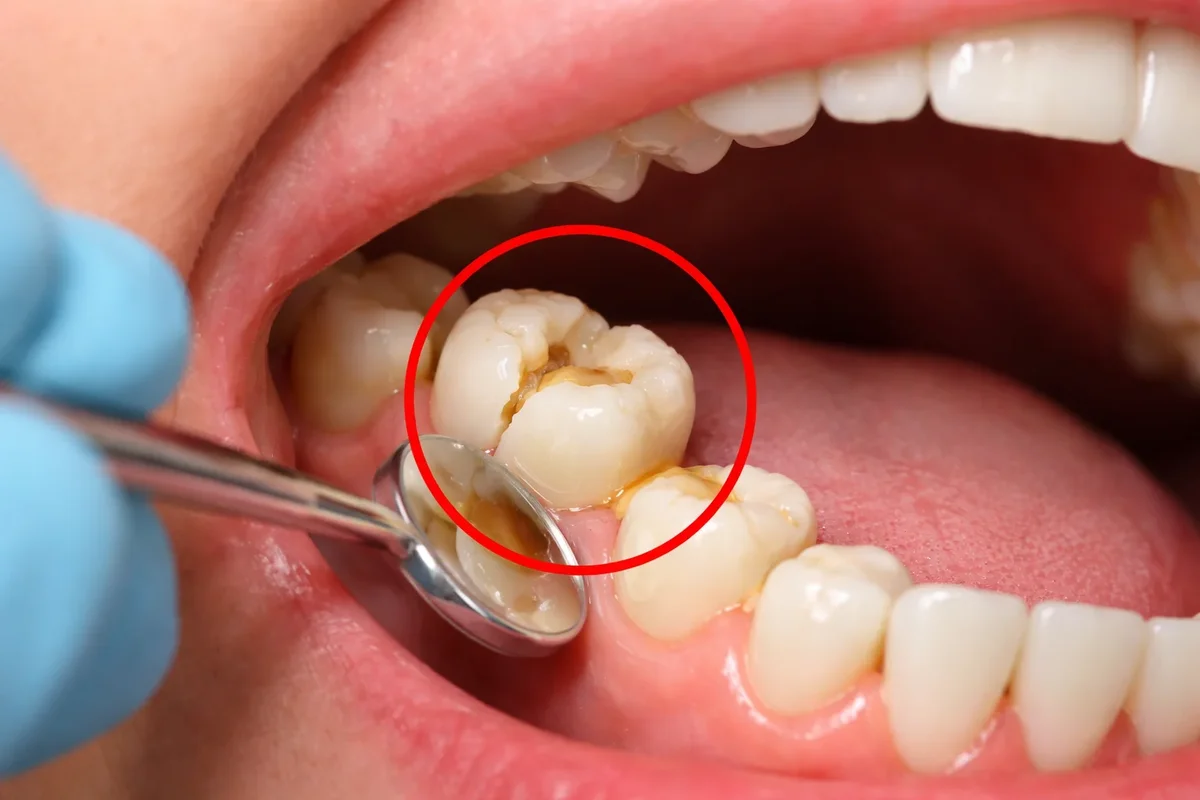
How to Prevent Your Temporary Crown From Breaking Again
After dealing with a temporary crown broken experience, most patients share the same goal: making sure it never happens again. While temporary crowns are not meant to be permanent, there are many effective steps you can take to significantly reduce the risk of another temporary crown broken incident. Prevention focuses on smart daily habits, dietary awareness, and following professional dental guidance closely.
Understand the Limitations of a Temporary Crown
The first step in prevention is understanding what a temporary crown is—and what it is not. A temporary crown is a short-term protective restoration designed to last only until the permanent crown is placed. Because of its materials and cement, it is naturally more fragile. Accepting this reality helps patients treat the crown with the extra care it requires.
Many cases of temporary crown broken occur simply because patients assume the crown is as strong as a permanent one. Adjusting expectations leads to better protection.
Be Careful With What You Eat
Diet plays a major role in preventing a temporary crown broken problem. Hard, crunchy, and sticky foods place excessive stress on temporary crowns and should be avoided entirely. This includes nuts, ice, popcorn, hard candies, chewing gum, caramel, and sticky sweets.
Choose Crown-Safe Foods
Soft foods are your best allies while wearing a temporary crown. Foods such as yogurt, eggs, pasta, rice, soft vegetables, soups, smoothies, and fish require minimal chewing and reduce pressure on the crown. Cutting food into small pieces and chewing on the opposite side of your mouth further lowers the risk of a temporary crown broken event.
Chew Mindfully and Avoid the Crown Side
One of the simplest yet most effective habits is avoiding chewing on the side where the temporary crown is located. Many patients forget this rule after a few days, which is when problems often occur. Making a conscious effort to chew on the opposite side significantly reduces the likelihood of a temporary crown broken situation.
Slow, mindful chewing also helps prevent accidental biting on hard objects that could damage the crown.
Maintain Excellent but Gentle Oral Hygiene
Good oral hygiene is essential, but it must be gentle around a temporary crown. Brush twice daily with a soft-bristled toothbrush and non-abrasive toothpaste. Aggressive brushing can weaken the temporary cement and contribute to a temporary crown broken issue.
Floss With Caution
Flossing is important, but technique matters. Instead of pulling floss upward between teeth, slide it out gently to the side. This reduces the risk of lifting or loosening the crown, which is a common cause of a temporary crown broken problem.
Avoid Harmful Oral Habits
Daily habits that seem harmless can easily damage a temporary crown. Avoid using your teeth to open packaging, bite nails, chew pens, or hold objects. These actions place unnecessary stress on the crown and greatly increase the risk of a temporary crown broken incident.
If you play sports, wearing a mouthguard is strongly recommended to protect your teeth from accidental trauma.
Manage Teeth Grinding and Clenching
Teeth grinding and clenching (bruxism) are major contributors to a temporary crown broken problem. Grinding often happens during sleep, making it difficult to control without professional help.
If you have a history of grinding, your dentist may recommend a night guard. Wearing it consistently protects not only your temporary crown but also your natural teeth and jaw joints.
Follow Your Dentist’s Instructions Closely
Your dentist provides aftercare instructions for a reason. These guidelines are designed to minimize the risk of complications, including a temporary crown broken event. Ignoring advice about diet, chewing habits, or follow-up appointments increases the likelihood of problems.
Dental organizations such as the American Dental Association emphasize that patient cooperation is essential for successful crown treatment.
Attend Follow-Up Appointments on Time
Temporary crowns are not meant to be worn for extended periods. Delaying your permanent crown appointment increases wear and tear on the temporary crown and raises the risk of a temporary crown broken situation.
Keeping scheduled appointments ensures that the temporary crown is replaced promptly and that your tooth remains protected.
What to Do If Something Feels Off
If your crown feels loose, uneven, or uncomfortable, do not wait. These early warning signs often precede a temporary crown broken event. Contact your dental provider immediately for evaluation and adjustment.
If you need professional guidance or prompt care, the Redent Klinik Contact Page offers direct access to experienced dental support.
Final Prevention Takeaway
In conclusion, preventing a temporary crown broken problem requires awareness, careful habits, and timely professional care. By eating wisely, maintaining gentle oral hygiene, avoiding harmful behaviors, managing grinding, and following dental advice, you can protect your temporary crown effectively. These preventive steps ensure a smoother, more comfortable journey toward your permanent crown—and a healthier smile overall 😊.