
Visiting a clean and check up dentist is one of the most important habits for maintaining lifelong oral health. Whether you’re trying to prevent plaque buildup, avoid hidden dental issues, or simply keep your smile bright and fresh 😁, routine professional care plays a central role. In this comprehensive guide, you’ll learn what to expect during a dental cleaning, why check-ups matter, and how these visits protect more than just your teeth. As you read, you’ll also encounter essential insights into how routine preventive care connects to your overall health, confidence, and long-term wellness.
A clean and check up dentist doesn’t simply polish your teeth; they evaluate your gums, bone structure, bite, enamel condition, and early warning signs that might go unnoticed at home. Many people believe brushing and flossing alone are enough, but studies consistently show that professional cleanings remove hardened deposits and bacteria that regular brushing cannot. For example, tartar (calculus) can only be removed by specialized instruments used by dental professionals, ensuring a much deeper purification of the mouth. Preventive dental care is not just optional—it is essential for stopping minor issues before they turn into painful or costly problems.
One critical benefit of visiting a **clean and check up dentist** is early detection. Dentists use digital X-rays, intraoral cameras, and clinical examinations to identify cavities, gum inflammation, enamel erosion, and early-stage gum disease. Detecting such issues early can prevent more serious complications like abscesses, tooth loss, or the need for root canals. Early detection also keeps treatments simple, affordable, and less time-consuming. A routine appointment typically lasts about 30–60 minutes, yet its benefits can last for years when done consistently.
During a standard appointment, the cleaning process usually begins with plaque and tartar removal using ultrasonic devices and manual scalers. After the tartar is removed, your teeth are polished to eliminate surface stains and smooth the enamel, making it harder for bacteria to cling to the surface. This prevents buildup and leaves your teeth feeling exceptionally clean. Some dentists may apply fluoride treatments to strengthen the enamel and reduce sensitivity, especially for individuals who consume acidic foods or beverages.
The check-up portion follows the cleaning. A clean and check up dentist will inspect each tooth individually, evaluate the gum pockets, and check for inflammation or signs of periodontal disease. Gum health is especially critical because periodontal issues are linked to systemic conditions such as diabetes, heart disease, and even respiratory infections. Visiting a clean and check up dentist regularly can therefore reduce risks associated with inflammation and bacterial spread in the bloodstream.
Your dentist may also evaluate your oral cancer risk. Oral cancer screenings take only a few minutes but can be lifesaving since early diagnosis significantly raises survival rates. The dentist examines your tongue, cheeks, gums, palate, throat, and jaw for any unusual textures, lesions, or discolorations. This is an essential part of preventive care and one that many patients overlook.
Another valuable aspect of seeing a clean and check up dentist is personalized guidance. Every mouth is different, and professional feedback can help you refine your daily oral-care routine. You may receive recommendations on brushing techniques, flossing methods, or tools such as interdental brushes, water flossers, or tongue scrapers. Personalized dental advice ensures that your home routine supports rather than harms your enamel and gum health.
In addition to routine advice, patients often receive guidance about lifestyle factors like diet, sugar intake, smoking habits, and stress-related grinding (bruxism). A clean and check up dentist can identify signs of clenching or grinding and recommend night guards, reducing enamel wear and preventing jaw discomfort.
Modern dental clinics use advanced technologies such as digital X-rays, 3D imaging, ultrasonic scalers, and antibacterial irrigation systems. These innovations make your experience safer, faster, and more comfortable. For authoritative information, you can refer to the American Dental Association, which provides trusted guidelines on oral health essentials.
If you wish to book an appointment or need professional guidance, you may visit the
Redent Klinik Contact Page for expert assistance.
Routine preventive care strengthens your teeth, enhances your appearance, boosts confidence, and supports whole-body wellness. Whether you call it a “dental cleaning,” a “check-up,” or a visit to a clean and check up dentist, prioritizing these appointments ensures a healthier future—both inside and outside your mouth. By committing to consistent care twice a year, you lay the foundation for a beautiful smile and long-term oral stability.
Why Regular Clean and Check Up Dentist Visits Matter for Long-Term Oral Health
Scheduling routine appointments with a clean and check up dentist is one of the most powerful habits you can develop for protecting your oral health. While daily brushing and flossing are essential, they can never fully replace the deep cleaning, comprehensive assessment, and preventive care provided by a dental professional. Regular visits help prevent disease, enhance overall well-being, and ensure early detection of problems long before they become painful or expensive. In this section, you will learn why these visits are a cornerstone of long-term oral wellness and how they contribute far beyond just clean teeth. 🦷✨
The Foundation of Preventive Dentistry
Preventive dentistry revolves around catching issues early and stopping them before they escalate. A clean and check up dentist performs professional cleaning to remove stubborn plaque and tartar, which cannot be eliminated with home care alone. Even if you maintain excellent brushing habits, bacteria naturally harden into tartar, creating the perfect environment for gum disease and tooth decay. Without routine cleanings, this buildup worsens and silently damages your gums and enamel.
During your visit, the dentist also evaluates your gum pockets, enamel strength, bite alignment, and potential signs of wear. These detailed assessments give you a powerful advantage: early insights. When a dentist identifies a developing cavity or mild inflammation, early intervention can reverse the issue entirely. This is why routine appointments with a clean and check up dentist significantly lower the risk of chronic oral disease.
Why Twice-Yearly Dental Visits Are Recommended
Most dental associations, including the American Dental Association, recommend visiting your dentist twice a year. This schedule helps ensure tartar does not accumulate excessively, gum inflammation stays under control, and cavities are caught before they grow. For individuals with specific risks—such as smoking, diabetes, pregnancy, or a history of gum disease—more frequent visits may be recommended.
Regular visits allow your clean and check up dentist to track changes in your oral health over time. Subtle differences from one appointment to the next can reveal patterns that would otherwise go unnoticed, such as enamel erosion from grinding, slow gum recession, or sensitivity worsened by diet. By monitoring these changes, your dentist can intervene early, protecting your teeth from long-term damage.
Whole-Body Health Benefits of Regular Check-Ups
Oral health is deeply connected to overall health. Inflammation in the gums can spread bacteria into the bloodstream, contributing to systemic issues. Studies have long shown a link between oral bacteria and conditions such as cardiovascular disease, diabetes, respiratory infections, and even adverse pregnancy outcomes.
A clean and check up dentist helps prevent harmful bacteria from accumulating and reduces inflammatory responses in the mouth. Healthy gums are essential not just for a bright smile but also for your long-term wellness. Even minor gum bleeding—often dismissed by patients—can be an early sign of gingivitis, a reversible condition when treated early through routine dental cleanings.
Comprehensive Oral Cancer Screening
One of the most overlooked benefits of seeing a clean and check up dentist regularly is the oral cancer screening performed during every visit. These screenings take only a few moments, but they can detect early signs of cancerous or precancerous changes in the mouth, tongue, throat, or jaw. Early detection dramatically improves treatment outcomes, making these routine check-ups potentially lifesaving.
What Dentists Look For
- Unusual lesions or patches
- Changes in tongue or tissue texture
- Persistent sores or irritation
- Discolorations that may indicate abnormal cell activity
These screenings are painless, fast, and essential—another reason why appointments with a clean and check up dentist are far more significant than they may appear.
Cost Savings Through Early Detection
Many patients underestimate how much they can save by preventing dental issues instead of treating advanced cases. A small cavity identified early may require only a simple filling. The same cavity, if undetected, can progress to nerve involvement, leading to root canal therapy or even tooth extraction. Preventive visits not only protect your health but also your finances.
When necessary, credible price ranges for common treatments can be researched and displayed in a block format. For example:
Estimated Treatment Costs (Online Research)
------------------------------------------
Routine Dental Cleaning: $70–$150
Comprehensive Dental Exam: $50–$120
X-Rays: $25–$100
Fluoride Treatment: $20–$50
Maintaining Fresh Breath and Confidence
Bad breath, or halitosis, is often caused by bacteria accumulating in hard-to-reach areas, especially below the gum line. Seeing a clean and check up dentist regularly ensures deep cleaning that reduces odor-causing bacteria. Fresh breath contributes significantly to confidence in social and professional interactions, giving you another valuable reason to keep up with dental visits.
Building Trust Through Consistent Care
Developing a long-term relationship with your dentist allows them to understand your unique oral structure, habits, and sensitivities. This personalized connection improves treatment accuracy and reduces dental anxiety. A clean and check up dentist who knows your history can tailor advice, detect unusual patterns quickly, and provide targeted care that continues to benefit you year after year.
For those seeking professional support or appointments, the
Redent Klinik Contact Page
is available to guide you toward expert assistance.
In summary, regular visits to a clean and check up dentist form the backbone of preventive dental care. They protect your smile, support systemic health, save money, and provide priceless peace of mind. By committing to consistent check-ups, you invest in a healthier, brighter future for yourself.
How Professional Dental Cleaning Works: Step-by-Step Breakdown
A visit to a clean and check up dentist involves far more than simply polishing your teeth. Professional dental cleaning is a structured, scientifically designed process that removes plaque, tartar, stains, and bacterial buildup from areas you cannot reach with home care alone. This comprehensive cleaning protects your gums, strengthens enamel, and dramatically reduces the risk of cavities and gum disease. In this section, we break down each step of the cleaning process so you know exactly what happens during your appointment and why each step is essential for long-term oral health. 🦷✨
The Initial Examination: Understanding Your Oral Condition
Before the cleaning begins, a clean and check up dentist or dental hygienist carefully examines your mouth to evaluate your teeth, gums, and overall oral condition. This involves checking for signs of bleeding, recession, swelling, plaque accumulation, tartar buildup, and enamel erosion. Minor issues such as early cavities or gum inflammation can often be detected at this stage.
The initial exam is a crucial step because it allows the dentist to tailor the cleaning to your specific needs. For example, if gum pockets are deeper than normal, a more intensive cleaning method may be required. Similarly, if you have sensitive teeth, the dentist can adjust the tools and pressure accordingly. This individualized approach ensures comfort and effectiveness.
Digital Imaging and Diagnostic Tools
Many modern clinics use advanced diagnostic tools such as digital X-rays, intraoral cameras, and 3D imaging. A clean and check up dentist may recommend imaging if they suspect hidden decay, bone loss, impacted teeth, or structural anomalies. Digital X-rays provide detailed insights while minimizing radiation exposure.
Why Imaging Matters
- Reveals cavities between teeth
- Shows bone loss caused by gum disease
- Helps detect infections or abscesses
- Monitors changes over time for personalized care
These technologies help build an accurate, detailed picture of your oral health, ensuring that the cleaning and evaluation process is thorough and precise.
Step 1: Plaque and Tartar Removal (Scaling)
The first active stage of cleaning is scaling, which involves removing hardened deposits from the surface of your teeth and gum line. Tartar (also known as calculus) forms when plaque is left to harden and can only be removed using specialized dental instruments. No amount of brushing or flossing at home can eliminate tartar—that’s why professional help is essential.
A clean and check up dentist uses ultrasonic scalers that vibrate at high frequencies to break up tartar. These devices also spray water to wash away debris and keep the mouth comfortable during the procedure. After ultrasonic scaling, manual scalers may be used to reach small areas between teeth or along the gumline.
This step is critical because tartar is a major cause of gum disease and cavities. Removing it significantly lowers your risk of inflammation, sensitivity, and tooth decay.
Step 2: Polishing the Teeth
After tartar removal, the dentist polishes your teeth using a special rotating brush and a fine-grain polishing paste. This polish removes surface stains caused by coffee, tea, tobacco, and food pigments, giving your smile a smooth and glossy finish ✨.
A clean and check up dentist ensures the enamel surface becomes less porous after polishing, which helps prevent bacterial accumulation. This step also improves breath freshness and promotes a clean, bright appearance.
Step 3: Flossing and Interdental Cleaning
Flossing during a professional cleaning is much more precise and thorough than everyday flossing at home. A clean and check up dentist or hygienist uses professional-grade floss to remove any remaining debris between the teeth and check for signs of gum bleeding or tight contacts.
This step also helps identify areas where patients may need improvement in their home care routine. For example, tight spaces between molars might require interdental brushes or water flossers for optimal cleaning.
Step 4: Fluoride Treatment (Optional but Highly Recommended)
Fluoride treatment is a preventive step that strengthens the enamel and reduces the risk of tooth decay. A **clean and check up dentist** may apply fluoride gel, varnish, or foam depending on your oral condition. This protective layer helps remineralize weakened enamel and reduces sensitivity.
Benefits of Fluoride Treatment
- Reduces cavity risk
- Rebuilds weakened enamel
- Helps with tooth sensitivity
- Provides long-term protection against acids and sugars
Fluoride treatment is especially helpful for children, smokers, patients with braces, and individuals who consume acidic beverages frequently.
Step 5: Final Check-Up and Personalized Recommendations
After the cleaning, the dentist performs a final evaluation to ensure everything looks healthy and balanced. They examine gum pockets, tooth surfaces, bite alignment, and any areas of concern identified at the start.
This is also the time when your clean and check up dentist provides personalized advice on brushing techniques, flossing methods, or tools such as tongue scrapers and water flossers. Patients with grinding habits may receive night guard recommendations, while individuals with gum inflammation may be advised to schedule more frequent cleanings.
Why Professional Cleaning Is Irreplaceable
Even with excellent home care, plaque builds up in hidden crevices and beneath the gumline. Over time, this leads to tartar formation, gum irritation, and bacterial growth. Only a clean and check up dentist has the tools and expertise to remove these deposits safely and effectively.
For appointments, support, or additional guidance, you can always visit the
Redent Klinik Contact Page.
Overall, professional dental cleaning is a precise, multi-step process that delivers far-reaching benefits for both oral and general health. Regular visits help you maintain a healthier mouth, prevent disease, and enjoy a brighter, more confident smile year after year.
Understanding Full Dental Check-Ups: What Your Dentist Really Evaluates
A routine visit to a clean and check up dentist is far more detailed than many patients realize. While most people think a dental check-up is simply a quick glance at the teeth, the truth is that a full dental examination is an extensive, systematic evaluation of your entire oral cavity—teeth, gums, jaw joints, soft tissues, bite alignment, and even early signs of oral cancer. This deep assessment helps prevent disease, maintain overall health, and ensure that your smile remains strong and healthy for years to come. In this section, you’ll discover exactly what a dentist evaluates during a comprehensive check-up and why every detail matters. 🦷🔍
The Importance of a Structured Examination
A clean and check up dentist follows a structured diagnostic process to make sure no potential issues are overlooked. This systematic approach is essential because many oral problems develop silently. Cavities begin small, gum disease often starts without pain, and misalignment issues may progress unnoticed for years. The dentist’s goal is to detect even the earliest changes, giving you the opportunity to treat and reverse problems before they become serious.
1. Tooth-by-Tooth Examination
This is one of the most detailed parts of the entire dental check-up. Your dentist examines every tooth individually, assessing its structure, surface condition, and stability. The goal is to detect:
- Early signs of decay (even tiny white spots)
- Microfractures or cracks
- Erosion from acidic foods or drinks
- Wear caused by grinding or clenching
- Loose fillings, crowns, or restorations
A clean and check up dentist also evaluates stains, plaque accumulation, and tartar levels. Even the most dedicated brushers may miss hard-to-reach areas, making the dentist’s trained eye indispensable.
2. Gum Health Evaluation
Healthy gums are the foundation of a healthy smile. That’s why your dentist pays special attention to periodontal health. Using a periodontal probe, they measure the depth of gum pockets to check for early gum disease.
Key signs the dentist looks for include:
- Bleeding while probing
- Redness or swelling
- Gum recession
- Pocket depth exceeding 3 mm
Periodontal disease is one of the leading causes of tooth loss, but it is highly preventable when caught early. That’s why visiting a clean and check up dentist on a routine schedule is vital.
3. Bite and Jaw Joint Assessment
Many patients don’t realize that their dentist evaluates their bite alignment and jaw joint (TMJ) function as part of a standard check-up. Misalignment can lead to:
- Jaw pain
- Headaches
- Tooth sensitivity
- Cracked teeth
- Grinding and clenching
A clean and check up dentist looks for signs of stress on the enamel that may indicate grinding, as well as listening for unusual clicking or popping sounds when the jaw moves. These subtle clues help detect TMJ dysfunction early.
4. Soft Tissue and Oral Cancer Screening
This critical part of the examination focuses on the tongue, cheeks, lips, roof of the mouth, throat, and floor of the mouth. Dentists look for:
- Unusual lumps
- Red or white patches
- Persistent sores
- Changes in texture
- Lesions that do not heal
A clean and check up dentist performs these screenings at every visit. Oral cancer is highly treatable in early stages, making these small evaluations potentially lifesaving. This is one reason routine dental appointments are so valuable.
5. Dental X-Rays and Imaging
X-rays allow your dentist to see beneath the surface of the gums and teeth. These images reveal conditions invisible to the naked eye, such as:
- Hidden decay between teeth
- Bone loss around the teeth
- Impacted teeth
- Cysts, tumors, or infections
- Tooth root damage
A clean and check up dentist uses digital X-rays for maximum clarity with minimum radiation exposure. The results help them build a long-term understanding of your oral health trends.
6. Evaluation of Existing Dental Work
Fillings, crowns, bridges, veneers, and implants all require periodic evaluation. Over time, these restorations may weaken, crack, or no longer fit perfectly due to natural changes in your bite or gum structure.
Your dentist checks:
- The stability of crowns
- The integrity of fillings
- The condition of implant sites
- Proper alignment of bridges
A clean and check up dentist ensures every restoration remains safe and functional, preventing complications before they arise.
7. Personalized Recommendations for Daily Care
After completing the full examination, your dentist provides tailored advice based on your unique oral condition. You may receive guidance on brushing technique, flossing methods, dietary habits, or specialized tools for home use.
Sometimes, lifestyle factors such as stress, smoking, or acidic diets contribute to ongoing dental problems. A clean and check up dentist helps you identify these triggers and offers realistic ways to manage them.
8. Professional Consultation and Follow-Up Plan
The appointment concludes with a professional consultation. Your dentist explains their findings in detail and outlines any recommended treatments, from routine cleaning to deeper gum therapy or restorative work.
If you need further assistance or would like to schedule a follow-up, you can always reach out through the
Redent Klinik Contact Page.
Overall, a visit to a clean and check up dentist is a comprehensive, highly detailed assessment designed to protect every aspect of your oral health. Understanding each part of the examination helps you appreciate the importance of regular check-ups in maintaining a strong, healthy, confident smile.
Benefits of Seeing a Clean and Check Up Dentist Twice a Year
Visiting a clean and check up dentist every six months is one of the most effective ways to maintain optimal oral health throughout your life. Many people assume that dental visits are only necessary when they experience pain or obvious discomfort, but preventive care is designed to stop problems long before they become serious. This section explores in detail why semiannual dental appointments are essential, how they protect both your teeth and overall wellness, and what long-term advantages patients gain through consistent check-ups. 🦷🌟
Preventing Cavities Before They Form
Cavities develop gradually, often without noticeable symptoms at first. When plaque is not removed properly, bacteria convert it into acids that erode enamel and create microscopic holes. A clean and check up dentist removes plaque and tartar thoroughly, significantly reducing the chance of decay. During twice-yearly examinations, early signs of enamel weakening—such as white-spot lesions—can be identified and reversed before they progress into full cavities.
This is especially important because untreated cavities can eventually lead to nerve infections, root canal treatments, and even tooth loss. Regular check-ups ensure that any potential problems are caught early, keeping treatment simple, comfortable, and affordable.
Gum Disease Prevention and Management
Gum disease remains one of the most common dental issues worldwide, and yet it is also one of the most preventable. Gingivitis—the earliest stage—causes mild inflammation and bleeding, but it can develop quietly. If not treated promptly, gingivitis can progress to periodontitis, which involves gum recession, bone loss, and loose teeth.
During routine visits, a clean and check up dentist checks the depth of gum pockets, identifies inflammation, and removes tartar buildup around the gumline. This preventive attention plays a key role in maintaining strong, healthy gums and avoiding irreversible damage.
Maintaining Fresh Breath and Oral Cleanliness
Halitosis, or chronic bad breath, is often caused by bacteria trapped in the mouth, especially below the gumline or in hard-to-reach places. Even the most diligent brushers can miss areas where bacteria collect. Seeing a clean and check up dentist twice a year ensures deep cleaning that eliminates odor-causing bacteria and leaves your breath noticeably fresher.
Polishing and professional flossing during dental visits also help remove stains and food debris that contribute to unpleasant odors. Patients frequently report feeling more confident in social and professional interactions after their cleanings.
Early Detection of Oral Cancer and Systemic Conditions
One of the most significant advantages of biannual dental visits is early detection of serious medical conditions. Oral cancer screenings are included in routine check-ups and can identify early abnormalities such as:
- Unusual tissue growth
- Persistent mouth sores
- Discolorations on the tongue or cheeks
- Changes in texture or firmness of soft tissues
A clean and check up dentist is trained to detect these symptoms long before they become noticeable to the patient. Early detection drastically increases treatment success rates, making the screening a lifesaving part of your routine care.
Better Overall Health Through Oral–Systemic Connection
The mouth is one of the primary gateways to the rest of the body. Harmful bacteria in the oral cavity can enter the bloodstream and contribute to systemic inflammation. Research has linked poor oral hygiene to conditions such as diabetes, heart disease, stroke, respiratory issues, and pregnancy complications.
By visiting a clean and check up dentist twice a year, you lower your risk of systemic health problems significantly. Monitoring your oral condition helps reduce bacterial load and inflammation, supporting overall wellness.
Saving Money Through Preventive Care
Preventive dental care is far more affordable than restorative procedures. Treating problems early helps avoid complex, costly treatments such as crowns, implants, or root canals. Semiannual visits help maintain oral stability and reduce the chances of needing extensive dental work.
Estimated Cost Savings Based on Online Research
Preventive Cleaning: $70–$150
Deep Cleaning (if disease progresses): $150–$400 per quadrant
Root Canal (due to untreated decay): $700–$1,300
Dental Implant (due to tooth loss): $1,500–$3,000+
These figures highlight how essential routine care is not only for dental health but also for long-term financial well-being.
Strengthening Enamel and Reducing Sensitivity
During each visit, your clean and check up dentist may apply fluoride treatments to fortify enamel. This makes teeth more resistant to acids, sugars, temperature changes, and erosion. Patients who experience sensitivity often notice significant improvements after regular fluoride applications.
Additionally, polishing and removing stain buildup prevent microbial adhesion, helping keep enamel smooth and strong.
Improving Smile Aesthetics and Confidence
A bright, fresh smile has a significant impact on self-confidence. Regular cleanings help remove surface stains from tea, coffee, tobacco, and food pigments. Seeing a clean and check up dentist twice a year ensures your smile stays healthy and attractive without the need for frequent whitening sessions.
Patients who maintain consistent check-up schedules also tend to experience fewer long-term cosmetic issues such as gum recession, uneven enamel wear, or dark spots between teeth.
Building a Long-Term Relationship With Your Dental Team
Consistency in dental visits allows your dentist to monitor trends and track changes over time. This relationship helps them understand your unique oral anatomy, habits, sensitivity levels, and personal preferences.
A clean and check up dentist who knows your history can provide more precise recommendations, identify subtle changes, and help you maintain stability in your oral health.
For scheduling assistance or professional care, visit the
Redent Klinik Contact Page.
In summary, seeing a clean and check up dentist twice a year is one of the most effective, scientifically supported habits for maintaining a healthy smile. From disease prevention to aesthetic enhancement and overall health protection, the benefits are substantial and long-lasting. Regular preventive care keeps your teeth strong, your gums healthy, and your entire body better protected.
Common Oral Problems a Routine Dental Check-Up Can Prevent
Regularly visiting a clean and check up dentist is one of the most effective ways to prevent a wide range of oral problems that can silently develop without obvious symptoms. Many dental issues start small—so small that you may not notice them until they become painful, expensive, or difficult to treat. Routine check-ups allow your dentist to detect these problems early, maintain your overall oral health, and protect your long-term well-being. This section provides a deep, detailed examination of the most common oral issues that routine dental visits can prevent, why they occur, and how preventive care shields you from long-term complications. 🦷✨
Preventing Cavities Before They Spread
Cavities are one of the most widespread dental problems globally, yet they are almost entirely preventable with timely professional care. A clean and check up dentist can identify tiny signs of enamel breakdown long before they turn into full cavities. These initial early-stage lesions often appear as small white spots, indicating mineral loss.
When caught early, cavities can be reversed through fluoride treatments, remineralization protocols, and improved home care. Without routine check-ups, however, these small spots can escalate to deep decay, nerve involvement, and eventually, infections requiring root canals or extractions.
Why Cavities Form
- Poor brushing habits
- High-sugar diets
- Inadequate fluoride exposure
- Dry mouth (medications, dehydration, medical conditions)
- Plaque and tartar buildup
Cleanings and evaluations every six months allow a clean and check up dentist to address these issues quickly and effectively.
Stopping Gum Disease in Its Earliest Stage
Gum disease—starting with gingivitis—is another major oral health concern that a clean and check up dentist can easily identify and treat. Gingivitis is characterized by inflammation, swelling, redness, and bleeding gums. Unfortunately, many patients ignore these symptoms, assuming they are normal.
If not detected early, gingivitis can progress into periodontitis, a severe condition that affects the bone and supporting structures of your teeth. Periodontitis can lead to:
- Gum recession
- Mobility of teeth
- Bone loss
- Chronic infections
Routine visits help prevent this progression by removing tartar and plaque, monitoring gum pocket depths, and providing necessary treatment before it becomes irreversible.
Preventing Tooth Sensitivity and Enamel Erosion
Tooth sensitivity is often caused by enamel erosion or gum recession. Even though it may seem like a minor inconvenience, sensitivity can indicate deeper structural problems.
A clean and check up dentist can quickly detect the causes, which may include:
- Bruxism (teeth grinding)
- Acidic diets (citrus, soda, energy drinks)
- Aggressive brushing techniques
- Gum recession caused by inflammation
With early intervention—such as fluoride treatments, desensitizing agents, or night guards—your dentist can prevent enamel from wearing down further and preserve tooth strength.
Reducing the Risk of Oral Infections
Oral infections, such as abscesses, can develop when bacteria penetrate deep into the tooth or gum tissue. These infections are painful and can spread quickly if untreated. A clean and check up dentist uses diagnostic tools like X-rays to spot hidden infections long before they become severe.
Routine check-ups also prevent the underlying causes of infection, such as deep decay or gum pockets that harbor bacteria. Detecting and treating the source early prevents progression that could otherwise require root canals, surgical procedures, or tooth removal.
Preventing Plaque and Tartar Buildup
Plaque is a sticky biofilm that constantly forms on the surface of your teeth. When not removed, it hardens into tartar—a rough deposit that irritates gums and traps bacteria. Even excellent home brushing and flossing cannot remove tartar once it forms.
That’s why professional cleanings are essential. A clean and check up dentist removes plaque and tartar effectively, keeping your gums healthy and preventing inflammation. Without regular cleanings, tartar buildup can cause chronic bad breath, gum bleeding, and bone damage.
Preventing Oral Cancer Through Early Detection
Oral cancer screenings are a standard part of every check-up. This simple examination involves checking the tongue, throat, cheeks, soft palate, and gums for abnormal lesions or discoloration.
Major risk factors include:
- Smoking or tobacco use
- Alcohol consumption
- HPV infection
- Genetic predisposition
A clean and check up dentist can identify suspicious lesions far earlier than patients can themselves, and early detection dramatically improves survival rates.
Preventing Bad Breath (Halitosis)
Chronic bad breath often results from bacteria accumulating in the mouth, especially around the gumline or between teeth. In many cases, halitosis persists even when a patient brushes regularly because the root cause lies in hidden bacterial pockets.
During a routine visit, a clean and check up dentist removes these bacterial deposits and identifies underlying issues—such as infections, sinus problems, or dry mouth—that may be contributing to the problem.
Preventing the Progression of Misalignment Issues
Misalignment can cause jaw pain, difficulty chewing, wear on teeth, and even chronic headaches. During check-ups, the dentist evaluates your bite and looks for signs of bruxism, clenching, or shifting teeth.
By identifying early signs of misalignment, a clean and check up dentist can recommend orthodontic evaluations or preventive treatments before the condition worsens.
Personalized Recommendations and Long-Term Protection
Every patient has a unique set of oral health challenges. Routine check-ups allow your dentist to provide personalized advice on brushing tools, flossing techniques, dietary habits, and preventive care tailored to your needs.
If you need professional help or wish to schedule preventive care, visit the
Redent Klinik Contact Page.
Overall, routine dental visits with a clean and check up dentist prevent a wide range of oral issues, protect your long-term health, and ensure you maintain a beautiful, confident smile. Prevention is always more effective—and more comfortable—than treatment, making regular check-ups an essential part of every person’s health routine.
How to Prepare for Your First Clean and Check Up Dentist Appointment
Preparing for your first visit to a clean and check up dentist is a simple yet extremely important step toward achieving long-term oral health. Whether you’ve been postponing dental appointments for years, switching clinics, or visiting a dentist for preventive care for the first time, the way you prepare can greatly influence the quality and comfort of your experience. This section provides a complete, detailed guide that helps you understand exactly what to do before your visit, what to bring, how to reduce anxiety, and how to ensure your appointment is as smooth and effective as possible. 🦷✨
Gathering Your Medical and Dental Information
Before your appointment, it’s essential to prepare a brief history of your medical and dental background. A clean and check up dentist needs accurate information to evaluate your oral condition effectively. Your medical history may influence your dental treatment or provide clues about your current oral health status.
What to Prepare:
- List of medications and supplements you are currently taking
- Past dental treatments (fillings, root canals, implants, crowns, etc.)
- History of oral surgeries or extractions
- Any allergies (e.g., latex, medications, anesthetics)
- Existing health conditions such as diabetes, hypertension, or autoimmune disorders
Providing accurate details helps your clean and check up dentist tailor your treatment plan safely and effectively.
Communicating Your Concerns and Goals
Every patient visits the dentist with unique needs. Some may want whiter teeth, others may be worried about gum sensitivity, and some may simply want reassurance about their oral health. Sharing these concerns early allows the dentist to address them effectively.
Examples of Questions to Discuss:
- Do you notice bad breath even after brushing?
- Are your gums bleeding frequently?
- Is sensitivity affecting your daily comfort?
- Do you suspect teeth grinding during sleep?
- Are you interested in cosmetic improvements?
Being open about your goals helps a clean and check up dentist understand what matters most to you and create a personalized treatment approach.
Cleaning Your Teeth Before the Appointment
Good oral hygiene on the day of your visit is essential. While your dentist will clean your teeth professionally, brushing and flossing beforehand helps the dentist examine your mouth more clearly. It also ensures you feel comfortable during close examination.
A clean and check up dentist will appreciate that you took the time to prepare your mouth, making the visit smoother and more efficient. However, avoid brushing too aggressively, as it may cause temporary gum irritation.
Arriving Early for Paperwork and Relaxation
Arriving at least 10–15 minutes early gives you time to complete any necessary forms and helps reduce stress. Many clinics request personal information, insurance details, or consent forms prior to examination.
By arriving early, you give yourself space to relax mentally. This is especially helpful for individuals who experience dental anxiety. Even a short moment of calm breathing before your appointment starts can make the entire experience more pleasant.
Managing Dental Anxiety and Nervousness
It’s common—even normal—to feel anxious before a dental visit. A clean and check up dentist works with many patients who share similar concerns, and most dentists are trained to provide supportive, understanding care. If you feel anxious or nervous, it’s helpful to communicate this openly.
Techniques to Reduce Anxiety:
- Deep breathing exercises before the appointment
- Listening to calming music on the way to the clinic
- Bringing headphones (most dentists allow you to listen during treatment)
- Asking the dentist to explain each step before proceeding
- Requesting breaks during the cleaning process if needed
A compassionate clean and check up dentist will always work at your pace and ensure your comfort.
Understanding What Will Happen During the Visit
Knowing what to expect reduces uncertainty and builds confidence. A typical first appointment includes:
- Initial oral examination
- X-rays or digital imaging (if required)
- Professional cleaning to remove plaque and tartar
- Gum health evaluation
- Polishing and fluoride treatment
- Personalized oral-care recommendations
A clean and check up dentist may also discuss preventive care strategies, dietary habits, or concerns related to grinding, enamel erosion, or gum recession.
Preparing Financial or Insurance Information
If you have dental insurance, bring your insurance card and policy details with you. If you do not have insurance, it’s helpful to ask the clinic about pricing beforehand. Many clinics offer flexible payment plans or preventive packages for routine visits.
Typical Cost Ranges (Based on Online Research):
Routine Dental Exam: $50–$120
Professional Dental Cleaning: $70–$150
X-Rays: $25–$100
Fluoride Treatment: $20–$50
Discussing costs transparently during your visit helps avoid confusion and ensures you make informed decisions.
Bringing the Right Attitude and Expectations
A positive mindset can greatly enhance the quality of your appointment. Remember that a clean and check up dentist is there to support you, not to judge your oral condition. Dental professionals understand that life circumstances, stress, and other factors can affect dental habits.
Your visit is an opportunity to reset, learn, and rebuild healthier long-term habits.
Locating a Trusted Clinic Before Your Visit
If this is your first-time scheduling preventive care, take time to choose a reliable clinic known for patient-centered service. Redent Klinik is one such trusted provider, offering high-quality preventive and restorative dental treatments.
To schedule your first appointment or receive guidance, visit the
Redent Klinik Contact Page.
Preparing for your first appointment with a clean and check up dentist helps ensure a smooth, stress-free experience. With the right preparation, you’ll feel confident, informed, and ready to take control of your oral health journey. Your first step toward a healthier smile begins long before you enter the clinic—and the preparations you make today will help shape your long-term dental wellness.
Advanced Tools and Technologies Used During Modern Dental Cleanings
Modern dentistry has evolved dramatically, and today’s clean and check up dentist relies on advanced tools and technologies that make appointments faster, safer, and more comfortable than ever before. These technological innovations allow dentists to detect problems earlier, perform cleanings more efficiently, and provide patients with a deeper understanding of their oral health. In this detailed section, you’ll learn about the cutting-edge equipment used during dental cleanings, how each device works, and why these advancements offer major advantages for long-term oral wellness. 🦷⚙️
Digital X-Rays: Low Radiation, High Accuracy
One of the most important tools in modern dentistry is the digital X-ray system. Unlike traditional film radiographs, digital X-rays provide instant, high-resolution images while exposing patients to significantly less radiation. A clean and check up dentist uses these images to detect cavities, bone loss, infection, and structural abnormalities that are not visible to the naked eye.
Benefits of Digital X-Rays
- Immediate imaging—no waiting time
- Up to 80% less radiation
- High-contrast images for better accuracy
- Easier comparison between past and current images
- Environmentally friendly (no chemicals required)
With these advantages, dentists can diagnose issues earlier and plan treatments with far greater precision.
Intraoral Cameras: A Clear View Inside Your Mouth
Intraoral cameras are small, pen-sized devices equipped with high-resolution cameras that capture detailed images of the inside of your mouth. These tools give patients a clear view of what the dentist sees, allowing them to understand their condition better.
A clean and check up dentist often uses intraoral cameras to document cavities, cracks, stains, and early signs of gum inflammation. These photos help create treatment plans that are fully transparent and easy for patients to follow.
Why Intraoral Cameras Matter
- Enhance communication between dentist and patient
- Help detect microfractures or early decay
- Provide clear visual documentation for insurance
- Improve patient trust and treatment acceptance
Ultrasonic Scalers: Gentle Yet Powerful Cleaning
One of the most recognizable advances in dental cleaning is the ultrasonic scaler. This tool uses high-frequency vibrations to break apart tartar and plaque buildup. The vibrations are paired with a steady stream of cool water, which flushes away dislodged particles and keeps the area comfortable.
A clean and check up dentist typically uses ultrasonic scalers at the beginning of the cleaning process. They are highly effective for removing large deposits of tartar without causing discomfort or harming the enamel.
Advantages of Ultrasonic Scalers
- Faster tartar removal compared to manual instruments
- Less pressure, ideal for sensitive patients
- Reduced gum irritation
- Improved access to difficult areas under the gumline
Air Polishing Devices: Advanced Stain Removal
Air polishing is a modern technique that uses a mixture of air, water, and fine powder to gently remove surface stains and biofilm. It is far less abrasive than traditional polishing methods and provides exceptional results.
A clean and check up dentist may recommend air polishing for patients with heavy staining from coffee, tea, tobacco, or wine. It is also ideal for orthodontic patients because it effectively cleans around brackets and wires.
Key Benefits of Air Polishing
- Faster and more comfortable polishing
- Superior removal of stubborn stains
- Less abrasive than traditional polishing cups
- Ideal for patients with sensitive or receding gums
Laser Dentistry: Precision Cleaning and Gum Care
Dental lasers are becoming increasingly common in preventive care, especially for treating gum disease. Using focused light energy, lasers remove bacteria, diseased tissue, and biofilm with remarkable accuracy.
A clean and check up dentist may use soft-tissue lasers for:
- Deep periodontal cleaning
- Reducing gum inflammation
- Sanitizing periodontal pockets
- Treating early-stage gum infections
Laser dentistry is gentle, minimally invasive, and often eliminates the need for local anesthesia.
3D Imaging and Digital Scanners
In advanced clinics, digital scanners and 3D imaging tools provide a full view of teeth, gums, and bone structures. These scanners create precise digital impressions without messy molds, increasing comfort and accuracy.
During a routine exam, a clean and check up dentist may use these tools to assess bite alignment, jaw structure, and early signs of orthodontic or restorative needs.
Benefits of 3D Imaging
- High accuracy for treatment planning
- Real-time visualization of anatomy
- Faster and cleaner than traditional molds
- Ideal for crowns, aligners, and restorations
Fluoride Application Tools
Fluoride treatments protect the enamel by making it more resistant to acids and bacteria. Many modern clinics use high-efficiency fluoride varnish applicators that provide targeted coverage and long-lasting protection.
A clean and check up dentist may apply fluoride gel, foam, or varnish, depending on your level of sensitivity and cavity risk.
Personalized Patient Education Through Digital Software
Modern dental clinics also use advanced software to track oral health trends, compare past X-rays, schedule care, and educate patients through digital charts.
With this technology, a clean and check up dentist can easily explain changes, risks, and treatment recommendations using visual tools and interactive diagrams.
Putting It All Together: The Modern Dental Cleaning Experience
Today’s technology transforms a routine dental appointment into a comfortable, efficient, and highly informative experience. Every advanced tool—whether it’s an ultrasonic scaler or an intraoral camera—improves accuracy, enhances patient comfort, and promotes long-term oral health.
If you’d like to experience these modern technologies firsthand, you can always visit the
Redent Klinik Contact Page
to schedule your consultation.
By relying on innovations designed for safety and precision, a clean and check up dentist can provide you with superior preventive care, early detection of problems, and a more enjoyable dental experience overall.
The Link Between General Health and Visiting a Clean and Check Up Dentist
Modern research shows a powerful connection between oral health and overall systemic health. Visiting a clean and check up dentist on a regular basis does far more than protect your teeth—it also helps prevent or control conditions that affect the heart, immune system, digestive environment, and even mental well-being. In fact, the mouth is often described as the “gateway to the body,” because what happens in your oral cavity can influence the rest of your body in ways you might never expect. This comprehensive section explores, in-depth, how routine dental visits support your general health, the conditions linked to poor oral hygiene, and how preventing dental issues can positively impact long-term wellness. 🌿🦷
How Oral Bacteria Affect the Entire Body
Your mouth contains millions of bacteria—some beneficial, others potentially harmful. When oral hygiene is neglected, dangerous bacteria multiply and enter the bloodstream through bleeding gums or infected pockets. A clean and check up dentist helps remove these bacterial colonies before they cause systemic inflammation.
How Bacteria Spread
- Bleeding gums during brushing or flossing
- Untreated gingivitis or periodontitis
- Deep pockets around the gums
- Tooth abscesses or infections
Once these bacteria enter the bloodstream, they can travel to the heart, lungs, brain, and other organs, contributing to long-term health problems.
The Connection Between Gum Disease and Heart Health
Many studies show that gum disease is closely linked to cardiovascular issues. Individuals with chronic gum inflammation are more likely to develop heart disease because bacteria from the mouth can increase arterial inflammation.
A clean and check up dentist plays a major role in reducing this risk. By treating gingivitis early and preventing plaque buildup, your dentist helps protect the arterial walls and maintain a healthier cardiovascular system.
Potential Heart-Related Risks from Poor Oral Health
- Increased risk of clogged arteries
- Higher chance of stroke
- Elevated risk of heart attack
- Chronic inflammation that accelerates cardiovascular aging
While dental cleanings alone cannot eliminate all heart disease risks, they form a powerful foundation for protecting cardiovascular health.
Oral Health and Diabetes: A Two-Way Relationship
The connection between diabetes and oral health is one of the strongest in medicine. Poorly controlled diabetes increases gum disease risk, while untreated gum disease makes blood sugar harder to manage. This creates a cycle that can only be broken through consistent oral care.
A clean and check up dentist helps diabetic patients maintain cleaner gums, lower inflammation, and reduce infection risk, which ultimately supports better glucose stability.
Why Diabetics Must Prioritize Oral Care
- Higher susceptibility to infections
- Slower healing times
- Greater risk of gum disease
- Increased inflammation affecting insulin sensitivity
Routine check-ups are essential for diagnosing early oral changes that may indicate fluctuations in blood sugar levels.
Impact on Pregnancy: Why Expectant Mothers Need Dental Check-Ups
Pregnancy causes hormonal changes that increase gum sensitivity, swelling, and inflammation. Pregnant mothers with gum disease may be at higher risk for preterm birth or low-birth-weight babies.
A clean and check up dentist monitors gum health closely during pregnancy and ensures inflammation is controlled, reducing risks to both mother and baby.
Pregnancy-Related Oral Issues
- Pregnancy gingivitis
- Increased plaque formation
- Higher gum sensitivity
- Morning sickness-related enamel erosion
Preventive care during pregnancy supports both oral and overall maternal health.
Respiratory Health and Oral Cleanliness
Bacteria from the mouth can be inhaled into the lungs, especially in older adults or individuals with weakened immune systems. This can contribute to respiratory infections, pneumonia, and chronic obstructive pulmonary disease (COPD) flare-ups.
By reducing harmful bacterial colonies, a clean and check up dentist lowers the risk of respiratory complications and helps maintain healthier lung function.
Inflammation: The Hidden Connection Between Oral and General Health
Chronic inflammation is known to drive many systemic diseases, including arthritis, heart disease, digestive disorders, and certain autoimmune conditions. Gum disease is one of the most common sources of chronic inflammation in the body.
Routine cleanings help lower systemic inflammation levels by removing plaque, reducing gum swelling, and preventing infection. This leads to improvements in overall comfort, energy levels, and immune function.
Mental Health and the Confidence Factor
Oral health also plays a significant role in psychological well-being. When someone feels embarrassed about their smile, they may experience anxiety, depression, or social withdrawal. Pain from dental problems can also interfere with sleep and concentration.
Visiting a clean and check up dentist helps restore confidence, eliminates discomfort, and improves quality of life. A clean, healthy smile contributes to better emotional wellness and more positive social interactions.
Digestive Health and Proper Chewing Function
Digestion begins in the mouth. When teeth are damaged, infected, or misaligned, chewing becomes less effective, leading to digestive strain or nutrient absorption problems. Individuals may swallow food in larger chunks, which can lead to indigestion or gastric discomfort.
A clean and check up dentist ensures your teeth function properly and remain strong enough to handle daily chewing forces. This helps support digestive wellness and ensures your body receives the nutrients it needs.
Early Detection of Systemic Diseases Through Oral Signs
Many systemic diseases show early signs in the mouth. Dentists often detect issues related to:
- Anemia
- Vitamin deficiencies
- Autoimmune disorders
- Thyroid imbalance
- Gastroesophageal reflux disease (GERD)
Your mouth provides critical clues about your internal health—making routine check-ups extremely valuable.
How Regular Cleanings Support Long-Term Wellness
A consistent schedule of dental visits plays a major role in maintaining overall health. When harmful bacteria are removed regularly and inflammation is kept low, the entire body benefits—leading to better immunity, improved organ function, and higher energy levels.
If you want to protect both your oral and general health, scheduling a preventive appointment is the best first step.
Visit the Redent Klinik Contact Page to learn more.
Overall, maintaining regular visits with a clean and check up dentist is one of the most powerful—and often overlooked—ways to safeguard your entire body. By treating the mouth as an essential part of holistic health, you strengthen your wellness from the inside out.
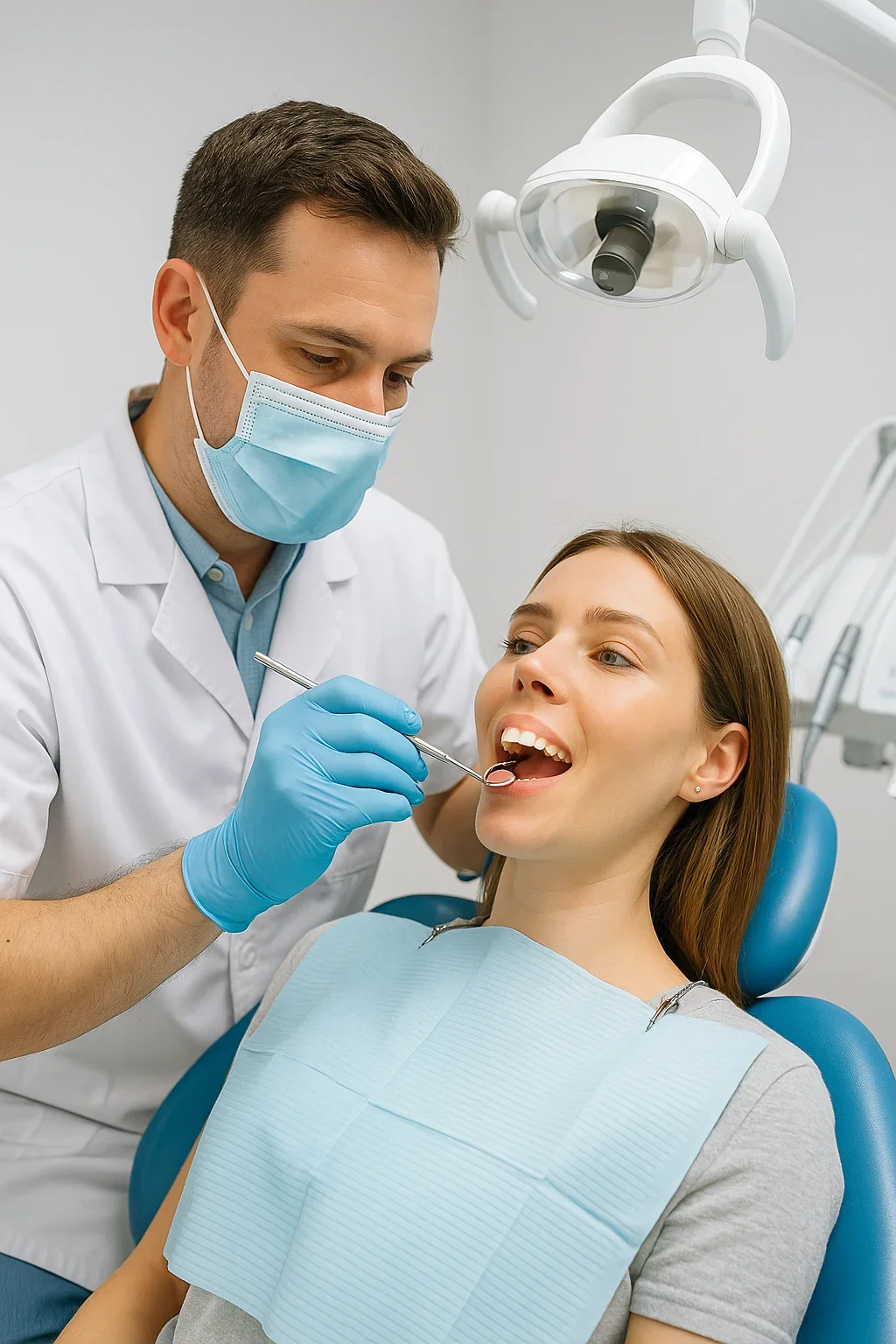
How to Choose the Best Clean and Check Up Dentist for Your Needs
Choosing the right clean and check up dentist is one of the most important decisions you can make for your long-term oral and general health. Not all dental clinics offer the same level of care, technology, expertise, or patient experience. The ideal dentist should make you feel comfortable, provide high-quality preventive care, use modern tools, and understand your personal oral health needs. This section provides a deeply detailed, step-by-step guide on how to evaluate a dentist, what criteria matter most, what questions to ask, and how to make a confident, informed decision. 🦷💡
Evaluating Professional Qualifications and Experience
Your first step should be verifying the dentist’s education, licensing, certifications, and years of experience. A qualified clean and check up dentist should have an accredited dental degree and be registered with recognized dental boards.
Key Qualifications to Look For
- Accredited dental school degree (DDS or DMD)
- Active license to practice dentistry
- Membership in professional organizations like the American Dental Association
- Continuing education or specialty training
- Experience with preventive and diagnostic procedures
A well-trained dentist is better equipped to spot early signs of disease, perform detailed cleanings, and ensure your long-term health.
Assessing the Clinic’s Technology and Modern Equipment
A top-quality clean and check up dentist should use modern tools, digital imaging, ultrasonic cleaning devices, and advanced diagnostic techniques. Technology significantly improves accuracy, comfort, and the ability to detect issues early.
Technology to Look For
- Digital X-rays
- Intraoral cameras
- 3D dental scanners
- Ultrasonic scalers
- Laser-assisted cleaning tools
When clinics invest in modern equipment, it demonstrates their commitment to providing the highest standard of care.
Checking Patient Reviews and Reputation
Online reviews are one of the most reliable ways to assess a dental clinic’s performance. A reputable clean and check up dentist will have consistent positive feedback across multiple platforms.
Platforms to Review
- Google Reviews
- Healthgrades
- Facebook reviews
- Local dental directories
Pay close attention to comments about professionalism, cleanliness, wait times, communication, and patient comfort.
Evaluating Communication and Care Philosophy
A great dentist listens carefully, explains procedures clearly, and values patient education. When evaluating your options, consider how the dentist interacts with you. Does the clinic take time to answer your questions? Do they explain the cleaning process step by step? Do they create a personalized plan based on your oral health challenges?
A compassionate clean and check up dentist should make you feel at ease, especially if you have dental anxiety or special concerns.
Determining If the Clinic Offers Comprehensive Care
While you’re primarily seeking routine dental cleanings and check-ups, it is ideal to choose a clinic that offers a wide range of services. This allows you to receive consistent care in one location without having to switch clinics for additional treatments.
Services a Good Clinic Should Offer
- Routine cleanings and exams
- Gum disease treatment
- Dental fillings
- Teeth whitening
- Crowns, bridges, and restorative care
- Orthodontic evaluations
The more comprehensive the services, the easier it is to maintain long-term continuity.
Comfort, Environment, and Patient Experience
The environment at the dental clinic plays a major role in your overall experience. A clean, modern, and well-organized setting shows professionalism and respect for patients. When you enter the clinic, observe whether the staff is welcoming, whether the waiting room is clean, and whether the dental rooms appear hygienic.
A clean and check up dentist should also be gentle and attentive, especially during cleanings and evaluations.
Comfort Factors to Consider
- Friendly staff and communication
- Comfortable seating and ambiance
- Availability of amenities (water, Wi-Fi, screens)
- Clear explanation of procedures
- Willingness to accommodate nervous patients
Clinic Location, Availability, and Appointment Flexibility
Convenience matters. Choose a dentist located near your home or workplace, and make sure the clinic offers appointment times that suit your schedule. A reliable clean and check up dentist should offer flexible hours, including weekend or evening options if possible.
Scheduling Considerations
- How soon can they schedule cleanings?
- Do they offer emergency visits?
- Are appointment reminders provided?
- Is online booking available?
Easy scheduling improves consistency and prevents missed check-ups.
Insurance, Pricing, and Transparency
Understanding costs in advance prevents surprises. A trustworthy clinic explains all fees clearly—X-rays, cleanings, fluoride treatments, and exams. If you have insurance, confirm that the clinic accepts your plan.
Estimated Price Ranges (Based on Online Research)
Routine Dental Cleaning: $70–$150
Dental Exam: $50–$120
Dental X-Rays: $25–$100
Fluoride Treatment: $20–$50
A clean and check up dentist will always be transparent about costs and help you understand your benefits.
Considering Long-Term Relationship Potential
You’re not just choosing a dentist for today—you’re choosing a long-term partner in your oral health journey. Consistency with one provider allows them to track changes over time, monitor emerging issues, and build a personalized preventive plan.
A great clean and check up dentist remembers your preferences, dental history, treatment sensitivities, and personal goals—and adjusts care accordingly.
Taking the Final Step: Scheduling a Consultation
Once you have assessed all these factors, scheduling a consultation is the best way to get a feel for the clinic. Ask questions, observe their approach, and gauge whether you feel comfortable trusting them with your oral health.
If you’re looking for a reliable and patient-focused clinic, consider visiting
Redent Klinik Contact Page.
Their team offers advanced preventive care and a patient-centered approach.
Choosing the right clean and check up dentist ensures that your dental experience is positive, safe, and effective. By evaluating qualifications, technology, patient reviews, communication style, and overall atmosphere, you can make a confident decision that supports your long-term oral and general well-being.