
Understanding the teeth invisalign price is one of the first things patients research when considering clear aligners. Invisalign has become one of the most preferred modern orthodontic treatments thanks to its comfort, aesthetic design, and predictable results. However, many people still wonder why prices vary so much, what affects the overall treatment cost, and how they can estimate the total investment for their smile. This comprehensive guide explains everything clearly, helping you make an informed decision 😊.
Before diving into the details, it’s important to know that the teeth invisalign price is influenced by many factors such as case complexity, clinic location, dentist experience, and the number of trays needed throughout the treatment. Because Invisalign treatment is customized for every patient, the cost reflects your personal orthodontic needs. Patients with mild crowding usually require fewer aligners, while those with severe spacing or bite issues require more advanced planning and a longer treatment duration.
One of the main reasons people search for Invisalign is its nearly invisible appearance. Traditional metal braces are effective but come with disadvantages such as visible brackets, dietary limitations, and discomfort. Invisalign aligners, on the other hand, are removable, smooth, and aesthetically pleasing. This comfort and convenience significantly increase their demand, which naturally affects the teeth invisalign price. The premium material and advanced technology used to scan, design, and manufacture the aligners also play a major role in total treatment costs 🔍.
When investigating the teeth invisalign price, patients should also consider the digital planning stage. Invisalign uses a specialized 3D system called ClinCheck, which creates a virtual model of your teeth. This model simulates each stage of the movement and predicts the final smile transformation. The planning itself requires expertise and time, and therefore, clinics with more experience may charge slightly more—but they also tend to deliver more predictable results. Paying more for expertise often saves patients from long-term corrections or additional treatments.
Geographical differences also matter. For example, treatment in the United States or Western Europe is often higher compared to Turkey, the UAE, or Eastern Europe. Many patients choose countries like Turkey because the teeth invisalign price is significantly more affordable while still receiving high-quality dental care. This is one of the reasons dental tourism has grown rapidly in recent years. Patients travel, get treated by expert orthodontists, and enjoy a cost-effective solution without compromising on quality.
Let’s also consider care and maintenance. Invisalign aligners must be cleaned daily, and patients need to follow instructions to achieve the best results. Wearing the aligners for at least 20–22 hours per day is essential. Failure to do so may extend treatment time and increase the cost if additional aligners are needed. Although rare, some patients require refinement aligners, which can slightly increase the teeth invisalign price. Understanding this beforehand helps manage expectations and motivates patients to stay disciplined throughout the treatment ⏱️.
For patients planning treatment, it’s helpful to understand that the teeth invisalign price is not simply the cost of plastic trays. Instead, it covers a full package including consultations, digital scans, aligner design, manufacturer fees, dentist supervision, follow-up visits, and final retention. Retainers are crucial after Invisalign because they prevent your teeth from shifting back. Many clinics include retainers in their package, while others charge separately. Knowing this in advance eliminates unexpected expenses and gives you a more accurate cost overview.
Below is a general benchmark collected through publicly available online sources. These are approximate ranges to help patients understand the typical teeth invisalign price worldwide:
United States: $3,500 – $8,000
United Kingdom: £2,500 – £5,000
Canada: $4,000 – $8,500 CAD
Australia: $4,000 – $7,500 AUD
Turkey: $1,500 – $3,000
Europe (General): €2,500 – €6,000
These numbers vary, but they provide a realistic expectation. Many patients are surprised to learn how much they can save by choosing a different country—especially Turkey, where modern clinics, experienced orthodontists, and competitive pricing work together to create an ideal balance. If you want personalized guidance or would like to reach a clinic for a tailored quote, you can visit the
Redent Klinik Contact Page.
For more authoritative dental information, you can also explore the
American Dental Association
website, which provides science-backed insights on orthodontic care and oral health.
Understanding the detailed breakdown behind the teeth invisalign price gives patients clarity and confidence. Instead of worrying about numbers, you can now focus on choosing the right clinic, ensuring proper follow-up, and committing to the daily routine that guarantees a beautiful smile. Whether you are comparing prices internationally or evaluating Invisalign against other orthodontic options, this guide empowers you to make the best decision for your oral health and long-term satisfaction 🌟.
In the next section, we will explore the global factors influencing Invisalign cost in even more detail.
Factors That Influence Teeth Invisalign Price Globally
When patients begin researching the teeth invisalign price, one of the first questions they ask is: “Why does the cost vary so much from one clinic or country to another?” The truth is that Invisalign is a highly customized treatment, influenced by many variables—some patient-specific and others related to the clinic, region, or technology involved. Understanding these factors in depth helps you accurately estimate what your final treatment cost might be and ensures you can compare clinics in a fair, informed way 🌍.
The Complexity of the Orthodontic Case
The number one factor affecting the teeth invisalign price is the complexity of your dental situation. For example:
- Minor crowding or spacing cases usually require fewer aligner trays.
- Moderate misalignment may require mid-level treatment packages.
- Severe bite issues (overbite, underbite, crossbite) often need advanced planning and more stages.
The more aligners you need, the higher the overall cost becomes. This is because each set of aligners must be digitally designed and manufactured individually. In mild cosmetic cases, the treatment might only last 3–6 months, but complex orthodontic corrections may extend to 18–24 months. As complexity increases, so does the teeth invisalign price, because clinics must dedicate more time, expertise, and digital planning to achieve the desired results.
The Experience of the Dentist or Orthodontist
Another important factor that influences the teeth invisalign price is the skill level of the provider. Invisalign categorizes dentists by their case experience—such as Bronze, Silver, Gold, Platinum, or Diamond providers. Diamond-level orthodontists treat hundreds of Invisalign cases per year, which makes them more efficient and precise in designing treatment plans.
Higher expertise often comes with slightly higher fees, but it also reduces the risk of complications or extended treatment times. Many patients willingly choose an experienced provider because achieving the ideal smile in a shorter period often outweighs cost differences. Investing in an expert can help avoid refinements, unnecessary adjustments, or long-term instability—ultimately balancing the teeth invisalign price with guaranteed quality.
Geographical Region and Country-Based Price Differences
Global prices vary extensively depending on where you get treated. For example, countries like the United States, Canada, the United Kingdom, Germany, and Australia often have higher clinic operating costs, labor rates, and insurance overheads. This contributes directly to the teeth invisalign price.
On the other hand, countries such as Turkey, Poland, Mexico, and Hungary can offer top-tier orthodontic care at significantly lower prices due to local economic differences. Dental tourism has become increasingly popular for this reason. Many international patients fly to Turkey not only to save money but to access highly experienced orthodontists who often specialize in digital dentistry and clear aligner systems.
Regional Price Comparison (Approximate Ranges)
United States: $3,500 – $8,000
United Kingdom: £2,500 – £5,000
Australia: $4,000 – $7,500 AUD
Germany: €3,000 – €6,500
Turkey: $1,500 – $3,000
Europe (General): €2,500 – €6,000
These ranges are collected from open online resources and help patients understand the diversity of global pricing. While Turkey offers significantly lower costs, many clinics still operate at international standards—making it a high-value destination for those looking to balance quality with affordability.
Technology and Clinic Infrastructure
Modern clinics equipped with the latest dental technology often have slightly higher pricing. However, these tools can improve accuracy, shorten treatment time, and enhance comfort. The teeth invisalign price reflects the quality of the technology behind it, such as:
- 3D digital scanning systems like iTero instead of traditional molds
- AI-driven treatment planning for precise tooth movement
- Advanced imaging software that predicts the final smile
Clinics that invest in advanced technology deliver more predictable results, fewer refinements, and better long-term stability—three major benefits that justify the cost for many patients.
Invisalign Package Type: Lite, Moderate, or Full
Invisalign offers different treatment levels:
- Invisalign Express / Lite: For minor corrections — lower cost
- Invisalign Moderate: For medium-level crowding or spacing
- Invisalign Full / Comprehensive: For complex bite issues — higher cost
Your package type directly affects the teeth invisalign price. Comprehensive packages often include unlimited aligners, refinements, and retainers, making them ideal for complicated cases.
Number of Refinement Aligners Required
Refinements are additional sets of aligners used when teeth need extra adjustments at the end of treatment. Many clinics include refinements in their package, but some charge separately. If refinements are needed, they increase the teeth invisalign price slightly. Patients who follow wearing instructions (20–22 hours per day) usually require fewer refinements.
Follow-Up Visits and Treatment Monitoring
Dentists must regularly evaluate your progress—sometimes monthly, sometimes every 6–8 weeks depending on your case. Clinics that provide more detailed monitoring (including remote check-ins via apps) often structure this into the total teeth invisalign price. High-quality monitoring ensures your teeth move correctly and safely.
Retention After Treatment
Retainers are essential to maintain your new smile. Some clinics include retainers within the package, while others charge for them separately. Retainers can influence the final teeth invisalign price, especially if multiple sets are needed over time.
Overall, understanding the factors that shape the teeth invisalign price helps you make better decisions when comparing providers. If you want personalized cost information or wish to speak with a clinic that offers transparent pricing, you may visit
Redent Klinik Contact Page.
For authoritative dental science and orthodontic guidelines, you can also review the
American Dental Association
website, a trusted source for up-to-date oral health standards.
How Invisalign Works: Step-By-Step Treatment Overview
Understanding how Invisalign treatment works is essential for interpreting the teeth invisalign price and evaluating the true value you receive. Unlike traditional braces, Invisalign relies on a series of transparent, removable aligners created through advanced 3D digital technology. Each aligner gently shifts your teeth into the desired position over time. This section explains the full step-by-step process so patients know exactly what happens before, during, and after treatment 🌟.
Initial Consultation and Oral Assessment
The journey begins with an in-depth consultation. During this appointment, the dentist evaluates your teeth, gums, bite, and general oral health. They also identify whether Invisalign is the right solution for your orthodontic needs. This stage is extremely important because it determines the overall complexity of the case, which directly affects the teeth invisalign price.
If your dental issues involve mild spacing or simple crowding, you may require fewer aligners—lowering the total cost. However, if you have complex misalignments, deep bite problems, or jaw irregularities, the treatment plan will be more advanced, requiring more time, expertise, and aligner stages.
3D Digital Scanning with iTero or Similar Devices
Invisalign treatment begins by capturing detailed digital impressions of your teeth. Instead of messy traditional molds, dentists use intraoral scanners like iTero. This step takes only a few minutes and produces a highly accurate 3D model of your dental structure.
High-tech digital scanning improves accuracy and reduces the need for adjustments later in treatment. This technology is part of what influences the teeth invisalign price, as clinics with advanced scanners typically deliver faster and more predictable orthodontic results.
Why Digital Scanning Matters
- Provides real-time visual feedback for patients
- Ensures more precise aligner fabrication
- Reduces fit issues and refinement needs
- Allows dentists to simulate the full tooth movement plan
This simulation is called ClinCheck, and it is the foundation of the entire Invisalign process.
ClinCheck: The Digital Treatment Planning Stage
ClinCheck is the software Invisalign uses to predict how your teeth will move through each stage of the treatment. The dentist designs your smile virtually, step by step, controlling which tooth moves when and how fast. This planning stage heavily affects the teeth invisalign price because it requires expertise, precision, and time.
Experienced dentists who handle hundreds of Invisalign cases per year are more skilled at designing efficient treatment plans. This level of proficiency can reduce treatment time, minimize refinements, and improve your final smile results.
What Happens During the ClinCheck Design?
- Each tooth is analyzed individually.
- Movement is planned by micrometers and angles.
- Dates for each aligner stage are digitally assigned.
- Your final smile preview is generated before treatment even begins.
Because the ClinCheck plan dictates how many aligners you will need, it directly influences the total teeth invisalign price. More aligners mean higher manufacturing costs and more dentist supervision.
Receiving Your Custom Aligner Sets
Once approved, your aligners are manufactured and delivered to your clinic. A typical Invisalign set may contain anywhere from 10 to 50 aligners, depending on case complexity. Each aligner is worn for about 1–2 weeks before switching to the next one. These transparent aligners apply controlled, gentle pressure to guide teeth into the correct positions.
Patients also receive detailed instructions on wearing schedules, cleaning routines, and progress checks. Mistakes such as wearing aligners for fewer than 20–22 hours per day can extend treatment time, indirectly influencing the overall teeth invisalign price if refinements are needed.
Attachments and Elastics (If Needed)
Some patients require additional tools to help teeth move more efficiently. These are:
- Attachments: Tooth-colored composite bumps placed on teeth to improve aligner grip.
- Elastics: Small rubber bands that help correct bite issues.
These elements are included in the standard treatment process and help ensure predictable outcomes without significantly impacting the teeth invisalign price. However, their use makes treatment more effective and may shorten overall duration when applied correctly.
Progress Checkups and Monitoring
Your dentist will schedule regular checkups every 4–8 weeks to ensure your teeth are moving as planned. Some clinics also offer virtual check-ins, where patients send photos through an app. These visits keep your treatment on track and can prevent complications.
Monitoring quality also plays a role in the teeth invisalign price: clinics offering high-level supervision ensure better results and fewer refinements.
Refinement Aligners (When Required)
Refinements are extra aligners made when teeth need a little more adjustment at the end of treatment. Some clinics include refinements in the initial package, while others charge separately. Since refinements involve new digital planning and manufacturing, they can slightly increase the total teeth invisalign price.
Retention Phase: Keeping the Results Permanent
Once treatment ends, patients receive retainers to maintain their new smile. Without retainers, teeth naturally drift back toward their previous positions. Depending on your clinic, retainers may be included or billed separately, affecting your long-term teeth invisalign price. Many dentists recommend replacing retainers every few years for best results.
To learn more about treatment options or to request personalized cost information, you may visit
Redent Klinik Contact Page.
For scientific guidance on dental health and orthodontics, you can explore the
American Dental Association
website, a reputable resource worldwide.
Now that you understand the full process, you can better evaluate why the teeth invisalign price varies and how each stage contributes to successful, long-lasting smile results 😊.
Comparing Invisalign to Traditional Braces: Cost & Comfort
Many patients begin orthodontic research by comparing Invisalign with traditional metal braces, especially when trying to understand the teeth invisalign price and whether the investment is worth it. Both treatments aim to align teeth and improve bite function, but they differ significantly in comfort, aesthetics, maintenance, treatment duration, and overall patient experience. In this detailed comparison, we break down every aspect to help you evaluate which method best suits your personal orthodontic goals 😊.
Aesthetic Differences: Clear Aligners vs. Metal Brackets
The most obvious difference between Invisalign and traditional braces is appearance. Invisalign aligners are made from clear, smooth plastic, making them virtually invisible in daily interactions. This is especially appealing to adults, professionals, and teenagers who want subtle orthodontic correction. Traditional braces, however, rely on metal brackets and wires, which are highly visible.
Because of the aesthetic advantage, many patients accept the teeth invisalign price as a worthwhile investment. Clear aligners help patients feel more confident during treatment, especially in social and professional environments.
Visual Considerations
- Invisalign: Transparent, discreet, removable.
- Braces: Visible metal or ceramic brackets.
- Lingual braces: Hidden behind the teeth but expensive and less comfortable.
Comfort Level and Daily Experience
Comfort plays a major role when comparing orthodontic options. Invisalign aligners are smooth with no sharp edges, reducing the likelihood of mouth irritation. Traditional braces, on the other hand, can cause friction sores or discomfort from wires and brackets.
This difference contributes to the perceived value behind the teeth invisalign price. Patients often choose Invisalign because it provides a significantly more comfortable daily experience, especially for long-term treatment plans.
Comfort Comparison
- Invisalign: Gentle pressure, no wires, no metal irritation.
- Braces: Wires may poke cheeks, adjustments can be painful.
Maintenance and Oral Hygiene
Oral hygiene is much easier with Invisalign because the aligners are removable. Patients simply take them out to brush, floss, and eat. Braces, however, require special flossing tools, interdental brushes, and more frequent cleaning to prevent plaque buildup.
For people who value convenience and cleanliness, this aspect significantly justifies the teeth invisalign price, especially since maintaining good oral hygiene during orthodontic treatment is essential for long-term dental health.
Eating and Dietary Restrictions
Traditional braces restrict certain foods such as popcorn, nuts, hard candy, and sticky items, which may damage wires or brackets. Invisalign has no such restrictions because the aligners are removed during meals.
Patients who prioritize lifestyle flexibility often consider this one of the strongest reasons behind the higher teeth invisalign price in comparison with braces.
Treatment Duration: Which One Is Faster?
Treatment length varies depending on the orthodontic case. In mild to moderate situations, Invisalign can achieve results faster than braces because each aligner is designed with precise incremental tooth movements. However, for highly complex cases, braces may provide more control.
Typical Treatment Timelines
- Invisalign: 6–18 months for most cases
- Braces: 16–24 months for typical cases
The number of aligners needed directly impacts the teeth invisalign price. More aligners mean longer treatment and higher costs. However, the predictability of digital planning often allows Invisalign to reduce total treatment time.
Precision and Predictability
Invisalign’s digital planning process (ClinCheck) gives dentists a high level of control over tooth movement. Patients can preview their treatment outcome before starting. Braces, while effective, rely on manual adjustments, which can sometimes involve trial and error.
This advanced technology is one of the reasons why the teeth invisalign price reflects a premium orthodontic experience. You receive a highly customized plan made from 3D imaging and simulation.
Cost Comparison: Invisalign vs. Braces
Cost is a major deciding factor for many patients. Traditional braces usually fall on the lower end of orthodontic pricing, while the teeth invisalign price is typically higher due to advanced technology, removable aligners, digital planning, and premium materials.
General Price Comparison (Approximate)
Invisalign: $3,000 – $8,000
Traditional Braces: $2,000 – $6,000
Lingual Braces: $7,000 – $12,000
Ceramic Braces: $4,000 – $8,000
These estimates vary by region, provider experience, and case complexity. Although Invisalign may cost more, many patients choose it for comfort, aesthetics, and lifestyle flexibility.
Follow-Up Visits and Monitoring Differences
Braces require frequent adjustments, usually every 4 weeks, to tighten wires and control movement. Invisalign, however, often requires fewer in-person visits because aligners follow a pre-planned path.
Fewer clinic visits add value to the teeth invisalign price by saving patients time—especially for working adults or those living far from their dental clinic.
Breakage and Emergencies
Traditional braces sometimes require emergency appointments for broken brackets or poking wires. Invisalign rarely has such issues because aligners do not involve metal components. This lowers the risk of unexpected discomfort or additional treatment needs.
Long-Term Results and Retainers
Both Invisalign and braces require retainers after treatment. Maintaining results is equally important for both methods. Retainers keep the teeth in place and prevent shifting.
Depending on the clinic, retainers may be included or billed separately, slightly affecting the final teeth invisalign price. Many patients appreciate that retainers are identical regardless of treatment method.
To explore treatment options or receive personalized cost information, you may contact the clinic directly through the
Redent Klinik Contact Page.
For scientifically reliable information on orthodontics and oral health, you may also visit the
American Dental Association
website, a widely trusted authority.
Understanding the differences between Invisalign and traditional braces empowers you to make a confident, well-informed decision about your orthodontic journey. The teeth invisalign price reflects not only the aligners themselves but the comfort, technology, and lifestyle advantages that come with the treatment 😄.
Regional Teeth Invisalign Price Differences (US, UK, Turkey, EU)
One of the most frequently asked questions among patients considering clear aligner treatment is: “Why does the teeth invisalign price vary so much between countries?” The truth is that Invisalign is a global brand, but dental economics differ from region to region. Factors such as labor costs, clinic operating expenses, material import costs, insurance systems, and local competition greatly affect the final price patients pay. In this comprehensive guide, we explore Invisalign pricing in the United States, the United Kingdom, Europe, and Turkey to give you a clear, global perspective 🌎.
Why Geography Plays a Major Role in Invisalign Costs
Although Invisalign uses the same manufacturing technology worldwide, the teeth invisalign price is far from standardized. Everything from currency strength to dentist salaries can influence the total cost. For example, clinics in high-cost metropolitan areas generally charge more because they must account for higher rent, staff salaries, equipment, and insurance obligations.
On the other hand, countries with lower operating costs can offer the same high-quality treatment at a much more affordable price. This is why dental tourism—especially for treatments like Invisalign—has grown significantly in recent years. Patients often travel to countries like Turkey to save money while still receiving premium orthodontic care.
Invisalign Pricing in the United States
The United States often has some of the highest Invisalign prices in the world. This is mainly due to higher clinical overhead, higher orthodontist wages, and a more complex medical insurance system. Because of these factors, the teeth invisalign price in the U.S. is typically higher compared to many other regions.
Average U.S. Invisalign Price Range
United States: $3,500 – $8,000
Major Cities (NY, LA, Miami): $5,000 – $9,500
Small Cities / Suburbs: $3,200 – $6,000
Patients with high dental insurance coverage may receive partial reimbursement, but this varies widely depending on the plan. Many patients still pay out-of-pocket for a significant portion of their Invisalign treatment.
Invisalign Pricing in the United Kingdom
The United Kingdom has moderate to high Invisalign prices. Clinics in London and southern England usually charge more due to higher regional costs. The teeth invisalign price in the UK also depends on the dentist’s Invisalign provider level (Bronze, Gold, Platinum, or Diamond).
Average UK Invisalign Price Range
United Kingdom: £2,500 – £5,000
London & Major Cities: £3,500 – £6,000
Northern UK: £2,000 – £4,000
Because orthodontic treatments are rarely covered by the NHS for adults, most patients rely on private clinics. This makes accurate price comparison essential.
Invisalign Pricing Across Europe
Europe offers a wide range of Invisalign costs depending on the country. Western European nations such as Germany, France, the Netherlands, and Switzerland usually have higher prices due to strong economies and higher clinic operation costs. Meanwhile, Eastern European countries offer more affordable pricing structures without compromising quality.
Average European Invisalign Price Range
Germany: €3,000 – €6,500
France: €3,000 – €6,000
Netherlands: €3,500 – €7,000
Spain: €2,500 – €5,000
Poland/Hungary: €1,800 – €3,500
Patients living in Western Europe often travel to nearby countries for more affordable dental solutions. Since Invisalign aligners are manufactured through the same global system, the quality remains consistent regardless of treatment location.
Invisalign Pricing in Turkey: A Leading Global Destination
Turkey has become one of the top destinations for dental tourism, especially for Invisalign. High-quality clinics, experienced orthodontists, and significantly lower treatment costs make Turkey especially appealing to international patients. The teeth invisalign price in Turkey is often 50–70% lower than in the U.S. or Western Europe.
Average Invisalign Price Range in Turkey
Turkey: $1,500 – $3,000
Istanbul Premium Clinics: $2,000 – $3,500
Ankara / Izmir: $1,500 – $2,500
Lower prices do not mean lower quality—Turkey has world-class clinics with modern digital dentistry equipment, 3D scanners, and internationally trained orthodontists. This allows patients to access advanced treatment at much more affordable rates.
If you want to explore Invisalign treatment options in Turkey, you may contact
Redent Klinik Contact Page
for personalized guidance and pricing details.
What Causes Price Differences Between Countries?
Several factors contribute to global variations in the teeth invisalign price:
- Cost of Living: Higher living expenses mean higher clinic costs.
- Dentist Fees: Providers in some countries charge more due to higher education or licensing costs.
- Import Taxes: Some countries charge higher import fees on dental materials.
- Competition: More clinics mean more competitive pricing.
- Health Regulations: Insurance structures and government policies may influence pricing.
Because of these variations, the teeth invisalign price changes dramatically based on where you choose to receive treatment. Many patients choose international clinics for affordability without compromising outcomes.
Is Traveling for Invisalign Worth It?
For many patients, yes. Traveling for dental treatment can reduce costs by thousands of dollars. Turkey, in particular, offers transparent pricing, English-speaking clinics, and advanced orthodontic technology. When combined with flight and accommodation savings, patients still pay significantly less than in Western countries.
For accurate and science-backed dental information, patients may also visit the
American Dental Association
website.
By understanding international cost variations, patients gain a clearer picture of the global teeth invisalign price landscape and can select the most suitable region for their dental goals and budget 🌍.
Hidden Costs to Know Before Starting Invisalign Treatment
When researching the teeth invisalign price, most patients look only at the main treatment fee. However, just like many medical or cosmetic treatments, Invisalign can involve additional costs that are not always clearly explained upfront. These hidden or optional expenses may influence the final total you pay. Understanding them in advance helps you plan your budget realistically and avoid surprises later. This section provides a fully detailed overview of every potential extra cost associated with Invisalign, helping you make informed decisions with confidence 😊.
Initial Consultation Fees
Some clinics offer free Invisalign consultations, while others charge for the first appointment. This fee may include an oral examination, digital scanning, photos, and the dentist’s initial assessment of your orthodontic condition. Although consultation costs are usually small, they contribute to the overall teeth invisalign price. Clinics in major cities or in countries with higher living costs typically charge more for these initial visits.
What to Expect During a Paid Consultation
- Full orthodontic evaluation
- Digital or manual impressions
- Bite analysis
- Preliminary aligner suitability assessment
Some clinics may even deduct the consultation fee from your treatment cost if you choose to proceed. It’s always worth asking.
3D Digital Scans and X-Rays
Not every clinic includes diagnostic imaging in the base treatment package. Digital scans, panoramic X-rays, and cephalometric X-rays are often required before designing your ClinCheck plan. These diagnostics help determine the ideal orthodontic path and ensure safe tooth movement throughout treatment.
If they are not included, these scans can increase the real teeth invisalign price. Advanced clinics that use technologies like iTero scanners often provide these services as part of the main fee, while smaller clinics may charge separately.
Attachments and Additional Adjustments
Attachments are small, tooth-colored bumps temporarily bonded to teeth to enhance aligner grip. While attachments are part of the standard protocol, some clinics may charge extra for placement or maintenance. Although these costs are not always significant, they contribute to the overall teeth invisalign price—especially for more complex cases requiring multiple attachments or elastics.
Potential Additional Adjustments
- IPR (Interproximal Reduction) polishing
- Attachment replacements
- Bite ramps or precision cuts
These adjustments improve treatment efficiency but may lead to small additional expenses.
Refinement Aligners (Extra Aligners at the End)
Most Invisalign treatments require one or more refinement stages to perfect the bite or polish small corrections. While many clinics include unlimited refinements in their package, others charge separately for additional aligner sets. Refinements involve new scans and aligner production, which affect the real teeth invisalign price.
Patients who do not wear aligners for the recommended 20–22 hours per day often require more refinements, resulting in increased costs. This is why compliance is essential.
Lost or Damaged Aligners
Accidents happen—aligners can get lost, thrown away, broken, or damaged by heat. Replacement aligners incur extra fees, and the cost varies depending on the clinic and your treatment package. In some cases, multiple lost aligners may significantly increase the overall teeth invisalign price, especially if treatment timing becomes delayed.
How to Avoid Replacement Costs
- Always store aligners in their case during meals.
- Keep them away from pets—dogs love chewing aligners!
- Never wash aligners with hot water.
Being careful can prevent unnecessary extra fees.
Follow-Up Visits and Progress Evaluations
Some clinics schedule many in-person appointments, while others use digital monitoring tools. If your clinic charges per visit, follow-up appointments may increase the teeth invisalign price. While many clinics include regular checkups in their full-package pricing, not all do. Patients should confirm what is included.
Retainers After Treatment
Retainers are crucial after Invisalign because they keep teeth from shifting back to their old positions. However, retainers are not always included in the base treatment cost. Many clinics charge separately for removable retainers or bonded permanent retainers.
Typical Retainer Options
- Vivera retainers: High-quality Invisalign retainers sold in sets of three.
- Hawley retainers: Metal and acrylic retainers used for long-term stability.
- Fixed retainers: A thin wire bonded behind the teeth.
Retainers can add several hundred dollars to the total teeth invisalign price, depending on the type and quantity.
Teeth Whitening or Cosmetic Add-Ons
Many patients choose to whiten their teeth after completing Invisalign, especially before receiving their final retainers. Whitening kits, in-office bleaching, and cosmetic bonding procedures are optional but commonly added after orthodontic treatment.
Although separate from the main teeth invisalign price, these cosmetic upgrades contribute to the total smile makeover cost.
Emergency Appointments and Repairs
Although rare, some patients may experience slight discomfort, attachment loss, or aligner deformation. Depending on the clinic, emergency visits may be billed separately. Patients should confirm emergency fee policies beforehand to understand all potential costs.
Payment Plans, Discounts, and Financing Options
Many clinics offer flexible payment plans or discounts. These do not reduce the official teeth invisalign price but make it easier to manage. Some clinics offer:
- 0% interest financing
- Monthly installment plans
- Seasonal promotions
- Student or family discounts
Choosing the right payment structure can significantly reduce financial stress throughout the treatment process.
If you want personalized price details or a transparent breakdown of all potential costs, you can contact
Redent Klinik Contact Page.
For scientifically verified information regarding orthodontics, dental standards, and best practices, visit the
American Dental Association.
By understanding these hidden expenses, patients can better calculate the final teeth invisalign price and avoid unexpected financial surprises. Proper planning ensures a smooth, predictable, and satisfying Invisalign experience 😄.
Invisalign vs. Traditional Braces: Which One Is More Cost-Effective?
When comparing orthodontic options, one of the most common questions patients ask is whether Invisalign or traditional metal braces offer better value. This involves much more than just looking at the teeth invisalign price. Cost-effectiveness also depends on comfort, aesthetics, treatment duration, lifestyle compatibility, maintenance requirements, and long-term oral health outcomes. In this comprehensive section, we break down every factor to help patients understand the financial and practical differences between these two popular orthodontic treatments 😄.
Upfront Cost Comparison
At first glance, many people notice that the teeth invisalign price can be slightly higher compared to standard metal braces. Metal braces typically fall on the lower end of orthodontic pricing, especially in clinics that rely on conventional materials. However, Invisalign uses advanced 3D digital planning, laser-precision manufacturing, and medical-grade SmartTrack material, all of which contribute to the cost. Understanding these differences helps explain why Invisalign sometimes has a higher initial fee.
Typical Global Cost Ranges (Based on Online Public Data)
Invisalign: $3,000 – $8,000
Metal Braces: $2,000 – $6,000
Ceramic Braces: $3,500 – $7,000
Lingual Braces (Behind Teeth): $6,000 – $11,000
While metal braces may seem cheaper, the overall value of Invisalign often outweighs the difference—especially for adults who prioritize comfort and aesthetics.
Aesthetic Differences and Lifestyle Impact
Traditional braces are highly visible, which can affect confidence, especially for adults or individuals in public-facing careers. Invisalign aligners, however, are almost invisible. This is one of the strongest reasons people willingly pay the standard teeth invisalign price.
Advantages of Invisalign for Everyday Life
- Clear, barely noticeable design boosts confidence in social and professional environments.
- Removable aligners allow patients to eat any food they like without restrictions.
- Easier brushing and flossing helps maintain excellent oral health throughout treatment.
For patients wanting a discreet treatment option that does not interrupt their lifestyle, Invisalign often becomes the more cost-effective choice in the long run.
Comfort and Pain Level Comparison
Metal braces involve brackets and wires that can irritate the inner cheeks, lips, and gums. Patients often experience mouth sores, wire pokes, and sudden sharp discomfort when wires are tightened. Invisalign eliminates these issues because the aligners are smooth and custom-fitted.
This comfort advantage contributes to the perceived value of the teeth invisalign price, especially for individuals with sensitivity or active lifestyles.
Why Invisalign Typically Feels Gentler
- Slow and controlled tooth movement reduces pressure.
- No metal components that scratch or cause injuries.
- Aligners fit snugly without rubbing against soft tissue.
Treatment Time Differences
While both Invisalign and traditional braces can achieve excellent results, Invisalign often offers more efficient timelines for mild to moderate cases. The ClinCheck 3D system calculates optimal movement, minimizing unnecessary adjustments and delays. This precision can make Invisalign more time-efficient, which increases the overall value of the teeth invisalign price.
Average Treatment Duration
- Invisalign: 6–18 months (case-dependent)
- Metal Braces: 18–24+ months
Of course, severe bite problems may still require metal braces or alternative orthodontic methods. But for most adults and teens, Invisalign offers faster results with fewer clinic visits.
Maintenance and Hygiene Requirements
Oral hygiene is more challenging with metal braces because food particles get trapped around brackets and wires. This increases the risks of plaque buildup, stains, gum inflammation, and cavities. Invisalign aligners are removable, allowing patients to maintain excellent hygiene throughout treatment.
This long-term oral health benefit improves the cost-effectiveness of the teeth invisalign price because it reduces the likelihood of costly dental repairs later.
Daily Hygiene Comparison
- Invisalign: Remove, clean, brush normally.
- Braces: Requires special brushes, floss threaders, and extended cleaning time.
Frequency of Dental Visits
Traditional braces require frequent tightening appointments—often every 4 weeks. Invisalign typically requires fewer in-clinic visits because progress is pre-planned and aligners are swapped at home every one to two weeks.
Fewer clinic visits make Invisalign more convenient for busy individuals and enhance the perceived value of the teeth invisalign price.
Predictability of Results
Invisalign uses advanced artificial intelligence and digital modeling to predict results before treatment begins. Traditional braces rely more on manual adjustments throughout the journey. This predictability adds immense value because patients know what their smile will look like before committing financially.
Why Invisalign Has Higher Predictability
- ClinCheck 3D simulation
- SmartTrack material engineered for precision
- AI-supported tooth movement mapping
Technology is one of the biggest contributors to the competitive teeth invisalign price, and it makes the investment worthwhile for many adults seeking reliable outcomes.
Which Option Is Truly More Cost-Effective?
While metal braces can be cheaper initially, Invisalign offers better aesthetics, greater comfort, shorter treatment time in many cases, and fewer disruptions to daily life. For patients prioritizing appearance, flexibility, hygiene, and predictable results, the teeth invisalign price delivers superior long-term value.
If you want a personalized comparison based on your dental condition, you may contact
Redent Klinik Contact Page.
For authoritative orthodontic guidelines, explore resources from the
American Dental Association.
Overall, Invisalign stands out as one of the most cost-effective orthodontic solutions for patients who want modern treatment advantages without compromising on efficiency, comfort, or appearance 🌟.
How to Reduce Invisalign Costs Without Compromising Quality
Many patients search for ways to make their orthodontic treatment more affordable without reducing quality or effectiveness. Understanding strategies that can lower the overall teeth invisalign price is extremely valuable, especially for those on a budget who still want a premium, comfortable, and predictable treatment experience. In this section, we explore practical, ethical, and effective ways to reduce Invisalign costs while ensuring you receive high-standard care and achieve excellent results 😊.
Choose Clinics in Countries With Lower Treatment Costs
Geographical location plays a major role in the teeth invisalign price. Countries like the United States, the United Kingdom, and Australia often have higher treatment costs due to economic factors, clinic expenses, and insurance systems. Meanwhile, high-quality clinics in Turkey, Eastern Europe, or certain parts of Asia offer significantly more affordable packages while using the same Invisalign technology.
For example, many patients travel to Turkey for orthodontic care due to its combination of expert dentists, modern clinics, and competitive pricing. This can reduce the total teeth invisalign price dramatically while maintaining top-tier standards.
Why Dental Tourism Works
- Lower operating costs for clinics
- Highly trained orthodontists with international certifications
- Affordable travel and accommodation options
- No compromise on material quality or technology
This option is ideal for patients willing to travel for safe, effective, and budget-friendly dental care.
Take Advantage of Payment Plans and Installments
Most Invisalign providers offer flexible payment options. These don’t reduce the official teeth invisalign price, but they make it significantly easier to manage. Instead of paying everything upfront, patients can break the cost into monthly installments.
Common Payment Options
- 0% interest financing
- Extended 12–24 month installment plans
- Credit-based dental financing companies
- Clinic-specific membership programs
Flexible financing allows patients to choose the plan that best fits their budget while still receiving high-quality care.
Look for Invisalign Promotions and Seasonal Discounts
Some clinics offer seasonal promotions that make the teeth invisalign price more affordable. These discounts may appear during holidays, Black Friday events, or special dental campaigns. Clinics often announce these offers on social media, newsletters, or their website.
These promotions typically include:
- Discounted consultation fees
- Percentage discounts on full treatment packages
- Free retainers included
- Complimentary whitening at the end of treatment
Patients who stay updated with local and international dental clinics can secure significant savings during these promotional periods.
Choose Invisalign Express or Lite for Mild Cases
Not everyone needs full Invisalign treatment. Many patients with minor crowding, mild spacing, or simple orthodontic issues qualify for shorter, more affordable treatment plans. These simplified versions reduce the overall teeth invisalign price substantially.
Invisalign Treatment Tiers
- Invisalign Express: 5–7 aligners for small corrections
- Invisalign Lite: Up to 14 aligners for mild adjustments
- Invisalign Moderate: Medium complexity cases
- Invisalign Full: Comprehensive treatment
Choosing the correct tier avoids unnecessary costs and reduces treatment time while maintaining excellent results.
Avoid Missing Appointments and Treatment Delays
Each delay in treatment may require additional aligners or new refinement phases. This can increase the teeth invisalign price significantly. Staying consistent with scheduled appointments and regularly changing aligners as instructed helps avoid these extra expenses.
How to Stay on Track
- Wear aligners 20–22 hours a day
- Set reminders for aligner changes
- Avoid removing aligners during unnecessary times
- Attend all virtual or in-clinic checkups
Compliance is one of the biggest factors in avoiding extra costs.
Avoid Losing or Damaging Aligners
Lost aligners are one of the most common reasons patients incur unexpected fees. Replacement trays are not always included in the initial teeth invisalign price, and repeated losses may require re-scanning or new treatment planning.
Tips to Avoid Replacement Fees
- Always use the Invisalign storage case during meals
- Never wrap aligners in napkins
- Keep aligners away from pets—dogs frequently chew them!
- Avoid hot water and extreme heat exposure
Careful daily habits can save hundreds of dollars in avoidable replacement costs.
Ask if Your Dental Insurance Covers Orthodontics
Some insurance plans partially cover orthodontic treatment, including Invisalign. Coverage varies depending on your age, location, and policy type. While insurance rarely covers the full teeth invisalign price, it can reduce the total significantly.
Insurance Elements to Check
- Orthodontic coverage limit
- Age restrictions (some insurance covers only teens)
- Out-of-network provider rules
- Annual maximum payout
Patients should contact their insurance provider for accurate eligibility details.
Avoid Overpriced Clinics Without Added Value
Some clinics charge more simply due to branding, upscale locations, or marketing. Higher cost does not always mean better results. Patients can review before–after photos, dentist expertise, patient reviews, and clinic technology before deciding. This ensures that the teeth invisalign price is justified and not inflated.
What to Evaluate Before Choosing a Clinic
- Experience level of the orthodontist
- Included services (refinements, retainers, follow-ups)
- Technology used (iTero scanners, AI tools)
- Transparent pricing policy
Choosing a clinic with high value—not just high prestige—helps you save money without sacrificing quality.
If you want personalized assessment or a transparent quote, you may reach out to
Redent Klinik Contact Page.
For reliable orthodontic standards and professional resources, visit the
American Dental Association.
By applying these strategies, patients can effectively decrease the total teeth invisalign price while still receiving excellent care and achieving a beautiful, healthy smile. Making smart, informed decisions ensures both affordability and quality in your Invisalign journey 🌟.
Global Invisalign Price Comparison: Country-by-Country Cost Breakdown
Patients researching the teeth invisalign price often wonder how costs differ across countries. Invisalign is a globally recognized orthodontic system, and while the technology remains the same everywhere, the price varies significantly due to economic factors, clinic expenses, insurance systems, dentist experience, and regional market demand. Understanding country-by-country pricing helps patients plan financially and, for some, even consider dental tourism as a cost-saving option. This detailed guide explores global pricing differences so you can make an informed and confident decision 😊.
North America: United States & Canada
North America consistently ranks among the most expensive regions for Invisalign treatment. Several factors influence the higher teeth invisalign price here, including high clinic operating costs, increased insurance complexity, and elevated living expenses. Orthodontists in the U.S. and Canada also typically invest heavily in advanced equipment and continuing education, which can elevate treatment costs.
Average Prices in North America
United States: $3,500 – $8,000
Canada: $4,000 – $8,500 CAD
Dentists with Invisalign Diamond or Platinum status often charge more due to extensive experience and a high number of completed cases. While the quality is exceptional, many patients find the overall teeth invisalign price in North America out of reach and begin exploring international options.
United Kingdom & Western Europe
In the UK and Western Europe, Invisalign prices remain high but slightly lower than the U.S. Economic conditions, labor costs, and orthodontist expertise influence these regional prices. Additionally, private dental care dominates the market, meaning patients typically pay out of pocket for Invisalign unless they have supplemental insurance.
Average Prices in Western Europe
United Kingdom: £2,500 – £5,000
Germany: €3,000 – €6,000
France: €2,800 – €5,500
Netherlands: €3,500 – €6,500
The teeth invisalign price in Europe varies by city; major metropolitan areas such as London, Paris, Munich, and Amsterdam generally charge more due to higher overhead costs.
Eastern Europe: Affordable Yet High-Quality Care
Eastern Europe has emerged as a popular destination for patients seeking more affordable Invisalign treatment. The teeth invisalign price here is significantly lower, while the standard of care remains excellent thanks to modern clinics and internationally trained orthodontists.
Average Prices in Eastern Europe
Poland: €1,800 – €3,200
Hungary: €2,000 – €3,500
Czech Republic: €2,000 – €3,800
Romania: €1,800 – €3,200
These countries offer excellent value for money, making them ideal for cost-conscious patients unwilling to compromise quality.
Turkey: The Leading Global Destination for Affordable Invisalign
Turkey is currently one of the most popular dental tourism destinations thanks to its combination of high-quality care, modern clinics, skilled orthodontists, and very competitive pricing. Patients often travel to cities like Istanbul, Antalya, or Izmir specifically to access more affordable teeth invisalign price packages.
Average Prices in Turkey
Turkey: $1,500 – $3,000
Turkey’s cost advantage is due to lower clinic operating expenses and favorable economic conditions—not lower quality. Many clinics use the latest iTero scanners, 3D mapping tools, and SMARTTrack aligner technology identical to those used in the U.S. or Europe.
For patients wanting personalized cost details, you may contact:
Redent Klinik Contact Page.
Australia & New Zealand
Australia and New Zealand offer excellent orthodontic care, but prices typically align with Western European and North American standards. The higher teeth invisalign price in this region is influenced by clinic costs, equipment import fees, and a strong demand for cosmetic dental treatments.
Average Prices in Australia & New Zealand
Australia: AUD $4,000 – $7,500
New Zealand: NZD $4,500 – $8,000
Both countries emphasize high-level dental regulation, ensuring top-quality treatment, but many patients still choose more affordable destinations for significant savings.
Middle East: A Region of Mixed Pricing Levels
In the Middle East, Invisalign pricing varies widely depending on the country. The teeth invisalign price is generally higher in places like the UAE and Qatar, while countries like Turkey (also considered part of the region geographically) offer much more affordable options.
Average Prices in the Middle East
UAE: $3,500 – $7,000
Qatar: $3,000 – $6,500
Saudi Arabia: $2,800 – $5,800
While dental technology is advanced, price-conscious patients often compare these regions with Europe or Turkey before deciding.
Asia: A Growing Market With Competitive Pricing
Countries like Thailand, Malaysia, South Korea, and India offer Invisalign treatment at competitive prices. Many clinics in Asia specialize in digital orthodontics and advanced 3D imaging, making them attractive alternatives for international patients.
Average Prices in Asia
India: $1,200 – $2,200
Thailand: $2,000 – $3,500
South Korea: $3,000 – $6,000
Malaysia: $1,800 – $3,200
Asia offers quality care at lower costs, making it ideal for dental tourism combined with vacation travel.
A Global Overview: Where Does Invisalign Cost the Most and Least?
After comparing all regions, it’s clear that the teeth invisalign price is highest in the United States, United Kingdom, and Australia. On the other hand, Turkey, Eastern Europe, India, and Malaysia offer significantly more affordable options while still maintaining excellent orthodontic standards.
For trusted dental guidelines, explore the
American Dental Association.
By understanding these price differences, patients can make smart decisions, whether choosing their local clinic or exploring global dental tourism to reduce the overall teeth invisalign price. Knowledge is power—and in this case, it can also save you thousands 🌍✨.
Is Invisalign Worth the Investment? Long-Term Benefits Explained
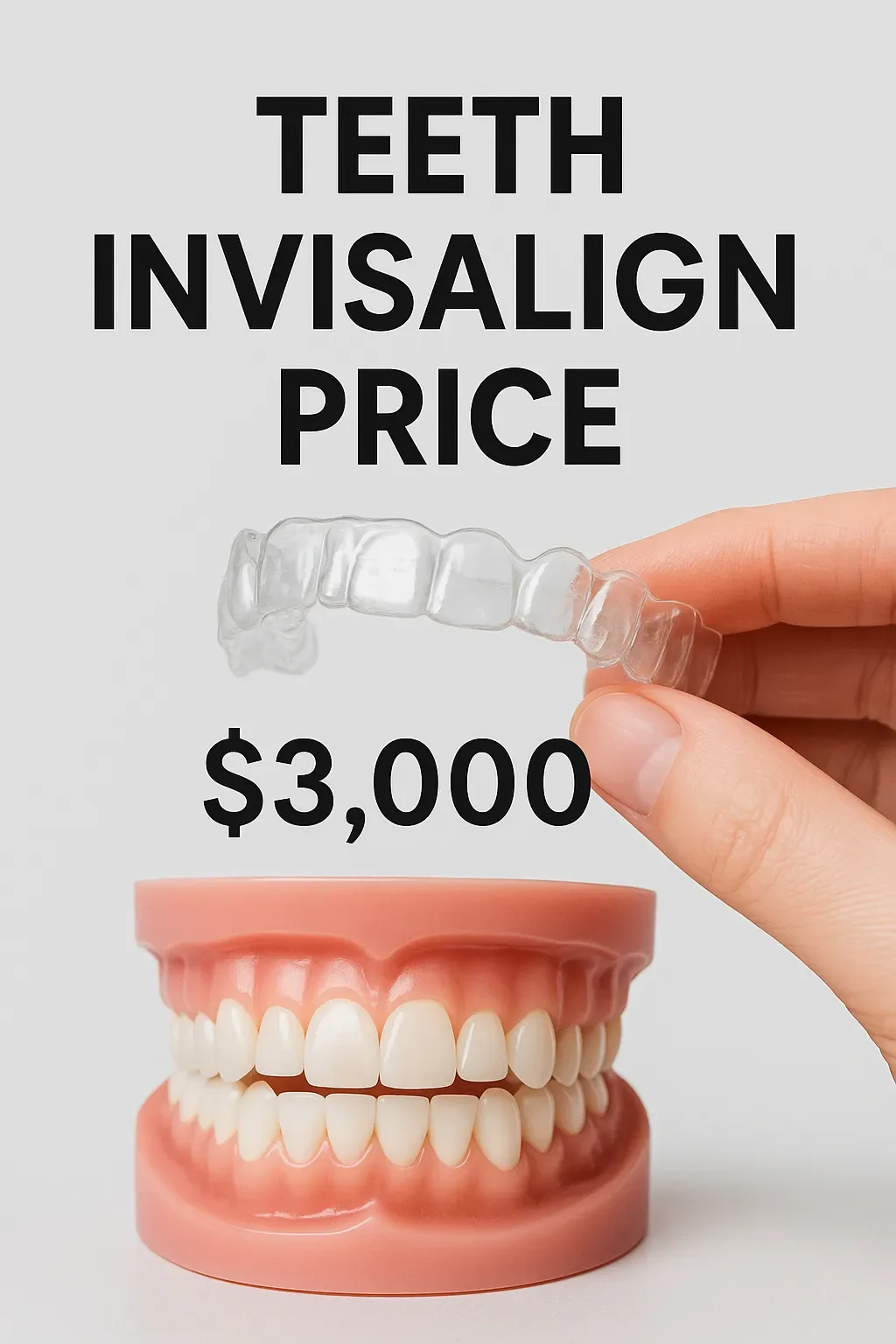
Many patients who research the teeth invisalign price eventually ask one critical question: “Is it truly worth the investment?” Invisalign is more than a cosmetic upgrade—it is a long-term oral health solution supported by advanced technology, predictable results, and lifestyle comfort. In this section, we break down the full spectrum of long-term benefits so you can understand exactly what you are paying for and why many patients consider Invisalign one of the smartest health investments they’ve ever made 😊.
Long-Term Oral Health Improvements
Straightening the teeth is not only about aesthetics—it significantly improves oral health. Misaligned teeth create areas where plaque and food accumulate, increasing the risk of cavities, gum disease, and even jaw strain. By aligning teeth properly, Invisalign reduces these risks dramatically. This means that although the teeth invisalign price may seem high at first, patients often save thousands in future dental treatments.
Key Oral Health Benefits
- Reduced risk of gum inflammation and periodontal disease
- Better bite function, reducing strain on jaw joints
- Improved chewing efficiency and digestive comfort
- Lower risk of enamel wear and tooth fractures
These benefits make Invisalign a long-lasting investment in dental health rather than just a cosmetic choice.
Enhanced Self-Confidence and Daily Comfort
Confidence plays a huge role in personal and professional life. Many patients choose Invisalign to feel more comfortable when speaking, smiling, or engaging in social interactions. Because the aligners are nearly invisible, they allow patients to undergo orthodontic treatment without self-consciousness. This is a major reason why people easily justify the teeth invisalign price.
Impact on Social and Work Life
- Improved confidence when speaking publicly
- Enhanced appearance in photos and video calls
- No restrictions on eating, drinking, or public activities
The psychological boost Invisalign provides often outweighs the financial cost for many adults and teens.
Predictable, Controlled, and Customized Treatment
Invisalign eliminates the guesswork associated with traditional methods. Using the advanced ClinCheck 3D modeling system, orthodontists plan every tooth movement digitally before treatment begins. This high level of control contributes to the overall teeth invisalign price, but it also ensures predictable and efficient results.
Advantages of Digital Planning
- Patients see their expected final smile before treatment starts
- AI-supported tooth movement increases precision
- Customized aligners for each individual stage of progress
Predictability is one of the biggest reasons Invisalign is valued as a premium orthodontic solution.
Comfort and Convenience During Treatment
Traditional braces are effective but often uncomfortable due to wires, brackets, and frequent adjustments. Invisalign aligners eliminate these challenges. Their smooth, removable, and custom-fitted design enhances daily comfort, making treatment more enjoyable. For this reason, many patients believe the teeth invisalign price is justified by the convenience and comfort alone.
Everyday Comfort Benefits
- No emergency appointments for broken wires
- No mouth sores or irritation caused by brackets
- Ability to remove aligners for meals and brushing
The removable nature of Invisalign also reduces the risk of plaque buildup, decay, and staining during orthodontic treatment.
Fewer Clinic Visits and Less Time Spent on Adjustments
Traditional braces typically require monthly tightening, meaning more frequent appointments and more time spent in the dental chair. Invisalign visits are less frequent because most of the work is done through the pre-designed aligners. For busy professionals, students, and travelers, this is a major advantage that enhances the value of the teeth invisalign price.
Why Fewer Visits Matter
- Less time away from work or school
- Reduced overall treatment burden
- More predictable scheduling
Some clinics also offer virtual check-ins, making the process even more convenient.
Long-Term Stability and Smile Retention
A properly aligned smile is easier to maintain. After Invisalign, patients use retainers to keep their teeth in place, ensuring that the results last a lifetime. Since relapse (teeth shifting back) is common with poorly executed orthodontics, the precision of Invisalign provides long-term results that make the teeth invisalign price a solid investment.
Retention Options
- Vivera retainers
- Permanent bonded retainers
- Removable clear retainers
Patients who follow retention guidelines enjoy lifelong benefits from their Invisalign investment.
Comparison With Other Cosmetic Investments
The teeth invisalign price becomes even more justified when compared to other cosmetic or medical procedures. Treatments like veneers, crowns, or gum reshaping often require invasive work and need replacement in the future. Invisalign is non-invasive, preserves natural teeth, and has long-lasting results.
If you want a personalized assessment of long-term benefits or global pricing options, you may contact:
Redent Klinik Contact Page.
For additional verified dental guidelines, you can visit the
American Dental Association.
In conclusion, Invisalign is widely considered worth the investment due to its long-term oral health benefits, comfort, predictability, and ability to transform smiles without disrupting daily life. When evaluating the teeth invisalign price, patients should consider not only the financial cost but also the lifelong advantages that come with a beautifully aligned and healthy smile 🌟.